BLISS CURRICULUM
This text was machine-transcribed from the printed book and may contain errors. Select the words and choose “Report a mistake”.
October: Week – 5 Alphabets of the Month: Q, R, S, T
Theme: Family and Friends Color of the Month: Orange, purple Shape of the Month: Oval, pentagon, hexagon
| Monday | Tuesday | Wednesday | Thursday | Friday | |
|---|---|---|---|---|---|
| CIRCLE TIME | Talk about family members, and mother and babies of all kind animals and humans. | Where does your family live. | Difference between friends and family members. | Talk about friends. Means of communicating with friends | Friends help each other. Who are my friends? Friends of the world. |
| ART | Balloon painting, make a card. | Make a family tree, sketch pen blow painting. | Collage with pencil scrap. | Make a friendship band, color pencil coloring. | Write a letter to friend, wet chalk coloring. |
| ACTIVITY | Telephone, putting socks for friends. | Blow water bubbles, building friends names | Packing gifts, matching sight words. | Packing gifts, matching sight words. | Taste box, whispering friend's name. |
| GYM | Tracing friend's body, birdy game. | Dance with the partner, dog and bone. | Do actions with the partner, green light – red light. | I sent a letter, ribbon dance | Tug of war, driving game. |
| A-Z OF FAMILUY AND FRIENS |
A- Aunt / B-B- Brother, Boy / C-C- Cousin / D-D- Daughter / E-E- Elder / F-F- Father / G- G- Grand parents / H- H- Happy / I- - Invite / J- J- Jokes, Joint families / K-K- Kind / L-L- Lovable / M-M- Mother, Maternal / N-N- Nuclear family / O-O- Old / P-P- Paternal, Pet, Pals, Peers / Q-Q- / R-R- Relation / S-S-Surprise, Secrets, Sister, Son / T-T- Twins, Teenager / U-U- Uncle / V-V- Live / W-W- Women / X-X- / Y-Y- Younger / Z-Z- |

DAY : 1
Topic: Talk about family. Mother and babies of all animals and human
Vocabulary: Family, father, mother, sister, brother, grandpa, grandma, aunt, uncle, cousins etc. Big, small, family, cub, Joey, kid, infant etc.
Material required: Picture books, my family puzzle, pictures of animals, their babies, puppets, puzzles of animal family.
Presentation: • Ask the children to describe what a family is. Help the children focus on the aspect of a family member helping each other. • Explain them a family is a group of people who are related to each other by birth, marriage etc. • Talk and ask about the members of their family like mother, father, sister, brother, grandpa, uncle, cousin etc. • Ask them how many members are there in your family, name them. • Tell them about how members care, share, and love each other. • Encourage the children to tell about their family members, their jobs etc. • Show the children the picture book or puzzle to explain in detail about family. • Show them the pictures of animal and their babies. • Illustrate to children the work done by each animal for e.g. lion will hunt for the family. • The birds will build nest before the young ones joins the family. • In same manner when dog gives birth to pup, it will take care; they will feed their babies, after few days they teach how to search for food etc. • In same manner when infants are born, the mother and father take care of them, feeds them later they help to learn how to eat, walk etc.
Assessment: • What is a family? • How many members are there in your family? • Who are they? • Whom do you love the most? • What is your father, mother, sister etc's name? • When does your mother go to office? • Who drops you at the school? • What do you do when you go home? • Do you accompany your grandpa to the park? • Who cooks food at home? • How do animals get food? • What is the difference between man and animal? • What is the young one of human being called? • What is a baby tiger called? • What is the baby cow called? • Where do animals live? • Whether the animals are eating cooked or raw food?
Closing: To make them understand about family and family members, their jobs. To make them understand the name of the young ones of different animal and the role of the family members.
Evaluation: • Social emotional skills- expressing their feelings. • Cognitive skills- recalling and classifying. • Cognitive skills- identification of young ones. • Receptive and expressive language skills- discussing the role of an individual in family
Extension: Dramatics
DAY : 2
Topic: Where does your family live. Counting family members by finger puppets.
Vocabulary: House, cook, play, work, clean etc. Big, small, nuclear, extended, numbers, young, old, infant etc.
Material required: Picture books, finger paper puppets.
Presentation: ● Ask them who drops you at the school. Encourage the children to make a list of ways the family members help each other. ● Ask them to explain the role of mother, father, grandparents etc at home. ● Ask them where you live, area etc, about the color of their house or apartment. ● Invite the children to assume family roles and work together to cook and serve dinner. ● Encourage them to write the names of the family members. ● Ask the children about the number of members in their family. ● Record their description on paper of the number of family members using tally marks for each family member. ● Ask the children to count. ● Can discuss about nuclear, extended family (joint family) through pictures or puppets. ● Nuclear family consists of parents and their children. ● Extended family may include grandparents, aunts, uncles and cousins. ● Ask the children whether they belong to nuclear or extended family. ● Ask about the age and birth date of their family members? ● Ask them to draw a family tree?
Assessment: ● Who help to clean the house? ● Who tell stories to you at bed time? ● Who cleans the car in your house? ● What is the color of your house? ● Do you help your parents at home? How do you help them? ● Who waters the plants at home? ● How do you celebrate festivals and parties? ● Who gives you medicine when you are sick? ● Who buys the provision and grocery? ● How many members are there in your family? ● How many boys and girls are there in your family? ● Is your family a nuclear or an extended? ● How many members are young in your family? ● When is your birthday? ● What is your age?
Closing: To make them understand the importance of family members, their roles, how we can help them. To make them understand the number of family members, boys, girls etc.
Evaluation: ● Social emotional skills- being independent and helping others. ● Symbolic thinking-pretend play. ● Pre writing skills- writing names of family members. ● Receptive and expressive language skills- question and answer, discussing their experiences. ● Cognitive skills- comparing and classifying. ● Pre math skills-counting the members. ● Pre writing skills-drawing a family tree.
Extension: Pretend play, make a family portrait.

DAY : 3
Topic: Pictures of family and difference between friends and family members.
Vocabulary: Short, tall, small, big, slim, fat, thin etc.
Material required: Photographs of family.
Presentation: • Encourage the children to bring family photographs to school. • Ask them the names of their family members. • Point out each member and discuss about their role and character. • Ask them to count the number of family members. • Ask when and where did they take this particular photo. • Recall previous topic, make a list of the names of members of your friend's family. • Invite the children to play grandmother, may I? Like mother, may I? • Encourage the children to make a card for their family members. • Encourage them to talk about the birthday parties, how all the members help to organize the event. • Family members are members of the family for example: brother, sister, father, mother, grandmother, grandfather etc. • Members of the family are always related to each other. • Friends are the people who are close to us and we share our views with them during difficult and happy times but not a relative to us. • Friends usually will be of same age group or peer group. • Family members will be of variable age group from babies to old age people.
Assessment: • How many members are there in your family? • Can you show your grandparent in photo? • What is your uncle or aunt's name? • Recall where did you take this photo? • How many members are there in your family? • How many sisters and brothers you have? • Who are the old people staying in your house? • Who are all your friends? • Who is your best friend and why? • How does a friend help you at the time of need? • What is a joint family? • What is a nuclear family? • What is the difference between family members and friends? • Who we called as friends?
Closing: To make them understand and identify their family members.
Evaluation: • Cognitive skills- recalling the topic. • Social emotional skills-their sweet memories, sharing their feeling. • Expressive and receptive language skills- how well they understood the topic.
DAY : 4
Topic: Talk about friends, Means of communication with friends.
Vocabulary: friendship, sharing, care, wish, gift, present, pal, letter, post e-mail, SMS, stamp, envelope, greeting card, postman, pal, peer, photos, address.
Material required: show them some pictures of friends like Barney and BJ, Dora and boots, pooh and friend's etc, post cards, inland letters, and stamps.
Presentation: • Explain the children about the importance of friends. We require people to play, share and spend time with us. • Tell them to name some friends. Talk about the need of friends. • Tell them we need them when we are in trouble, in happiness. • Tell them the qualities required for a good friend. • Explain the children how we can communicate with friends when they are far away from us or when they are not near us. Tell them the means through which we can communicate like mobile, letter, E-mail and so on. • Ask the children to talk on toy telephone give them a topic (not well, festival, friendship day). • Show the pictures or materials required to communicate. • Explain how to send a letter, email or SMS. • Talk to them about E-mail, mail ID, sending letters.
Assessment: • Which is the good quality you like, the most in your friend? • What gift would you like to give for your friend on friendship day? • What are the good things we can do for friends? • If you have too many toys and if your friend doesn't have any toy what would you prefer to do? • How many friends do you have? • How can we be a good friend to others? • Do we need friends? • How do you feel when a friend gives you a hug? • Is sharing a part of friendship? • How can you talk with your friend who is far away? • How can you communicate, invite your friend who is not next to you for your birthday party? • What is the best quality you like in your friend? • In what all ways we can communicate with our friends? • Do you all have an e-mail ID? • What is an e-mail? • How many friends you have? • Who is your best friend?
Closing: To make the children understand the importance of friends, how we play, share toys with them, and we need them in our troubles and happiness. To make them understand and know the means to communicate with friends in various ways and to make them know even if they are far away we can easily have contact with them.
Evaluation: Language skills of expressive and receptive. Pre math skills: counting of friends. Social/ emotional skills: sharing, loving, caring for others, understanding others feeling, helping. Expressive language skills: participating in conversation
Social skill; having contact with friends
Extension: Play the game of guess who? (Blindfold the child and ask another child to recite a rhyme and ask the blindfolded child to guess who it is.
• Ball or potato race. • Hand print card. Paper cup telephones (usage of juice carton). You can use empty juice cartons or cups and string to play the telephone game as the children can tell each other why they like the other person through communicating via the telephone.
Story suggestion: Pooh and his friends.
DAY : 5
Topic: Friends help each other, who are my friends? Friends of the world.
Vocabulary: Helping, cause, peer, pal, pen pals or pen friend, chatting,
Material required: Stories supporting the topic, the pictures, Pictures of pooh and friends, Barney and BJ, Envelopes, addresses.
Presentation: ● Explain to the children that friends should help each other and without any cause. ● Encourage them to help, share, and care for others. ● Tell them about the kind monkey story ( Or use other stories and ask questions relating to it). Make the children to talk about their friends and ask whether they help them. ● Tell them that we help our friends when they are in need or in trouble. ● Explain them about what is needed in good friend. ● Talk to your friend or write a note to tell how much you like. ● Ask about their memories. ● Ask them about friends at school, home etc. ● Show them their photos. ● Talk to them without seeing we can make friends. ● Tell them about e-mail friends, pen pals. ● Explain the children with address we can make friend throughout the world. ● Encourage them to write a letter to a friend . ● Tell them to send photos, gifts, hand made gifts. ● Encourage them to send simple letters, drawing hearts to represent love. ● Encourage them to write letter to Barney, Santa Claus etc.
Assessment: ● How do we help others? ● What will you do if your friend is in need? ● Why did the monkey help when he didn't know the ant? ● Give an example of an occasion when you helped someone. ● How do you feel when someone helps you? ● Can you name some people who help you? ● Who are your friends? ● Who is your friend? ● What qualities are required for a good friend? ● What will you do when your friend is upset? ● What will you do to make your friend happy? ● Have you heard about pen pals? ● Can you write a letter to a person who you've never seen? ● Will a letter get to your friend if you do not include an address? ● Why do we need to have friends? ● Why do we need to communicate?
Closing: Recollect the topic and explain the various emotions in friendship. Recollect the subject. Explain them about the qualities of a friend and memories. To make them know how to make friends around the world through e-mail, pen pal, chatting. Evaluation: Social emotional skills: help, share and care for friends, Memory skills. Pre writing skills; make them write a letter. Patterning; use of colors and patterns while making card.
Extension: Car game, making play dough. Matching the photos of their friends You can have the class write letters to their friends, using stamps, carefully printing the address, putting the stamps and posting to their friend's homes. When they complete the activity and receive a letter that their friend's have written and sent, they will understand how letters are used and about the different important materials that are used for mail, and how important it is to communicate with friends .
DAY 1: ART
BALLOON PAINTING
Material required: Blown balloons, different poster colors, uncolored birds picture.
Procedure: Ask the children to dip the balloon in the different poster colors and paint it on the bird picture. Children can observe the impression appearing on the paper.
Skills Developed: Develops their fine motor skills, cognitive skills of cause and effect.
MAKE A CARD
TWEETY CARD
Material required: White sheets, glue, paint, paint brush, sketch pen.
Procedure:
Step: 1:- Take one A4 size paper and fold in to two fold, now unfold the second fold
Now unfold the second fold and draw the face of a tweety in the middle of the paper, (folding inside) and on the outer side of the right side, you write the greeting words, so that it will come on the front when we fold the 2nd fold.
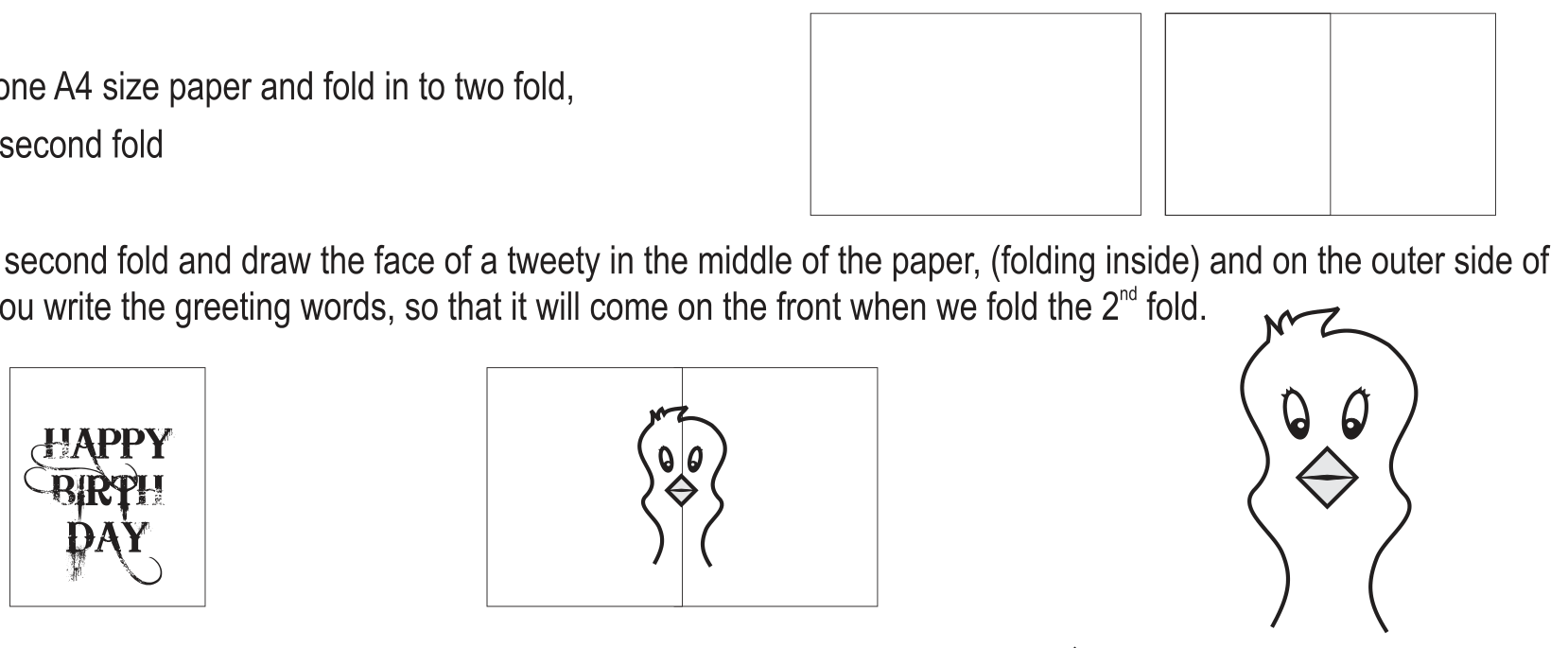
Step: 2:- The tweety mouth should be drawn in Diamond shape and In the middle draw a horizontal line as shown in the picture and cut it with a scissor.
Step: 3:- Unfold the paper totally and do a vertical folding in the middle, and fold the diamond shape mouth backward on both side of the horizontal line.
Step: 4:- Now unfold and keep it in the same position of the 1st step, lift up the triangle mouth little so that it will look like opening and closing of mouth, when we open the card.
Step: 5:- Now color the tweety face with yellow and mouth with red. After it dried paint the remaining part with any color and decorate with your choice. And the front part of the folding, paint with any color and write the greeting words as told in the step 1.
Step: 6:- Take glue and stick all the edges of the 1 fold paper keeping the middle part (tweety mouth) unstuck. After it dried you fold the 2nd fold. Now the card is ready.
Variation: You can make the card for any occasions not only for the birthday.
DAY 1: ACTIVITY
TELEPHONE
Activity: Illustrates the concept of sound traveling through the medium.
Goals: To make them understand the concept of sound traveling through the medium, and to illustrate the way that a telephone was first invented and created. To improve their auditory skills.
Vocabulary: sound, medium, paper, cups, thread, hearing, observing
Material required: Two paper cups, a long thread.
Presentation: Join the two paper cups with the thread, call two children and ask them to hold either cup while standing far away from each other. Ask one of them to talk and the other to listen. Then remove the paper cups and ask one of them to talk slowly through the thread and ask the other person to listen.
Observation & Reason: The voice is audible when heard though the paper cup connected by thread. The receiver cannot hear anything when the paper cup is removed. When a person speaks from a distance without a thread the sound vibrations gets scattered in the air which is why we hear only a feeble sound.
Assessment: ● Why can we hear the voice audibly when heard through a paper cup? ● Which body part helps us in hearing? ● How will our ears feel when someone speaks too loud over the phone? ● What happens when the thread is pulled tight? ● If the thread is loose, will the sound be clearly heard? ● What happens if you cover your ears when someone is speaking to you, will you hear sound?
Evaluation: Evaluate the following skills: Auditory skills, Sustaining attention, Logical thinking
Conclusion: This activity improves their auditory skills as well as logical thinking. Conclude the topic by reviewing the important details.
PUTTING SOCKS FOR FRIENDS
Activity: Sorting and putting socks correctly in the appropriate foot.
Goals: To develop their cognitive skills of comparing, sorting, fine motor skills, eye hand coordination, self help skills.
Vocabulary: Socks, wear, pair, one, feet, foot.
Material required: Different colored and size socks.
Introduction and Presentation: Ask the children to first sort the socks according to the colors and size. They have to take same size, same color matching socks. Let each child hold the socks correctly and put it in their friend's feet.
Assessment: ● What materials are socks made up of? ● Can a big sock fit your foot? ● What kind of socks do you need for your foot? ● How many socks we need to put in each foot? ● Can we wear different color socks on both the foot?
Evaluation: Evaluate their cognitive skills of understanding one to one correspondence, fine motor skills.
Skills developed: Cognitive skills of comparing one to one correspondence, Sorting, Fine motor skills, Eye hand coordination, self help skills.
Variation: We can ask the child to sort and wear the mittens also. Turning the socks inside out.
DAY 1: GYM
TRACING FRIEND.S BODY
Goal: To develop their fine motor skills, eye hand coordination, social skills.
Presentation: Each child is given a chalk with holder and asked to trace his friend's body. His/ her friend has to lie on the floor without moving, when he/ she is tracing the body. Friend can trace his/ her body too.
Skills developed: Fine motor skills, Eye hand coordination, Social skills.
BIRDY GAME
Goals: To encourage children to improve their auditory skills, gross motor skills.
Presentation: We can make children follow the action sequence for the rhyme 'Come birdy birdy some body touch me elbows up, knees bend, bottoms up, tongues out, say quack, quack turn around sit down'
Skills Developed: It improves their auditory skills, gross motor skills, symbolic play
DAY 2: ART
MAKE A FAMILY TREE
Material required: Chart paper, photographs of family, glue, safety scissors, and pencil.
Presentation:
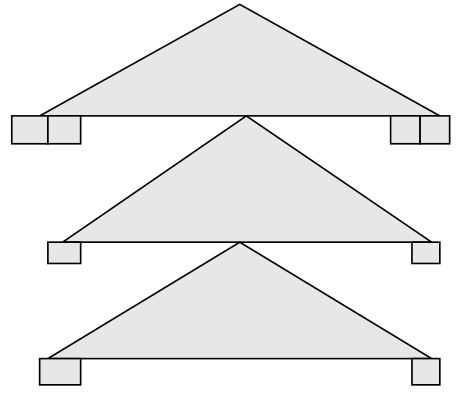
Step: 1: Draw triangles in varying size and cut using safety scissors. Step: 2: Stick grand parents photograph at the end of the big triangle using glue. Step: 3: Stick parent's picture in another triangle using glue. Step: 4: Stick children pictures and sibling's picture and complete the tree.
SKETCH PEN BLOW PAINTING
Material required: Sketch pen of different colors, sketch pen blower, uncolored art sheet.
Procedure: Each child is given a sketch pen fixed with a blower and they are asked to blow. Keep it directly just above the art sheet which as to be colored. Children can observe the paint spreading on the paper while they blow.
Skills developed: Oral-motor skills, cognitive skills of understanding cause and effect.
DAY 2: ACTIVITY
BLOW WATER BUBBLES
Goals: To enhance and improve their oral motor muscle power with various activities
Presentation: Demonstrate to them how to blow water bubbles using soap solution (bubble solution) or soap water. Children can blow the bubbles using bubble solution and they can try to catch flying bubbles.
Vocabulary: Blowing, bubbles, flying, air
Material required: Bubble solution, bubble blower.
Assessment
● Can you show the action of blowing? ● Can we blow heavy items? ● Why balloons or bubbles fly in air? ● What happen when we blow water bubbles?
Evaluation: Evaluate each child's oral motor strength by asking them to blow the water bubbles.
Skills developed: Oral motor skills, gross motor skills, eye hand coordination.
BUILDING FRIENDS NAMES
Activity: To build friends name using letters or alphabets.
Goals: To improve their reading skills and to improve their knowledge about alphabets, eye hand coordination.
Vocabulary: Name, friend, build, block
Material required: Alphabet blocks or alphabet cards.
Introduction and Presentation: Present to children the way to build friends name using alphabets blocks or cards for examples | T | O | M | Children are provided with alphabet blocks.They can build simple words using alphabet blocks or alphabet cards.
Assessment:
● How many letters did you use to build your friend's name? ● What all the letters did you used to build your friend's name? ● Tell some of your friend's name?
Evaluation: Evaluate them by observing how well they are able to build simple words.
Skills developed: Pre reading skills, Knowledge about alphabets, Eye hand coordination.
Variation: They can build larger number; they try building simple sentences and try to read.
DAY 2: GYM
DANCE WITH THE PARTNER
Goals: To develops their social skills and physical skills.
Introduction and Presentation: All children can be dressed up and choose their partner before dancing. While playing the music, they can dance with their partner according to the music.
Skills developed: Social skills, Physical skills.
DOG AND BONE
Goal: To stimulate their observing skills, auditory skills, gross motor skills, receptive language skills.
Presentation: Children are divided into two groups with equal members. They are numbered as 1-1, 2-2, 3-3 in both teams. When any number is been called (say for example-3) child numbered 3 from both the team with come and pick the object. Whoever picks the object that team will get points.
Skills developed: This game develops their auditory skills, attention, gross motor skills, receptive language skills and observing skills.
DAY 3: ART
COLLAGE WITH PENCIL SCRAP
Material required: Uncolored art sheet or plain sheet, pencil scrap, glue, different colors of paint, brush.
Procedure: Children can do the collage (sticking) work with pencil scrap on the art sheet or plain sheet with glue. They can also paint it with different colors.
Skills developed: Develops their fine motor skills, eye hand coordination and texture skills.
MAKING FINGER PUPPETS
Material required: Plain sheet, fevicol, sketch pens, poster colors or water colors, safety scissors.
Preparation: Mix and paint the A4 sheet with pink color on one side and fluorescent yellow on other side.
Procedure:
Step: 1:- Roll the paper into your finger size (keep pink color inside and roll it).
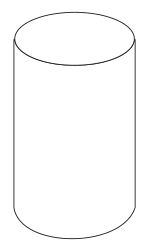
Step: 2:- cut the rolled paper up to half like strips and then bend it. Draw a smiley face or any emotions. Similarly repeat the process to get one more face.
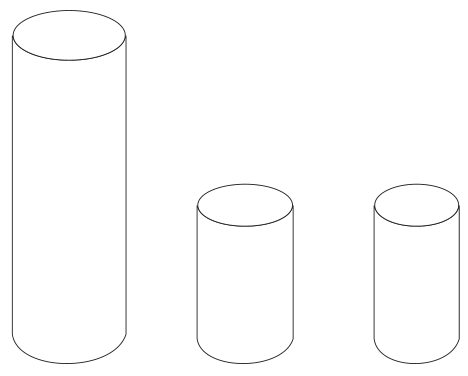
Variation: We can use cone shape instead of cylindrical.
DAY 3: ACTIVITY
PACKING GIFTS
Goals: To improve their fine motor skills, eye hand coordination.
Vocabulary: Wrap, pack, gift.
Material required: Color paper, small objects, cello tape, and cardboard box sketch pen.
Introduction and Presentation: Show them how to pack gift items. First make them to place the gift item inside the cardboard box, tell them to close the cardboard box and then tell them to wrap the cardboard box with color paper or gift wrapper; they can put cello tape wherever required. Then tell them to write their names using sketch pen on the packed gift item.
Assessment: • Can we see the objects which are wrapped? • With what can you wrap things? • Can you name the objects? Name the occasions that we give gift to our friends.
Closing: Tell them to wrap the objects. Talk about how we wrap gifts using different items.
Evaluation: Evaluate each child's ability to wrap and the coordination involved in the activity, and their creativity.
MATCHING SIGHT WORDS
Goals: To develop their pre reading skills, visual tracking skills, eye hand coordination.
Vocabulary: Highlight, sight words (a, in, the, this, where).
Material required: Cards with different sight words, Highlighter, news paper
Introduction and Presentation: Keep different sight words cards on the table and ask them to pick the sight words and match it. They can also match and highlight the sight words on the newspaper with highlighter.
Evaluation: Evaluate their knowledge of understanding sight words by asking which sight word they highlighted.
Skills developed: Visual tracking, Pre- reading, Eye hand coordination.
Variation: Provide a news paper cutting; give the children to identify sight words with highlighter.
DAY 3: GYM
DO ACTIONS WITH THE PARTNER
Goal: To develop their social skills, coordination and gross motor skills.
Presentation: Children are asked to select their friend as partner and do various action with them holding them, they can do dancing, walking, running, jumping, hopping, kneel walking, sit, stand, holding their partner.
Skills developed: Coordination, Gross motor skills, Social skills.
GREEN LIGHT - RED LIGHT
Goals: To develop their observing skills, gross motor skills and receptive language skills.
Presentation: Mentor has to hold two balls one red ball and green ball. When mentor shows the green ball the children have to start running and once they see the red ball they have to stop running. Children have to be very alert & they have to stop and start running after seeing the respective balls.
Skills developed: It helps the child to improve the observing skills and be more attentive. Develops their gross motor skills and co-ordination.
Variation: Children can start and stop running listening to the words green light and red light. We can play the same game by using the words stop and go.
DAY 4: ART
MAKE A FRIENDSHIP BAND
Material required: Color paper (oil) wool, cello tape, glue, scissors Preparation: Procedure:

Step: 1:- Take the color paper and make a three fold, and draw a heart shape and cut it out.
Step: 2:- Take the cut out heart shapes and stick together with glue, in the way as it shown below

Step: 3: Now take wool and stick it on each ends so that we can tie and wear it on our wrist (you can plait the wool and stick it)

Variations: Not only heart shape, you can draw any designs and make a friend ship band, instead of oil paper you can also make with a chart paper, so that it will be firm and stiff and last longer. You can make anklet using the same method. Another method: Measure the length of the wrist line with wool and you can stick the heart shape on the wool also.
COLOR PENCIL COLORING
Material required: Color pencils of various colors, uncolored picture.
Procedure: Children can select the color pencils of their choice related to the picture and color the picture. Encourage the children to color mostly inside the picture holding the pencil firmly.
Skills developed: Tripod grasp, eye hand coordination, prewriting skills.
DAY 4: ACTIVITY
Goals: To improve their fine motor skills, eye hand coordination, sustaining attention.
Vocabulary: Twigs, knot, bow, bundle.
Material required: Twigs, wool
Introduction and presentation: Make each child sit at the table and keep the materials ready. To present the activity take the twigs together, holding the twigs in one hand, take a piece of wool and tie it around the twigs together like a bundle and then make a bow. After tying the twigs show the kids and how it looks.
Assessment: •How do the twigs look after tying? • Why do we tie?
Closing: Make the children do the activity and tell them how we can tie other things and what for we tie.
Evaluation: Evaluate each child's ability, whether they are able to tie a knot and bow,
Skills developed: Fine motor skills, eye hand coordination.

MEASURING WATER
Goals: To improve their cognitive skills of comparing, measuring, sustaining attention, language skills.
Vocabulary: Quantity, measuring, more, less, equal
Material required: Water, measuring glass, glass
Introduction and presentation: To present the activity keep the materials ready. Take water in a measuring glass and show them the level of water and pour it in a glass. Take another level of water in the measuring glass and pour it in another glass. Show them the water kept in different glasses and ask the child which is more/ less/ or whether it is equal.
Assessment:
● How can we measure water level?
● Can we count water?
● What is the color of water?
Closing: Make the children to do the activity. Explain them that the level of the water is same only the size of the vessel differs and it takes the shape of the container.
Skills developed: Cognitive skills of comparing, measuring and language skills.
DAY 4: GYM
I SENT A LETTER
Goal: To stimulate their alertness, auditory skills, gross motor skills, social skill of participating in group play.
Presentation: Children are asked to sit in a circle. One person will have an object and will be walking around the circle for the song. When he/she hears drop it they can drop the object to one of them in the circle. The person who has the object should run and catch the person who dropped the object to him/her. The runner can sit in catchers place. The catcher now can pass the object to another person. Like that each one in the circle will get turn to be the catcher at the end of the game.
Skills developed: This game improves their alertness, auditory skills, gross motor skills, social skill of participating in group play.
Song:
I sent a letter, to my father
On the way, I dropped it.
Post man came and, picked it up
And put it, in his pocket.
RIBBON DANCE
Goal: To develop their gross motor skills, Follow direction, social and emotional skills, memory skills.
Presentation: Motivate all the children to hold the colored ribbons in their hands. Direct them to do simple hand movements like up, down, right side, left side. Make them to shake their both hands holding the ribbons. Make them to shake hands and also jump simultaneously. Direct them to hold each other and dance with ribbons. Make the children do different steps with music and song holding the ribbon. They can follow some rhythm and pattern and dance.
Skills developed: Develops their gross motor skills, social/ emotional skills and direction skills and memory skills of following the rhythm and pattern.
DAY 5: ART
WRITE A LETTER TO FRIEND
Goal: To develop their pre writing skills, language skills, social/ emotional skills. Material needed: Plain sheet, pencil or sketch pen or crayon or color pencil. Presentation: Invite children to sit in a circle and give each child a plain sheet and pencil or sketch pen or crayon, or color pencil. Ask the children to write or draw a letter to their friends. Ask them to fold I t and post it in to a toy post box. Explain them the importance of letters and stamps required for envelop or post card. Skills developed: Develops their pre writing skills, language skills, social/ emotional skills.
WET CHALK COLORING
Material required: Uncolored art sheet, different color chalks dipped slightly in water with chalk holder. Procedure: Children are told to hold the chalk holder firmly and color inside the given picture with different colored chalk. Skills developed: Tripod grasp, pre writing skills, eye hand coordination.
DAY 5: ACTIVITY
TASTE BOX
Goals: Familiarize them with different tastes, ability to differentiate and identify the different tastes. To make them aware of gustatory discrimination Vocabulary - Taste, taste buds, gustatory sensation, bitter, sweet, sour, salty, spicy. Material required: Different products with variety of tastes like mustard seed powder, asafoetida, amchur powder, turmeric powder, dry neem powder, salt, sugar, Tamarind powder, all kept in non – transparent boxes. Presentation: Give them the different powders to taste and ask them to name the taste. Ask them to match the same tastes when the same items are given. Assessment: ● Which organ is used for tasting? ● Which is your favorite taste? ● Which fruit tastes sour? ● Do you like bitter taste? ● Can we eat something that is too spicy? ● Can we eat something that is too salty? ● What is the taste of ice cream? ● Can we enjoy a food which is not having any taste? ● What is the taste of the water?
Variation: Introduce new taste with variety of objects. Reinforce the tastes whenever they eat. Ask them to identify the opposite tastes like sweet, bitter. Evaluation: First do the activities with eyes open and then with eyes closed, note down how many taste each one identified, matched and named. What all open ended questions they answered. Keep the record to note down the progress when the activity is repeated again. Ask them about the different taste of their lunch and snacks. Conclusion: Analyze how many different tastes they can identify, match, and name.
WHISPERING FRIEND'S NAME
Goals: To develop their auditory skills, social skills, sustaining attention. Introduction and Presentation: Children are asked to sit in a circle and one child can tell any of their friends name in the ears of the other child sitting next to her/ him. They should pass the information only by whispering in their friends ears not louder. At the end the last person will tell the secret name louder. Skills developed: Develops their auditory skills, social skills and sustaining attention.
DAY 5: GYM
TUG OF WAR
Goals: To stimulate their gross motor skills, whole hand grasp, social skills, auditory skills.
Presentation: Motivate the children and group them as two A and B Offer them one long ribbon or cloth to hold on either ends. Ask Group A to hold one end of the ribbon or cloth and Group B to hold the other end. When they hear the clap sound they should start pulling from each side.
Skills developed: Develops his gross motor, whole hand grasp, social skills, auditory skills.
DRIVING GAME
Goal: To stimulate their balance, social skills, emotional skills of showing trust, spatial awareness skills.
Presentation: One child's eyes have to be closed and that child has to keep his/ her body loose. Another child will hold that child's shoulder and drive or move him/ her in different direction. The child whose eyes have been covered has to move flexibly as the driver moves him or her.
Skills developed: Spatial awareness skills. Social/ emotional skills of trusting others. Balancing.
BLISS CURRICULUM
November: Week -2 Alphabets of the Month: U, V, W, X, Y, Z
Theme: Body Parts II Color of the Month: Brown, Burgundy Shape of the Month: Rectangle, cuboid.
| Monday | Tuesday | Wednesday | Thursday | Friday | |
|---|---|---|---|---|---|
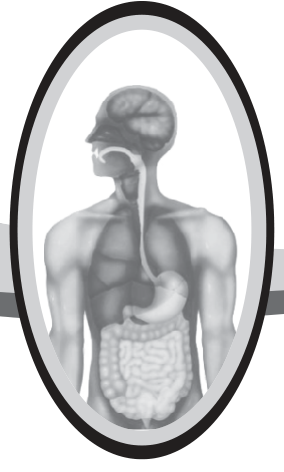
| CIRCLE TIME | Discuss about brain, heart and their importance. | Discuss about lungs, liver, intestines and importance of stomach. | Discuss about muscles, skeleton, skin. | Talk about blood, its color and importance. | Talk about kidney and its importance |
| ART | Make a heart craft, balloon painting. | Shape sticking, spray painting. | Texture coloring, mirror art. | Block printing, wet chalk coloring. | Making mini book, foot tracing. |
| ACTIVITY | Ordering heart shape by size, bubble bath for baby dolls.. | Sorting grains by color and shapes, taste matching. | Float and sink, wringing towel. | Clean up bits of paper, blowing water using straw. | Lacing straws, peeling ladies fingers seeds. |
| GYM | Passing heart shaped balloons, general exercise. | Tug of war, tumbling. | Floor drawing. Yoga exercise. | Skipping, backward musical chair. | Jogging, skipping and hit the target. |
| A-Z OF BODY PARTS II |
A- Anus, Artery / B- Bones, Brain / C- Cerebrum / D- Digestive tract / E- Eardrum / F- Fibers / G- Gall bladder / H- Heart / I – Injection / J- Joint / K- Kidney / L- Liver, Lung / M- Muscles / N- Nostrils, Nerve / O- Oesophagus / P- Patella / R- Rectum, Retina, Rib / S- Stethoscope, Spinal cord, skull / T- Twirl, Trachea / U- Umbilicus / V- Veins / W- White blood cells, Wind pipe / X- X-rays / Y- / Z |