MUDRA
This text was machine-transcribed from the printed book and may contain errors. Select the words and choose “Report a mistake”.
Mudra is the science of finger or hand position that helps to intensify meditation. Mudra acts as a catalyst to awaken consciousness. In a very broad sense, Indian classical dancers use mudra to communicate a gesture, a mood or emotion of the inner Being.
The hand and the brain are very intimately connected to one another. In fact, as per science, of all the body parts the hand has the maximum representation in the brain. Whatever is done through the hands has a corresponding effect in the brain. Mudra acts as a switchboard of the body and mind. Though primarily therapeutic in purpose, mudra confers definite physiological, emotional and spiritual benefits. Like asana, it is also a discipline to rejuvenate the body. It actually helps in balancing the five elements (panchbhutas) in the human system to their optimal levels
Every individual is composed of five elements or the panchbhutas. Pancha (five) and bhutas (elements) are earth, water, fire, air, space and ether. Each finger represents a particular element. The first five chakra correspond to these five elements. By balancing the five elements through mudra, we ensure a sense of great well being. Our hands are a complete representation of these elements, as the following diagrams illustrate:
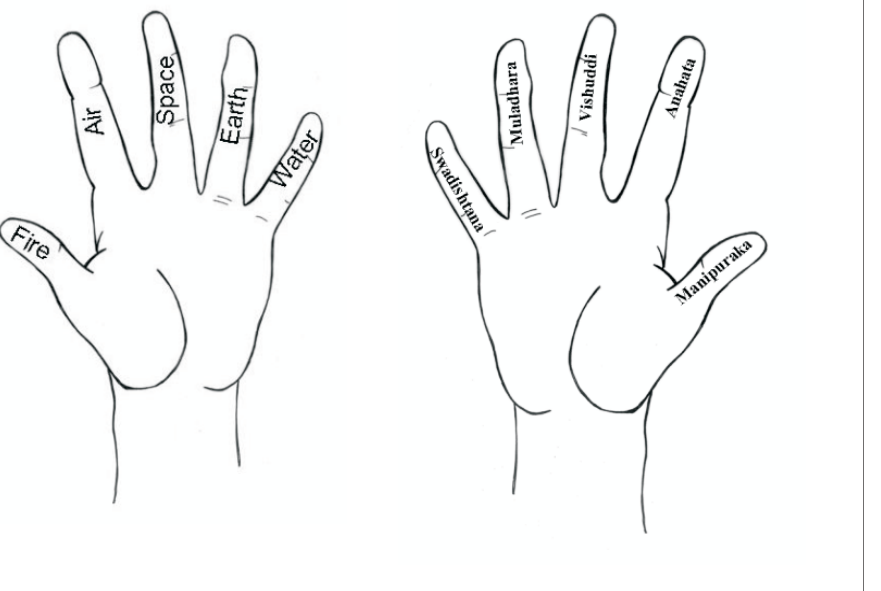
The elements and the corresponding chakras
Apart from representing the elements, the thumb and the index finger hold particular importance. The thumb is symbolic of cosmic (divine) and the index finger (human) is symbolic of consciousness. In other words, the thumb represents God or the higher energy and the index finger represents the individual ego. It is interesting to note that when we are accusing someone of something we always point our index finger to get our point across. Also in very practical terms, if we lose all the four fingers and have the thumb remaining, we can do most of the activity done by our hands. But if our thumb is lost and all other fingers remain, our hands are as good as useless. Symbolically, this establishes the fact that if divine energy is not present in our lives, then our lives are as good as not being lived.
In almost all
spiritual traditions,
mudra plays a big
role. In Hatha Yoga,
many states of mind
are expressed
through gestures
and body positions.
This implies that
the reverse is also possible i.e. gestures and body positions can influence the state of the mind.
In Nithya Yoga, specific mudra is practiced along with meditations to primarily intensify the meditation. It also works to intensify the energy of the particular chakra. By doing various mudra we can enhance the energy flow within our system and enjoy a state of great well being.
Additionally, once we learn a mudra, we need to harness its benefits in our spare time. Mudra should be used judiciously. Never over do them. When we are in tune with our bodies we will know exactly when to come out of a mudra.
Mudra can be practiced by itself, time
permitting, the minimum being 21
minutes (or one energy cycle-the time it
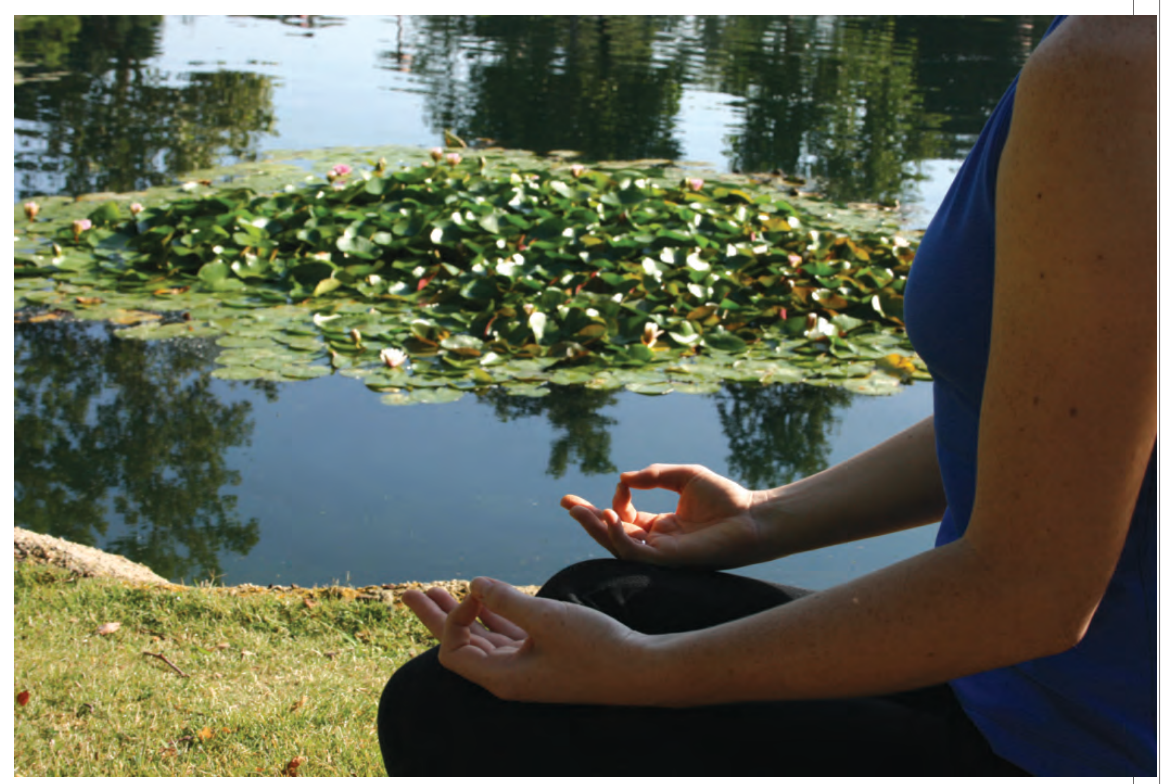
SHAVASANA BODY GRATITUDE RELAXATION
Shavasana
Shavasana (translated in English as corpse pose) is traditionally always practiced for at least 5 to 10 minutes at the conclusion of any yogic practice. Shavasana is a restorative pose and allows the body to process and understand the information it has received throughout the yoga practice.
It is commonly brushed off by some as being just a rest or a chance to have a short sleep. Truth be told, shavasana is essentially the most important aspect of the entire practice. This is where the body receives the class at all levels; physically, mentally, emotionally and spiritually. The body can relax, rejuvenate and heal. If shavasana is practiced in totality, it can leave the practitioner energized for hours after their class.
In this modern age, many practitioners rush shavasana. Most people find it really hard to lay still for 10 minutes and most lay in shavasana and start thinking about where they have to rush to next after class. Shavasana should be practiced with the same, if not more, integrity than all other postures.
Your practice is like laying cement foundations. Remember if you step in cement too soon after it is layed, you might ruin the job. The same way, allow your practice to set.
Shavasana is a perfect chance to allow our body to do what it does best; heal itself. We should lay as still as we can for as long
as we can and allow the body to relax, renew and rejuvenate itself.
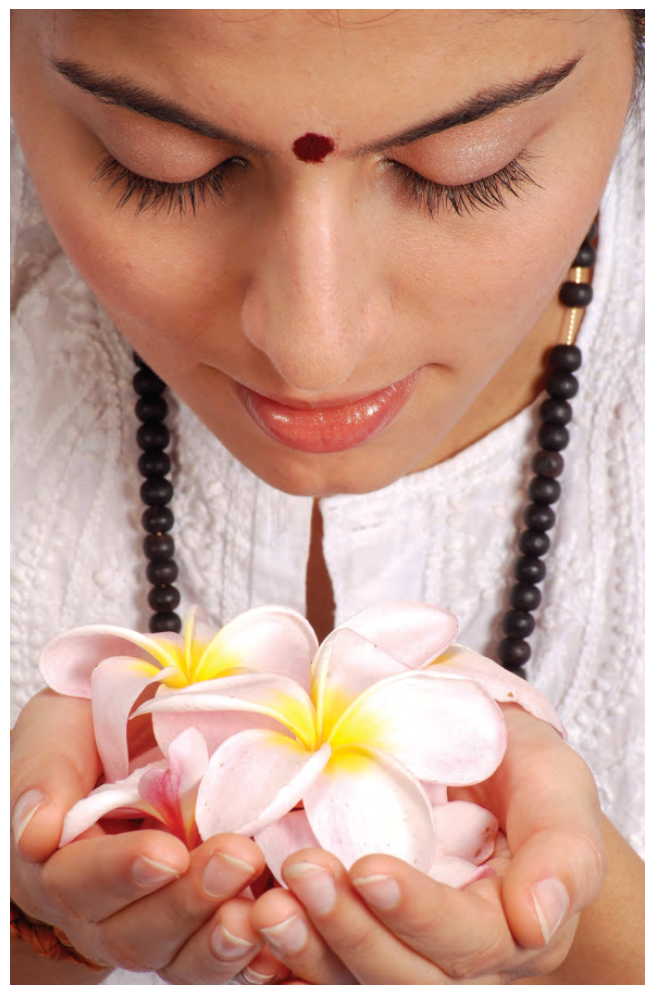
Body Gratitude Relaxation
Our body is a temple, the temple in which our spirit, our Being resides.
We rarely spend any time appreciating and giving gratitude for our body. Most people these days are convinced through conditioning and the media that their body is not good enough. We forget that each of us are unique and have been crafted by God in our own unique way. We should remember that God is an artist. Not an engineer. If God were an engineer, He would have just created one mould, created a production line and manufactured us. Existence has created us all differently. As soon as we start to give gratitude to the body we have been given, we start to radiate a whole new energy. The energy of grace. Grace is not like ordinary beauty. Grace is a whole body language. When one is completely accepting of their body for what it is, they simply radiate this grace and they appear to be the most A true story,
Paramahamsa says, ‘All of our skin diseases take root from hatred of our own bodies.’
A lady with a severe case of psoriasis, a chronic and often incurable skin disease, came to Paramahamsa for healing. While being healed she confided that she had suffered trauma in her childhood that left her with self hatred as well as self guilt. Paramahamsa told her to practice a specific body gratitude meditation for 21 days. The meditation technique involved waking up each morning and touching each and every part of her body with deep love and gratitude. The woman exploded crying: 'How do expect me to love myself the way I am?' Paramahamsa said: 'You have lived in misery for 20 years. Try this just for 21 days.'
In 15 days, the lady was rid of her ailment for ever!
Most of our aches and pains, our skin problems, our hang-ups are just because we don't give our body any attention or appreciation. It is just crying out to be remembered.
In a Nithya Yoga class, we practice shavasana at the conclusion. We go one step further by asking the practitioner, while laying in shavasana to lovingly remember each and every part of their body with deep awareness and gratitude.
NITHYA AFFIRMATION
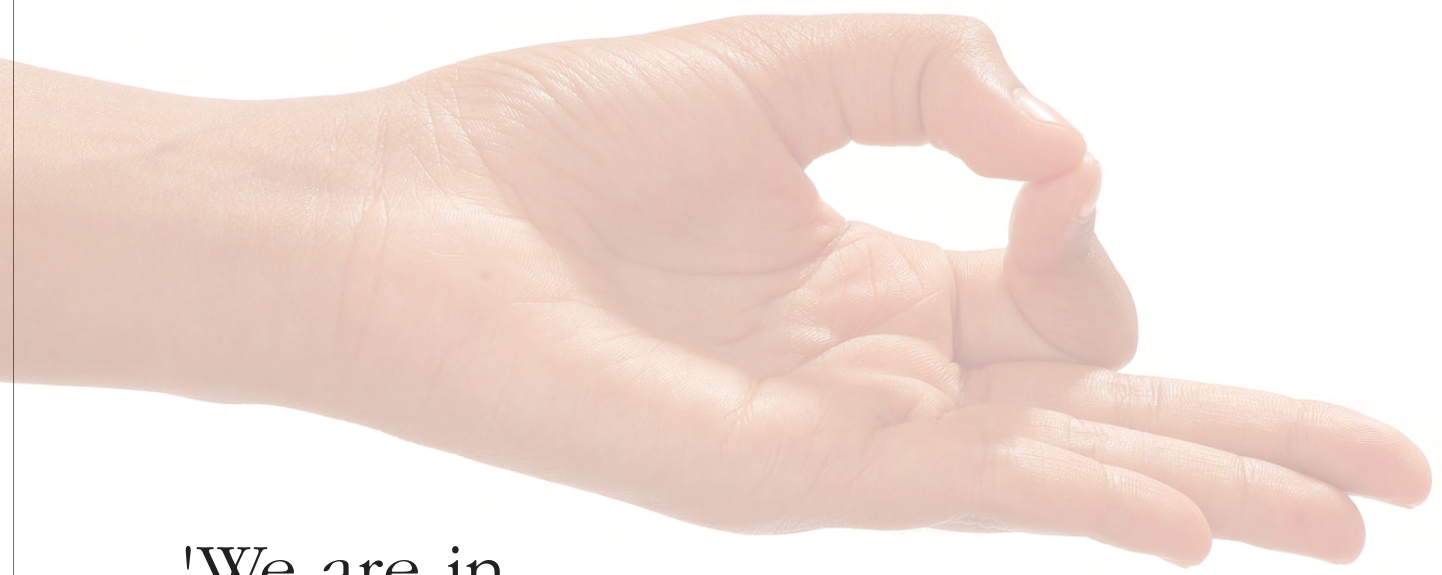
Students finally sit cross legged, form chin mudra with their fingers and set the intention for their day after class - that every movement, every moment can be Nithya Yoga.
The Nithya Yoga class finishes with
Paramahamsa's blessing as the
affirmation.
'We are in, we are one with, we are radiating and expressing Nithyananda.'
'om nithyanandam'
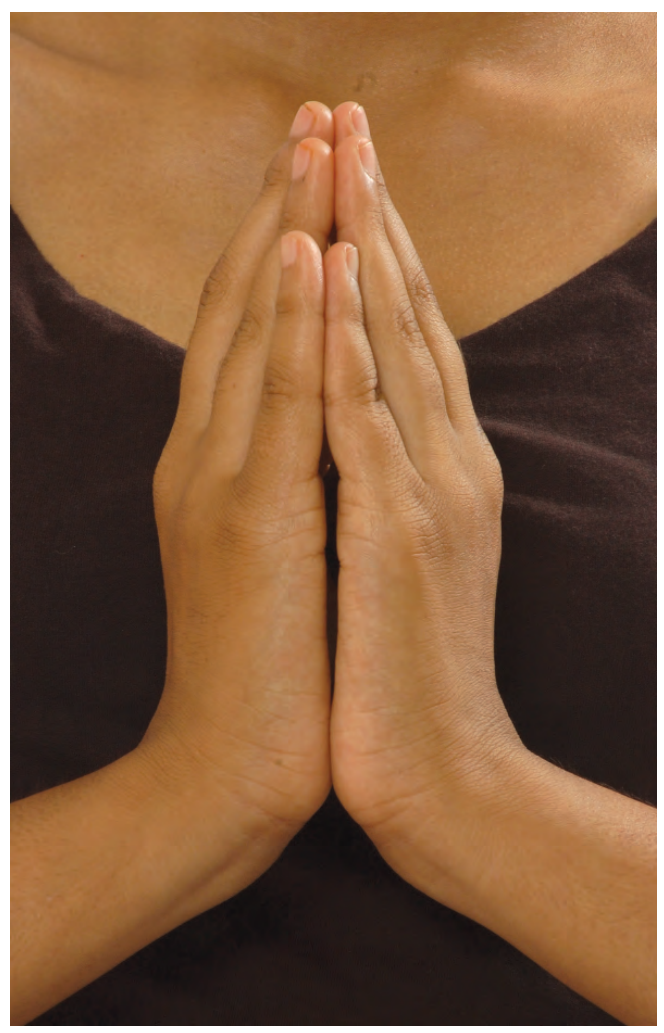
Finally, students form atmanjali mudra with their hands and place the hands in front of the heart center. Students slightly bow their head towards their hands and chant three times the beautiful vibrational mantra 'om nithyanandam' deeply from the navel center.
'om nithyanandam'
May my body radiate bliss
May my mind experience bliss
May my Being express bliss
Nithya Yoga Practice Sessions
‘I am not here to add more movements to your life. I am here to add life to your movements’.
- Paramahamsa
Things to know about a Nithya Yoga Class.
What to bring to a Nithya Yoga class
- A yoga mat (preferably of natural fiber like rubber)
- A hand towel or wrist band (if required)
- A bottle of water
- An open mind!
Other important tips
- Do not eat for at least two to three hours before any yoga class.
- Drink a couple of glasses of water one hour before class to ensure the body is hydrated.
- Ensure you drink plenty of water after any yoga class.
- Wear clothes that allow the body to move freely.
- Do not shower immediately after the yoga session. Allow the body temperature to settle.
- Wait for at least 15 minutes before consuming food.
Caution
- If you have a physical injury, disability or recent surgery, pregnancy, heart problems or any other medical condition, please seek professional medical advice before commencement of the Nithya Yoga sessions.
- Anyone with medical problems is advised to do the techniques under the supervision of a qualified Nithya Yogacharya.
'How-to' of the asana practice.
Before practicing asana.
Once you become familiar with the series of asana (postures) practiced in Nithya Yoga, before performing each asana, develop the habit of taking a moment to visualize yourself in the posture.
When you take a moment to mentally perform the posture, you are awakening the body's muscle intelligence. When the body is prepared mentally, when this visualization is practiced, the body will flow harmoniously into the posture. The entire asana practice will become a lot easier and much more enjoyable.
While practicing Nithya Yoga asana.
While performing the yoga asana, as much as possible, try to consciously do the following:
- Smile softly to yourself. Avoid strain and tension to show on your face. It can change your entire performance and experience of the posture.
- Keep the eyes soft, wide and always steady.
- For all balancing postures, always concentrate the gaze on one point in front of you or on the floor. When the eyes are still, the mind will be still and therefore the entire body will be still.
- Once you are in a posture, do not shift or fidget. If you are uncomfortable, come out of the posture and repeat it with more awareness.
- Remember while performing the postures, that you are an embodiment of relaxed, blissful energy. With each movement, you are moving the bliss. Each time you breathe, you are inhaling bliss energy and exhaling bliss energy.
The breath during the asana.
The breath is the heart of every posture. Smooth and relaxed breathing will promote a calm mind. The breath will allow you to ease into the posture, maintain the posture and deepen the intensity of the posture.
The breath and the movement must flow in a harmonious togetherness. Generally, unless otherwise specified, all asana that open the chest are done on inhale and all others that close the chest are done on exhale.
The quality of the breath must be smooth and easy. It is recommended that as far as possible breathing in asana should be done in Ujjayi pranayama. Breathing in the movement enhances the effect of the asana in the specified area. It also increases awareness and naturally leads to meditation in the practice itself.
Explanation of terms in Vinyasa Krama practice.
- IN: Inhale
- EX: Exhale
The 'IN' and 'EX' is always written on the arrow to signify the breathing has to be done in the movement.
- T: Number of times the asana has to be