Phase 2: British Occupation 1700-1947 A.D.
This text was machine-transcribed from the printed book and may contain errors. Select the words and choose “Report a mistake”.
The economic and psychological destruction of Hindu civilization
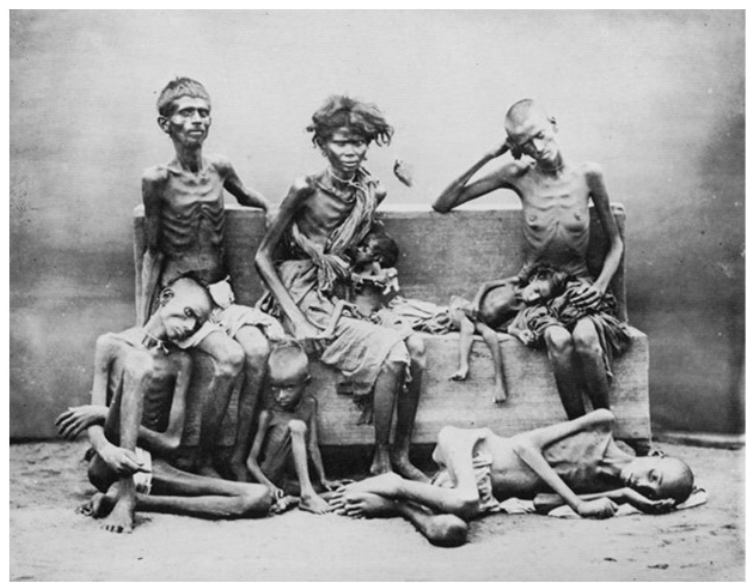
"I have seen a great people starving to death before my eyes, and I am convinced that this exhaustion and starvation are due not, as their beneficiaries claim, to overpopulation and superstition, but to the most sordid and criminal exploitation of one nation by another in all recorded history."
Will Durant, celebrated historian, commenting on British rule in India (1930)

British Occupation
"The British came to one of the richest countries of the world...Over 200 years of exploitation, looting and destruction reduced it to a poster child of third world poverty."
Shashi Tharoor, MP Indian Parliament
$45 T
Looted from India over 200 years
45 M
Hindus dead due to famines
and poverty imposed by
British policies and reprisal
killings for 1857 Mutiny
680
Native kingdoms usurped by the British Raj
Colonial Subjugation
British Master Race Theory
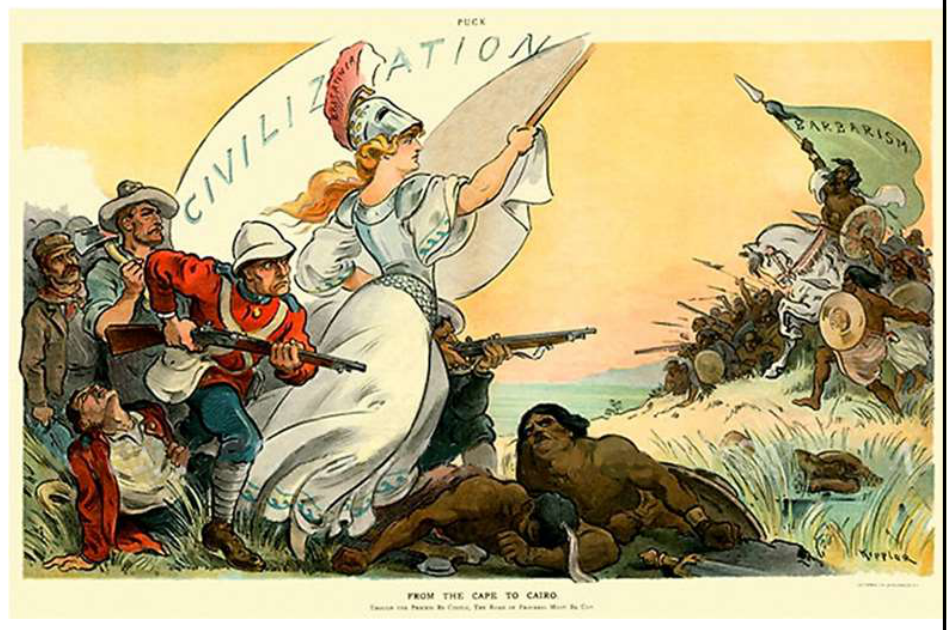
Using theories of scientific racism and social Darwinism, the British justified their conquest and oppression of dark-skinned peoples as a humanitarian, civilizing mission even though it was mere cover for racial oppression and economic exploitation:
"Do you not see, then, that by following these studies you are walking in the very path to which England owes her wealth....the glorious work which God seems to have laid on the English race, to replenish the earth and subdue it?"
Charles Kingsley, celebrated professor, historian, friend

Colonial Subjugation
200 years of intense racial hatred towards Hindus
"The Hindus are full of dissimulation and falsehood, the universal concomitants of oppression. The vices of falsehood, indeed they carry to a height almost unexampled among the other races of men. As for religion, no people ... have ever drawn a more gross and disgusting picture of the universe than what is presented in the writings of the Hindus....Very few words are required [regarding Islam]; because the superiority of the Mahomedans in respect of religion is beyond all dispute. In truth the Hindu, like the eunuch, excels in the qualities of a slave ... the Mahomedan is more manly."
James Mill, celebrated author of the seminal work, The History of British India, and intellectual leader for a generation of East India
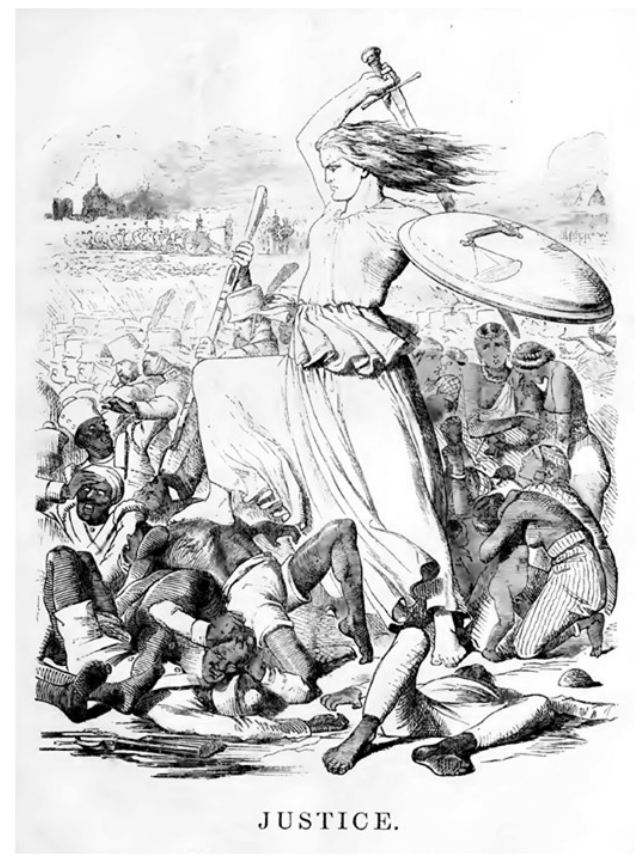
JUSTICE.
41
Colonial Subjugation
The Catholic Church performs 250 years of ethnic cleansing in Goa
"The fathers of the Church forbade the Hindus under terrible penalties the use of their own sacred books, and prevented them from all exercise of their religion. They destroyed their temples, and so harassed and interfered with the people that they abandoned the city in large numbers, refusing to remain any longer in a place where they had no liberty, and were liable to imprisonment, torture and death if they worshipped after their own fashion the gods of their fathers."
Filippo Sassetti, Italian traveler and merchant, describing the Goa Inquisition (1578)
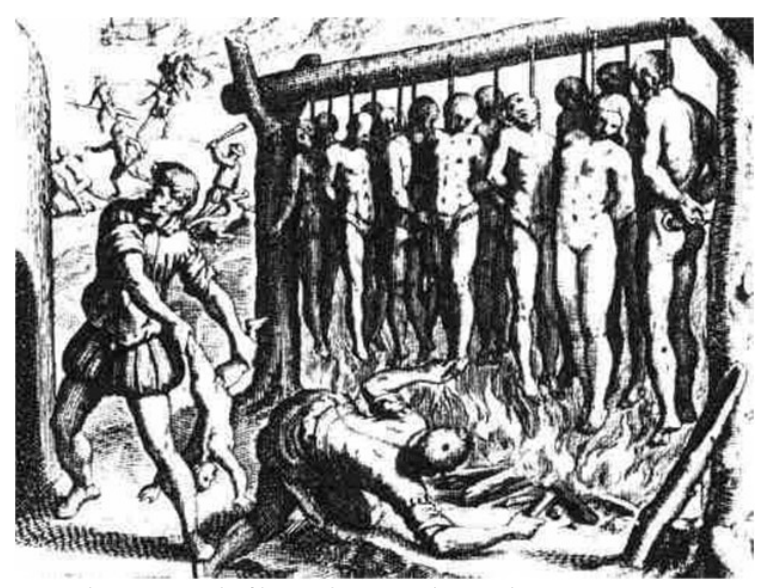
Hindus, accused of being heretics, burned alive en masse in an auto-da-fe
42

Colonial Subjugation
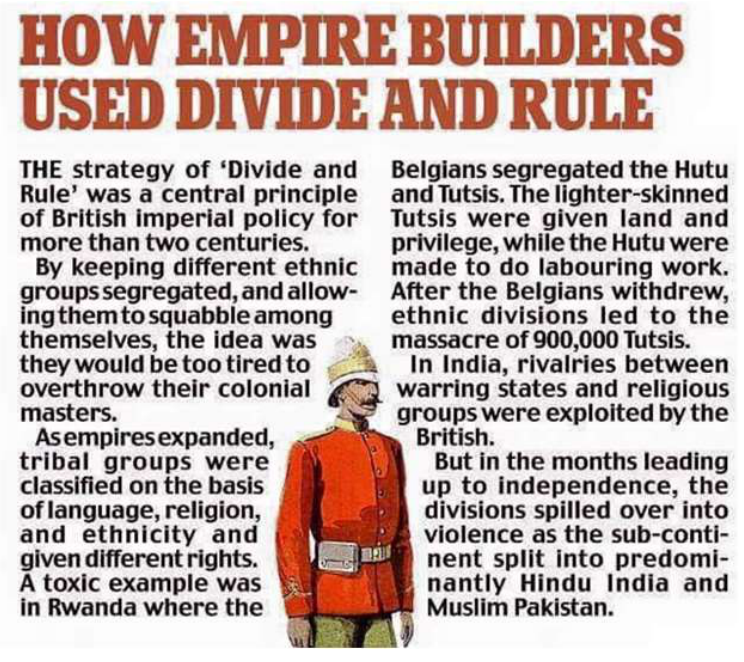
Divide and Rule
“The British had been horrified, during the Revolt of 1857, to see Hindus and Muslims fighting side by side and under each other’s command against the foreign oppressor. They vowed this would not happen again. [“Divide et impera (“Divide and Rule”) was an old Roman maxim, and it shall be ours”, wrote Lord Elphinstone. A systematic policy of fomenting separate consciousness among the two communities was launched, with overt British sponsorship.”
Shashi Tharoor, MP Indian Parliament, Era of Darkness (2016)
43
Colonial Subjugation
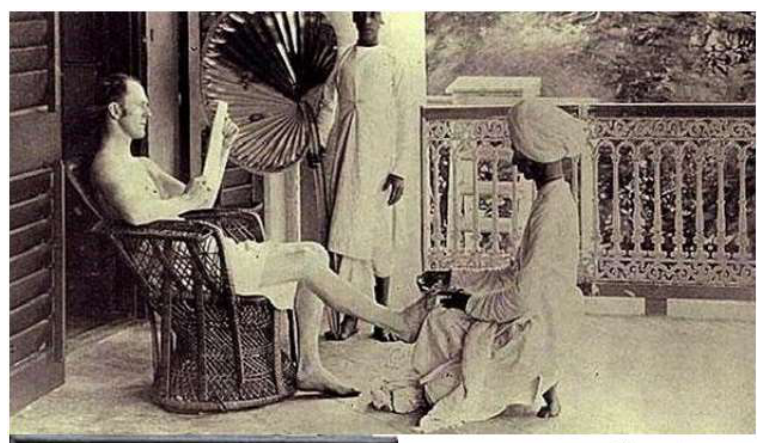
The British Empire used all possible means to destroy Hindu civil and cultural institutions in order to delegitimize and demoralize the indigenous peoples of India so they would become slaves in their own homeland:
01 | Discriminatory laws to instill feelings of racial inferiority
02 | Engineered famines to starve natives into submission
03 | Annexed Hindu kingdoms to undermine native rule
04 | Mistranslated Hindu scriptures to instill anti-Hindu narratives
05 | Destroyed indigenous gurukul education system
06 | Destroyed local industries and forced importation of British goods
07 | Banned Indians from owning or producing firearms
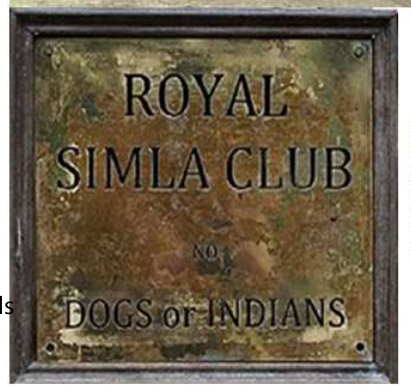
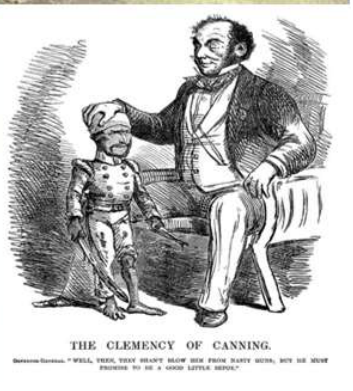
44
Colonial Subjugation
Engineered famines to break the spirit of a people
“I hate Indians. They are a beastly people with a beastly religion. The famine was their own fault for breeding like rabbits.”
Winston Churchill, Prime Minister of the United Kingdom (1943) Harsh British tax and export policies and poor infrastructure management caused multiple famines in India claiming tens of millions of lives, most recently in Bengal in 1943. Indians were forced to eat leaves, grass and human flesh and parents threw their starving children into rivers and wells while others committed suicide to escape their living hell.
Madhusree Mukerjee, Churchill's Secret War: The British Empire and the Ravaging of India during World War II (2011)
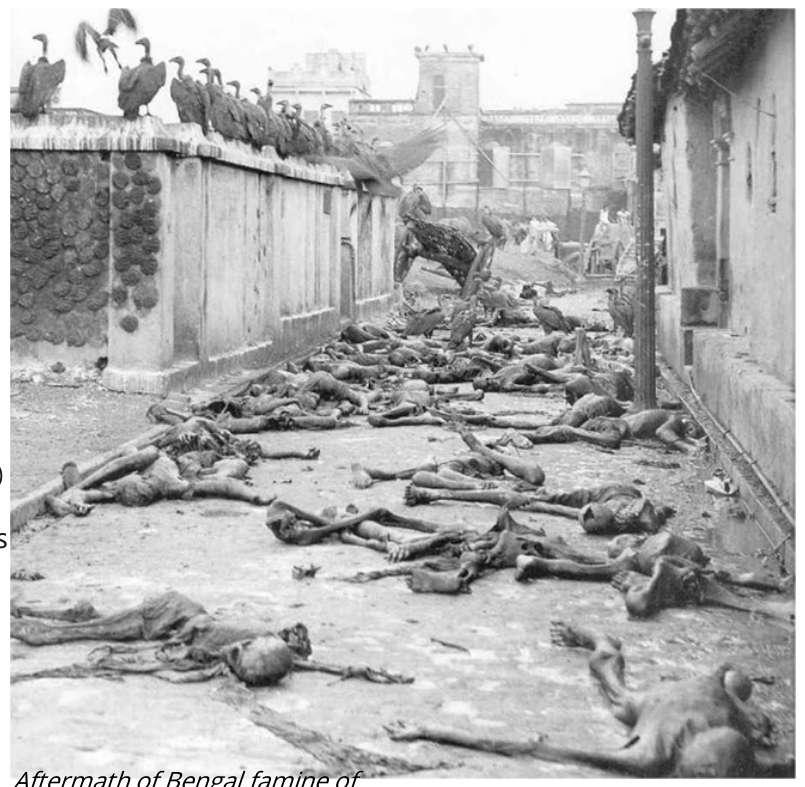
Aftermath of Bengal famine of 1943
Colonial Subjugation
Destroying local industry to ensure dependence and poverty
Prior to colonial rule, India was the world's leading textile manufacturer and produced the finest fabrics. The British engaged in a systematic campaign to destroy the local handloom industry through harsh taxation and export policies that forced India to import British-made textiles and banned Indian textiles from being sold in foreign markets. Within a generation, Indian weavers were turned into beggars and their indigenous skills were lost forever.
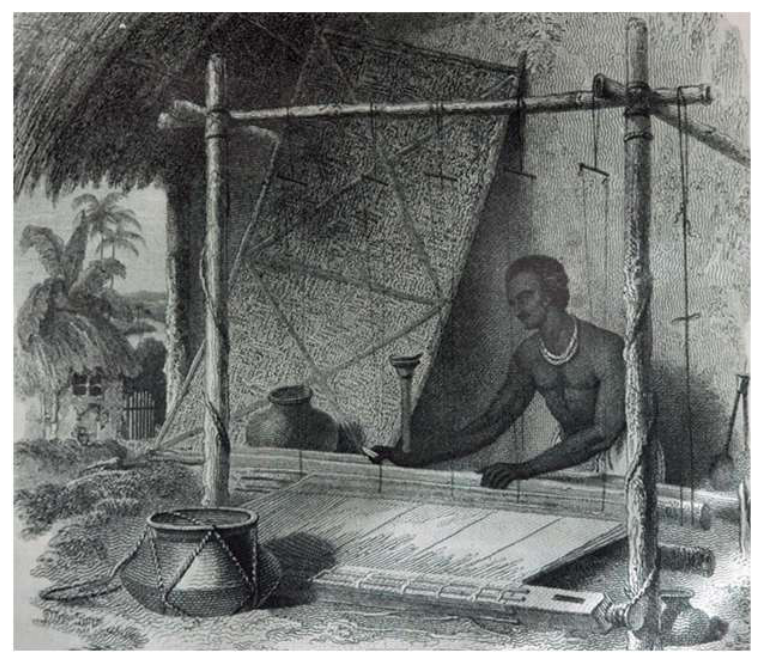

Colonial Subjugation
Destroying local industry to ensure dependence and poverty
By 1878 Indian railway mechanics in Jamalpur in Bengal and Ajmer in Rajputana had become so proficient at maintaining locomotive trains that they started designing and building their own models at a fraction of the cost of imported British trains. The British Parliament responded by passing an Act in 1912 banning all local manufacture of trains to ensure India's economic dependence on their colonial masters and destroy native technological know how.
Era of Darkness: The British Empire in India (2016)
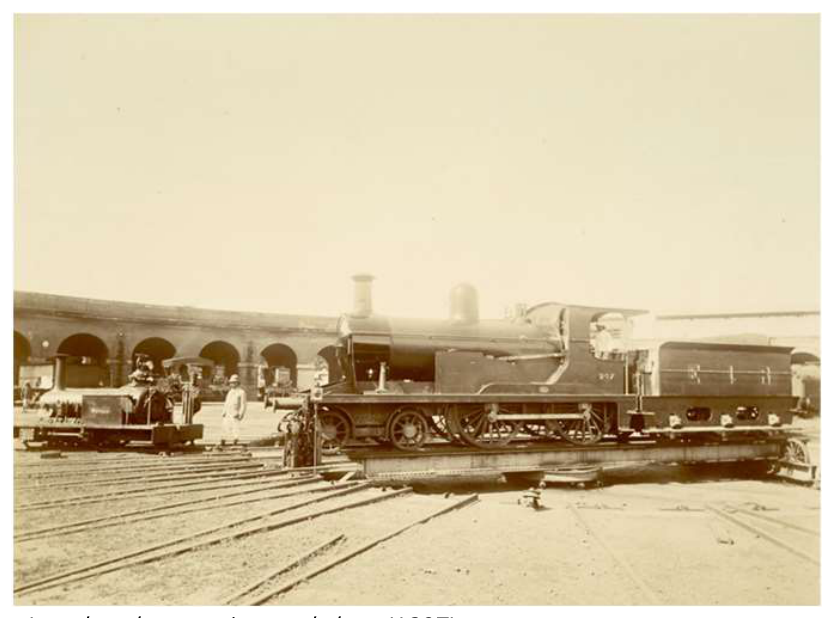
Jamalpur locomotive workshop (1897)
Colonial Subjugation
Seizure, Taxation and Ruin of Hindu Temples
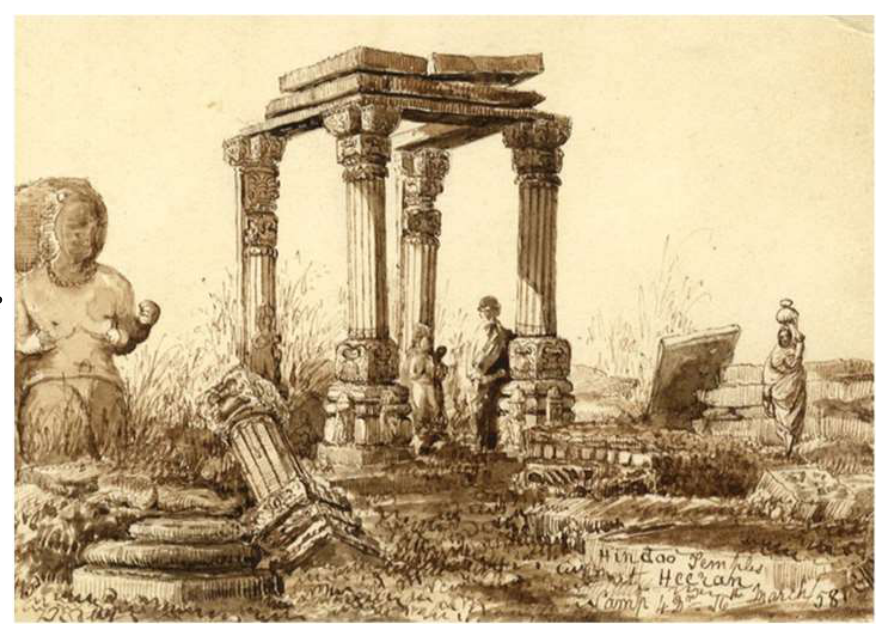
"It was a strange but determined piece of policy when throughout the country the pagoda lands were resumed by the [East India Company] and tusdeck allowances were granted in their place... Now let us contemplate the result of this plan. From one end of the country to the other, the pagodas are ruined, unmaintained...The revenues of Tripetty are on a gradual decline and will die in the lapse of years a natural death. Some of the most celebrated temples in the country are worse off. But there are still, alas, many more strongholds of the devil."
Asiatic Journal (1831)
Colonial Subjugation
False Anti-Hindu Narratives
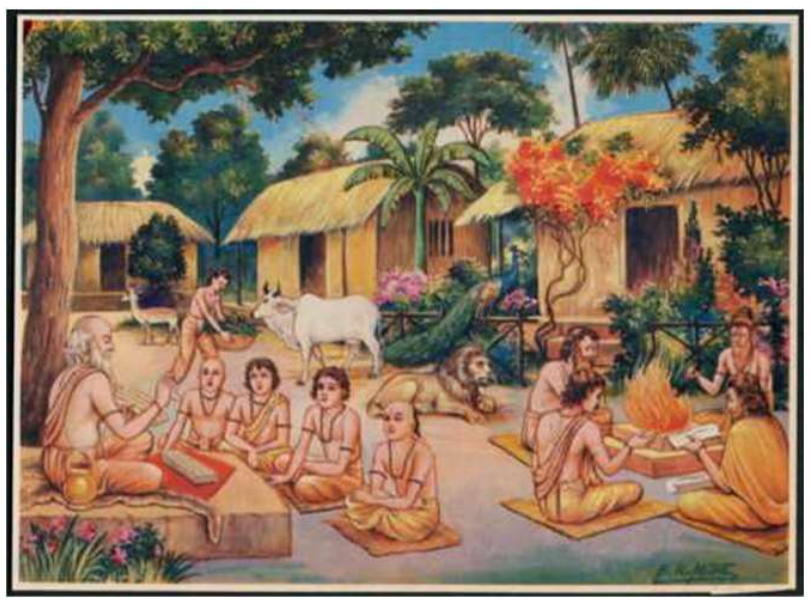
British rulers perpetuated the narrative that Indians were generally illiterate and education was restricted to high-caste Hindus, but their own surveys revealed that every village had at least one school and Sudras and other low-caste children constituted 70-84% of students. In contrast, a century of direct British misrule of India left the population with a dismal 12% literacy rate.
Survey of Indigenous Education in Madras Presidency 1822-1826
Colonial Subjugation
Creating a class of Brown British natives
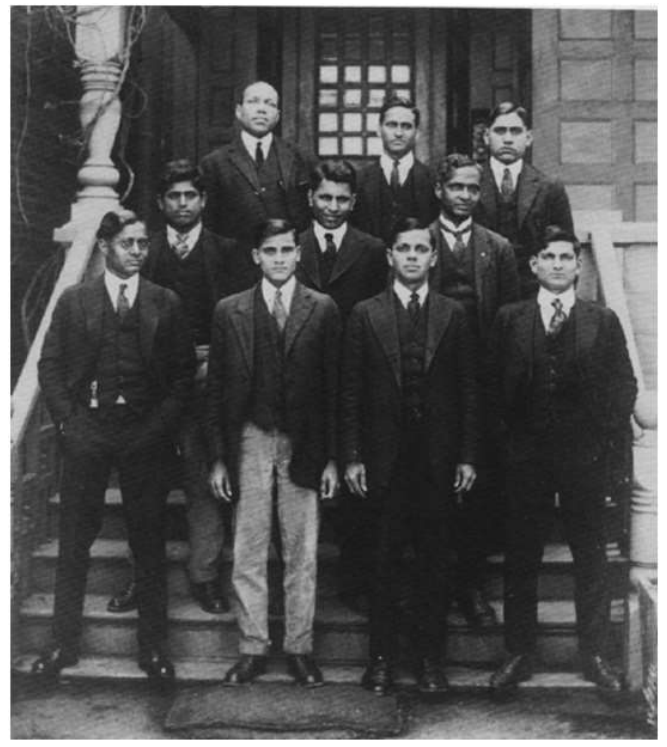
"We must at present do our best to form a class who may be interpreters between us and the millions whom we govern; a class of persons, Indian in blood and colour, but English in taste, in opinions, in morals, and in intellect. To that class, we may leave it to refine the vernacular dialects of the country, to enrich those dialects with terms of science borrowed from the Western nomenclature, and to render them by degrees fit vehicles for conveying knowledge to the great mass of the population."
Thomas Macaulay, East India Company, Minute on Education (1835)
Colonial Subjugation
Creating a class of Brown British natives
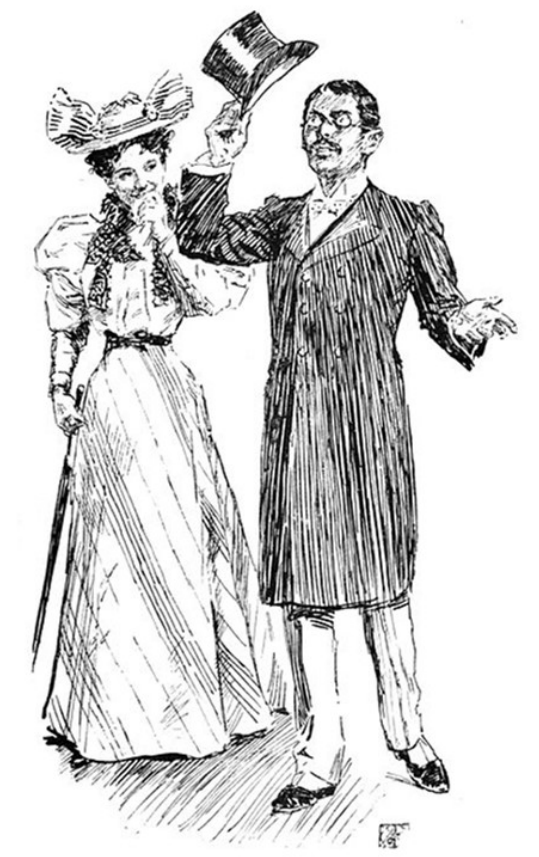
Despite their best efforts to adopt English language, clothing and mannerisms, the Anglicized Brown British native clerks of India were often viewed with contempt and ridiculed as 'Bengali Baboos' by their White masters for their ornate speech, self-importance and fawning attitude towards any Westerner they met.
51
Colonial Subjugation
Converting native Hindu Rajas into proper British gentlemen
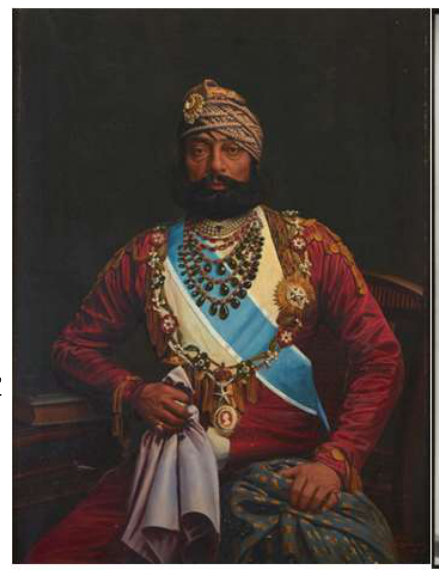
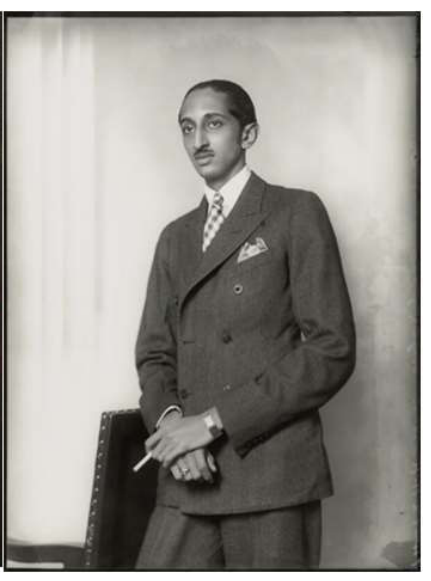
"Concerned at the rising awareness of nationalism after the Indian Mutiny of 1857, the British realized that to strengthen their hold in India they, being just a handful, needed to widen their political and psychological management of India and the Indians. Thus they began to focus on the education of Native Princes and the pursuit of the objective in Macaulay's Minute on Education of 1837 'to create a class of people-Indian in Blood and Color but English in opinions, in morals and in Intellect' became the cornerstone of their strategy."
Mayo College, The Eton of India
Before:
After:
52
Criminalizing Indigenous
Communities
Criminal Tribes Act of 1871
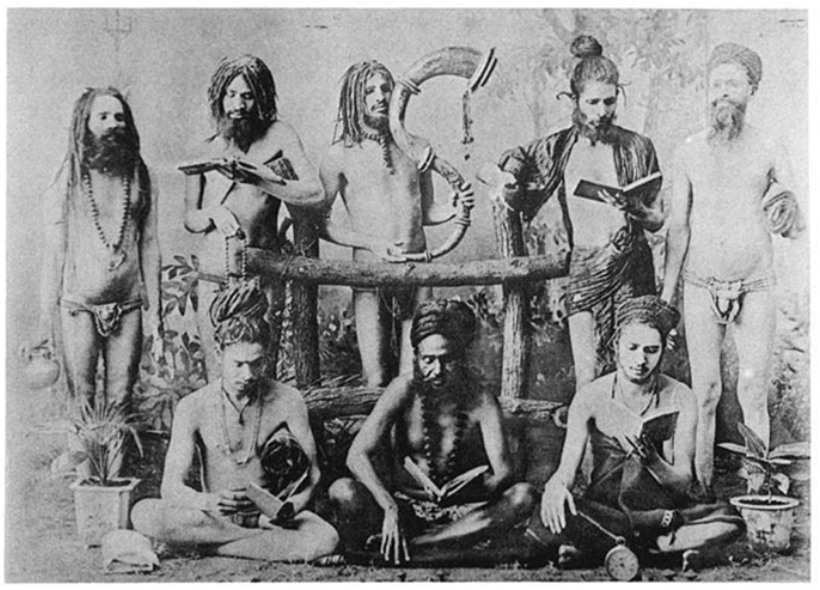
The British government passed the Criminal Tribes Act where various ethnic communities were deemed subversive to colonial authority simply because they did not conform to their idea of 'civilized living'. Targeted populations, such as sadhus, sanyasis, tribals, nomads, gypsies and sudras, were presumed guilty by birth, murdered, raped, arrested, had children separated from parents, and held in penal colonies or quarantined without conviction or due process. Upon release from British custody, targeted communities were subject to surveillance and given tattoos to stigmatize them and make them easier to track.
Criminalizing Indigenous
Communities
Thuggee and Dacoity Suppression Acts
In an effort to demonize Hindus and feed the stereotype of the savage oriental, British authorities and media sensationalized stories of bloodthirsty thuggees, or bandits, who would offer human sacrifices to the wicked and fearsome goddess Kali. The image of the thuggee was promoted worldwide as an example of all that was wrong with India.
In addition to denigrating Hindu culture, the narrative of the thuggee menace was also used to justify colonial rule, suspend civil liberties and target subversive elements that challenged British hegemony.
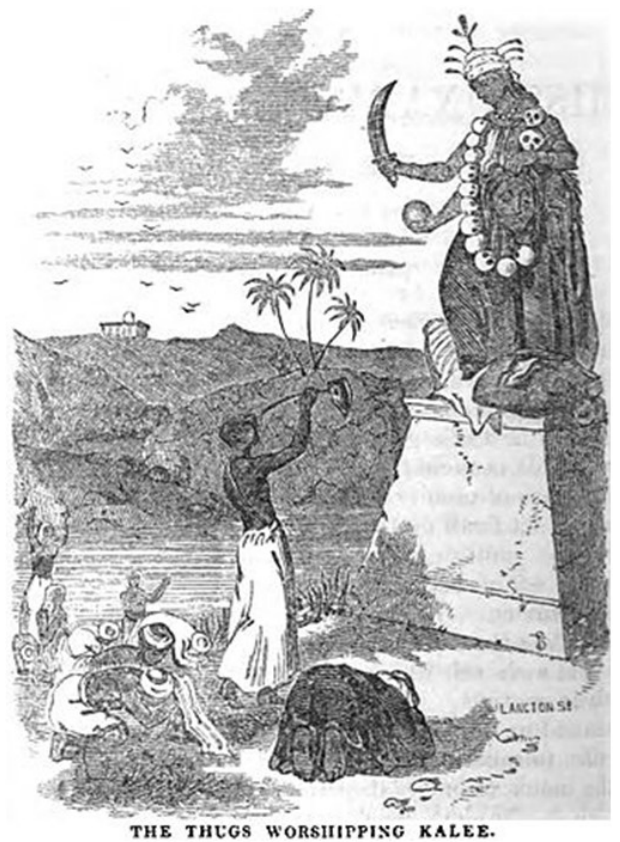
THE THUGS WORSHIPPING KALEE.