“Secular” India
This text was machine-transcribed from the printed book and may contain errors. Select the words and choose “Report a mistake”.
Hindu Temples Looted and Neglected
Post-Independence, the Indian State continued the British policy of taxing and managing the wealth and properties of all major Hindu temples despite claiming to be a ‘secular’ state. Their governance of Hindu temples has been fraught with mismanagement, neglect corruption, theft of jewels and deities and alienation of temple land:
“Many temples constructed at least 1,500 years ago or much before the temples recognized by UNESCO are in ruins. Even the daily rituals are not performed. Some temples remain closed throughout the day with no one to even light the lamps.”
Madras High Court, citing a UNESCO report highlighting government incompetence and corruption in temple

“Secular” India
The Case of Sabarimala - Anti-Hindu Activism
The Sabarimala temple dedicated to Lord Ayyappa in Kerala, South India represents one of Hinduism’s unique spiritual ecosystems. The form of the Ayyappa worshipped at Sabarimala is Naishtik Bramhachari, a strict celibate. As such, women of reproductive age are forbidden to enter the temple out of respect for Ayyappa and to maintain the sanctity of the spiritual ecosystem. Otherwise, in the almost 1000 other Ayyappa temples across India, men and women are equally allowed access while Sabarimala is the single exception.
Ayyappa devotees undergo a 41-day period of celibacy, fasting and other penances prior to making the pilgrimage to prepare their bodies and consciousness for the spiritual ecosystem present in Sabarimala temple. Scriptures and oral tradition explain that the celibate male energy present at Sabarimala is actually harmful to the fertile female body.

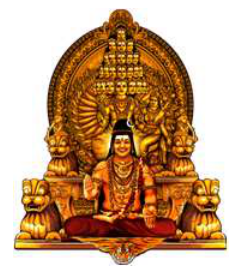
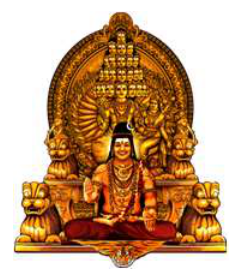
Lord Ayyappa

Ayyappa devotees on pilgrimage

“Secular” India
The Case of Sabarimala - Anti-Hindu Activism
Visited by over 50 million devotees a year, Sabarimala is one of the world's largest pilgrimage sites, exceeded only by Mecca. Given its prominence the Sabarimala temple has been targeted by Anti-Hindu social activists for years as part of a broader campaign to delegitimize Hinduism as sexist and patriarchal.
The temple was forcibly entered, vandalized, its deity broken and burned down in 1950 by Syrian Christian provocateurs. At the time of the arson, the Marxist atheist Chief Minister of Travancore-Cochin, C. Keshavan, famously stated:
“If a Hindu temple is destroyed, that much superstition is destroyed”
and since 1991 a group of activist lawyers have sought to force Sabarimala to accept women by judicial fiat.
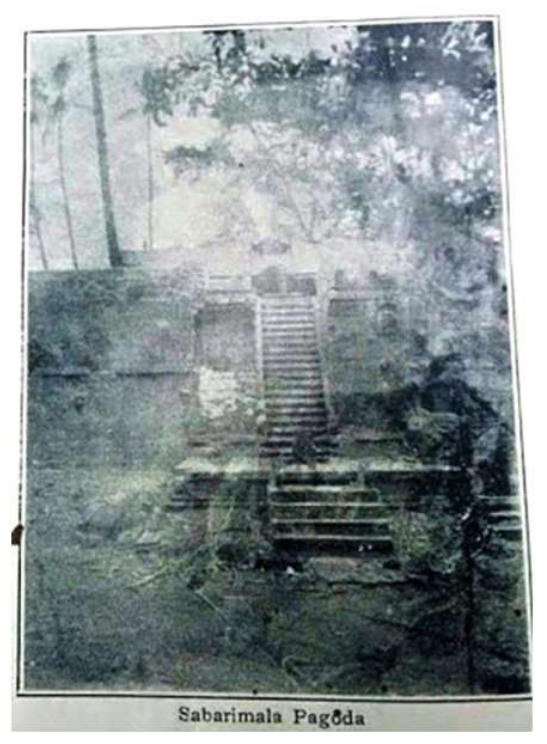
The remains of Sabarimala after it was burned down in 1950
“Secular” India
Media narratives used to stereotype and demoralize Hindus
Psychological warfare: "the use of propaganda against an enemy, supported by such military, economic, or political measures as may be required. Such propaganda is generally intended to demoralize the enemy, to break his will to fight or resist, and sometimes to render him favourably disposed to one's position. The communications media most commonly used in psychological warfare are the same as those used in civilian life; radio, newspapers, motion pictures, videos, books, and magazines form a large part of the output. Psychological warfare need not be subtle or sophisticated in conduct and execution."
Encyclopaedia Britannica


“Secular” India
Media narratives used to stereotype and demoralize Hindus
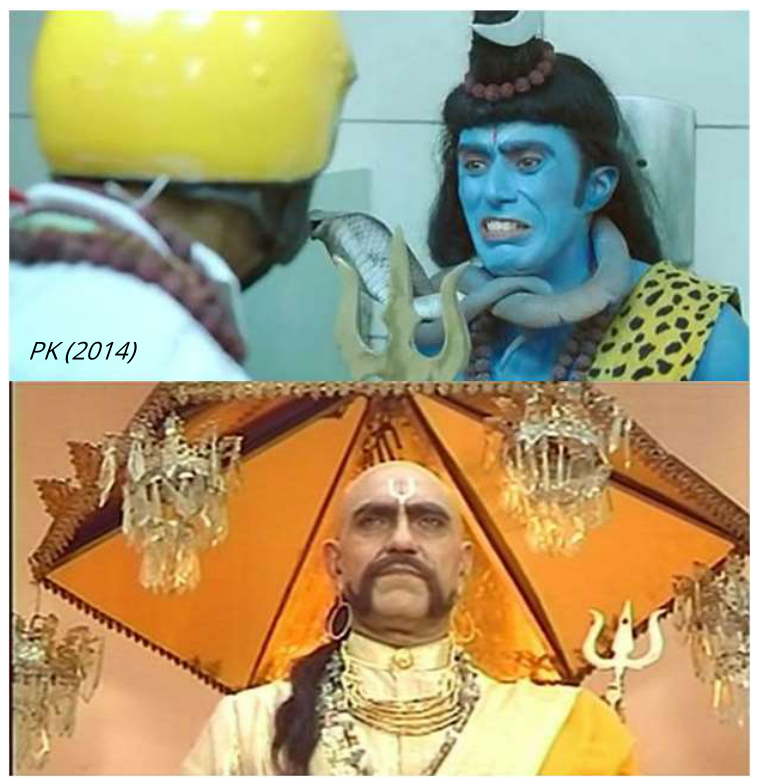
Bollywood and other mainstream media outlets consistently portray Hindu gods and gurus as cartoonish, dishonest, corrupt, sex fiends in a manner similar to British imperial propaganda.
PK (2014)
59
“Secular” India
Media narratives used to stereotype and demoralize Hind
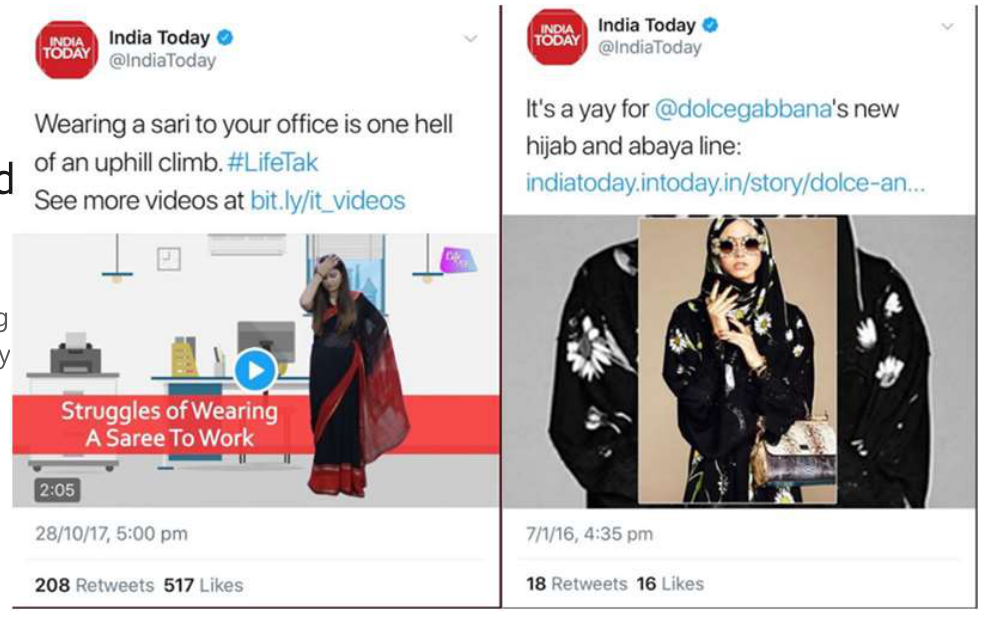
India Today denigrates the Hindu sari while praising the Muslim hijab. The glaring double-standard only makes sense in light of the anti-Hindu colonial stereotypes perpetuated in modern India.
60

“Secular” India
Hindu Self-Hatred
The relentless campaign of psychological warfare waged on Hindu minds by the British and their brown successors post-Independence have resulted in a Hindu population that is demoralized, delegitimized and without a sense of identity except to pathetically ape the West. This is a textbook case of internalized racism.
Result: Indians spend billions annually on fairness cream to lighten their skin to be more like their former British masters. A 2014 marketing study found that almost 90% of Indian girls cite skin lightening as a “high need.”

62