Phase 1: Islamic Invasions
This text was machine-transcribed from the printed book and may contain errors. Select the words and choose “Report a mistake”.
800-1700 A.D.
The physical destruction of Hindu civilization
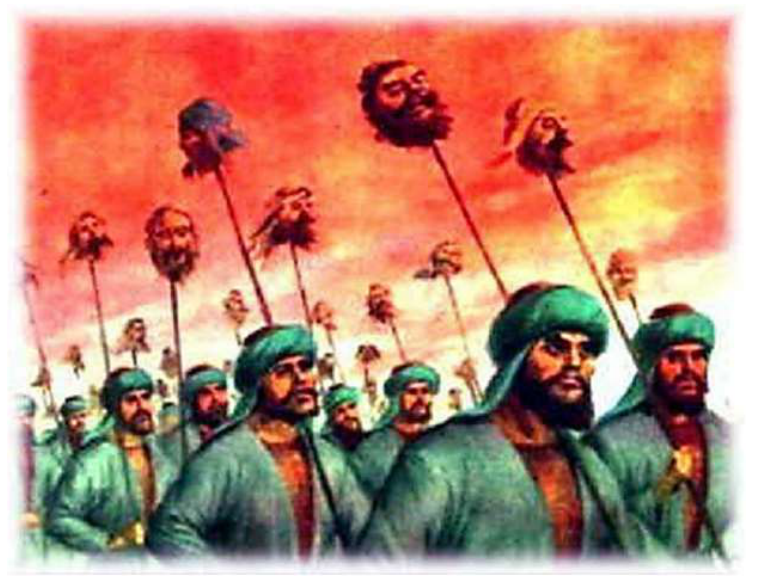
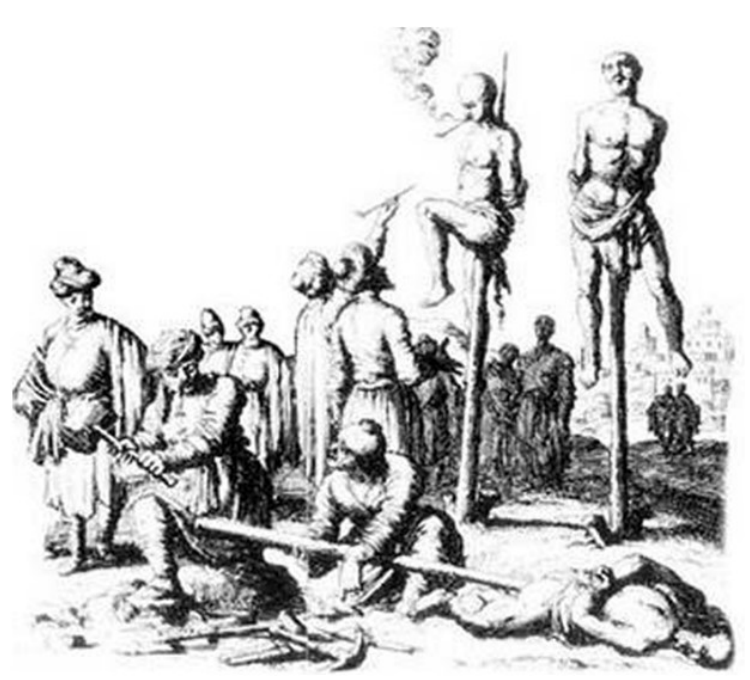
"The Mohammedan conquest of India is probably the bloodiest story in history. The Islamic historians and scholars have recorded with great glee and pride the slaughters of Hindus, forced conversions, abduction of Hindu women and children to slave markets and the destruction of temples carried out by the warriors of Islam during 800 A.D. to 1700 A.D. Millions of Hindus were converted to Islam by sword during this period." Millions more were raped and murdered and dismembered,
Will Durant The Story of Civilization: Our Oriental Heritage (1935)
32

Islamic Invasions
"The conquering armies burnt villages, devastated the land, plundered people's wealth. Took Brahmins and children and women of all classes captive, flogged with thongs of rawhide, carried a moving prison with them, and converted the prisoners into obsequious Turks."
-Kanhadade Prabandha, 1456 A.D.
200 M
Hindus slaughtered by Muslim invaders
100 K
Temples destroyed
1 M
Deities and sculptures destroyed
The Rape of a Continent
Genocide endorsed by Islamic law
"If the infidels, upon receiving the call [to convert to Islam], neither consent to it nor agree to pay capitation tax, it is then incumbent on the Muslims to call upon God for assistance, and to make war upon them, because God is the assistant of those who serve Him, and the destroyer of His enemies, the infidels, and it is necessary to implore His aid upon every occasion; the Prophet, moreover, commands us so to do. And having so done, the Muslims must then with God's assistance attack the infidels with all manner of warlike engines (as the Prophet did by the people of Ta'if), and must also set fire to their habitations (in the same manner as the Prophet fired Baweera), and must inundate them with water and tear up their plantations and tread down their grain because by these means they will become weakened, and their resolution will fail and their force be broken; these means are, therefore, all sanctified by the law."
Al-Hidayah (1197), one of the most influential works of Sunni jurisprudence
The Rape of a Continent
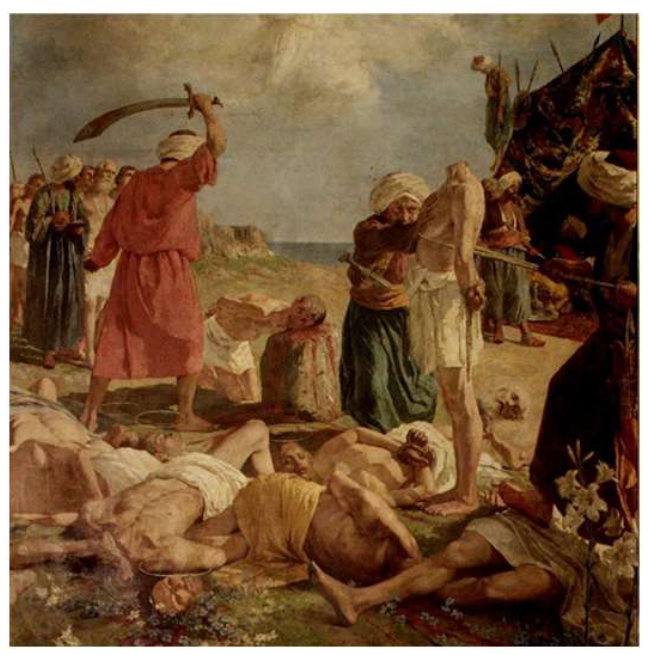
"Hindus are like the mud; if silver is demanded from them, they must with the greatest humility offer gold. If a Mohammedan desires to spit into a Hindu's mouth, the Hindu should open it wide for the purpose. God created the Hindus to be slaves of the Mohammedans. The Prophet hath ordained that, if the Hindus do not accept Islam, they should be imprisoned, tortured, and finally put to death, and their property confiscated. To keep the Hindus in abasement is especially a religious duty, because they are the most inveterate enemies of the Prophet. "
Abdullah Wassaf, Tazjiyat-ul-Amsar (1606), describing the Islamic law prescribed for Hindus as conveyed to Alauddin Khilji by his qazi, or legal adviser.
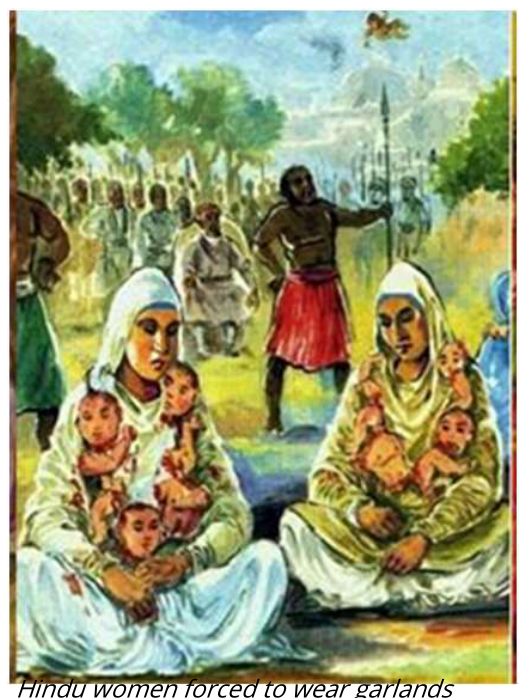
Hindu women forced to wear garlands made from the bodies of butchered children
The Rape of a Continent
"The Raja of Nagrakote, after sustaining some loss, submitted, but was restored to his dominions. The name of Nagrakote was on this occasion changed to that of Mahomedabad. Sultan Feroze, on this occasion, broke the idols of Nagrakote, and mixing the fragments with pieces of cow's flesh, filled bags with them, and caused them to be tied round the necks of Brahmins, who were then paraded through the camp. It is said, also, that he sent the image of Nowshaba to Mecca to be thrown on the road that it might be trodden under foot by the pilgrims."
Muhammad Qasim Hindu Shah Firishta, Tarikh-i Firishta (1606)
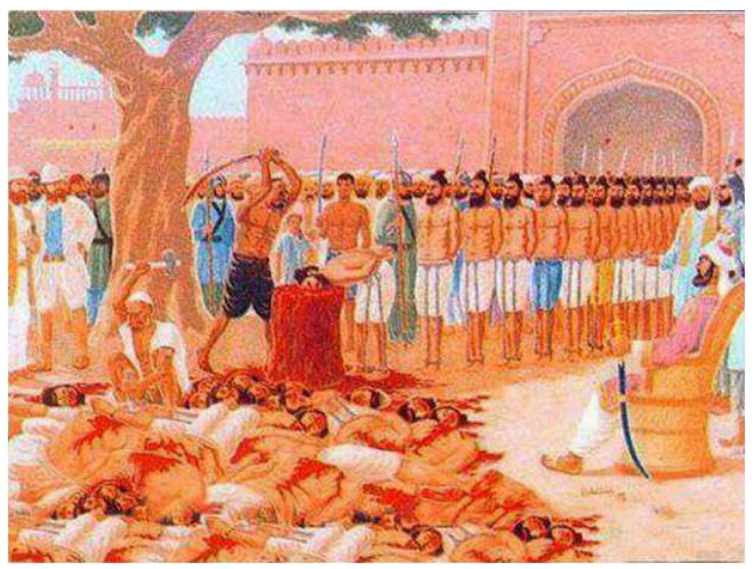
The Rape of a Continent
"The Hindu prisoners were divided into four sections and taken to each of the four gates of the great catcar. There, on the stakes they had carried, the prisoners were impaled. Afterwards their wives were killed and tied by their hair to these pales. Little children were massacred on the bosoms of their mothers and their corpses left there."
Ibn Battuta, Rihla (1354), describing the torture and massacre of Hindus by Ghiyas-ud-Din Muhammad Damghani of the Madhurai Sultanate