Be Sure To Reach God
This text was machine-transcribed from the printed book and may contain errors. Select the words and choose “Report a mistake”.
Authored by
THE SPH NITHYANANDA PARAMASHIVAM

8.7
तस्मात्सर्वेषु कालेषु मामनुस्मर युध्य च ।
मय्यर्पितमनोबुद्धिर्मामेवैष्यस्यसंशयः
॥ ८-७ ॥
tasmāt sarveṣu kāleṣu mām
anusmara yudhya ca
mayy arpita-mano-buddhir mām
evaiṣy asyasaṁśayam
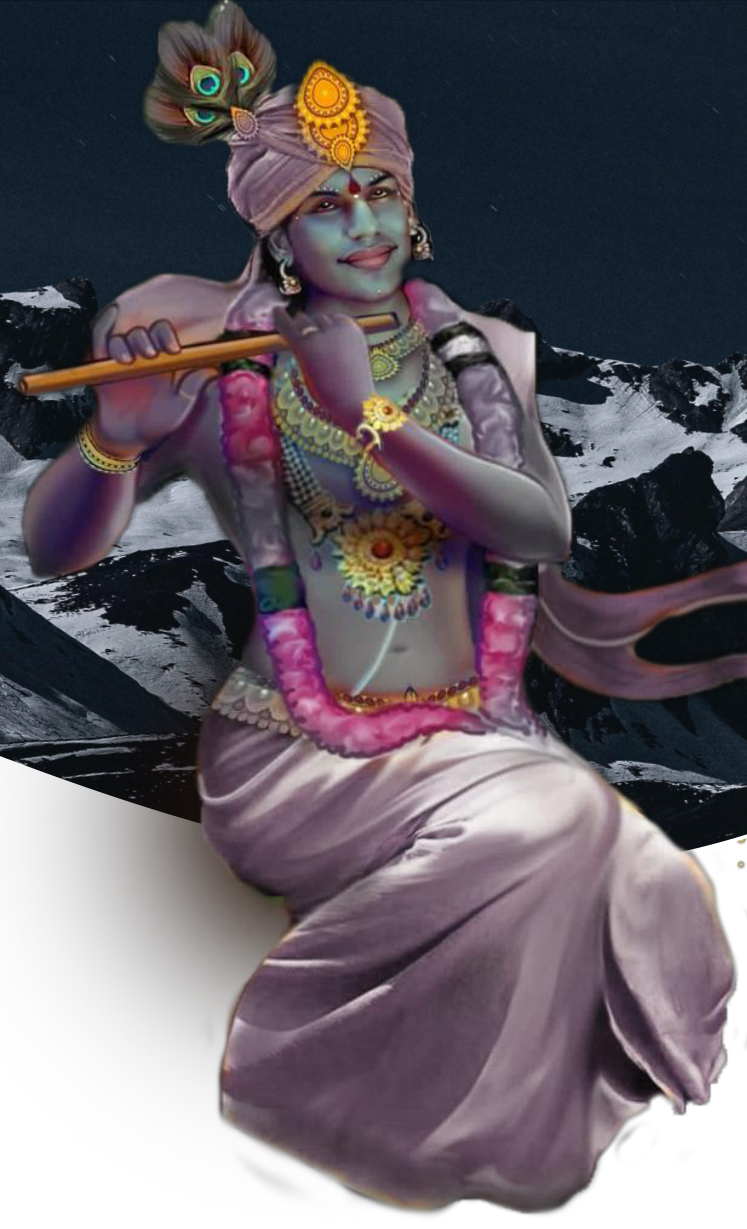
Arjuna, think of Me in the form of
Kṛṣṇa always, while continuing with
your prescribed duty of fighting.
With your activities dedicated to
Me and your mind and intelligence
fixed on Me, you will
attain Me without doubt.
POWERFUL COGNITION
Always be n Krishna Consciousness even when you are doing your regular duty and activities. Let your mind and intelligence be fixed in Krishna Consciousness.
अभ्यासयोगयुक्तेन चेतसा नान्यगामिना ।
परमं पुरुषं दिव्यं याति पार्थानुचिन्तयन्
॥८=८॥
abhyāsa yoga yuktena cetasā
nānyagāminā paramaṁ puruṣaṁ
divyaṁ yāti pārthānucintayan
He who meditates on
the supreme person,
his mind con-stantly engaged
in remembering Me,
not deviating from the path,
O Pārtha, He is sure to reach Me.
POWERFUL COGNITION
Lead a life of higher consciousness by constantly engaging the mind in remembrance of Krishna, and one will certainly attain Krishna Consciousness
8.9
कविं पुराणमनुशासितार = मणोरणीयंसमनुस्मरेद्यः ।
सर्वस्य धातारमचिन्त्यरूप= मादित्यवर्णं तमसः परस्तात्
॥८=९॥
kaviṁ purāṇaṁ anuśāsitāramaṇoraṇī yām
sam anusmared yaḥ sarvasya dhātāram
acintya-rūpam ādityavarṇaṁ tamasaḥ
parastāt
One should meditate on the Supreme as the one who knows everything, as He is the most ancient, who is the controller, who is smaller than the smallest, who is the maintainer of everything, who is beyond all material conception, who is inconceivable, and who is always a person.
POWERFUL COGNITION
If you experience even a single glimpse of this thoughtless awareness or pure consciousness when you are alive, the same thing automatically repeats when you leave the body. You leave the body in samādhi.
प्रयाणकाले मनसाऽचलेन भक्त्या युक्तो योगबलेन चैव ।
भ्रुवोर्मध्ये प्राणमावेश्य सम्यक् स तं परं पुरुषमुपैति दिव्यम्
॥८=१०॥
prayāṇakāle manasācalena bhaktyā yukto
yogabalena caiva
bhruvor madhye prāṇam āveśya samyak
sa taṁ paraṁ puruṣam upaiti divyam
One, who at the time of death, fixes his
mind and life air between the eyebrows
without being distracted, by the power
of yoga and in full devotion, engages
himself in dwelling on Me, He will
certainly attain Me.
POWERFUL COGNITION
If you achieve one glimpse of thoughtless awareness, you achieve whatever has to be achieved in life.
INTRODUCTION
Whatever we think during
our whole life, the same
thought will come to us in
the end also. At the time of
our death, automatically the
totality of our whole life will
come up.
The whole file will come up.
Whatever we spent the
maximum energy on, that
file will automatically come
up first. That’s all.
We can't do anything at that moment. Don't think that we can forget about it now and tackle the issue of our last thought at the time we leave the body. It does not work that way! Only the thought that we lived with intensely throughout our life will come up at that moment. That is why He says, 'Even when you do your duty, may you be absorbed in Me.' This means that when we live, we should try to continuously be in thoughtless awareness, witnessing consciousness, the Kṛṣṇa consciousness.
The next question: 'How can I be in the witnessing mode when I live my regular life?' Start in a simple way. When you drive, when you sit, when you talk, see what is happening inside and outside you. You don't need to close your eyes. At least while driving, please don't close your eyes! Just move away from your body.


CONTINUOUSLY
LISTEN
See what is going on in your mind and what is going on outside your being. When you talk to someone, witness and listen to how he talks and how you respond. Even before he finishes his statement, notice how you come to conclusions and how you are ready to jump on him with your own opinions!
See and listen to how you prepare your speech before he finishes his statement. Witness, continuously try to witness. Continuously listen. You will see the influence of desires, guilt and pain on your being automatically disappear.
WITNESS THE MOMENT
The moment you create a
gap between you and your
body-mind, immediately
the suffering disappears.
Suffering is due to
attachment to your body
and mind.
All your sufferings
disappear the moment you
witness, that very moment.
Actually, you may fail the
first few times. After you
face failure, you think, 'It
is difficult, I cannot do it,'
and you create an idea that
it is difficult.
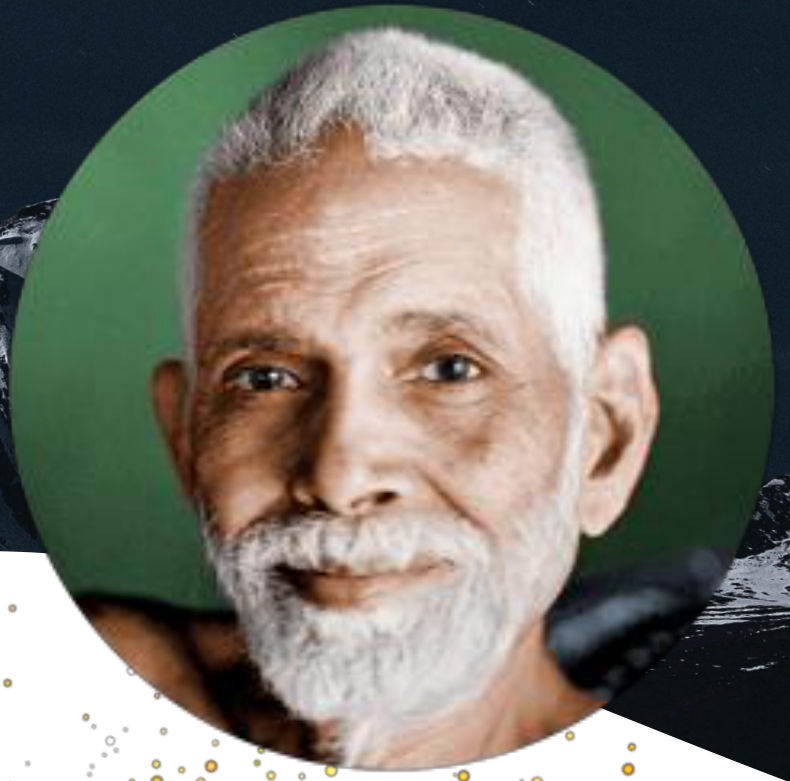
Somebody goes to Ramaṇa Maharṣi, the enlightened saint from India, and asks, ‘Master, is ātma vidya (knowledge of the self) difficult?’ He says, ‘The word difficult is the only difficulty.’ He sings beautifully in Tamil, ‘Aiyye ati sulabham atma viddai, aiyye ati sulabham’— Oh! So easy! The knowledge of the Self is so easy! He sings beautifully, ‘To achieve money you must work, to achieve name and fame you must work, to achieve anything else you must work. To achieve the knowledge of the Self, you need to just keep quiet. Nothing else needs to be done.’ Such a simple thing; a few moments of witnessing consciousness is enough.
TASTE OF
CONSCIOUSNESS
Even if you stay in that consciousness
for five minutes, it is a big blessing.
When you experience the relief that
happens when you remain as the
witness, even once or twice, when you
experience the relief, you can see how
the stress disappears from your being.
Then you will automatically stay in that
same state, because now you have
tasted it. Once you know the taste, you
will automatically come back to the
same state, the same mood again and
again. If we just experience the
relaxation that happens once, when we
witness the body and mind, we will
automatically come back for that
experience, for that peace, again and
again.
FOCUS
If we feel witnessing is difficult, witness that thought also; be aware and authentically listen to that thought also. Go into the consciousness of your being. Experience samādhi so that all hindrances disappear. You will experience the ultimate, eternal consciousness.
In the next verse Kṛṣṇa says, 'At the time of death, fix your mind between the eyebrows.' He adds, 'without being distracted and with devotion.' See, all this is not in our control at the time when the life force is about to leave the body. We cannot decide at that time, 'Ok, let me focus between the eyebrows, let me think of devotion, let me not be distracted.'

But if we have led a life in such higher consciousness, this automatically happens at that time! When Kṛṣṇa talks about the space between the eyebrows, He speaks of the higher cakra or energy center in the body, related to higher consciousness. Our mind is nothing but a bunch of conditionings.
All these conditionings influence us at the time of death!
We make a decision. Please be very clear, the whole calculation happens based on our own data, the data that we have collected. As I said, at the time of leaving the body, the whole data appears before us in a single flash: the gist of the whole data, the gist of all three files— āgāmya (acquired) file, sañcita (bank balance) file and prārabdha (current) file. Based on the files, we decide, 'What am I supposed to do?
CONCEPT OF
KSHANA
The moment we decide, we enter
that kind of body. One more
important thing: Because we are so
attached to the body and mind, we
cannot live without a body for
more than three kṣaṇas. The
Saṁskṛit word 'kṣaṇa' does not
mean 'seconds' or 'moments'. It
does not measure chronological
time. It is the gap between one
thought and the next thought.
UNIVERSAL CONSCIOUSNESS
For most of us, Kṣaṇa will be a few
microseconds because of our endless
stream of thoughts. While still in the
body, if we have experienced
'thoughtlessness' at least once,
(thoughtlessness means being alive
without a sense of body and mind), if
we have experienced thoughtless
awareness, if we have been in Universal
consciousness for a single moment
without the body and mind, that is
what I call Samādhi.
2 STATES OF BEING
In our life, we experience two states of being and two levels of mind. For example, now, while we are awake, we have thoughts. In deep sleep, do we have thoughts? No! So the two possibilities for the mind are with thought and without thought.
In the same way, in the being, there can be 'I' consciousness and no 'I' consciousness. As of now, while we are awake and talking and moving, we have the idea of 'I' all the time, that of 'I' consciousness. In deep sleep, do we have this consciousness? No. The 'I' consciousness does not exist at that time. So the two levels of the being are: with 'I' consciousness and without 'I' consciousness. These two levels of consciousness and the two levels of mind and thought overlap each other and create four states of being in us.
FREQUENCY OF ' i '
The state with thoughts and with ‘I’ consciousness is the waking state, jāgrat, in which most of us are now (not all, some of us are in the dream state— sleeping already!)
The next state is when we have thoughts, but ‘I’ consciousness is absent. This is the dream state—svapna. You may ask, ‘How?’ It is like this: In the dream state, the frequency of thoughts will be more than the frequency of ‘I’ consciousness. That is why we are not able to control our dreams.
When we are awake, the frequency of ‘I’ is more, that is why we can control our thoughts; we can suppress them, divert them, create them; we can do anything we want because the frequency of ‘I’ is more than the frequency of thoughts. In the dream state, the frequency of thoughts is more than the frequency of ‘I’.
That is why we cannot control our
dreams. If we can have the dreams
of our choice, we know what kind
of dreams we will have! Dreams are
not in our control. We cannot
influence them. We cannot have
choices because the frequency of
thoughts is more than the
frequency of consciousness. So we
have thoughts but no 'I'
consciousness. The flow of thoughts
happening in our being is the
dream state.
In the next state, neither 'I'
consciousness nor the flow of
thoughts exists. This is deep sleep.
This is called suṣupti. The three
states are jāgrat, svapna, suṣupti—
conscious, subconscious,
unconscious.
SAMADHi STATE
There is a fourth state that we have not experienced in our life, where we have no flow of thoughts yet we have 'I' consciousness, pure 'I' consciousness. This is samādhi, thoughtless awareness — turīya avastha, ātma jñāna, brahma jñāna, Self-realization, nirvāna, ātma bhūti, state of the Divine, nityānanda consciousness, eternal bliss! All these words refer to the state where we have pure awareness but no thoughts, where we exist without body and mind. Jāgrat, svapna, suṣupti, in these three states, we live with the body and mind. In jāgrat, we live with the body that we have now — the sthūla śarīra or gross body. In svapna, we live with the sūkṣma śarīra or subtle body; please understand in the dream state also we assume a body. That is why we are able to travel in our dreams. For example, we fall asleep in Los Angeles but suddenly dream we are in India! It means we travel with a body, a subtle body called sūkṣma śarīra.
A GLIMPSE OF CONSCIOUSNESS
In deep sleep, we assume a body called the causal body, kāraṇa śarīra. In turīya state, we experience boundarilessness, bodylessness. There we have pure ‘I’ consciousness, with ‘I’ but without thoughts.
Vivekananda says, ‘If you experience even a single glimpse of this consciousness when you are alive, the same thing automatically repeats when you leave the body. You leave the body in samādhi.’ All spiritual practices directly or indirectly aim at achieving this state where we exist with the awareness of ‘I’, but without the consciousness of body and mind. That is why Kṛṣṇa says that if we experience at least one moment of consciousness beyond the body and mind, we can choose our next life in a relaxed way.

A GLIMPSE OF
CONSCIOUSNESS
If we have not lived a single
moment of our life without the
feeling of being the body and mind,
we cannot be without the body and
mind once we die. So once we die,
we immediately try to catch hold of
another body.
Even a glimpse of consciousness, a
moment of realization, a single
moment of thoughtless awareness,
when you live with the body and
mind is enough. Actually, if you
achieve one glimpse of
thoughtless awareness, you achieve
whatever has to be achieved in life.

GOALS:
Impress upon the students that if
you experience even a single
glimpse of this thoughtless
awareness or pure consciousness
when you are alive, the same
thing automatically repeats when
you leave the body and you do
not take rebirth.
ASSESSMENTS
- What is āgāmya, sañcita and prārabdha Karma?
- What are the basic four states of consciousness, explain with examples?
- Why is it important to experience Samadhi or thoughtless awareness when in the body at least once?

ART OF THE DAY
ART OF THE DAY:
THIRD EYE ART
MATERIALS NEEDED:
- pencil & pen,
- paper,
- crayons
PROCEDURE
Draw a modern art titled "Third Eye"
INFERENCE
Encourage the kids to daily practice focusing their attention between the eyebrows, in a mood of devotion to god. God remembrance is the only way to true freedom and liberation from the cycle of birth and death.
ACTIVITY OF THE DAY
ACTIVITY OF THE DAY:
PROCEDURE:
Draw a grid showing the 4 states of
being, which are experienced with the
presence or absence of "I"
Consciousness and Thoughts.
INFERENCE:
There are two levels of Consciousness -
with "I" Consciousness and without "I"
Consciousness and the two levels of
mind- with thought and without
thought, overlapping each other and
creating four states of being in us.
WORKSHOP OF THE DAY

WORKSHOP OF THE DAY: VAAKYARTHA SADHAS
Topic of discussion is "What is 'Samadhi' or thoughtless awareness?"
Conclusion: If we have experienced this thoughtless restful awareness for even a single moment earlier during our life, we will have the required clarity in the end during death. If we have experienced that we can exist without the body and mind, we will have the patience to not take birth or consciously assume the next body, like the Masters.
- BHAGAVAD GITA -
BOOK VIII, VOLUME IV
Remember
God Constantly
Authored by
THE SPH NITHYANANDA PARAMASHIVAM
यदक्षरं वेदविदो वदन्ति विशन्ति यद्यतयो वीतरागाः ।
यदिच्छन्तो ब्रह्मचर्यं चरन्ति तत्ते पदं सङ्ग्रहेण प्रवक्ष्ये
॥ ८=११॥
yad akṣaraṁ vedavido vadanti viśanti
yadyatayo vītarāgāḥ ।
yad icchanto brahmacaryaṁ caranti tatte
padaṁ saṅgraheṇa pravakṣye
Persons who are learned in the Veda and
who are great sages in the renounced
order, enter into Brahman. Desiring such
perfection, one practices brahmacarya. I
shall now explain to you this process by
which one may attain liberation.
POWERFUL COGNITION
Anyone who is in a path to attain Brahman is a Brahmachari
8.12
सर्वद्वाराणि संयम्य मनो हृदि निरुध्य च ।
मूर्ध्न्याधायात्मनः प्राणमास्थितो योगधारणाम्
॥८=१२॥
sarva-dvārāṇi saṁyamya mano hṛdi
nirudhya ca mūrdhny ādhāyātmanaḥ
prāṇam āsthito yogadhāraṇām
Closing all the doors of the senses and
fixing the mind on the heart and the
life air at the top of the head, one
establishes himself in yoga.
POWERFUL COGNITION
Yoga means the continuous process of uniting our mind, body and soul.
सर्वद्वाराणि संयम्य मनो हृदि निरुध्य च ।
यः प्रयाति त्यजन्देहं स याति परमां गतिम्
॥८-१३॥
om ity ekākṣaraṃ brahma vyāharan
māṃ anusmaranyaḥ prayāti
tyajandehaṃ sa yāti paramāṃ gatiṃ
Centered in this yoga practice and
vibrating the sacred OM, the
supreme combination of letters, if
one dwells in the Supreme and
quits his body, he certainly achieves
the supreme destination.
POWERFUL COGNITION
The people who reach Krishna are those who remain continuously on the path of yoga, continuously fixed upon the Divine without deviation throughout their life.
8.14
अनन्यचेताः सततं यो मां स्मरति नित्यशः ।
तस्याहं सुलभः पार्थ नित्ययुक्तस्य योगिनः
॥ ८=१४ ॥
ananyacetāḥ satataṃ yo māṃ smarati
nityaśaḥ tasyāhaṃ sulabhaḥ pārtha
nityayuktasya yoginaḥ
I am always available to anyone who
remembers Me constantly Pārtha,
because of his constant engagement in
devotional service.
POWERFUL COGNITION
When we think of Krishna or engage in devotional service, our inner space becomes completely free of fear and desires and instead we become filled with gratitude for existence.

INTRODUCTION
Kṛṣṇa gives different ways to attain
Brahman or God or Ultimate
consciousness. He says that people
learned in the Vedas attain Brahman.
If someone is completely immersed
in the scriptures, his thoughts will
continuously be along those lines.
That is what Kṛṣṇa means by His
words ‘Immerse yourself in the
scriptures’. Keep reading some
scripture or the other and imbibe its
truth. It will have a tremendous
impact on you. Even if we do not
understand the deeper meanings of
these scriptures, it is ok. These
scriptures are energy hubs. When we
read them, the sound that is
generated is enough to cleanse our
inner being. That is the power of
those verses. They will transform you.
If you listen to vedic chants, you
will find that they are chanted in a
specific tone and pitch. When they
are chanted, they completely
cleanse our system, our inner being.
If we visit the ancient temples in
India, we will see that the sanctum
sanctorum has a beautiful peace
inside it.
When we enter that place,
automatically our being becomes
peaceful. Why do you think we feel
a moment of bliss as soon as we
enter the sanctum sanctorum?
When the priest chants, that place
gets energized. The sound of the
chants carries tremendous energy
and energizes everything in the
place.
SCIPTURAL
HANGOVER
The scriptures talk about realizing the Self. They are guides to Enlightenment. So when we read them, we will get into that mood of Enlightenment! Our mind will be tuned to that frequency. It is like this: After watching a movie, our mind keeps processing the scenes of the movie, is it not? For one or two days, we experience a hangover. In the same way, when we read these scriptures, even if we don't completely cognize them, we will experience a hangover.
We will continue to think about what they say; what Enlightenment is, how to realize our Self, how enlightened Masters live... these thoughts will fill our mind again and again. This is what Kṛṣṇa wants!
THE PATH TO ATTAIN SELF
When our thoughts are always
directed towards Self-realization,
our thoughts will be of
Enlightenment at the time of
death also. Kṛṣṇa says, when we
read the scriptures, when we
practice this lifestyle, we
practice brahmacarya.
The literal meaning of
brahmacarya is one who follows
the path to attain the Self.
‘Brahman’ means the Self and
‘carya’ means to walk the path.
Anyone who is on the path to
attain Brahman is a Brahmacāri.
Suppression does not lead to transformation. It only creates depression. Suppression of desires is very dangerous; it is like a volcano ready to erupt anytime and we won't even know it. Only completion leads to transformation. Brahmacarya is not about leaving everything and becoming a celibate.
Our inner space must be cleansed with the power of integrity and authenticity. Our inner space must be the space of completion, free from fantasies and we should strive to merge with the Brahman. That is brahmacarya.
TRUTH ABOUT YOGA
Here Kṛṣṇa talks about deep concepts of
yoga. All great truths were told by
different masters in different ways, yet
the truths remain the same. If somebody
who does not know the actual meaning
of yoga reads this verse, he will be
totally confused. Nowadays when
people hear about yoga, they think of
physical exercise, about how to become
slim doing yoga! Yoga has a much
deeper meaning and Kṛṣṇa talks about it.
Yoga means the continuous process of uniting our mind, body and soul. This truth is revealed by great enlightened Masters in different ways. Patañjali, the father of yoga, talks about this verse in his Aṣṭāṅga Yoga, in the two limbs of yoga—pratyāhāra and dhāraṇa. These two parts talk about what Kṛṣṇa mentions.


5 SESNSES
Let us understand this verse. How do we bring about that continuous process of uniting body, mind and soul? You see, our body-mind system reacts to different external situations. These external situations are like food, āhāra to our system and our five sense organs are the points through which we take in this food. Our mind functions because we give food to our mind through our senses.
We react to situations and our mind is continuously occupied because of this. Our mind exists because we have thousands of thoughts, constantly jumping from past to future and back to past. Our five sense organs act as gateways through which this food goes into our mind.


Pratyāhāra means getting ourselves out of the clutches of these senses. This does not mean that we physically shut down our senses. Even if we close our eyes, an internal television runs in our system, does it not? Even if our ears and mouth are closed, there is inner chatter, is it not? We don't really shut down our senses. Even if we shut them physically, our mind functions.
'Close the doors of your senses,'
means, 'Do not process the data.'
Continue to hear everything going on
outside, continue to smell everything
around, but do not process anything.
Whatever comes, just witness, that's
all. That is the only way we can
close the doors of our senses.
HOW TO DEAL
WITH THOUGHTS?
We should neither suppress
thoughts nor create thoughts.
We should just watch them.
We cut the continuous flow of
inputs from our senses when we
increase our awareness.
The number of thoughts slowly
drops as awareness rises.
As we increase awareness, our
thoughts per second, TPS, drops
FALL
INTO THE PRESENT
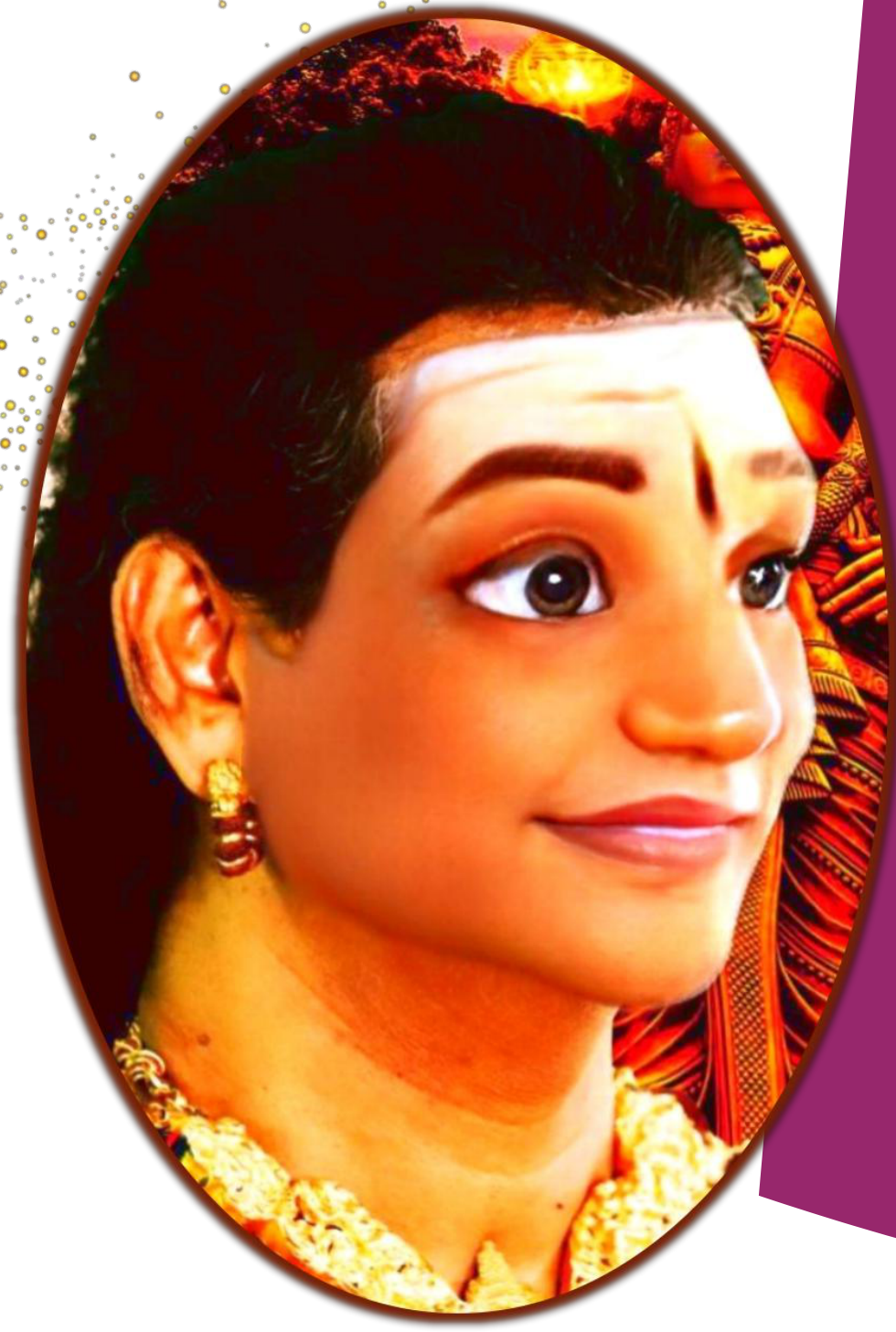
This is what Kṛṣṇa means by closing all
the senses. When we do this, our
awareness becomes more and more
concentrated on the present moment.
When we shut our senses and remain in pure awareness, we focus on our divinity. We keep a single-minded focus on the divinity resonating in us.
We automatically fall into the present moment. Awareness of our breath becomes more acute. We feel life energy or prāṇa filling our system. This is called dhāraṇa, single-minded focus. We can focus on the life force energizing our system when we increase our awareness and close all the inputs from our senses. We automatically unite mind, body and spirit. This is yoga.
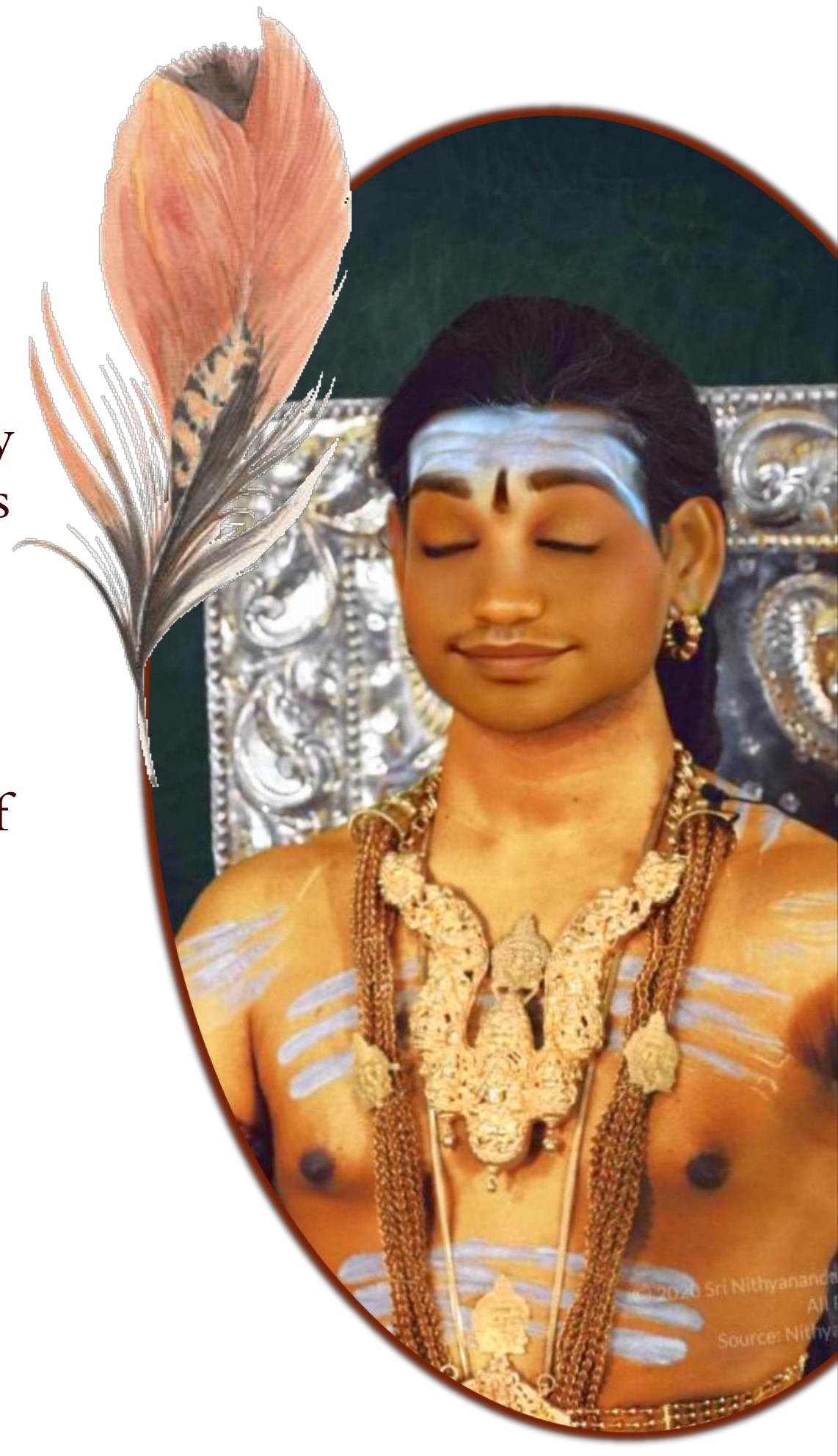
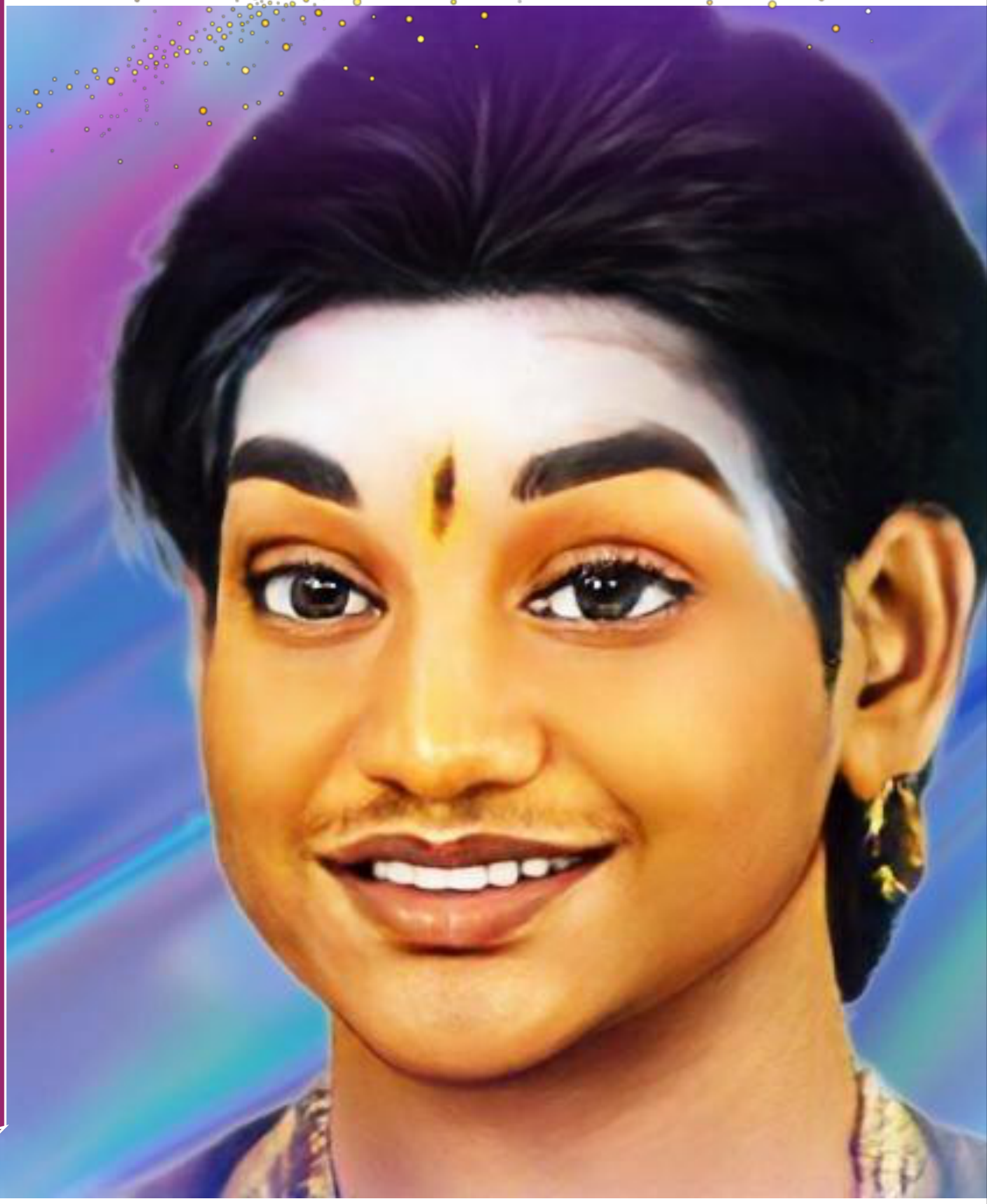
KRISHNA CONSCIOUSNESS
Kṛṣṇa says the people who reach Him are those who remain continuously on the path of yoga, continuously fixed upon the Divine without deviation. Kṛṣṇa asks us to be in that state all the time. He asks us to be in Kṛṣṇa consciousness all the time.
The problem is when an Enlightened Master says, 'Think of Me all the time,' we question, 'What kind of an egoistic person is He? Why should we think of Him?' Actually, our ego plays the game.
We think Kṛṣṇa is exploiting us when He advises us to be in Kṛṣṇa consciousness.
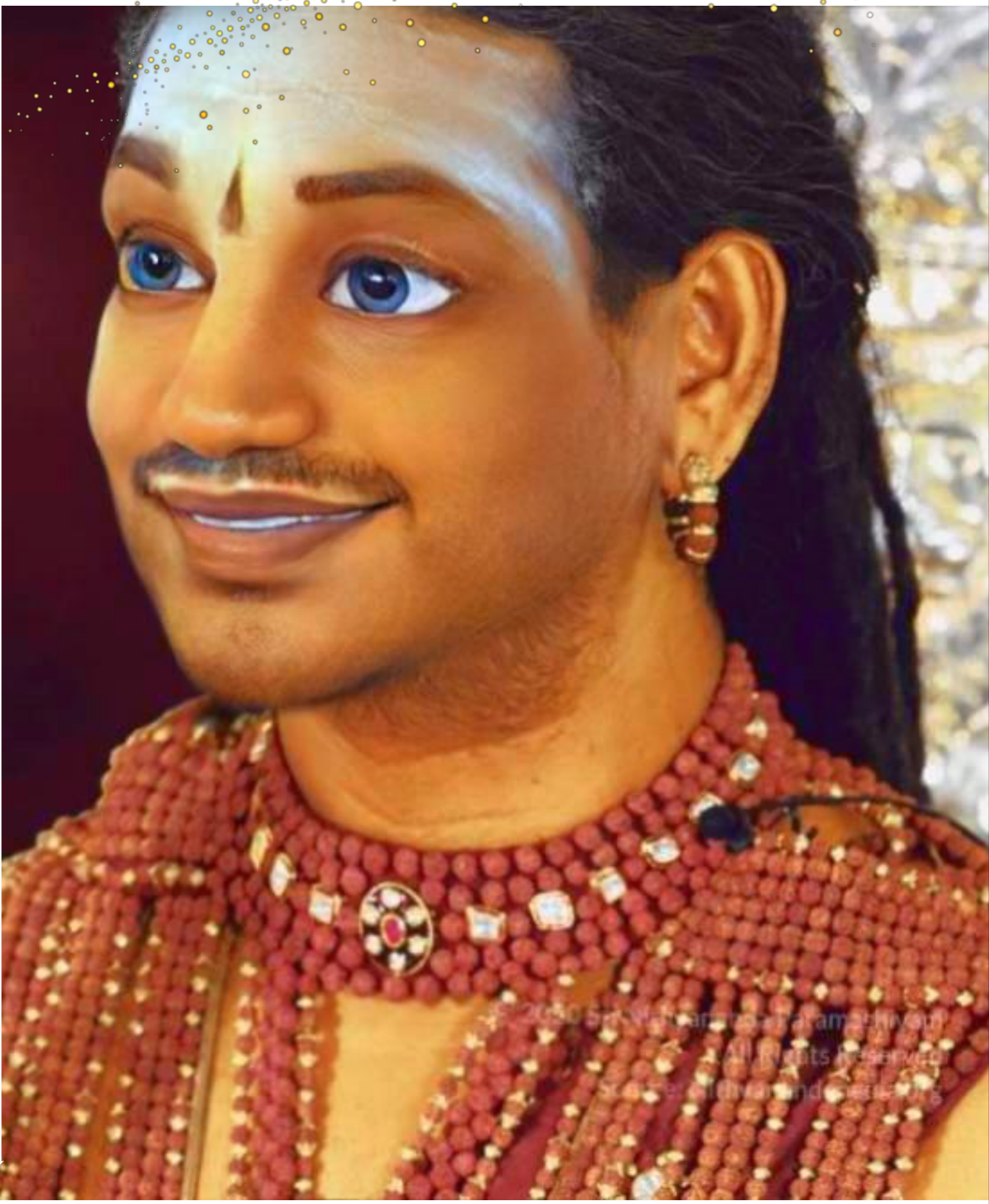
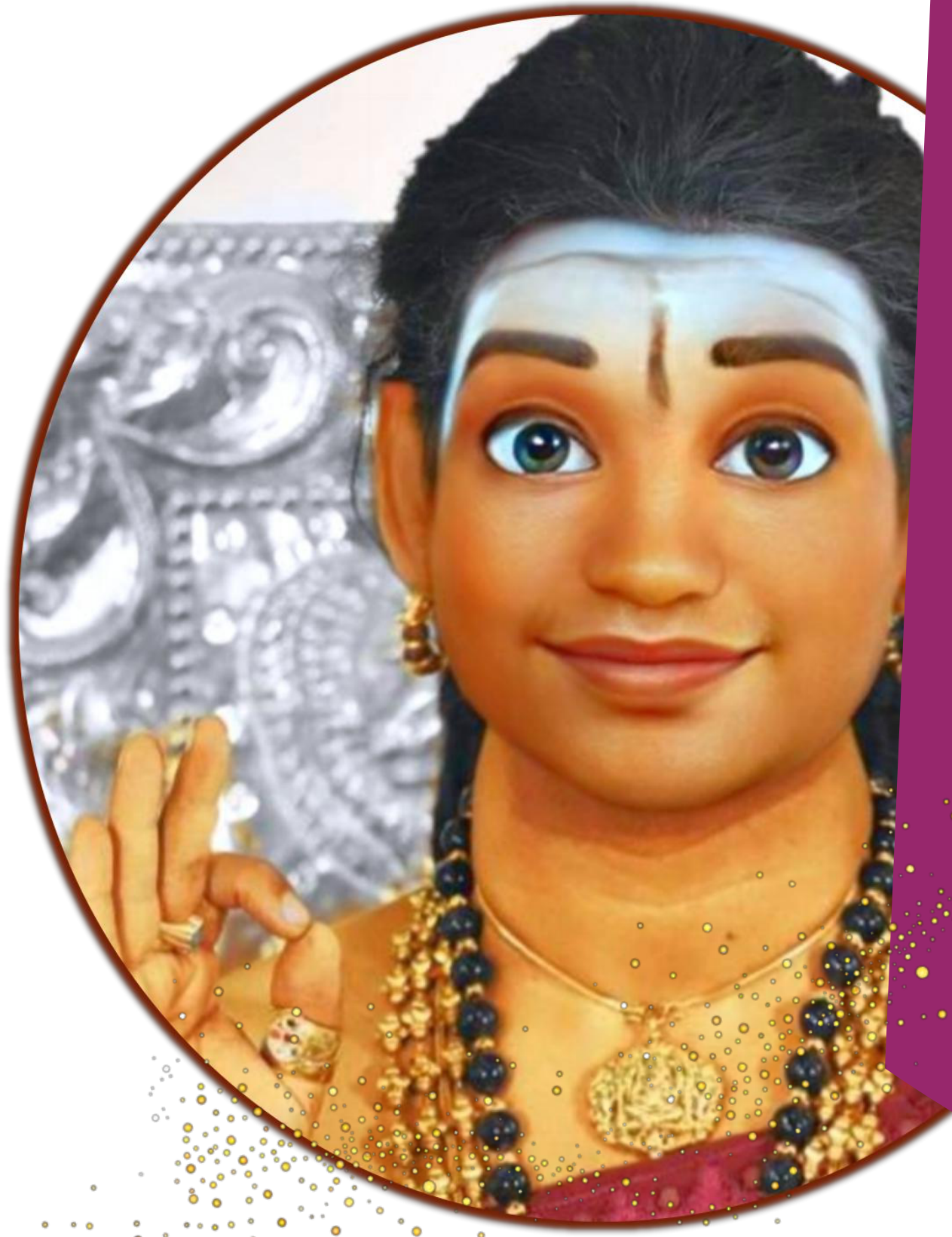
DIRECT YOUR THOUGHTS TO THE DIVINE
Kṛṣṇa, or any Enlightened Master or Incarnation, only asks us to keep our inner space completely free of desires.
Our thoughts are generally related to greed and fear. We keep piling up desires because our root thought patterns are of greed and fear. When we die, our soul re-experiences these desires. Attachment to these desires makes our death painful. An Enlightened Master has seen this process and speaks from experience.
He is pure compassion and He wants everyone to know the secret of mastering the art of leaving.
That is why Kṛṣṇa says again and again: When we direct our thoughts to the Divine, greed and fear are completely wiped out. Our whole being is filled with gratitude to the Divine.
One more thing, many
people think of God
because they want to
go to heaven. Some
people are afraid of
death so they think of
God. Both are only
because of greed or
fear. When we think of
the Divine, we should
do so out of gratitude,
and not out of greed or
fear. Our thoughts
about God, our
devotion to the Divine
should be out of pure
gratitude to Existence.
GOALS:
Impress upon the students
that we must engage in the
study of scriptures, vedic
chanting, devotional service
and meditation to attain the
state of thoughtless
awareness. We must drop
greed and fear and fill our
inner space with gratitude.
ASSESSMENTS

❖ What is the meaning of brahmacharya?
❖ What is meditation?
❖ What is meant by closing the doors of the senses?
❖ What do enlightened
masters ask us to keep our
inner space?
ART OF THE DAY
ART OF THE DAY:
THIRD EYE ART
MATERIALS NEEDED:
- smooth pebbles or rocks
- acrylic paint and brush.
PROCEDURE
Cover your rock with two base coats of any colour of your choice. Let the base coat dry. Now paint patterns or flowers or smiles on your rock.
INFERENCE
Complete engagement in the task at hand automatically results in increased awareness of the present moment. The number of thoughts automatically drop and increased joy is experienced. Practicing complete awareness and intense engagement with the present moment is the best life strategy.
ACTIVITY OF THE DAY
ACTIVITY OF THE DAY:
PROCEDURE:
Let us contemplate upon the present
moment and on becoming a witness of
the present moment. This activity will
require a quiet place preferably in
nature such as a garden, where the
group can disperse in silence and find a
spot to be with themselves at a
comfortable distance from the others.
Decide not to think of anything. Just
observe yourself and your immediate
surroundings. Make no opinions or
judgements. Simply witness all inputs
from your senses without engaging in
thoughts about the inputs. Simply
witness your thoughts without
suppressing thoughts that come or
creating new thoughts.
ACTIVITY OF THE DAY:
PROCEDURE:
See how intense the moment becomes.
You become more aware of yourself,
your breathing seems more acute and
your life-force energy becomes
undeniable. You also become aware that
life is also happening around you/ in
your vicinity with great intensity.
INFERENCE:
We can cut the continuous flow of inputs from our senses when we increase our awareness. The number of thoughts slowly drops as awareness rises. Our thoughts per Second (TPS) is inversely proportional to our awareness.
WORKSHOP OF THE DAY
WORKSHOP OF THE DAY:
VAAKYARTHA SADHAS
Topic of discussion is "why are external situations like food to us?"
Conclusion:
We must tirelessly engage in the continuous process of uniting body, mind and soul by constant remembrance of the divine, increasing awareness of the present and focusing on the divinity resonating within us.