LESSON: 6
This text was machine-transcribed from the printed book and may contain errors. Select the words and choose “Report a mistake”.
Introduction: Review yesterday topic and introduce them to the topic of positive and negative thoughts and emotions, and how they affect us.
Goals: To make them aware of how negative thoughts, negative words affect not only others but also us when we are using negative words about somebody.
Click: When we are closed we cannot observe the happiness around us. Negative thoughts will act as a barrier and keep us away from the good.
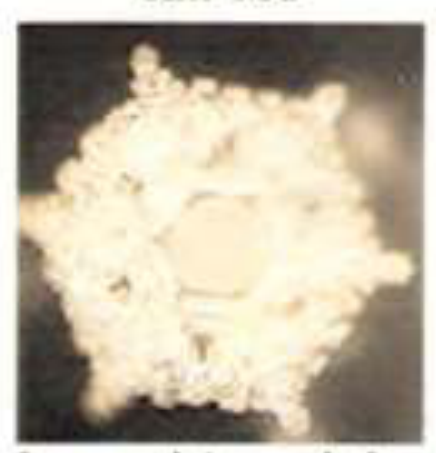
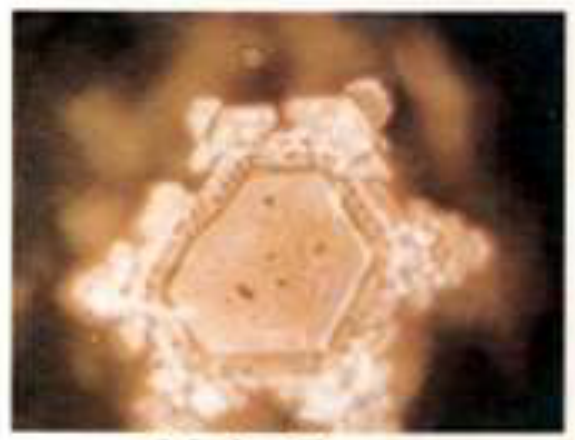
About the topic: thoughts and we will see Present a DVD of ice crystals formation and discuss about it. Negative words and thoughts make our world dark and uncertain; it makes things messy, closes us and makes us rocklike. When we are closed we won't observe and feel the fun and happiness around us. Positive words and thoughts are like a light being turned on. It opens us up to beauty and unity, makes us open to receive love and to learn, do so many things for the better. We are going to see how this manifests itself through water crystals. When the water was exposed to positive and loving words, the crystals were formed beautifully and had a nice hexagonal pattern. But when negative words were said in anger to the water, the crystals were formed cloudy and muddy looking. Just like our mind, we need to constantly say good things and think positive, uplifting the effects manifested in our lives. The personality of a person is shaped by his thoughts. The negative thoughts will act like a barrier and keep all the good things away.
Assessment: • Have you see ice crystals? • What happens when we expose negative thoughts on water?v How will positive thoughts enrich us? • What happens when we use negative thoughts and negative words on others?
Evaluation: Evaluate how well they understood the topic by asking multiple questions.
WORRY
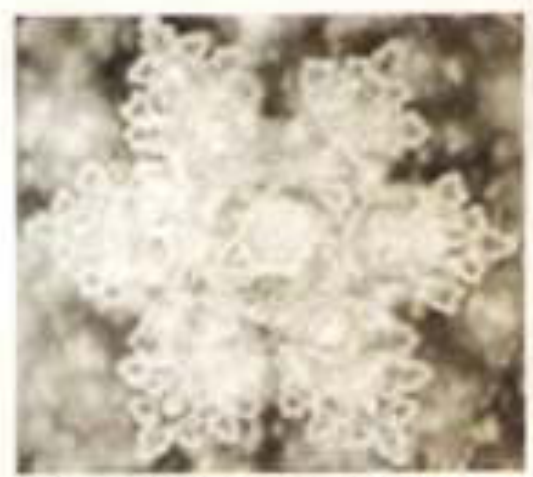
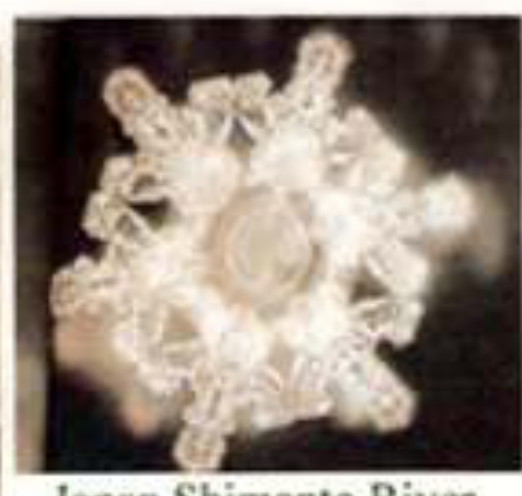
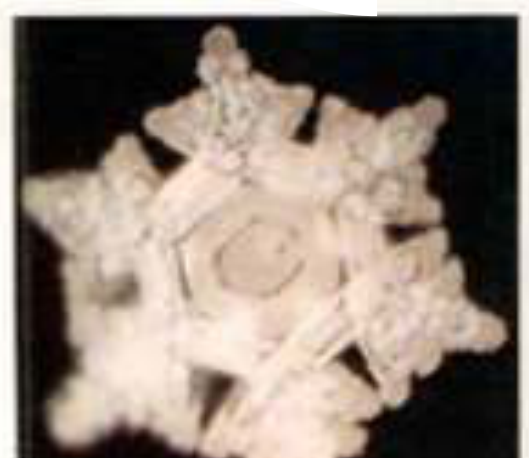
Sanbu-ichi Yusui Spring Japan Shimanto River, Antarctic Ice water, referred to as the last clean stream in Japan
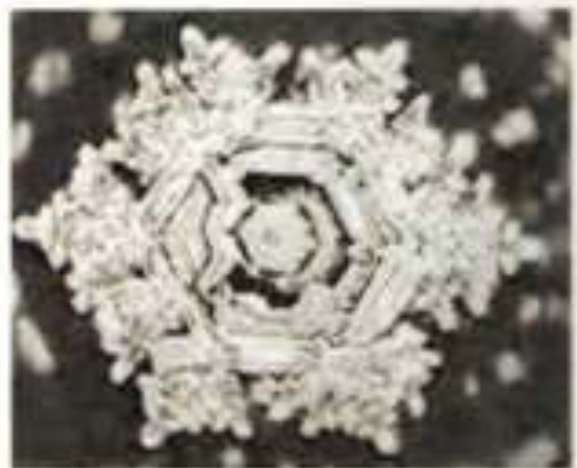
Untreated Distilled Water Fujiwara Dam, before Fujiwara Dam, after offering offering a prayer a prayer
With the recent popularity in music therapy, Mr. Emoto decided to see what effects music has on the structuring of water. He placed distilled water between two speakers for several hours and then photographed the crystals that formed after the water was frozen.
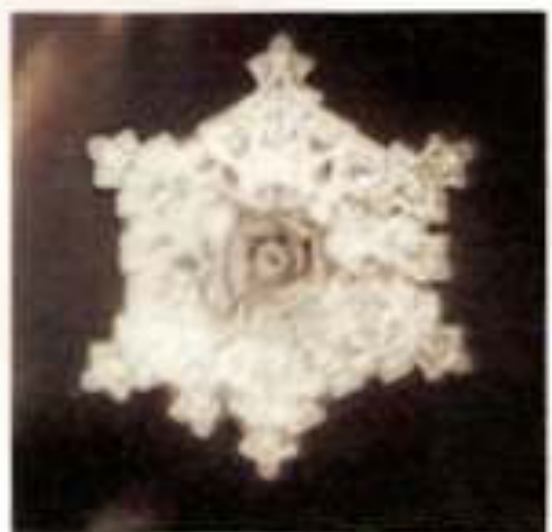
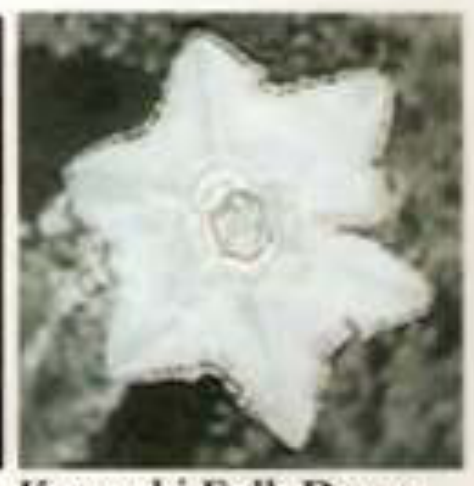
Beethoven's Pastorale Tibet Sutra Kawachi Folk Dance
WORRY?
After seeing water react to different environmental conditions, pollution, and music, Mr. Emoto and colleagues decided to see how thoughts and words affected the formation of untreated, distilled, water crystals, using words typed onto paper by a word processor and taped on glass bottles overnight. The same procedure was performed using the names of deceased persons. The waters were then frozen and photographed.
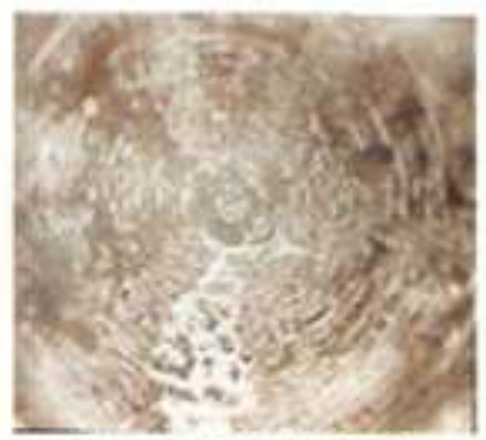
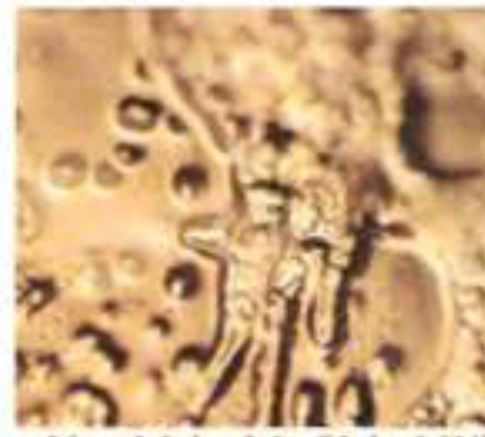
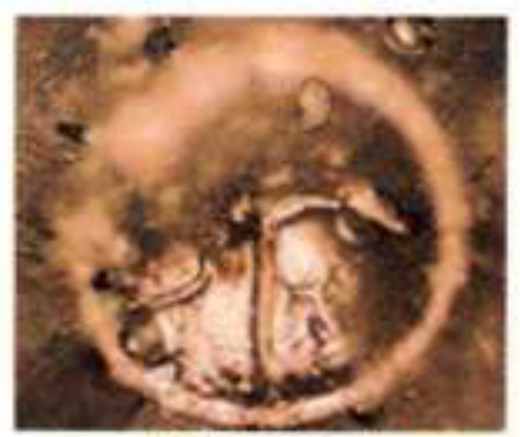
Heavy Metal Music You Make Me Sick, I Will Kill You Adolph Hitler
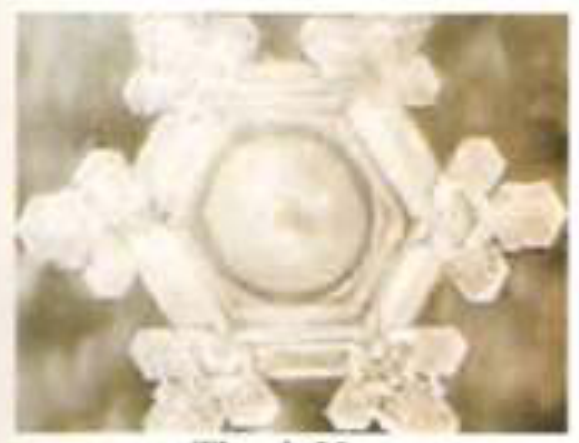
Thank You Love and Appreciation Mother Teresa
It is quite clear that water easily takes on the vibrations and energy of it's environment, whether toxic and polluted or naturally pristine.
Our Body is made of 70% - 80% water think twice before using any negative words
Conclusion: Conclude the topic by reiterating the important details discussed. Think positive, charge the world with positive energy.
Art of the day:- Ice Crystals
Material needed: Plain sheet, sketch or pen or color pencil Picture of Ice crystal formation
Procedure: Encourage children to see the picture of Ice crystals and draw. They can draw the pictures of different ice crystals formed when different words are used.
Interpretation: They can understand from the pictures when positive words are used beautiful ice crystals are formed but with negative words the crystal formation is not clear and nice.
WORRY
Activity: Shout it out
Materials: Containers (1 each)
Preparation: Have enough containers for everyone (one each). Presentation and Discussion: Talk about worry, ask each person: What are you most worried about? What is your biggest fear? Who knows what “courage” is? Courage - It's not being unafraid, but facing your fears. It's being brave and facing your fears. Take something that you are extremely afraid of and face it. You will feel better because you now know what it is. (One student explains how they are scared of shadows on the wall at night.) So next time you see a scary looking shadow like that, march over and see what is causing it! Shadows are caused by reflection of an image, go and see it and sleep in peace knowing that your fear never existed in the first place. Today we are going to do something special. We are going to turn off the lights and close our eyes thinking of all the things that worry us or makes us fearful, then with these containers we'll put them over our mouth and shout out our fears and worries, just scream them out of your system.
(After finishing the activity.) How do you feel? Better? Lighter aren't you? We have all these things stored up inside us, but better to think about them, rid ourselves of them and then move on!

[Figure: WORRY?]
WORK SHOP
Topic of discussion Give each child few situations and ask each child where the thoughts come from
Explanation: Give each child a situation; ask each one to analyze when the thoughts come, whether they belong to worry, fear, greed, happiness or anger.
For example: Give a child the situation, that he/she is the owner of a big company. Ask them what could be the thoughts that arise in them. Do they have thoughts of pride and so on? Give another situation which voices 'I own this whole place, I am very capable' Offer yet another situation like A beggar child is going to each shop and asking for money; nobody is even bothered to look at her. What will her thoughts be like? 'I am not worthy' or 'nobody is good', and so on.
Interpretation: By doing this activity the child is enabled to analyze his thought patterns and his actions.
WORRY
WORRY - QUESTIONS
1. Causes of worry is
a. extern
a. Ibinternal
c. both external and internal
2. Worry is nothing but
a. natures response to an event
b. your response to an event
c. intelligent response to an event
3. Which is an unwanted but continous
stream of thoughts
a. worry
b. stress
c. positive thoughts
4. Always listening inside is calledas
a. conversation
b. inner
c. hattercdebate
5. How to break the thought pattern a. Have a right understanding of the context b. Be without thinking of the context c. Think more of the context
6. We don't control what we speak inside
because we don't have
a. self image
b. self respect
c. self esteem
7. Worry is closely related to
a. manipuraka chakra
b. muladhara
c. vishuddi
8. The clinical name for negative attitude is a. optimism b. depression c. hallucination
9 What is the realtionship between thought and mind a. there is a lot of difference between mind and thought b. there is no difference between mind and thought c. there is seldom difference between mind and thought
10. Which is a by product of worry
a. perfection
b. complaining
c. bliss
11. Our perception changes with
a. thougts, words and feelings
b. the view what we are in
c. the other person change immediayely
12. What prevents us from living our own self a. constant worry b. more work c. hatered towards others
13 ____________ is the discrepancy between your expectations and reality a. worry b. stress c. confidence
14. The mind has a very clear identity of a. joy b. pain c. suspicion
15. We see things
a. sathey are
b. we are
c. we are and sometimes as they are
16. Why do we get neagetive dreams
a. Worry
b. Desire
c. Gratitue
WORRY
17. When you see what it is as it is you are in a. hell b. heaven c. problem
18. If some body doesn't worry we usually brand them a. responsi b. lebcareless c. intelligent
19. What is worrying verses caring
a. care is doing, worry is chattering
b. care is chattering, worry is doing
c. care and chattering are the same
20. Which is essential for success a chronological planning b. pshcycological worry c. both chronological planning and pshcycological worry
21 ___________ is an over flowing energy that expands your capacity to do things a. inspiration b. goal c. worry
22. When there is no space for worry or discontentment to thrive a. when you live without expectation b. when you live with very less collection c. when you live with expectations
23What is the way to relax from worry
a. surrendering to the laws of existence
b. surrendering to other's wishes
c. surrendering to your own wishes
24. How do you connect worry with ignorance and ego a. worry is created out of ego but sustained by ignorance b. worry is created out of ignorance but sustained by ego c. worry is created out of ignorance and sustained by ignorance
25. What is the abbreviation of GAD
a. generalized anxiety disorder
b. generalized abdominal disorder
c. generalized anemic disorder
26. Meditation increases
a. thoughts
b. awareness
c. heart rate
27. Too much perfectionism leads
a. good job
b. excellent job
c. stomach ulcers
28.Worry is
a. abasic need
b. illusion
c. contradiction
29. Disease starts in
a. body
b. mind
c. brain
30. What does black dot on white board signifies a. worries are small b. worries are unavoidable c. worries are very significant
31. There is nothing more corrosive to our self esteem than a. desire b. worry c. let go
32. The mind is trained to record only
a. positive things
b. negative things
c. neutral things
33. Every one is __________ every moment
constantly
a. constantly changing
b. remaining same
c. maintaining similarity
WORRY
34. You can only understand within your frame of reference with a. what you are familiar with b. what you are unfamiliar with c. what you are conflicting with
35. How to fall in tune with what it is
a. stop focussing it
b. stop naming it
c. stop arguing it
36.For us initially there is a __________ to pass judgement on any thing a. need b. purpose c. compulsion
37. When we worry with awareness the worry starts to a. increase b. decrease c. disappearing
38.When you drop expectation everything
appears
a. simple
b. special
c. auspicious
39. What do dreams interpret
a. your wishes
b. your worries
c. your expectations
40. Is it possible to care without worrying a. no b. yes. c. not applicable
41. __________ of our worries are worth the effort a. 1% b. 99% c. zero
42. When does traffic jam happens in the mind a. Worry b. Hurry up c. Laze around
43. We are worried most due to
a. our body
b. our people around us
c. our emotions
44. Which part of our live we have control a. present b. past c. future
45. Goals
a. always create worry in us
b. energizes us
c. passionate people have high goals
46. The meaning of awareness a. focus on what is happening in and around us b. predicting what is going to happen in future c. doing something with concentration
47. What is anxiety
a. when you are in love we get anxiety
b. getting excited in a negative way
c. curiosity to get the result
48. What is chronological planning a. chronological planning is setting up the place b. chronological planning is setting up schedule for tasks c. chronological planning is planning the outcome
49. What happens when we worry a lot a. we get diseases like ulcus, stomach problems b. we are able to perform to our full capacity c. we are completely aware of what is happening
50. What is meaning of hakkunematata
a. worry less be happy
b. don't worry be happy
c. have goals be happy
WORRY
WORRY - ANSWER
- c. both external and internal
- b. your response to an event
- a. worry
- b. inner chatter
- a. Have a right understanding of the context
- a. self image
- a. manipuraka chakra
- b. depression
- b. there is no difference between mind andthought
- b. complaining
- a. tougts, words and feelings
- a. constant worry
- a. worry
- b. pain
- b. we are
- a. Worry
- a. heaven
- a. responsible
- a. care is doing, worry is chattering
- a. chronological planning
- a. inspiration
- a. when you live without expectation
- a. surrendering to the laws of existence
- a. worry is created out of ego but sustained byignorance
- a. generalized anxiety disorder
- b. awareness
- c. stomach ulcers
- b. illusion
- b. mind
- a. worries are small
- b. worry
- b. negative things
- a. constantly changing
- a. what you are familiar with
- b. stop naming it
- c. compulsion
- c. disappearing
- c. auspicious
- b. your worries
- b. yes
- c. zero
- a. Worry
- c. our emotions
- a. present
- a. always create worry in us
- a. focus on what is happening in and around us
- b. getting excited in a negative way
- b. chronological planning is setting up schedulefor tasks
- a. we get diseases like ulcus, stomach problems
- b. don't worry be happy
[Figure: Stress illustration]