Blue Om
This text was machine-transcribed from the printed book and may contain errors. Select the words and choose “Report a mistake”.
KAILASA’S Humanitarian Response To
The Ethical Treatment of Animals
The 2030 Agenda for Sustainable Development, adopted by all United Nations Member States envisages “in which humanity lives in harmony with nature and other living species are protected.” Although the relationship between animal welfare, environmental harmony and human development is increasingly scrutinized, there remains very little acknowledgement of the relationship and the consequential role animal rights plays in sustainable development for people and planet Earth, particularly for SDG Sustainable Consumption and Production, which links to all other SDGs.
It is about time that this was remedied, and animal welfare embraced. Human beings need to know planet earth does not belong only to human beings. In that we have no right to eliminate life, to kill animals for any purpose or reason; no right to kill any life.
Consequently, KAILASA’s Department of Human Services in collaboration with KAILASA’s ShriKailasa Uniting Nations for Animal Rights have been devoted to strengthening the multifarious efforts of recognizing the urgency of animal rights and welfare for a relevant aspect of sustainable development in the world under an international humanitarian agency named - BLUE OM.
Objectives
1. Advocate, promote and voice strongly for ethical treatment of all beings. Animal rights is the idea in which animals are entitled to the possession of their own existence and that their most basic interests—such as the need to avoid suffering—should be afforded the same consideration as similar interests of human beings. The respect for animal rights in Jainism, Hinduism, and Buddhism derives from the doctrine of ahimsa. In Hinduism, animals contain a soul just like humans; when sentient beings die, they can either be reincarnated as a human or as an animal. Hinduism teaches that God resides in all living things, which forms the atman. In Hinduism, many animals are venerated, including the tiger, the elephant, the mouse, and especially, the cow (Gaumata)
2. The International Humanitarian Agency BLUE OM is taking the responsibility to restore the reverence and cultural importance of cows as Gaumatha. To further our commitments, we have inaugurated Goshalas (cow shelters), raised its status of Mandir (temple) and the bedrock of religious legitimacy and established KAILASA's Nithyananda Gaumandir around the world.
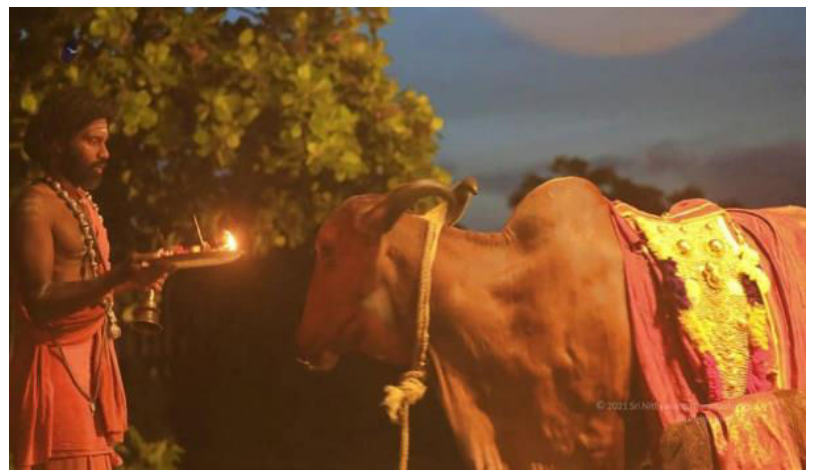
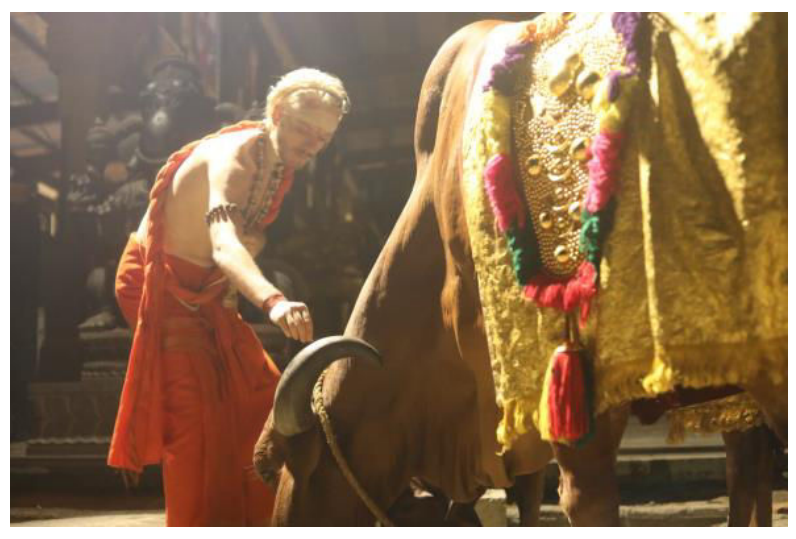
3. Ensuring and promoting the ritual of Gau Puja in every Gaumandir in the morning. Enabling the spiritual experience of motherliness in a cow and highlighting the lifestyle of 'ahimsa' – non-violence.
4. Reviving the ancient sampradaya centered on animals, the Nandi Sarvajnapeetam served to house, facilitate, protect and provide shelter to all animals in need not just limited to cows and bulls. 5. Initiation to sacred initiation of ‘Shiva Deeksha’ as per the Agamas; causing a breakthrough in human consciousness and peaceful existence; all living beings including animals are blessed to be initiated, allowing their evolutionary ascend to higher consciousness.
6. Enforcing the directive measures instructed in Kamika Agama, Purva Pada, Patala 30 verse 17-19.
7. Promoting a complete vegetarian lifestyle, contributing to the ethical treatment of animals at its entirety.
8. Provide practical advice on how to involve stakeholders, donors and the general community in programs aimed at improving animal welfare through the initiative of Nandi Sarvajnapeetam.
Prevalence And Relevance
Animal welfare is the physical and mental state of an animal in relation to the conditions in which it lives and dies. An animal experiences good ethical treatment if the animal is healthy, comfortable, well-nourished, safe, and ensures they are not suffering from unpleasant states such as abuse, pain, fear, and distress, and is able to express behaviors that are important for its physical and mental state. Good animal welfare requires disease prevention and appropriate veterinary care, shelter, management and nutrition, a stimulating and safe environment, humane handling, humane slaughter or killing and handling endangered animals.
Establishment of international agency BLUE OM. The BLUE OM will work to enforce ethical treatment to animals across the globe and to promote the core belief of Sanatana Hindu Dharma that the divine exists in all living beings, both human and non-human, and Vasudhaiva Kutumbakam, the whole world is one family.
प्राणम्मे पाह्यपानम्मे पाहि व्यानम्मे पाहि चक्षुर्मऽउर्व्या विभाहि श्रोत्रम्मे श्लोकय।
अपः पिन्वौषधीर्जिन्व द्विपादव चतुष्पात् पाहि दिवो वृष्टिमेरय ॥८ ॥14.8॥
prāṇamme pāhyapānamme pāhi vyānamme pāhi cakṣurma'urvyā vibhāhi śrotramme ślokaya।
apaḥ pinvauṣadhīrjinva dvipādava catuṣpāt pāhi divo vṛṣṭimeraya ॥8 ॥14.8॥
With the earth and the environment, protect and strengthen my pranic energy, protect and strengthen the apana air going down and out, protect and strengthen my vyana air circulating in the body-system. Give the divine light to my eye, the divine voice to my ear. Protect and promote the waters. Refresh and promote the greenery. Protect the bipeds (humans and birds). Protect the four-footed (animals). Bring the showers of rain from heaven.
~YajurVeda 14.8
Animals and plants are equally embodied with the existence of the Divine and fully deserve mutual respect and human compassion. The International Humanitarian Agency BLUE OM is dedicated to establishing and protecting the rights of all animals. Like humans, other animals are capable of suffering and have interests in leading their own lives; therefore, they are not ours to use – for experimentation, food, clothing, entertainment, or any other reason. PETA and our affiliates around the world educate policymakers and the public about cruelty to animals and promote an understanding of the right of all animals to be treated with respect.
Working through public education, research, legislation, special events, all actions are centered in the belief of non-violence. BLUE OM is a charitable organization that works to promote the Knowledge to the public about the horrors of cruelty to animals, the factors contributing to rapid extinction of species through peaceful means.
Animal welfare science has become a well-established discipline in its own right, greatly extending the core cognition and understanding of positive and negative animal physiological and psychological states and the tailored means to appropriately respond to them within the practices of animal production and of human/animal interactions in general.
Depending on the context of non-violence highlights the collective responsibility that should be taken towards the protection of the animals. Improving the awareness of the development targets and threats towards multifarious species. With this vision to overcome these silent hardships of each animal comes great responsibility to ensure a safe future of animals in the world. Every year, as threats increase, we aim to make our vision — for a world where animals can peacefully survive and thrive. In today's world it requires to be laser focused on the wellbeing of our animals. Guiding conservation action plans for each new species affected and structuring an execution plan for the preservation of animals and endangered species.
● His Divine Holiness through KAILASA promotes the core belief of Sanatana Hindu Dharma that the divine exists in all living beings, both human and non-human, and Vasudhaiva Kutumbakam, the whole world is one family. Hinduism considers that animals and plants are equally embodied with the existence of the Divine and fully deserve mutual respect and human compassion. Despite differences in intelligence and ability amongst varying life forms, the existence of the soul in all forms binds all of existence and demands peaceful, respectful coexistence amongst humans, animals, and other elements of nature.
● On Sunday, June 4, 2017, World Environment Day, His Divine Holiness initiated KAILASA's Nithyananda Yogis in a powerful spiritual process that brought rain to 108 cities across more than 30 countries simultaneously in a matter of few hours. This spiritual process was repeated to heal the environment during the 2019-2020 Australian Bushfires. In the year 2020, Pralaya (deluge), the occurrence of natural calamities increased worldwide with the maximum number of forest fires and earthquakes happening in recent human history, along with the advent of the COVID-19 pandemic.
● In 2020, His Divine Holiness restructured the efforts of KAILASA in protecting the environment across the globe as an international agency called GREEN OM, and also restructured the efforts of KAILASA in enforcing the ethical treatment of animals across the globe as an international agency called BLUE OM.
In the area of disaster relief, the SPH has provided emergency relief to thousands who face natural events such as tsunami, earthquakes, floods, etc. through Nithyananda Global Initiative and the RED OM global services. Volunteers have provided thousands of food packets, clothes, and blankets to affected areas in India, such as Karnataka, Andhra Pradesh, and Tamil Nadu, and built shelters for those who have lost their housing during these events. Under the BLUE OM initiative, Kailasa is working for animal rights and prevention of cruelty towards animals, and under the GREEN OM program, it is working for protecting the environment.
Policy
Thousands of ancient and modern studies, researchers and observations prove that living, caring, and working with animals is the best cure and healing for many mental illnesses, disorders and illnesses. Just like humans, animals are part of the Cosmos and are eligible to raise their consciousness. The ability to express emotions and experience a superconscious breakthrough can only be experienced in the skin of a human or animal in Bhu-Loka. This clear distinction is what makes animals and humans truly unique from the rest of creation.
BLUE OM will enforce ethical treatment to animals across the globe, promoting the core belief of Hinduism that the divine exists in all living beings. The core principles of love, compassion, blissful living, and coexistence have opened the doors and hearts of all citizens of KAILASA to gleefully welcome all species and beings. Despite differences in intelligence and ability amongst varying life forms, consciousness in all forms demands peaceful, respectful coexistence amongst humans, animals, and other elements of nature to reclaim conscious sovereignty and manifest the state, space, powers, being, superconsciousness of Paramashiva.
Humanitarian Response Plan
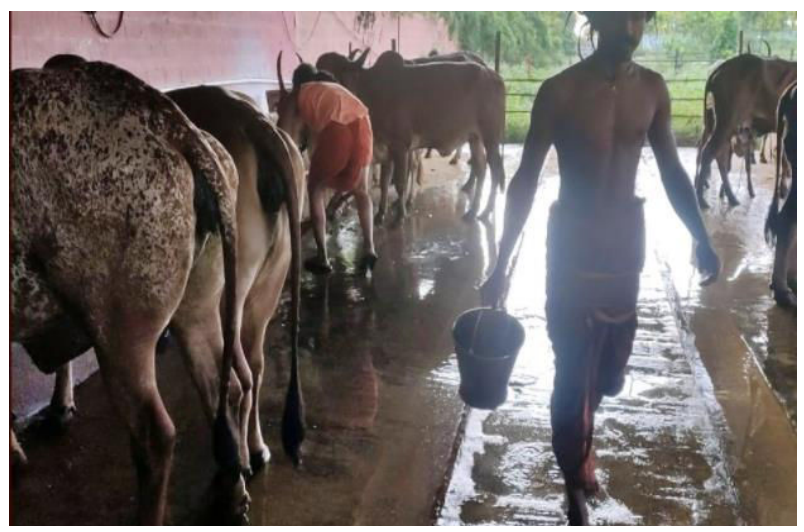
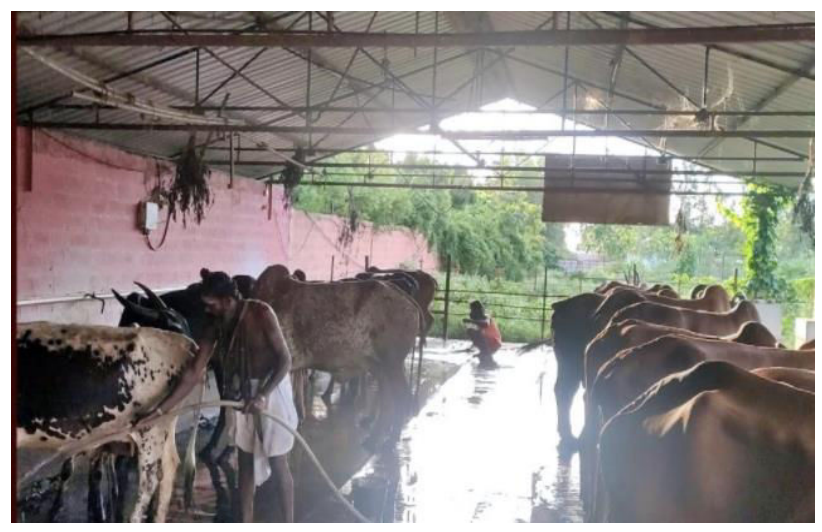
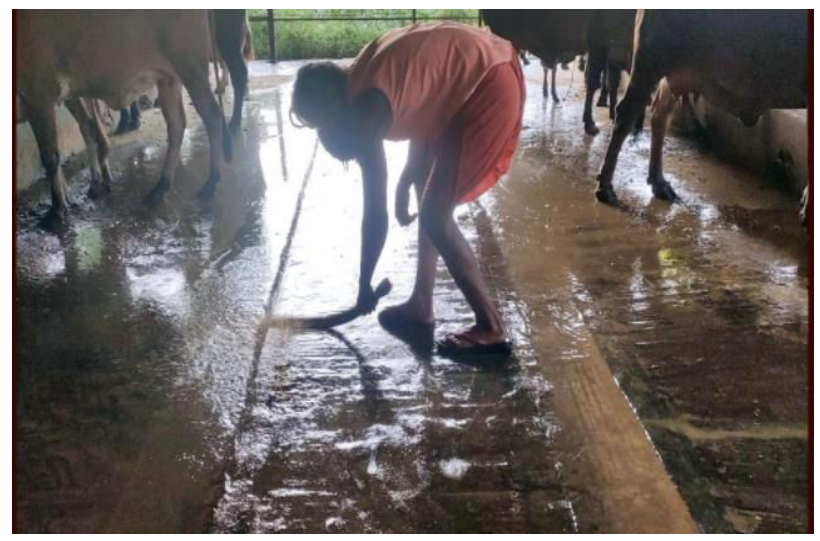
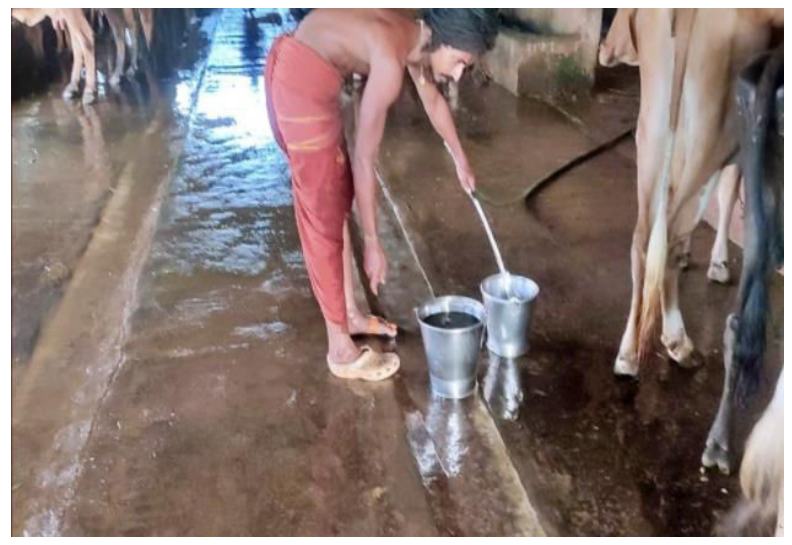
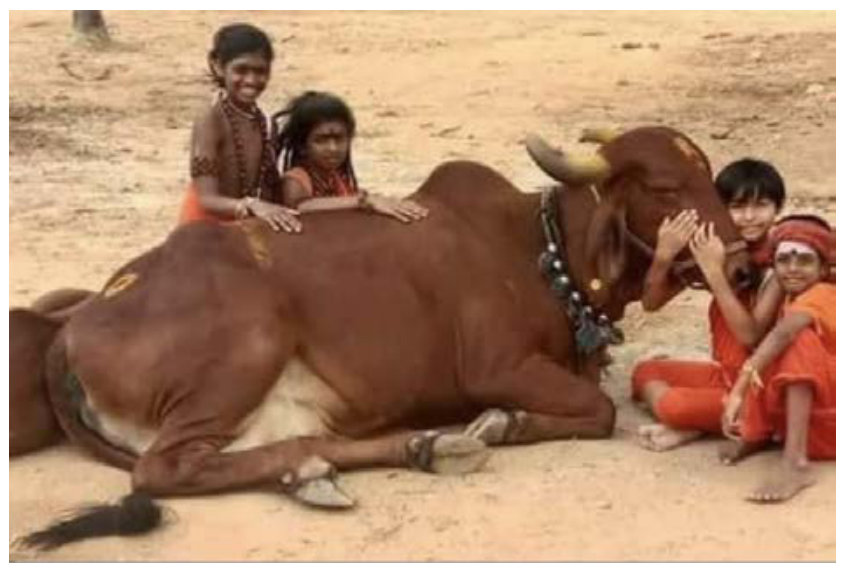
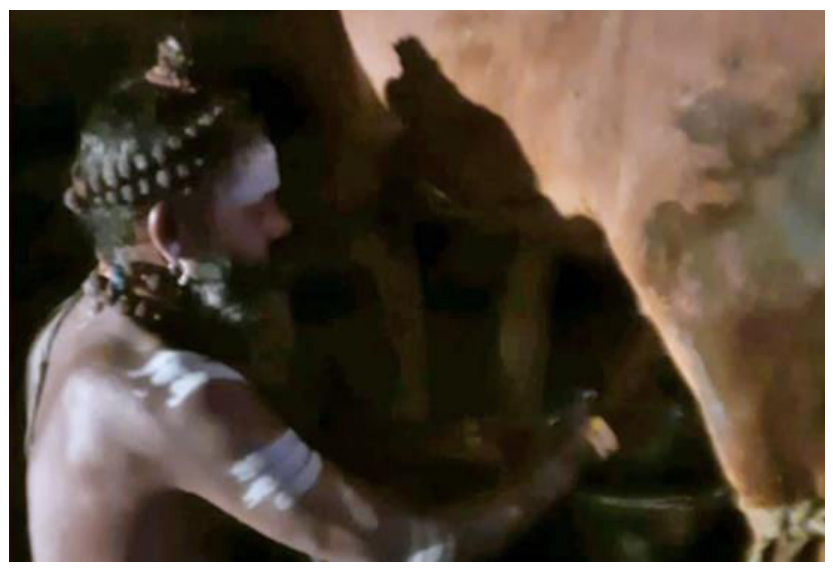
Housing, taking care and maintaining the cow in KAILASA’s Nithyananda Gaumanidr.
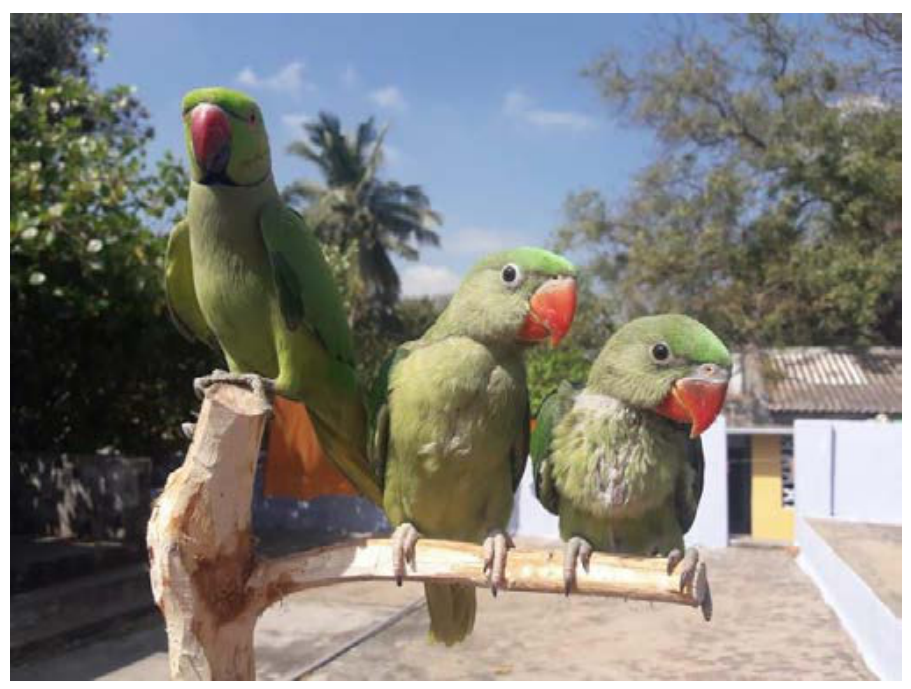
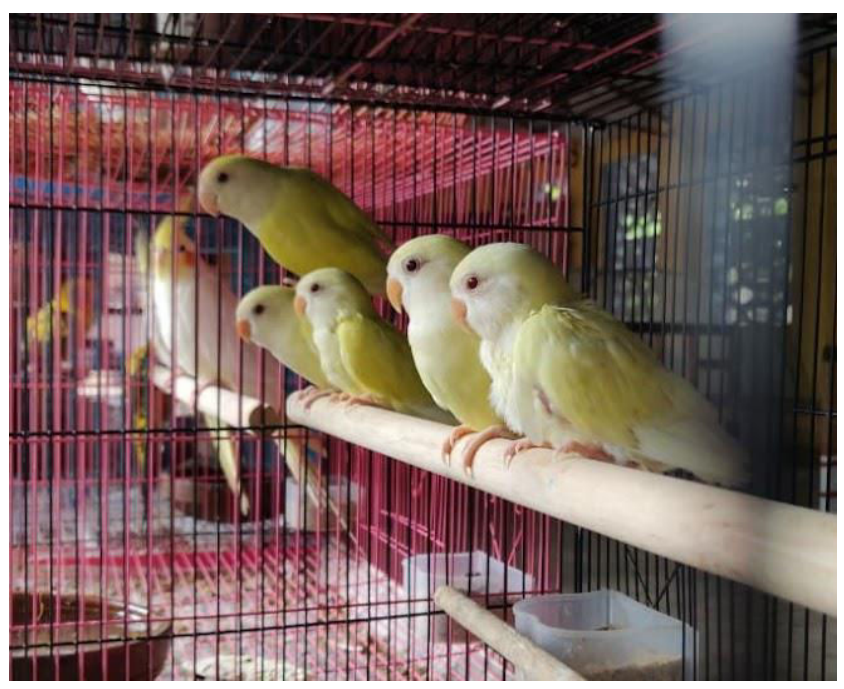
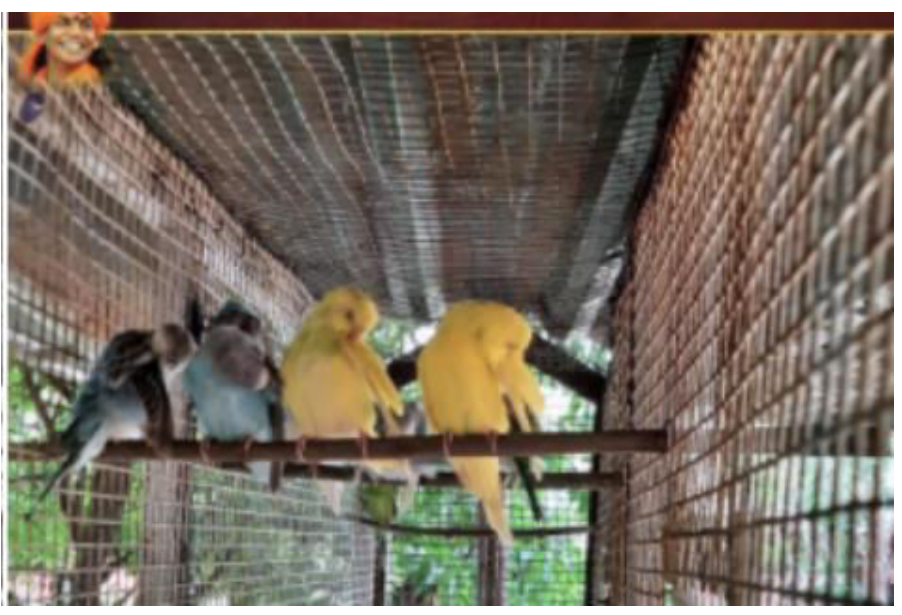
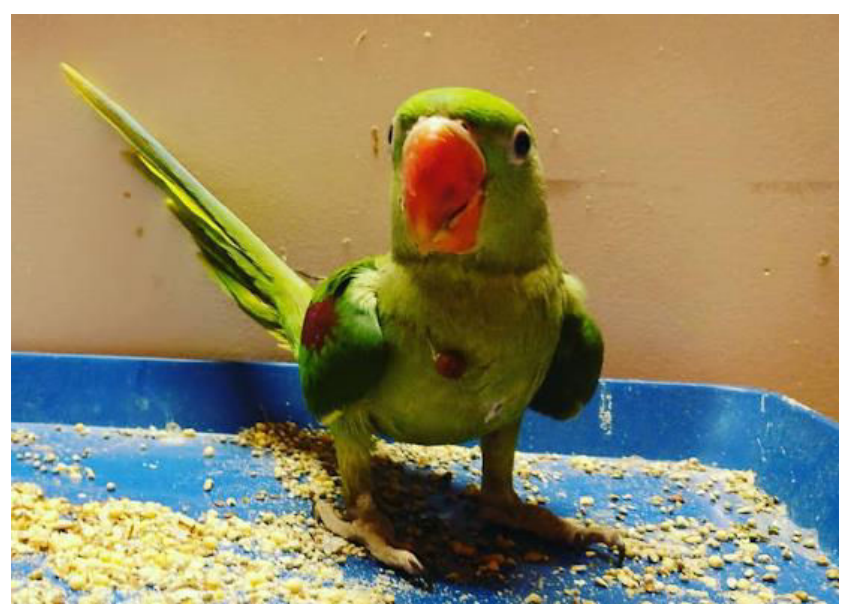
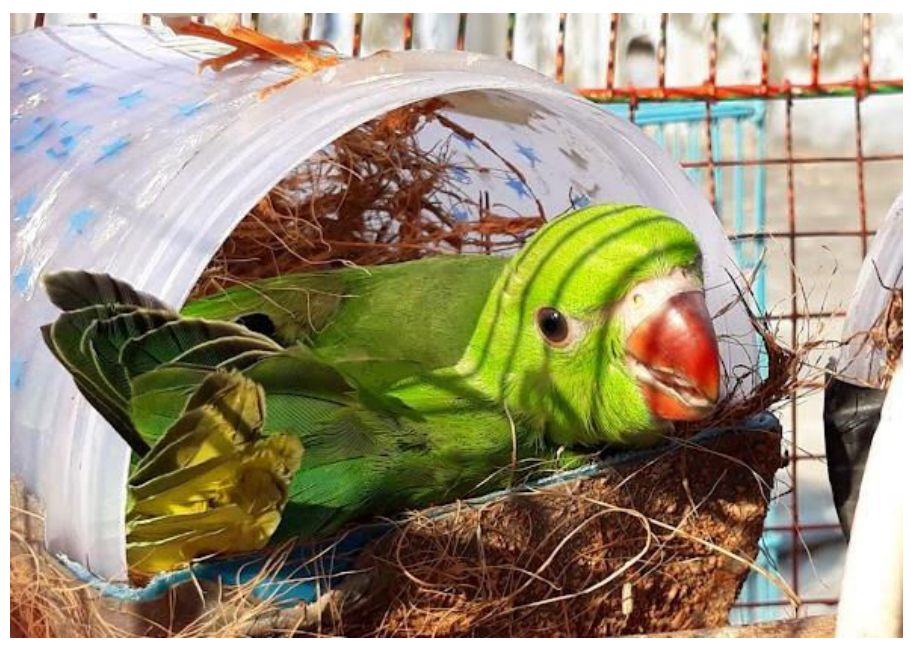
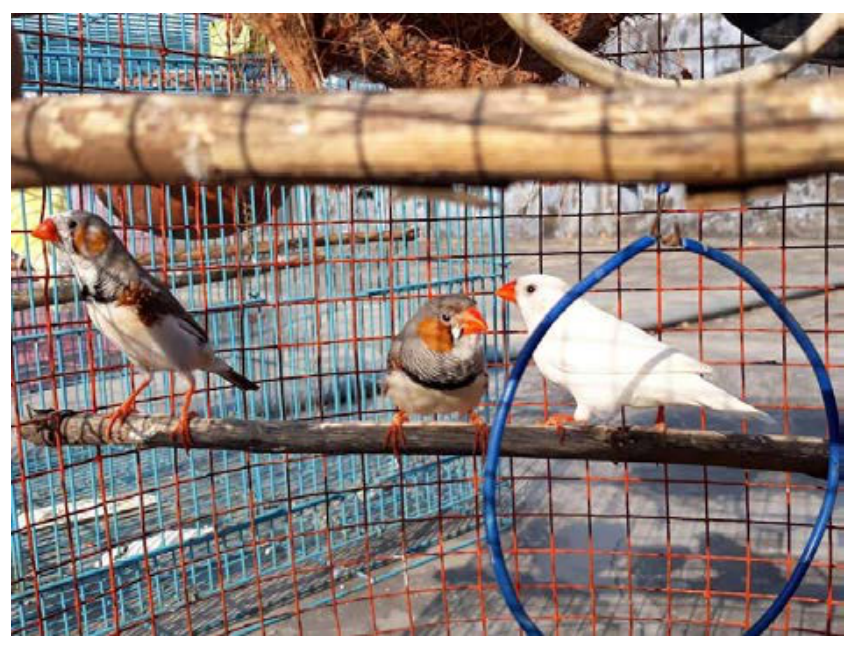
Blue Om extends its services to not just Human beings but also animals and birds
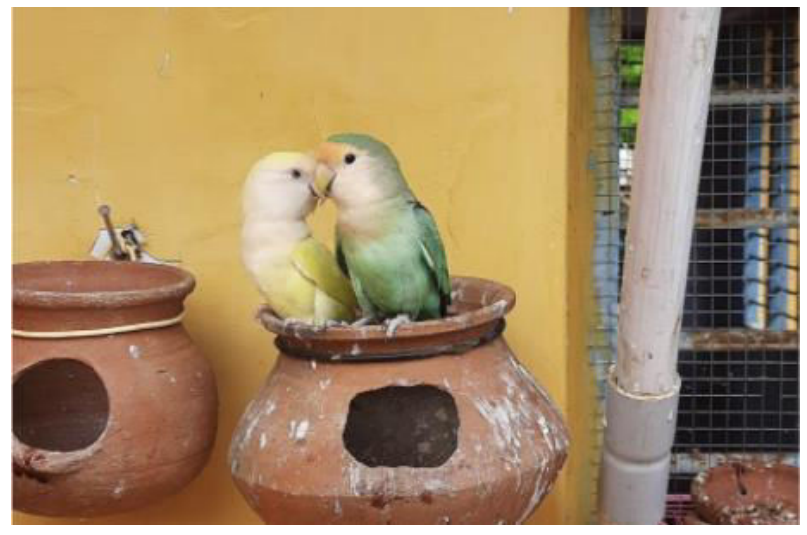
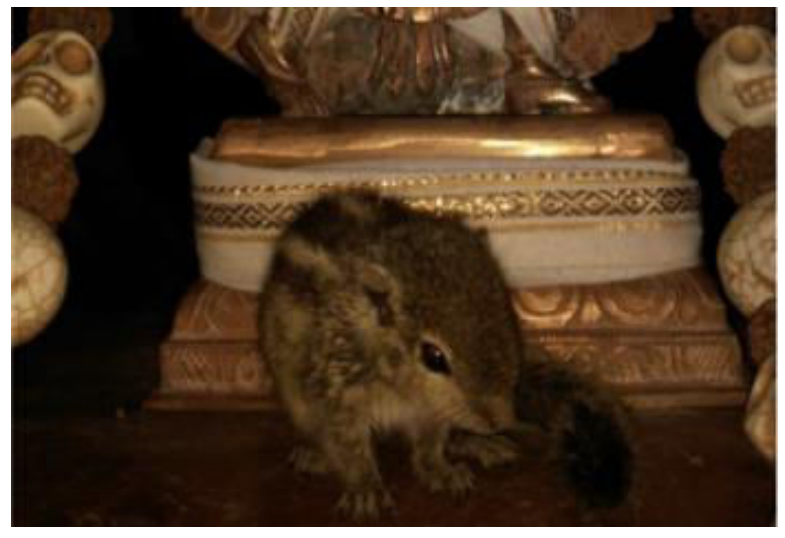
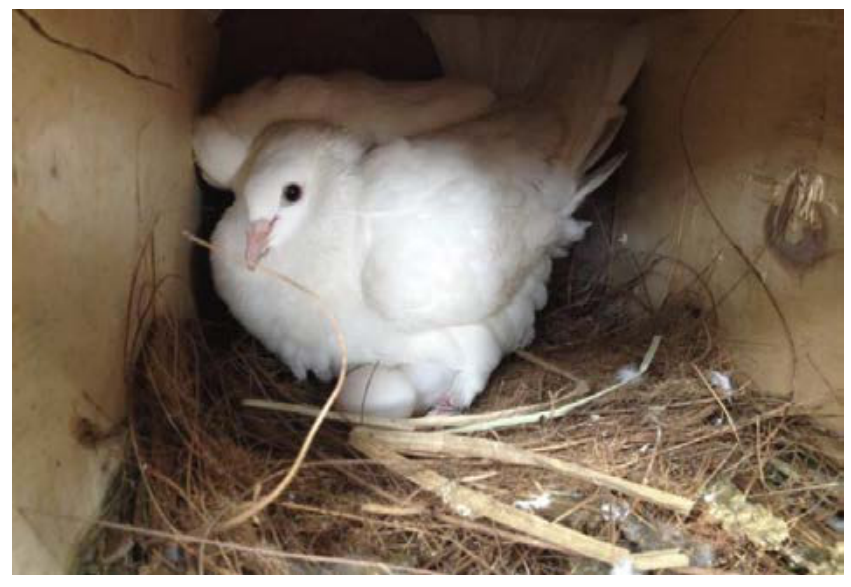
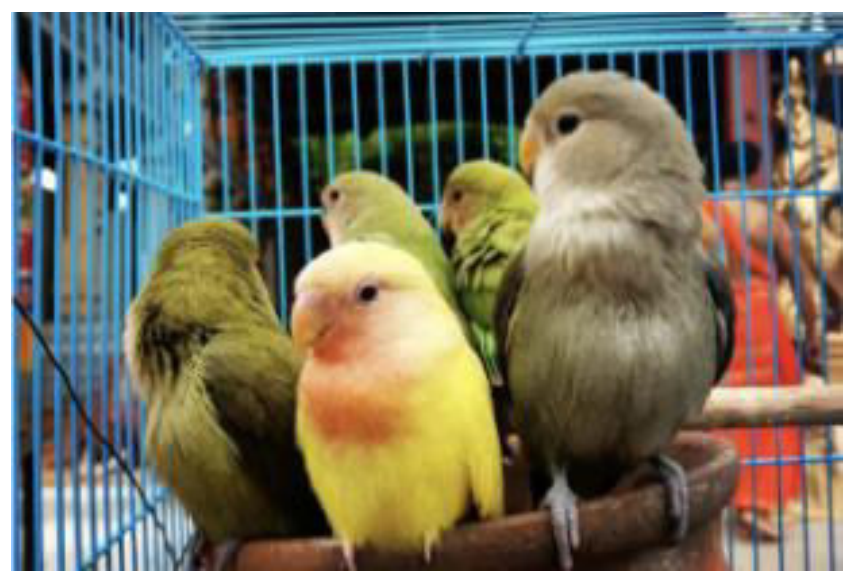
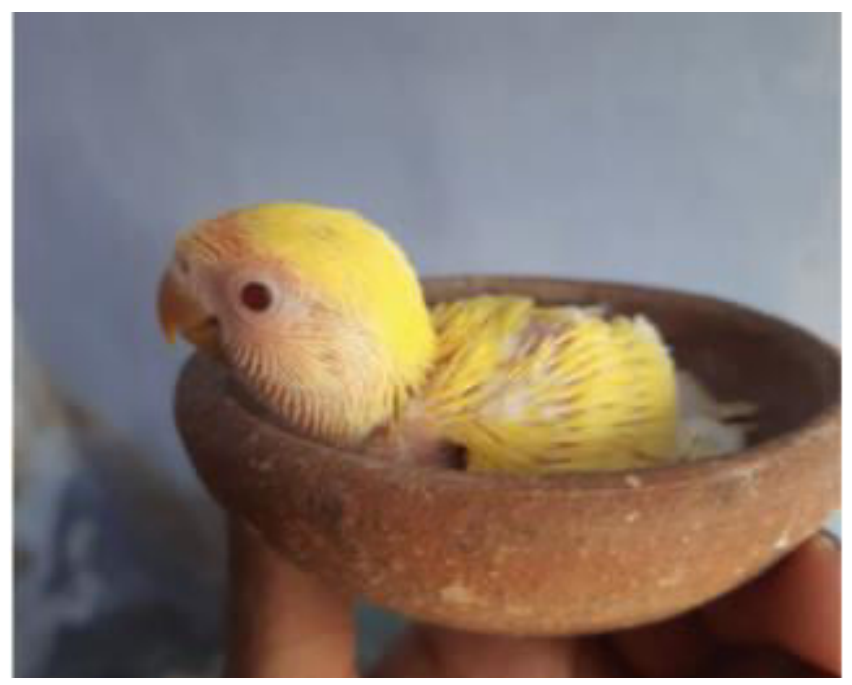
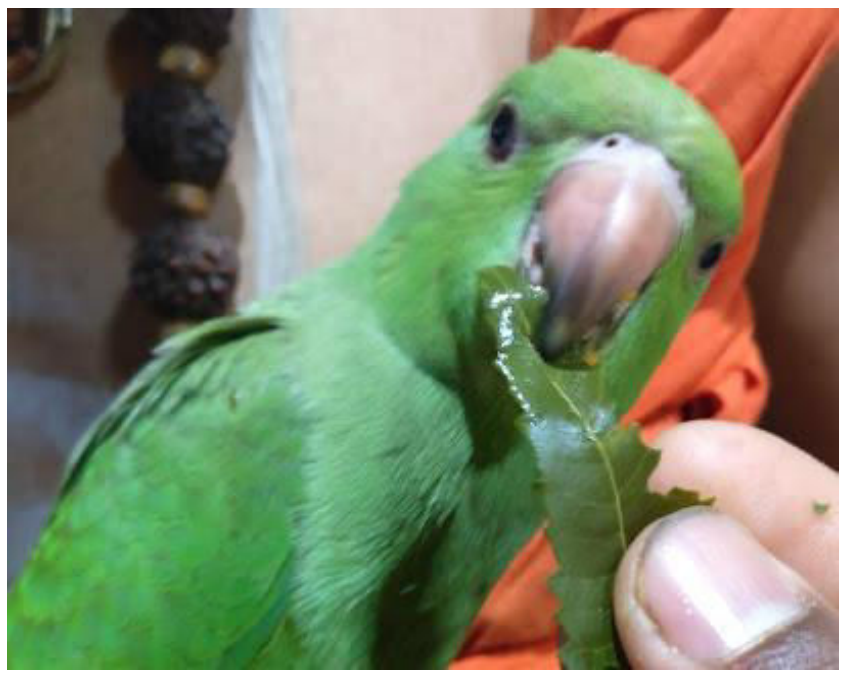
The colorful exotic birds have found home in KAILASA
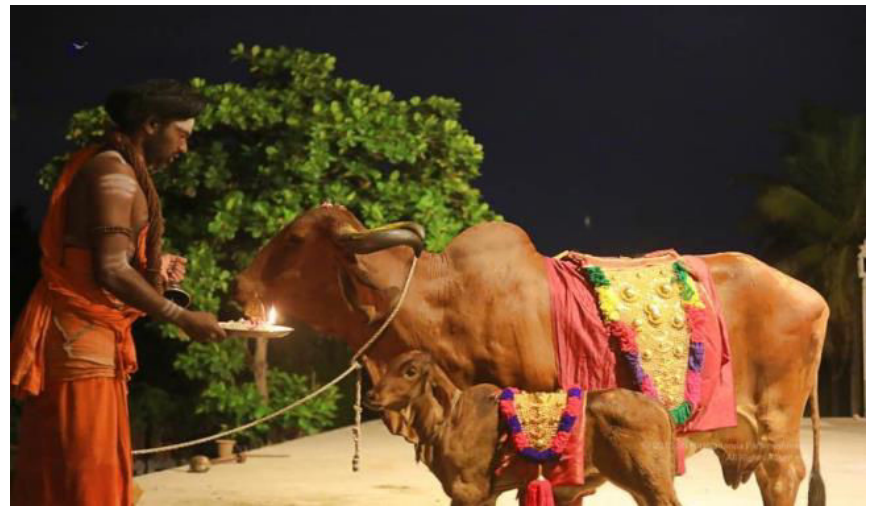
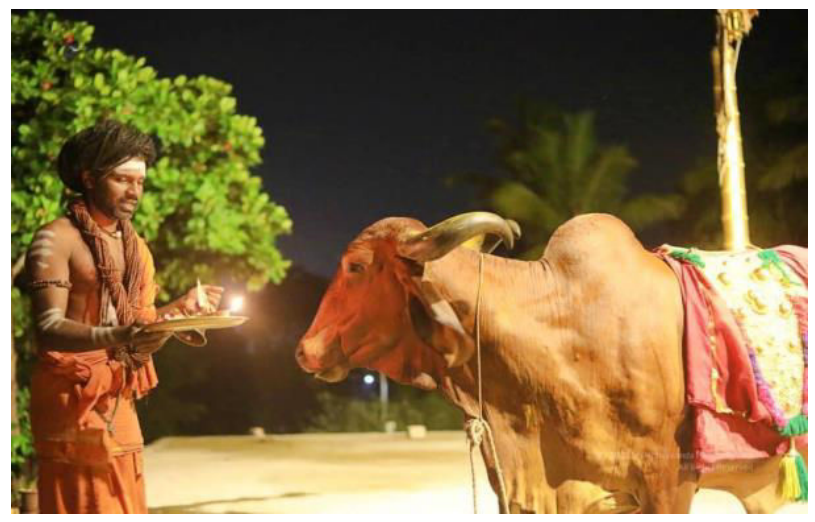
Nithya Gau Puja - Daily ritualistic worship of cows in KAILASA
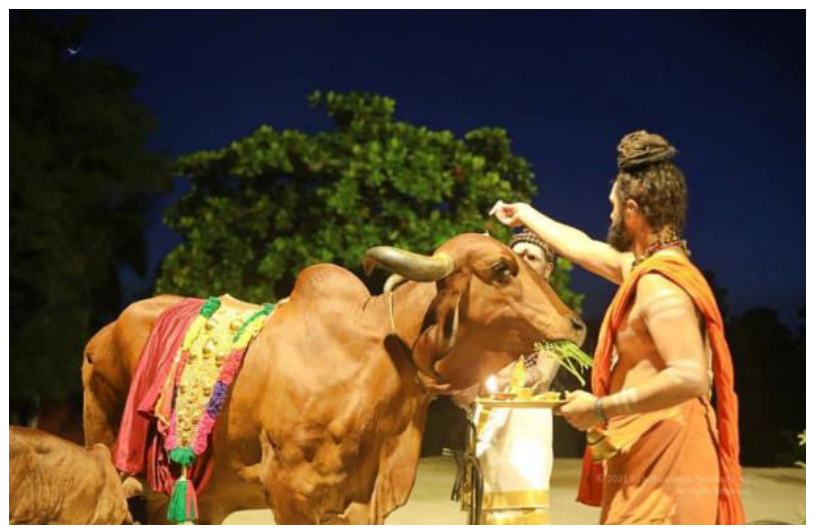
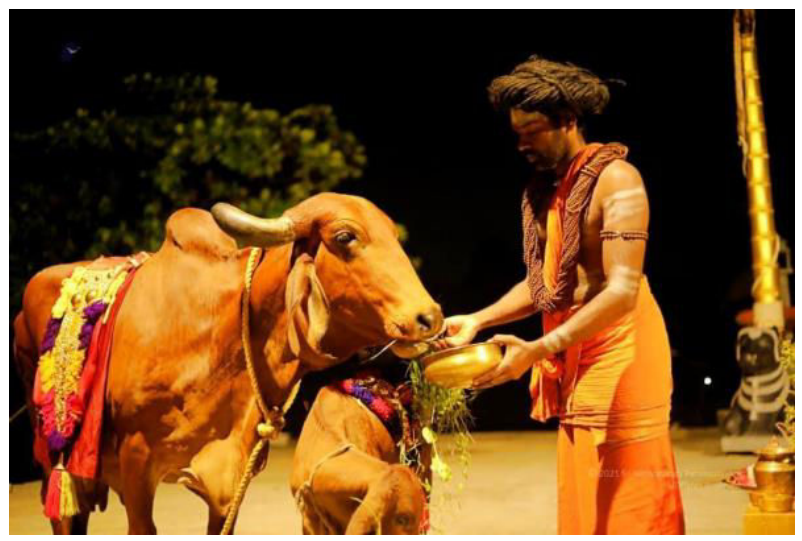
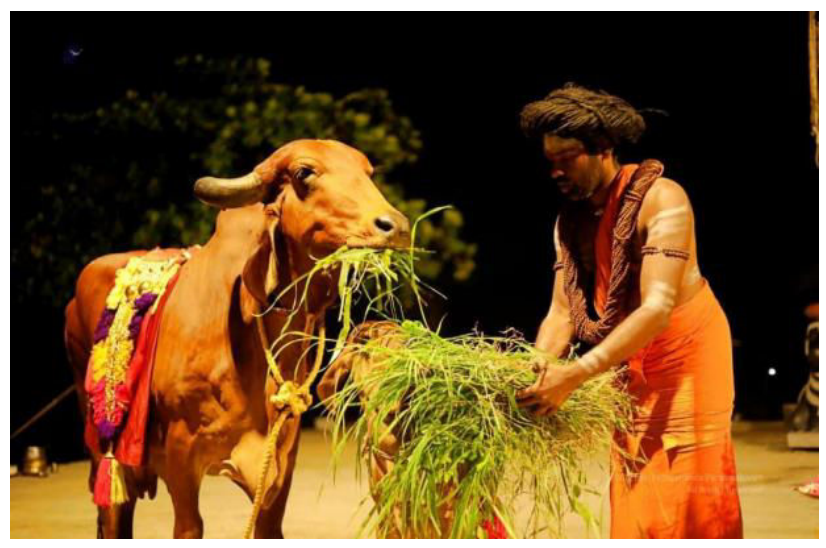
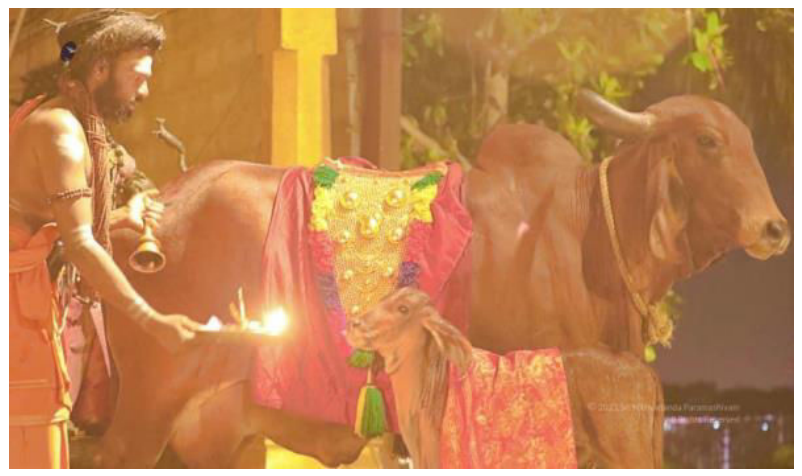
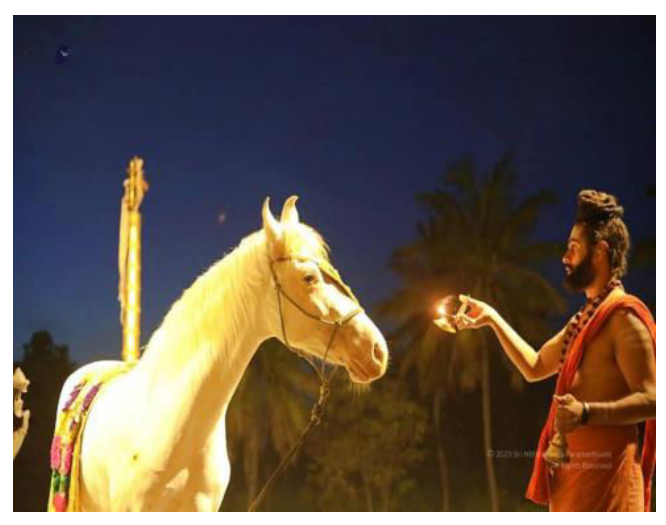
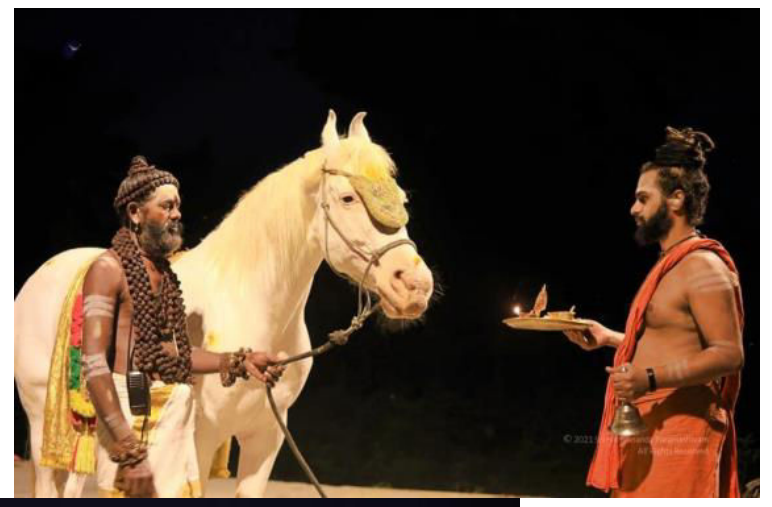
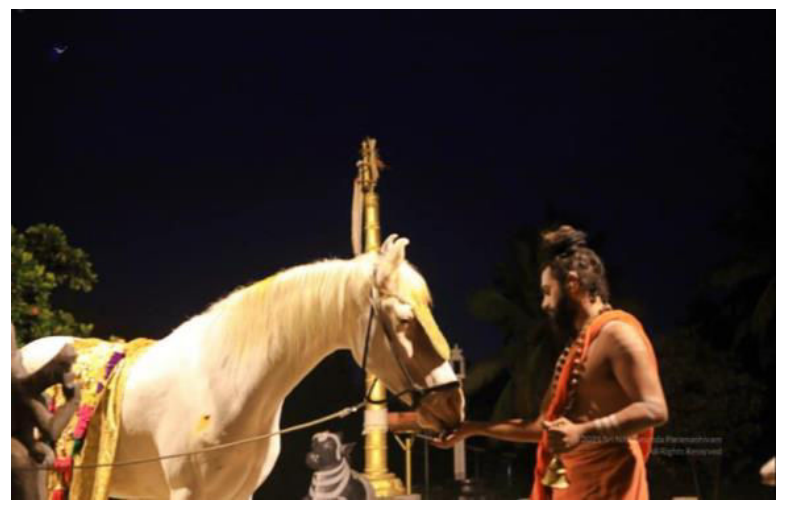
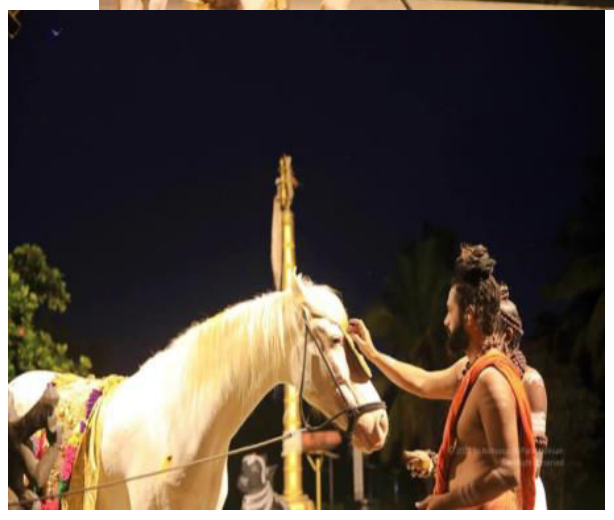
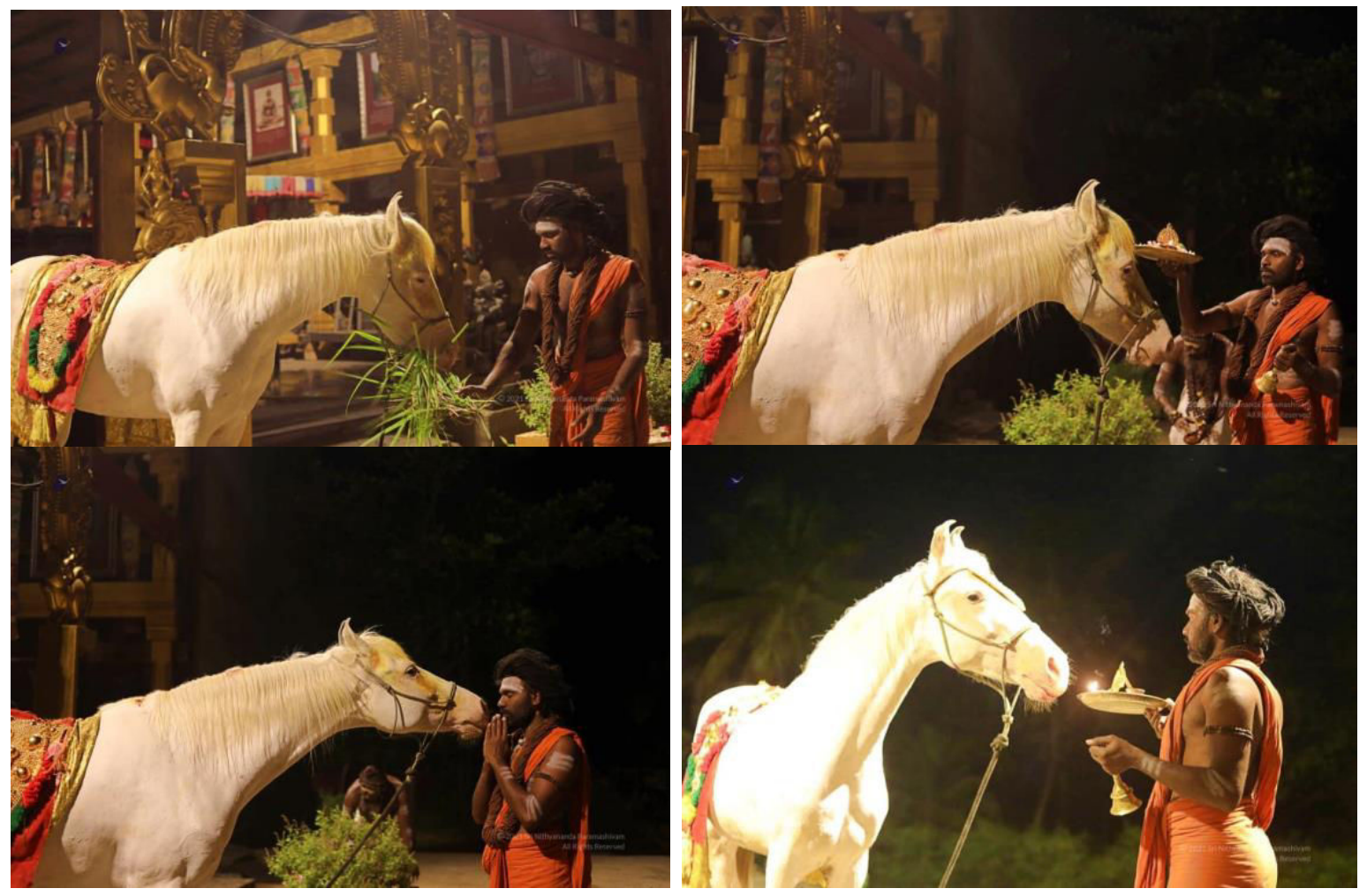
Ashva Puja - Ritualistic worship of horses at KAILASA
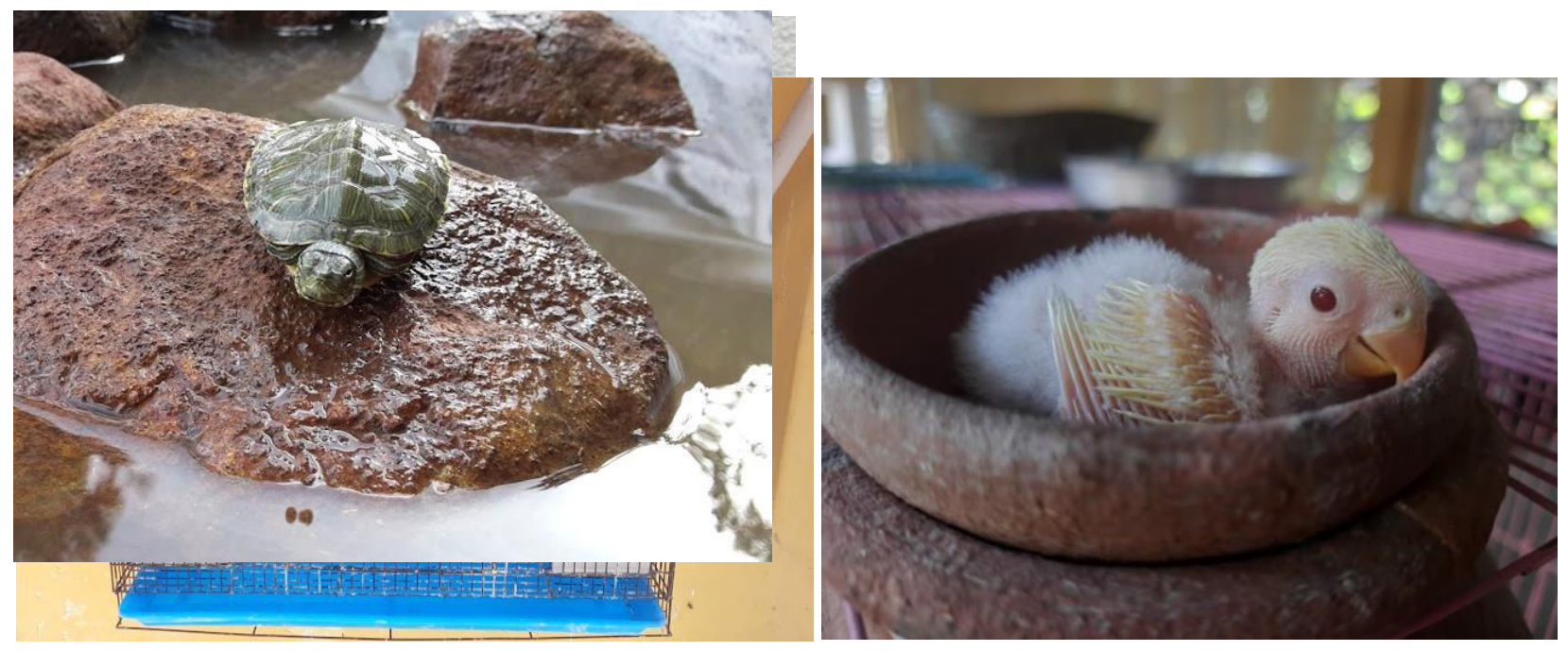
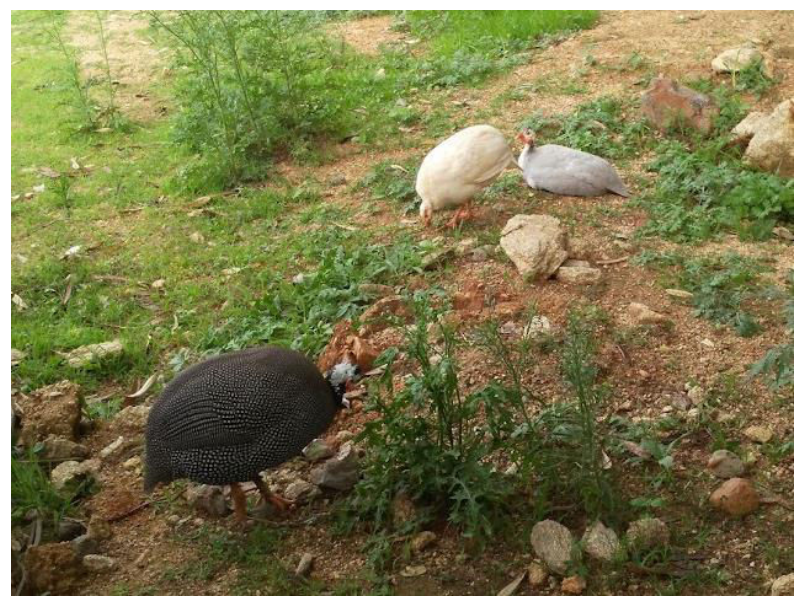
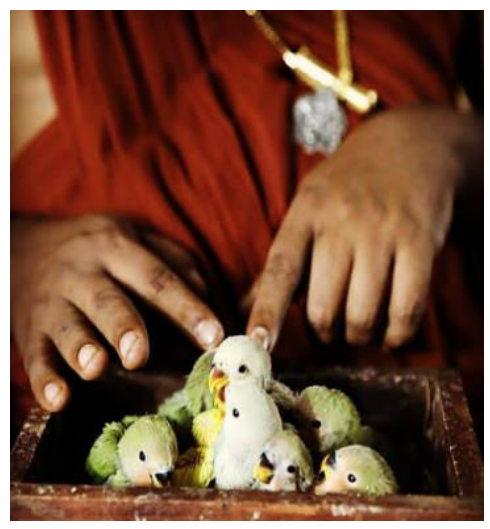
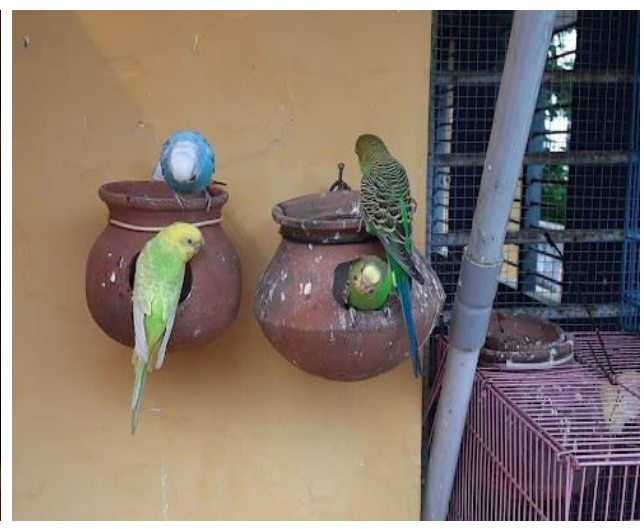
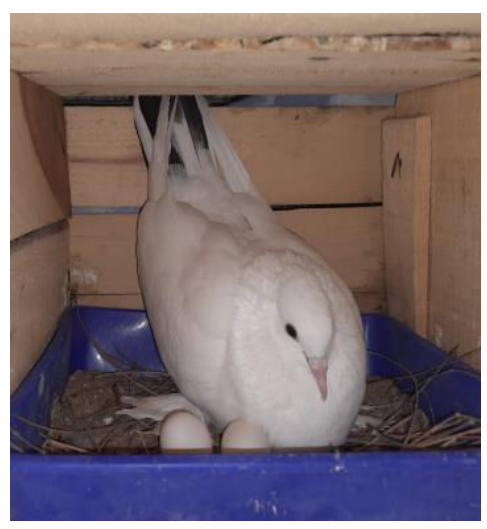
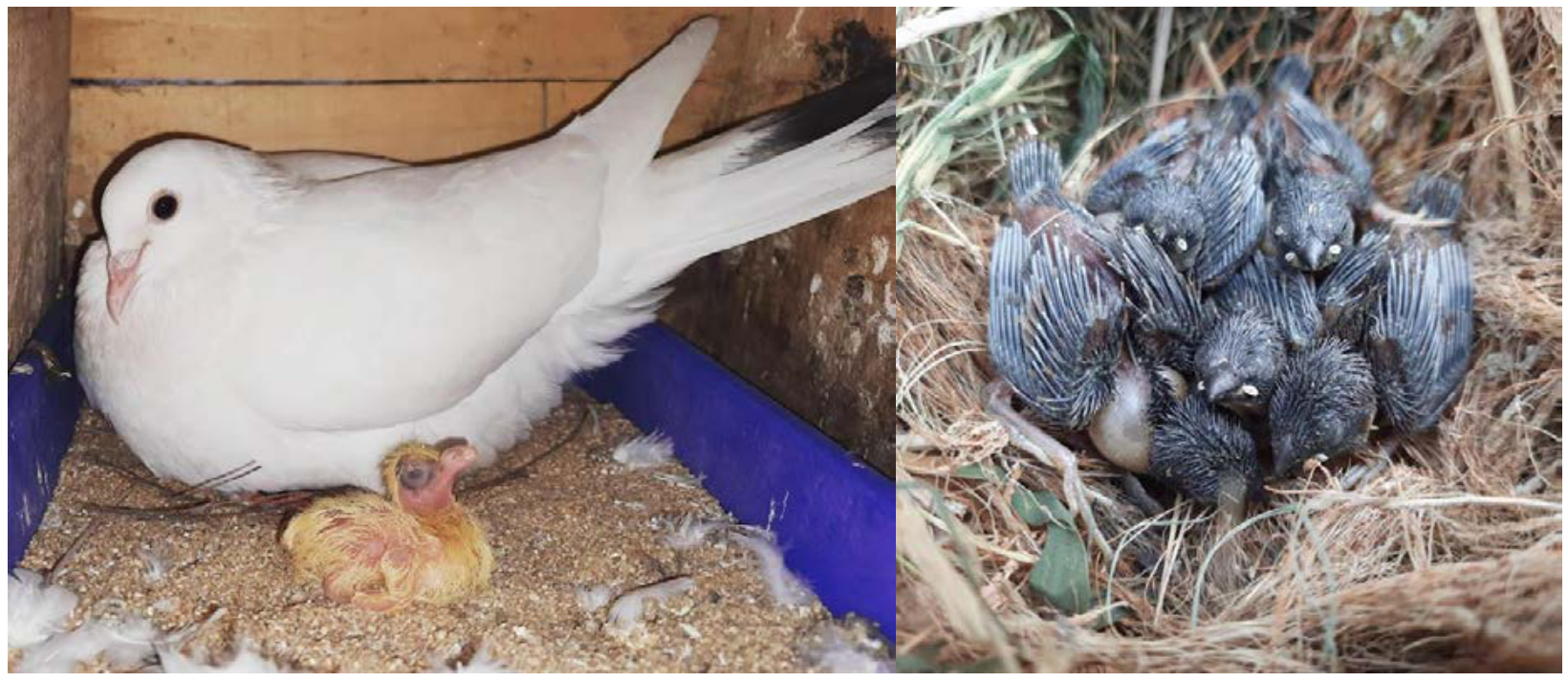
Animals under the care and protection of KAILASA
Global Public Health and Wellbeing
Human life is more precious and important than all economic principles or systems in totality because all these concepts are legitimate only because of their utility value which is to fundamentally make human life better. The SPH Nithyananda Paramashivam has emphasized that at least until this ongoing crisis and COVID pandemic ends, all economic and healthcare policies, principles, and systems need to be revised to make sure no human being suffers from hunger or the absence of required medical care. In ancient indigenous Hindu scriptures, Paramashiva (primordial Hindu divinity) has declared for survival needs – such as food and healthcare – barter and charity are recommended251 for commoners, but as for the state it is expected it provides these for free to all.
In a report by the Committee for Development Policy – a body of the United Nations Economic and Social Council (ECOSOC) – the vice-chair of the committee expressed – “You need to consider health as something that is not a private commodity but a public good”252, while emphatically trying to make a point that governments and private sectors should not make public health into a subject of free-market – a commodity which can be traded in the stock market, because the life of human beings cannot be reduced as merely a subject of profit, loss, and dividends. At the root of this crisis is the fact that somewhere humanity has lost the basic understanding that human life is more precious and important than all economic principles or systems in totality because all these concepts are legitimate only because of their utility value which is to fundamentally make human life better. The difficulty the current governments, policymakers, economists, and leaders are facing in understanding and handling this problem has always been pre-empted in indigenous Hindu traditions by Hindu Gurus and leaders
Mahabharata, Vanaparva (200.35 and 200.37)
Sakiko Fukuda-Parr, CPD Development Policy and Multilateralism after COVID-19, Chapter III,
https://www.un.org/development/desa/dpad/wp-content/uploads/sites/45/CDP-Covid-19-and-Multilateralism.pdf
who kept pursuing that their disciples, followers, and their communities followed the indigenous scriptures to ensure that survival needs such as food and public health were kept always free.
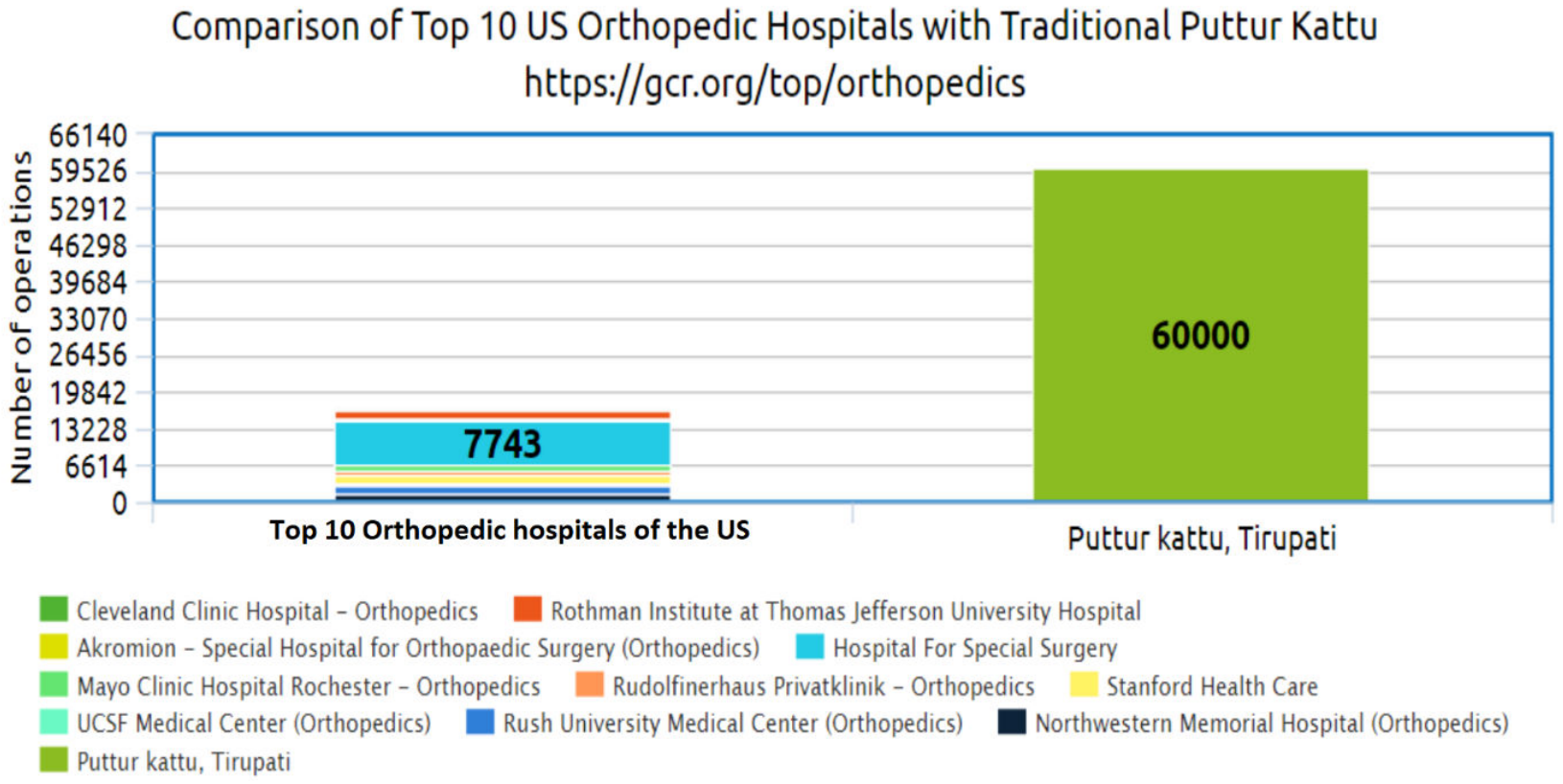
Despite spending a tremendous amount of money on healthcare several high-income nations score poorly on many key health measures, including life expectancy, preventable hospital admissions, suicide, maternal mortality, and satisfaction with the healthcare system.253 Such situations were always preempted in indigenous civilizations where healthcare was a subject of charity or barter, but not profit. A two hundred old charitable bone-setting indigenous institution – Puttur Kattu – illustrates this point. In 1881, centered around the Venkateswara Temple, Tirumala, K. Kesava Raju started a charitable bone setting practice in the Rachapalem village called Puttur254. Whereas the total number of orthopedic operations done by the top ten U.S. hospitals255 put together is around 17,000 annually, the Rachapalem ecosystem alone performs more than 60,000 non-invasive orthopedic treatments every year all free of charge256.
https://www.health.harvard.edu/blog/is-our-healthcare-system-broken-202107132542
https://www.ncbi.nlm.nih.gov/pmc/articles/PMC3255447/
https://gcr.org/top/orthopedics
thehindu.com/news/national/andhra-pradesh/despite-advances-in-medicine-puttur-kattu-has-global-takers/article25669726.ece
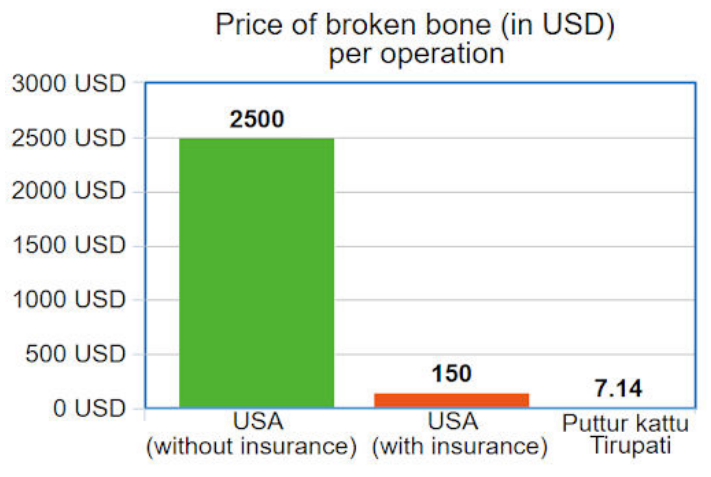
In the US the average cost for non-surgical treatment of a broken arm or leg is about USD 2,500. With an insurance cover, it comes down to USD 150 per person.257 Whereas for a Puttur Kattu procedure it would cost a maximum of Rs. 500 if X-ray and all extra-procedures were also done. This shows the cost of a broken bone in some countries is 52 times the cost at which Puttur Kattu treats it.258 The number of people impacted by the Puttur health ecosystem is also much higher than some of the top 10 Orthopedic Hospitals of the world combined259, illustrated in the graph below.
Puttur Kattu is just one amongst several Hindu health care ecosystems and is not the only example and neither is bone setting the only free service that is offered by the Hindu healthcare ecosystem. While Puttur offers free primary health care in orthopedics, the Sri Sathya Sai Institute of Higher Medical Sciences provides various tertiary260 health care services completely free of cost. Sri Sathya
https://www.guardiandirect.com/resources/articles/10-common-medical-costs-without-accident-insurance
https://www.ncbi.nlm.nih.gov/pmc/articles/PMC3255447/
Raw Data from https://gcr.org/top/orthopedics , Cleveland Clinic Hospital - Orthopedics (542), Rothman Institute at
Thomas Jefferson University Hospital (1351), Akromion - Special Hospital for Orthopaedic Surgery (Orthopedics) (530), Hospital For Special Surgery (7743), Mayo Clinic Hospital Rochester - Orthopedics (1197), Rudolfinerhaus Privatklinik - Orthopedics (774), Stanford Health Care (1225), UCSF Medical Center (Orthopedics) (443), Rush University Medical Center (Orthopedics) (1790), Northwestern Memorial Hospital (Orthopedics) (1324), Puttur kattu (60000).
Johns Hopkins Medicine. Patient Care: Tertiary Care Definition - Tertiary care is specialized consultative health care,
usually for inpatients and on referral from a primary or secondary health professional, in a facility that has personnel and facilities for advanced medical investigation and treatment, such as a tertiary referral hospital. Examples of tertiary care services are cancer management, neurosurgery, cardiac surgery, plastic surgery, treatment for severe burns, advanced neonatology services, palliative, and other complex medical and surgical interventions
Sai Institute of Higher Medical Sciences (SSSIHMS) does not even have a billing counter. It is also noteworthy that though top hospitals such as Cleveland Clinic Hospital perform around 542 orthopedics operations per year, Sri Sathya Sai Institute of Higher Medical Sciences does 760. These examples show that Hindu health care ecosystems can deliver primary, secondary, and even tertiary healthcare completely free of cost, as per Hindu principles while leveraging recent developments in medical science and are also able to scale up to serve a large number of people. From 2001 to 2016, SSSIHMS Whitefield has been successful in performing over 21,000 Neurosurgeries, 17,000 cardiac surgeries, over 46,000 diagnostic and interventional cardiac catheterizations, and more than 10,40,000 outpatients have received outpatient consultations, everything completely free of cost.261 On 12 July 2004, the second reincarnation of spiritual leader Sai Baba262, Satya Sai Baba263, formally recognized SPH Nithyananda Paramashivam as an incarnation, coronating Him as the spiritual successor of Bhagyanagara, Sripura Sarvajnapeetham.264 The SPH Nithyananda Paramashivam has made this noble legacy of medical service and healthcare expand worldwide through all de facto spiritual embassies of KAILASA, in multi-specialties, multi-disciplines, blending both Western medicine and traditional indigenous Hindu systems of medicine.
In 2015, the United Nations established Sustainable Development Goal 3 (SDG-3) – "To ensure healthy lives and promote well-being for all at all ages." SDG-3 puts major focus to achieve universal health coverage, that seeks equitable access to healthcare services to all men and women, ending the preventable death of newborns, infants, and children under 5 (child mortality), and ending epidemics. These goals have also been a primary focus of KAILASA and under the leadership of the SPH Nithyananda Paramashivam, KAILASA has seen fair success in all these dimensions. In terms of providing equitable access to healthcare services, KAILASA has been offering free health care to all, irrespective of race, religion, creed, or political affiliation, even in crises such as cyclones and COVID-19 pandemics. In terms of ending the preventable death of newborns, infants, and children under 5 KAILASA offers special care for pregnant women called En-pregnancy care is known for blissful and painless birth experiences for women which have benefited thousands of women worldwide. The service is offered completely free. Babies born in En-Pregnancy care are born with extraordinary health, immunity, good weight and there have been zero incidences of preterm births in En-pregnancy. In terms of ending epidemics, KAILASA has done phenomenal work in addressing the COVID-19 pandemic – where the KAILASA enlightened ecosystem townships have reported zero cases of infection let alone death. This was despite tremendous pressure from anti-Hindu forces and persecution from state and non-state actors. The work done in providing free covid quarantine and care facility was presented as a paper265 which was submitted to the United Nations to provide inputs
https://whitefield.sssihms.org/about-hospital/
Rigopoulos, Antonio (1998). Dattatreya: The Immortal Guru, Yogin, and Avatara. State University of NY Press. p. 260.
ISBN 1438417330.
(i) Weiss, Richard (December 2005). "THE GLOBAL GURU: SAI BABA AND THE MIRACLE OF THE MODERN" (PDF). New
Zealand Journal of Asian Studies. 7 (2): 5 - 19. (ii) Kent, Alexandra (2005). Divinity and Diversity: A Hindu Revitalization Movement in Malaysia. Nordic Institute of Asian Studies. pp. 37 - 39. ISBN 978-87-91114-40-3.
https://nithyanandapedia.org/wiki/Kailaasa_Paramparagatha_Sripura_Sarvajnapeetha
https://www.ohchr.org/Documents/Issues/IntOrder/Multilateralism/AdiShaiviteMinorityTradition.pdf
to an independent UN expert for his report to the Human Rights Council and the General Assembly about the COVID-19 crises and multilateralism.
But this is just a part of what the world needs in terms of health care, and what KAILASA envisions to offer is much more. Recognizing the interdependence of health and development, the United Nation’s Sustainable Development Goals (SDGs) provide an ambitious, comprehensive plan of action for people, the planet, and prosperity and for ending the injustices that underpin poor health and development outcomes. SDG 3 aspires to ensure health and well-being for all, including a bold commitment to end the epidemics of AIDS, tuberculosis, malaria, and other communicable diseases by 2030. It also aims to achieve universal health coverage and provide access to safe and effective medicines and vaccines for all. Supporting research and development for vaccines is an essential part of this process as well as expanding access to affordable medicines.
The SPH Nithyananda Paramashivam is leading KAILASA to strive towards contributing to these very goals. However, SDGs are just a part of His grand vision, which is much bigger and is a continuation of the grand vision for humanity that was given by our ancient Hindu masters. The ambition of ancient indigenous Vedic masters and visionaries for humanity is far more elevated, what they saw as a potential for mankind was not ordinary, and it is expressed in several verses such as in Ishavasya Upanishads where they declare, “One should desire to live in this world for hundreds of years, all the while doing his deeds dispassionately as sanctioned by the scriptures, and treating them as his offerings to Īśvara, the quintessential Supreme Lord, the Lord of the whole Creation. In this way, the deeds done by you shall not cling to you, the deeds will not cause their good or bad effects upon the doer of those deeds, simply because they are being done with the doer mentally convinced that he has not done them, he is not intellectually and mentally committed to these deeds, or they are done without his claiming any rights over the fruits of those deeds. There is no other way by which a man can free himself from the bondage created by the deeds”266 (“कुर्वन्नेवेह कर्माणि जिजीविषेच्छतं समाः। एवं त्वयि नान्यथेतोऽस्ति न कर्म लिप्यते नरे ॥”, Isha Upanishad Verse 2).
“Even while doing verily deeds here, one should desire to live a hundred years, thus and not otherwise than this, the deeds do not cleave to a man”
In an expansion to this, it is understood, that ancient indigenous masters had inspired humanity to pursue living a long life (literally a hundred years) all the while when they engage in active work constant working and fulfilling their responsibility in whichever dimensions of life it may be. The Vedic masters continue to say that, by this, and by no other means, can a person be liberated from bondage created by their actions or deeds. With this understanding a few things are amply clear, - (1) the vision of Hinduism for human beings is that they should live a long life – a hundred years, (2) all this while they should be able to function actively and perform their duties and responsibility healthily, (3) the ultimate purpose of all of this – health policies, state policies, day to day work, the fundamental pursuit of human life is only one which leads to liberation – a liberation where the attachment to results of work or any other expectations do not bind us, and throughout life and even at the end of life, we feel satisfied that we lived to our fullest and leave the body after literally a hundreds year with a complete feeling. The vision of Hinduism for human beings is not that they are merely an economic resource of
http://nithyanandapedia.org/index.php?title=February_07_2015
flesh and bones that are supposed to just contribute to society until retirement and post-retirement pursue general health insurances benefits while waiting to die. The vision of Hinduism for human beings is that each person lives to their fullest, complete possibility, and leaves his body at a grand old age royally. This expectation is important, as it shapes the various laws of the country, health policies, and several long-term strategies. Therefore, utmost attention is given to the way human beings are evolved rights from the conception of a child, prenatal development in the embryo, at the time of delivery, post-natal care, early childhood, teenage, adolescence, old age, at the time of death, after death and for great masters like the Lamas of Tibetan Buddhism, even towards a consciously planned rebirth. This is a grand long vision, where human beings are expected to be healthy, active, and in a state of being able to completely express their potential and burn all their desires and expectations from life by constantly pursuing their ever-maturing goals. Therefore, the Hindu health policy is comprehensive it involves preventive health care such as Yoga, Kriyas or techniques for cleansing, fasting/special diets, special Ayurvedic processes, herbal diet, natural vaccination techniques, organic medicine, food as natural medicine, developing the right healthy psychology, etc. all of which enables a long healthy life.
For the past twenty-six years, the SPH Nithyananda Paramashivam through KAILASA, its citizens, and volunteers has worked tirelessly to revive this indigenous Hindu healthcare system as per the vision of Paramashiva (primordial Hindu Divinity), which is also complemented and supported by the most recent progress in modern medicine and best practices.
Jagat Guru Mahasannidhanam His Divine Holiness Bhagavan Sri Nithyananda has dedicated His life and His mission through Kailasa to provide Yogic, ayurvedic solutions and medical care to the world.
KAILASA works through the international humanitarian medical non-governmental organization (NGO) known for its projects in humanitarian crises such as natural calamities and for working to support people affected by endemic diseases such as during the COVID-19 pandemic. KAILASA is active in more than 50 countries. KAILASA’s humanitarian work is mainly supported by a team of dedicated volunteers, several being local devotee doctors, nurses and other medical professionals, logistical experts, water and sanitation engineers, and administrators.
All humanitarian work done by KAILASA is supported by fundraising from private donors and devotees who provide about 100% of the organization's funding, without seeking any support from corporate donations, and government aid. Rather the SPH Nithyananda Paramashivam has graciously donated to humanitarian funds of various State Governments of India. Several international organizations like KAILASA, such as Nobel Peace Prize-winning Médecins Sans Frontières seek independence and impartiality, and explicitly precludes political, economic, or religious factors in its decision making, and therefore limits the amount of funding received from governments or intergovernmental organizations, as these principles have allowed them to speak freely concerning acts of war, corruption, or other hindrances to medical care or human well-being. Despite being funded only by KAILASA can perform such massive works because of the spirit of charity that has been inculcated as a value amongst the citizens of KAILASA, devotees, disciples, and followers by the SPH Nithyananda Paramashivam.