ADVANCED KUNDALINI ACTIVATION RESEARCH
This text was machine-transcribed from the printed book and may contain errors. Select the words and choose “Report a mistake”.
Pursuing his conviction that kundalini activation can be physically measured, Paramahamsa Nithyananda undertook the medical surveillance of participants in his breakthrough residential three-week retreat, Inner Awakening. Attendees were tested for a variety of parameters upon arrival at the retreat. The same tests were repeated just before their departure. The results of the study were astonishing, demonstrating that kundalini activation erases a host of chronic illnesses, mental and emotional blocks and behavioral problems. It has a measurable effect on cell structure, creating a positive shift in genetic function and raising personal energy levels by an amazing 967%.
The full account follows.
Inner Awakening (IA)―
THE Program
Inner Awakening (IA) is a unique life-transforming 21-day yoga and meditation retreat centered on awakening the ultimate inner potential energy within each of us: the Kundalini energy.
Each morning, the program begins with uniquely designed yoga sessions that prepare the body to hold and express the powerful Kundalini energy. As a master of ancient spiritual sciences and mystical techniques, Nithyananda personally guides
He also awakens the various previously dormant dimensions within you that express themselves as constant creativity and joy.
The Kundalini Awakening by Nithyananda miraculously works on all the essential dimensions of life, leaving one with the experience of deep healing at physical, mental and emotional levels. One experiences a state of true peace with tremendous productivity, creativity and constant awareness. With powerful clarity one learns to create and enjoy every moment of the life one loves.
THE NEED FOR MEDICAL RESEARCH IN IA
Since the first IA program happened in 2008, many of the seekers who came from around the world seeking spiritual solace reported amazing health recoveries as one of the main benefits of attending the program. This serendipitous discovery, in terms of many chronic and serious diseases getting cured in addition to increased energy levels,
Each day culminates with an ini-
tiation from nithyananda, when
he awakens the kundalini energy.
the participants through deep meditation
processes, all in the rare ambience of a
contemporary Vedic Ashram.
Each day culminates with an initiation from Nithyananda, during which He awakens the Kundalini energy. With this transmission set the stage for scientific research to validate these observations. The study was structured to quantify the changes and statistically evaluate their benefits.
The intent is to determine the physiology behind these changes through appropriate scientific studies, so that more in-depth examination can be done in future programs by external researchers.
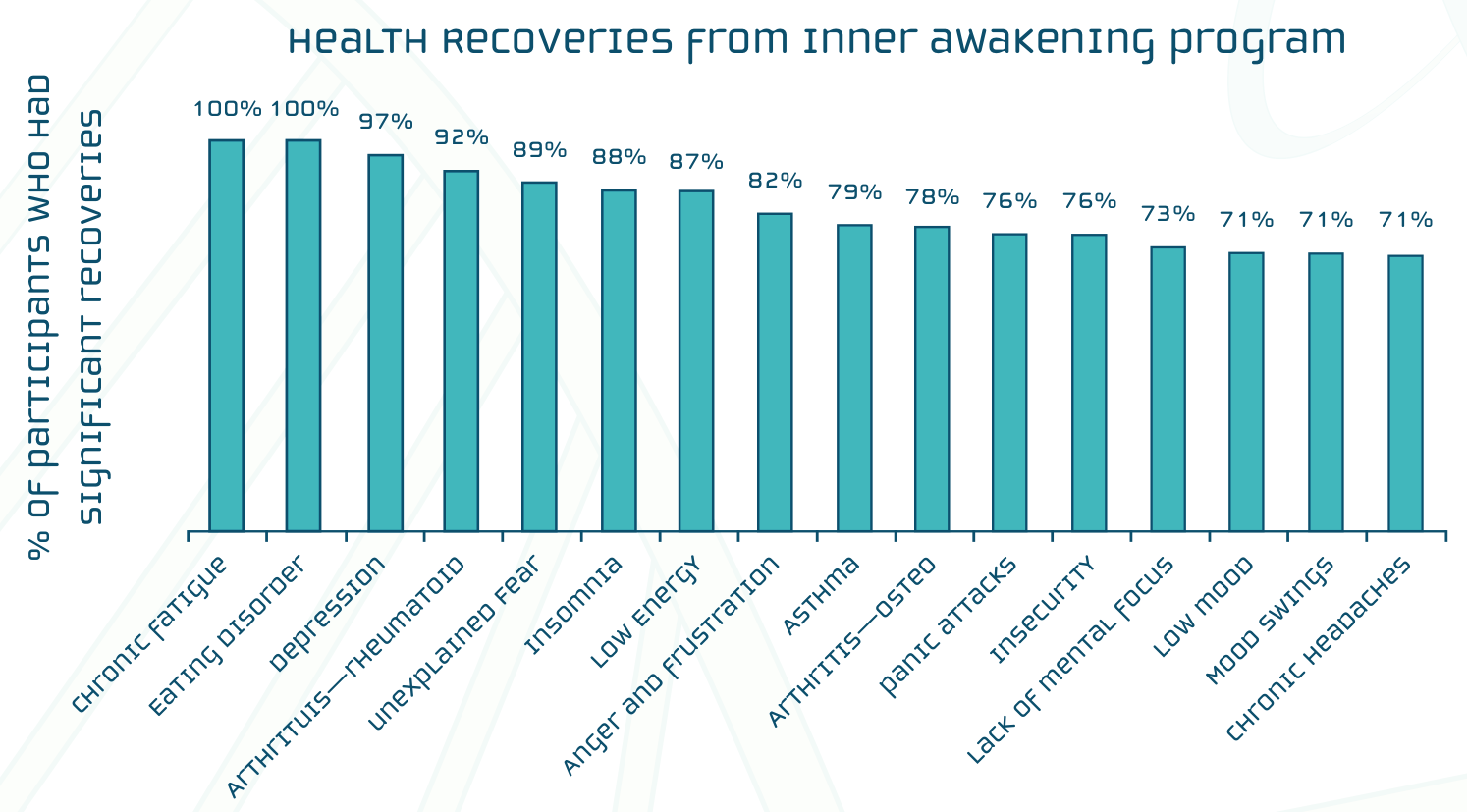
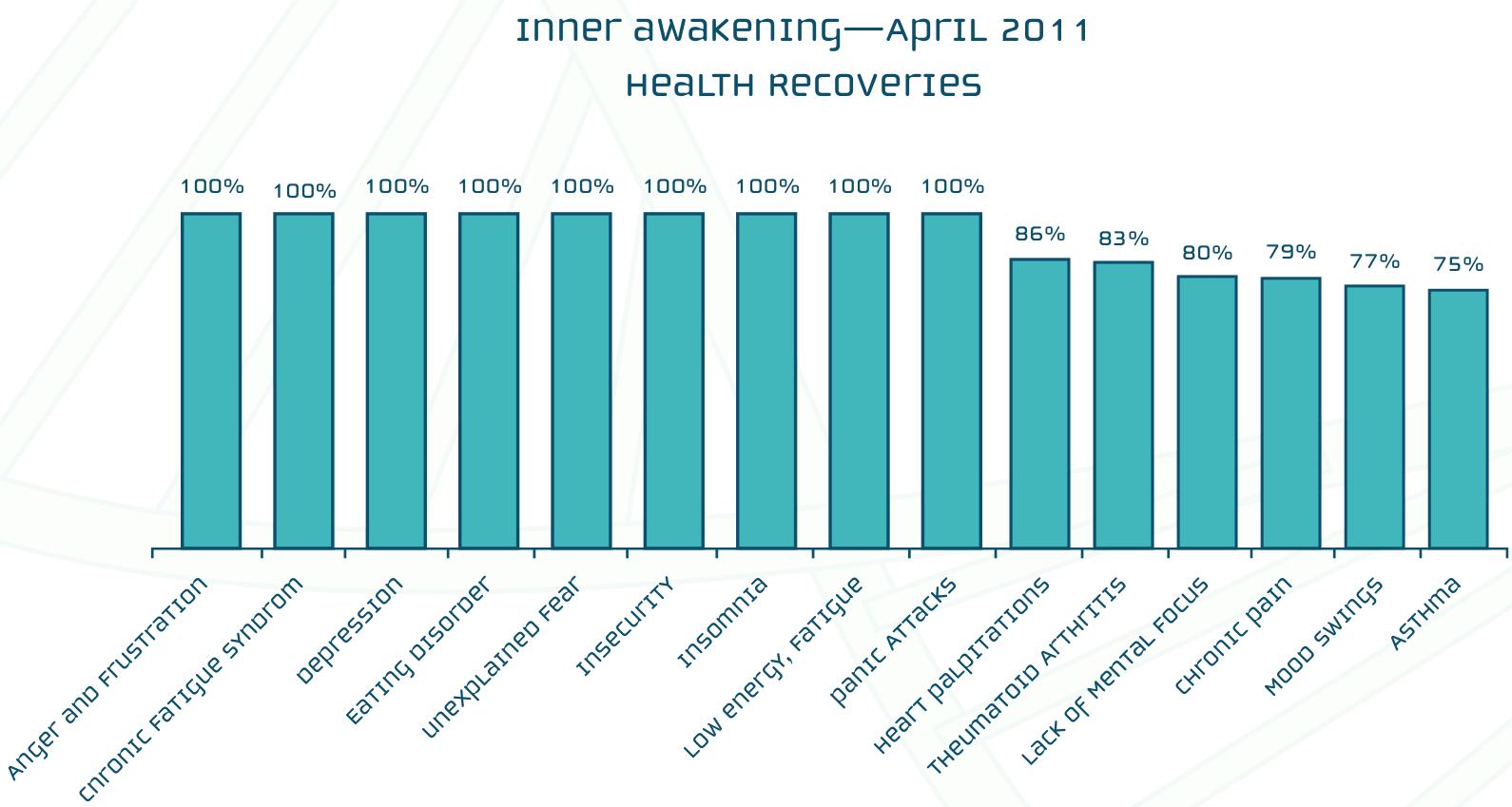
We would like to share the health benefits experienced by the participants in recent days. These results based on pre- and post-program questionnaires answered by the participants.
THE STUDY
- Physical and physiological parameters
- MTT assay
- Genetic studies
- qEEG studies
- Materialization studies
PHYSICAL AND PHYSIOLOGICAL PARAMETERS
The following physical and physiological
parameters were evaluated on Day 0 and
Day 18 of the IA program:
a. Height and weight and by inference BMI b. Chest and waist circumference and by inference C/W ratio c. Diastolic blood pressure with a mid program review on hypertensives d. Fasting blood sugar e. Mid program review on diabetics.
Study Design: An evaluation to study
the effectiveness of intervention on
Anthropometry Parameters and Clinical
Variables
Statistical Methods: Descriptive statistical analysis has been carried out in the present study. Results on continuous measurements are presented on Mean SD (Min-Max) and
TABLE 1 GENDER DISTRIBUTION OF PARTICIPANTS STUDIED
| Gender | Number of participants | Percentage [%] |
|---|---|---|
| Male | 47 | 47.0% |
| Female | 53 | 53.0% |
| Total | 100 | 100.0% |
TABLE 2 EFFECTS ON CLINICAL VARIABLES
| INITIAL | FINAL | SIGNIFICANCE | |
|---|---|---|---|
| Heart Rate HR (bpm) | 76.88±11.27 | 71.19±10.29 | t=5.130; p<0.001** |
| Diastolic Blood Pressure DBP (mm Hg) | 117.87±18.14 | 74.54±12.94 | t=24.332; p<0.001** |
| Fasting Blood Sugar FBS (mg/dl) | 101.97±17.91 | 97.87±11.71 | t=2.686; p=0.008** |
Results are presented in Mean ± SD
table 3 Incidence of pre-existing complications
| Complications | Number of patients (n=100) | percentage (%) |
|---|---|---|
| Known Diabetic | 8 | 8.0% |
| Known Hypertensive (HTN) | 8 | 8.0% |
| Eating Disorder | 3 | 3.0% |
| Thyroid | 8 | 8.0% |
| High Cholesterol | 10 | 10.0% |
| Musculoskeletal | 8 | 8.0% |
| Insomnia | 5 | 5.0% |
results on categorical measurements are presented in Number (%). Significance is assessed at 5% level of significance. Student t test (two-tailed, dependent) has been used to find the significance of study parameters on continuous scale within each group. 95% Confidence Interval has been computed to find the significant features. Confidence Interval with lower limit greater than 50% is associated with statistical significance.
1. Student t test for paired comparisons
Objective: To investigate the significance of the difference between single population means.
No assumption is made about the population variances and di is the difference formed for each pair of observations.
2. Significant figures
- Suggestive significance (p value: 0.05<p<0.10)
- Moderately significant (p value: 0.01<p< 0.05)
Strongly significant (p value: p <0.01)
Statistical software: The Statistical software namely SAS 9.2, SPSS 15.0, Stata 10.1, MedCalc 9.0.1, Systat 12.0 and R environment version 2.11.1 were used for the analysis of the data and Microsoft word and Excel have been used to generate graphs, tables, etc.
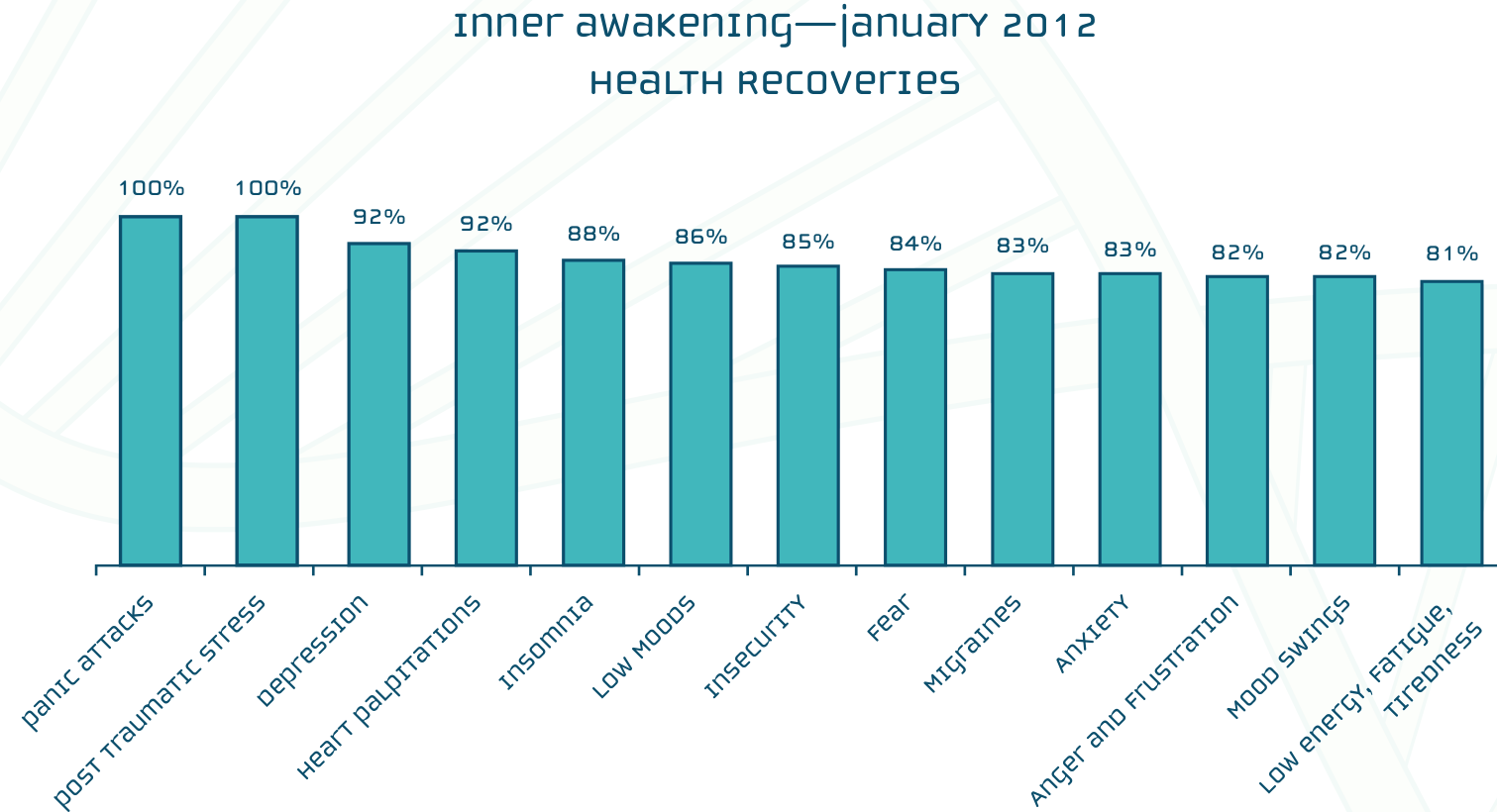
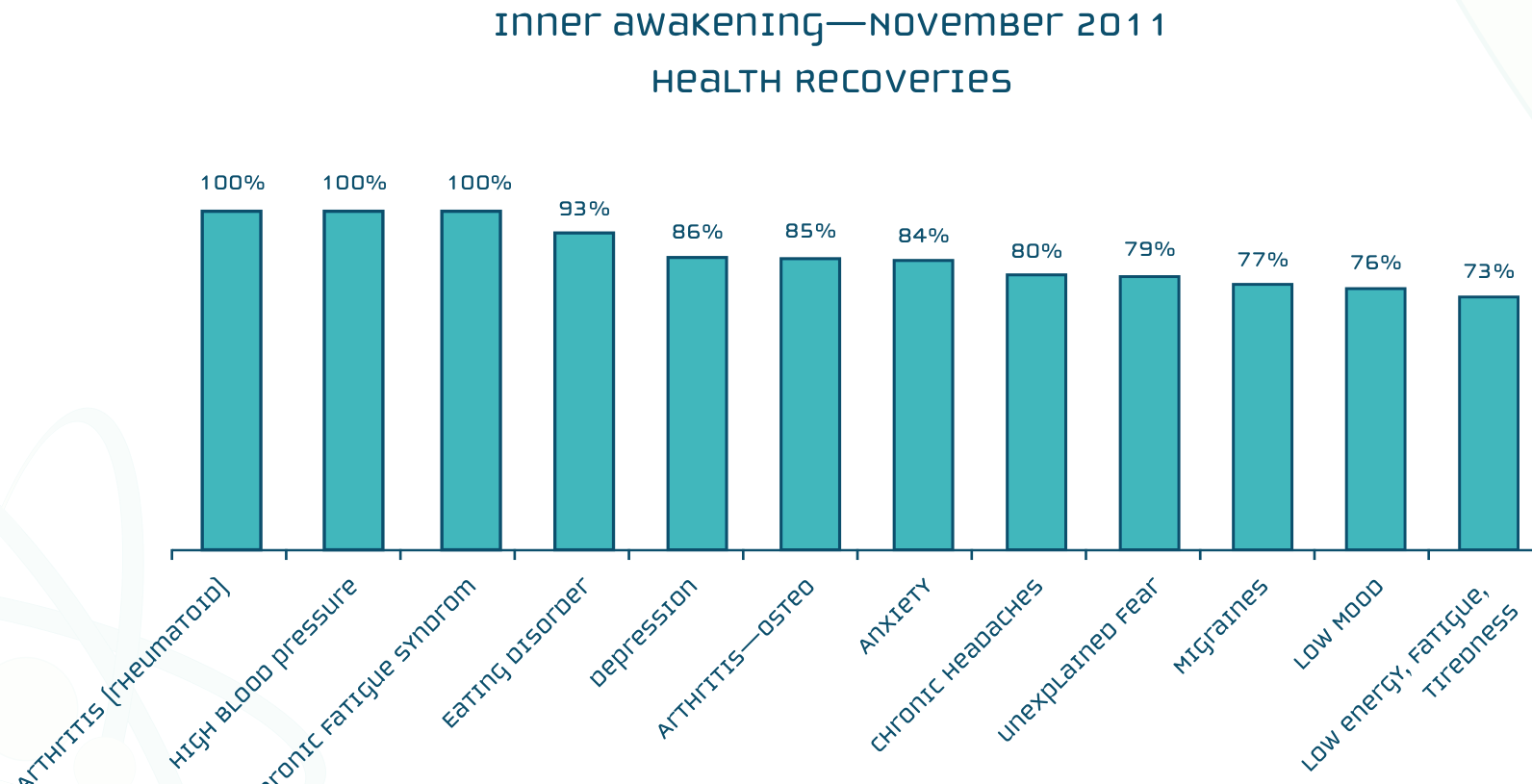
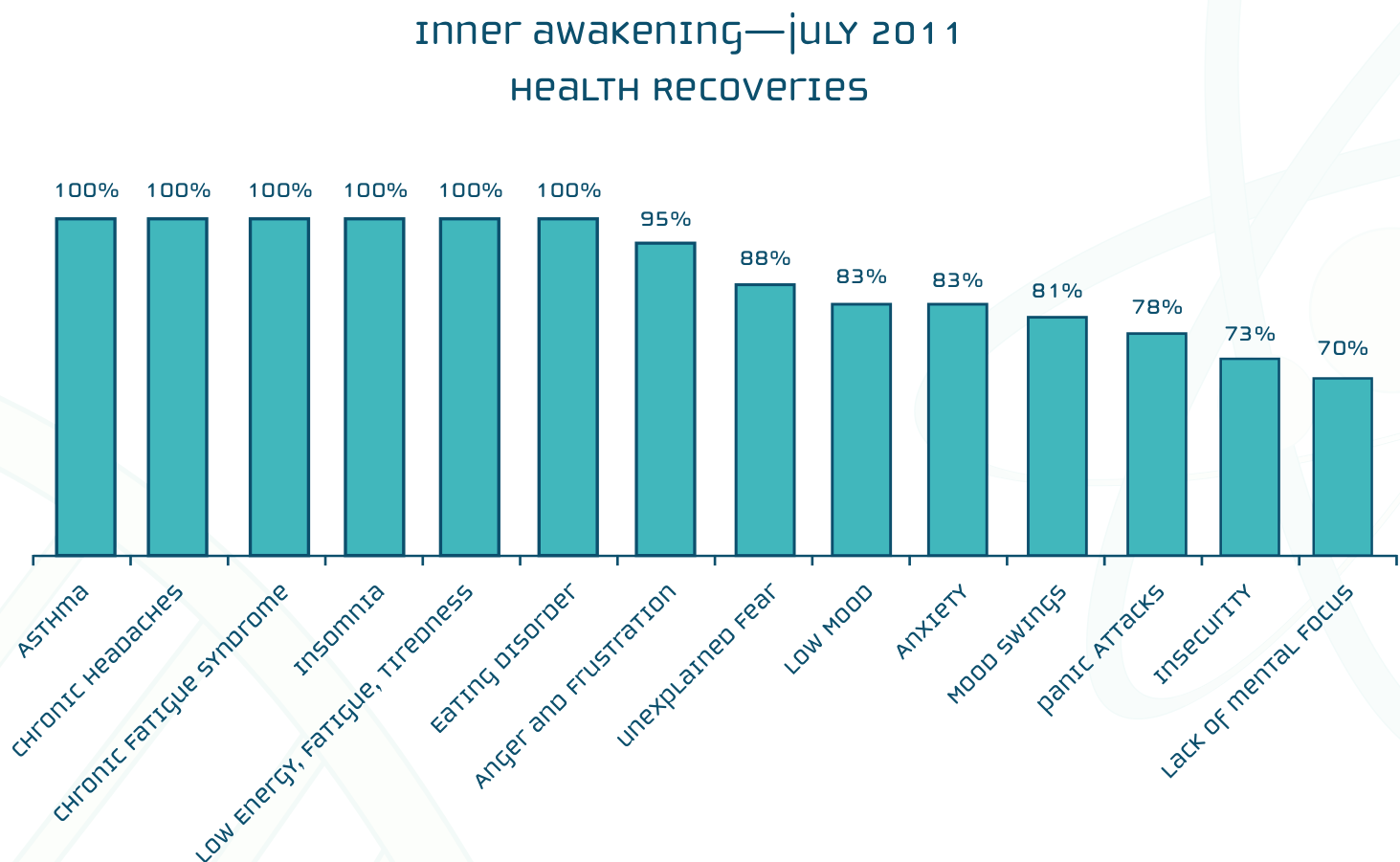
The results are further validated by on-going research done on subsequent batches of IA participants. A summary of the findings is shown on the next page:
References: Rosner, B. (2000). Fundamentals of biostatistics (5th Edition). Pacific Grove, CA: Duxbury. Reddy, M. V. (2002). Statistics for mental health care research. Bangalor, India: National Institute of Mental Health and Neuro Science.
Sunder Rao, P. S. S., & Richard, J. (2004). An introduction to biostatistics, A manual for students in health sciences. New Delhi: Prentice Hall of India. Eng, J. (2003). Sample size estimation: How many individuals should be studied? Radiology, 227, 309-31.