yogic physiology
This text was machine-transcribed from the printed book and may contain errors. Select the words and choose “Report a mistake”.
A yogic body is defined as one possessing four components: power, energy, flexibility and health. These four qualities put together is the definition of a yogic body. A male body should first focus on building power, then flexibility should be added, then focus on energy, and the body will become healthy. A female body should start with flexibility, then power, then energy, and the body will become healthy.
Your body consists of various circuits: blood circuit, nerve circuit, prana circuit (respiratory system), digestive circuit, excretory circuit, reproductive circuit and energy circuit. The energy flow continuously happens in you. The energy circuit is governed by the Kundalini energy. The Kundalini energy is the immense potential energy in every individual that helps complete the energy circuit.
Compared with a water tank, the tank stores water, which is distributed to different places through the pipelines. The water is like a whole circuit. So is the Kundalini energy flowing through the whole body. The energy flows through energy channels, through the nadis. If there is a block in the pipelines of the water tank, then the water is not flowing. Similarly, when there is a block in energy tubes, in the nadis of the body, then diseases, disorders and disturbances start happening. The blockage needs to be removed. The kumbhaka pumps the Kundalini energy through the body, once the blockage is removed. Removing the blockage happens through Nithya Kriyas. When your body is put into different asanas, it frees the body from the blockages. It is like the plumbing gets done, the wiring gets aligned. The kumbhaka starts pumping energy into the circuit. If the energy circuit is aligned even only for a few seconds, the energy gets pumped, you are out of the disease and disorder. The body needs to be strengthened by Nithya Kriyas, so the energy flow is ensured. Bandhas are there to lock the body, so energy is not leaking out. Mudras are there to pump the energy in different parts of the body. A yogi needs to
know the movements of the prana, including rechaka (exhalation), puraka (inhalation) and kumbhaka (retention of the breath).
Nāḍi नाडि
Nādi is a Sanskrit word, the root nad means channel, stream, or flow. According to Ayurveda, Nādis are the channels through which the energy of the physical, the subtle and the causal body is flowing. The three main nadis are Pingala, Ida and Sushumna.
Pingala is also named as suryanadi, surya means the sun. It has the power to burn morbidity. It flows along the right side of the spine and end at the right nostril. Ida has the power to remove fatigue, the one through which ambrosia flows. It flows along the left side of the spine, going to the left nostril.
Ida and Pingala are also called Varana and Asi, referring to the city Varanasi. The space between those two energy channels refers to the oldest city in India, the holy city of Shiva.
The Sushumna is the energy channel which contains the vital air, where vital air continuously flows. As the Ida and the Pingala are situated on the right and on the left side, the Sushumna passes through the middle of those two. Sushumna is also referred to as the Brahmarandhra. This is understood the the opening of Brahman, the highest Universal principle, the Ultimate reality of the universe.
Shivastambha and Rope Yoga
First thing you need to know, Shivastambha and Rope Yoga are all from the agamas and ancient vedic tradition. Second, they are powerful tools to add power and flexibility into your system.
H.H. Sri Paramahamsa Nithyananda recommends male bodies to start with Shivastambha. He reinvents this ancient manifestation of power. The origin, in the Hanuman’s history, the life history of Hanuman, the Shivastambha has recorded evidence and long history. Hanumad Purana describes he was trained in Shivastambha by his father. Therefore, all the male bodies should start with Shivastambha manifestation in order to gain power. Afterwards, for gaining flexibility, they should continue with rope yoga. Female bodies should start with Rope Yoga to gain flexibility. Afterwards, the manifestation of Shivastambha should happen.
Once a body manifests Shivastambha and Rope Yoga, it can hold the energy. The energy added will sustain. Through physical preparation by Shivastambha and Rope Yoga, the awakened Kundalini energy will never be lost. The power, the energy will never be lost and the body will be completely healthy.
The following pramanas offer a great inside and details about the yogic physiology.
Rate of Breath
Āpta Pramāṇa आप्त प्रमाण
Yoga-rahasya of
Srinatha-muni I.57
श्वासोच्छ्वासगतीरेताः सर्वेषां प्रायशः समाः ।
प्राणायामेन ताः संख्याः संकोच्या योगिना सदा ॥
śvāsocchvāsagatīretāḥ sarveṣāṃ prāyaśaḥ samāḥ |
prāṇāyāmena tāḥ saṃkhyāḥ saṃkocyā Yoginā sadā || 57 ||
Translation The respiratory rate is generally the same for everyone. Yogis reduce this rate through the practice of pranayama.
Breath in Shushumna
Āpta Pramāṇa आप्त प्रमाण
Yoga-rahasya of
Srinatha-muni I.58-59
यावान् भवेत् प्राणवायोः संकोचो चक्रमण्डले ।
तावानायुर्वृद्धिश्च रोगनाशश्च योगिनः ॥
yāvān bhavet prāṇavāyoḥ saṃkoco cakramaṇḍale |
tāvānāyurvṛddhiśya roganāśaśca Yoginaḥ || 58 ||
तदर्थमेव ज्ञातव्यं प्राणवृत्तिप्रकारकम् ।
रचपूरक कुम्भाख्याः त्रिविधाः प्राणवृत्तयः ॥
tadarthameva jñātavyaṃ prāṇavṛttiprakārakam |
racapūraka kumbhākhyāḥ trividhāḥ prāṇavṛttayaḥ || 59 ||
Translation The Yogi whose prana vayu is confined in the Sushumna nadi, has a long life and is free from disease. It is for this purpose, that the movements of prana must be known. Exhalation (rechaka), inhalation (puraka) and retention of breath (kumbhaka) are the three components of breath.
Kundalini
Āpta Pramāṇa आप्त प्रमाण Hathatatvakaumudi
मूलादिब्रह्मरन्ध्रान्तां विसल्तुतनीयसीम् ।
उद्यत्सूर्यप्रभाजालैद्युक्तोटिसमप्रभाम् ॥ ९ ॥
mūlādibrahmarandhrāntāṃ visatntutanīyasīm |
udyatsūryaprabhājālaidyuktoṭisamaprabhām || 9 ||
Translation I salute (kundali) which emanates from mula (perineum) and extends up to brahmamarandhra (crown of the head), which is as subtle as the fibre of lotus stalk, which is as luminous as a rising sun or a crore of lightning.
The Awakening of Kundalinī
Śāstra Pramāṇa शास्त्र प्रमाण Shiva Samhita-IV.12-14
अधुना कथयिष्यामि योगसिद्धिकरं परम् ।
गोपनीयमं सुसिद्धानां योगं परमदुर्लभम् ॥ १२ ॥
सुप्ता गुरुप्रसादेन यदा जागर्ति कुण्डली ।
तदा सर्वाणि पद्मानि भिद्यन्ते ग्रन्थयेपि च ॥ १३ ॥
तस्मात्सर्वप्रयत्नेन प्रबोधयितुमीश्वरीम् ।
ब्रह्मरन्ध्रमुखे सुप्तां मुद्राभ्यासं समाचरेत् ॥ १४ ॥
adhunā kathayiṣyāmi Yogasiddhikaraṁ param |
gopanīyamaṁ susiddhānāṁ Yogaṁ paramadurlabham || 12 ||
suptā guruprasāden yadā jāgarti kuṇḍalī |
tadā sarvāṇi padmāni bhidyante granthayepi ca || 13 ||
tasmātsarvaprayatnena prabodhayitumīśvarīm |
brahmarandhramukhe suptāṁ mudrābhyāsaṁ samācaret || 14 ||
Translation
Now I shall tell you the best means of attaining success in Yoga. The practitioners should keep it secret. It is the most inaccessible Yoga. 12
When the sleeping goddess Kundalini is awakened, through the grace of Guru, when all the lotuses and the bonds are readily pierced through and through.13
Therefore, in order that the goddess, who is asleep in the mouth of the Brahmarandhra (the innermosthollow of sushumna) be awakened, the mudras should be practiced with the greatest care. 14
Yoga Technique Pressing Vijnana Nadis
Śāstra Pramāṇa शास्त्र प्रमाण Shiva Samhita-V.36
पद्मासनस्तिथो योगी जनसंगविवर्जितः ।
विज्ञाननाडीद्वितयमङ्गुलीभ्याम् निरोधयेत् ॥ ३६ ॥
padmāsanastitho yogī janasaṁgavivarjitaḥ |
vijñānanāḍīdvitayamaṅgulībhyām nirodhayet || 36 ||
Translation
Sitting in the padmasana posture, renouncing the society of men, let the Yogi press the two vijnana nadis (vessels of consciousness, perhaps coronal arteries) with his two fingers.
Benefits of this Technique
(Pressing Vijnana Nadis)
Śāstra Pramāṇa सास्त्र प्रमाण
Shiva Samhita-V.37-42
सिद्धेस्तदाविर्भवति सुखरूपी निरञ्जनः ।
तस्मिन्परिश्रमः कार्यों येन सिद्धो भवेत्खलु ॥ ३७ ॥
यः करोति सदाभ्यासं तस्य सिद्धिर्न दूरतः ।
वायुसिद्धिर्भवेत्तस्य क्रमादेव मन संशयः ॥ ३८ ॥
सकृद्यः कुरुते योगी पापौघं नाशयेद् ध्रुवम् ।
तस्य स्यान्मध्यमे वायोः प्रवेशो नात्र संशयः ॥ ३९ ॥
एतदभ्यासशीलो यः स योगी देवपूजितः ।
अणिमादिगुणांल्लब्ध्वा विचरेद् भुवनत्रये ॥ ४० ॥
यो यथास्यानिलाभ्यासात्तद्भवत्तस्य विग्रहः ।
तिष्ठेदात्मनि मेधावी संयुतः क्रीडते भृशम् ॥ ४१ ॥
एतद्योगं परं गोप्यं न देयं यस्य कस्यचित् ।
यः प्रमाणैः समायुक्तस्तमेव कथ्यते ध्रुवम् ॥ ४२ ॥
siddhestadāvirbhavati sukharūpī nirañjanaḥ |
tasminpariśramaḥ kāryo yena siddho bhavetkhalu || 37 ||
yaḥ karoti sadābhyāsaṃ tasya siddhirna dūrataḥ |
vāyusiddhirbhavettasya krmādeva mana saṃśayaḥ || 38 ||
sakṛdyaḥ kurute yogī pāpaughaṃ nāśayed dhruvam |
tasya syānmadhyame vāyoḥ praveśo nātra saṃśayaḥ || 39 ||
etadabhyāsaśīlo yaḥ sa yogī devapūjitaḥ |
aṇimādiguṇāṃllabdhvā vicared bhuvanatraye || 40 ||
yo yathāsyānilābhyāsāttadbhavettasya vigrahaḥ |
tiṣṭhedātmani medhāvī saṃyutaḥ krīḍate bhṛśaṃ || 41 ||
etadYogaṃ paraṃ gopyaṃ na deyaṃ yasya kasyacit |
yaḥ pramāṇaiḥ samāyuktastameva kathyate dhruvam || 42 ||
Translation By obtaining success in this, he becomes all happiness and unstained; therefore, let him endeavor with all his might, in order to ensure success.37 He who practices this always, obtains success within a short time; he gets also vayu-siddha in course of Time. 38
The Yogi, who does it even once, verily destroys all sins; and undoubtedly in him the vayus enter the middle channel.39
The Yogi who practices this with perseverance is worshipped even by the gods; he receives the psychic powers of anima, laghima, etc., and can go everywhere, throughout the three worlds, at pleasure.40
According to the strength of one's practice in commanding the vayu, he gets command over his body; the wise, remaining in the spirit, enjoys the world in the present body.41
This Yoga is a great secret, and not to be given to everybody; it might be revealed to him only, in whom all qualifications of a Yogi are perceived.42
yogic physiology
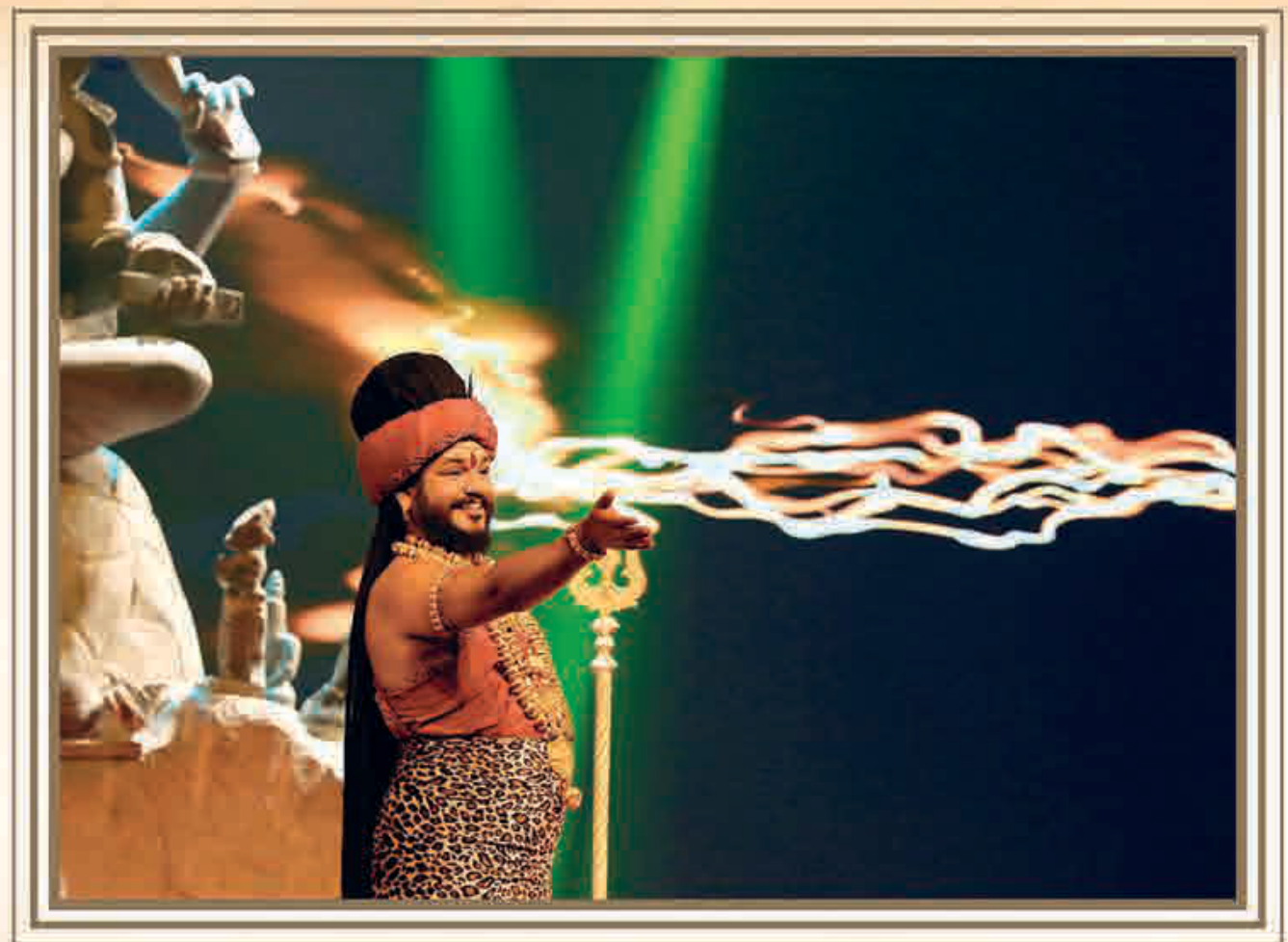
Paramahamsa Nithyananda
"Your Will is only Life Energy. Your Will is a living organism, living mechanism, living principal. Give life to that, and constantly you will be rising to your highest possibilities.
Nadis
Āpta Pramāṇa आप्त प्रमाण
Yoga-rahasya of
Srinatha-muni II.29
मेदोवृद्धिर्मांसवृद्धिः शरीरेऽन्तर्बहिसदा ।
नाडीकोशग्रन्थिसन्धवायुसंचाररोधकौ ॥ २९
medovṛddhirmāṁsavṛddhiḥ śarīre'ntarbahissadā |
nāḍīkośagranthisandhivāyusaṁcārarodhakau || 29
Translation Blockage of the movements of vayu in the nadis, koshas, junctions of the nadis (granthis) and joints is always because of excess fat and flesh outside and inside the body.
How Kundalini Raises Up
Āpta Pramāṇa आप्त प्रमाण Hathatatvakaumudi 35.23
सहाग्निना प्राणहुताशनाभ्यां प्राणो युतः सत्वरमेति कुण्डलीम् ॥
सुप्तां ततः सा दहनेन तप्ता-मध्याऽयने याति समीरचालिता ॥ २३ ॥
sahāgninā prāṇahutāśanābhyāṁ prāṇo yutaḥ satvarameti kuṇḍalīm ||
suptāṁ tataḥ sā dahanena taptā-madhyā'yane yāti samīracālitā || 23 ||
Translation Prana having been mingled with the fire soon reaches to kundali, which is latent and which having been put on fire and fanned by prana, moves through the middle path.
About Ida and Pingala Nadis
Āpta Pramāṇa आप्त प्रमाण Hathatatvakaumudi 35.27
मलं पिङ्गला सूर्यनाड्युष्मवीर्या निरुद्धाऽग्निमादीप्य दह्याच्छिरास्थम् ॥
प्रतप्तां गदाहोपशान्त्यै सुधामुह्यमान्-वैन्दवीडा प्रधार्या श्रमघ्नी ॥ २७ ॥
malaṁ piṅgalā sūryanāḍyuṣmavīryā niruddhā'gnimādīpya dahyācchirāstham ||
prataptāṁ gadāhopaśāntyai sudhāmuhyamān-vaindavīḍā pradhāryā śramaghnī || 27 ||
Translation Pingala that is suryanadi (the right nostril) burns morbiditites residing in the siras by enhancing the heat, thus resulting in removal of the ailments. While ida i.e. indu-nadi is the one through which ambrosia flows which removes fatigue.
Graphic Account of Marmas (Vital Poins) for Pratyahara
Āpta Pramāṇa आप्त प्रमाण Hathatatvakaumudi 41.28
मानं गुल्फस्य पादात्सदलमिह भवेदङ्गुलिनां चतुष्कं४
गुल्फाज् जङ्घस्य मध्यं कलय विशखयुग्माङ्गुलं १० जङ्घमध्यात् ॥
मर्मस्थानं चिते यद्गगनशशिमितं १० चाङ्गुलं स्यात्तदूर्ध्वं
जानोर्मध्याङ्गुलं द्विर प्रभवति च ततः नवाङ्गुलं सक्थिमध्यम् ॥२८॥
Translation From the foot to the heel the distance is four digits, from heel to the middle of the calf measures ten digits, from the middle of the calf the vital point of citi (upper end of shin) measures ten digits, above which is in the middle of the knee that measurestwo digits, from which middle of the thigh is nine digits.
mānam gulphasyā pādātsadalamiha bhavedaṅgulinām catuṣkaṃ4
gulphāj jaṅghasya madhyam kalaya viśkhayugmāṅgulam10 jaṅghamadhyāt||
marmasthānam cite yadgaganaśaśimitam10 cāṅgulam syāttadūrdhvam
jānormadhyāṅgulam dvi2 prabhavati ca tataḥ navāṅgulam sakthimadhyam || 28 ||
Marmas Continued
Āpta Pramāṇa आप्त प्रमाण Hathatatvakaumudi 41.29
ऊर्ध्वं तत्पायुमूलं नव९ तदनुतनोर्मध्यमं द्व्यङ्गुलं२ स्यात्
तस्मान् मेढ्रम् च सार्धाङ्गुलयुगलमितं२॥
नाभिरूर्ध्वम् स्वमेढ्रात् ॥
विज्ञेया सार्धपङ्क्त्यङ्गुलकपरिमिता१०॥
स्वाआन्तमध्यं तु नाभेर्
इन्द्रप्रख्याङ्गुलं१४ तृपे तदनु च गलकान्थुर्भवैच्छण्णमितं६ च ॥२९॥
Translation Above it (middle of the thigh) the root of anus measures nine digits , after which center of the body is two digits, from here the genital is two-and-half digits above, form which the navel is located at the distance of ten and half digits. From navel, heart region is fourteen digits, from which the throat masures six digits.
Marmas Continued
Āpta Pramāṇa आप्त प्रमाण Hathatatvakaumudi 41.30
जिह्व्वामूलं गलान्थ्योरुपरि सलिलनाथाङ्गुलं४ घ्राणमूलं
जिह्व्वामूलात्तु बाह्याङ्गुलकपरिमितं४ स्यात्तदङ्गेर्हृगङ्गि ॥
मर्मस्थानं च खण्डाङ्गुलकपरिमितं ॥
स्यात्ततोऽर्धाङ्गुलं
भ्रूमध्यं भालं तस्मादुपरि निगदितं स्वाङ्गुलानां लयं३ ज्ञैः ॥३०॥
Translation Root of the tongue above the throat is at a distance of four digits, root of the nose is at a distance of four digits. Above this the eyes are at a distance of half a digit, from which mamasthana (vital point) is at half a digit, above which forehead is at a distance of three digits according to the experts.
jihvāmūlaṃ galāndhorupari salilanāthāṅgulaṃ4 ghrāṇamūlaṃ
jihvāmūlāttu bāhyāṅgulakparimitaṃ4 syāttadaṅghrerdṛgaṅghri ||
marmasthānaṃ ca khaṇḍāṅgulakaparimitaṃ||
syāttato'rdhāṅgulaṃ
bhrūmadhyaṃ bhālaṃ tasmādupari nigaditaṃ svāṅgulānāṃ trayaṃ3 jñaiḥ || 30 ||
Marmas Continued
Āpta Pramāṇa आप्त प्रमाण Hathatatvakaumudi 41.31
स्याद् भालाद्व्योमासंज्ञं वपुषि तनुभृतामङ्गलानां त्रयं३ च
स्थानेष्वेतेषु वायुमनस उपरमान्तं दृढं कुम्भयेज्ज्ञः ॥
स्थानात् स्थानं समाकृष्य च सततमहो कुर्वतः शान्तवृत्त्या
प्रत्याहारं विनश्यन्त्यखिलगदगणा ज्ञस्य सिद्ध्यन्ति योगाः॥ ३१॥
syād bhālādvyomāsaṃjñaṃ vapuṣi tanubhṛtāmaṅgulānāṃ trayaṃ3 ca
sthāneṣveteṣu vāyumanasa uparamāntaṃ dṛḍhaṃ kumbhayejñaḥ ||
sthānāt sthānaṃ samākṛṣya ca satatamaho kurvataḥ śāntavṛtyā
pratyāhāraṃ vinaśyantyakhilagadagaṇā jñasya siddhyanti yogāḥ|| 31 ||
Translation
From the forehead vyoma (void) in the body of a human measures three digits. A wise should firmly maintain kumbhak holding vayu (prana) and the mind in these points. In a peaceful manner one should continuously hold (prana) at these points moving from one point to the other. Practice of pratyahara overcomes the group of ailments and a wise gains success in the path of Yoga.
Three Types of Chyle Fluid from the Food
Śāstra Pramāṇa शास्त्र प्रमाण Shiva Samhita V.52
चतुर्विधस्य चान्नस्य रसस्त्रोधा विभज्यते ।
तत्र सारतमो लिंगदेहस्य परिपोषकः ॥
सप्तधातुमयं पिण्डमेती पुष्णाति मध्यगः ॥५२॥
caturvidhasya cānnasya rasastrodhā vibhajyate |
tatra sāratamo liṅgadehasya paripoṣakaḥ ||
saptadhātumayaṃ piṇḍametī puṣṇāti madhyagaḥ || 52 ||
Translation Of the four kinds of food (i.e., that which is chewed, that which is sucked, that which is licked and that which is drunk), which a man takes, the chyle fluid is converted into three parts. The best part (or the finest extract of food) goes to nourish the linga sharira or subtle body (the seat of force). The second or middle part goes to nourish this gross body composed of seven dhatus (humours).
Function of the Three Chyle Fluids
Śāstra Pramāṇa शास्त्र प्रमाण Shiva Samhita V.53
याति विण्मूत्ररूपेण तृतीयः सप्ततो बहिः ॥
आद्यभागद्वयं नाड्यः प्रोक्तास्ताः सकला अपि ।
पोषयन्ति वपुर्वायुमापादतलमस्तकम् ॥५३॥
yāti viṇmūtrarūpeṇa tṛtīyaḥ saptato bahiḥ ||
ādyabhāgadvayaṃ nāḍyaḥ proktāstāḥ sakalā api |
poṣayanti vapurvāyumāpādatalamastakam || 53 ||
Translation The third or the most inferior part goes out of the body in the shape of excrement and urine. The first two essences of food are found in the nadis, and being carried by them, they nourish the body from head to foot.
Fluid of the Body Get Energy by the Moving Vayu
Śāstra Pramāṇa शास्त्र प्रमाण Shiva Samhita V.54
नाडीभिराभिः सर्वाभिर्वायुः सञ्चरते यदा ।
तदैवान्नरसो देहे साम्येनेह प्रवर्तते ॥५४॥
nāḍībhirābhiḥ sarvābhirvāyuḥ sañcarate yadā |
tadaivānnaraso dehe sāmyeneha pravartate || 54 ||
Translation When the vayu moves through all the nadis, then, owing to this vayu, the fluids of the body get extraordinary force and energy.
Mention of Fourteen
Important Nadis
Śāstra Pramāṇa शास्त्र प्रमाण
Shiva Samhita V.55
चतुर्दशानां तत्रेह व्यापारे मुख्यभागतः ।
ता अनुग्रत्वहीनाश्च प्राणसञ्चारनाडिकाः ॥५५॥
caturdaśānāṃ tatreha vyāpāre mukhyabhāgataḥ |
tā anugratvahīnāśca prāṇasañcāranāḍikāḥ || 55 ||
Translation The most important of these nadis are fourteen, distributed in different parts of the body and performing various functions. They are either weak or strong, and the prana flows through them.
Muladhara Chakra
Śāstra Pramāṇa शास्त्र प्रमाण Shiva Samhita V.56
गुदाद्व्यंगुलतश्चोर्ध्वं मेढैकांगुलतस्त्वधः ।
एवञ्चास्ति समं कन्दं समताच्चतुरङ्गुलम् ॥५६॥
gudādvayaṁgulataśvordhvaṁ meḍhaikāṁgulatastvadhaḥ |
evañcāsti samaṁ kandaṁ samatāccaturaṁgulam || 56 ||
Translation Two fingers above the rectum and two fingers below the linga, four fingers in width, is a space like a bulbous root.
About Muladhara
Atma Pramāṇa आप्त प्रमाण Paramahamsa Nithyananda
The Muladhara Chakra (or "Root Chakra") is located at the base of the spine. In Sanskrit Muladhara means the "root and basis of Existence". Mula means root and adhara means basis
About Muladhara
Śāstra Pramāṇa शास्त्र प्रमाण Shiva Samhita V.57
पश्चिमाभिमुखीः योनिर्गुदमेढ्रान्तरालगा ।
तत्र कन्दं समाख्यातं तत्रास्ति कुण्डली सदा ॥
संवेष्ट्य सकला नाडीः सार्द्धत्रिकुटलाकृतीः ।
मुखे निवेश्य सा पुच्छं सुषुम्णाविवरे स्थिता ॥५७॥
paścimābhimukhīḥ yonirgudameḍhrāntarālagā |
tatra kandaṁ samākhyātaṁ tatrāsti kuṇḍalī sadā ||
saṁveṣṭya sakalā nāḍīḥ sārddhatrikuṭalākṛtīḥ |
mukhe niveśya sā pucchaṁ suṣumṇāvivare sthitā || 57 ||
Translation Between this space is the yoni having its face towards the back; that space is called the root; there dwells the goddess Kundalini. It surrounds all the nadis, and has three coils and a half; and catching its tail in its own mouth, it rests in the hole of the sushumna.
About Muladhara
Śāstra Pramāṇa शास्त्र प्रमाण Shiva Samhita V.58
सुप्ता नागोपमा ह्येषा स्फुरन्ती प्रभया स्वया ।
अहिवत्सन्धिसंस्थाना वाग्देवी बीजसंज्ञिका ॥ ५८ ॥
suptā nāgopamā hayeṣā sphurantī prabhayā svayā |
ahivatsandhisaṃsthānā vāgdevī bījasaṃjñikā || 58 ||
Translation It sleeps there like a serpent, and it is luminous by its own light. Like a serpent it lives between the joints; it is the goddess of speech, and is called the seed (vija).
About Muladhara
Śāstra Pramāṇa शास्त्र प्रमाण Shiva Samhita V.59
ज्ञेया शक्तिरियं विष्णोर्निर्भरा स्वर्णभास्वरा ।
सत्त्वं रजस्तमश्चेति गुणत्रयप्रसूतिका ॥ ५९ ॥
jñeyā śaktiriyaṃ viṣṇornirbharā svarṇabhāsvarā |
sattvaṃ rajastamaśceti guṇatrayaprasūtikā || 59 ||
Translation Full of energy, and like burning gold, know this Kundalini to be the power (shakti) of Vishnu; it is the mother of the three qualities – sattwa (rhythm), rajas (energy) and tamas (inertia).
About Muladhara
Atma Pramāṇa आत्मा प्रमाण Paramahamsa Nithyananda
The muladhara chakra located at the base of the spine is linked to base emotions of survival such as lust, anger, greed and fantasy and is blocked by excesses in these emotions. Since 85% of our energy is located in this chakra a blocked muladhara saps one's ability to live.
About Muladhara
Śāstra Pramāṇa शास्त्र प्रमाण Shiva Samhita V.60
तत्र बन्धूकपुष्पाभंकामबीजं प्रकीर्तितम् ।
कलहेमसम योगे प्रयुक्ताक्षररूपिणम् ॥ ६०॥
tatra bandhūkapuṣpābhaṃkāmabījaṃ prakīrtitam |
kalahemasama yoge prayuktākṣararūpiṇam || 60 ||
Translation There, beautiful like the Bandhuk flower, is placed the seed of love (kleem); it is brilliant like burnished gold, and is described in Yoga as eternal.
About Muladhara
Śāstra Pramāṇa शास्त्र प्रमाण Shiva Samhita V.61
सुषुम्णापि च संश्लिष्टा बीजं तत्र वरं स्थितम् ।
शरच्चंद्रनिभं तेजस्स्वयमेतत्स्फुरस्थितम् ॥
सूर्यकोटिप्रतीकाशं चन्द्रकोटिसुशीतलम् ।
एतत्त्रयं मिलित्वैव देवी त्रिपुरभैरवी ॥
बीजसंज्ञं परंतेजस्तदेव परिकीर्तितम् ॥६१॥
suṣumṇāpi ca saṃśliṣṭā bījaṃ tatra varaṃ sthitam |
śaraccamdranibhaṃ tejassvayametatsphurasthitam ||
sūryakoṭipratīkāśaṃ candrakoṭisuśītalam |
etattrayaṃ militvaiva devī tripurabhairavī ||
bījasaṃjñaṃ paraṃtejastadeva parikīrtitam || 61 ||
Translation The sushumna also embraces it, and the beautiful seed is there; there it rests shining brilliantly like the autumnal moon, with the luminosity of millions of suns, and the coolness of millions of moons. The goddess Tripura Bhairavi has these three (fire, sun, and moon) taken together, and collectively she is called the vija. It is also called the great energy.
About Muladhara
Āpta Pramāṇa आप्त प्रमाण Shiva Samhita V.62
क्रियाविज्ञानशक्तिभ्यां युतं यत्परितो भ्र्र्र्र्र्मत् ।
उत्तिष्ठद्विशतस्त्वम्भः सूक्ष्मं शोणशिखायुतम् ॥
योनिस्यं तत्परं तेजः स्वयंभूलिंगसंज्ञितम् ॥६२॥
kriyāvijñānaśaktibhyāṃ yutaṃ yatparito bhramat |
uttiṣṭhadviśatastvambhaḥ sūkṣmaṃ śoṇaśikhāyutam ||
yonisthaṃ tatparaṃ tejaḥ svayaṃbhūliṃgasaṃjñitam || 62 ||
Translation It (vija) is endowed with powers of action (motion) and sensation, and circulates throughout the body. It is subtle, and has a flame of fire; sometimes it rises up, and at other times it falls down into the water. This is the great energy which rests in the perinaem, and is called the swayambhu-linga (the self-born).
About Muladhara
Śāstra Pramāṇa शास्त्र प्रमाण Shiva Samhita V.63
आधारपद्ममेतद्धि योनिर्यस्यास्ति कन्दतः ।
परस्फुरद्वादिसान्तचतुर्वर्णं चतुर्दलम् ॥६३॥
ādharapametametaddhi yoniryasyāsti kandaataḥ ।
parispuradhadisāntacaturvarṇaṃ caturdalam ॥ 63 ॥
Translation
All this is called the adhar-padma
(the support lotus), and the four
petals of it are designated by the
letters (v), (d), (s,), (s).
About Muladhara
Śāstra Pramāṇa शास्त्र प्रमाण Shiva Samhita V.64
कुलाभिधं सुवर्णाभं स्वयम्भूिलङ्गसंगतम् ।
द्विरण्डो यत्र सिद्धोऽस्ति डाकिनी यत्र देवता ॥
तत्पद्ममध्यगा योनिस्तत्र कुण्डलिनी स्थिता ।
तस्या ऊर्ध्वं स्फुरत्तेजः कामबीजं भ्रमन्मतम् ॥
यः करोति सदा ध्यानं मूलाधारे विचक्षणः ।
तस्य स्याद्दार्र्दुरी सिद्धिर्भूित्यागक्रमेण वै ॥ ६४॥
kulābhidhaṃ suvarṇābhaṃ svayambhūliṅgasaṃgatam |
dviraṇḍo yatra siddhosti ḍākinī yatra devatā ||
tatpadmamadhyagā yonistatra kuṇḍalinī sthitā |
tasyā ūrdhvaṃ sphurattejaḥ kāmabījaṃ bhramanmatam ||
yaḥ karoti sadā dhyānaṃ mūlādhāre vicakṣaṇaḥ |
tasya syāddārdurī siddhirbhūmityāgakrameṇa vai || 64 ||
Translation Near this Swayambhu-linga is a golden region called kula (family); its presiding adept is called Dviranda, and its presiding goddess called Dakini. In the centre of that lotus is the Yoni where resides the Kundalini; the circulating bright energy above that, is called kama-vija (the seed of love). The wise man who always contemplates on this Muladhar obtains Darduri-siddhi (the frog-jumping power); and by degrees he can altogether leave the ground (i.e., rise in the air).
About Muladhara
Śāstra Pramāṇa शास्त्र प्रमाण Shiva Samhita V.65
वपुषः कान्तिरुत्कृष्टा जठराग्निविवर्धनम् ।
आरोग्यञ्च पटुत्वञ्च सर्वज्ञत्वञ्च जायते ॥६५॥
vapuṣaḥ kāntirutkṛṣṭā jaṭharāgnivivardhanam |
ārogyañca paṭutvañca sarvajñatvañca jāyate || 65 ||
Translation The brilliancy of the body is increased, the gastric fire becomes powerful, and freedom from disease, cleverness, and omniscience ensue.
About Muladhara
Śāstra Pramāṇa शास्त्र प्रमाण Shiva Samhita V.66
भूतं भव्यं भविष्यञ्च वेत्ति सर्वं सकारणम् ।
आश्रुतान्यपि शास्त्राणि सरहस्यं भवेद्ध्रुवम् ॥६६॥
bhūtaṃ bhavyaṃ bhaviṣyañca vetti sarvaṃ sakāraṇam |
āśrutānyapi śāstrāṇi sarahassyaṃ bhaveddhruvam || 66 ||
Translation He knows what has been, what is happening, and what is to be, together with their causes; he masters the unheard of sciences together with their mysteries.
About Muladhara
Śāstra Pramāṇa शास्त्र प्रमाण Shiva Samhita V.67
वक्त्रे सरस्वती देवि सदा नृत्यति निर्भरम् ।
मन्त्रसिद्धिर्भवेत्तस्य जपादेव न संशयः ॥६७॥
vaktre sarasvatī devī sadā nṛtyati nirbharam |
mantrasiddhirbhavettasya japādeva na saṃśayaḥ || 67 ||
Translation On his tongue always dances the goddess of learning, he obtains mantra-siddhi (success in mantras), through constant repetition only.
About Muladhara
Śāstra Pramāṇa शास्त्र प्रमाण Shiva Samhita V.68
जरामरणदुःखौघान्नाशयति गुरोर्वचः ।
इदं ध्यानं सदा कार्यं पवनाभ्यासिना परम् ।
ध्यानमात्रेण योगीन्द्रो मुच्यते सर्वकिल्विषैः ॥६८॥
jarāmaraṇaduḥkhaughānnāśayati gurorvacaḥ |
idaṃ dhyānaṃ sadā kāryaṃ pavanābhyāsinā param |
dhyānamātreṇa yogīndro mucyate sarvakilviṣāt || 68||
Translation This is the dictum of the Guru: "It destroys old age, death, and troubles innumerable." The practitioner of pranayama ought always to meditate upon it; by its very contemplation, the great Yogi is freed from all sins.
About Muladhara
Śāstra Pramāṇa शास्त्र प्रमाण Shiva Samhita V.69
मूलपद्मं यदा ध्यायेद्योगी स्वयम्भुलिङ्गकम् ।
तदा तत्क्षणमात्रेण पापौघं नाशयेद्ध्रुवम् ॥६९॥
mūlapadmaṃ yadā dhyāyedyogī svayambhuliṅgakam |
tadā tatkṣaṇamātreṇa pāpaughaṃ nāśayeddhruvam || 69 ||
Translation When the Yogi contemplates this Muladhar lotus - the Swayambhu-linga - then, undoubtedly, at that very moment, all his sins are destroyed.
About Muladhara
Śāstra Pramāṇa शास्त्र प्रमाण Shiva Samhita V.70
यं यं कामयते चित्ते तं तं फलमवाप्नुयात् ।
निरन्तरकृताभ्यासात्तं पश्यति विमुक्तिदम् ॥
बहिरभ्यन्तरे श्रेष्ठं पूजनीयं प्रयत्नतः ।
ततः श्रेष्ठतमं ह्येतन्नान्यदस्ति मतं मम ॥७०॥
yaṃ yaṃ kāmayate citte taṃ taṃ phalamavāpnuyāt |
nirantarakṛtābhyāsāttaṃ paśyati vimuktidam ||
bahirabhyantare śreṣṭhaṃ pūjanīyaṃ prayatnataḥ |
tataḥ śreṣṭhatamaṃ hyetannānyadasti mataṃ mama || 70 ||
Translation Whatever the mind desires, he gets; by habitual exercise he sees him, who gives salvation, who is the best both in and out, and who is to be worshipped with great care. Better than Him, I know none.
Atma Pramāṇa आत्मा प्रमाण Paramahamsa Nithyananda
The process of changing lust to love is an alchemy process, in your inner world. Master your inner process and easily you will manifest inner and outer alchemies.
About Muladhara
Śāstra Pramāṇa शास्त्र प्रमाण Shiva Samhita V.71
आत्मसंस्थं शिवं त्यक्त्वा बहिःस्थं यः समर्चयेत् ।
हस्तस्थं पिण्डमुत्सृज्य भ्रमते जीविताशया ॥७१॥
mūlapadmaṃ yadā dhyāyedyogī svayambhuliṅgakam |
tadā tatkṣaṇamātreṇa pāpaughaṃ nāśayeddhruvam || 69 ||
Translation When the Yogi contemplates this Muladhar lotus – the Swayambhu-linga – then, undoubtedly, at that very moment, all his sins are destroyed.
Atma Pramāṇa आत्मा प्रमाण Paramahamsa Nithyananda
The Muladhara chakra is blocked when you live in fantasy and imaginations which can never become a reality. Especially greed based incompletions; it is blocked when we are not connected with reality. The major thought flow that can influence this chakra is pleasure. Pleasure is not just limited to physical sex, it can exist in mental and cerebral level also. This chakra is connected with sex, fantasy and imagination.
About Muladhara
Śāstra Pramāṇa शास्त्र प्रमाण Shiva Samhita V.72
आत्मलिंगार्चनं कुर्यादनालस्यं दिने दिने ।
तस्य स्यात्सकला सिद्धिर्नात्र कार्या विचारणा ॥७२॥
ātmaliṃgārcanaṃ kuryādanālasyaṃ dine dine |
tasya syātsakalā siddhirnātra kāryā vicāraṇā || 72 ||
Translation Let one thus meditate daily, without negligence, on his own Swayambhu-linga; and have no doubts that from this will come all powers.
About Muladhara
Śāstra Pramāṇa शास्त्र प्रमाण Shiva Samhita V.73
निरन्तरकृताभ्यासात्षण्मासैः सिद्धिमाप्नुयात् ।
तस्य पवायुप्रवेशोपि सुषुम्णायाम्भवेद्ध्रुवम् ॥७३॥
nirantarakṛtābhyāsātṣaṇmāsaiḥ siddhimāpnuyāt |
tasya pavāyupraveśopi suṣumṇāyāmbhaveddhruvam || 73 ||
Translation By habitual exercise, he gets success in six months; and undoubtedly his vayu enters the middle channel (the sushumna).
About Muladhara
Śāstra Pramāṇa शास्त्र प्रमाण Shiva Samhita V.74
मनोजयञ्च लभते वायुविन्दुविधारणात् ।
ऐहिकामुष्मिकीसिद्धिर्भवेन्नैवात्र संशयः ॥७४॥
manojayañca labhate vāyuvinduvidhāraṇāt |
aihikāmuṣmikīsiddhirbhavennaivātra saṃśayaḥ || 74 ||
Translation He conquers the mind, and can restrain his breath and his semen; then he gets success in this as well as the other world, without doubt.
About Muladhara
Śāstra Pramāṇa शास्त्र प्रमाण Yoga Sika Upanishad V.169
śivasya jīvarūpasya sthānaṁ taddhi pracakśate |
yatra kuṇḍalinīnāma parā śaktiḥ pratiṣṭhitā || 169 ||
Translation The triangular part in between the anus and penis is called the mooladhara. This is the place where Shiva lives as a life giving force. There the Parashakthi called Kundalani lives. From there wind is produced. The fire is also produced from there. From there only the sound 'Hamsa' and the mind are also produced. This place which would give whatever is asked for is called Kamakhya peetam (the seat of passion).
Swadhisthana chakra
Śāstra Pramāṇa शास्त्र प्रमाण
Shiva Samhita V.75
द्वितीयन्तु सरोजञ्च लिंगमूले व्यवस्थितम् ।
बादिलान्तं च षड्वर्णं परिभास्वरषड्दलम् ॥
स्वाधिष्ठानाभिधं तत्तु पंकजं शोणरूपकम् ।
बालाख्यो यत्र सिद्धोऽस्ति देवी यत्रास्ति राकिणी ॥७५॥
dvitīyantu sarojañca liṃgamūle vyavasthitam |
bādilāntaṃ ca ṣaḍvarṇaṃ paribhāsvaraṣaḍdalam ||
svādhiṣṭhānābhidhaṃ tattu paṃkajaṃ śoṇarūpakam |
bālākhyo yatra siddho'sti devī yatrāsti rākiṇī || 75 ||
Translation The second chakra is situated at the base of the penis. It has six petals designated by the letters b, bh, m, y, r, l. Its stalk is called Swadhisthan, the colour of the lotus is blood-red, its presiding adept is called Bala, and its goddess, Rakini.
Atma Pramāṇa आत्मा प्रमाण Paramahamsa Nithyananda
The Swadhishtana Chakra is located two inches above the muladhara chakra and two inches below the navel center. In Sanskrit Muladhara means the where "where your being is established". "swa" means self and "adhishtana" means established
Swadhisthana chakra
Śāstra Pramāṇa शास्त्र प्रमाण
Shiva Samhita V.76
वो ध्यायति स्सदा दिव्यं स्वाधिष्ठानारविन्दकम् ।
तस्य कामाङ्गनाः सर्वा भजन्ते काममोहिताः ॥७६॥
vo dhyāyati ssadā divyaṃ svādhiṣṭhānāravindakam |
tasya kāmāṅganāḥ sarvā bhajante kāmamohitāḥ || 76 ||
Translation
He who daily contemplates on this
Swadhisthan lotus, becomes an object
of love and adoration to all beautiful
goddesses.
Swadhisthana chakra
Śāstra Pramāṇa शास्त्र प्रमाण Shiva Samhita V.77
विविधञ्चाश्रुतं शास्त्रं निःशङ्को वै भवेद्ध्रुवम् ।
सर्वरोगविनिर्मुक्तो लोके चरति निर्भयः ॥७७॥
vividhañcāśrutaṃ śāstraṃ niḥśaṅko vai bhaveddhruvam |
sarvarogavinirmukto loke carati nirbhayaḥ || 77 ||
Translation He fearlessly recites the various Shastras and sciences unknown to him before; becomes free from all diseases, and moves throughout the universe fearlessly.
Atma Pramāṇa आत्मा प्रमाण Paramahamsa Nithyananda
Fear can simply blind you. It can take away your thinking and intelligence all together. That is why you need to deeply understand the fear and overcome it. Awareness is the way. In fact, if you suppress the fear, you are missing the chance of overcoming it.
Swadhisthana chakra
Śāstra Pramāṇa शास्त्र प्रमाण Shiva Samhita V.78
मरणं खाद्यते तेन स केनापि न खाद्यते ।
तस्य स्यात्परमा सिद्धिरणिमादिगुणप्रदा ॥
वायुः सञ्चरते देहे रसवृद्धिर्भवेद्ध्रुवम् ।
आकाशपङ्कजगलत्पीयूषमपि वर्द्धते ॥७८॥
maraṇaṃ khādyate tena sa kenāpi na khādyate |
tasya syātparamā siddhiraṇimādiguṇapradā ||
vāyuḥ sañcarate dehe rasavṛddhirbhaveddhruvam |
ākāśapaṅkajagalatpīyūṣamapi varddhate || 78 ||
Translation Death is eaten by him, he is eaten by none; he obtains the highest psychic powers like anima, laghima, etc. The vayu moves equably throughout his body; the humours of his body are also increased; the ambrosia exuding from the ethereal lotus also increases in him.
Atma Pramāṇa आत्मा प्रमाण Paramahamsa Nithyananda
What blocks this chakra: This chakra is locked by fear, especially fear of death. What unblocks this chakra: This chakra flowers with acceptance of fear, acceptance of death itself. All our fears are actually fear of death under various disguises, that's all. Every single fear isrelated to the fear of death but in a convoluted way.
About Muladhara
Śāstra Pramāṇa शास्त्र प्रमाण Yoga Sika Upanishad V.170
मरणं खाद्यते तेन स केनापि न खाद्यते ।
तस्य स्यात्परमा सिद्धिरणिमादिगुणप्रदा ॥
yasmādutpadyate vāyuryasmādvahniḥ pravartate |
yasmādutpadyate binduryasmānnādaḥ pravartate || 170 ||
Translation
In the edge of the anus is the Swadishtana Chakra with six petals.
Manipuraka chakra
Śāstra Pramāṇa शास्त्र प्रमाण Shiva Samhita V.79
तृतीयं पङ्कजं नाभौ मणिपूरकसंज्ञकम् ।
दशारंडादिफान्तार्ण शोभितं हेमवर्णकम् ॥७९॥
tṛtīyaṃ paṅkajaṃ nābhau maṇipūrakasaṃjñakam |
daśāraṃḍādiphāntārṇaṃ śobhitaṃ hemavarṇakam || 79 ||
Translation The third chakra, called Manipur, is situated near the navel; it is of golden colour, having ten petals designated by the letters ḍ, ḍh, ṇ, t, th, d, dh, n, p, ph.
Manipuraka chakra
Śāstra Pramāṇa शास्त्र प्रमाण Shiva Samhita V.80
रुद्राख्यो यत्र सिद्धोऽस्ति सर्वमङ्गलदायकः ।
तत्रस्था लाकिनी नाम्नी देवी परमधार्मिका ॥८०॥
rudrākhyo yatra siddho'sti sarvamaṅgaladāyakaḥ |
tatrasthā lākinī nāmnī devī paramadhārmikā || 80 ||
Translation Its presiding adept is called Rudra — the giver of all auspicious things, and the presiding goddess of this place is called the most sacred Lakini.
Manipuraka chakra
Śāstra Pramāṇa शास्त्र प्रमाण Shiva Samhita V.81
तस्मिन् ध्यानं सदा योगी करोति मणिपूरके ।
तस्य पातालसिद्धिः स्रान्निरन्तरसुखावहा ॥
ईप्सितञ्च भवेल्लोके दुःखरोगविनाशनम् ।
कालस्य वञ्चनञ्चापि परदेहप्रवेशनम् ॥८१॥
tasmin dhyānaṃ sadā yogī karoti maṇipūrake |
tasya pātālasiddhiḥ snānnirantarasukhāvahā ||
īpsitañca bhavelloke duḥkharogavināśanam |
kālasya vañcanañcāpi paradehapraveśanam || 81 ||
Translation When the Yogi contemplates on the Manipur lotus, he gets the power called the patal-siddhi — the giver of constant happiness, He becomes lord of desires, destroys sorrows and diseases, cheats death, and can enter the body of another.
Manipuraka chakra
Śāstra Pramāṇa शास्त्र प्रमाण Shiva Samhita V.82
जाम्बूनदादिकरणं सिद्धानां दर्शनं भवेत् ।
ओषधीदर्शनञ्चापि निधीनां दर्शनं भवेत् ॥८२॥
jāmbūnadādikaraṇaṁ siddhānāṁ darśanaṁ bhavet |
oṣadhīdarśanañcāpi nidhīnāṁ darśanaṁ bhavet || 82 ||
Translation
He can make gold, etc., see the adepts
(clairvoyantly), discover medicines for
diseases, and see hidden treasures.
Ātma Pramāṇa आत्मा प्रमाण Paramahamsa Nithyananda
If you go beyond your inner chatter even for a few moments, you will become more aware, more alive. You will understand, that worry is unreal, unnecessary.
Anahat Chakra
Śāstra Pramāṇa शास्त्र प्रमाण Shiva Samhita V.83
हृदयेऽनाहतं नाम चतुर्थं पङ्कजं भवेत् ।
कादिठान्तार्णसंस्थानं द्वादशारसमन्वितम् ॥
अतिशोणं वायुबीजं प्रसादस्थानमीरितम् ॥८३॥
hṛdaye'nāhataṃ nāma caturthaṃ paṅkajaṃ bhavet |
kādiṭhāntārṇasaṃsthānaṃ dvādaśārasamanvitam ||
atiśoṇaṃ vāyubījaṃ prasādasthānamīritam || 83 ||
Translation In the heart, is the fourth chakra, the Anahat. It has twelve petals designated by the letters k, kh, k, kh, g, gh, ṅ, c, ch, j, jh, ñ, ṭ, ṭh. Its colour is deep blood-red; it has the seed of vayu, (यं- yam), and is a very pleasant spot.
Anahat Chakra
Śāstra Pramāṇa शास्त्र प्रमाण Shiva Samhita V.84
पद्मस्थं तत्परं तेजो बाणलिंगं प्रकीर्तितम् ।
यस्य स्मरणमात्रेण दृष्टादृष्टफलं लभेत् ॥८४॥
padmasthaṃ tatparaṃ tejo bāṇaliṃgaṃ prakīrtitam |
yasya smaraṇamātreṇa dṛṣṭādṛṣṭaphalaṃ labhet || 84 ||
Translation In this lotus is a flame called vanlinga; by contemplating on this, one gets objects of the seen and the unseen universe.
Anahat Chakra
Śāstra Pramāṇa शास्त्र प्रमाण Shiva Samhita V.85
सिद्धः पिनाकी यत्रास्ते काकिनी यत्न देवता ।
एतस्मिन्सततं ध्यानं हृत्पाथोजे करोति यः ॥
क्षुभ्यन्ते तस्य कान्ता वै कामार्ता दिव्ययोषितः ॥८५॥
siddhaḥ pinākī yatrāste kākinī yatra devatā |
etasminsatataṃ dhyānaṃ hṛtpāthoje karoti yaḥ ||
kṣubhyante tasya kāntā vai kāmārtā divyayoṣitaḥ || 85 ||
Translation Its presiding adept is Pinaki, and the Kakini is its goddess. He who always contemplates on this lotus of the heart is eagerly desired by celestial maidens.
Atma Pramāṇa आत्मा प्रमाण Paramahamsa Nithyananda
Ordinary love gives birth to children, while real love gives birth to your own real self. Birth to your own transformation, when a man becomes a realized soul.
Anahat Chakra
Śāstra Pramāṇa शास्त्र प्रमाण Shiva Samhita V.86
ज्ञानज्ञाप्रतिमं तस्य त्रिकालविषयम्भवेत् ।
दूरश्रुतिर्दूरदृष्टिः स्वेच्छया खगतां व्रजेत् ॥८६॥
jñānañcāpratimaṃ tasya trikālaviṣayambhavet |
dūraśrutirdūradṛṣṭiḥ svecchayā khagatāṃ vrajet || 86 ||
Translation
He gets immeasurable knowledge, knows the past, present and future time; has clairaudience, clairvoyance and can walk in the air, whenever he likes.
Anahat Chakra
Śāstra Pramāṇa शास्त्र प्रमाण Shiva Samhita V.87
सिद्धानां दर्शनञ्चापि योगिनी दर्शनं तथा ।
भवेत्खेचरसिद्धिश्च खेचराणां जयन्तथा ॥ ८७ ॥
siddhānāṃ darśanañcāpi Yoginī darśanaṃ tathā |
bhavetkhecarasiddhiśca khecarāṇāṃ jayantathā || 87 ||
Translation
He sees the adepts, and the goddess known as Yoginis; obtains the power known as Khechari, and conquers all who move in the air.
Anahat Chakra
Śāstra Pramāṇa शास्त्र प्रमाण Shiva Samhita V.88
यो ध्यायति परं बाणलिंगं द्वितीयकम् ।
खेचरी भूचरी सिद्धिर्भवेत्तस्य न संशयः ॥ ८८ ॥
yo dhyāyati paraṃ bāṇaliṅgaṃ dvitīyakam |
khecarī bhūcarī siddhirbhavettasya na saṃśayaḥ || 88 ||
Translation
He who contemplates daily the hidden Banalinga, undoubtedly obtains the psychic powers called Khechari (moving in the air) and Bhuchari (going at will all over the world).
Anahat Chakra
Śāstra Pramāṇa शास्त्र प्रमाण Shiva Samhita V.89
एतद्ध्यानस्य माहात्म्यं कथितुं नैव शक्यते ।
ब्रह्माद्याः सकला देवा गोपयन्ति परन्तित्वदम् ॥ ८९ ॥
etaddhayānasya māhātmyam kathituṃ naiva śakyate |
brahmādyāḥ sakalā devā gopayanti parantivadam || 89 ||
Translation
I cannot fully describe the importance of the meditation of this lotus; even the Gods Brahma, etc., keep the method of its contemplation secret.
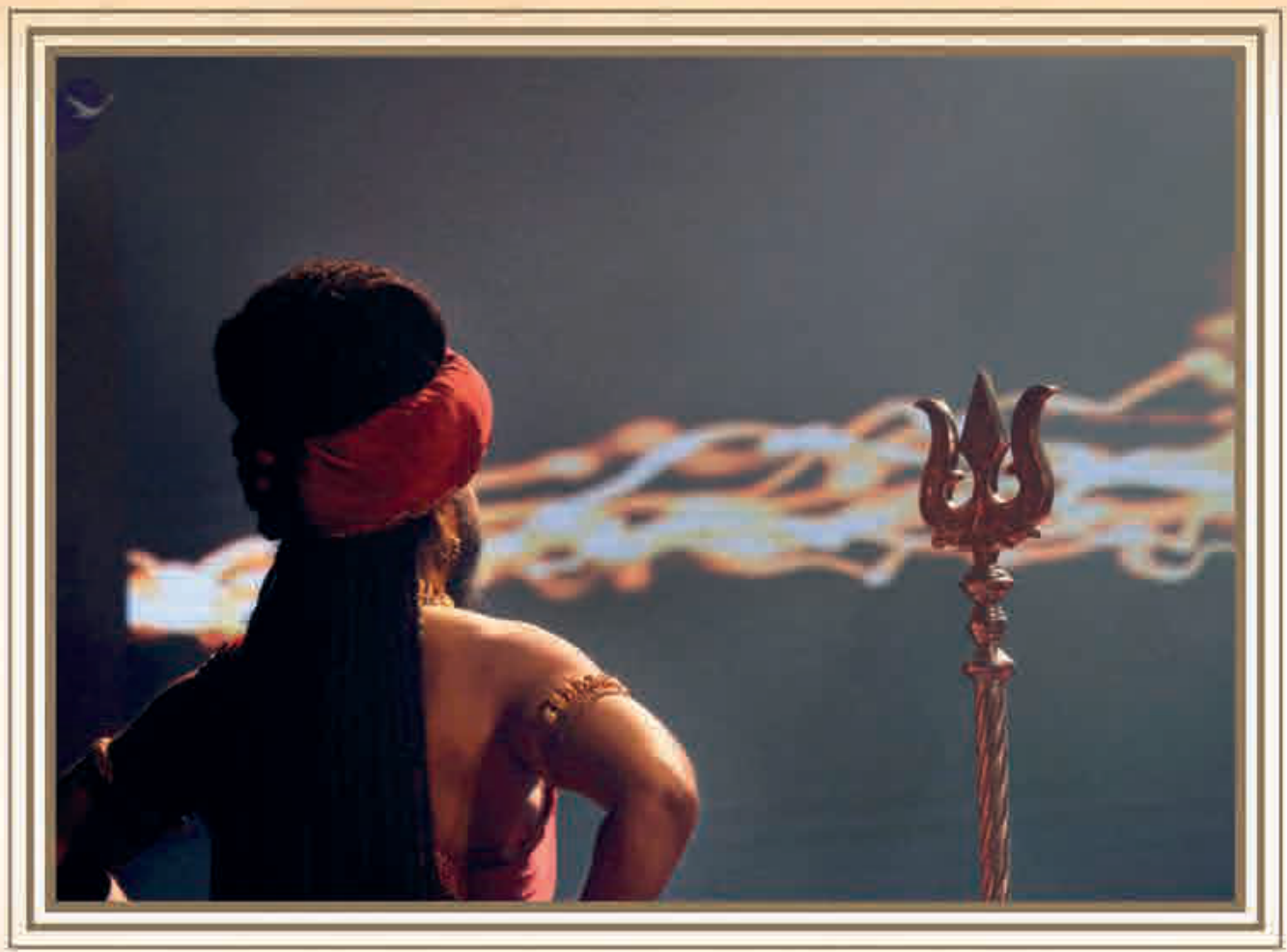
Yogic Body means power, energy, flexibility, health. All these four put together is Yogic body. In a male body you should start with power, then add flexibility, then add energy; it will become healthy.
Vishuddha Chakra: Description
Śāstra Pramāṇa शास्त्र प्रमाण Shiva Samhita V.90
अथ विशुद्धिचक्रविवरणम् ।
कण्ठस्थानस्थितं पद्मं विशुद्धं नामपञ्चमम् ।
सुहेमाभं स्वरोपेतं षोडशस्वरसंयुतम् ॥
छगलअण्डोऽस्ति सिद्धोत्र शाकिनी चाधिदेवता ॥ ९० ॥
ath viśuddhicakravivaraṇam |
kaṇṭhasthānasthitaṃ padmaṃ viśuddhaṃ nāmapañcamam |
suhemābhaṃ svaripetaṃ ṣoḍaśasvarasaṃyutam ||
chagalaanḍo'sti siddhotra śākinī cādhidevatā || 90 ||
Translation This Chakra situated in the throat, is the fifth, and is called the Vishuddha lotus. Its color is like brilliant gold, and it is adorned with sixteen petals and is the seat of the vowel sounds (i.e. its sixteen els - a, a, i, i, u, u, ri, Iri, Iri,e, ai, o au, am, ah.) Its presiding adept is called chhaglanda, and its presiding goddess is called Sakini.
Vishuddha Chakra
Śāstra Pramāṇa शास्त्र प्रमाण Shiva Samhita V.91
ध्यानं करोति यो नित्यं स योगीश्वरपण्डितः ।
किन्त्वस्य योगिनोऽन्यत्र विशुद्धाख्ये सरोरुहे ॥
चतुर्वेदा विभासन्ते सरहस्या निधिरिव ॥ ९१ ॥
dhyānaṃ karoti yo nityaṃ sa yogīśvarapaṇḍitaḥ |
kintvasya Yogino'nyatra viśuddhākhye sarorūhe ||
caturvedā vibhāsante sarahasyā nidheriva || 91 ||
Translation He who always contemplates it, is truly the lord of the Yogis, and deserves to be called wise; by the meditation of this Vishuddha lotus, the Yogi at once understands the four Vedas with their mysteries.
Vishuddha Chakra
Śāstra Pramāṇa शास्त्र प्रमाण Shiva Samhita V.92
रहःस्थाने स्थितो योगी यदा क्रोधवशो भवेत् ।
तदास्रसमस्तं त्रैलोक्यं कम्पते नात्र संशयः ॥ ९२ ॥
rahaḥsthāne sthito yogī yadā krodhavaśo bhavet |
tadāsamastaṃ trailokyaṃ kampate nātra saṃśyaḥ || 92 ||
Translation When the Yogi, fixing his mind on his secret spot, feels angry, then undoubtedly all three worlds begin to tremble.
Vishuddhi Chakra: Description
Śāstra Pramāṇa शास्त्र प्रमाण Shiva Samhita V.93
इह स्थाने मनो यस्य दैवाद्यातिलयं यदा ।
तदा बाह्यं परित्यज्य स्वान्तरे रमते ध्रुवम् ॥ ९३ ॥
iha sthāne mano yasya daivādyātilayaṃ yadā |
tadā bāhyaṃ parityajya svāntare ramate dhruvam || 93 ||
Translation Even, if by chance, the mind of the Yogi is absorbed in this place, then he becomes unconscious of the external world, and enjoys certainly the inner world.
Vishuddhi Chakra
Śāstra Pramāṇa शास्त्र प्रमाण Shiva Samhita V.94
तस्य न क्षतिमायाति स्वशरीरस्य शक्तितः ।
संवत्सरसहस्रे ऽपि वज्रातिकठिनस्य वै ॥ ९४ ॥
tasya na kṣatimāyāti svaśarīrasya śaktitaḥ |
saṃvatsarasahatre 'pi vajrātikaṭhinasya vai || 94 ||
Translation His body never grows weak, and he retains his full strength for a thousand years, it becomes harder than a diamond.
Vishuddhi Chakra
Śāstra Pramāṇa शास्त्र प्रमाण Shiva Samhita V.95
यदा त्यजति तद्ध्यानं योगीन्द्रोऽवनिमण्डले ।
तदा वर्षसहस्राणि मन्यते तत्क्षणं कृति ॥ ९५ ॥
yadā tyajati taddhayānaṃ yogīndro'vanimaṇḍale |
tadā varṣasahasrāṇi manyate tatkṣaṇaṃ kṛti || 95 ||
Translation When the Yogi leaves off this contemplation, then to him in this world, thousands of years, appear as so many moments.
Atma Pramāṇa आत्मा प्रमाण Paramahamsa Nithyananda
When you take the first step, you are ready to win yourself. To win others is very easy, but to win yourself takes real courage. This vishuddhi chakra is all about winning yourself.
Anahat Chakra: Description
Śāstra Pramāṇa शास्त्र प्रमाण Shiva Samhita V.90
हृदयेऽनाहतं नाम चतुर्थं पङ्कजं भवेत् ।
कादिठान्तार्णसंस्थानं द्वादशारसमन्वितम् ॥
अतिशोणं वायुबीजं प्रसादस्थानमीरितम् ॥८३॥
hṛdaye'nāhataṃ nāma caturthaṃ paṅkajaṃ bhavet |
kādiṭhāntārṇasaṃsthānaṃ dvādaśārasamanvitam ||
atiśoṇaṃ vāyubījaṃ prasādasthānamīritam || 83 ||
Translation In the heart, is the fourth chakra, the Anahat. It has twelve petals designated by the letters k, kh, k, kh, g, gh, ṅ, c, ch, j, jh, ñ, ṭ, ṭh. Its colour is deep blood-red; it has the seed of vayu, (यं- yam), and is a very pleasant spot.
Anahat Chakra
Śāstra Pramāṇa शास्त्र प्रमाण Shiva Samhita V.84
पद्मस्थं तत्परं तेजो बाणलिंगं प्रकीर्तितम् ।
यस्य स्मरणमात्रेण दृष्टादृष्टफलं लभेत् ॥८४॥
padmasthaṃ tatparaṃ tejo bāṇaliṃgaṃ prakīrtitam |
yasya smaraṇamātreṇa dṛṣṭādṛṣṭaphalaṃ labhet || 84 ||
Translation In this lotus is a flame called vanlinga; by contemplating on this, one gets objects of the seen and the unseen universe.
Anahat Chakra
Śāstra Pramāṇa शास्त्र प्रमाण Shiva Samhita V.85
सिद्धः पिनाकी यत्रास्ते काकिनी यत्र देवता ।
एतस्मिन्सततं ध्यानं हृत्पाथोजे करोति यः ॥
क्षुभ्यन्ते तस्य कान्ता वै कामार्ता दिव्ययोषितः ॥८५॥
siddhaḥ pinākī yatrāste kākinī yatra devatā |
etasminsatataṃ dhyānaṃ hṛtpāthoje karoti yaḥ ||
kṣubhyante tasya kāntā vai kāmārtā divyayoṣitaḥ || 85 ||
Translation Its presiding adept is Pinaki, and the Kakini is its goddess. He who always contemplates on this lotus of the heart is eagerly desired by celestial maidens.
Atma Pramāṇa आत्मा प्रमाण Paramahamsa Nithyananda
Ordinary love gives birth to children, while real love gives birth to your own real self. Birth to your own transformation, when a man becomes a realized soul
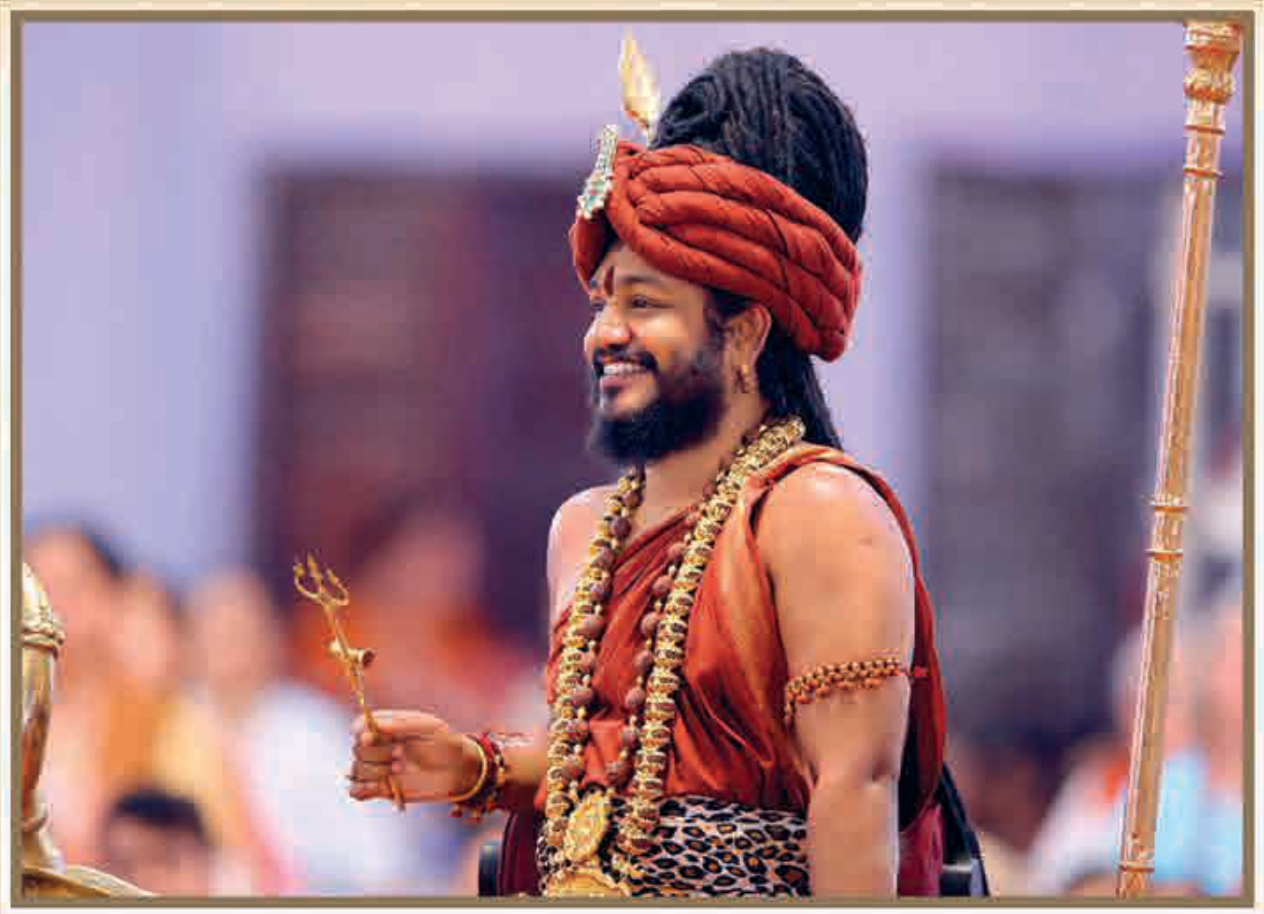
Paramahamsa Nithyananda
Understand that you are not a finished product, you are a possibility; you are a happening; it is never too late to change because you are a seed on fertile soil, even if you are 93 years old!
Ajna Chakra: Varanasi the
Space Between Ida and Pingala
śāstra Pramāṇa शास्त्र प्रमाण
Shiva Samhita V.100-101
इडा हि पिंगला ख्याता वरणासीति होच्यते ।
वाराणसी तयोर्मध्ये विश्वनाथोऽत्र भाषितः ॥ १०० ॥
एतत्क्षेत्रस्य माहात्म्यमृषिभिस्तत्त्वदर्शिभिः ।
शास्त्रेषु बहुधा प्रोक्तं परं तत्त्वं सुभाषितम् ॥ १०१ ॥
iḍā hi piṁgalā khyātā varaṇāsīti hocyate |
vārāṇasī tayormadhye viśvanāthotra bhāṣitaḥ || 100 ||
etatkṣetrasya māhātmyamṛṣibhistattvadarśibhiḥ |
śāstreṣu bahudhā proktaṁ paraṁ tattvaṁ subhāṣitam || 101 ||
Translation The two vessels called the Ida and the Pingala are the real Varana and Asi. The space between them is called Varanasi (Benares, the holy city of Shiva). There it is said that the Vishwanatha (the Lord of the universe) dwells.100.The greatness of this holy place has been declared in manifold scriptures by the truth-perceiving sages. Its great secret has been very eloquently dwelt upon by them.101.
Ajna Chakra: Next Chakra
Sahasrara and About Amrta
(Moon Fluid of Immortality)
śāstra Pramāṇa शास्त्र प्रमाण
Shiva Samhita V.102-103
सुषुम्णा मेरुणा याता ब्रह्मरन्ध्रं यतोऽस्ति वै ।
ततश्चैषापरावृत्य तदाज्ञापद्मदक्षिणे ॥
वामनासापुटं याति गंगेति परिगीयते ॥ १०२ ॥
ब्रह्मरन्ध्रे हि यत्पद्मं सहस्रारं व्यवस्थितम् ।
तत्र कन्देऽहि या योनिस्तस्यां चन्द्रो व्यवस्थितः ।
त्रिकोणाकारतस्तस्याः सुधा क्षरति सन्ततम् ॥
इडायाममृतं तत्र समं स्रवति चन्द्रमाः ।
अमृतं वहति धारा धारारूपं निरन्तरम् ॥
वामनासापुटं याति गंगेत्युक्ता हि योगिभिः ॥ १०३ ॥
suṣumṇā meruṇā yātā brahmarandhraṁ yato'sti vai | tataścaiṣāparāvṛtya tadājñāpadmadakṣiṇe ||
Translation The sushumna goes along the spinal cord up to where the Brahmarandhra (the hole of Brahma) is situated. Thence by a certain flexure, it goes to the right side of the Ajna lotus, whence it proceeds to the left nostril, and is called the Ganges. 102.
The lotus which is situated in the Brahmarandhra is called Sahasrara (the thousand-petalled). In the space in its centre, dwells the moon. From that triangular place, elixir is continually exuding. This moon-fluid of immortality unceasingly flows through the Ida. The elixir flows in a stream, - a continuous stream. Going to the left nostril, it receives from the Yogis the name of the "Ganges". 103.
vāmanāsāpuṭaṁ yāti gaṁgeti parigīyate || 102 ||
brahmarandhre hi yatpadmaṁ sahastrāraṁ vyavasthitam |
tatra kandehi yā yonistasyāṁ candro vyavasthitaḥ |
trikoṇākāratastasyāḥ sudhā kṣarati santatam |
iḍāyāmamṛtaṁ tatra samaṁ sravati candramāḥ |
amṛtaṁ vahati dhārā dhārārūpaṁ nirantaram |
vāmanāsāpuṭaṁ yāti gaṁgetyukttā hi Yogibhiḥ || 103 ||
Ajna Chakra: Next Chakra
Sahasrara and About Amrta
(Moon Fluid of Immortality)
Śāstra Pramāṇa शास्त्र प्रमाण
Shiva Samhita V.104-105
आज्ञापङ्कजदक्षांसाद्वामनासापुटंगता ।
उदग्वहेति तन्नेडा वरणा समुदाहृता ॥ १०४ ॥
ततो द्वयोर्हि मध्ये तु वाराणसीति चिन्तयेत् ।
तदाकारा पिंगलापि तदाआज्ञाकमलान्तरे ॥
दक्षानासापुटे याति प्रोक्तास्माभिरसीति ॥ १०५ ॥
ājñāpaṅkajadakṣāṁsādvāmanāsāpuṭaṁgatā|
udagvaheti tatreḍā varaṇā samudahratā || 104 ||
tato dvayorhi madhye tu vārāṇasīti cintayet |
tadākārā piṁgalāpi tadāājñākamalāntare ||
dakṣānāsāpuṭe yāti prokttāsmābhirasīti || 105 ||
Translation From the right-side portion of the Ajna lotus and going to the left nostril flows the Ida. It is here called Varana (the northward-flowing Ganges). 104.
Let the Yogi contemplate on the space between the two (Ida and Pingala) as Varanasi (Benares). The Pingala also comes in the same way from the left side portion of the Ajna lotus, and goes to the right nostril, and has been called by us the Asi. 105.
Ajna Chakra: Sun-Fluid of Mortality & Moon-Fluid of Immortality
Śāstra Pramāṇa शास्त्र प्रमाण Shiva Samhita V.106-109
मूलाधारे हि यत्पद्मं चतुष्पत्रं व्यवस्थितम् ।
तत्र मध्येहि या योनिस्तस्यां सूर्यो व्यवस्थितः ॥ १०६ ॥
तत्सूर्यमण्डलद्वाराद्विषं क्षरति सन्ततम् ।
पिंगलायां विषं तत्र समर्पयति तापनः ॥ १०७ ॥
विषं तत्र वहन्ती या धारारूपं निरन्तरम् ।
दक्षानासापुटे याति कल्पितेयन्तु पूर्ववत् ॥ १०८ ॥
आज्ञापङ्कजवामास्याद्दक्षनासापुटं गता ।
उद्गवहा पिंगलापि पुरासीति प्रकीर्तिता ॥ १०९ ॥
mūlādhāre hi yatpadmaṃ catuṣpatraṃ vyavasthitam |
tatra madhyehi yā yonistasyāṃ sūryo vyavasthitaḥ || 106 ||
tatsūryamaṇḍaladvārādviṣaṃ kṣarati santatam |
piṃgalāyāṃ viṣaṃ tatra samarpayati tāpanaḥ || 107 ||
viṣaṃ tatra vahantī yā dhārārūpaṃ nirantaram |
dakṣānāsāpuṭe yāti kalpiteyantu pūrvavat || 108 ||
ājñāpaṅkajavāmāsyāddakṣanāsāpuṭaṃ gatā |
udagvahā piṃgalāpi purāsīti prakīrtitā || 109 ||
Translation The lotus which is situated in the Muladhar has four petals. In the space between them, dwells the sun. 106.
From that sphere of the sun, poison exudes continuously. That excessively heating venom flows full through the Pingala.107.
The venom (sun-fluid of mortality) which flows there continuously in a stream goes to the right nostril, as the moon-fluid of immortality goes to the left. 108.
Rising from the left-side of the Ajna lotus and going to the right nostril, this northward flowing Pingala has been called of yore the Asi. 109.
Ajna Chakra: Three Sacred Stages - Vindu, Nada and Sakti
Śāstra Pramāṇa शास्त्र प्रमाण Shiva Samhita V.110
आज्ञापद्ममिदं प्रोक्तं यत्र देवो महेश्वरः ।
पीठत्रयं ततश्चोर्ध्वं निरुक्तं योगचिन्तकैः ॥
तद्विन्दुनादशक्त्याख्यं भालपद्मे व्यवस्थितम् ॥ ११० ॥
ājñāpadmamidaṃ prokttaṃ yatra devo maheśvaraḥ |
pīṭhatrayaṃ tataścordhvaṃ nirukttaṃ Yogacintakaiḥ ||
tadbindunādaśaktyākhyaṃ bhālapadme vyavsthitam || 110 ||
Translation The two-petalled Ajna-lotus has been thus described where dwells the God Maheshwara. The Yogis describe three more sacred stages above this. They are called Vindu, Nada and Sakti, and are situated in the lotus of the forehead.
Ajna Chakra: Destroys all the Karmas of Past Life
Śāstra Pramāṇa शास्त्र प्रमाण Shiva Samhita V.111
यः करोति सदाध्यानमाज्ञापद्मस्य गोपितम् ।
पूर्वजन्मकृतं कर्म विनश्येदविरोधतः ॥ १११ ॥
yaḥ karoti sadādhyānamājñāpadmasya gopitam |
pūrvajanmakṛtaṃ karma vinaśyedavirodhataḥ ||111 ||
Translation He who always contemplates on the hidden Ajna lotus, at once destroys all the karmas of his past life, without any opposition.
Ajna Chakra: All Forms,
Worships and Prayers Appear
as Worthless
Śāstra Pramāṇa शास्त्र प्रमाण Shiva Samhita V.112
इह स्थिते यदा योगी ध्यानं कुर्यान्निरन्तरम् ।
तदा करोति प्रतिमां पूजाजपनर्थवत् ॥ ११२ ॥
iha sthite yadā yogī dhyānaṃ kuryānnirantaram |
tadā karoti pratimāṃ pūjājapanarthavat || 112 ||
Translation Remaining in this place, when the Yogi meditates constantly, then to him all forms, worships and prayers appear as worthless.
Ajna Chakra: Mythical Creatures Celestial Beings Follow His Will
Śāstra Pramāṇa शास्त्र प्रमाण Shiva Samhita V.113
यक्षराक्षसगन्धर्वा अप्सरोगणकिन्नराः ।
सेवन्ते चरणौ तस्य सर्वे तस्य वशानुगा ॥ ११३ ॥
yakṣarākṣasagandharvā apsarogaṇakinnarāḥ |
sevante caraṇai tasya sarve tasya vaśānugā || 113 ||
Translation The Yakshas, Rakshashas, Gandharvas, Apsaras, and Kinnaras, all serve at his feet. They become obedient to his command.
Ajna Chakra: Destroy Fear and Sins
Śāstra Pramāṇa शास्त्र प्रमाण Shiva Samhita V.114
करोति रसनां योगी प्रविष्टां विपरीतगाम् ।
लम्बिकोर्ध्वे षु गर्तेषु धृत्वा ध्यानं भयापहम् ॥
अस्मिन् स्थाने मनो यस्य क्षणार्धं वर्ततेऽचलम् ।
तस्य सर्वाणि पापानि संक्षयं यान्ति तत्क्षणात् ॥ ११४ ॥
karoti rasanāṃ yogī praviṣṭāṃ viparītagām |
lambikordhveṣu garteṣu dhṛtvā dhyānaṃ bhayāpaham ||
asmin sthāne mano yasya kṣaṇārdhaṃ vartate'calam |
tasya sarvāṇi pāpāni saṃkṣayaṃ yānti tatkṣaṇāt || 114 ||
Translation By reversing the tongue and placing it in the long hollow of the palate, let the Yogi enter into contemplation, that destroys all fears. All his sins, whose mind remains steady here even for a second, - are at once destroyed.
Ajna Chakra: Obtain all Fruits of Other Five Chakras
Śāstra Pramāṇa शास्त्र प्रमाण Shiva Samhita V.115
यानि यानि हि प्रोक्तानि पंचपद्मे फलानि वै ।
तानि सर्वाणि सुतरामेतज्ज्ञानाद्भवन्ति हि ॥ ११५ ॥
yāni yāni hi prokttāni paṃcapadme phalāni vai |
tāni sarvāṇi sutarāmetajjhānādbhavanti hi || 115 ||
Translation All the fruits which have been described above as resulting from the contemplation of the other five lotuses, are obtained through the knowledge of this one Ajna lotus alone.
Ajna Chakra: Free from the Chain of Desires
Śāstra Pramāṇa शास्त्र प्रमाण Shiva Samhita V.116
यः करोति सदाभ्यासमाज्ञा पद्मे विचक्षणः ।
वासनाया महाबन्धं तिरस्कृत्य प्रमोद्ते ॥ ११६ ॥
yaḥ karoti sadābhyāsamājñā padme vicakṣaṇaḥ |
vāsanāyā mahābandhaṃ tiraskṛtya pramodate || 116 ||
Translation The wise one, who continually practises contemplation of this Ajna lotus, becomes free from the mighty chain of desires, and enjoys happiness.
Ajna Chakra:
Atma Pramāṇa आत्म प्रमाण
Paramahamsa Nithyananda
When you know you are part of Sadashiva, you will be liberated. When you think you are separated from Sadashiva, you will fall into misery (this is ego)
Ajna Chakra: Absorbed in Paramatma at the Time of Death
Śāstra Pramāṇa शास्त्र प्रमाण Shiva Samhita V.117
प्राणप्रयाणसमये तत्पद्मं यः स्मरन्सुधीः ।
त्यजेत्प्राणं स धर्मात्मा परमात्मनि लीयते ॥ ११७ ॥
prāṇaprayāṇasamaye tatpadmaṃ yaḥ smaransudhīḥ |
tyajetprāṇaṃ sa dharmātmā paramātmani līyate || 117 ||
Translation When at the time of death, the Yogi contemplates on this lotus, leaving this life, that holy one is absorbed in the Paramatma.
Ajna Chakra: Not Touched by Sins
Śāstra Pramāṇa शास्त्र प्रमाण Shiva Samhita V.118
तिष्ठन् गच्छन् स्वपन् जाग्रत् यो ध्यानं कुरुते नरः ।
पापकर्मविकुर्वाणो न्हि मज्जति किल्विषे ॥ ११८ ॥
tiṣṭhan gacchan svapan jāgrat yo dhyānaṁ kurute naraḥ |
pāpakarmavikurvāṇo nhi majjati kilviṣe || 118 ||
Translation He who contemplates on this, standing or walking, sleeping or waking, is not touched by sins, even if it were possible for him to do sinful works.
Ajna Chakra: Its Importance Cannot be Fully Described
Śāstra Pramāṇa शास्त्र प्रमाण Shiva Samhita V.119
योगी बन्धाद्विनिर्मुक्तः स्वीयया प्रभया स्वयम् ।
द्विदलध्यानमाहात्म्यं कथितुं नैव शक्यते ॥
ब्रह्मादिदेवताश्चैव किञ्चिन्मत्तो विदन्ति ते ॥ ११९ ॥
yogī bandhādvinirmukttaḥ svīyayā prabhayā svayam |
dvidaladhyānamāhātyaṁ kathituṁ naiva śakyate ||
brahmādidevatāścaiva kiñcinmatto vidanti te || 119 ||
Translation The Yogi becomes free from the chain by his own exertion. The importance of the contemplation of the two-petalled lotus cannot be fully described. Even the gods like Brahma, etc., have learnt only a portion of its grandeur from me.
Sahasrar Chakra:
The Thousand-Petalled Lotus
Śāstra Pramāṇa शास्त्र प्रमाण
Shiva Samhita V.120
अत ऊर्ध्वं तालुमूले सहस्रारंसरोरुहम् ।
अस्ति यत्र सुषुम्णाया मूलं सविवरं स्थितम् ॥ १२० ॥
ata ūrdhvaṃ tālumiūle sahastrāraṃsaroruham |
asti yatra suṣumṇāyā mūlaṃ savivaraṃ sthitam || 120 ||
Translation Above this, at the base of the palate, is the thousand-petalled lotus, in that part where the hole of that Sushumna is.
Sahasrar Chakra: Sushumna
Extends Downwards Reaching
Muladhar
Śāstra Pramāṇa शास्त्र प्रमाण
Shiva Samhita V.121
तालुमूले सुषुम्णा सा अधिवक्त्रा प्रवर्तते ।
मूला धारेणयोन्यस्ताः सर्वनाड्यः समाश्रिताः ॥
ता बीजभूतास्तत्त्वस्य ब्रह्ममार्गप्रदायिकाः ॥ १२१ ॥
tālumūle suṣumṇā sā adhivaktrā pravartate |
mūlā dhāreṇayonyastāḥ sarvanāḍyaḥ samāśritāḥ ||
tā bījabhūtāstattvasya brahmamārgapradāyikāḥ || 121 ||
Translation From the base or root of the palate, the Sushumna extends downwards, till it reaches the Muladhar and the perinaeum: all vessels surround it, or are supported by it. These nadis are the seeds of mystery, or the sources of all principles which constitute a man, and show the road of Brahma (i.e. give salvation).
Sahasrar Chakra: Yoni (Seat or Force-centre) at the Center of Sahasrar Śāstra Pramāṇa शास्त्र प्रमाण Shiva Samhita V.122
तालुस्थाने च यत्पद्मं सहस्रारं पुराहितम् ।
तत्कन्दे योनिरैकास्ति पश्चिमाभिमुखी मता ॥ १२२ ॥
tālusthāne ca yatpadmaṃ sahastrāraṃ purāhitam |
tatkande yonirekāsti paścimābhimukhī matā || 122 ||
Translation The lotus which is at the root of the palate is called the Sahasrar (the thousand-petalled); in its centre, there is a Yoni (seat or force-centre) which has its face downwards.
Sahasrar Chakra: Brahmarandhra
(the Hole of Brahma) at the Root
of Sushumna
Śāstra Pramāṇa शास्त्र प्रमाण Shiva Samhita V.123
तस्या मध्ये सुषुम्णाया मूलं सविवरं स्थितम् ।
ब्रह्मरन्ध्रं तदेवोक्तमामूलाधारपङ्कजम् ॥ १२३ ॥
tasyā madhye suṣumṇāyā mūlaṃ savivaraṃ sthitam |
brahmarandhraṃ tadevoktamāmūlādhārapaṅkajam || 123 ||
Translation In that is the root of the Sushumna, together with its hole; this is called the Brahmarandhra (the hole of Brahma), extending up the Muladhar padma.
Sahasrar Chakra: Kundalini,
Chitra and Brahmarandhra
in Sushumna
Śāstra Pramāṇa शास्त्र प्रमाण Shiva Samhita V.124
ततस्तद्रन्ध्रे तच्छक्तिः सुषुम्णा कुण्डली सदा ।
सुषुम्णायां सदा शक्तिश् चित्रा स्यान्मम वल्लभे ॥
तस्यां मम मते कार्या ब्रह्मरन्ध्रादिकल्पना ॥ १२४ ॥
tatastadrandhre tacchakttiḥ suṣumṇā kuṇḍalī sadā |
suṣumṇāyāṃ sadā śakttiś citrā syānmama vallbhe ||
tasyāṃ mama mate kāryā brahmarandhrādikalpanā || 124 ||
Translation In that hole of the Sushumna there dwells as its inner force the Kundalini. In the Sushumna there is also a constant current of force called chitra, its action or modifications should be called, in my opinion as Brahmarandhra, etc.
Sahasrar Chakra: Benefits by
Remembering this Yogic
Physiology
Śāstra Pramāṇa शास्त्र प्रमाण Shiva Samhita V.125
यस्याः स्मरणमात्रेण ब्रह्मज्ञत्वं प्रजायते ।
पापक्षयश्च भवति न भूयः पुरुषो भवेत् ॥ १२५ ॥
yasyāḥ smaramaṇamātreṇa brahmajñatvaṃ prajāyate |
pāpaykṣaaśca bhavati na bhūyaḥ puruṣo bhavet || 125 ||
Translation By simply remembering this, one obtains the knowledge of Brahman, all sins are destroyed, and one is never born again as man.
Sahasrar Chakra is Existence
Ātma Pramāṇa आत्मा प्रमाण Paramahamsa Nithyananda
When you open yourself to Existence, it fills you up. How much you open yourself up, that much it fills you up.
Sahasrar Chakra: Three Vessels
Meet at the Brahmarandhra
Shows the Way to Salvation
Śāstra Pramāṇa शास्त्र प्रमाण Shiva Samhita V.106-109
प्रवेशितं चलाङ्गुष्ठं मुखे स्वस्य निवेशयेत् ।
तेनान्न न वहत्येव देहचारी समीरणः ॥ १२६ ॥
तेन संसारचक्रेस्मिन् भ्रमतीत्येव सर्वदा ।
तदर्थं ये प्रवर्तन्ते योगी न प्राणधारणे ।
तत एवाखिला नाडी विरुद्धा चाष्टवेष्टनम् ।
इयं कुण्डलिनि शक्ती रन्ध्रं त्यजति नान्यथा ॥ १२७ ॥
यदा पूर्णांसु नाडीषु सन्निरुद्धानिलास्तदा ।
बन्धत्यागेन कुण्डल्या मुखं रन्ध्राद् बहिर्भवेत् ॥ १२८ ॥
सुषुम्णायां सदैवायं वहेत्प्राणसमीरणः ।
मूलपद्मस्थिता योनिर्वामदक्षिणकोणतः ॥
इडापिंगलयोर्मध्ये सुषुम्णा योनिमध्यगा ॥ १२९ ॥
ब्रह्मरन्ध्रंतु तत्रैव सुषुम्णाधारमण्डले ।
यो जअनति स मुक्तः स्यात्कर्मबन्धाद्विचक्षणः ॥ १३० ॥
ब्रह्मरन्ध्रेमुखे तासां संगमः स्यादसंसयः ।
तस्मिन्स्नाने स्नातकानां मुक्तिः स्यादविरोधतः ॥ १३१ ॥
praveśitaṃ calāṅgaṣṭhaṃ mukhe svasya niveśayet |
tenātra na vahatyeva dehacārī samīraṇaḥ || 126 ||
tena saṃsāracakresmin bhramatītyeva sarvadā |
tadarthaṃ ye pravartante yogī na prāṇadhāraṇe ||
tata evākhilā nāḍī viruddhā cāṣṭaveṣṭanam |
iyaṃ kuṇḍalini śaktī randhraṃ tyajati nānyathā || 127 ||
Translation
Let him thrust the moving thumb into its mouth: by this the air, which flows through the body, is stopped. 126
Owing to this (vayu) man wanders in the circle of the universe; the Yogis, therefore, do not desire to keep up this circulation; all the nadis are bound by eight knots; only this kundalini can pierce these knots and pass out of the Brahmrandhra, and show the way to salvation. 127
When the air is confined fully in all the vessels, then the Kundalini leaves these knots and forces its way out of the Brahmarandhra. 128
Then the vital air continually flows in the Sushumna. On the right and the left side of the Muladhar, are situated the Ida and the Pingala. The Sushumna passes through the middle of it. 129
The hollow of the Sushumna in the sphere of the adhar is called the Brahmarandhra. The wise one who knows this is emancipated from the chain of karma. 130.
yadā pūrṇāsu nāḍīṣu sanniruddhānilāstadā |
bandhatyāgena kuṇḍalyā mukhaṁ randhrād bahirbhavet || 128 ||
suṣumṇāyāṁ sadaivāyaṁ vahetprāṇasamīraṇaḥ |
mūlapadmasthitā yonirvānadakṣiṇakoṇataḥ |
iḍāpiṁgalayormadhye suṣumṇā yonimadhyagā || 129 ||
brahmaradhramtu tatraiva suṣumṇādhāramaṇḍale |
yo jānati sa mukttaḥ syātkarmabandhādvicakṣaṇaḥ || 130 ||
brahmarandhremukhe tāsāṁ saṁgamaḥ syādasaṁśayaḥ |
tasminsnāne snātakānāṁ mukttiḥ syādavirodhataḥ || 131 ||
Translation
All these three vessels meet certainly at the mouth of the Brahmarandhra; by bathing at this place one certainly obtains salvation. 131.
āsaทas
Tuning with the Cosmos