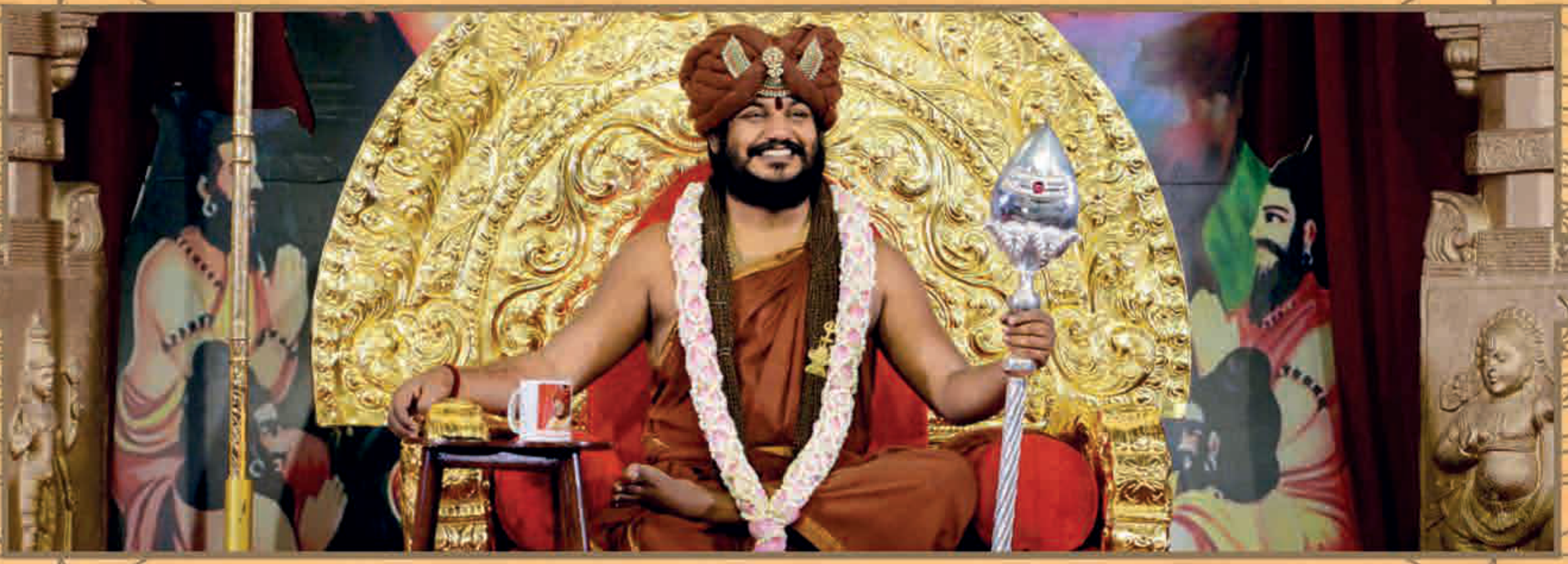
chapter 8: dharana धारणा
This text was machine-transcribed from the printed book and may contain errors. Select the words and choose “Report a mistake”.
Power to Manifesting Realities
The term Dhāranā comes
from the Sanskrit word
dhri which means to hold or
carry and is typically used to
describe concentrating on an
object during meditation.
However, Dhāranā has a
much deeper meaning than
concentrating the mind.
Dhāranā is the science and
ability to project anything we
want and enjoy. When we
enter into Dhāranā through
kundalini awakening by the
Avatar, whatever we express
in our mind manifests in our
life.
Shaastra Pramana: Tejo Bindu Upanishad 1.35
यत्र यत्र मनो याति ब्रह्मणस्तत्र दर्शनात् ।
मनसा धारणं चैव धारणा सा परा मता ॥ ३५ ॥
yatra yatra mano yāti brahmaṇastatra darśanāt |
manasā dhāraṇaṃ caiva dhāraṇā sā parā matā || 35 ||
Wherever the mind goes, there it sees only the Brahman, the Ultimate Consciousness. This single-pointed concentration of the mind or dhāranā is considered the transcendent concentration, dhāranā.
We are able to manifest what
we want in our lives because
we are Sadashiva. Sadashiva is
a two part Sanskrit word. The
first part "Sada" means
'eternal' or 'continuously
happening' and the second
part "Shiva" is commonly
translated as 'God' but refers to
the pure Consciousness within
everyone and everything.
Paramahamsa Nithyananda
says that God is actually too
limited a word to describe
Sadashiva. "God" is commonly
associated with only three
aspects: creation, giving
sustenance, and destruction.
Sadashiva, on the other hand,
has five aspects, reflected in the
following five names of
Sadashiva: creation (Satyojata),
giving sustenance
(Tatpurusha), destruction
(Aghora), delusion
(Vamadeva) and liberation
(Ishana). Swamiji explains that
we go through all these five
aspects in our daily lives. When
we are performing our
activities with integrity, giving
sustenance with authenticity,
taking responsibility for others
and life, enriching, and causing
the reality of others, we are manifesting Sadashiva.
Manifesting Sadashiva connects
and roots our sense of identity
and self worth in the divine
eternal truth of ourselves,
instead of transient external
aspects such as wealth, material
possessions or relationships.
Entering into Dhāranā and
manifesting what we want in our
life is considered a power, or
Shakti. Paramahamsa
Nithyananda says that as we
start to change the outside world
as we want, the inner world will
also start changing in whatever
ways it needs to be changed in
order for us to be awakened, and
the identity about our selves will
change. The more we experience
the state, space, and powers of
Sadashiva, the more grounded
we become in our identity as
Sadashiva, and the more our
cognitions will function from
Sadashiva. Grounding oneself in
the identity of Sadashiva by
cognizing that everything
perceived through the five
senses is the Divine is also
considered Dhāra ā. Ultimately,
the more we radiate Sadashiva,
the more Shaktis (such as the
power of all-knowing) we
manifest, and the more our
cognition about ourselves shifts
from human to Divine.
Within such a Yogi who establishes himself in
absolute non-dual union with Lord Shiva and
who keeps himself free from all sorts of
differentiating notions, the exalted power of all-
knowing gets unfolded in all its fullness.
(Sarvajnottara Agama Vidya Pada 2:15) Concept of Dhārana
Ātma Pramāṇa - आत्मा प्रमाण Paramahamsa Nithyananda
The science and ability to project anything you want and enjoy is Dharana. If you are able to absorb the energy without breathing, breathe without thinking, the veil covering of the mind is lifted and the mind is capable of manifesting itself in a seed form.
Space to Manifest
Ātma Pramāṇa - आत्मा प्रमाण Paramahamsa Nithyananda
When you fall unconscious, what your mind expresses is a dream. It has no impact. When you are aware, what your mind expresses is creativity. It creates your life. When you are in Dharana, it not only manifests the life of whatever you want, but also on whom ever you want.
Becoming a Wish-Fulfilling Tree
Ātma Pramāṇa - आत्मा प्रमाण Paramahamsa Nithyananda
Whatever your mind manifests is Dharana. You become a Kalpataru, a wish fulfilling tree. The super conscious state has a highly raised mitochondria level. I will push all of you to the next level in the next few days. You will learn the science of Dharana and manifest whatever you want.
Dhārana, Dhyana and Samadhi is Samyama
Ātma Pramāṇa - आत्मा प्रमाण Paramahamsa Nithyananda
When your Kundalini is awakened by initiation, when I was awakening the people's Kundalini by initiation, we studied their brains through QEEG. It shows very clearly, they are in the deepest restfulness and peak awareness. The Jagrath Sushupthi, Nirvikalpa Samadhi is medically recorded, scientifically proven by this Kundalini Awakening. Only then Samyama happens in you, because for any Samyama, Pratyahara, Dharana, Dhyana, Samadhi has to happen. Dharana, Dhyana, Samadhi put together is Samyama.
Dhārana from Shashtanga Yoga
Śāstra Pramāṇa - शास्त्र प्रमाण Raurava Agama - Dharana Vidhih VII.5
प्रत्याहारस्तथा ध्यानं प्राणायामोऽथ धारणा ।
तर्कस्चैव समाधिश्च षडङ्गो योग उच्यते ॥
pratyāhārastathā dhyānaṁ prāṇāyāmo'tha dhāraṇā | tarkascaiva samādhisca ṣaḍaṅgo yoga ucyate || 5 ||
Translation Yoga is said to be consisting of six steps – pratyahara, dhyana, pranayama, dharana, tarka and samadhi. Of these steps, dharana is now explained.
Fire Related Dhāraṇa
Śāstra Pramāṇa - शास्त्र प्रमाण Raurava Agama - Dharana Vidhih VII.6
प्रथमा धारणाग्नेयी नाभिमध्ये तु धारयेत् ।
तस्यां वै धार्यमाणायां पापं निर्दहति क्षणात् ॥
prathamā dhāraṇāgneyī nābhimadhye tu dhārayet | tasyāṁ vai dhāryamāṇāyāṁ pāpaṁ nirdahati kṣaṇāt || 6 ||
Translation Among the specific kinds of Dharana, Agneyi Dharana is the first. It should be done at the center of the navel plane. By the continued practice of this Dharana, all sinful effects (negative factors which pull back the sadhaka and reinstall him in his undeveloped state).
Moon Related Dhāraṇa
Śāstra Pramāṇa - शास्त्र प्रमाण Raurava Agama - Dharana Vidhih VII.7
हृदये धारयेद्विद्वन् सौम्यां सोमस्रुतां कलम् ।
तस्यां वै धार्यमाणायां सर्वत्लप्लयनं भवेत् ॥ ७ ॥
hṛdaye dhārayedvidvan saumyāṁ somasrtāṁ kalam | tasyāṁ vai dhāryamāṇāyāṁ sarvatrapyayanam bhavet ||7||
Translation Let the sadhka, who has known the effective path of Yoga from his Master, fix his concentrated thought at the heart-space and contemplate the steady flow of nectarine kala, streaming forth from the microcosmic moon within. By the continued practice of such Dharna known as Saumya Dharana, nectarine drops get sprinkled profusely over all parts of his body and around the surroundings. By this Dharana, the sadhaka gets consecrated and established in the highest state of purity.
Ishana Related Dhāraṇa
Śāstra Pramāṇa - शास्त्र प्रमाण Raurava Agama - Dharana Vidhih VII.8
ऐशानीं धारयेन्मूर्ध्नि सर्वसिद्धिकरीं नृणां ।
यया प्रयन्ति वै क्षिप्रं शिवस्य परमं पदम् ॥ ८ ॥
aiśānīṃ dhārayenmurdhni sarvasiddhikarīṃ nṛṇāṃ | yayā prayanti vai kṣipraṃ śivasya paramaṃ padam ||8||
Translation Let the sadhaka practice Aishani Dharana by fixing his thought and breath on the crest plane(Sahasrara Chakra). This highest kind of Dharana is capable of accomplishing everything and it enables the sadhaka achieve all those desired by him. Through the continued practice of such Dharana, the sadhka reaches the most highest transcendental place of Lord Siva in fraction of a second.
Nectar Related Dhāraṇa
Śāstra Pramāṇa - शास्त्र प्रमाण Raurava Agama - Dharana Vidhih VII.9
अमृता धारणा यातु व्यपिनि तु शिवंकरी ।
आप्यायति सर्वत्र सर्वम् ज्ञानामृतेन च ॥ ९ ॥
amṛtā dhāraṇā yātu vyapini tu śivaṃkarī | āpyāyati sarvatra sarvam jñānāmṛtena ca ||9||
Translation That which is known as Amruta Dharana is capable of yielding its fruits everywhere by means of its pervasiveness. It instills purity and auspiciousness into everything. It besprinkles the nectarine drops of supreme consciousness and by such sprinkling, it consecrates all parts of the body and of the surroundings. This Dharana is to be done at the highest plane 12 digits above the Sahasrara. The mantras pertaining to these Dharanas are preceded by the OM syllable. These are always present at the heart-space, navel, head and dvadasanta (above sahasrara) and all over the body. These are nectarine in nature, pervasive and most auspicious.
Defining Dhāraṇa
Āpta Pramāṇa - आप्त प्रमाण Haṭhapradīpikā of Svātmārāma VI.11
हृदये पञ्चभूतानां धारणा च पृथक् पृथक् ॥
मनसो निश्चलत्वेन धारणा ह्यभिधीयते ॥ ११ ॥
hṛdaye pañcabhūtānāṃ dhāraṇā ca pṛthak pṛthak ||
manaso niścalatvena dhāraṇā hyabhidhīyate || 11 ||
Translation Holding the five bhūtas (elements) separately in the heart, while making the mind steady, is know as Dhāraṇā. 11
Four Kinds of Dhāraṇas Explained by Sadashiva
Śāstra Pramāṇa - शास्त्र प्रमाण Kiraṇa Āgama - Yoga Pada (18-19)
संसिद्धयोगिनो मुख्यं धारणानां चतुष्टयम् ॥
वह्निसौम्याऽमृता बाह्यापराख्या धारणास्तु ताः ।
saṃsiddhaYogino mukhyaṁ dhāraṇānāṁ catuṣṭayam ||
vahnisaumyāsmṛtā bāhyāparākhyā dhāraṇāstu tāḥ |
Translation There are four kinds of Dhāraṇa to be essentially practiced by an accomplished Yogin. They are: (Ivahni, (ii) saumya, (iii) amṛtā and (iv) para.
Vahni Dhāraṇa
Śāstra Pramāṇa - शास्त्र प्रमाण Kiraṇa Āgama - Yoga Pada (19-21)
मूलं रेफपुटान्तस्थं पञ्चमस्थं च बिन्दुगम् ॥
चलार्णसंयुता दीप्ता धारणा पावक मता ।
सर्वोद्धारेसिहिंसादि पापः भृगेव संक्षयेत् ॥
त्रिकोणमण्डलस्थोस्यं कूटो वह्निस्स्वयं भवेत् ।
mūlaṃ rephapuṭāntasthaṃ pañcamasthaṃ ca bindugam ||
calārṇasaṃyutā dīptā dhāraṇā pāvaka matā |
sarvoddhāresrihiṃsādi pāpaḥ bṛgeva saṃkṣayet || 20 ||
trikoṇamaṇḍalasthosyaṃ kūṭo vahnissvayaṁ bhavet |
Translation Dhāraṇa done with the accompaniment of the mula mantra placed between repha added with pañcama and bindu corresponding to the vāyu bīja is known as Vahni Dhāraṇa. Through the practice of this kind of Dhāraṇa one can get over the sinful effects arising out of arihiṁsa (i.e. injuring pious men and high-souled persons). During this process of (Vahni) Dhāraṇa the aspirant should consider himself as though he is inside of a triangled Mandala.
Saumya Dhāraṇa
śāstra Pramāṇa - शास्त्र प्रमाण Kiraṇa Āgama - Yoga Pāda (21-23)
वायुवेष्टित सर्वाङ्गो बीजदाहादिकृत्परम् ॥ २१ ॥
पूर्वोक्तवारिसंयुक्तस् - सौम्ये बिन्दुयुतस्स्वयम् ।
तोयमण्डलमध्यस्तः परितस्तेन वेष्टितहृ ॥ २२ ॥
शान्तिपुष्टिकरी चेयं - उपसर्गविसर्जनी ।
स एवास्मृतसंयुक्तः प्रनवेनोर्ध्व योजितहृ ॥ २३ ॥
vāyuveṣṭita sarvāṅgo bījadāhādikṛtparam || 21 ||
pūrvoktavārisaṁyuktas - saumye binduyutassvayam |
toyamaṇḍalamadhyastaḥ paritastena veṣṭitaḥ || 22 ||
śāntipuṣṭikarī ceyaṁ - upasargavisarjanī |
sa evāsmṛtasaṁyuktaḥ pranavenordhva yojitaḥ || 23 ||
Translation Fixing the mind mainly on Saumya Mandala (i.e. Ardhacandra Mandala) which is to be contemplated upon as surrounded of Trikona Mandala and encircled by Catursasra Mandala (corresponding to vāyu) with the accompaniment of seed letters corresponding to the fire, water and air, he should consider himself as if he is seated into a Mandala. This kind of Dhāraṇa is efficacious in granting śānti and puṣṭi. This is also capable of effecting the annulment of diseases and death.
Amṛta Dhāraṇa
śāstra Pramāṇa - शास्त्र प्रमाण Kiraṇa Āgama - Yoga Pāda (24-25)
बिन्दुगो बीजदाहादि लिस्वरेण निवेष्टितः ।
अमृतेयं सदो मूर्ध्नि व्यापिनी जीवमुकंकक्षया ॥ २४ ॥
अकारबिन्दुसंयुक्तो नादशक्तिसंअन्वितः ।
बिन्दुरक्षितसर्वाङ्गो ललाटस्थानसंश्रितः ॥ २५ ॥
mūlaṁ rephapuṭāntasthaṁ pañcamasthaṁ ca bindugam ||
calārṇasaṁyutā dīptā dhāraṇā pāvaka matā |
sarvoddhāresrihiṁsādi pāpaḥ bṛgeva saṁkṣayet || 20 ||
trikoṇamaṇḍalasthosyaṁ kūṭo vahnissvayaṁ bhavet |
Translation Raising the breath with praṇava placed along with the seed letters pertaining to fire etc added with bindu, he should fix his mind on Bramha-randhra. This is known as Amṛta-dhāraṇa which brings out the full efforescence of the soul's inherent nature. Dhāraṇa which is done with the accompaniment of akāra, bindu and nāda, all being covered (or grounded) by anusvāra is known as para. The mind is to be fixed on a place between the eye-brows.
State of Bhairava is Established in Dhāranas
Śāstra Pramāṇa - शास्त्र प्रमाण Vijnana Bhairava Tantra (140)
अत्र चैकतमे युक्तो जायते भैरवः स्वयम् ।
वाचा करोति कर्माणि शापानुग्रहकारकः ॥ १४०॥
atra caikatame yukto jāyate bhairavaḥ svayam |
vācā karoti karmāṇi śāpānugrahakārakaḥ || 140 ||
Translation One attains the state of Bhairava, if established even in one of these (one hundred and twelve Dharanas), and by his speech he confers blessings or curses. || 140 ||
Even One of 112 Dharanas Brings Much Powers
Śāstra Pramāṇa - शास्त्र प्रमाण Vijnana Bhairava Tantra (141)
अजरामरताम् एति सोऽणिमादिगुणान्वितः ।
योगिनीनाम् प्रियो देवि सर्वमेलापकाधिपः ॥ १४१॥
ajarāmaratām eti so'ṇimādiguṇānvitaḥ |
Yoginīnām priyo devi sarvamelāpakādhipaḥ || 141 ||
Translation O Goddess, (by virtue of even one of these Dharanas) the sadhaka becomes free from old age, attains immortality and is endowed with Shaktis, such as anima, etc. He becomes the darling of all Yoginis and master of all Siddhas. 141
Five-Fold Dharana Leads Yogi to
Command Over Five Elements,
Removal of Fear of Injuries
(from Elements)
Śāstra Pramāṇa - शास्त्र प्रमाण Shiva Samhita (BA)-III.63
अस्मिन्काले महायोगी पंचधा धारणं चरेत् ।
येन भूरादिसिद्धिःस्यात्ततो भूतभयापहा ॥ ६३ ॥
asminkāle mahāyogī paṃcadhā dhāraṇaṃ caret |
yena bhūrādisiddhiḥsyāttato bhūtabhayāpahā || 63 ||
Translation At that time let the great Yogi practice the five-fold Dharana forms of concentration on Vishnu, by which command over the five elements is obtained, and fear of injuries from any one of them is removed. (Earth, water, fire, air, akas cannot harm him.) Note: He should perform 5 Kumbhakas at each centre or chakra.
Practice of Dharana -
Yogi Overcomes Effects of Elements in Him
Śāstra Pramāṇa - शास्त्र प्रमाण Shiva Samhita (BA)-III.64
आधारे घटिका पंच लिंगस्थाने तथैव च ।
तदूर्ध्वं घटिकाः पञ्च नाभिहृन्मध्यके तथा ॥
भ्रूमध्योर्ध्वं तथा पंच घटिका धारयेत्सुधीः ।
तथा भूरादिना नष्टो योगीन्द्रो न भवेत्खलु ॥ ६४ ॥
ādhāre ghaṭikā paṃca liṃgasthāne tathaiva ca |
tadūdhṛvaṃ ghaṭikāḥ pañca nābhihṛnmadhyake tathā ||
bhrūmadhyodhṛvaṃ tathā paṃca ghaṭikā dhārayetsudhīḥ |
tathā bhūrādinā naṣṭo yogīndro na bhavetkhalu || 64 ||
Translation Let the wise Yogi practice Dharana thus -- five ghatis (2 1/2 hours) in the adhara lotus (muladhara), five ghatis in the seat of the linga (svadhisthana), five ghatis in the region above it, (in the navel, manipur), and the same in the heart (anahata); five ghatis in the throat (visuddha) and, lastly let him hold Dharana for five ghatis in the space between the two eye-brows (anjapur). By this practice the elements cease to cause any harm to the great Yogi.
Long life of Yogi
through Dharana
Śāstra Pramāṇa - शास्त्र प्रमाण Shiva Samhita (BA)-III.65
मेधावी सर्वभूतानां धारणां यः समभ्यसेत् ।
शतब्रह्ममृतेनापि मृत्युस्तस्य न विद्यते ॥ ६५ ॥
medhāvī sarvabhūtānāṃ dhāraṇāṃ yaḥ samabhyaset |
śatabrahmamṛtenāpi mṛtyustasya na vidyate || 65 ||
Translation The wise Yogi, who thus continually practices concentration (dharana), never dies through hundreds of cycles of the great Brahma.
Dharana on the
Cavity of the Throat
Śāstra Pramāṇa - शास्त्र प्रमाण Shiva Samhita (BA)-V.43
योगी पद्मासने तिष्ठेत्कण्ठकूपे यदा स्मरन् ।
जिह्वां कृत्वा तालुमूले क्षुत्पिपासा निवर्तते ॥ ४३ ॥
yogī padmāsane tiṣṭhetkaṇṭhakūpe yadā smaran |
jihvāṃ kṛtvā tālumūle kṣutpipāsā nivartate || 43 ||
Translation Let the Yogi seat himself in the Padmasana, and fix his attention on the cavity of the throat, let him place his tongue at the base of the palate; by this he will extinguish hunger and thirst.
Dharana on Kurma Nadi
Śāstra Pramāṇa - शास्त्र प्रमाण Shiva Samhita (BA)-V.44
कण्ठकूपादधः स्थाने कूर्मनाड्यस्ति शोभना ।
तस्मिन् योगी मनो दत्त्वा चित्तस्थैर्यं लभेद् भृशम् ॥ ४४ ॥
kaṇṭhakūpādadhaḥ sthāne kūrmanāḍyasti śobhanā |
tasmin yogī mano dattvā cittasthairyaṃ labhed bhṛśaṃ || 44 ||
Translation Below the cavity of the throat, there is a beautiful nadi (vessel) called kurma; when the Yogi fixes his attention on it, he acquires great concentration of the thinking principle (chitta).
Dharana on (Shiva's) Third Eye
Śāstra Pramāṇa - शास्त्र प्रमाण Shiva Samhita (BA)-V.45
शिरः कपाले रुद्राक्षं विवरं चिन्तयेद्यदा ।
तदा ज्योतिः प्रकाशः स्याद्विद्युत्पुञ्जसमप्रभः ॥
एतच्चिन्तनमात्रेण पापानां संक्षयो भवेत् ।
दुराचारोऽपि पुरुषो लभते परमं पदम् ॥ ४५ ॥
śiraḥ kapāle rudrākṣaṃ vivaraṃ cintayedyadā |
tadā jyotiḥ prakāśaḥ syādvidyutpuñjasamaprabhaḥ ||
etaccintanamātreṇa pāpānāṃ saṃkṣayo bhavet |
durācāro'pi puruṣo labhate paramaṃ padam || 45 ||
Translation When the Yogi constantly thinks that he has got a third eye – the eye of Shiva – in the middle of his forehead, he then perceives a fire brilliant like lightning.
By contemplating on this Light, all sins are destroyed, and even the most wicked person obtains the highest end.
Benefits of Dharana on (Shiva's) Third Eye
Śāstra Pramāṇa - शास्त्र प्रमाण Shiva Samhita (BA)-V.46
अहर्निशं यदा चिन्तां तत्करोति विचक्षणः ।
सिद्धानां दर्शनं तस्य भाषणञ्च भवेद् ध्रुवम् ॥ ४६ ॥
aharniśaṃ yadā cintāṃ tatkaroti vicakṣaṇaḥ |
siddhānāṃ darśanaṃ tasya bhāṣaṇañca bhaved dhruvaṃ ||46 ||
Translation If the experienced Yogi thinks of this Light day and night, he sees the Siddhas (adepts), and can certainly converse with them.
| Dharana on Sunya during Action and Inaction ┈┈┈┈┈┈┈┈┈┈┈┈┈┈┈┈┈┈┈┈┈┈┈┈┈┈┈┈┈┈ Śāstra Pramāṇa - शास्त्र प्रमाण Shiva Samhita (BA)-V.47 | तिष्ठन् गच्छन् स्वपन् भुञ्जन् ध्यायेच्छून्यमहर्निशम् । तदाकाशमयो योगी चिदाकाशे विलीयते ॥ ४७ ॥ tiṣṭhan gacchan svapan bhuñjan dhyāyecchūnyamaharniśam | tadākāśamayo yogī cidākāśe vilīyate || 47 || | Translation He who contemplates on sunya (void or vacuum or space), while walking or standing, dreaming or waking, becomes altogether ethereal, and is absorbed in the chid-akasa. |
| Yogi who Obtains this Knowledge and Habitual Practice Becomes Equal to Sadashiva ┈┈┈┈┈┈┈┈┈┈┈┈┈┈┈┈┈┈┈┈┈┈┈┈┈┈┈┈┈┈ Śāstra Pramāṇa - शास्त्र प्रमाण Shiva Samhita (BA)-V.48 | एतज्ज्ञानं सदा कार्यं योगिना सिद्धिकिच्छता । निरन्तरकृताभ्यासान्मम तुल्यो भवेद् ध्रुवम् ॥ एतज्ज्ञानबलाद्योगी सर्वेषां वल्लभो भवेत् ॥ ४८ ॥ etajjñānaṃ sadā kāryaṃ Yoginā siddhimiccḥatā | nirantarakṛtābhyāsānmama tulyo bhaved dhruvam || etajjñānabalādyogī sarveṣāṃ vallbho bhavet || 48 || | Translation The Yogi, desirous of success, should always obtain this knowledge - by habitual exercise he becomes equal to me; through the force of this knowledge, he becomes the beloved of all. |
| Dharana on the Tip of Nose after Conquering All Elements ┈┈┈┈┈┈┈┈┈┈┈┈┈┈┈┈┈┈┈┈┈┈┈┈┈┈┈┈┈┈ Śāstra Pramāṇa - शास्त्र प्रमाण Shiva Samhita (BA)-V.49 | सर्वान् भूतान् जयं कृत्वा निराशीरपरिग्रहः । नासाग्रे दृश्यते येन पद्मासनगतेन वै ॥ मनसो मरणं तस्य खेचरत्वं प्रसिद्धयति ॥ ४९ ॥ sarvān bhūtān jayaṃ kṛtvā nirāśīraparigrahaḥ | nāsāgre dṛśyate yena pdmāsanagatena vai || manaso maraṇaṃ tasya khecaratvaṃ prasiddhayati || 49 || | Translation Having conquered all elements, and being void of all hopes and worldly connections, when the Yogi sitting in the Padmasana, fixes his gaze on the tip of the nose, his mind becomes dead and he obtains the spiritual power called Khechari. |
| Dharana on the Light | ज्योतिः पश्ययि योगीन्द्रः शुद्धं शुद्धाचलोपमम् । तत्राभ्यासबलेनैव स्वयं तद्रक्षको भवेत् ॥ ५० ॥ jyotiḥ paśyayi yogīndraḥ śuddhaṁ śuddhācalopamam । tatrābhyāsabalenaiva svayaṁ tadrakṣako bhavet || 50 || | Translation The great Yogi beholds Light, pure as holy mountain (Kailas), and through the force of his exercise in it, he becomes the Lord and guardian of the Light. |
| dhāraṇā |
|---|
| Śāstra Pramāṇa - शास्त्र प्रमाण Shiva Samhita (BA)-V.50 |
| Benefits of Dharana on the Light | उत्तनश्यने भूमौ सुप्त्वा ध्यायन्निरन्तरम् । सद्यः श्रमविनाशाय स्वयं योगी विचक्षणः । शिरः पश्चात्तु भागस्य ध्याने मृत्युञ्जयो भवेत् ॥ भ्रुमध्ये दृष्ट्रिमालेण ह्यपरः परिकीर्तितः ॥ ५१ ॥ uttanaśyane bhūmau suptvā dhyāyannirantaram । sadyaḥ śramavināśāya svayaṁ yogī vicakṣaṇaḥ । śiraḥ paścāttu bhāgasya dhyāne mṛtyuñjayo bhavet | bhrumadhye dṛṣṭimātreṇa hayaparaḥ parikīrtitaḥ | 51 | Translation Stretching himself on the ground, let him contemplate on this Light; by so doing all his weariness and fatigue are destroyed. By contemplating on the back part of his head, he becomes the conqueror of death. (We have described before the effect of fixing one's attention on the space between the two eyebrows, so it need not be enumerated here). | ||||
|---|---|---|---|---|---|---|---|---|
| Śāstra Pramāṇa - शास्त्र प्रमाण Shiva Samhita (BA)-V.51 |
| Dharana on Earth Element | या पृथ्वी हरिताल-हेमरुचिरा तत्वलकारान्विता संयुक्ता कमलासनेन हि चतुष्कोणा हृदि स्थायिनी ॥ प्राणं तत्र विलीय पञ्चघटिकाश्-चित्तान्वितं धारयेत् एषा स्तम्भकरी सदा क्षितिजयं कुर्याद् भुवो धारणा ॥ १२ ॥ yā pṛthvī haritāla-hemarucirā tatvalakārānvitā saṁyuktā kamalāsanena hi catuṣkoṇā hṛdi sthāyinī | prāṇaṁ tatra vilīya pañcaghaṭikāś-cittānvitaṁ dhārayet eṣā stambhakari sadā kṣitijayaṁ kuryād bhuvo dhāraṇā | 12 | Translation The Earth element which has deep golden yellow colour, having ‘la’ (as the bīja), (Brahmā) as the deity, having four corners, placed in the heart, should be concentrated upon with prāṇa raised there and retained for five ghaṭikās. This is Bhuvo-dhāraṇ, which brings restraint and by which one conquers Earth element. 12 | ||||
|---|---|---|---|---|---|---|---|---|
| Āpta Pramāṇa - आप्त प्रमाण Haṭhapradīpikā of Svātmārāma (Chapter 6, Verse 12) |
Dharana on Water Element
Āpta Pramāṇa - आप्त प्रमाण Haṭhapradīpikā of Svātmārāma VI.13
अर्धेन्दु-प्रतिमं चकुन्दधवलं कण्ठे तु तत्वं स्मृतम्
यत्-प्रत्यूष - वकारबीजसहितं युक्तं सदा विष्णुना ॥
प्राणं तत्र विलीय पञ्चघटिकाश्-चित्तान्वितं धारयेत् एषा
दुःसहकालकूटशमनी स्याद् वारिणी धारणा ॥ १३ ॥
ardhendu-pratimaṁ cakundadhavalaṁ kaṇṭhe tu tatvaṁ smṛtam
yat-pratyūṣa - vakārabījasahitaṁ yuktaṁ sadā viṣṇunā ||
prāṇaṁ tatra vilīya pañcaghaṭikāś-cittānvitaṁ dhārayet eṣā
duḥsahakālakūṭaśamanī syād vāriṇī dhāraṇā || 13 ||
Translation
The Water element, which is as white as crescent moon and kunda flower (jasmine) is located in the throat, having 'va' as bīja and is presided over by Viṣṇu as deity. One should take the prāṇa there and hold it for five ghaṭikās with one-pointed mind. This is Vāriṇī-Dhāraṇā, which digests severe poisons. 13
Dharana on Fire Element
Āpta Pramāṇa - आप्त प्रमाण Haṭhapradīpikā of Svātmārāma VI.14
यत्तालुस्थितम् इन्द्रगोपसदृशं तत्वं त्रिकोणोज्वलम्
तेजोरेफयुतं प्रवालरुचिरं रुद्रेण यत्सङ्गतम् ॥
प्राणं तत्र विलीय पञ्चघटिकाश्- चित्तान्वितं धारयेत्
एषा वह्निजयं सदा विदधते वृैश्वानरी धारणा ॥ १४ ॥
yattālusthitaṁ indragaposadṛśaṁ tatvaṁ trikoṇojvalam
tejorephayutaṁ pravālaruciraṁ rudreṇa yatsaṅgataṁ ||
prāṇaṁ tatra vilīya pañcaghaṭikāś- cittānvitaṁ dhārayet
eṣā vahnijayaṁ sadā vidadhate vaiśvānarī dhāraṇā || 14 ||
Translation
The Fire element, which is located in the palate and as deep red as indra-gopa insect (cochineal), having three shining corners, 'ra' as bīja, as brightly red as coral, which is presided over by Rudra as deity. One should take the prāṇa there and hold it for five ghaṭikās with raft attention. This is Vaiṣvānarī-Dhāraṇā, by which one controls fire element. 14
Dharana on Air Element
Āpta Pramāṇa - आप्त प्रमाण Haṭhapradīpikā of Svātmārāma VI.15
यद्-भिन्नाञ्जन-पुञ्जसन्निभम्-इदं
तत्त्वं भ्रुवोरन्तरम्
तत्वं तत्र पचघटिकाश्- चित्तान्वितं धारयेत्
एषा खे गमनं करोति यमिनां स्याद् वायवी धारणा ॥ १५ ॥
yad-bhinnāñjana-puñjasannibham-idaṁ
tatva bhruvorantaram
tatvaṁ tatra pacaghaṭikāś- cittānvitaṁ dhārayet
eṣā khe gamanaṁ karoti yamināṁ syād vāyavī dhāraṇā || 15 ||
Translation
The element of Air is situated between the two eye-brows, bright like a heap of collyrium, round in shape, consisting of vāyu and associated with the letter 'ya' (as bīja) and īśvara as presiding deity. One should bring the prāṇa there and maintain it for five ghaṭikās with one-pointed mind. This Vāyavī-dhāraṇā enables a Yogī to move in the space. 15
Dharana on Space Element
Āpta Pramāṇa - आप्त प्रमाण Haṭhapradīpikā of Svātmārāma VI.16
आकाशं सुविशुद्धवारिसदृशं
यद्-ब्रह्मरन्ध्रेश्थितम्
तन्नादेन सदाशिवेन सहितं शान्तं हकारान्वितम् ॥
प्राणं तत्र विलीय पञ्चघटिकाश्-चित्तान्वितं धारयेत्
एषा मोक्षफलप्रदा च यमिनां प्रोक्ता नभोधारणा ॥ १६ ॥
ākāśaṁ suviśuddhavārisadṛśaṁ
yad-brahmarandhresthitam
tannādena sadāśivena sahitaṁ śāntaṁ hakārānvitam ||
prāṇaṁ tatra vilīya pañcaghaṭikāś-cittānvitaṁ dhārayet
eṣā mokṣaphalapradā ca yamināṁ proktā nabhodhāraṇā || 16 ||
Translation
The ākāśa element, is placed in the Brahma-randhra, which is as pure as water. It bears that (unheard) nāda, having Sadāśiva as presiding deity and embedded with `ha` (as bīja). One should take prāṇa there accompanied with mind for five ghaṭikās. This Nabho-dhāraṇā brings liberation to the Yogīs. 16
Benefits through the Five Dharanas
Āpta Pramāṇa - आप्त प्रमाण Haṭhapradīpikā of Svātmārāma VI.17
स्तम्भनी द्रावणी चैव दाहनी भ्रामणी तथा ॥
मोचनी च भवन्त्येव भूतानां पञ्च धारणा ॥ १७ ॥
stambhanī drāvaṇī caiva dāhanī bhrāmaṇī tathā ॥
mocanī ca bhavantyeva bhūtānāṃ pañca dhāraṇā ॥ 17 ॥
Translation
These five Dhāraṇās generate stability, dilution, burning, whirling and liberation respectively to the aspirants. 17
Invocation of the Shadow
(Pratikopasana)
Śāstra Pramāṇa - शास्त्र प्रमाण
Shiva Samhita (BA)-V.15
अथ प्रतीकोपादसनम् ।
प्रतीकोपादसना कार्या दृष्टादृष्टफलप्रदा ।
पुनाति दर्शनादत्र नात्र कार्या विचारणा ॥ १५ ॥
atha pratīkopādassanam |
pratīkopādasanā kāryā dṛṣṭādṛṣṭaphalapradā |
punāti darśanādatra nātra kāryā vicāraṇā || 15 ||
Translation
The invocation of Pratika (Shadow)
gives to the devotee the objects seen
as well as unseen; undoubtedly, by its
very sight, a man becomes pure.
Pratikopasana- Technique
Śāstra Pramāṇa - शास्त्र प्रमाण
Shiva Samhita (BA)-V.16
गाढात्पे स्वप्रतिविम्बतेश्वरं निरीक्ष्य विस्फारितलोचनद्वयम् ।
यदा नभः पश्यति स्वप्रतीकं नभोङ्गणे तत्क्षणमेव पश्यति ॥ १६ ॥
gāḍhātape svaprativimbateśvaraṁ nirīkṣya visaphāritalocanadvayam |
yadā nabhaḥ paśyati svapratīkaṁ nabhoṅgaṇe tatkṣaṇameva paśyati || 16 ||
Translation In a clear Sun-lit sky, behold with a steady gaze your own divine reflection; whenever this is seen even for a single second in the sky, you behold God at once in the sky.
Pratikopasana - Increasing Lifespan
and Will Never have Accidental Death
Śāstra Pramāṇa - शास्त्र प्रमाण
Shiva Samhita (BA)-V.17
प्रत्यहं पश्यते यो वै स्वप्रतीकं नभोङ्गणे ।
आयुवृद्धिर्भवेत्तस्य न मृत्युः स्यात्कदाचन ॥ १७ ॥
pratyahaṁ paśyate yo vai svapratīkaṁ nabhoṅgaṇe |
āyuvṛddhirbhavettasya na mṛtyuḥ syātkadācana || 17 ||
Translation
He who daily sees his Shadow in the
sky, will get his years increased and
will never die an accidental death.
Success in Pratikopasana
Yogi Conquers Vayu
Śāstra Pramāṇa - शास्त्र प्रमाण
Shiva Samhita (BA)-V.18a
यदा पश्यति सम्पूर्णं स्वप्रतीकं नभोङ्गणे ।
तदा जयमवाप्नोति वायुं निर्जित्य सञ्चरेत् ॥ १८ ॥
yadā paśyati sampūrṇaṁ svapratīkaṁ nabhoṅgaṇe |
tadā jayamavāpnoti vāyūṁ nirjitya sañcaret|| 18 ||
Translation When the Shadow is seen fully reflected in the field of the sky, then he obtains victory; and conquering the vayu, he goes everywhere.
How to Invoke Pratīkopāsana
Śāstra Pramāṇa - शास्त्र प्रमाण
Shiva Samhita (BA)-V.18b
यदा पश्यति सम्पूर्णं स्वप्रतीकं नभोऽङ्गणे ।
तदा जयमवाप्नोति वायुं निर्जित्य सञ्चरेत् ॥ १८ ॥
yadā paśyati sampūrṇaṃ svapratīkaṃ nabho'ṅgaṇe |
tadā jayamavāpnoti vāyūṃ nirjitya sañcaret || 18 ||
Translation At the time of the rising Sun, or by Moon, let him steadily fix his gaze on the neck of the Shadow he throws; then, after sometime, let him look into the sky. If he sees a full grey Shadow in the sky, it is auspicious.
Pratīkopāsana Practice
Leads to Happiness
Śāstra Pramāṇa - शास्त्र प्रमाण
Shiva Samhita (BA)-V.19
यः करोति सदाभ्यासं चात्मानं वन्दते परम् ।
पूर्णानन्दैकपुरुषं स्वप्रतीकप्रसादतः ॥ १९ ॥
yaḥ karoti sadābhyāsaṃ cātmānaṃ vandate param |
pūrṇānandaikapuruṣaṃ svapratīkaprasādataḥ || 19 ||
Translation
He who always practices this and knows
the Paramatma, becomes fully happy,
through the grace of his Shadow.
Pratīkopāsana:
Best Times to Practice
Śāstra Pramāṇa - शास्त्र प्रमाण
Shiva Samhita (BA)-V.20
यात्राकाले विवाहे च शुभे कर्मणि सङ्कटे ।
पापक्षये पुण्यवृद्धौ प्रतीकोपासनञ्चरेत् ॥ २० ॥
yātrākāle vivāhe ca śubhe karmaṇi saṅkaṭe |
pāpakṣaye puṇyavṛddhau pratīkopāsanañcaret || 20 ||
Translation At the time of commencing travel, marriage, or auspicious work, or when in trouble, it is of great use. This invocation of the Shadow destroys sins and increases virtue.
Pratīkopāsana Leading
Yogi to Liberation
Śāstra Pramāṇa - शास्त्र प्रमाण
Shiva Samhita (BA)-V.21
निरन्तरकृताभ्यासाद्दन्तरे पश्यति ध्रुवम् ।
तदा मुक्तिमवाप्नोति योगी नियतमानसः ॥ २१ ॥
nirantarakṛtābhyāsādantare paśyati dhruvam |
tadā muktimavāpnoti yogī niyatamānasaḥ || 21 ||
Translation
By practicing it always, he begins at
last to see it in his heart, and the
persevering Yogi gets liberation.