Patanjali's Ashtanga Yoga
This text was machine-transcribed from the printed book and may contain errors. Select the words and choose “Report a mistake”.
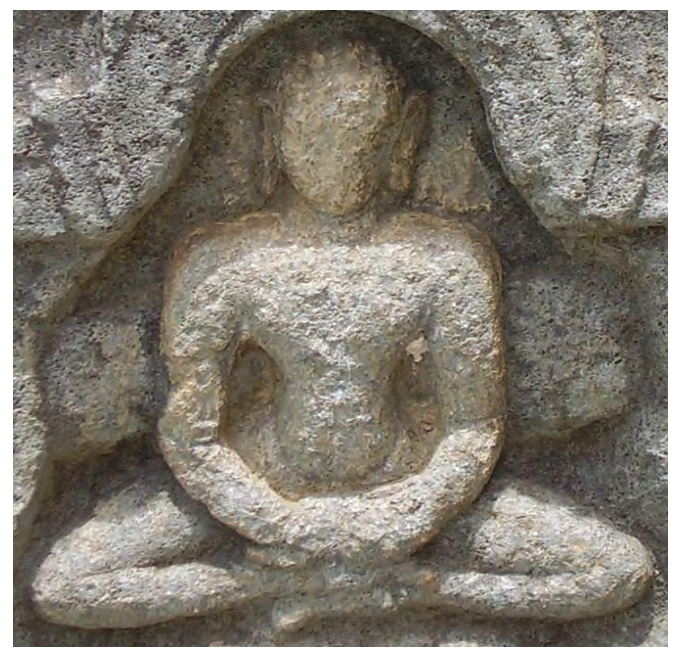
The core of Patanjali's Yoga Sutra has to do with the perception of things and the ways in which our mind loses its pristine clarity, which is its true nature. The aim of yoga practice is to make our perception clearer and through this process bring about a profound transformation within us a transformation that will help us touch base with our Original State, which is ananda or bliss. Patanjali's Yoga has been called variously as Raja yoga, or Ashtanga yoga, depending from which angle people viewed his teachings. What is of relevance is that all these names are appropriate and applicable. Patanjali speaks about using the eight limbs of yoga (Ashtanga Yoga)
including body and breath to move into the state of meditation (Hatha Yoga) and remain in that state of clarity and awareness at all times (Raja Yoga). Due to personal interpretation, reasons of practicality and a culture specific approach, one or the other aspects of Patanjali's Yoga has been highlighted.
Never have the eight limbs been approached together.
Patanjali established the fact that experiencing the ultimate truth of our Original Nature is what yoga practice is all about. Through his terse aphorisms, he brilliantly reveals his vast understanding of the nature of the mind and the obstacles and obstructions that it throws in the path of enlightenment.