About Migraine
This text was machine-transcribed from the printed book and may contain errors. Select the words and choose “Report a mistake”.
Migraines are characterized by moderate to severe headaches along with autonomic nervous system symptoms. This chronic neurological disorder affects women 2 - 3 times as often as men. Typically lasting 2 - 72 hours, migraines are pulsating in nature and typically affect one side of the head. Other symptoms include nausea, vomiting, sensitivity to light, and sensitivity to sound. These symptoms are exacerbated with physical activity. Though the origin of the migraine is unknown, it is believed to be a neurovascular disorder. They are considered to be a mix of genetics and environmental factors that run in approximately of the cases within families. It appears that hormones play a role as well since more prepubescent boys than girls are affected while the symptoms usually decrease during pregnancy and typically stop after menopause. Preventative treatment includes medication, lifestyle change, nutritional supplements or surgery. The goal is to reduce severity of symptoms, frequency, and duration and to increase the effectiveness of abortive therapies.
The World Today
Thr Prevalence, Impact On Self & Familiy Life, Burden Of Migraine Has A Great Increase Over The Years
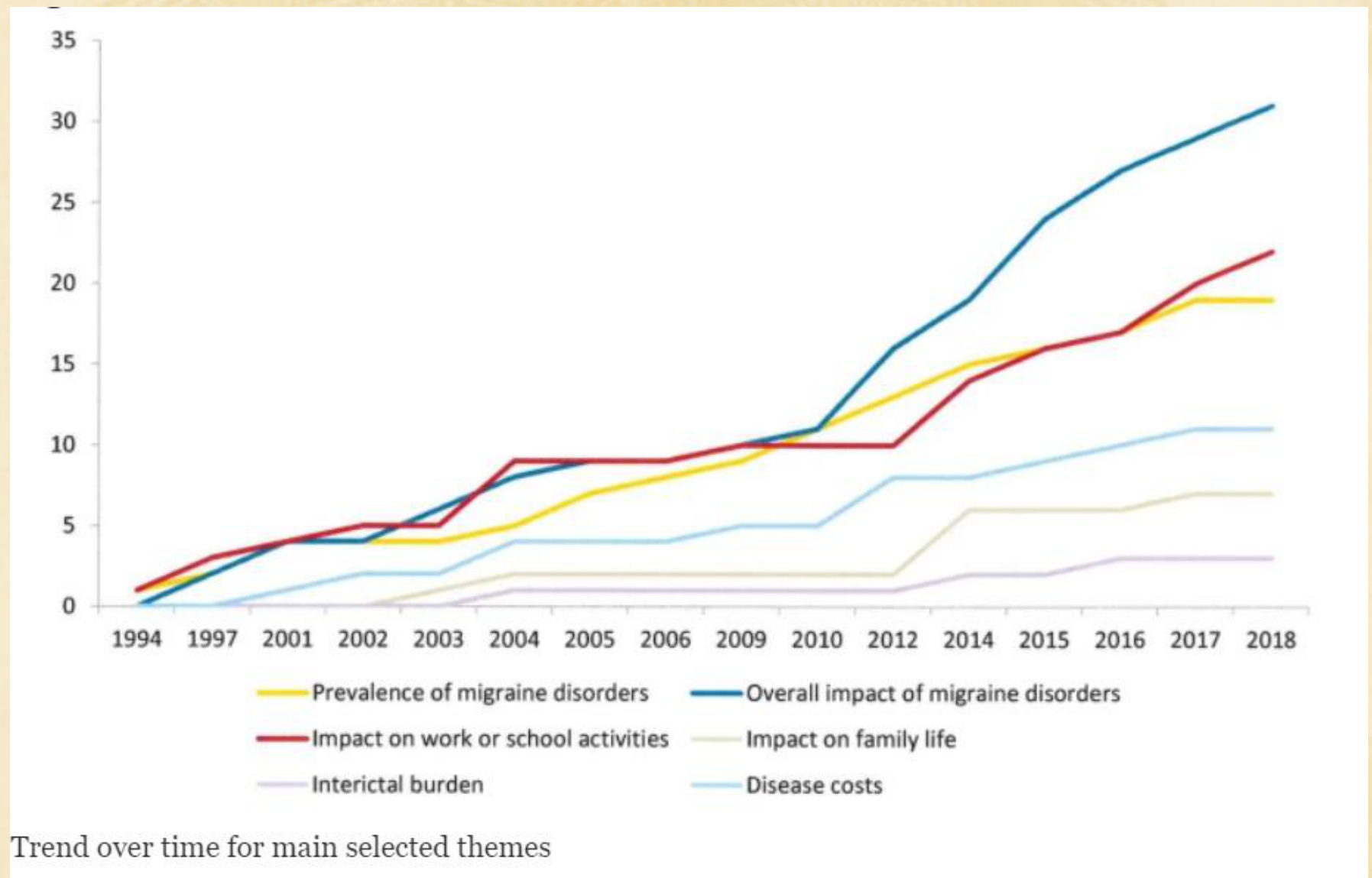
Trend over time for main selected themes
Source: https://thejournalofheadacheandpain.biomedcentral.com/articles/10.1186/s10194-019-0993-0
On KAILASA's Nithya Kriya℠ Care for Migraine
In SPH's own words:
“ It is very simple because head ache is a small problem. So simple Prānāyāmā only. But powerful Prānāyāmā. It heals. ”
Ref: 9 November 2011 Nithya Kriya Care For Migraine
Steps For KAILASA's Nithya Kriya℠ Care For Migraine
4 Steps to Follow
1. Ghiradharāsana (Posture)
Note: In the Ghiradharāsana the Breathing Techniques will be performed
- Kumbh Raja Kumbhaka (Breathing Technique)
- Śitalī Kumbhaka (Breathing Technique)
- Sitkari Prānāyāmā (Breathing Technique)
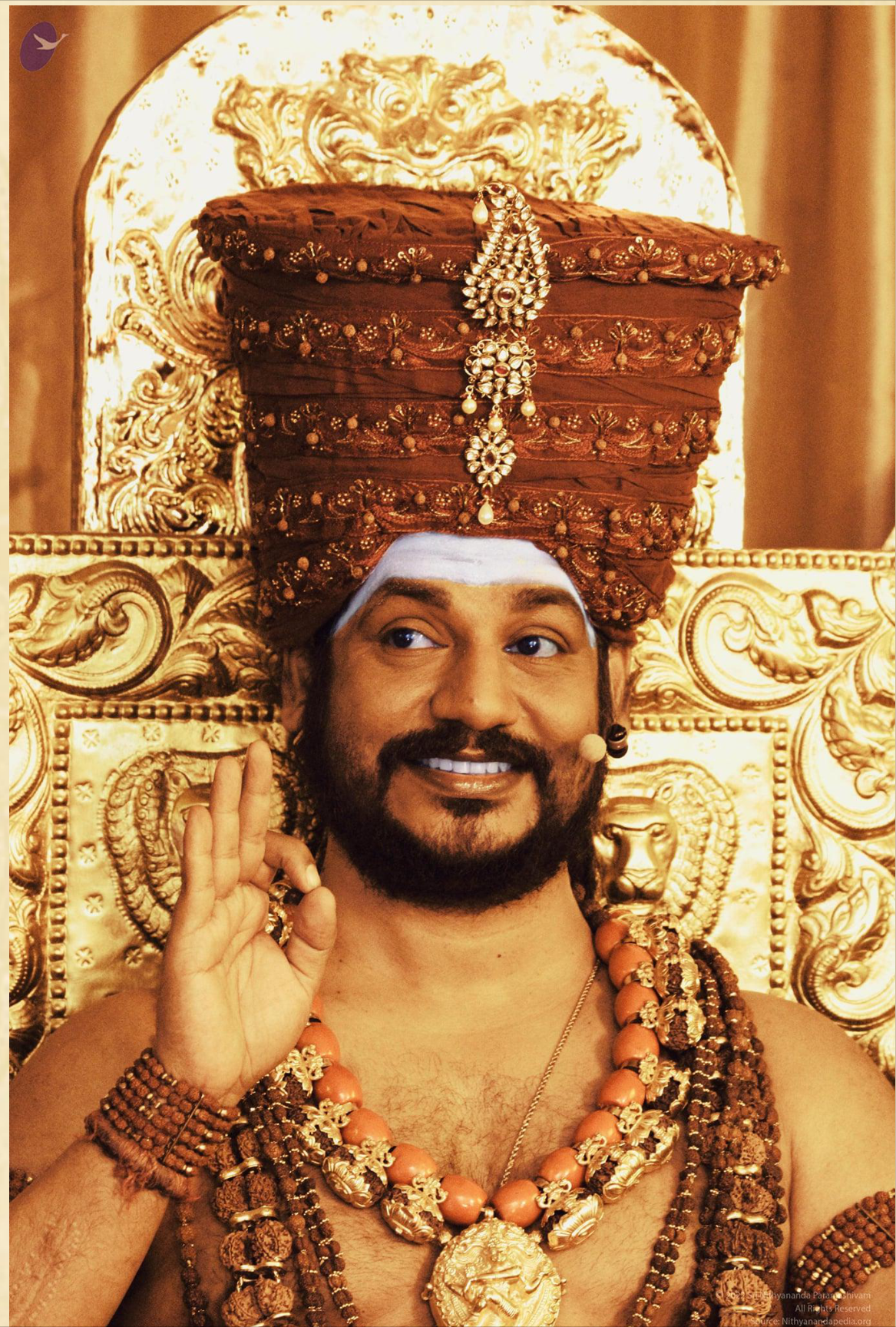
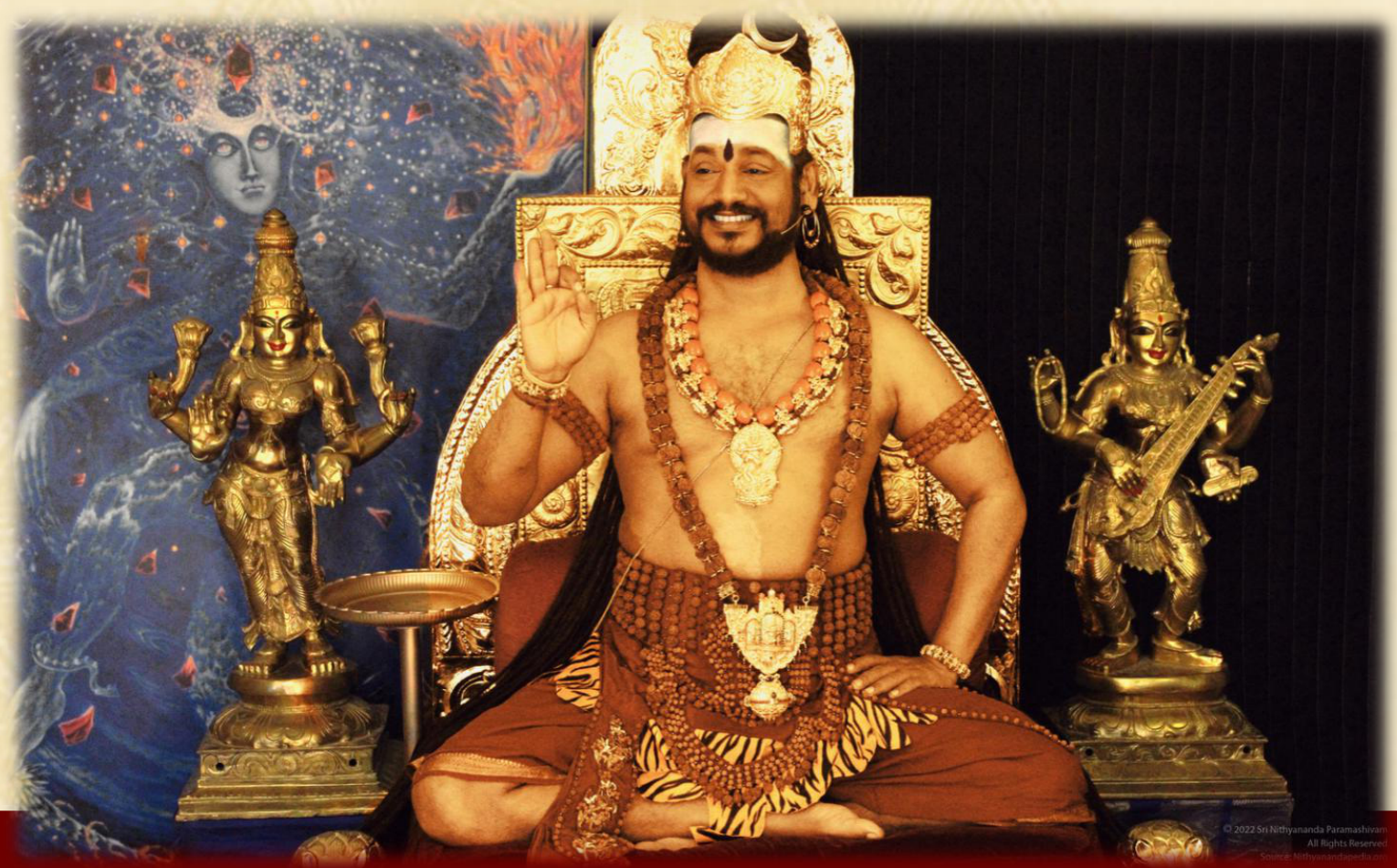
Step 1: Ghiradharāsana
(Posture)
Step 1: Posture – Ghiradharāsana
Pramāṇa - प्रमाण Matsyendriya Samhita, Verse 25-27
एतस्यनागुस्तयोर्मूले कर्पुरे सन्निवेशयेत् ।
परिवर्त्य करौ सप्रुस्तवन्गुलीतल गोपिता ॥२५॥
आन्गुलिपृष्ठयो हेतु चिबुकम् सन्निदपयेत्।
अन्गुश्तव् सरलो कृत्वा तालुमूल-समाश्रितौ॥२६॥
ध्रित्था स्थिरमना भूत्वा ध्र्बरāsनम् इदम् परम् ।
॥सर्वदोषक्शयकरम् सर्वोपद्रव-
नशनम्॥२७॥
etasyangagustayormule karpure
sanniveshayet |
parivarttya karau saprustavanguliitala
gopitaa||25||
Anguliprushthayo hetu cibukam
sannidapayet|
angushtav saralo krutvaa taalumuula-
samaashritau||26||
dhrithvaa sthiramanaa bhuutvaa
grdharaāsanam idam param|
||sarvadoshkshayakaram sarvopadrava-
nashanam||27||
Akashic Revelation
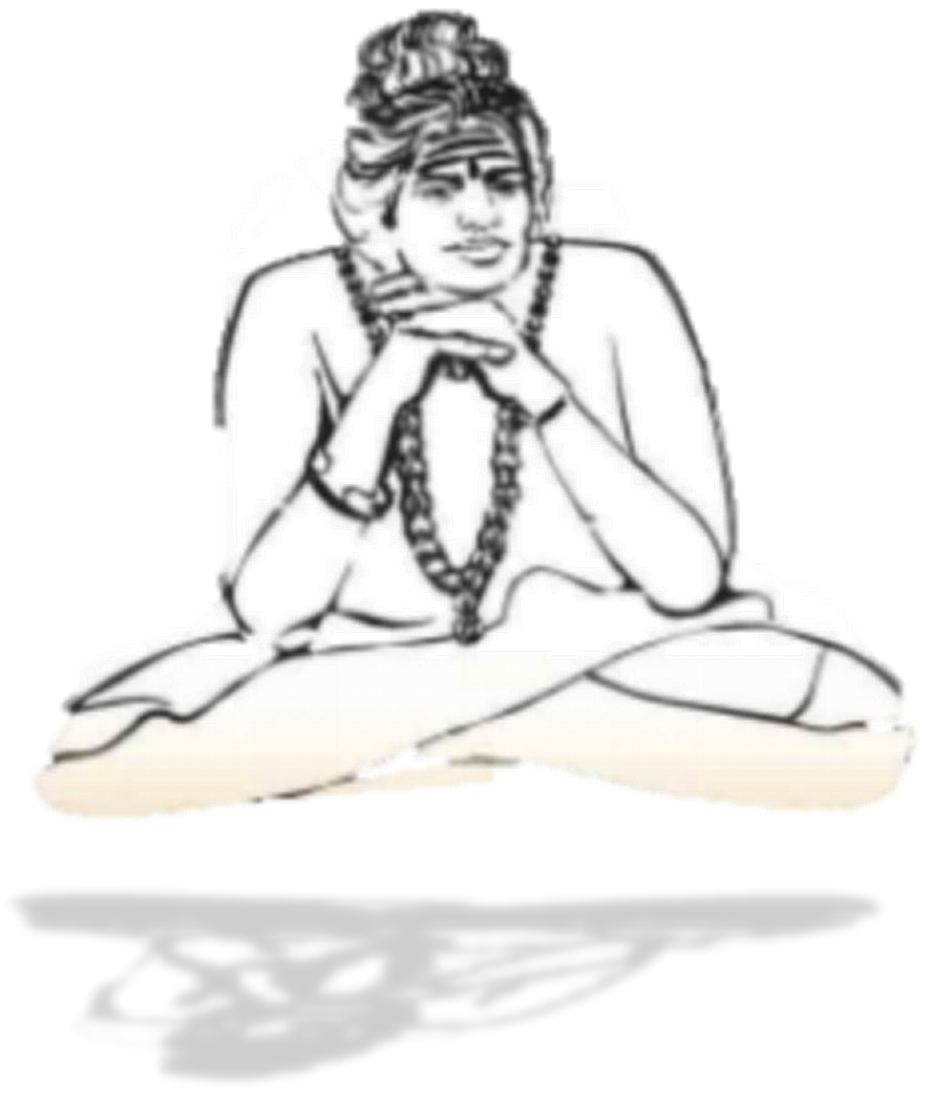
Adopt padmāsana. Place the elbows on
toes Interlock the fingers. Place the
chin on the knuckle. Press the thumbs
against the throat.
Technique
1. Sit in Padmāsana, place the elbows on toes.
2. Interlock the fingers.
3. Place the chin on the knuckles.
Press the thumbs against the
throat.
4. Sit in this posture first for at least 60 seconds.
5. In this same posture inhale and exhale.
6. That will train your prana flow
on the whole head when you
lock the press the throat, the air
naturally - prana flows inside the
head which heals the migraine.