KAILASA'S Nithya Kriya℠ Care For Bi-Polar Disorder
This text was machine-transcribed from the printed book and may contain errors. Select the words and choose “Report a mistake”.
Disclaimer
- The flow of the Nithya Kriya℠ is a continuous process. Follow all the steps.
- Do not break in between until the entire segment of the KAILASA's Nithya Kriya℠ is officially completed.
The following kriya is recommonded to be followed for atleast 21 to 42 days on a daily basis to achieve the desired results.
This technique is not intended to be a substitute for pro f e s s i o n a l m e d i c a l d i a g n o s i s o r treatment. Individuals with any type of medical condition, the elderly, children below 14, women who are pregnant or suspect they may be pregnant are advised to seek professional medical advice before practicing this technique. Viewers who are not on two-way video conferencing are cautioned that they are practicing these techniques at their own risk.

© 2022 Sri Nithyananda Paramashivam. All Rights Reserved. Individual Results May Vary. Results Not Guaranteed.
About Bi-Polar Disorder
Bipolar disorder, also known as manic depressive disorder, includes periods of extreme elation alternating with major depressive episodes, with each episode lasting at least a week. Manic episodes involve feelings of grandeur, expansiveness, impulsivity, and energy to the extreme that it interferes with day to day functions and activities. During manic states, the bipolar individual may be inclined to act out of impulse, thereby affecting their ability to make decisions out of sound judgment. Major depressive episodes involve an extreme negative outlook on life, fatigue, diminished interest in daily activities and change in weight and sleep patterns. Symptoms often interfere with quality of life and cause significant distress and thoughts of suicide.
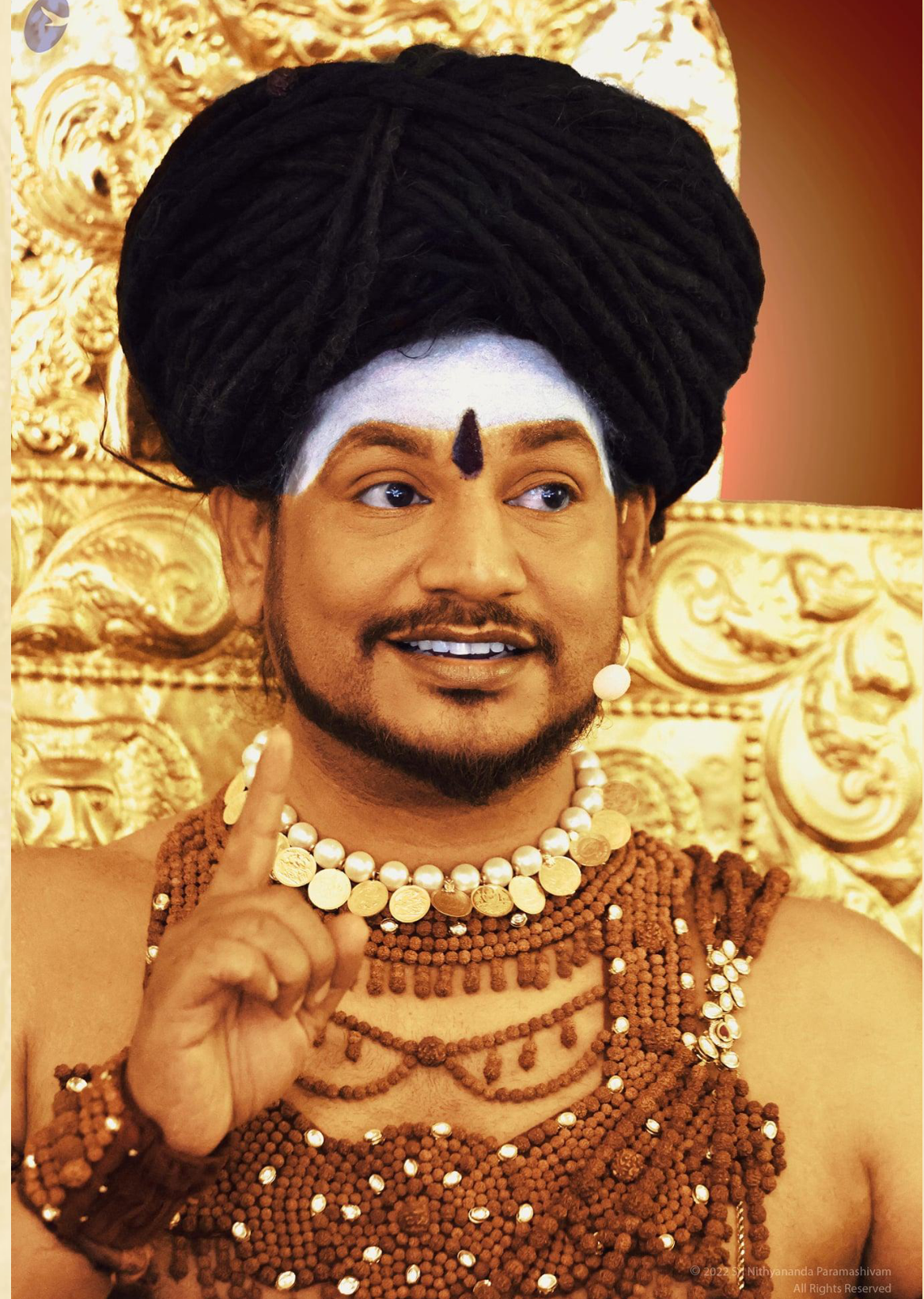
© 2022 Sri Nithyananda Paramashivam. All Rights Reserved. Individual Results May Vary. Results Not Guaranteed.
The World Today
Bipolar Disorder Statistics 2022
46 million people around the world, including 2.8% of the U.S. population, have bipolar disorder. See more bipolar statistics here.
Bipolar disorder and overall health
- On average, bipolar disorder results in 9.2 years reduction in expected life span (National Institute of Mental Health, 2017).
- The risk of suicide is high in people with bipolar disorder with 15% to 17% committing suicide. (Treatment Advocacy Center)
- Up to 60% of people with any mental health disorder, including bipolar disorder, develop substance use disorders. (WebMD, 2006)
- Of those with bipolar disorder, many report co-occurring health conditions, which are most commonly migraine, asthma, and high cholesterol. High blood pressure, thyroid disease, and osteoarthritis were also identified as high probability co-occurring health problems. (The British Journal of Psychiatry, 2014)
How common is bipolar disorder?
- Globally, 46 million people around the world have bipolar disorder. (Our World in Data, 2018)
- One survey of 11 countries found the lifetime prevalence of bipolar disorder was 2.4%. The U.S. had a 1% prevalence of bipolar type I, which was notably higher than many other countries in this survey. (Therapeutic Advances in Psychopharmacology, 2018)
- Annually, an estimated 2.8% of U.S. adults have a bipolar disorder diagnosis (Harvard Medical School, 2007).
- Of all mood disorders, those with a diagnosis of bipolar disorder were found to have the highest likelihood of being classified with “severe” impairment (82.9%). (Archives of General Psychiatry, 2005)
- The past-year prevalence of bipolar disorder is similar in females and males (2.8% and 2.9%, respectively). (National Institute of Mental Health, 2017)
Source: https://www.singlecare.com/blog/news/bipolar-disorder-statistics/