KAILASA'S Nithya Kriya℠ Care For Attention Deficit Hyperactivity Disorder (ADHD)
This text was machine-transcribed from the printed book and may contain errors. Select the words and choose “Report a mistake”.
Disclaimer
- The flow of the Nithya Kriya℠ is a continuous process. Follow all the steps.
- Do not break in between until the entire segment of the KAILASA's Nithya Kriya℠ is officially completed.
The following kriya is recommonded to be followed for atleast 21 to 42 days on a daily basis to achieve the desired results.
This technique is not intended to be a substitute for p r o f e s s i o n a l m e d i c a l d i a g n o s i s o r treatment. Individuals with any type of medical condition, the elderly, children below 14, women who are pregnant or suspect they may be pregnant are advised to seek professional medical advice before practicing this technique. Viewers who are not on two-way video conferencing are cautioned that they are practicing these techniques at their own risk.
© 2022 Sri Nithyananda Paramashivam. All Rights Reserved. Individual Results May Vary. Results Not Guaranteed.
About Attention Deficit Hyperactivity
Disorder (ADHD)
Attention deficit hyperactivity disorder (ADHD) is a common childhood disorder that can last until adulthood. People with ADHD are known to engage themselves in excessive activity and may have difficulty paying attention. Signs of hyperactivity include an inability to sit still, excessive talking and impulsivity. In ADHDition, hyperactive people generally rely on constant engagement with some activity to keep them occupied. The attention deficit component is punctuated by forgetfulness, being easily distracted, and difficulty paying attention and focusing on one thing. Someone with ADHD can show any combination of the signs.Signs of ADHD are normally recognized at a young age often before a child starts school. Parents and teachers often label the child as difficult to deal with. Children often act out of defiance and may have a quick temper or other behavioral problems. ADHD also leads to intense interpersonal problems and frequently leads to other psychological disorders over time.
© 2022 Sri Nithyananda Paramashivam. All Rights Reserved. Individual Results May Vary. Results Not Guaranteed.
The World Today
ADHD affects children of all races ®, including:
- Whites: 9.8%
- Blacks: 9.5%
- Latinos: 5.5%
Children are also diagnosed at different ages ®. Detecting symptoms differs from case to case, and the more severe the symptoms, the earlier the diagnosis.
- 8 years old: average age of diagnosis for children with mild ADHD
- 7 years old: average age of diagnosis for children with moderate ADHD
- 5 years old: average age of diagnosis for children with severe ADHD
Source: https://www.healthline.com/health/adhd/facts-statistics-infographic#demographics
Steps For KAILASA’s Nithya Kriya℠ Care For Attention Deficit Hyperactivity Disorder (ADHD)
3 Steps to Follow
- Vajrāsana (Posture) Note: In Vajrāsana, the following Breathing techniques will be performed
- Dakshinaavarta Shankha Kumbhaka (Breathing Technique)
- Vāmāvartha Shankgadaa Kumbhaka (Breathing Technique)
© 2022 Sri Nithyananda Paramashivam. All Rights Reserved. Individual Results May Vary. Results Not Guaranteed.
Step 1: Vajrāsana (Posture)
© 2022 Sri Nithyananda Paramashivam. All Rights Reserved. Individual Results May Vary. Results Not Guaranteed.
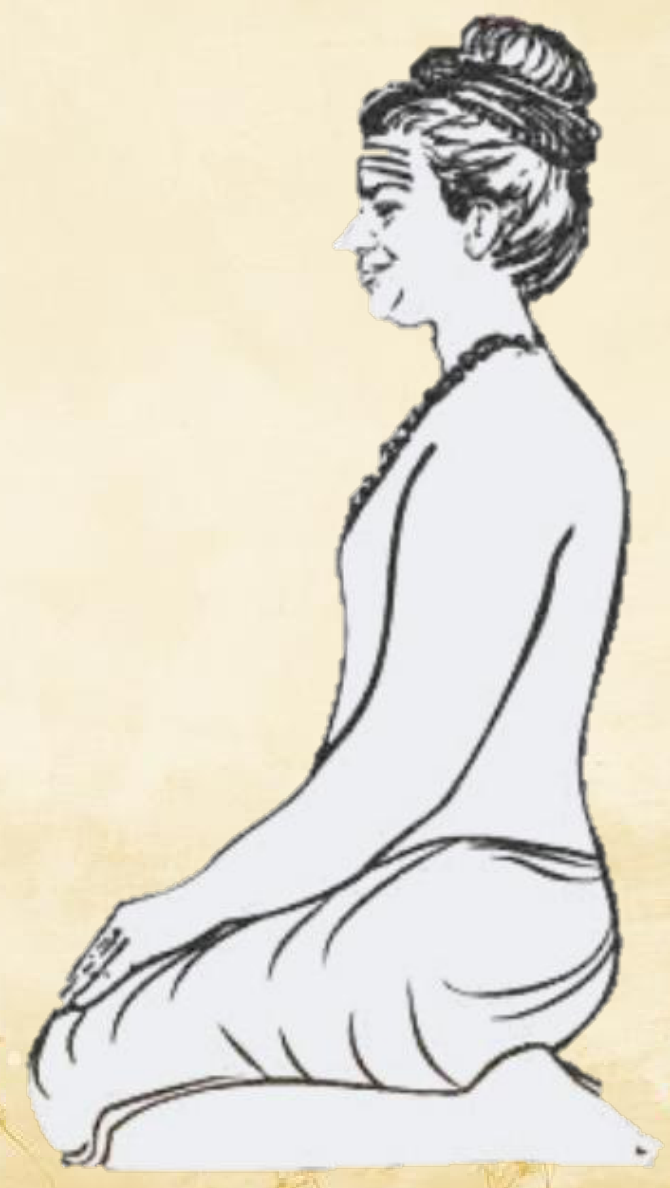
Step 1: Posture – Vajrāsana
Technique
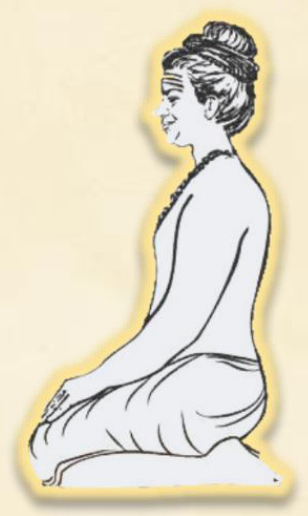
1. With knees, ankles and big toes touching the ground, stand on a kneeling position.
2. Sit erect with the heels under your buttocks
Āpta Pramāṇa - आप्त प्रमाण
Gheranda Samhita, Upadesha 2, Verse 12
जन्धअभ्यअम् वज्रवथ् क्रुथ्वअ गुध-पअसर्हे पधअवुभौ
|वज्रअसनम् भवेदेथद् योगिनअम् सिद्धिदयकम् ||२. १२||
Janghaabhyaam Vajravath Kruthvaa
Gudha-Paarshve Padhaavubhau |
Vajraasanam Bhavedethath Yoginaam
Siddhidaayakam ||2.12||
Akashic Revelation
Having hardened the thighs like steel, and placing both the legs on the sides of the anus is called Vajrasana (gives great extraordinary powers)
Step 2: Dakshinavarta Shankha Kumbhaka (Breathing Technique)
© 2022 Sri Nithyananda Paramashivam. All Rights Reserved. Individual Results May Vary. Results Not Guaranteed.
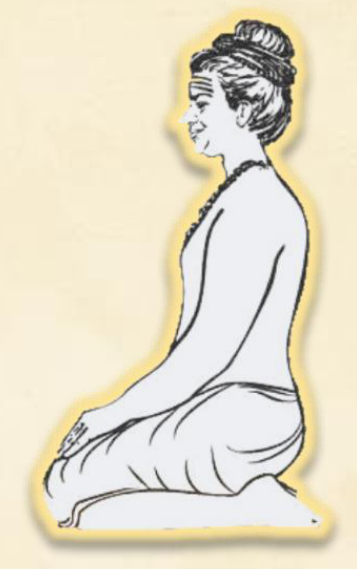
Step 2: Breathing Technique –
Dakshinavarta Shankha Kumbhaka
Technique
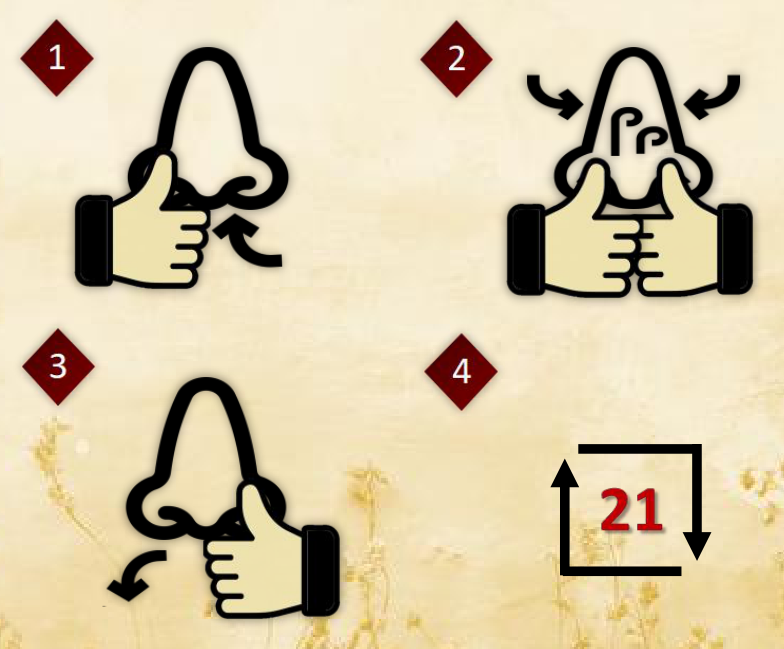
Ensure you use both hands for the following Kumbhaka
1. In Vajrāsana, inhale through right nostril
2. Hold as long as you can judiciously.
3. Exhale slowly through the left nostril.
4. Repeat this Kumbhaka for 21 minutes.
5. Ensure there is no sound produced during the following Kumbhaka
Āpta Pramāṇa - आप्त प्रमाण
Kumbhaka Paddhithih, Verse 106
Akashic Revelation
With the difference because of the
left and right, the Shankha and
Chakra Kumbhakas are of two
types.
Disclaimer: If you cannot sit in
Vajrāsana for 21 minutes, sit on
the chair.
Ref: Jan 21, 2012 Nithya Kriya Care For Attention Deficit Hyperactivity Disorder, SPH Nithyananda Paramashivam
Step 3: Vāmāvarta Shanka Kumbhaka (Breathing Technique)
© 2022 Sri Nithyananda Paramashivam. All Rights Reserved. Individual Results May Vary. Results Not Guaranteed.
Step 3: Breathing Technique –
Vāmāvarta Shanka Kumbhaka
Technique
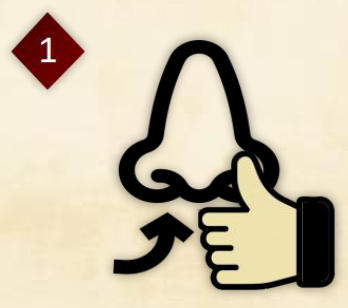
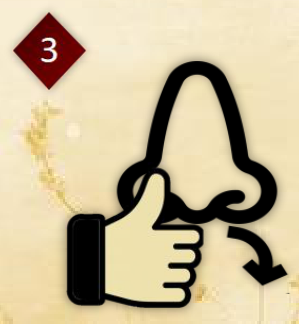
- Inhale through the left nostril.
- Hold as long as you can judiciously
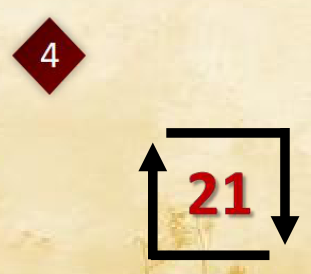
- Exhale slowly through the right nostril.
- Repeat this Kumbhaka 21 times
Along with this Kumbhaka, imbibe this truth from this sutra.
“I am not ordinary lower self, I
am eternal immortal. Let this
idea also be stored inside you.”
Āpta Pramāṇa - आप्त प्रमाण
Kumbhaka Paddhathih, Verse 106
दक्ष-वामावर्त-भेदाच्-चक्र-सङ्खौ द्विधोदितौ
Dakṣa-vāmāvarta-bhedāc-cakra-saṅkau dvidhoditau
Akashic Revelation
With the difference because of the
left and right, the Shankha and
Chakra Kumbhakas are of two
types.
Ref: Jan 21, 2012 Nithya Kriya Care For Attention Deficit Hyperactivity Disorder, SPH Nithyananda Paramashivam