LESSON: 8
This text was machine-transcribed from the printed book and may contain errors. Select the words and choose “Report a mistake”.
Introduction: Introduce the children about social service and intensity of Buddha.
Goals: To make the child understand about social service and intensity of Buddha.
Click of the topic:
About the topic: Be very clear if you want to really serve the society, the first thing you need is intensity in your purpose. Doing some social service should be like over flowing. You feel so full, you feel there is nothing more to be done, think I have so much of time, let me do some service to society, it is beautiful. Then it will lead you to happiness.
Some people don't feel relaxed within themselves, they can't sit quietly. There is so much of restlessness within them that they just want to do catharsis in some way. People with this type of attitude, even if they do some service they will be only putting their ego in front. They will only be torturing others. They will not be serving others. Be very clear, many times you start doing things just for the sake of service, not feeling. You don't feel what you are doing, you don't feel the need of the other person. Service should be overflowing out of your being. It should never be done for some other purpose.
Buddha the enlightened master whatever he decided to follow, he did with complete, unwavering intensity. Whatever you may seek, integrate you


energies completely and go for it. You with then see the universe open up to you completely. Assessment: • What is the first thing you need if you want to really serve? • How should social service be? • Why do some people doesn't feel relaxed with themselves? • Why some people have restlessness? • What happens to egoistic people when the serve? • What happens to other when egoistic people serve? • Can service be done for some purpose? What is the quality in Buddha that made him attain enlightenment?
Evaluation: Evaluate how well they understood the topic by asking multiple questions.
Conclusion: Have intensity in your purpose to serve. Integrate your energies completely and be happy.
© 2011 Copyright Nithya Gnanadhan Trust
[Figure: INTENSITY]
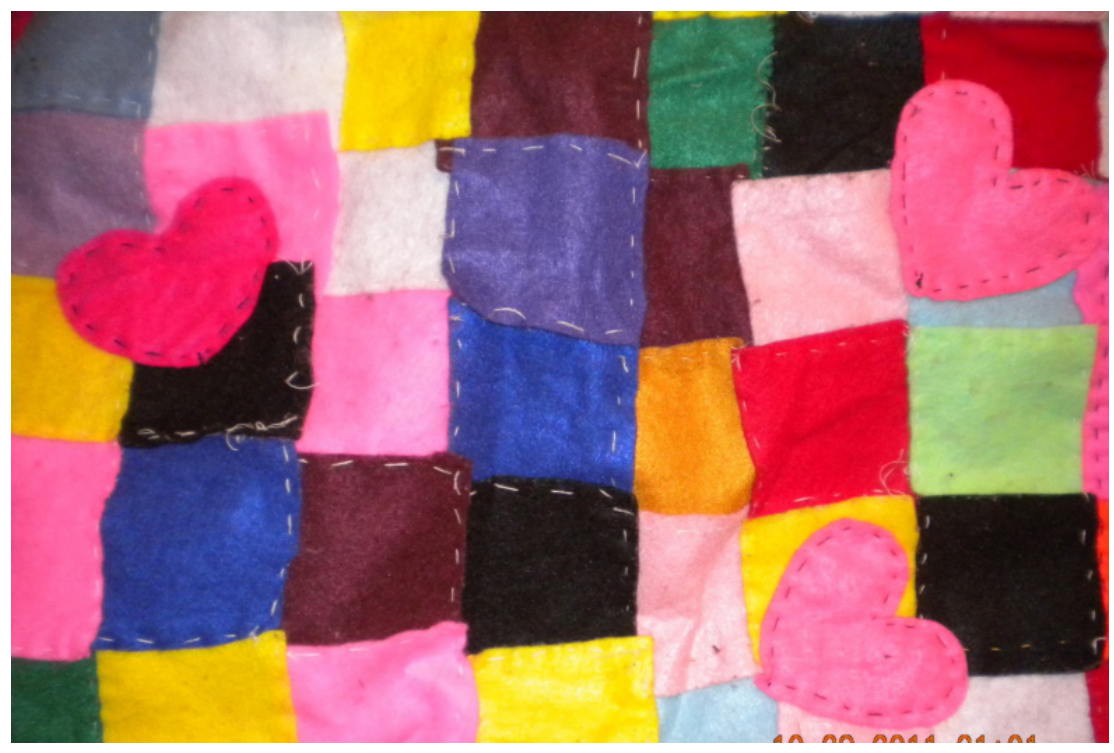
Art of the Day:- Craft making a Quilt
Materials needed: Plain sheet, paint, glue, wool.
Explanation: Paint one sheet with black poster color and cut it out into 6 long stripes. Take another plain sheet and cut the sheet into 6 stripes. Now keep the black stripes in row and take the white stripes and keep above and below the black stripes by applying glue. Now take the wool and cut into short pieces and stick it on both ends.
Inference: You can do with combination of any two colors or with multi color patterns.

Activity of the day: Clap thigh head game
Explanation: Explain to the children the game. All children must sit in a circle. First person claps, next person sitting to right taps on his thighs using both hands. The next person taps on his head using both hands. Next person claps and the series goes on till some one makes an error.
Inference: Interpret to the children when you are in now with intensity you can be more intelligent and productive.
Variation: To make the activity difficult each person does two of the series. First person does clap and thigh next one does head and clap.
Workshop5 - Quiz
Children can have quiz program on intensity questions.

INTENSITY
QUESTIONS
1. Whether we lead or follow we
need to be
a. Intense
b. Interested
c. Involved
2. The restlessness when directed
towards the inner space is called
a. Interest
b. Involvement
c. Intensity
3. If your consciousness is
constantly moving towards the
outer world it is called
a. Intensity
b. restlessness
c. responsibility
4. If your consciousness is
constantly moving towards the
inner world it is called
a. Intensity
b. restlessness
c. responsibility
5. Which is an acceptable
statement
a. Intensity is an emotion
b. Intensity is not an emotion
c. Intensity is a partial emotion
6. Intensity is
a. Intensely being inside
b. Intensely being with
environment
c. Intensely being outside
7. You may be intense but you may
have lost the ability to flow,
because
a. You are driven by ego
b. you are not driven by ego
c. you are untouched by ego
8. When you are intense
a. you are not open to change
b. you are open to change
c. you are resisting to change
9. Relationship between becoming
and being
a. becoming is different from
being
b. both are same
c. are almost the same
10. Being is related to
a. your nature
b. society
[Figure: Hand playing piano]
INTENSITY
c. cosmos
11. Becoming is related to
a. mind
b. body
c. cosmos
12. You anger is related to
a. logic
b. society
c. illogical
13. When you live with intensity
you will be
a. connected
b. liberated
c. co-ordinated
14. Which is an acceptable
statement
a. Intensity does not depend on
the nature of the work or action
b. Intensity depends on the
nature of work or action
c. Intensity rarely depends on the
nature of work or action
15. Intensity must be your
a. Part of life
b. Very DNA
c. Ethics
16. When will you have a solution
for a problem
a. When you look at the root of
the problem
b. When you did not bother about
it
c. When you take it very lightly
17. The state of cosmic
consciousness is quickly
attainable to those who pursue
with
a. Seriousness and Intensity
b. Confidence and Sincerity
c. Sincerity and Intensity
18. When you have I
consciousness but no thought
you are in
a. waking stage
b. full awareness
c. deep sleep
19. Intensity has the power to
penetrate
a. Your deep sleep
b. your ideas
c. temperament

- Which is the acceptable statement a. Question is a word quest is a feeling b. quest is a word question is a feeling c. soft question and quest are words
- Whole life is a. Auspiciousness b. Process c. Suffering
22. Which is the way to experience
life
a. Being serious
b. Being intense
c. Being perfect
23. When the false sense of identity
disappears
a. ego appears
b. ego disappears
c. ego forms
24. Which is important
a. quantity of life
b. quality of life
c. purpose of life
25. What is initiation
a. Starting an activity
b. thinking to start an activity
c. the click that is happening inside you
26. Which is acceptable statement
a. Intensity does not create
conflict inside or outside
b. intensity create conflict inside
or outside
c. Intensity sometimes create
conflict inside or outside
27. The side effect of intensity is
a. Love
b. emotion
c. greed
28. Truth gives you
a. Fame
b. Confidence
c. Identity
29. Which makes you to again and
again travel in same path
a. fulfilled desires
b. unfulfilled desires
c. partially fulfilled desires
30. If you don't know how to use
[Figure: Hand playing piano]
INTENSITY
1. The following four words have their letters mixed up. Three of them have something in common and other is related but definitely different. what are the words & which is the odd one out?
FECEFO ___________________________________
ATE ___________________________________
RAGSU ___________________________________
LKMI ___________________________________
The ODD is ___________________________________
[Figure: INTENSITY]
2. Here is a simple word square. The words lead the same across and down. The first word has been given to you & the letter for the other two are below. How should the completed box look?
O A K
A
K
sel

INTENSITY
3. Missing Middles Write the missing letters.
I n _ _ e n _ i _ y
U _ t _ m _ t e
S _ t i _ _ a c t i o n
E _ o t _ o n
E _ i s t _ _ _ _ e
C _ a _ _ e
B _ _ o _ _ n g
B _ _ n g
L _ v _ n _
_ _ t _ _ e s _

4. Match the following
1. Interest Karma
2. Intensity Being
3. Unfulfilled engram You will be liberated
4. The power of intensity Restlessness that melts and comes out
5. Knowledge is all about Anger
6. Directly related to your nature Comes from the mind
7. Directly related to logic Emotion
8. When you live intensely becoming
9. Real intensity comes from the being
10. Consciousness moving towards Does not create conflict the outer world
[Figure: INTENSITY]
5. Write the letters in the right way
ytirɔsni Ƨi γtiƨnɘtni
..........................................................
ɘɿuƭɒn ɿuoy oƭ bɘƭɒlɘɿ γlƭɔɘɿib ƨi ϱniɘᗺ
..........................................................
sel
[Figure: Intensity]
6. Where the words fits in?
Intensity
Karma
Interest
Existence
Logic

INTENSITY
7. Secret code
Track the code to find out the message
| A | B | C | D | E | F | G | H | I | J | K | L | M |
|---|---|---|---|---|---|---|---|---|---|---|---|---|
| ▲ | ■ | ● | ▶ | ▢ | ✔ | ⌧ | ♥ | ☺ | ❖ | ✡ | ⚡ | ♫ |
| N | O | P | Q | R | S | T | U | V | W | X | Y | Z |
| 💧 | ॐ | ✈ | ⬭ | ⬟ | ★ | ✚ | ✿ | △ | ╳ | ⌘ | ☯ | ✦ |
1. ___ ___ ___ ___ ___ ▲ 💧 ⌧ ▢ ⬟
2. ___ ___ ___ ___ ___ ♥ ▲ ✈ ✈ ☯
3. ___ ___ ___ ___ ___ ___ ___ ___ ___ ▲ ✚ ✚ ▢ 💧 ✚ ☺ ॐ 💧
4. ___ ___ ___ ___ ___ ___ ___ ___ ___ ___ ___ ✔ ✿ ⚡ ✔ ☺ ⚡ ⚡ ♫ ▢ 💧 ✚
5. ___ ___ ___ ___ ___ ___ ___ ___ ___ ☺ 💧 ✚ ▢ 💧 ★ ☺ ✚ ☯
[Figure: INTENSITY]
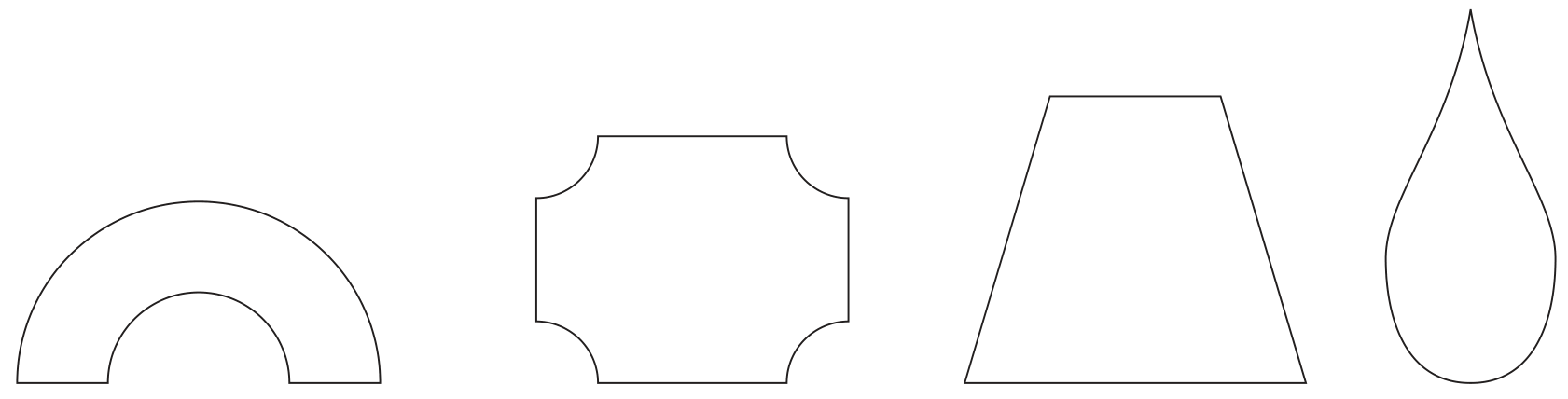
8. Form Structure and designs with shapes given
sel
© 2011 Copyright Nithya Gnanadhan Trust
[Figure: INTENSITY]
9. Riddle jokes
1. How do cows count?
2. Why did the spider like computers?
3. What do you call a kitten that does somersaults in the air?
4. What keys don't open doors?
10. Favourite Games
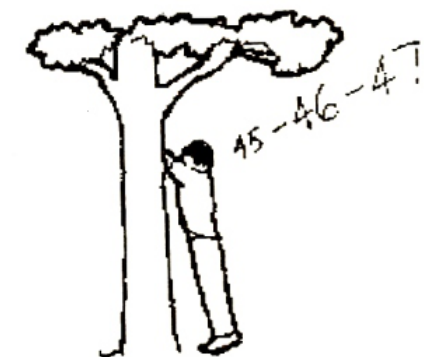
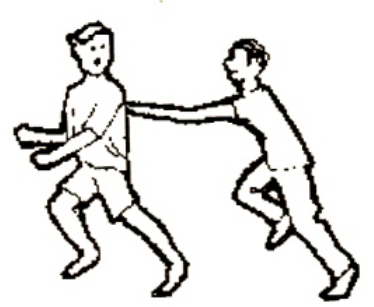
Paulo, Chan and Denzel are three friends. Each has a favourite game. Can you use the clues to figure out each friend's favourite game? Draw a line to connect each child to a game.
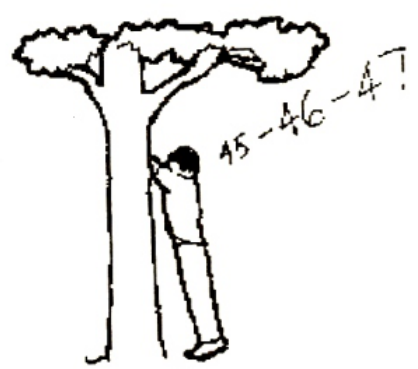
- In chan's favourite game, someone has count.
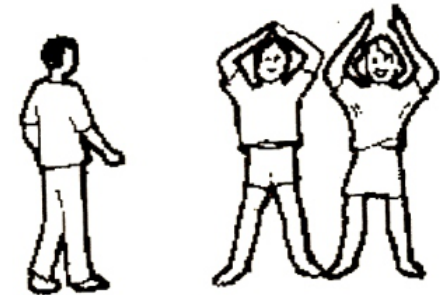
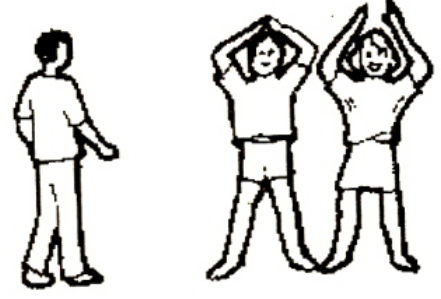
- In Denzel's favourite game, someone gives directions.
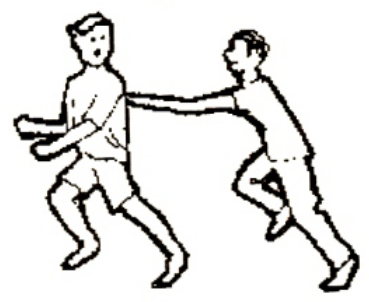
- In Paulo's favourite game, everyone runs



Paulo
Chan
Denzel
Hide-and-Go-Seek
Tag
Simon Says

INTENSITY
4 TO 7 WORKSHEETS

INTENSITY
1. Secret code
Track the code to find out the message
| A | B | C | D | E | F | G | H | I | J | K | L | M |
|---|---|---|---|---|---|---|---|---|---|---|---|---|
| ▲ | ■ | ● | ▶ | ▢ | ✔ | ⌸ | ♥ | ☺ | ❖ | ✡ | ⚡ | ♫ |
| N | O | P | Q | R | S | T | U | V | W | X | Y | Z |
| 💧 | ॐ | ✈ | ❍ | ⬟ | ★ | ✚ | ✿ | △ | ✕ | ⌘ | ☯ | ✦ |
1. ___ ___ ___ ___ ___
▲ 💧 ⌸ ▢ ⬟
2. ___ ___ ___ ___ ___
♥ ▲ ✈ ✈ ☯
3. ___ ___ ___ ___ ___ ___ ___ ___ ___
▲ ✚ ✚ ▢ 💧 ✚ ☺ ॐ 💧
4. ___ ___ ___ ___ ___ ___ ___ ___ ___ ___ ___
✔ ✿ ⚡ ✔ ☺ ⚡ ⚡ ♫ ▢ 💧 ✚
5. ___ ___ ___ ___ ___ ___ ___ ___ ___
☺ 💧 ✚ ▢ 💧 ★ ☺ ✚ ☯

6. Where the words fits in?
Intensity
Karma
Interest
Existence
Logic

3. What Comes Next?
Draw the next thing in each shape series.
□ □ △ □ □ △ □ □ ____________________
○ □ ○ □ ○ □ ○ □ ____________________
△ ♡ △ ♡ △ ♡ △ ♡ ____________________
◇ ◇ ◇ ○ ○ ○ □ □ ____________________
♡ △ ♡ ▽ ♡ △ ♡ ▽ ____________________
◇ ♡ □ ♡ ◇ ♡ □ ♡ ____________________
○ ♡ ♡ △ △ △ ☆ ☆ ☆ ____________________
♡ ♡ □ □ ♡ ♡ △ △ ♡ ____________________
△ △ ☆ △ △ ♡ △ △ ☆ ____________________
□ □ □ □ □ □ □ □ ____________________
[Figure: A person playing piano]
4. Favourite Games
Paulo, Chan and Denzel are three friends. Each has a favourite game. Can you use the clues to figure out each friend's favourite game? Draw a line to connect each child to a game.
- In chan's favourite game, someone has count.
- In Denzel's favourite game, someone gives directions.
- In Paulo's favourite game, everyone runs

Paulo

Chan

Denzel
Hide-and-Go-Seek
Tag
Simon Says

INTENSITY
5. Here is a simple word square. The words lead the same across and down. The first word has been given to you & the letter for the other two are below. How should the completed box look?
O A K
A
K
[Figure: Piano keys]
6. Missing Middles Write the missing letters.
I n _ _ e n _ i _ y
U _ t _ m _ t e
S _ t i _ _ a c t i o n
E _ o t _ o n
E _ i s t _ _ _ _ e
C _ a _ _ e
B _ _ o _ _ _ n g
B _ _ n g
L _ v _ n _
_ _ t _ _ e s _
[Figure: INTENSITY]
7. Some letters have been omitted from this alphabet. Use the missing letters to form a word which is ultimate.
ABC D F G H J K L M O P Q R U V W X Z
_ _ _ _ _ _ _ _ _
sel
8. Form Structure and designs with shapes given
[Figure: arch shape]
9. Puzzle

[Figure: INTENSITY]
10. Circle the correct spelling?
Change Chanje Changee
Anggu Anger Angur
Karmaa Krma Karma
Relessness Restlessness Restlesnes
Interest Intrst Intrest

11. Riddle jokes
1. How do cows count?
2. Why did the spider like computers?
3. What do you call a kitten that does somersaults in the air?
4. What keys don't open doors?

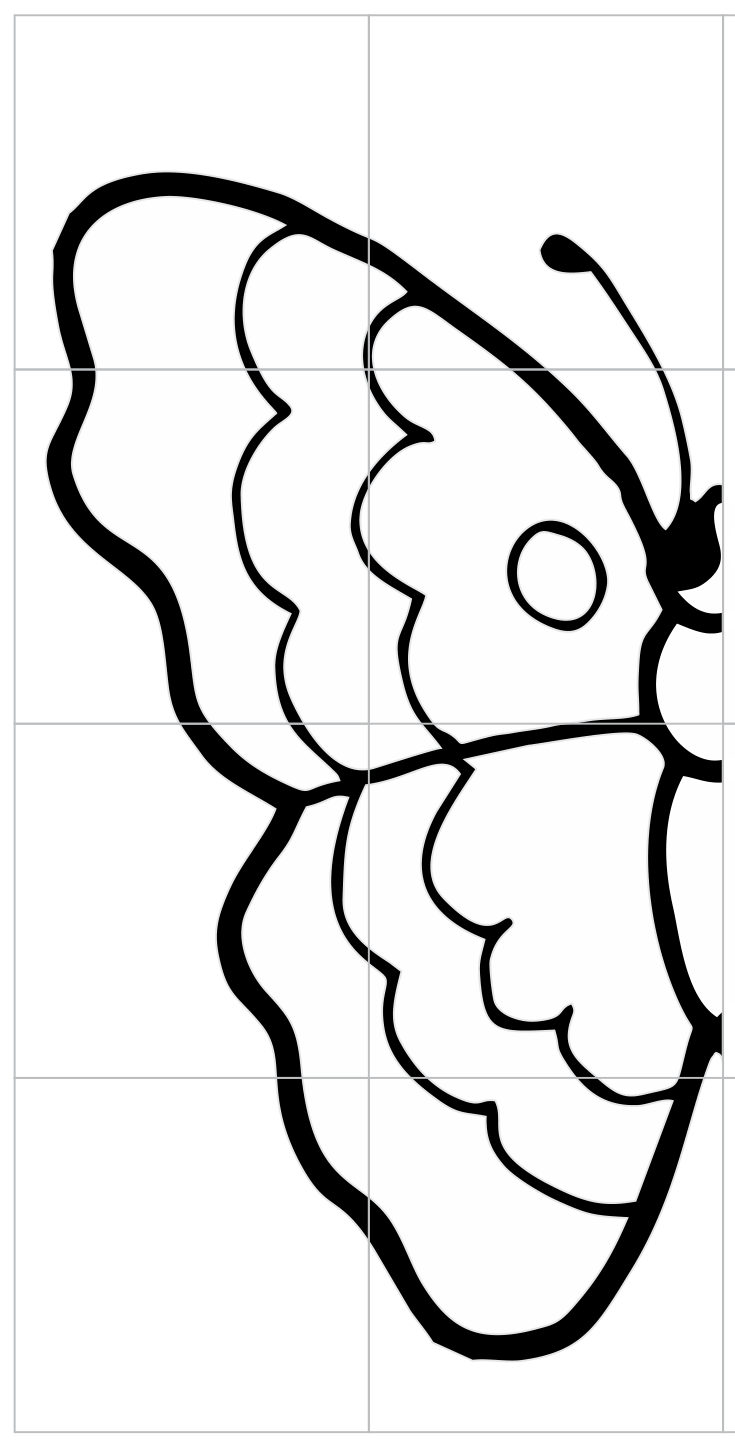
12. Draw the other half of the butter fly to complete the picture
© 2011 Copyright Nithya Gnanadhan Trust
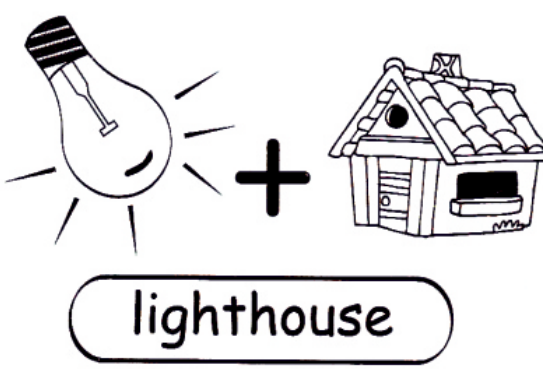
13. Making Words
Join the objects name and form a new word,
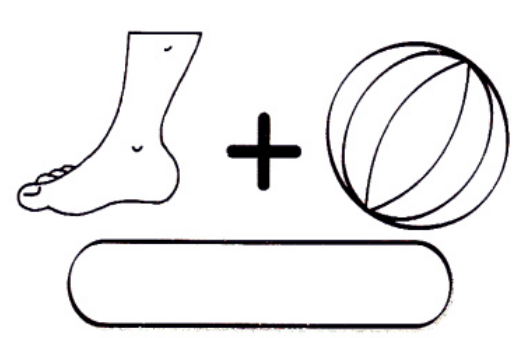
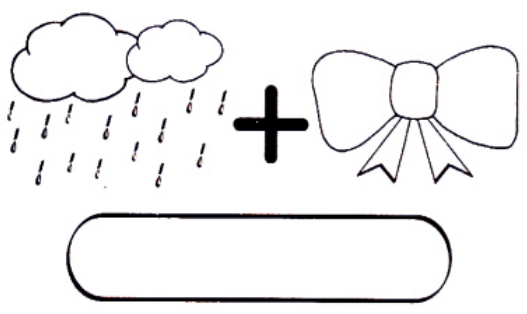
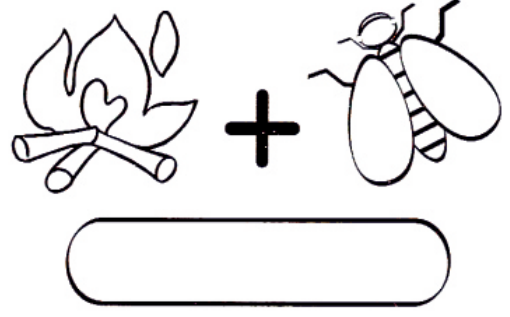
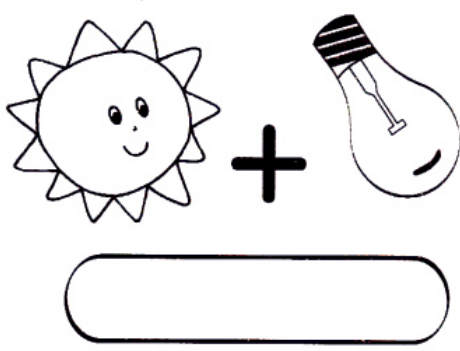
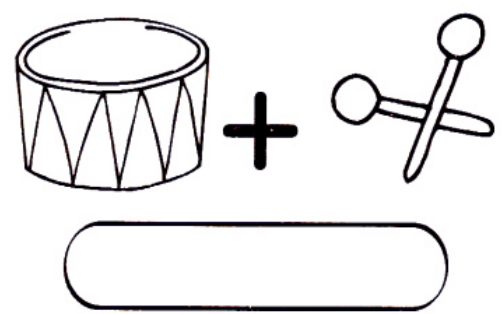
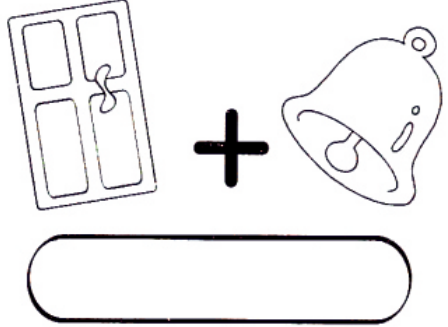
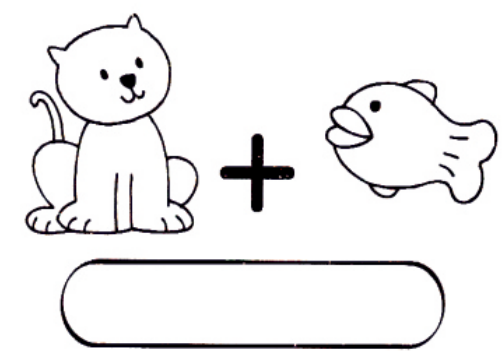
sel
[Figure: Piano keys]
INTENSITY
ANSWERS
1. a. Intense
2. c. Intensity
3. b. restlessness
4. a. Intensity
5. b. Intensity is not an emotion
6. a. Intensely being inside
7. a. You are driven by ego
8. b. you are open to change
9. a. becoming is different from being
10. a. your nature
11. a. mind
12. a. logic
13. a. connected
14. a. Intensity does not depend on the nature of the work or action
15. b. Very DNA
16. a. When you look at the root of the problem
17. c. Sincerity and Intensity
18. b. full awareness
19. a. Your deep sleep
20. a. Question is a word quest is a feeling
21. a. Auspiciousness
22. b. Being intense
23. b. ego disappears
24. c. purpose of life
25. c. the click that is happening inside you
26. a. Intensity does not create conflict inside or outside
27. b. emotion
28. b. Confidence
29. b. unfulfilled desires
30. a. Suffering
[Figure: A close-up of fingers playing piano keys]
INTENSITY
(8 -14) ANSWER KEY
1. The words are
- COFFEE
- TEA
- SUGAR
- MILK i. The odd is SUGAR
2. Word Square
- OAK
- ARE
- KEY
3. Missing Middles
- Intensity
- Ultimate
- Satisfaction
- Emotion
- Existence
- Change
- Becoming
- Being
- Living
- Interest
4. Match the following
- Comes from the mind
- Comes from the logic
- Karma
- Emotion
- Becoming
- Being
- Anger
- You will be liberated
- Does not create logic
- Restlessness
5. Write the letters in the right way
- Intensity is sincerity
- Being is directly related to your nature.
7. Secret Code
- Anger
- Happy
- Attention
- Fulfillment
- Intensity
9. Riddles
- They use cowculator
- Because he had his own website
- An Acro-Cat
- Donkeys, Monkeys
[Figure: Piano keys]
INTENSITY
4 - 7 ANSWER KEY
1. Secret Code
- Anger
- Happy
- Attention
- Fulfillment
- Intensity
5. Word Square
- OAK
- ARE
- KEY
6. Missing Middles
- Intensity
- Ultimate
- Satisfaction
- Emotion
- Existence
- Change
- Becoming
- Being
- Living
- Interest
7. Omitted Letters
1) INTENSITY
10. Correct Spelling
- Anger
- Karma
- Restlessness
- Interest
11. Riddles
- They use cowculator
- Because he had his own website
- An Acro-Cat
- Donkeys, Monkeys
© 2011 Copyright Nithya Gnanadhan Trust



© 2011 Copyright Nithya Gnanadhan Trust
LESSON: 1
Introduction: Introduce the topic about Leadership.
Goals: To make the child understand about leadership, clear understanding of whether leader is created (or) born.
Click: Qualities of leader
About the topic: When we become responsible for others we are no longer focused on us. We move towards serving other people. Serving other people is leadership. Leadership is not quality, but an experience that can radiate from an individual who has experienced personal growth. Every human being is a potential leader. Everyone can become a leader and the quality of leadership arises from one's ability to take responsibility. Leadership skills can be cultivated. It is all about achieving the state of consciousness of a leader and not the status that is achieved by becoming a leader. Being aware and participating in the work around bring out the state of leader in us.
Effect of being a Leader: Honesty & Responsibility, Caring genuinely about people, Confidence, Efficiency and lateral thinking skills, Attention to detail, Efficiency and Effectiveness, Broad based thinking (Big Picture)
© 2011 Copyright Nithya Gnanadhan Trust and doing.
Assessment: • Can every one become a leader? • What is leadership? • Why is everyone in the class not a leader? • Can leaders be created? • What happens when we take responsibility? • What are the traits of the leader? • Can a dishonest person become a leader? • What happens when the leader does not care about others? • When you can become a leader? • Who is your leader? Why do you want to become a leader?
Evaluation: Evaluate the expressive and receptive language skill
Conclusion: Focus on others needs, care genuinely for others, be confident and become a leader.
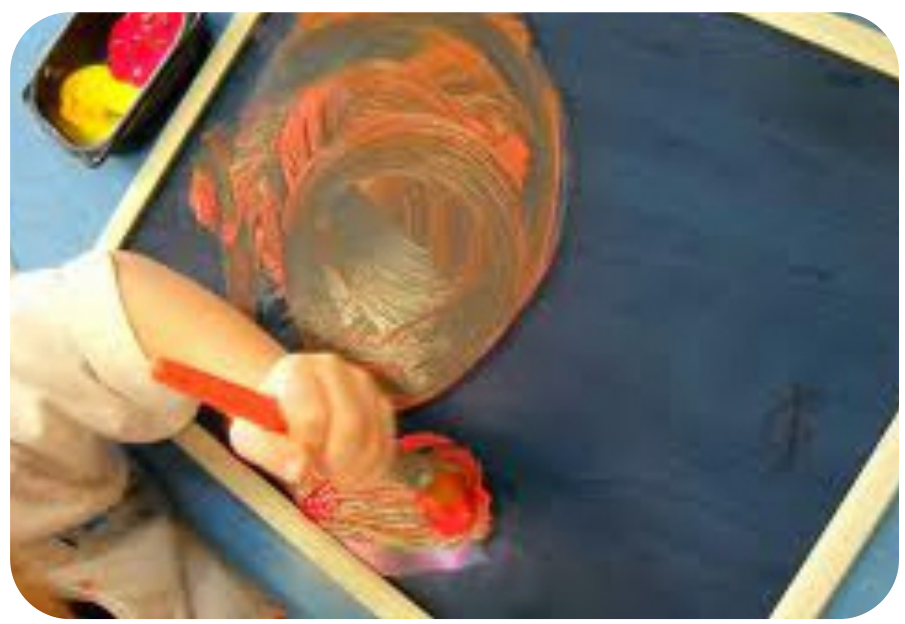
Art of the day: Impression art
Materials needed: Plain sheet, different poster colours, different objects.
Explanation: Encourage the children to dip different objects in the poster colour and do the impression on the art sheet.
Inference: A good leader leaves the impression of all his good qualities on his followers
Activity : Carrying water
Goals: To develops their leadership skills of motivating their friends to achieve. Materials required: Water cup, water
Preparation: Divide the children in pairs and keep ready water and cups.
Presentation: One child from each pair will hold a water cup filled with water and walk slowly without spilling for a distance. Other child in each pair has to encourage and motivate that child to accomplish the task and the activity is repeated now with other child holding the cup and walking.
Interpretation: By doing this activity children learn the leadership skills of motivating and encouraging others.
© 2011 Copyright Nithya Gnanadhan Trust
LESSON: 2
Introduction: Recall yesterday's topic and introduces the children about the topic of leader consciousness
Goals: To make the children understand that Leadership is not a status, it is a state.
Click: Leadership is not a status, it is a state.
About the topic: Leadership is a result of a conscious choice made by an individual. Most of the people achieve the status of a leader but not the state. State is totally different from status. Status comes from the society. When you are forced to take responsibility or if you take the responsibility out of greed the status comes.
State means your inner space should be mature enough to handle the responsibility. When we just get the status without achieving the state, all the problems like stress, tension will arise. Status will simply follow a man who has achieved the state of a leader. The invaluable feeling of fulfillment happens to beings who achieve the leader consciousness. A responsible leader is a person who is able to respond spontaneously to situations. A true leader is a person who is ready to take responsibility consciously. If we take our decisions consciously, we will never have any stress.
Assessment: • What we want to achieve state or status? • Where status comes from? • What is state? What is a status? • What happens when we only get status? • Can we be happy without status? • What is the way to automatically get the status? • Who is responsible leader? • Who is a true leader? • What happens when we take decisions unconsciously? • Who do we want to be?
Evaluation: Evaluate their cognitive skills understanding the topic.
Conclusion: Take decisions consciously and respond to situations spontaneously.
Goals: To develop their leadership skills of motivating their friends to achieve.
Art of the da: Impression art
Materials needed: Plain sheet, different poster colours, different objects.
Explanation: Encourage the children to dip different objects in the poster colour and do the impression on the art sheet.
Inference: A good leader leaves the impression of all his good qualities on his followers
Activity : Motivating his friend for a discussion on the topic
Preparation: Children are divided into groups.
Presentation: The children in each group must motivate their friends to talk about a topic. One of the leadership quality is to motivate others to perform their best by recognizing their potential. . Leader is one who makes all the member in the group to achieve success.
Interpretation: By doing this activity children learn the leadership skills of motivating and encouraging others.
Workshop1 - Workshop on self pity
Explanation: Encourage each child to share the experience of where all they felt self pity.
For example: The children might say i felt self pity when I could not solve particular puzzle, I felt self pity when I am not able answer a question asked by the teacher and so on.
Inference : Connect them to the fact whenever we feel self pity it means we think it is not a possibility in us. When we think we will not be capable to do some specific work that creates self pity in us.
We must start thinking everything is a possibility then there will be no self pity. Self pity happens when there is no self confidence.