Character Assassination, the new successful dehumanizing strategy to murder and destroy
This text was machine-transcribed from the printed book and may contain errors. Select the words and choose “Report a mistake”.
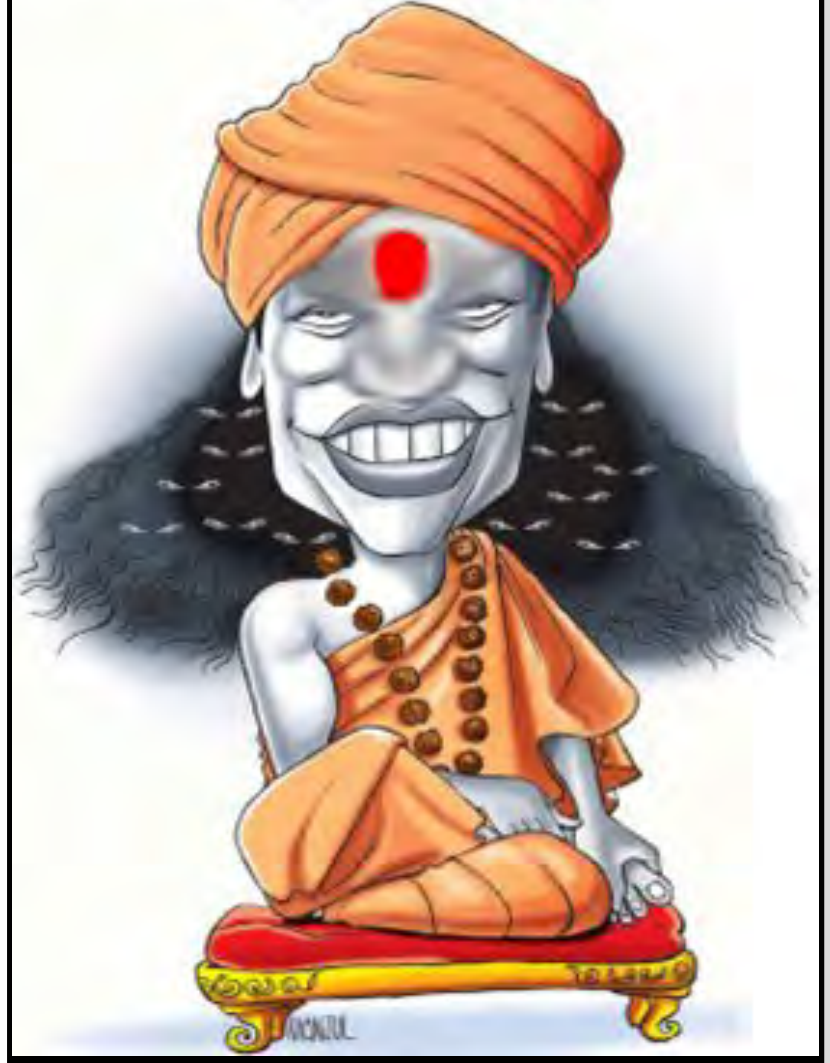
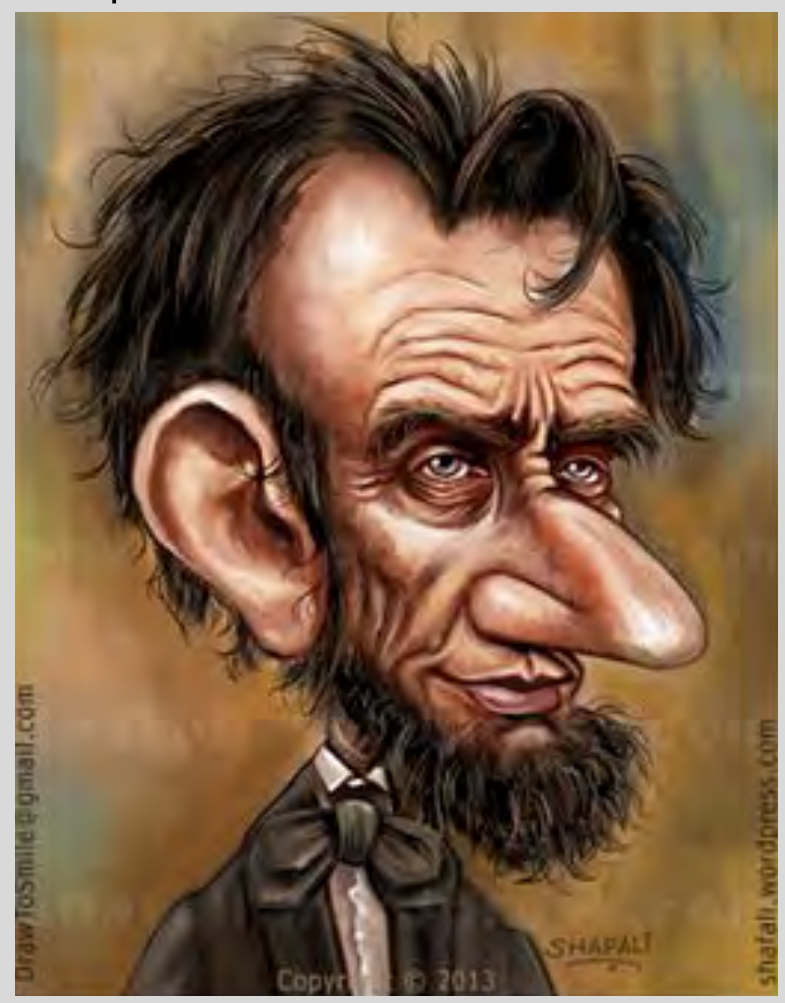
| Modern day use of Demonization and Character Assassination of 'Guru', the Pontiff of multiple ancient temple monasteries (> 5000 year old) - His Divine Holiness Paramahamsa Nithyananda | Earlier use of Demonization and Character Assassination of 16th President of the United States Abraham Lincoln |
|---|---|
|
| |
|
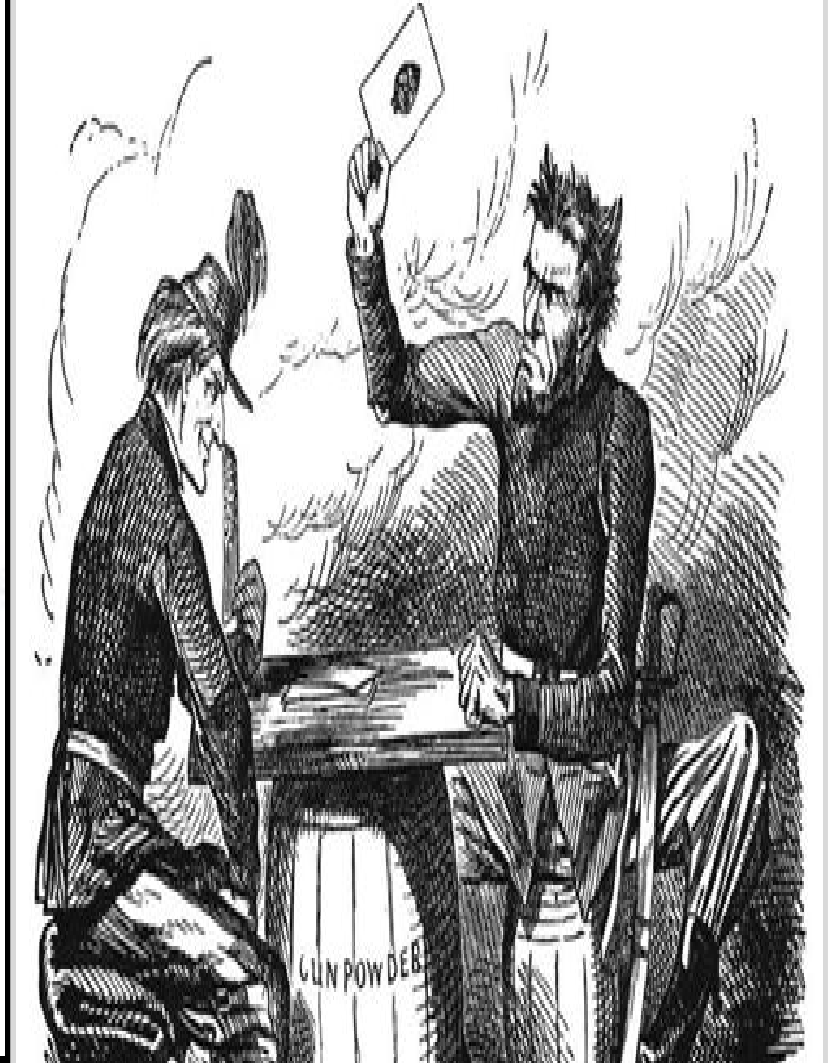
| | His Divine Holiness taught to the world that everything is divine, instead Hindu Militant Extremists used caricatures to portray him as a demon, dehumanized | "Abe Lincoln's Last Card" was a political cartoon by the Englishman John Tenniel, printed in the London Times on Oct. 18, 1862, along with an article that |
him and destroyed his image as a
spiritual leader. He was dehumanized to
the extent of incitement of hatred and
violent among the masses against Him
and make them insensitive to the
brutality with which He was being
persecuted. Readers were fed hatred
through cartoons ridiculing His Divine
Holiness. Every effort was made to
destroy His character across all the
sections of society especially educated
youth. All His humanitarian contribution
were washed away with the acid of
poisonous defamation. He was left to die
as nobody.
Being brutal in modern information age is a failing strategy. In the modern times, if a person is persecuted and killed, he is honored as a martyr, whose sacrifice for humanity is publicly recognized and revered. Killing is thus not enough, rather it causes other repercussions (such as backlash and revolt by the suppressed community) against the inhuman interests of the ones who want to persecute. Therefore, the character of the person has to be murdered first to deprive him from any sympathy or empathy from the masses and to incite extreme hatred and mob anger. After a person's character has been poisonously defamed and completely assassinated - he cannot live what he wants to live, he cannot preach what he wants to preach.
suggested that Lincoln (portrayed as a demon) had played his "last card" in issuing the Emancipation Proclamation which declared "that all persons held as slaves (within the rebellious states) are, and henceforward shall be free." The cartoon was often reprinted by Lincoln's opponents.
In 19th century, newspapers were used to unleash their fury on their opponents. Enemies of American President Abraham Lincoln used to spread wild rumors and fabrications on his character and personal life. His physical appearance became a common theme of poisonous defamation attacks.
Character Assassination makes you feel like “Everybody hates Chris”
The purpose of Character Assassination is to make the person feel as if the whole world hates him and he is unworthy of survival. In this age killing identity and character assassination makes the person like the television character ‘Chris’ from “Everybody hates Chris.” The persecutors create so much of hatred and mob anger which lives on forever.
Everybody Hates Chris
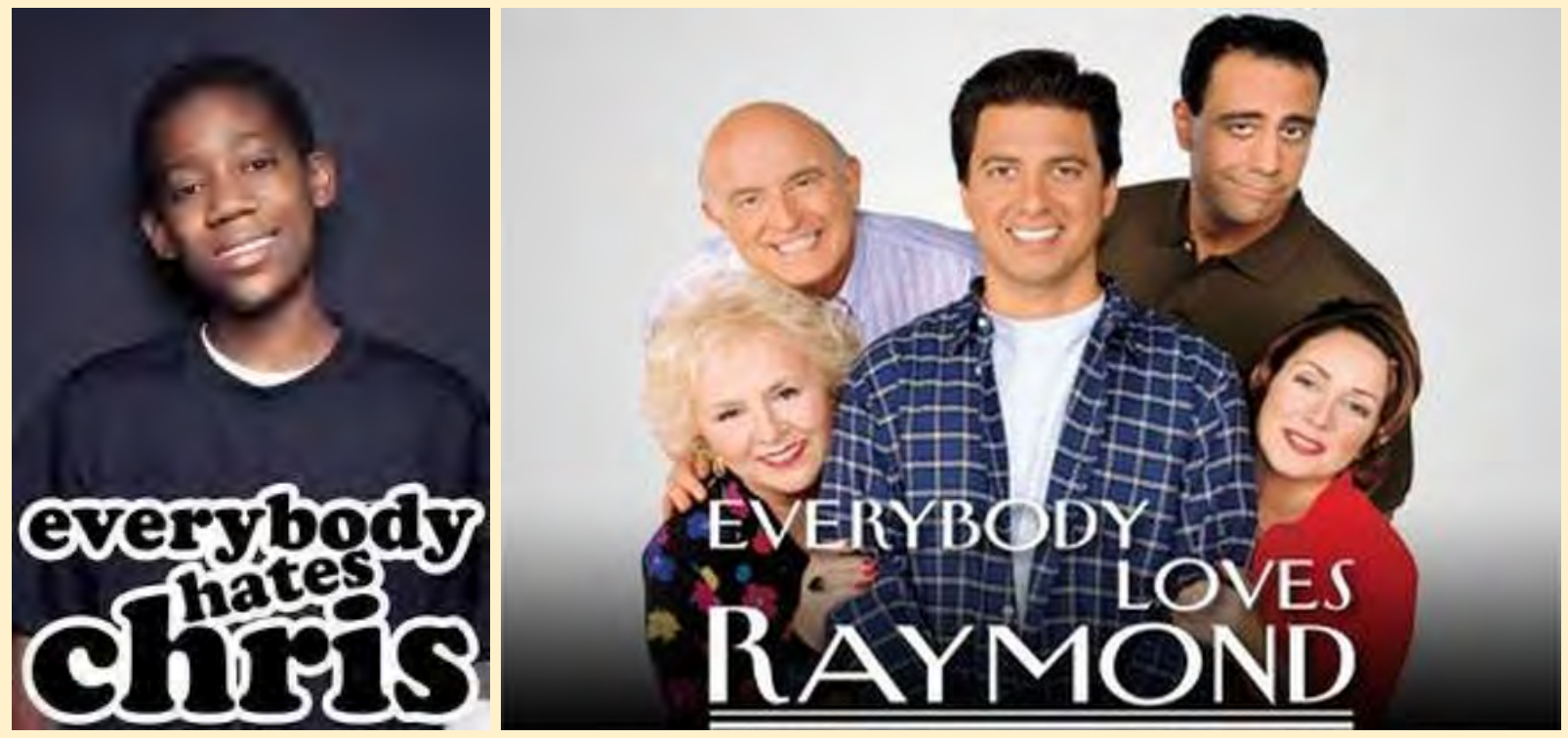
(Left) : Promotional poster of the parody television show - “Everybody hates chris” (Right) : Promotional poster of the comedy television show - “Everybody loves Raymond”
Everybody Hates Chris is an American period sitcom (television show) that is based on the troubled teenage experiences of comedian Chris Rock during the 1980s. The show's title parodies the hit CBS sitcom Everybody Loves Raymond.
Everybody Hates Chris received critical acclaim. The American Film Institute selected Everybody Hates Chris as one of the best 10 television series, stating that the show "provides a very real look at growing up in America – a challenge that demands a discussion of race and class often absent from television today." Everybody Hates Chris took an extremely serious issue of race abuse and approached it in a humorous yet thought-provoking way. It was innovative, funny, and stereotype-defying – enjoyed by teens and their parents.
The show was one of the defining narratives of evolution of the American society as a open society, accepting all races of human society without discrimination.