Bhagavad Gita Decoded
This text was machine-transcribed from the printed book and may contain errors. Select the words and choose “Report a mistake”.
A
Abhaya: complete protection
Ābharaṇa: adornment
Abhin: an opium variant
Abhiṣeka: water rituals involving pouring of water on the deity
Abhaya hasta: the hand of the deity showing protection and grace
Abhyāsa yoga: practise of yoga of holding the mind in a state of union with divinity
Āditya: the Sun
Advaita: non-duality; the space of experiencing oneness, infinity with Cosmos where each one is infinitely powerful and infinitely intelligent. Advaita truth integrates the Self and Creator into one non-dual entity, where everything is 'you' and 'you' are everything.
Advaita anubhava: Non-duality experience where you experience everything animate and inanimate as 'you.'
Añjana: collyrium, black pigment used to paint the eye lashes
Aśraya doṣa: defect related to reality
Āśirvāda: blessing
Aṣṭāṅga Yoga: eight fold path to enlightenment prescribed by Patañjali, the founding father of yoga, in his Yoga Sūtra
Āgāmya karma: karma we accumulate in the present birth
Agarbathis: incense Sticks
Agni: fire, also ‘god of fire’
Ahaṁ: me
Ahaṁkāra: the Outer image—the identity or image or ego you project to others and the world
Āhāra: food
Āhāra śuddhi: purity of food
Ahiṁsā: non-violence
Ahirbudhnya: one of the Rudras or the celestial beings
Airāvata: the elephant of Indra, king of celestial beings
Aja: one of the Rudras or the celestial beings
Ājñā cakra: the sixth energy center located between the eyebrows. Means ‘command’ or ‘will’ in Saṁskṛit. This cakra is blocked by one’s own ego.
Ākāśa: space, sky; subtlest form of energy of universe
Akṣaram: imperishable
Ālvārs: Tamil poet saints of south India who lived between the sixth and ninth centuries and espoused emotional devotion or bhakti to Viṣṇu-Kṛṣṇa in their songs of longing, ecstasy and service.
Amānitvam: humility
Ambā: the eldest daughter of King of Kāśi
Amṛta dhāra: flow of nectar
Amṛta: divine nectar whose consumption leads to immortality
Amṛtatva: immortality
Anāhata cakra: subtle energy center in the heart region related to love.
Ānanda Gandha: literally means ‘the fragrance of bliss.’ Ānanda Gandha is a nāḍi, a subtle cosmic energy center just below the heart center (anahata cakra) and above the stomach center (maṇipura-ka cakra), which is rarely awakened only by the initiation of an Incarnation. Paramahamsa Nithyananda initiates participants of the Inner Awakening program into the sacred Ānanda Gandha, by which they become the channels of pure cosmic energy as Nithya Spiritual Healers, transmitting healing energy to the world
Ānanda sabha: meditation hall at Nithyananda Ashram, Bidadi
Ānanda spuraṇa: fountain of bliss
Ānandamaya kośa: the fifth and final energy layer in the five layers known as kośas. A meditative journey through the five kośas.
Anantavijaya: Yudhiṣṭhira’s conch
Anasūyanto: without enemy
Anitya: transient
Annadāna: donation of food
Annapūrna Devi: Cosmic Mother, Devi who is ‘giver of food and nourishment.’ She is embodiment of completion with food and supreme welfare. Avatar (incarnation) of Devi Pārvati, Cosmic Mother, divine consort of Lord Śiva. She is the presiding Goddess of the city of Kāshi (Varanasi).
Annāmalai Swamigal: enlightened disciple and personal assistant of enlightened Master Bhagavān Ramaṇa Maharṣi
Annamaya kośa: food or Physical sheath, the first of the five kośas or energy sheaths.
Antarikṣa: space
Anubhūti: inner experience
Anyakāra: the Others’ image—the image or expectation that others carry about you
Āpas: water
Apyāyanam: tattva (principle) of enriching that awakens the power of living
Apāna: part of prāṇa that works downwards and is responsible for the excretory and reproductory organs
Aparājita: form of rudra; also means ‘invincible’ or ‘unconquered’
Aparigraha: concept of non-possessiveness
Arāga: detachment
Āraṇyaka: part of the vedic literature which describes the significance of rituals. Since they are voluminous they are referred as āraṇyakas which means forest.
Ārati: a Hindu ritual, in which light from wicks soaked in ghee (purified butter) or camphor is offered to one or more deities.
Arcāvatara: descent of the divine into the deity for purpose of worship
Ardha Kumbhamela: spiritual gathering which happens once in three years in India at one of the four places of Prayāg, Haridwar, Ujjain and Nāsik on the banks of sacred rivers.
Ardhanārīśvara: a form of Lord Śiva that is half-man and half-woman
Artha: a person who is in distress and suffering
Aruṇācala hill: a holy hill in the city of Tiruvannamalai, Tamil Nadu, South India; direct embodiment of Lord Śiva
Aruṇācala akṣaramanamalai: the soul stirring hymn to Aruṇācala Śiva, composed by the enlightened master Bhagavān Śrī Ramaṇa Maharṣi
Aruṇagirināthar: a Tamil poet who lived in the 15th century in Tamil Nadu, India. Authored Tirupugazh, a book of hymns in praise of Lord Muruga, a Hindu god
Aryamā: one of the adityās
Āsana: physical posture
Ashramites: residents of the ashram
Astra: a thought or word that is given an enormous power to destroy by its creator
Āsurī sampat: demonic nature
Aśvatta: banyan tree
Aśtamahāsiddhis: the eight extraordinary mystical powers
Aśvinī: it is the very first of the 27th constellation of stars in Hindu astronomy
Aśvinī kumāras: divine twin horsemen who were also the physicians of the Devas
Atharva veda: the last of the vedas, which are ancient Hindu texts
Atithi devo bhava : ‘consider the guest as God Himself.’ In Bhārat (India), serving the unexpected guest is considered a great enriching act of ‘dāna’ The mantra appears in Taittreya Upaniṣad
Ātma Bhūti: state of Divine
Ātma sādhana: self effort
Ātma vicāraṇa: self enquiry
Ātma vidya: knowledge of the self
Ātma jñāna: Self realization
Ātma śakti: (or ātma siddhi) the power of living; ability to live and radiate the powers of thoughts, words and feeling to create the real-ity for others and for yourself. Awakened by the tattva of enriching (āpayāyanam)
Avyakta: unseen or unmanifest
Avatār: Incarnation, the Supreme Divine; formless energy, the Super-conscious energy that manifests in human or living form for a specific Cosmic mission to bless, protect and grace humani-ty; Avatār literally means ‘the happening or the appearance or the descend’ as they appear in human plane with complete conscious-ness. Avātars are partial (anṣa avatār) or complete Incarnations (Purṇāvatār like Kṛṣṇa and Mīnākṣi) depending on their divine mission. Kṛṣṇa promises in Bhagavad Gītā that incarnations or enlightened beings eternally happen again and again to protect their devotees (Sādhu), to destroy the adhārmic (wicked) forces and to re-establish dharma, the Yoga, sacred science of Enlightenment
Āzhwars: devotional saints of Tamil Nadu, India
B
Bālājī: one of the names of the presiding deity of Tirumala Tirupati
Bali: a king of the demon race
Beedi: local Indian cigarette
Bīja: seed; bīja-mantra refers to the single syllable mantras used to invoke certain deities
Bhaga: a form of Śiva; a form of the sun
Bhagavān: literally god who possesses fortune, divinity; the blessed one; often used for an incarnation, the Supreme God or embodi-ment of Absolute Truth
Bhāgavatam: also called ‘Śrīmad Bhāgavataṁ Mahā Purāṇa’. Literally means ‘Divine eternal happenings of Supreme God’; the richest philosophy of God narrating the divine plays of all incarnations of Viṣṇu especially Lord Kṛṣṇa, celebrating the true Divine love of God as path and goal of life and Existence. It explains the scientific history of Brahmāṇḍa (Existence) and its creation; ultimate compilation by Śrī Veda Vyāsa. Considered the very essence of all Vedānta literatures and the purest, greatest of all Purāṇas; the text incarnation of Lord Kṛṣṇa, as Supreme God
Bhāvanā: visualization
Bhakti: devotion
Bhakta: a devotee
Bhagīratha: ruler of Kośala, a kingdom in ancient India. He performed intense tapas to bring river Ganges to the Earth from the Heavens
Bhaja govindam: collection of 32 (sometimes 34) devotional verses composed by the great enlightened master and incarnation Ādi Śaṅkarācarya. This is considered to be the essence of Vedānta and Advaita philosophy
Bharaṇi: a form of poetry in the Tamil Sangam literature
Bharata: brother of lord Rāma in Rāmāyaṇa
Bhāva roga: emotional diseases
Bhāvana: visualization
Bhū garbha: womb of the mother
Bhūta śarīra vāsa: life in the earlier body or the previous birth
Big Bang: one of the cosmological models of the Universe; proposed by Georges Lemaitre, a Roman Catholic priest
Bodhi Dharma: Bodhi Dharma was a Buddhist monk from southern India who lived during the early 5th century and is tradi-tionally credited as the transmitter of Zen to China.
Brahma: the Lord of Creation; one of the sacred trinity—Brahma, Viṣṇu, Śiva
Brahmavidyā: the science of the spiritual knowledge of the Absolute Universal reality. Considered the highest ideal of knowledge to be known in Sanatana dharma. Another name to define Bhagavad Gītā
Brahmakapāla: begging bowl made of Lord Brahma's skull that is insatiable (refers to wordly pursuits that are unending)
Brahmān: refers to the Supreme Self
Brāhmaṇa: individuals engaged in attaining the highest spir-itual knowledge; the class of the society involved in learning and spreading knowledge
Brahmanyam bahuputratām: the state of being the favorite inheritor of the cosmos
Brahma Jñāna: Self Realization; knowledge of the Self or Brahman
Brahma sūtra: ancient spiritual treatise authored by Veda Vyāsa or Badrāyaṇa
Brahmaloka: the highest of the celestial worlds
Brahmāṇḍa: cosmos, macrocosm (also see Piṇḍāṇḍa)
Brahmāstra: divine nuclear weapon in Vedic history of Bhārat by great accomplished warriors and sages; invoked by the power of mantras, sound vibration frequency. Used in Mahābharat world war
Brahmacarya: the state of living without fantacies or living like God; the person who walks the path of Brahma (Divine)
Brahmins: priestly / scholarly class of Hindus responsible for pre-serving and propagating the scriptures
Bṛhadāraṇyaka Upaniṣad: one of the primary (mukhya) Upaniṣads contained within the Śatapatha Brahmana, a portion of the Brah- mana text branch, associated with the Śukla Yajurveda ascribed to Yajñavalkya. Its name implies, ‘the great forest of Absolute Knowl-edge.’; asserting the Truth of Advaita (non-duality) and contains the Mahāvākya of ‘Ahaṁ Brahmāsi—I am Brahman’ ‘Puṛnama- da puṛnamidam...’ and mantra of ‘Oṁ asato ma satgamaya..’ and commented on by Ādī Śaṅkarācārya
Bhū Bhāra: the weight (bhāra) on Mother earth (Bhū)—implies the weight on unconsciousness or collective negativity on earth) Bhṛgu: great sage of the Vedic tradition
Bṛihat sāma: a part of the Chāndogya Upaniṣad
Brindāvan: or Vṛndāvan, sacred place where Kṛṣṇa grew up near present day Mathurā, U.P
C
Caitanya Mahāprabhu: a 15th century Enlightened Master from Bengal, India steeped in devotion to Lord Kṛṣṇa; An Incarnation of Kṛṣṇa Himself who appeared to teach the science of pure devotion (prema bhakti) to Kṛṣṇa in Mahā-bhāva. His followers are known as Gauḍīya Vaiṣṇavas; essence of His teachings is encapsulated in Śikṣāṣtakam (8 verses)
Cakra: energy centers in the body. Literally means 'wheel' based on the experience of mystics who perceived these energy centers as whirlpools of energy. There are seven major chakras along the spine: Mūlādhāra, Svādhiṣṭhāna, Maṇipūraka, Anahata, Viśuddhi, Ājñā and Sahasrāra.
Catur veda: the four Vedas, namely—Ṛg Veda, Yajur Veda, Sāma Veda and Atharva Veda; the large body of spiritual texts of Truth organized around four canonical collections; directly revealed to the enlightened sages, as Śrutis (‘what is heard’); Originally in 100,000 verses in total, now 20,379 verses in total are available. The latest reproduction of Vedas is by Bhagavān Veda Vyāsa, about 5000 years ago
Catur tattvas: the four sacred life principles namely—integrity, authenticity, responsibility, enriching as revealed by Paramahamsa Nithyananda. Each tattva represents the essence of all each of the Catur Vedas
Cakṣu: energy behind the power of sight.
Candāla: low caste person
Cār dhām: four sacred pilgrim centres in the Himalayas, namely— Haridwar, Rishikesh, Kedarnath and Badrinath
Candramā: moon
Charles Townes: an American Nobel Prize-winning physicist and educator; well-known for his work in Maser and Quantum electronics
Cidākāśa : the space in the surrounding( e.g. as in a room). The other two being ghaṭākāśa and mahākāśa. Mahākāśa is the third in-finite space of Consciousness.
Citragupta: a Hindu god assigned with the task of keeping complete records of actions of human beings on the earth, and upon their death, deciding as regards sending them to the heaven or the hell,
Citraratha: a gandharva, a celestial being
Cidākāśa: the inner space; literally means 'the sky of inner space.'
D
Dadhīci: a great sage
Daityas: race of beings that fought against demi gods
Daivī saṃpat: divine nature
Dakṣiṇāmūrti swamigal: great south indian saint
Dakṣiṇāyanam: the six months in the year when the sun moves to the southern hemisphere
Dakṣiṇeśvar: a small town in West Bengal, famous for its Kālī tem-ple where Rāmakṛṣṇa Paramahamsa lived
Dāna: sharing or imparting. Considered a sacred sacrifice to enrich others.
Dānava: a race of the asuras or deamons
Darśan: vision; usually referred to seeing divinity
Dāsa bhāva: feeling that you are a servant of the Master
Dasa graha: ten major heavenly bodies
Devaki: Lord Kṛṣṇa’s birth mother
Devatas: demigods
Devī: supreme goddess in Hinduism, Cosmic Mother; Ādi Śakti, the primordial energy of Existence
Devī Gāyatrī: goddess of knowledge
Deśa: country or a region
Dharma: righteousness, the eternal path of living in righteousness or Truth
Dharmakṣetra: holy land of dharma
Dhanañjaya: the name of a vital air nourishing the body; the win-ner or conqueror of wealth—a name of Arjuna called by Kṛṣṇa in Mahābhārat
Dhāraṇa: collection or concentration of the mind (joined with the retention of breath)
Dharmo rakṣati rakṣitaḥ: dharma protects the one who protects it
Dhī: intellect
Dhīraḥ: courageous person. Term used by Svami Vivekānanda in exhorting his followers
Dhyāna: meditation
Dhyāna yoga: path of meditation techniques
Dīkṣa: grace bestowed by the Master (Guru) and the energy trans-ferred by the Master to the disciple as an initiation or any other time, through a mantra, a touch, a glance or even a thought.
Divya cakṣu: divine eye. Also called divya netra
Doṣa: defect
Dṛṣṭi: sight, seeing with mental eye
Dṛṣṭi Sṛṣṭi: [lit: sight (dṛṣṭi), world or creation (sṛṣṭi)] seeing the world as we wish to see it
Drupada: king of Pāñcāla, a great warrior, father of Draupadī
Duḥkha: pain
Dvaita: school of thought that says the individual self is separate from existence
Dveśa: aversion
Dvija: twice born. Refers to the state of awakening of individual Consciousness.
Durga: meaning 'the inaccessible or the invincible', Durga is a pop-ular fierce form of the Hindu Goddess or Devi.
Dussanga: company or association of the wicked
E
Ekapāda: form of rudra
Ekādaśi: eleventh day of every lunar month in the Hindu calendar. Normally people fast on this day for spiritual benefits
Energy darśan: the blessing or transmission of energy given by en-lightened Master or an Incarnation imparting the cosmic energy to the recipient.
Engram: the embedded smell of a past action leading one to commit the same act
G
Gadā: weapon similar to a mace; also gadhāyudaḥ
Gandharvas: celestial beings with superb musical skills; act as messen-gers between God and man
Gaṅgā: the most celebrated river in India, considered holy by all Hindus.
Gaṅgotri: a famous pilgrim town where the river Gaṅgā originates.
Garuḍa: eagle; Lord Viṣṇu's vehicle
Garbha mandir: sanctum sanctorum of a temple
Ghaṭākāśa: the space enclosed by our physical body
Ghee: clarified butter
Giriśa: a form of Rudra, Lord Śiva
Girivala: circumambulating Aruṇācala, the holy hill of Tiruvan-namalai for spiritual benefits
Gomukh: holy place in Himālayas. River Gaṅgā originates from the snout of Gomukh glacier
Gongura chutney: spicy south indian side dish
Gopikas: cow herdess who were Kṛṣṇa's playmates
Gopura, gopuram: temple tower
Govinda: another name for Lord Kṛṣṇa
Govindapāda: the guru of enlightened Master Ādi Śaṅkara
Gṛhasta: a householder, a married person; coming from the word gṛha, meaning house
Guṇa: the three human behavioural characteristics or predisposi-tions; satva, rajas and tamas.
Guru: Master; literally one who leads from gu (darkness) to ru (light)
Gurukul, Gurukulam: literally 'tradition of guru', refers to the an-cient education system in which children were handed over to a Guru at a very young age by parents for upbringing and education
Guḍākeśā: one who has transcended sleep by conquering his in-completions; refers to name of Arjuna
Gurudakṣiṇā: offering to the Guru
Guruji: Master
Guru Pūjā: ritual sacred worship of the Master. Tradition started by Devi in gratitude to Ādi Guru, Śiva
Guru Parampara: lineage of gurus
Guru Swami: a person who leads a holy trip to Śabrimala
H
Hanumān: the monkey god from the epic Rāmāyaṇa; energy of Lord Śiva; endowed with 8 mystic powers, Aṣṭamahāsiddhis and exemplifies pure devotion in dāsa bhāva—serving Lord Rāma
Hara: a form of Rudra, Lord Śiva
Hare Kṛṣṇa: a holy chant on Lord Kṛṣṇa
Haridwār: or Hardvār; temple town in North India; one of the holi-est places for Hindus on the banks of sacred river Gaṅgā.
Hariścāndra: a famous king of the Solar dynasty renowned for his piety and justice. He sacrificed his wife and child to keep his word
Hastināpura: a town in the state of Uttar Pradesh. It was the capital of the kingdom of the Kauravas
Hṛd garbha: womb of the heart
Hiraṇyagarbha: literally means ‘the golden womb’ where gold means the space of completion and joy of creation. Upaniṣads calls it the source of creation of the Universe or the manifested cosmos. It finds its mention in a hymn in the Ṛg Veda named ‘Hiraṇyagarbha Sūkta,’ suggesting a single creator deity; Paramahamsa Nithyanan-da defines Hiraṇyagarbha as our powerful inner space—the space where planets and worlds get created and destroyed
Hiraṇyakaśipu: a demonic king who wanted to rule the worlds as god; father of the great child devotee of Lord Nārāyaṇa, Prahlād; he got annihiliated by Nārāyaṇa in the incarnartion of Lord Nṛsimbha, half-man and half-lion avatār
Holi: Indian festival celebrated with colors
Homa: ritual to Agni, the god of fire; metaphorically represents the transfer of energy from the energy of Ākāśa (space), through Vāyu (Air), Agni (Fire), Āpas (Water), and Pṛthvī (Earth) to humans. Also yāga, yajña
Homa kuṇḍa: sacrificial fire pit
Homa: a fire ritual
Hṛṣīkeśa: controller of the senses and superconscious, refers to Lord Kṛṣṇa
Halāhala: (or Kālakootam); the most deadliest and venemous poison that emerged from the churning of the milky ocean, Samudra Manthan by Devas and Asuras (God and demons)—as narrated in Bhagavad Purāṇa, Mahābhārat. Signfies the collective negativity of Cosmos. Lord Śiva as Nīlakaṇṭha, drank this poison to save the mankind and Cosmos from the negativity and held it in His throat.
I
Icchā śakti: energy of desire. The other two are kriya śakti, energy of action and jñāna śakti, energy of knowledge.
Icchā: desire
Iḍā: along with piṅgala and suṣumṇa, the virtual energy pathway through which pranic energy flows awakening the Kuṇḍalini en-ergy
Ikṣvāku: was the first king of the Ikṣvāku dynasty and founder of the Solar Dynasty of kṣatriyas in vedic civilization in ancient India.
Indra: god of all divine beings
Indra loka: the abode of Indra, heaven (or swarga)
Indraprastha: (lit: the city of Indra) 'the land of creation.' The capital kindgom of Pāṇḍavas in Mahābhārat. Was a barron un-inhabited land known as Khāndavaprasta. which the Pāṇḍavas turned into a prosperous city by the grace of Lord Indra and Kṛṣṇa; built by the divine architect, Viśvakarma.
Itihāsa: (lit: history); epic, historical happenings; also purāṇa; the Rāmāyaṇa and Mahābhārat are the 2 main Itihās in Vedic history; (common misnomer: mythology)
Iṣṭadevatā: favourite deity
Iśvara: Lord of the Universe
Iśvaratva: the space of leadership consciousness awakened by the tattva of responsibility; the dimension of being the Lord where one takes ownership and responsibility for the whole Universe
Iśa Vāsya Upaniṣad or Īṣopaniṣad: (lit: enveloped by Energy or Īśa, Lord) The first and one of the shortest Upaniṣads of the Hindu scriptures; appears in the Śukla Yajur Veda in a poetic form describing the nature of the Supreme Being. Starts with 'Iśa vāsya idaṃ sarvam—out of energy arises all matter'
Intranalyze: (intra-analyze) analyzing for the sake of inter-nalizing the Truth, and not for rejecting it. Saṃskṛit term from Vedānta is 'Manana'. The term coined and gifted by Paramahamsa Nithyananda.
J
Jagat: Universe
Jagat guru: Master of the whole Universe
Jahnu: a sage
Janaka: a noble and benevolent king who ruled Mithila; father of princess Sītā in the epic Rāmāyaṇa.
Janārdana: another name for Lord Kṛṣṇa
Janmas: births
Japa: repetition of mantras either silently or loudly
Jāṭarāgni: digestive fire inside our body
Jayanti: the Saṃskṛit word for birth anniversary
Jiḍḍu Kṛṣṇamurti: renowned Indian philosopher
Jāgrata: wakefulness
Jāti: birth
Jāti-doṣa: defect related to birth
Jīva samādhi: burial place and energy field of an enlightened Master or an Incarnation, where he decides to rest His mortal form and continues to radiate His living presence and super conscious energy.
Jīvātman: the ordinary soul
Jīvan mukta: a person who is liberated from the bondage even while living with a body
Jīvanmukta sambhāvana: the inner recognition of the state of en-lightenment
Jīvan Mukti: the science of living enlightenment, living a liberated life while in the body
Jñāna: knowledge
Jñāna garbha: womb of the knowledge
Jñāna Yagña: the enriching sacrifice of knowledge; enriching oneself by offering the mind onto the highest knowledge
Jñānendriya: organs of knowledge
Jyotiṣa: Astrology; jyotiṣi is an astrologer
Jyoti stambha: infinite shaft of light; In Arunachala, Lord Śiva appeared as an infinite column of light to grace Lord Viṣṇu and Lord Brahma; unmanifest beginning of Cosmos, the Big Bang, from where the manifest Universe appears.
K
Kailāśa: A part of Himalayas in Tibet; the abode of Lord Śiva and His family and disciples; a place of eternal bliss
Kaivalya: liberation; same as mokṣa, nirvāṇa
Kāla: time
Kālī: (or Durga) a Hindu goddess, Mother of cosmic energy as Time; the powerful feminine aspects of goddess Pārvati, associated with power and courage
Kālabhairava or Mahā Kālabhairava: Supreme Lord of Time and Space, and beyond; independent energy of Lord Śiva who destroys the past to create the future. He destroys the ego of Brahma and holds his skull ‘Kapāla’ in His hand; the presiding guarding God of Kāśi Kṣetra or Varanasi; embodiment of power, joy and compas-sion. 52 forms of Kālabhairava protect each of the 52 Śakti Pīṭhas, the sacred temples of Devi Ādi Śakti.
Kapila Muni: the founder of Sāṅkhya philosophy in Sanatana dhar-ma; the founding father of Mahānirvaṇi Pīṭha; Bhagavān Kapila is the celebrated incarnation as of Viṣṇu and Śiva in Śrimad Bhāgav-atam; the first thinking being on earth who experienced completion
Kalpa: According to Vedic cosmology, one cycle of 4 Yugas is 4.32 million years. Brahma’s 1 day is equal to 1,000 cycles of 4 yugas, called 1 Kalpa. (Yugas follow a timeline ratio of 4:3:2:1)
Kalpataru, kalpavṛkśa: a wish-fulfilling divine tree; sacred banyan tree embodying cosmic energy; associated with spiritual awakening
Kalpana: imagination
Kāma: sensory pleasures, also means lust
Kāmadhenu: sacred cow
Kāminī: women
Kāñcana: gold
Kanyādāna: giving away a bride
Kāraṇa śarīra: causal body
Karma: spiritual law of cause and effect, driven by vāsana and samskāra
Karma kāndis: seekers who follow the path to achieve the ultimate through action
Karmaphala : literally action (karma), fruit (phala). The outcome or fruit of action
Karmendriya: organs of action
Karmī: one driven by desire
Karṇa: son of Kuntī, also is a step brother to the Pāṇḍavas; renowned for his generosity
Kārthigai Deepam: Festival of lights celebrated on full moon day in month of November/December in South India
Karuṇāmūrti: god of mercy
Kāśī: holy place on the banks of river Ganges; the city of Lord Śiva; also called Ānanda Van
Kaśyapa: an ancient sage believed to be the father of devas (celestial beings), asuras (demons) and the humans
Kathāmṛtam: words of immortality (amṛta) describing the divine happenings (kathā) your life
Kaṭhopaniṣad: one of the principal Upaniṣads, gives the science of Death and liberation; chronicles the journey of a courageous boy named Naciketa who faces death and experiences liberation through Yama (MahāKāla)
Kavacham: shield
Kaurava: one of the two principal clans in the epic, Mahābhārat
Kāvi vastra: saffron cloth usually worn by mendicants
Keśava: another name for Lord Kṛṣṇa
Keśī: a demon, was slain by Lord Kṛṣṇa
Khadga : sword
Kīrtans: devotional songs
Koan: Zen parables, an anecdote or riddle without any solution to show the inadequacy of logical reasoning
Kośa: energy layer surrounding body; there are 5 such layers. These are: annamaya or body, prāṇamaya or breath, manomaya or thoughts, vijñānamaya or sleep and ānandamaya or bliss kośas
Kriya śakti: energy of action. Other two energies are energy of desire and energy of knowledge.
Krodha: anger
Kṛpā: grace
Kṛṣṇārjuna Saṃvād: the discussion or talk between Kṛṣṇa and Arjuna; another name for Bhagavad Gītā
Kṛpācārya: a great general who fought in the battle of Kurukṣetra on the side of the Kauravas
Kriya: technique or practice within a yoga discipline meant to achieve a specific result.
Kṣaṇa: moment in time; refers to time between two thoughts
Kṣatriya: warrior class
Kṣema: protection, protecting what one has
Kṣipram: instant
Kubera: Lord of Wealth
Kumbh Mela: large spiritual gathering on the planet that occurs four times every twelve years, attracting millions of people. The four lo-cations of Kumbh Mela are Prayāg in Allahabad at the confluence of Gaṅgā, Yamuna and the underground Sarasvati river; Haridwar on the banks of Gaṅgā; Ujjain along the Kṣipra river and Nasik along the Godāvarī river.
Kuṇḍalinī: energy that resides at the root chakra ‘mūlādhāra’
Kubera: the lord of wealth
Kuṇḍalini śakti: dormant potential energy at the base of the spine
Kurukṣetra: the sacred and where the great war of Mahābharat was fought between the Pāṇḍavas and the Kauravas in the Haryana state of India
Kuṣa grass: sacred grass used in the Vedic tradition for various reli-gious ceremonies. The seat made of Kuṣa grass and covered with a skin and a cloth is considered ideal for meditation.
L
Lakṣmī: goddess of wealth and fortune; divine consort of Śrī Viṣṇu
Lakṣmī Yantra: the divine mystical drawing that bestows wealth
Lakṣman: younger brother of Lord Rāma in Rāmāyaṇa epic, who is devoted in unswerving loyalty, love and surrender to Rāma and Sītā; avatār (incarnation) of Ādi Śeśa, the original serpent
Līlā: divine play; acts of the Divine
Lobha: greed
M
Mādhava: another name for Lord Kṛṣṇa; means ‘husband of the Goddess of fortune’; Arjuna calls Kṛṣṇa as Mādhava in Bhagavad Gītā (1.36)
Madhura bhāva: the relationship of beloved between Master and disciple
Madhusūdana: another name for Kṛṣṇa, slayer of the demon madhu
Mahā Samādhi: Attaining Enlightenment and leaving the body; the final Liberation
Mahā: great
Maharṣi: great perfected sage
Mahāvatar Bābā: the great avatār living in Himalayas in eternal youth for thousands of years. The Great Master who graced Paramahamsa Nithyananda with spiritual vision, experience during his Parivrājaka, spiritual wanderings at Kedarnath and bestowed the name—Paramahamsa Nithyananda.
Mahābhārat: the Great Hindu epic happening; the Itihās-5th Veda along with Rāmāyaṇa; whose central characters are the five Pāṇḍa-va princes with their wife Draupadī, their hundred Kaurava cous-ins with the complete Incarnation, Bhagavān Śrī Kṛṣṇa ascribed by Bhagavān Veda Vyāsa. Mahābhārat is the personification of Bhagāvad Gītā’s teachings that re-establishes Sanatanā Dharma, the eternal religion of Truth on earth
Mahākaśa: the whole cosmos
Mahāmaṇḍaleśvar: prestigious title given to the holy leader of a very large religious organization or Pīṭha or Akhādā; signifies the highest level of traditional spiritual Hindu guardianship.
Mahānirvaṇi Pīṭha: the most ancient apex official body of Sanatana Dharma (Hinduism). It traces its recorded roots to 8th century A.D revived by Ādi Śaṅkara. Lord Kapila Muni, incarnation of Viṣṇu and Mahādeva, who is glorified in the Śrimad Bhāgavatam, is the spiritual guiding force of this Pīṭha. Paramahamsa Nithyananda is the 1008ᵗʰ Mahāmaṇḍaleśvar of Mahānirvaṇi Pīṭha.
Mahāmeru: a mountain
Mahāparinirvāṇa: day of enlightened souls
Mahāvākya: great sayings from the Upaniṣads. There are four: Aham Brahmāsmi, Tat Tvam Asi, Ayam Ātma Brahma and Prājñā- nam Brahma. All four mean that You are the Divine.
Mahāvīra: Varthamana Mahāvīra was the 24th and last tīrthaṅkara or enlightened one, and established the tenets of the religion of Jainism, founded in India and now practiced by millions worldwide.
Mahā Kālabhairava: see Kālabhairava
Makara: name of a fish
Mālā: a garland, a necklace; rudrākṣamālā is a garland made of the seeds of the rudrākṣa tree
Mama: my own
Mamakāra: inner image you carry about yourself, that constantly says that you are smaller than what you think you are
Mana śarīra: mental layer
Manana: thinking, contemplating or intranalyzing
Manas: mind
Mānava: humans
Mandir: temple
Maṇḍana Miśra: a contemporary of Ādi Śaṅkarā who later became his disciple named Śureśvarācārya.
Maṅgala: auspicious; maṅgala sūtra, literally auspicious thread, the yellow or gold thread or necklace, a married Hindu woman wears
Maṇipūraka cakra: subtle energy center located near the navel re-gion, related to the emotion of worry.
Mānickavāsagar: one of the 63 Nāyanmars, authored Thiruvasag-am, a collection of hymns in praise of Lord Śiva.
Manipuṣpaka: Sahādeva’s conch
Manomaya Kośa: the third mental energy sheath in the five Kośas or energy sheaths
Mano śakti: (or manosiddhi) the power of thinking; ability to fo-cus and align your thoughts with authenticity to make the thoughts happen as reality. Awakened by the tattva of authenticity (śraddha)
Mantra: a sound, a formula; sometimes a word or a set of words, which because of their inherent sounds, have energizing properties. Mantras are used as sacred chants to worship and invoke the Divine
Manu: father of mankind, son of Lord Brahma, the creator.
Manusmṛti: code of conduct written by Manu, the father of mankind for harmonious existence
Marut: storm dieties
Mārgazhi: refers to the month of January in Tamil
Mātṛ bhāva: feeling that the Master is like the mother
Māyā: that which is not reality, but gives the illusion that it is re-al—‘yā mā iti māyā’; all life is māyā according to Advaita
Māyā Śakti: power of illusion; phrase used in Tantra
Meimai: living the truth through your body
Melkote: holy town in Karnataka, India where Śrī Rāmānujacārya, the great saint lived
Menakā: a celestial maiden
Mīnākśi: The Cosmic Mother, Ādi Śakti. She is the complete incar-nation of Devi; consort of Lord Śiva as Śundareśvara; Mīnākśi and Śundareśvara are the presiding deities and living presence at Mad-urai, Tamil Nadu.
Mīmāmsā: a system of ancient Indian philosophy
Mīrā: a great devotee of Lord Kṛṣṇa
Mithya: transient
Mohinī: the only female incarnation of Lord Viṣṇu with the most beautiful, attractive form
Mokṣa: liberation; same as nirvāṇa, samādhi, turīya etc.
Mṛtyuñjaya Homa: fire ritual done to avoid untimely death and im-prove longevity of life.
Muṇḍa : the shaven head
Muni: realized being
Mūdhaḥ: fool
Mūlādhāra cakra: energy center located at the base of the spine
Mula vichāra dhārā: the right Saṃskṛit word for ‘root thought pat-tern’
Mula vāsana: root thought pattern; the behaviorial kārmic imprints that make us react to life and others based on past inadequate cog-nitions
Muṇḍaka Upaniṣad: or Muṇḍakopniṣad is one of the primary or Mukhya Upaniṣads associated with the Atharva Veda; a mantra Upaniṣad—it has the form of a mantra, teaching the knowledge of Brahman; as a dialogue between Ṛṣi Śaunaka and Angiras. The mantra, ‘Satyamaiva Jayate’ (3.1.6) and ‘Brahma Vid Brahmaiva Bhavati’ (3.2.9) appear in this Upaniṣad.
N
Nārī: woman
Nārada: a divine sage and the greatest devotee, bhakta of Lord Viṣṇu always chanting— ‘Nārāyaṇa Nārāyaṇa’; he playfully causes quarrels among Gods; he has no definite place of stay and keeps traveling the Universe
Nāyanmārs: Tamil devotee saints of Lord Śiva, 63 in number, whose life stories are told in the book Peria Puranam
Nīlakaṇṭha: the one with the ‘blue throat,’ refers to Lord Śiva; at-tributed to His divine play of drinking the deadly posion, Hālahā- la which emerged during Samudra Manthan, the churning of the milky ocean by Devas and Asuras (gods and demons).
Na iti: not this
Naciketa: lead character and boy hero in Kaṭhopaniṣad, believed to have learnt the secret of death from Lord Yama (god of death) himself.
Nadi: river
Nāḍī: nerve; also an energy pathway that is not physical
Nāga sādhu: ascetic who does not wear clothes
Nāga: a snake
Nakṣatrāṇi: stars
Namaḥ: I surrender to you
Namaskār: traditional greeting with raised hands, with palms brought together, denoting surrender of the self.
Nānta: without end
Nārāyaṇa: another name for Lord Viṣṇu
Nārāyaṇī Senā: the most powerful divine army of Lord Nārāyaṇa as Śrī Kṛṣna; Kṛṣna gave His army to Duyodhana in the great Mahābhārat war
Nara: man; also depicts the human aspect of lord Viṣṇu; reflection of Nārāyaṇa
Narmadā: a holy river in central India
Naṭarāja: a depiction of Lord Śiva as the cosmic dancer, main deity in the famous temple at Chidambaram
Navagraha: nine major heavenly bodies as defined in Hindu sacred history
Neeru: water in Kannada
Neti neti: this is not
Nididhyāsana: powerfully living and radiating the Truth; expressing in your life. One of the three concepts in Hinduism (Vedānta)— Śravana, Manana, Nididhyāsana.
Nirguṇa: formless
Nirguṇa brahman: consciousness that cannot be limited to a form
Nirmohatvam: non attachment to desires
Nirāhara Saṁyama: the science of living beyond food pat-terns, a breakthrough spiritual process designed and revived by Paramahamsa Nithyananda to live without food radiating peak health and energy, intaking energy directly from prāṇa (air en-ergy) and cosmic source, through the power of initiation by Paramahamsa Nithyananda. (www.bfoodfree.org)
Nirāharī: A person initiated by Paramahamsa Nithyananda into the science of Nirāhāra Saṁyama, who is living beyond food patterns, without the need for food intake
Nirvāṇa : liberation; same as mokṣa, samādhi
Nirvāṇi akhāda: the Saṅgha of Nāga sādhus
Nirvikalpa samādhi: the state of deep meditation wherein one transcends the form of the deity and experiences the pure space of Advaita, infinite oneness with Cosmos and beyond.
Nisargadatta Mahāraj: an enlightened Master who lived in Mumbai. Passed away on 8th September 1981, at the age of 84.
Nissanga: beyond the state of the need of sanga (association)
Nissaṅgatvam: a state of being non-attached
Nityānanda: eternal (nitya) bliss (ānanda); name and state of Para-mahamsa Nithyananda
Nithyānandeshwar: name of Lord Śiva as the main presiding deity at Nithyananda temples
Nithyānando’ham: ‘Nithyananda I am’; means ‘I am Nithya Ānanda. I am eternal bliss.’; the great mantra revealed by Paramaha-msa Nithyananda to experience and live Advaita
Nithya kīrtans: holy hymns and bhajans sung in the Nithyananda Sangha in the space of devotion to Divine
Nithya dhyana yoga: the first level meditation program conducted by Nithyananda Sangha; also called Life Bliss Program (level 1) for intiation into the science of completion with self
Nithya kriya yoga: the second level meditation program conducted by Nithyananda Sangha; also called Life Bliss Program (level 2) for deeper initiation into the science of completion
Nithya yoga: The authentic science and system of Aṣṭāṅga Yoga, with the experiential insight of Patañjali’s vision, revived by Paramahamsa Nithyananda; the path and purpose of Nithya yoga is bliss, where bliss arising out of the uniting of mind, body and spirit is experienced
Nivṛtti: inward looking; 'path of completion leading to more and more completion.'
Niyama: moral discipline, the second of eight paths of Patañjali's Aṣṭāṅga Yoga; refers to a number of day-to-day rules of observance for a spiritual path
Nṛsimha Avatār: incarnation of Lord Viṣṇu in which he is half-lion and half-human
Nyāya Śāstra: scripture of logic called Nyāya Darśan by Sage Gautam that gives the science of logical quest for God, the absolute Divin-ity. It establishes the fact that only Divinity is desirable, knowable, attainable, and not this world through 16 steps of logical discus-sions, 16 Padārtha
Nyāya: logic
O
Oṁ: sacred syllable; the primordial sound
Oṁ Śanti Śanti Śantihi: the peace chants at the end of meditation or prayer or religious activity
Oṁkāreśvar: a Hindu temple, located in Shivapuri island on Nar-mada river; shaped like the sacred symbol 'Oṁ' with presiding deity of Lord Śiva.
P
Pāda: feet, also means quarter of a poem
Pādaseva: service to the feet; usually to that of the Master
Padā: the 'word'
Padārtha: the meaning or figure of the 'word'
Pāduka: sacred sandals
Pāṇḍavas: five brothers in Mahābharata, also sons of Pāṇḍu
Pāñcāla: an ancient region in North India, around the rivers Ganges and Yamuna
Pāñcālī: another name for Draupadī , the wife of the Pāṇḍavas
Pāni: water in hindi language
Paṇḍit: scholar
Pañca bhūta: five elemental energies that sustain us, namely, earth, water, fire, air and ether
Pañca indriya: five senses
Pāñcajanya: Lord Kṛṣṇa's conch
Pāpa: sin
Pārtha: (lit: son of Prithā or Kuntī); name of Arjuna called lovingly by Kṛṣṇa
Parantapa: another name of Arjuna; means the destroyer of enemies
Parabrahma Kṛṣṇa: Kṛṣṇa as the cosmic energy, the Supreme God
Parāśakti: the supreme cosmic energy; Devi Ādi Śakti, the source of existence
Paramahamsa: literally the 'supreme swan'; refers to an Enlightened being; title of honor applied to Hindu spiritual teachers who are re-garded as having attained Enlightenment, the state of non-duality, Advaita; a brahmajñāni
Paramahamsa Upaniṣad: Fourth upaniṣad of Śukla Yajurveda that describes the space, state of an Enlightened Being as Supreme Di-vine Being (Veda Puruṣa), as a discussion between Nārada and Lord Brahma.
Paramahamsa Yogānanda: an enlightened master, advocated prac-tice of Kriya Yoga to attain Self-realization.
Parikrama: the ritual of going around a holy location, such as a hill or water body
Parivrājaka: wandering by an ascetic monk
Patañjali: father and founder of Yoga, famous for his treatise on yoga called Patañjali's Yoga Sūtras
Pauṇḍra: Bhīma's conch
Paśupati: In Śaiva tradition, the pure soul and the soul that reflects on the body is Paśupati. The pure soul is Pati (lord or protector) and the reflection of the soul on the body is Paśu (living entity); Lord Śiva is called Paśupatināth
Pazhani: a famous pilgrim town in south india
Periyapurānam: A Tamil classic by Sekkizhar on the lives of the 63 Nāyanmārs, the devotee saints of Lord Śiva.
Phala: fruit; phalāśruti refers to the assumed benefits of worship
Piṇḍāṇḍa: individual microcosm as against Brahmānda or universe; the space enclosed in the form
Piṅgala: please see iḍā
Prāṇāyāma: lit: 'extension of the life energy force' through the breath modulation and control; the fourth limb of the Āṣṭāṅga Yoga of Patañjali Yoga Sutra.
Prāṇa śakti: bliss energy
Prāṇa Pratiṣṭha: installation of cosmic energy in the main diety
Prāṇa: life energy; also refers to breath; prāṇāyāma is control of breath
Prāṇamaya kośa: The second sheath of energy in the 5 layer kośa system
Prārabdha karma: karmas based on which this life has been as-sumed
Praṇava: mystic symbol ‘Om’
Prahlād: a great devotee of lord Viṣṇu and son of Hiranyakaśīpu, the demon king
Prajāpati: a Hindu diety from whom all beings are believed to orig-inate
Prakṛti: Nature
Prakāśa: illuminated knowledge
Prakaśānanda Sarasvati: a Rasik saint in the tradition of Caitanya Mahāprabhu, his teachings are mainly based on the Bhagavad Gītā.
Pralaya: the great deluge
Prasād: food offered to God and eaten by devotees with his blessings
Pratijānīhi: declare it boldly
Pratyāhāra: fifth limb of Patañjali’s Aṣṭaṇga Yoga referring to turning away from sensory inputs
Pratyāhāra: literally ‘staying away from food’; in this case refers to control of all senses as part of the eight fold Aṣṭaṇga Yoga
Pravṛitti: looking outward (the worldly life), ‘path of incompletion leading to more incompletion.’
Prayāg: city in the North Indian state of Uttar Pradesh, one of four sites of the mass Hindu pilgrimage Kumbh Mela, the others being Haridwar, Ujjain and Nāsik. It is situated at the confluence of the three rivers Ganga, Yamuna and Sarasvati
Prema śakti: (or prema siddhi) the power of feeling; ability to feel and express the power of thoughts and words as reality. Awakened by the tattva of responsibility (upāyanam)
Prithā: another name for Kuntī
Pṛthvī: earth energy
Pūjā: form of ritual worship
Punnāgavarāli: a tune in carnatic music, believed to be a melody that can mesmerize snakes
Puṇya: merit, beneficence
Purāṇa: the great historical happenings and narrations that depict the glory of Divine and Its sacred plays, līlās. (common misno-mer-mythology)
Purohit: priest
Puruṣa: the personification of the Supreme energy
Puruṣottama: means Supreme Being amongst all beings; one of the glorious names of Lord Viṣṇu. Lord Kṛṣṇa speaks a complete chapter (ādhyāya) on Puruṣottama Yoga in Gītā
Puṣpaka vimānam: historical Aircraft that functioned with the power of mantras, the energy of sound vibrations.
Pūrṇāvatār: complete, absolute Incarnation of God who appears in human plane of Existence in Its pure form with His infinite energies and qualities
Pūrṇa: literally ‘complete’; refers in the advaita context to reality
Pūrnatva: the space or state of ‘completion’ that signifies the Truth that from completion (whole) comes the Whole.
Pūrva mīmāmsa: one of the six branches of vedic knowledge that accepts only the karma kāṇḍa as the supreme authority
Putra: son; putrī: daughter
R
Rāga: attachment
Rājarṣi: king who is also a sage
Rājasūya yāga: a great sacrifice performed to celebrate victory of a king who is declared as an emporer over many kingdoms, where a great king's inauguration as Chakravartin Rāja Samrāt is ceremo-nially perfomed. King Yudhiṣṭra performed the Rāhasuya Yāga in Mahābhārata under the blessings of Lord Kṛṣṇa
Rājasannyāsi: king of saints
Rajas, rajasic: the second characteristic of the three human guṇa or behaviour modes, referring to passionate action
Rakta: blood
Rākṣasa: demon
Rāma: the Supreme God, the seventh avatār, Incarnation of Lord Viṣṇu who appeared in the Treta Yuga to re-establish dharma and destroy the demonic king Rāvaṇa for plundering the goodness from earth and its mankind. He is glorified in the Rāmāyaṇa epic and Śrimad Bhāgavataṁ; also called ‘Maryādā Puruṣottama—the most pure, virtuous ideal Supreme Being’; husband of Sītā (Lakṣmī); Lord of Hanumān
Raghupati Yogi: the teacher responsible for preparing Paramaham-sa Nithyananda's body and mind for enlightenment at a very young age through authentic Patañjali's Aṣṭāṅga Yoga; spiritual name Yo-girāj Yogānanda Puri
Ramaṇa Purānam: verses in praise of Ramaṇa Maharṣi, the enlightened Master from Tiruvannamalai
Ramaṇa Maharshi: an enlightened Master and Incarnation from Tiruvannamalai
Rāmānuja: founder of the Viśiṣṭādvaita or qualified non-duality principle. One of the greatest teachers of Hindu philosophy
Rāmāyaṇa: the great Indian epic happening ascribed by Maharṣi Vālmīki as a poetical composition ; considered as Itihās (the great history), it narrates the Divine play of Lord Rāma, Sītā along with His brothers and Hanumān in the Treta Yuga
Rāmakṛṣṇa Paramahamsa: The enlightenend Master and incarna-tion from Dakṣiṇeśvar, West Bengal, India.
Rāsa līlā: divine dance of the gopīs, Kṛṣṇa’s devotees
Rātri: night
Rāvaṇa: mighty emperor of Lanka, the villain in Rāmāyaṇa, who abducted Devi Sītā, consort of Lord Rāma, in the Indian historical epic—Itihās, Rāmāyaṇa.
Responsibilism: term used by Paramahamsa Nithyananda denoting the dharma; the natural law of Existence or Cosmos is responsi-bilism, the leadership consciousness.
Ṛg Veda: (lit: ṛc-praise, veda-knowledge) the foremost of the 4 Ve-das.; the most ancient scriptural texts of Hinduism. Considered the oldest written text on the planet. The sacred vedic hymns from Ṛg Veda are recited in sacrificial rituals; consists of 1017 hymns com-posed in Vedic Saṁskṛit mostly devoted in praise of God and His attributes.
Rotis: flat circular Indian bread made usually from wheat
Ṛṣīkeśa: pilgrimage energy center in Himalayas
Ṛṣi: a sage who are seers of Truth
Rudrākṣa: beads of the Rudrākṣa tree, literally means ‘Śiva’s tears’
Rudrākṣamāla: necklace of holy rudrākṣa seeds
Rudra: another name for Lord Śiva
Rudras: elemental powers
S
Śabarimala: a famous pilgrim centre in Kerala, India
Śabda tattva: principle of sound
Sadāśiva Brahmendra: 18th century Tamil saint and music composer
Śadhana Sadan: Śankar Mahāraj’s ashram at Hardwar, North India
Sādhu: literally a ‘good person’; refers to an ascetic; same as sannyāsī
Saguṇa: with form
Saguṇa brahman: the formless in form
Sahasranāma: 1000 names invoking a particular deity which devo-tees recite
Sahasrāra: lotus with thousand petals; the crown energy centre
Saivism: a sect that reveres Lord Śiva as the Supreme Being
Sakha bhāva: the relationship of friendship between the Master and the disciple
Śakti: energy; intelligent energy; Parāśakti refers to universal ener-gy, divinity; considered feminine; masculine aspect of Śakti is Śiva
Sākyanāyanār: originally a Buddhist monk who became an ardent devotee of Śiva in the later part of his life
Sālokya mukti: residence in the same abode of the Lord
Sāma veda: one of the Vedas, the ancient core Hindu scriptures
Samādhi: state of no-mind, no-thoughts; literally, becoming one’s original state; liberated, enlightened state.
Śambāla: place where one is in peace and security; space of ultimate freedom
Śambhu: form of rudra, Lord Śiva
Saṁśaya: doubt
Saṁskāra: Root thought patterns; the embedded past memories of unfulfilled desires stored in unconsious space that drive one into powerlessnessa and incomplete decisions, adding to kārmic action
Saṁyama: complete concentration
Samāna: part of prāṇa responsible for digestion and assimilation of food
Sāmīpya mukti: enlightenment whereby one is very near to the Lord
Saṁsāra Sāgara: ocean of wordly life, which can be crosses by the grace of the Guru
Saṁsāra māya: illusion of life
Sāmudrika lakṣana Śāstra: technique of studying body features
Sanātana dharma: eternal path of righteous living (later called Hinduism). The most powerful, most sophisticated, intelligent presentation of the Ultimate Truth with the possibility to evolve by enlightened Masters. It is not a religion but the complete science of living, leaving and beyond
Sañcita karma: our complete bank of unfulfilled karmas
Sandhyā: twilight; sandhyā kāl refers to evening
Sañjaya: the narrator who tells blind Dhṛtarāṣṭra the progress of the war from day to day.
Saṅkalpa: vow or promise; also means conscious decision
Śakti: energy; also name of Devi as primal energy of Cosmos
Śankar Mahārāj: Lord Śiva as a young sannyāsi who graced Paramahamsa Nithyananda during His spiritual wanderings as Parivrājika
Śaṅkha: conch
Śānti: peace
Śaṅkarā: an enlightened Master and Incarnation of Lord Śiva from Kālady, Kerala. Exponent of Advaita Vedānta, celebrated as the great revivor of Sanatana Dharma who lived just 32 years in form
Sāṅkhya philosophy: one of the six schools of classical system of Indian philosophy expounded by Kapila Muni. Sāṅkhya philosophy regards the Universe as consisting of two realities: puruṣa (self) and prakṛti (matter).
Sannyāsa: completing with worldly lif; living for enriching others; sannyāsi or sannyāsin, a monk, an ascetic initiated into the path of Sannyāsa.
Saptapadi: the seven steps taken by the couple after tying the wedding knot in Hindu marriages
Saptaṛṣīs: the 7 sages who control the world
Śāradā Devī: wife of Śrī Rāmakṛṣṇa
Sārasvatya: explain a difficult idea very simply
Sari: traditional attire of Indian women
Śarīra: body
Śāstra: sacred texts
Sāṣṭāṅga namskāra: full prostration salutation
Saraswatī: Goddess of wisdom
Sarvajña: the Knower of all
Sat-cit-ānanda: existence, knowledge, bliss
Satori: high state of consciousness
Śatrughna: brother of lord Rāma in the Hindu epic, Rāmāyaṇa
Satsang: spiritual gatherings; literally ‘association (sanga) of the Truth (sat)’
Sātyaki: name of a great warrior
Satyavatī: Arjuna’s great grandmother
Savikalpa samādhi: is one of the highest forms of minor state of samādhi meditation; in which the human consciousness is dissolved into infinity for a short period of time
Sāyujya mukti: becoming enlightened oneself; uniting into the Divine or Existence
Satva, satvic: the highest attribute or guṇa of spiritual calmness
Senāpati: the Commander-in-chief of army
Siddhi: extraordinary powers attained through spiritual practice
Śikhaṇḍi: daughter-son of King Drupada, a girl-turned-man, war-rior on the Pāṇḍava side. He had been born in an earlier lifetime as a woman named Ambā, who was rejected by Bhīśma for marriage.
Siṁha: lion
Siṁha svapna: nightmare
Sītā: wife of Lord Rāma in Rāmāyaṇa; incarnation of Lakṣmī, God-dess of Fortune
Śiṣya: disciple
Śiva: rejuvenator in the trinity; devotees call Him, Mahādev, Bhole Bābā and Kālabhairava, Mahākāla. Śiva also means 'causeless auspiciousness—mangalātva'; 'The original substance of Existence is Śiva'—defines Paramahamsa Nithyananda.
Skanda: Another name for Lord Subrahmaṇya or Murugā.
Smaraṇa: remembrance; constantly remembering the Divine
Smṛti: (lit: 'that which is remembered'); refers to later day Hindu works which are rules, regulations, laws and epics, such as Manu's works, Purāṇas etc.
Śraddhā: tattva of authenticity; trust, courageous faith, confidence
Śravaṇa: authentic listening. One of the three concepts in Hinduism (Vedānta)—Śravaṇa, Manana, Nididhyāsana.
Sṛṣṭi: creation, which is created
Śruti: (lit: that which is heard) refers to the ancient scriptures of Ve-das, Upaniṣads and Bhagavad Gītā; they are the revealed scriptures retained by the sages just by one listening.
Sloka: a saṁskṛit poem; a verse stanza which is made of a group of pada and sllyables chanted in a meter rhythm style or chanda
Stotras: devotional verses, to be recited or sung
Śūdra: the class of people who contribute by physical work and by giving their time
Sūtra: (lit: 'thread') refers to epigrams, short verses which impart spiritual techniques
Śūnya: literally zero; however, Buddha uses this word to mean reality
Suryanamaskār: (lit: Sun salutation). A comprehensive and main sequence of Yogāsanas that enrich the body-mind and space with complete energy flow; nornally done in the morning absorbing the life-nourshing energy of Sun
Suṣumṇa: Please see ‘iḍa’
Svādhiṣṭhāna: where Self is established; the groin or spleen energy centre
Svapna: dream
Svatantra: free
Soma: wine of the gods
Somadatta: a kinsman of the Kuru clan
Soundaryatva: that which attracts our mind
Śrīmad Bhāgavataṁ: also called ‘Śrīmad Bhāgavataṁ Mahā Purāṇa’. See Bhāgavatam.
Sṛṣṭi dṛṣṭi: accept the world and life as it is Sthira: stable
Sthūla śarīra: physical Body
Subramanya: a Lord, also is son of Śiva; also named Skanda, Murugā, Kārtikeya
Sudarśana homa: fire ritual done for success in an undertaking
Śūdras: workers
Sūfī: sect of divine mystics in Islam
Sughoṣa: Nakula’s conch
Sukha: happiness
Śukrācārya: guru of asuras
Sūkṣma śarīra: subtle body
Suptacittam: state of being aware even in sleep
Sūrya: the son god
Suṣupti: deep sleep
Sūtradhāra: controller and director of the technique
Svānyakāra: the Life image—the image and expectation you carry about life.
Svapna: dream state
Svajanam: means ‘my people, my relatives’. Saṃskṛit term used by Arjuna in Arjunaviṣāda Yoga (chapter 1) of Bhagavad Gītā to state his untold grief in killing ‘his people’
Svadharmam: means ‘my dharma.’ Saṃskṛit term uttered by Śrī Kṛṣṇa to Arjuna in Bhagavad Gītā to teach him the true path of self-righteousness to be lived by an individual
Svapūrṇatva: literally means ‘self-completion’ in Saṃskṛit. The process of doing completion with the self or ‘Svapūrṇatva Kri-ya’ as taught by Paramahamsa Nithyananda to experience ful-fillment, completion with yourself, by dropping the past karmas, incompletions
Svayaṁvara: choosing of the husband by a woman by her own choice
Svāti nakśatra: the star Svati
Swāmiji: address of respect to one’s Master
Swāmi Brahmānanda: disciple of Śrī Rāmakṛṣṇa Paramahamsa Svarūpa: form Svayam Prakaśa: self effulgent
T
Tamas, tamasic: the guṇa or attribute of laziness, irresponsibility or inaction Tantra: esoteric techniques used in spiritual evolution Tapas: severe spiritual endeavour, penance done voluntarily for in-ner purification Tapovan: a holy place in the Himalayas Tapasvī: one who undertakes severe penance Tārakāsura: a demon who was killed by Kārtikeya or Skanda, son of Lord Śiva. Tarangini: great selfless devotee of Kṛṣṇa Tattva: philosophy or realm Tattva satya: the existential reality; the truth of the philosophy Tat tvam asi: that art thou Tataḥ kim: what next Taittreya Upaniṣad: One of the main or Mukhya Upaniṣads associated with the Taittriya school of Yajur Veda; number 7 in the Muktika canon of 108 Upaniṣads; intrumental in spreading the Truth of Vedānta; its commentary by Ādī Śankarācārya forms a great Saṃskṛit literature. Tejas: glow, grace Tejavastva: sharp radiating energy and clarity Thatāgata: Buddhahood, a pāli word
Tiruvannamalai: temple town in South India, the birth-place of Paramahamsa Nithyananda; home of most sacred Arunachala hill, which is the direct embodiment of Lord Śiva and is the spiritual nerve center of the Cosmos.
Tīrtha: water; tīrthaṁ is a holy river and a pilgrimage centre
Trikāla: all three time zones, past, present and future; trikālajñāni is one who can see all three at the same time; an enlightened being is beyond time and space
Tirupati: temple town in South India where the presiding diety is Lord Veṅkateśwara
Tiruvaroor: a place in Tamil Nadu, India where Lord Dakṣiṇāmūrti, an enlightened Master lived
Triguṇa rahita: beyond the three guṇas of rajas, tamas and satva
Triputi: the triad of knower, known and knowledge
Tṛṣṇa: craving or longing
Turīya: state of samādhi, no-mind
Turīya avastha: state that persists through all the 3 states of con-sciousness—waking, dream and deep sleep
Tyāga: renunciation
U
Ucchaiśravas: the legendary snow white horse in the Hindu histor-ical happenings
Udāna: part of prāṇa that helps the soul leave the body at the time of death
Uṇmai: ‘Truth’ in Tamil
Upāsanā: literally means ‘sitting near,’ denotes a prescribed method for approaching a deity or God
Uśana: guru of asuras, Śukrācārya
Uttamauja: a Pāñcāla prince, son of subhadrā
Uttar kāśī: a town in North India
Uttarāyaṇam: six months that the sun travels in the north
Uttara mimāmsi: those who interpret vedic scriptures according to vedānta
Upāyanam: the tattva (principle) of responsibility that awakens the power of feeling
Upaniṣads: scriptures that form the essence of the ancient texts of the Vedas, which show the direct path to God or Self-realization. Upaniṣad literally means 'sitting with the Master'. There were 1,180 Upaniṣads, related to 1,180 branches of Vedas. 200 of them are still available; 11 main Upaniṣads are commented on by Incarnation, Bhagavān Ādi Śaṅkara.
V
Vaikuṇṭha: the abode of lord Viṣṇu
Vāimai: truth spoken through the mouth
Vairāgya: beyond attachment and detachment
Vaiśvānarāgni: fire that we worship
Vaiśyas: business community; the class of the society involved in business and merchandize
Vajra: thunderbolt
Vāli: monkey king in the Hindu epic Rāmāyaṇa who is killed by prince Rāma
Vālmīki: author of the famous epic, Rāmāyaṇa; revered as the Ādī Kavi, the first poet who invented śloka (epic meter). Once a thief, he attained liberation by Lord Rāma's name.
Vāraṇasi: famous pilgrimage centre and temple town of North In-dia; also called Kāśi, the city of Lord Śiva
Vāk śakti: (or vāk siddhi) the power of words; ability to utter the right words and make them occur as reality. Awakened by the tattva of integrity
Varṇa dharma: duty of one's caste; caste classification based on one's natural attributes an not on birth
Varada hasta: boon-giving hand
Varuṇa: god of the ocean
Vāsanā: mental set up
Vāstu Śāstra: an ancient vedic science related to the science of ar-chitecture
Vasu: means 'Dweller' or 'Dwelling'
Vasudeva: father of Lord Kṛṣṇa
Vāsudeva Kṛṣṇa: Kṛṣṇa, the mortal being, the son of Vāsudeva
Vāsuki: the serpent with which the Gods and the demons churned the milky ocean in the Hindu Purāṇa
Vāyu: lord of wind
Vedānta: (lit: the 'essence or end of the Vedas'); describes a group of philosophical traditions concerned with the Self-realization by which one understands the ultimate nature of reality (Brahman). Originally a word used in Hindu philosophy as a synonym for that part of the Veda texts known also as the Upaniṣads
Venkaṭeśvara: the presiding diety in Tirupati, a temple in South India. Incarnation of Lord Śrī Viṣṇu
Vidyādāna: giving education to meet someone's mental growth
Vijaya: another name of Arjuna; the undefeatable victorious warrior
Vijñānabhairava tantra: classical sacred text cast as a discourse between the god Śiva and his consort Devi or Śakti, it briefly presents 112 meditation methods or centering techniques
Vijñānamaya kośa: knowledge layer
Vijitendriya: one who has won over his senses; another name of Arjuna
Vikarṇa: a Kaurava warrior
Vīṇa: a musical stringed instrument
Vipāsana meditation: Buddhist meditation technique
Virāṭa rupa: true universal form of Kṛṣṇa
Virāṭa: king of Matsya region
Vīrabhadra: form of Rudra; independent energy of Lord Śiva that destroys ego of Lord Brahma.
Viṣṇu sahasranāma: the vedic hymn that glorifies the ‘thousand names of Viṣṇu’
Viṣṇu: supreme god in the Vaiśnavite tradition of Sanatana Dhar-ma; He is the energy that pervades the Universe and sustains it; also called Nārāyaṇa
Viśāda: grief, dilemma, deep sorrow
Viśiṣṭādvaita: school of thought that says the individual self is a part of existence with its own attributes
Viśvāmitra: great sage
Viśvanāth: literally means ‘Lord of the Universe’; name of Lord Śiva as the presiding God at the Kāśi Viśvanāth temple in Varanasi
Vivekānanda: primary disciple of Rāmakṛṣṇa Paramahamsa and Founder of the Rāmakṛṣṇa Order. 19th century Eastern Enlight-ened Master considered a key figure in spreading awareness of Hin-duism and Yoga in Europe and America.
Vivekachūḍamaṇi: (lit. the crest jewel of discrimination). A fa-mous Saṃskṛit poem ascribed by Ādi Śaṅkaracārya in 8ᵗʰ century expounding on Advaita Vedanta philosophy with 580 verses
Vrajā homa: a fire ritual of purification
Vṛikodara: one with the stomach of the wolf; another name for Bhīma, one of the Pāṇḍava brothers
Vyādha Gītā: (lit: 'song of a butcher') Consists of the teachings imparted by Vyādh (a butcher) to a monk
Vṛṣṇi: king of the yadu dynasty
Vṛtrāsura: evil being
Vyāna: the energy that pervades the whole body. Its major function is circulation
Vyakta: seen or manifest
Y
Yādava: the clan to which Kṛṣṇa belongs
Yajur veda: one of the 4 vedas
Yakṣa: demigod who according to Hindu sacred history guards wealth.
Yama or Yama dharma: the lord of death; yama also refers to inner discipline
Yantra: a tool for liberation
Yamunā: the sacred river on the banks of Vṛndavān associated with devotion to Kṛṣṇa; it is the largest tributary of the river Ganges
Yayāti: an illustrious king mentioned in Śrīmad Bhāgavatam
Yogabhraṣṭha: fallen away from the path of Yoga
Yoga: Yoga in Saṁskṛit means to unite or to become 'one' with. Yoga refers to the process of 'uniting.'
Yoga Śāstra: the scripture of Yoga
Yogi: practitioner of yoga
Yogirāj Yogānanda Puri: the teacher responsible for preparing Paramahamsa Nithyananda's body and mind for enlightenment at a very young age through authentic Patañjali's Aṣṭānga Yoga; he is also called Raghupati Yogi
Yuga: period of time than spans millions of human years; in Vedic period, there are four yuga namely—Satya Yuga (Nithya Yuga), Treta Yoga, Dwāpar Yuga and Kali Yuga. Bhāgavatam says— one cycle of 4 Yugas is 4.32 million years. Brahma's 1 day is equal to 1,000 cycles of 4 yugas, called 1 Kalpa. 155.2 trillion years have passed since Brahma originally created the planetary system. Each yuga is associated with the appearance of an absolute incarnation in the human plane to re-establish Sanatana-Dharma, such as Bhaga-vān Rāma in Treta Yuga, Bhagavān Kṛṣṇa in Dvāpara Yuga, etc, along with unbroken chain of Enlightened Masters, eternal sages.
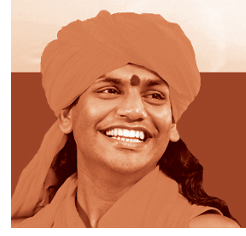
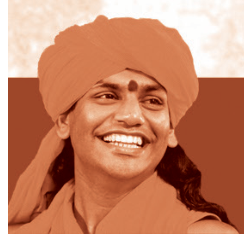
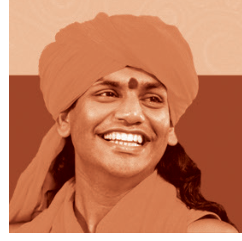
ABOUT HIS HOLINESS PARAMAHAMSA NITHYANANDA
His Holiness Paramahamsa Nithyananda is recognized today as a clear, legitimate, apolitical voice of Sanatana Hindu Dharma, and revered as a living incarnation of superconsciousness by millions worldwide. He is a Maha Mandaleshwar (spiritual head) of Mahanirvani Peetha, the most ancient apex body of Hinduism. He is the most watched spiritual teacher on You Tube with over 17.5 million views, and the author of more than 300 books published in over 20 languages. His lectures are watched live every day on http://www.nithyananda. tv, as well as on multiple international television channels and via video conferencing.
Paramahamsa Nithyananda is considered the foremost authority in the world today in the field of Consciousness and Kundalini Awakening, who has successfully demystified yogic sciences like spiritual healing, levitation, teleportation, materialization, anti-ageing and going beyond food.
A spiritual genius with an enlightened insight into everything from management to meditation, relationships to religion, success to spirituality, Paramahamsa Nithyananda brings to us a wealth of practical wisdom and techniques for lasting inner change.
Paramahamsa Nithyananda is the spiritual head of several non-profit organizations worldwide which enrich lives through personal transformation programs and courses, publications, spiritual healing and humanitarian services.
As a global humanitarian, Paramahamsa Nithyananda is working to promoting global peace, through transformation of the individual. His spiritual mission includes ashrams and centres worldwide which serve as spiritual laboratories where inner growth is profound and outer growth is a natural consequence.
Service activities include conducting meditation and de-addiction camps worldwide, free medical camps and artificial limb donation for the needy, support to children in rural areas, conducting meditation camps for prisoners, relief work and disaster recovery management in flood hit areas.
Paramahamsa Nithyananda is also deeply committed to creating international awareness about Indian culture and the ancient Vedic tradition. As an enlightened mystic, a spiritual evolutionary, a trained yogi, a powerful healer and a siddha, Paramahamsa Nithyananda is an inspiring personality for millions of people worldwide. His authenticity, depth of experience and his rare gift for making spirituality both practical and enjoyable have allowed His teachings to reach far and wide. He has healed thousands of people of diseases ranging from depression to cancer, often with a single touch. Working and sharing with over 10 million people worldwide every year, Paramahamsa Nithyananda and His mission are committed to help humanity make the next big breakthrough: into Superconsciousness.
PROGRAMS
INNER AWAKENING AWAKEN THE RIGHT INTELLIGENCE FOR LIFE!
A unique 21-day yoga and meditation retreat with Enlightened Master, Paramahamsa Nithyananda.
Imagine,
• Being the master of your destiny
• Being the leader that you know you are
• Having the successful life you deserve
• Falling in love with life again!
STOP IMAGINING. CREATE YOUR REALITY!
Learn,
the ancient science and secrets: • to awaken your kundalini energy • to heal your mind, body, soul & relationships • to activate your hidden potential for greatness • to hand-craft a successful future, and.. • to TASTE ENLIGHTENMENT!
KALPATARU—MANIFEST YOUR DESTINY!
The Kalpataru is a powerful workshop that aligns your actions with your true intentions. It is a simple method that allows you to awaken your innate power so that you can manifest your own destiny. Chronic diseases are miraculously healed, financial or relationship problems are sorted out effortlessly, miracles of transformation happen and a deep sense of fulfillment and joy is experienced.
Receive a personal blessing from a rare living incarnation H.H. Paramahamsa Nithyananda and empower your true intentions to transform into your reality!
NITHYA KRIYA YOGA—LIVE LIFE AT YOUR PEAK
Our ability to live life to its fullest is blocked as we engage with life in a very limited way. In this 2 day intensive program, we learn to apply the techniques from the essence of all spiritual wisdom: the four sacred principles that reveal the secrets of life and death. Not adapting these principles in our life is the root of all conflicts we face with life.
Through this program, you will be initiated into these four principles and learn powerful techniques to overcome—
• Any kind of fear, especially fear of death • Unconscious conflicting desires • Guilts due to social conditioning • Past traumas and pains and • Live your life at its peak!
NITHYA DHYANA YOGA—BREAK FREE OF LIMITATIONS!
Have you wondered why the experience we receive from life is always the same, no matter how much we strive to alter it?
Our endeavors to find happiness, success and better relation-ships may yield varied results, but at the end we are almost always left with the feeling that nothing has changed.
The reason for this limited experience of life is the behavioural patterns which are deeply engraved in us. Each pattern is associated with one of the seven major energy centres (chakras) in our system, which subtly influence our emotional behaviour.
In this intensive 2-day workshop, we learn to apply the four sacred principles of blissful living (integrity, authenticity, responsibility and enriching), to heal our chakras and go beyond the influence of these limiting behavioural patterns.
10 Years of NITHYANANDA MISSION 2003-2013
- Over 300 books of Paramahamsa Nithyananda's teachings published in 27 languages
- Over 2000 free talks by Nithyananda on www.YouTube.com/lifeblissfoundation crossing 16 million views
- Over 250 e-books and 600 meditation techniques and solutions available free online
- Nithyananda University offering courses in meditation, spiritual sciences and life skills being established across the world
- Breakthrough research on mystical yogic sciences like kundalini awakening, levitation, teleportation and yogic age-reversal
- The Nithyananda Order - Hundreds of aspirants from various religions and walks of life receiving intensive spiritual training and sannyas
- Ananda Yogam - free one-year residential program for youth aged 18-35 years, offering vocational and spiritual training for excellence and personal growth
- A dynamic volunteer force, including over 1000 full-time resident volunteers, offering services such as disaster relief, counseling, initiatives for youth and women's empowerment
- Nithya Kriyas and Sammyamas - 108 authentic yogic solutions for physical and mental ailments
- Holistic-lifestyle aids including devotional music, energized jewelry, sacred arts and sculpture, and natural siddha medicines
www.nithyananda.org www.nithyananda.tv
10 Years
of NITHYANANDA MISSION 2003-2013
• Yoga, meditation and spiritual counseling centers and camps touching over 15 million people in 150 countries • Over 9000 ordained spiritual healers healing 20,000 people globally every day • Over 1000 ordained teachers guiding thousands in yoga, meditation, spiritual sciences and life solutions • Live online morning satsang by Paramahamsa Nithyananda via live streaming and video conferencing, viewed in thousands of places in over 30 countries every day • Annadaan - 10,000 free meals distributed every day at ashrams, schools, medical camps and to the needy • Weekly medical camps offering conventional and alternative medical care, oral health, eye surgeries, prosthetics, etc. – including free consultation, medicines and follow-up. • Over a dozen Vedic temples and ashrams worldwide housing 3720 energized deities, including some of the tallest deities in the world. • Free kriya & meditation programs in prisons and schools • Nithyananda Lakshmi, a non-profit micro-financing scheme for rural entrepreneurs • Nithyananda Vidyalayas - Schools blending modern education with the Vedic system of learning • Support for schools in rural areas, including school uniforms, books, stationery and infrastructure
www.nithyananda.org www.nithyananda.tv
Scientific Research on Mystical Yogic Sciences
PARAMAHAMSA NITHYANANDA WORKS WITH DOCTORS & RESEARCHERS to understand and revive yogic sciences like kundalini awakening, levitation, teleportation, materialization, living on prana, etc.
KUNDALINI AWAKENING & LEVITATION
- Awakening and activating the highest potential energy hidden in the body
- Safe and natural kundalini awakening for more than 100,000 people through personal initiation
- Leads to recovery from chronic illnesses and improves health
- Boosts memory, intelligence, decision-making, creativity
- Rapid dissolving of karmas and intense spiritual growth
TELEPORTATION & MATERIALIZATION
- Yogic science of inter-converting energy and matter — impossible to duplicate in modern science
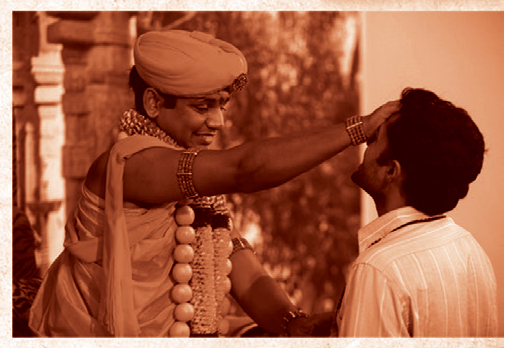
- Vibhooti, kumkum, honey etc. materializing on sacred objects and deities worldwide by a blessing from Paramahamsa Nithyananda
- People worldwide are experiencing these miracles from thousands of miles away
- Materialized objects have strong positive vibrations and healing properties
LIVING WITHOUT EATING — NIRAAHAARA SAMMYAMA
- Hundreds worldwide are successfully living without food since August 2012!!
- Personal initiation by Paramahamsa Nithyananda into hunger-free sammyama
- Awakens the body's ability to live on prana like trees and plants
- Breaks deep-rooted food patterns without the need for fasting
- An effortless weight loss technique & powerful spiritual practice
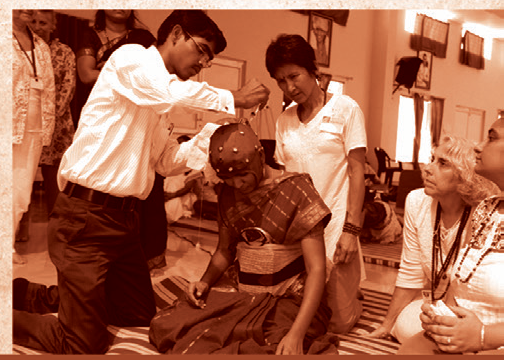
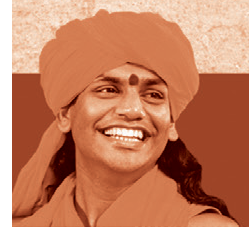
www.nithyananda.org www.nithyananda.tv
Reaching Out to Serve the World
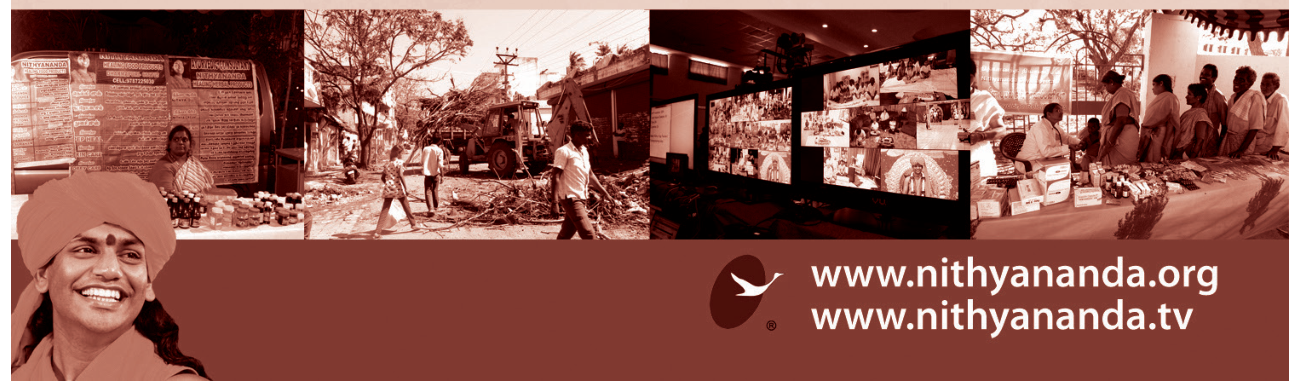
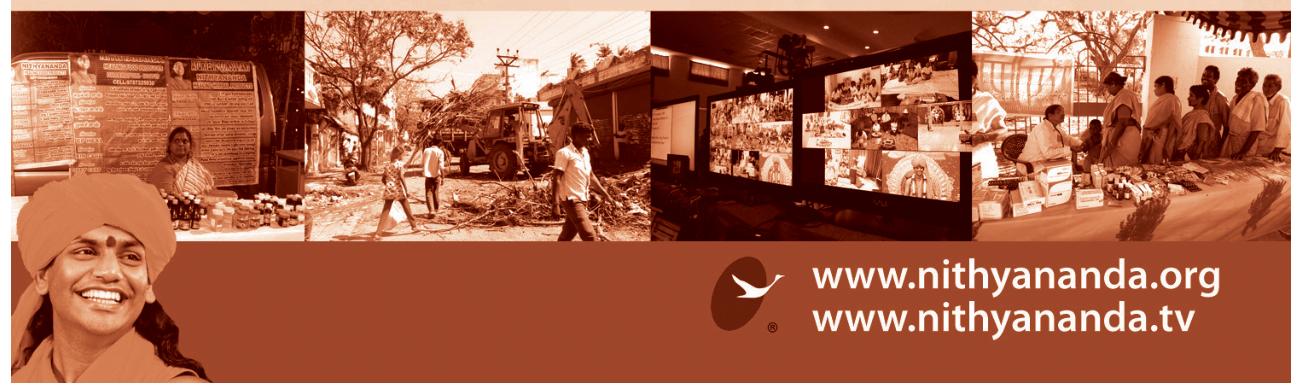
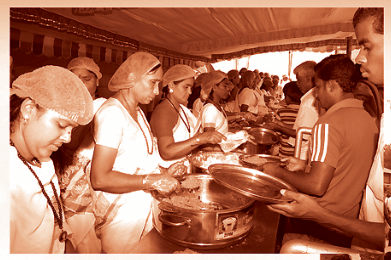
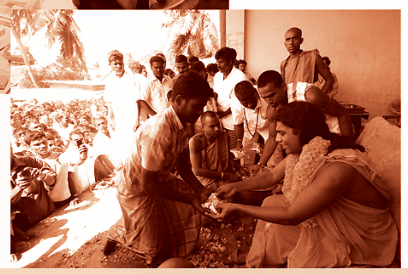
ANNADAAN : FREE FOOD FOR ALL • More than 10,000 free meals served each day in Nithyananda ashrams and centers worldwide. • Nutritious vegetarian meals cooked using authentic sattvic methods in a hygienic environment • Chanting of vedic mantras or keertans while cooking infuse high-energy vibrations into the food. • Free meal schemes are also offered in schools, prisons and temples.
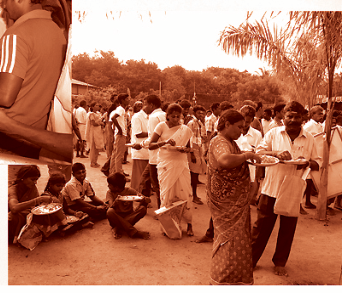
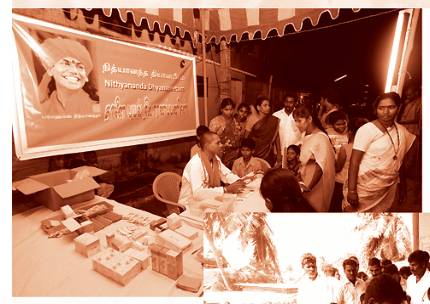
FREE MEDICAL SERVICES : HEALTH WITH CARE • Fortnightly and monthly multispecialty medical camps offering all services • Weekly mobile medical services including free consultation and medicines in rural areas • A 100% free dialysis clinic with 47 dialysis machines catering to 250 patients per day in the pipeline • Free 100-bed hospital with all amenities planned for the needy
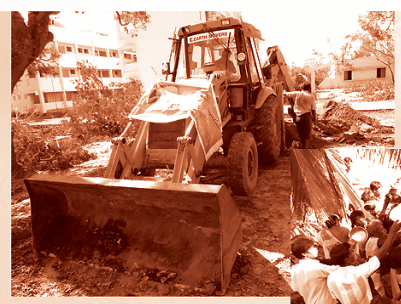
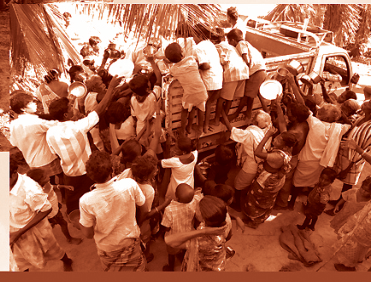
DISASTER RELIEF : HELPING TO HEAL • Emergency relief to victims of natural calamities such as tsunami, earthquake, floods etc • Distribution of free through various relief measures, by offering clothes, food, water and most importantly, psychological support and trauma counseling.
www.nithyananda.org www.nithyananda.tv
INSPIRING A GLOBAL
Vedic Renaissance
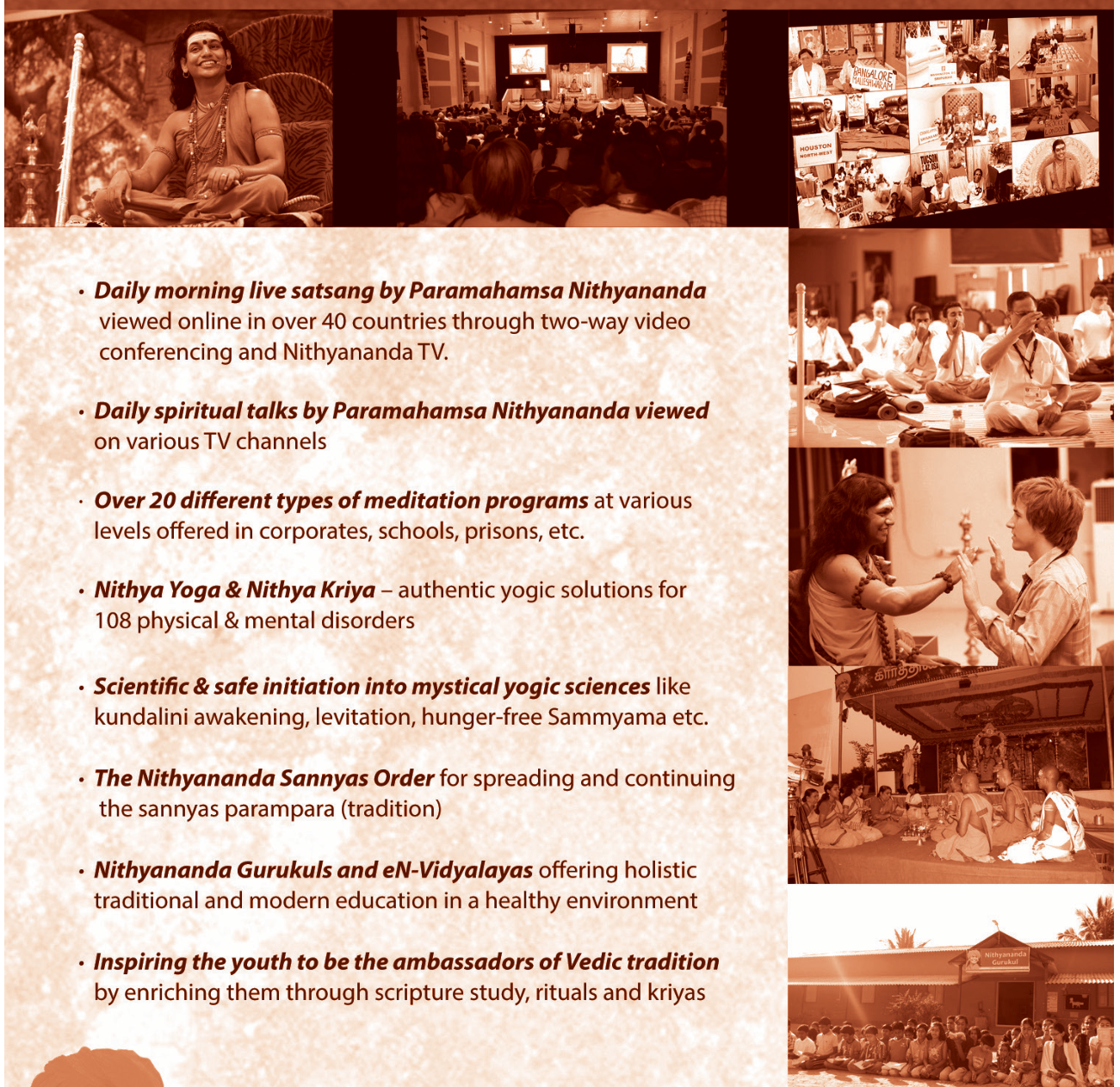
• Daily morning live satsang by Paramahamsa Nithyananda viewed online in over 40 countries through two-way video conferencing and Nithyananda TV.
• Daily spiritual talks by Paramahamsa Nithyananda viewed on various TV channels
• Over 20 different types of meditation programs at various levels offered in corporates, schools, prisons, etc.
• Nithya Yoga & Nithya Kriya – authentic yogic solutions for 108 physical & mental disorders
• Scientific & safe initiation into mystical yogic sciences like kundalini awakening, levitation, hunger-free Sammyama etc.
• The Nithyananda Sannyas Order for spreading and continuing the sannyas parampara (tradition)
• Nithyananda Gurukuls and eN-Vidyalayas offering holistic traditional and modern education in a healthy environment
• Inspiring the youth to be the ambassadors of Vedic tradition by enriching them through scripture study, rituals and kriyas
www.nithyananda.org www.nithyananda.tv
TAKING Vedic Hindu Tradition
INTO HOMES ACROSS THE WORLD
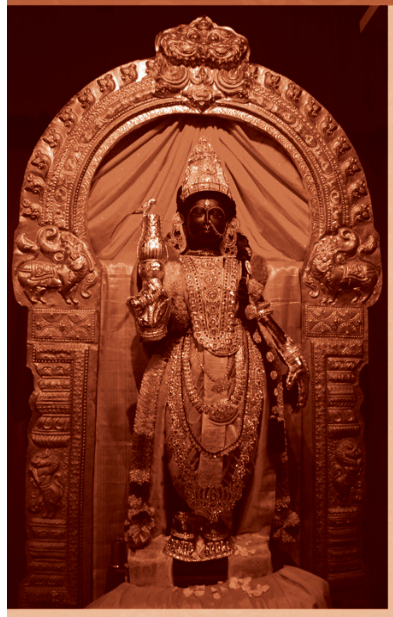
• Protecting, preserving and promoting Vedic Hindu tradition through Vedic Temples in India, USA, Canada, Malaysia and other countries
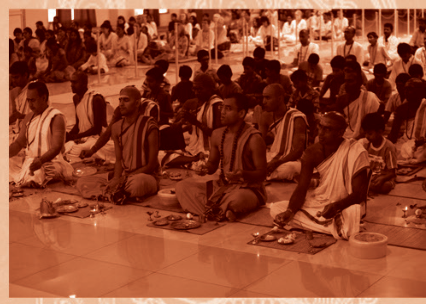
• Inspiring families to live the Vedic tradition through over 400 Paduka Mandirs housing 3720 energized deities where daily worship is performed in the authentic Vedic tradition
• Thousands of people worldwide
simultaneously perform Vedic
rituals during the daily morning
satsang, creating powerful
positive vibrations
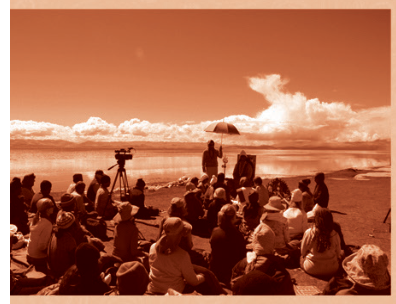
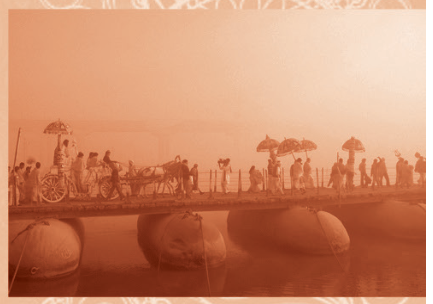
• Reviving India's pilgrimage
culture by regularly leading
yatras to spiritual energy fields
like Kailash-Manasarovar,
Char-Dhaam, Varanasi,
Bodh Gaya, Angkor Wat,
Kumbh Mela, etc.
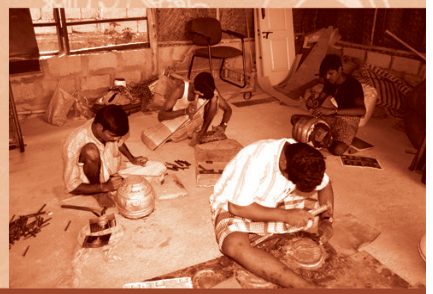
• Nithyananda Sacred Arts to promote, support and preserve ancient temple arts and sculpture as the largest producer of metal, wood and stone deities in India
www.nithyananda.org www.nithyananda.tv
Yoga and Meditation Programs Worldwide
NITHYA YOGA – Yoga for healthy life and spiritual growth NITHYA KRIYA – Yogic techniques to heal 108 disorders like diabetes, blood pressure etc. NITHYA DHYAAN YOGA – Physical and emotional balance through chakra healing NITHYA KRIYA YOGA – Conquering fears and living spontaneously KALPATARU – The science of manifesting your true desires as reality EN-FITNESS – Integral fitness with hatha yoga and modern body-building science EN-HEALTH – Staying healthy in body and mind EN-WEALTH – Vedic secrets to attract prosperity EN-RELATIONSHIPS – Key to experiencing fulfilling relationships EN-COMMUNICATION – Learning to express with courage and clarity EN-LEADERSHIP – Leadership through conscious transformation EN-REALITY – Negotiating to get the best from life EN-PREGNANCY CARE – Plan for a healthy, spiritual child WEBINARS – Live interactive sessions and direct personal guidance INNER AWAKENING – Yoga, meditation and kundalini initiation EN-GENIUS – Shaping tomorrow's generation ANANDA YOGAM – Personal growth program benefiting hundreds of youth

www.nithyananda.org www.nithyananda.tv
Ebook ISBN: 979-8-88572-033-5