Guru Puja
This text was machine-transcribed from the printed book and may contain errors. Select the words and choose “Report a mistake”.
What is Guru Puja?
The root of the word puja is the Sanskrit word puj, meaning to worship or to adore. Puja is thus an act of worship or adoration. Performed daily, the puja is a strictly personal form of remembering, honoring and thinking of one's Guru. In addition, it is an avenue through which we can concentrate and focus our thoughts on Him. Puja is an opportunity to express gratitude towards the Guru, to thank Him daily for everything He so compassionately bestows upon us. By consistently recalling and thinking of the Guru, we move forward on our spiritual journey by keeping Him near in our hearts. Through the steadfast practice of Guru puja, one develops a deeply personal relationship with the Guru.
Why do we need to recite this mantra everyday?
When we start the day with remembering the Guru Shakti, i.e., our Satguru who liberates us from this bondage through His words, His presence, His body language or any of His mysterious ways, we offer gratitude to Existence through the feet of the Master. That is the essence of Guru puja.
When we do Guru puja or chant the Guru puja mantra, we tune ourselves to the Consciousness of the Master. Guru puja tunes our consciousness to the Consciousness of the Master by worshipping the Master in our inner space (manasa puja) and worshipping ritually with all the paraphernalia of worship (bahya puja).
By performing Guru puja, we start the day with an ecstatic mood. If we remember the great truths in the mantras used in Guru puja throughout the day, we retain the same ecstatic mood in all activities.
But at night, the connection with the Guru gets disconnected and our consciousness starts expressing old engrams. One kshana takes birth from another kshana. In the morning, if we do Guru Puja, the kshana begins with an ecstatic mood. The next kshana takes birth from this kshana. That is, the next moment takes birth from this moment.
During sleep, the kshana stops and we go back into our causal body, the space where our engrams (engraved memories or samskaras) are recorded. We go into those engrams. So when we get up, we will be in the mood of those engrams. We will once again be controlled by the engrams stored in our unconscious zone. So, the moment we get up from bed, if we remember the Guru puja mantra, the same state of nithya ananda, the ecstatic mood, will replace the engram and we can live in an ecstatic mood throughout the whole day.
To bring ourselves back to the truth through the awakening in our Consciousness, we do Guru puja. We shift our consciousness to that of the Master.
Instructions for Guru Puja
We offer puja to Anandeshwara Murthi or Gurus Paadukas (footwear of the Guru) as a symbol representing the Guru.
Materials needed for Puja:
- Guru Paaduka (Footwear symbolizing the feet of the Guru) on a plate
- Flowers (a handful) on a plate
- A bilva leaf (offer water, if bilva leaf is unavailable)
- Udrani or Kosha Koshi - small water cup (Kosha Koshi has the shape of a fish) with a spoon
- Conch
- Kamandalu (small holy water jug)
- Camphor
- Sandal Paste
- Kumkum (Vermillion) powder
- Two incense sticks
- Oil lamp and match box
- Small piece of saffron cloth
- Food for offering (any fresh/dry fruits, nuts, fresh cooked food, etc.)
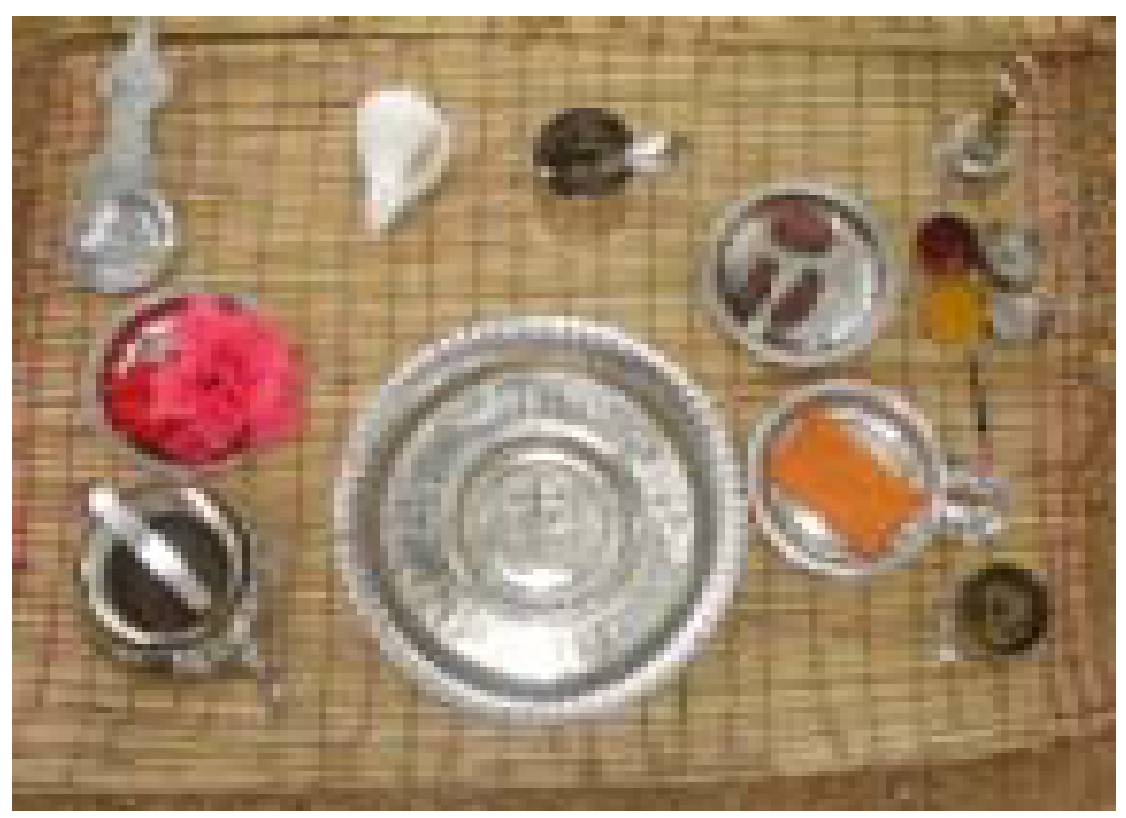
Figure 1: Typical arrangement of Guru Puja items
Next, we invoke the presence of the Guru.
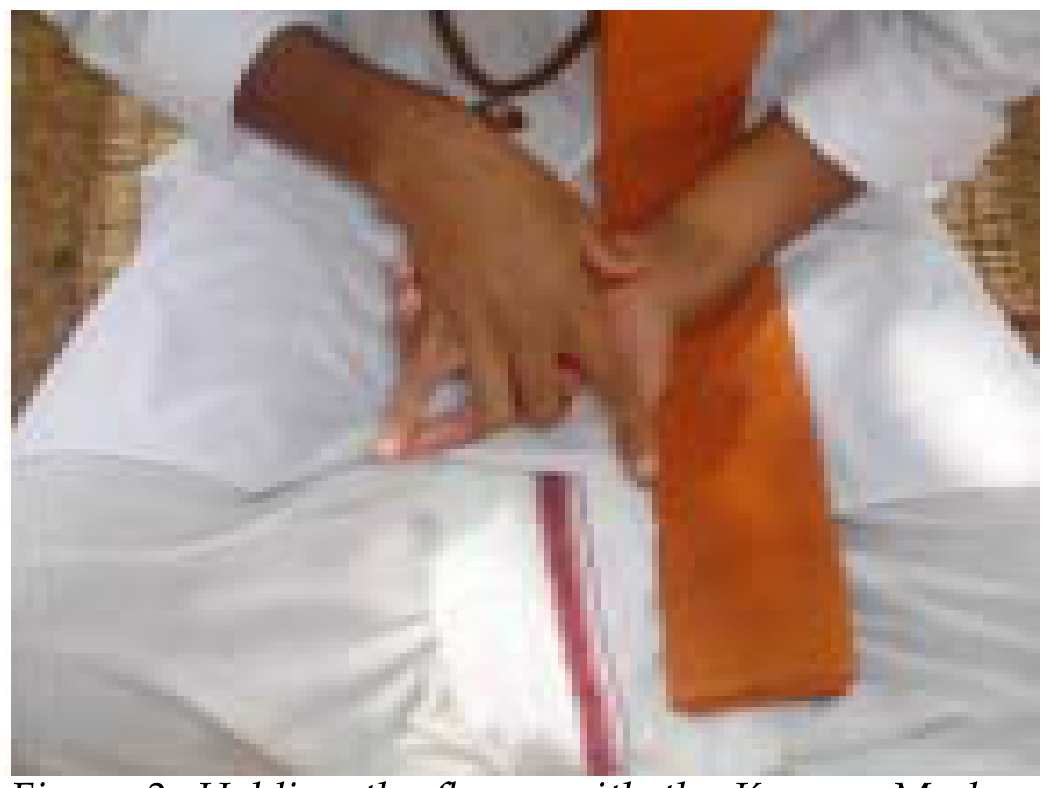
Figure 2: Holding the flower with the Koorma Mudra
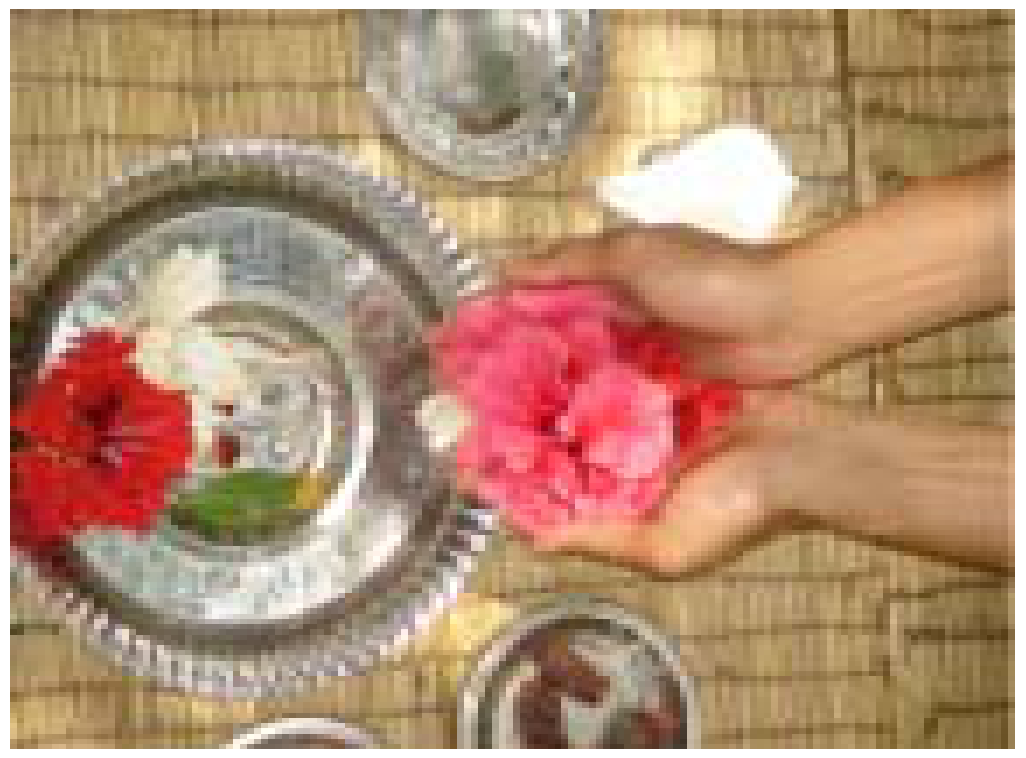
Take one flower in the hand with Koorma Mudra (koorma means tortoise). This mudra signifies our inner space. So, we invoke the Guru in our inner space. The flower in the Koorma Mudra in our hand represents the inner space. First we visualize the form of the Master, then drop the form and focus on the Master's energy so that the energy is contained in the flower
Guru Dhyaan
nithyaanandam parama sukhadam |
kevalam gnaanamoortim |
dvandvaateetam gagana sadrisham |
tatvamasyaadi lakshyam |
ekam nithyam vimalam achalam |
sarvadhee saakshi bhootam |
bhaavaateetam triguna rahitam |
sadgurum tam namaami ||
Meaning and explanation:
Nithyanandam: Eternal Bliss, or the state of expressing truth, existence and bliss in every moment.
Parama sukhadam: Ordinary sukha (happiness) comes from not doing anything or laziness. Parama sukhadam means supreme happiness that comes from the ability to remain utterly relaxed even in action.
Kevalam jnaanamoortim: Pure knowledge, expression of enlightenment, embodiment of Gynana; whatever He does radiates knowledge. He is the manifestation and complete expression of energy and wisdom in a human body.
Dvandvaateeetam: Beyond duality; whether duality is there or not, nothing touches Him. His inner space is always blissful and ecstatic.
Gagana sadrisham: All pervading, pure like the sky, filled in animate and inanimate things, whatever you know, whatever you don't know, whatever you can perceive and whatever you cannot perceive.
Tatvamasyaadi lakshyam: Again and again, the Satguru makes you realize that He and you are one and the same. He is the embodiment, that goal; you are That, the Atman, Brahman. Again and again, the Satguru enables you to experience or express that understanding. His presence again and again will remind that you are that and that He is that laksha, He is that embodiment and you are Him. Again and again by His body language, He proves that you are that.
There are three levels of progress in us: the first is understanding, the second is feeling and the ultimate is experiencing. Understanding is intellectual, feeling is emotional and experiencing is at the being level.
It is a basic necessity to have intellectual understanding to be with the Master. When you don't have intellectual understanding, and the flood of devotion happens, all relationships disappear. Your whole being will be frightened.
In Bhagavatam, Shishupala claimed that he was enlightened and he had many girl friends that he called gopis. Somebody asked Vyasa, 'Whatever Krishna is doing, Shishupala is also doing. Why do you call his actions immoral, but Krishna’s actions are Madhura bhava and Raasa leelas (Divine play)?’
Vyasa replied, ‘The gopis deeply know Krishna is God. Their whole relationship is based on enlightenment. They are His disciples. They are around Him for the experience of the Divine and to realize. But in Shishupala’s case, it is not so.’
An intellectual base transforms the quality of relationship. The gopis are clear about what they are doing, and with whom they are playing. They have a clear base of intellectual understanding.
If feeling has happened, it will directly go to experience. And if feeling has happened, then we would not be here; we would be enlightened.
If there were no understanding, if we are not intellectually convinced, we would not be here. The moment it becomes a feeling, we will fall into experience. But many times we struggle between understanding and feeling.
At this point we need something called smarana – remembrance: remembering the truth. Injecting the truth in ourselves reminds us of the ultimate Truth again and again.
Whenever we have vested interests, nothing solid happens. This is the truth. If it becomes deep feeling, straightaway it becomes pure experience. If it is not even intellectual understanding, we will not be at this stage. As of now, we are in between intellectual understanding and feeling.
The word Laksha has deep meaning. It means goal. It is the needle that continuously points towards the goal and embodiment, just like a compass.
Tatvamasi is the Vedic Mahavakya that means: Thou art That.
There was a disciple who asked the Master, 'Master please give me the knowledge. The Master recited the whole Veda. The disciple couldn't remember all these things. He said, 'Master, please simplify this.'
The Master recited the whole Upanishad. The disciple again said, 'This is also too much. Please teach me the gist of it.' Then the Master recited the Gita. The disciple said 'No, no, this is also too much. Please teach me the simple way.'
The Master recited the Brahmasutra. The disciple said, 'No, no, even this is too much. Please give me the essence.' Then the Master uttered only one word, 'Tatvamasi (you are That).'
This mahavakya is the essence of all spiritual truths.
There are four mahaavakyas given by the rishis:
Tatvamasi
Aham Brahmasmi
Prajnanam Brahman
Ayamatma Brahman.
Aham Brahmasmi: I am Brahman. Brahman is what resides in us as 'I' Consciousness. We usually associate ourselves with the body and mind. Each one of us thinks 'I am body and mind.' If we remove the words 'body and mind' from that sentence, whatever remains is Brahman. What resides in you as I is Consciousness, Brahman, jnana, atman, whatever you call it. Continuously we repeat to ourselves that we are body and mind. We continuously believe I am this or I am that. But if you edit that this and just stop at I am, what remains is pure Consciousness. We are just as we are. We fall back into Consciousness. We become enlightened and liberated.
Ayamatma Brahman: Whatever is my atman is Brahman. Ayamatma means my atma; whatever we feel as soul, the very life itself, is Brahman.
Sarvam khalvidam Brahman: All of Existence is Brahman.
Prajnanam Brahman: Means Consciousness, what I experience as the I feeling is also Brahman or God. Prajna means the I feeling.
The Master is the embodiment of these four mahaavakyas.
The moment you start feeling, it becomes experience. You don't need a billboard. When you don't even have intellectual understanding, you don't need a Master. Suppose you are traveling from Seattle to LA. When you are in Seattle, you don't need an LA signboard. The moment you enter into the suburbs of LA, you also don't need a directional sign because you know where you are. It is the same with the emotional experience in your life as a seeker. Once you have the emotional experience, you don't need a signboard.
But in the gap, while you are traveling, you need a signboard. You need signboards to show the way. If you have intellectual understanding but it has not become emotional experience, in that gap you need a signboard. The laksha that reminds you of your real state that reminds you that You are That, is the presence of the Master.
He will remind you again and again. He will not let you forget. His presence will remind you. His presence tells you, 'Here is an enlightened Master living like a flower among us.' The presence of the Master is remembrance for you to come up to His level. The presence of the Master is a compass needle to show the path.
Laksha has three meanings. The goal, the needle and the need in idle time, and third, He is the embodiment of that concept. His walking, sitting and living – everything reminds us of enlightenment.
Ekam nithyam: The Satguru is eternal, with neither beginning nor end.
Vimalamachalam: Beyond purity and impurity; no impurity can touch Him. He is the mountain of ultimate purity.
Sarvadhee saakshi bhootam: All of us have the delusion that we will live forever. We don't believe that we are going to die. Our understanding of the impermanence of life is superficial. Have we been shaken by death? Never! Even if we see death on the road, we never stop to think that one day we are also going to die.
There was beautiful incident in Mahabharata. A ghost who was a yaksha, a demi-god, asked Dharmaraja, ‘kimaacharya mitamparam?’ (O Dharmaraja, what is the greatest surprise on planet Earth?)
Dharmaraja replied:
‘agani agani bhutani gacchantina Yama mandiram
shesha stira nichyanti kimaacharya miramparam.’
This means that everyday so many people are leaving the planet Earth and going to Yama’s abode (death). Even after seeing all this, everyone thinks they are going to be here forever.
Shankara says in the Brahma Sutras, that we are a mixture: we are pure Consciousness reflecting on our body and mind. Because of this reflection, our body and mind have their life and are able to work. On one side is the body and mind, and on the other side the pure Consciousness.
Whenever we fall back in pure Consciousness, we feel a deep assurance that we are going to be here forever. But we falsely associate that feeling of permanence or that nithya mood with the body and mind. We somehow think they are responsible for the feeling of immortality.
There is no partition between the pure Consciousness (pure energy) and the body and mind (pure matter). The quality of pure Consciousness knows, ‘I will be forever.’ The quality of the body and mind is that it will perish.
We attribute this quality of pure Consciousness to the body and mind. That is the big mistake. If we realize that the body and mind will perish one day, we will be in this Consciousness forever, eternally. Or if we know that pure Consciousness is eternal, we naturally will not be caught in body and mind. The quality of the energy is confused with the quality of matter. Now, in every one of us, the quality of pure Consciousness is present. It never dies. That is eternal Consciousness, eternal bliss, nithya ananda. We are the pure witnessing Consciousness in all the elements. The Master, who is the embodiment of pure Consciousness, is continuously reminding us of this truth!
Bhaavaateetam: Beyond our imagination. You cannot put the Satguru in one frame. He is unpredictable. He cannot be predicted. You cannot predict even this. The moment you predict the Master, you lose Him. You are lost. You will be caught in His reflection. You are no longer a disciple. Arguing with the Master doesn’t refer only to the outside. All our related inner chattering is also included. All our inner chattering is arguing with the Existence that is reality. If we have complete, total acceptance, we have no inner chattering. If we have inner chattering, it means that we don’t have acceptance. It may be a verbal argument or silent argument. The Master is beyond comprehension and beyond imagination.
Triguna rahitam: Rahitam means flirting with all three gunas, one who plays with all three gunas, satva – pure intelligence, rajas — dynamic activity and tamas — dullness.
Master is not married to any of the three gunas. He moves with and beyond all three gunas. None of them touches Him and He is not attached to any one guna. He is not in satva. He is not in rajas. He is not in tamas. He plays with all three gunas. When He is lazy, He is completely lazy. When He is in rajas, He is completely dynamic and does multitasking. When He is in satva, He radiates goodness.
The moment you are attached to anything, you will keep that safely and you will not enjoy.
Satgurum tam: There are many gurus such as our mother, father and our teachers, but the Satguru removes all darkness of maya. He is the only one who can do this. The Satguru is the Ultimate.
Namaami: Ma means mine; ami means me. Mine and I, I offer at Your feet. Why do we need to offer the concept of mine? It is proved that children start developing I consciousness when they know what is theirs (mine). Only based on your property, you start developing I. Based on the notion of mine, you develop I. The moment mine is taken away, I will be shaken. Snatch a toy from a child. They will be shaken. They will cry because, according to them, that is their being. They build their I-consciousness on their concept of mine.
We have built our consciousness based on what we have. That is why we surrender.
There is no giving because there is nobody who is taking. There is only offering. You only offer. You surrender everything to Him. You are offering whatever you think is yours and you. From birth you build your personality on mine, i.e., your property or what you think as yours. When the mine is taken away, you are shaken inside. You feel your whole being has been taken away. It can never be taken away. It's the attitude that matters. Only a person who has surrendered mine and I can utter this sloka. Oh Sadguru!! I offer mine and I at Your lotus feet.
(Offer the flower to the Paduka.)
Maanasa puja (inner worship)
Visualize your inner space to be a seat at your heart chakra (the heart center). Mentally invite the Master to this seat within.
Guru Parampara Stotram
Sadaa shiva samaarambhaam |
shankaraachaarya madhyamaam |
asmadaachaarya paryantam |
vande guru paramparaam ||
Meaning:
Sadaa shiva samaarambhaam: Starting with Sadaa Shiva, the first Guru, the Adi Guru.
Shankaraacharya madhyamaam: Sri Adi Shankara, one of the great Masters in the middle of the lineage.

asmadaachaarya paryantam: And to all the other Gurus in the lineage.
vande guru paramparaam: I bow to the entire lineage of Gurus who have spent their lives just for the sake of mankind.
Maanasa Puja
OM hrid padmam aasanam dadhyaat |
sahasraarachutaamrutaihi |
paadyam charanayor dadyaat |
manastu arghyam nivedayet |
tena amrutena aachamaneeyam |
snaaneeyam tena cha smrutam |
aakaasha tatvam vasram |
syaat gandha syaat gandhatatvakam |
chittam prakalpayet pushpam |
dhoopam praanaan prakalpayet |
tejastatvam cha deepaartham |
naivedyam syaat sudhaambudhihi |
anaahata dhvanir ghantaa |
vaayu tatvam cha chaamaram |
sahasraaram bhavet chatram |
sabda tatvam cha geetakam |
nrutyamindriya karmaani |
chaanchalyam manasasthathaa |
sumeykhalaam padma maalaam |
pushpam naanaavidham tathaa |
amaayaadyair bhaava pushpaihi |
archayet bhaava gocharam |
amaayam anahankaaram |
araagam amadam tathaa |
amohakam adambham cha |
adveysha akshobhakau tathaa |
amaatsaryam alobham cha |
dasha pushpam vidurbhudaaha |
ahimsaa parama pushpam |
pushpam indriya nigrahaha |
dayaa pushpam kshamaa pushpam |
gnaana pushpam cha panchamam |
iti panchadashair bhaava pushpaihi |
sampoojayet sadgurum ||
(Offer the flower at the Master's feet.)
OM hridpadmam aasanam dadhyaat We offer our heart as a seat for the Master.
Sahasraar achutaamrutaihi Amruta, which comes from the sahasrara, is offered to the Master. When we understand the purposelessness of life, the healing effect happens and we start enjoying the amruta (nectar of bliss) that makes us deathless. That amruta we offer to wash the feet of the Master with deep gratitude.
Paadyam charanayor dadyaat We offer the same amruta to wash His feet.
Manastu argyam nivedayet We offer our whole mind as a flower at His feet. We have now surrendered our minds to Him.
Tena amrutena aachamanaeeyam We offer the same amruta as water to wash His mouth.
Snaaneeyam tenachamshrutam: The same amruta we offer to Him to take bath.
Aakaasa tatvam vastram syaat To the Master, who is one with Existence, what can we offer as a cloth? He is so vast that no cloth would cover Him. We offer the whole sky (akasha) as cloth to the Master.
Gandha syaat gandha tatvakam We offer the whole planet, gandha syaat, as fragrant sandalpaste for Him.
Chittam prakalpayeth pushpam Chitta is the collected samskaras or engrams that affect our decision-making. That chitta, the many thoughts that come to our mind, we offer as flowers at His feet. We offer our old memories and visualizations as flowers at His feet and hence, we will never take them back.
Dhoopam praanaan prakalpayet We offer the whole prana, inhalation and exhalation, as the incense for Him. The breath that is going inside and outside, we offer as an incense stick for Him.
Tejas tatvancha deepaartham We offer the intelligence (tejas) that happens in this body as the aarathi (light) to Him. In our body, seven places shine with tejas, such as the eyeballs, the center of the nails, etc. Tejas is the energy that shines in our body. Once the soul leaves the body, at the time of death, tejas leaves the body. The one, the enlightened Master who locks in the tejas, His body never perishes. This tejas tatva we offer as deepam to the Master.
Naivedyam syaat sudhaam buddhihi We offer the pure intelligence that happens with enlightenment and the constant remembrance of purposelessness or nirvana as naivedhyam (food) to the Master.
Anaahata dhwanir ghantaa The anaahata dwani — the uncreated sound of silence is the bell for the puja. The unheard sound or the sound created when planet Earth or the whole Existence moves is the bell. Ahata is the sound created with two objects. Anaahata dhwani means the sound created without hitting two objects.
Vaayu tatvancha chaamaram We offer the vaayu element, the breeze or air, as the fan for Him.
Sahasraaram bhaveth chatram When we become enlightened, our sahasrara blossoms like a thousand petalled lotus. We offer our sahasrara as an umbrella for Him. Our gratitude is the umbrella for Him.
Sabda tatvancha geetakam We offer the sabda, the sound principle of the universe, as the music for Him. Sabda tatva means that which makes air into sound. Sabda tatva sits in the area near the throat. The Sanskrit language is created to purify the sabda tatva. There is a mechanism that converts part of air into sound. When we chant in Sanskrit, the remaining part of the air also gets purified. Sanskrit is the only language that vibrates from the muladhara chakra (root center). All other languages come from the lips. If we chant Sanskrit at least ten minutes daily, it completely clears the sabda tatva. Unlike other languages, the vibration created by Sanskrit language goes inwards. We offer that sabda tatva as music at the feet of the Master.
Nrutyamindriya karmaani We offer whatever our indriyas or five senses do at the feet of the Master. Whether smelling, eating, seeing, touching, listening, they are offered to the Divine as the dance for Him. In other words, we are making our senses dance in front of Him to please the Master. Actually, all these senses function only in the presence of the Master (Universal Consciousness). Our senses cannot function without the Master's presence. These senses work because of Him. So this is the respect given to the Master by offering these senses back to Him.
Chaanchalyam manasasthathaa Even the wavering movement of the mind is the dance offered to Him.
Sumeghalaam padmamaalaam Sumangalam nadi — means the backbone in which the kundalini shakti rises. The backbone is also called meru dhanda. When all the chakras are opened, they are like the flowers on the meru dhanda that we offer as a flower garland at the Master's feet. All the seven chakras are different flowers in the garland offered at His feet.
Pushpam naanaa vidham thatha We offer these ten flowers at the Master's feet: freedom from delusion, no ego, non-attachment, not being proud of outer world accomplishments, freedom from lust, freedom from bragging, no vengeance, no suffering, no recorded or engraved memories (samskaras) and no miserliness.
We also offer non-violence, going beyond the senses, compassion, always forgiving, and finally, enlightenment, the ultimate flower, at the Master's feet.
These fourteen flowers we offer at the Master's feet, 'We do puja with all these flowers, Oh Master.'
With these slokas we worship the Master in our inner space.
(Take one flower and offer at the feet of the Master.)
Bhahya puja (ritual - outer worship).
Now we light the lamp and start the puja.

While chanting the following mantras, do the following.
OM hrim etat paadyam sree gurave namaha
We offer water to wash the feet.
Offer water from the Kosha Koshi (the fish-like vessel) at the Master's feet (symbolizes washing the feet of the Master).
OM hrim eisha arghyah sree gurave namah
We offer water to wash the feet.
Place some water and a flower in the conch. Pour the water on the Guru's paduka (sandals) and offer the flower.
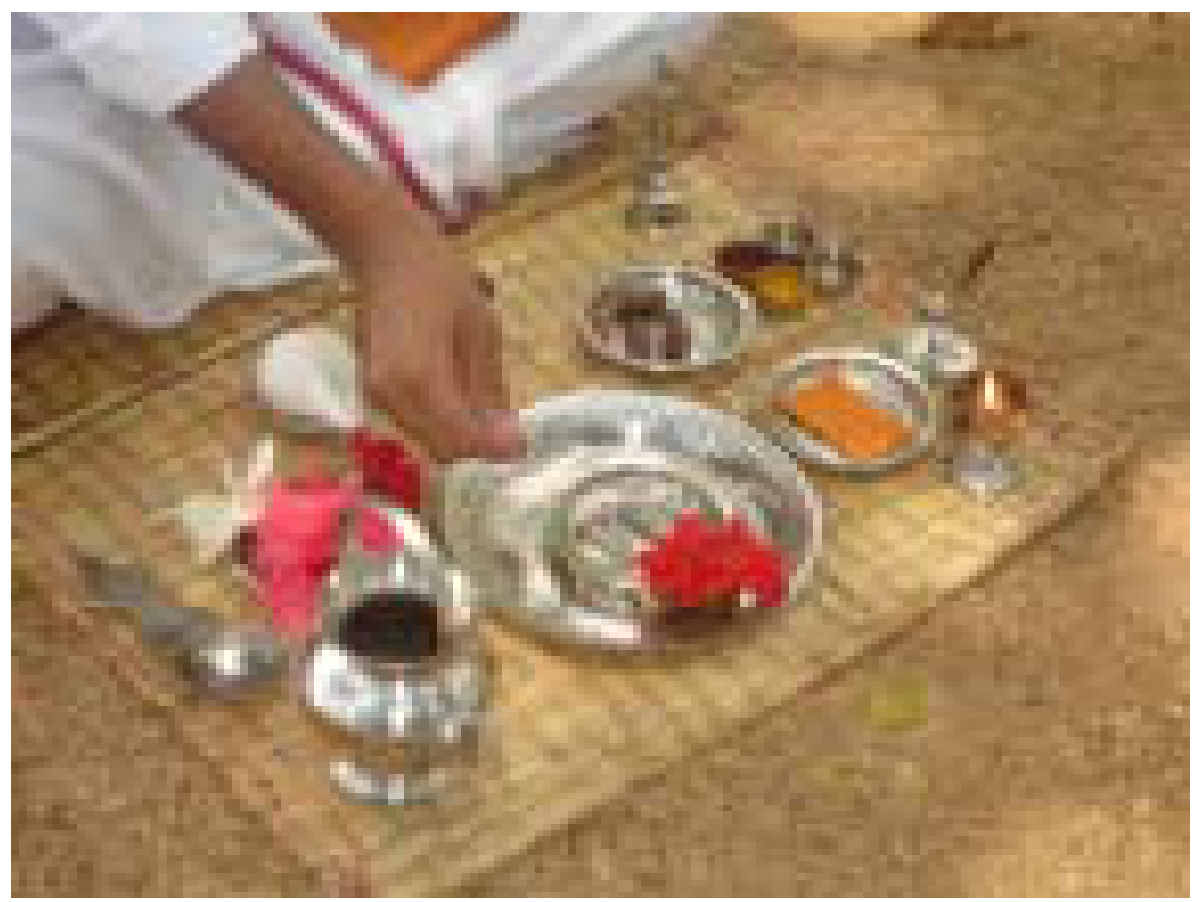
Figure 3: The first step. Offering water to wash the Master's feet
Offering water
OM hrim esha arghyaha | sree gurave namaha ||
Offer water from the conch shell (with flowers placed on the conch) at the Master’s feet. (This symbolizes offering rice, bilva leaf, flowers and arugam pullu - sacred grass). Offer the flower to the Master as well.
OM hrim idam aachamaneeyam | sree gurave namaha
||
Offer water from the Kosha Koshi at the Master’s feet (This symbolizes offering water to rinse His mouth).
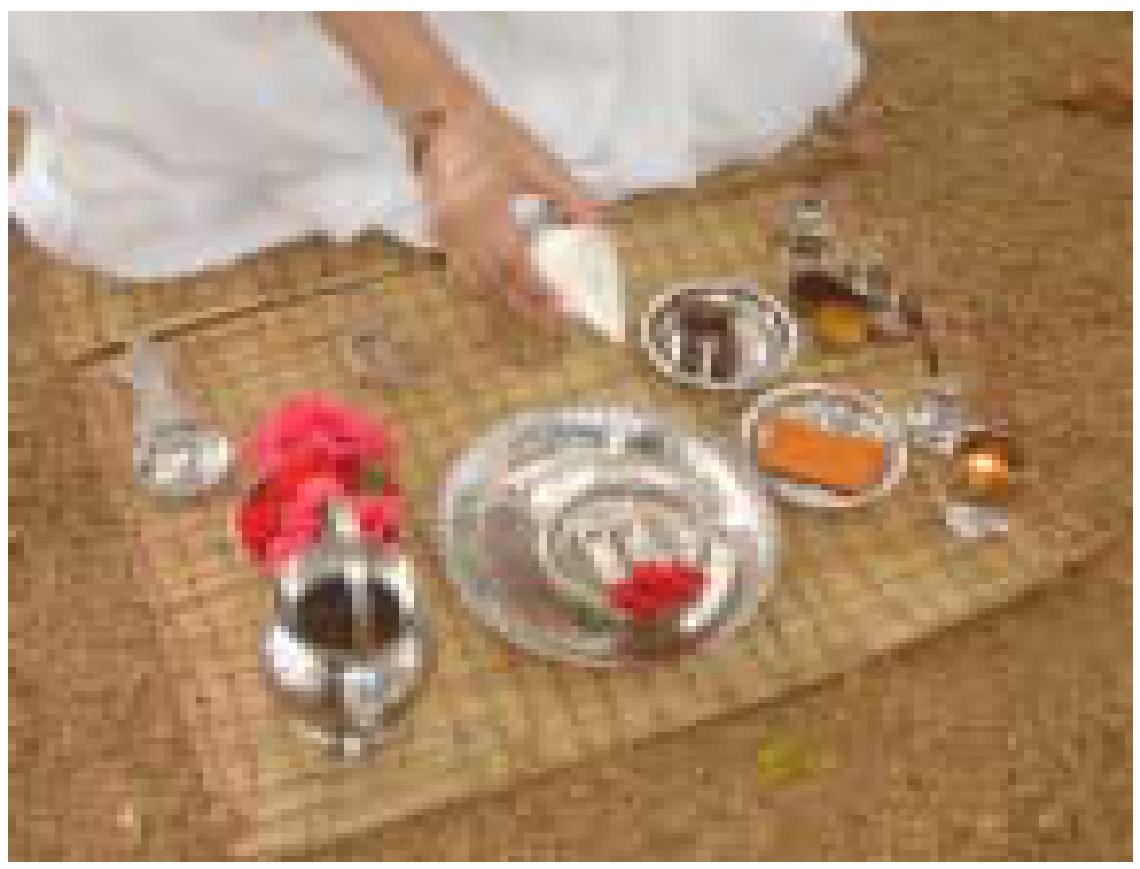
Figure 4: Offering Water to the Master
Ceremonial Bath
OM hrim idam snaaneeyam | sree gurave namaha ||
Offer water from the kamandalu (holy water jug) at the Master's feet with right hand and ring the bell with left hand (symbolizes offering water for His ceremonial bath).
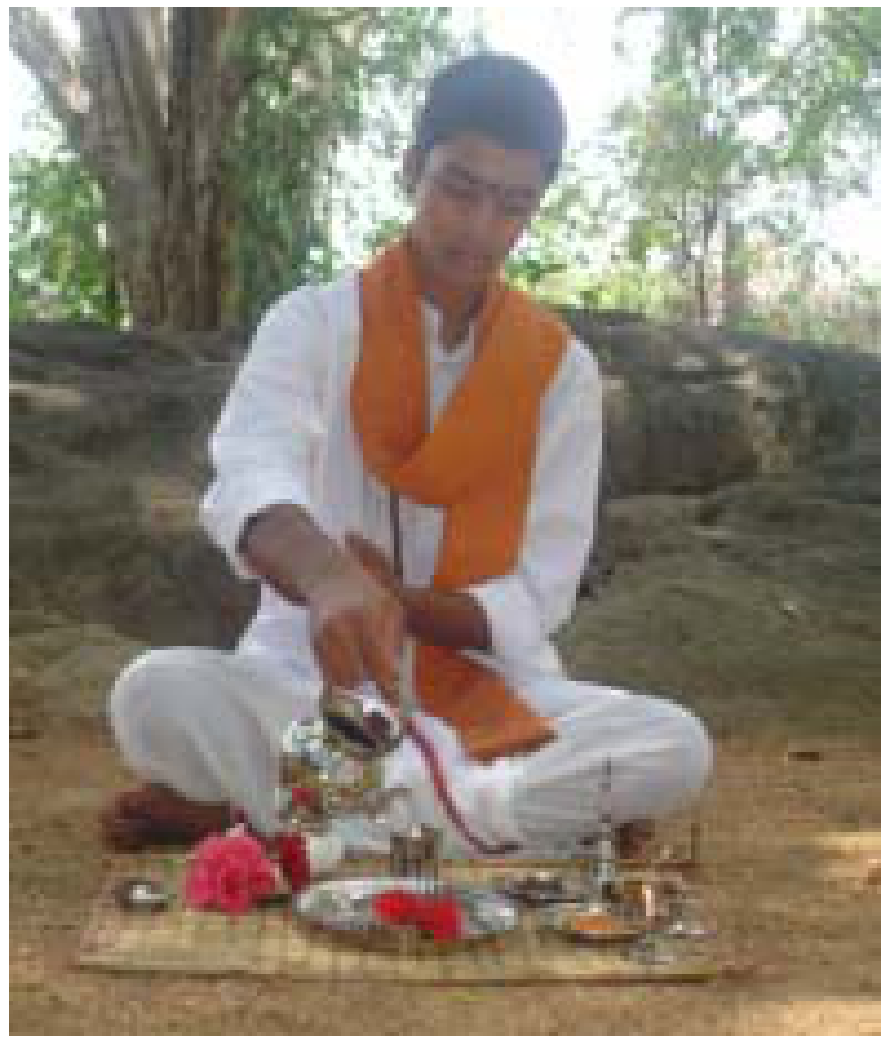
Figure 5: Ceremonial bath to the Master
Clothing
OM hrim idam vastram | sree gurave namaha |
Offer the saffron cloth at the Master's feet. This is done by taking water from the Kosha Koshi and circling it over the saffron cloth three times and offering the water at the Master's feet. (This symbolizes offering clothing to the Master).
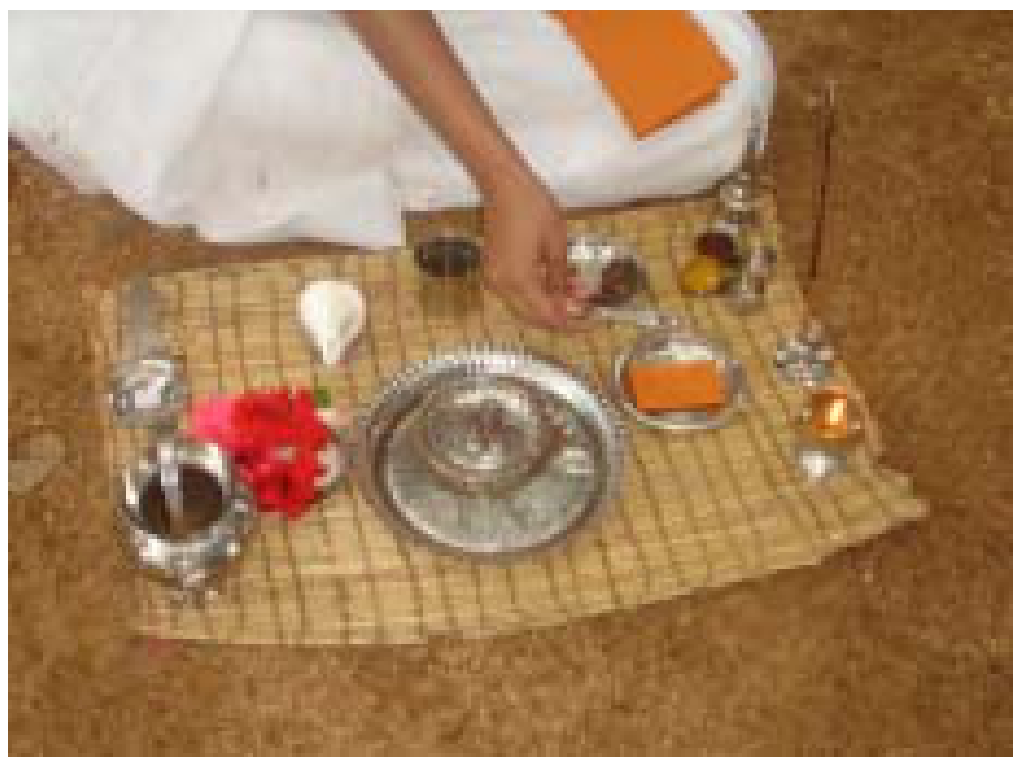
Figure 6: Offering clothing for the Master
Sandal and vermillion
OM hrim esha gandhaha | sree gurave namaha ||
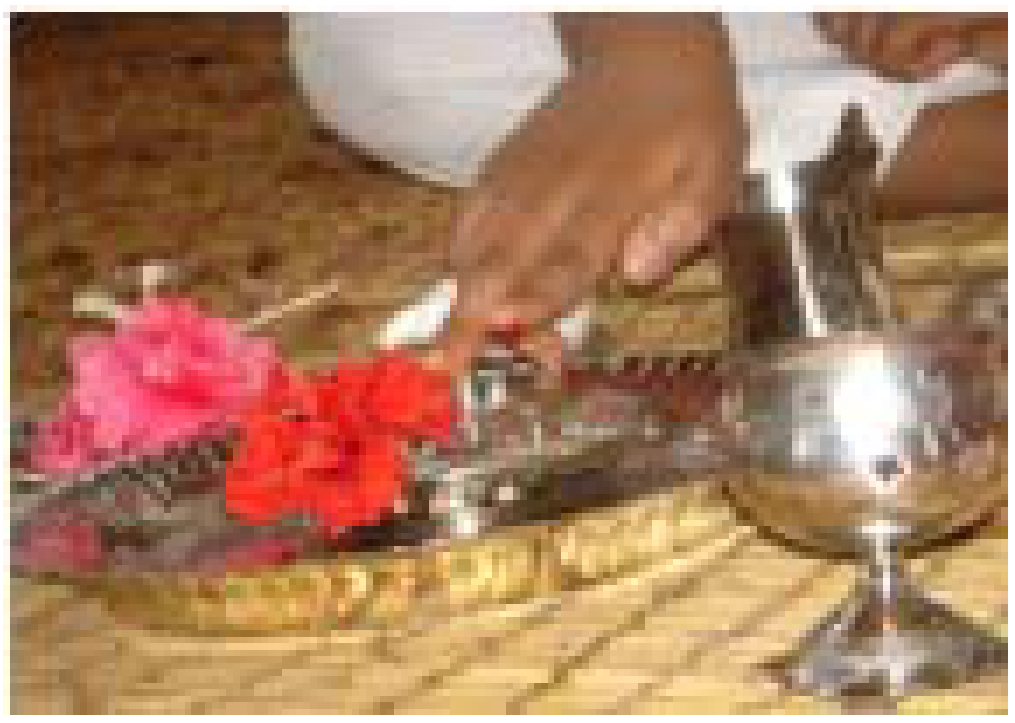
Figure 7: Offering Sandal paste and Vermillion to the Master
Dab your finger in the sandal paste and kumkum powder. Apply the sandal paste to the Master's feet first, followed by the kumkum on top of the sandal paste. (Symbolizes offering sandalwood and kumkum to the Master)
Flowers
OM hrim idam sachhandana pushpam |
sree gurave namaha ||
Take a flower, dip it in the sandal paste and offer it at the Master's feet. (This symbolizes offering our desires to the Master)
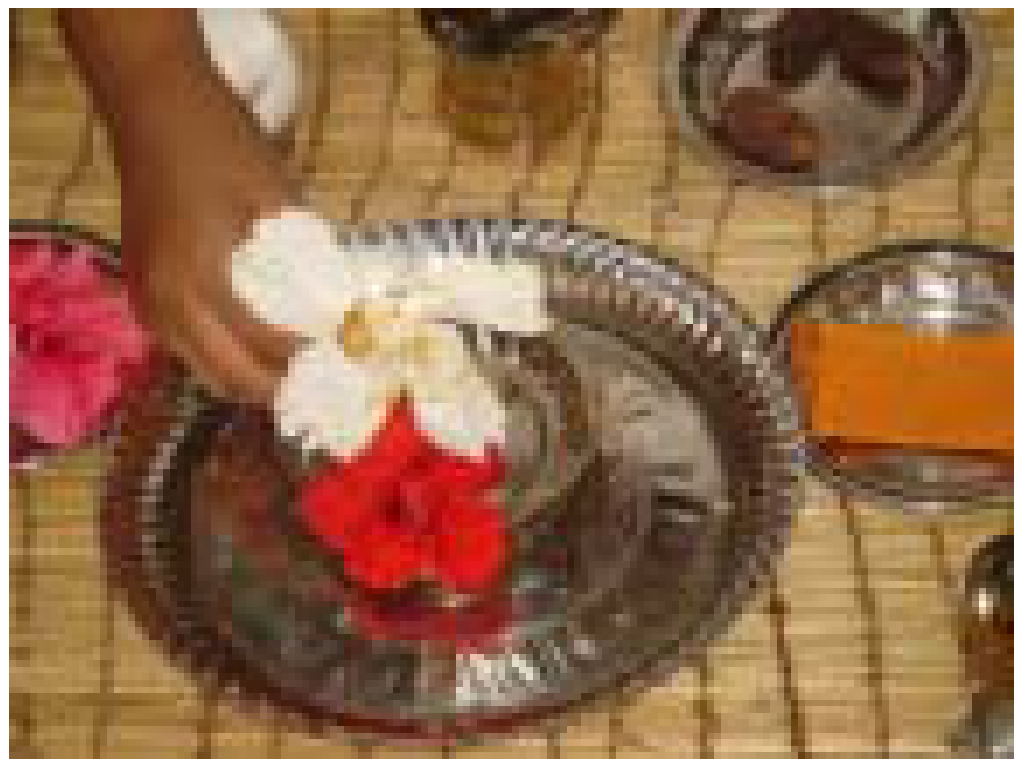
Figure 8: Offering fragrant scented flower to the Master
Bilva leaf
OM hrim idam sachhandana bilva patram |
sree gurave namaha ||
Take a bilva leaf, dip it in the sandalpaste and offer it to the Master's feet. (The bilva leaf is believed to have a cooling effect on the deity to which it is offered. Its three leaves stand for creation, sustenance and destruction. It also symbolizes the three eyes of Lord Shiva)
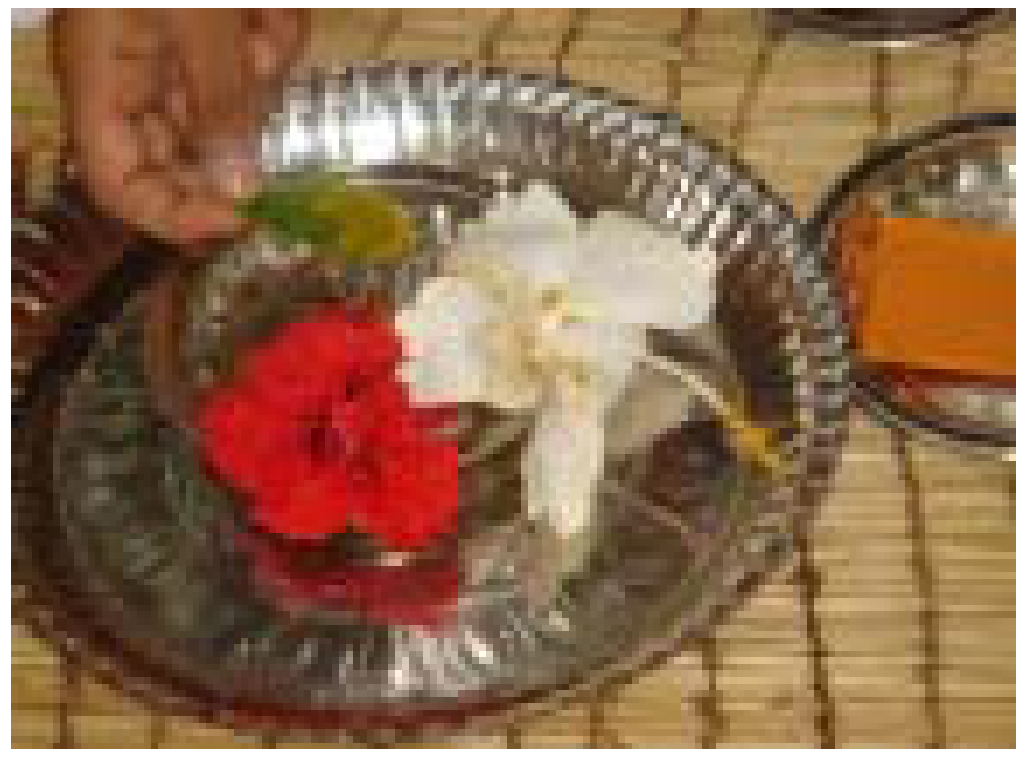
Figure 9: Offering Bilva to the Master
Incense
OM hrim esha dhoopaha | sree gurave namaha ||
Ring the bell with your left hand and take the lit incense sticks in your right hand and move the incense in a clockwise circle near the Master's feet. (In the incense, we see the potential that is in ourselves, just as the incense is worthless until it is put to the flame. We know that our lives are useless unless our potentials are fulfilled. In the incense we also recognize that our lives are as fleeting as its sweet smoke.)
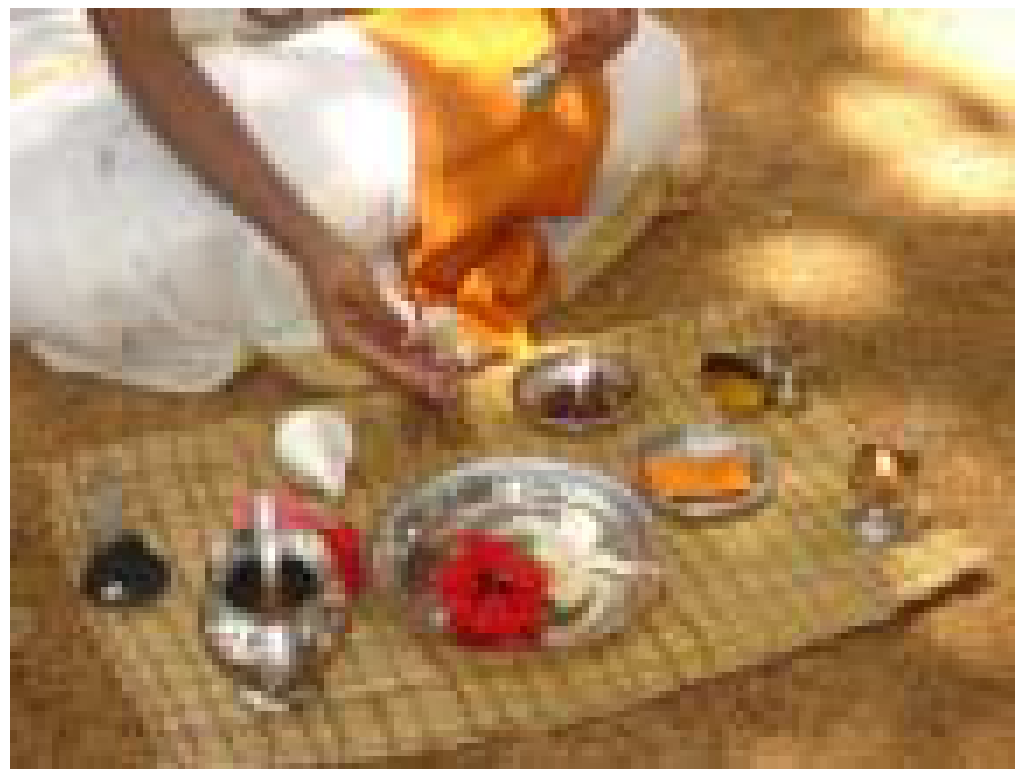
Figure 10: Offering Incense to the Master
Lamp
OM hrim esha
deepaha | sree
gurave namaha ||
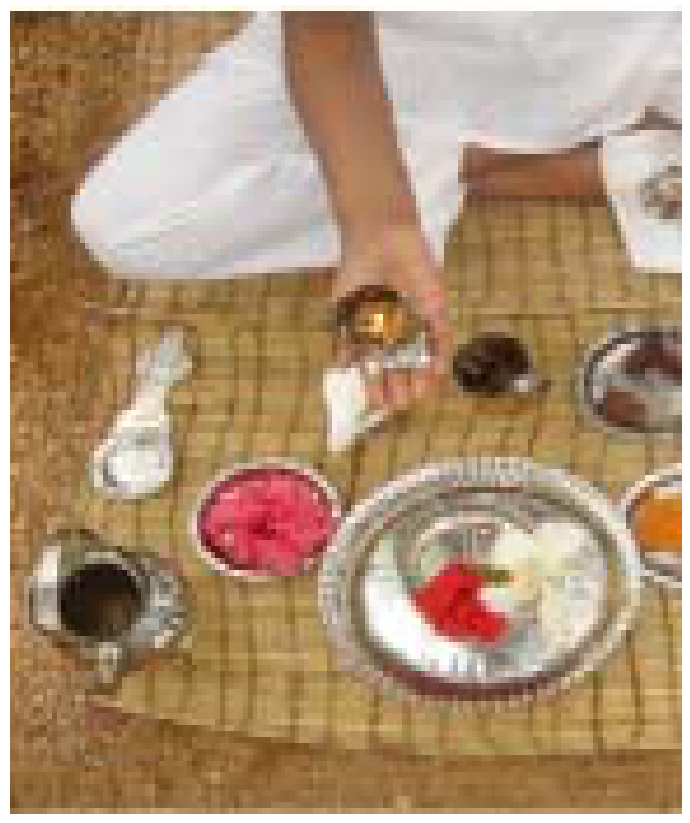
Figure 11: Offering Lamp to the Master
Ring the bell with
your left hand and
take the lit lamp in
your right hand and
move it in a circle
clockwise near the
Master's feet. (The
light from the lamp
intensifies the glory
of the Master's feet)
Food
OM hrim idam sopakarana naivedyam |
sree gurave namaha ||
Offer food at the Master’s feet (This symbolizes offering food to the Master).
Water
OM hrim idam paanaarthodakam |
sree gurave namah ||
Offer water from the Kosha Koshi at the Master’s feet (This symbolizes offering drinking water to the Master).
OM hrim idam punaraachamaneeyam |
sree gurave namaha ||
Offer water from the Kosha Koshi at the Master’s feet (This symbolizes offering water to rinse the Master’s mouth).
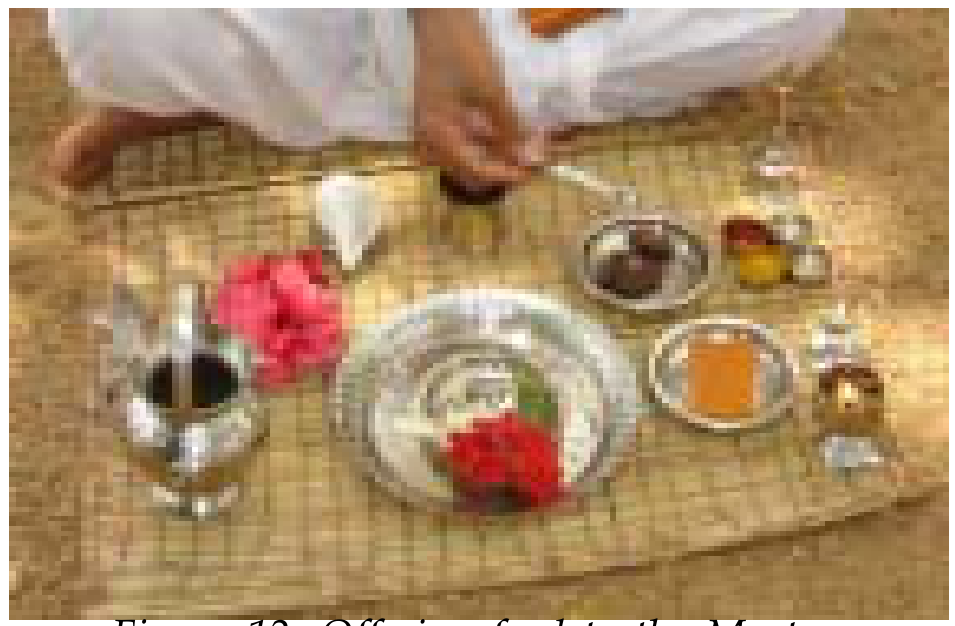
Figure 12: Offering food to the Master
Light the camphor
Offer Aarati (lit camphor) to the Master while chanting the following mantra. Ring the bell with the left hand while moving the lit camphor in a clockwise circle near the Master's feet with right hand. (Camphor burns out completely without leaving a trace. It represents our unmanifested desires. So also, when we take refuge in the Master's feet to obtain knowledge, these desires will get burnt out. Although the camphor burns out, it emits a nice perfume. On a human plane, it means that we should sacrifice ourselves to serve society, in the process spreading the perfume of love and happiness to all.
Aaaraatrikam
Fold your hands in a namaskar (palms together at chest level)
karpoora gauram | karunaavataaram |
samsaara saaram | bhujagendra haaram |
sadaa vasantam | hrudayaaravinde |
bhavam bhavaani | sahitam namaami ||
aaraatrikam samarpayaami |
sadguru charana kamaleybhyo namaha ||
Take a flower in your hands. Circle around the lit camphor three times with the flower and offer it to the feet of the Master.
Meaning:
| Karpura-gauram: | whitish like the camphor |
| Karunavataram: | the avatara who is the embodiment of compassion |
| Samsara-saram: | helping to cross the ocean of samsara or endless cycle of life |
| Bhujagendra-haram: | with a snake as an ornament |
| Sadaa vasantham: | forever and permanently blissful |
| Hridaya: | heart |
| Aravinde: | lotus |
| Bhavam: | |
| Bhavani: | Goddess Bhavani, Parvati |
| Sahitam: | with |
| Namami: | Bow down in surrender |
To the Lord of whitish glow like the camphor, the avatara who is the embodiment of compassion, the one who alone helps in crossing the ocean of samsara, to the Lord who wears the snake as the garland, who is forever and permanently blissful, who resides in my heart-lotus, I bow down in surrender to the Lord, who forever is in the company of Bhavani.
Pushpanjalim (An offering of flowers)
Position a few flowers between folded hands and chant these mantras.
gurur bramhaa gurur vishnu | gurur devo maheshvaraha |
gurur saakshaat para bramhaa | tasmai sree gurave
namaha |
I bow to the Guru, who is Brahma, the creator, Vishnu, the protector, and Maheshwara, the destroyer and who is indeed Brahman.
akhanda mandalaakaaram | vyaaptam yena charaacharam |
tatpadam darshitam yena | tasmai sree gurave namaha |
I bow to the Guru by whose grace the One Infinite Reality that pervades the manifestation is revealed.
agnyaana timiraandhasya | gnyaanaanjana shalaakayaa |
chakshuhu unmeelitam yena | tasmai sree gurave namaha |
I bow to the Guru who opened the eyes of the one blinded by the darkness of ignorance with the balm of knowledge.
aneka janma sampraapta | karma bandha vidaahine |
atma gnyaana pradaaneyna | tasmai sree gurave namaha |
I bow to the Guru who burns up karma created by accumulated actions of innumerable births by igniting the fire of self-knowledge.
mannaatho sri jaganaatho | madguruh sri jagad guruhu |
madh atma sarva bhootaatma | tasmai sree gurave
namaha |
I bow to the Guru who is my Lord and who is the Lord of the Universe, my Guru, who is the Guru of the Universe, who is the Self in me and the Self in all beings.
eeshwaro guru raatmeyti | moorti bheda vibhaagine |
vyomavad vyaapta dehaaya | dakshinaa moortaye /
nityaananda gurave namaha |
I prostrate to that Sri Dakshinamurti, who is the abode of all knowledge, the guru of gurus, who is the physician to those afflicted with the disease of worldly existence, and who is the Guru of all the worlds. I prostrate to Sri Dakshinamurti who manifests in three different forms as God, Guru and Self, and whose body is all-pervading like the sky.
nityaanandam parama sukhadam |
kevalam gnaanamoortim |
dvandvaateetam gagana sadrusham |
tatvamasyaadi laksham |
ekam nityam vimalam achalam |
sarvadhee saakshi bhootam |
bhaavaateetam triguna rahitam |
sadgurum tam namaami |
Pushpaanjalim samarpayaami | sadguru charana kamaleybhyo namaha ||
Take all flowers with both hands and chant the pushpanjali mantras and offer these flowers at the feet of the Master.
Finally do namaskar at the feet of the Master.