We Too Are The Universe
This text was machine-transcribed from the printed book and may contain errors. Select the words and choose “Report a mistake”.
Authored by
THE SPH NITHYANANDA PARAMASHIVAM
अर्जुन उवाच ।
स्थितप्रज्ञस्य का भाषा समाधिस्थस्य केशव ।
स्थितधीः किं प्रभाषेत किमासीत व्रजेत किम्
॥ २=५४॥
arjuna uvāca sthitaprajñasya kā bhāṣā
samādhisthasya keśava sthitadhīḥ kiṁ
prabhāṣeta kimāsīta vrajeta kim
O Keśava! What is the description of one who stays in the space of completion in present moment and is merged in the restful awareness of truth and wisdom? How does one of steady wisdom speak, how does he sit, how does he walk?
POWERFUL COGNITION
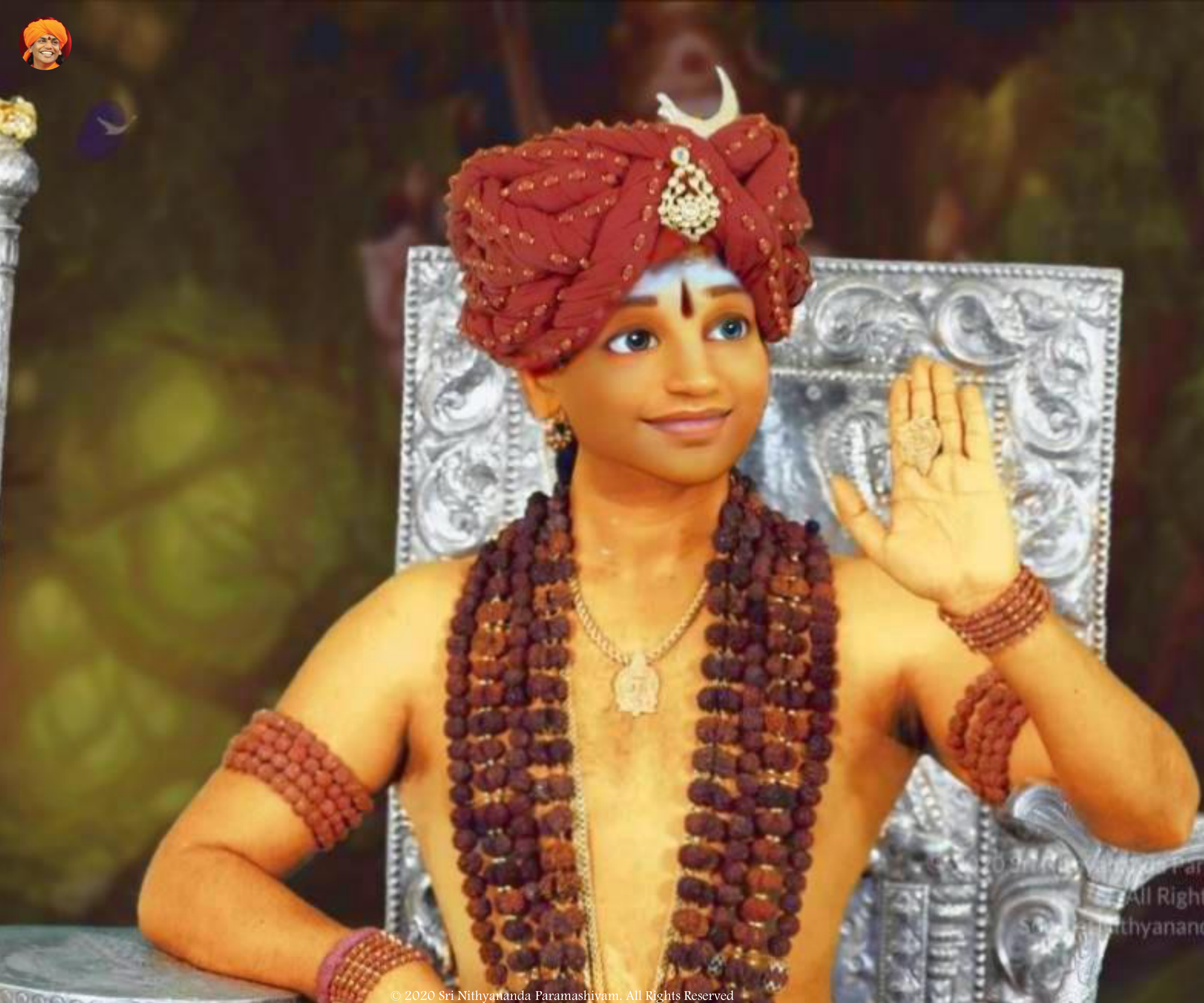
You are the microcosmic hologram of the macrocosmic diagram.

श्रीभगवानुवाच ।
प्रजहाति यदा कामान्सर्वान्पार्थ मनोगतान् ।
आत्मन्येवात्मना तुष्टः स्थितप्रज्ञस्तदोच्यते
॥ २=५५॥
śrībhagavānuvāca prajahāti yadā
kāmān sarvānpārtha manogatān
ātmanyevātmanā tuṣṭaḥ
sthitaprajñastadocyate
Śrī Bhagavān says: O Pārtha, a man
who casts off completely all the
desires of the mind and is satisfied in
the Self by the Self, He is said to be
Sthhitaprajña, one of steady wisdom
in completion
POWERFUL COGNITION
We too are the brahmāṇḍa, Universe.
दुःखेष्वनुद्विग्नमनाः सुखेषु विगतस्पृहः ।
वीतरागभयक्रोधः स्थितधीर्मुनिरुच्यते
॥ २-५६॥
duḥkheṣv anudvigna-manāḥ sukheṣu
vigataspṛhaḥ vītarāgabhayakrodhaḥ
sthitadhīrmunirucyate
He whose mind is not disturbed by adversity and who, in prosperity, does not go after other pleasures, he who is free from attachment, fear or anger is called a sage of steady wisdom
POWERFUL COGNITION
We can have all that we need as all that belongs to the Universe belongs to us also.

INTRODUCTION
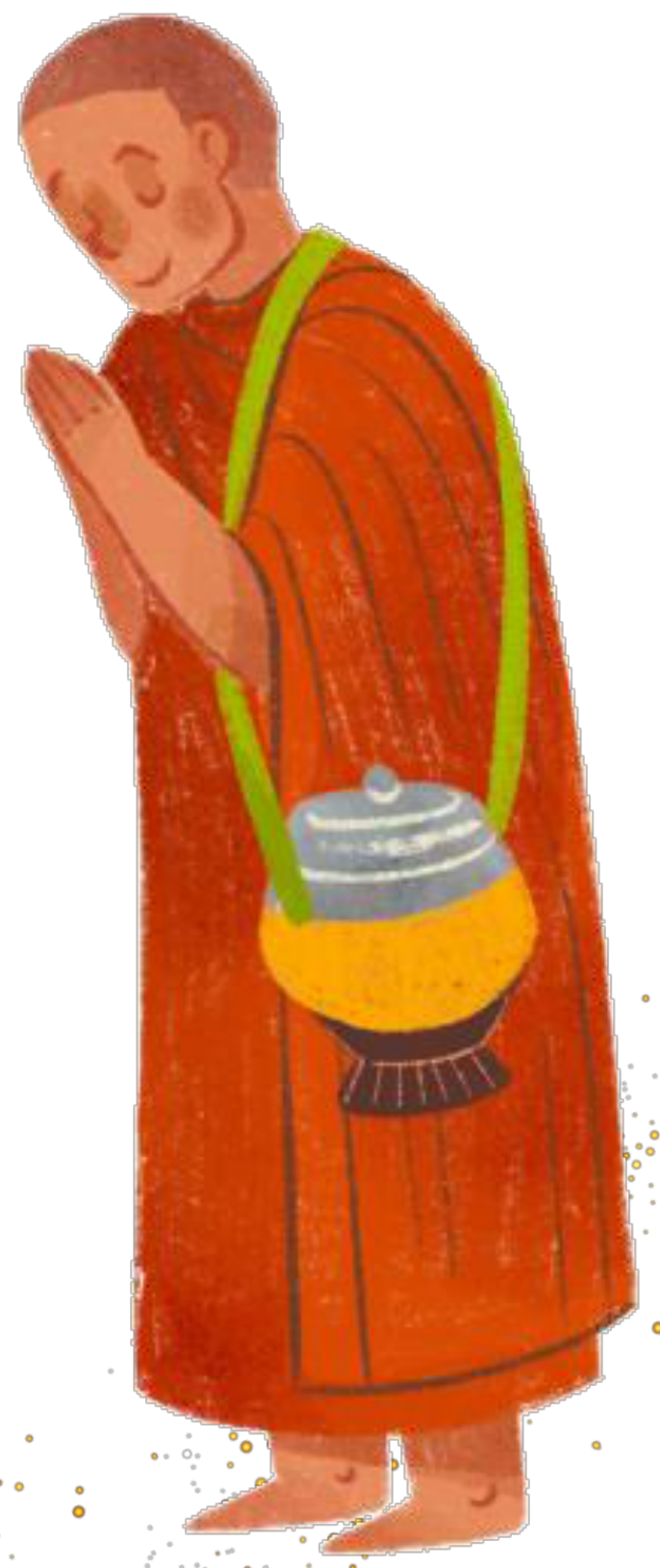
Arjuna is now curious and wants to know more. He asks Kṛṣṇa, 'You are telling me all this, that is wonderful. You tell me that I must perform without expectations and attachment and that I must be complete in wisdom. I would like to live that way and move on the path of wisdom. Pray, tell me what kind of a person is this, the one who always stays in the steady space of completion
How does he behave, walk and talk? Let me model myself on him.'
For the fifth time Arjuna expresses authentic interest in what Kṛṣṇa is saying. Arjuna has realized that whatever he said earlier had arisen from his confusion, his patterns. Arjuna is intelligent enough to know that he does not know.
When Kṛṣṇa tells him to behave in a manner befitting the code of the warriors, this piece of advice certainly makes good sense to Arjuna. However, what Kṛṣṇa says further confuses Arjuna. Kṛṣṇa says to do what you have to do without being concerned about the outcome. This is a strange idea to Arjuna. He has rarely done anything in his life without thinking about the result of his action.
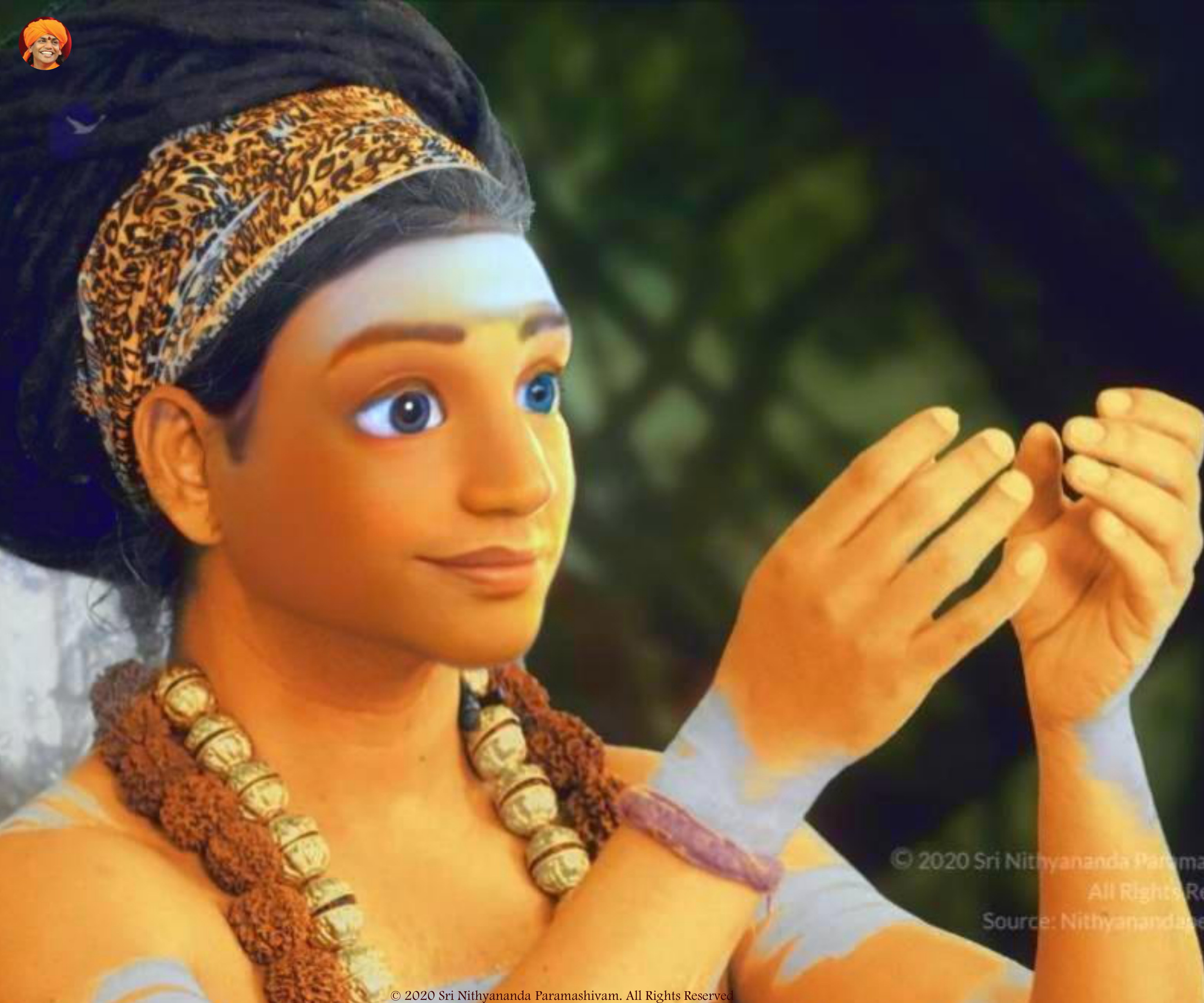
Arjuna, the greatest of
marksmen, is conditioned with
the pattern to first define his
target and then act. Kṛṣṇa has
confused him totally now.
Kṛṣṇa says, ‘Release your arrow;
where it lands is my business.’
At least, this is how Arjuna
understands what Kṛṣṇa says.
Arjuna has enough trust in
Kṛṣṇa not to ignore this
instruction from the Divine. So
he asks, ‘Tell me who is it who
acts without any interest in the
outcome? Who is it who is not
concerned about the result,
whether it is good or bad,
painful or joyful, and how do I
identify such a person?’
Kṛṣṇa responds, 'This man is
free from desires and emotions.
He has neither greed nor fear.
He has no patterns. He is always
complete in himself. Pleasures
through the senses do not
interest him. He has withdrawn
his senses from the external or
outer world and has integrated
them inwards into his inner
space, directed them towards
that Supreme. Truth that is
beyond all pleasures,
attachments, emotions and
sense objects.' Kṛṣṇa thus
describes the Realized Yogi, the
Sthitaprajña to Arjuna so that he
too may emulate him and
realize himself.
GOALS
Helping each child manifest the space of completion.
ASSESSMENTS
❖ Why is Arjuna confused?
❖ What is the pattern Arjuna has been conditioned with?
❖ How is the man who is free from desires and emotions?
❖ In which direction does the Realized Yogi direct his senses?
❖ Why does Kṛṣṇa describe the Realized Yogi to Arjuna?
ART OF THE DAY

ART OF THE DAY:
CARBON TRACING
MATERIALS NEEDED:
- Pen
- Markers
- Paper
PROCEDURE
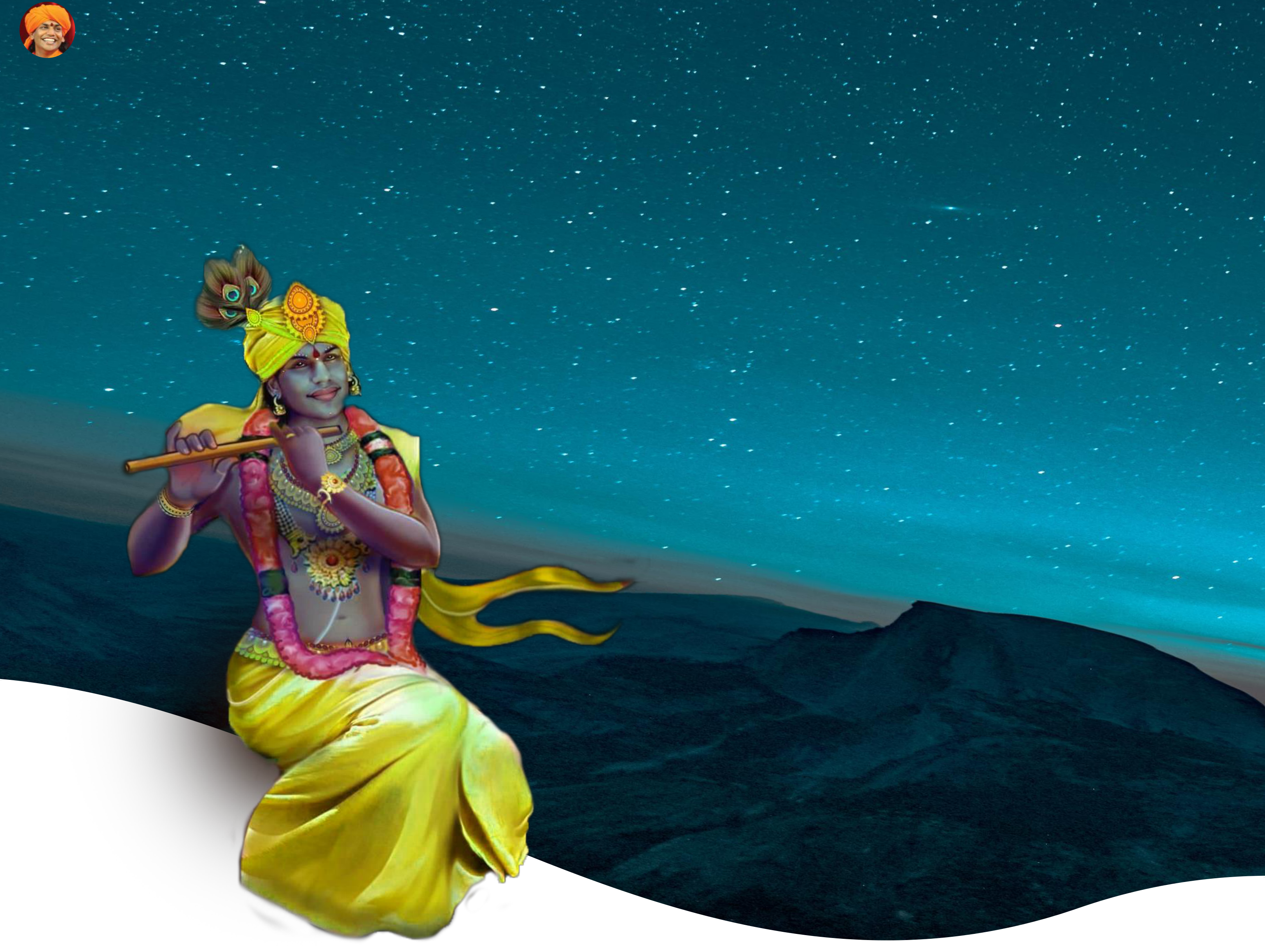
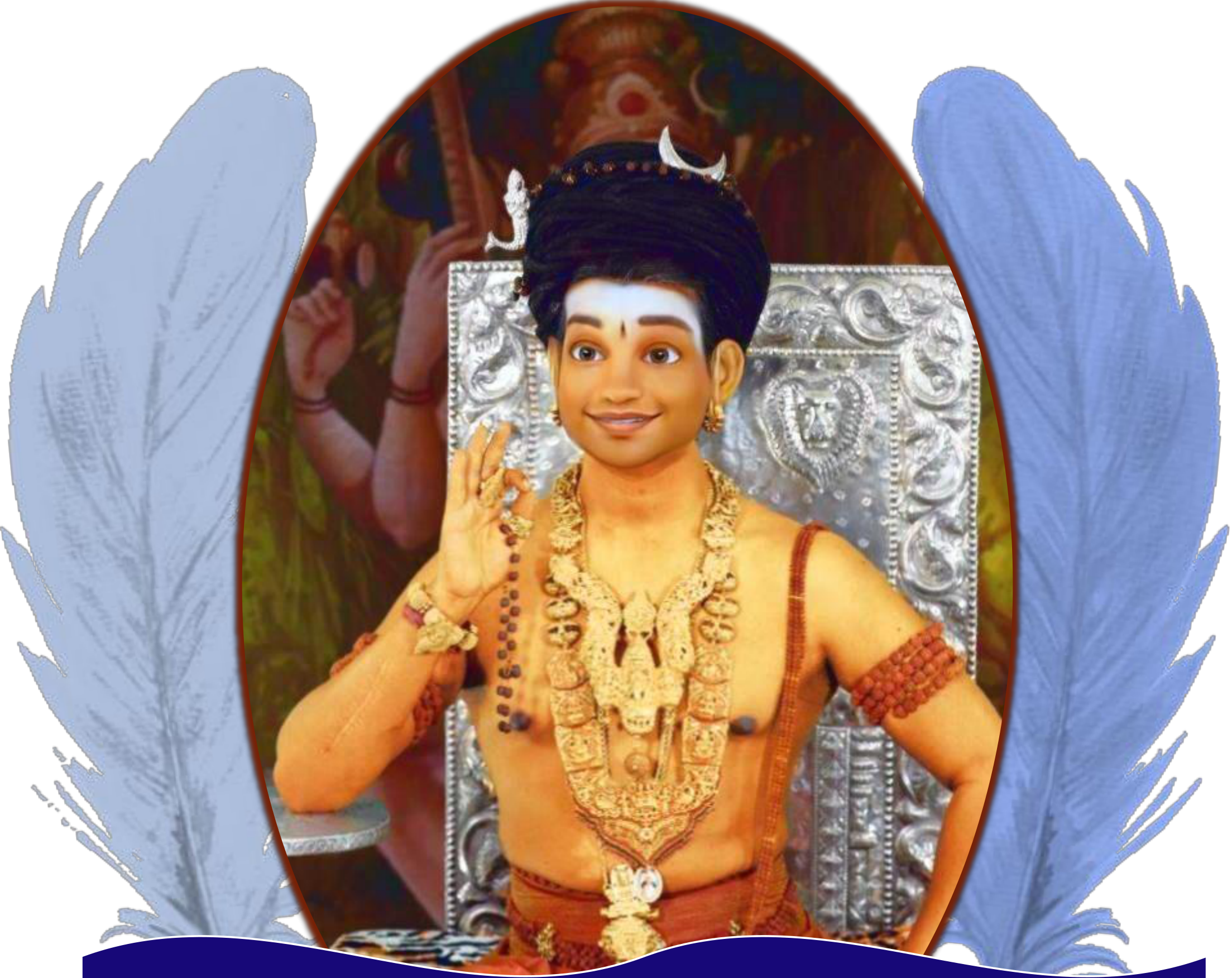
Based on the description given by Kṛṣṇa, ask the children to draw themselves as the Realized Yogi/Yogini.
INFERENCE
This man is free from desires and emotions. He has neither greed nor fear. He has no patterns. He is always complete in himself. Pleasures through the senses do not interest him. He has withdrawn his senses from the external or outer world and has integrated them inwards into his inner space, directed them towards that Supreme. Truth that is beyond all pleasures, attachments, emotions and sense objects.”Just like Arjuna, you can also be a Realized Yogi.

ACTIVITY OF THE DAY
ACTIVITY OF THE DAY:
ANSWERING ILLOGICAL STATEMENTS
PROCEDURE:
Encourage each child to sit in a circle. Each child will get turns to answer the questions but they have to answer the questions with illogical statements.
INFERENCE:
Answering illogical statements, answering with unknown can be connected to fear. Fear is created by unknown. We can relate this game to the concept of fear. Reiterate the importance of going beyond fear.

WORKSHOP OF THE DAY
WORKSHOP OF THE DAY:
VAAKYARTHA SADHAS
MATERIALS NEEDED
- Paper
- Pen or Pencil

PROCEDURE iscuss Ask the children/teenagers to make three columns: 1) "desires" , 2) "fear" and the 3) is "the first time I felt this desire or fear". Ask them to contemplate and do their best to fill them. Then guide them into the completion process by asking them to relive and relieve those moments of intense desire and fear. At the end, ask them to write a paragraph about their experience.
CONCLUSION The Realized Yogi is established in truth that is beyond all pleasures, attachments, emotions and sense objects.
- BHAGAVAD GITA -
BOOK II, VOLUME XIV