Duty Without Delusion
This text was machine-transcribed from the printed book and may contain errors. Select the words and choose “Report a mistake”.
Authored by
THE SPH NITHYANANDA PARAMASHIVAM
नियतस्य तु संन्यासः कर्मणो नोपपद्यते ।
मोहात्तस्य परित्यागस्तामसः परिकीर्तितः ॥ १८-७ ॥
niyatasya tu sannyāsaḥ
karmaṇo nopapadyate
mohāttasya parityāgas tāmasaḥ
parikīrtitaḥ
Prescribed duties should never be renounced. If one gives up his prescribed duties through the illusion of renunciation, this is said to be in the state of ignorance.
POWERFUL COGNITION
Only when you take responsibility, life happens to your body.
दुःखमित्येव यत्कर्म कायक्लेशभयात्त्यजेत् ।
स कृत्वा राजसं त्यागं नैव त्यागफलं लभेत् ॥ १८-८ ॥
duḥkhamityeva yat karma
kāyakleśabhayāttyajet sa kṛtvā
rājasaṁ tyāgaṁ nai'va
tyāgaphalaṁ labhet
Anyone who gives up
prescribed duties as
troublesome, or out of fear, is
said to be in the state of
aggression, does not benefit
from renunciation.
POWERFUL COGNITION
When you feel responsible in
your being, for any problem,
or anything, you find solution
for that problem or that
situation.
कार्यमित्येव यत्कर्म नियतं क्रियतेऽर्जुन ।
सङ्गं त्यक्त्वा फलं चैव स त्यागः सात्त्विको मतः ॥ १८-९ ॥
kāryam ity eva yat karma
niyataṁ kriyate'rjuna saṅgaṁ
tyaktvā phalaṁ caiva sa
tyāgaḥ sāttviko mataḥ
But he who performs what is
prescribed, as a matter of
duty, without expectation or
attachment to the results, his
renunciation is of the nature
of satva, goodness, O Arjuna.
POWERFUL COGNITION
When you take responsibility
for everything, you become
Sannyāsi.
KRISHNA
says that nitya karma or
obligatory responsibilities must
be followed with discipline and
consistency. Not doing these
takes us into the state of
tamas, inaction born out of
ignorance and laziness. Nitya
karmas vary from person to
person. The duties of a
householder are different from
those of a monk or a student.
Each has clear guidelines in
terms of what they should and
should not do.
Many times the idea
of dropping our
responsibilities and
taking up a different
role is more attractive
than growing in
completion so that
we can perform our
own responsibilities
well and without
attachment. Be very
clear, without the
right cognition of
completion, no role
that we take up will
work out for us.
Instead of taking up
responsibility and expanding
you and your life around you,
watching television, sleeping or
daydreaming seems much
more pleasant and easy. We
would rather do that than
meditate or perform pūjā or
whatever is our prescribed
duty.
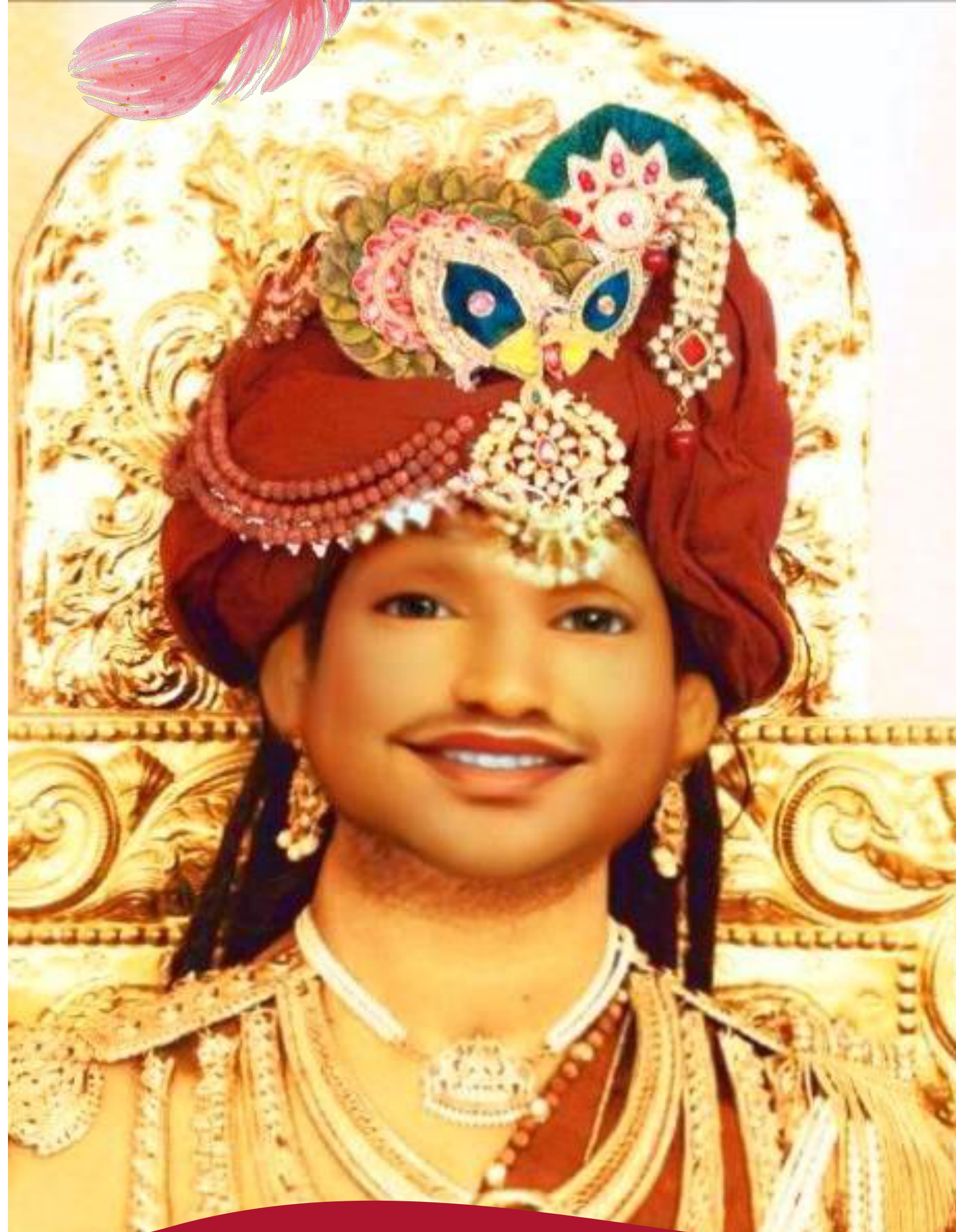
FEEL RESPONSIBLE iN YOUR BEiNG
IN THE SPH'S OWN WORDS:
“I am defining Sannyāsa.
When you don’t take responsibility for anything, you live as slave, śūdra. When you take the responsibility for the money of the society, you become vaiśya. When you take the responsibility for weapon of the society, you become kṣatriya. When you take the responsibility for knowledge of the society, you become brāhmaṇa. When you take responsibility for everything, you become Sannyāsi.”
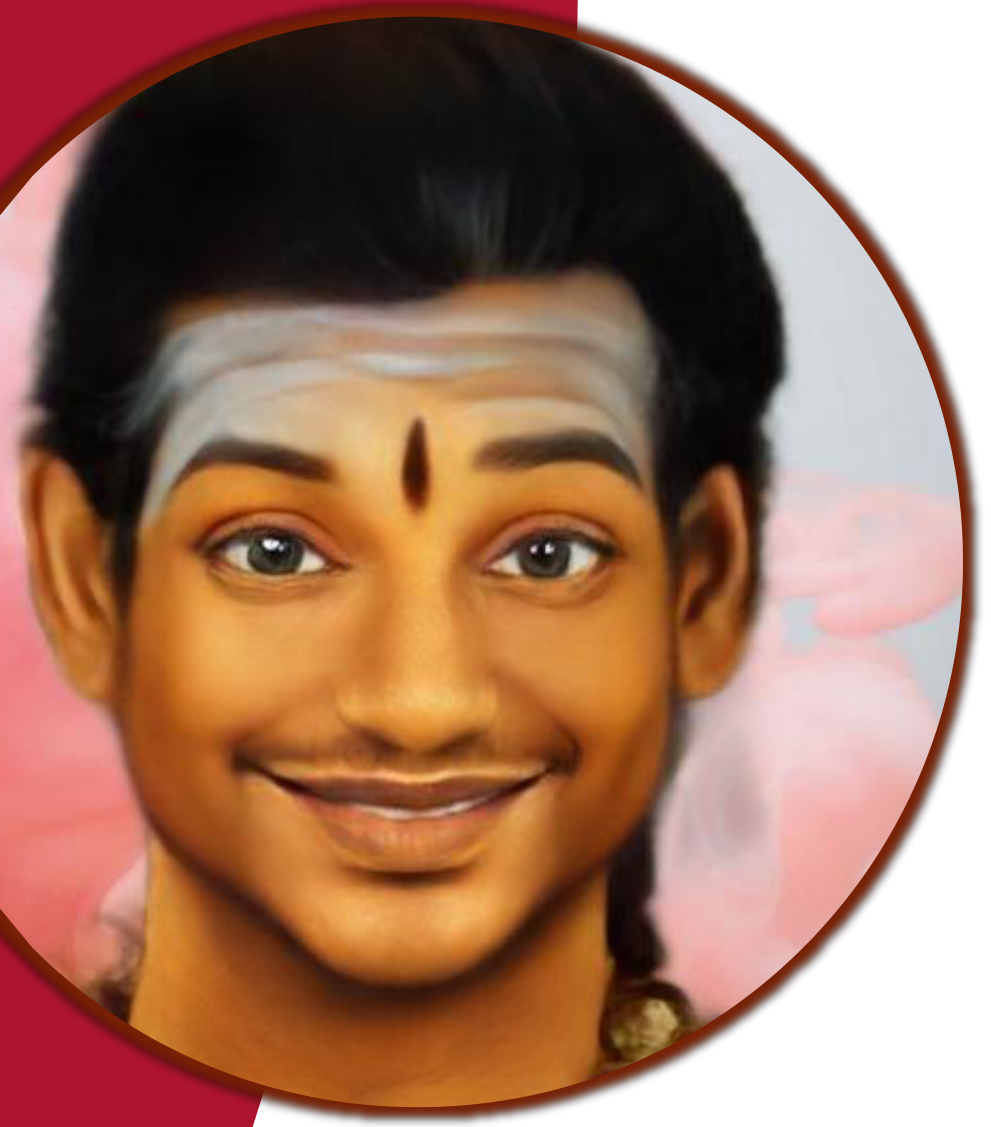
One of the biggest problem we have is — ‘let me have the power first, let me have the status first, let me have the position first, then I will take the responsibility.’ That does not happen in life.
Take the responsibility to build the state inside you. Then, after you are tested by the Cosmos, it gives you the status. That status can never be taken away.
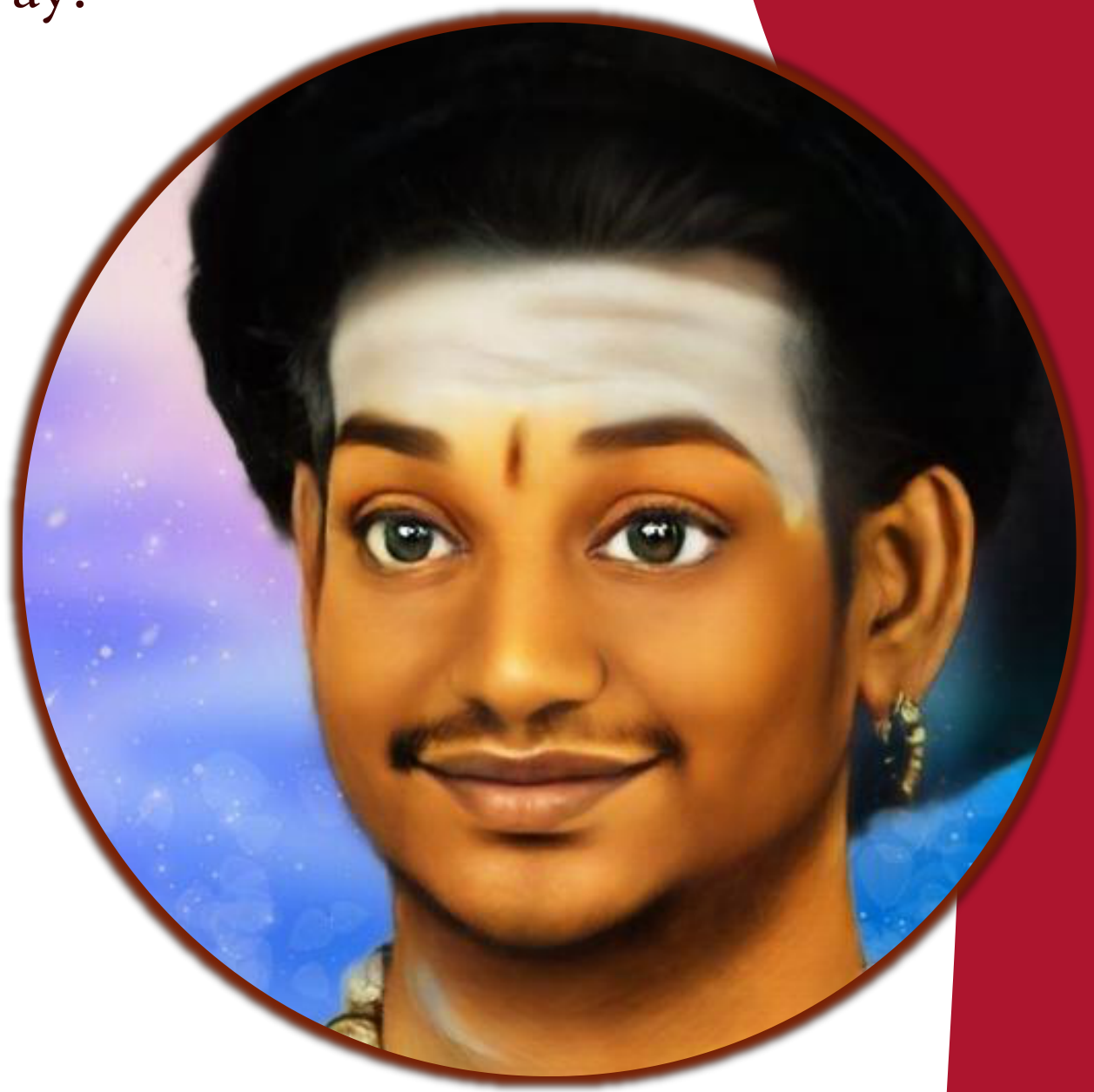
Responsibility attracts more responsibility. The problem is we are afraid of more responsibility, so we deny even the responsibility that we have in our hand.
But more and more responsibility adds more and more life energy into you.

Kṛṣṇa says that doing what needs to be done because that is what is our responsibility, without attachment to the action and without desire is the ideal condition of satva.
Kṛṣṇa has said this many times in
the Gītā. He repeats it again so that
the message sinks in our muscle-
memory and bio-memory. Do what
must be done. Do what your
responsibility is, based on your
societal or religious beliefs and
codes. However, do it with
integrity and authenticity without
attachment and expectation of
results.
If you don't feel you are
responsible for something, you
don't even think in that line. If you
feel you are responsible for
something, only then will you even
look into that part of your life.
When you feel responsible in your
being, for any problem, or
anything, you find solution for that
problem or that situation.
You don't need to do any action, you don't need to do any thinking. Decide from your being that you will feel responsible for the whole world. You will take actions towards your immediate responsibility as per your prescribed duty , but you will feel responsible for the whole.

Suddenly, you will see all your actions will have authenticity, your thinking will have integrity! Mainly, whatever you are doing, if you take responsibility for the world, even if you are a doctor, you will become a better doctor. If you are a lawyer, you will become a better lawyer. If you are an engineer, you will become a better engineer, If you are a politician, you will become a better politician.
Just with this shift in your
cognition, you will be a
karma yogi; because
innumerable right things
will be added to your
thinking, to your being,
to your action and to
your life.

GOALS:
Helping students
understand the space of
responsibility of a karma
yogi.
Helping students
understand what is
"status" and what is
"state".

ASSESSMENTS
1. What is Nithya Karma?
2. True or False: Nithya Karmas are the same for everyone.
3. Who is a Sannyasi?
4. What did Swamiji choose to take responsibility for?
4. What does responsibility attract?
5. What is the ideal condition of satva?
6. What is Krishna continuously telling regarding performing our responsibility?
ART OF THE DAY
ART OF THE DAY:
THE KARMA YOGI
MATERIALS NEEDED: Paper, Marker, Pencil, Eraser
PROCEDURE: Ask the students to draw a portrait of a karma yogi on their paper. Then encourage each child to write down 5 powerful cognitions that a karma yogi carries. Once everyone is done, ask everyone to share the powerful cognitions.
INFERENCE: A karma yogi is one who decides from their being: I will feel responsible for the whole world. A karma yogi will take actions towards their immediate responsibility as per their prescribed duty, but will feel responsible for the whole.

ACTIVITY OF THE DAY
Materials required:
Paper, Pen
ACTIVITY OF THE DAY:
BECOMING SATTVIC
PROCEDURE:
As the acharya, write down 10 powerless cognitions. Then, ask the students to sit for a few minutes with their eyes closed and to visualize themselves as a karma yogi/yogini. Then tell the powerless cognitions one by one and ask each student to shift the cognition to a powerful one and to write them down. At the end, ask everyone to share how the power to shift powerless cognitions into powerful ones will help them in their day-to-day life.
ACTIVITY OF THE DAY:
BECOMING SATTVIC

INFERENCE
If you take
responsibility for the
world, even if you are a
doctor, you will
become a better
doctor. If you are a
lawyer, you will
become a better
lawyer. If you are an
engineer, you will
become a better
engineer, If you are a
politician, you will
become a better
politician.
WORKSHOP OF THE DAY
WORKSHOP OF THE DAY:
VAAKYARTHA SADHAS - STATE OR STATUS?
PROCEDURE
Engage the students into a discussion about “state” and “status”. You can bring up different questions such as: Is one more important than the other? Do they come simultaneously? How does one know they have achieved “state” or “status”? What happens when we have the state but not the status? What happens when we have the status but not the state?
CONCLUSION
Surrender to your own being, to your own consciousness, to your own inner space.