Who Is Very Dear To God ?
This text was machine-transcribed from the printed book and may contain errors. Select the words and choose “Report a mistake”.
Authored by
THE SPH NITHYANANDA PARAMASHIVAM

अद्वेष्टा सर्वभूतानां मैत्रः करुण एव च ।
निर्ममो निरहङ्कारः समदुःखसुखः क्षमी
॥ १२-१३॥
adveṣṭā sarvabhūtānāṁ maitraḥ
karuṇa eva ca | nirmamo
nirahaṅkāraḥ samaduḥkhasukhaḥ
kṣamī
One who has no dislike or
envy for any being, who
is friendly and compassionate to
everyone, free from the sense of I
and mine, the ego, maintains
equanimity of mind both
in joy and sorrow,
POWERFUL COGNITION
A person who is free from ego, who is free from worry, anxiety and irritation, who has understood the futility of his goals or wealth, is dear to Krishna.

12.14
सन्तुष्टः सततं योगी यतात्मा दृढनिश्चयः ।
मय्यर्पितमनोबुद्धिर्यो मद्भक्तः स मे प्रियः
॥ १२=१४॥
santuṣṭaḥ satataṁ yogī yatātmā
dṛḍhaniścayaḥ I mayy arpita-mano-
buddhir yo madbhaktaḥ sa me priyaḥ
forgiving, ever satisfied, united with
Yoga,
has a strong commitment to Me and
has fixed his mind and intellect upon
Me, such a devotee of Mine is very
dear to Me.
POWERFUL COGNITION
A person who is established in forgiveness, who maintains equanimity of mind, who trusts Krishna, who is committed to his spiritual awakening, who is satisfied and united with yoga is dear to Krishna.

INTRODUCTION

One who has no dislike
or envy for any being,
who is friendly and
compassionate to
everyone, free from the
sense of I and mine, the
ego, maintains
equanimity of mind
both in joy and sorrow,
forgiving, ever satisfied,
united with Yoga, has a
strong commitment to
Me and has fixed his
mind and intellect upon
Me, such a devotee of
Mine is very dear to Me.

In all the previous verses, Kṛṣṇa tells Arjuna to do this or do that. Now, He is not saying do this or do that. He says, ‘Those who do all these things are very dear to Me. If you don’t do these, that too is okay. However, if you do them, you will be very dear to Me— yo mad-bhaktaḥ sa me priyaḥ.’ In other words, it is emotional black mail, not directly but indirectly, but all for a good cause!
‘One who is not envious, but is a kind friend to all living entities, who does not think of himself as a proprietor, and who is free from false ego, who is equal in both happiness and distress, who is tolerant, always satisfied, self-controlled, and engaged in devotional service with determination, with intelligence fixed on Me, such a devotee of Mine is very dear to Me.’

MIND GAMES
Krishna says, ‘Who is not envious and a kind friend to every living entity.’ These are important qualities
Let us analyze our minds. When we honestly analyze our mind, we realize that if somebody came to you and told you he loved you, you wouldn’t believe it. The first thing you would do is figure out what he wants from you. You don’t believe you are worthy of being loved. Next, you don’t believe that somebody can honestly love you, because you don’t love anybody honestly. Because you are calculative, you expect the other person also to be calculating. All our love is skin deep and you know how deep skin is! Here, He says, ‘A person who is a kind friend of everyone, who honestly serves, feels the friendliness in everybody and is free from false ego.’ Now we should understand the term ‘false ego, ahaṁkāra’.

TYPES OF EGO
Ego not only means
showing what you don't
have, but also hiding what
you have. There are two
types of ego: active ego and
passive ego. Active ego is
showing what you have and
passive egois characterized
by these kinds of thoughts,
'Oh, what can I do, I am a
simple person, I cannot
achieve anything, and I
cannot do anything.' Hiding
oneself is an outcome of the
passive ego. An inferiority
complex is a manifestation
of the passive ego.
At least there is one positive point regarding the superiority complex. With a feeling of superiority, wherever one goes, one gets a big beating from society. But with inferiority complex, society does not attempt to correct you. It is a cunning way of hiding yourself from life.
You will not even know that you have a problem. A person who looks for name and fame, and a person who doesn't want name and fame are both egoistic. If you ask for name, you are egoistic. And if you don't, it shows passive ego. Whereas a person who lets things happen and a person who allows things to flow, lives in reality. Kṛṣṇa makes a comment, 'After all, who is going to know who you are? Why do you think you are a big person and your name is so great and that everybody knows your name? You think you are great, that is why you don't want name and fame. Nobody knows your name, relax.'

FALSE EGO
Kṛṣṇa says clearly. Nobody knows
our name. Asking for name and
fame and saying, ‘I don’t want
name and fame,’ are different
aspects of ego, different varieties of
ego. The inferior ego is also ego,
which is why he says ‘false ego’.
You are not only supposed to be
free from ego, you are supposed to
be free from false ego as well. You
shouldn’t hide yourself in
inferiority Complexes.
A SMALL STORY
A master tells a disciple, 'Please press my feet.' The disciple says, 'Oh, I am a sinner, how can I touch Your feet?' He does not want to do it because he is lazy. So he says, 'I am a great sinner. I am impure. How can I touch Your feet; how can I do that?' Later, a devotee brought fruits and prasād, offerings. The master put a little in his mouth and left the rest. The next day, he saw nothing on the plate. He asked his disciple, 'What happened to the fruits and prasād?' The disciple answered, 'It was guru prasād, offering to the master. I could not let it go for a waste. I finished the whole thing because it was guru prasād.'

Look at the mind, how nicely it handles different situations! Wherever we want, we insert whatever is convenient. The moment you understand the futility of your goal and wealth, that nothing is going to be with you forever, all of these divine qualities radiate through your being.
You will be transformed into a person who is established in forgivingness, who maintains equanimity of mind, who is satisfied and united with yoga. Actually, when you are blissful inside, you radiate these qualities. A man who is totally blissful inside radiates pleasantness for absolutely no reason.
GAP BETWEEN EXPECTATION AND CAPANILITY
We continuously carry a sense of
slight irritation in our being; we are
waiting to pounce on people.
We don't know what we are doing.
We jump and bite people at the
slightest provocation, because we
carry some irritation pattern within
us. We continuously vomit upon
others the suffering and misery that
we feel.
This irritation pattern arises within
us out of constant worry, inner
chatter because of incompletions.
We feel we may not get what we
are planning for and what we want.
Worry arises as a result of the gap
between what we expect and what
we think we are capable of getting.

FUTILITY OF WORRY
Worry is futile because there are many
factors other than our capability that
determine the outcome of what we do.
We cannot control even our own
breath. We cannot say with certainty
whether we will take the next breath.
What arrogance it is then to think that
we can determine our future or the
outcome of our actions! Worry and
irritation are pointless and make you
powerless. Worry, anxiety and irritation
dissolve once we settle into the
present, the space of completion. Only
in the present are we in a position to
influence our actions and the
immediate outcome of those actions.
When we settle into the present,
thoughts cease and worry and irritation
disappear.
KALPANA AND BHAVANA
We realize how irrelevant, unproductive and inauthentic worry is. Only how consciously you live, with what consciousness you choose to live remains with you. Only the consciousness of completion remains with you. When you understand the importance of your state of being, you automatically start radiating pleasantness and joy.
One more thing you should know is that imagination and visualization are two different things. Imagination translates into kalpanā in Saṃskṛit, while visualization translates into bhāvanā. Bhāvanā is different from kalpanā. Kalpanā means imagining things that are not there. For example, if you think of an elephant with ten trunks, that is imagination, kalpanā, that which is not there. But bhāvanā means visualizing that which is present but maybe eluding you.


VISUALIZATION IS TUNING YOURSELF
If you sit during the day and
visualize stars in the sky, that is not
imagination.It is visualization.
Because stars are in the sky even
though you are unable to see them.
So visualizing stars is not
imagination. Perceiving what is
there but what you are unable to
see at this moment is visualization.
Trying to perceive what can never
exist is imagination. So understand
that meditating on gods and
goddesses is not imagination. It is
visualization. They are there. You
cannot see them; that is all. You
are supposed to fall in tune with
them, like tuning your television.
Similarly, visualization is tuning
yourself.
MOOD OF THE MASTER
'Such a devotee of mine is very dear to Me, yo mad-bhaktaḥ sa me priyaḥ.' Kṛṣṇa says that if somebody lives in this manner, that devotee is close to Him. He doesn't say 'Do or don't do.' He does not want to make more rules. He is tired of making rules. He has reached a point where his attitude is, 'If you can, do it, otherwise, what can be done?' He is in a relaxed mood.
I think this happens to all masters. After some time they say, 'Alright, do whatever you want, what can be done?' They can guide or show you only to a certain extent. Beyond that if masters persist, people start thinking that the masters have some vested interest in making people enlightened.
WHY SHOULD YOU
KNOW ABOUT DEATH?
Masters just share to enrich with what they have, out of completion, joy and bliss. You are not ready to trust the Master. You keep resisting Him.
When the Master says drop ‘I and mine,’ people are afraid that the Master may pick them up and take it with him! People are suspicious. That is why Masters sometimes say, ‘This is the right way, but do as you want to do.’‘ One who has fixed his mind and intellect upon me, mayy arpita mano buddhir (12.14),’ says Kṛṣṇa.
It is difficult for the devotee and disciple to have this attitude of surrender to the Master or the Universe. As long as things go the way the person wants, as long as the Master allows the devotee to do what he wishes, the Master is a great master and worthy of celebration. But once the Master turns serious and takes up his responsibility of spiritual surgery on the disciple, he wants to run away.


DECIDING ON THE MASTER
A Master takes his responsibilities seriously. His major responsibility is surgery; it is the surgery of the cancer of ego. Once the disciple makes a commitment, the Master makes his commitment too. It is dangerous to run away from the operating table. You lose your whole life by running away. You may have to wait many births before you get another chance.
Here, Kṛṣṇa is in the same mood and He says, 'Such a devotee of Mine is dear to Me,' that's all. He is talking about the commitment that the devotee makes to Him. He says, 'One who makes that commitment to Me and fixes his mind and intellect upon Me, he is dear to Me and will be liberated.' So says the great Master of the Universe.
I tell people, 'Decide well in
advance whether I am your
right Master or not.'
- The SPH Nithyananda Paramashivam
GOALS:
Impress upon the students that
dropping both the Egos i.e.
Superiority Complex and
Inferiority Complex is very
important to make spiritual
progress.
ASSESSMENTS

❖ What is Ego?
❖ What is the difference
between active ego and
passive ego?
❖ What causes irritation in the inner space?
❖ What is bhāvanā
(visualization) and how is it
different from Kalpanā
(imagination)?
❖ What is the root cause of worry?


ART OF THE DAY:
TURMERIC GANESHA
MATERIALS NEEDED:
- Turmeric
- powder water
PROCEDURE Mix turmeric powder with a little water to make a dough. Make a small idol of Ganesha. Decorate your Ganesha as best as you like. Visualize that your Ganesha is alive and interacts with you in your inner space. Have a friendly chat with your Ganesha while you offer light, fragrance, flowers and/or food offerings to him.
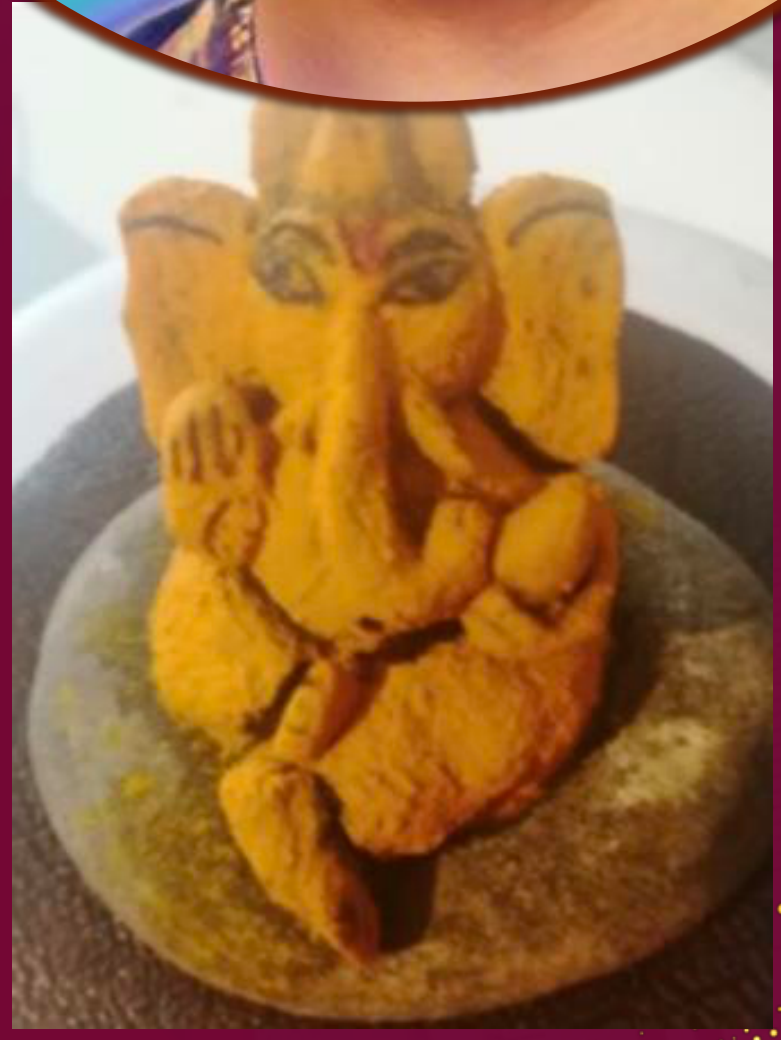
INFERENCE Meditating on gods and goddesses is not imagination. It is visualization. Perceiving what is there but what you are unable to see at this moment is visualization. Gods are there. You cannot see them; that is all. You are supposed to fall in tune with them, like tuning your television. Visualization of Gods and Goddesses is tuning yourself to higher truths.

ACTIVITY OF THE DAY
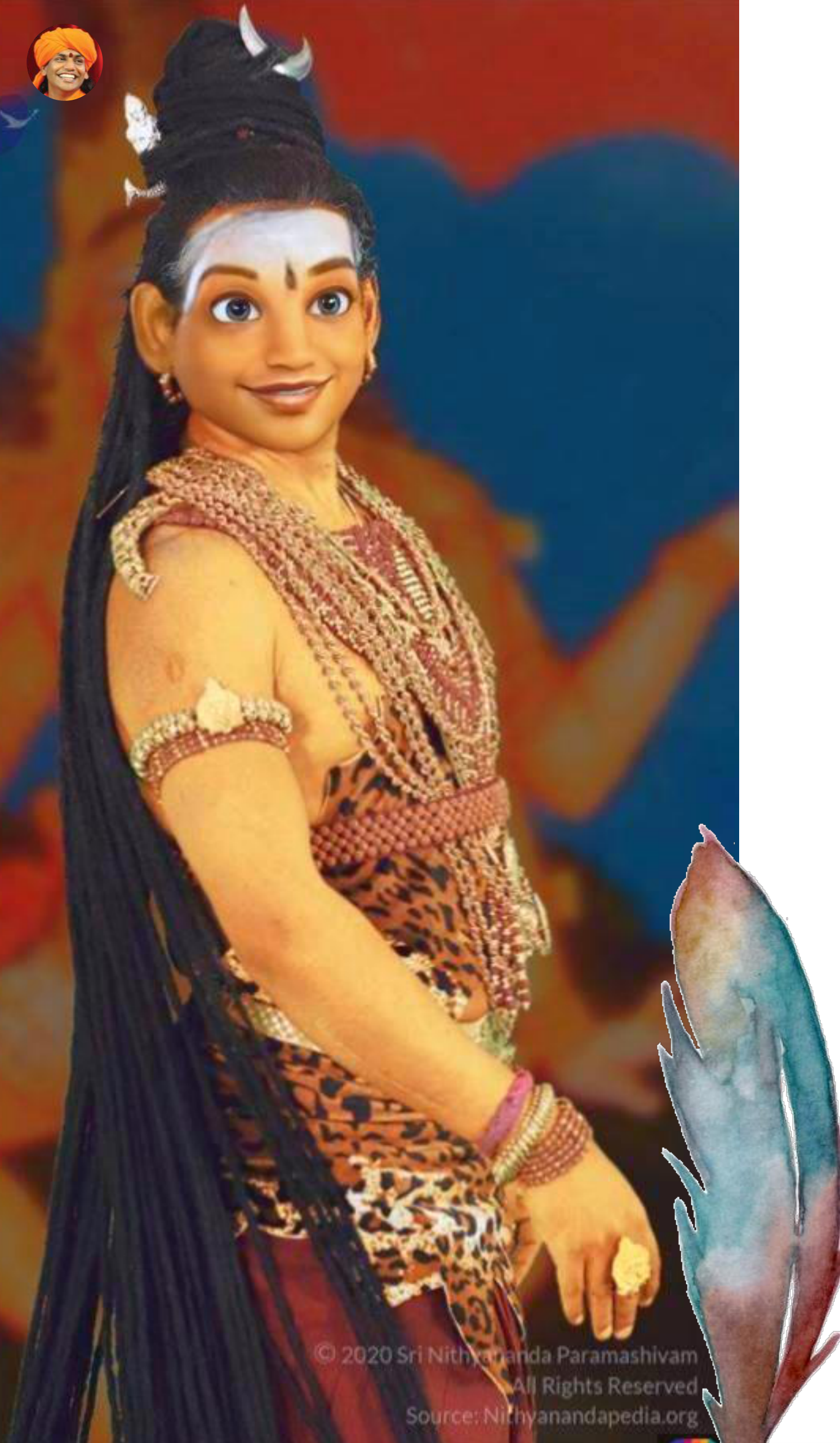
ACTIVITY OF THE DAY:
PROCEDURE:
Let us practice the technique of
radiating pleasantness and
friendliness. From morning till
night whenever you remember,
inhale, inhale, and inhale only the
pleasant qualities of bliss. Visualize
you are inhaling bliss and exhaling
bliss. Your whole being will be
filled with joy. In the beginning
you will be visualizing, imagining.
Just continuously visualize
inhaling and exhaling bliss.
Visualise prāṇa – the life giving
energy—going inside and coming
out. But in a few days you will
realize it is your quality.
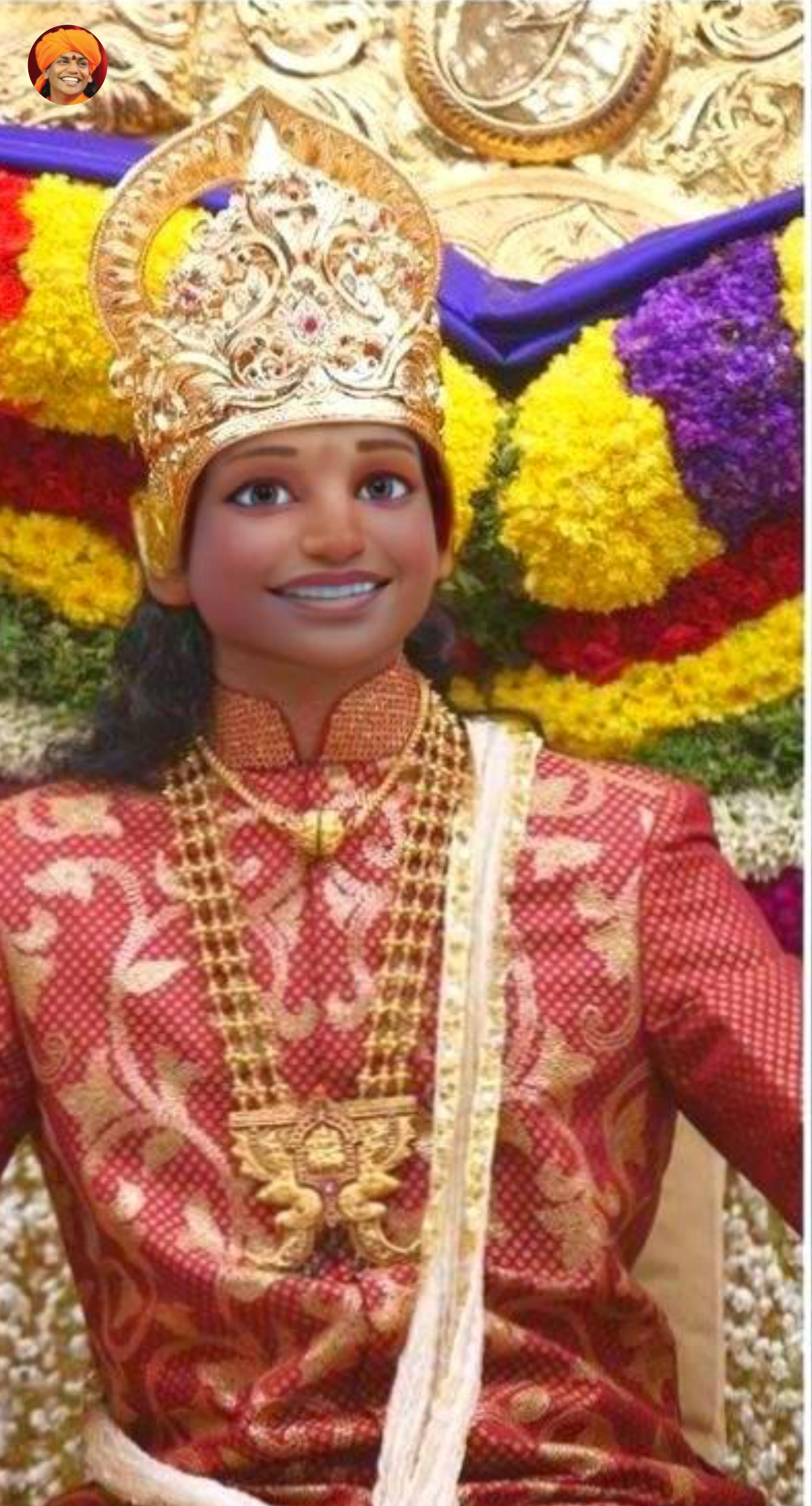
ACTIVITY OF THE DAY:
PROCEDURE:
So whenever you inhale,
visualize yourself inhaling
bliss. When you exhale,
visualize yourself exhaling
bliss. Inhale light and exhale
light. Think that your whole
body is a bean bag filled with
light. Imagine your body is a
bean bag filled with bliss and
light. You will automatically
start radiating bliss instead of
irritation. Instead of vomiting
the poison of anger and
jealousy on others, you will
radiate love and bliss.
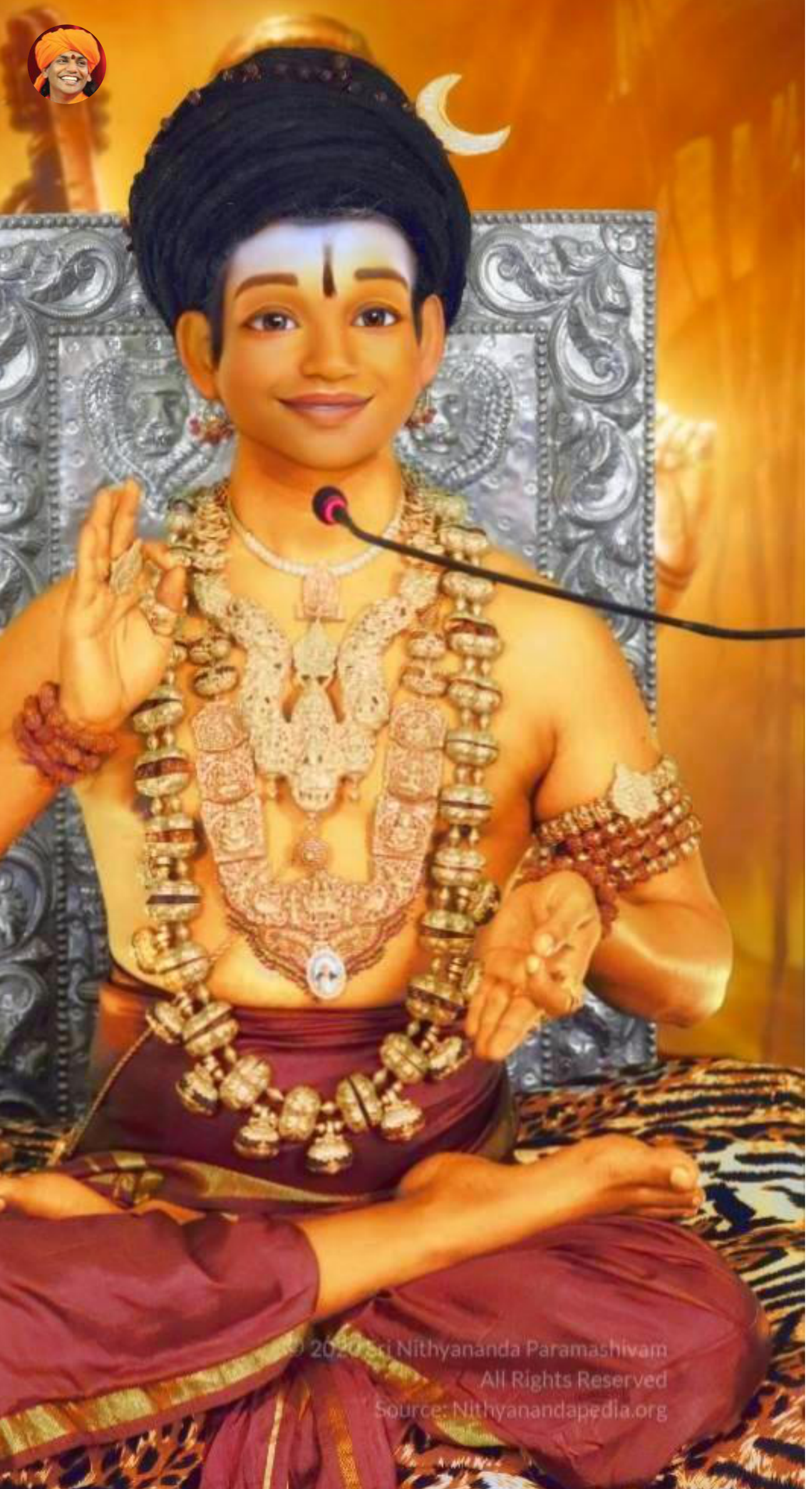
ACTIVITY OF THE DAY:
INFERENCE:
Prāṇa is energy and bliss. Prāṇa is not
merely air. Prāṇa is the energy that
goes through air. For example, a
truck comes up to your house and
unloads luggage and leaves. The truck
is air and the luggage is prāṇa. Using
air as a medium, prāṇa enters. Prāṇa-
śakti is the subtle part of air. Prāṇa-
śakti is bliss energy, ānanda-śakti. On
retaining the state of completion
within your being, you automatically
start radiating pleasantness and joy.

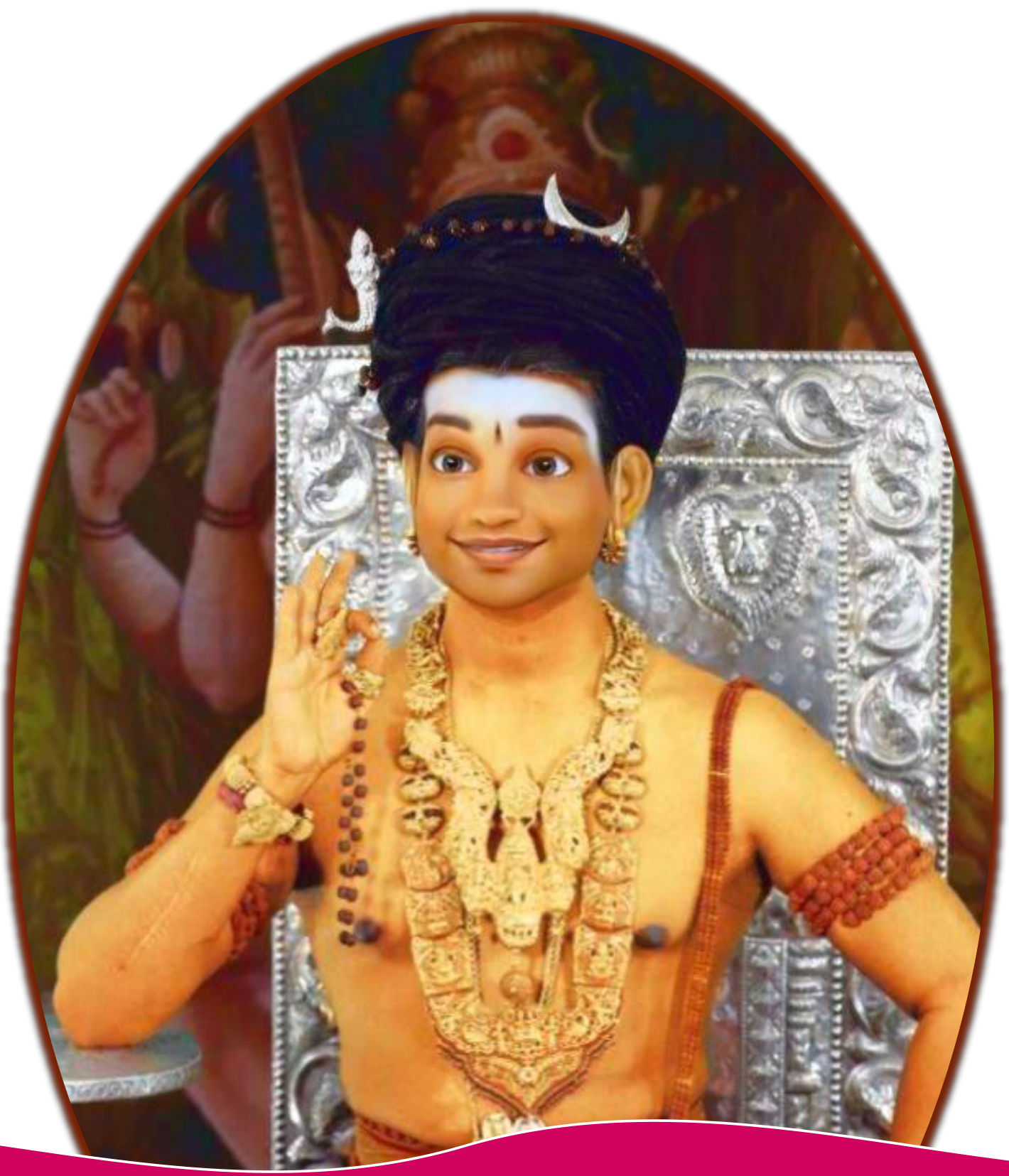
WORKSHOP OF THE DAY


WORKSHOP OF THE DAY:
VAAKYARTHA SADHAS
Topic of discussion is “Why do disciples run from the Master when he does surgery on their Ego or inauthenticity?”
Conclusion: We resist the Master when he asks us to drop our sense of “me” (Identity) and “mine” (possession). However, committing to the Master and fixing the mind and intellect upon God is critical for our spiritual growth and expansion.

- BHAGAVAD GITA -
BOOK XII, VOLUME XI