The Sacred Text of Hinduism
This text was machine-transcribed from the printed book and may contain errors. Select the words and choose “Report a mistake”.
Appendix - Bhagavad Gita Verses
धृतराष्ट्र उवाच | धर्मक्षेत्रे कुरुक्षेत्रे समवेता युयुत्सवः | मामकाः पाण्डवाश्चैव किमकुर्वत सञ्जय ||1.1|| dhṛtarāṣṭra uvāca | dharmakṣetre kurukṣetre samavetā yuyutsavaḥ | māmakāḥ pāṇḍavāś caiva kim akurvata sañjaya || 1.1 Dhṛtarāṣṭra said: O Sañjaya, assembled on this righteous holy land of pilgrimage at Kurukṣetra, what did my sons and those of Pāṇḍu, eager and ready to fight, do?
सञ्जय उवाच | दृष्ट्वा तु पाण्डवानीकं व्यूढं दुर्योधनस्तदा | आचार्यमुपसङ्गम्य राजा वचनमब्रवीत् ||1.2|| sañjaya uvāca dṛṣṭvā tu pāṇḍavānīkaṁ vyūḍhaṁ duryodhanas tadā | ācāryam upasaṅgamya rājā vacanam abravīt || 1.2 Sañjaya said: O king, looking at the Pāṇḍava army in full formation, Duryodhana went to his teacher and spoke.
पश्यैतां पाण्डुपुत्राणामाचार्य महतीं चमूम् | व्यूढां द्रुपदपुत्रेण तव शिष्येण धीमता ||1.3|| pasyai 'tām pāṇḍuputrānām ācārya mahatīm camūm | vyūḍhāṁ drupada putreṇa tava śiṣyeṇa dhīmatā || 1.3 O my teacher, behold the great army of the sons of Pāṇḍu, arrayed for battle by your intelligent disciple, the son of Drupada.
अत्र शूरा महेष्वासा भीमार्जुनसमा युधि | युयुधानो विराटश्च द्रुपदश्च महारथः ||1.4|| atra śūrā maheṣvāsā bhīmārjunasamā yudhi | yuyudhāno virāṭaś ca drupadaś ca mahā rathaḥ ||
1.4 Here in this army there are many heroes wielding mighty bows, and equal in military prowess to Bhīma and Arjuna— Yuyudhāna, Virāṭa, and the great chariot warrior Drupada. धृष्टकेतुश्चेकितानः काशिराजश्च वीर्यवान् | पुरुजित्कुन्तिभोजश्च शैब्यश्च नरपुङ्गवः ||1.5|| dhṛṣṭaketuś cekitānaḥ kāśīrājaś ca vīryavān | purujit kuntibhojaś ca śaibyaś ca narapuṅgavaḥ || 1.5 There are courageous warriors like Dṛṣṭaketu, Cekitāna, the courageous Kāśīrāja, Purujit, Kuntibhoja and Śaibya, the best of men.
युधामन्युश्च विक्रान्त उत्तमौजाश्च वीर्यवान् | सौभद्रो द्रौपदेयाश्च सर्व एव महारथाः ||1.6|| yudhāmanyuś ca vikrānta uttamaujāś ca vīryavān | saubhadro draupadeyāś ca sarva eva mahārathāḥ || 1.6 There are the mighty Yudhāmanyu, the brave Uttamauja, Abhimanyu, the son of Subhadrā and the sons of Draupadī, all of them great chariot warriors.
अस्माकं तु विशिष्टा ये तान्निबोध द्विजोत्तम | नायका मम सैन्यस्य संज्ञार्थं तान्ब्रवीमि ते ||1.7|| asmākaṁ tu viśiṣhṭā ye tānnibodha dwijottama | nāyakā mama sainyasya sanjñārthaṁ tānbravīmi te || 1.7 O best of the brāhmaṇas, let me tell you, who are the powerful warriors on our side—the generals of my army; for your information, I mention them.
भवान्भीष्मश्च कर्णश्च कृपश्च समितिंजयः | अश्वत्थामा विकर्णश्च सौमदत्तिस्तथैव च ||1.8|| bhavān bhīṣmaś ca karṇaś ca kṛ paś ca samitiṃjayaḥ | aśvatthāmā vikarṇaś ca saumadattis tathai 'va ca ||
1.8 Your goodself, Bhīṣma, Karṇa, Kṛpa, who are ever victorious in battle, an even so Aśvatthāma, Vikarṇa and the son of Somadatta.
अन्ये च बहवः शूरा मदर्थे त्यक्तजीविताः |
नानाशस्त्रप्रहरणाः सर्वे युद्धविशारदाः ||1.9||
anye ca bahavaḥ śūrā mad arthe tyakta jīvitāḥ |
nānā śastra praharaṇāḥ sarve yuddha viśāradāḥ ||
1.9 Many other heroes there are who are prepared to lay down their lives for my sake; all are well-equipped with different weapons, and well experienced in warfare science.
अपर्याप्तं तदस्माकं बलं भीष्माभिरक्षितम् |
पर्याप्तं त्विदमेतेषां बलं भीमाभिरक्षितम् ||1.10||
aparyāptaṁ tad asmākaṁ balaṁ bhīṣmābhi rakṣitam |
paryāptaṁ tvidam eteṣāṁ balaṁ bhīmābhi rakṣitam ||
1.10 The strength of army of ours, protected by Bhīṣma, is invincible whereas the strength of their army carefully protected by Bhīma is limited.
अयनेषु च सर्वेषु यथाभागमवस्थिताः |
भीष्ममेवाभिरक्षन्तु भवन्तः सर्व एव हि ||1.11||
ayaneṣu ca sarveṣu yathā bhāgam avasthitāḥ |
bhīṣmam evā bhirakṣantu bhavantaḥ sarva eva hi ||
1.11 Stationed in your respective divisions on all fronts, all of you must give full protection to Bhīṣma
तस्य सञ्जनयन्हर्षं कुरुवृद्धः पितामहः |
सिंहनादं विनद्योच्चैः शङ्खं दध्मौ प्रतापवान् ||1.12||
tasya sañjanayan harṣaṁ kuru vṛddhaḥ pitāmahaḥ |
siṁha nādaṁ vinadyoccaiḥ śaṅkhaṁ dadhmau pratāpavān ||
1.12 Then Bhīṣma, the mighty patriarch of the Kuru dynasty, their glorious grandfather, roared like a lion and blew his conch, giving Duryodhana joy.
ततः शङ्खाश्च भेर्यश्च पणवानकगोमुखाः |
सहसैवाभ्यहन्यन्त स शब्दस्तुमुलोऽभवत् ||1.13||
tataḥśaṅkhāś ca bheryaś ca paṇavānaka gomukhāḥ |
sahasaivābhyahanyanta sa śabdas tumulo 'bhavat ||
1.13 Then, conches, bugles, trumpets, drums and horns were all suddenly sounded, and the combined sound was tumultuous.
ततः श्वेतैर्हयैर्युक्ते महति स्यन्दने स्थितौ |
माधवः पाण्डवश्चैव दिव्यौ शङ्खौ प्रदध्मतुः ||1.14||
tataḥ śvetair hayair yukte mahati syandane sthitau |
mādhavaḥ pāṇḍavaś caiva divyau śaṅkhau pradadhmatuḥ ||
1.14 Then, seated on a magnificent chariot drawn by white horses, both Mādhava (Kṛṣṇa) and Arjuna sounded their divine conches.
पाञ्चजन्यं हृषीकेशो देवदत्तं धनञ्जयः |
पौण्ड्रं दध्मौ महाशङ्खं भीमकर्मा वृकोदरः ||1.15||
pāñcajanyaṁ hṛṣīkeśo devadattaṁ dhanañjayaḥ |
pauṇḍraṁ dadhmau mahā śaṅkhaṁ bhīma karmā vṛkodaraḥ ||
1.15 Then, Hṛṣīkeśa (Kṛṣṇa) blew His conch, called Pāñcajanya; Dhanañjaya (Arjuna) blew his conch, called Devadatta; and Bhīma blew his mighty conch called Pauṇḍra.
अनन्तविजयं राजा कुन्तीपुत्रो युधिष्ठिरः |
नकुलः सहदेवश्च सुघोषमणिपुष्पकौ ||1.16||
anantavijayaṁ rājā kuntī putro yudhiṣṭhiraḥ |
nakulaḥ sahadevaś ca sughoṣa maṇipuṣpakau ||
1.16, 17, 18 King Yudhiṣṭra, the son of Kuntī, blew his conch, the Anantavijaya, and Nakula and Sahadeva blew theirs known as Sughośa and Maṇipuṣpaka. The excellent archer, the king of Kāśī, the great chariot-fighter Śikhaṇḍī, Dhṛṣṭadyumna, Virāṭa and the invincible Sātyaki, Drupada, the sons of Draupadī , and the mighty-armed Abhimanyu, son of Subhadrā, all of them, O king, blew their own conches.
काश्यश्च परमेष्वासः शिखण्डी च महारथः |
धृष्टद्युम्नो विराटश्च सात्यकिश्चापराजितः ||1.17||
kāśyaś ca parameṣvāsaḥ śikhaṇḍī ca mahā rathaḥ | dhṛṣṭadyumno virāṭaś ca sātyakiś cāparājitaḥ || 1.16, 17, 18 King Yudhiṣṭra, the son of Kuntī, blew his conch, the Anantavijaya, and Nakula and Sahadeva blew theirs known as Sughoṣa and Maṇipuṣpaka. The excellent archer, the king of Kāśī, the great chariot-fighter Śikhaṇḍī, Dhṛṣṭadyumna, Virāṭa and the invincible Sātyaki, Drupada, the sons of Draupadī , and the mighty-armed Abhimanyu, son of Subhadrā, all of them, O king, blew their own conches.
द्रुपदो द्रौपदेयाश्च सर्वशः पृथिवीपते |
सौभद्रश्च महाबाहुः शङ्खान्दध्मुः पृथक् पृथक् ||1.18||
drupado draupadeyāś ca sarvaśaḥ pṛthivī pate | saubhadraś ca mahābāhuḥ śaṅkhān dadhmuḥ pṛthak-pṛthak || 1.16, 17, 18 King Yudhiṣṭra, the son of Kuntī, blew his conch, the Anantavijaya, and Nakula and Sahadeva blew theirs known as Sughoṣa and Maṇipuṣpaka. The excellent archer, the king of Kāśī, the great chariot-fighter Śikhaṇḍī, Dhṛṣṭadyumna, Virāṭa and the invincible Sātyaki, Drupada, the sons of Draupadī , and the mighty-armed Abhimanyu, son of Subhadrā, all of them, O king, blew their own conches.
स घोषो धार्तराष्ट्राणां हृदयानि व्यदारयत् |
नभश्च पृथिवीं चैव तुमुलो व्यनुनादयन् ||1.19||
sa ghoṣo dhārtarāṣṭrāṇāṃ hṛdayāni vyadārayat | nabhaś ca pṛthivīṃ caiva tumulo vyanunādayan || 1.19 The terrible sound echoing through the sky and the earth rent the hearts of the sons of Dhṛtarāṣṭra.
अथ व्यवस्थितान्दृष्ट्वा धार्तराष्ट्रान् कपिध्वजः |
प्रवृत्ते शस्त्रसम्पाते धनुरुद्यम्य पाण्डवः |
हृषीकेशं तदा वाक्यमिदमाह महीपते ||1.20||
atha vyavasthitān dṛṣṭvā dhārtarāṣṭrān kapidhvajaḥ | pravṛtte śastrasaṃpāte dhanur udyamya pāṇḍavaḥ | hṛṣīkeśaṃ tadā vākyam idam āha mahīpate || 1.20 Seeing the sons of Dhṛtarāṣṭra arrayed in the battle field, Arjuna, the son of Pāṇḍu, who was seated in his chariot, bearing the flag marked with Hanumān, took up his bow. अर्जुन उवाच |
सेनयोरुभयोर्मध्ये रथं स्थापय मेऽच्युत ||1.21||
arjuna uvāca | senayor ubhayor madhye rathaṃ sthāpaya me ’cyuta || 1.21, 22 Arjuna said: O Acyuta (Infallible One), please place my chariot between the two armies while I may observe these warriors arrayed for battle and with whom I have to engage in fight.
यावदेतान्निरीक्षेऽहं योद्धुकामानवस्थितान् |
कैर्मया सह योद्धव्यमस्मिन् रणसमुद्यमे ||1.22||
yāvad etān nirīkṣe ’haṃ yoddhu kāmān avasthitān | kair mayā saha yoddhavyam asmin raṇasamudyame || 1.21, 22 Arjuna said: O Acyuta (Infallible One), please place my chariot between the two armies while I may observe these warriors arrayed for battle and with whom I have to engage in fight.
योत्स्यमानानवेक्षेऽहं य एतेऽत्र समागताः |
धार्तराष्ट्रस्य दुर्बुद्धेर्युद्धे प्रियचिकीर्षवः ||1.23||
yotsyamānān avekṣe ’haṃ ya ete ’tra samāgatāḥ | dhārtarāṣṭrasya durbuddher yuddhe priyacikīrṣavaḥ || 1.23 Let me see these well wishers in this war of the evil-mind- ed Duryodhana, who have come together here to fight. सञ्जय उवाच |
एवमुक्तो हृषीकेशो गुडाकेशेन भारत |
सेनयोरुभयोर्मध्ये स्थापयित्वा रथोत्तमम् ||1.24||
sañjaya uvāca | evam ukto hṛṣīkeśo guḍākeśena bhārata | senayor ubhayor madhye sthāpayitvā rathottamam || 1.24, 25 Sañjaya said: O descendant of Bhārata, being thus addressed by Guḍākeśa (Arjuna), Hṛṣīkeśa (Kṛṣṇa) then drew up the fine chariot to the middle of both the armies in front of Bhīṣma, Droṇa and all the kings and said, ‘Arjuna, behold the Kauravas assembled here.’
भीष्मद्रोणप्रमुखतः सर्वेषां च महीक्षिताम् |
उवाच पार्थ पश्यैतान्समवेतान्कुरूनिति ||1.25||
bhīṣma droṇa pramukhataḥ sarveṣāṃ ca mahīkṣitām | uvāca pārtha paśyaitān samavetānkurūniti || 1.24, 25 Sañjaya said: O descendant of Bhārata, being thus addressed by Guḍākeśa (Arjuna), Hṛṣīkeśa (Kṛṣṇa) then drew up the fine chariot to the middle of both the armies in front of Bhīṣma, Droṇa and all the kings and said, 'Arjuna, behold the Kauravas assembled here.'
तत्रापश्यत्स्थितान् पार्थः पितृ नथ पितामहान् |
आचार्यान्मातुलान्भ्रातृ न्पुत्रान्पौत्रान्सखींस्तथा |
श्वशुरान्सुहृदश्चैव सेनयोरुभयोरपि ||1.26||
tatrā paśyat sthitān pārthaḥ pitṛ-n atha pitāmahān | ācāryān mātulān bhrātṛ-n putrān pautrān sakhīṃs tathā | śvaśurān suhṛdaś caiva senayorubhayorapi || 1.26 There Arjuna saw, stationed there in both the armies his uncles, grand uncles, teachers, maternal uncles, brothers, sons, grandsons, and friends, as well as his fathers-in-law and well-wishers.
तान्समीक्ष्य स कौन्तेयः सर्वान्बन्धूनवस्थितान् |
कृपया परयाविष्टो विषीदन्निदमब्रवीत् ||1.27||
tān samīkṣya sa kaunteyaḥ sarvān bandhūn avasthitān | kṛpayā parayā 'viṣṭo viṣīdann idam abravīt || 1.27 Seeing all those relatives present there, Arjuna was over- whelmed with deep pity and spoke in sadness.
अर्जुन उवाच |
दृष्ट्वेमं स्वजनं कृष्ण युयुत्सुं समुपस्थितम् |
सीदन्ति मम गात्राणि मुखं च परिशुष्यति ||1.28||
arjuna uvāca | dṛṣṭvemaṃ svajanaṃ kṛṣṇa yuyutsuṃ samupasthitam | sīdanti mama gātrāṇi mukhaṃ ca pariśuṣyati || 1.28, 29 Arjuna said: Kṛṣṇa, seeing my friends and relatives present before me, eager to wage war, my limbs are giving way, my mouth is parching and a shiver is running through my body, my hair is standing on end.
वेपथुश्च शरीरे मे रोमहर्षश्च जायते ||1.29||
vepathuś ca śarīre me romaharṣaś ca jāyate || 1.28, 29 Arjuna said: Kṛṣṇa, seeing my friends and relatives present before me, eager to wage war, my limbs are giving way, my mouth is parching and a shiver is running through my body, my hair is standing on end.
गाण्डीवं स्रंसते हस्तात्त्वक्चै व परिदह्यते |
न च शक्नोम्यवस्थातुं भ्रमतीव च मे मनः ||1.30||
gāṇḍīvaṃ sraṃsate hastāt tvak caiva paridahyate | na ca śaknomy avasthātuṃ bhramatīva ca me manaḥ || 1.30 My bow gāṇḍīva is slipping from my hands and my skin is burning all over. My mind is whirling as it were, and I am now unable to stand here any longer.
निमित्तानि च पश्यामि विपरीतानि केशव |
न च श्रेयोऽनुपश्यामि हत्वा स्वजनमाहवे ||1.31||
| nimittāni ca paśyāmi viparī tāni keśava |
na ca śreyo 'nupaśyāmi hatvā svajanam āhave || 1.31 I foresee only evil omens, O Kṛṣṇa, I do not see any good coming out of killing one's own kinsmen [svajanam] in this battle. I do not covet my dear Kṛṣṇa, victory or kingdom or pleasures.
न काङ्के विजयं कृष्ण न च राज्यं सुखानि च |
किं नो राज्येन गोविन्द किं भोगैर्जीवितेन वा ||1.32||
na kāṅkṣe vijayaṃ kṛṣṇa na ca rājyaṃ sukhāni ca | kiṃ no rājyena govinda kiṃ bhogair jīvitena vā || 1.32—1.36 Of what use will kingdom or happiness or even life be to us? For whose sake we desire this kingdom, enjoy- ment and happiness, they stand in battle staking their lives and property. Teachers, fathers, sons as well as grandfathers, maternal uncles, fathers-inlaw, grandsons, brothers-in-law and other relatives. Madhusūdana (Kṛṣṇa), even if I am killed (by them) I do not want to kill these ones even to gain control of all three worlds, much less for the earthly lordship. What pleasure will we get by destroying the sons of Dhṛtarāṣṭra, Janārdana? Only sin will overcome us if we slay these wrong doers.
येषामर्थे काङ्क्षितं नो राज्यं भोगाः सुखानि च |
त इमेऽवस्थिता युद्धे प्राणांस्त्यक्त्वा धनानि च ||1.33||
yeṣām arthe kāṅkṣitaṃ no rājyaṃ bhogāḥ sukhāni ca | ta ime 'vasthitā yuddhe prāṇāṃs tyaktvā dhanāni ca || 1.32—1.36 Of what use will kingdom or happiness or even life be to us? For whose sake we desire this kingdom, enjoy- ment and happiness, they stand in battle staking their lives and property. Teachers, fathers, sons as well as grandfathers, maternal uncles, fathers-inlaw, grandsons, brothers-in-law and other relatives. Madhusūdana (Kṛṣṇa), even if I am killed (by them) I do not want to kill these ones even to gain control of all three worlds, much less for the earthly lordship. What pleasure will we get by destroying the sons of Dhṛtarāṣṭra, Janārdana? Only sin will overcome us if we slay these wrong doers.
आचार्याः पितरः पुत्रास्तथैव च पितामहाः |
मातुलाः श्वशुराः पौत्राः श्यालाः सम्बन्धिनस्तथा ||1.34||
ācāryāḥ pitaraḥ putrāḥ tathaiva ca pitāmahāḥ | mātulāḥ śvaśurāḥ pautrāḥ śyālāḥ saṃbandhinas tathā |a || 1.32—1.36 Of what use will kingdom or happiness or even life be to us? For whose sake we desire this kingdom, enjoy- ment and happiness, they stand in battle staking their lives and property. Teachers, fathers, sons as well as grandfathers, maternal uncles, fathers-inlaw, grandsons, brothers-in-law and other relatives. Madhusūdana (Kṛṣṇa), even if I am killed (by them) I do not want to kill these ones even to gain control of all three worlds, much less for the earthly lordship. What pleasure will we get by destroying the sons of Dhṛtarāṣṭra, Janārdana? Only sin will overcome us if we slay these wrong doers.
एतान्न हन्तुमिच्छामि घ्नतोऽपि मधुसूदन |
अपि त्रैलोक्यराज्यस्य हेतोः किं नु महीकृते ||1.35||
etān na hantum icchāmi ghnato 'pi madhusūdan | api trailokyarājyasya hetoḥ kiṃ nu mahīkṛ te || 1.32—1.36 Of what use will kingdom or happiness or even life be to us? For whose sake we desire this kingdom, enjoy- ment and happiness, they stand in battle staking their lives and property. Teachers, fathers, sons as well as grandfathers, maternal uncles, fathers-inlaw, grandsons, brothers-in-law and other relatives. Madhusūdana (Kṛṣṇa), even if I am killed (by them) I do not want to kill these ones even to gain control of all three worlds, much less for the earthly lordship. What pleasure will we get by destroying the sons of Dhṛtarāṣṭra, Janārdana? Only sin will overcome us if we slay these wrong doers.
निहत्य धार्तराष्ट्रान्नः का प्रीतिः स्याज्जनार्दन |
पापमेवाश्रयेदस्मान्हत्वैतानातायिनः ||1.36||
nihatya dhārtarāṣṭrān naḥ kā prī tiḥ syāj janārdana | pāpam evāśrayed asmān hatvaitān ātatāyinaḥ || 1.32—1.36 Of what use will kingdom or happiness or even life be to us? For whose sake we desire this kingdom, enjoy- ment and happiness, they stand in battle staking their lives and property. Teachers, fathers, sons as well as grandfathers, maternal uncles, fathers-inlaw, grandsons, brothers-in-law and other relatives. Madhusūdana (Kṛṣṇa), even if I am killed (by them) I do not want to kill these ones even to gain control of all three worlds, much less for the earthly lordship. What pleasure will we get by destroying the sons of Dhṛtarāṣṭra, Janārdana? Only sin will overcome us if we slay these wrong doers.
तस्मान्नार्हा वयं हन्तुं धार्तराष्ट्रान्स्वबान्धवान् |
स्वजनं हि कथं हत्वा सुखिनः स्याम माधव ||1.37||
tasmān nārhā vayaṃ hantuṃ dhārtarāṣṭrān svabāndhavān | svajanam hi kathaṃ hatvā sukhinaḥ syāma mādhava || 1.37 Therefore, it is not proper for us to kill the sons of Dhṛtarāṣṭra and our relations, for how could we be happy after killing our own kinsmen, Mādhava?
यद्यप्येते न पश्यन्ति लोभोपहतचेतसः |
कुलक्षयकृतं दोषं मित्रद्रोहे च पातकम् ||1.38||
yadyapyete na paśyanti lobhopahata cetasaḥ | kulakṣayakṛtaṃ doṣaṃ mitradrohe ca pātakam || 1.38 O Janārdana, these men, blinded by greed, see no fault in killing one's family or being treasonable to friends, incur sin.
कथं न ज्ञेयमस्माभिः पापादस्मान्निवर्तितुम् |
कुलक्षयकृतं दोषं प्रपश्यद्भिर्जनार्दन ||1.39||
athaṃ na jñeyam asmābhiḥ pāpād asmān nivartitu | kulakṣaya kṛ taṃ doṣaṃ prapaśyadbhir janārdana || 1.39 Why should we, who clearly see the sin in the destruction of a dynasty, not turn away from this crime?
कुलक्षये प्रणश्यन्ति कुलधर्माः सनातनाः |
धर्मे नष्टे कुलं कृत्स्नमधर्मोऽभिभवत्युत ||1.40||
kulakṣaye praṇaśyanti kuladharmāḥ sanātanāḥ |
dharme naṣṭe kulaṁ kṛ tsnam adharmo 'bhibhavatyuta ||
1.40 With the destruction of the dynasty, the age-old family traditions die and virtue having been lost, vice overtakes the entire race.
अधर्माभिभवात्कृष्ण प्रदुष्यन्ति कुलस्त्रियः |
स्त्रीषु दुष्टासु वार्ष्णेय जायते वर्णसङ्करः ||1.41||
adharmābhibhavāt kṛṣṇa praduṣyanti kula striyaḥ |
strīṣu duṣṭāsu vārṣṇeya jāyate varṇasaṁkaraḥ ||
1.41 When non-righteous practices become common, O Kṛṣṇa, the women of the family become corrupt, and with the deg- radation of womanhood, O Descendant of Vṛṣṇi, ensues inter- mixture of castes.
सङ्करो नरकायैव कुलघ्नानां कुलस्य च |
पतन्ति पितरो ह्येषां लुप्तपिण्डोदकक्रियाः ||1.42||
saṁkaro narakāyaiva kulaghnānāṁ kulasya ca |
patanti pitaro hyeṣāṁ lupta piṇḍodaka kriyāḥ ||
1.42, 43 A mixture of blood damns the destroyers of race and the race itself. Deprived of offering of oblations of rice and water the departed souls of the race also fall, the age-long caste traditions and family customs of the killers of kinmen become extinct.
दोषैरेतैः कुलघ्नानां वर्णसङ्करकारकैः |
उत्साद्यन्ते जातिधर्माः कुलधर्माश्च शाश्वताः ||1.43||
doṣair etaiḥ kulaghnānāṁ varṇa saṁkarakārakaiḥ |
utsādyante jātidharmāḥ kuladharmāś ca śāśvatāḥ ||
1.42, 43 A mixture of blood damns the destroyers of race and the race itself. Deprived of offering of oblations of rice and water the departed souls of the race also fall, the age-long caste traditions and family customs of the killers of kinmen become extinct.
उत्सन्नकुलधर्माणां मनुष्याणां जनार्दन |
नरकेऽनियतं वासो भवतीत्यनुशुश्रुम ||1.44||
utsannakula dharmāṇāṁ manuṣyāṇāṁ janārdana |
narake 'niyataṁ vāso bhavatītyanuśuśruma ||
1.44 O Janārdana, we hear that those who have lost family traditions dwell in hell for an indefinite period of time.
अहो बत महत्पापं कर्तुं व्यवसिता वयम् |
यद्राज्यसुखलोभेन हन्तुं स्वजनमुद्यताः ||1.45||
aho bata mahat pāpaṁ kartuṁ vyavasitā vayaṁ |
yad rājya sukha lobhena hantuṁ svajanam udyatāḥ ||
.45 Alas, we are prepared to commit greatly sinful acts of killing our kinsmen, driven by the desire to enjoy royal happiness.
यदि मामप्रतीकारमशस्त्रं शस्त्रपाणयः |
धार्तराष्ट्रा रणे हन्युस्तन्मे क्षेमतरं भवेत् ||1.46||
yadi mām apratīkāram aśastraṁ śastrapāṇayaḥ |
dhārtarāṣṭrā raṇe hanyuḥ tan me kṣemataraṁ bhavet ||
1.46 It would be better if the sons of Dhṛtarāṣṭra, armed with weapons, killed me in battle while I am unarmed and unresisting.
सञ्जय उवाच |
एवमुक्त्वार्जुनः सङ्ख्ये रथोपस्थ उपाविशत् |
विसृज्य सशरं चापं शोकसंविग्नमानसः ||1.47||
sañjaya uvāca |
evam uktvārjunaḥ saṁkhye rathopastha upāviśat |
visṛ jya saśaraṁ cāpaṁ śokasaṁvignamānasaḥ ||
1.47 Sañjaya said: Arjuna, whose mind was agitated by grief on the battle field, having spoken thus, cast aside his bow along with the arrow and sat down at the rear portion of the chariot.
सञ्जय उवाच |
तं तथा कृपयाविष्टमश्रुपूर्णाकुलेक्षणम् |
विषीदन्तमिदं वाक्यमुवाच मधुसूदनः ||2.1||
sañjaya uvāca |
taṁ tathākṛpayāviṣṭamaśrupūrṇākulekṣaṇam |
viṣīdantamidaṁ vākyamuvāca madhusūdanaḥ ||
2.1 Sañjaya said: As Arjuna's eyes overflowed with tears of pity and despair, Madhusūdana (Kṛṣṇa) spoke to him thus. श्रीभगवानुवाच |
कुतस्त्वा कश्मलमिदं विषमे समुपस्थितम् |
अनार्यजुष्टमस्वर्ग्यमकीर्तिकरमर्जुन ||2.2||
śrībhagavānuvāca | kutastvā kaśmalamidaṁ viṣame samupasthitam | anārya-juṣṭam asvargyam akīrti-karam arjuna || 2.2 Bhagavān Kṛṣṇa says: Where from has this impurity, dejection descended on you at this critical time, Arjuna! You behave unlike a noble man and this will keep you away from realization.
क्लैब्यं मा स्म गमः पार्थ नैतत्त्वय्युपपद्यते |
क्षुद्रं हृदयदौर्बल्यं त्यक्त्वोत्तिष्ठ परन्तप ||2.3||
klaibyaṁ mā sma gamaḥ pārtha naitattvayyupapadyate | kṣudraṁ hṛdayadaurbalyaṁ tyaktvottiṣṭha parantapa || 2.3 Do not yield to fear, Pārtha! It does not befit you. Drop this powerlessness of the heart and stand up, O Parantapa, destroyer of enemies! अर्जुन उवाच |
कथं भीष्ममहं सङ्ख्ये द्रोणं च मधुसूदन |
इषुभिः प्रतियोत्स्यामि पूजार्हावरिसूदन ||2.4||
arjuna uvāca | kathaṁ bhīṣmamahaṁ saṅkhye droṇaṁ ca madhusūdana | iṣubhiḥ pratiyotsyāmi pūjārhāvarisūdana || 2.4 Arjuna said: O Madhusūdana (killer of Madhu), how can I oppose, in battle, Bhīṣma and Droṇa who are worthy of my worship?
गुरूनहत्वा हि महानुभावान्
श्रेयो भोक्तुं भैक्ष्यमपीह लोके |
हत्वार्थकामांस्तु गुरूनिहैव
भुञ्जीय भोगान् रुधिरप्रदिग्धान् ||2.5||
gurūnahatvā hi mahānubhāvān śreyo bhoktuṁ bhaikṣyam apīha loke | hatvārtha-kāmāṁs tu gurūnihaiva bhuñjīya bhogān rudhira-pradigdhān || 2.5 I would rather beg for my food in this world than kill the most noble of teachers. If I kill them, all my enjoyment of wealth and desires will be stained with blood.
न चैतद्विद्मः कतरन्नो गरीयो
यद्वा जयेम यदि वा नो जयेयुः |
यानेव हत्वा न जिजीविषाम
स्तेऽवस्थिताः प्रमुखे धार्तराष्ट्राः ||2.6||
na caitadvidmaḥ kataranno garīyo yadvā jayema yadi vā no jayeyuḥ | yān eva hatvā na jijīviṣāmas te’vasthitāḥ pramukhe dhārtarāṣṭrāḥ || 2.6 I cannot say which is better; their defeating us or us de-feating them. We do not wish to live after slaying the sons of
Dhṛtarāṣṭra who stand before us.
कार्पण्यदोषोपहतस्वभावः
पृच्छामि त्वां धर्मसम्मूढचेताः |
यच्छ्रेयः स्यान्निश्चितं ब्रूहि तन्मे
शिष्यस्तेऽहं शाधि मां त्वां प्रपन्नम् ||2.7||
kārpaṇya-doṣopahata-svabhāvaḥ pṛcchāmi tvāṁ dharma-saṁmūḍha-cetāḥ |
yacchreyaḥ syānniścitaṁ brūhi tan me śiṣyaste’haṁ śādhi māṁ tvāṁ prapannam || 2.7 My heart is overwhelmed with pity and my mind is con-fused about what my duty is. I beg of you, please tell me
what is best for me. I am your disciple. Instruct me as I seek refuge in you.
न हि प्रपश्यामि ममापनुद्याद्
यच्छोकमुच्छोषणमिन्द्रियाणाम् |
अवाप्य भूमावसपत्नमृद्धं
राज्यं सुराणामपि चाधिपत्यम् ||2.8||
na hi prapaśyāmi mamāpanudyād yac chokam ucchoṣaṇam indriyāṇāṁ | avāpya bhūmāv-sapatnam-ṛddhaṁ rājyaṁ surāṇām api cādhipatyam || 2.8 Even if I were to attain unrivalled dominion and prosperity on earth or even lordship over the Gods, how would that remove this sorrow that burns my senses?
सञ्जय उवाच |
एवमुक्त्वा हृषीकेशं गुडाकेशः परन्तप |
न योत्स्य इति गोविन्दमुक्त्वा तूष्णीं बभूव ह ||2.9||
sañjaya uvāca | evamuktvā hṛṣīkeśaṁ guḍākeśaḥ parantapa | na yotsya iti govinda muktvā tūṣṇīṁ babhūva ha || 2.9 Sañjaya said: Guḍākeśa (Arjuna) then said to Hṛṣīkeśa (Kṛṣṇa), ‘Govinda, I shall not fight,’ and fell silent.
तमुवाच हृषीकेशः प्रहसन्निव भारत |
सेनयोरुभयोर्मध्ये विषीदन्तमिदं वचः ||2.10||
tam uvāca hṛṣīkeśaḥ prahasanniva bhārata | senayor ubhayor madhye viṣīdantamidaṁ vacaḥ || 2.10 Kṛṣṇa, Hṛṣīkeśa, smilingly spoke the following words to the grief-stricken Arjuna, as they were placed in the middle of both armies.
श्रीभगवानुवाच |
अशोच्यानन्वशोचस्त्वं प्रज्ञावादांश्च भाषसे |
गतासूनगतासूंश्च नानुशोचन्ति पण्डिताः ||2.11||
śrībhagavānuvāca | aśocyān anvaśocas tvaṁ prajñāvādāṁś ca bhāṣase | gatāsūn agatāsūṁś ca nānuśocanti paṇḍitāḥ || 2.11 Bhagavān says: You grieve for those that should not be grieved for and yet, you speak words of wisdom. The wise grieve neither for the living nor for the dead.
न त्वेवाहं जातु नासं न त्वं नेमे जनाधिपा |
न चैव न भविष्यामः सर्वे वयमतः परम् ||2.12||
na tvevāhaṁ jātu nāsaṁ na tvaṁ neme janādhipāḥ | na caiva na bhaviṣyāmaḥ sarve vayam ataḥ param || 2.12 It is not that at anytime in the past I did not exist. So did you and these rulers exist, and we shall not ever cease to be hereafter.
देहिनोऽस्मिन्यथा देहे कौमारं यौवनं जरा |
तथा देहान्तरप्राप्तिर्धीरस्तत्र न मुह्यति ||2.13||
dehino’sminyathā dehe kaumāraṁ yauvanaṁ jarā | tathā dehāntara prāptir dhīras tatra na muhyati || 2.13 Just as the spirit in this body passes through childhood, youth and old age, so does it pass into another body; the man centered in himself does not fear this.
मात्रास्पर्शास्तु कौन्तेय शीतोष्णसुखदुःखदाः |
आगमापायिनोऽनित्यास्तांस्तितिक्षस्व भारत ||2.14||
mātrā-sparśāstu kaunteya śītoṣṇa-sukha-duḥkha-dāḥ | āgamāpāyino'nityās tāṁs titikṣasva bhārata || 2.14 O Kaunteya (son of Kuntī), contact with sense objects causes heat and cold, pleasure and pain, and these have a beginning and an end. O Bhārata, these are not permanent; endure them bravely.
यं हि न व्यथयन्त्येते पुरुषं पुरुषर्षभ |
समदुःखसुखं धीरं सोऽमृतत्वाय कल्पते ||2.15||
yaṁ hi na vyathayanty ete puruṣaṁ puruṣarṣabha | samaduḥkhasukhaṁ dhīraṁ so'mṛtatvāya kalpate || 2.15 O Puruṣarṣabha, chief among men, these surely do not afflict the brave person, who is centered and complete. Pleasure and pain are the same to him and he is certainly ready for immortality, amṛatvā.
नासतो विद्यते भावो नाभावो विद्यते सतः |
उभयोरपि दृष्टोऽन्तस्त्वनयोस्तत्त्वदर्शिभिः ||2.16||
nāsato vidyate bhāvo nābhāvo vidyate sataḥ | ubhayorapi dṛṣṭontas tv anayos tattva-darśibhiḥ || 2.16 The nonexistent (asat) has no being; that which exists (sat) never ceases to exist. This truth about both is perceived by the Seers of Truth.
अविनाशि तु तद्विद्धि येन सर्वमिदं ततम् |
विनाशमव्ययस्यास्य न कश्चित्कर्तुमर्हति ||2.17||
avināśi tu tadviddhi yena sarvamidaṁ tatam | vināśamavyayasyāsya na kaścitkartumarhati || 2.17 Know It to be indestructible by which all this body is pervaded. Nothing can destroy It, the Imperishable.
अन्तवन्त इमे देहा नित्यस्योक्ताः शरीरिणः |
अनाशिनोऽप्रमेयस्य तस्माद्युध्यस्व भारत ||2.18||
antavanta ime dehā nityasyoktāḥ śarīriṇaḥ | anāśino 'prameyasya tasmād-yudhyasva bhārata || 2.18 These bodies of the material energy are perishable. The energy itself is eternal, incomprehensible and indestructible. Therefore, fight, O Bhārata.
य एनं वेत्ति हन्तारं यश्चैनं मन्यते हतम् |
उभौ तौ न विजानीतो नायं हन्ति न हन्यते ||2.19||
ya enaṁ vetti hantāraṁ yaścainaṁ manyate hatam | ubhau tau na vijānīto nāyaṁ hanti na hanyate || 2.19 Neither understands; he who takes the Self to be the slayer nor he who thinks he is slain. He who knows the Truth understands that the Self does not slay, nor is It slain.
न जायते म्रियते वा कदाचि
नायं भूत्वा भविता वा न भूयः |
अजो नित्यः शाश्वतोऽयं पुराणो
न हन्यते हन्यमाने शरीरे ||2.20||
na jāyate mriyate vā kadācit nāyaṁ bhūtvā bhavitā vā na bhūyaḥ | ajo nityaḥ śāśvato 'yaṁ purāṇo na hanyate hanyamāne śarīre || 2.20 The Self is neither born nor does It ever die. After having been, It never ceases not to be. It is unborn, eternal, changeless and ancient. It is not killed when the body is killed.
वेदाविनाशिनं नित्यं य एनमजमव्ययम् |
कथं स पुरुषः पार्थ कं घातयति हन्ति कम् ||2.21||
vedāvināśinaṁ nityaṁ ya enamajamavyayam |
kathaṁ sa puruṣaḥ pārtha kaṁ ghātayati hanti kam ||
2.21 O Pārtha, how can man slay or cause others to be slain, when he knows It to be indestructible, eternal, unborn, and unchangeable?
वासांसि जीर्णानि यथा विहाय
नवानि गृह्णाति नरोऽपराणि |
तथा शरीराणि विहाय जीर्णा
न्यन्यानि संयाति नवानि देही ||2.22||
vāsāṁsi jīrṇāni yathā vihāya
navāni gṛhṇāti naro 'parāṇi |
tathā śarīrāṇi vihāya jīrṇā
nyanyāni saṁyāti navāni dehī ||
2.22 Just as man casts off his worn out clothes and puts on new ones, the Self casts off worn out bodies and enters newer ones.
नैनं छिन्दन्ति शस्त्राणि नैनं दहति पावकः |
न चैनं क्लेदयन्त्यापो न शोषयति मारुतः ||2.23||
nainaṁ chindanti śastrāṇi nainaṁ dahati pāvakaḥ |
na cainaṁ kledayantyāpo na śoṣayati mārutaḥ ||
2.23 Weapons do not cleave the Self, fire does not burn It, water does not moisten It and wind does not dry It.
अच्छेद्योऽयमदाह्योऽयमक्लेद्योऽशोष्य एव च |
नित्यः सर्वगतः स्थाणुरचलोऽयं सनातनः ||2.24||
acchedyo'yamadāhyo'yam akledyo'śoṣya eva ca |
nityaḥ sarvagataḥ sthāṇur acalo'yaṁ sanātanaḥ ||
2.24 The Self cannot be broken nor burnt nor dissolved nor dried up. It is eternal, all-pervading, stable, immovable and ancient.
अव्यक्तोऽयमचिन्त्योऽयमविकार्योऽयमुच्यते |
तस्मादेवं विदित्वैनं नानुशोचितुमर्हसि ||2.25||
avyakto'yamacintyo'y amavikāryo'yamucyate ||
tasmādevaṁ viditvainaṁ nānuśocitumarhasi ||
2.5 The Self is said to be unmanifest, unthinkable and unchange-able and able. Knowing this to be such, you should not grieve.
अथ चैनं नित्यजातं नित्यं वा मन्यसे मृतम् |
तथापि त्वं महाबाहो नैवं शोचितुमर्हसि ||2.26||
atha cainaṁ nityajātaṁ nityaṁ vā manyase mṛtam |
tathāpi tvaṁ mahābāho naivaṁ śocitum arhasi ||
2.26 O mighty-armed, even if you should think of the soul as being constantly born and constantly dying, even then, you should not lament.
जातस्य हि ध्रुवो मृत्युर्ध्रुवं जन्म मृतस्य च |
तस्मादपरिहार्येऽर्थे न त्वं शोचितुमर्हसि ||2.27||
jātasya hi dhruvo mṛtyur dhruvaṁ janma mṛtasya ca |
tasmādaparihārye'rthe na tvaṁ śocitumarhasi ||
2.27 Indeed, death is certain for the born and birth is certain for the dead. Therefore, you should not grieve over the inevitable.
अव्यक्तादीनि भूतानि व्यक्तमध्यानि भारत |
अव्यक्तनिधनान्येव तत्र का परिदेवना ||2.28||
avyaktādīni bhūtāni vyaktamadhyāni bhārata |
avyakta-nidhanāny eva tatra kā paridevanā ||
2.28 O Bhārata, all beings are unmanifest in their beginning, seemingly manifest in their middle, and unmanifest again in their end. So, what need then for greiving?
आश्चर्यवत्पश्यति कश्चिदेन
माश्चर्यवद्वदति तथैव चान्यः |
आश्चर्यवच्चैनमन्यः शृणोति
श्रुत्वाप्येनं वेद न चैव कश्चित् ||2.29||
āścaryavatpaśyati kaścidenam
māścaryavadvadati tathaiva cānyaḥ |
āścaryavaccainamanyaḥ śṛṇoti
śrutvāpyenaṁ veda na caiva kaścit ||
2.29 One sees It as a wonder, another speaks of It as a won-der, another hears of It as a wonder. Yet, having heard, none
understands It at all.
देही नित्यमवध्योऽयं देहे सर्वस्य भारत |
तस्मात्सर्वाणि भूतानि न त्वं शोचितुमर्हसि ||2.30||
dehī nityamavadhyo 'yaṁ dehe sarvasya bhārata |
tasmātsarvāṇi bhūtāni na tvaṁ śocitumarhasi ||
2.30 O Bhārata, this that dwells in the body of everyone can never be destroyed; do not grieve for any creature.
स्वधर्ममपि चावेक्ष्य न विकम्पितुमर्हसि |
धर्म्याद्धि युद्धाच्छ्रेयोऽन्यत्क्षत्रियस्य न विद्यते ||2.31||
svadharmamapi cāvekṣya na vikampitumarhasi |
dharmyāddhi yuddhācchreyo'nyat kṣatriyasya na vidyate ||
2.31 You should look at your own responsibility [svadharma] as a kṣatriya. There is nothing higher for a kṣatriya than a righteous war. You ought not to hesitate.
यदृच्छया चोपपन्नं स्वर्गद्वारमपावृतम् |
सुखिनः क्षत्रियाः पार्थ लभन्ते युद्धमीदृशम् ||2.32||
yadṛcchayā copapannaṁ svargadvāramapāvṛtam |
sukhinaḥ kṣatriyāḥ pārtha labhante yuddhamīdṛśam ||
2.32 O Pārtha, happy indeed are the kṣatriyas who are called to fight in such a battle without seeking. This opens for them the door to heaven.
अथ चेत्त्वमिमं धर्म्यं संग्रामं न करिष्यसि |
ततः स्वधर्मं कीर्तिं च हित्वा पापमवाप्स्यसि ||2.33||
atha cettvamimaṁ dharmyaṁ saṅgrāmaṁ na kariṣyasi |
tataḥ svadharmaṁ kīrtiṁ ca hitvā pāpamavāpsyasi ||
2.33 If you will not fight this righteous war, then you will incur sin having abandoned your own responsibility [svadharma], and you will lose your reputation.
अकीर्तिं चापि भूतानि
कथयिष्यन्ति तेऽव्ययाम् |
सम्भावितस्य चाकीर्ति
र्मरणादतिरिच्यते ||2.34||
akīrtiṁ cāpi bhūtāni kathayiṣyanti te'vyayām |
sambhāvitasya cākīrtir maraṇādatiricyate ||
2.34 People too will remember your everlasting dishonor and to one who has been honored, dishonor is worse than death.
भयाद्रणादुपरतं मंस्यन्ते त्वां महारथाः |
येषां च त्वं बहुमतो भूत्वा यास्यसि लाघवम् ||2.35||
bhayādraṇāduparataṁ maṁsyante tvāṁ mahārathāḥ |
yeṣāṁ ca tvaṁ bahumato bhūtvā yāsyasi lāghavam ||
2.35 The great generals will think that you have withdrawn from the battle because you are a coward. You will be looked down upon by those who had thought much of you and your heroism in the past.
अवाच्यवादांश्च बहून्वदिष्यन्ति तवाहिताः |
निन्दन्तस्तव सामर्थ्यं ततो दुःखतरं नु किम् ||2.36||
avācyavādāṁśca bahūn vadiṣyanti tavāhitāḥ |
nindantastava sāmarthyaṁ tato duḥkhataraṁ nu kim ||
2.36 Many unspeakable words would be spoken by your ene-mies reviling your power. Can there be anything more painful
than this?
हतो वा प्राप्स्यसि स्वर्गं जित्वा वा भोक्ष्यसे महीम् |
तस्मादुत्तिष्ठ कौन्तेय युद्धाय कृतनिश्चयः ||2.37||
hato vā prāpsyasi svargaṁ jitvā vā bhokṣyase mahīm |
tasmāduttiṣṭha kaunteya yuddhāya kṛtaniścayaḥ ||
2.37 Slain, you will achieve heaven; victorious, you will enjoy the earth. O Kaunteya (son of Kuntī), stand up determined to fight.
सुखदुःखॆ समॆ कृत्वा लाभालाभौ जयाजयौ |
ततो युद्धाय युज्यस्व नैवं पापमवाप्स्यसि ||2.38||
sukhaduḥkhe same kṛtvā lābhālābhau jayājayau |
tato yuddhāya yujyasva naivaṁ pāpamavāpsyasi ||
2.38 Pleasure and pain, gain and loss, victory and defeat–treat them all the same. Do battle for the sake of battle and you shall incur no sin.
एषा तॆऽभिहिता साङ्ख्ये
बुद्धिर्योगॆ त्विमां शृणु |
बुद्ध्या युक्तो यया पार्थ
कर्मबन्धं प्रहास्यसि ||2.39||
eṣā tebhihitā sānkhye buddhiryoge tvimāṁ śṛṇu |
buddhyā yukto yayā pārtha karmabandhaṁ prahāsyasi ||
2.39 Thus far, what has been taught to you concerns the wisdom of Sānkhya. Now, listen to the wisdom of yoga [buddhiyoga]. Having known this, O Pārtha, you shall cast off the bonds of action.
नेहाभिक्रमनाशोऽस्ति प्रत्यवायो न विद्यतॆ |
स्वल्पमप्यस्य धर्मस्य त्रायतॆ महतो भयात् ||2.40||
nehābhikrama-nāśo ’sti pratyavāyo na vidyate |
svalpamapyasya dharmasya trāyate mahato bhayāt ||
2.40 There is no wasted effort or dangerous effect in this path of yoga. Even a little knowledge of this, even a little practice of this dharma, protects and releases one from very great fear.
व्यवसायात्मिका बुद्धिरेकेह कुरुनन्दन |
बहुशाखा ह्यनन्ताश्च बुद्धयोऽव्यवसायिनाम् ||2.41||
vyavasāyātmikā buddhir ekeha kurunandana |
bahuśākhā hyanantāś ca buddhayovyavasāyinām ||
2.41 Joy of the Kurus, on this path (of yoga), the intelligence is resolute with a single-pointed determination. Thoughts of the irresolute are many, branched and endlsess.
यामिमां पुष्पितां वाचं प्रवदन्त्यविपश्चितः |
वेदवादरताः पार्थ नान्यदस्तीति वादिनः ||2.42||
yāmimāṁ puṣpitāṁ vācaṁ pravadantyavipaścitaḥ |
vedavādaratāḥ pārtha nānyadastīti vādinaḥ ||
2.43 Men of little knowledge, who are very much attached toeulogizing the flowery words of the Vedas, O Pārtha, argue that, ‘there is nothing else’; these advocates of Vedas (vādīna) look upon and recommend various fruitful actions for elevation to heavenly planets, resulting in high birth, power, and so forth.Thus being desirous of sense gratification and opulent life, they say that there is nothing more than this to living.
कामात्मानः स्वर्गपरा जन्मकर्मफलप्रदाम् |
क्रियाविशेषबहुलां भोगैश्वर्यगतिं प्रति ||2.43||
kāmātmānaḥ svargaparā janmakarmaphalapradām |
kriyā-viśeṣa-bahulāṁ bhogaiśvarya-gatiṁ prati ||
2.43 Men of little knowledge, who are very much attached toeulogizing the flowery words of the Vedas, O Pārtha, argue that, ‘there is nothing else’; these advocates of Vedas (vādīna) look upon and recommend various fruitful actions for elevation to heavenly planets, resulting in high birth, power, and so forth.Thus being desirous of sense gratification and
opulent life, they say that there is nothing more than this to living.
भोगैश्वर्यप्रसक्तानां तयापहृतचेतसाम् |
व्यवसायात्मिका बुद्धिः समाधौ न विधीयते ॥2.44॥
bhogaiśvarya-prasaktānāṁ tayāpahṛtacetasām | vyavasāyātmikā buddhiḥ samādhau na vidhīyate || 2.44 Those whose minds are attached to sense pleasures and lordship, who are diverted by such teachings, for them, the determination for steady meditation and samādhi, fixed intelligence does not happen.
त्रैगुण्यविषया वेदा निस्त्रैगुण्यो भवार्जुन |
निर्द्वन्द्वो नित्यसत्वस्थो निर्योगक्षेम आत्मवान् ||2.45||
traiguṇyaviṣayā vedā nistraiguṇyo bhavārjuna | nirdvandvo nityas-attva-stho niryogakṣema ātmavān || 2.45 O Arjuna! Be you above the three guṇas (attributes) that the Vedas deal in: free yourself from the pairs-of-opposites and be always in satva (goodness), free from all thoughts of acquisition (yoga) or preservation (kṣema), and be established in the Self.
यावानर्थ उदपाने सर्वतः सम्प्लुतोदके |
तावान्सर्वेषु वेदेषु ब्राह्मणस्य विजानतः ||2.46||
yāvānartha udapāne sarvataḥ saṁplutodake | tāvānsarveṣu vedeṣu brāhmaṇasya vijānataḥ || 2.46 The Brāhmaṇa (sage), who has known the Self, has little use for the vedic scriptures, as these are like a pool of water in a place that is already in flood, overflowing with a great water reservoir.
कर्मण्येवाधिकारस्ते मा फलेषु कदाचन |
मा कर्मफलहेतुर्भूर्मा ते सङ्गोऽस्त्वकर्मणि ||2.47||
karmanyevādhikāraste mā phaleṣu kadācana | mā karmaphalaheturbhūr mā te saṅgo ’stvakarmaṇi || 2.47 You have a right only to work, but never to the fruits (outcome) of action. Never let the fruit of action be your motive; and never let your attachment be to inaction.
योगस्थः कुरु कर्माणि सङ्गं त्यक्त्वा धनञ्जय |
सिद्ध्यसिद्ध्योः समो भूत्वा समत्वं योग उच्यते ||2.48||
yogasthaḥ kuru karmāṇi saṅgaṁ tyaktvā dhanañjaya | siddhyasiddhyoḥ samo bhūtvā samatvaṁ yoga ucyate || 2.48 O Dhanañjaya! Do your actions dropping all attachment to the outcome, being centered and complete in Yoga. Be balanced in success and failure. Such evenness of mind is Yoga.
दूरेण ह्यवरं कर्म बुद्धियोगाद्धनञ्जय |
बुद्धौ शरणमन्विच्छ कृपणाः फलहेतवः ||2.49||
dūreṇa hyavaraṁ karma buddhiyogād dhanañjaya | buddhau śaraṇamanviccha kṛpaṇāḥ phalahetavaḥ || 2.49 O Dhanañjaya, beyond the action with selfish motive is Yoga (of action) in wisdom [buddhiyoga]. Wretched are those whose motive is the fruit (outcome); Surrender yourself fully to the wisdom of completion.
बुद्धियुक्तो जहातीह उभे सुकृतदुष्कृते |
तस्माद्योगाय युज्यस्व योगः कर्मसु कौशलम् ||2.50||
buddhiyukto jahātīha ubhe sukṛtaduṣkṛte | tasmādyogāya yujyasva yogaḥ karmasu kauśalam || 2.50 Endowed with the wisdom of evenness of mind, move away from both good and evil deeds in this life. Devote yourself to yoga. Authenticity in action is yoga.
मर्ज बुद्धियुक्ता हि फलं त्यक्त्वा मनीषिणः |
जन्मबन्धविनिर्मुक्ताः पदं गच्छन्त्यनामयम् ||2.51||
karmajaṁ buddhiyuktā hi phalaṁ tyaktvā manīṣiṇaḥ | janmabandhavinirmuktāḥ padaṁ gacchantyanāmayam || 2.51 The wise, having abandoned the outcome of their actions and possessed of knowledge of completion, are freed from the cycle of birth and death. They go to the state that is beyond all sorrow. यदा ते मोहकलिलं बुद्धिर्व्यतितरिष्यति | तदा गन्तासि निर्वेदं श्रोतव्यस्य श्रुतस्य च ||2.52|| yadā te mohakalilaṁ buddhirvyatitariṣyati | tadā gantāsi nirvedaṁ śrotavyasya śrutasya ca || 2.52 When your wisdom takes you beyond delusion, you shall be indifferent to what has been heard and what is yet to be heard. श्रुतिविप्रतिपन्ना ते यदा स्थास्यति निश्चला | समाधावचला बुद्धिस्तदा योगमवाप्स्यसि ||2.53|| śrutivipratipannā te yadā sthāsyati niścalā | samādhāvacalā buddhis tadā yogamavāpsyasi || 2.53 When you are not confused by what you have heard and your wisdom stands steady and unmoving in the Self, you shall attain Yoga, Self-realization. अर्जुन उवाच | स्थितप्रज्ञस्य का भाषा समाधिस्थस्य केशव | स्थितधीः किं प्रभाषेत किमासीत व्रजेत किम् ||2.54|| arjuna uvāca | sthitaprajñasya kā bhāṣā samādhisthasya keśava | sthitadhīḥ kiṁ prabhāṣeta kimāsīta vrajeta kim || 2.54 O Keśava! What is the description of one who stays in the space of completion in present moment and is merged in the restful awareness of truth and wisdom? How does one of steady wisdom speak, how does he sit, how does he walk? श्रीभगवानुवाच | प्रजहाति यदा कामान्सर्वान्पार्थ मनोगतान् | आत्मन्येवात्मना तुष्टः स्थितप्रज्ञस्तदोच्यते ||2.55|| śrībhagavānuvāca | prajahāti yadā kāmān sarvānpārtha manogatān | ātmanyevātmanā tuṣṭaḥ sthitaprajñastadocyate || 2.55 Śrī Bhagavān says: O Pārtha, a man who casts off com-pletely all the desires of the mind and is satisfied in the Self
by the Self, He is said to be Sthitaprajña, one of steady wisdom in completion. दुःखेष्वनुद्विग्नमनाः सुखेषु विगतस्पृहः | वीतरागभयक्रोधः स्थितधीर्मुनिरुच्यते ||2.56|| duḥkheṣv anudvigna-manāḥ sukheṣu vigataspṛhaḥ | vītarāgabhayakrodhaḥ sthitadhīrmunirucyate || 2.56 He whose mind is not disturbed by adversity and who, in prosperity, does not go after other pleasures, he who is free from attachment, fear or anger is called a sage of steady wisdom. यः सर्वत्रानभिस्नेहस्तत्तत्प्राप्य शुभाशुभम् | नाभिनन्दति न द्वेष्टि तस्य प्रज्ञा प्रतिष्ठिता ||2.57|| yaḥ sarvatrānabhisnehas tat tat prāpya śubhāśubham | nābhinandati na dveṣṭi tasya prajñā pratiṣṭhitā || 2.57 His wisdom is fixed who is everywhere without attach-ment, meeting with anything good or bad and who neither rejoices nor hates. यदा संहरते चायं कूर्मोऽङ्गानीव सर्वशः | इन्द्रियाणीन्द्रियार्थेभ्यस्तस्य प्रज्ञा प्रतिष्ठिता ||2.58||
yadā saṁharate cāyaṁ kūrmo 'ṅgānīva sarvaśaḥ | indriyāṇīndriyārthebhyas tasya prajñā pratiṣṭhit || 2.58 As the tortoise withdraws its limbs from all sides, when a person withdraws his senses from the sense-objects, his wisdom becomes steady in completion.
विषया विनिवर्तन्ते निराहारस्य देहिनः |
रसवर्जं रसोऽप्यस्य परं दृष्ट्वा निवर्तते ||2.59||
viṣayā vinivartante nirāhārasya dehinaḥ | rasavarjaṁ raso'pyasya paraṁ dṛṣṭvā nivartate || 2.59 From the body, the sense objects turn away, but the de-sires remain; his desires also leave him on seeing the Supreme.
यततो ह्यापि कौन्तेय पुरुषस्य विपश्चितः |
इन्द्रियाणि प्रमाथीनि हरन्ति प्रसभं मनः ||2.60||
yatato hyapi kaunteya puruṣasya vipaścitaḥ | indriyāṇi pramāthīni haranti prasabhaṁ manaḥ || 2.60 O Kaunteya (son of Kuntī), the turbulent senses carry away the mind of a wise man, though he is striving to be in control.
तानि सर्वाणि संयम्य युक्त आसीत मत्परः |
वशे हि यस्येन्द्रियाणि तस्य प्रज्ञा प्रतिष्ठिता ||2.61||
tāni sarvāṇi saṁyamya yukta āsīta matparaḥ | vaśe hi yasyendriyāṇi tasya prajñāpratiṣṭhitā || 2.61 Having restrained them all, he should sit steadfast, intent on Me. His mind is steady in the present whose senses are under control.
ध्यायतो विषयान्पुंसः सङ्गस्तेषूपजायते |
सङ्गात्सञ्जायते कामः कामात्क्रोधोऽभिजायते ||2.62||
dhyāyato viṣayānpumṁsaḥ saṅgasteṣūpajāyate | saṅgātsañjāyate kāmaḥ kāmātkrodhobhijāyate || 2.62 When a man thinks of objects, it gives rise to attachment for them. From attachment, desire arises; from desire, anger is born.
क्रोधाद्भवति सम्मोहः सम्मोहात्स्मृतिविभ्रमः |
स्मृतिभ्रंशाद् बुद्धिनाशो बुद्धिनाशात्प्रणश्यति ||2.63||
krodhād bhavati saṁmohaḥ saṁmohāt smṛtivibhramaḥ | smṛtibhramśād buddhināśo buddhināśātpraṇaśyati || 2.63 From anger arises delusion, from delusion, loss of memory, from loss of memory, the destruction of discrimination, from destruction of discrimination, he perishes.
रागद्वेषवियुक्तैस्तु विषयानिन्द्रियैश्चरन् |
आत्मवश्यैर्विधेयात्मा प्रसादमधिगच्छति ||2.64||
rāgadveṣaviyuktaistu viṣayānindriyaiścaran | ātmavaśyairvidheyātmā prasādamadhigacchati || 2.64 The self-controlled man, moving among objects with his senses under control, free from both attraction and repulsion, attains peace.
प्रसादे सर्वदुःखानां हानिरस्योपजायते |
प्रसन्नचेतसो ह्याशु बुद्धिः पर्यवतिष्ठते ||2.65||
prasāde sarvaduḥkhānāṁ hānirasyopajāyate | prasannacetaso hyāśu buddhiḥ paryavatiṣṭhate || 2.65 All pains are destroyed in that peace, for the intellect of the tranquil-minded soon becomes steady.
नास्ति बुद्धिरयुक्तस्य न चायुक्तस्य भावना |
न चाभावयतः शान्तिरशान्तस्य कुतः सुखम् ||2.66||
nāsti buddhirayuktasya na cāyuktasya bhāvanā | na cābhāvayataḥ śāntir aśāntasya kutaḥ sukham || 2.66 A person not in self awareness cannot be wise or happy or peaceful. How can there be happiness to one without peace?
इन्द्रियाणां हि चरतां यन्मनोऽनुविधीयते |
तदस्य हरति प्रज्ञां वायुर्नावमिवाम्भसि ||2.67||
indriyāṇāṁ hi caratāṁ yanmano 'nuvidhīyate | tadasya harati prajñāṁ vāyurnāvamivāmbhasi || 2.67 He loses his awareness of the present moment when his mind follows the wandering senses, just as the wind carries away a boat on the waters.
तस्माद्यस्य महाबाहो निगृहीतानि सर्वशः |
इन्द्रियाणीन्द्रियार्थेभ्यस्तस्य प्रज्ञा प्रतिष्ठिता ||2.68||
tasmādyasya mahābāho nigṛhītāni sarvaśaḥ | indriyāṇīndriyārthebhyas tasya prajñā pratiṣṭhitā || 2.68 O Mahābāho (mighty-armed one), his knowledge is therefore steady whose senses are completely detached from sense objects.
या निशा सर्वभूतानां तस्यां जागर्ति संयमी |
यस्यां जाग्रति भूतानि सा निशा पश्यतो मुनेः ||2.69||
yā niśā sarvabhūtānāṁ tasyāṁ jāgarti saṁyamī | yasyāṁ jāgrati bhūtāni sā niśā paśyato muneḥ || 2.69 The self–controlled man lies awake in that which is night to all beings. That in which all beings are awake is the night for the sage who sees.
आपूर्यमाणमचलप्रतिष्ठं
समुद्रमापः प्रविशन्ति यद्वत् |
तद्वत्कामा यं प्रविशन्ति सर्वे
स शान्तिमाप्नोति न कामकामी ||2.70||
āpūryamāṇ amacala-pratiṣṭhaṁ samudramāpaḥ praviśanti yadvat | tadvatkāmā yaṁ praviśanti sarve sa śāntimāpnoti na kāmakāmī || 2.70 Just as all waters enter the ocean, he attains peace into whom all desires enter, which when filled from all sides, re-mains unmoved; not the desirer of desires.
विहाय कामान्यः सर्वान्पुमांश्चरति निःस्पृहः |
निर्ममो निरहङ्कारः स शान्तिमधिगच्छति ||2.71||
vihāya kāmānyaḥ sarvān pumāṁścarati niḥspṛhaḥ | nirmamo nirahaṅkāraḥ sa śāntimadhigacchati || 2.71 The man who moves about abandoning all desires, without longing, without the sense of I and mine, attains peace.
एषा ब्राह्मी स्थितिः पार्थ नैनां प्राप्य विमुह्यति |
स्थित्वास्यामन्तकालेऽपि ब्रह्मनिर्वाणमृच्छति ||2.72||
eṣā brāhmī sthitiḥ pārtha naināṁ prāpya vimuhyati | thitvāsyāmantakāle'pi brahmanirvāṇamṛcchati || 2.72 O Pārtha, this is the state of Brahman, Brāhmī-sthiti; none is deluded after attaining this. Even at the end of life, one attains Brahmanirvāṇa, oneness with Brahman when established in this state. अर्जुन उवाच |
ज्यायसी चेत्कर्मणस्ते मता बुद्धिर्जनार्दन |
तत्किं कर्मणि घोरे मां नियोजयसि केशव ||3.1||
arjuna uvāca | jyāyasī cetkarmaṇaste matā buddhirjanārdana | tatkiṁ karmaṇi ghore māṁ niyojayasi keśava || 3.1 Arjuna says: O Janārdana, O Keśava, Why do You make me engage in this terrible war if You think that knowledge is superior to action?
व्यामिश्रेणेव वाक्येन बुद्धिं मोहयसीव मे |
तदेकं वद निश्चित्य येन श्रेयोऽहमाप्नुयाम् ||3.2||
vyāmiśreṇeva vākyena buddhiṁ mohayasīva me | tadekaṁ vada niścitya yena śreyohamāpnuyām || 3.2 My intelligence is confused by Your conflicting words. Tell me clearly what is best for me. श्रीभगवानुवाच | लोकेऽस्मिन्द्विविधा निष्ठा पुरा प्रोक्ता मयानघ | ज्ञानयोगेन साङ्ख्यानां कर्मयोगेन योगिनाम् ||3.3|| śrībhagavānuvāca | loke'smindvividhā niṣṭhā purā proktā mayānagha | jñānayogena sāṁkhyānāṁ karmayogena yoginām || 3.3 The Lord says, ‘O sinless Arjuna, as I said before, in this world there are two paths; Self knowledge for the intellectual and the path of action of the knowing. न कर्मणामनारम्भान्नैष्कर्म्यं पुरुषोऽश्नुते | न च संन्यसनादेव सिद्धिं समधिगच्छति ||3.4|| na karmaṇāmanārambhānnaiṣkarmyaṁ puruṣo’śnute | na ca sannyasanādeva siddhiṁ samadhigacchati || 3.4 A person does not attain freedom from action by abstaining from work, nor does he attain fulfillment by giving up action. न हि कश्चित्क्षणमपि जातु तिष्ठत्यकर्मकृत् | कार्यते ह्यवशः कर्म सर्वः प्रकृतिजैर्गुणैः ||3.5|| na hi kaścitkṣaṇamapi jātu tiṣṭhatyakarmakṛt | kāryate hyavaśaḥ karma sarvaḥ prakṛtijairguṇaiḥ || 3.5 Surely, not even for a moment can anyone stand without doing something. He is always in action, despite himself, as this is his very nature. कर्मेन्द्रियाणि संयम्य य आस्ते मनसा स्मरन् | इन्द्रियार्थान्विमूढात्मा मिथ्याचारः स उच्यते ||3.6|| karmendriyāṇi saṁyamya ya āste manasā smaran | indriyārthānvimūḍhātmā mithyācāraḥ sa ucyate || 3.6 He who restrains the sense organs, but who still thinks of the objects of the senses is deluded and is called a hypocrite. यस्त्विन्द्रियाणि मनसा नियम्यारभतेऽर्जुन | कर्मेन्द्रियैः कर्मयोगमसक्तः स विशिष्यते ||3.7|| yastvindriyāṇi manasā niyamyārabhate ’rjuna | karmendriyaiḥ karmayogamasaktaḥ sa viśiṣyate || 3.7 He who begins controlling the senses by the mind and performs selfless work through the sense organs is superior, O Arjuna. नियतं कुरु कर्म त्वं कर्म ज्यायो ह्यकर्मणः | शरीरयात्रापि च ते न प्रसिद्ध्येदकर्मणः ||3.8|| niyataṁ kuru karma tvaṁ karma jyāyo hyakarmaṇaḥ | śarīrayātrāpi ca te na prasiddhyedakarmaṇaḥ || 3.8 Do your prescribed work, as doing work is better than being idle. Even your own body cannot be maintained without work. यज्ञार्थात्कर्मणोऽन्यत्र लोकोऽयं कर्मबन्धनः | तदर्थं कर्म कौन्तेय मुक्तसङ्गः समाचर ||3.9|| yajñārthātkarmaṇo’nyatra loko’yaṁ karmabandhanaḥ | tadarthaṁ karma kaunteya mukta saṅgaḥ samācara || 3.9 Work has to be performed selflessly; otherwise, work binds one to this world. O son of Kuntī, perform your work for Me and you will do it authentically, liberated and without attachment. सहयज्ञाः प्रजाः सृष्ट्वा पुरोवाच प्रजापतिः | अनेन प्रसविष्यध्वमेष वोऽस्त्विष्टकामधुक् ||3.10|| sahayajñāḥ prajāḥ sṛṣṭvā puro’vāca prajāpatiḥ | anena prasaviṣyadhvameṣa vo’stviṣṭakāmadhuk ||
3.10 Brahma, the lord of creation before creating human kind as selfless sacrifice said, ‘By this selfless enriching, be more and more prosperous and let it bestow all the desired gifts.’
देवान्भावयतानेन ते देवा भावयन्तु वः |
परस्परं भावयन्तः श्रेयः परमवाप्स्यथ ||3.11||
devān bhāvayatā’nena te devā bhāvayantu vaḥ | parasparaṁ bhāvayantaḥ śreyaḥ paramavāpsyatha || 3.11 The celestial beings, being pleased by this sacrifice, will also nourish you; with this mutual nourishing of one another, you will achieve supreme prosperity.
इष्टान्भोगान्हि वो देवा दास्यन्ते यज्ञभाविताः |
तैर्दत्तानप्रदायैभ्यो यो भुङ्क्ते स्तेन एव सः ||3.12||
iṣṭānbhogān hi vo devā dāsyante yajñabhāvitāḥ | tairdattānapradāyaibhyo yo bhuṅkte stena eva saḥ || 3.12 Satisfied with the selfless enriching service, the celestial beings certainly award you the desired necessities of life. He who enjoys the things given by them without offering to the celestial beings is certainly a thief.
यज्ञशिष्टाशिनः सन्तो मुच्यन्ते सर्वकिल्बिषैः |
भुञ्जते ते त्वघं पापा ये पचन्त्यात्मकारणात् ||3.13||
yajñaśiṣṭāśinaḥ santo mucyante sarvakilbiṣaiḥ | bhuñjate te tvaghaṁ pāpā ye pacantyātmakāraṇāt || 3.13 Those who eat food after selfless enriching service are free of all sins. Those who prepare food for sense enjoyment do grievous sin.
अन्नाद्भवन्ति भूतानि पर्जन्यादन्नसम्भवः |
यज्ञाद्भवति पर्जन्यो यज्ञः कर्मसमुद्भवः ||3.14||
annādbhavanti bhūtāni parjanyādannasambhavaḥ | yajñādbhavati parjanyo yajñaḥ karmasamudbhavaḥ || 3.14 All beings grow from food grains, from rains the food grains become possible, the rains become possible from selfless sacrifice of enriching.
कर्म ब्रह्मोद्भवं विद्धि ब्रह्माक्षरसमुद्भवम् |
तस्मात्सर्वगतं ब्रह्म नित्यं यज्ञे प्रतिष्ठितम् ||3.15||
karma brahmodbhavaṁ viddhi brahmākṣarasamudbhavam | tasmātsarvagataṁ brahma nityaṁ yajñe pratiṣṭhitam || 3.15 Know that work is born of the Creator and He is born of the Supreme. The all-pervading Supreme is eternally situated in sacrifice of enriching.
एवं प्रवर्तितं चक्रं नानुवर्तयतीह यः |
अघायुरिन्द्रियारामो मोघं पार्थ स जीवति ||3.16||
evaṁ pravartitaṁ cakraṁ nānuvartayatīha yaḥ | aghāyurindriyārāmo moghaṁ pārtha sa jīvati || 3.16 O Pārtha, he who does not adopt the prescribed, established cycle lives a life full of sins. Rejoicing in sense gratification, he lives a useless life.
यस्त्वात्मरतिरेव स्यादात्मतृप्तश्च मानवः |
आत्मन्येव च सन्तुष्टस्तस्य कार्यं न विद्यते ||3.17||
yastvātmaratireva syādātmatṛptaśca mānavaḥ | ātmanyeva ca santuṣṭastasya kāryaṁ na vidyate || 3.17 One who takes pleasure in the Self, who is satisfied in the Self and who is content in one’s Self, for him certainly, no work exists.
नैव तस्य कृतेनार्थो नाकृतेनेह कश्चन |
न चास्य सर्वभूतेषु कश्चिदर्थव्यपाश्रयः ||3.18||
naiva tasya kṛtenārtho nākṛteneha kaścana | na cāsya sarvabhūteṣu kaścidarthavyapāśrayaḥ ||
3.18 Certainly, he never has any purpose for doing his duty or for not doing his duty in this world. He does not depend on any living being. तस्मादसक्तः सततं कार्य कर्म समाचर | असक्तो ह्याचरन्कर्म परमाप्नोति पूरुषः ||3.19|| tasmādasaktaḥ satataṁ kāryaṁ karma samācara | asakto hyācaran karma paramāpnoti pūruṣaḥ || 3.19 Therefore, one should work always without attachment. Performing work without attachment, certainly, man achieves the Supreme. कर्मणैव हि संसिद्धिमास्थिता जनकादयः | लोकसंग्रहमेवापि सम्पश्यन्कर्तुमर्हसि ||3.20|| karmaṇaiva hi saṁsiddhimāsthitā janakādayaḥ | lokasaṁgrahamevāpi sampaśyankartumarhasi || 3.20 King Janaka and others attained perfection by selfless enriching. To guide others you too must act selflessly. यद्यदाचरति श्रेष्ठस्तत्तदेवेतरो जनः | स यत्प्रमाणं कुरुते लोकस्तदनुवर्तते ||3.21|| yad yad ācarati śreṣṭhas tat tad evetaro janaḥ | sa yatpramāṇaṁ kurute lokastadanuvartate || 3.21 Whatever action is performed by a great person, others follow. They follow the example set by him. न मे पार्थास्ति कर्तव्यं त्रिषु लोकेषु किञ्चन | नानवाप्तमवाप्तव्यं वर्त एव च कर्मणि || 3.22 ||3.22|| na me pārthāsti kartavyaṁ triṣu lokeṣu kiñcana | nānavāptamavāptavyaṁ varta eva ca karmaṇi || 3.22 O Pārtha, there is nothing that I must do in the three worlds. Neither am I in want of anything nor do I have anything to gain. Yet, I am always in action. यदि ह्यहं न वर्तेयं जातु कर्मण्यतन्द्रितः | मम वर्त्मानुवर्तन्ते मनुष्याः पार्थ सर्वशः ||3.23|| yadi hyahaṁ na varteyaṁ jātu karmaṇyatandritaḥ | mama vartmānuvartante manuṣyāḥ pārtha sarvaśaḥ || 3.23 If I did not engage in work with care, O Pārtha, certainly, people would follow My path in all respects. उत्सीदेयुरिमे लोका न कुर्यां कर्म चेदहम् | सङ्करस्य च कर्ता स्यामुपहन्यामिमाः प्रजाः ||3.24|| utsīdeyurime lokā na kuryāṁ karma cedaham | sakarasya ca kartā syāmupahanyāmimāḥ prajāḥ || 3.24 If I do not work, then these worlds would be ruined. I would be the cause of creating confusion and destruction. सक्ताः कर्मण्यविद्वांसो यथा कुर्वन्ति भारत | कुर्याद्विद्वांस्तथासक्तश्चिकीर्षुर्लोकसंग्रहम् ||3.25|| saktāḥ karmaṇyavidvāṁso yathā kurvanti bhārata | kuryādvidvāṁstathāsaktaścikīrṣurlokasaṁgraham || 3.25 As the ignorant do their work with attachment to the results, O Bhārata, the wise do so without attachment, for the enrichment (welfare) of people. न बुद्धिभेदं जनयेदज्ञानां कर्मसङ्गिनाम् | जोषयेत्सर्वकर्माणि विद्वान्युक्तः समाचरन् ||3.26|| na buddhi bhedaṁ janayedajñānāṁ karmasaginām | joṣayetsarvakarmāṇi vidvānyuktaḥ samācaran || 3.26 Let not the wise disturb the minds of the ignorant who are attached to the results of work. They should encourage them to act without attachment. प्रकृतेः क्रियमाणानि गुणैः कर्माणि सर्वशः | अहङ्कारविमूढात्मा कर्ताहमिति मन्यते ||3.27||
prakṛteḥ kriyamāṇāni guṇaiḥ karmāṇi sarvaśaḥ | ahakāravimūdhātmā kartāhamiti manyate || 3.27 People, confused by ego, think they are the doers of all kinds of work while it is being done by the energy of nature.
तत्ववित्तु महाबाहो गुणकर्मविभागयोः |
गुणा गुणेषु वर्तन्त इति मत्वा न सज्जते ||3.28||
tattvavittu mahābāho guṇakarmavibhāgayoḥ | guṇā guṇeṣu vartanta iti matvā na sajjate || 3.28 One who knows the Truth, O mighty-armed one, knows the differences between the attributes of nature and work. Knowing well about the attributes and sense gratification, he never becomes attached.
प्रकृतेर्गुणसम्मूढाः सज्जन्ते गुणकर्मसु |
तानकृत्स्नविदो मन्दान्कृत्स्नविन्न विचालयेत् ||3.29||
prakṛterguṇasammūḍhāḥ sajjante guṇa karmasu | tānakṛtsnavido mandānkṛtsnavinna vicālayet || 3.29 Fooled by the attributes of nature, those people with less wisdom or who are lazy become engaged in actions driven by these attributes. But, the wise should not unsettle them.
मयि सर्वाणि कर्माणि संन्यस्याध्यात्मचेतसा |
निराशीर्निर्ममो भूत्वा युध्यस्व विगतज्वरः ||3.30||
mayi sarvāṇi karmāṇi sannyasyādhyātmacetasā | nirāśīrnirmamo bhūtvā yudhyasva vigatajvaraḥ || 3.30 Dedicating all actions to Me, with consciousness filled with spiritual knowledge of Self, without desire for gain and without sense of ownership, without being lazy, fight.
ये मे मतमिदं नित्यमनुतिष्ठन्ति मानवाः |
श्रद्धावन्तोऽनसूयन्तो मुच्यन्ते तेऽपि कर्मभिः ||3.31||
ye me matamidaṁ nityamanutiṣṭhanti mānavāḥ | śraddhāvanto 'nasūyanto mucyante tepi karmabhiḥ || 3.31 Those persons who execute their duties according to My teaching and who follow these teachings faithfully with authenticity, without envy, become free from the bondage of fruitive actions.
ये त्वेतदभ्यसूयन्तो नानुतिष्ठन्ति मे मतम् |
सर्वज्ञानविमूढांस्तान्विद्धि नष्टानचेतसः ||3.32||
ye tvetad abhyasūyanto nānutiṣṭhanti me matam | sarvajñānavimūḍhāṁstānviddhi naṣṭānacetasaḥ || 3.32 But those who do not regularly perform their duty ac-cording to My teaching, are ignorant, senseless and ruined.
सदृशं चेष्टते स्वस्याः प्रकृतेर्ज्ञानवानपि |
प्रकृतिं यान्ति भूतानि निग्रहः किं करिष्यति ||3.33||
sadṛśaṁ ceṣṭate svasyāḥ prakṛterjñānavānapi | prakṛtiṁ yānti bhūtāni nigrahaḥ kiṁ kariṣyati || 3.33 Even the wise person tries to act according to the modes of his own nature, for all living beings go through their nature. What can restraint of the senses do?
इन्द्रियस्येन्द्रियस्यार्थे रागद्वेषौ व्यवस्थितौ |
तयोर्न वशमागच्छेत्तौ ह्यस्य परिपन्थिनौ ||3.34||
indriyasyendriyasyārthe rāgadveṣau vyavasthitau | tayorna vaśamāgacchet tau hyasya paripanthinau || 3.34 Attachment and repulsion of the senses for sense objects should be put under control. One should never come under their control as they certainly are the stumbling blocks on the path of self-realization.
श्रेयान्स्वधर्मो विगुणः परधर्मात्स्वनुष्ठितात् |
स्वधर्मे निधनं श्रेयः परधर्मो भयावहः ||3.35||
śreyānsvadharmo viguṇaḥparadharmātsvanuṣṭhitāt |
svadharme nidhanaṁ śreyaḥ paradharmo bhayāvahaḥ ||
3.35 Better it is to do one's own responsibility, even if it is in a faultily, than to do someone else's responsibility perfectly. Death in the course of performing one's own responsibility is better than doing another's responsibility, as this can be dangerous. अर्जुन उवाच |
अथ केन प्रयुक्तोऽयं पापं चरति पूरुषः |
अनिच्छन्नपि वार्ष्णेय बलादिव नियोजितः ||3.36||
arjuna uvāca
atha kena prayukto'yaṁ pāpaṁ carati pūruṣaḥ |
anicchannapi vārṣṇeya balādiva niyojitaḥ ||
3.36 Arjuna says, 'O descendant of Vṛṣṇi, then, by what is man forced to sinful acts, even without desiring, as if impelled by force?' श्रीभगवानुवाच |
काम एष क्रोध एष रजोगुणसमुद्भवः |
महाशनो महापाप्मा विद्ध्येनमिह वैरिणम् ||3.37||
śrībhagavānuvāca
kāma eṣa krodha eṣa rajoguṇasamudbhavaḥ |
mahāśano mahāpāpmā viddhyenamiha vairiṇam ||
3.37 The Lord says, 'It is lust and anger born of the attribute of passion, alldevouring and sinful, which is one's greatest enemy in this world.'
धूमेनाव्रियते वह्निर्यथादर्शो मलेन च |
यथोल्बेनावृतो गर्भस्तथा तेनेदमावृतम् ||3.38||
dhūmenāvriyate vanhiryathādarśo malena ca |
yatholbenāvṛto garbhastathā tenedamāvṛtam ||
3.38 As fire is covered by smoke, as a mirror is covered by dust, or as the e bryo is covered by the womb, so also, the living being is covered by lust.
आवृतं ज्ञानमेतेन ज्ञानिनो नित्यवैरिणा |
कामरूपेण कौन्तेय दुष्पूरेणानलेन च ||3.39||
āvṛtaṁ jñānametena jñānino nityavairiṇā |
kāmarūpeṇa kaunteya duṣpūreṇānalena ca ||
3.39 The knowledge of the knower is covered by this eternal enemy in the form of lust, which is never satisfied and burns like fire, O son of Kuntī
इन्द्रियाणि मनो बुद्धिरस्याधिष्ठानमुच्यते |
एतैर्विमोहयत्येष ज्ञानमावृत्य देहिनम् ||3.40||
indriyāṇi mano buddhirasyādhiṣṭhānamucyate |
etairvimohayatyeṣa jñānamāvṛtya dehinam ||
3.40 The senses, the mind and the intelligence are the locations of this lust, which confuses the embodied being and covers the knowledge.
तस्मात्त्वमिन्द्रियाण्यादौ नियम्य भरतर्षभ |
पाप्मानं प्रजहि ह्येनं ज्ञानविज्ञाननाशनम् ||3.41||
tasmāttvamindriyāṇyādau niyamya bharatarṣabha |
pāpmānaṁ prajahi hyenaṁ jñānavijñānanāśanam ||
3.41 Therefore, O Bharatarṣabha, chief amongst the descendants of Bhārata, in the very beginning, control the senses and curb
the symbol of sin, which is certainly the destroyer of knowl-edge and consciousness.
इन्द्रियाणि पराण्याहुरिन्द्रियेभ्यः परं मनः |
मनसस्तु परा बुद्धिर्यो बुद्धेः परतस्तु सः ||3.42||
indriyāṇi parāṇyāhurindriyebhyaḥ paraṁ manaḥ |
manasastu parā buddhiryo buddheḥ paratastu saḥ ||
3.42 It is said that the senses are superior to the body. The
mind is superior to the senses. The intelligence is still high-er than the mind and the consciousness is even higher than
intelligence.
एवं बुद्धेः परं बुद्ध्वा संस्तभ्यात्मानमात्मना |
जहि शत्रुं महाबाहो कामरूपं दुरासदम् ||3.43||
evaṁ buddheḥ paraṁ buddhvā saṁstabhyātmānamātmanā |
jahi śatruṁ mahābāho kāmarūpaṁ durāsadam ||
3.43 Knowing the Self to be superior to mind and intelligence, by steadying the mind by intelligence, conquer the insatiable enemy in the form of lust, O Mahābāho, mighty-armed one. श्रीभगवानुवाच |
इमं विवस्वते योगं प्रोक्तवानहमव्ययम् |
विवस्वान्मनवे प्राह मनुरिक्ष्वाकवेऽब्रवीत् ||4.1||
śrībhagavānuvāca
imaṁ vivasvate yogaṁ proktavānaham avyayaṁ |
vivasvānmanave prāha manurikṣvākave'bravīt ||
4.1 Bhagavān says: ‘I taught the sun god, Vivasvān, the imperishable science of yoga and Vivasvān taught Manu, the father of mankind and Manu in turn taught Ikṣvāku.’
एवं परम्पराप्राप्तमिमं राजर्षयो विदुः |
स कालेनेह महता योगो नष्टः परन्तप ||4.2||
evaṁ paraṁparāprāptamimaṁ rājarṣayo viduḥ |
sa kāleneha mahatā yogo naṣṭaḥ parantapa ||
4.2 The supreme science was thus received through the chain of master-disciple succession and the saintly kings understood it in that way. In the course of time, the succession was broken and therefore the science as it was appears to have been lost.
स एवायं मया तेऽद्य योगः प्रोक्तः पुरातनः |
भक्तोऽसि मे सखा चेति रहस्यं ह्येतदुत्तमम् ||4.3||
sa evāyaṁ mayā te’dya yogaḥ proktaḥ purātanaḥ |
bhakto ’si me sakhā ceti rahasyaṁ hyetaduttamam ||
4.3 That ancient science of Enlightenment, or entering into eternal bliss, is today taught by me to you because you are my devotee as well as my friend. You will certainly understand the supreme mystery of this science. अर्जुन उवाच |
अपरं भवतो जन्म परं जन्म विवस्वतः |
कथमेतद्विजानीयां त्वमादौ प्रोक्तवानिति ||4.4||
arjuna uvāca |
aparaṁ bhavato janma paraṁ janma vivasvataḥ |
kathametad vijānīyāṁ tvamādau proktavāniti ||
4.4 Arjuna says: ‘Oh Kṛṣṇa, you are younger to the sun god
Vivasvān by birth. How am I to understand that in the begin-ning you instructed this science to him?’ श्रीभगवानुवाच |
बहूनि मे व्यतीतानि जन्मानि तव चार्जुन |
तान्यहं वेद सर्वाणि न त्वं वेत्थ परन्तप ||4.5||
śrībhagavānuvāca |
bahuni me vyatītāni janmāni tava cārjuna |
tānyahaṁ veda sarvāṇi na tvaṁ vettha parantapa ||
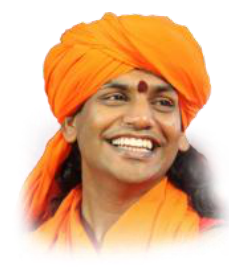
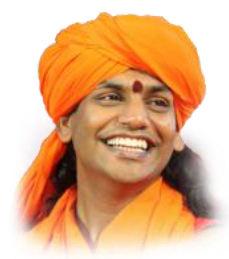
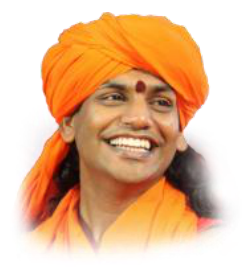
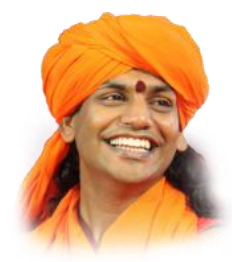
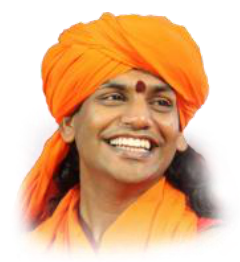
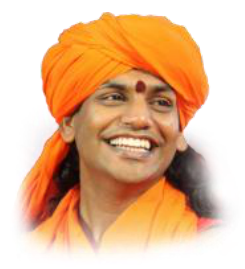
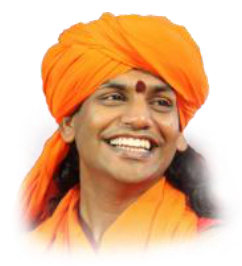
[Figure: Portrait of Paramahamsa Nithyananda]
4.5 Bhagavān says: Many many births both you and I have passed. I can remember all of them, but you cannot, O Parantapa!
अजोऽपि सन्नव्ययात्मा भूतानामीश्वरोऽपि सन् |
प्रकृतिं स्वामधिष्ठाय सम्भवाम्यात्ममायया ||4.6||
ajo 'pi sannavyayātmā bhūtānām īśvaro 'pi san |
prakṛtiṁ svāmadhiṣṭhāya saṁbhavāmyātmamāyayā ||
4.6 Although I am unborn, imperishable and the lord of all living entities, by ruling my nature I reappear by my own māyā.
यदा यदा हि धर्मस्य ग्लानिर्भवति भारत |
अभ्युत्थानमधर्मस्य तदात्मानं सृजाम्यहम् ||4.7||
yadā yadā hi dharmasya glānirbhavati bhārata |
abhyutthānam adharmasya tad ātmānaṁ sṛjāmyaham ||
4.7 Whenever positive consciousness declines, when collective negativity rises, O Bhārat, again and again, at these times, I happen Myself.
परित्राणाय साधूनां विनाशाय च दुष्कृताम् |
धर्मसंस्थापनार्थाय सम्भवामि युगे युगे ||4.8||
paritrāṇāya sādhūnāṁ vināśāya ca duṣkṛtām |
dharma-saṁsthāpanārthāya saṁbhavāmi yuge-yuge ||
4.8 To protect the pious and to annihilate the wicked, to re-establish righteousness I Myself appear, age after age.
जन्म कर्म च मे दिव्यमेवं यो वेत्ति तत्त्वतः |
त्यक्त्वा देहं पुनर्जन्म नैति मामेति सोऽर्जुन ||4.9||
janma karma ca me divyamevam yo vetti tattvataḥ |
tyaktvā dehaṁ punarjanma naiti māmeti so 'rjuna ||
4.9 One who knows or experiences My divine appearance and activities does not take birth again in this material world after leaving the body but attains Me, o Arjuna.
वीतरागभयक्रोधा मन्मया मामुपाश्रिताः |
बहवो ज्ञानतपसा पूता मद्भावमागताः ||4.10||
vītarāgabhayakrodhā manmayā māmupāśritāḥ |
bahavo jñānatapasā pūtā madbhāvamāgatāḥ ||
4.10 Being freed from attachment, fear and anger, being filled with me and by taking refuge in me, many beings in the past have become sanctified by the knowledge of me and have realized me.
ये यथा मां प्रपद्यन्ते तांस्तथैव भजाम्यहम् |
मम वर्त्मानुवर्तन्ते मनुष्याः पार्थ सर्वशः ||4.11||
ye yathā māṁ prapadyante tāṁstathaiva bhajāmyaham |
mama vartmānuvartante manuṣyāḥ pārtha sarvaśaḥ ||
4.11 I reward everyone, I show Myself to all people, according to the manner in which they surrender unto me, in the manner that they are devoted to me, O Pārtha!
काङ्क्षन्तः कर्मणां सिद्धिं यजन्त इह देवताः |
क्षिप्रं हि मानुषे लोके सिद्धिर्भवति कर्मजा ||4.12||
kāṅkṣantaḥ karmaṇāṁ siddhiṁ yajanta iha devatāḥ |
kṣipraṁ hi mānuṣe loke siddhirbhavati karmajā ||
4.12 Men in this world desire success from activities and therefore they worship the gods. Men get instant results from active work in this world.
चातुर्वर्ण्यं मया सृष्टं गुणकर्मविभागशः |
तस्य कर्तारमपि मां विद्ध्यकर्तारमव्ययम् ||4.13||
cāturvarṇyaṁ mayā sṛṣṭaṁ guṇakarma vibhāgaśaḥ |
tasya kartāram api māṁ viddhyakartāramavyayam ||
4.13 Depending upon the distribution of the three attributes or guṇas and action, I have created the four castes. Yet, I am to be known as the non-doer, the unchangeable.
न मां कर्माणि लिम्पन्ति न मे कर्मफले स्पृहा |
इति मां योऽभिजानाति कर्मभिर्न स बध्यते ||4.14||
na māṁ karmāṇi limpanti na me karmaphale spṛhā | iti māṁ yo’bhijānāti karmabhirna sa badhyate || 4.14 I am not affected by any work; nor do I long for the outcome of such work. One who understands this truth about me also does not get caught in the bondage of work.
एवं ज्ञात्वा कृतं कर्म पूर्वैरपि मुमुक्षुभिः |
कुरु कर्मैव तस्मात्त्वं पूर्वैः पूर्वतरं कृतम् ||4.15||
evam jñātvā kṛtaṁ karma pūrvairapi mumukṣubhiḥ | kuru karmaiva tasmāttvaṁ pūrvaiḥ pūrvataraṁ kṛtam || 4.15 All the wise and liberated souls of ancient times have acted with this understanding and thus attained liberation. Just as the ancients did, perform your duty with this understanding.
किं कर्म किमकर्मेति कवयोऽप्यत्र मोहिताः |
तत्ते कर्म प्रवक्ष्यामि यज्ज्ञात्वा मोक्ष्यसेऽशुभात् ||4.16||
kiṁ karma kimakarmeti kavayo’pyatra mohitāḥ | tat te karma pravakṣyāmi yaj jñātvā mokṣyase’śubhāt || 4.16 What is action and what is inaction, even the wise are con-fused. Let me explain to you what action is, knowing which you shall be liberated from all ills.
कर्मणो ह्यपि बोद्धव्यं बोद्धव्यं च विकर्मणः |
अकर्मणश्च बोद्धव्यं गहना कर्मणो गतिः ||4.17||
karmaṇo hyapi boddhavyaṁ boddhavyaṁ ca vikarmaṇaḥ | akarmaṇaśca boddhavyaṁ gahanā karmaṇo gatiḥ || 4.17 The complexities of action are very difficult to understand. Understand fully the nature of proper action by understanding the nature of wrong action and inaction.
कर्मण्यकर्म यः पश्येदकर्मणि च कर्म यः |
स बुद्धिमान्मनुष्येषु स युक्तः कृत्स्नकर्मकृत् ||4.18||
karmanyakarma yaḥ paśyedakarmaṇi ca karma yaḥ | sa buddhimān manuṣyeṣu sa yuktaḥ kṛtsnakarmakṛt || 4.18 He who sees inaction in action and action in inaction, is wise and a yogi, Even if engaged in all activities.
यस्य सर्वे समारम्भाः कामसङ्कल्पवर्जिताः |
ज्ञानाग्निदग्धकर्माणं तमाहुः पण्डितं बुधाः ||4.19||
yasya sarve samārambhāḥ kāmasaṅkalpavarjitāḥ | jñānāgnidagdhakarmāṇaṁ tam āhuḥ paṇḍitaṁ budhāḥ || 4.19 He who is determined and devoid of all desires for sense gratification, he is of perfect knowledge. The sages declare such a person wise whose actions are burnt by the fire of knowledge.
त्यक्त्वा कर्मफलासङ्गं नित्यतृप्तो निराश्रयः |
कर्मण्यभिप्रवृत्तोऽपि नैव किञ्चित्करोति सः ||4.20||
tyaktvā karmaphalāsaṅgaṁ nityatṛpto nirāśrayaḥ | karmanyabhipravṛtto’pi naiva kiñcitkaroti saḥ || 4.20 Having given up all attachment to the results of his action, always satisfied and independent, the wise man does not act, though he is engaged in all kinds of action.
निराशीर्यतचित्तात्मा त्यक्तसर्वपरिग्रहः |
शारीरं केवलं कर्म कुर्वन्नाप्नोति किल्बिषम् ||4.21||
nirāśī ryatacittātmā tyaktasarvaparigrahaḥ | śārīraṁ kevalaṁ karma kurvannāpnoti kilbiṣam || 4.21 The person who acts without desire for the result; with his consciousness controlling the mind, giving up all sense of ownership over his possessions and body and only working, incurs no sin.
यदृच्छालाभसन्तुष्टो द्वन्द्वातीतो विमत्सरः |
समः सिद्धावसिद्धौ च कृत्वापि न निबध्यते ||4.22||
yadṛcchālābhasantuṣṭo dvandvātī to vimatsaraḥ | samaḥ siddhāvasiddhau ca kṛtvāpi na nibadhyate || 4.22 He who is satisfied with profit which comes of its own accord and who has gone beyond duality, who is free from envy, who is in equanimity both in success and failure, such a person though doing action, is never affected. गतसङ्गस्य मुक्तस्य ज्ञानावस्थितचेतसः | यज्ञायाचरतः कर्म समग्रं प्रविलीयते ||4.23|| gatasaṅgasya muktasya jñānāvasthitacetasaḥ | yajñāyācarataḥ karma samagram pravilī yate || 4.23 The work of a liberated man who is unattached to the modes of material nature and who is fully centered in the ul-timate knowledge, who works totally for the sake of sacrifice, merges entirely into the knowledge. ब्रह्मार्पणं ब्रह्म हविर्ब्रह्माग्नौ ब्रह्मणा हुतम् | ब्रह्मैव तेन गन्तव्यं ब्रह्मकर्मसमाधिना ||4.24|| brahmārpaṇaṁ brahmahavir brahmāgnau brahmaṇā hutam | brahmaiva tena gantavyaṁ brahmakarmasamādhinā || 4.24 The offering, the offered butter to the supreme in the fire of the supreme is offered by the supreme. Certainly, the supreme can be reached by him who is absorbed completely in action. दैवमेवापरे यज्ञं योगिनः पर्युपासते | ब्रह्माग्नावपरे यज्ञं यज्ञेनैवोपजुह्वति ||4.25|| daivamevāpare yajñaṁ yoginaḥ paryupāsate | brahmāgnāvapare yajñaṁ yajñenaivopajuhvati || 4.25 Some yogis worship the gods by offering various sacrifices to them, While others worship by offering sacrifices in the fire of the supreme. श्रोत्रादीनीन्द्रियाण्यन्ये संयमाग्निषु जुह्वति | शब्दादीन्विषयानन्य इन्द्रियाग्निषु जुह्वति ||4.26|| śrotrādī nīndriyāṇyanye saṁyamāgniṣu juhvati | śabdādī nviṣayānanya indriyāgniṣu juhvati || 4.26 Some sacrifice the hearing process and other senses in the fire of equanimity and others offer as sacrifice the objects of the senses, such as sound in the fire of the sacrifice. सर्वाणीन्द्रियकर्माणि प्राणकर्माणि चापरे | आत्मसंयमयोगाग्नौ जुह्वति ज्ञानदीपिते ||4.27|| sarvāṇīndriyakarmāṇi prāṇakarmāṇi cāpare | ātmasaṁyamayogāgnau juhvati jñānadī pite || 4.27 One who is interested in knowledge offers all the actions due to the senses, including the action of taking in the life breath into the fire of Yoga and is engaged in the yoga of the equanimity of the mind. द्रव्ययज्ञास्तपोयज्ञा योगयज्ञास्तथापरे | स्वाध्यायज्ञानयज्ञाश्च यतयः संशितव्रताः ||4.28|| dravyayajñāstapoyajñā yogayajñāstathāpare | svādhyāyajñānayajñāśca yatayaḥ saṁśitavratāḥ || 4.28 There is the sacrifice of material wealth, sacrifice through penance, sacrific through yoga and other sacrifices while there is sacrifice through self-study and through strict vows. अपाने जुह्वति प्राणं प्राणेऽपानं तथापरे | प्राणापानगती रुद्ध्वा प्राणायामपरायणाः ||4.29|| apāne juhvati prāṇaṁ prāṇe ’pānaṁ tathāpare | prāṇāpānagatī ruddhvā prāṇāyāmaparāyaṇāḥ || 4.29 There are others who sacrifice the life energy in the form of incoming breath and outgoing breath, thus checking
the movement of the incoming and outgoing breaths and con-trolling the breath.
अपरे नियताहाराः प्राणान्प्राणेषु जुह्वति |
सर्वेऽप्येते यज्ञविदो यज्ञक्षपितकल्मषाः ||4.30||
apare niyatāhārāḥ prāṇānprāṇeṣu juhvati |
sarve'pyete yajñavido yajñakṣapitakalmaṣāḥ ||
4.30 There are others who sacrifice through controlled eating and offering the outgoing breath, life energy. All these people know the meaning of sacrifice and are purified of sin or karma.
यज्ञशिष्टामृतभुजो यान्ति ब्रह्म सनातनम् |
नायं लोकोऽस्त्ययज्ञस्य कुतोऽन्यः कुरुसत्तम ||4.31||
yajñaśiṣṭāmṛtabhujo yānti brahma sanātanam |
nāyaṁ loko'styayajñasya kuto'nyaḥ kurusattama ||
4.31 Having tasted the nectar of the results of such sacrifices, they go to the supreme eternal consciousness. This world is not for those who have not sacrificed. How can the other be, Arjuna?
एवं बहुविधा यज्ञा वितता ब्रह्मणो मुखे |
कर्मजान्विद्धि तान्सर्वानेवं ज्ञात्वा विमोक्ष्यसे ||4.32||
evaṁ bahuvidhā yajñā vitatā brahmaṇo mukhe |
karmajānviddhi tānsarvānevaṁ jñātvā vimokṣyase ||
4.32 Thus, there are many kinds of sacrifices born of work mentioned in the Vedas. Thus, knowing these, one will be liberated.
श्रेयान्द्रव्यमयाद्यज्ञाज्ज्ञानयज्ञः परन्तप |
सर्वं कर्माखिलं पार्थ ज्ञाने परिसमाप्यते ||4.33||
śreyān-dravya-mayād yajñāj jñāna-yajñaḥ parantapa |
sarvaṁ karmā'khilaṁ pārtha jñāne parisamāpyate ||
4.33 O Parantapa (conqueror of foes), the sacrifice of wisdom is superior to the sacrifice of material wealth. After all, all activities totally end in wisdom.
तद्विद्धि प्रणिपातेन परिप्रश्नेन सेवया |
उपदेक्ष्यन्ति ते ज्ञानं ज्ञानिनस्तत्त्वदर्शिनः ||4.34||
tadviddhi praṇipātena paripraśnena sevayā |
upadekṣyanti te jñānaṁ jñāninastattvadarśinaḥ ||
4.34 Understand these truths by approaching a spiritual Mas-ter, by asking him your questions, by offering service. The enlightened person can initiate the wisdom unto you because he has seen the truth
यज्ज्ञात्वा न पुनर्मोहमेवं यास्यसि पाण्डव |
येन भूतान्यशेषेण द्रक्ष्यस्यात्मन्यथो मयि ||4.35||
yajjñātvā na punar moham evaṁ yāsyasi pāṇḍava |
yena bhūtāny aśeṣeṇa drakṣyasy ātmanyatho mayi ||
4.35 O Pāṇḍava, knowing this you will never suffer from desire or illusion, you will know that all living beings are in the supreme, in Me.
अपि चेदसि पापेभ्यः सर्वेभ्यः पापकृत्तमः |
सर्वं ज्ञानप्लवेनैव वृजिनं सन्तरिष्यसि ||4.36||
api cedasi pāpebhyaḥ sarvebhyaḥ pāpakṛttamaḥ |
sarvaṁ jñānaplavenaiva vṛjinaṁ santariṣyasi ||
4.36 Even if you are the most sinful of all sinners, you will certainly cross completely the ocean of miseries through the boat of knowledge.
यथैधांसि समिद्धोऽग्निर्भस्मसात्कुरुतेऽर्जुन |
ज्ञानाग्निः सर्वकर्माणि भस्मसात्कुरुते तथा ||4.37||
yathaidhāṁsi samiddho'gnir bhasmasātkurute'rjuna |
jñānāgniḥ sarvakarmāṇi bhasmasātkurute tathā ||
4.37 Just as a blazing fire turns firewood to ashes, O Arjuna, so does the fire of wisdom burn to ashes all actions, all your karma.
न हि ज्ञानेन सदृशं पवित्रमिह विद्यते |
तत्स्वयं योगसंसिद्धः कालेनात्मनि विन्दति ||4.38||
na hi jñānena sadṛśaṁ pavitramiha vidyate | tatsvayaṁ yogasaṁsiddhaḥ kālenātmani vindati || 4.38 Truly, in this world, there is nothing as pure as wisdom. One who has matured to know this enjoys in himself in due course of time.
श्रद्धावान् लभते ज्ञानं तत्परः संयतेन्द्रियः |
ज्ञानं लब्ध्वा परां शान्तिमचिरेणाधिगच्छति ||4.39||
śraddhāvāllabhate jñānaṁ tatparaḥ saṁyatendriyaḥ | jñānaṁ labdhvā parāṁ śāntimacireṇādhigacchati || 4.39 A person with śraddhā (courageous faith) achieves wisdom and has control over the senses. Achieving wisdom, without delay, he attains supreme peace.
अज्ञश्चाश्रद्दधानश्च संशयात्मा विनश्यति |
नायं लोकोऽस्ति न परो न सुखं संशयात्मनः ||4.40||
ajñaś cāśraddadhānaś ca saṁśayātmā vinaśyati | nāyaṁ loko 'sti na paro na sukhaṁ saṁśayātmanaḥ || 4.40 Those who have no wisdom and faith, who always have doubts, are destroyed. There is no happiness in this world or the next.
योगसंन्यस्तकर्माणं ज्ञानसञ्छिन्नसंशयम् |
आत्मवन्तं न कर्माणि निबध्नन्ति धनञ्जय ||4.41||
yoga-sannyasta-karmāṇaṁ jñānas-aṁchinna-saṁśayam | ātmavantaṁ na karmāṇi nibadhnanti dhanañjaya || 4.41 O Dhanañjaya (winner of riches), one who has renounced the fruits of his actions, whose doubts are destroyed, who is well-situated in the Self, is not bound by his actions.
तस्मादज्ञानसम्भूतं हृत्स्थं ज्ञानासिनात्मनः |
छित्त्वैनं संशयं योगमातिष्ठोत्तिष्ठ भारत ||4.42||
tasmād ajñāna sambhūtaṁ hṛtsthaṁ jñānāsinātmanaḥ | chittvainaṁ saṁśayaṁ yogam ātiṣṭhottiṣṭha bhārata || 4.42 O descendant of Bhārata, therefore, stand up, be situated in yoga. Armed with the sword of knowledge; cut the doubt born of ignorance that exists in your heart. अर्जुन उवाच |
संन्यासं कर्मणां कृष्ण पुनर्योगं च शंससि |
यच्छ्रेय एतयोरेकं तन्मे ब्रूहि सुनिश्चितम् ||5.1||
arjuna uvāca | sannyāsaṁ karmaṇāṁ kṛṣṇa punaryogaṁ ca śaṁsasi | yacchreya etayorekaṁ tanme brūhi suniścitam || 5.1 Arjuna says: Oh Kṛṣṇa, you asked me to renounce work first and then you asked me to work with devotion. Will you now please tell me, definetely, which of the two will be more beneficial to me? श्रीभगवानुवाच |
संन्यासः कर्मयोगश्च निःश्रेयसकरावुभौ |
तयोस्तु कर्मसंन्यासात्कर्मयोगो विशिष्यते ||5.2||
śrībhagavānuvāca | sannyāsaḥ karmayogaś ca niḥśreyasakarāvubhau | tayostu karma-sannyāsāt karmayogo viśiṣyate || 5.2 Bhagavān says: The renunciation of work [sannyāsa] and work in devotion [karmayoga] are both good for liberation. But, of the two, work in devotional service is better than re-nunciation of work.
ज्ञेयः स नित्यसंन्यासी यो न द्वेष्टि न काङ् क्षति |
निर्द्वन्द्वो हि महाबाहो सुखं बन्धात्प्रमुच्यते ||5.3||
jñeyaḥ sa nityasannyāsī yo na dveṣṭi na kāṅkṣati | nirdvandvo hi mahābāho sukhaṁ bandhātpramucyate || 5.3 He who neither hates nor desires the fruits of his activities has renounced. Such a person, free from all dualities, easily overcomes material bondage and is completely liberated, Oh Arjuna!
साङ्ख्ययोगौ पृथग्बालाः प्रवदन्ति न पण्डिताः |
एकम्प्यास्थितः सम्यगुभयोर्विन्दते फलम् ||5.4||
sāṅkhyayogau pṛthagbālāḥ pravadanti na paṇḍitāḥ | ekamapyāsthitaḥ samyag ubhayorvindate phalam || 5.4 Only the ignorant, not the wise, speaks of the path of action [karma-yoga] to be different from the path of renuncia-tion [sāṅkhya yoga]. Those who are actually learned say that one who is firmly established in either of the paths, achieves the fruit of both.
यत्साङ्ख्यैः प्राप्यते स्थानं तद्योगैरपि गम्यते |
एकं साङ्ख्यं च योगं च यः पश्यति स पश्यति ||5.5||
yat sāṅkhyaiḥ prāpyate sthānaṁ tad yogairapi gamyate | ekaṁ sāṅkhyaṁ ca yogaṁ ca yaḥ paśyati sa paśyati || 5.5 He who knows, knows that the state reached by renuncia-tion [sāṅkhya] and action [karma] are one and the same. State reached by renunciation can also be achieved by action, know them to be at same level and see them as they are.
संन्यासस्तु महाबाहो दुःखमाप्तुमयोगतः |
योगयुक्तो मुनिर्ब्रह्म नचिरेणाधिगच्छति ||5.6||
sannyāsastu mahābāho duḥkhamāptumayogataḥ | yogayukto munirbrahma na cireṇādhigacchati || 5.6 Renunciation without devotional service afflicts one withmisery, Oh mighty-armed one. The wise person engaged in devotional service attains the Supreme without delay.
योगयुक्तो विशुद्धात्मा विजितात्मा जितेन्द्रियः |
सर्वभूतात्मभूतात्मा कुर्वन्नपि न लिप्यते ||5.7||
yogayukto viśuddhātmā vijitātmā jitendriyaḥ | sarva-bhūtātma-bhūtātmā kurvannapi na lipyate || 5.7 The person engaged in devoted service, beyond concepts pure and impure, self-controlled and who has conquered the senses is compassionate and loves everyone, although engaged in work, he is never entangled.
नैव किञ्चित्करोमीति युक्तो मन्येत तत्ववित् |
पश्यञ्शृण्वन्स्पृशञ्जिघ्रन्नश्नन्गच्छन्स्वपञ्श्वसन् ||5.8||
naiva kiñcitkaromīti yukto manyeta tattvavit | paśyan śṛṇvan spṛśañ jighrann aśnan gacchan svapañ śvasan || 5.8, 9 One who knows the truth, though engaged in seeing, hearing, touching, smelling, eating, going, dreaming, and breath-ing, always knows within himself that—’I never do anything at all.’ While talking, letting go, receiving, opening, closing, he considers that the senses are engaged with their sense objects.
प्रलपन्विसृजन्गृह्णन्नुन्मिषन्निमिषन्नपि |
इन्द्रियाणीन्द्रियार्थेषु वर्तन्त इति धारयन् ||5.9||
pralapan visṛjan gṛhṇann unmīṣannimiṣannapi | indriyāṇīndriyārtheṣu vartanta iti dhārayan || 5.8, 9 One who knows the truth, though engaged in seeing, hearing, touching, smelling, eating, going, dreaming, and breath-ing, always knows within himself that—’I never do anything at all.’ While talking, letting go, receiving, opening, closing, he considers that the senses are engaged with their sense objects.
ब्रह्मण्याधाय कर्माणि सङ्गं त्यक्त्वा करोति यः |
लिप्यते न स पापेन पद्मपत्रमिवाम्भसा ||5.10||
brahmaṇy ādhāya karmāṇi saṅgaṁ tyaktvā karoti yaḥ | lipyate na sa pāpena padma-patram ivāmbhasā || 5.10 He, who acts without attachment, giving up and surrender-ing to the eternal consciousness, He is never affected by sin, in the same way that the lotus leaf is not affected by water.
कायेन मनसा बुद्ध्या केवलैरिन्द्रियैरपि |
योगिनः कर्म कुर्वन्ति सङ्गं त्यक्त्वात्मशुद्धये ||5.11||
kāyena manasā buddhyā kevalairindriyairapi | yoginaḥ karma kurvanti saṅgaṁ tyaktvātmaśuddhaye || 5.11 The yogis, giving up attachment, act with the body, mind, intelligence, even with the senses for the purpose of self-purification.
युक्तः कर्मफलं त्यक्त्वा शान्तिमाप्नोति नैष्ठिकीम् |
अयुक्तः कामकारेण फले सक्तो निबध्यते ||5.12||
yuktaḥ karmaphalaṁ tyaktvā śāntimāpnoti naiṣṭhikīm | ayuktaḥ kāma-kāreṇa phale sakto nibadhyate || 5.12 One who is engaged in devotion, gives up attachment to outcome of one's actions and is centered, is at peace. One who is not engaged in devotion, attached to the outcome of one's action becomes entangled.
सर्वकर्माणि मनसा संन्यस्यास्ते सुखं वशी |
नवद्वारे पुरे देही नैव कुर्वन्न कारयन् ||5.13||
sarvakarmāṇi manasā sannyasyāste sukhaṁ vaśī | navadvāre pure dehī naiva kurvanna kārayan || 5.13 One who is controlled, giving up all the activities of the mind, surely remains in happiness in the city of nine gates (body), neither doing anything nor causing anything to be done.
न कर्तृत्वं न कर्माणि लोकस्य सृजति प्रभुः |
न कर्मफलसंयोगं स्वभावस्तु प्रवर्तते ||5.14||
na kartṛtvaṁ na karmāṇi lokasya sṛjati prabhuḥ | na karmaphalasaṁyogaṁ svabhāvas tu pravartate || 5.14 The master does not create activities nor makes people do nor connects with the outcome of the actions. All this is enacted by the material nature.
नादत्ते कस्यचित्पापं न चैव सुकृतं विभुः |
अज्ञानेनावृतं ज्ञानं तेन मुह्यन्ति जन्तवः ||5.15||
nādatte kasyacitpāpaṁ na caiva sukṛtaṁ vibhuḥ | ajñānenāvṛtaṁ jñānaṁ tena muhyanti jantavaḥ || 5.15 The Lord, surely, neither accepts anyone's sins nor good deeds. Living beings are confused by the ignorance that covers the knowledge.
ज्ञानेन तु तदज्ञानं येषां नाशितमात्मनः |
तेषामादित्यवज्ज्ञानं प्रकाशयति तत्परम् ||5.16||
jñānena tu tadajñānaṁ yeṣāṁ nāśitamātmanaḥ | teṣāmādityavajjñānaṁ prakāśayati tatparam || 5.16 Whose ignorance is destroyed by the knowledge, their knowledge, like the rising sun, throws light on the supreme consciousness.
तद्बुद्धयस्तदात्मानस्तन्निष्ठास्तत्परायणाः |
गच्छन्त्यपुनरावृत्तिं ज्ञाननिर्धूतकल्मषाः ||5.17||
tadbuddhayas tad-ātmānas tan-niṣṭhās tat parāyaṇāḥ | gacchanty apunar-āvṛttiṁ jñāna-nirdhūta-kalmaṣāḥ || 5.17 One whose intelligence, mind, faith are in the Supreme and one who has surrendered to the Supreme, his misunder-standings are cleansed through knowledge and he goes towards liberation.
विद्याविनयसम्पन्ने ब्राह्मणे गवि हस्तिनि |
शुनि चैव श्वपाके च पण्डिताः समदर्शिनः ||5.18||
vidyā-vinaya-saṁpanne brāhmaṇe gavi hastini |
śuni caiva śvapāke ca paṇḍitāḥ samadarśinaḥ ||
5.18 One who is full of knowledge and compassion sees equally the learned brāhmaṇa, the cow, the elephant, the dog and the dog-eater.
इहैव तैर्जितः सर्गो येषां साम्ये स्थितं मनः |
निर्दोषं हि समं ब्रह्म तस्माद् ब्रह्मणि ते स्थिताः ||5.19||
ihaiva tairjitaḥ sargo yeṣāṁ sāmye sthitaṁ manaḥ |
nirdoṣaṁ hi samaṁ brahma tasmād brahmaṇi te sthitāḥ ||
5.19 In this life, surely, those whose minds are situated in equanimity have conquered birth and death. They are flawless like the Supreme and therefore, are situated in the Supreme.’
न प्रहृष्येत्प्रियं प्राप्य नोद्विजेत्प्राप्य चाप्रियम् |
स्थिरबुद्धिरसम्मूढो ब्रह्मविद् ब्रह्मणि स्थितः ||5.20||
na prahṛṣyetpriyaṁ prāpya nodvijet prāpya cāpriyam |
sthirabuddhir asaṁmūḍho brahmavid brahmaṇi sthitaḥ ||
5.20 One who does not rejoice at achieving something he likes nor gets agitated on getting something he does not like, who is of steady intelligence, who is not deluded, one who knows the Supreme, is situated in the Supreme.
बाह्यस्पर्शेष्वसक्तात्मा विन्दत्यात्मनि यत्सुखम् |
स ब्रह्मयोगयुक्तात्मा सुखमक्षयमश्नुते ||5.21||
bāhyasparśeṣvasaktātmā vindatyātmani yatsukham |
sa brahma-yoga-yuktātmā sukhamakṣayamaśnute ||
5.21 One who is not attached to the outer world sense pleasures, who enjoys in the Self, in that happiness, he, having identified with his Self by engaging in the Supreme [brahma-yoga], enjoys unlimited happiness.
ये हि संस्पर्शजा भोगा दुःखयोनय एव ते |
आद्यन्तवन्तः कौन्तेय न तेषु रमते बुधः ||5.22||
ye hi saṁsparśajā bhogā duḥkhayonaya eva te |
ādyantavantaḥ kaunteya na teṣu ramate budhaḥ ||
5.22 The intelligent person surely does not enjoy the sense pleasures, enjoyments which are sources of misery and which are subject to beginning and end.
शक्नोतीहैव यः सोढुं प्राक्शरीरविमोक्षणात् |
कामक्रोधोद्भवं वेगं स युक्तः स सुखी नरः ||5.23||
śaknotīhaiva yaḥ soḍhuṁ prākśarīravimokṣaṇāt |
kāma-krodhodbhavaṁ vegaṁ sa yuktaḥ sa sukhī naraḥ ||
5.23 Before leaving this present body, if one is able to tolerate the urges of material senses and check the force of desire and anger, he is well situated and he is happy in this world.
योऽन्तःसुखोऽन्तरारामस्तथान्तर्ज्योतिरेव यः |
स योगी ब्रह्मनिर्वाणं ब्रह्मभूतोऽधिगच्छति ||5.24||
yo’ntaḥsukho’ntarārāmas tathāntar-jyotir eva yaḥ |
sa yogī brahman-irvāṇaṁ brahmabhūto’dhigacchati ||
5.24 One who is happy from within, active within as well as illumined within, surely, is a Yogi and he is liberated in the Supreme [brahma-nirvāṇa], is Self-realized and attains the Supreme.
लभन्ते ब्रह्मनिर्वाणमृषयः क्षीणकल्मषाः |
छिन्नद्वैधा यतात्मानः सर्वभूतहिते रताः ||5.25||
labhante brahma-nirvāṇaṁ ṛṣayaḥ kṣīṇakalmaṣāḥ |
chinn-advaidhā yatātmānaḥ sarvabhūtahite ratāḥ ||
5.25 Those, whose sins have been destroyed, who have dispelled the dualities arising from doubts, whose minds are engaged within, and who are working for the welfare of other beings, attain the eternal liberation in the Supreme [brahma-nirvāṇa].
कामक्रोधवियुक्तानां यतीनां यतचेतसाम् |
अभितो ब्रह्मनिर्वाणं वर्तते विदितात्मनाम् ||5.26||
kāmakrodhaviyuktānāṁ yatīnāṁ yatacetasām | abhito brahmanirvāṇaṁ vartate viditātmanām || 5.26 They who are free from lust and anger, who have subdued the mind and senses, and who have known the Self, easily attain liberation [brahma-nirvāṇa].
स्पर्शान्कृत्वा बहिर्बाह्यांश्र्चक्षुश्र्चैवान्तरे भ्रुवोः |
प्राणापानौ समौ कृत्वा नासाभ्यन्तरचारिणौ ||5.27||
sparśān kṛtvā bahir bāhyāṁś cakṣuś caivāntare bhruvoḥ | prāṇāpānau samau kṛtvā nāsābhyantara-cāriṇau || 5.27,28 Shutting out all external sense objects, keeping the eyes and vision concentrated between the two eyebrows, suspending the inward and outward breaths within the nostrils and thus controlling the mind, senses and intelligence, the transcendental who is aiming at liberation, becomes free from desire, fear and the by-product of desire and fear, anger all three. One who is always in this state is certainly liberated.
यतेन्द्रियमनोबुद्धिर्मुनिर्मोक्षपरायणः |
विगतेच्छाभयक्रोधो यः सदा मुक्त एव सः ||5.28||
yatendriya-mano-buddhir munir mokṣaparāyaṇaḥ | vigatecchā-bhaya-krodho yaḥ sadā mukta eva saḥ || 5.27,28 Shutting out all external sense objects, keeping the eyes and vision concentrated between the two eyebrows, suspending the inward and outward breaths within the nostrils and thus controlling the mind, senses and intelligence, the transcendental who is aiming at liberation, becomes free from desire, fear and the by-product of desire and fear, anger all three. One who is always in this state is certainly liberated.
भोक्तारं यज्ञतपसां सर्वलोकमहेश्वरम् |
सुहृदं सर्वभूतानां ज्ञात्वा मां शान्तिमृच्छति ||5.29||
bhoktāraṁ yajñatapasāṁ sarva-loka-maheśvaram | suhṛdaṁ sarvabhūtānāṁ jñātvā māṁ śāntimṛcchati || 5.29 One who knowing Me as the purpose of sacrifice and penance, as the lord of all the worlds and the benefactor of all the living beings, achieves peace.
श्रीभगवानुवाच |
अनाश्रितः कर्मफलं कार्य कर्म करोति यः |
स संन्यासी च योगी च न निरग्निर्न चाक्रियः ||6.1||
śrībhagavānuvāca | anāśritaḥ karmaphalaṁ kāryaṁ karma karoti yaḥ | sa sanyāsī ca yogī ca na niragnirna cā'kriyaḥ || 6.1 Bhagavān says: One who performs his actions without being attached to their fruit (outcome) of his work is a Sannyāsi, and he is truly an ascetic; a Yogi also.; not the one who renounces to light the fire and performs no action.
यं संन्यासमिति प्राहुर्योगं तं विद्धि पाण्डव |
न ह्यसंन्यस्तसङ्कल्पो योगी भवति कश्चन ||6.2||
yaṁ sannyāsamiti prāhur yogaṁ taṁ viddhi pāṇḍava | na hyasannyastasaṅkalpo yogī bhavati kaścana || 6.2 O Pāṇḍava, what is called renunciation, or sannyāsa, you must know to be the same as yoga, or uniting oneself with the Supreme., for never can anyone become a yogī, until he renounces the desire for self-gratification [saṅkalpa].
आरुरुक्षोर्मुनेर्योगं कर्म कारणमुच्यते |
योगारूढस्य तस्यैव शमः कारणमुच्यते ||6.3||
ārurukṣormuner yogaṁ karma kāraṇamucyate | yogārūḍhasya tasyaiva śamaḥ kāraṇamucyate ||
6.3 A one desirous of achieving the state of yoga or no-mind state, action is said to be the means and for the one who is already elevated in yoga, cessation from all actions is said to be the means.
यदा हि नेन्द्रियार्थेषु न कर्मस्वनुषज्जते ।
सर्वसङ्कल्पसंन्यासी योगारूढस्तदोच्यते ॥6.4॥
yadā hi nendriyārtheṣu na karmasvanuṣajjate | sarvasaṅkalpasaṁnyāsī yogārūḍhastadocyate || 6.4 Any one is said to have attained the state of yoga when, having renounced all material desires, he neither acts for sense gratification nor engages in result focused activities.
उद्धरेदात्मनात्मानं नात्मानमवसादयेत् ।
आत्मैव ह्यात्मनो बन्धुरात्मैव रिपुरात्मनः ॥6.5॥
uddhared ātmanātmānaṁ natmānam avasādayet | ātmaiva hyātmano bandhur ātmaiva ripurātmanaḥ || 6.5 You are your own friend; you are your own enemy. Evolve yourself through the Self and do not degrade yourself.
बन्धुरात्मात्मनस्तस्य येनात्मैवात्मना जितः |
अनात्मनस्तु शत्रुत्वे वर्ते तात्मैव शत्रुवत् ||6.6||
bandhur ātmātmanas tasya yenātmaivātmanā jitaḥ | anātmanastu śatrutve vartetātmaiva śatruvat || 6.6 For him who has conquered the Self, the Self is the best of friends; for one who has failed to do so, his Self will remain the greatest enemy.
जितात्मनः प्रशान्तस्य परमात्मा समाहितः |
शीतोष्णसुखदुःखेषु तथा मानापमानयोः ||6.7||
jitātmanaḥ praśāntasya paramātmā samāhitaḥ | śītoṣṇa-sukha duḥkheṣu tathā mānāpamānayoḥ || 6.7 For one who has conquered the self, who has attained tranquility, the Supreme is already reached. Such a person remains in this state in happiness or distress, heat or cold, honor or dishonor.
ज्ञानविज्ञानतृप्तात्मा कूटस्थो विजितेन्द्रियः |
युक्त इत्युच्यते योगी समलोष्टाश्मकाञ्चनः ||6.8||
jñāna-vijñāna-tṛptātmā kūṭastho vijitendriyaḥ | yukta ityucyate yogī sama-loṣṭāśma-kāñcanaḥ || 6.8 A person whose mind is contented because of spiritual knowledge, who has subdued his senses and to whom stone and gold are same and who is satisfied with what he is having, is said to be established in Self-realization and is called an enlightened being.
सुहृन्मित्रार्युदासीनमध्यस्थद्वेष्यबन्धुषु |
साधुष्वपि च पापेषु समबुद्धिर्विशिष्यते ||6.9||
suhṛn-mitrāry-udāsīna madhyastha-dveṣya bandhuṣu | sādhuṣvapi ca pāpeṣu sama-buddhir viśiṣyate || 6.9 A person is considered truly advanced when he regards honest well-wishers, affectionate benefactors, the neutral, me-diators, the envious, friends and enemies, the pious and the sinners all with an equal mind.
योगी युञ्जीत सततमात्मानं रहसि स्थितः |
एकाकी यतचित्तात्मा निराशीरपरिग्रहः ||6.10||
yogī yuñjīta satatam ātmānaṁ rahasi sthitaḥ | ekākī yatachittātmā nirāśīraparigrahaḥ || 6.10 A Yogī should always try to concentrate his mind on the Supreme Self; situated in a secluded place, he should carefully control his mind without being attracted by anything and should be free from the feeling of possessiveness.
शुचौ देशे प्रतिष्ठाप्य स्थिरमासनमात्मनः |
नात्युच्छ्रितं नातिनीचं चैलाजिनकुशोत्तरम् ||6.11||
śucau deśe pratiṣṭhāpya sthiram āsanam ātmanaḥ | nātyucchritaṁ nātinīcaṁ cailājina-kuśottaram || 6.11 On a clean and pure place, one should establish his seat by laying kuśa grass, a deer skin and a cloth, one over another, neither too high nor too low.
तत्रैकाग्रं मनः कृत्वा यतचित्तेन्द्रियक्रियः |
उपविश्यासने युञ्ज्याद्योगमात्मविशुद्धये ||6.12||
tatraikāgraṁ manaḥ kṛtvā yata-cittendriya-kriyaḥ | upaviśyāsane yuñjyād yogamātmaviśuddhaye || 6.12 Sitting firmly on that pure seat, the yogi should practice the purification of the self by controlling the activities of mind and the senses
समं कायशिरोग्रीवं धारयन्नचलं स्थिरः |
सम्प्रेक्ष्य नासिकाग्रं स्वं दिशश्चानवलोकयन् ||6.13||
samaṁ kāyaśirogrīvaṁ dhārayannacalaṁ sthiraḥ | samprekṣya nāsikāgraṁ svaṁ diśaścānavalokayan || 6.13 Holding the body, head and neck steady, look at the tip of your nose without looking in any other direction.
प्रशान्तात्मा विगतभीर्ब्रह्मचारिव्रते स्थितः |
मनः संयम्य मच्चित्तो युक्त आसीत मत्परः ||6.14||
praśāntātmā vigatabhīr brahmacārivrate sthitaḥ | manaḥ saṁyamya maccitto yukta āsī ta matparaḥ || 6.14 Sit with an unagitated mind, free from fear and in tune with Existence, controlling the mind, focusing it on Me and make Me the supreme goal.
युञ्जन्नेवं सदात्मानं योगी नियतमानसः |
शान्तिं निर्वाणपरमां मत्संस्थामधिगच्छति ||6.15||
yuñjannevaṁ sadātmānaṁ yogī niyatamānasaḥ | śāntiṁ nirvāṇa paramāṁ mat-saṁsthām adhigacchati || 6.15 Always practising control over the mind and situated in the Self, the yogi attains peace, the supreme liberation and My kingdom.
नात्यश्नतस्तु योगोऽस्ति न चैकान्तमनश्नतः |
न चाति स्वप्नशीलस्य जाग्रतो नैव चार्जुन ||6.16||
nātyaśnatastu yogosti na caikāntamanaśnataḥ | na cāti svapnaśīlasya jāgrato naiva cārjuna || 6.16 Yoga is neither eating too much nor eating too little; it is neither sleeping too much nor sleeping too little, Oh Arjuna.
युक्ताहारविहारस्य युक्तचेष्टस्य कर्मसु |
युक्तस्वप्नावबोधस्य योगो भवति दुःखहा ||6.17||
yuktāhāra vihārasya yuktaceṣṭasya karmasu | yukta-svapnāvabodhasya yogo bhavati duḥkhahā || 6.17 One who is regulated in food, rest, recreation and work, sleep and wakefulness, can reduce misery.
यदा विनियतं चित्तमात्मन्येवावतिष्ठते |
निःस्पृहः सर्वकामेभ्यो युक्त इत्युच्यते तदा ||6.18||
yadā viniyataṁ cittam ātmanyevāvatiṣṭhate | niḥspṛhaḥ sarvakāmebhyo yukta ityucyate tadā || 6.18 When the mind is disciplined and one is situated in the Self, free from all desires, then one is said to be situated in yoga.
यथा दीपो निवातस्थो नेङ्गते सोपमा स्मृता |
योगिनो यतचित्तस्य युञ्जतो योगमात्मनः ||6.19||
yathā dīpo nivātastho neṅgate sopamā smṛ tā | yogino yatacittasya yuñjato yogamātmanaḥ ||
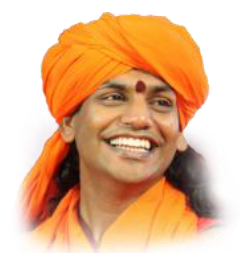
6.19 As a lamp in a place without wind does not waver, so also the yogi, whose mind is controlled remains steady, engaged in yoga, in the Self.
यत्रोपरमते चित्तं निरुद्धं योगसेवया |
यत्र चैवात्मनात्मानं पश्यन्नात्मनि तुष्यति ||6.20||
yatroparamate cittaṁ niruddhaṁ yogasevayā | yatra caivātmanātmānaṁ paśyannātmani tuṣyati || 6.20 In yoga, the mind becomes quiet and the Self is satisfied by the Self in the Self.
सुखमात्यन्तिकं यत्तद्बुद्धिग्राह्यमतीन्द्रियम् |
वेत्ति यत्र न चैवायं स्थितश्चलति तत्वतः ||6.21||
sukhamātyantikaṁ yat tad buddhigrāhyamatīndriyam | vetti yatra na caivāyaṁ sthitaścalati tattvataḥ || 6.21 Supreme bliss is grasped by intelligence transcending the senses. The person who knows this is based in reality.
यं लब्ध्वा चापरं लाभं मन्यते नाधिकं ततः |
यस्मिन्स्थितो न दुःखेन गुरुणापि विचाल्यते ||6.22||
yaṁ labdhvā cāparaṁ lābhaṁ manyate nādhikaṁ tataḥ | yasminsthito na duḥkhena guruṇāpi vicālyate || 6.22 By attaining that Supreme, one does not consider any other gain as being greater. By being situated in the Supreme, one is not shaken by the greatest of misery.
तं विद्याद् दुःखसंयोगवियोगं योगसञ्ज्ञितम् |
स निश्चयेन योक्तव्यो योगोऽनिर्विण्णचेतसा ||6.23||
taṁ vidyād duḥkhasam yogaviyogaṁ yoga-saṁjñitam | sa niścayena yoktavyo yogo'nirviṇṇacetasā || 6.23 When yoga is practiced with determination without devi-ating, the misery by contact with material senses is removed.
सङ्कल्पप्रभवान्कामांस्त्यक्त्वा सर्वानशेषतः |
मनसैवेन्द्रियग्रामं विनियम्य समन्ततः ||6.24||
saṅkalpa-prabhavān kāmāṁs tyaktvā sarvānaśeṣataḥ | manasaivendriya-grāmaṁ viniyamya samantataḥ || 6.24 Giving up completely all the fantasies born of the mind, one can regulate all the senses from all the sides by the mind.
शनैः शनैरुपरमेद्बुद्ध्या धृतिगृहीतया |
आत्मसंस्थं मनः कृत्वा न किञ्चिदपि चिन्तयेत् ||6.25||
śanaiḥ śanairuparamed buddhyā dhṛtigṛhītayā | ātmasaṁsthaṁ manaḥ kṛtvā na kiñcidapi cintayet || 6.25 Gradually, step by step, one should become established in the Self, held by the conviction of intelligence, with the mind not thinking of anything else.
यतो यतो निश्चरति मनश्चञ्चलमस्थिरम् |
ततस्ततो नियम्यैतदात्मन्येव वशं नयेत् ||6.26||
yato yato niścarati manaś cañcalamasthiram | tatas tato niyamyaitad ātmanyeva vaśaṁ nayet || 6.26 From wherever the mind becomes agitated due to its wandering and unsteady nature, from there, one must certainly bring it under the control of the Self.
प्रशान्तमनसं ह्येनं योगिनं सुखमुत्तमम् |
उपैति शान्तरजसं ब्रह्मभूतमकल्मषम् ||6.27||
praśānta-manasaṁ hy enaṁ yoginaṁ sukhamuttamam | upaiti śāntarajasaṁ brahma-bhūtam akalmaṣam || 6.27 The yogi whose mind is peaceful attains the highest hap-piness; his passion is pacified and he is free from sins as he is liberated by the Supreme.
युञ्जन्नेवं सदात्मानं योगी विगतकल्मषः |
सुखेन ब्रह्मसंस्पर्शमत्यन्तं सुखमश्नुते ||6.28||
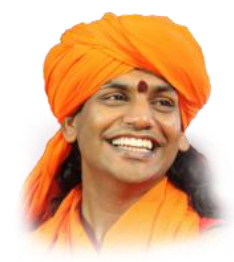
yuñjannevaṁ sadātmānaṁ yogī vigatakalmaṣaḥ | sukhena brahma-saṁsparś amatyantaṁ sukhamaśnute || 6.28 The yogī always engaged in the Self and free from material contamination, is in touch with the Supreme and attains the highest happiness.
सर्वभूतस्थमात्मानं सर्वभूतानि चात्मनि |
ईक्षते योगयुक्तात्मा सर्वत्र समदर्शनः ||6.29||
sarvabhūtastham-ātmānaṁ sarvabhūtāni cātmani | īkṣate yogayuktātmā sarvatra samadarśanaḥ || 6.29 The Yogī sees the Supreme situated in all beings and also all beings situated in the Supreme. One established in the Self sees the Supreme everywhere.
यो मां पश्यति सर्वत्र सर्वं च मयि पश्यति |
तस्याहं न प्रणश्यामि स च मे न प्रणश्यति ||6.30||
yo māṁ paśyati sarvatra sarvaṁ ca mayi paśyati | tasyāhaṁ na praṇaśyāmi sa ca me na praṇaśyati || 6.30 For one who sees Me everywhere and who sees everything in Me, for him I am never lost nor is he lost to Me.
सर्वभूतस्थितं यो मां भजत्येकत्वमास्थितः |
सर्वथा वर्तमानोऽपि स योगी मयि वर्तते ||6.31||
sarvabhūtasthitaṁ yo māṁ bhajatyekatvamāsthitaḥ | sarvathā vartamānopi sa yogī mayi vartate || 6.31 He who is in oneness with Me in all respects, worships Me situated in all beings and remains present in Me.
आत्मौपम्येन सर्वत्र समं पश्यति योऽर्जुन |
सुखं वा यदि वा दुःखं स योगी परमो मतः ||6.32||
ātmaupamyena sarvatra samaṁ paśyati yorjuna | sukhaṁ vā yadi vā duḥkhaṁ sa yogī paramo mataḥ || 6.32 One who, by comparision to his own Self, sees the true oneness of all beings, in both their happiness or misery, is Supreme Yogi in My opinion, Arjuna. अर्जुन उवाच |
योऽयं योगस्त्वया प्रोक्तः साम्येन मधुसूदन |
एतस्याहं न पश्यामि चञ्चलत्वात्स्थितिं स्थिराम् ||6.33||
arjuna uvāca | yoyaṁ yogastvayā proktaḥ sāmyena madhusūdana | etasyāhaṁ na paśyāmi cañcalatvātsthitiṁ sthirām || 6.33 Arjuna says: O Madhusūdana, I am not able to see this system of yoga as told by You in the situation of the mind being restless and not steady.
चञ्चलं हि मनः कृष्ण प्रमाथि बलवद्दृढम् |
तस्याहं निग्रहं मन्ये वायोरिव सुदुष्करम् ||6.34||
cañcalaṁ hi manaḥ kṛṣṇa pramāthī balavad dṛḍham | tasyāhaṁ nigrahaṁ manye vāyoriva suduṣkaram || 6.34 O Kṛṣṇa, the wavering mind is agitated, strong and firm. I think it is difficult to control the mind like it is difficult to control the wind. श्रीभगवानुवाच |
असंशयं महाबाहो मनो दुर्निग्रहं चलम् |
अभ्यासेन तु कौन्तेय वैराग्येण च गृह्यते ||6.35||
śrībhagavānuvāca | asaṁśayaṁ mahābāho mano durnigrahaṁ calam | abhyāsena tu kaunteya vairāgyeṇa ca gṛhyate || 6.35 Bhagavān says: O mighty-armed Kaunteya (son of Kuntī), it is undoubtedly difficult to control the wavering mind but by practice and detachment, it can be controlled.
असंयतात्मना योगो दुष्प्राप इति मे मतिः |
वश्यात्मना तु यतता शक्योऽवाप्तुमुपायतः ||6.36||
asamyatātmanā yogo duṣprāpa iti me matiḥ | vaśyātmanā tu yatatā śakyo vāptum upāyataḥ || 6.36 For one whose mind is uncontrolled, it is difficult to attain yoga in My opinion. But, it is practical to achieve control over the mind by appropriate means. अर्जुन उवाच |
अयतिः श्रद्धयोपेतो योगाच्चलितमानसः |
अप्राप्य योगसंसिद्धिं कां गतिं कृष्ण गच्छति ||6.37||
arjuna uvāca | ayatiḥ śraddhayopeto yogāc calita mānasaḥ | aprāpya yoga-saṁsiddhiṁ kāṁ gatiṁ kṛṣṇa gacchati || 6.37 Arjuna says: O Kṛṣṇa, if a person is engaged in yoga with faith but does not attain yoga because of the wavering mind, what destination does he achieve
कच्चिन्नोभयविभ्रष्टश्छिन्नाभ्रमिव नश्यति |
अप्रतिष्ठो महाबाहो विमूढो ब्रह्मणः पथि ||6.38||
kaccinnobhayavibhraṣṭaś chinnābhramiva naśyati | apratiṣṭho mahābāho vimūḍho brahmaṇaḥ pathi || 6.38 O mighty-armed Kṛṣṇa, does the person who deviated from the path perish, torn like a cloud without any position?
एतन्मे संशयं कृष्ण छेत्तुमर्हस्यशेषतः |
त्वदन्यः संशयस्यास्य छेत्ता न ह्युपपद्यते ||6.39||
etanme saṁśayaṁ kṛṣṇa chettumarhasyaśeṣataḥ | tvadanyaḥ saṁśayasyāsya chettā na hyupapadyate || 6.39 This is my doubt, O Kṛṣṇa and I request You to dispel it completely. Certainly, there is no one to be found other than You who can remove this doubt. श्रीभगवानुवाच |
पार्थ नैवेह नामुत्र विनाशस्तस्य विद्यते |
न हि कल्याणकृत्कश्चिद्दुर्गतिं तात गच्छति ||6.40||
śrībhagavānuvāca | pārtha naiveha nāmutra vināśastasya vidyate | na hi kalyāṇakṛtkaścid durgatiṁ tāta gacchati || 6.40 Bhagavān says: O Pārtha, the person engaged in activities for good does not meet with destruction either in this world or the next life; he never faces degradation.
प्राप्य पुण्यकृतां लोकानुषित्वा शाश्वतीः समाः |
शुचीनां श्रीमतां गेहे योगभ्रष्टोऽभिजायते ||6.41||
prāpya puṇyakṛtāṁ lokān uṣitvā śāśvatīḥ samāḥ | śucīnāṁ śrī matāṁ gehe yogabhraṣṭo’bhijāyate || 6.41 The person who has fallen from yoga {yogabraṣṭa} after many years of living in the planets of the pious and doing virtuous deeds, takes birth in the house of the virtuous and prosperous.
अथवा योगिनामेव कुले भवति धीमताम् |
एतद्धि दुर्लभतरं लोके जन्म यदीदृशम् ||6.42||
athavā yogināmeva kule bhavati dhī matām | etaddhi durlabhataraṁ loke janma yadīdṛśam || 6.42 Or the Yogī certainly takes birth in a family of wise people. Certainly, such a birth is rare in this world.
तत्र तं बुद्धिसंयोगं लभते पौर्वदेहिकम् |
यतते च ततो भूयः संसिद्धौ कुरुनन्दन ||6.43||
tatra taṁ buddhisamyogaṁ labhate paurva dehikam | yatate ca tato bhūyaḥ saṁsiddhau kurunandana ||
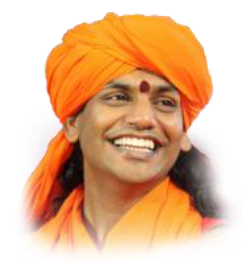
6.43 O son of Kuru, on taking such a birth, he revives the intelligence, consciousness of the previous body, and tries again to attain complete success [yoga].
पूर्वाभ्यासेन तेनैव ह्रियते ह्यवशोऽपि सः।
जिज्ञासुरपि योगस्य शब्दब्रह्मातिवर्तते ॥6.44॥
pūrvābhyāsena tenaiva hriyate hyavaśo'pi saḥ | jijñāsurapi yogasya śabda-brahmātivartate || 6.44 Due to the practice in his previous life, he certainly gets attracted automatically to yoga and he is inquisitive about yoga and transcends the scriptures.
प्रयत्नाद्यतमानस्तु योगी संशुद्धकिल्बिषः।
अनेकजन्मसंसिद्धस्ततो याति परां गतिम् ||6.45||
prayatnādyatamānastu yogī saṁśuddhakilbiṣaḥ | aneka-janmasaṁ-siddhas tato yāti parāṁ gatim || 6.45 And when the Yogī engages himself with sincere endevour in progressing further, being cleansed of all incompletions, then ultimately, achieving perfection [saṁsiddhi] after many births of practice, he attains the highest state [parām-gati].
तपस्विभ्योऽधिकोयोगी
ज्ञानिभ्योऽपि मतोऽधिकः।
कर्मिभ्यश्चाधिकोयोगी
तस्माद्योगीभवार्जुन॥6.46||
tapasvibhyodhiko yogī jñānibhyo'pi mato ‘dhikaḥ | karmibhyaścādhiko yogī tasmādyogī bhavārjuna || 6.46 A Yogī is greater than the ascetic [tapasvi], greater than the wise [jñāni] and greater than the fruitive worker. Therefore, Arjuna, do become a Yogī.
योगिनामपि सर्वेषां मद्गतेनान्तरात्मना ।
श्रद्धावान्भजते यो मां स मे युक्ततमो मतः ||6.47||
yogināmapi sarveṣāṁ madgatenāntarātmanā | śraddhāvān bhajate yo māṁ sa me yuktatamo mataḥ || 6.47 Of all Yogīs, one who always lives in Me, thinking of Me within himself, who worships Me in full faith, he is the most intimately united with Me in Yoga and is the highest of all Yogīs; that is My opinion.
श्रीभगवानुवाच |
मय्यासक्तमनाः पार्थ योगं युञ्जन्मदाश्रयः ।
असंशयं समग्रं मां यथा ज्ञास्यसि तच्छृणु ||7.1||
śrībhagavānuvāca mayyāsaktamanāḥ pārtha yogaṁ yuñjanmadāśrayaḥ | asaṁśayaṁ samagraṁ māṁ yathā jñāsyasi tacchṛṇu || 7.1 Bhagavān Kṛṣṇa says, Arjuna, Listen to Me, you can know Me completely and without doubt by practicing yoga in true consciousness of Me, with your mind attached to Me.
ज्ञानं तेऽहं सविज्ञानमिदं वक्ष्याम्यशेषतः |
यज्ज्ञात्वा नेह भूयोऽन्यज्ज्ञातव्यमवशिष्यते ||7.2||
jñānaṁ te'haṁ savijñānam idaṁ vakṣyāmyaśeṣataḥ | yajjñātvā neha bhūyo'nyaj jñātavyamavaśiṣyate || 7.2 Let Me explain to you in detail this phenomenal and abso-lute knowledge along with its realization; by knowing which, there shall remain nothing further to be known.
मनुष्याणां सहस्रेषु कश्चिद्यतति सिद्धये |
यततामपि सिद्धानां कश्चिन्मां वेत्ति तत्वतः ||7.3||
manuṣyāṇāṁ sahasreṣu kaścidyatati siddhaye | yatatāmapi siddhānāṁ kaścinmāṁ vetti tattvataḥ || 7.3 Out of many thousands of men, hardly one endeavors or strives to achieve perfection of self-realization; of those so en-deavoring, hardly one achieves the perfection of self-realization
and of those, hardly one knows Me in truth or reaches that state of oneness with Me.
भूमिरापोऽनलो वायुः खं मनो बुद्धिरेव च |
अहङ्कार इतीयं मे भिन्ना प्रकृतिरष्टधा ||7.4||
bhūmirāpo’nalo vāyuḥ khaṃ mano buddhireva ca |
ahaṅkāra itīyaṃ me bhinnā prakṛtiraṣṭadhā ||
7.4 Earth, water, fire, air, ether, mind, intelligence and false ego all together these eight constitute My separated external energies.
अपरेयमितस्त्वन्यां प्रकृतिं विद्धि मे पराम् |
जीवभूतां महाबाहो ययेदं धार्यते जगत् ||7.5||
apare’yamitastvanyāṃ prakṛtiṃ viddhi me parām |
jīvabhūtāṃ mahābāho yayedaṃ dhāryate jagat ||
7.5 Besides these external energies, which are inferior in nature, O mighty-armed Arjuna, there is a superior energy of Mine. This comprises all the embodied souls of all the living entities by which this material world is being utilized or exploited.
एतद्योनीनि भूतानि सर्वाणीत्युपधारय |
अहं कृत्स्नस्य जगतः प्रभवः प्रलयस्तथा ||7.6||
etadyonī ni bhūtāni sarvāṇītyupadhāraya |
ahaṃ kṛ tsnasya jagataḥ prabhavaḥ pralayastathā ||
7.6 Know for certain that everything living is manifested by these two energies of Mine. I am the Creator, the Sustainer and the Destroyer of them.
मत्तः परतरं नान्यत्किञ्चिदस्ति धनञ्जय |
मयि सर्वमिदं प्रोतं सूत्रे मणिगणा इव ||7.7||
mattaḥ parataraṃ nānyat kiñcidasti dhanañjaya |
mayi sarvamidaṃ protaṃ sūtre maṇigaṇā iva ||
7.7 O Dhanañjaya (conqueror of wealth), there is no truth su-perior to Me. Everything rests upon Me, as pearls are strung on a thread.
रसोऽहमप्सु कौन्तेय प्रभास्मि शशिसूर्ययोः |
प्रणवः सर्ववेदेषु शब्दः खे पौरुषं नृषु ||7.8||
raso’hamapsu kaunteya prabhāsmi śaśisūryayoḥ |
praṇavaḥ sarvavedeṣu śabdaḥ khe pauruṣaṃ nṛṣu ||
7.8 O Kaunteya (son of Kuntī), I am the taste of water, the radiance of the sun and the moon, the sacred syllable ‘Om’ in the vedic mantras. I am the sound in ether and ability in man.
पुण्यो गन्धः पृथिव्यां च तेजश्चास्मि विभावसौ |
जीवनं सर्वभूतेषु तपश्चास्मि तपस्विषु ||7.9||
puṇyo gandhaḥ pṛthivyāṃ ca tejaścāsmi vibhāvasau |
jīvanaṃ sarvabhūteṣu tapaścāsmi tapasviṣu ||
7.9 I am the original fragrance of the earth, and I am the heat in fire. I am the life of all living beings, and I am the penances of all ascetics.
बीजं मां सर्वभूतानां विद्धि पार्थ सनातनम् |
बुद्धिर्बुद्धिमतामस्मि तेजस्तेजस्विनामहम् ||7.10||
bījaṃ māṃ sarvabhūtānāṃ viddhi pārtha sanātanam |
buddhirbuddhimatāmasmi tejastejasvināmaham ||
7.10 O Pārtha (son of Pṛthā), I am the eternal source of all creatures, the intelligence of the intelligent, and the brilliance of all those who are brilliant.
बलं बलवतां चाहं कामरागविवर्जितम् |
धर्माविरुद्धो भूतेषु कामोऽस्मि भरतर्षभ ||7.11||
balaṃ balavatāṃ cāhaṃ kāmarāgavivarjitam |
dharmāviruddho bhūteṣu kāmo’smi bharatarṣabha ||
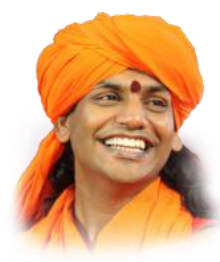
7.11 I am the strength of the strong, and I am procreative energy in living beings, devoid of lust and in accordance with religious principles, O Bharatarṣabha (Lord of Bhārata).
ये चैव सात्विका भावा राजसास्तामसाश्च ये |
मत्त एवेति तान्विद्धि न त्वहं तेषु ते मयि ||7.12||
ye caiva sāttvikā bhāvā rājasāstāmasāśca ye | matta eveti tānviddhi na tvahaṃ teṣu te mayi || 7.12 All states of being—be they of goodness (sāttvika), pas-sion (rajas) or ignorance (tamas)—all emanate from Me. I am independent of them but they are dependent on Me.
त्रिभिर्गुणमयैर्भावैरेभिः सर्वमिदं जगत् |
मोहितं नाभिजानाति मामेभ्यः परमव्ययम् ||7.13||
tribhirguṇamayair bhāvāirebhiḥ sarvamidaṃ jagat | mohitaṃ nābhijānāti māmebhyaḥ paramavyayam || 7.13 The whole world is deluded by the three modes (good-ness, passion and ignorance), and thus does not know Me. I am above the modes and unchangeable
दैवी ह्येषा गुणमयी मम माया दुरत्यया |
मामेव ये प्रपद्यन्ते मायामेतां तरन्ति ते ||7.14||
daivī hyeṣā guṇamayī mama māyā duratyayā | māmeva ye prapadyante māyāmetāṃ taranti te || 7.14 My Divine energy, consisting of the three modes of material nature, is difficult to overcome. But those who surrender unto Me can cross beyond it with ease.
न मां दुष्कृतिनो मूढाः प्रपद्यन्ते नराधमाः |
माययापहृतज्ञाना आसुरं भावमाश्रिताः ||7.15||
na māṃ duṣkṛ tino mūḍhāḥ prapadyante narādhamāḥ | māyayāpahṛtajñānā āsuraṃ bhāvamāśritāḥ || 7.15 Those miscreants who are foolish, lowest among mankind, whose knowledge is stolen by māyā, illusion, and who have taken shelter in demonic nature, do not surrender unto Me.
चतुर्विधा भजन्ते मां जनाः सुकृतिनोऽर्जुन |
आर्तो जिज्ञासुरर्थार्थी ज्ञानी च भरतर्षभ ||7.16||
caturvidhā bhajante māṃ janāḥ sukṛtino’rjuna | ārto jijñāsurarthārthī jñānī ca bharatarṣabha || 7.16 O Bharatarṣabha, best among Bhārata, four kinds of pious men begin to render devotional service unto Me. They are: the distressed, the desirer of wealth, the inquisitive, and those searching for knowledge of the Absolute.
तेषां ज्ञानी नित्ययुक्त एकभक्तिर्विशिष्यते |
प्रियो हि ज्ञानिनोऽत्यर्थमहं स च मम प्रियः ||7.17||
teṣāṃ jñānī nityayukta eka-bhaktir viśiṣyate | priyo hi jñānino’tyartham ahaṃ sa ca mama priyaḥ || 7.17 Of these, the wise one who is in full knowledge and ever united with Me through single-minded devotion is the best. I am very dear to him, and he is dear to Me
उदाराः सर्व एवैते ज्ञानी त्वात्मैव मे मतम् |
आस्थितः स हि युक्तात्मा मामेवानुत्तमां गतिम् ||7.18||
udārāḥ sarva evaite jñānītvātmaiva me matam | āsthitaḥ sa hi yuktātmā māmevānuttamāṃ gatim || 7.18 All these devotees are indeed noble; one who knows Me, dwells in Me. Being engaged in My mission, he attains Me.
बहूनां जन्मनामन्ते ज्ञानवान्मां प्रपद्यते |
वासुदेवः सर्वमिति स महात्मा सुदुर्लभः ||7.19||
bahūnāṃ janmanām ante jñānavānmām prapadyate | vāsudevaḥ sarvamiti sa mahātmā sudurlabhaḥ ||
7.19 After many births and deaths, he who knows Me surrenders to Me, knowing Me to be the cause of all causes and all that is. Such a great soul is very rare.
कामैस्तैस्तैर्हृतज्ञानाः प्रपद्यन्तेऽन्यदेवताः |
तं तं नियममास्थाय प्रकृत्या नियताः स्वया ||7.20||
kāmais tais tair hṛta-jñānāḥ prapadyante'nyadevatāḥ | taṃ taṃ niyamamāsthāya prakṛtyā niyatāḥ svayā || 7.20 Those whose discrimination has been distorted by various desires, surrender unto deities. They follow specific rules and regulations of worship according to their own nature.
यो यो यां यां तनुं भक्तः श्रद्धयार्चितुमिच्छति |
तस्य तस्याचलां श्रद्धां तामेव विदधाम्यहम् ||7.21||
yo yo yāṃ yāṃ tanuṃ bhaktaḥ śraddhayārcitumicchati | tasya tasyācalāṃ śraddhāṃ tāmeva vidadhāmyaham || 7.21 I am in everyone's heart as the super soul. As soon as one desires to worship some deity, I make his faith steady so that he can devote himself to that particular deity.
स तया श्रद्धया युक्तस्तस्याराधनमीहते |
लभते च ततः कामान्मयैव विहितान्हि तान् ||7.22||
sa tayā śraddhayā yuktas tasyārādhanamīhate | labhate ca tataḥ kāmān mayaiva vihitānhi tān || 7.22 Endowed with such a faith, he endeavors to worship a particular demigod and obtains his desires; In reality, these benefits are granted by Me alone.
अन्तवत्तु फलं तेषां तद्भवत्यल्पमेधसाम् |
देवान्देवयजो यान्ति मद्भक्ता यान्ति मामपि ||7.23||
antavattu phalaṃ teṣāṃ tadbhavatyalpamedhasām | devāndevayajo yānti madbhaktā yānti māmapi || 7.23 Men of limited intelligence worship the demigods and their fruits are limited and temporary. Those who worship the demigods go only to the planets of the demigods, but My devotees reach My supreme planet.
अव्यक्तं व्यक्तिमापन्नं मन्यन्ते मामबुद्धयः |
परं भावमजानन्तो ममाव्ययमनुत्तमम् ||7.24||
avyaktam vyaktimāpannaṃ manyante māmabuddhayaḥ | paraṃ bhāvamajānanto mamāvyayam anuttamam || 7.24 Unintelligent men, who do not know Me perfectly, think that I, the supreme personality of godhead, the Bhagavān, who was impersonal before, have become a human being now. They do not know that I am imperishable and supreme, even when I assume the body.
नाहं प्रकाशः सर्वस्य योगमायासमावृतः |
मूढोऽयं नाभिजानाति लोको मामजमव्ययम् ||7.25||
nāhaṃ prakāśaḥ sarvasya yogamāyāsamāvṛtaḥ | mūḍhoyaṃ nābhijānāti loko māmajamavyayam || 7.25 I am never revealed to the foolish and unintelligent, cov-ered as I am by My divine power ; the ignorant do not know Me, unborn and eternal.
वेदाहं समतीतानि वर्तमानानि चार्जुन |
भविष्याणि च भूतानि मां तु वेद न कश्चन ||7.26||
vedāhaṃ samatī tāni vartamānāni cārjuna | bhaviṣyāṇi ca bhūtāni māṃ tu veda na kaścana || 7.26 O Arjuna, as the supreme personality of Godhead, I know all that has happened, all that is happening, and all that is to happen. I also know all living entities; but no one knows Me.
इच्छाद्वेषसमुत्थेन द्वन्द्वमोहेन भारत |
सर्वभूतानि सम्मोहं सर्गे यान्ति परन्तप ||7.27||
icchādveṣasamutthena dvandvamohena bhārata | sarvabhūtāni saṃmohaṃ sarge yānti parantapa ||
7.27 O scion of Bhārata (Arjuna), O conqueror of the foe, Parantapa, all living entities are born into delusion, overcome by the dualities of attachment and aversion.
येषां त्वन्तगतं पापं जनानां पुण्यकर्मणाम् |
ते द्वन्द्वमोहनिर्मुक्ता भजन्ते मां दृढव्रताः ||7.28||
yeṣāṃ tvantagataṃ pāpaṃ janānāṃ puṇyakarmaṇām | te dvandvamohanirmuktā bhajante māṃ dṛḍhavratāḥ || 7.28 Persons who have acted virtuously, whose sinful actions are completely eradicated and who are freed from the duality of reality and unreality, engage themselves in My worship with firm resolve.
जरामरणमोक्षाय मामाश्वित्य यतन्ति ये |
ते ब्रह्म तद्विदुः कृत्स्नमध्यात्मं कर्म चाखिलम् ||7.29||
jarāmaraṇa mokṣāya māmāśritya yatanti ye | te brahma tadviduḥ kṛtsnam adhyātmaṃ karma cākhilam || 7.29 Persons who are striving for liberation from the cycle of birth, old age and death, take refuge in Me. They are actually Brahman because they comprehend everything about activities that transcend these.
साधिभूताधिदैवं मां साधियज्ञं च ये विदुः |
प्रयाणकालेऽपि च मां ते विदुर्युक्तचेतसः ||7.30||
sādhibhūtādhidaivaṃ māṃ sādhiyajñaṃ ca ye viduḥ | prayāṇakāle 'pi ca māṃ te vidur yukfacetasaḥ || 7.30 Those who know Me as the Supreme Lord, as the governing principle of the material manifestation, who know Me as the one underlying all the demigods and as the one sustaining all sacrifices, can with steadfast mind, understand and know Me, even at the time of death.
अर्जुन उवाच |
किं तद्ब्रह्म किमध्यात्मं किं कर्म पुरुषोत्तम |
अधिभूतं च किं प्रोक्तमधिदैवं किमुच्यते ||8.1||
arjuna uvāca | kiṃ tadbrahma kimadhyātmaṃ kiṃ karma puruṣottama | adhibhūtaṃ ca kiṃ proktam adhidaivaṃ kimucyate || 8.1 Arjuna says: O my Lord, O supreme person, what is Brahman? What is the Self? What are result-based actions? What is this material manifestation? And what are the demi-gods? Please explain all this to me.
अधियज्ञः कथं कोऽत्र देहेऽस्मिन्मधुसूदन |
प्रयाणकाले च कथं ज्ञेयोऽसि नियतात्मभिः ||8.2||
adhiyajñaḥ kathaṃ ko'tra dehe'smin madhusūdana | prayāṇakāle ca kathaṃ jñeyo'si niyatātmabhiḥ || 8.2 How does this Lord of sacrifice live in the body, and in which part does He live, O Madhusūdana? How can those engaged in devotional service know You at the time of their death?
श्रीभगवानुवाच |
अक्षरं ब्रह्म परमं स्वभावोऽध्यात्ममुच्यते |
भूतभावोद्भवकरो विसर्गः कर्मसञ्ज्ञितः ||8.3||
śrībhagavānuvāca | akṣaraṃ brahma paramaṃ svabhāvo'dhyātmamucyate | bhūta-bhāvodbhava-karo visargaḥ karmasañjñitaḥ || 8.3 Bhagavān says: The indestructible, transcendental living entity is called Brahman and his eternal nature is called the self. Action pertaining to the development of the material bodies is called karma, or result based activities.
अधिभूतं क्षरो भावः पुरुषश्चाधिदैवतम् |
अधियज्ञोऽहमेवात्र देहे देहभृतां वर ||8.4||
adhibhūtaṁ kṣaro bhāvaḥ puruṣaś cādhidaivatam | adhiyajño’ham evātra dehe dehabhṛtāṁ vara || 8.4 Physical nature is known to be endlessly changing. The universe is the cosmic form of the supreme Lord, and I am that Lord represented as the super soul, dwelling in the heart of every being that dwells in a body. अन्तकाले च मामेव स्मरन्मुक्त्वा कलेवरम् | य: प्रयाति स मद्भावं याति नास्त्यत्र संशय: ||8.5|| antakāle ca māmeva smaranmuktvā kalevaram | yaḥ prayāti sa madbhāvaṁ yāti nā’styatra saṁśayaḥ || 8.5 Whoever, at the time of death, quits his body, remember-ing Me alone, attains My nature immediately. Of this there is no doubt. यं यं वापि स्मरन्भावं त्यजत्यन्ते कलेवरम् | तं तमेवैति कौन्तेय सदा तद्भावभावित: ||8.6|| yaṁ yaṁ vāpi smaranbhāvaṁ tyajatyante kalevaram | taṁ tam evaiti kaunteya sadā tadbhāvabhāvitaḥ || 8.6 Whatever state of being one remembers when he quits his body, it is that state one will attain without fail. तस्मात्सर्वेषु कालेषु मामनुस्मर युध्य च | मय्यर्पितमनोबुद्धिर्मामेवैष्यस्यसंशयम् ||8.7|| tasmāt sarveṣu kāleṣu mām anusmara yudhya ca | mayy arpita-mano-buddhir mām evaiṣy asyasaṁśayam || 8.7 Arjuna, think of Me in the form of Kṛṣṇa always, while continuing with your prescribed duty of fighting. With your activities dedicated to Me and your mind and intelligence fixed on. Me, you will attain Me without doubt. अभ्यासयोगयुक्तेन चेतसा नान्यगामिना | परमं पुरुषं दिव्यं याति पार्थानुचिन्तयन् ||8.8|| abhyāsa yoga yuktena cetasā nānyagāminā | paramaṁ puruṣaṁ divyaṁ yāti pārthānucintayan || 8.8 He who meditates on the supreme person, his mind con-stantly engaged in remembering Me, not deviating from the path, O Pārtha, He is sure to reach Me. कविं पुराणमनुशासितार मणोरणीयांसमनुस्मरेद्य: | सर्वस्य धातारमचिन्त्यरूप मादित्यवर्णं तमसा: परस्तात् ||8.9|| kaviṁ purāṇam anuśāsitāraṁ aṇoraṇī yām sam anusmared yaḥ | sarvasya dhātāram acintya-rūpam ādityavarṇaṁ tamasaḥ parastāt || 8.9 One should meditate on the Supreme as the one who knows everything, as He is the most ancient, who is the con-troller, who is smaller than the smallest, who is the maintainer of everything, who is beyond all material conception, who is inconceivable, and who is always a person. प्रयाणकाले मनसाचलेन भक्त्या युक्तो योगबलेन चैव | भ्रुवोर्मध्ये प्राणमावेश्य सम्यक् स तं परं पुरुषमुपैति दिव्यम् ||8.10|| prayāṇakāle manasācalena bhaktyā yukto yogabalena caiva | bhruvor madhye prāṇam āveśya samyak sa taṁ paraṁ puruṣam upaiti divyam || 8.10 One, who at the time of death, fixes his mind and life air between the eyebrows without being distracted, by the power
of yoga and in full devotion, engages himself in dwelling on Me, He will certainly attain Me.
यदक्षरं वेदविदो वदन्ति
विशन्ति यद्यतयो वीतरागाः |
यदिच्छन्तो ब्रह्मचर्यं चरन्ति
तत्ते पदं संग्रहेण प्रवक्ष्ये ||8.11||
yad akṣaraṁ vedavido vadanti viśanti yadyatayo vītarāgāḥ | yad icchanto brahmacaryaṁ caranti tatte padaṁ saṅgraheṇa pravakṣye || 8.11 Persons who are learned in the Veda and who are great sages in the renounced order, enter into Brahman. Desiring such perfection, one practices brahmacarya. I shall now explain to you this process by which one may attain liberation.
सर्वद्वाराणि संयम्य मनो हृदि निरुध्य च |
मूर्ध्न्याधायात्मनः प्राणमास्थितो योगधारणाम् ||8.12||
sarva-dvārāṇi saṁyamya mano hṛdi nirudhya ca | mūrdhny ādhāyātmanaḥ prāṇam āsthito yogadhāraṇām || 8.12 Closing all the doors of the senses and fixing the mind on the heart and the life air at the top of the head, one es-tablishes himself in yoga.
ओमित्येकाक्षरं ब्रह्म व्याहरन्मामनुस्मरन् |
यः प्रयाति त्यजन्देहं स याति परमां गतिम् ||8.13||
om ity ekākṣaraṁ brahma vyāharan mām anusmaran | yaḥ prayāti tyajandehaṁ sa yāti paramāṁ gatiṁ || 8.13 Centered in this yoga practice and vibrating the sacred syllable OM, the supreme combination of letters, if one dwells in the Supreme and quits his body, he certainly achieves the supreme destination.
अनन्यचेताः सततं यो मां स्मरति नित्यशः |
तस्याहं सुलभः पार्थ नित्ययुक्तस्य योगिनः ||8.14||
ananyacetāḥ satataṁ yo māṁ smarati nityaśaḥ | tasyāhaṁ sulabhaḥ pārtha nityayuktasya yoginaḥ || 8.14 I am always available to anyone who remembers Me constantly Pārtha, because of his constant engagement in devotional service.
मामुपेत्य पुनर्जन्म दुःखालयमशाश्वतम् |
नाप्नुवन्ति महात्मानः संसिद्धिं परमां गताः ||8.15||
māmupetya punarjanma duḥkhālayam aśāśvatam | nāpnuvanti mahātmānaḥ saṁsiddhiṁ paramāṁ gatāḥ || 8.15 After attaining Me, the great souls who are devoted to Me in yoga are never reborn in this world. This world is temporary and full of miseries and they have attained the highest perfection.
आब्रह्मभुवनाल्लोकाः पुनरावर्तिनोऽर्जुन |
मामुपेत्य तु कौन्तेय पुनर्जन्म न विद्यते ||8.16||
ā-brahma-bhuvanāl lokāḥ punarāvartinorjuna | māmupetya tu kaunteya punarjanma na vidyate || 8.16 From the highest planet in the material world [brahmaloka] down to the lowest, all are places of misery wherein repeated birth and death take place. One who reaches My abode, O Kaunteya, is never reborn.
सहस्रयुगपर्यन्तमहर्यद्ब्रह्मणो विदुः |
रात्रिं युगसहस्रान्तां तेऽहोरात्रविदो जनाः ||8.17||
sahasrayuga-paryantam aharyad brahmaṇo viduḥ | rātriṁ yuga-sahasrāntāṁ te’ho-rātravido janāḥ || 8.17 By human calculation, a thousand ages taken together is the duration of Brahma’s one day. His night is just as long.
अव्यक्ताद्व्यक्तयः सर्वाः प्रभवन्त्यहरागमे |
रात्र्यागमे प्रलीयन्ते तत्रैवाव्यक्तसञ्ज्ञके ||8.18||
avyaktād vyaktayaḥ sarvāḥ prabhavanty aharāgame |
rātryāgame pralīyante tatraivāvyakta-saṁjñake ||
8.18 From the unmanifest, all living entities come into being at the beginning of Brahma’s day. With the coming of Brahma’s night, they dissolve into the same unmanifest.
भूतग्रामः स एवायं भूत्वा भूत्वा प्रलीयते |
रात्र्यागमेऽवशः पार्थ प्रभवत्यहरागमे ||8.19||
bhūtagrāmaḥ sa evāyaṁ bhūtvā bhūtvā pralīyate |
rātryāgame’vaśaḥ pārtha prabhavaty aharāgame ||
8.19 Again and again the day comes, and this host of beings is active; and again the night falls, O Pārtha, and they are automatically annihilated.
परस्तस्मात्तु भावोऽन्योऽव्यक्तोऽव्यक्तात्सनातनः |
यः स सर्वेषु भूतेषु नश्यत्सु न विनश्यति ||8.20||
paras tasmāttu bhāvo’nyo ’vyakto’vyaktātsanātanaḥ |
yaḥ sa sarveṣu bhūteṣu naśyatsu na vinaśyati ||
8.20 Yet there is another nature, which is eternal and is beyond this manifest and unmanifest matter. It is supreme and is never annihilated. When all in this world is annihilated, that part remains the same.
अव्यक्तोऽक्षर इत्युक्तस्तमाहुः परमां गतिम् |
यं प्राप्य न निवर्तन्ते तद्धाम परमं मम ||8.21||
avyakto’kṣara ity uktas tamāhuḥ paramāṁ gatim |
yaṁ prāpya na nivartante tad dhāma paramaṁ mama ||
8.21 That Supreme abode is said to be unmanifest and indestructible and is the Supreme destination. When one gains this state one never comes back. That is My supreme abode.
पुरुषः स परः पार्थ भक्त्या लभ्यस्त्वनन्यया |
यस्यान्तःस्थानि भूतानि येन सर्वमिदं ततम् ||8.22||
puruṣaḥ sa paraḥ pārtha bhaktyā labhyas tv ananyayā |
yasyāntaḥsthāni bhūtāni yena sarvam idaṁ tatam ||
8.22 O Pārtha (son of Pṛthā), the supreme person, who is greater than all, is attainable by undeviating devotion. Although He is present in His abode, He is all-pervading, and everything is situated within Him.
यत्र काले त्वनावृत्तिमावृत्तिं चैव योगिनः |
प्रयाता यान्ति तं कालं वक्ष्यामि भरतर्षभ ||8.23||
yatra kāle tv anāvṛttim āvṛttiṁ caiva yoginaḥ |
prayātā yānti taṁ kālaṁ vakṣyāmi bharatarṣabha ||
8.23 O best of the Bhārata, I shall now explain to you the different times when passing away from this world, one returns or does not return.
अग्निर्ज्योतिरहः शुक्लः षण्मासा उत्तरायणम् |
तत्र प्रयाता गच्छन्ति ब्रह्म ब्रह्मविदो जनाः ||8.24||
agnir-jyotir ahaḥ śuklaḥ ṣaṇmāsā uttarāyaṇam |
tatra prayātā gacchanti brahma brahmavido janāḥ ||
8.24 Those who pass away from the world during the influence of the fire god, during light, at an auspicious moment, during the fortnight of the moon ascending and the six months when the sun travels in the north, and have realized the supreme Brahman do not return.
धूमो रात्रिस्तथा कृष्णः षण्मासा दक्षिणायनम् |
तत्र चान्द्रमसं ज्योतिर्योगी प्राप्य निवर्तते ||8.25||
dhūmo rātristathā kṛṣṇaḥ ṣaṇmāsā dakṣiṇāyanam |
tatra cāndramasaṁ jyotir yogī prāpya nivartate ||
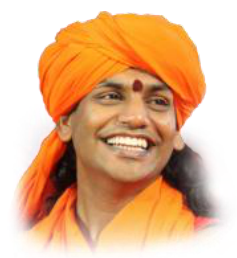
8.25 The mystic who passes away from this world during the smoke, the night, the moonless fortnight, or the six months when the sun passes to the south, have done good deeds go to the cosmic layer and again comes back.
शुक्लकृष्णे गती ह्येते जगतः शाश्वते मते |
एकया यात्यनावृत्तिमन्ययावर्तते पुनः ||8.26||
śukla kṛṣṇe gatī hy ete jagataḥ śāśvate mate |
ekayā yāty anāvṛttim anyayāvartate punaḥ ||
8.26 According to the Vedas, there are two ways of passing from this world: one in the light and one in darkness. When one passes in light, he does not return; but when one passes in darkness, he again comes back.
नैते सृती पार्थ जानन्योगी मुह्यति कश्चन |
तस्मात्सर्वेषु कालेषु योगयुक्तो भवार्जुन ||8.27||
naite sṛtī pārtha jānan yogī muhyati kaścana |
tasmātsarveṣu kāleṣu yogayukto bhavārjuna ||
8.27 O Pārtha (son of Pṛthā), the devotees who know these different paths are never bewildered. O Arjuna, be always fixed in devotion.
वेदेषु यज्ञेषु तपःसु चैव
दानेषु यत्पुण्यफलं प्रदिष्टम् |
अत्येति तत्सर्वमिदं विदित्वा
योगी परं स्थानमुपैति चाद्यम् ||8.28||
vedeṣu yajñeṣu tapaḥsu caiva
dāneṣu yat puṇyaphalaṁ pradiṣṭam |
atyeti tat sarvam idaṁ viditvā
yogī paraṁ sthānam upaiti cādyam ||
8.28 A person who accepts the path of devotional service is
not denied the results derived from studying the Vedas, per-forming austerities and sacrifices, giving charity or pursuing
pious and result based activities. At the end he reaches the supreme abode. श्रीभगवानुवाच |
इदं तु ते गुह्यतमं प्रवक्ष्याम्यनसूयवे |
ज्ञानं विज्ञानसहितं यज्ज्ञात्वा मोक्ष्यसेऽशुभात् ||9.1||
śrī bhagavānuvāca |
idaṁ tu te guhyatamaṁ pravakṣyāmy anasūyave |
jñānaṁ vijñāna-sahitaṁ yajjñātvā mokṣyase'śubhāt ||
9.1 Kṛṣṇa says: Dear Arjuna, because you trust Me and you are not envious of Me; I shall therefore impart to you this profound and secret wisdom and experience; This will free you of all miseries of material existence.
राजविद्या राजगुह्यं पवित्रमिदमुत्तमम् |
प्रत्यक्षावगमं धर्म्यं सुसुखं कर्तुमव्ययम् ||9.2||
rājavidyā rājaguhyaṁ pavitram idam uttamam |
pratyakṣāvagamaṁ dharmyaṁ su-sukhaṁ kartum avyayam ||
9.2 This knowledge is king of all knowledge and the most secret of all secrets. It is the purest knowledge, sacred, and because it gives direct perception of the Self by Self-realization, it is the perfection of religion, dharma. It is eternal, easy and it is very joyfully performed.
अश्रद्दधानाः पुरुषा धर्मस्यास्य परन्तप |
अप्राप्य मां निवर्तन्ते मृत्युसंसारवर्त्मनि ||9.3||
aśraddadhānāḥ puruṣā dharmasyāsya parantapa |
aprāpya māṁ nivartante mṛtyu-saṁsāra-vartmani ||
9.3 Those who have no faith in this knowledge cannot attain Me, O Parantapa, conqueror of foes. They will return to the path of birth and death in this material world. मया ततमिदं सर्वं जगदव्यक्तमूर्तिना | मत्स्थानि सर्वभूतानि न चाहं तेष्ववस्थितः ||9.4|| mayā tatam idaṁ sarvaṁ jagadavyakta mūrtinā | matsthāni sarvabhūtāni na cahaṁ teṣv-avasthitaḥ || 9.4 By Me, the entire Universe is pervaded in My formless form. All beings are based in Me, but I am not in them. न च मत्स्थानि भूतानि पश्य मे योगमैश्वरम् | भूतभृन्न च भूतस्थो ममात्मा भूतभावनः ||9.5|| na ca matsthāni bhūtāni paśya me yogam aiśvaram | bhūtabhṛnna ca bhūtastho mamātmā bhūtabhāvanaḥ || 9.5 And yet everything that is created does not rest in Me. Look at My mystic powers! Although, I am the Creator and Sustainer of all living entities, I do not depend the Cosmic manifestation; for My Self is the very source of all creation. यथाकाशस्थितो नित्यं वायुः सर्वत्रगो महान् | तथा सर्वाणि भूतानि मत्स्थानीत्युपधारय ||9.6|| yathākāśasthito nityaṁ vāyuḥ sarvatrago mahān | tathā sarvāṇi bhūtāni matsthānīty upadhāraya || 9.6 As the mighty wind, blowing everywhere, always rests in eternal space, all beings rest in Me. सर्वभूतानि कौन्तेय प्रकृतिं यान्ति मामिकाम् | कल्पक्षये पुनस्तानि कल्पादौ विसृजाम्यहम् ||9.7|| sarvabhūtāni kaunteya prakṛtiṁ yānti māmikām | kalpakṣaye punas tāni kalpādau visṛjāmyaham || 9.7 O Kaunteya (son of Kuntī), at the end of every age all beings merge into Me, at the beginning of every new age I create them again. प्रकृतिं स्वामवष्टभ्य विसृजामि पुनः पुनः | भूतग्राममिमं कृत्स्नमवशं प्रकृतेर्वशात् ||9.8|| prakṛtiṁ svāmavaṣṭabhya visṛjāmi punaḥ punaḥ | bhūtagrāmam imaṁ kṛtsnam avaśaṁ prakṛtervaśāt || 9.8 The whole Cosmic order is under Me and My material nature creates the beings again and again, and it is controlled by My material nature. न च मां तानि कर्माणि निबध्नन्ति धनञ्जय | उदासीनवदासीनमसक्तं तेषु कर्मसु ||9.9|| na ca māṁ tāni karmāṇi nibadhnanti dhanañjaya | udāsīna-vad āsīnam asaktaṁ teṣu karmasu || 9.9 O Dhanañjaya, all this work does not bind Me. I am ever unattached from these activities, seated as though neutral. मयाध्यक्षेण प्रकृतिः सूयते सचराचरम् | हेतुनानेन कौन्तेय जगद्विपरिवर्तते ||9.10|| mayādhyakṣeṇa prakṛtiḥ sūyate sacarācaram | hetunānena kaunteya jagad viparivartate || 9.10 The material nature or prakṛti works under My direction, O Kaunteya, and creates all moving and unmoving beings through My energies. By its cause, this manifestation is created and annihilated again and again. अवजानन्ति मां मूढा मानुषीं तनुमाश्रितम् | परं भावमजानन्तो मम भूतमहेश्वरम् ||9.11|| avajānanti māṁ mūḍhā mānuṣīṁ tanumāśritam | paraṁ bhāvam ajānanto mama bhūta-maheśvaram || 9.11 Fools deride Me when I descend in the human form. They do not know My transcendental nature as the Supreme Lord [maheśavara] of the entire creation.
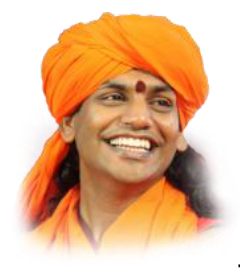
मोघाशा मोघकर्माणो मोघज्ञाना विचेतसः |
राक्षसीमासुरीं चैव प्रकृतिं मोहिनीं श्रिताः ||9.12||
moghāśā moghakarmāṇo moghajñānā vicetasaḥ |
rākṣasīmāsurīṁ caiva prakṛtiṁ mohinīṁ śritāḥ ||
9.12 Those who are thus deluded are demonic and atheistic. In their deluded condition, their hopes for liberation, their result oriented actions and their culture of knowledge become false and useless.
महात्मानस्तु मां पार्थ दैवीं प्रकृतिमाश्रिताः |
भजन्त्यनन्यमनसो ज्ञात्वा भूतादिमव्ययम् ||9.13||
mahātmānastu māṁ pārtha daivīṁ prakṛtimāśritāḥ |
bhajanty ananya-manaso jñātvā bhūtādim avyayam ||
9.13 O Pārtha (son of Prithā), the great souls, who are not deluded, are under the protection of My Divine nature. They are fully devoted to Me with a single-pointed mind as they know Me as the origin of all creation, the unchangeable.
सततं कीर्तयन्तो मां यतन्तश्च दृढव्रताः |
नमस्यन्तश्च मां भक्त्या नित्ययुक्ता उपासते ||9.14||
satataṁ kīrtayanto māṁ yatantaśca dṛḍhavratāḥ |
namasyantaśca māṁ bhaktyā nityayuktā upāsate ||
9.14 Always chanting My names and glories, fully striving with great determination, bowing down onto Me, these great devotees of firm resolve, perpetually worship Me with devotion.
ज्ञानयज्ञेन चाप्यन्ये यजन्तो मामुपासते |
एकत्वेन पृथक्त्वेन बहुधा विश्वतोमुखम् ||9.15||
jñānayajñena cāpyanye yajanto māmupāsate |
ekatvena pṛthaktvena bahudhā viśvatomukham ||
9.15 Some worship Me by acquiring and spreading wisdom of the Self [jñāna-yajña]. Others worship Me in My non-dual form in oneness, in My infinite form as many, and in My Universal form.
अहं क्रतुरहं यज्ञः स्वधाहमहमौषधम् |
मन्त्रोऽहमहमेवाज्यमहमग्निरहं हुतम् ||9.16||
ahaṁ kraturahaṁ yajñaḥ svadhāham ahamauṣadham |
mantro 'hamahamevājyam aham agnir ahaṁ hutam ||
9.16, 17, 18, 19 I am the ritual, I am the sacrifice, I am the offering, I am the herb, I am the mantra, I am the clarified butter, I am the fire, and I am the oblation. I am the supporter of the universe, the father, the mother, and the grandfather. I am the object of knowledge, the sacred syllable “OM”, and also the Ṛg, the Yajur, and the Sāma Vedas. I am the goal, the supporter, the Lord, the witness, the abode, the refuge, the friend, the origin, the dissolution, the foundation, the substra-tum, and the immutable seed. I give heat. I send, as well as withhold, the rain. I am immortality, as well as death. I am also both the Eternal and the temporal, O Arjuna.
पिताहमस्य जगतो माता धाता पितामहः |
वेद्यं पवित्रमोङ्कार ऋक्साम यजुरेव च ||9.17||
pitāhamasya jagato mātā dhātā pitāmahaḥ |
vedyaṁ pavitram oṁkāra ṛksāma yajureva ca ||
9.16, 17, 18, 19 I am the ritual, I am the sacrifice, I am the offering, I am the herb, I am the mantra, I am the clarified butter, I am the fire, and I am the oblation. I am the supporter of the universe, the father, the mother, and the grandfather. I am the object of knowledge, the sacred syllable “OM”, and also the Ṛg, the Yajur, and the Sāma Vedas. I am the goal, the supporter, the Lord, the witness, the abode, the refuge, the friend, the origin, the dissolution, the foundation, the substra-
tum, and the immutable seed. I give heat. I send, as well as withhold, the rain. I am immortality, as well as death. I am also both the Eternal and the temporal, O Arjuna.
गतिर्भर्ता प्रभुः साक्षी निवासः शरणं सुहृत् |
प्रभवः प्रलयः स्थानं निधानं बीजमव्ययम् ||9.18||
gatirbhartā prabhuḥ sākṣī nivāsaḥ śaraṇaṁ suhṛt |
prabhavaḥ pralayaḥ sthānaṁ nidhānaṁ bījamavyayam ||
9.16, 17, 18, 19 I am the ritual, I am the sacrifice, I am the offering, I am the herb, I am the mantra, I am the clarified butter, I am the fire, and I am the oblation. I am the supporter of the universe, the father, the mother, and the grandfather. I am the object of knowledge, the sacred syllable “OM”, and also the Ṛg, the Yajur, and the Sāma Vedas. I am the goal, the supporter, the Lord, the witness, the abode, the refuge, the friend, the origin, the dissolution, the foundation, the substra-tum, and the immutable seed. I give heat. I send, as well as withhold, the rain. I am immortality, as well as death. I am also both the Eternal and the temporal, O Arjuna.
तपाम्यहमहं वर्षं निगृह्णाम्युत्सृजामि च |
अमृतं चैव मृत्युश्च सदसच्चाहमर्जुन ||9.19||
tapāmy aham ahaṁ varṣaṁ nigṛhṇāmy utsṛjāmi ca |
amṛtaṁ caiva mṛtyuśca sadasac cāham arjuna ||
9.16, 17, 18, 19 I am the ritual, I am the sacrifice, I am the offering, I am the herb, I am the mantra, I am the clarified butter, I am the fire, and I am the oblation. I am the supporter of the universe, the father, the mother, and the grandfather. I am the object of knowledge, the sacred syllable “OM”, and also the Ṛg, the Yajur, and the Sāma Vedas. I am the goal, the supporter, the Lord, the witness, the abode, the refuge, the friend, the origin, the dissolution, the foundation, the substra-tum, and the immutable seed. I give heat. I send, as well as withhold, the rain. I am immortality, as well as death. I am also both the Eternal and the temporal, O Arjuna.
त्रैविद्या मां सोमपाः पूतपापा
यज्ञैरिष्ट्वा स्वर्गतिं प्रार्थयन्ते |
ते पुण्यमासाद्य सुरेन्द्रलोक
मश्नन्ति दिव्यान्दिवि देवभोगान् ||9.20||
traividyā māṁ somapāḥ pūtapāpā
yajñairiṣṭvā svargatiṁ prārthayante |
te puṇyam āsādya surendra-lokam
aśnanti divyāndivi devabhogān ||
9.20 Those who practice the vedic rituals and drink the soma juice worship Me indirectly seeking the heavenly pleasures. They go to heaven and enjoy sensual delights.
ते तं भुक्त्वा स्वर्गलोकं विशालं
क्षीणे पुण्ये मर्त्यलोकं विशन्ति |
एवं त्रयीधर्ममनुप्रपन्ना
गतागतं कामकामा लभन्ते ||9.21||
te taṁ bhuktvā svargalokaṁ viśālaṁ
kṣīṇe puṇye martyalokaṁ viśanti |
evaṁ trayīdharmam anuprapannā
gatāgataṁ kāmakāmā labhante ||
9.21 Once they have thus enjoyed heavenly sense pleasure, they are reborn on this planet again. By practicing vedic ritu-als as result oriented actions, they are bound by the cycle of birth and death.
अनन्याश्चिन्तयन्तो मां ये जनाः पर्युपासते |
तेषां नित्याभियुक्तानां योगक्षेमं वहाम्यहम् ||9.22||
ananyāścintayanto māṁ ye janāḥ paryupāsate | teṣāṁ nityābhiyuktānāṁ yogakṣemaṁ vahāmy aham || 9.22 When you reside in My consciousness, always fixed in undivided remembrance, whatever you lack I give [yoga]. And whatever you have, I preserve [kṣema]. येऽप्यन्यदेवता भक्ता यजन्ते श्रद्धयान्विताः | तेऽपि मामेव कौन्तेय यजन्त्यविधिपूर्वकम् ||9.23|| ye'pyanyadevatā bhaktā yajante śraddhayā'nvitāḥ | te'pi mām eva kaunteya yajanty avidhipūrvakam || 9.23 Even those who worship other deities, they too worship Me, O Kaunteya (son of Kuntī), but without true understanding. अहं हि सर्वयज्ञानां भोक्ता च प्रभुरेव च | न तु मामभिजानन्ति तत्त्वेनातश्च्यवन्ति ते ||9.24|| ahaṁ hi sarvayajñānāṁ bhoktā ca prabhureva ca | na tu mām abhijānanti tattvenātaścyavanti te || 9.24 I am the only enjoyer [bhokta] and the only Lord [prabhu] of all sacrifices. Those who do not recognize My true transcendental nature are born again and again. यान्ति देवव्रता देवान्पितॄन् यान्ति पितृव्रताः | भूतानि यान्ति भूतेज्या यान्ति मद्याजिनोऽपि माम् ||9.25|| yānti devavratā devān pitṝn yānti pitṛ vratāḥ | bhūtāni yānti bhūtejyā yānti madyājino'pi mām || 9.25 Those who worship the deities will take birth among the deities; those who worship ghosts and spirits will take birth among such beings; those who worship ancestors go to the ancestors; those who worship Me will live with Me. पत्रं पुष्पं फलं तोयं यो मे भक्त्या प्रयच्छति | तदहं भक्त्युपहृतमश्नामि प्रयतात्मनः ||9.26|| patraṁ puṣpaṁ phalaṁ toyaṁ yo me bhaktyā prayacchati | tad ahaṁ bhakty-upahṛtam aśnāmi prayatātmanaḥ || 9.26 Whoever offers Me with love and devotion a leaf, a flow-er, fruit or water, I will accept and consume what is offered by the pure-hearted. यत्करोषि यदश्नासि यज्जुहोषि ददासि यत् | यत्तपस्यसि कौन्तेय तत्कुरुष्व मदर्पणम् ||9.27|| yat karoṣi yad aśnāsi yaj juhoṣi dadāsi yat | yat tapasyasi kaunteya tat kuruṣva madarpaṇam || 9.27 O Kaunteya (son of Kuntī), all that you do, all that you eat, all that you offer and give away, as well as all austerities that you may perform, give them as an offering to Me. शुभाशुभफलैरेवं मोक्ष्यसे कर्मबन्धनैः | संन्यासयोगयुक्तात्मा विमुक्तो मामुपैष्यसि ||9.28|| śubhāśubha-phalair evaṁ mokṣyase karma-bandhanaiḥ | sannyāsa-yoga-yuktātmā vimukto māmupaiṣyasi || 9.28 You will be freed from all reactions to good and evil deeds by this renunciation, You will be liberated and come to Me. समोऽहं सर्वभूतेषु न मे द्वेष्योऽस्ति न प्रियः | ये भजन्ति तु मां भक्त्या मयि ते तेषु चाप्यहम् ||9.29|| samo'haṁ sarvabhūteṣu na me dveṣyo'sti na priyaḥ | ye bhajanti tu māṁ bhaktyā mayi te teṣu cā'pyaham || 9.29 I am equal to all beings. No one to Me is hateful or dear. But, whoever worships, offers enriching service onto Me in devotion, is in Me and I am also indeed in him. अपि चेत्सुदुराचारो भजते मामनन्यभाक् | साधुरेव स मन्तव्यः सम्यग्व्यवसितो हि सः ||9.30|| api cet sudurācāro bhajate māmananyabhāk | sādhureva sa mantavyaḥ samyag vyavasito hi saḥ ||
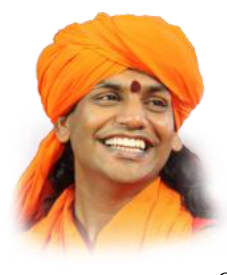
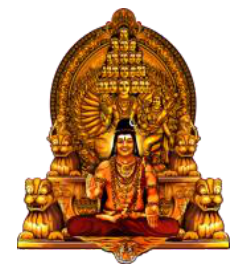
9.30 Even if the most sinful person engages himself in devotional service, He is to be considered saintly because he is properly situated in his determination.
क्षिप्रं भवति धर्मात्मा शश्वच्छान्तिं निगच्छति |
कौन्तेय प्रतिजानीहि न मे भक्तः प्रणश्यति ||9.31||
kṣipraṁ bhavati dharmātmā śaśvacchāntiṁ nigacchati | kaunteya pratijānīhi na me bhaktaḥ praṇaśyati || 9.31 He quickly becomes righteous and attains lasting peace. O Kaunteya (son of Kuntī), declare it boldly that My devotee never perishes.
मां हि पार्थ व्यपाश्रित्य येऽपि स्युः पापयोनयः |
स्त्रियो वैश्यास्तथा शूद्रास्तेऽपि यान्ति परां गतिम् ||9.32||
māṁ hi pārtha vyapāśritya ye'pi syuḥ pāpayonayaḥ | striyo vaiśyāstathā śūdrās te'pi yānti parāṁ gatim || 9.32 O Pārtha (son of Pṛthā), anyone who takes shelter in Me, women, traders, workers or even sinners can approach the Supreme destination.
किं पुनर्ब्राह्मणाः पुण्या भक्ता राजर्षयस्तथा |
अनित्यमसुखं लोकमिमं प्राप्य भजस्व माम् ||9.33||
kiṁ punar brāhmaṇāḥ puṇyā bhaktā rājarṣayas tathā | anityam asukhaṁ lokam imaṁ prāpya bhajasva mām || 9.33 How easier then it is for the learned, the righteous, the devotees and saintly kings who in this temporary miserable world engage in loving service unto Me.
मन्मना भव मद्भक्तो मद्याजी मां नमस्कुरु |
मामेवैष्यसि युक्त्वैवमात्मानं मत्परायणः ||9.34||
manmanā bhava madbhakto madyājī māṁ namaskuru | māmevaiṣyasi yuktvaivam ātmānaṁ matparāyaṇaḥ || 9.34 Fix your mind on Me, be devoted to Me, worship Me, and bow down to Me. Thus, uniting yourself with Me by setting Me as the supreme goal and the sole refuge, you shall certainly come to Me.
श्रीभगवानुवाच |
भूय एव महाबाहो शृणु मे परमं वचः |
यत्तॆऽहं प्रीयमाणाय वक्ष्यामि हितकाम्यया ||10.1||
śrībhagavānuvāca | bhūya eva mahābāho śṛṇu me paramaṁ vacaḥ | yatte'haṁ prīyamāṇāya vakṣyāmi hitakāmyayā || 10.1 Lord Kṛṣṇa says: Listen carefully again, Oh mighty-armed Arjuna! Because you are My dear friend, I shall speak further on the Supreme knowledge for your welfare.
न मे विदुः सुरगणाः प्रभवं न महर्षयः |
अहमादिर्हि देवानां महर्षीणां च सर्वशः ||10.2||
na me viduḥ suragaṇāḥ prabhavaṁ na maharṣayaḥ | ahamādirhi devānāṁ maharṣīṇāṁ ca sarvaśaḥ || 10.2 Neither the hosts of deities nor the great sages know My origin, My opulence. I am the source of the deities and the sages.
यो मामजमनादिं च वेत्ति लोकमहेश्वरम् |
असंमूढः स मर्त्येषु सर्वपापैः प्रमुच्यते ||10.3||
yo māmajamanādiṁ ca vetti lokamaheśvaram | asaṁmūḍhaḥ sa martyeṣu sarvapāpaiḥ pramucyate || 10.3 He who knows Me as the unborn, without beginning, and supreme Lord of all the worlds, Only he, who has this clarity, is wise and freed from all bondage.
बुद्धिर्ज्ञानमसंमोहः क्षमा सत्यं दमः शमः |
सुखं दुःखं भवोऽभावो भयं चाभयमेव च ||10.4||
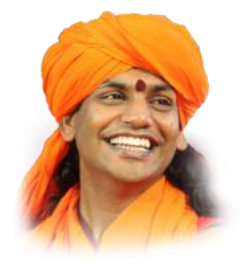
buddhirjñānaṁ asaṁmohaḥ kṣamā satyaṁ damaḥ śamaḥ |
sukhaṁ duḥkhaṁ bhavo 'bhāvo bhayaṁ cābhayameva ca ||
10.4,5 Intelligence, knowledge, freedom from doubt and delu-sion, forgiveness, truthfulness, control of the senses, control of the mind, happiness, distress, birth, death, fear, fearlessness, non-violence, equanimity, satisfaction, austerity, charity, fame and infamy, all these various qualities of living beings are created by Me alone.
अहिंसा समता तुष्टिस्तपो दानं यशोऽयशः |
भवन्ति भावा भूतानां मत्त एव पृथग्विधाः ||10.5||
ahiṁsā samatā tuṣṭis tapo dānaṁ yaśo 'yaśaḥ |
bhavanti bhāvā bhūtānāṁ matta eva pṛthagvidhāḥ ||
10.4,5 Intelligence, knowledge, freedom from doubt and delu-sion, forgiveness, truthfulness, control of the senses, control of the mind, happiness, distress, birth, death, fear, fearlessness, non-violence, equanimity, satisfaction, austerity, charity, fame and infamy, all these various qualities of living beings are created by Me alone.
महर्षयः सप्त पूर्वे चत्वारो मनवस्तथा |
मद्भावा मानसा जाता येषां लोक इमाः प्रजाः ||10.6||
maharṣayaḥ sapta pūrve catvāro manavastathā |
madbhāvā mānasā jātā yeṣāṁ loka imāḥ prajāḥ ||
10.6 The seven great sages and before them, the four great Ma-nus, endowed with My power, They arose from My mind and all the living beings populating the planet descend from them.
एतां विभूतिं योगं च मम यो वेत्ति तत्त्वतः |
सोऽविकम्प्रेन योगेन युज्यते नात्र संशयः ||10.7||
etāṁ vibhūtiṁ yogaṁ ca mama yo vetti tattvataḥ |
so 'vikampena yogena yujyate nātra saṁśayaḥ ||
10.7 He who knows all this glory and powers of mine, truly, he is fully united in Me; Of that there is no doubt.
अहं सर्वस्य प्रभवो मत्तः सर्वं प्रवर्तते |
इति मत्वा भजन्ते मां बुधा भावसमन्विताः ||10.8||
ahaṁ sarvasya prabhavo mattaḥ sarvaṁ pravartate |
iti matvā bhajante māṁ budhā bhāvasamanvitāḥ ||
10.8 I am the source of all the spiritual and material worlds. Everything arises from Me. The wise who know this are de-voted to Me and surrender their heart to Me.
मच्चित्ता मद्गतप्राणा बोधयन्तः परस्परम् |
कथयन्तश्च मां नित्यं तुष्यन्ति च रमन्ति च ||10.9||
maccittā madgataprāṇā bodhayantaḥ parasparam |
kathayantaśca māṁ nityaṁ tuṣyanti ca ramanti ca ||
10.9 With mind and lives absorbed on Me, always enlightening one another and talking about My glories, the wise are content and blissful.
तेषां सततयुक्तानां भजतां प्रीतिपूर्वकम् |
ददामि बुद्धियोगं तं येन मामुपयान्ति ते ||10.10||
teṣāṁ satatayuktānāṁ bhajatāṁ prītipūrvakam |
dadāmi buddhiyogaṁ taṁ yena māmupayānti te ||
10.10 To those who are always engaged in Me with love, I give them enlightenment by which they come to Me.
तेषामेवानुकम्पार्थमहमज्ञानजं तमः |
नाशयाम्यात्मभावस्थो ज्ञानदीपेन भास्वता ||10.11||
teṣām evānukampārtham aham ajñānajaṁ tamaḥ |
nāśayāmy ātma-bhāvastho jñānadīpena bhāsvatā ||
10.11 Out of compassion to them, I destroy the darkness born out of their ignorance by the shining lamp of knowledge.
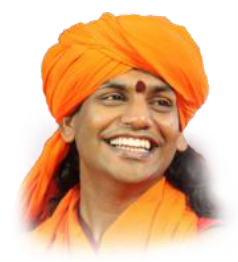
अर्जुन उवाच | परं ब्रह्म परं धाम पवित्रं परमं भवान् | पुरुषं शाश्वतं दिव्यमादिदेवमजं विभुम् ||10.12|| arjuna uvāca paraṁ brahma paraṁ dhāma pavitraṁ paramaṁ bhavān | puruṣaṁ śāśvataṁ divyam ādidevamajaṁ vibhum || 10.12 Arjuna says: You are the supreme truth, supreme suste-nance, supremely purifier, the primal, eternal and glorious Lord. आहुस्त्वामृषयः सर्वे देवर्षिर्नारदस्तथा | असितो देवलो व्यासः स्वयं चैव ब्रवीषि मे ||10.13|| āhustvāmrṣayaḥ sarve devarṣirnāradastathā | asito devalo vyāsaḥ svayaṁ caiva bravīṣi me || 10.13 All the sages like Nārada, Asita, Devala, and Vyāsa have explained this. Now you are personally explaining to me. सर्वमेतदृतं मन्ये यन्मां वदसि केशव | न हि ते भगवन्व्यक्तिं विदुर्देवा न दानवाः ||10.14|| sarvametadṛtaṁ manye yanmāṁ vadasi keśava | na hi te bhagavanvyaktiṁ vidurdevā na dānavāḥ || 10.14 Oh Keśava, I accept all these truths that You have told me. Oh Lord, neither he gods nor the demons know You. स्वयमेवात्मनात्मानं वेत्थ त्वं पुरुषोत्तम | भूतभावन भूतेश देवदेव जगत्पते ||10.15|| svayamevātmanātmānaṁ vettha tvaṁ puruṣottama | bhūtabhāvana bhūteśa devadeva jagatpate || 10.15 Surely, You alone know Yourself by Yourself, Oh Perfect One, the origin of beings, Oh Lord of beings, Oh God of gods, Oh Lord of the world. वक्तुमर्हस्यशेषेण दिव्या ह्यात्मविभूतयः | याभिर्विभूतिभिर्लोकानिमांस्त्वं व्याप्य तिष्ठसि ||10.16|| vaktumarhasyaśeṣeṇa divyā hyātmavibhūtayaḥ | yābhirvibhūtibhirlokān imāṁstvaṁ vyāpya tiṣṭhasi || 10.16 Only You can describe in detail Your divine glories by which You pervade this universe. कथं विद्यामहं योगिंस्त्वां सदा परिचिन्तयन् | केषु केषु च भावेषु चिन्त्योऽसि भगवन्मया ||10.17|| kathaṁ vidyāmahaṁ yogiṁs tvāṁ sadā paricintayan | keṣu keṣu ca bhāveṣu cintyo’si bhagavanmayā || 10.17 How may I know You by contemplation? In which forms should I contemplate on You, Oh Lord? विस्तरेणात्मनो योगं विभूतिं च जनार्दन | भूयः कथय तृप्तिर्हि शृण्वतो नास्ति मेऽमृतम् ||10.18|| vistareṇātmano yogaṁ vibhūtiṁ ca janārdana | bhūyaḥ kathaya tṛptirhi śṛṇvato nāsti me’mṛtam || 10.18 Tell me in detail of your powers and glories, Oh Janār-dana. Again, please tell for my satisfaction as I do not tire of hearing your sweet words. श्रीभगवानुवाच | हन्त ते कथयिष्यामि दिव्या ह्यात्मविभूतयः | प्राधान्यतः कुरुश्रेष्ठ नास्त्यन्तो विस्तरस्य मे ||10.19|| śrībhagavānuvāca | hanta te kathayiṣyāmi divyā hyātmavibhūtayaḥ | prādhānyataḥ kuruśreṣṭha nāstyanto vistarasya me || 10.19 Kṛṣṇa says, ‘Yes, Oh kuruśreṣṭha, I will talk to you surely of My divine glories; but only of the main ones as there is no end to the details of My glories. अहमात्मा गुडाकेश सर्वभूताशयस्थितः | अहमादिश्च मध्यं च भूतानामन्त एव च ||10.20||
ahamātmā guḍākeśa sarvabhūtāśayasthitaḥ | ahamādiśca madhyaṃ ca bhūtānāmanta eva ca || 10.20 I am the Spirit, Oh Guḍākeśā, situated in all living beings. I am surely the beginning, middle and end of all beings.
आदित्यानामहं विष्णुर्ज्योतिषां रविरंशुमान् |
मरीचिर्मरुतामस्मि नक्षत्राणामहं शशी ||10.21||
ādityānāmahaṃ viṣṇur jyotiṣāṃ raviraṃśumān | marīcirmarutāmasmi nakṣatrāṇāmahaṃ śaśī || 10.21 Of the Ādityas, I am Viṣṇu. Of the luminaries, I am the bright sun. Of the Maruts, I am Marīcī. Of the Nakṣatras, I am the moon.
वेदानां सामवेदोऽस्मि देवानामास्मि वासवः |
इन्द्रियाणां मनश्चास्मि भूतानामस्मि चेतना ||10.22||
vedānāṃ sāmavedo'smi devānāmasmi vāsavaḥ | indriyāṇāṃ manaścāsmi bhūtānāmasmi cetanā || 10.22 Of the Vedas, I am the Sāma Veda. Of the gods, I am Indra. Of the senses, I am the mind and in living beings, I am the consciousness.
रुद्राणां शङ्करश्चास्मि वित्तेशो यक्षरक्षसाम् |
वसूनां पावकश्चास्मि मेरुः शिखरिणामहम् ||10.23||
rudrāṇāṃ śaṅkaraścāsmi vitteśo yakṣarakṣasām | vasūnāṃ pāvakaścāsmi meruḥ śikhariṇāmaham || 10.23 Of the Rudras, I am Sankara and of the Yakṣas and Rākṣasas, I am Kubera, god of wealth. Of the Vasus, I am fire and of the peaks, I am Meru.
पुरोधसां च मुख्यं मां विद्धि पार्थ बृहस्पतिम् |
सेनानीनामहं स्कन्दः सरसामस्मि सागरः ||10.24||
purodhasāṃ ca mukhyaṃ māṃ viddhi pārtha bṛhaspatim | senānīnāmahaṃ skandaḥ sarasāmasmi sāgaraḥ || 10.24 Of the priests, understand, O Pārtha, that I am the chief Brihaspati. Of the warriors, I am Skanda. Of the water bodies, I am the ocean.
महर्षीणां भृगुरहं गिरामस्म्येकमक्षरम् |
यज्ञानां जपयज्ञोऽस्मि स्थावराणां हिमालयः ||10.25||
maharṣīṇāṃ bhṛgurahaṃ girāmasmyekamakṣaram | yajñānāṃ japayajño'smi sthāvarāṇāṃ himālayaḥ || 10.25 Of the great sages, I am Bhrigu. Of the vibrations, I am the OM. Of the sacrifices, I am the chanting of holy names. Of the immovable objects, I am the Himālayas.
अश्वत्थः सर्ववृक्षाणां देवर्षीणां च नारदः |
गन्धर्वाणां चित्ररथः सिद्धानां कपिलो मुनिः ||10.26||
aśvatthaḥ sarvavṛkṣāṇāṃ devarṣīṇāṃ ca nāradaḥ | gandharvāṇāṃ citrarathaḥ siddhānāṃ kapilo muniḥ || 10.26 Of all the trees, I am the Banyan tree and of all the sages of the gods, I am Nārada. Of the Gandharvas, I am Chitraratha. Of the realized souls, I am the sage Kapila.
उच्चैःश्रवसमश्वानां विद्धि माममृतोद्भवम् |
ऐरावतं गजेन्द्राणां नराणां च नराधिपम् ||10.27||
uccaiḥśravas amaśvānāṃ viddhi māṃ amṛtodbhavam | airāvataṃ gajendrāṇāṃ narāṇāṃ ca narādhipam || 10.27 Of the horses, know me to be Ucchaiśravas born of the nectar generated from the churning of the ocean; Of the elephants, Airāvata and of men, the king.
आयुधानामहं वज्रं धेनूनामस्मि कामधुक् |
प्रजनश्चास्मि कन्दर्पः सर्पाणामस्मि वासुकिः ||10.28||
āyudhānāmahaṃ vajraṃ dhenūnāmasmi kāmadhuk | prajanaścāsmi kandarpaḥ sarpāṇāmasmi vāsukiḥ ||
10.28 Of the weapons, I am the thunderbolt. Of the cows, I am Kamadhenu; For begetting children, I am the god of love. Of the snakes, I am Vasuki.
अनन्तश्चास्मि नागानां वरुणो यादसामहम् |
पितॄणामर्यमा चास्मि यमः संयमतामहम् ||10.29||
anantaścāsmi nāgānāṁ varuṇo yādasām aham | pitṝṇāmaryamā cāsmi yamaḥ saṁyamatāmaham || 10.29 Of the serpents, I am Ananta. Of the water deities, I am Varuṇa. Of the ancestors, I am Aryama and of the ones who ensure discipline, I am Yama.
प्रह्लादश्चास्मि दैत्यानां कालः कलयतामहम् |
मृगाणां च मृगेन्द्रोऽहं वैनतेयश्च पक्षिणाम् ||10.30||
prahlādaścāsmi daityānāṁ kālaḥ kalayatāmaham | mṛgāṇāṁ ca mṛgendro’haṁ vainateyaśca pakṣiṇām || 10.30 Of the Daitya (demons), I am Prahlad and of the reckoners, I am time. Of the animals, I am the king of animals (lion) and of the birds, I am Garuda.
पवनः पवतामस्मि रामः शस्त्रभृतामहम् |
झषाणां मकरश्चास्मि स्रोतसामस्मि जाह्नवी ||10.31||
pavanaḥ pavatāmasmi rāmaḥ śastrabhṛtāmaham | jhaṣāṇāṁ makaraścāsmi srotasāmasmi jānhavī || 10.31 Of the purifiers, I am the wind. Of the wielders of weapons, I am Rāma. Of the water beings, I am the shark and of the flowing rivers, I am Jahnavi (Gaṅgā).
सर्गाणामादिरन्तश्च मध्यं चैवाहमर्जुन |
अध्यात्मविद्या विद्यानां वादः प्रवदतामहम् ||10.32||
sargāṇāmādirantaśca madhyaṁ caivāhamarjuna | adhyātmavidyā vidyānāṁ vādaḥ pravadatāmaham || 10.32 Of all creations, I am surely the beginning and end and the middle, O Arjuna. Of all knowledge, I am the spiritual knowledge of the Self. Of all arguments, I am the logic.
अक्षराणामकारोऽस्मि द्वन्द्वः सामासिकस्य च |
अहमेवाक्षयः कालो धाताहं विश्वतोमुखः ||10.33||
akṣarāṇāmakāro’smi dvandvaḥ sāmāsikasya ca | ahamevākṣayaḥ kālo dhātāhaṁ viśvatomukhaḥ || 10.33 Of the letters, I am the ‘A’. Of the dual words, I am the compounds and surely I am the never-ending time. I am the Omniscient who sees everything.
मृत्युः सर्वहरश्चाहमुद्भवश्च भविष्यताम् |
कीर्तिः श्रीर्वाक्च नारीणां स्मृतिर्मेधा धृतिः क्षमा ||10.34||
mṛtyuḥ sarva-haraś cāham udbhavaśca bhaviṣyatāī | kīrtiḥ śrīrvākca nārīṇāṁ smṛtirmedhā dhṛtiḥ kṣamā || 10.34 I am the all-devouring death and I am the creator of all things of the future. Of the feminine, I am fame, fortune, beautiful speech, memory, intelligence, faithfulness and patience.
बृहत्साम तथा साम्नां गायत्री छन्दसामहम् |
मासानां मार्गशीर्षोऽहमृतूनां कुसुमाकरः ||10.35||
bṛhatsāma tathā sāmnāṁ gāyatrī chandasām aham | māsānāṁ mārgaśīrṣo’ham ṛtūnāṁ kusumākaraḥ || 10.35 Of the Sāma Veda hymns, I am the Bṛhat Sāma and of all poetry, I am the Gāyatrī. Of the months, I am Mārgaśīrṣa and of the seasons, I am Spring.
द्यूतं छलयतामस्मि तेजस्तेजस्विनामहम् |
जयोऽस्मि व्यवसायोऽस्मि सत्वं सत्ववतामहम् ||10.36||
dyūtaṁ chalayatām asmi tejas tejasvinām aham | jayo’smi vyavasāyo’smi sattvaṁ sattvavatām aham ||
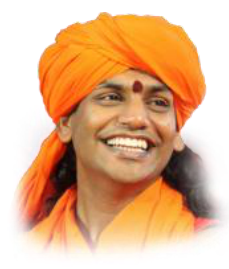
10.36 Of all the cheating, I am Gambling. Of the effulgent things, I am the Effulgence. I am Victory, I am Effort, I am the Goodness (sattva) of those who are with satva (good) quality.
वृष्णीनां वासुदेवोऽस्मि पाण्डवानां धनञ्जयः |
मुनीनामप्यहं व्यासः कवीनामुशना कविः ||10.37||
vṛṣṇīnāṁ vāsudevo’smi pāṇḍavānāṁ dhanañjayaḥ | munīnāmapyahaṁ vyāsaḥ kavīnāmuśanā kaviḥ || 10.37 Of the descendants of Vṛṣṇi, I am Vāsudeva Kṛṣṇa. Of the Pāṇḍavas, I am Arjuna. Of the sages, I am also Vyāsa and of the seer, I am Uśāna.
दण्डो दमयतामस्मि नीतिरस्मि जिगीषताम् |
मौनं चैवास्मि गुह्यानां ज्ञानं ज्ञानवतामहम् ||10.38||
daṇḍo damayatām asmi nītirasmi jigīṣatām | mau naṁ caivāsmi guhyānāṁ jñānaṁ jñānavatāmaham || 10.38 Of rulers, I am their Sceptre. Of the victorious, I am Statesmanship. Of all secrets, I am also Silence. Of the wise, I am Wisdom.
यच्चापि सर्वभूतानां बीजं तदहमर्जुन |
न तदस्ति विना यत्स्यान्मया भूतं चराचरम् ||10.39||
yaccāpi sarvabhūtānāṁ bījaṁ tadahamarjuna | na tadasti vinā yat syān mayā bhūtaṁ carācaram || 10.39 Also, of whatever beings exist, I am the seed, O Arjuna. There is nothing that exists without Me in all creations, moving and unmoving.
नान्तोऽस्ति मम दिव्यानां विभूतीनां परन्तप |
एष तूद्देशतः प्रोक्तो विभूतेर्विस्तरो मया ||10.40||
nānto’sti mama divyānāṁ vibhūtīnāṁ parantapa | eṣa tūddeśataḥ prokto vibhūtervistaro mayā || 10.40 There is no end to My Divine glories, Oh Parantapa. What have been says by Me are examples of My detailed glories.
यद्यद्विभूतिमत्सत्त्वं श्रीमदूर्जितमेव वा |
तत्तदेवावगच्छ त्वं मम तेजोऽशसम्भवम् ||10.41||
yad yad vibhūtimat sattvaṁ śrīmad ūrjitameva vā | tat tad evā’vagaccha tvaṁ mama tejomśa sambhavam || 10.41 You should know that whatever glories exist or whatever beautiful and glorious exists, all that surely is born of just a portion of My splendour.
अथवा बहुनैतेन किं ज्ञातेन तवार्जुन |
विष्टभ्याहमिदं कृत्स्नमेकांशेन स्थितो जगत् ||10.42||
athavā bahunaitena kiṁ jñātena tavārjuna | viṣṭabhyāhamidaṁ kṛtsnam ekāṁśena sthito jagat || 10.42 Of what use is to know about the many manifestations of this kind, O Arjuna? I pervade this entire world with just a part of Myself. अर्जुन उवाच |
मदनुग्रहाय परमं गुह्यमध्यात्मसञ्ज्ञितम् |
यत्त्वयोक्तं वचस्तेन मोहोऽयं विगतो मम ||11.1||
arjuna uvāca | madanugrahāya paramaṁ guhyaṁ adhyātma-saṁjñitam | yat tvayoktaṁ vacas tena moho’yaṁ vigato mama || 11.1 Arjuna says: ‘O Lord! By listening to Your wisdom on the supreme secret of Existence and your glory, I feel that my delusion has disappeared.’
भवाप्ययौ हि भूतानां श्रुतौ विस्तरशो मया |
त्वत्तः कमलपत्राक्ष माहात्म्यमपि चाव्ययम् ||11.2||
bhavāpyayau hi bhūtānāṁ śrutau vistaraśo mayā | tvattaḥ kamalapatrākṣa māhātmyamapi cāvyayam ||
11.2 O Lotus-eyed Kṛṣṇa! I have listened from You in detail about the creation and destruction of all living beings, also Your inexhaustible greatness.
एवमेतद्यथात्थ त्वमात्मानं परमेश्वर |
द्रष्टुमिच्छामि ते रूपमैश्वरं पुरुषोत्तम ||11.3||
evametadyathāttha tvam ātmānaṁ parameśvara | draṣṭumicchāmi te rūpam aiśvaraṁ puruṣottama ||
11. O Parameśvara, Lord Supreme, though You are here before Me as You have declared Yourself, I wish to see the Divine Cosmic Form of Yours, Puruṣottama, Supreme Being.
मन्यसे यदि तच्छक्यं मया द्रष्टुमिति प्रभो |
योगेश्वर ततो मे त्वं दर्शयात्मानमव्ययम् ||11.4||
manyase yadi tacchakyaṁ mayā draṣṭumiti prabho | yogeśvara tato me tvaṁ darśayātmānamavyayam || 11.4 O Prabhu, my Lord, if You think it is possible for me to see Your Cosmic Form, then please, O Yogeśvara, Lord of Yoga and all mystic power, kindly show me that Imperishable Universal Self. श्रीभगवानुवाच |
पश्य मे पार्थ रूपाणि शतशोऽथ सहस्रशः |
नानाविधानि दिव्यानि नानावर्णाकृतीनि च ||11.5||
śrībhagavānuvāca | paśya me pārtha rūpāṇi śataśo’tha sahasraśaḥ | nānāvidhāni divyāni nānāvarṇākṛtīni ca || 11.5 Bhagavān says: O My dear Pārtha, behold now My hundreds and thousands of forms, of infinite divine sorts, of infinite colors and shapes.
पश्यादित्यान्वसूनू रुद्रानश्विनौ मरुतस्तथा |
बहून्यदृष्टपूर्वाणि पश्याश्चर्याणि भारत ||11.6||
paśyādityān vasūn rudrān aśvinau marutastathā | bahūny adṛṣṭa-pūrvāṇi paśyāścaryāṇi bhārata || 11.6 O Bhārata, see here the different manifestations of the Ādityas, the Vasus, the Rudras, the Aśvins, the Māruts and all other gods. Behold the many wonderful forms which noone has ever seen before.
इहैकस्थं जगत्कृत्स्नं पश्याद्य सचराचरम् |
मम देहे गुडाकेश यच्चान्यद्द्रष्टुमिच्छसि ||11.7||
ihaikasthaṁ jagat kṛtsnaṁ paśyādya sacarācaram | mama dehe guḍākeśa yac cānyad draṣṭumicchasi || 11.7 O Arjuna, see at once now in this body of Mine, the whole Universe completely in this one place, all the moving and the unmoving, and see everything else you desire to see also.
न तु मां शक्यसे द्रष्टुमनेनैव स्वचक्षुषा |
दिव्यं ददामि ते चक्षुः पश्य मे योगमैश्वरम् ||11.8||
na tu māṁ śakyase draṣṭum anenaiva svacakṣuṣā | divyaṁ dadāmi te cakṣuḥ paśya me yogamaiśvaram || 11.8 But you cannot see Me with your own physical eyes. Let Me give you the Divine eye; Behold My Divine power and opulence! सञ्जय उवाच |
एवमुक्त्वा ततो राजन्महायोगेश्वरो हरिः |
दर्शयामास पार्थाय परमं रूपमैश्वरम् ||11.9||
sañjaya uvāca | evamuktvā tato rājan mahāyogeśvaro hariḥ | darśayāmāsa pārthāya paramaṁ rūpamaiśvaram || 11.9 Sañjaya said: O King, having spoken thus, the great Lord of Yoga, Mahā Yogeśvara Hari (Kṛṣṇa), showed to Arjuna His supreme Cosmic form.
अनेकवक्त्रनयनमनेकाद्भुतदर्शनम् |
अनेकदिव्याभरणं दिव्यानेकोद्यतायुधम् ||11.10||
aneka-vaktra-nayanam anekādbhuta darśanam | aneka-divyābharaṇaṁ divyānekodyatāyudham || 11.10 Infinite mouths and eyes, with infinite wonderful sights, infinite divine ornaments, with numerous divine weapons uplifted.
दिव्यमाल्याम्बरधरं दिव्यगन्धानुलेपनम् |
सर्वाश्चर्यमयं देवमनन्तं विश्वतोमुखम् ||11.11||
divya-mālyāmbara-dharaṁ divya-gandhānulepanam | sarvāścarya-mayaṁ devam anantaṁ viśvatomukham || 11.11 Arjuna saw this Universal form wearing divine garlands and clothing, anointed with celestial fragrances, wonderful, resplendent, endless, with faces on all sides.
दिवि सूर्यसहस्रस्य भवेद्युगपदुत्थिता |
यदि भाः सदृशी सा स्याद्भासस्तस्य महात्मनः ||11.12||
divi sūryasahasrasya bhaved yugapad utthitā | yadi bhāḥ sadṛśī sā syād bhāsastasya mahātmanaḥ || 11.12 If the splendor of a thousand suns were to blaze all together in the sky, it would be like the splendor of that mighty Being.
तत्रैकस्थं जगत्कृत्स्नं प्रविभक्तमनेकधा |
अपश्यद्देवदेवस्य शरीरे पाण्डवस्तदा ||11.13||
tatraikasthaṁ jagat kṛtsnaṁ pravibhaktamanekadhā | apaśyad devadevasya śarīre pāṇḍavastadā || 11.13 There, in the body of the God of gods, the Pāṇḍava then saw the whole universe resting in one, with all its infinite parts.
ततः स विस्मयाविष्टो हृष्टरोमा धनञ्जयः |
प्रणम्य शिरसा देवं कृताञ्जलिरभाषत ||11.14||
tataḥ sa vismayāviṣṭo hṛṣṭaromā dhanañjayaḥ | praṇamya śirasā devaṁ kṛtāñjalirabhāṣata || 11.14 Dhanañjaya, filled with wonder, his hair standing on end, then bowed his head to the God and spoke with joined palms.
अर्जुन उवाच |
पश्यामि देवांस्तव देव देहे
सर्वांस्तथा भूतविशेषसङ्घान् |
ब्रह्माणमीशं कमलासनस्थ-
मृषींश्च सर्वानुरगांश्च दिव्यान् ||11.15||
arjuna uvāca paśyāmi devāṁstava deva dehe sarvāṁstathā bhūta-viśeṣa-saṅghān || brahmāṇam īśaṁ kamalāsana-sthaṁ ṛṣīṁś ca sarvān uragāṁśca divyān || 11.15 Arjuna says; O God, I see all the gods in Your body and many types of beings. Brahma, the Lord of creation seated on the lotus, all the sages and celestial serpents.
अनेकबाहूदरवक्त्रनेत्रं
पश्यामि त्वां सर्वतोऽनन्तरूपम् |
नान्तं न मध्यं न पुनस्तवादिं
पश्यामि विश्वेश्वर विश्वरूप ||11.16||
aneka-bāhūdara-vaktranetraṁ paśyāmi tvāṁ sarvato’nantarūpam | nāntaṁ na madhyaṁ na punastavādiṁ paśyāmi viśveśvara viśvarūpa || 11.16 I see Your infinite form on every side, with many arms, stomachs, mouths and eyes; Neither the end, nor the middle nor the beginning do I see, O Lord of the Universe, O cosmic form.
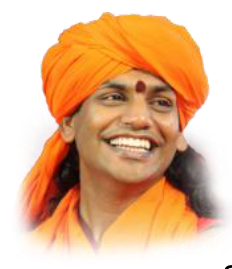
किरीटिनं गदिनं चक्रिणं च
तेजोराशिं सर्वतो दीप्तिमन्तम् |
पश्यामि त्वां दुर्निरीक्ष्यं समन्ताद्
दीप्तानलार्कद्युतिमप्रमेयम् ||11.17||
kiriṭinaṁ gadinaṁ cakriṇaṁ ca tejorāśiṁ sarvato dīptimantam | paśyāmi tvāṁ durnirīkṣyaṁ samantād dīptānalārka-dyutim-aprameyam || 11.17 I see You with crown, club and discus; a mass of radi-ance shining everywhere, difficult to look at, blazing all round like the burning fire and sun in infinite brilliance.
त्वमक्षरं परमं वेदितव्यं
त्वमस्य विश्वस्य परं निधानम् |
त्वमव्ययः शाश्वतधर्मगोप्ता
सनातनस्त्वं पुरुषो मतो मे ||11.18||
tvamakṣaraṁ paramaṁ veditavyaṁ tvamasya viśvasya paraṁ nidhānam | tvamavyayaḥ śāśvata-dharma-goptā sanātanastvaṁ puruṣo mato me || 11.18 You are the imperishable; the supreme being worthy to be known. You are the great treasure house of this Universe. You are the imperishable protector of the eternal order. I believe You are the eternal being.
अनादिमध्यान्तमनेन्तवीर्य-
मनन्तबाहुं शशिसूर्यनेत्रम् |
पश्यामि त्वां दीप्तहुताशवक्त्रं-
स्वतेजसा विश्वमिदं तपन्तम् ||11.19||
anādi-madhyāntaṁ ananta-vīryam ananta-bāhuṁ śaśisūrya netram | paśyāmi tvāṁ dīpta-hutāśavaktraṁ svatejasā viśvam idaṁ tapantam || 11.19 I see you without a beginning, middle or end, infinite in power and many arms, The sun and the moon being Your eyes, the blazing fire your mouth, the whole universe scorched by Your radiance.
द्यावापृथिव्योरिदमन्तरं हि
व्याप्तं त्वयैकेन दिशश्च सर्वाः |
दृष्ट्वाद्वभुतं रूपमुग्रं तवेदं
लोकत्रयं प्रव्यथितं महात्मन् ||11.20||
dyāvāpṛthivyor idam antaraṁ hi vyāptaṁ tvayaikena diśaśca sarvāḥ || dṛṣṭvādbbhutaṁ rūpamugraṁ tavedaṁ lokatrayaṁ pravyathitaṁ mahātman || 11.20 This space between earth and the heavens and every-thing is filled by You alone O great Being, having seen Your wonderful and terrible form, the three worlds tremble with fear.
अमी हि त्वां सुरसङ्घा विशन्ति
केचिद्भीताः प्राञ्जलयो गृणन्ति |
स्वस्तीत्युक्त्वा महर्षिसिद्धसङ्घाः
स्तुवन्ति त्वां स्तुतिभिः पुष्कलाभिः ||11.21||
amī hi tvāṁ surasaṅghā viśanti
kecidbhītāḥ prāñjalayo gṛṇanti ||
svastī tyuktvā maharṣisiddhasaṅghāḥ
stuvanti tvāṁ stutibhiḥ puṣkalābhiḥ ||
11.21 Many celestials enter into You; some praise You in fear with folded hands; many great masters and sages hail and adore you.
रुद्रादित्या वसवो ये च साध्या
विश्वेऽश्विनौ मरुतश्चोष्मपाश्च |
गन्धर्वयक्षासुरसिद्धसङ्घा
वीक्षन्ते त्वां विस्मिताश्चैव सर्वे ||11.22||
rudrādityā vasavo ye ca sādhyā viśve’śvinau marutaś coṣmapāśca | gandha-rvayakṣāsura siddhasaṅghā vīkṣante tvaṁ vismitāś caiva sarve || 11.22 The Rudra, Āditya, Vasu, Sādhyā, Viśvedeva, aśvin, Marut, Ūṣmapa and a host of Gandharva, yakṣa, Asura and Sidhha are all looking at You in amazement.
रूपं महत्ते बहुवक्त्रनेत्रं
महाबाहो बहुबाहूरुपादम् |
बहूदरं बहुदंष्ट्राकरालं
दृष्ट्वा लोकाः प्रव्यथितास्तथाहम् ||11.23||
rūpaṁ mahatte bahuvaktranetraṁ mahābāho bahubāhūrupādam | bahūdaraṁ bahu-daṁṣṭrā-karālaṁ dṛṣṭvā lokāḥ pravyathitās tathāham || 11.23 Having seen Your immeasurable form with many mouths and eyes, with many arms, thighs and feet, with many stom-achs and frightening tusks, O mighty-armed, the worlds are terrified and so am I.
नभःस्पृशं दीप्तमनेकवर्णं
व्यात्ताननं दीप्तविशालनेत्रम् |
दृष्ट्वा हि त्वां प्रव्यथितान्तरात्मा
धृतिं न विन्दामि शमं च विष्णो ||11.24||
nabhaḥspṛśaṁ dīptamanekavarṇaṁ vyāttānanaṁ dīptaviśāla netram | dṛṣṭvā hi tvāṁ pravyathitāntarātmā dhṛtiṁ na vindāmi śamaṁ ca viṣṇo || 11.24 Seeing You, Your form touching the sky, flaming in many colors, mouths wide open, large fiery eyes, O Viṣṇu, I find neither courage nor peace; I am frightened.
दंष्ट्राकरालानि च ते मुखानि
दृष्ट्वैव कालानलसन्निभानि |
दिशो न जाने न लभे च शर्म
प्रसीद देवेश जगन्निवास ||11.25||
daṁṣṭrākarālāni ca te mukhāni dṛṣṭvaiva kālānalasannibhāni | diśo na jāne na labhe ca śarma prasīda deveśa jagannivāsa || 11.25 Having seen your fearsome mouths with blazing tusks like the fire of the end of the universe, I know not the four directions nor do I find peace. O Lord of the Deva, O refuge of the Universe, be gracious.
अमी च त्वां धृतराष्ट्रस्य पुत्राः
सर्वे सहैवावनिपालसङ्घैः |
भीष्मो द्रोणः सूतपुत्रस्तथासौ
सहास्मदीयैरपि योधमुख्यैः ||11.26||
amī ca tvāṁ dhṛtarāṣṭrasya putrāḥ
sarve sahaivāvanipālasaṅghaiḥ |
bhīṣmo droṇaḥ sūtaputrastathāsau
sahāsmadīyairapi yodhamukhyaiḥ ||
11.26 All the sons of Dhṛtarāṣṭra with many kings of the earth, Bhīṣma, Droṇa, the son of the charioteer, Karṇa, with our warrior chieftains.
वक्त्राणि ते त्वरमाणा विशन्ति
दंष्ट्राकरालानि भयानकानी |
केचिद्विलग्ना दशनान्तरेषु
सन्दृश्यन्ते चूर्णितैरुत्तमाङ्गैः ||11.27||
vaktrāṇi te tvaramāṇā viśanti
daṁṣṭrā-karālāni bhayānakāni |
kecidvilagnā daśanāntareṣu
sandṛśyante cūrṇitair uttamāṅgaiḥ ||
11.27 Into Your mouths with terrible tusks, fearful to behold, they enter. Some are seen caught in the gaps between the tusks and their heads crushed.
यथा नदीनां बहवोऽम्बुवेगाः
समुद्रमेवाभिमुखा द्रवन्ति |
तथा तवामी नरलोकवीरा
विशन्ति वक्त्राण्यभिविज्वलन्ति ||11.28||
yathā nadīnāṁ bahavo'mbuvegāḥ
samudram evābhimukhā dravanti |
tathā tavāmī naralokavīrā
viśanti vaktrāṇy abhivijvalanti ||
11.28 Even as many torrents of rivers flow towards the ocean, so too these warriors in the world of men enter Your flaming mouths.
यथा प्रदीप्तं ज्वलनं पतङ्गा
विशन्ति नाशाय समृद्धवेगाः |
तथैव नाशाय विशन्ति लोका-
स्तवापि वक्त्राणि समृद्धवेगाः ||11.29||
yathā pradīptaṁ jvalanaṁ pataṅgā
viśanti nāśāya samṛddhavegāḥ |
tathaiva nāśāya viśanti lokās
tavāpi vaktrāṇi samṛddhavegāḥ ||
11.29 Just as moths hurriedly rush into the fire for their own destruction, So too these creatures rush hastily into Your mouths of destruction.
लेलिह्यसे ग्रसमानः समन्ता-
ल्लोकान्समग्रान्वदनैर्ज्वलद्भिः |
तेजोभिरापूर्य जगत्समग्रं
भासस्तवोग्राः प्रतपन्ति विष्णो ||11.30||
lelihyase grasamānaḥ samantāl
lokān samagrān vadanair jvaladbhiḥ |
tejobhir āpūrya jagatsamagraṁ
bhāsastavo'grāḥ pratapanti viṣṇo ||
11.30 Swallowing all worlds on every side with your flaming mouths You lick in enjoyment. O Viṣṇu, Your fierce rays are burning, filling the whole world with radiance.
आख्याहि मे को भवानुग्ररूपो
नमोऽस्तु ते देववर प्रसीद |
विज्ञातुमिच्छामि भवन्तमाद्यं
न हि प्रजानामि तव प्रवृत्तिम् ||11.31||
ākhyāhi me ko bhavānugrarūpo
namo'stu te devavara prasīda |
vijñātum icchāmi bhavantam ādyaṁ
na hi prajānāmi tava pravṛttim ||
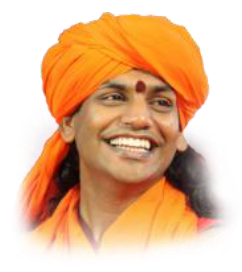
11.31 Tell me who You are, so fierce in form; salutations to You, O Supreme; have mercy. Indeed I know not Your purpose but I desire to know You, the Original Being. श्रीभगवानुवाच | कालोऽस्मि लोकक्षयकृत्प्रवृद्धो लोकान्समाहर्तुमिह प्रवृत्तः | ऋतेऽपि त्वां न भविष्यन्ति सर्वे येऽवस्थिताः प्रत्यनीकेषु योधाः ||11.32|| śrī bhagavānuvāca | kālo’smi loka-kṣaya-kṛt pravṛddho lokān samāhartumiha pravṛttaḥ | ṛte’pi tvāṁ na bhaviṣyanti sarve ye’vasthitāḥ pratyanīkeṣu yodhāḥ || 11.32 Śrī Bhagavān says: I am the mighty world-destroying Time, I am now destroying the worlds. Even without you, none of the warriors standing in the hostile armies shall live. तस्मात्त्वमुत्तिष्ठ यशो लभस्व जित्वा शत्रून्भुङ्क्ष्व राज्यं समृद्धम् | मयैवैते निहताः पूर्वमेव निमित्तमात्रं भव सव्यसाचिन् ||11.33|| tasmāt tvamuttiṣṭha yaśo labhasva jitvā śatrūn bhuṅkṣva rājyaṁ samṛddham | mayaivaite nihatāḥ pūrvameva nimittamātraṁ bhava savyasācin || 11.33 Get up and gain glory. Conquer the enemies and enjoy the prosperous kingdom. I have slain all these warriors; you are a mere instrument, Arjuna. द्रोणं च भीष्मं च जयद्रथं च कर्णं तथान्यानपि योधवीरान् | मया हतांस्त्वं जहि मा व्यथिष्ठा युध्यस्व जेतासि रणे सपत्नान् ||11.34|| droṇaṁ ca bhīṣmaṁ ca jayadrathaṁ ca karṇaṁ tathānyānapi yodhavīrān | mayā hatāṁstvaṁ jahi mā vyathiṣṭā yudhyasva jetāsi raṇe sapatnān || 11.34 Droṇa, Bhīṣma, Jayadratha, Karṇa and other brave war-riors have already been slain by Me; destroy them. Do not be be afraid; fight and you shall conquer your enemies in battle. सञ्जय उवाच | एतच्छ्रुत्वा वचनं केशवस्य कृताञ्जलिर्वेपमानः किरीटी | नमस्कृत्वा भूय एवाह कृष्णं सगद्गदं भीतभीतः प्रणम्य ||11.35|| sañjaya uvāca etacchrutvā vacanaṁ keśavasya kṛtāñjalirvepamānaḥ kirīṭī | namaskṛtvā bhūya evāha kṛṣṇaṁ sagadgadaṁ bhītabhītaḥ praṇamya || 11.35 Sañjaya said: Having heard this speech of Keśava, the crowned Arjuna with joined palms, trembling, prostrating himself, again addressed Kṛṣṇa, voice choking, bowing down, overwhelmed with fear. अर्जुन उवाच | स्थाने हृषीकेश तव प्रकीर्त्या जगत्प्रहृष्यत्यनुरज्यते च | रक्षांसि भीतानि दिशो द्रवन्ति सर्वे नमस्यन्ति च सिद्धसङ्घाः ||11.36||
arjuna uvāca
sthāne hṛṣīkeśa tava prakīrtyā
jagat prahṛṣy atyanurajyate ca |
rakṣāṁsi bhītāni diśo dravanti
sarve namasyanti ca siddhasaṅghāḥ ||
11.36 Arjuna says: O Hṛṣīkeśā, it is but right that the world delights and rejoices in Your praise. Rākṣasas fly in fear in all directions and all hosts of sages bow to You.
कस्माच्च ते न नमेरन्महात्मन्
गरीयसे ब्रह्मणोऽप्यादिकर्त्रे |
अनन्त देवेश जगन्निवास
त्वमक्षरं सदसत्तत्परं यत् ||11.37||
kasmācca te na nameran mahātman
garīyase brahmaṇo'pyādikartre |
ananta deveśa jagan-nivāsa
tvam akṣaraṁ sad-asat tat paraṁ yat ||
11.37 And why should they not bow to Thee, O great soul, greater than all else, the Creator of even Brahma the Creator. O Lord of Lords, O infinite Being, O Abode of the Universe, You are the imperishable, that which is beyond both seen and the unseen.
त्वमादिदेवः पुरुषः पुराण-
स्त्वमस्य विश्वस्य परं निधानम् |
वेत्तासि वेद्यं च परं च धाम
त्वया ततं विश्वमनन्तरूप ||11.38||
tvamādidevaḥ puruṣaḥ purāṇas
tvamasya viśvasya paraṁ nidhānam |
vettāsi vedyaṁ ca paraṁ ca dhāma
tvayā tataṁ viśvam ananta rūpa ||
11.38 You are the primal God, the ancient Being, the supreme refuge of the universe. You are the knower and the One to be known. You are the supreme abode. O Being of infinite forms, by You alone is the universe pervaded.
वायुर्यमोऽग्निर्वरुणः शशाङ्कः
प्रजापतिस्त्वं प्रपितामहश्च |
नमो नमस्तेऽस्तु सहस्रकृत्वः
पुनश्च भूयोऽपि नमो नमस्ते ||11.39||
vāyur yamo'gnir varuṇaḥ śaśāṅkaḥ
prajāpatis tvaṁ prapitāmahaś ca |
namo namaste'stu sahasrakṛtvaḥ
punaśca bhūyo'pi namo namaste ||
11.39 You are Vāyu, Yama, Agni, Varuṇa, the moon, Prājapati and the greatgrandfather of all. Salutations unto You a thousand times and again, salutations unto You!
नमः पुरस्तादथ पृष्ठतस्ते
नमोऽस्तु ते सर्वत एव सर्व |
अनन्तवीर्यामितविक्रमस्त्वं
सर्वं समाप्नोषि ततोऽसि सर्वः ||11.40||
namaḥ purastādatha pṛṣṭataste
namo'stu te sarvata eva sarva |
ananta-vīryāmita-vikramas tvaṁ
sarvaṁ samāpnoṣi tato'si sarvaḥ ||
11.40 Salutations to You, before and behind! Salutations to You on every side! O All! Infinite in power and Infinite in prowess, You are everything and everywhere.
सखेति मत्वा प्रसभं यदुक्तं
हे कृष्ण हे यादव हे सखेति |
अजानता महिमानं तवेदं
मया प्रमादात्प्रणयेन वापि ||11.41||
sakheti matvā prasabhaṁ yaduktaṁ
he kṛṣṇa he yādava he sakheti |
ajānatā mahimānaṁ tavedaṁ
mayā pramādāt praṇayena vāpi ||
11.41 Whatever I have rashly says from carelessness or love, addressing You as Kṛṣṇa, Yādava, my friend regarding You merely as a friend, unaware of this greatness of Yours.
यच्चावहासार्थमसत्कृतोऽसि
विहारशय्यासनभोजनेषु |
एकोऽथवाप्यच्युत तत्समक्षं
तत्क्षामये त्वामहमप्रमेयम् ||11.42||
yac cāvahāsārthaṁ asatkṛto'si
vihāraśayyāsana bhojaneṣu |
eko'tha va'py acyuta tat samakṣaṁ
tat kṣāmaye tvām aham aprameyam ||
11.42 In whatever way I may have insulted You in fun, while at play, resting, sitting or at meals, when alone with You or in company, O Acyuta, O immeasurable One, I implore You to forgive me.
पितासि लोकस्य चराचरस्य
त्वमस्य पूज्यश्च गुरुर्गरीयान् |
न त्वत्समोऽस्त्यभ्यधिकः कुतोऽन्यो
लोकत्रयेऽप्यप्रतिमप्रभाव ||11.43||
pitāsi lokasya carācarasya
tvamasya pūjyaśca gururgarīyān |
na tvatsamo'sty abhyadhikaḥ kuto'nyo
lokatraye'py apratima-prabhāva ||
11.43 You are the father of this world, moving and unmoving. You are to be adored by this world. You are the greatest guru; there is none who exists equal to You. O Being of unequalled power, how then can there be another, superior to You in the three worlds?
तस्मात्प्रणम्य प्रणिधाय कार्यं
प्रसादये त्वामहमीशमीड्यम् |
पितेव पुत्रस्य सखेव सख्युः
प्रियः प्रियायार्हसि देव सोढुम् ||11.44||
tasmātpraṇamya praṇidhāya kāyaṁ
prasādaye tvāmaham īśam īḍyam |
pite'va putrasya sakhe'va sakhyuḥ
priyāyārhasi deva soḍhum ||
11.44 Therefore, bowing down, I prostrate my body before You and crave Your forgiveness, adorable Lord. Even as a father forgives his son, a friend his friend, a lover his beloved, You should, O Deva, forgive me.
अदृष्टपूर्वं हृषितोऽस्मि दृष्ट्वा
भयेन च प्रव्यथितं मनो मे |
तदेव मे दर्शय देवरूपं
प्रसीद देवेश जगन्निवास ||11.45||
adṛṣṭa-pūrvaṁ hṛṣito'smi dṛṣṭvā
bhayena ca pravyathitaṁ mano me |
tadeva me darśaya devarūpaṁ
prasīda deveśa jagannivāsa ||
11.45 After seeing this form that I have never seen before, I am filled with gladness but at the same time I am disturbed by fear. Please bestow Your grace upon me and show me Your
form as the supreme personality, O Lord of Lords, O refuge of the Universe.
किरीटिनं गदिनं चक्रहस्त-
मिच्छामि त्वां द्रष्टुमहं तथैव |
तेनैव रूपेण चतुर्भुजेन
सहस्रबाहो भव विश्वमूर्ते ||11.46||
kirīṭinaṁ gadinaṁ cakra-hastam
icchāmi tvāṁ draṣṭumahaṁ tathaiva |
tenaiva rūpeṇa caturbhujena
sahasrabāho bhava viśvamūrte ||
11.46 O thousand armed Universal Form! I wish to see Your form with crown, fourarmed with mace, disc in Your hand. I yearn to see You in that form.
श्रीभगवानुवाच |
मया प्रसन्नेन तवार्जुनेंदं
रूपं परं दर्शितमात्मयोगात् |
तेजोमयं विश्वमनन्तमाद्यं
यन्मे त्वदन्येन न दृष्टपूर्वम् ||11.47||
śrī bhagavānuvāca |
mayā prasannena tavārjunedaṁ
rūpaṁ paraṁ darśitam ātma-yogāt |
tejo-mayaṁ viśvamam anantamādyaṁ
yanme tvad anyena na dṛṣṭa-pūrvam ||
11.47 Bhagavān says: Dear Arjuna, I happily show you this transcendental form within the material world of My internal power. No one before you has seen this unlimited, brilliant form.
न वेदयज्ञाध्ययनैर्न दानै-
र्न च क्रियाभिर्न तपोभिरुग्रैः |
एवंरूपः शक्य अहं नृलोके
द्रष्टुं त्वदन्येन कुरुप्रवीर ||11.48||
na veda-yajñādhyayanairna dānaiḥ
na ca kriyābhir na tapobhir ugraiḥ |
evaṁ-rūpaḥ śakya ahaṁ nṛ-loke
draṣṭuṁ tvadanyena kuru-pravīra ||
11.48 O best among Kuru warriors, no one had ever before seen this Universal form of mine, for neither by studying the Vedas nor by performing sacrifices or charities, can this form be seen. Only you have seen this form.
मा ते व्यथा मा च विमूढभावो
दृष्ट्वा रूपं घोरमीदृङ्ममेदम् |
व्यपेतभीः प्रीतमनाः पुनस्त्वं
तदेव मे रूपमिदं प्रपश्य ||11.49||
mā te vyathā mā ca vimūḍhabhāvo dṛṣṭvā
rūpaṁ ghoramīdṛṅmamedam |
vyapetabhīḥ prītamanāḥ punastvaṁ
tadeva me rūpamidaṁ prapaśya ||
11.49 Do not be disturbed any longer by seeing this terrible form of Mine. Dear devotee, be free from all disturbances. With a peaceful mind, you can now see the form you wish to see.
सञ्जय उवाच |
इत्यर्जुनं वासुदेवस्तथोक्त्वा
स्वकं रूपं दर्शयामास भूयः |
आश्वासयामास च भीतमेनं
भूत्वा पुनः सौम्यवपुर्महात्मा ||11.50||
sañjaya uvāca |
ityarjunaṁ vāsudevastatho’ktvā
svakaṁ rūpaṁ darśayāmāsa bhūyaḥ |
āśvasayām āsa ca bhītam enam bhūtvā punaḥ saumya-vapur-mahātmā || 11.50 Sañjaya said: Kṛṣṇa, while speaking to Arjuna, revealed His form with four arms, Then assuming His human form He consoled the terrified Arjuna. अर्जुन उवाच | दृष्ट्वेदं मानुषं रूपं तव सौम्यं जनार्दन | इदानीमस्मि संवृत्तः सचेताः प्रकृतिं गतः ||11.51|| arjuna uvāca | dṛṣṭvedaṁ mānuṣaṁ rūpaṁ tava saumyaṁ janārdana | idānīmasmi saṁvṛttaḥ sacetāḥ prakṛtiṁ gataḥ || 11.51 Arjuna says: Seeing this wonderful human form, My mind is now calm and I am restored to my original nature. श्रीभगवानुवाच | सुदुर्दर्शमिदं रूपं दृष्टवानसि यन्मम | देवा अप्यस्य रूपस्य नित्यं दर्शनकाङ्क्षिणः ||11.52|| śrībhagavānuvāca | sudurdarśamidaṁ rūpaṁ dṛṣṭavānasi yanmama || devā apyasya rūpasya nityaṁ darśanakāṅkṣiṇaḥ || 11.52 Bhagavān says: The four-armed form that you have seen is rare to behold. Even the celestials are forever aspiring to see this form. नाहं वेदैर्न तपसा न दानेन न चेज्यया | शक्य एवंविधो द्रष्टुं दृष्टवानसि मां यथा ||11.53|| nāhaṁ vedairna tapasā na dānena na cejyayā | śakya evaṁvidho draṣṭuṁ dṛṣṭavānasi māṁ yathā || 11.53 The four armed form which you have seen with your transcendental eyes cannot be understood simply by study of the Vedas, nor by undergoing penances or charity or worship; one cannot see Me as I am by these means. भक्त्या त्वनन्यया शक्य अहमेवंविधोऽर्जुन | ज्ञातुं द्रष्टुं च तत्त्वेन प्रवेष्टुं च परन्तप ||11.54|| bhaktyā tvananyayā śakya aham evaṁ vidho'rjuna | jñātuṁ draṣṭuṁ ca tattvena praveṣṭuṁ ca parantapa || 11.54 My dear Arjuna, only by undivided devotional service can you understand Me as I am, standing before you, be seen directly. Only in this way can you reach Me, O Parantapa. मत्कर्मकृन्मत्परमो मद्भक्तः सङ्गवर्जितः | निर्वैरः सर्वभूतेषु यः स मामेति पाण्डव ||11.55|| mat-karma-kṛn mat-paramo mad-bhaktaḥ saṅgavarjitaḥ | nirvairaḥ sarvabhūteṣu yaḥ sa māmeti pāṇḍava || 11.55 My dear Arjuna, one who is engaged entirely in My devotional service, who surrenders to Me as the Supreme, free from attachment, full of love for every entity, surely comes to Me. अर्जुन उवाच | एवं सततयुक्ता ये भक्तास्त्वां पर्युपासते | ये चाप्यक्षरमव्यक्तं तेषां के योगवित्तमाः ||12.1|| arjuna uvāca | evaṁ satata-yuktā ye bhaktāstvāṁ paryupāsate | ye cā'py akṣaram avyaktaṁ teṣāṁ ke yoga-vittamāḥ || 12.1 Arjuna asked: Who are considered perfect, those who are always engaged sincerely in Your worship in form, or those who worship the imperishable, the unmanifest formless You? श्रीभगवानुवाच | मय्यावेश्य मनो ये मां नित्ययुक्ता उपासते | श्रद्धया परयोपेतास्ते मे युक्ततमा मताः ||12.2||
śrī Bhagavānuvāca | mayyāveśya mano ye māṁ nityayuktā upāsate | śraddhayā parayo’petās te me yuktatamā matāḥ || 12.2 Lord Kṛṣṇa says: Those, who by fixing their mind on Me eternally, and those who are steadfast in worshipping Me with supreme faith, I consider them to be perfect in Yoga, ready to be united with Me. ये त्वक्षरमनिर्देश्यमव्यक्तं पर्युपासते | सर्वत्रगमचिन्त्यञ्च कूटस्थमचलन्ध्रुवम् ||12.3|| ye tv akṣaram anirdeśyam avyaktam paryupāsate | sarvatragam acintyaṁ ca kūṭa-stham acalaṁ dhruvam || 12.3,4 But those who worship with awareness the imperishable, the unmanifest, that which lies beyond the perception of senses, the all pervading, inconceivable, unchanging, the non-moving and permanent, those who worship by restraining their senses, and are working with even mind for the benefit of mankind, they too attain Me. सन्नियम्येन्द्रियग्रामं सर्वत्र समबुद्धयः | ते प्राप्नुवन्ति मामेव सर्वभूतहिते रताः ||12.4|| sanniyamyendriya-grāmaṁ sarvatra samabuddhayaḥ | te prāpnuvanti mām eva sarvabhūta-hite ratāḥ || 12.3,4 But those who worship with awareness the imperishable, the unmanifest, that which lies beyond the perception of senses, the all pervading, inconceivable, unchanging, the non-moving and permanent, those who worship by restraining their senses, and are working with even mind for the benefit of mankind, they too attain Me. क्लेशोऽधिकतरस्तेषामव्यक्तासक्तचेतसाम् | अव्यक्ता हि गतिर्दुःखं देहवद्भिरवाप्यते ||12.5|| kleśo’dhikatarasteṣām avyaktāsakta-cetasām | avyaktā hi gatir duḥkhaṁ dehavadbhir avāpyate || 12.5 For those whose minds are set on the unmanifest, the formless, it is more difficult to advance; attaining the formless unmanifest is difficult for the embodied. ये तु सर्वाणि कर्माणि मयि संन्यस्य मत्परः | अनन्येनैव योगेन मां ध्यायन्त उपासते ||12.6|| ye tu sarvāṇi karmāṇi mayi sannyasya matparāḥ | ananyenaiva yogena māṁ dhyāyanta upāsate || 12.6,7 But those who worship me with single minded devo-tion, renouncing all activities unto Me, regarding Me as their
supreme goal, whose minds are set in Me, I shall deliver them soon from their ocean of the birth and death cycle. तेषामहं समुद्धर्ता मृत्युसंसारसागरात् | भवामि नचिरात्पार्थ मय्यावेशितचेतसाम् ||12.7|| teṣām ahaṁ samuddhartā mṛtyu-saṁsāra-sāgarāt | bhavāmi na cirātpārtha mayy āveśita cetasām || 12.6,7 But those who worship me with single minded devo-tion, renouncing all activities unto Me, regarding Me as their supreme goal, whose minds are set in Me, I shall deliver them soon from their ocean of the birth and death cycle. मय्येव मन आधत्स्व मयि बुद्धिं निवेशय | निवसिष्यसि मय्येव अत ऊर्ध्वं न संशयः ||12.8|| mayyeva mana ādhatsva mayi buddhiṁ niveśaya | nivasiṣyasi mayyeva ata ūrdhvaṁ na saṁśayaḥ || 12.8 You fix your mind on Me alone, establish your mind in Me. You will live in Me always. There is no doubt in it.
अथ चित्तं समाधातुं न शक्नोषि मयि स्थिरम् |
अभ्यासयोगेन ततो मामिच्छाप्तुं धनञ्जय ||12.9||
atha cittaṁ samādhātuṁ na śaknoṣi mayi sthiram | abhyāsayogena tato mām icchāptuṁ dhanañjaya || 12.9 If you are not able to fix your mind upon Me then Arjuna, with the constant practice of Yoga, you try to attain Me.
अभ्यासेऽप्यसमर्थोऽसि मत्कर्मपरमो भव |
मदर्थमपि कर्माणि कुर्वन्सिद्धिमवाप्स्यसि ||12.10||
abhyāse’pyasamartho’si matkarmaparamo bhava | madarthamapi karmāṇi kurvan-siddhim avāpsyasi || 12.10 If you are not able to practice even this yoga then performing your duties and surrendering all your actions to Me, you will attain perfection.
अथैतदप्यशक्तोऽसि कर्तुं मद्योगमाश्रितः |
सर्वकर्मफलत्यागं ततः कुरु यतात्मवान् ||12.11||
athaitad apy aśakto’si kartuṁ madyogamāśritaḥ | sarva-karma-phalatyāgaṁ tataḥ kuru yatātmavān || 12.11 If you are not able to work even this way, surrender-ing unto Me, give up all the results of your actions to Me without ego.
श्रेयो हि ज्ञानमभ्यासाज्ज्ञानाद्ध्यानं विशिष्यते |
ध्यानात्कर्मफलत्यागस्त्यागाच्छान्तिरन्तरम् ||12.12||
śreyo hi jñānamabhyāsāj jñānāddhyānaṁ viśiṣyate | dhyānāt karma-phala-tyāgas tyāgāc chāntir anantaram || 12.12 Knowledge is better than mere practice. Meditation is superior to knowledge. Renunciating the fruit of actions is better than meditation. After renouncing of fruits of actions, one immediately attains peace.
अद्वेष्टा सर्वभूतानां मैत्रः करुण एव च |
निर्ममो निरहङ्कारः समदुःखसुखः क्षमी ||12.13||
adveṣṭā sarvabhūtānāṁ maitraḥ karuṇa eva ca | nirmamo nirahaṅkāraḥ samaduḥkhasukhaḥ kṣamī || 12.13,14 One who has no dislike or envy for any being, who is friendly and compassionate to everyone, free from the sense of I and mine, the ego, maintains equanimity of mind both in joy and sorrow, forgiving, ever satisfied, united with Yoga, has a strong commitment to Me and has fixed his mind and intellect upon Me, such a devotee of Mine is very dear to Me.
सन्तुष्टः सततं योगी यतात्मा दृढनिश्चयः |
मय्यर्पितमनोबुद्धिर्यो मद्भक्तः स मे प्रियः ||12.14||
santuṣṭaḥ satataṁ yogī yatātmā dṛḍhaniścayaḥ | mayy arpita-mano-buddhir yo madbhaktaḥ sa me priyaḥ || 12.13,14 One who has no dislike or envy for any being, who is friendly and compassionate to everyone, free from the sense of I and mine, the ego, maintains equanimity of mind both in joy and sorrow, forgiving, ever satisfied, united with Yoga, has a strong commitment to Me and has fixed his mind and intellect upon Me, such a devotee of Mine is very dear to Me.
यस्मान्नोद्विजते लोको लोकान्नोद्विजते च यः |
हर्षामर्षभयोद्वेगैर्मुक्तो यः स च मे प्रियः ||12.15||
yasmānnodvijate loko lokānnodvijate ca yaḥ | harṣāmarṣabha-yodvegair mukto yaḥ sa ca me priyaḥ || 12.15 He, by whom the world is not affected adversely, and who in turn does not affect the world adversely, and he, who is free from joy, anger, and anxiety, he is dear to Me.
अनपेक्षः शुचिर्दक्ष उदासीनो गतव्यथः |
सर्वारम्भपरित्यागी यो मद्भक्तः स मे प्रियः ||12.16||
anapekṣaḥ śucirdakṣaḥ udāsīno gatavyathaḥ || sarvārambhaparityāgī yo madbhaktaḥ sa me priyaḥ ||
12.16 He, who is free from wants, who is pure and skilled, unconcerned, untroubled, who is selfless in whatever he does, he who is devoted to Me, he is dear to Me.
यो न हृष्यति न द्वेष्टि न शोचति न काङ्क्षति ।
शुभाशुभपरित्यागी भक्तिमान्यः स मे प्रियः ॥12.17॥
yo na hṛṣyati na dveṣṭi na śocati na kāṅkṣati | śubhāśubhaparityāgī bhaktimānyaḥ sa me priyaḥ || 12.17 He who does not rejoice or hate or grieve or desire, renounces both good and evil and who is full of devotion, he is dear to Me.
समः शत्रौ च मित्रे च तथा मानापमानयोः |
शीतोष्णसुखदुःखेषु समः सङ्गविवर्जितः ॥12.18॥
samaḥ śatrau ca mitre ca tathā mānāpamānayoḥ | śītoṣṇasukhaduḥkheṣu samaḥ saṅgavivarjitaḥ || 12.18,19 One who treats friends and enemies the same, who faces in the same manner honor and dishonor, heat and cold, happiness and sorrow, fame and infamy, one who is always free from attachment, always silent and satisfied with anything, without a fixed home, who is fixed in mind and who is devoted to Me, such a person is very dear to Me.
तुल्यनिन्दास्तुतिर्मौनी सन्तुष्टो येन केनचित् |
अनिकेतः स्थिरमतिर्भक्तिमान्मे प्रियो नरः ॥12.19॥
tulyanindāstutir maunī santuṣṭo yena kenacit | aniketaḥ sthira-matir bhaktimānme priyo naraḥ || 12.18,19 One who treats friends and enemies the same, who faces in the same manner honor and dishonor, heat and cold, happiness and sorrow, fame and infamy, one who is always free from attachment, always silent and satisfied with anything, without a fixed home, who is fixed in mind and who is devoted to Me, such a person is very dear to Me.
ये तु धर्म्यामृतमिदं यथोक्तं पर्युपासते |
श्रद्दधाना मत्परमा भक्तास्तेऽतीव मे प्रियाः ॥12.20॥
ye tu dharmyāmṛtam idaṁ yathoktaṁ paryupāsate | śraddadhānā matparamā bhaktās te 'tīva me priyāḥ || 12.20 Those who truly follow this imperishable path of righ-teousness with great faith, making Me the supreme goal, are
very dear to Me. अर्जुन उवाच |
प्रकृतिं पुरुषं चैव क्षेत्रं क्षेत्रज्ञमेव च |
एतद्वेदितुमिच्छामि ज्ञानं ज्ञेयं च केशव ॥13.1॥
arjuna uvāca | prakṛtiṁ puruṣaṁ caiva kṣetraṁ kṣetrajñameva ca | etad veditum icchāmi jñānaṁ jñeyaṁ ca keśava || 13.1 Arjuna says: O Keśava, I wish to know and understand about prakṛti and puruṣa, passive and active energies. The field [kṣetra] and the knower of the field [kṣetrajña], and of knowledge [jñānaṁ] and of the end of knowledge [jñeyaṁ]. श्रीभगवानुवाच |
इदं शरीरं कौन्तेय क्षेत्रमित्यभिधीयते |
एतद्यो वेत्ति तं प्राहुः क्षेत्रज्ञ इति तद्विदः ॥13.2॥
śrībhagavānuvāca | idaṁ śarīraṁ kaunteya kṣetram ity abhidhīyate | etadyo vetti taṁ prāhuḥ kṣetrajña iti tadvidaḥ || 13.2 Bhagavān Kṛṣṇa replies: This body, O Kaunteya, is called the field, kṣetra. Anyone who knows this body is called the knower of the field, kṣetrajña.
क्षेत्रज्ञं चापि मां विद्धि सर्वक्षेत्रेषु भारत |
क्षेत्रक्षेत्रज्ञयोर्ज्ञानं यत्तज्ज्ञानं मतं मम ||13.3||
kṣetrajñaṁ cāpi māṁ viddhi sarvakṣetreṣu bhārata | kṣetra-kṣetrajñayor jñānaṁ yat taj jñānaṁ mataṁ mama || 13.3 O Bhārata, know that I am the Knower in all bodies [kṣetrajña], the witness. In my opinion knowledge means the understanding of this body or the field of activity as well as the Knower of this field.
तत्क्षेत्रं यच्च यादृक्च यद्विकारि यतश्च यत् |
स च यो यत्प्रभावश्च तत्समासेन मे शृणु ||13.4||
tat kṣetraṁ yac ca yādṛk ca yadvikāri yataś ca yat | sa ca yo yat prabhāvaś ca tat samāsena me śṛṇu || 13.4 Understand my summary of this field of activity and how it is constituted, what its changes are, how it is produced, who that knower of the field of activities is, and what his influences are.
ऋषिभिर्बहुधा गीतं छन्दोभिर्विविधैः पृथक् |
ब्रह्मसूत्रपदैश्चैव हेतुमद्भिर्विनिश्चितैः ||13.5||
ṛṣibhir bahudhā gītaṁ chandobhir vividhaiḥ pṛthak | brahma-sūtra padaiś caiva hetumadbhir viniścitaiḥ || 13.5 That knowledge of the field of activities and of the knower of activities is described by various sages with chants in the scriptures It is presented with all reasoning as to cause and effect.
महाभूतान्यहङ्कारो बुद्धिरव्यक्त मेव च |
इन्द्रियाणि दशैकं च पञ्च चेन्द्रियगोचराः ||13.6||
mahā-bhūtāny ahaṅkāro buddhir avyaktam eva ca | indriyāṇi daśaikaṁ ca pañca cendriya gocarāḥ || 13.6,7 The field of activities and its interactions are said to be: the five elements of nature, ego, intelligence, the mind, the formless, the ten senses of perception and action, as well as the five objects of senses and desire, hatred, happiness, distress, the aggregate, the life symptoms, and convictions.
इच्छा द्वेषः सुखं दुःखं सङ्घातश्चेतना धृतिः |
एतत्क्षेत्रं समासेन सविकारमुदाहृतम् ||13.7||
icchādveṣaḥ sukhaṁ duḥkhaṁ saṅghātaścetanā dhṛtiḥ | etatkṣetraṁ samāsena savikāram udāhṛtam || 13.6,7 The field of activities and its interactions are said to be: the five elements of nature, ego, intelligence, the mind, the formless, the ten senses of perception and action, as well as the five objects of senses and desire, hatred, happiness, distress, the aggregate, the life symptoms, and convictions.
अमानित्वमदम्भित्वमहिंसा क्षान्तिरार्जवम् |
आचार्योपासनं शौचं स्थैर्यमात्मविनिग्रहः ||13.8||
amānitvam adambhitvam ahiṁsā kṣāntir ārjavam | ācāryopāsanaṁ śaucaṁ sthairyam ātma-vinigrahaḥ || 13.8,9,10,11,12 Humility, absence of pride, nonviolence, tolerance, simplicity, service to an enlightened spiritual Master, cleanliness, steadiness and self-control; renunciation of the objects of sense gratification; absence of ego, the perception of the pain of the cycle of birth and death, old age and disease; nonattachment to children, wife, home and the rest and even-mindedness amid pleasant and unpleasant events; constant and unalloyed devotion to Me, resorting to solitary places, detachment from the general mass of people; accepting the importance of self realization, and philosophical search for the absolute truth: All these I thus declare to be knowledge and anything contrary to these is ignorance.
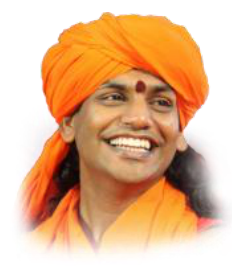
इन्द्रियार्थेषु वैराग्यमनहङ्कार एव च |
जन्ममृत्युजराव्याधिदुःखदोषानुदर्शनम् ||13.9||
indriyārtheṣu vairāgyam anahaṅkāra eva ca | janma-mṛtyu-jarā-vyādhi- duḥkha-doṣānudarśanam || 13.8,9,10,11,12 Humility, absence of pride, nonviolence, tolerance, simplicity, service to an enlightened spiritual Master, cleanliness, steadiness and self-control; renunciation of the objects of sense gratification; absence of ego, the perception of the pain of the cycle of birth and death, old age and disease; nonattachment to children, wife, home and the rest and even-mindedness amid pleasant and unpleasant events; constant and unalloyed devotion to Me, resorting to solitary places, detachment from the general mass of people; accepting the importance of self realization, and philosophical search for the absolute truth: All these I thus declare to be knowledge and anything contrary to these is ignorance.
असक्तिरनभिष्वङ्गः पुत्रदारगृहादिषु |
नित्यं च समचित्तत्वमिष्टानिष्टोपपत्तिषु ||13.10||
asaktir anabhiṣvaṅgaḥ putra-dāra-gṛhādiṣu | nityaṁ ca sama-cittatvam iṣṭāniṣṭopapattiṣu || 13.8,9,10,11,12 Humility, absence of pride, nonviolence, tolerance, simplicity, service to an enlightened spiritual Master, cleanliness, steadiness and self-control; renunciation of the objects of sense gratification; absence of ego, the perception of the pain of the cycle of birth and death, old age and disease; nonattachment to children, wife, home and the rest and even-mindedness amid pleasant and unpleasant events; constant and unalloyed devotion to Me, resorting to solitary places, detachment from the general mass of people; accepting the importance of self realization, and philosophical search for the absolute truth: All these I thus declare to be knowledge and anything contrary to these is ignorance.
मयि चानन्ययोगेन भक्तिरव्यभिचारिणी |
विविक्तदेशसेवित्वमरतिर्जनसंसदि ||13.11||
mayi cānanya-yogena bhaktir avyabhicāriṇī | vivikta-deśa-sevitvam aratirjana saṁsadi || 13.8,9,10,11,12 Humility, absence of pride, nonviolence, tolerance, simplicity, service to an enlightened spiritual Master, cleanliness, steadiness and self-control; renunciation of the objects of sense gratification; absence of ego, the perception of the pain of the cycle of birth and death, old age and disease; nonattachment to children, wife, home and the rest and even-mindedness amid pleasant and unpleasant events; constant and unalloyed devotion to Me, resorting to solitary places, detachment from the general mass of people; accepting the importance of self realization, and philosophical search for the absolute truth: All these I thus declare to be knowledge and anything contrary to these is ignorance.
अध्यात्मज्ञाननित्यत्वं तत्त्वज्ञानार्थदर्शनम् |
एतज्ज्ञानमिति प्रोक्तमज्ञानं यदतोऽन्यथा ||13.12||
adhyātma-jñāna-nityatvaṁ tattva-jñānārtha-darśanam | etaj-jñānam iti proktam ajñānaṁ yad atonyathā || 13.8,9,10,11,12 Humility, absence of pride, nonviolence, tolerance, simplicity, service to an enlightened spiritual Master, cleanliness, steadiness and self-control; renunciation of the objects of sense gratification; absence of ego, the perception of the pain of the cycle of birth and death, old age and disease; nonattachment to children, wife, home and the rest and even-mindedness amid pleasant and unpleasant events;
constant and unalloyed devotion to Me, resorting to solitary places, detachment from the general mass of people; accepting the importance of self realization, and philosophical search for the absolute truth: All these I thus declare to be knowledge and anything contrary to these is ignorance.
ज्ञेयं यत्तत्प्रवक्ष्यामि यज्ज्ञात्वामृतमश्रुते |
अनादिमत्परं ब्रह्म न सत्तन्नासदुच्यते ||13.13||
jñeyaṁ yat tat pravakṣyāmi yaj jñātvāmṛtam aśnute |
anādi matparaṁ brahma na sat tan nāsad ucyate ||
13.13 I shall fully give you the understanding about the know-able with which one can taste eternal bliss or the being or the
consciousness that has no beginning. A life beyond the cause and effect and the material world.
सर्वतः पाणिपादं तत्सर्वतोऽक्षिशिरोमुखम् |
सर्वतः श्रुतिमल्लोके सर्वमावृत्य तिष्ठति ||13.14||
sarvataḥ pāṇipādaṁ tat sarvato 'kṣiśiromukham |
sarvataḥ śrutimalloke sarvamāvṛtya tiṣṭhati ||'1
13.14 With hands and feet everywhere, with eyes, heads and mouths everywhere, with ears everywhere, He exists in the worlds, enveloping all. The Paramātman (supreme spirit) is all pervading.
सर्वेन्द्रियगुणाभासं सर्वेन्द्रियविवर्जितम् |
असक्तं सर्वभृच्चैव निर्गुणं गुणभोक्तृ च ||13.15||
sarvendriya-guṇābhāsaṁ sarvendriya-vivarjitam |
asaktaṁ sarva-bhṛccaiva nirguṇaṁ guṇabhoktṛ ca ||
13.15 The Paramātman is the original source of all the senses. Yet, He is beyond all the senses. He is unattached. Although the consciousness is the maintainer of all the living beings, yet He transcends the modes of the nature and at the same time He is the master of the modes of our material nature.
बहिरन्तश्च भूतानामचरं चरमेव च |
सूक्ष्मत्वात्तदविज्ञेयं दूरस्थं चान्तिके च तत् ||13.16||
bahir antaśca bhūtānām acaraṁ carameva ca |
sūkṣmatvāt tad avijñeyaṁ dūrasthaṁ cāntike ca tat ||
13.16 The supreme truth exists both within and without, it is present in everything mobile or immobile. It is not knowable through the senses as it is very subtle. Though far, yet it is the nearest.
अविभक्तं च भूतेषु विभक्तमिव च स्थितम् |
भूतभर्तृ च तज्ज्ञेयं ग्रसिष्णु प्रभविष्णु च ||13.17||
avibhaktaṁ ca bhūteṣu vibhaktamiva ca sthitam |
bhūta-bhartṛ ca tajjñeyaṁ grasiṣṇu prabhaviṣṇu ca ||
13.17 Though appearing fragmented it is indivisible whole. Though He is the maintainer of every living entity, it is to be understood that He consumes and creates all.
ज्योतिषामपि तज्ज्योतिस्तमसः परमुच्यते |
ज्ञानं ज्ञेयं ज्ञानगम्यं हृदि सर्वस्य विष्ठितम् ||13.18||
jyotiṣām api tajjyotis tamasaḥ paramucyate |
jñānaṁ jñeyaṁ jñāna-gamyaṁ hṛdi sarvasya viṣṭhitam ||
13.18 He is the source of light in all luminous objects. He is beyond the darkness of matter and is formless. He is knowledge, He is the object of knowledge, and He is the goal of knowledge. He is situated in everyone's heart.
इति क्षेत्रं तथा ज्ञानं ज्ञेयं चोक्तं समासतः |
मद्भक्त एतद्विज्ञाय मद्भावायोपपद्यते ||13.19||
iti kṣetraṁ tathā jñānaṁ jñeyaṁ co 'ktaṁ samāsataḥ |
madbhakta etadvijñāya madbhāvāyopapadyate ||
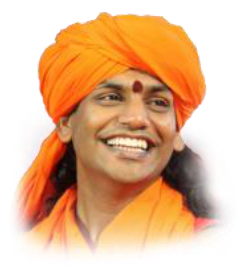
13.19 Thus the field of activities, knowledge and the knowable has been summarily described by Me. It is only when we can understand the true nature of our supreme Self and the material world with which we have created false identities that we can go beyond this and attain the supreme Self itself.
प्रकृतिं पुरुषं चैव विद्ध्यनादी उभावपि ।
विकारांश्च गुणांश्चैव विद्धि प्रकृतिसम्भवान् ॥13.20॥
prakṛtiṁ puruṣaṁ caiva viddhyanādī ubhāvapi | vikārāṁś ca guṇāṁś caiva viddhi prakṛti saṁbhavān || 13.20 Prakṛti or the field and its attributes and the puruṣa or the knower or the supreme consciousness are both without beginning. All the transformations of nature that we see are produced by the field or prakṛti.
कार्यकारणकर्तृत्वे हेतुः प्रकृतिरुच्यते ।
पुरुषः सुखदुःखानां भोक्तृत्वे हेतुरुच्यते ॥13.21॥
kārya-kāraṇa-kartṛtve hetuḥ prakṛtirucyate | puruṣaḥ sukha-duḥkhānāṁ bhoktṛtve heturucyate || 13.21 In the production of the body and the senses, prakṛti is said to be the cause; In the experience of pleasure and pain, puruṣa is said to be the cause.
पुरुषः प्रकृतिस्थो हि भुङ्क्ते प्रकृतिजान्गुणान् ।
कारणं गुणसङ्गोऽस्य सदसद्योनिजन्मसु ॥13.22॥
puruṣaḥ prakṛtistho hi bhuṅkte prakṛti-jān-guṇān | kāraṇaṁ guṇasaṅgosya sadasadyonijanmasu || 13.22 The living entity in the material nature follows the way of life, enjoying the moods of nature. Due to association with the material nature it meets the good or evil among various species.
उपद्रष्टानुमन्ता च भर्ता भोक्ता महेश्वरः ।
परमात्मेति चाप्युक्तो देहेऽस्मिन्पुरुषः परः ॥13.23॥
upadraṣṭānumantā ca bhartā bhoktā maheśvaraḥ | paramātmeti cāpyukto dehe’sminpuruṣaḥ paraḥ || 13.23 Yet, in this body there is a transcendental energy. He who is divine, who exists as a owner or the witness, supporter, enjoyer and the pure witnessing consciousness, is known as the Paramātman.
य एवं वेत्ति पुरुषं प्रकृतिं च गुणैः सह ।
सर्वथा वर्तमानोऽपि न स भूयोऽभिजायते ॥13.24॥
ya evaṁ vetti puruṣaṁ prakṛtiṁ ca guṇaiḥ saha | sarvathā vartamānopi na sa bhūyobhijāyate || 13.24 One who understands this philosophy concerning material nature, the living entity and the interaction of the modes of nature is sure to attain liberation. He will not take birth here again, regardless of his present position.
ध्यानेनात्मनि पश्यन्ति केचिदात्मानमात्मना ।
अन्ये साङ् ख्येन योगेन कर्मयोगेन चापरे ॥13.25॥
dhyānenātmani paśyanti kecidātmānamātmanā | anye sāṅkhyena yogena karmayogena cāpare || 13.25 Some perceive the Paramātman in their inner psyche through mind and intellect that have been purified by meditation or by metaphysical knowledge or by karma yoga.
अन्ये त्वेवमजानन्तः श्रुत्वान्येभ्य उपासते ।
तेऽपि चातितरन्त्येव मृत्युं श्रुतिपरायणाः ॥13.26॥
anye tv evam ajānantaḥ śrutvānyebhya upāsate | te ’pi ’cātitaranty eva mṛtyuṁ śrutiparāyaṇāḥ || 13.26 There are those who, although not conversant in spir-itual knowledge, begin to worship the supreme personality upon hearing about Him from others. Through the process of
hearing about the supreme Self, they also transcend the path of birth and death. यावत्सञ्जायते किञ्चित्सत्त्वं स्थावरजङ्गमम् | क्षेत्रक्षेत्रज्ञसंयोगात्तद्विद्धि भरतर्षभ ||13.27|| yāvatsañjāyate kiñcit sattvaṁ sthāvarajaṅgamam | kṣetra-kṣetrajña-saṁyogāt tadviddhi bharatarṣabha || 13.27 Bhārata, know that whatever that is movable or immovable is born, It comes into existence by combination of kṣetra and kṣetrajña समं सर्वेषु भूतेषु तिष्ठन्तं परमेश्वरम् | विनश्यत्स्वविनश्यन्तं यः पश्यति स पश्यति ||13.28|| samaṁ sarveṣu bhūteṣu tiṣṭhantaṁ parameśvaram | vinaśyatsvavinaśyantaṁ yaḥ paśyati sa paśyati || 13.28 One who sees the supreme Spirit accompanying the individual soul in all bodies, who understands that neither the individual soul nor the supreme Spirit is ever destroyed, actually sees. समं पश्यन्हि सर्वत्र समवस्थितमीश्वरम् | न हिनस्त्यात्मनात्मानं ततो याति परां गतिम् ||13.29|| samaṁ paśyanhi sarvatra samavasthitamīśvaram | na hinastyātmanā 'tmanaṁ tato yāti parāṁ gatim || 13.29 When one does not get degraded or influenced by the mind and when he can see the Supreme Spirit in all living and non-living things, One reaches the transcendental destination. प्रकृत्यैव च कर्माणि क्रियमाणानि सर्वशः | यः पश्यति तथात्मानमकर्तारं स पश्यति ||13.30|| prakṛtyaiva ca karmāṇi kriyamāṇāni sarvaśaḥ | yaḥ paśyati tathātmānam akartāraṁ sa paśyati || 13.30 One who can see that all activities are performed by the body, which is created of material nature, sees that the Self does nothing, actually sees. यदा भूतपृथग्भावमेकस्थमनुपश्यति | तत एव च विस्तारं ब्रह्म सम्पद्यते तदा ||13.31|| yadā bhūta-pṛthag-bhāvam ekasthamanupaśyati | tata eva ca vistāraṁ brahma saṁpadyate tadā || 13.31 When a person can see the supreme Self in all living entities then he will cease to see the separateness among the living entities. He will see that the whole universe is an ex-pansion and expression of the same truth. अनादित्वान्निर्गुणत्वात्परमात्मायमव्ययः | शरीरस्थोऽपि कौन्तेय न करोति न लिप्यते ||13.32|| anāditvānnirguṇa tvāt paramātmāyamavyayaḥ | śarīrastho'pi kaunteya na karoti na lipyate || 13.32 Those with the vision of eternity can see that the soul is transcendental, eternal, and beyond the modes of nature. Despite contact with the material body, O Arjuna, the soul neither does anything nor is attached. यथा सर्वगतं सौक्ष्म्यादाकाशं नोपलिप्यते | सर्वत्रावस्थितो देहे तथात्मा नोपलिप्यते ||13.33|| yathā sarvagataṁ saukṣmyād ākāśaṁ nopalipyate | sarvatrāvasthito dehe tathātmā nopalipyate || 13.33 The sky, due to its subtle nature, does not mix with anything, although it is all-pervading. Similarly, the soul, situated in Brahman, does not mix with the body, though situated in that body. यथा प्रकाशयत्येकः कृत्स्नं लोकमिमं रविः | क्षेत्रं क्षेत्री तथा कृत्स्नं प्रकाशयति भारत ||13.34||
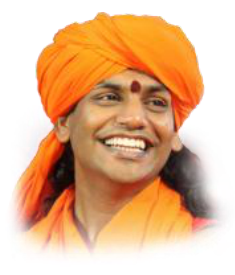
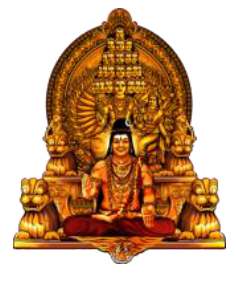
yathā prakāśayatyekaḥ kṛtsnaṁ lokamimaṁ raviḥ | kṣetraṁ kṣetrī tathā kṛtsnaṁ prakāśayati bhārata || 13.34 O son of Bhārata, as the Sun alone illumines the entire Universe, so does the living entity, one within the body, illumines the entire consciousness.
क्षेत्रक्षेत्रज्ञयोरेवमन्तरं ज्ञानचक्षुषा |
भूतप्रकृतिमोक्षं च ये विदुर्यान्ति ते परम् ||13.35||
kṣetrakṣetrajñayor evam antaraṁ jñāna-cakṣuṣā | bhūta-prakṛti-mokṣaṁ ca ye viduryānti te param || 13.35 Those, who see with the eyes of knowledge the difference between the body-mind, kṣetra and the knower of the body-mind, kṣetrajña, can understand the process. Are liberated from the bondages of the material nature and attain the Paramātman.
श्रीभगवानुवाच |
परं भूयः प्रवक्ष्यामि ज्ञानानां ज्ञानमुत्तमम् |
यज्ज्ञात्वा मुनयः सर्वे परां सिद्धिमितो गताः ||14.1||
śrībhagavānuvāca | paraṁ bhūyaḥ pravakṣyāmi jñānānāṁ jñānamuttamam | yajjñātvā munayaḥ sarve parāṁ siddhimito gatāḥ || 14.1 Bhagavān Śrī Kṛṣṇa says: I will declare to you again the Supreme wisdom, The knowledge of which has helped all sages attain Supreme perfection.
इदं ज्ञानमुपाश्रित्य मम साधर्म्यमागताः |
सर्गेऽपि नोपजायन्ते प्रलये न व्यथन्ति च ||14.2||
idaṁ jñānamupāśritya mama sādharmyamāgatāḥ | sarge'pi nopajāyante pralaye na vyathanti ca || 14.2 By becoming fixed in this knowledge, one can attain the transcendental nature, like my own, and establish in his Eternal Consciousness, that one is not born at the time of creation, or disturbed at the time of dissolution.
मम योनिर्महद् ब्रह्म तस्मिन्गर्भं दधाम्यहम् |
सम्भवः सर्वभूतानां ततो भवति भारत ||14.3||
mama yonir-mahad-brahma tasmingarbhaṁ dadhāmyahaṁ | saṁbhavaḥ sarvabhūtānāṁ tato bhavati bhārata || 14.3 The total material substance, called Brahman, is the source of birth, It is that Brahman that I impregnate, making possible the births of all living beings, O son of Bhārata.
सर्वयोनिषु कौन्तेय मूर्तयः सम्भवन्ति याः |
तासां ब्रह्म महद्योनिरहं बीजप्रदः पिता ||14.4||
sarvayoniṣu kaunteya mūrtayaḥ saṁbhavanti yāḥ | tāsāṁ brahma mahad yonir ahaṁ bījapradaḥ pitā || 14.4 Arjuna, understand that all species of life are made possible by birth in this material nature, and I am the seed-giving father.
सत्वं रजस्तम इति गुणाः प्रकृतिसम्भवाः |
निबध्नन्ति महाबाहो देहे देहिनमव्ययम् ||14.5||
sattvaṁ rajastama iti guṇāḥ prakṛtisambhavāḥ | nibadhnanti mahābāho dehe dehinamavyayam || 14.5 Material nature consists of the three modes—goodness, passion and ignorance. When the living entity comes in contact with nature, it becomes conditioned by these modes.
तत्र सत्वं निर्मलत्वात्प्रकाशकमनामयम् |
सुखसङ्गेन बध्नाति ज्ञानसङ्गेन चानघ ||14.6||
tatra sattvaṁ nirmalatvāt prakāśakamanāmayam | sukhasaṅgena badhnāti jñānasaṅgena cānagha || 14.6 O Sinless One, the mode of goodness, satva, being purer than the others, is illuminating, and it frees one from all sinful reactions. Those situated in that mode develop knowledge, but they become conditioned by the concept of happiness.
रजो रागात्मकं विद्धि तृष्णासङ्गसमुद्भवम् |
तन्निबध्नाति कौन्तेय कर्मसङ्गेन देहिनम् ||14.7||
rajo rāgātmakaṁ viddhi tṛṣṇāsaṅgasamudbhavam | tannibadhnāti kaunteya karmasaṅgena dehinam || 14.7 Kaunteya, know that the mode of passion, rajas, is char-acterized by intense craving and is the source of desire and attachment. Rajas binds the living entity by attachment to work.
तमस्त्वज्ञानजं विद्धि मोहनं सर्वदेहिनाम् |
प्रमादालस्यनिद्राभिस्तन्निबध्नाति भारत ||14.8||
tamas tv ajñānajaṁ viddhi mohanaṁ sarvadehinām | pramādālasya-nidrābhis tannibadhnāti bhārata || 14.8 Know, O Arjuna, that the mode of ignorance, tamas, the deluder of the living entity is born of inertia. Tamas binds the living entity by carelessness, laziness, and excessive sleep.
सत्त्वं सुखे सञ्जयति रजः कर्मणि भारत |
ज्ञानमावृत्य तु तमः प्रमादे सञ्जयत्युत ||14.9||
sattvaṁ sukhe sañjayati rajaḥ karmaṇi bhārata | jñānamāvṛtya tu tamaḥ pramāde sañjayatyuta || 14.9 The mode of goodness conditions one to happiness, passion conditions him to fruits of action, and veiling the knowledge, tamas binds one to carelessness.
रजस्तमश्चाभिभूय सत्त्वं भवति भारत |
रजः सत्त्वं तमश्चैव तमः सत्त्वं रजस्तथा ||14.10||
rajas tamaś cābhibhūya sattvaṁ bhavati bhārata | rajaḥ sattvaṁ tamaścaiva tamaḥ sattvaṁ rajastathā || 14.10 Sometimes the mode of passion becomes prominent, de-feating the mode of goodness, O son of Bhārata. And sometimes the mode of goodness defeats passion, and at other times the mode of ignorance defeats goodness and passion. In this way there is always competition for supremacy.
सर्वद्वारेषु देहेऽस्मिन्प्रकाश उपजायते |
ज्ञानं यदा तदा विद्याद्विवृद्धं सत्त्वमित्युत ||14.11||
sarvadvāreṣu dehesmin prakāśa upajāyate | jñānaṁ yadā tadā vidyād vivṛddhaṁ sattvamityuta || 14.11 When the light of Self-knowledge illumines all the senses (or gates) in the body, then it should be known that goodness is predominant.
लोभः प्रवृत्तिरारम्भः कर्मणामशमः स्पृहा |
रजस्येतानि जायन्ते विवृद्धे भरतर्षभ ||14.12||
lobhaḥ pravṛttirārambhaḥ karmaṇāmaśamaḥ spṛhā | rajasyetāni jāyante vivṛddhe bharatarṣabha || 14.12 O Bharatarṣabha, chief of the Bhārata, when there is an increase in the mode of passion, the symptoms of great attachment, uncontrollable desire, hankering, and intense en-deavor develop.
अप्रकाशोऽप्रवृत्तिश्च प्रमादो मोह एव च |
तमस्येतानि जायन्ते विवृद्धे कुरुनन्दन ||14.13||
aprakāśo'pravṛttiś ca pramādo moha eva ca | tamasyetāni jāyante vivṛddhe kurunandana || 14.13 O son of Kuru, when there is an increase in the mode of ignorance, madness, illusion, inertia and darkness are manifested.
यदा सत्त्वे प्रवृद्धे तु प्रलयं याति देहभृत् |
तदोत्तमविदां लोकानमलान्प्रतिपद्यते ||14.14||
yadā sattve pravṛddhe tu pralayaṁ yāti dehabhṛt | tadottamavidāṁ lokānam alānpratipadyate || 14.14 When one dies in the mode of goodness [satva], He goes to the highest of worlds.
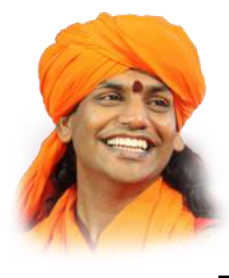
रजसि प्रलयं गत्वा कर्मसङ्गिषु जायते |
तथा प्रलीनस्तमसि मूढयोनिषु जायते ||14.15||
rajasi pralayaṁ gatvā karmasaṅgiṣu jāyate | tathā pralīnas tamasi mūḍhayoniṣu jāyate || 14.15 When one dies in the mode of passion [rajas], he takes birth among those engaged in activities. When he dies in the mode of ignorance [tamas], he takes birth in the space of the ignorant.
कर्मणः सुकृतस्याहुः सात्विकं निर्मलं फलम् |
रजसस्तु फलं दुःखमज्ञानं तमसः फलम् ||14.16||
karmaṇaḥ sukṛtasyāhuḥ sāttvikaṁ nirmalaṁ phalam | rajasastu phalaṁ duḥkham ajñānaṁ tamasaḥ phalam || 14.16 By acting in the mode of goodness, one becomes purified. Work done in the mode of passion results in distress, and actions performed in the mode of ignorance result in foolishness.
सत्वात्सञ्जायते ज्ञानं रजसो लोभ एव च |
प्रमादमोहौ तमसो भवतोऽज्ञानमेव च ||14.17||
sattvātsañjāyate jñānaṁ rajaso lobha eva ca | pramādamohau tamaso bhavato’jñānameva ca || 14.17 From the mode of goodness, real knowledge develops; from the mode of passion, greed develops; from the mode of ignorance develops foolishness, madness and illusion.
ऊर्ध्वं गच्छन्ति सत्वस्था मध्ये तिष्ठन्ति राजसाः |
जघन्यगुणवृत्तिस्था अधो गच्छन्ति तामसाः ||14.18||
ūrdhvaṁ gacchanti sattvasthā madhye tiṣṭhanti rājasāḥ | jaghanyaguṇavṛttisthā adho gacchanti tāmasāḥ || 14.18 Those situated in the mode of goodness gradually go upward to the higher world; those in the mode of passion live on the earthly planets; and those in the mode of ignorance go down to the worlds below.
नान्यं गुणेभ्यः कर्तारं यदा द्रष्टानुपश्यति |
गुणेभ्यश्च परं वेत्ति मद्भावं सोऽधिगच्छति ||14.19||
nānyaṁ guṇebhyaḥ kartāraṁ yadā draṣṭānupaśyati | guṇebhyaśca paraṁ vetti madbhāvaṁ so’dhigacchati || 14.19 When we see that there is nothing beyond these modes of nature in all activities and that the supreme Lord is transcendental to all these modes, the seeker can know My spiritual nature.
गुणानेतानतीत्य त्रीन्देही देहसमुद्द्भवान् |
जन्ममृत्युजरादुःखैर्विमुक्तोऽमृतमश्नुते ||14.20||
guṇānetānatītya trīn dehī dehasamudbhavān | janma-mṛtyu-jarā-duḥkhair vimukto’mṛtamaśnute || 14.20 When the embodied being is able to transcend these three modes, he can become free from birth, death, old age and their distresses and can enjoy nectar even in this life. अर्जुन उवाच |
कैर्लिङ्गैस्त्रीन्गुणानेतानतीतो भवति प्रभो |
किमाचारः कथं चैतांस्त्रीन्गुणानतिवर्तते ||14.21||
arjuna uvāca | kair liṅgais trīṅguṇān etān atīto bhavati prabho | kim ācāraḥ kathaṁ caitāṁs trīṅguṇānativartate || 14.21 Arjuna inquires: O my Lord, by what symptoms is one known who is transcendental to those modes? What is his behavior? And how does he transcend the modes of nature? श्रीभगवानुवाच |
प्रकाशं च प्रवृत्तिं च मोहमेव च पाण्डव |
न द्वेष्टि सम्प्रवृत्तानि न निवृत्तानि काङ् क्षति ||14.22||
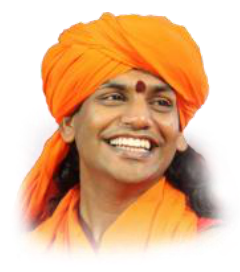
śrībhagavānuvāca | prakāśaṁ ca pravṛttiṁ ca mohameva ca pāṇḍava | na dveṣṭi saṁpravṛttāni na nivṛttāni kāṅkṣati || 14.22,23,24,25 Śrī Bhagavān says: He who does not hate illu-mination, attachment and delusion when they are present, nor longs for them when they disappear; who is seated like one unconcerned, being situated beyond these material reactions of the modes of nature, who remains firm, knowing that the modes alone are active; He who regards alike pleasure and pain, and looks on a lump of earth, a stone and a piece of gold with an equal eye; who is wise and holds praise and blame to be the same; who is unchanged in honor and dishonor, who treats friend and foe alike, who has abandoned all result based undertakings—such a man is said to have transcended the modes of nature. उदासीनवदासीनो गुणैर्यो न विचाल्यते | गुणा वर्तन्त इत्येवं योऽवतिष्ठति नेङ्गते ||14.23|| udāsīnavadāsīno guṇairyo na vicālyate | guṇā vartanta ityeva yo'vatiṣṭhati neṅgate || 14.22,23,24,25 Śrī Bhagavān says: He who does not hate illu-mination, attachment and delusion when they are present, nor longs for them when they disappear; who is seated like one unconcerned, being situated beyond these material reactions of the modes of nature, who remains firm, knowing that the modes alone are active; He who regards alike pleasure and pain, and looks on a lump of earth, a stone and a piece of gold with an equal eye; who is wise and holds praise and blame to be the same; who is unchanged in honor and dishonor, who treats friend and foe alike, who has abandoned all result based undertakings—such a man is said to have transcended the modes of nature. समदुःखसुखः स्वस्थः समलोष्टाश्मकाञ्चनः | तुल्यप्रियाप्रियो धीरस्तुल्यनिन्दात्मसंस्तुतिः ||14.24|| sama-duḥkha-sukhaḥ svasthaḥ sama-loṣṭāśma-kāñcanaḥ | tulya-priyāpriyo dhīras tulya-nindātma-saṁstutiḥ || 14.22,23,24,25 Śrī Bhagavān says: He who does not hate illu-mination, attachment and delusion when they are present, nor longs for them when they disappear; who is seated like one unconcerned, being situated beyond these material reactions of the modes of nature, who remains firm, knowing that the modes alone are active; He who regards alike pleasure and pain, and looks on a lump of earth, a stone and a piece of gold with an equal eye; who is wise and holds praise and blame to be the same; who is unchanged in honor and dishonor, who treats friend and foe alike, who has abandoned all result based undertakings—such a man is said to have transcended the modes of nature. मानापमानयोस्तुल्यस्तुल्यो मित्रारिपक्षयोः | सर्वारम्भपरित्यागी गुणातीतः स उच्यते ||14.25|| mānāpamānyos tulyastulyo mitrāri-pakṣayoḥ | sarvārambha-parityāgī guṇātītaḥ sa ucyate || 14.22,23,24,25 Śrī Bhagavān says: He who does not hate illu-mination, attachment and delusion when they are present, nor longs for them when they disappear; who is seated like one unconcerned, being situated beyond these material reactions of the modes of nature, who remains firm, knowing that the modes alone are active; He who regards alike pleasure and pain, and looks on a lump of earth, a stone and a piece of gold with an equal eye; who is wise and holds praise and blame
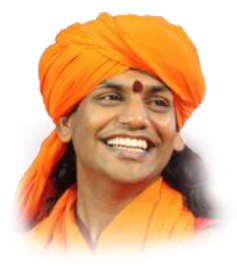
to be the same; who is unchanged in honor and dishonor, who treats friend and foe alike, who has abandoned all result based undertakings—such a man is said to have transcended the modes of nature.
मां च योऽव्यभिचारेण भक्तियोगेन सेवते |
स गुणान्समतीत्यैतान्ब्रह्मभूयाय कल्पते ||14.26||
māṁ ca yo’vyabhicāreṇa bhaktiyogena sevate |
sa guṇān-samatītyaitān brahmabhūyāya kalpate ||
14.26 One who engages in full devotional service, who does not fall down in any circumstance, at once transcends the modes of material nature and thus comes to the level of Brahman.
ब्रह्मणो हि प्रतिष्ठाहममृतस्याव्ययस्य च |
शाश्वतस्य च धर्मस्य सुखस्यैकान्तिकस्य च ||14.27||
brahmaṇo hi pratiṣṭhāham amṛtasyāvyayasya ca |
śāśvatasya ca dharmasya sukhasyaikāntikasya ca ||
14.27 And I am the basis of Brahman, which is the rightful state of ultimate happiness, and which is immortal, imperishable and eternal.
श्रीभगवानुवाच |
ऊर्ध्वमूलमधःशाखमश्वत्थं प्राहुरव्ययम् |
छन्दांसि यस्य पर्णानि यस्तं वेद स वेदवित् ||15.1||
śrī bhagavan uvāca |
ūrdhvamūlamadhaḥ śākham aśvatthaṁ prāhuravyayam |
chandāṁsi yasya parṇāni yastaṁ veda sa vedavit ||
15.1 Śrī Bhagavān says, The imperishable banyan tree of life, symbolized by the Aśvattha, has its roots above, with the leaves and branches spreading below the earth. The leaves are said to be the Vedic hymns. One who knows this eternal tree becomes the knower of the Vedas.
अधश्चोर्ध्वं प्रसृतास्तस्य शाखा
गुणप्रवृद्धा विषयप्रवालाः |
अधश्च मूलान्यनुसन्ततानि
कर्मानुबन्धीनि मनुष्यलोके ||15.2||
adhaś cordhvaṁ prasṛtās tasya śākhā
guṇa-pravṛddhā viṣaya-pravālāḥ |
adhaśca mūlāny anusaṁtatāni
karmānubandhīni manuṣya-loke ||
15.2 The branches of this tree extend below and above the earth, nourished by the three human attributes, guṇa. Its buds are the sense objects. This tree also has roots going down and these are bound to the resultant actions of humans.
न रूपमस्येह तथोपलभ्यते
नान्तो न चादिर्न च सम्प्रतिष्ठा |
अश्वत्थमेनं सुविरूढमूल
मसङ्गशस्त्रेण दृढेन छित्त्वा ||15.3||
na rūpam asyeha tathopalabhyate
nānto na cādirna ca saṁpratiṣṭhā |
aśvatthamenaṁ su-virūḍha-mūlam
asaṅga-śastrena dṛḍhena chittvā ||
15.3 The real form of this tree cannot be perceived. No one can understand where it ends, where it begins, or where its foundation is. But with determination one must cut down this strongly rooted tree with the weapon of detachment.
ततः पदं तत्परिमार्गितव्यं
यस्मिन्गता न निवर्तन्ति भूयः |
तमेव चाद्यं पुरुषं प्रपद्ये
यत: प्रवृत्तिः प्रसृता पुराणी ||15.4||
tataḥ padaṁ tat parimārgitavyaṁ
yasmingatā na nivartanti bhūyaḥ |
tameva cādyaṁ puruṣaṁ prapadye
yataḥ pravṛttiḥ prasṛtā purāṇī ||
15.4 One must then seek that place from which having gone, one never returns and surrender to the Supreme Being from whom all activities started from ancient times.
निर्मानमोहा जितसङ्गदोषा
अध्यात्मनित्या विनिवृत्तकामाः |
द्वन्द्वैर्विमुक्ताः सुखदुःखसंज्ञै
र्गच्छन्त्यमूढाः पदमव्ययं तत् ||15.5||
nirmāna-mohā jita-saṅga-doṣā
adhyātma-nityā vinivṛtta-kāmāḥ |
dvandvair vimuktāḥ sukha-duḥkha-sañjñair
gacchanty amūḍhāḥ padam avyayaṁ tat ||
15.5 Those who are free from pride, delusion, and attachment, those who dwell in the Self, who are done with lust, who are free from dualities of joy and sorrow, not confused and those who know how to surrender to the supreme person, attain the eternal consciousness.
न तद्भासयते सूर्यो न शशाङ्को न पावकः |
यद्गत्वा न निवर्तन्ते तद्धाम परमं मम ||15.6||
na tadbhāsayate sūryo na śaśāṅko na pāvakaḥ |
yadgatvā na nivartante taddhāma paramaṁ mama ||
15.6 That supreme space of eternal consciousness, My consciousness, is not illumined by the Sun or the Moon, or by fire. Those who enter that space never return to this material world.
ममैवांशो जीवलोके जीवभूतः सनातनः |
मनःषष्ठानीन्द्रियाणि प्रकृतिस्थानि कर्षति ||15.7||
mamai’vā’ṁśo jīvaloke jīvabhūtaḥ sanātanaḥ |
manaḥ ṣaṣḍhānī’ndriyāṇi prakṛtisthāni karṣati ||
15.7 The living entities in this conditioned material world are a portion of My eternal Self; in this conditioned material world they are attracted by the six senses, which include the mind, dwelling in prakṛti, the active energy principle.
शरीरं यदवाप्नोति यच्चाप्युत्क्रामतीश्वरः |
गृहीत्वैतानि संयाति वायुर्गन्धानिवाशयात् ||15.8||
śarīraṁ yadavāpnoti yaccāpyutkrāmatīśvaraḥ |
gṛhītvai’tāni saṁyāti vāyurgandhānivāśayāt ||
15.8 The spirit in the mind-body living in this material world moves from one body to another carrying these just as air carries aroma.
श्रोत्रं चक्षुः स्पर्शनं च रसनं घ्राणमेव च |
अधिष्ठाय मनश्चायं विषयानुपsevते ||15.9||
śrotraṁ cakṣuḥ sparśanaṁ ca rasanaṁ ghrāṇaṁ eva ca |
adhiṣṭhāya manaścāyaṁ viṣayānupasevate ||
15.9 The living entity, the spirit, leaves one body, takes some other body and gets new eyes, ears, nose, tongue and sensing body according to the saṁskāras it had in its causal layer and enjoys the new mental setup.
उत्क्रामन्तं स्थितं वापि भुञ्जानं वा गुणान्वितम् |
विमूढा नानुपश्यन्ति पश्यन्ति ज्ञानचक्षुषः ||15.10||
utkrāmantaṁ sthitaṁ vāpi bhuñjānaṁ vā guṇānvitam |
vimūḍhā nānupaśyanti paśyanti jñānacakṣuṣaḥ ||
15.10 Fools in ignorance do not perceive the spirit being united with the guṇās as its enters, enjoys and leaves the body. The one whose inner eye is open clearly perceives everything.
यतन्तो योगिनश्चैनं पश्यन्त्यात्मन्यवस्थितम् |
यतन्तोऽप्यकृतात्मानो नैनं पश्यन्त्यचेतसः ||15.11||
yatanto yoginaścainaṁ paśyantyātmanyavasthitam |
yatanto’pyakṛtātmāno nainaṁ paśyantyacetasaḥ ||
15.11 The serious practitioner of Yoga, with an understanding of his self, can see all this clearly. But those who do not have an understanding of the self, however much they try, cannot see.
यदादित्यगतं तेजो जगद्भासयतेऽखिलम् |
यच्चन्द्रमसि यच्चाग्नौ तत्तेजो विद्धि मामकम् ||15.12||
yad āditya-gataṁ tejo jagad bhāsayate’khilam |
yac candramasi yaccāgnau tattejo viddhi māmakam ||
15.12 The light of the sun, the light of the moon and the light of fire, all their radiance is also from Me.
गामाविश्य च भूतानि धारयाम्यहमोजसा |
पुष्णामि चौषधीः सर्वाः सोमो भूत्वा रसात्मकः ||15.13||
gāmāviśya ca bhūtāni dhārayāmy aham ojasā |
puṣṇāmi cauṣadhīḥ sarvāḥ somo bhūtvā rasātmakaḥ ||
15.13 Entering into earth, I support all beings with My energy; becoming the watery moon I nourish all plant life.
अहं वैश्वानरो भूत्वा प्राणिनां देहमाश्रितः |
प्राणापानसमायुक्तः पचाम्यन्नं चतुर्विधम् ||15.14||
ahaṁ vaiśvānaro bhūtvā prāṇināṁ dehamāśritaḥ |
prāṇāpāna-samāyuktaḥ pacāmy annaṁ caturvidham ||
15.14 I am the fire of digestion in every living body and I am the breath of life, exhaled and inhaled, with which I digest the four-fold food.
सर्वस्य चाहं हृदि सन्निविष्टो
मत्तः स्मृतिर्ज्ञानमपोहनं च |
वेदैश्च सर्वैरहमेव वेद्यो
वेदान्तकृद्वेदविदेव चाहम् ||15.15||
sarvasya cāhaṁ hṛdi sanniviṣṭo
mattaḥ smṛtir jñānam apohanaṁ ca |
vedaiśca sarvairahameva vedyo
vedānta-kṛd vedavid eva cāham ||
15.15 I am seated in everyone’s heart and from Me came memory, knowledge and their loss. I am known by the Vedas; indeed, I am the Creator of Vedānta and I am the knower of the Vedas.
द्वाविमौ पुरुषौ लोके क्षरश्चाक्षर एव च |
क्षरः सर्वाणि भूतानि कूटस्थोऽक्षर उच्यते ||15.16||
dvāvimau puruṣau loke kṣaraścākṣara eva ca |
kṣaraḥ sarvāṇi bhūtāni kūṭasthokṣara ucyate ||
15.16 There are two things, the perishable and the imperishable, in this world. There are the living beings who are perishable while there is the unchangeable, the imperishable.
उत्तमः पुरुषस्त्वन्यः परमात्मेत्युदाहृतः |
यो लोकत्रयमाविश्य बिभर्त्यव्यय ईश्वरः ||15.17||
uttamaḥ puruṣastv anyaḥ paramātmetyudāhṛtaḥ |
yo lokatrayamāviśya bibhartyavyaya īśvaraḥ ||
15.17 Besides these two, there is the supreme Puruṣa the Lord Himself, who pervades and sustains these three worlds.
यस्मात्क्षरमतीतोऽहमक्षरादपि चोत्तमः |
अतोऽस्मि लोके वेदे च प्रथितः पुरुषोत्तमः ||15.18||
yasmāt kṣaram atīto’ham akṣarād api cottamaḥ |
atosmi loke vede ca prathitaḥ puruṣottamaḥ ||
15.18 As I am transcendental, beyond both the perishable and the imperishable, and the best, I am declared both in the world and in the Vedas as that supreme person, Puruṣottama.
यो मामेवमसम्मूढो जानाति पुरुषोत्तमम् |
स सर्वविद्भजति मां सर्वभावेन भारत ||15.19||
yo mām evam asammūḍho jānāti puruṣottamam | sa sarva-vidbhajati māṁ sarvabhāvena bhārata || 15.19 Whoever knows Me as the supreme without a doubt, is to be understood as the knower of everything and he worships Me with all his being, O son of Bhārata.
इति गुह्यतमं शास्त्रमिदमुक्तं मयानघ |
एतद्बुद्ध्वा बुद्धिमान्स्यात्कृतकृत्यश्च भारत ||15.20||
iti guhyatamaṁ śāstram idam uktaṁ mayānagha | etad buddhvā buddhimān syāt kṛtakṛtyaśca bhārata || 15.20 This is the most confidential teaching disclosed by Me, O Sinless One, and whoever knows this will become wise and his actions will bear fruit. श्रीभगवानुवाच |
अभयं सत्त्वसंशुद्धिर्ज्ञानयोगव्यवस्थितिः |
दानं दमश्च यज्ञश्च स्वाध्यायस्तप आर्जवम् ||16.1||
śrī bhagavan uvāca | abhayaṁ sattva-saṁśuddhir jñānayogavyavasthitiḥ | dānaṁ damaśca yajñaś ca svādhyāyastapa ārjavam || 16.1,2,3 Bhagavān Kṛṣṇa says: Fearlessness, purification of the being, cultivation of spiritual knowledge, charity and being cen-tered on the being, performance of sacrifices, and accumulation of knowledge, austerity, simplicity, non-violence, truthfulness, freedom from anger, renunciation, tranquility, aversion to fault finding, compassion for all living entities, freedom from cov-etousness, gentleness, modesty, studied determination, vigor, more forgiveness, fortitude, cleanliness, freedom from envy, and from the passion of honor, these transcendental qualities, O Son of Bhārata (Arjuna), belong to divine men, endowed with divine nature.
अहिंसा सत्यमक्रोधस्त्यागः शान्तिरपैशुनम् |
दया भूतेष्वलोलुप्त्वं मार्दवं ह्रीरचापलम् ||16.2||
ahiṁsā satyam akrodhas tyāgaḥ śāntir apaiśunam | dayā bhūteṣv aloluptvaṁ mārdavaṁ hrīracāpalam || 16.1,2,3 Bhagavān Kṛṣṇa says: Fearlessness, purification of the being, cultivation of spiritual knowledge, charity and being cen-tered on the being, performance of sacrifices, and accumulation of knowledge, austerity, simplicity, non-violence, truthfulness, freedom from anger, renunciation, tranquility, aversion to fault finding, compassion for all living entities, freedom from cov-etousness, gentleness, modesty, studied determination, vigor, more forgiveness, fortitude, cleanliness, freedom from envy, and from the passion of honor, these transcendental qualities, O Son of Bhārata (Arjuna), belong to divine men, endowed with divine nature.
तेजः क्षमा धृतिः शौचमद्रोहोनातिमानिता |
भवन्ति सम्पदं दैवीमभिजातस्य भारत ||16.3||
tejaḥ kṣamā dhṛtiḥ śaucam adroho nātimānitā | bhavanti saṁpadaṁ daivīm abhijātasya bhārata || 16.1,2,3 Bhagavān Kṛṣṇa says: Fearlessness, purification of the being, cultivation of spiritual knowledge, charity and being cen-tered on the being, performance of sacrifices, and accumulation of knowledge, austerity, simplicity, non-violence, truthfulness, freedom from anger, renunciation, tranquility, aversion to fault
finding, compassion for all living entities, freedom from cov-etousness, gentleness, modesty, studied determination, vigor, more forgiveness, fortitude, cleanliness, freedom from envy, and from the passion of honor, these transcendental qualities, O Son of Bhārata (Arjuna), belong to divine men, endowed with divine nature.
दम्भो दर्पोऽभिमानश्च क्रोधः पारुष्यमेव च |
अज्ञानं चाभिजातस्य पार्थ सम्पदमासुरीम् ||16.4||
dambho darpo’bhimānaś ca krodhaḥ pāruṣyameva ca | ajñānaṁ cābhijātasya pārtha sampadamāsurīm || 16.4 Pride, arrogance, conceit, anger, harshness or cruelty, and ignorance—these qualities belong to those born with demonic nature, O Pārtha (Arjuna).
दैवी सम्पद्विमोक्षाय निबन्धायासुरी मता |
मा शुचः सम्पदं दैवीमभिजातोऽसि पाण्डव ||16.5||
daivī sampadvimokṣāya nibandhāyāsurī matā | mā śucaḥ sampadaṁ daivīm abhijātoṣi pāṇḍava || 16.5 The transcendental qualities are conducive to liberation, whereas the demonic qualities make for bondage. Do not worry, Pāṇḍava (Arjuna), you are born with Divine qualities.
द्वौ भूतसर्गौ लोकेऽस्मिन्दैव आसुर एव च |
दैवो विस्तरशः प्रोक्त आसुरं पार्थ मे शृणु ||16.6||
dvau bhūtasargau loke’smin daiva āsura eva ca | daivo vistaraśaḥ prokta āsuraṁ pārtha me śṛṇu || 16.6 Pārtha (Arjuna), in this world there are two kinds of created beings, one is divine and the other, demonic. I have explained at length to you the Divine qualities, now understand the demonic qualities also, so that you will understand and live your life blissfully and happily.
प्रवृत्तिं च निवृत्तिं च जना न विदुरासुराः |
न शौचं नापि चाचारो न सत्यं तेषु विद्यते ||16.7||
pravṛttiṁ ca nivṛttiṁ ca janā na vidurāsurāḥ | na śaucaṁ nāpi cācāro na satyaṁ teṣu vidyate || 16.7 Persons with demonic nature do not know what is bond-age and what is liberation; not what is cleanliness; truthful behavior is not in them.
असत्यमप्रतिष्ठं ते जगदाहुरनीश्वरम् |
अपरस्परसम्भूतं किमन्यत्कामहैतुकम् ||16.8||
asatyamapratiṣṭhaṁ te jagad āhura nīśvaram | aparaspara-sambhūtaṁ kim anyat kāmahaitukam || 16.8 People with such qualities think there is no ultimate energy or intelligence that is running this planet earth, that is running the universe, and that this whole creation is produced out of lust and desire, and is unreal.
एतां दृष्टिमवष्टभ्य नष्टात्मानोऽल्पबुद्धयः |
प्रभवन्त्युग्रकर्माणः क्षयाय जगतोऽहिताः ||16.9||
etāṁ dṛṣṭimavaṣṭabhya naṣṭātmāno’lpabuddhayaḥ | prabhavanty ugra-karmāṇaḥ kṣayāya jagato’hitāḥ || 16.9 Following this material view of creation, these degraded souls with small intellect, lost in themselves and committing cruel deeds are engaged in the destruction of the world.
काममाश्रित्य दुष्पूरं दम्भमानमदान्विताः |
मोहाद्गृहीत्वासद्ग्राहान्प्रवर्तन्तेऽशुचिव्रताः ||16.10||
kāmamāśritya duṣpūraṁ dambhamānamadānvitāḥ | mohadgṛhītvā ‘sadgrāhān pravartante’śucivratāḥ || 16.10 Filled with insatiable desires, hypocrisy, pride, and arrogance; holding wrong views due to delusion, they act with impure motives and for impermanent objectives.
चिन्तामपरिमेयां च प्रलयान्तामुपाश्रिताः |
कामोपभोगपरमा एतावदिति निश्चिताः ||16.11||
cintāmaparimeyāṁ ca pralayāntāmupāśritāḥ | kāmopabhogaparamā etāvaditi niścitāḥ || 16.11,12 Obsessed with endless anxiety lasting until death, considering sense gratification their highest aim, and convinced that sense pleasure is everything; bound by hundreds of ties of desire and enslaved and filled with anger, they strive to obtain wealth by unlawful means to fulfill sensual pleasures.
आशापाशशतैर्बद्धाः कामक्रोधपरायणाः |
ईहन्ते कामभोगार्थमन्यायेनार्थसञ्चयान् ||16.12||
āśāpāśaśatairbaddhāḥ kāmakrodhaparāyaṇāḥ | īhante kāmabhogārtham anyāyenā’rthasañcayān || 16.11,12 Obsessed with endless anxiety lasting until death, considering sense gratification their highest aim, and convinced that sense pleasure is everything; bound by hundreds of ties of desire and enslaved and filled with anger, they strive to obtain wealth by unlawful means to fulfill sensual pleasures.
इदमद्य मया लब्धमिमं प्राप्स्ये मनोरथम् |
इदमस्तीदमपि मे भविष्यति पुनर्धनम् ||16.13||
idamadya mayā labdham imaṁ prāpsye manoratham | idamastīdamapi me bhaviṣyati punardhanam || 16.13 They think: This has been gained by me today; I shall fulfill this desire; I have this much wealth and will have more wealth in the future;
असौ मया हतः शत्रुर्हनिष्ये चापरानपि |
ईश्वरोऽहमहं भोगी सिद्धोऽहं बलवान्सुखी ||16.14||
asau mayā hataḥ śatrur haniṣye cāparānapi | īśvaro’hamahaṁ bhogī siddho’haṁ balavānsukhī || 16.14, 15 That enemy has been slain by me, and I shall slay others also. I am the Lord. I am the enjoyer. I am successful, powerful, and happy; I am rich and born in a noble family. Who is equal to me? I shall perform sacrifice, I shall give charity, and I shall rejoice. Thus deluded by ignorance.
आढ्योऽभिजनवानस्मि कोऽन्योऽस्ति सदृशो मया |
यक्ष्ये दास्यामि मोदिष्य इत्यज्ञानविमोहिताः ||16.15||
āḍhyo’bhijanavānasmi ko’nyo’sti sadṛśo mayā | yakṣye dāsyāmi modiṣya ity ajñānavimohitāḥ || 16.14, 15 That enemy has been slain by me, and I shall slay others also. I am the Lord. I am the enjoyer. I am successful, powerful, and happy; I am rich and born in a noble family. Who is equal to me? I shall perform sacrifice, I shall give charity, and I shall rejoice. Thus deluded by ignorance.
अनेकचित्तविभ्रान्ता मोहजालसमावृताः |
प्रसक्ताः कामभोगेषु पतन्ति नरकेऽशुचौ ||16.16||
aneka-citta-vibhrāntā mohajālasamāvṛtāḥ | prasaktāḥ kāmabhogeṣu patanti narake’śucau || 16.16 Thus confused by various anxieties and caught in a net of illusions, one becomes too deeply attached to sensory plea-sures and falls into hell.
आत्मसम्भाविताः स्तब्धा धनमानमदान्विताः |
यजन्ते नामयज्ञैस्ते दम्भेनाविधिपूर्वकम् ||16.17||
ātmasambhāvitāḥ stabdhā dhana-māna-madānvitāḥ | yajante nāma-yajñais te dambhenā’vidhipūrvakam || 16.17 Self-complacent and always conceited, deluded by wealth and false pride, they perform superficial sacrifices in name only, without following the vedic rules or regulations.
अहङ्कारं बलं दर्पं कामं क्रोधं च संश्रिताः |
मामात्मपरदेहेषु प्रद्विषन्तोऽभ्यसूयकाः ||16.18||
ahaṅkāraṁ balaṁ darpaṁ kāmaṁ krodhaṁ ca saṁśritāḥ | mām-ātma-paradeheṣu pradviṣanto’bhyasūyakāḥ || 16.18 The demonic person, consumed by ego, power, pride, lust and anger, becomes envious of the supreme personality of godhead, who is situated in his own body and in the bodies of others, and blasphemes against Him.
तानहं द्विषतः क्रूरान्संसारेषु नराधमान् |
क्षिपाम्यजस्रमशुभानासुरीष्वेव योनिषु ||16.19||
tānaham dviṣataḥ krūrān saṁsāreṣu narādhamān | kṣipāmy ajasram aśubhān āsurīṣveva yoniṣu || 16.19 Those who are envious (of Him) and cruel, who are the lowest among men, I repeatedly cast into the ocean of material existence, into various lowly, demonic forms of life.
आसुरीं योनिमापन्ना मूढा जन्मनि जन्मनि |
मामप्राप्यैव कौन्तेय ततो यान्त्यधमां गतिम् ||16.20||
āsurīṁ yonimapannā mūḍhā janmani janmani | māmaprāpyaiva kaunteya tato yāntyadhamāṁ gatim || 16.20 These foolish beings attain repeated birth amongst the species of demoniac life. Without ever achieving Me, O Kaunteya (Son of Kuntī), they sink into the most abominable existence.
त्रिविधं नरकस्येदं द्वारं नाशनमात्मनः |
कामः क्रोधस्तथा लोभस्तस्मादेतत्त्रयं त्यजेत् ||16.21||
trividhaṁ narakasyedaṁ dvāraṁ nāśanamātmanaḥ | kāmaḥ krodhastathā lobhas tasmādetattrayaṁ tyajet || 16.21 There are three gates leading to this hell: lust, anger and greed. As they lead to the degradation of the soul, these three are to be abandoned.
एतैर्विमुक्तः कौन्तेय तमोद्वारैस्त्रिभिर्नरः |
आचरत्यात्मनः श्रेयस्ततो याति परां गतिम् ||16.22||
etairvimuktaḥ kaunteya tamodvāraistribhirnaraḥ | ācaratyātmanaḥ śreyas tato yāti parāṁ gatim || 16.22 Those who have escaped these three gates of hell, O Kaunteya, behave in a manner beneficial to the (evolution of the) soul, and thus (gradually) attain the supreme destination.
यः शास्त्रविधिमुत्सृज्य वर्तते कामकारतः |
न स सिद्धिमवाप्नोति न सुखं न परां गतिम् ||16.23||
yaḥ śāstravidhimutsṛjya vartate kāmakārataḥ | na sa siddhimavāpnoti na sukhaṁ na parāṁ gatim || 16.23 But he who discards scriptural injunctions and acts according to his base impulses attains neither perfection, nor happiness, nor the supreme destination.
तस्माच्छास्त्रं प्रमाणं ते कार्याकार्यव्यवस्थितौ |
ज्ञात्वा शास्त्रविधानोक्तं कर्म कर्तुमिहार्हसि ||16.24||
tasmācchāstraṁ pramāṇaṁ te kāryākāryavyavasthitau | jñātvā śāstravidhānoktaṁ karma kartumihārhasi || 16.24 By the regulations of the scriptures, one should under-stand what is duty and what is not duty. After being versed in scriptural injunctions, one should act accordingly. अर्जुन उवाच |
ये शास्त्रविधिमुत्सृज्य यजन्ते श्रद्धयान्विताः |
तेषां निष्ठा तु का कृष्ण सत्त्वमाहो रजस्तमः ||17.1||
arjuna uvāca ye śāstravidhim utsṛjya yajante śraddhayānvitāḥ | teṣāṁ niṣṭhā tu kā kṛṣṇa sattvamāho rajastamaḥ || 17.1 Arjuna says: What is the mode of devotion of those who perform spiritual practices with authenticity, but without
following the scriptural injunctions, O Kṛṣṇa? Is it in the mode of goodness, aggression or ignorance? श्रीभगवानुवाच |
त्रिविधा भवति श्रद्धा देहिनां सा स्वभावजा |
सात्त्विकी राजसी चैव तामसी चेति तां शृणु ||17.2||
śrībhagavānuvāca | trividhā bhavati śraddhā dehināṁ sā svabhāvajā | sāttvikī rājasī caiva tāmasī ceti tāṁ śṛṇu || 17.2 The Supreme Lord says: The natural authenticity (faith) of embodied beings is of three kinds: goodness, aggression, and ignorance. Now hear about these from Me.
सत्त्वानुरूपा सर्वस्य श्रद्धा भवति भारत |
श्रद्धामयोऽयं पुरुषो यो यच्छ्रद्धः स एव सः ||17.3||
sattvānurūpā sarvasya śraddhā bhavati bhārata | śraddhāmayo’yaṁ puruṣo yo yacchraddhaḥ sa eva saḥ || 17.3 O Arjuna, the authenticity of each is in accordance with one's own natural disposition. One is known by one's authen-ticity. One can become whatever one wants to be.
यजन्ते सात्विका देवान्यक्षरक्षांसि राजसाः |
प्रेतान्भूतगणांश्चान्ये यजन्ते तामसा जनाः ||17.4||
yajante sāttvikā devān yakṣarakṣāṁsi rājasāḥ | pretān-bhūta-gaṇāṁś cānye yajante tāmasā janāḥ || 17.4 Men in the nature of goodness worship the deities; those in the nature of aggression worship the demons and those in the nature of ignorance worship ghosts and spirits.
अशास्त्रविहितं घोरं तप्यन्ते ये तपो जनाः |
दम्भाहङ्कारसंयुक्ताः कामरागबलान्विताः ||17.5||
aśāstravihitaṁ ghoraṁ tapyante ye tapo janāḥ | dambhāhaṅkārasaṁyuktāḥ kāmarāgabalanvitāḥ || 17.5,6 Ignorant persons of demonic nature are those who practice severe austerities without following the prescription of the scriptures, who are full of hypocrisy and egotism, who are impelled by the force of desire and attachment and who senselessly torture the elements in their body and also Me who dwells within the body.
कर्षयन्तः शरीरस्थं भूतग्राममचेतसः |
मां चैवान्तःशरीरस्थं तान्विद्ध्यासुरनिश्चयान् ||17.6||
karśayantaḥ śarīrasthaṁ bhūtagrāmamacetasaḥ | māṁ caivāntaḥ śarīrasthaṁ tān viddhy āsura-niścayān || 17.5,6 Ignorant persons of demonic nature are those who practice severe austerities without following the prescription of the scriptures, who are full of hypocrisy and egotism, who are impelled by the force of desire and attachment and who senselessly torture the elements in their body and also Me who dwells within the body.
आहारस्त्वपि सर्वस्य त्रिविधो भवति प्रियः |
यज्ञस्तपस्तथा दानं तेषां भेदमिमं शृणु ||17.7||
āhārastvapi sarvasya trividho bhavati priyaḥ | yajñastapastathā dānaṁ teṣāṁ bhedamimaṁ śṛṇu || 17.7 Food that we consume is of three kinds, according to the three types of material nature. So are the sacrifice, austerity and charity. Hear the difference between these three.
आयुःसत्त्वबलारोग्यसुखप्रीतिविवर्धनाः |
रस्याः स्निग्धाः स्थिरा हृद्या आहाराः सात्विकप्रियाः ||17.8||
āyuḥsattvabalārogy- asukhaprītivivardhanāḥ | rasyāḥ snigdhāḥ sthirā hṛdyā āhārāḥ sāttvikapriyāḥ ||
17.8 The foods that promote longevity, virtue, strength, health, happiness, and joy are juicy, smooth, substantial, and nutritious. Such foods are liked by persons in the mode of goodness.
कट्वम्ललवणात्युष्णतीक्ष्णरूक्षविदाहिनः |
आहारा राजसस्येष्टा दुःखशोकामयप्रदाः ||17.9||
kaṭv-amla-lavaṇāty-uṣṇa- tīkṣṇa rūkṣa vidāhinaḥ | āhārā rājasasyeṣṭā duḥkha-śokāmaya-pradāḥ || 17.9 People in the mode of aggression like foods that are very bitter, sour, salty, hot, pungent, dry, and burning, and cause pain, grief, and disease.
यातयामं गतरसं पूति पर्युषितं च यत् |
उच्छिष्टमपि चामेध्यं भोजनं तामसप्रियम् ||17.10||
yātayāmaṁ gatarasaṁ pūti paryuṣitaṁ ca yat | ucchiṣṭam api cā medhyaṁ bhojanaṁ tāmasapriyam || 17.10 People in the mode of ignorance like foods that are stale, tasteless, putrid, rotten, refuse, and of impure energy.
अफलाकाङ्क्षिभिर्यज्ञो विधिदृष्टो य इज्यते |
यष्टव्यमेवेति मनः समाधाय स सात्त्विकः ||17.11||
aphalākāṅkṣibhir yajño vidhidṛṣṭo ya ijyate | yaṣṭavyam eveti manaḥ samādhāya sa sāttvikaḥ || 17.11 Sacrifice without expectation of results, as stipulated in the scriptures, with a firm belief and conviction that it is a duty, is in the mode of goodness.
अभिसन्धाय तु फलं दम्भार्थमपि चैव यत् |
इज्यते भरतश्रेष्ठ तं यज्ञं विद्धि राजसम् ||17.12||
abhisandhāya tu phalaṁ dambhārthamapi caiva yat | ijyate Bhārataśreṣṭha taṁ yajñaṁ viddhi rājasam || 17.12 O Arjuna, that sacrifice that is performed with expec-tation of result or for show out of pride, is of the nature of aggression.
विधिहीनमसृष्टान्नं मन्त्रहीनमदक्षिणम् |
श्रद्धाविरहितं यज्ञं तामसं परिचक्षते ||17.13||
vidhihīnam asṛṣṭānnaṁ mantrahīnamadakṣiṇam | śraddhā-virahitaṁ yajñaṁ tāmasaṁ paricakṣate || 17.13 Sacrifice that is performed without following the scripture, in which no food is distributed, which is devoid of mantra, authenticity, and gift, is said to be in the mode of ignorance.
देवद्विजगुरुप्राज्ञपूजनं शौचमार्जवम् |
ब्रह्मचर्यमहिंसा च शारीरं तप उच्यते ||17.14||
deva-dvija-guru-prājña- pūjanaṁ śaucamārjavam | brahmacaryamahiṁsā ca śārīraṁ tapa ucyate || 17.14 The worship of deities, the priest, the guru, and the wise; purity, honesty, living in reality, and nonviolence are said to be austerity of deed.
अनुद्वेगकरं वाक्यं सत्यं प्रियहितं च यत् |
स्वाध्यायाभ्यसनं चैव वाङ्मयं तप उच्यते ||17.15||
anudvegakaraṁ vākyaṁ satyaṁ priyahitaṁ ca yat | svādhyāyābhyasanaṁ caiva vāṅmayaṁ tapa ucyate || 17.15 Speech that is non-offensive, truthful, pleasant, benefi-cial, and is used for the regular study of scriptures is called austerity of word.
मनः प्रसादः सौम्यत्वं मौनमात्मविनिग्रहः |
भावसंशुद्धिरित्येतत्तपो मानसमुच्यते ||17.16||
manaḥ prasādaḥ saumyatvaṁ maunamātmavinigrahaḥ | bhāva-saṁśuddhir ity etat tapo mānasam ucyate || 17.16 Serenity of mind, gentleness, equanimity, self-control, and purity of thought are called austerity of thought.
श्रद्धया परया तप्तं तपस्तत्त्रिविधं नरैः |
अफलाकाङ्क्षिभिर्युक्तैः सात्विकं परिचक्षते ||17.17||
śraddhayā parayā taptaṁ tapastattrividhaṁ naraiḥ |
aphalākāṅkṣibhiryuktaiḥ sāttvikaṁ paricakṣate ||
17.17 The above mentioned threefold austerity (of thought, word, and deed), practiced by yogis with supreme authenticity, without a desire for the fruit, is said to be in the mode of goodness.
सत्कारमानपूजार्थं तपो दम्भेन चैव यत् |
क्रियते तदिह प्रोक्तं राजसं चलमध्रुवम् ||17.18||
satkāra-māna-pūjārthaṁ tapo dambhena caiva yat |
kriyate tadiha proktaṁ rājasaṁ calamadhruvam ||
17.18 Austerity that is performed for gaining respect, honor, reverence, and for the sake of show, yielding an uncertain and temporary result, is said to be in the mode of aggression.
मूढग्राहेणात्मनो यत्पीडया क्रियते तपः |
परस्योत्सादनार्थं वा तत्तामसमुदाहृतम् ||17.19||
mūḍhagrāheṇātmano yat pīḍayā kriyate tapaḥ |
parasyotsādanārthaṁ vā tattāmasamudāhṛtam ||
17.19 Austerity performed with foolish stubbornness or with self-torture or for harming others, is said to be in the mode of ignorance.
दातव्यमिति यद्दानं दीयतेऽनुपकारिणे |
देशे काले च पात्रे च तद्दानं सात्विकं स्मृतम् ||17.20||
dātavyamiti yaddānaṁ dīyate'nupakāriṇe |
deśe kāle ca pātre ca tad dānaṁ sāttvikaṁ smṛtam ||
17.20 Charity that is given at the right place and time as a matter of duty to a deserving candidate who does nothing in return, is considered to be in the mode of goodness.
यत्तु प्रत्युपकारार्थं फलमुद्दिश्य वा पुनः |
दीयते च परिक्लिष्टं तद्दानं राजसं स्मृतम् ||17.21||
yattu pratyupakārārthaṁ phalamuddiśya vā punaḥ |
dīyate ca parikliṣṭaṁ tad dānaṁ rājasaṁ smṛtam ||
17.21 Charity that is given unwillingly or to get something in return or to gain some result is in the mode of aggression.
अदेशकाले यद्दानमपात्रेभ्यश्च दीयते |
असत्कृतमवज्ञातं तत्तामसमुदाहृतम् ||17.22||
adeśa-kāle yad dānam apātrebhyaś ca dīyate|
asat-kṛtam avajñātaṁ tat tāmasamudāhṛtam ||
17.22 Charity that is given at a wrong place and time to un-worthy persons or without paying respect to the receiver or with ridicule is in the mode of ignorance.
ॐ तत्सदिति निर्देशो ब्रह्मणस्त्रिविधः स्मृतः |
ब्राह्मणास्तेन वेदाश्च यज्ञाश्च विहिताः पुरा ||17.23||
Oṁ tat sad iti nirdeśo brahmaṇastrividhaḥ smṛtaḥ |
brāhmaṇās tena vedās ca yajñāśca vihitāḥ purā ||
17.23 ‘OM Tat Sat’ is said to be the threefold name of the eternal Being (Brahma). Persons with good (brahminic) qualities, the Vedas, and the selfless service (seva, yajña) were created by and from Brahma in the ancient time.
तस्माद् ॐ इत्युदाहृत्य यज्ञदानतपःक्रियाः |
प्रवर्त्तन्ते विधानोक्ताः सततं ब्रह्मवादिनाम् ||17.24||
tasmād oṁ ity udāhṛtya yajña-dāna-tapaḥ-kriyāḥ |
pravartante vidhānoktāḥ satataṁ brahmavādinām ||
17.24 Therefore, acts of sacrifice, charity, and austerity prescribed in the scriptures are always commenced by uttering ‘OM’ by the knowers of the supreme Being.
तदित्यनभिसन्धाय फलं यज्ञतपःक्रियाः |
दानक्रियाश्च विविधाः क्रियन्ते मोक्षकाङ्क्षिभिः ||17.25||
tad ity anabhisandhāya phalaṁ yajñatapaḥkriyāḥ | dāna-kriyāś ca vividhāḥ kriyante mokṣak-āṅkṣibhiḥ || 17.25 Various types of sacrifice, charity, and austerity are performed by the seekers of liberation by uttering ‘Tat’ (or He is all) without seeking a reward.
सद्भावे साधुभावे च सदित्येतत्प्रयुज्यते |
प्रशस्ते कर्मणि तथा सच्छब्दः पार्थ युज्यते ||17.26||
sadbhāve sādhubhāve ca sad ity etat prayujyate | praśaste karmaṇi tathā sac-chabdaḥ pārtha yujyate | 17.26,27 The word ‘Sat’ is used in the sense of reality and goodness. The word ‘Sat’ is also used for an auspicious act, O Pārtha (Arjuna). Authenticity in sacrifice, charity, and austerity is also called ‘Sat’. Selfless service for the sake of the Supreme is, in truth, termed as ‘Sat’.
यज्ञे तपसि दाने च स्थितिः सदिति चोच्यते |
कर्म चैव तदर्थीयं सदित्येवाभिधीयते ||17.27||
yajñe tapasi dāne ca sthitiḥ sad iti cocyate | karma caiva tad arthīyaṁ sadityevābhidhīyate || 17.26,27 The word ‘Sat’ is used in the sense of reality and goodness. The word ‘Sat’ is also used for an auspicious act, O Pārtha (Arjuna). Authenticity in sacrifice, charity, and austerity is also called ‘Sat’. Selfless service for the sake of the Supreme is, in truth, termed as ‘Sat’.
अश्रद्धया हुतं दत्तं तपस्तप्तं कृतं च यत् |
असदित्युच्यते पार्थ न च तत्प्रेत्य नो इह ||17.28||
aśraddhayā hutaṁ dattaṁ tapastaptaṁ kṛtaṁ ca yat | asadityucyate pārtha na ca tatpretya no iha || 17.28 Whatever is done without authenticity whether it is sacrifice, charity, austerity, or any other act is called ‘asat.’ It has no value here or hereafter, O Pārtha (Arjuna). अर्जुन उवाच |
सन्न्यासस्य महाबाहो तत्त्वमिच्छामि वेदितुम् |
त्यागस्य च हृषीकेश पृथक्केशिनिषूदन ||18.1||
arjuna uvāca | sannyāsasya mahābāho tattvamicchāmi veditum | tyāgasya ca hṛṣīkeśa pṛthak keśiniṣūdana || 18.1 O mighty armed Kṛṣṇa, I wish to understand what is the essence, tattva of renunciation, tyāga and the renounced order of life, sannyāsa, and the difference between the two, O Hrīśikeṣa, O Killer of the demon Keśī.’ श्रीभगवानुवाच |
काम्यानां कर्मणां न्यासं सन्न्यासं कवयो विदुः |
सर्वकर्मफलत्यागं प्राहुस्त्यागं विचक्षणाः ||18.2||
śrībhagavānuvāca | kāmyānāṁ karmaṇāṁ nyāsaṁ sannyāsaṁ kavayo viduḥ | sarvakarmaphalatyāgaṁ prāhus tyāgaṁ vicakṣaṇāḥ || 18.2 Bhagavān Kṛṣṇa says, the renouncing of all selfish work based on desire, is what the learned ones call as sannyāsa, the renounced order of life. And renunciatig the attachment to fruit or result of one's actions is what the wise ones call as tyāga, renunciation.
त्याज्यं दोषवदित्येके कर्म प्राहर्मनीषिणः |
यज्ञदानतपःकर्म न त्याज्यमिति चापरे ||18.3||
tyājyaṁ doṣavadity eke karma prāhurmanīṣiṇaḥ | yajña-dāna-tapaḥ-karma na tyājyamiticāpare ||
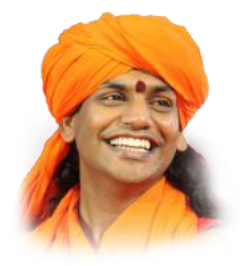
18.3 Some learned men say that all kinds of result-based ac-tivities are faulty and should be given up, but there are yet
other sages who maintain that acts of enriching sacrifice [yajña], charity [dāna] and austerity [tapaḥ] should never be given up.
निश्चयं शृणु मे तत्र त्यागे भरतसत्तम |
त्यागो हि पुरुषव्याघ्र त्रिविधः सम्प्रकीर्तितः ||18.4||
niścayaṁ śṛṇu me tatra tyāge bharatasattama | tyāgo hi puruṣavyāghra trividhaḥ samprakīrtitaḥ || 18.4 Arjuna, best of Bhāratas, now listen from Me certainly about renunciation or tyāga; O tiger among men, renunciation or tyāga is declared to be of three kinds.
यज्ञदानतपःकर्म न त्याज्यं कार्यमेव तत् |
यज्ञो दानं तपश्चैव पावनानि मनीषिणाम् ||18.5||
yajñadānatapaḥ karma na tyājyaṁ kāryameva tat | yajño dānaṁ tapaścaiva pāvanāni manīṣiṇām || 18.5 Acts of enriching sacrifice [tyāga], charity [dāna] and aus-terity [tapaḥ] are not to be given up; they should be performed. Indeed, even the Sages are purified by enriching sacrifice, charity and penance.
एतान्यपि तु कर्माणि सङ्गं त्यक्त्वा फलानि च |
कर्तव्यानीति मे पार्थ निश्चितं मतमुत्तमम् ||18.6||
etānyapi tu karmāṇi saṅgaṁ tyaktvā phalāni ca | kartavyānīti me pārtha niścitaṁ matamuttamam || 18.6 O Pārtha (Arjuna), all these acts of responsibility must also be performed without any expectation of result. That is My final and ultimate opinion.
नियतस्य तु सन्न्यासः कर्मणो नोपपद्यते |
मोहात्तस्य परित्यागस्तामसः परिकीर्तितः ||18.7||
niyatasya tu sannyāsaḥ karmaṇo nopapadyate | mohāttasya parityāgas tāmasaḥ parikīrtitaḥ || 18.7 Prescribed duties should never be renounced. If one gives up his prescribed duties through the illusion of renunciation, this is said to be in the state of ignorance.
दुःखमित्येव यत्कर्म कायक्लेशभयात्त्यजेत् |
स कृत्वा राजसं त्यागं नैव त्यागफलं लभेत् ||18.8||
duḥkhamityeva yat karma kāyakleśabhayāttyajet | sa kṛtvā rājasaṁ tyāgaṁ nai’va tyāgaphalaṁ labhet || 18.8 Anyone who gives up prescribed duties as troublesome, or out of fear, is said to be in the state of aggression, does not benefit from renunciation.
कार्यमित्येव यत्कर्म नियतं क्रियतेऽर्जुन |
सङ्गं त्यक्त्वा फलं चैव स त्यागः सात्त्विको मतः ||18.9||
kāryam ity eva yat karma niyataṁ kriyate’rjuna | saṅgaṁ tyaktvā phalaṁ caiva sa tyāgaḥ sāttviko mataḥ || 18.9 But he who performs what is prescribed, as a matter of duty, without expectation or attachment to the results, his renunciation is of the nature of satva, goodness, O Arjuna.
न द्वेष्ट्यकुशलं कर्म कुशले नानुषज्जते |
त्यागी सत्त्वसमाविष्टो मेधावी छिन्नसंशयः ||18.10||
na dveṣṭyakuśalaṁ karma kuśale nā’nuṣajjate | tyāgī sattvasamāviṣṭo medhāvī chinnasaṁśayaḥ || 18.10 Those who neither hate disagreeable work nor are attached to pleasant work are in a state of intelligence, goodness and renunciation, free of all doubts.
न हि देहभृता शक्यं त्यक्तुं कर्माण्यशेषतः |
यस्तु कर्मफलत्यागी स त्यागीत्यभिधीयते ||18.11||
na hi dehabhṛtā śakyaṁ tyaktuṁ karmāṇyaśeṣataḥ | yastu karma-phala-tyāgī sa tyāgītyabhidhīyate ||
18.11 Human beings cannot give up all activities. Therefore the one who has renounced the fruits of such activity is one who has truly renounced.
अनिष्टमिष्टं मिश्रं च त्रिविधं कर्मणः फलम् |
भवत्यत्यागिनां प्रेत्य न तु सन्न्यासिनां क्वचित् ||18.12||
aniṣṭamiṣṭaṁ miśraṁ ca trividhaṁ karmaṇaḥ phalam | bhavatyatyāgināṁ pretya na tu sannyāsināṁ kvacit || 18.12 For one who is not renounced, the three kinds of fruits of action—desirable, undesirable and mixed—acrue after death, but not to one who has renounced.
पञ्चैतानि महाबाहो कारणानि निबोध मे |
साङ् ख्ये कृतान्ते प्रोक्तानि सिद्धये सर्वकर्मणाम् ||18.13||
pañcai’tāni mahābāho kāraṇāni nibodha me | sāṅkhye kṛtānte proktāni siddhaye sarvakarmaṇām || 18.13,14 Learn from Me Arjuna, the five causes that bring about the accomplishment of all action, as described in Sāṅkhya philosophy. These are: physical body that is the seat of action; the attributes of nature or guṇa, which is the doer; the eleven organs of perception and action by the life forces and finally the Divine.
अधिष्ठानं तथा कर्ता करणं च पृथग्विधम् |
विविधाश्च पृथक्चेष्टा दैवं चैवात्र पञ्चमम् ||18.14||
adhiṣṭhānaṁ tathā kartā karaṇaṁ ca pṛthagvidham | vividhāśca pṛthakceṣṭā daivaṁ caivātra pañcamam || 18.13,14 Learn from Me Arjuna, the five causes that bring about the accomplishment of all action, as described in Sāṅkhya philosophy. These are: physical body that is the seat of action; the attributes of nature or guṇa, which is the doer; the eleven organs of perception and action by the life forces and finally the Divine.
शरीरवाङ्मनोभिर्यत्कर्म प्रारभते नरः |
न्याय्यं वा विपरीतं वा पञ्चैते तस्य हेतवः ||18.15||
śarīra-vāṅ-manobhir yat karma prārabhate naraḥ | nyāyyaṁ vā viparītaṁ vā pañcai ‘te tasya hetavaḥ || 18.15 These five factors are responsible for whatever right or wrong actions a man performs by deed, word and thought.
तत्रैवं सति कर्तारमात्मानं केवलं तु यः |
पश्यत्यकृतबुद्धित्वान्न स पश्यति दुर्मतिः ||18.16||
tatraivam sati kartāram ātmānam kevalam tu yaḥ | paśyatyakṛtabuddhitvān na sa paśyati durmatiḥ || 18.16 Those who think they, their spirit, are the doers, are ignorant and do not see things as they are.
यस्य नाहङ् कृतो भावो बुद्धिर्यस्य न लिप्यते |
हत्वाऽपि स इमाँल्लोकान् न हन्ति न निबध्यते ||18.17||
yasya nāhaṅkṛto bhāvo buddhir yasya na lipyate | hatvā ‘pi sa imāl lokān na hanti na nibadhyate || 18.17 One who is egoless, whose intelligence is not of at-tachment, though he may kill, is not the slayer and is never bound by his actions.
ज्ञानं ज्ञेयं परिज्ञाता त्रिविधा कर्मचोदना |
करणं कर्म कर्तेति त्रिविधः कर्मसंग्रहः ||18.18||
jñānaṁ jñeyaṁ parijñātā trividhā karmacodanā | karaṇaṁ karma karteti trividhaḥ karmasaṁgrahaḥ || 18.18 Knowledge, object of the knowledge and the subject of the knowledge, the knower, are the three factors that stimulate action; the senses, the action and the performer comprise the three components of action.
ज्ञानं कर्म च कर्ता च त्रिधैव गुणभेदतः |
प्रोच्यते गुणसङ्ख्याने यथावच्छृणु तान्यपि ||18.19||
jñānaṁ karma ca kartā ca tridhaiva guṇabhedataḥ | procyate guṇa-saṅkhyāne yathāvac chṛṇu tānyapi || 18.19 According to the science of guṇas, there are three types in knowledge, action, and performers of action. Listen as I describe them.
सर्वभूतेषु येनैकं भावमव्ययमीक्षते |
अविभक्तं विभक्तेषु तज्ज्ञानं विद्धि सात्विकम् ||18.20||
sarvabhūteṣu yenaikaṁ bhāvamavyayamīkṣate | avibhaktaṁ vibhakteṣu taj jñānaṁ viddhi sāttvikam || 18.20 That knowledge by which one imperishable reality is seen in all Existence, undivided in the divided, is knowledge in the state of goodness.
पृथक्त्वेन तु यज्ज्ञानं नानाभावान्पृथग्विधान् |
वेत्ति सर्वेषु भूतेषु तज्ज्ञानं विद्धि राजसम् ||18.21||
pṛthaktvena tu yajjñānaṁ nānābhāvān pṛthagvidhān | vetti sarveṣu bhūteṣu taj jñānaṁ viddhi rājasam || 18.21 The knowledge by which one sees different realities of various types among all beings as separate from one another; such knowledge is in the mode of aggression.
यत्तु कृत्स्नवदेकस्मिन्कार्ये सक्तमहैतुकम् |
अतत्त्वार्थवदल्पं च तत्तामसमुदाहृतम् ||18.22||
yat tu kṛtsnavad ekasmin kārye saktaṁ ahaitukam | atattvārthavadalpaṁ ca tat tāmasamudāhṛtam || 18.22 The irrational, baseless, and worthless knowledge by which one clings to one single effect as if it is everything, such knowledge is in the mode of darkness of ignorance.
नियतं सङ्गरहितमरागद्वेषतः कृतम् |
अफलप्रेप्सुना कर्म यत्तत्सात्विकमुच्यते ||18.23||
niyataṁ saṅgarahitam arāgadveṣataḥ kṛtam | aphala-prepsunā karma yat tat sāttvikamucyate || 18.23 Obligatory duty performed without likes and dislikes and without selfish motives and attachment to the fruit, is in the mode of goodness.
यत्तुकामेप्सुना कर्म साहङ्कारेण वा पुनः |
क्रियते बहुलायासं तद्राजसमुदाहृतम् ||18.24||
yat tu kāmepsunā karma sāhaṅkāreṇa vā punaḥ | kriyate bahulāyāsaṁ tad rājasamudāhṛtam || 18.24 Action performed with ego, with selfish motives, and with too much effort, is in the mode of aggression.
अनुबन्धं क्षयं हिंसामनपेक्ष्य च पौरुषम् |
मोहादारभ्यते कर्म यत्तत्तामसमुच्यते ||18.25||
anubandhaṁ kṣayaṁ hiṁsām anapekṣya ca pauruṣam | mohād ārabhyate karma yat tat tāmasamucyate || 18.25 Action that is undertaken because of delusion, disregard-ing consequences, loss, injury to others, as well as one's own ability, is in the mode of ignorance.
मुक्तसङ्गोऽनहंवादी धृत्युत्साहसमन्वितः |
सिद्ध्यसिद्ध्योर्निर्विकारः कर्ता सात्विक उच्यते ||18.26||
muktasaṅgo'nahaṁvādī dhṛtyutsāhasamanvitaḥ | siddhyasiddhyor nirvikāraḥ kartā sāttvika ucyate || 18.26 The performer who is free from attachment, non-egotis-tic, endowed with resolve and enthusiasm, and unperturbed in success or failure is called sātvika.
रागी कर्मफलप्रेप्सुर्लुब्धो हिंसात्मकोऽशुचिः |
हर्षशोकान्वितः कर्ता राजसः परिकीर्तितः ||18.27||
rāgī karmaphalaprepsur lubdho hiṁsātmako ‘śuciḥ | harṣaśokānvitaḥ kartā rājasaḥ parikīrtitaḥ || 18.27 The performer who is impassioned, who desires the fruits of work, who is greedy, violent, impure, and affected by joy and sorrow, is called aggressive. अयुक्तः प्राकृतः स्तब्धः शठो नैष्कृतिकोऽलसः | विषादी दीर्घसूत्री च कर्ता तामस उच्यते ||18.28|| ayuktaḥ prākṛtaḥ stabdhaḥ śaṭho naiṣkṛtiko ‘lasaḥ | viṣādī dīrghasūtrī ca kartā tāmasa ucyate || 18.28 The performer who is undisciplined, vulgar, stubborn, wicked, malicious, lazy, depressed, and procrastinating is called ignorant or tamasic. बुद्धेर्भेदं धृतेश्चैव गुणतस्त्रिविधं शृणु | प्रोच्यमानमशेषेण पृथक्त्वेन धनञ्जय ||18.29|| buddherbhedaṁ dhṛteś cai ‘va guṇatastrividhaṁ śṛṇu | procyamānamaśeṣeṇa pṛthaktvena dhanañjaya || 18.29 Now hear Me explain, fully and separately, the threefold division of intellect and resolve, based on modes of material Nature, O Dhanañjaya. प्रवृत्तिं च निवृत्तिं च कार्याकार्ये भयाभये | बन्धं मोक्षं च या वेत्तिबुद्धिः सा पार्थ सात्त्विकी ||18.30|| pravṛttiṁ ca nivṛttiṁ ca kāryākārye bhayābhaye | bandhaṁ mokṣaṁ ca yā vetti buddhiḥ sā pārtha sāttvikī || 18.30 O Arjuna, that intellect is in the mode of goodness which understands the path of work and the path of renunciation, right and wrong action, fear and fearlessness, bondage and liberation. यया धर्ममधर्मं च कार्यं चाकार्यमेव च | अयथावत्प्रजानाति बुद्धिः सा पार्थ राजसी ||18.31|| yayā dharmamadharmaṁ ca kāryaṁ cākāryam eva ca | ayathāvat prajānāti buddhiḥ sā pārtha rājasī || 18.31 That intellect is in the mode of passion that cannot dis-tinguish between principles of right conduct and wrong doing, and right and wrong action, O Pārtha (Arjuna). अधर्मं धर्ममिति या मन्यते तमसावृता | सर्वार्थान्विपरीतांश्च बुद्धिः सा पार्थ तामसी ||18.32|| adharmaṁ dharmamiti yā manyate tamasā ’vṛtā | sarvārthānviparītāṁśca buddhiḥ sā pārtha tāmasī || 18.32 That intellect is in the mode of ignorance that accepts unrighteousness as righteousness and thinks everything to be that which it is not, O Pārtha. धृत्या यया धारयते मनःप्राणेन्द्रियक्रियाः | योगेनाव्यभिचारिण्या धृतिः सा पार्थ सात्त्विकी ||18.33|| dhṛtyā yayā dhārayate manaḥ-prāṇendriya-kriyāḥ | yogenāvyabhicāriṇyā dhṛtiḥ sā pārtha sāttvikī || 18.33 Consistent and continuous determination in controlling the mind, breath and senses for uniting with the Divine is goodness, Pārtha. यया तु धर्मकामार्थान्धृत्या धारयतेऽर्जुन | प्रसङ्गेन फलाकाङ् क्षी धृतिः सा पार्थ राजसी ||18.34|| yayā tu dharma kāmārthān dhṛtyā dhārayate ‘rjuna | prasaṅgena phalākāṅkṣī dhṛtiḥ sā pārtha rājasī || 18.34 Craving for results of action while clinging to goals of proper conduct, pleasure and wealth is the state of passion, Arjuna. यया स्वप्नं भयं शोकं विषादं मदमेव च | न विमुञ्चति दुर्मेधा धृतिः सा पार्थ तामसी ||18.35|| yayā svapnaṁ bhayaṁ śokaṁ viṣādaṁ madameva ca | na vimuñcati durmedhā dhṛtiḥ sā pārtha tāmasī ||
18.35 Ignorant resolve which cannot go beyond dreaming, fear, grief, despair and, delusion—such is in darkness, Pārtha.
सुखं त्विदानीं त्रिविधं शृणु मे भरतर्षभ।
अभ्यासाद्रमते यत्र दुःखान्तं च निगच्छति ॥18.36॥
sukhaṁ tvidānīṁ trividhaṁ śṛṇu me bharatarṣabha |
abhyāsād ramate yatra duḥkhāntaṁ ca nigacchati ||
18.36,37 And now hear from Me, O Arjuna, about three kinds
of pleasure. The pleasure that one enjoys from spiritual practice
results in cessation of all sorrows. The pleasure that appears as
poison in the beginning, but is like nectar in the end, comes
by the grace of Self-knowledge and is in the mode of goodness.
यत्तदग्रे विषमिव परिणामेऽमृतोपमम्।
तत्सुखं सात्विकं प्रोक्तमात्मबुद्धिप्रसादजम् ॥18.37॥
yat tad agre viṣam iva pariṇāme ‘mṛtopamam |
tat sukhaṁ sāttvikaṁ proktaṁ ātma-buddhi-prasādajam ||
18.36,37 And now hear from Me, O Arjuna, about three kinds
of pleasure. The pleasure that one enjoys from spiritual practice
results in cessation of all sorrows. The pleasure that appears as
poison in the beginning, but is like nectar in the end, comes
by the grace of Self-knowledge and is in the mode of goodness.
विषयेन्द्रियसंयोगाद्यत्तदग्रेऽमृतोपमम्।
परिणामे विषमिव तत्सुखं राजसं स्मृतम् ॥18.38॥
viṣayendriya-saṁyogadyat tad agre ‘mṛtopamam |
pariṇāme viṣam iva tat sukhaṁ rājasaṁ smṛtam ||
18.38 Sensual pleasures that appear as nectar in the beginning,
but become poison in the end, are in the mode of passion.
यदग्रे चानुबन्धे च सुखं मोहनमात्मनः।
निद्रालस्यप्रमादोत्थं तत्तामसमुदाहृतम् ॥18.39॥
yadagre cānubandhe ca sukhaṁ mohanamātmanaḥ |
nidrālasyapramādotthaṁ tat tāmasamudāhṛtam ||
18.39 Pleasure that is delusion from beginning to end and born
out of sleep, laziness and illusion is said to be of the nature
of ignorance.
न तदस्ति पृथिव्यां वा दिवि देवेषु वा पुनः।
सत्वं प्रकृतिजैर्मुक्तं यदेभिः स्यात्त्रिभिर्गुणैः ॥18.40॥
na tad asti pṛthivyāṁ vā divi deveṣu vā punaḥ |
sattvaṁ prakṛti-jair-muktaṁ yad ebhiḥ syāt tribhirguṇaiḥ ||
18.40 No one, either here or among the celestials in the higher
planetary systems, is free from these three states of material
nature.
ब्राह्मणक्षत्रियविशां शूद्राणां च परन्तप।
कर्माणि प्रविभक्तानि स्वभावप्रभवैर्गुणैः ॥18.41॥
brāhmaṇa-kṣatriya-viśāṁ śūdrāṇāṁ ca parantapa |
karmāṇi pravibhaktāni svabhāva-prabhavair-guṇaiḥ ||
18.41 Brāhmaṇas, kṣatriyas, vaiśyas and śūdras are divided in
the work they do based on their nature, Parantapa (Arjuna).
शमो दमस्तपः शौचं क्षान्तिरार्जवमेव च।
ज्ञानं विज्ञानमास्तिक्यं ब्रह्मकर्म स्वभावजम् ॥18.42॥
śamo damastapaḥ śaucaṁ kṣāntirārjavameva ca |
jñānaṁ vijñānam āstikyaṁ brahmakarma svabhāvajaṁ ||
18.42 The nature of Brāhmaṇa is characterized by their calm-
ness, discipline, austerity, tolerance, honesty, knowledge, wis-
dom and belief in God.
शौर्यं तेजो धृतिर्दाक्ष्यं युद्धे चाप्यपलायनम्।
दानमीश्वरभावश्च क्षात्रं कर्म स्वभावजम् ॥18.43॥
śauryam tejo dhṛtir dākṣyaṁ yuddhe cāpyapalāyanam |
dānamīśvarabhāvaś ca kṣātraṁ karma svabhāvajam ||
18.43 Kṣatriya are characterized by their qualities of heroism, vigor, firmness, dexterity, steadfastness in battle, leadership and generosity.
कृषिगौरक्ष्यवाणिज्यं वैश्यकर्म स्वभावजम् |
परिचर्यात्मकं कर्म शूद्रस्यापि स्वभावजम् ||18.44||
kṛṣi gaurakṣya vāṇijyaṁ vaiśya-karma svabhāvajam | paricaryātmakaṁ karma śūdrasyā api śvabhāvajam || 18.44 Those who are good at cultivation, cattle rearing, and trade are known as Vaiśya. Those who are very good in service are classed as śūdra.
स्वे स्वे कर्मण्यभिरतः संसिद्धिं लभते नरः |
स्वकर्मनिरतः सिद्धिं यथा विन्दति तच्छृणु ||18.45||
sve sve karmaṇy abhirataḥ saṁsiddhiṁ labhate naraḥ | svakarmanirataḥ siddhiṁ yathā vindati tacchṛṇu || 18.45 One can attain the highest perfection by devotion to one's natural work. Listen to Me how one attains perfection while engaged in one's natural work.
यत: प्रवृत्तिर्भूतानां येन सर्वमिदं ततम् |
स्वकर्मणा तमभ्यर्च्य सिद्धिं विन्दति मानवः ||18.46||
yataḥ pravṛttirbhūtānāṁ yena sarvamidaṁ tatam | svakarmaṇā tamabhyarcya siddhiṁ vindati mānavaḥ || 18.46 One attains perfection by worshipping the supreme Being from whom all beings originate and by whom all this universe is pervaded through performance of one's natural duty for Him.
श्रेयान्स्वधर्मो विगुणः परधर्मात्स्वनुष्ठितात् |
स्वभावनियतं कर्म कुर्वन्नाप्नोति किल्बिषम् ||18.47||
śreyān svadharmo viguṇaḥ paradharmāt svanuṣṭhitāt | svabhāva-niyataṁ karma kurvannāpnoti kilbiṣam || 18.47 It is better to engage in one's rightful conduct [svadharma], even though one may not perform it to perfection, rather than to accept another's conduct and perform it perfectly. Responsibility prescribed according to one's nature, are never affected by sinful reactions.
सहजं कर्म कौन्तेय सदोषमपि न त्यजेत् |
सर्वारम्भा हि दोषेण धूमेनाग्निरिवावृताः ||18.48||
sahajaṁ karma kaunteya sadoṣamapi na tyajet | sarvārambhā hi doṣeṇa dhūmenā gnirivā vṛtāḥ || 18.48 Every work has some defect, just as fire is covered by smoke. One should not give up the work that is born of his own nature, even if such work is full of fault, O Kaunteya (Arjuna).
असक्तबुद्धिः सर्वत्र जितात्मा विगतस्पृहः |
नैष्कर्म्यसिद्धिं परमां सन्न्यासेनाधिगच्छति ||18.49||
asaktabuddhiḥ sarvatra jitātmā vigataspṛhaḥ | naiṣkarmyasiddhiṁ paramāṁ sannyāsenādhigacchati || 18.49 One whose intelligence is always free from selfish attachment, who has controlled the mind and who is free from desires, by practicing renunciation [sannyāsa], attains the ultimate state of perfection of selfless work or actionlessness [naiṣkarma siddhi].
सिद्धिं प्राप्तो यथा ब्रह्म तथाप्नोति निबोध मे |
समासेनैव कौन्तेय निष्ठा ज्ञानस्य या परा ||18.50||
siddhiṁ prāpto yathā brahma tathāpnoti nibodha me | samāsenaiva kaunteya niṣṭhā jñānasya yā parā || 18.50 Understand from Me, how one who has achieved this perfection, can attain the Supreme state of Truth, Brahman, by acting in the way I shall now summarize, Kaunteya.
बुद्ध्या विशुद्धया युक्तो धृत्यात्मानं नियम्य च |
शब्दादीन्विषयांस्त्यक्त्वा रागद्वेषौ व्युदस्य च ||18.51||
buddhyā viśuddhāyā yukto dhṛtyātmānaṁ niyamya ca | śabdādīnviṣayāṁstyaktvā rāgadveṣau vyudasya ca || 18.51,52,53 Endowed with purified intellect; subduing the mind with firm resolve; turning away from the objects of senses; giving up likes and dislikes; living in solitude; eating lightly; controlling the mind, speech, and organs of action; ever absorbed in meditation; taking refuge in detachment; and relinquishing egotism, violence, pride, lust, anger, and proprietorship, one becomes peaceful, free from the notion of “I” and “mine”, and fit for attaining oneness with the Supreme Being.
विविक्तसेवी लघ्वाशी यतवाक्कायमानसः |
ध्यानयोगपरो नित्यं वैराग्यं समुपाश्रितः ||18.52||
viviktasevī laghvāśī yat-avāk-kāyamānasaḥ | dhyāna-yoga-paro nityaṁ vairāgyaṁ samupāśritaḥ || 18.51,52,53 Endowed with purified intellect; subduing the mind with firm resolve; turning away from the objects of senses; giving up likes and dislikes; living in solitude; eating lightly; controlling the mind, speech, and organs of action; ever absorbed in meditation; taking refuge in detachment; and relinquishing egotism, violence, pride, lust, anger, and proprietorship, one becomes peaceful, free from the notion of “I” and “mine”, and fit for attaining oneness with the Supreme Being.
अहङ्कारं बलं दर्पं कामं क्रोधं परिग्रहम् |
विमुच्य निर्ममः शान्तो ब्रह्मभूयाय कल्पते ||18.53||
ahaṁkāraṁ balaṁ darpaṁ kāmaṁ krodhaṁ parigraham | vimucya nirmamaḥ śānto brahmabhūyāya kalpate || 18.51,52,53 Endowed with purified intellect; subduing the mind with firm resolve; turning away from the objects of senses; giving up likes and dislikes; living in solitude; eating lightly; controlling the mind, speech, and organs of action; ever absorbed in meditation; taking refuge in detachment; and relinquishing egotism, violence, pride, lust, anger, and proprietorship, one becomes peaceful, free from the notion of “I” and “mine”, and fit for attaining oneness with the Supreme Being.
ब्रह्मभूतः प्रसन्नात्मा न शोचति न काङ् क्षति |
समः सर्वेषु भूतेषु मद्भक्तिं लभते पराम् ||18.54||
brahmabhūtaḥ prasannātmā na śocati na kāṅkṣati | samaḥ sarveṣu bhūteṣu madbhaktiṁ labhate parāṁ || 18.54 Absorbed in the supreme Being, the serene one neither grieves nor desires. Becoming impartial to all beings, one ob-tains My highest devotional love.
भक्त्या मामभिजानाति यावान्यश्चास्मि तत्वतः |
ततो मां तत्वतो ज्ञात्वा विशते तदनन्तरम् ||18.55||
bhaktyā mām abhijānāti yāvān yaścāsmi tattvataḥ | tato māṁ tattvato jñātvā viśate tad-anantaram || 18.55 By devotion one truly understands what and who I am in essence. Having known Me in essence, one immediately merges with Me.
सर्वकर्माण्यपि सदा कुर्वाणो मव्यपाश्रयः |
मत्प्रसादादवाप्नोति शाश्वतं पदमव्ययम् ||18.56||
sarvakarmāṇy api sadā kurvāṇo madvyapāśrayaḥ | mat-prasādād avāpnoti śāśvataṁ padamavyayam || 18.56 My devotee occupied in everyday life still reaches under My protection the imperishable ultimate abode through my mercy, through devotion to Me.
चेतसा सर्वकर्माणि मयि सन्न्यस्य मत्परः |
बुद्धियोगमुपाश्रित्य मच्चित्तः सततं भव ||18.57||
cetasā sarvakarmāṇi mayi sannyasya matparaḥ | buddhiyogam upāśritya maccittaḥ satataṁ bhava || 18.57 While being engaged in activities just depend upon Me, and being fully conscious of Me, work always under My protection.
मच्चित्तः सर्वदुर्गाणि मत्प्रसादात्तरिष्यसि |
अथ चेत्त्वमहङ्कारान्न श्रोष्यसि विनङ्क्ष्यसि ||18.58||
maccittaḥ sarvadurgāṇi matprasādāt tariṣyasi | atha cet tvam ahaṅkārān na śroṣyasi vinaṅkṣyasi || 18.58 When your mind becomes fixed on Me, you shall overcome all difficulties by My grace. But if you do not listen to Me due to ego, you shall perish.
यदहङ्कारमाश्रित्य न योत्स्य इति मन्यसे |
मिथ्यैष व्यवसायस्ते प्रकृतिस्त्वां नियोक्ष्यति ||18.59||
yad ahaṅkāram āśritya na yotsya iti manyase | mithyaiṣa vyavasāyas te prakṛtis tvāṁ niyokṣyati || 18.59 If due to ego you think: 'I shall not fight,' your resolve is useless, and your own nature will compel you.
स्वभावजेन कौन्तेय निबद्धः स्वेन कर्मणा |
कर्तुं नेच्छसि यन्मोहात्करिष्यस्यवशोऽपि तत् ||18.60||
svabhāvajena kaunteya nibaddhaḥ svena karmaṇā | kartuṁ necchasi yan mohāt kariṣyasyavaśo 'pi tat || 18.60 O Kaunteya, you are controlled by your own natural conditioning. Therefore, you shall do even against your will, what you do not wish to do out of delusion.
ईश्वरः सर्वभूतानां हृद्देशेऽर्जुन तिष्ठति |
भ्रामयन्सर्वभूतानि यन्त्रारूढानि मायया ||18.61||
īśvaraḥ sarvabhūtānāṁ hṛddeśe ‘rjuna tiṣṭhati | bhrāmayan sarvabhūtāni yantrārūḍhāni māyayā || 18.61 The Supreme Lord resides in everyone’s heart, O Arjuna, and is directing the activities of all living entities who are acting as machines under the illusion of the material world.
तमेव शरणं गच्छ सर्वभावेन भारत |
तत्प्रसादात्परां शान्तिं स्थानं प्राप्स्यसि शाश्वतम् ||18.62||
tameva śaraṇaṁ gaccha sarvabhāvena bhārata | tatprasādātparāṁ śāntiṁ sthānaṁ prāpsyasi śāśvatam || 18.62 Surrender to Him completely with all your being. By His grace you will attain supreme peace and the eternal abode.
इति ते ज्ञानमाख्यातं गुह्याद्गुह्यतरं मया |
विमृश्यैतदशेषेण यथेच्छसि तथा कुरु ||18.63||
iti te jñānamākhyātaṁ guhyād guhyataraṁ mayā | vimṛśyai tadaśeṣeṇa yathecchasi tathā kuru || 18.63 I have explained the knowledge that is the secret of secrets. After fully reflecting on this, do as you wish.
सर्वगुह्यतमं भूयः शृणु मे परमं वचः |
इष्टोऽसि मे दृढमिति ततो वक्ष्यामि ते हितम् ||18.64||
sarva-guhyatamaṁ bhūyaḥ śṛṇu me paramaṁ vacaḥ | iṣṭo ‘si me dṛḍhamiti tato vakṣyāmi te hitam || 18.64 Because you are My dear friend, I express this truth to you. This is the most confidential of all knowledge. Hear this from Me. It is for your benefit.
मन्मना भव मद्भक्तो मद्याजी मां नमस्कुरु |
मामेवैष्यसि सत्यं ते प्रतिजाने प्रियोऽसि मे ||18.65||
manmanā bhava madbhakto madyājī māṁ namaskuru | māmevaiṣyasi satyaṁ te pratijāne priyo ‘si me ||
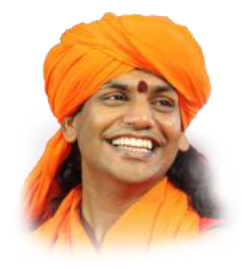
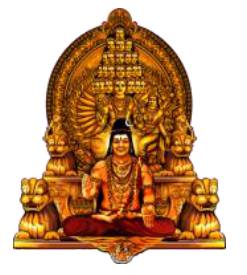
18.65 Always think of Me and become My devotee. Worship Me and offer your homage unto Me. Thus you will certainly attain to Me. This I promise you because you are My very dear friend.
सर्वधर्मान्परित्यज्य मामेकं शरणं व्रज।
अहं त्वां सर्वपापेभ्यो मोक्षयिष्यामि मा शुचः ॥18.66॥
sarvadharmān parityajya mām ekaṁ śaraṇaṁ vraja | ahaṁ tvāṁ sarvapāpebhyo mokṣayiṣyāmi mā śucaḥ || 18.66 Abandon all principles and concepts of right conduct and simply surrender unto Me. I shall deliver you from all sinful reaction. Have no worry.
इदं ते नातपस्काय नाभक्ताय कदाचन।
न चाशुश्रूषवे वाच्यं न च मां योऽभ्यसूयति ॥18.67॥
idaṁ te nā ‘tapaskāya nā ‘bhaktāya kadācana | na cā ‘śuśrūṣave vācyaṁ na ca māṁ yo ‘bhyasūyati || 18.67 This knowledge should never be spoken by you to one who is devoid of austerity, who is without devotion, who does not desire to listen, or who speaks ill of Me.
य इदं परमं गुह्यं मद्भक्तेष्वभिधास्यति।
भक्तिं मयि परां कृत्वा मामेवैष्यत्यसंशयः ॥18.68॥
ya idaṁ paramaṁ guhyaṁ mad-bhakteṣv abhidhāsyati | bhaktiṁ mayi parāṁ kṛtvā mām evaiṣyaty asaṁśayaḥ || 18.68 One who communicates the supreme secret to the devotees performs the highest devotional service to Me, and at the end he will without doubt, come back to Me.
न च तस्मान्मनुष्येषु कश्चिन्मे प्रियकृत्तमः।
भविता न च मे तस्मादन्यः प्रियतरो भुवि ॥18.69॥
na ca tasmān manuṣyeṣu kaścin me priya kṛttamaḥ | bhavitā na ca me tasmād anyaḥ priyataro bhuvi || 18.69 No other person shall do a more pleasing service to Me, and no one on the earth shall be more dear to Me.
अध्येष्यते च य इमं धर्म्यं संवादमावयोः।
ज्ञानयज्ञेन तेनाहमिष्टः स्यामिति मे मतिः ॥18.70॥
adhyeṣyate ca ya imaṁ dharmyaṁ saṁvādamāvayoḥ | jñānayajñena tenāham iṣṭaḥ syāmiti me matiḥ || 18.70 I declare that One who studies this sacred dialogue worships Me by sacrifice of his intelligence.
श्रद्धावाननसूयश्च शृणुयादपि यो नरः।
सोऽपि मुक्तः शुभाँल्लोकान्प्राप्नुयात्पुण्यकर्मणाम् ॥18.71॥
śraddhāvānanasūyaś ca śṛṇuyādapi yo naraḥ | so ‘pi muktaḥ śubhāṁl lokān prāpnuyāt puṇyakarmaṇām || 18.71 One who listens with faith and without envy becomes free from sinful reactions and attains to the planets where those of merit dwell.
कच्चिदेतच्छ्रुतं पार्थ त्वयैकाग्रेण चेतसा।
कच्चिदज्ञानसम्मोहः प्रनष्टस्ते धनञ्जय ॥18.72॥
kaccid etac chrutaṁ pārtha tvayaikāgreṇa cetasā | kaccid ajñāna-saṁmohaḥ pranaṣṭaste dhanañjaya || 18.72 O Pārtha, did you listen to this with single-minded attention? Has your delusion born of ignorance been completely destroyed, Dhanañjaya?
अर्जुन उवाच |
नष्टो मोहः स्मृतिर्लब्धा त्वत्प्रसादान्मयाच्युत।
स्थितोऽस्मि गतसन्देहः करिष्ये वचनं तव ॥18.73॥
Arjuna uvāca | naṣṭo mohaḥ smṛtirlabdhā tvat-prasādān mayā’cyuta | sthito ‘smi gata-sandehaḥ kariṣye vacanaṁ tava ||
18.73 Arjuna says: O dear Acyuta (infallible lord), my illusion is now gone. I have regained my memory by Your Grace, and I am now firm and free from doubt, and ready to act as per your instructions. सञ्जय उवाच |
इत्यहं वासुदेवस्य पार्थस्य च महात्मनः |
संवादमिममश्रौषमद्भुतं रोमहर्षणम् ||18.74||
sañjaya uvāca | ityahaṁ vāsudevasya pārthasya ca mahātmanaḥ | saṁvādam imam aśrauṣam adbhutaṁ roma-harṣaṇam || 18.74 Sañjaya said: Thus have I heard the conversation of two great souls, Kṛṣṇa and Arjuna. And so wonderful is that message that my hair stands on end.
व्यासप्रसादाच्छ्रुतवानेतद्गुह्यमहं परम् |
योगं योगेश्वरात्कृष्णात्साक्षात्कथयतः स्वयम् ||18.75||
vyasā-prasādāc chrutavān etad guhyam ahaṁ param | yogaṁ yogeśvarāt kṛṣṇāt sākṣāt kathayataḥ svayam || 18.75 By the mercy of Vyāsa, I have heard these most confidential words directly from Kṛṣṇa, the master of all mysticism, who was speaking personally to Arjuna.
राजन्संस्मृत्य संस्मृत्य संवादमिममद्भुतम् |
केशवार्जुनयोः पुण्यं हृष्यामि च मुहुर्मुहुः ||18.76||
rājan saṁsmṛtya-saṁsmṛtya saṁvādaṁ imam adbhutam | keśavārjunayoḥ puṇyaṁ hṛṣyāmi ca muhur-muhuḥ || 18.76 O King, as I repeatedly recall this wondrous and holy dialogue between Keśava (Kṛṣṇa) and Arjuna, I take pleasure, being thrilled at every moment.
तच्च संस्मृत्य संस्मृत्य रूपमत्यद्भुतं हरेः |
विस्मयो मे महान्राजन्हृष्यामि च पुनः पुनः |18.77||
tacca saṁsmṛtya-saṁsmṛtya rūpam atyadbhutaṁ hareḥ | vismayo me mahān rājan hṛṣyāmi ca punaḥ-punaḥ || 18.77 O King, when I remember the wonderful form of Lord Kṛṣṇa, I am struck with even greater wonder, and I rejoice again and again.
यत्र योगेश्वरः कृष्णो यत्र पार्थो धनुर्धरः |
तत्र श्रीर्विजयो भूतिर्ध्रुवा नीतिर्मतिर्मम ||18.78||
yatra yogeśvaraḥ kṛṣṇo yatra pārtho dhanurdharaḥ | tatra śrīrvijayo bhūtir dhruvā nītirmatirmama || 18.78 Wherever there is Yogeśvara Kṛṣṇa, the Master of all mystics, and wherever there is Pārtha, the supreme carrier of bow and arrow, there will certainly be opulence, victory, extraordinary power, and morality. That is my opinion.
Ebook ISBN; 979-8-88572-156-1