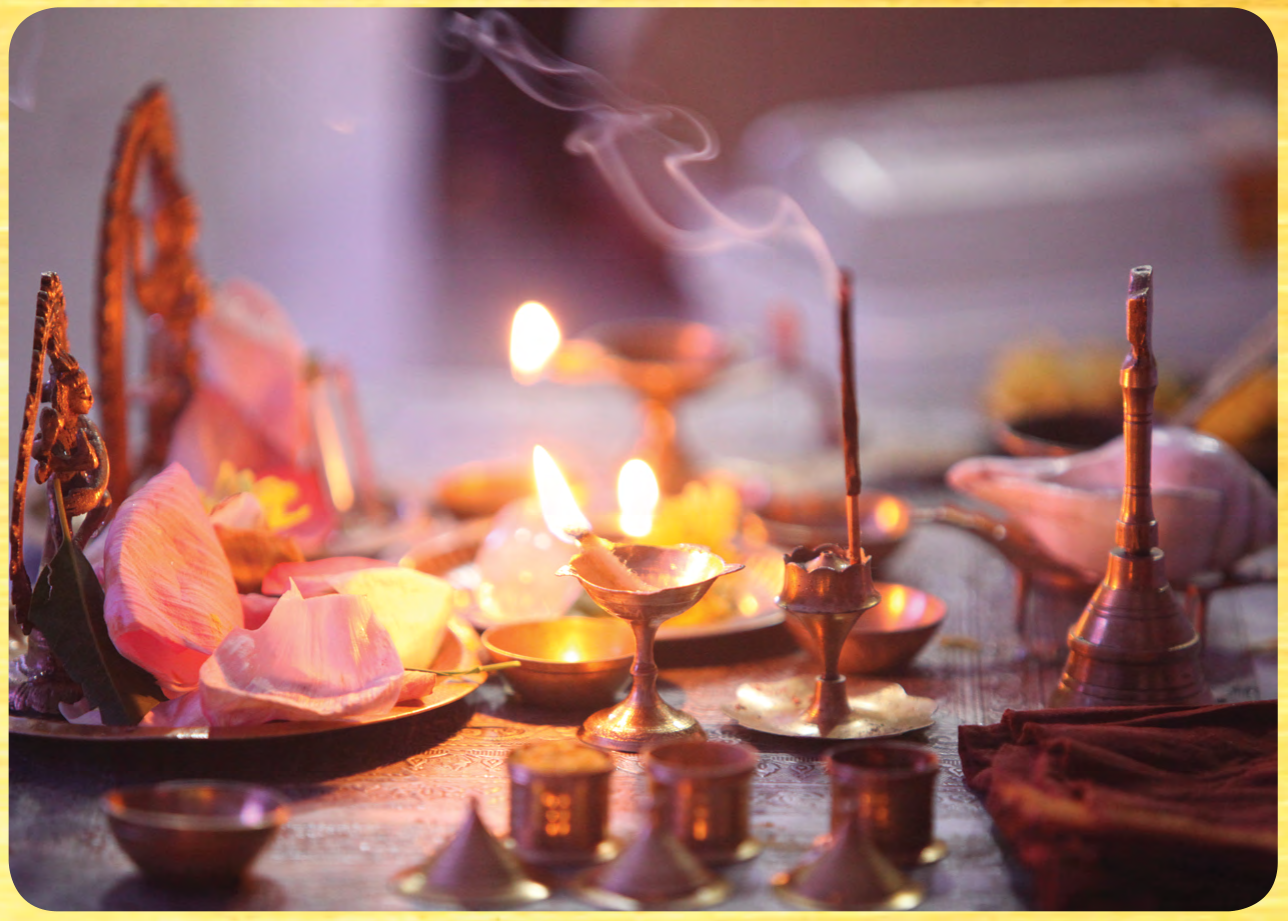
What are the origins of Shiva Puja?
This text was machine-transcribed from the printed book and may contain errors. Select the words and choose “Report a mistake”.
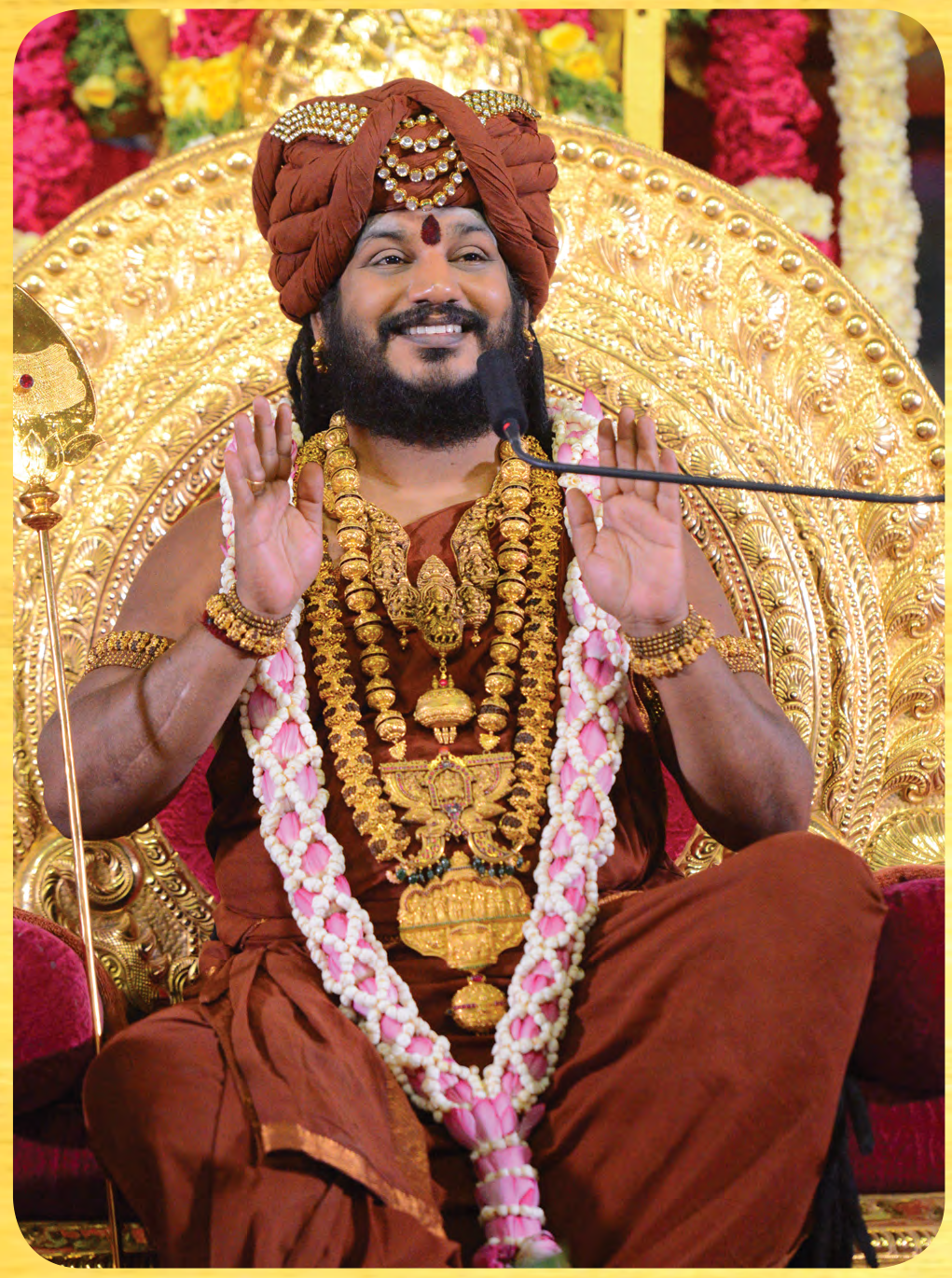
The origins of the Shiva puja goes back to Srikantha Deva, the Incarnation of Sadashiva teaching the great Agama known as Srimad Kamika Agama to Uma Devi, and His enlightened disciples. In the Srimad Kamika Agama, Purva Pada, Archana Vidhi Patalah, Sadashiva gives clear instructions on how daily puja should be done for Him. By ritualistically doing the Shiva Puja with integrity to Sadashiva and Guru, as ordained by Sadashiva, we allow our highest self - SADASHIVA – to express and celebrate Its own Existence through us.
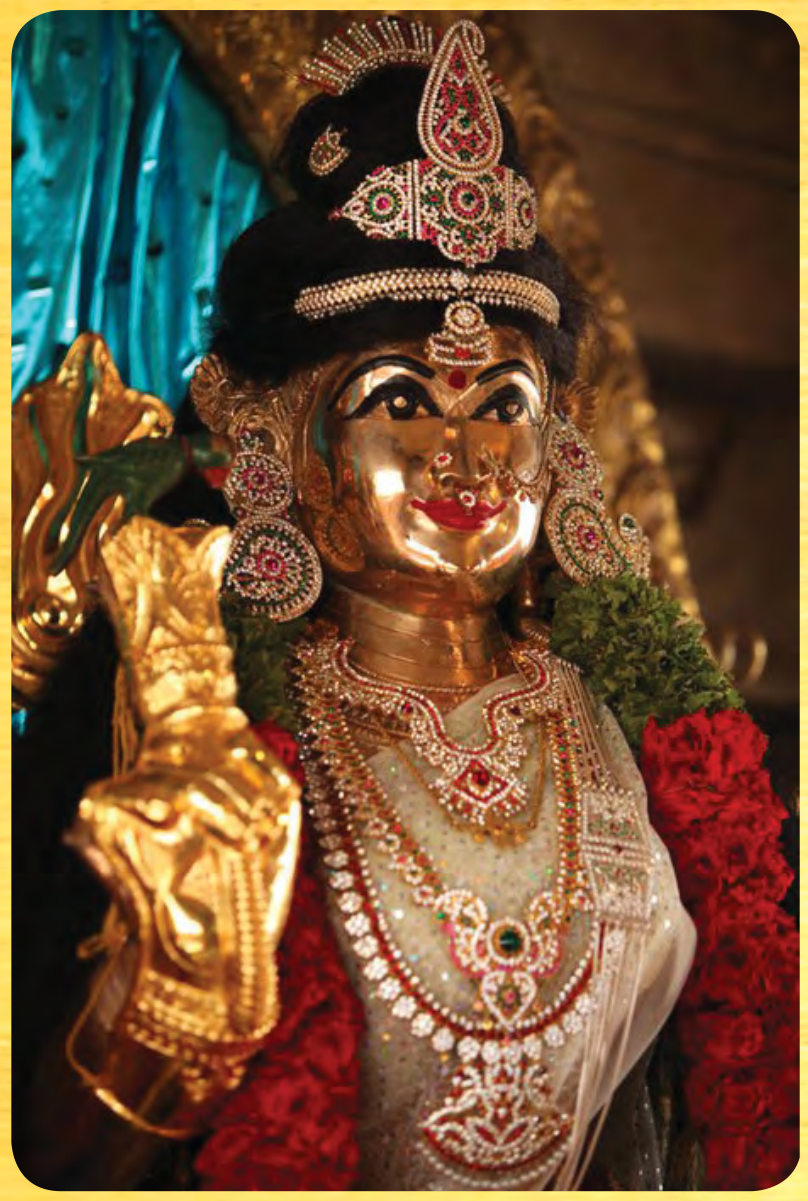
Why worship Adishakti?
The Shiva Puja is offered to Nithyanandeshwara Sadashiva and Nithyanandeshwari Adishakti. The mantras in the puja include both the deities: sri nithyanandeshwari adishakti sameta sri nithyanandeshwara sadashivaya
“On anything you put your Time–Life energy, that will reveal its secrets to you. That is what I called Bhāva Samādhi. Put your time, life, energy on AdiShakti, Sri Vidya, She will reveal Her secrets, how She is running this Cosmos, how She is running this Māyā, how She is running this whole Brahmānda, Bhuvana (Universe, Galaxies).” ~ Paramahamsa Nithyananda
guidelinεş for puja, thε şacrεd worşhìp rìtual
Important note and safety: Please ensure the puja is conducted in a fire safe environment. Your safety is your responsibility. Please ensure children are at a safe distance or under active supervision of elders. Do not use any inflammable materials during the puja other than those prescribed and in the way it has been prescribed.
Do follow these simple guidelines with integrity to experience your highest space and gain spiritual benefits of performing he Sri Guru Puja and Sri Shiva Puja.
Preparations
Even while preparing for the Puja, the sacred worship, you are actually doing the Puja itself. As you prepare, by collecting the sacred offerings of flowers, leaves, food-offerings, etc. and set your puja kit – you begin to soak yourself in the smarana, pure remembrance of the Divine, and are ready to offer your own self onto the Divine.
Before being seated for the puja, the devotee must do the following inner and outer preparations:
• Purity of body – Ensure that you have completed all bodily nature calls before, and taken bath and cleansed the body, and worn fresh, clean clothes.
• Purity of mind – Carry a pleasant and celebrative space, hold yourself in the highest space of completion, and invoke your sacred memories of your beloved Guru and Sadashiva-Adishakti.
- Clothing, Personal Attire, Divine Marks: * Male devotees should be in traditional Hindu wear - dhoti, yogavastram worn around the waist covering the navel, without an upper cloth; female devotees should be in traditional Hindu wear, Sari. * Men and women with long hair should tie the hair, such that the ends are tucked in. * Apply the kumkum on the third eye, wearing the sacred rudraksha, etc, applying the tripundri or three-lined sacred ash on 5 places on the body - the forehead, right forearms, left forearm, heart, navel, or 8, 16, 32 places as prescribed on the Agamas. * Your Exclusive Time with the Divine - Remember that this sacred Puja ritual is your direct, exclusive, personal time with the Divine – Sri Guru, Sadashiva-Adishakti. Get ready to connect and receive their Prasada, loving grace flowing in you.
- Naivedyam, the offered food and water become Prasada, when offered with love and devotion to the Lord, which should be blissfully partaken and shared. Please ensure consuming prasada from a separate vessel or in the kara-paatram (our hands as a bowl). All the puja vessels are for the deities only.
pūjā seating and setup
Be seated in ardha padmāsana, half lotus posture or sukhasana, relaxed posture on Asanam, the sacred seat made of dharba straw.
• Keep all the puja offerings ready. Please remember to offer the best, pure offerings to the Divine.
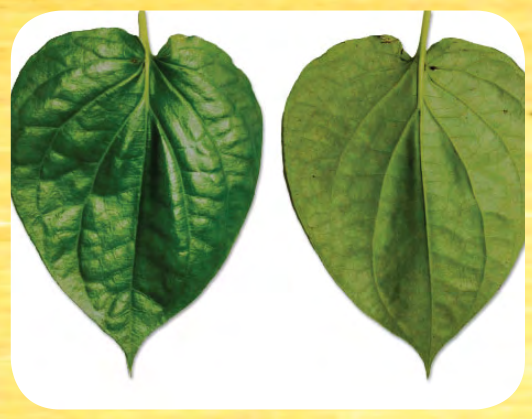
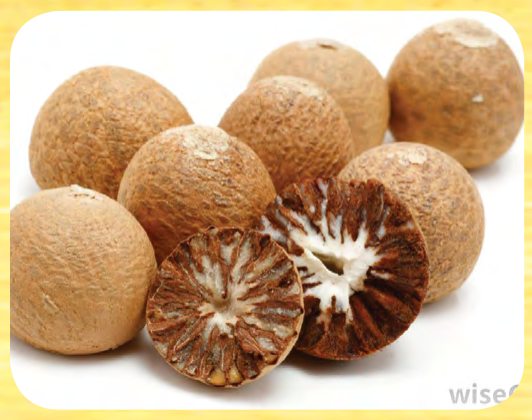
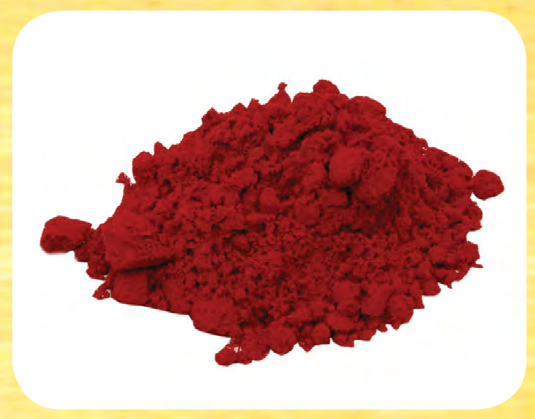
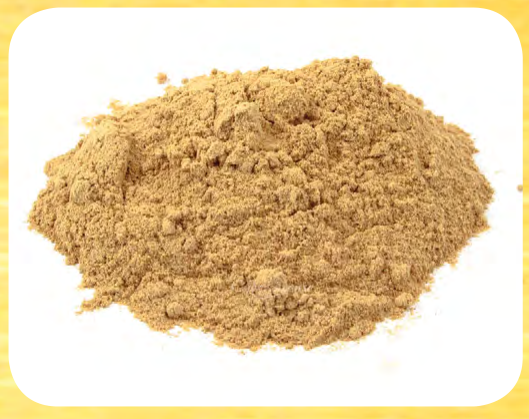
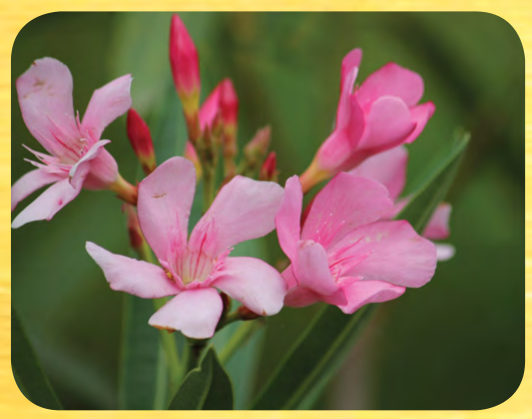
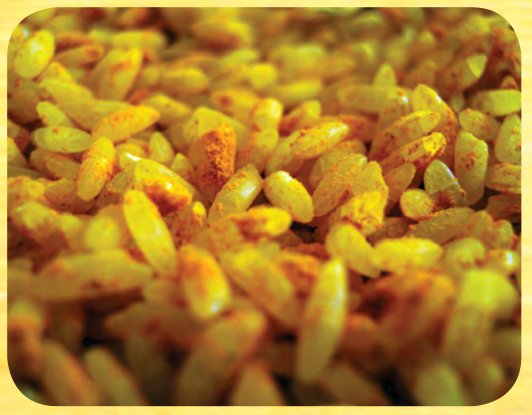
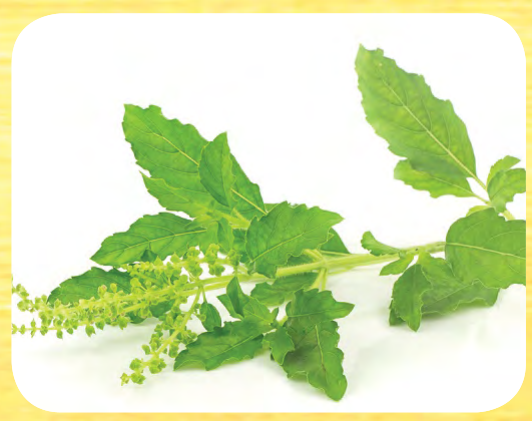
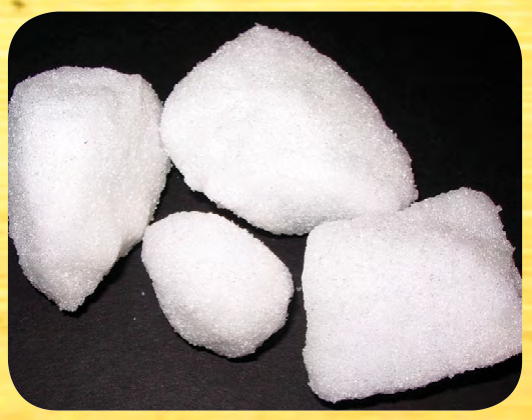
• 40 flowers, tulasi, 3 bilva leaves, 1 abharanam (jewelry), 1 vastram (clothing), akshata (turmeric mixed rice), kumkum, 2 tablets of karpura, chandana, naivedyam (offering of food), tambulam - betel leafs (2, 4 or above in even numbers) and betel nut, madhuparka (milk mixed with honey/jaggery and ghee), and pure drinking water.
| Bilva leaves | Betel leaves | Betel Nut | Kumkum | Chandana |
|---|---|---|---|---|

|
|
|
|
| | Pushpam, Flowers | Akshata, Turmeric Rice | Abharanam, Ornament | Tulasi Leaves | Karpura, Camphor | |
|
|
|
|
|
Arghya, Traditional Bouquet Preparation
Please prepare the arghya for Sri Guru Puja as follows – keep a blade of druva grass (fresh grass blade) with a bilva leaf, a flower and a rice pellet – all kept on conch filled with pure water.
The following can be offered as Naivedyam:
• Organic, freshly cooked, untasted rice • Uncut fresh juicy fruits or dry fruits or nuts or sugar-candy (Kalkandu)
The following should not be offered as Naivedyam:
* Pre-cooked or packaged food * Non-vegetarian food, including mushrooms. * Non-sattvik food - any food containing yeast, onion, garlic, green chillis * Any food with GMOs.
• Please light the deepa (cotton wick in ghee or sesame oil) and dhupa, keep it ready. • Position the Guru Paduka and the Siva Linga facing the east direction. The devotee must sit facing the North.
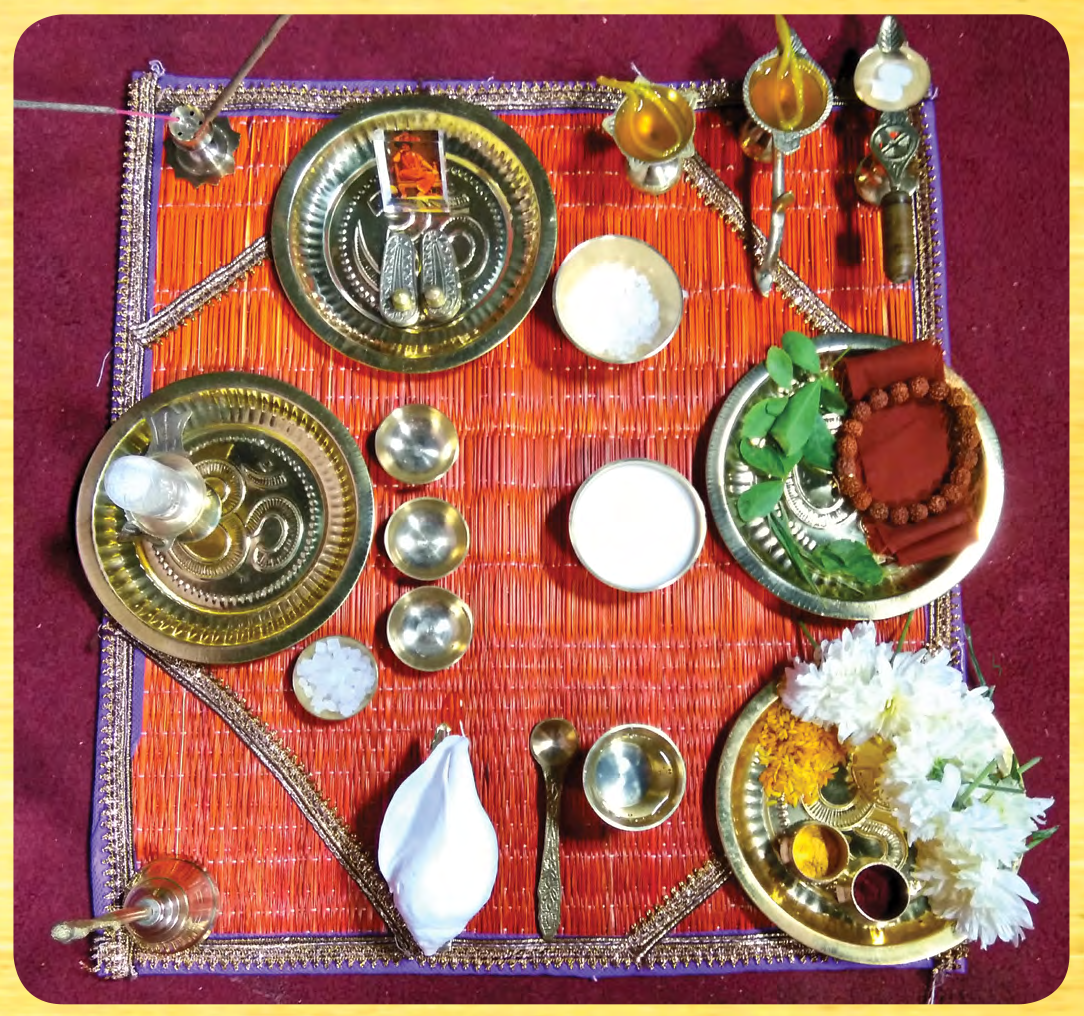
Please ensure that all the puja utensils are clean and arrange them along with the offering as shown in pictures below.
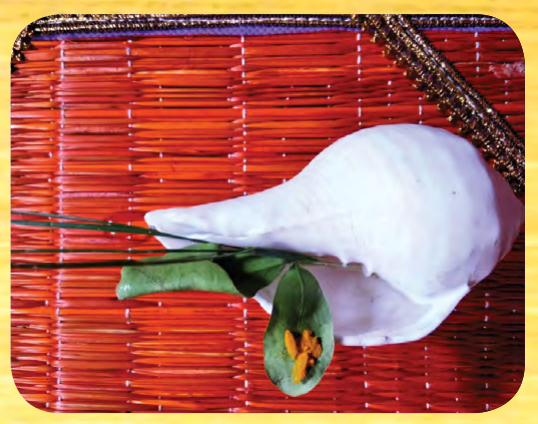
Arghya
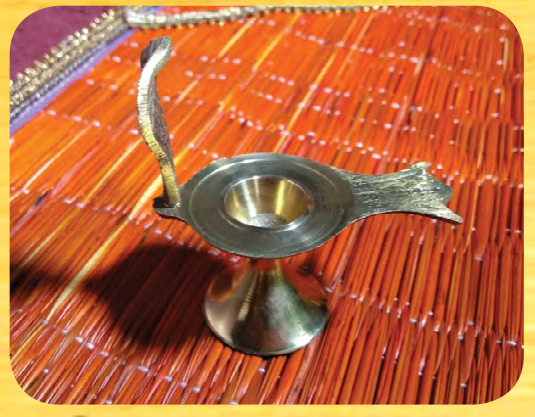
Adharashakti (Yoni Peetham)
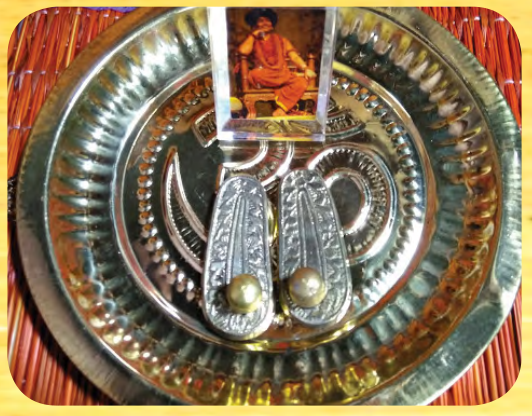
Guru Paduka, Atma Murti
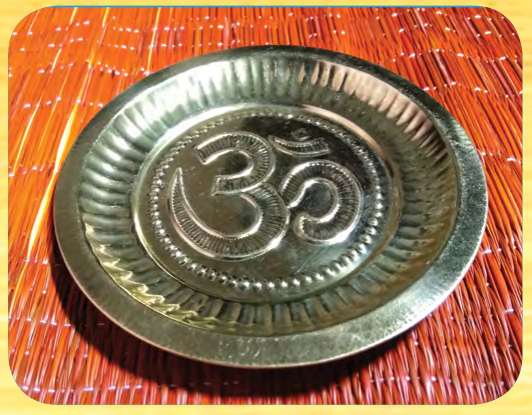
Two puja plates
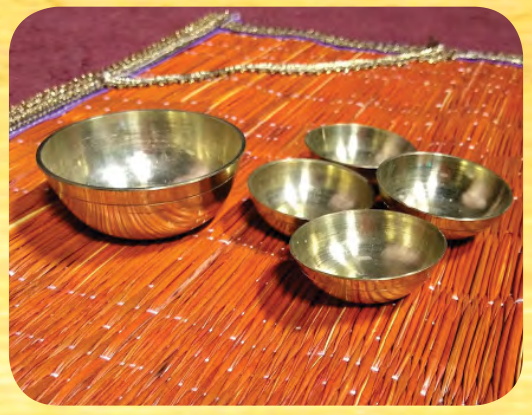
Patrams (bowls) for
Padya, Arghya,
Achamana & Naivedhya
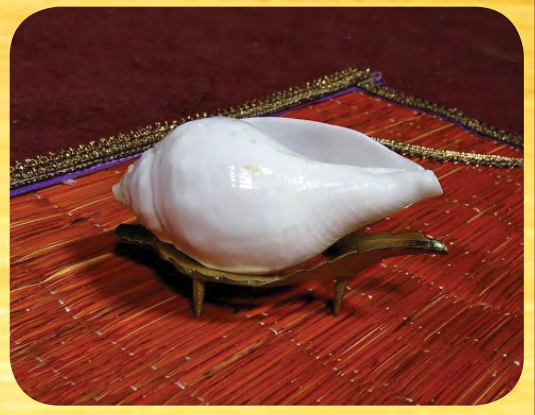
Conch Shell and stand
for Sri Guru Puja
Arghya
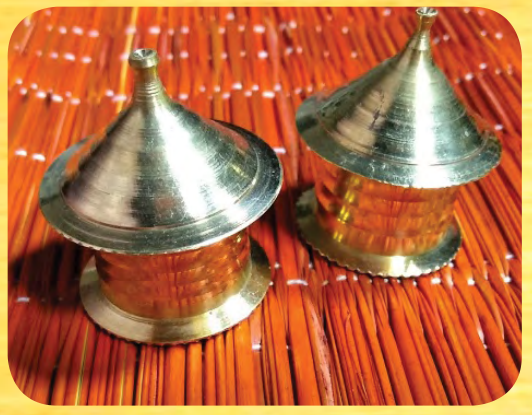
Kumkum and Chandanam Patrams
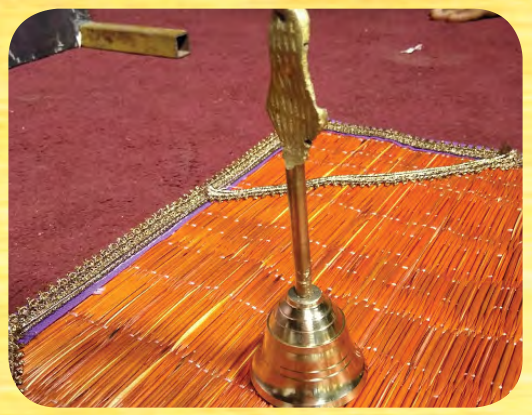
Ghanta-Bell
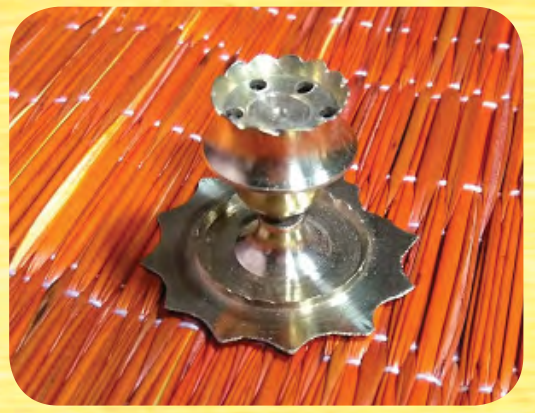
Dhupa Patram Insence Stand
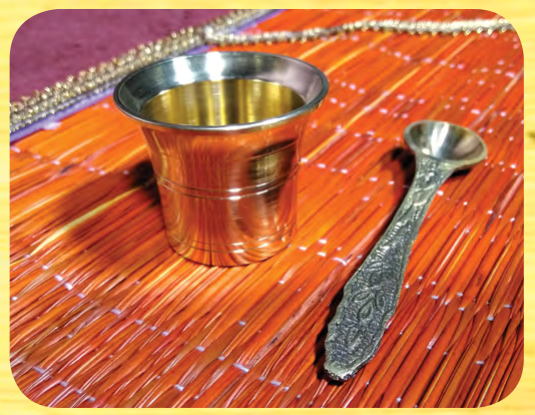
Pancha Patram and Uddarani (spoon)
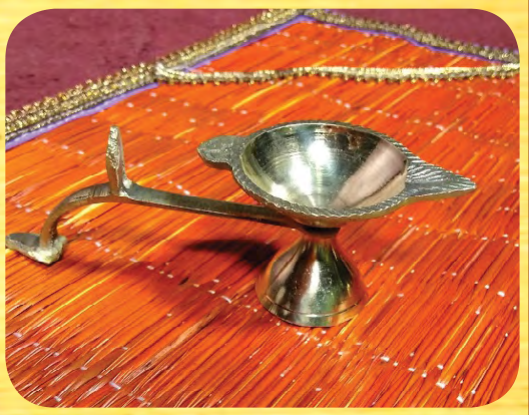
Deepa Lamp
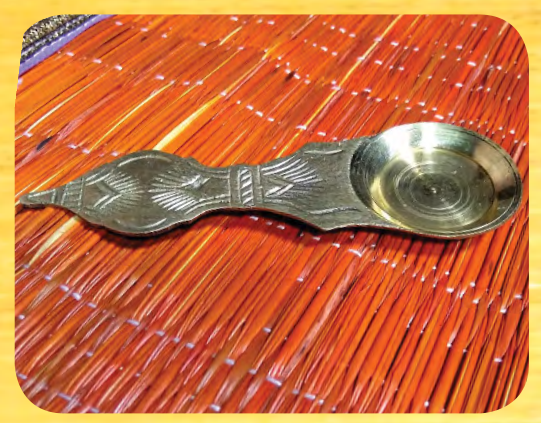
Karpura Aarati Lamp
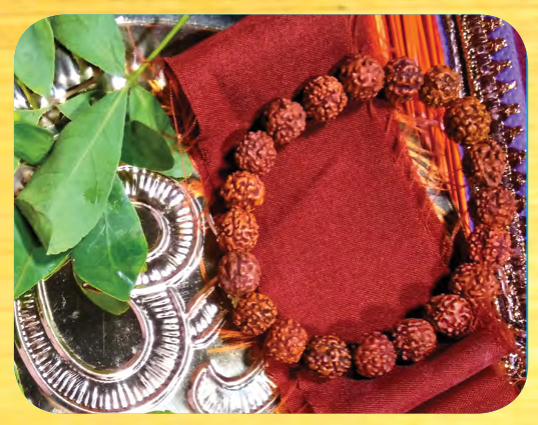
Vastram - Cloth
The Setup: Arrangement of the various vessels, Guru Paaduka, Atma Linga and the offerings should follow the illustrations shown.
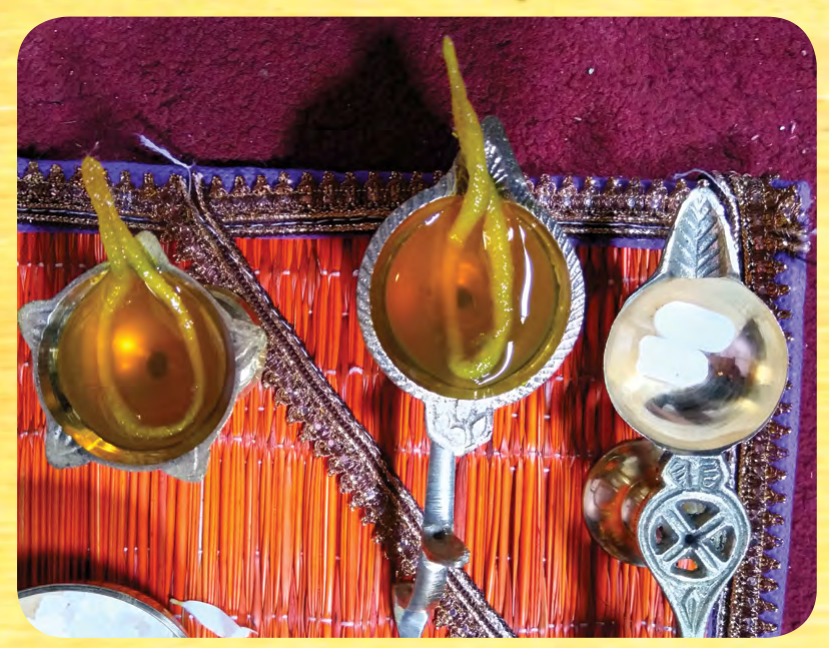
Jyotika Lamp
One should sit in the south facing the north direction, keeping the Puja set in front of you like the picture above.
North
West
East
South - be seated here
॥ Nithyanandam ॥
declaration
Before we begin the Sri Guru Puja and Shiva Puja today, we request all the Puja participants and everyone participating in this Puja, physically here and online, to declare the following with integrity and authenticity. If you are agree to this, please say “Yes” loudly:
- I authentically cognize, which is internally process, understand and declare the truth that Cosmic Energy exists.
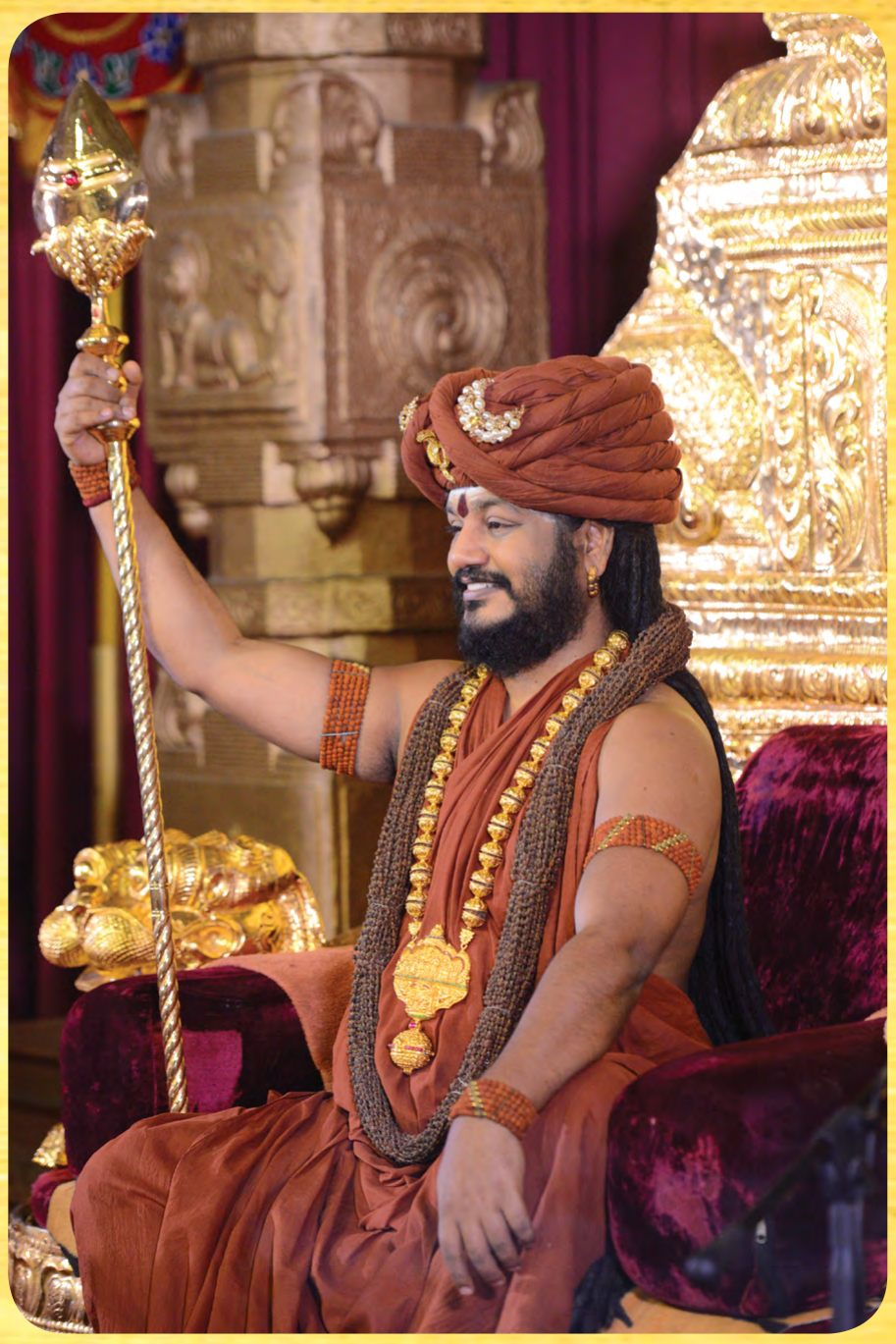
- I authentically cognize, which is internally process, understand and declare the truth that Swamiji, Nithyanandeshwwara Sadashiva and Nithyanandeshwari Adishakti – Guru Paduka and Atma Linga – are the Chinmaya Vigrahas – embodiment and representation of that very Cosmic Energy.
- I authentically cognize, which is internally process, understand and declare the truth that whatever I offer during the Pada Puja & Shiva Puja to Swamiji and to Nithyanandeshwara Sadashiva and Nithyanandeshwari Adishakti will reach the cosmic source of energy directly.
4) I authentically cognize which is internally process, understand and declare the truth of – “Sohamasmi” – that even when I pray I am Him.
Let us now enter into the Sri Guru Puja, followed by the Shiva Puja. Please be seated in a meditative space of gratitude and deep restful awareness in your Ananda Gandha. The Sanskrit Mantras we are going to chant will directly take us to a meditative space of Guru Bhakti, the deep feeling connection with the GURU.