Poverty and Economic Disparity
This text was machine-transcribed from the printed book and may contain errors. Select the words and choose “Report a mistake”.
Poverty is a malaise that our world has been dealing with for a long time. Even though noticeable success has been achieved on this front in the last two decades, we still have a long way to go. Based on most recent estimates, in 2015, 10 percent of the world’s population or 734 million people lived on less than $1.9 a day, the international poverty line.444 A sizeable chunk of the world population has been living in extreme poverty, struggling to fulfill even the most basic needs such as health, education, and access to water and sanitation. As far as women and children are concerned, the data reveals some shocking trends. For every 100 men between 25 and 34 years of age, there are 122 women in the same age group living in poverty. One out of five children live in extreme poverty, and it has been found that poverty and deprivation in the early years can have adverse effects that can last a lifetime. Moreover, the multidimensional poverty rate for children is twice as high as for adults.
Even before the COVID-19 pandemic, trend forecasts predicted that 6 percent of the global population would still be living in dire poverty in 2030, missing the target of eradicating poverty. New research published by the UNU World Institute for Development Economics Research warns that the COVID-19 pandemic is likely to increase global poverty by as much as half a billion people, which constitutes 8% of the total human population. The socio-economic shock of the pandemic itself threatens to push over 71 million people into extreme poverty. Eradicating poverty in all its forms is the first of the 17 Sustainable Development Goals (SDGs) of the 2030 Agenda for Sustainable Development.
Along with poverty, inequality of income and opportunity is another area of concern for modern society. Even though the level of inequality across countries has fallen to some extent, the level of inequality in absolute terms is still daunting enough to be a cause of worry for policymakers. The reason for this is that inequality if sustained for a long time, can lead to distrust of the population on institutions and may cause civil unrest. Moreover, poverty and income inequality are deeply intertwined. Lack of social mobility and poverty trap are phenomena usually observed in societies with a higher degree of income or wealth inequality.
Inequality in income distribution has grown in most developed countries and several middle-income countries, over the last three decades. Inequality has grown in the most populous countries – China and India – in particular. Overall, countries, where inequality has grown, are home to more than two-thirds (71 percent) of the world population. While the bottom half of the world's population owned less than 1 percent of all wealth in 2018, the richest 10 percent owned 85 percent of all wealth, and the top 1 percent alone almost half of it (Shorrocks, Davies and Lluberas, 2018).445 Additionally, the share of wages in total GDP has
United Nations, Global Issues, Ending Poverty
Comparing Global Inequality of Income and Wealth, December 2018, James B. Davies1 and Anthony F. Shorrocks
declined in a majority of countries and wage stagnation is likely to disproportionately harm those at the middle and bottom of the income distribution.
Apart from it being a question of ethics and a just society, there are technical reasons to promote equality among the population. High and sustained inequalities hinder economic growth, create economic instability and hamper the progress towards poverty eradication. Additionally, recent research has shown that more unequal societies are more probable to be less socially mobile across generations. Moreover, the concentration of wealth and income affects trust in politics and public institutions. High levels of inequality likely lead to a lack of trust, hence destabilizing political systems and undermining the functioning of democracy by creating faultlines in the social contract. Studies have also shown a positive correlation between group-based inequality and violent conflict, thus making it imperative for us to work towards a more egalitarian society if we want to achieve a peaceful and secure atmosphere for the global community to evolve.
Even United Nations, in goal 10, has included the aim of reducing inequalities and ensuring no one is left behind as one of the Sustainable Development Goals (SDGs). The existing inequalities have only been deepened by the COVID-19 pandemic, which has hit the most vulnerable sections of the population the hardest. It has brought these macroeconomic faultlines to the surface, amplifying the impact of the pandemic. The pandemic has also put at risk the limited progress that has been made so far on overall inequality and gender inequality in particular.
Inequalities are also deepening for vulnerable populations in countries with weaker health systems and those already facing a humanitarian crisis. Refugees and migrants, indigenous peoples, senior citizens, physically challenged people, women, and children, are especially at risk of being left behind. On top of that, hate speech targeting vulnerable groups is also on a rise.446
In the context of this global socio-economic situation, the Supreme Pontiff of Hinduism (SPH) Bhagavan Sri Nithyananda Paramashivam has come as a boon for modern-day humanity, introducing the ancient enlightenment-based economic policies according to Sanatana Hindu Dharma, that aim at creating a prosperous and just society without any of the malaises of poverty, inequality or resentment towards the social contract, which have become almost synonymous with the fear- and greed-based modern model of economic growth and development.
Under the leadership of the SPH, various de-facto embassies of Kailasa have been providing micro-financing to people below the poverty line enabling them to take up self-employment, supporting over 1000 indigenous ethnic minority families with free food, education, and
COVID-19: UN Counters Pandemic-Related Hate and Xenophobia, May 2020.

employment in their traditional field of expertise, supporting over 100 social welfare youth groups financially to inspire them to contribute at a grassroots level.
At the fundamental level, the SPH is reviving the Hindu economic principles based on Vedas and Agamas, the source scriptures of Sanatana Hindu Dharma, hence establishing not just spiritual but economic legitimacy of Sanatana Hindu Dharma. He is working day and night to present to the world, the true grand narrative of Hinduism and prove that it is a legitimate functional system, not just for enlightenment, but also for economics, jurisprudence, social structure, and administration.
The SPH has explained that the Hindu economic system is extremely life positive and activism-based, where all members of the society are made to feel secure and supported to grow and excel in their profession or field of contribution. He has also expounded on the grain- and precious metal-based currency and how it is mapped to and can be exchanged against the cosmic currency of punya. The most important contribution of the SPH in this field is that He has made all these principles the working principles of Kailasa’s economic policy and administration. On August 18, 2020, the SPH officially launched the Reserve Bank of Kailasa along with the official currency, the Kailasian Dollar447, which is a gold-based currency having both an intrinsic value just by virtue of possession and ownership, along with the value maintained by the regulatory authority, in this case, the Reserve Bank of Kailasa, based purely on enlightenment principles.448
Nithyananda's Reserve Bank of Kailasa - Golden Kailashian Dollar Currency Inauguration, August 22, 2020
KAILASA Economic Principles - Their Alignment With Enlightenment Science!, public discourse marking the official
launch of the Reserve Bank of Kailasa, the inauguration of Kailashian Dollar, the official currency of Kailasa, and a brief exposition of the economic principles of Kailasa.
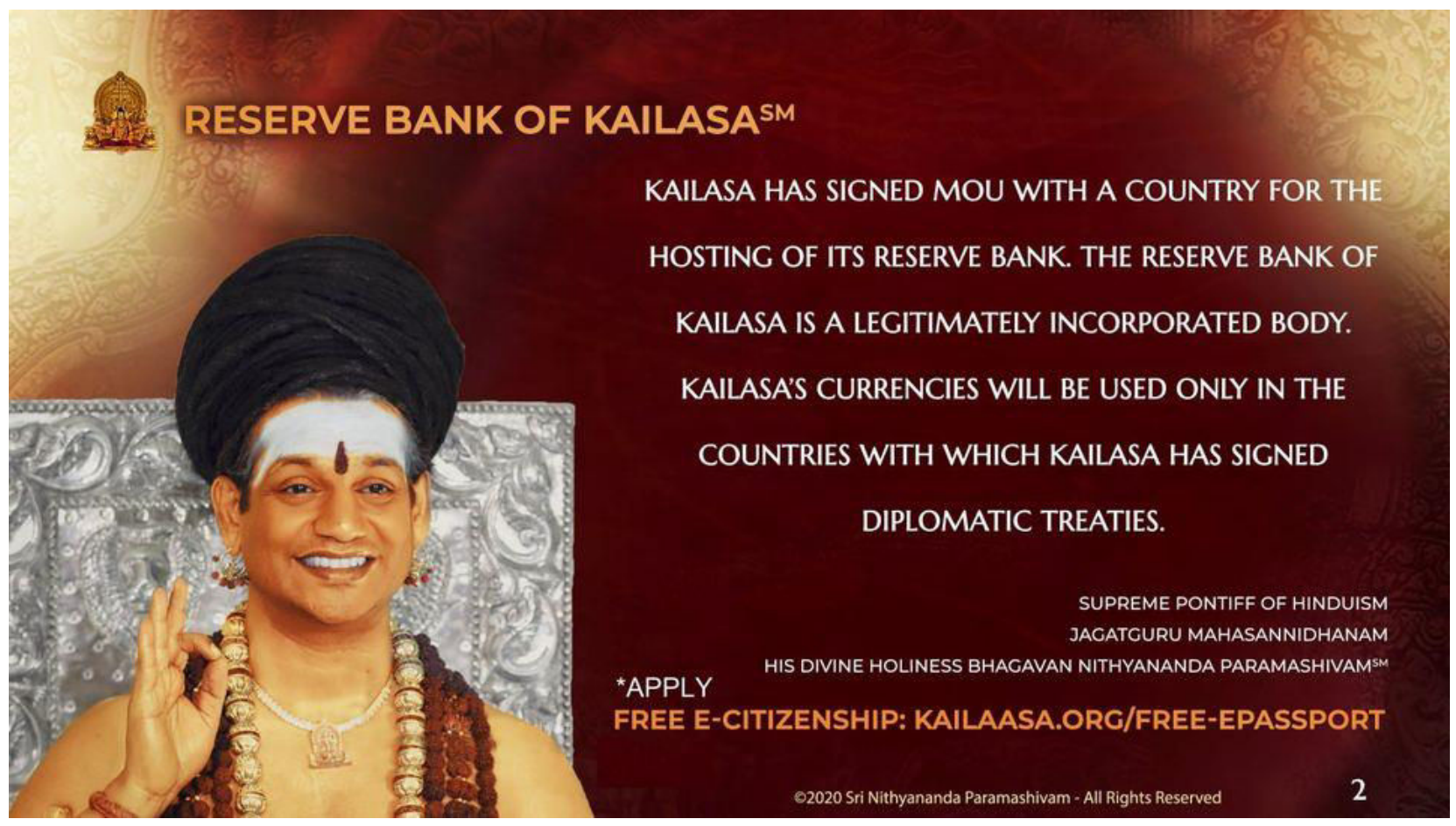
In addition to this, it is the Hindu society’s obligation to provide free food, healthcare, and education to its citizens. “The intention to study is worshipped in Hinduism.”, says the SPH, emphasizing the fact that in case the guru is not able to feed his/her students, he/she has to beg and provide for their basic necessities during the period of their stay. It is the SPH’s vision to provide all these services to more than 2 billion Hindus living all over the world, absolutely free of cost. This hits straight at the root of exploitation which modern human beings are subjected to. They are made to feel insecure about their two meals a day and then turned into a slave by those who have access to all the resources. Additionally, before the students even finish their education, they already slip into the debt trap and spend the rest of their youth, the prime of their life, in paying off their student loans. Kailasa’s economic policy makes sure not a single human being is made to suffer in this way, supporting them with their basic needs and encouraging them to take responsibility to enrich society with the work of their choosing. Lastly, delinking healthcare from profit removes the incentive to keep the people sick to keep them as loyal customers of a morally bankrupt and greed-based healthcare system, and in turn, shifts the focus back to keeping the population healthy.
It is because of the economic principles of Sanatana Hindu Dharma elaborately given in Vedas and Agamas that India was an economic powerhouse from the first century A.D. up till the seventeenth century when it got colonized.
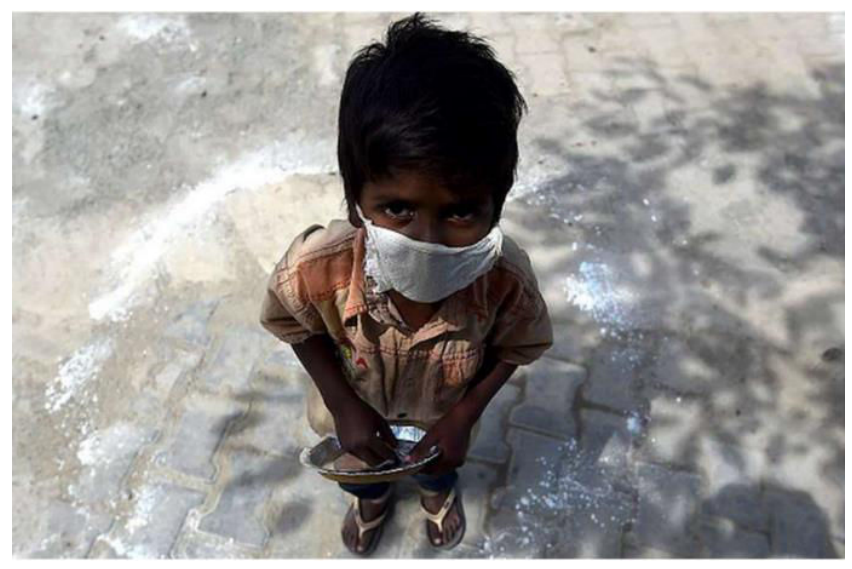
An important takeaway is that India enjoyed economic prosperity without having any problems related to poverty and unequal distribution of income, wealth, or opportunity, as are prevalent in economically prosperous countries following the modern economic model. It is the SPH’s goal to revive Hindu economics so that a conscious and prosperous society can be created where each being will live with dignity and without insecurity.
Climate Change and Hunger
A large part of the world is sadly still grappling with the problem of acute food insecurity. The rise in hunger has been showing no sign of diminishing. As compared to the pre-pandemic scenario, the number of food-insecure people was estimated to rise to 270 million by the end of 2020 due to the fallout from the COVID-19 pandemic, according to the recent analysis, representing a staggering increase of 82 percent.449 Even though Zero Hunger is the second Sustainable Development Goal (SDG) set by the United Nations as its development agenda, stating the goal as to“end hunger, achieve food security and improved nutrition and promote sustainable agriculture,” the recent trends show that not only are we far from achieving this goal by the target year of 2030 but the percentage of people affected by hunger will cross 840 million by 2030, as compared to the current figure of 690 million.
Around 2 billion people did not have regular access to sufficient, safe, and nutritious food in 2019, of which nearly 750 million – or nearly 10 percent of the world population – were exposed to severe food insecurity. When it comes to food security and nutritional status, the most vulnerable sections of the population, such as the poor, senior citizens, migrant workers, internally displaced persons (IDPs), women, and children are expected to bear most of the brunt of the health and socio-economic consequences induced by the COVID-19 pandemic. 144 million children below the age of 5 were affected by stunting, that is, low-height-for-age, in 2019, while around 47 million children in the same age group were affected by wasting, a condition defined as low-weight-for-height, caused due to low nutrient intake or prolonged illnesses.
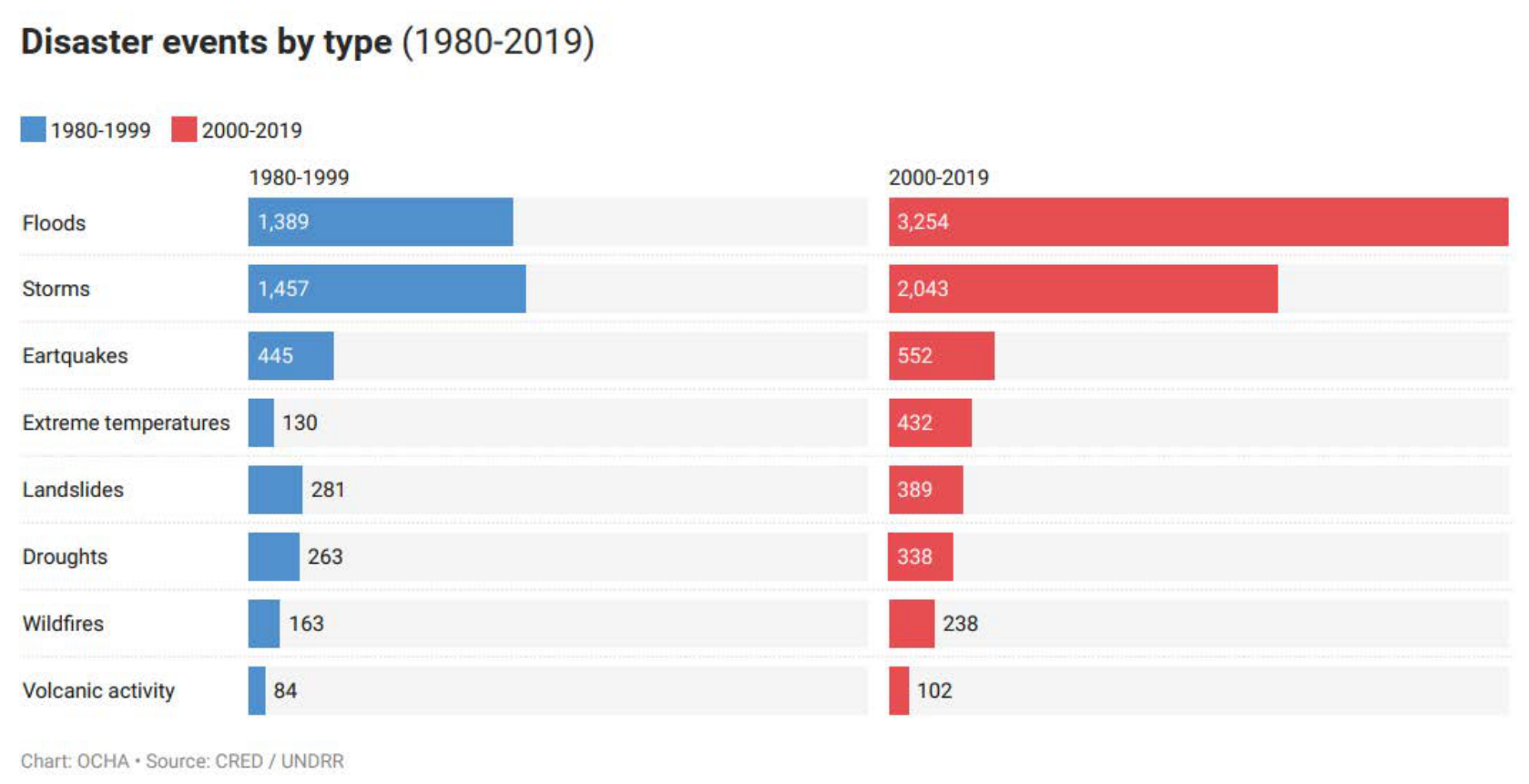
Climate change is one of the most pressing issues which our civilization is facing at present. The previous decade has been the hottest recorded decade so far.450 Global warming due to increased greenhouse gas emissions, extreme weather conditions, shifting weather patterns, an upsurge in the number of natural disasters, and rising sea levels pose an imminent threat to our sustainable survival as a species. Be it catastrophic flooding or a collapse of the food production system, the impacts of climate change are global in scope and unparalleled in scale.
Natural disasters are becoming more frequent. 396 natural disasters were reported in the year 2019 itself, which was above the annual average of 343 disasters per year for the last 10 years. They resulted in the loss of 11,755 lives and affected 95 million others.451 Additionally, such extreme weather events also lead to large-scale displacements and increase the
State of Food Security and Nutrition in the World 2020, FAO, Rome, 2020
World Meteorological Organization, Statement on the State of the Global Climate in 2019
Excluding epidemics and insect infestations; Center for Research on the Epidemiology of Disasters, Disaster Year in
Review (2019)
incidence of global hunger and food insecurity. Estimates show that more than 80 percent of the world’s most food-insecure people live in disaster-prone countries.452
Our dietary habits are also found to be significantly linked to greenhouse gas emissions and climate change. The greenhouse gas emissions from the global livestock industry surpass those from all cars, trains, planes, and ships combined. A study published in Science in 2018 assessed the relative climate impact of various food groups. The analysis showed that animal-based foods, especially beef, lamb, shrimps, pork, poultry, fish, and eggs have a much higher carbon footprint than plant-based foods. Beef and lamb (mutton) occupy the top spots in this analysis. Moreover, land conversion for the sake of meat production and animal feed is a primary cause of deforestation in various tropical regions such as the Amazon. 8 percent of global greenhouse gas emissions occur as a result of tropical deforestation. Also, the demand for large quantities of grass for grazing cattle leads to the use of nitrogen fertilizers, the production of which causes the release of carbon dioxide (CO2) and nitrous oxide (N2O), both potent greenhouse gases. According to the same study, emissions from plant-based foods are, on average, 10 to 50 times smaller than those from animal products. From this data, it naturally follows that switching from a meat-heavy diet to a vegan or vegetarian diet, or at least reducing the meat intake in our diet could help reduce greenhouse gas emissions. A recent report by the Intergovernmental Panel on Climate Change (IPCC) in 2018 stated that consumption of healthy and sustainable diets (plant-based food) would likely reduce greenhouse gas emissions and improve health outcomes.453
World Food Programme, [14 Facts Linking Climate, Disasters, and Hunger](https://www.wfp.org)
[Climate Change and Land](https://www.ipcc.ch), An IPCC Special Report on climate change, desertification, land degradation, sustainable land
management, food security, and greenhouse gas fluxes in terrestrial ecosystems, 2019
The poor and vulnerable sections of the population are at an increased risk as far as the adverse effects of climate change are concerned. Children constitute nearly half of those affected by disasters. Some studies also reveal the linkages between our food habits and the prevalence of vector-borne diseases. Many pandemics that humanity has witnessed in recent years, such as SARS, H1N1, etc have shown to be linked to the overlap between human and animal ecosystems, that have been caused as a result of the ever-expanding livestock industry and presence of fresh-meat markets in cities.
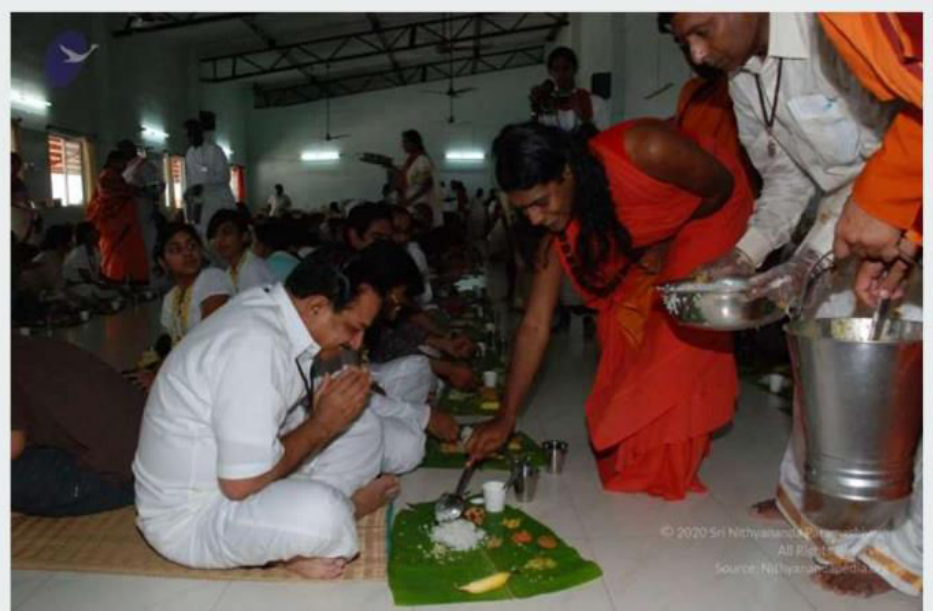
“We will revive the food supply system of Kailaasa ... Before you get hungry, food will be ready. Continuous annadhan. I am not giving any fantasy. It is already becoming reality.” - The SPH JGM HDH Bhagavan Nithyananda Paramashivam (17 June 2019)
The No-Hunger Project launched by the Supreme Pontiff of Hinduism (SPH) Bhagavan Sri Nithyananda Paramashivam precisely aims to tackle these issues on a widespread scale. Annadan (food donation) is a Hindu practice of serving free food to others and is ordained by the Hindu scriptures as one of the best practices, not only from a societal context but also for
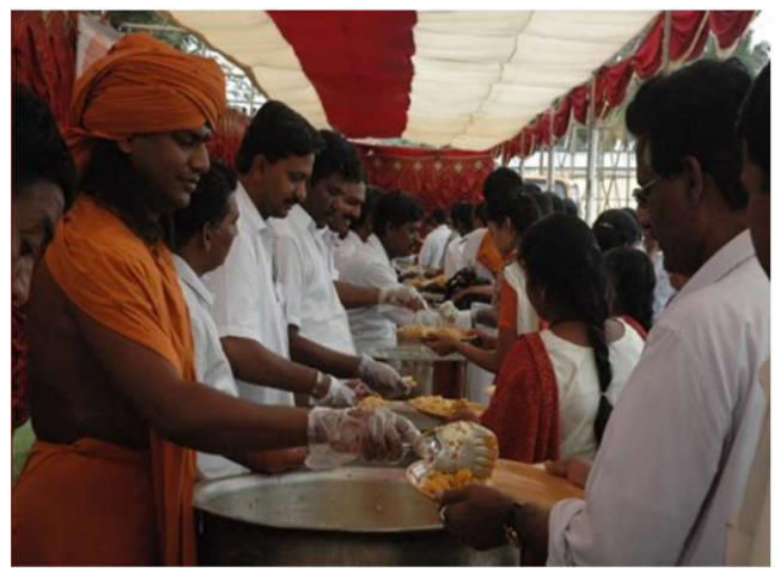
one’s spiritual upliftment. Through Annalayas (food donation centers) the defacto spiritual embassies of Kailasa worldwide, under the guidance of the SPH have served over a billion organic, sattvic, vegetarian meals so far. The food is cooked strictly based on Agamas, hence is high in sattva, a Sanskrit term referring to quality associated with peace, bliss, high activism, and higher state of consciousness, and is distributed only after being served to the Divine. As discussed in the section on Economic Disparity, giving free food to all the citizens is the economic policy of Kailasa, deriving the reference from Vedas and Agamas. Additionally, serving free organic vegetarian food acts as a significant step towards introducing an alternative diet to people, that is tasty as well as healthy, and also takes into account the safety and health of Mother Earth. The SPH has said that if the meat industry is allowed to continue at this scale, planet Earth will not be able to survive more than 50 to 60 years. Moreover, He has, on many occasions, spoken in detail about the health and spiritual benefits of eating a vegetarian diet.
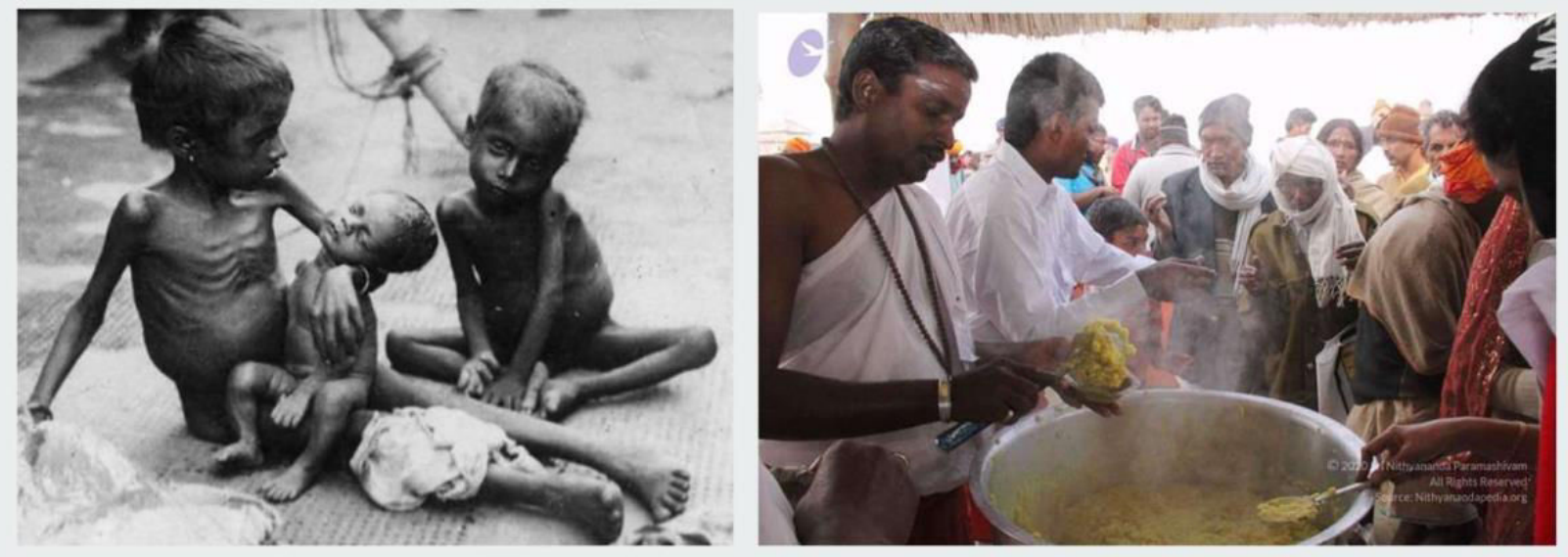
1943 – 1944: In the man-made famine of Bengal, as per existing records 3+ million were murdered. The Prime minister of the world’s biggest empire controlling 1/3rd of mankind claimed they could not do anything about the people dying of hunger because - “Hindus bred like rabbits and the famine was their fault”.
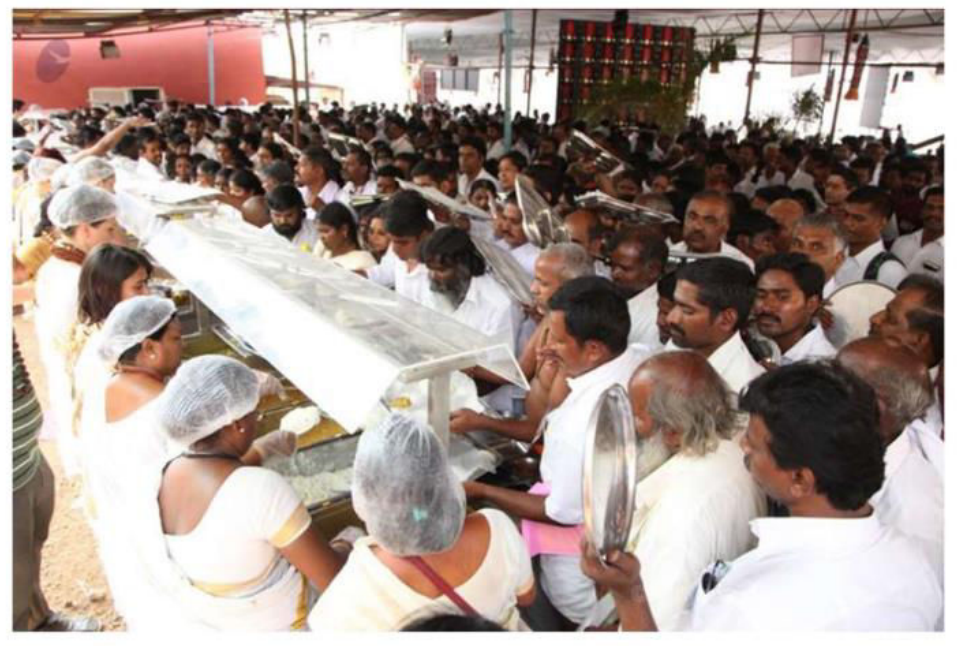
2016, Ujjain : In Ujjain Kumbh Mela, the peacekeepers of KAILASA served organic food to over 3+ million. Peacekeepers of KAILASA under the leadership of the SPH Nithyananda have served more than 1 billion free meals in past 26 years and are determined to end hunger and poverty in all its forms. KAILASA, with 200 peacekeepers at any given time, can deliver what even one of the biggest countries could not deliver. KAILASA is not driven by war, fear or greed - it is an enlightenment based nation - driven by selfless service.
The Vedagamas, the source of Hindu Scripture, declares :
।। अन्नम् बहु कुर्वीत ।।₁
“Annam Bahu Kurveetha”
which means, “Let us produce food in large quantities”.
Through the widespread distribution and promotion of free, healthy, organic food, KAILASA’s global peacekeepers led by the SPH serve such that we may achieve food security, improve nutrition, and promote sustainable agriculture globally.
Annadhan is the vision to end poverty and hunger, in all its forms.
(1) Taittiriya Upanishad, Brigu Valli, Chapter 3 Verse 9
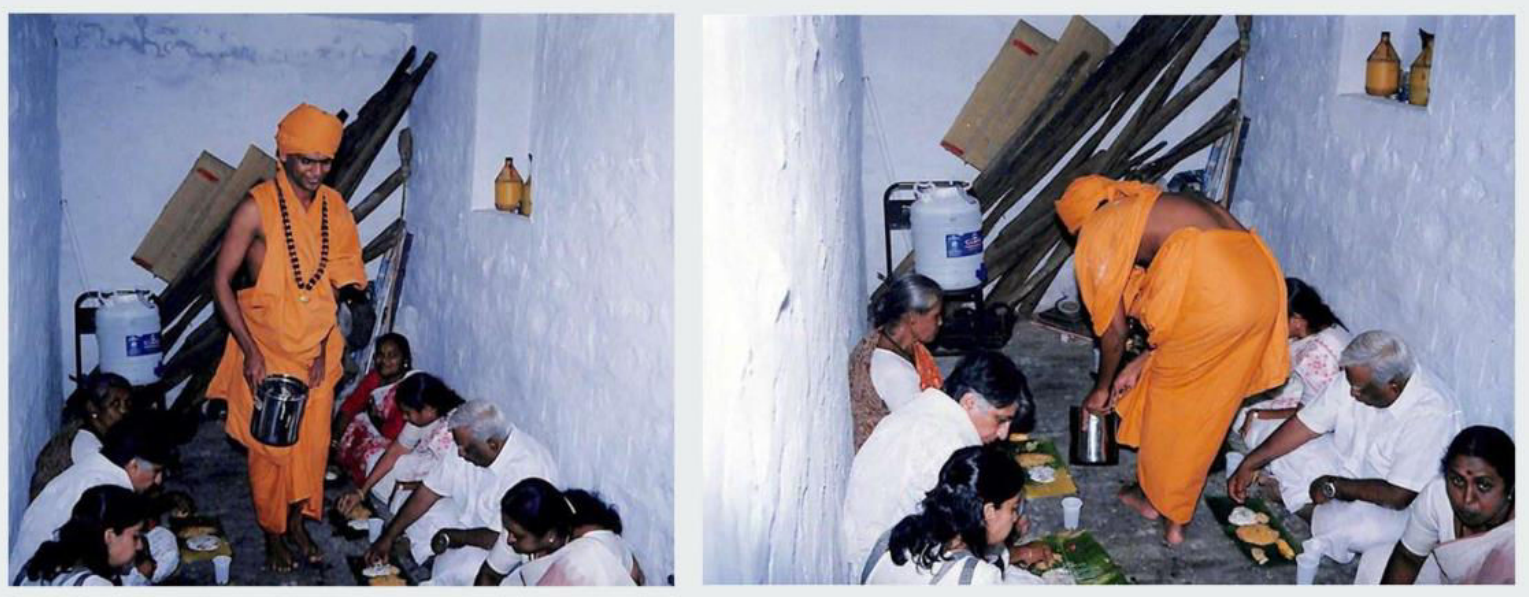
22 Nov 2002 - The pictures show the early days of KAILASA’s spiritual mission, where the SPH is offering Annadhan (providing a free, organic, vegetarian meal), on Kartikai Deepam. (Thiruvannamalai, India)
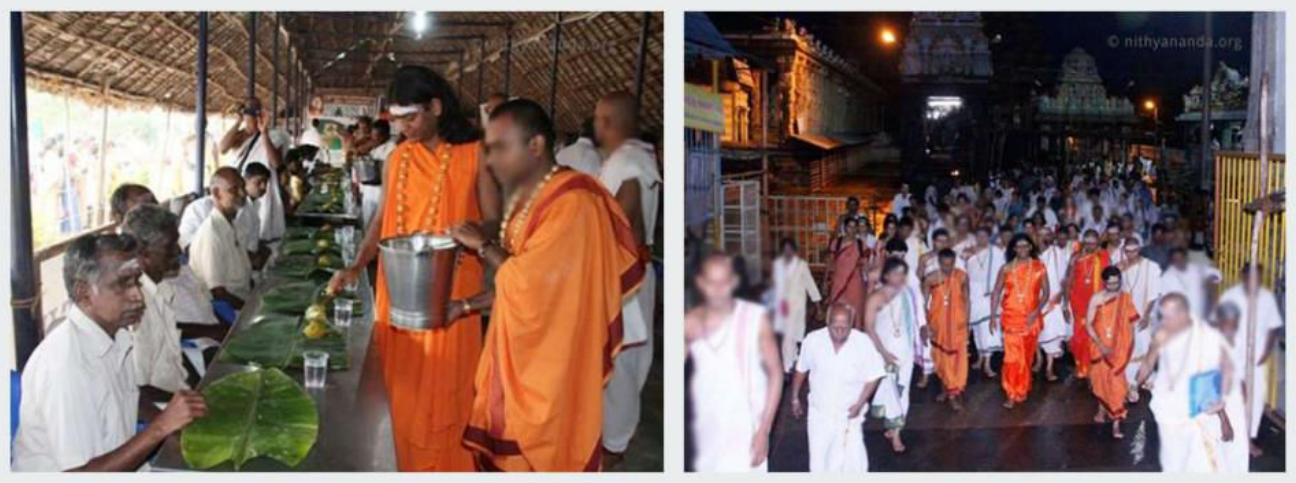
Jan 2011: KAILASA in Thiruvannamalai The SPH Himself directly serving Annadhan, and traditional temple services
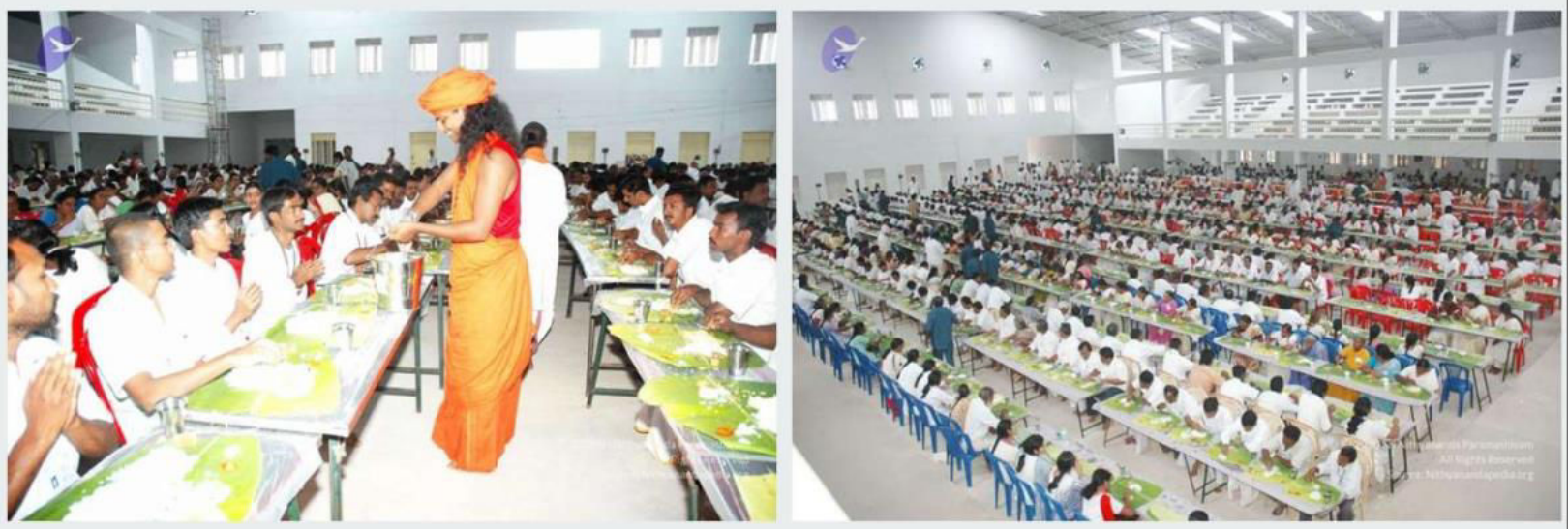
12 Dec 2007: Nithyananda Spurana Meditation Workshop (Salem, India)
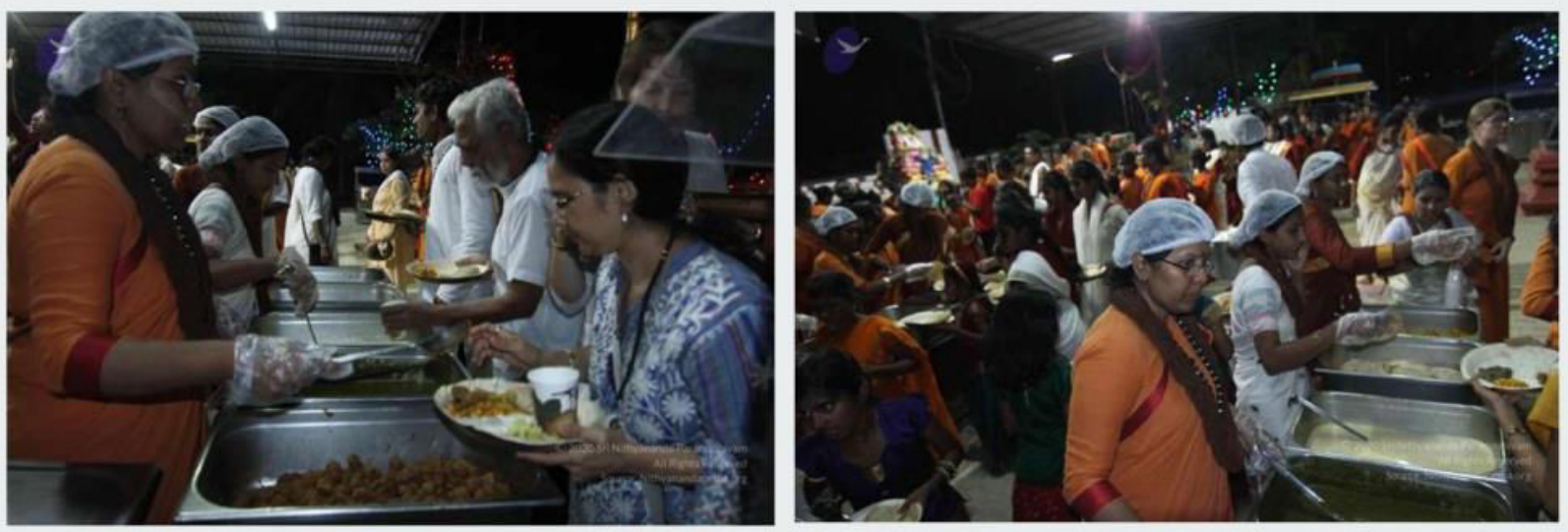
17 Aug 2014: As a part of the Krishna Janmashtama Celebrations, peacekeepers of KAILASA distributing free organic food to the public (AdiKAILASA - Bidadi, India)
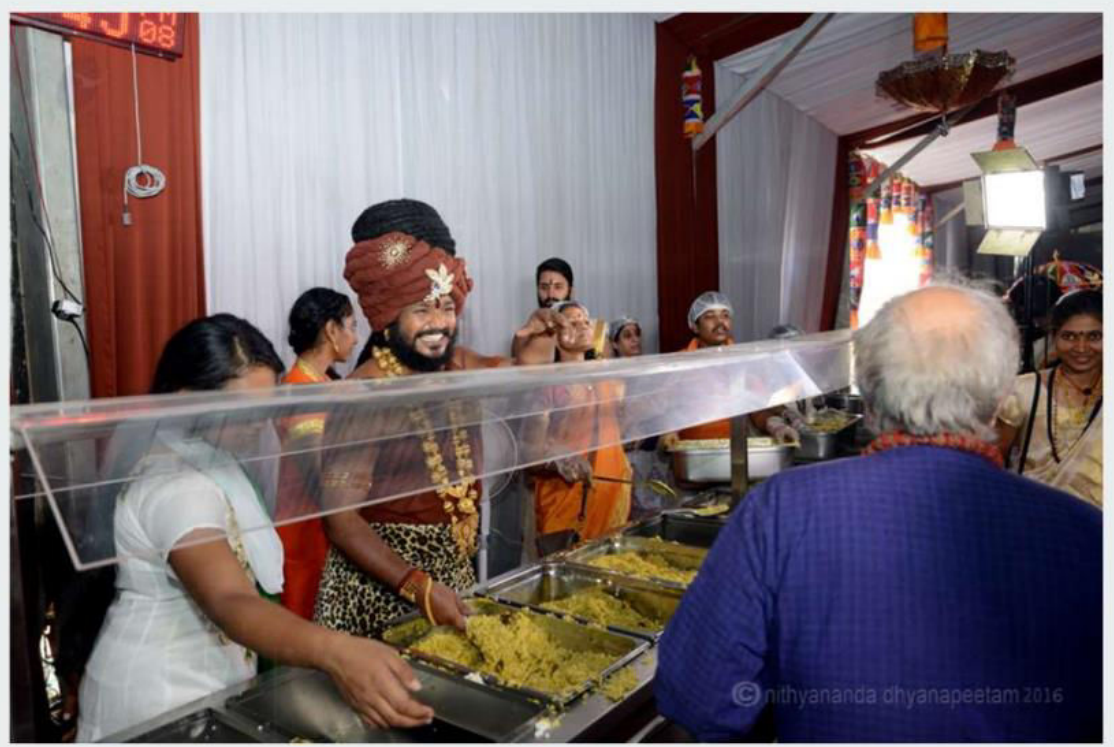
8 Dec 2016: Sadashivoham Meditation Workshop (AdiKAILASA - Bidadi, India)
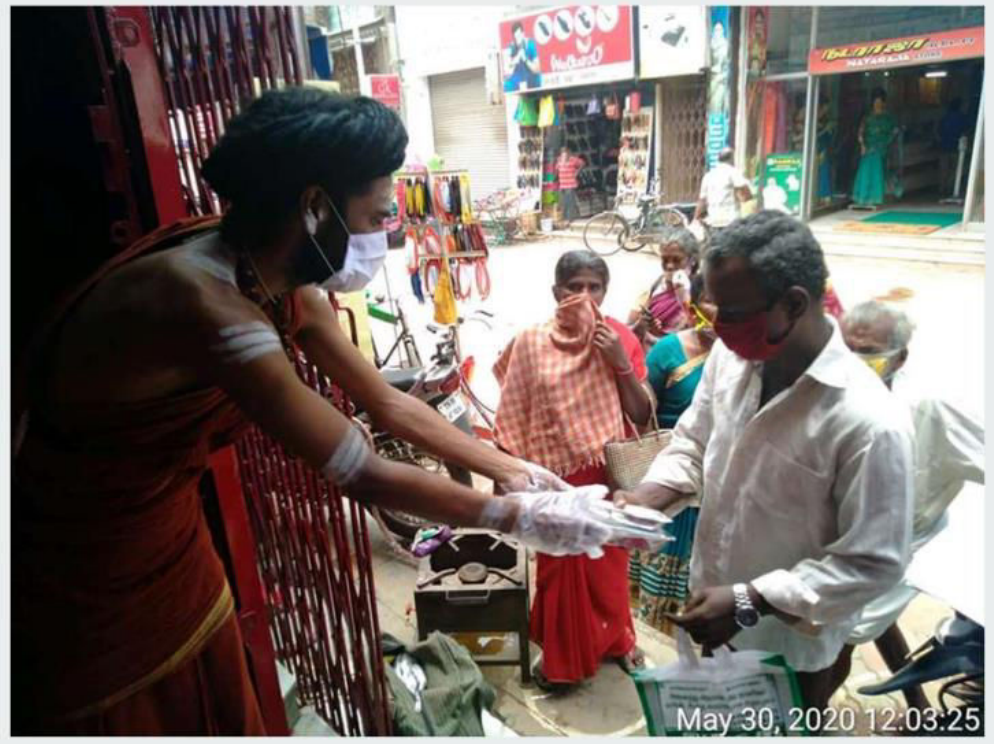
30 May 2020: Annadhan service continues in the midst of the COVID-19 crisis (Madurai, India)
In the area of disaster relief, the SPH has provided emergency relief to thousands who face natural events such as tsunami, earthquakes, floods, etc. through Nithyananda Global Initiative and the Red Om global services. Volunteers have provided thousands of food packets, clothes, and blankets to affected areas in India, such as Karnataka, Andhra Pradesh, and Tamil Nadu, and built shelters for those who have lost their housing during these events. Under the Blue Om initiative, Kailasa is working for animal rights and prevention of cruelty towards animals, and under the Green Om program, it is working for protecting the environment.
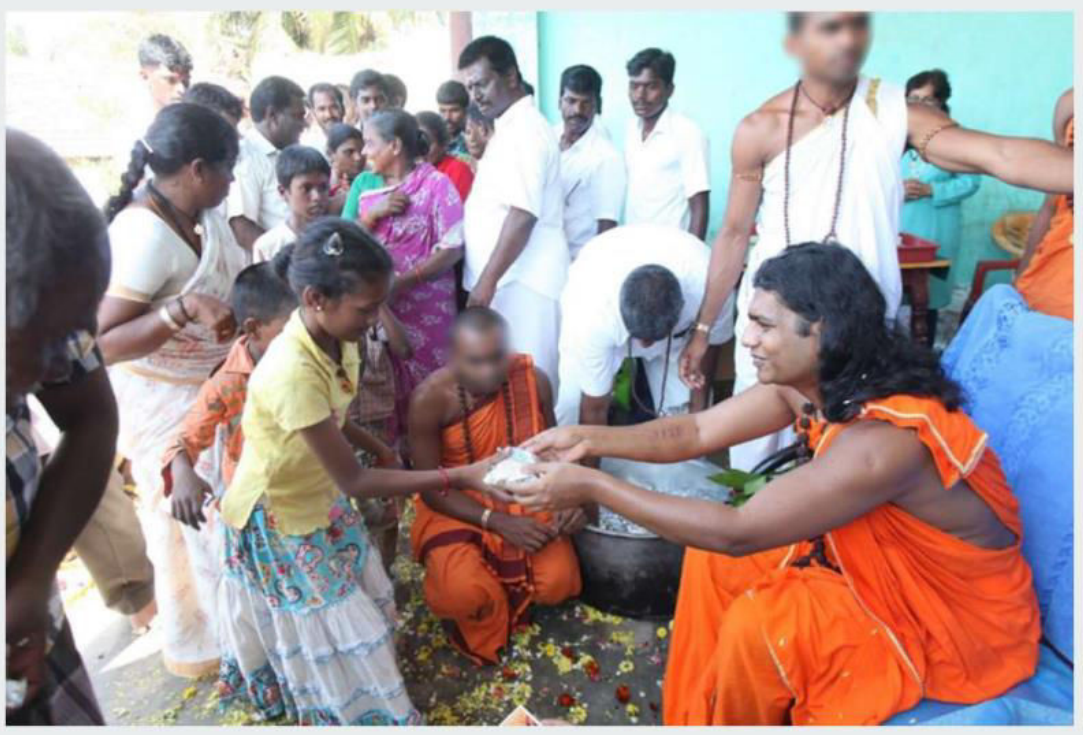
3 Jan 2012: Pondicherry - Thane Flood Relief
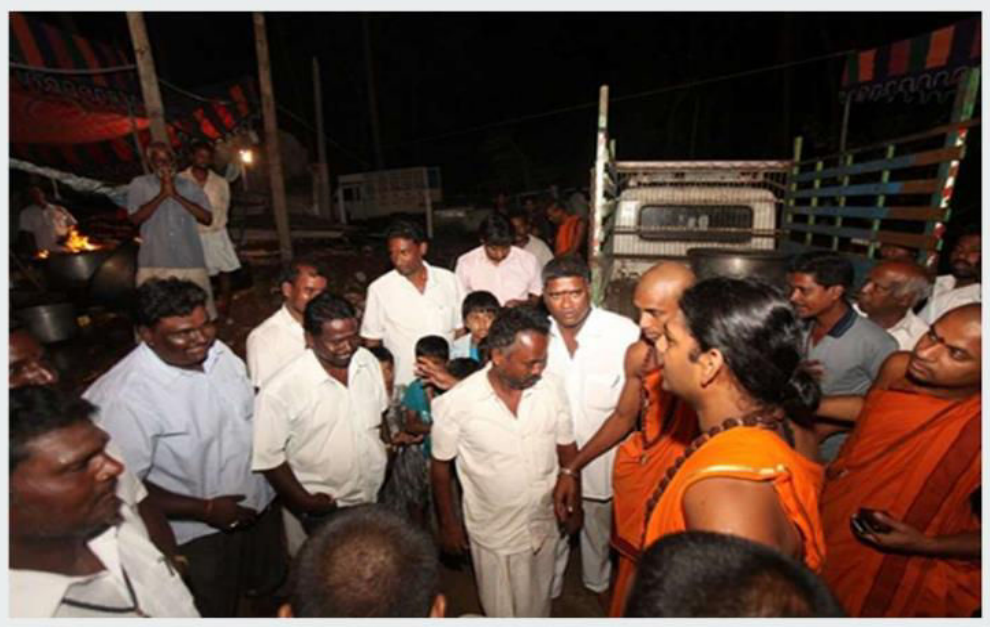
2 Jan 2013: The Supreme Pontiff of Hinduism, Bhagavan Nithyananda Paramashivam arrives with volunteers and KAILASA’s peacekeepers, to provide relief efforts to the cyclone-hit Pondicherry region through distribution of food, water, and basic necessities, medical camps, and clearing the local roads for further relief efforts. (Pondicherry, India)
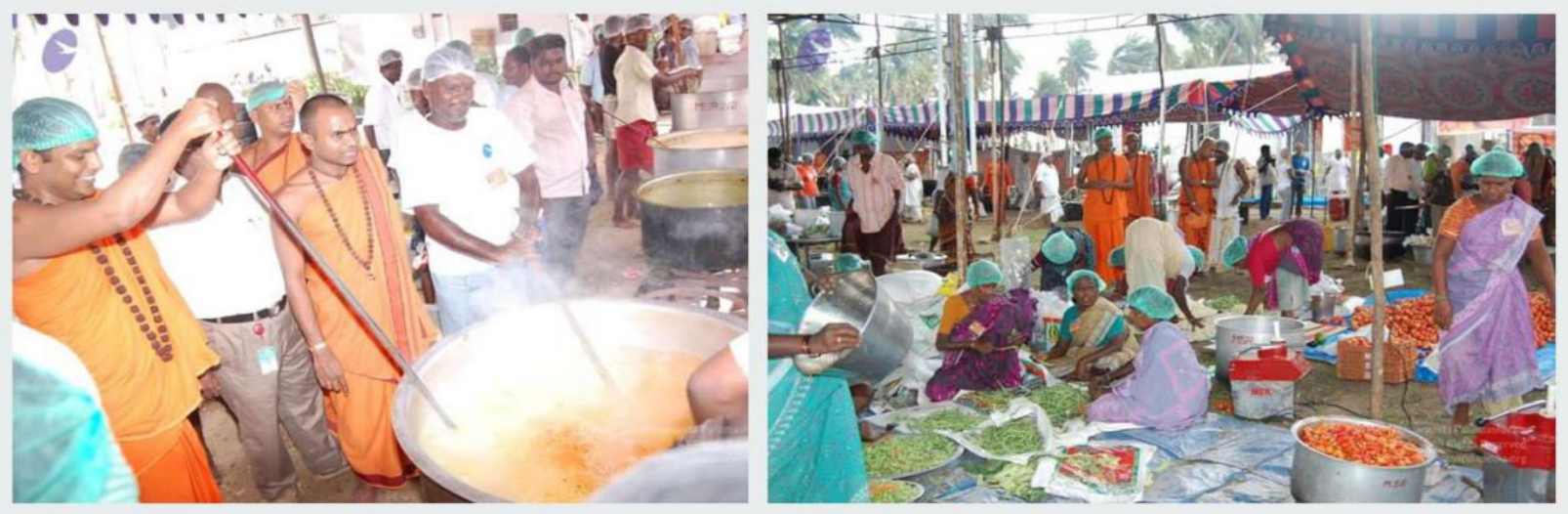
4 Jan 2012: Thane Flood Relief Food Preparations (Pondicherry, India)
The most recent humanitarian initiative launched by the SPH is the opening of Kailasa COVID Care Centers (CCCs) in India, where the monastery campuses have been turned into a multilayer quarantine facility to safeguard the inmates against any possible point of contact with the outer world. The SPH has opened this service free to all people, regardless of any differences in age, gender, caste, creed, ethnicity, color, or socioeconomic status. Food, shelter, internet, and all basic facilities including medical care are provided at these CCCs, free of cost and for an indefinite time. The outcome has been a splendid Zero-infection rate so far among the participants, a feat not achieved anywhere else in the world, let alone in India. Apart from protecting people’s lives during the deadly COVID-19 pandemic, this service has ensured food security at a time of dire desperation and has also provided an opportunity for people to live in an open lush green nature-friendly environment, unlike being stuck at home, hence improving the physical and mental health of people during this crisis. This response model of handling the COVID-19 pandemic at a community level, along with guidelines and recommendations for governments has been recognized and accepted by the United Nations as well.454
COVID-19 and Multilateralism, A Report By The Adi Shaivite Minority Tradition (ASMT) Hindu Community Kailash Union,
June 2021