Humanitarian Response Plan
This text was machine-transcribed from the printed book and may contain errors. Select the words and choose “Report a mistake”.
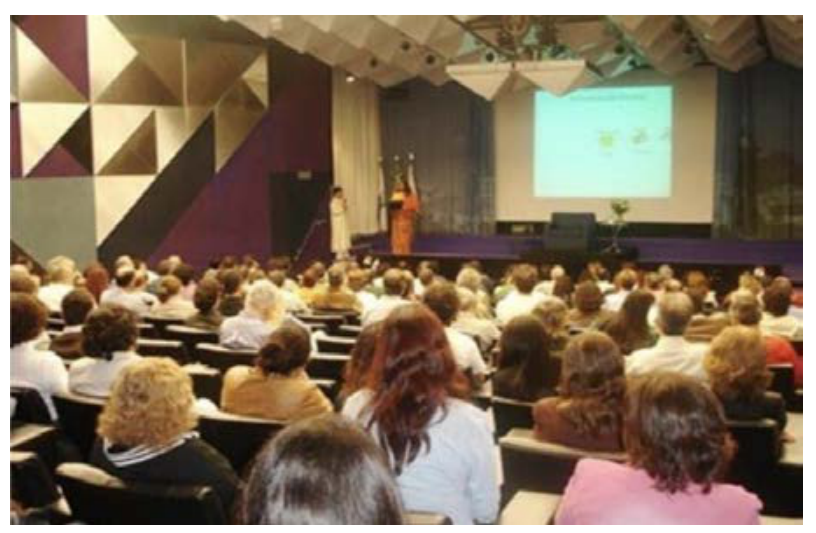
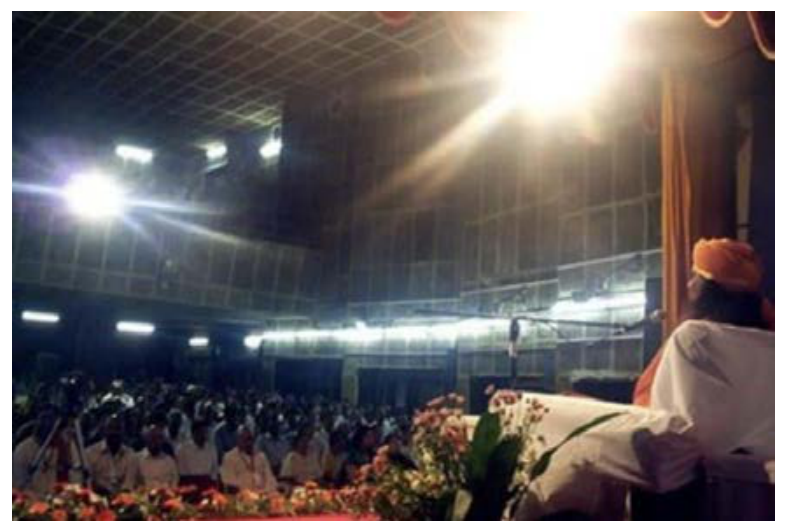
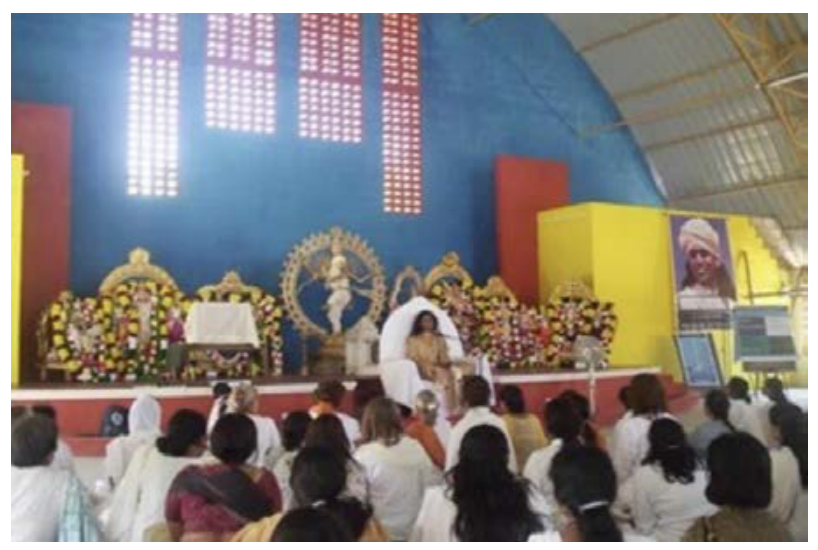
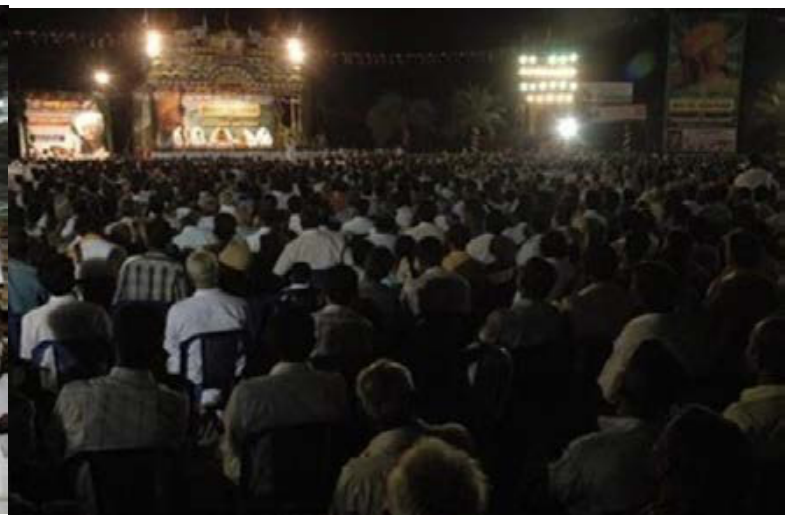
2005 - Healing and initiating lakhs of people through discourses at Petrobras, Brazil (top left), Anandula, Bangalore (top right), Nithyanandam, Bidadi (centre left), Anandula, Chennai (centre right), Anandula, Vellore (bottom centre)
2004 - Ananda Ula Program for healing – tour of the State of Tamilnadu, South India
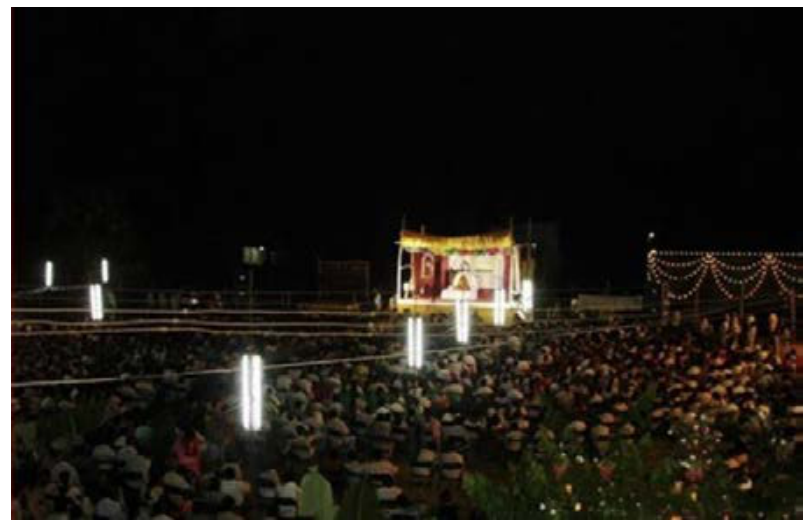
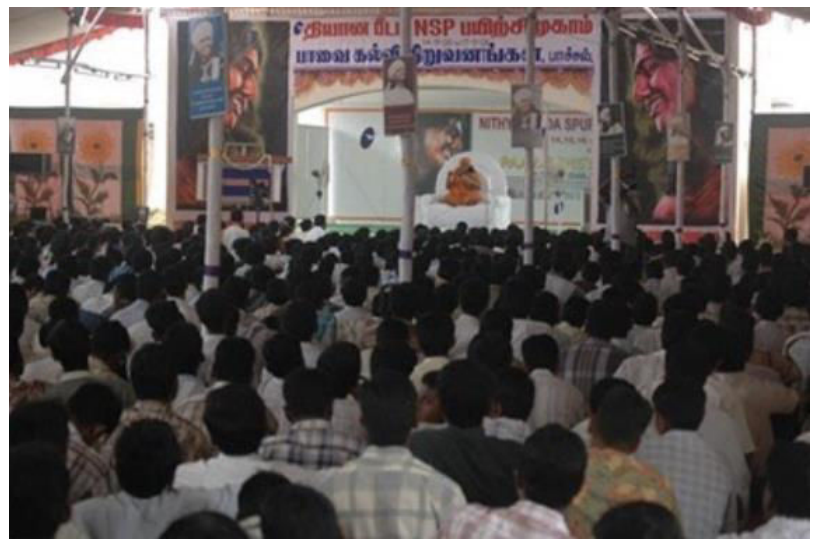
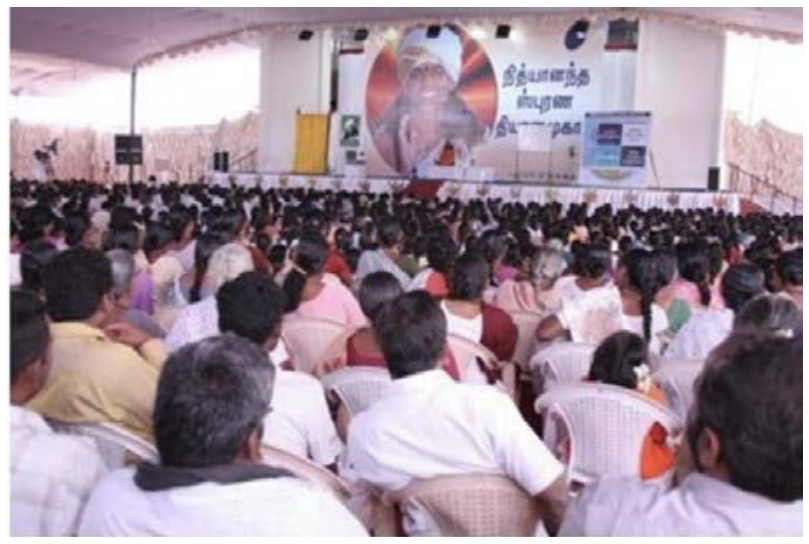
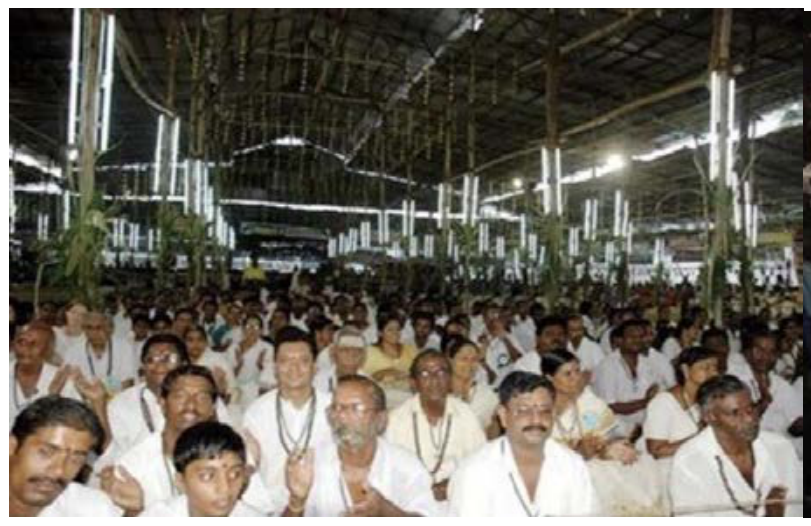
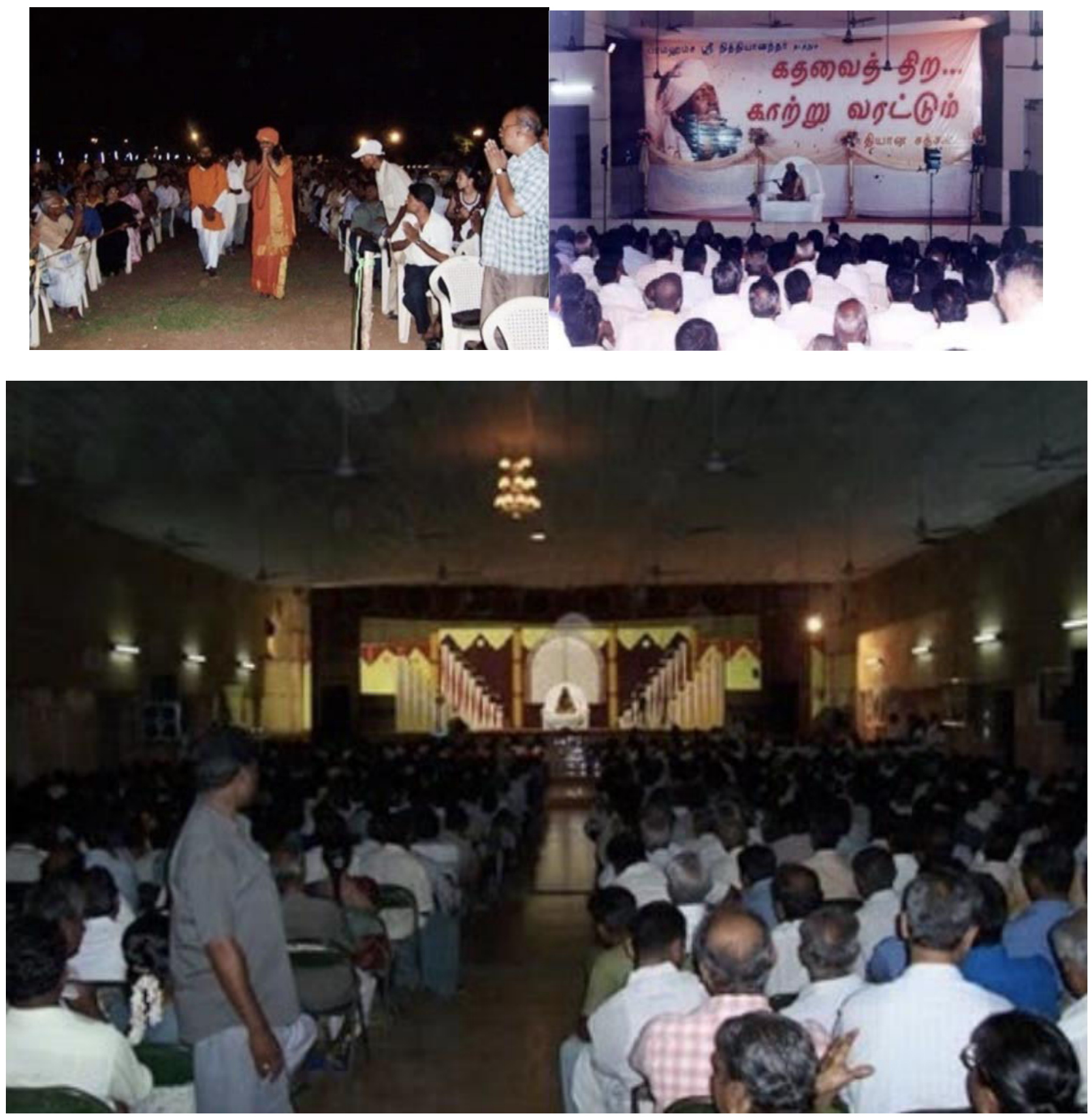
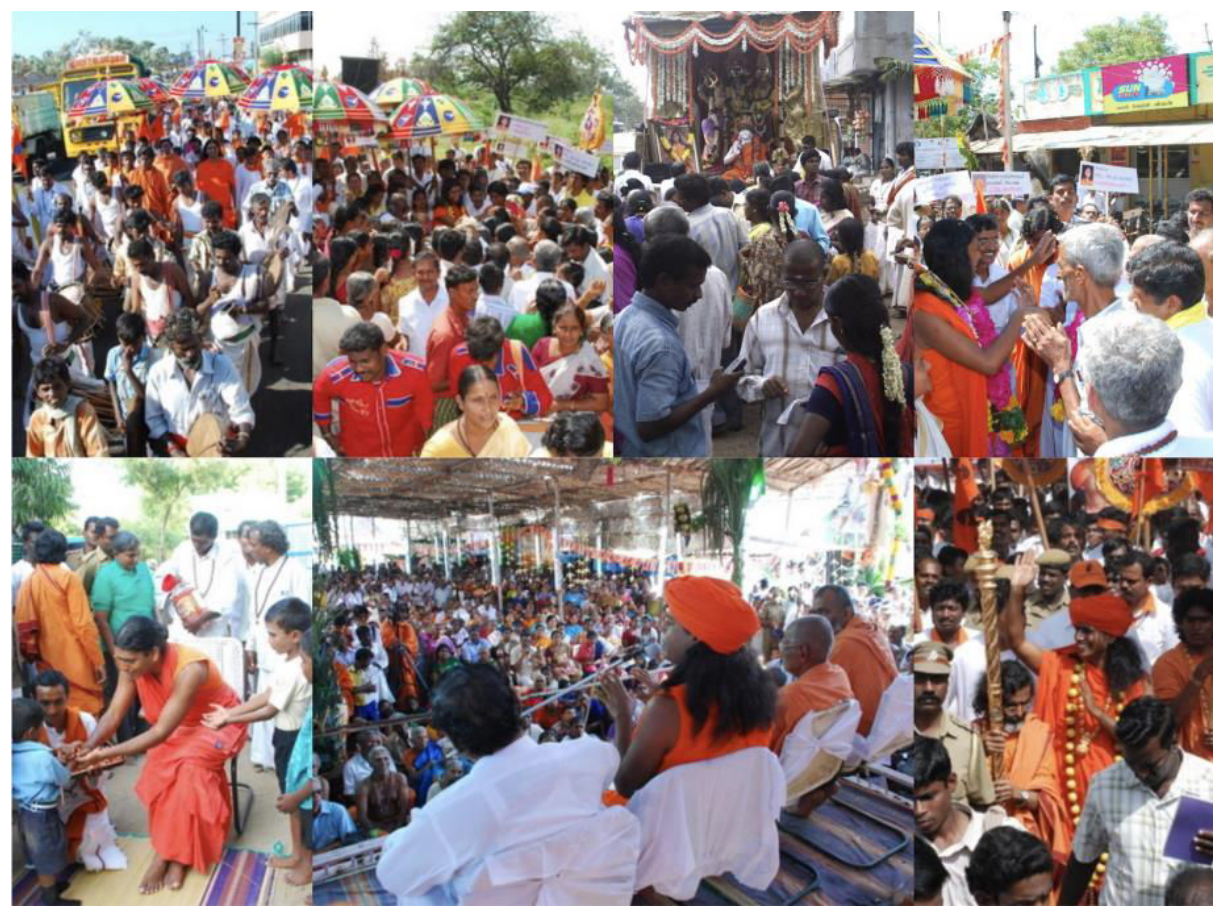
2006 - Enriching programs initiating millions into living enlightenment (jeevan mukti); Ananda Spurana Program, Rajapalayam (top right), Pattanam Inauguration, Pattanam (top left), Nithyananda Spurana Program, Paavai College, Namakkal (centre left), Nithyananda Spurana Program, Chennai (centre right), Sapthayagam Program, Salem (bottom left), Arogya Spuranam Program & Satsang (bottom right)
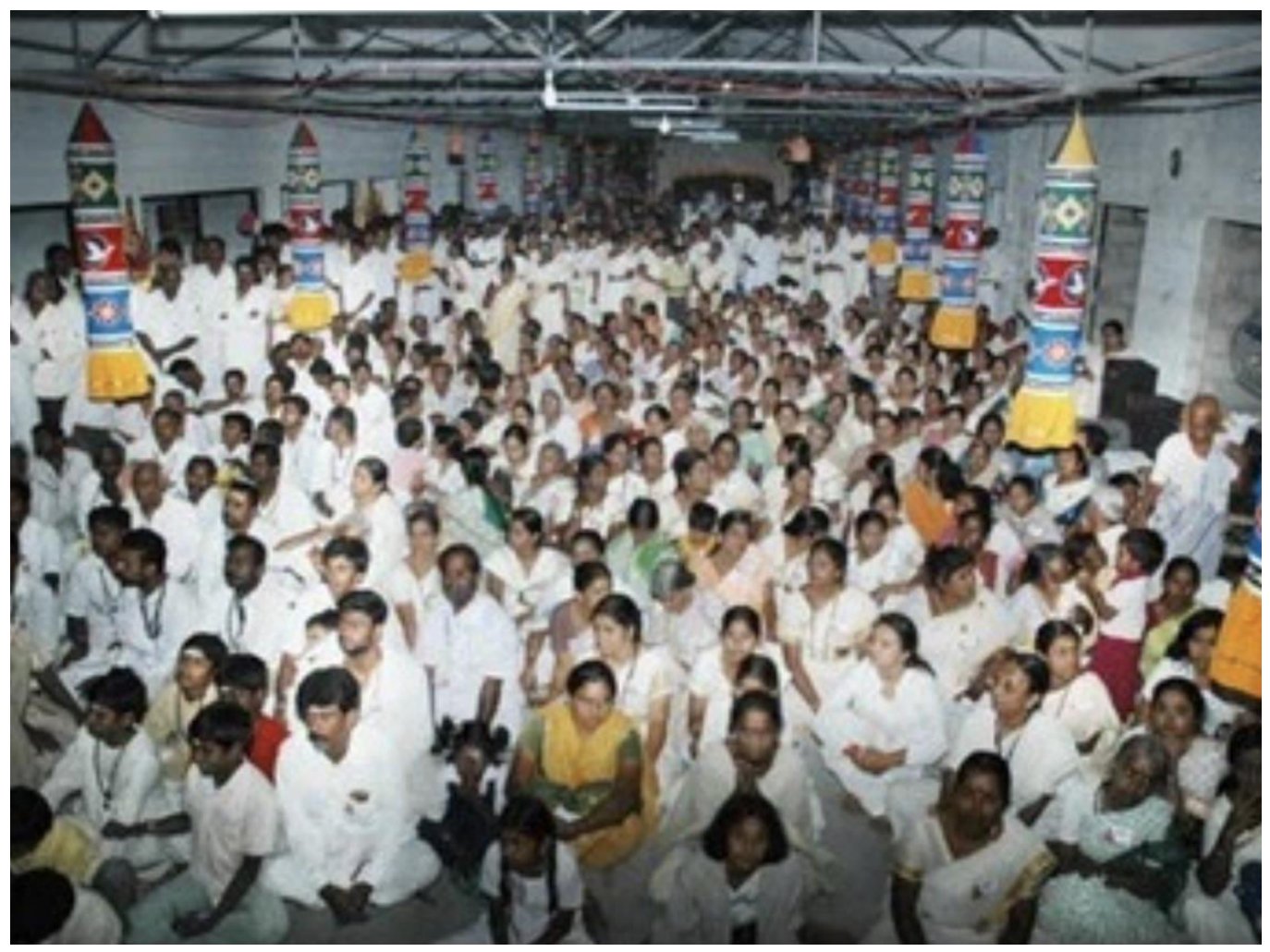
2007 - Various healing and meditation initiatives during Shivaratri Bidadi
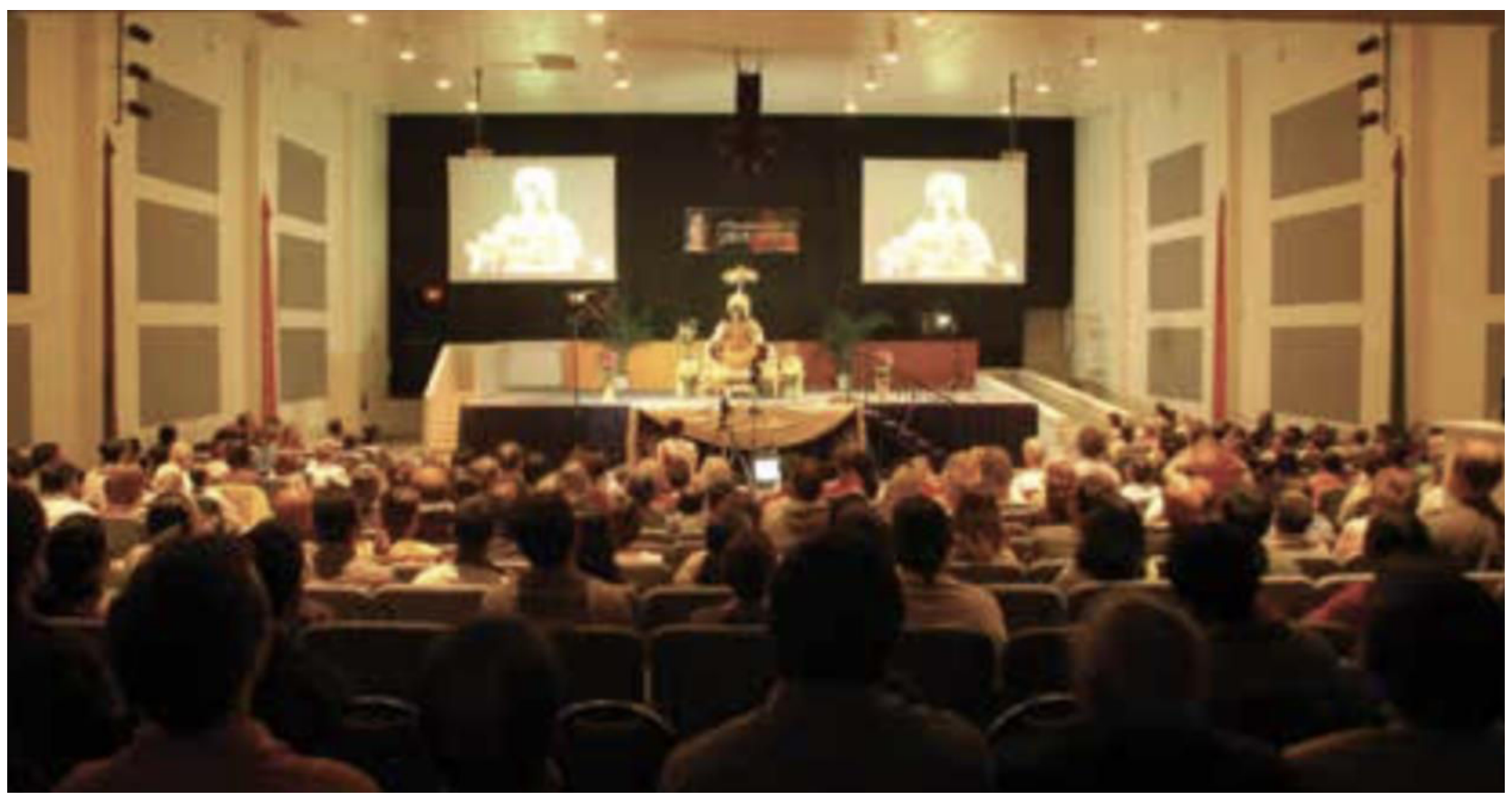
2008 - ‘Shiva Sutras’ – Series of talks and healing sessions by The SPH on the sacred scriptures, 2008 USA Tour
2009 - healing and meditation initiatives through (top), Women Empowerment, Chennai (centre left), Inauguration- Tarambangalam Centre (centre right), Guru Pournima, Bidadi (bottom left), 1008 Homa, Chennai (bottom right)
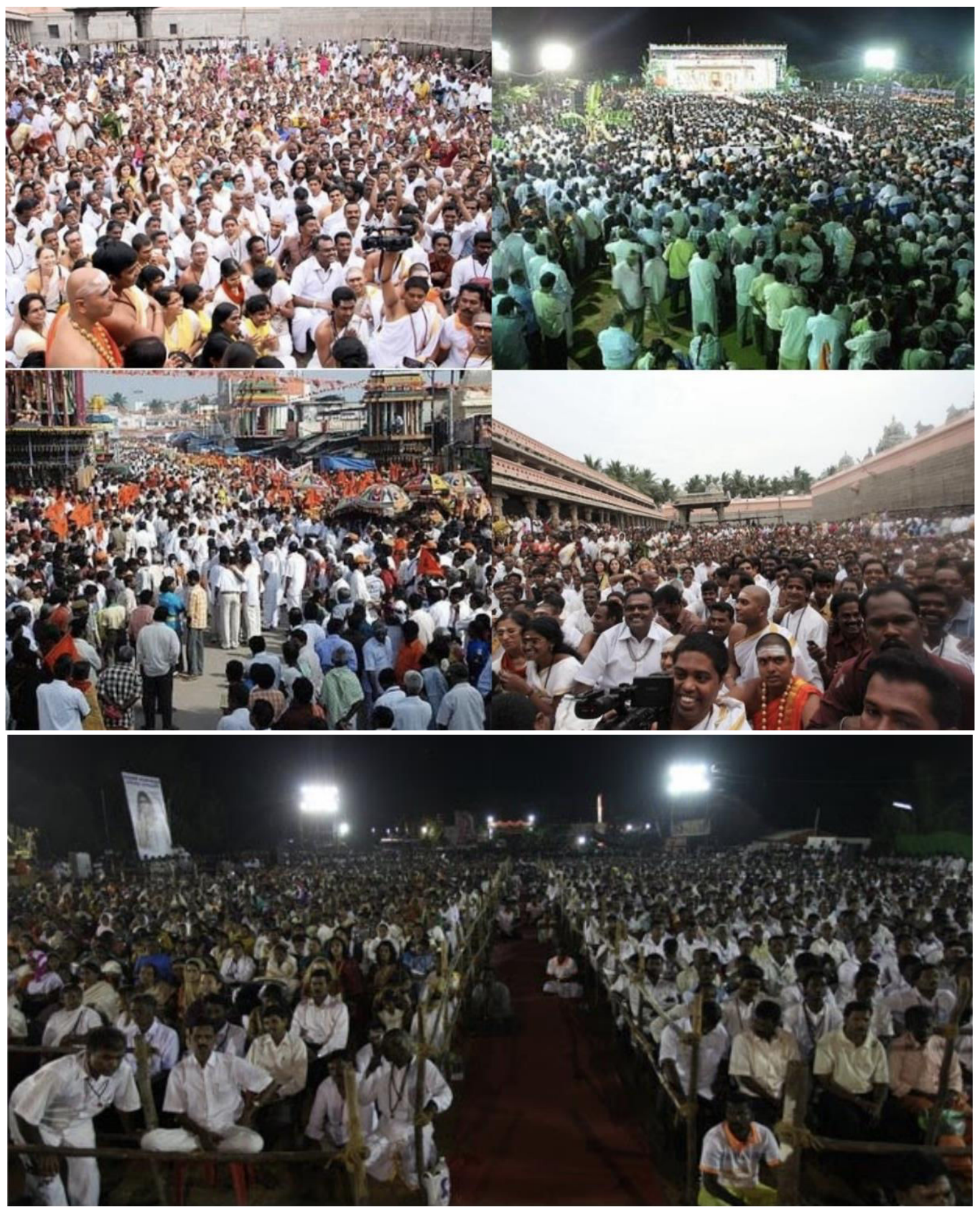
2010 - Various healing and meditation initiatives, Tiruvannamalai Jayanthi (bottom)
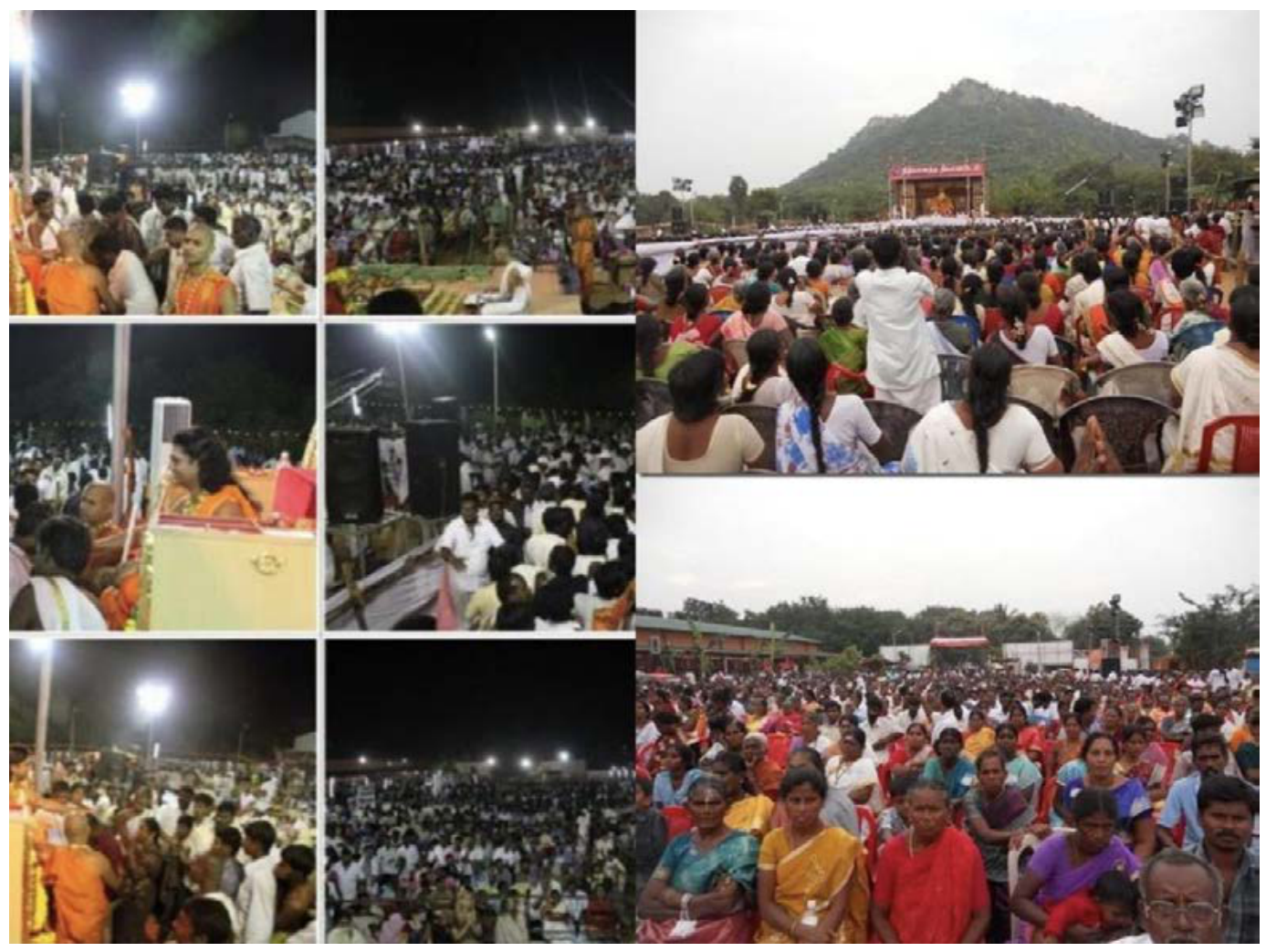
2011 - Various healing and meditation initiatives conducted in 2011
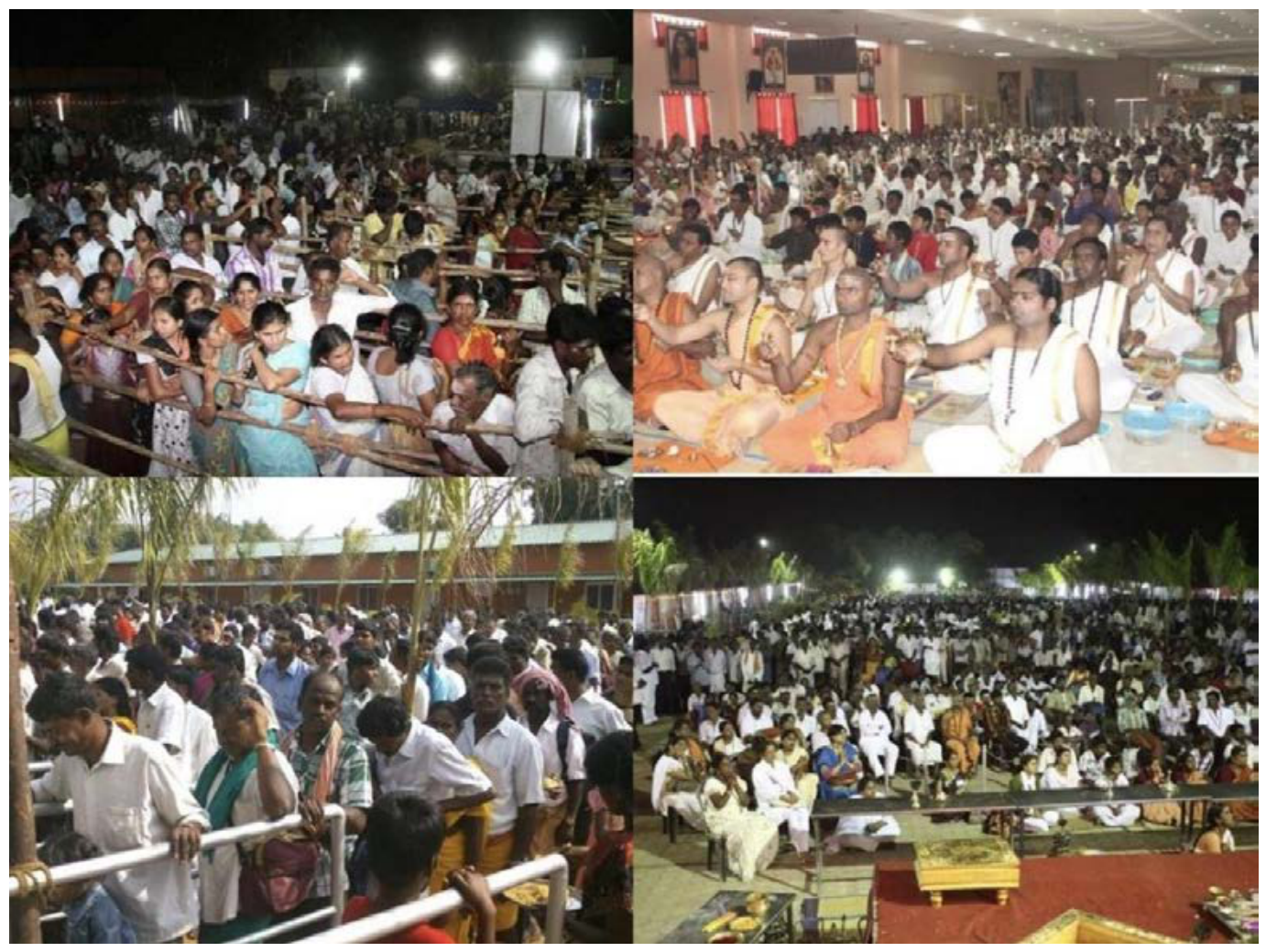
2012 - Various healing and meditation initiatives conducted in 2012
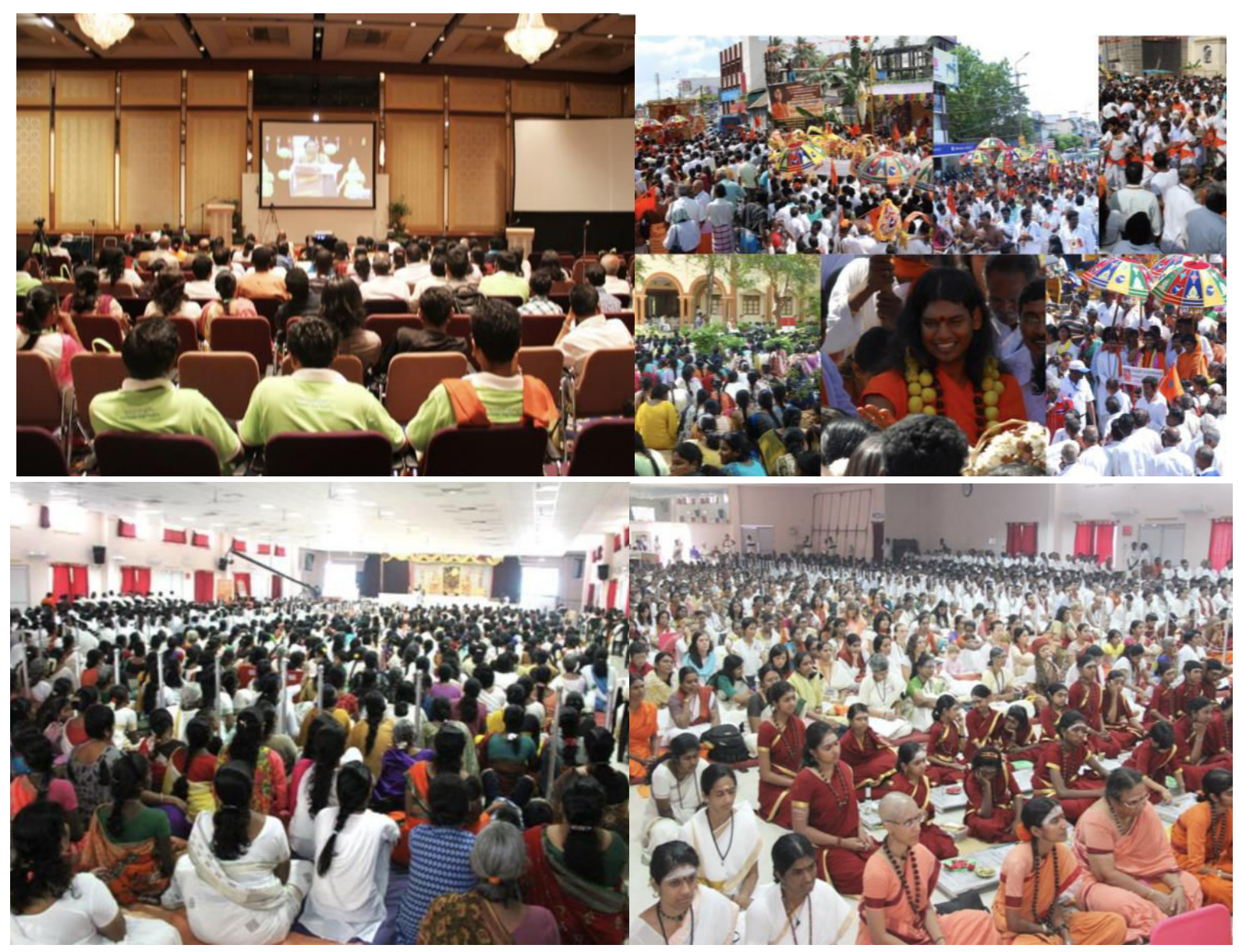
2013 - San Jose, USA – Participants enraptured with the magnetic aura of His Divine Holiness for healing (top left); Guru Purnima (top right, bottom left & bottom right)
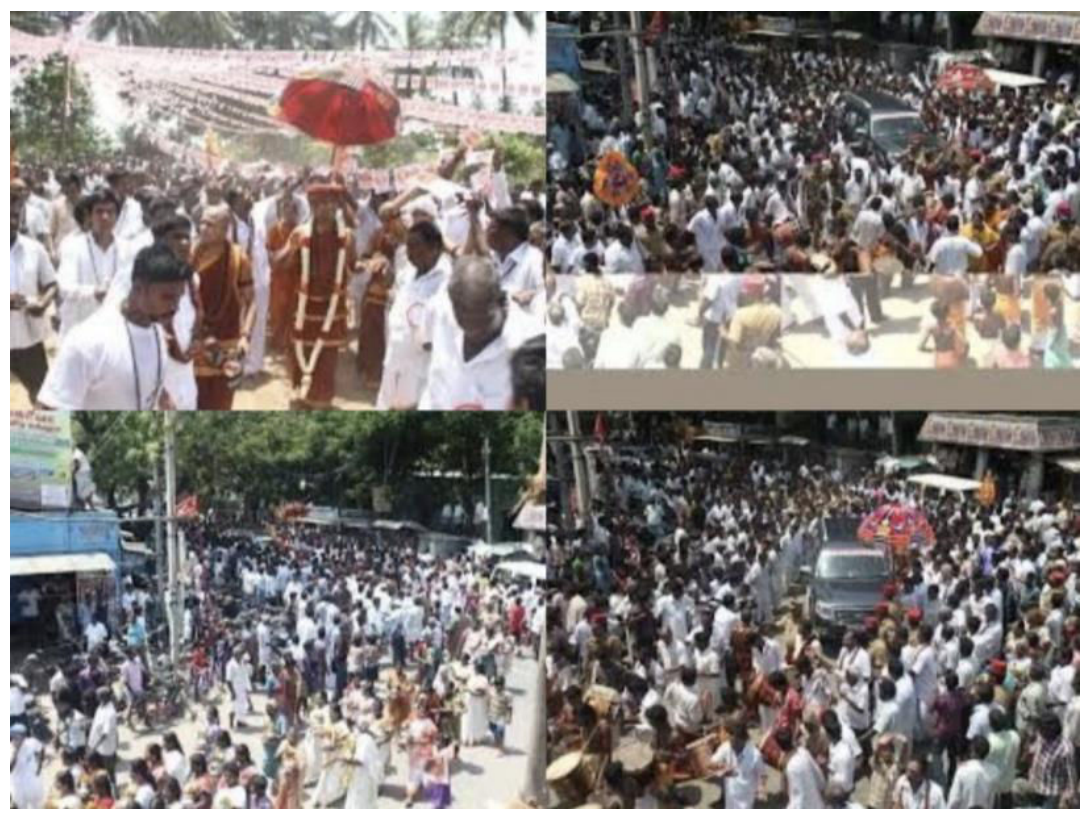
2014 - Various healing and meditation initiatives conducted in 2014
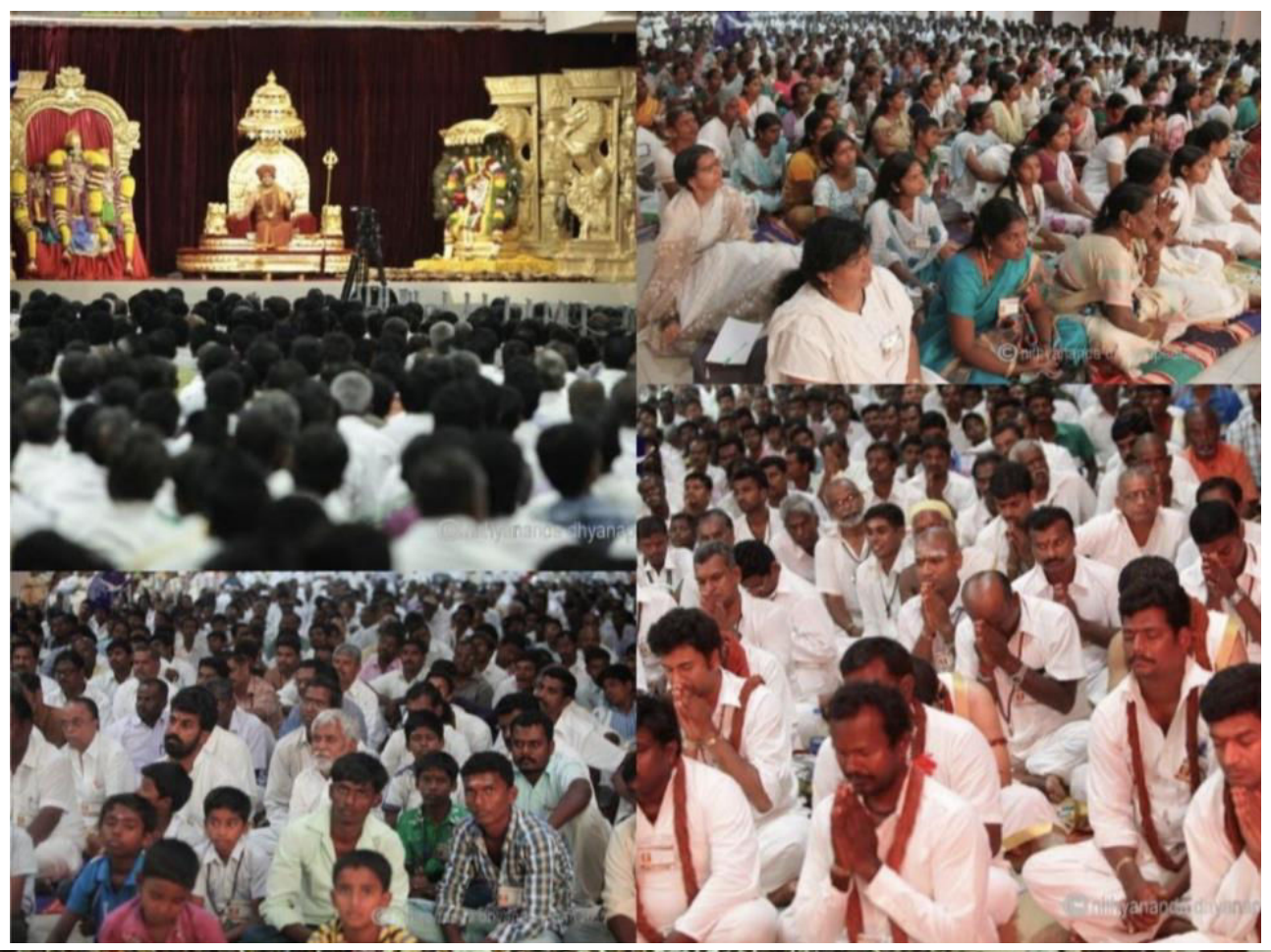
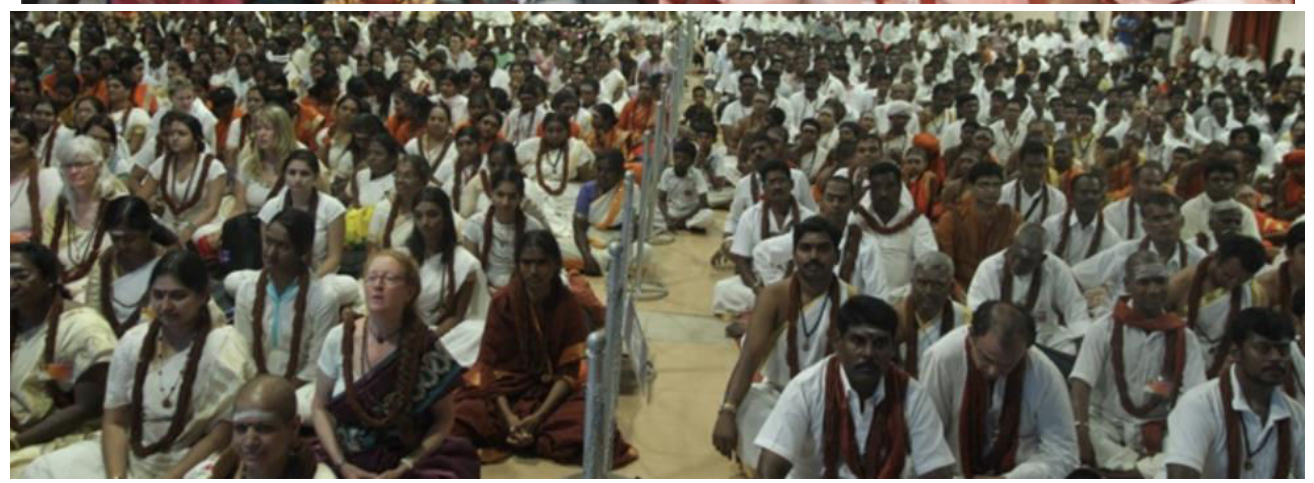
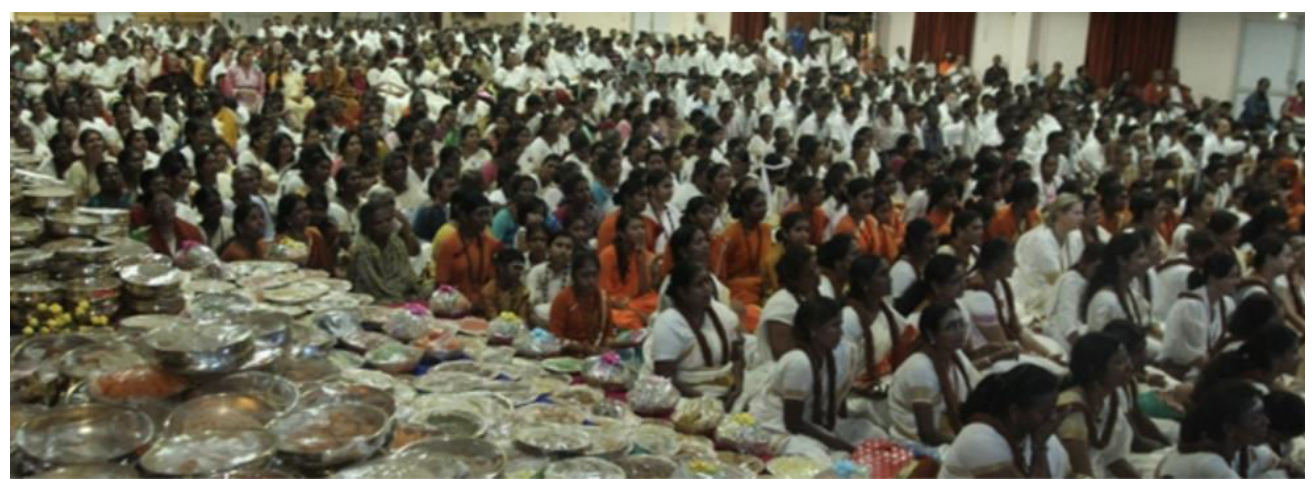
2015 - Various healing and meditation initiatives (top), Shivaratri Mahasatsang – Guided mass meditation session (centre & bottom)
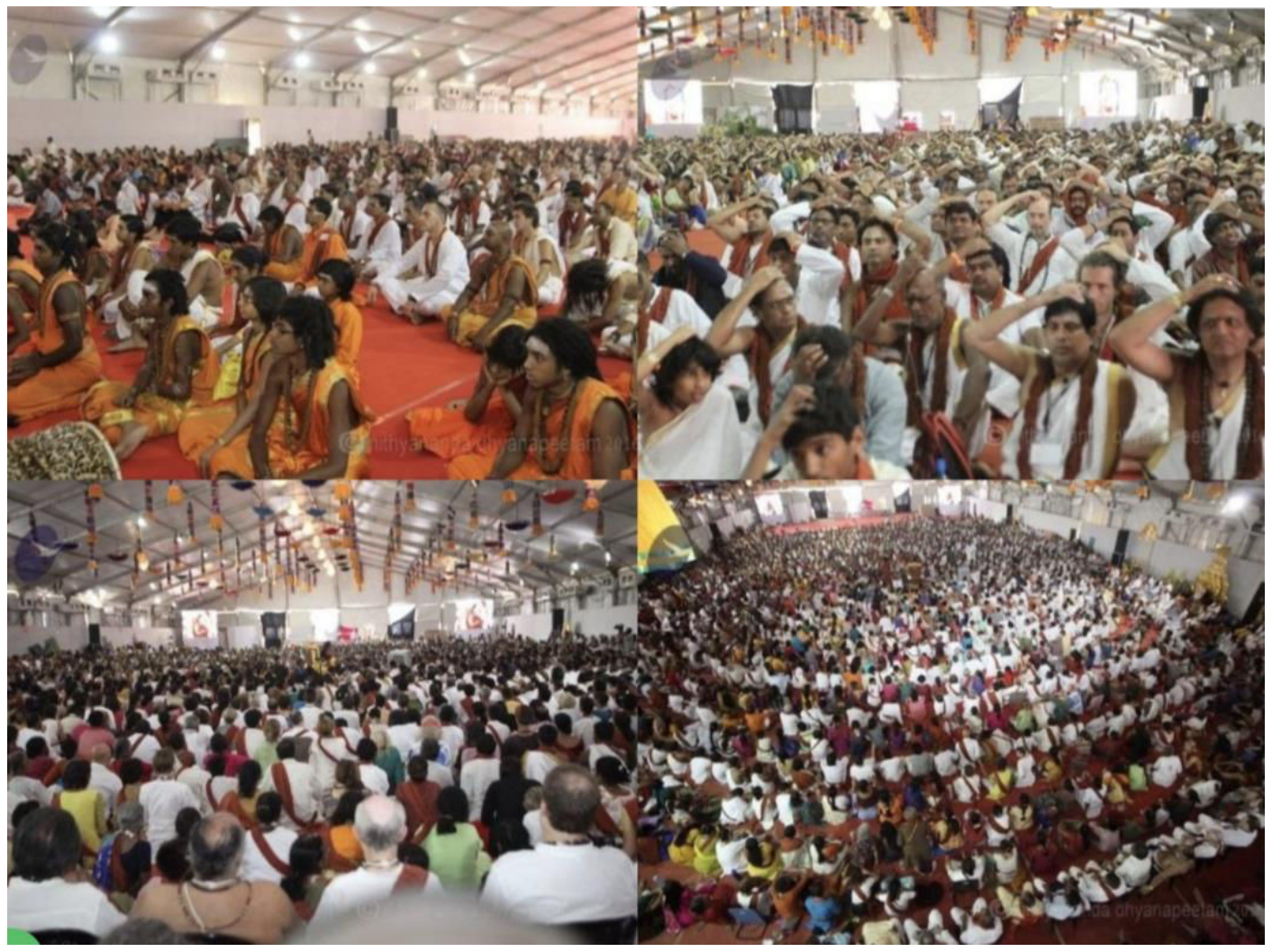
2016 - Various healing and meditation initiatives conducted in 2016
Yellow Om
KAILASA's Humanitarian Response To provide Knowledge Assistance to the world
विद्या नाम नरस्य रूपमधिकम् प्रच्छन्नगुप्तम् धनम् विद्या भोगकरी यशस्सुखकरी विद्या गुरूणाम्
गुरूः। विद्या बन्धुजनो विदेशगमने विद्याम् परम् दैवतम्।
vidyā nāma narasya rūpamadhikam pracchannaguptam dhanam vidyā bhogakarī
yaśassukhakarī vidyā gurūṇām gurūḥ | vidyā bandhujano videśagamane vidyām param
daivatam |
Sacred Knowledge is human’s ultimate beauty, the hidden treasure. Through knowledge, one can enjoy different happiness, success and it is the Master of all masters. During foreign travel, knowledge is our kin. Knowledge is verily the supreme Divine.
Nīti śatakam, Verse 20
The great Hindu civilization of Akhanda Bharat comprising of 56 nations, 200 states, 1700 provinces and 10000 sampradayas (spiritual and religious traditions) has been a source of a phenomenal volume of knowledge repositories with more than 100 million scriptures being in active use over ten thousand years ago, that gave birth to numerous advancements in numerous fields including health, governance, Law, Banking & Accounting, Architecture & Civil Engineering, Performing Arts, Medicine, Surgery, Botany, Chemistry and Metallurgy, Music, Agriculture, Astrology, Shipbuilding, Manufacturing, Food sciences, etc. The 56 Hindu nations of Akhanda Bharat had several grand libraries and Universities that offered education as per indigenous Hindu and Buddhist traditions. Out of these knowledge repositories, only 20 million remain today with us due to centuries of discrimination, exploitation, dispossession, and colonization on Hindu civilization. The Nalanda library alone had been revived several times and set on fire several times. Other great libraries such as Vikramshila, Jagaddala, etc. were also destroyed in a similar way and at around the same time. Hindu scholars and Buddhist monks were beheaded while trying to protect these precious books that contain some of the most life-positive thought currents available to mankind. The SPH Nithyananda Paramashivam describes the sacrifice of our human ancestors – “Even when we were cut into pieces, we continued to stand for peace. The strength we demonstrated even in the face of the sword – the peace we demonstrated even in the face of the violence – is the pride of Vedic civilization.” Nithyananda Hindu Library (Jnanalaya) is a very critical part of KAILASA’s mission towards realizing inner peace, societal peace, and global peace. As a mark of celebration of deva guru brihaspati and the ultimate Adi Guru Dakshinamurthy - YELLOW OM provides all the knowledge related services including creating libraries, free access to knowledge sciences through these libraries to humanity. The YELLOW OM aims to preserve these ancient knowledge repository systems and will be providing knowledge assistance to yogic, ayurvedic solutions and medical care based on Hindu yogic sciences, Hindu medicine science as it gives hope and strength to persevere, especially to the weakest and most vulnerable sections of the society.
Consequently KAILASA's Department of Vedic Science and Technology in collaboration with KAILASA's Department of Enlightened Civilization and KAILASA's Department of Health in alliance with ShriKailasa Uniting Nations for Ancient Rituals, ShriKailasa Uniting Nations for Restoring Spiritual Legitimacy, Nithyananda Hindu University, ShriKailasa Uniting Nations for Yoga, ShriKailasa Uniting Nations for Ancient Sciences, ShriKailasa Uniting Nations for Mystical and Spiritual Sciences, and ShriKailasa Uniting Nations for Ancient Sacred Arts and Sciences are devoted to strengthening the multifarious efforts of recognizing the urgency of the revival of the aforementioned knowledge sciences for a relevant aspect of sustainable development in the world under an international humanitarian agency named - YELLOW OM.
Objectives
The objective of YELLOW OM includes:
1. To host libraries and institutions of indigenous scriptures all around the world that have the largest collection of ancient texts on religion, spirituality and knowledge of several extinct indigenous Hindu sciences.
2. To organize, preserve, time-capsuled, decoded, and finally made several of these sacred scriptures freely available and accessible through the internet.
3. To share the knowledge with effective collaboration and partnerships to create breakthrough in the field of health care systems by maintaining world’s largest archival record of indigenous studies.
4. In this digital age, Sanatana Hindu Dharma is hardly understood even by Hindus as the amount of digitization of Hindu scriptures is a very small percentage of what is even available or known. Translation of our scriptures to commonly used languages of this day and making it user friendly is one of the important goals of YELLOW OM.
5. To collect, share and spread the largest archival records of Hinduphobia ‘hate literature’ which are evidence of systematic state-sponsored persecution of minority indigenous religious sects to destroy the ancient indigenous knowledge repositories.
6. To present at least ten-thousand concepts of Hinduism like Birth, Life, God, Death, Karma, Listening, Intranalyzing, at least ten-thousand concepts of Hinduism and the spiritual masters, religious leaders, various philosophies be visually presented with examples.
7. To Establish Hindu Compliance System and Body that will work to create, promote, spread and teach the standard procedures for all products and services that are in compliance with Veda-Agamic principles. Hinduism has detailed procedures, standards, methodologies for everything. Hinduism is a rich religion with vast choices, It educates and empowers, is a non-restrictive, enlightening and empowering set of Principles. The Hindu Compliance Body will work towards recognizing the needs of citizens of KAILASA, compiling the standards, and policies such as - economic policy, religious policy, spiritual policy or strategies or any products and services, as mentioned by Paramashiva in Veda-Agama.
Prevalence And Relevance
In ancient Hindu civilization, the mastery over scriptures was achieved by specializing in every sect, or branch of scripture over multiple generations. The important thing to realize is that several of these scriptures are very much alive – in terms of the knowledge they offer, their stories, anecdotes, their poetry, their sciences, etc. are very much part of day-to-day indigenous life. The indigenous knowledge communities – the Shivacharyas, Kashmiri Pandits, and various practicing Brahmin scholar communities, have spent their entire life and of several generations to protect these scriptures. For this reason, the targeted persecution and cultural genocide of indigenous knowledge communities such as Kashmiri Pandits are especially worrisome. Indigenous Hindu tribes and schools specialized and systematically practiced only singular or a select number of branches of these Veda-Agamic scriptures and kept them alive over thousands of years. Each Hindu sect or school (Shakha or Sampradaya) is interdependent on other schools (Shakha) for the practice and application of the entirety of these indigenous peace scriptures of Hinduism. The loss of one lineage, or school (Shakha or Sampradaya) is not just a loss for the respective knowledge stream but a loss of the entire indigenous Hindu tradition.
There are more than two million indigenous Hindu temples in India that once had a library, but today not even one of them has any ancient manuscripts or any library. The extent of this cultural genocide is such that most indigenous people are completely unaware that as per tradition, temples are supposed to have libraries.
“prāsādau caturdikṣu tadvidikṣvantarālake | bhaktoktasthānake vāpi vidyāsthānaṁ prakalpayet ||”
Center for the scriptural (Veda-Agama) studies (libraries) should be constructed in all the four main directions of the temple, in the corner directions of the temple, in its inner enclosure, or the locations recommended for the installation of the images of Śaiva-devotees.
2ⁿᵈ Verse, 74 Chapter, Uttar Kamika Agama
There are about a thousand mutts (Hindu monasteries) that have their ancient libraries destroyed or poorly maintained. India has more than 5 million manuscripts in various libraries, mutts, and personal collections of various individuals. Most of these, however, are either getting destroyed or almost inaccessible to Hindu Scholars.
The destruction of the indigenous libraries destroys several thousands of years of scholarly research and practice of the indigenous Hindu scriptures. The indigenous Hindu scriptures are not just the repository of ancient spiritual and religious knowledge, they are a repository of a phenomenal volume of ancient Human knowledge and expertise. The indigenous Hindu scriptures enable not just excellence in a particular profession but the attainment of spiritual liberation even through the mere practice of the profession. There are primarily 32 such knowledge sciences (Vidya) and 64 such meditative arts (Kalaa) described in indigenous Hindu scriptures, most of which have lost their spiritual components in the contemporary era. The destruction of indigenous Hindu libraries is an intellectual genocide, a cultural genocide of unprecedented scale and impact.
Policy
“A civilization is made up of its Gods, Scriptures, rituals and tenets that are lived. These aspects provide the vatavarana (environment) where human beings flourish in whichever dimension of life they are passionate about. Sanatana Hindu Dharma is the oldest living civilization on planet earth. This glorious civilization has about 20 million source books. One source book is sufficient for a religion to emerge. For most of these books, there are bhashyas (commentaries), tikas (commentaries on commentary), and varthikas (commentaries on tikas). There are more than 32 different types of commentaries that exist in Sanatana Hindu Dharma. Each and every source book can be commented on in more than a thousand ways by permutation and combination of various types of writing. Imagine the richness of this tradition”
- The SPH Nithyananda Paramashivam
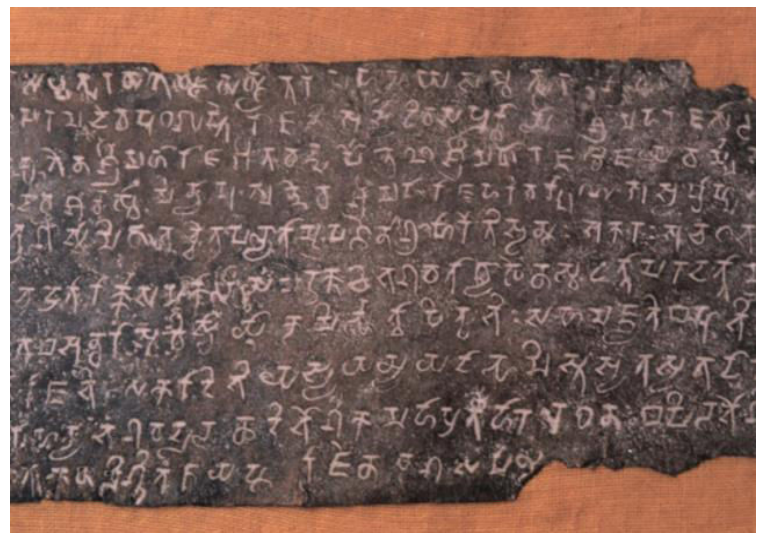
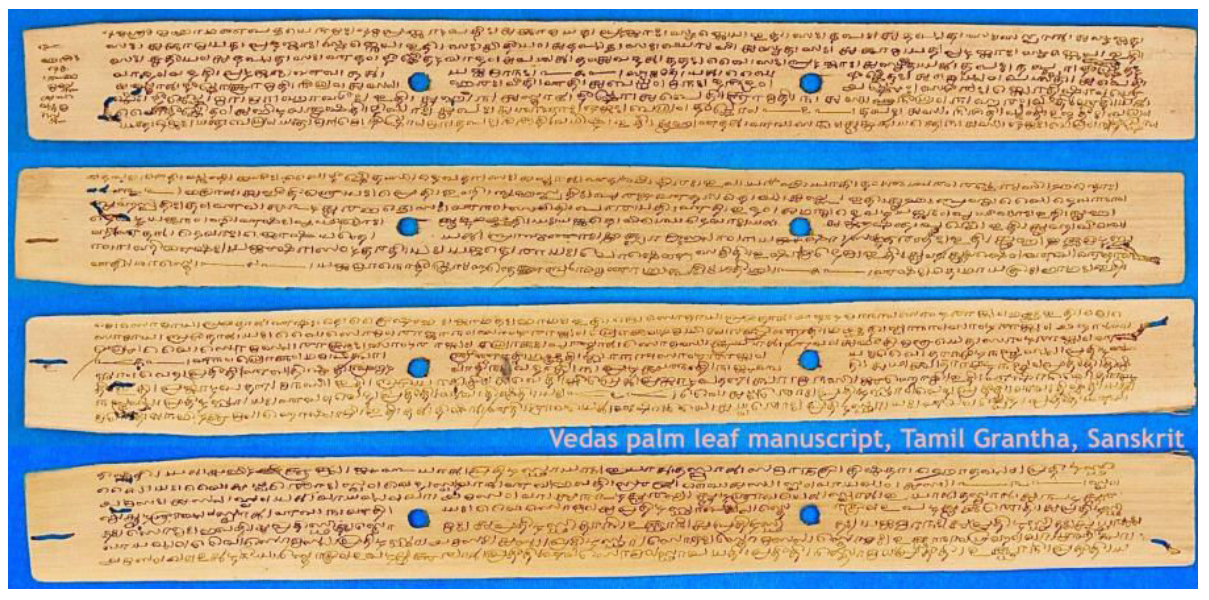
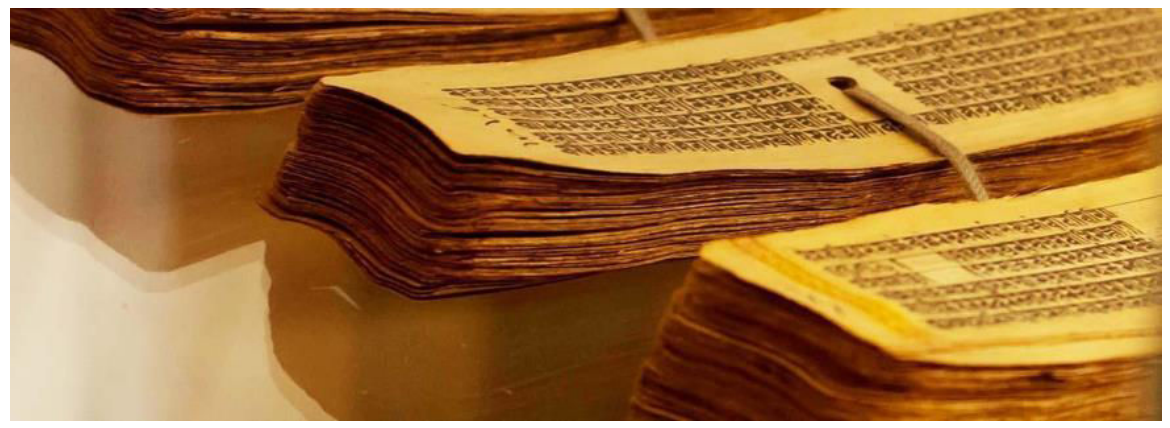
A manuscript is a handwritten document, in Sanskrit, Grantha, Tamil or such ancient script, usually on palm-leaves, dating back to at least 1000 years ago. The study of manuscripts reveals the social, cultural, historical, economic, artistic and aesthetic changes that have occurred in the course of development of our civilization. In the ancient days, knowledge and experience were recorded and preserved for the benefit of future generations. In India, writing was done on walls, footsteps and pillars of temples, stones, bricks, metal sheets, silk and cotton cloths, wooden boards, terracotta boards, bamboo chips, birch bark, palm leaves, etc. Such manuscripts have been found in hundreds of different languages and scripts all over India. etc. YELLOW OM strives to collect, preserve, revive, digitise and reprint these manuscripts and share them with the world.
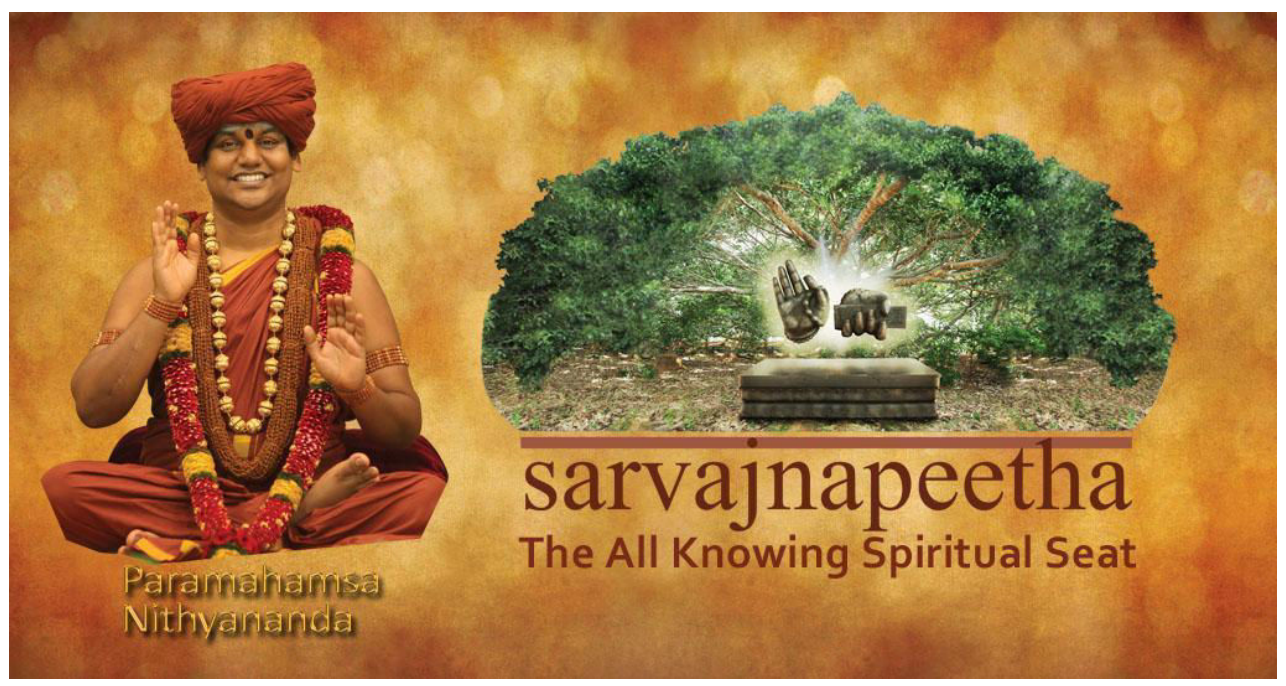
In ancient days, Hindus used to visit Naimisharanya if they wanted to resolve any conflicts, problems, or questions. They will go to where all the scriptures are stored, and the rishis who have read all the scriptures are available who will refer immediately to the scriptures and provide solutions. YELLOW OM strives to revive the Naimisharanya, the SarvajnaPeetha to provide sustainable user-friendly solutions as per agamas. KAILASA empowers the citizens around the globe to follow lifesty;e as per agama and find solutions from agamas for all lifestyle issues, social issues, how we should conduct ourselves in society, liberated thinking and much more.
The 16ᵗʰ Chapter of the Bhagavad Gita, 24ᵗʰShloka says:
ThasmaathShaasthramPramaanam they kaaryaakaaryavyavasthithau |
Jnaathvaashaasthravidhaanoktham karma karthumihaarhasi||
‘Therefore let the scriptures be the authority in determining what ought to be done and what ought not to be done; having known what is said in the ordinance of the scriptures, thou should act here in this world.’
Quoting this 24th Shloka in the 16th Chapter of the Bhagavad Gita, YELLOW OM launched the Vaidika Grantha Samadhi. It is a vision of an internet based Sarvajnapeetha (meaning, Think Tank of Hinduism) which He called as the Antharjaala SarvjanPeetha. YELLOW OM envisions to build beautiful libraries around the world where the knowledge transmission methodologies and mechanisms are made user-friendly and presented as video encyclopedia of Hinduism. These libraries called Grantha Samadhis are considered as Deities to be Worshipped. The Antarjaala SarvjnaPeetha should be organized such that, with just a dial or an email, an individual should get all the replies he or she seeks along with the reference of the original/authentic scripture. The question can be as simple as ‘How can I worship a cow every morning in my house?’, or as complicated as ‘Should I go for this marriage with this person?’
Every response drafted by the religious peacekeepers of YELLOW OM should be completely substantiated by a Hindu scripture and be available to all free of cost. People should know that the answers are coming from an authentic Vedic tradition. The Antharjaala SarvajnaPeetha will have a collection of scriptures that will be available for free download.
Humanitarian Response Plan
Over the last 26 years, the YELLOW OM in collaboration with KAILASA’s Dept of education has
- collected over 1,000,000 digital books on Hinduism
- 100,000 titles and physical books on Hinduism, which includes over 50,000 rare manuscripts on Hinduism, Performing Arts, Culture, Architecture, Hindu History, and Society.
- More than 15TB digital Books and manuscripts, a special collection on Kashmir Shaivism, and various other rare manuscripts, books from ancient Mutts and Ashrams
- It has an online repository of more than 14500 palm-leaf manuscripts online for free downloads.
- The library has identified and located more than 4,00,000 titles on Spirituality, Veda-Agama, Hindu Art and Architecture, Hindu Performing Arts, Hindu Sciences, and various other branches of Sanatana Hindu Dharma.
- The SPH Nithyananda Paramashivam has given magnanimous volumes of audio commentary on these scriptures which surpass 30,000 hours of playback time – a work realized over fifteen years. These commentaries and other video discourses total to more than a petabyte. The impact of even one hour of content delivered by the SPH Nithyananda Paramashivam has the potential to impact the world profoundly. Yet these were just a few verses from the trillions of verses found in ancient indigenous scriptures. And these are not just ideas, they are backed with a history of experiences recording challenges, success, and failures seen along the way. This extremely crucial data containing the wisdom of our ancestors is made accessible and available by the SPH Nithyananda Paramashivam in various ways which are directly relevant and useful to mankind.
- The SPH Nithyananda Paramashivam has chosen to simplify several of these scriptures in the language of the common masses. The SPH Nithyananda Paramashivam has provided more than 10,000 hours of video discourses on YouTube alone, which attracted almost 81 million views and more than 50 million watch hours, serving more than 300,000 subscribers.
- YELLOW OM has attempted to provide a detailed structure and classification of these indigenous Hindu Source scriptures as ordained by Lord Paramashiva (Primordial Hindu Divinity). KAILASA’S NHL has developed the world’s first exclusive ‘Hindu library management system’ based on the ancient Vedic Scriptures classification tree. This classification system has more than 900 subject areas and more than 32 different levels of commentaries. This Indological knowledge classification system provides 30,000 different categories to catalog any book from Hinduism.
- The Hindu Compliance body brought innovations and solutions to global challenges by bringing together the various standards, procedures, and guidelines revealed in Veda-Agamic Scriptures in the areas of food, economic principles, temple architecture, lifestyle, health and medicine.
- Hinduismpedia is the simple humble hard work to organise and present all the Hindu scriptures available on the planet earth, digitally in multiple languages, authentic translation as it is without any manipulation, interpretation with a total compilation accounting to 1 million pages on Hinduism, collection of 22000 digital books, 1000 plus e-text books and 100000 plus articles on various topics in Hinduism.
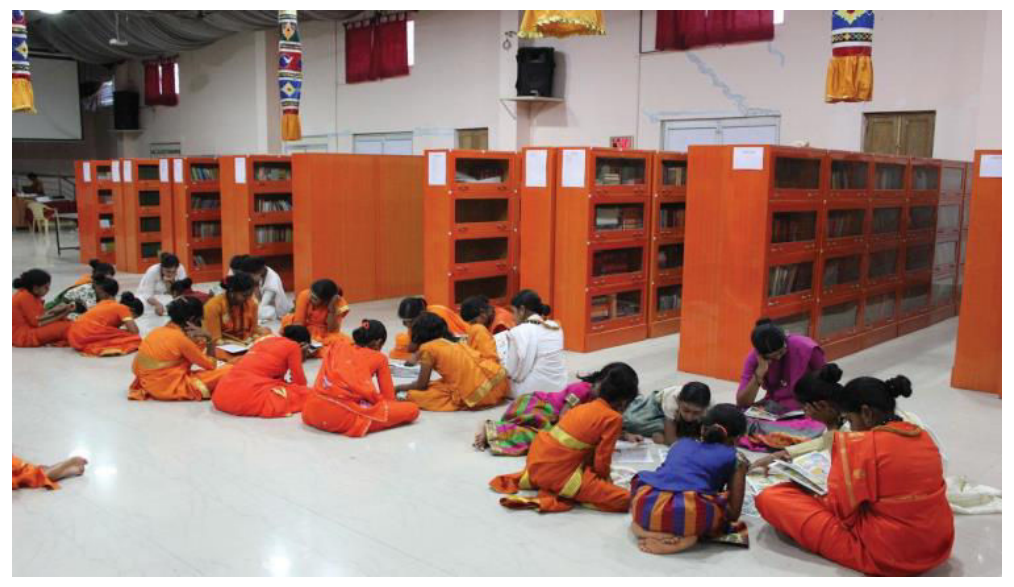
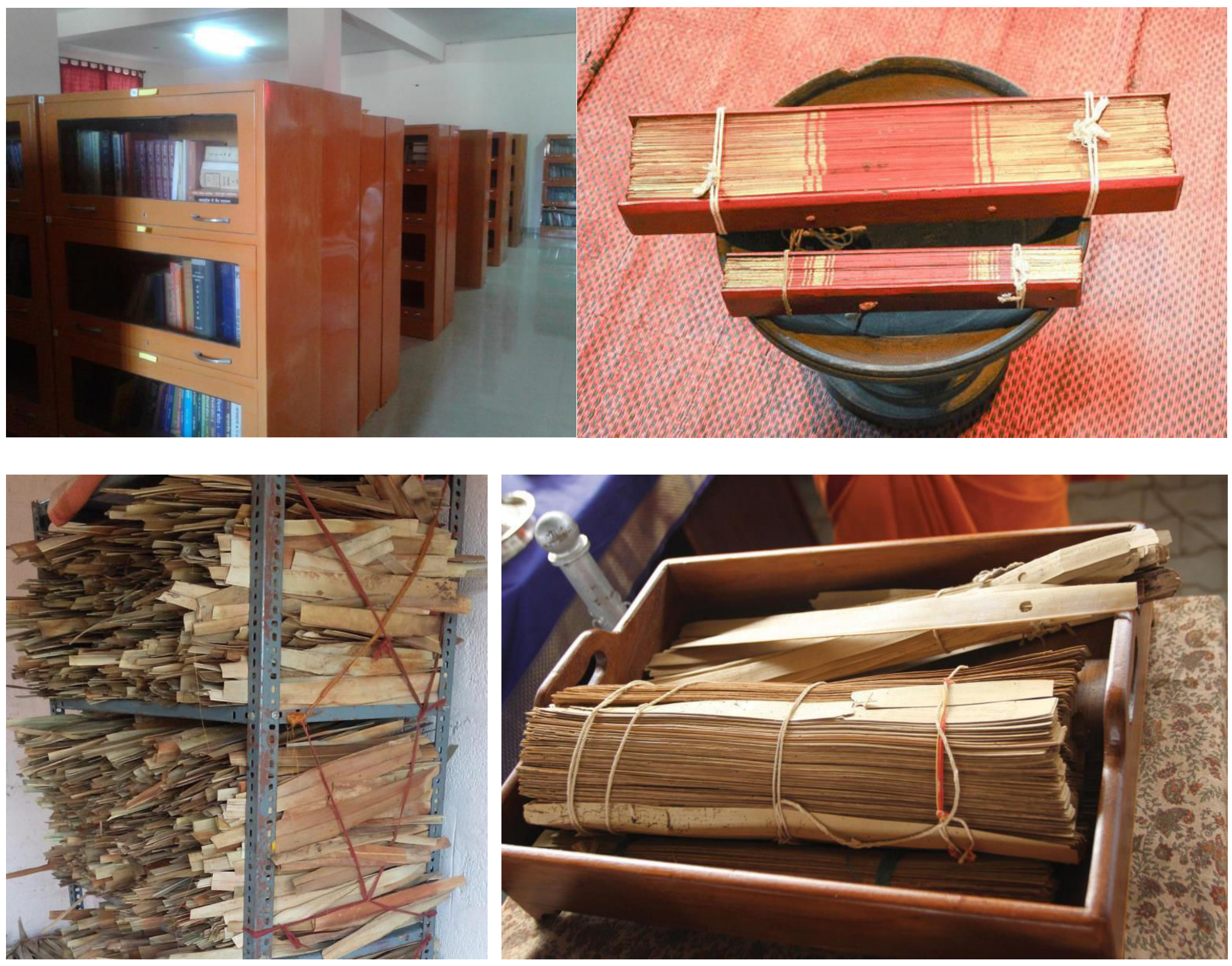
Gurukul Balasanths pore over books at the Nithyananda Jnanalaya at the Bengaluru Adheenam
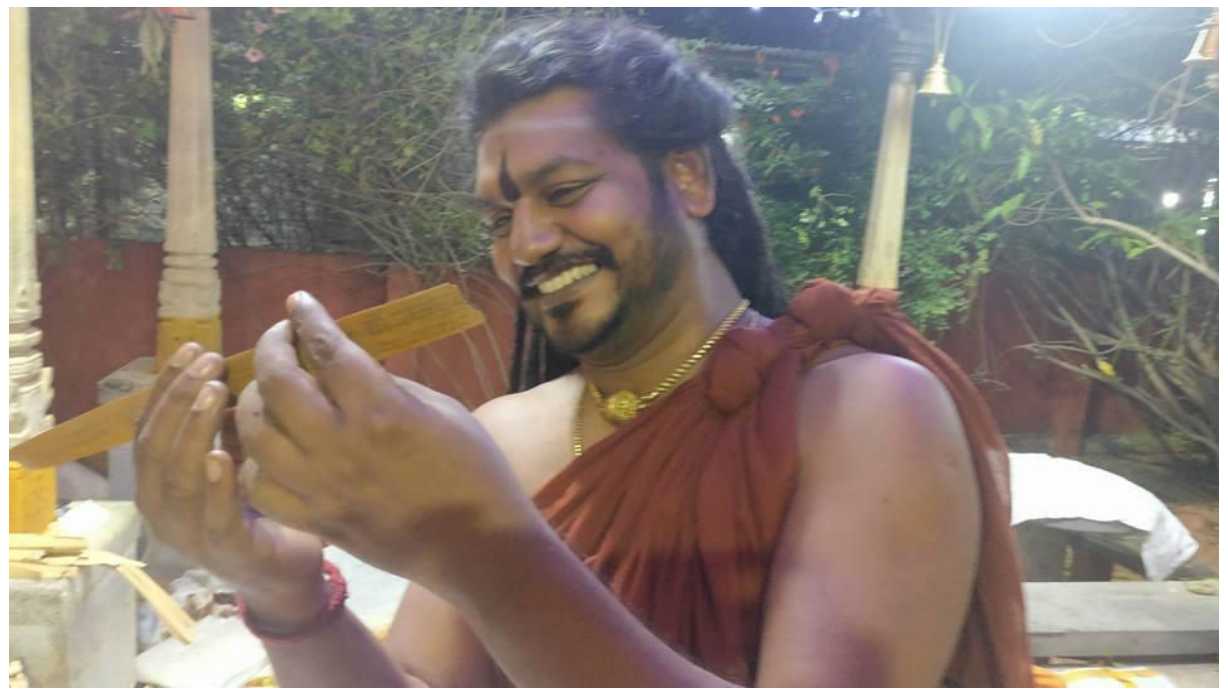
The SPH Nithyananda Paramashivam holding a single palm leaf scripture - with delight, devotion, and reverence!
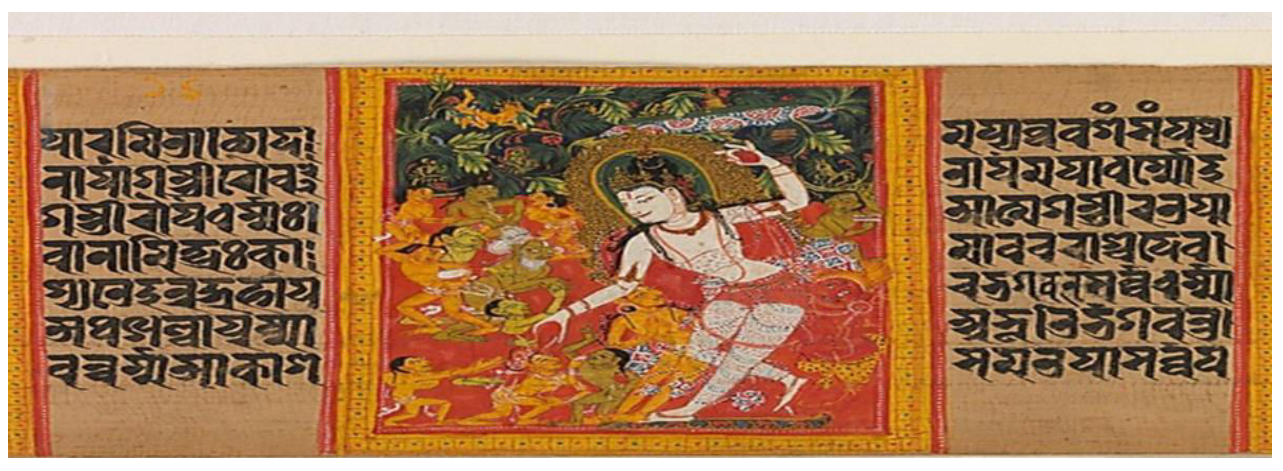
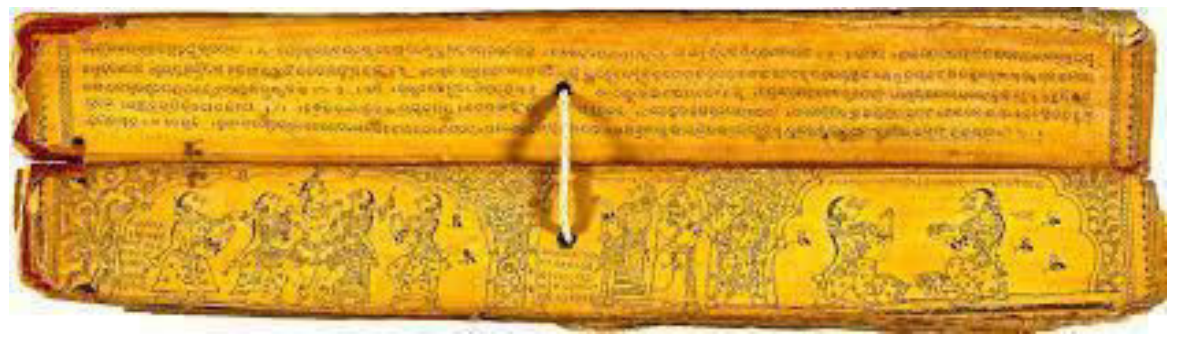
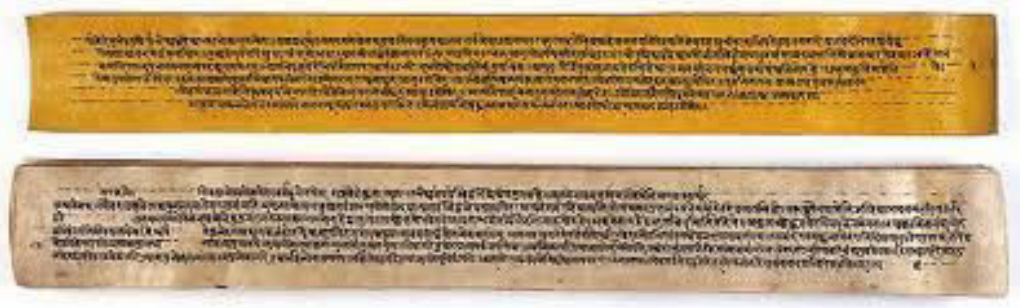
An ancient Buddhist manuscript (above); A manuscript from Jayadeva's Gita Govinda (below)
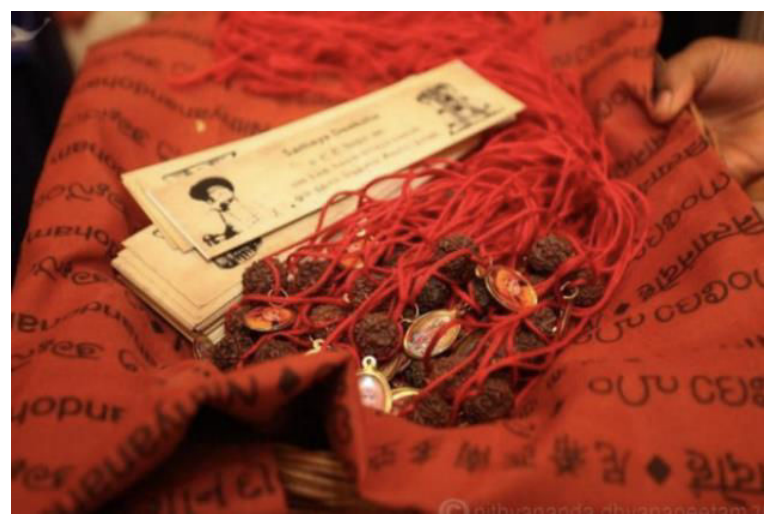
mantra on a palm leaf revived by The SPH Nithyananda Paramashivam, to distribute to lakhs of pilgrims and devotees who thronged the Nithyananda Dhyanapeetham camp, during the Simhasta Maha Kumbh, Ujjain in May 2016. (left); A partial manuscript (right)
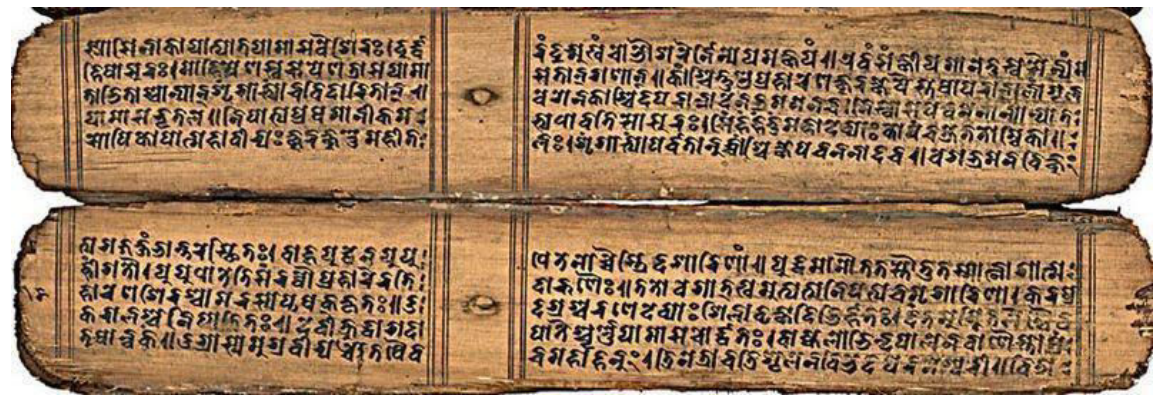
Devi Mahatmya - a fragment of Sanskrit manuscript
Treasures of Manuscripts in the Nithyananda Jnanalaya
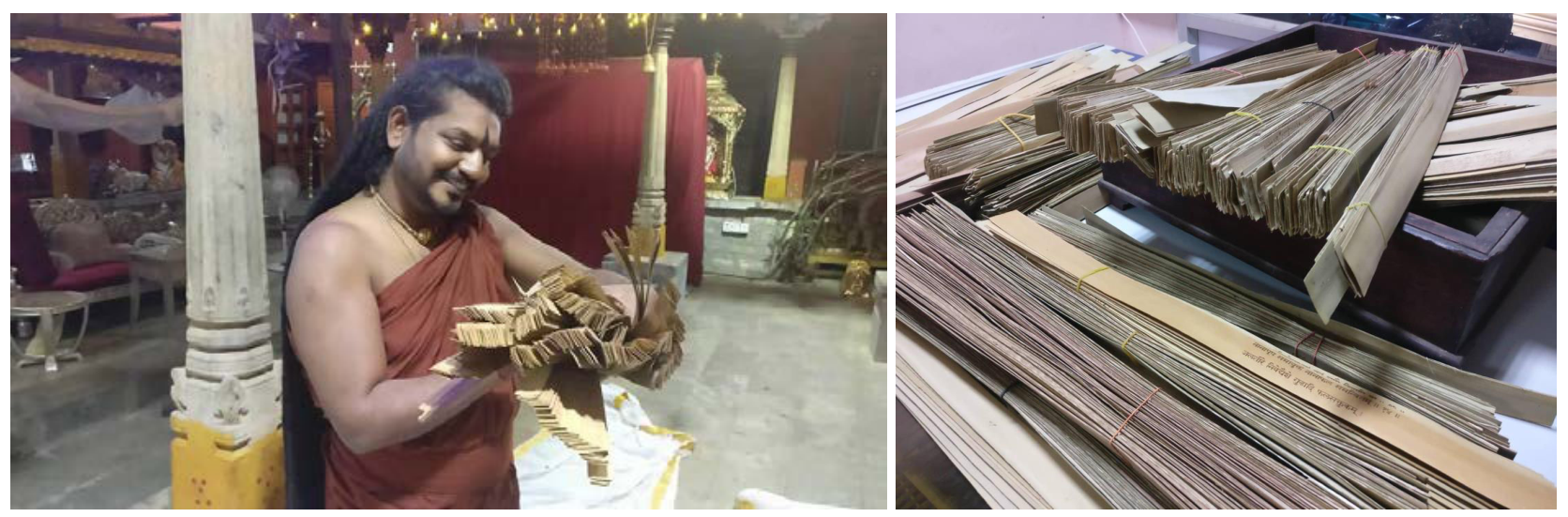
The SPH Nithyananda Paramashivam looks with absolute reverence at a set of palm leaf manuscripts
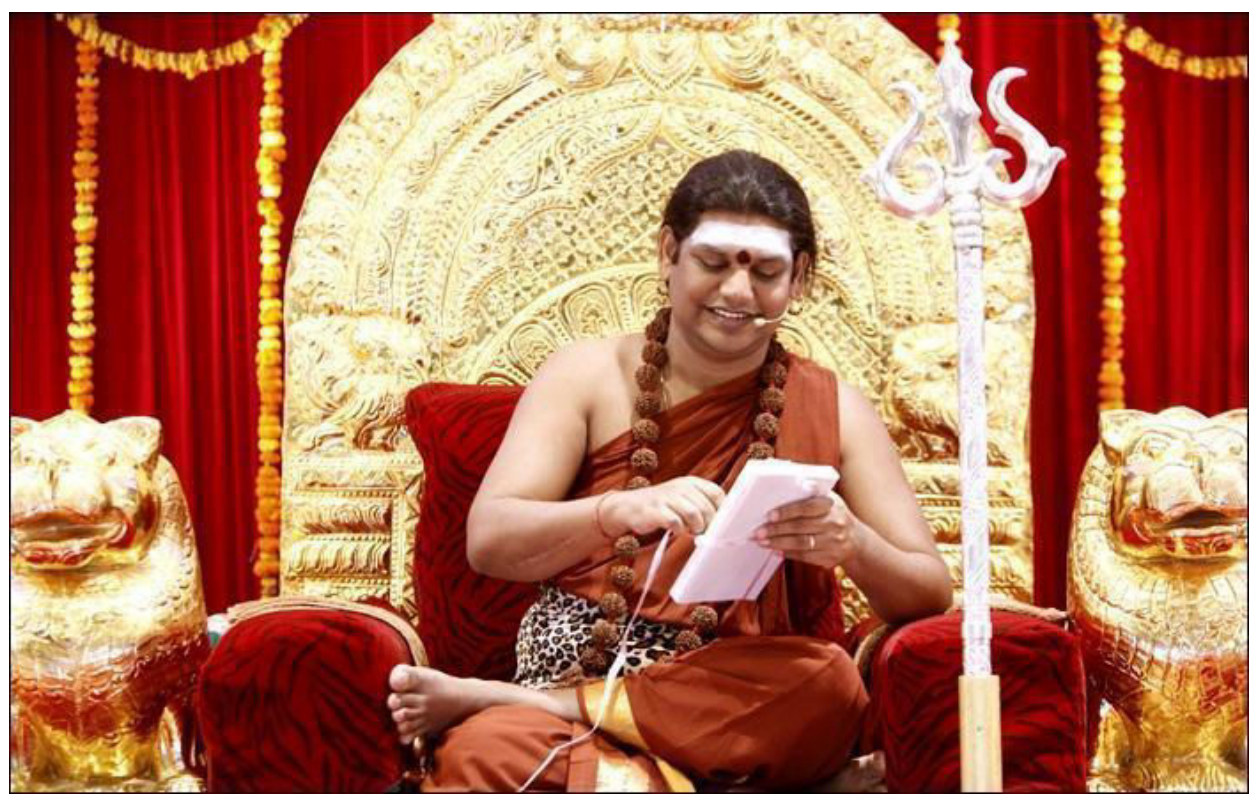
The SPH Nithyananda Paramashivam releasing one of his many works
Conservation And Preservation of Manuscripts
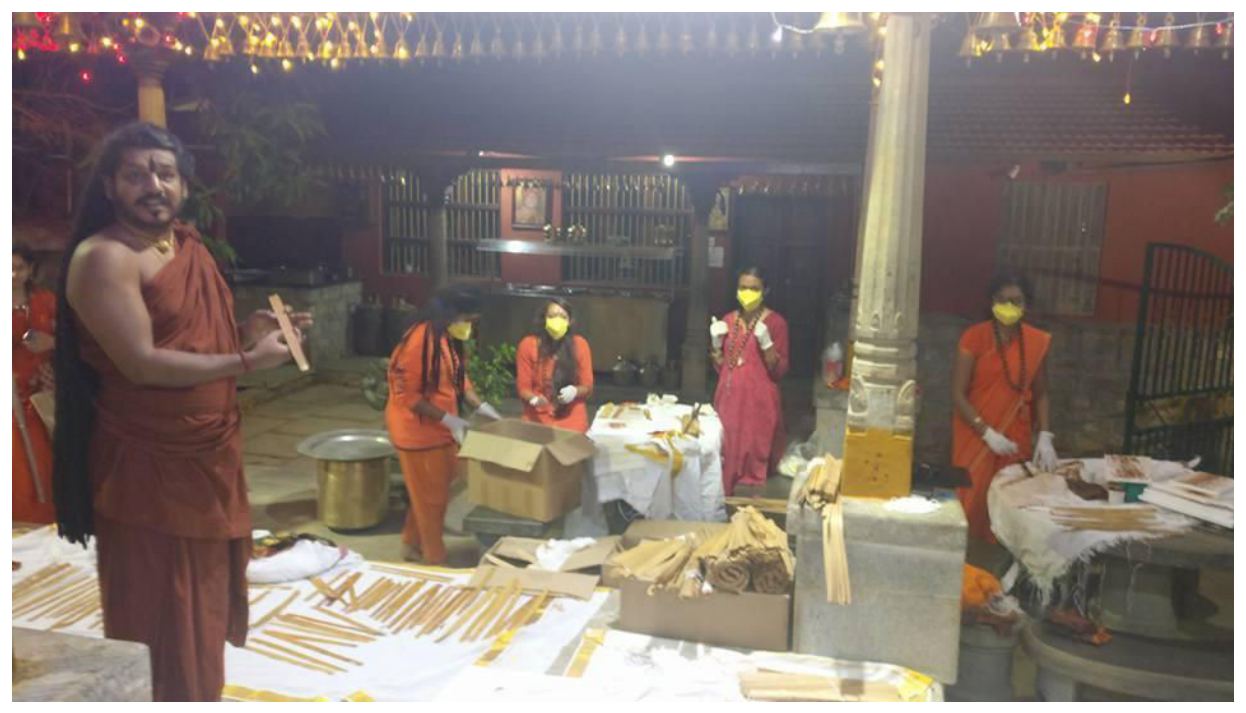
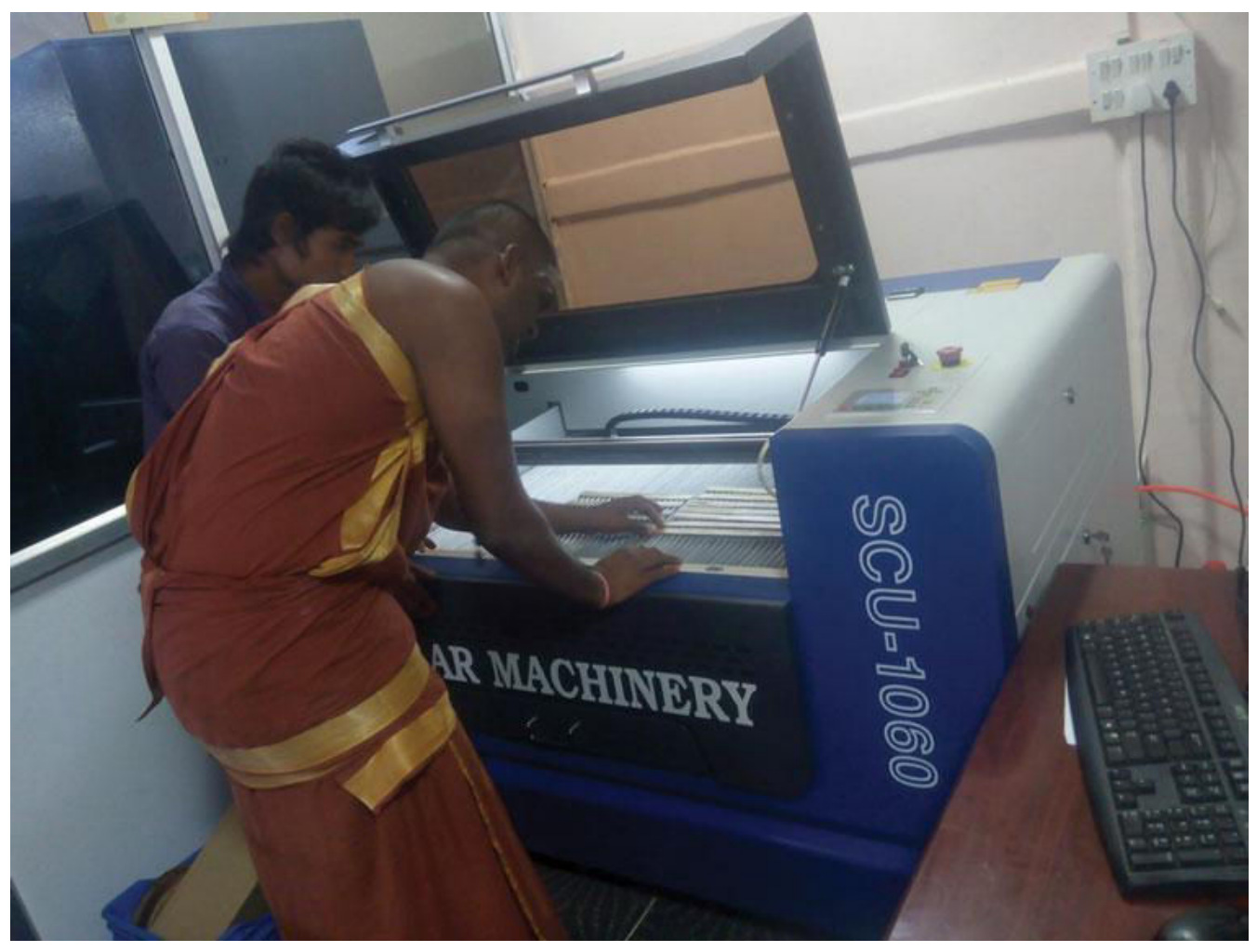
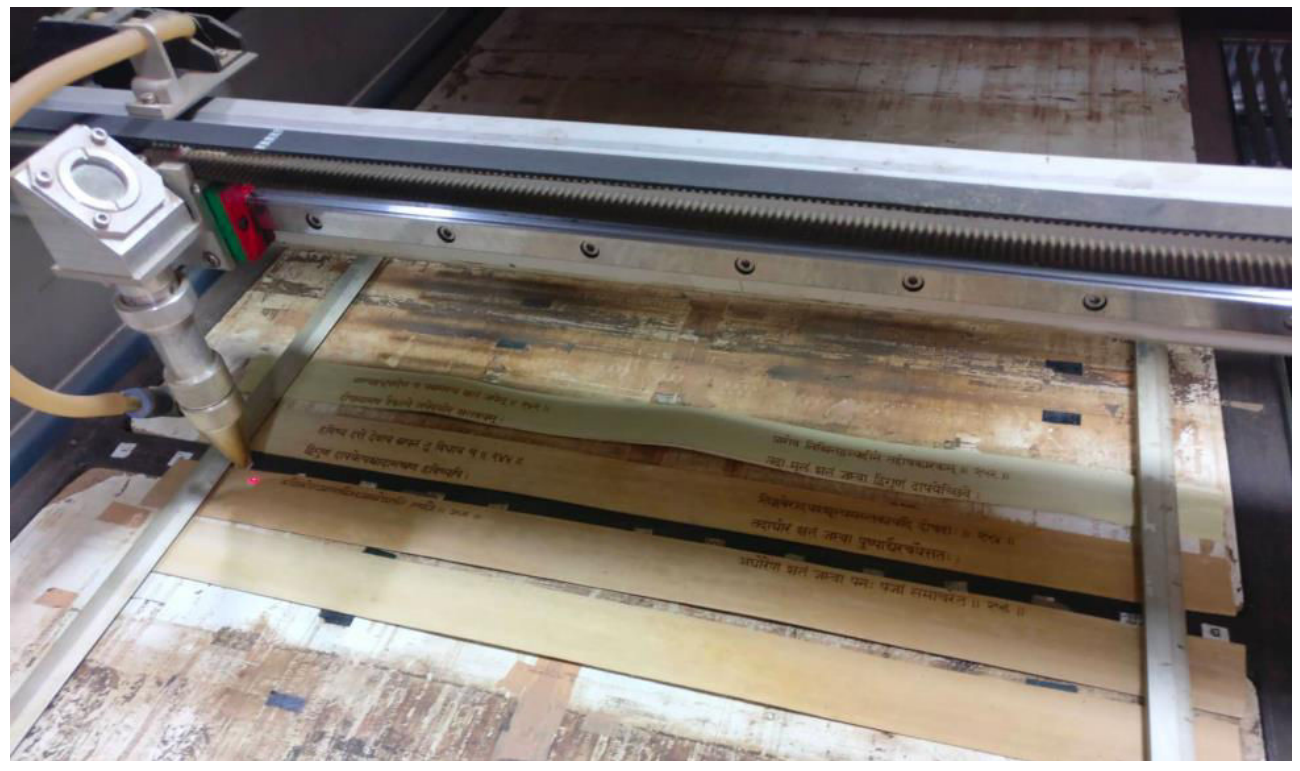
Collecting, Sorting, Cleaning, Reprinting -Manuscripts at KAILASA’s Nithyananda Jnanalaya
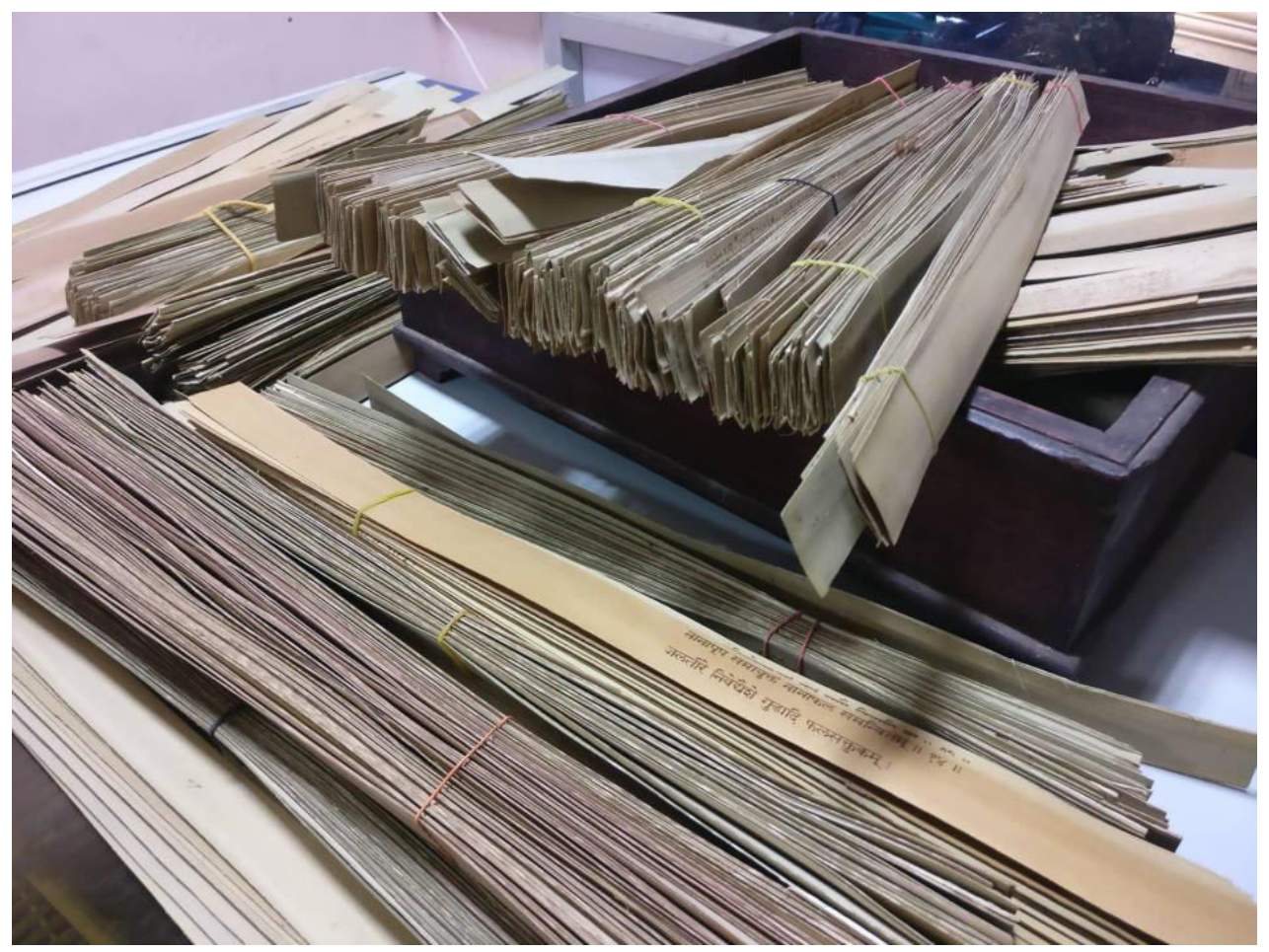
Stacks of Palm Leaf for use in reprinting manuscripts, at the Nithyananda Jnanalaya
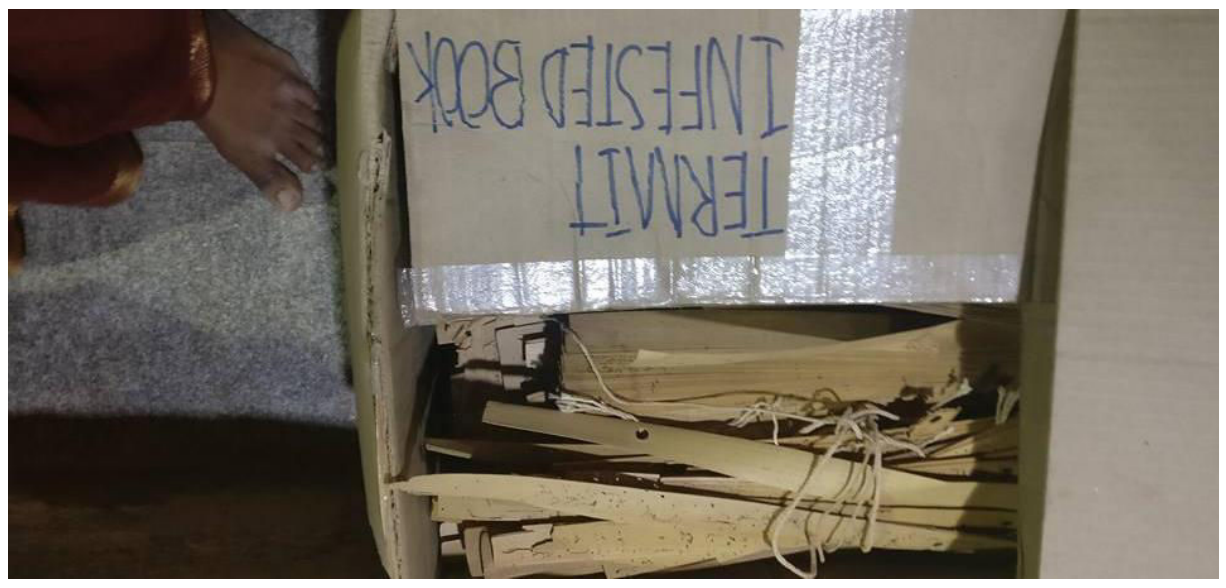
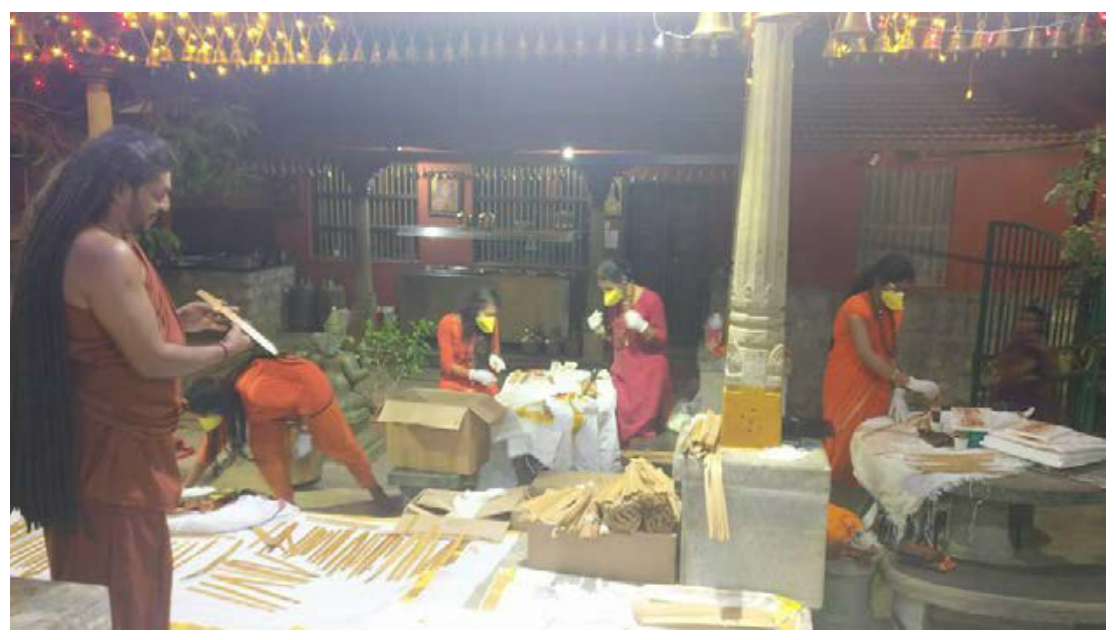
Sorting & Segregating
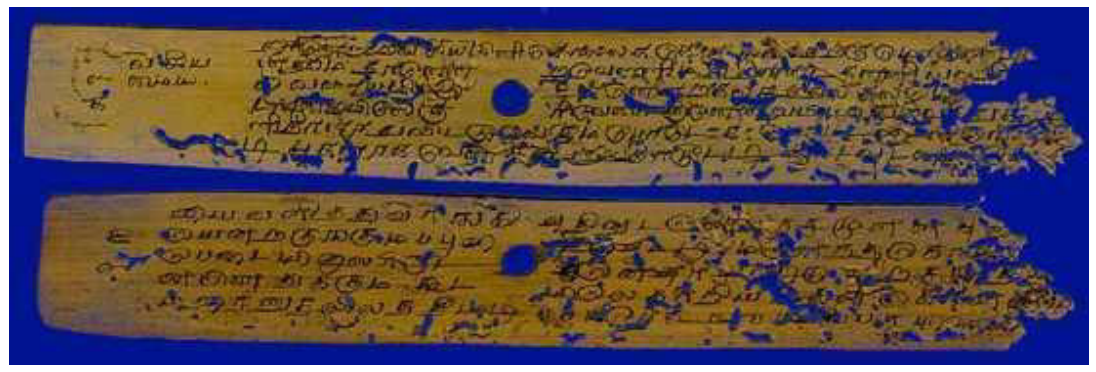
Below - A termite infested manuscript
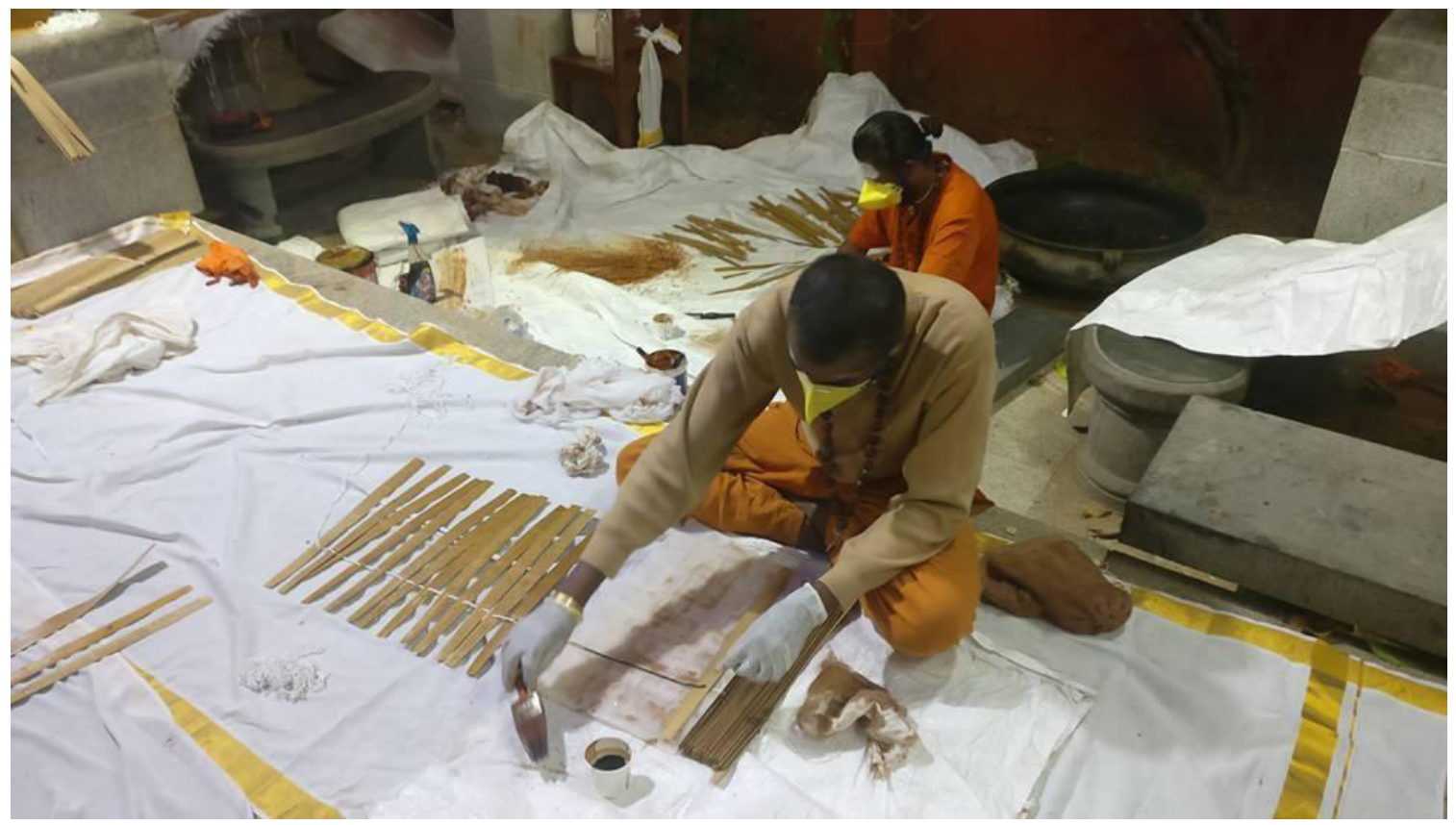
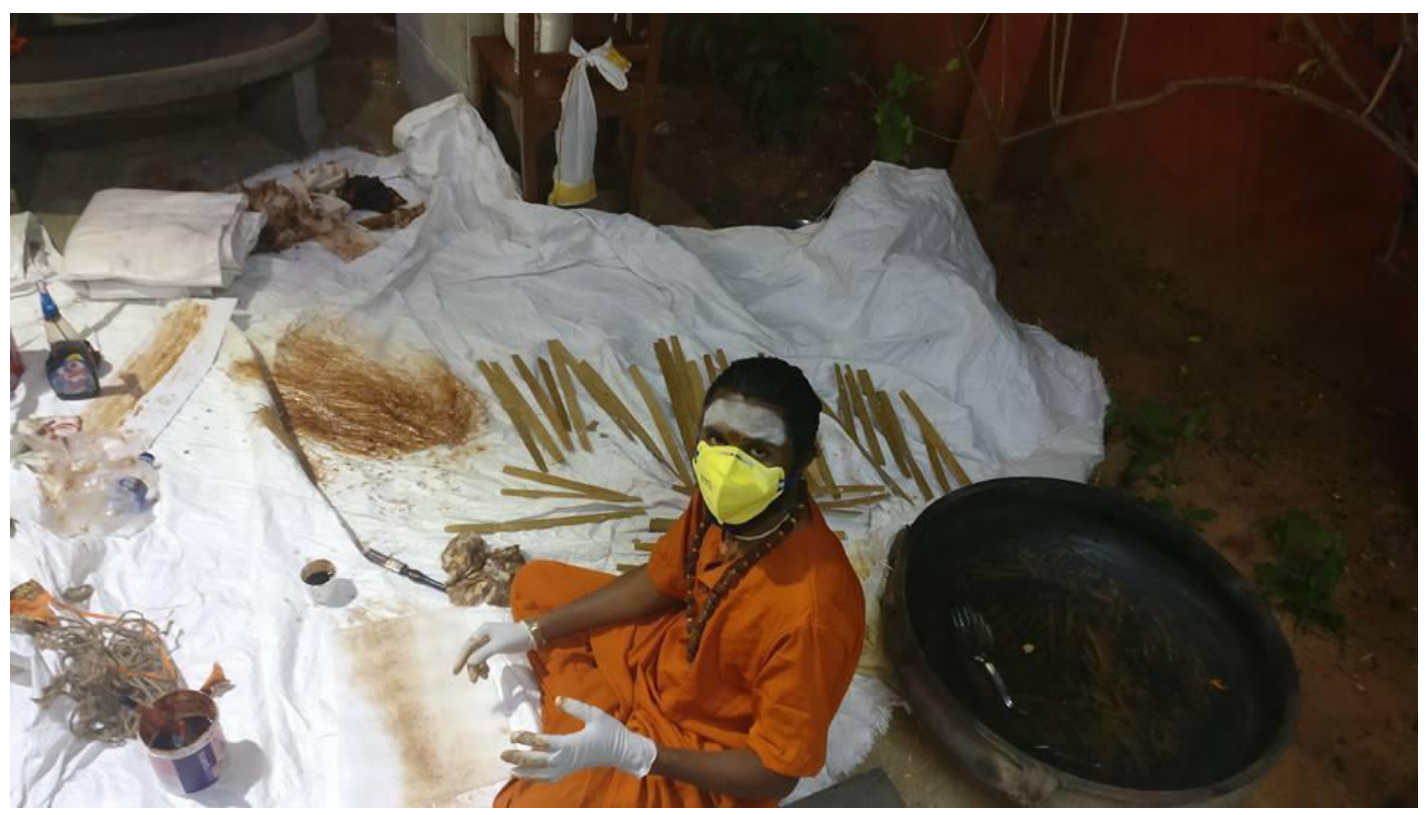
Cleaning & Preserving - with Oil
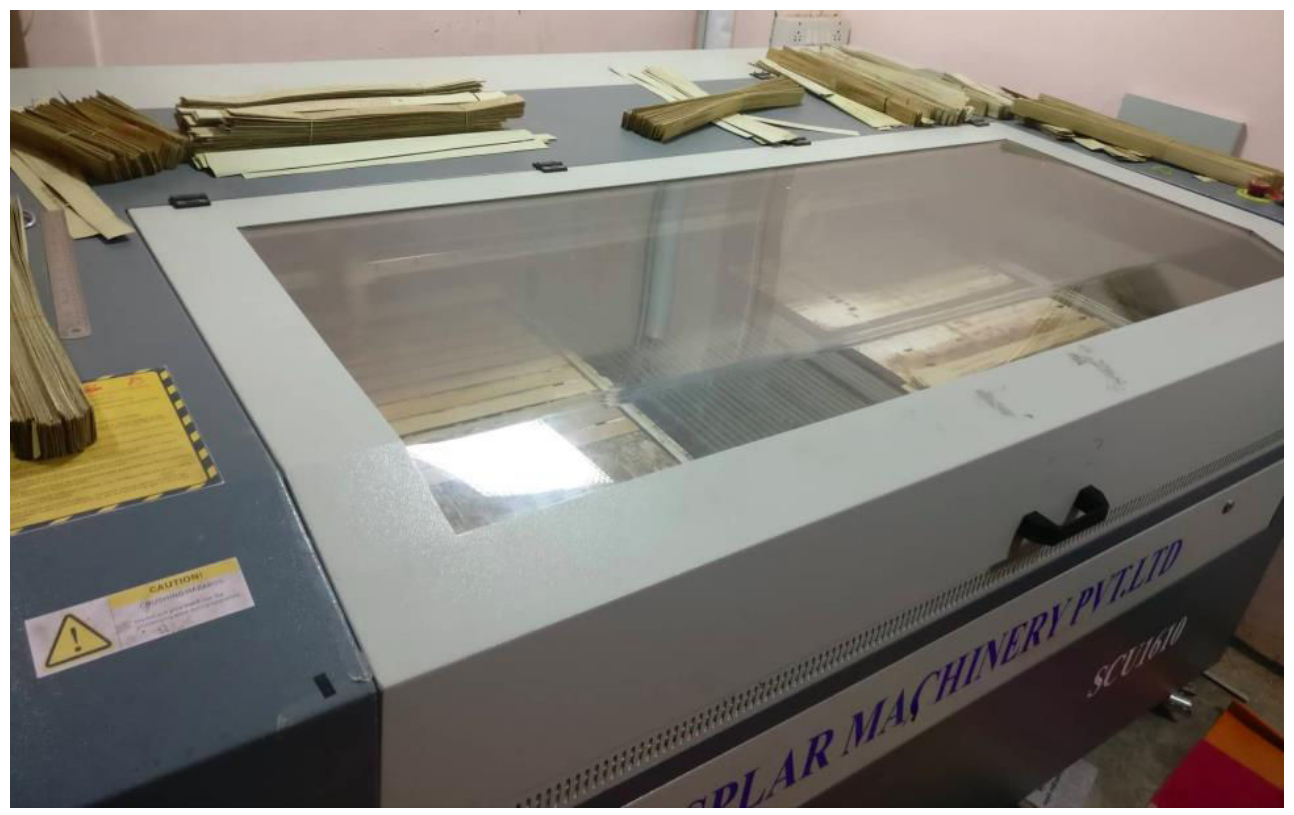
Reprinting
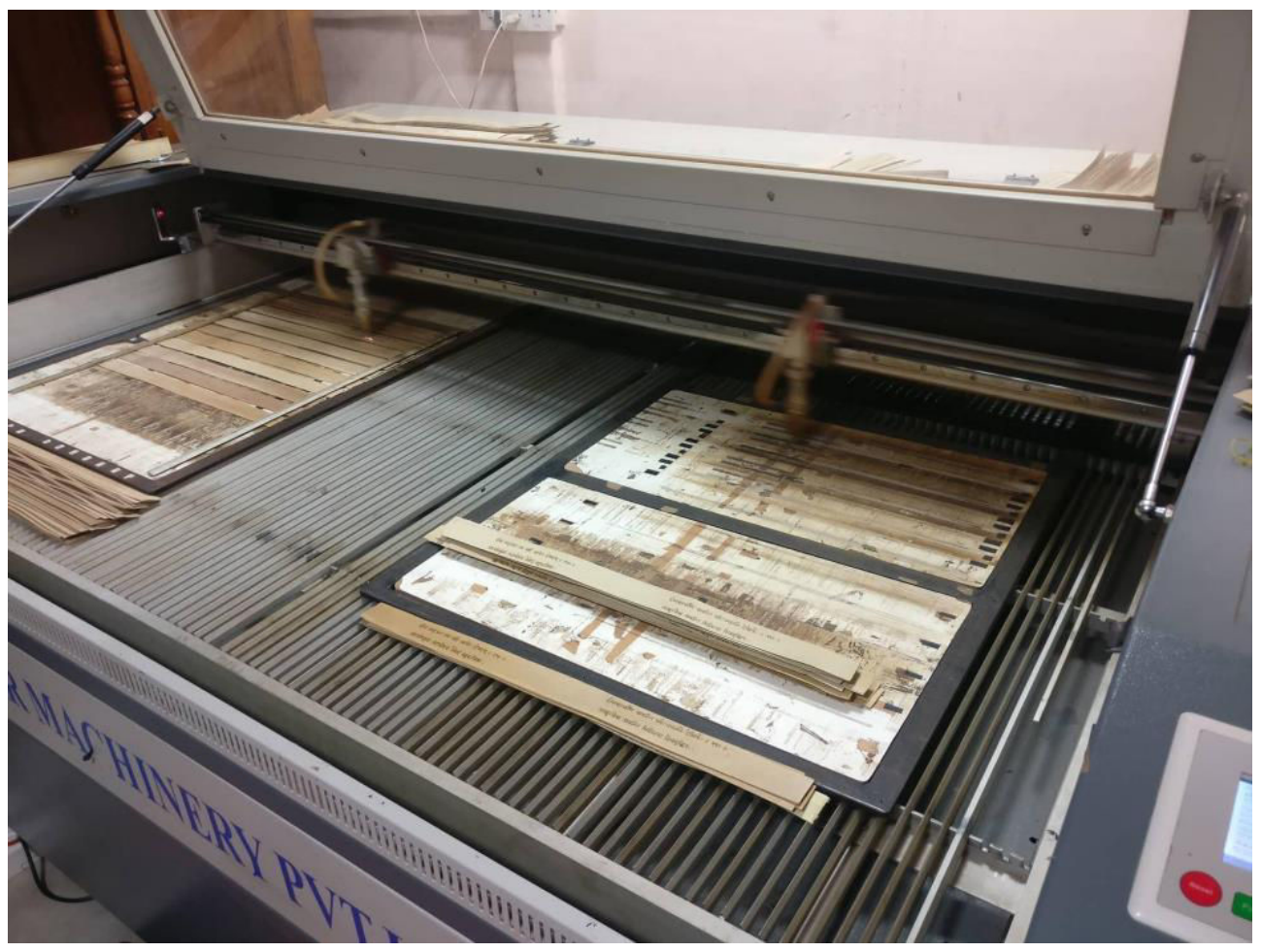
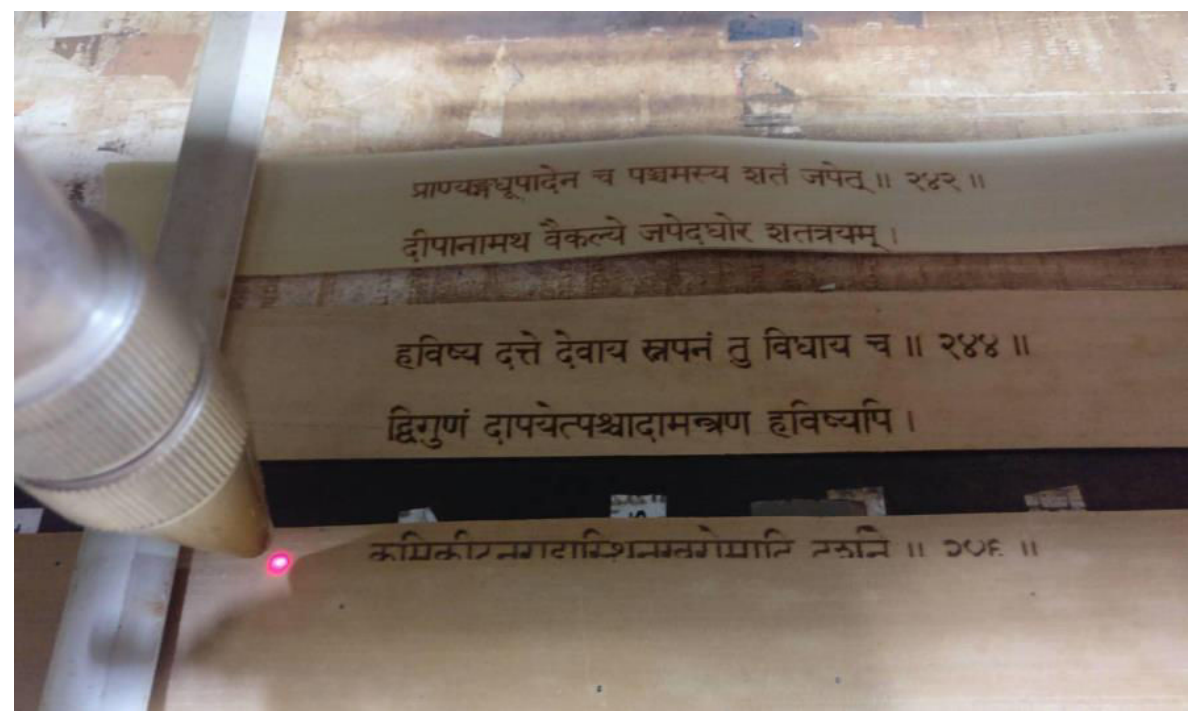
Reprinting in Progress
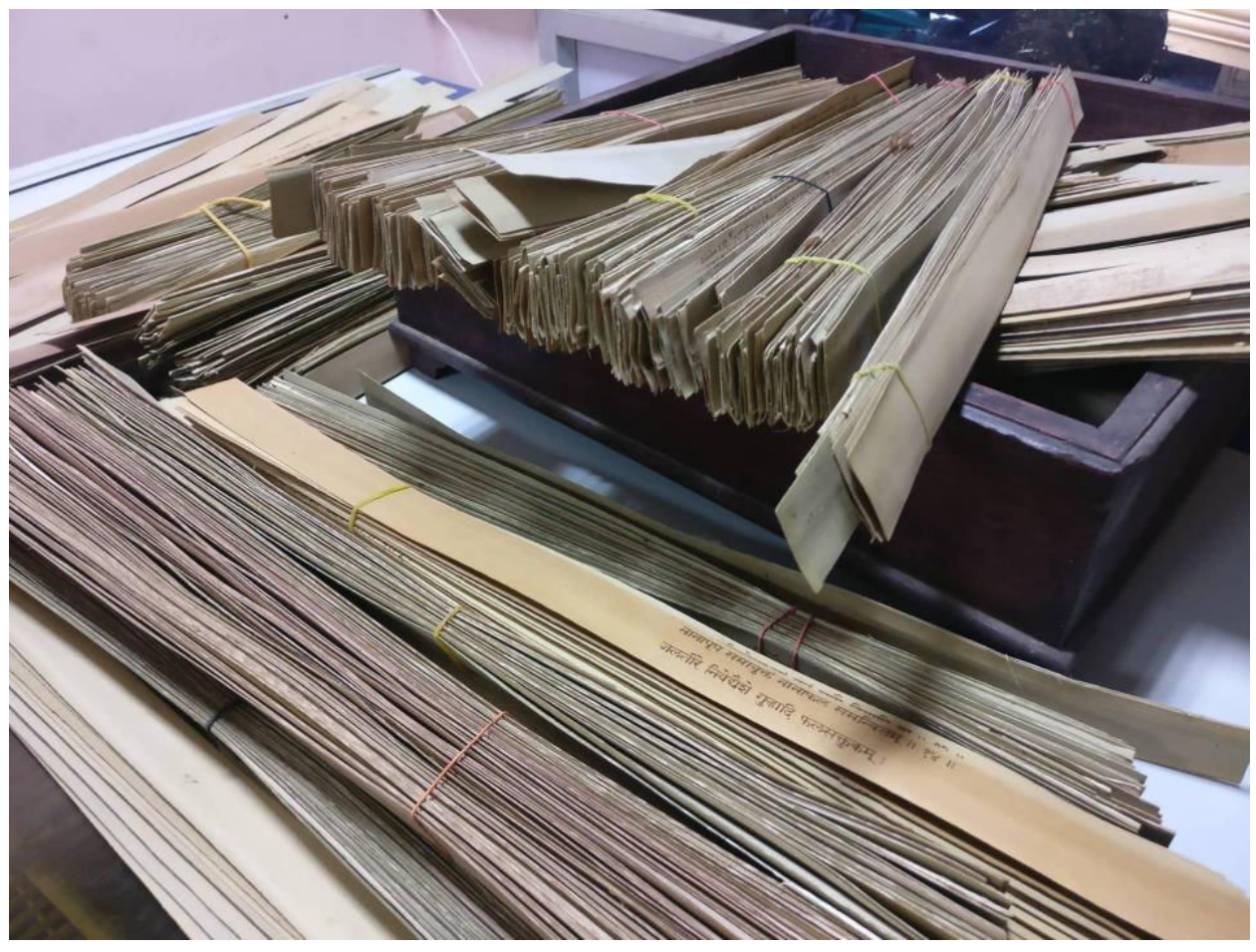
Stacks of Reprinted Manuscripts
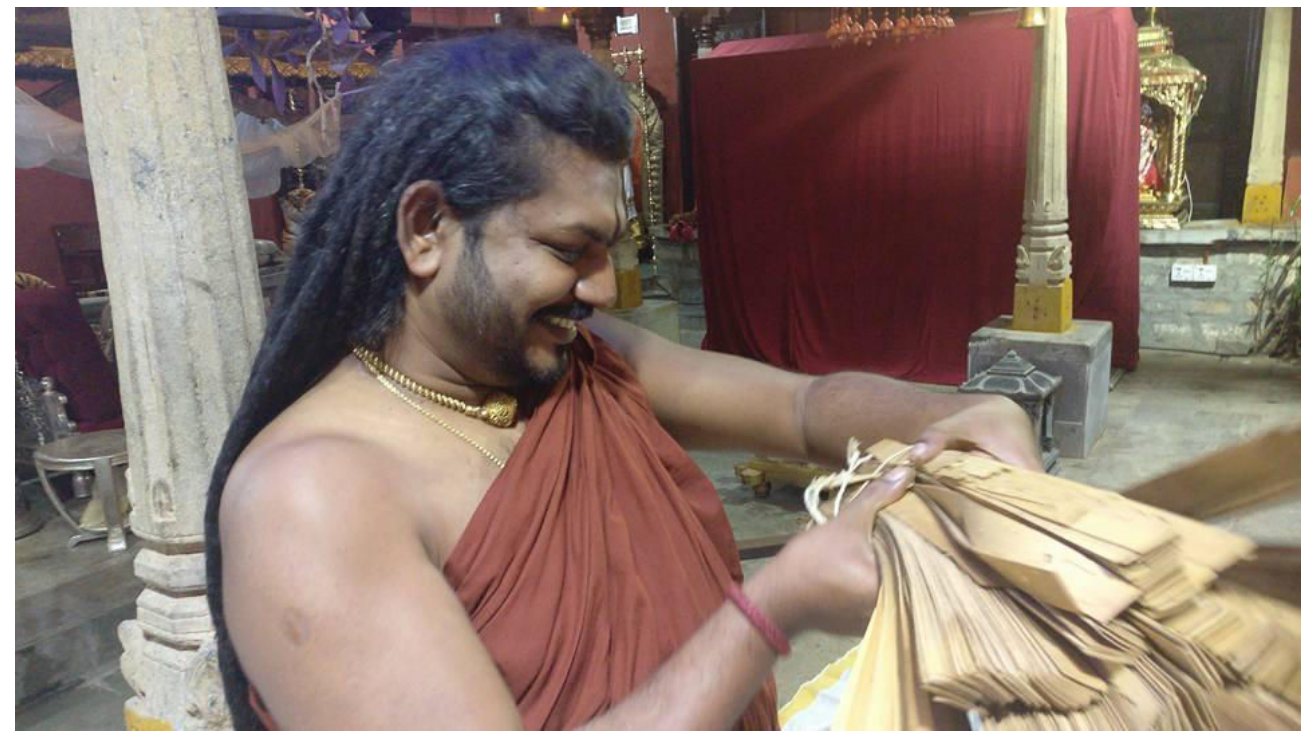
A delighted Avatar examines a well preserved manuscript
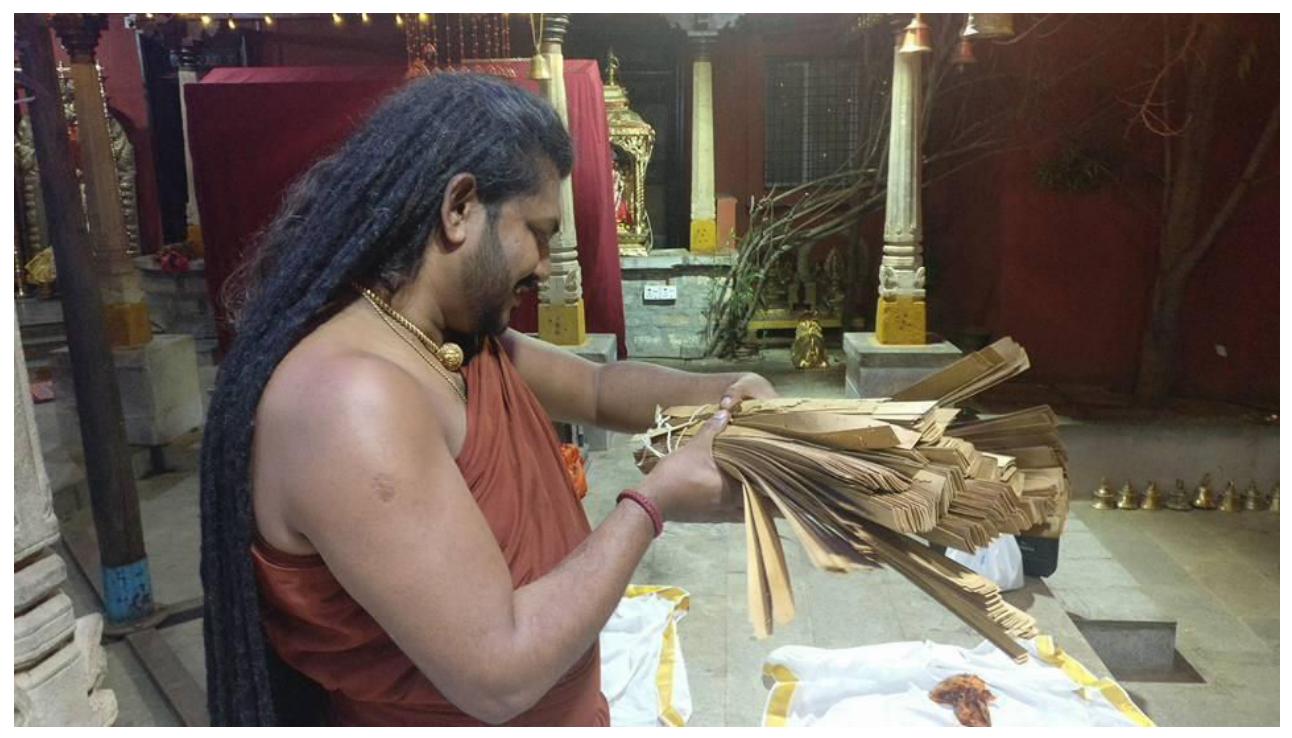
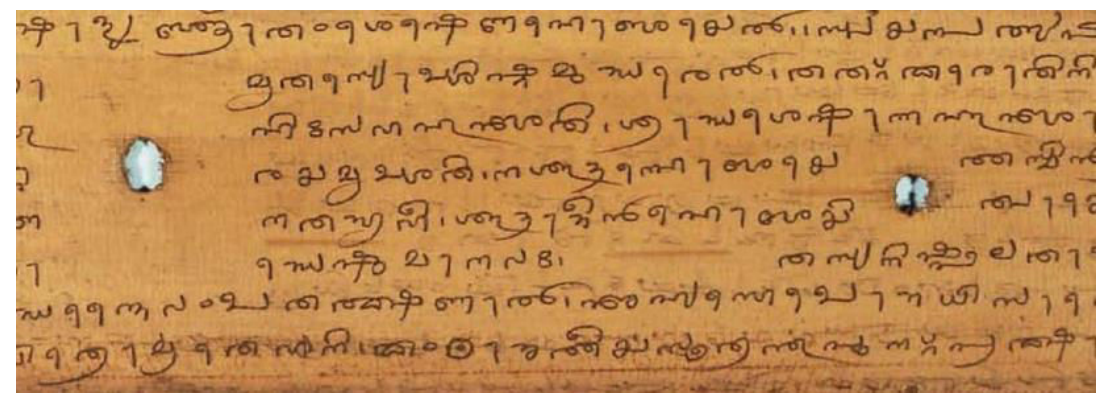
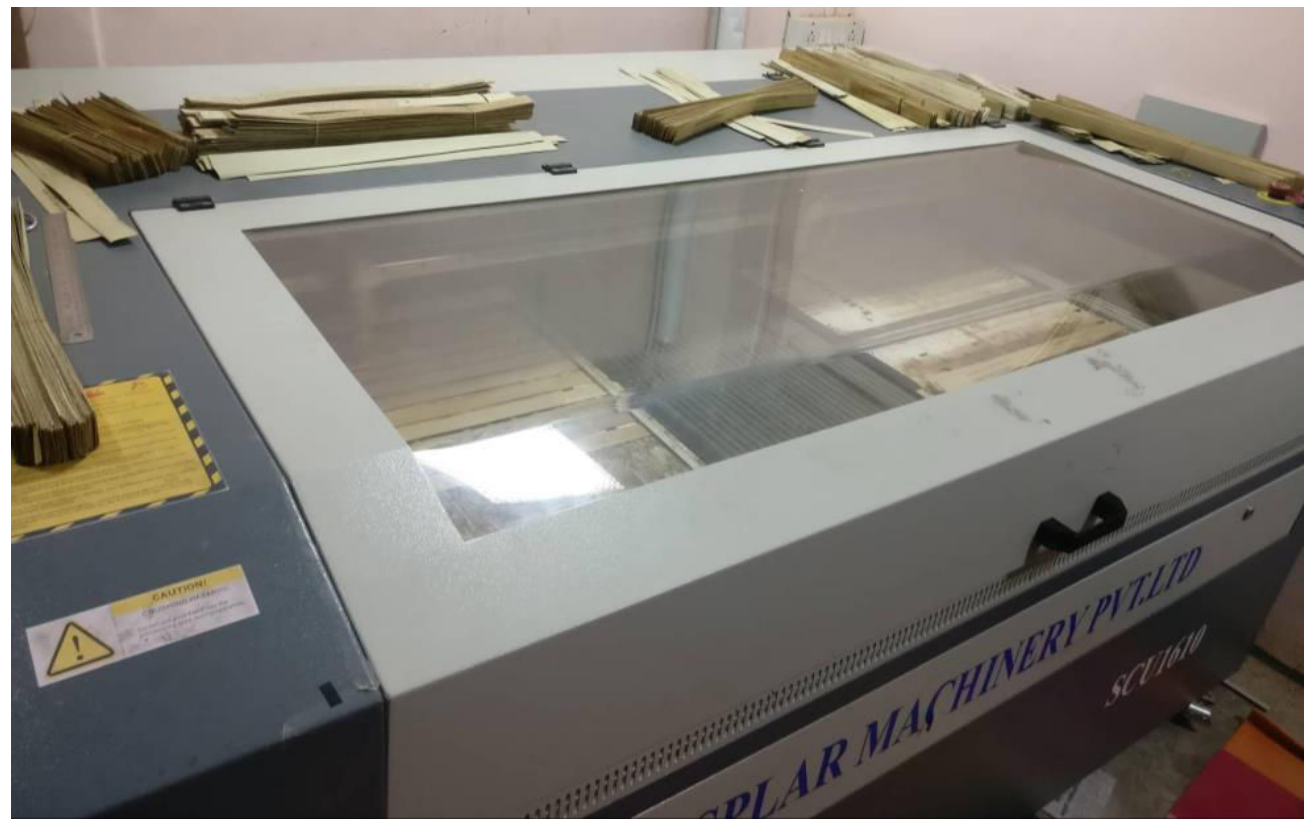
The trusted manuscript printer that is helping the Nithyananda Jnanalaya reprint damaged manuscripts
Indigenous Method of Preservation
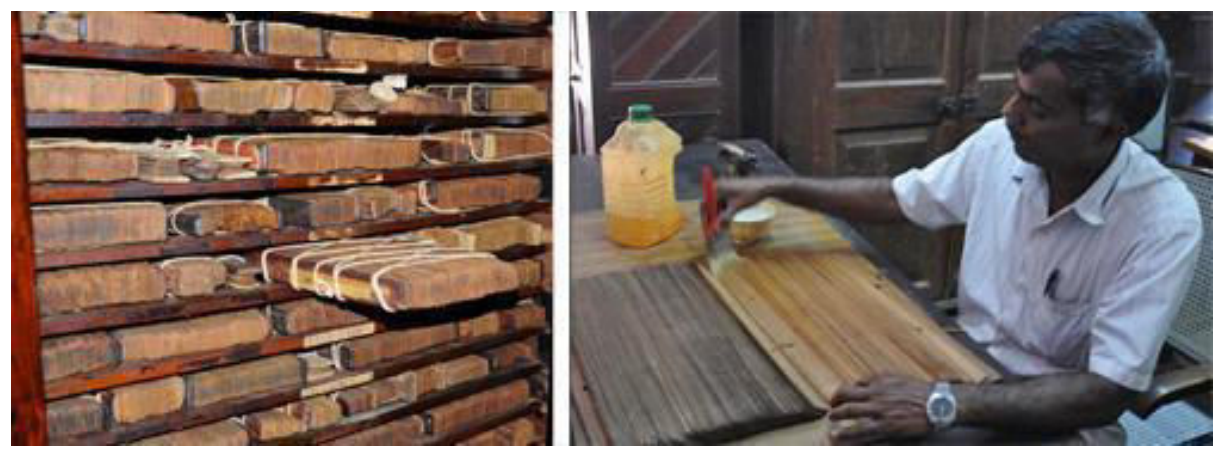
A traditional method of palm leaf manuscript preservation in progress.
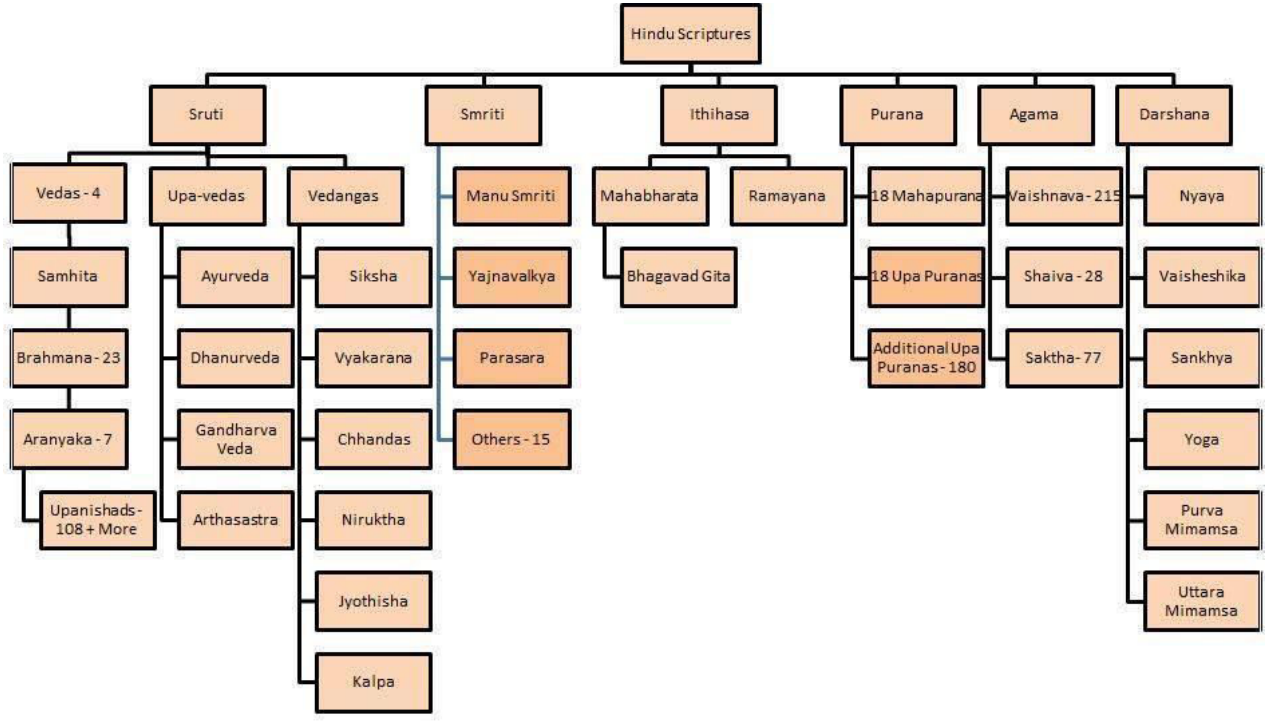
The Anukramanikas (indices) and Nighantus (etymology) give some idea of indexing and classifications. The Kosas (Metrical Dictionaries) have a system of classification of words in alphabetical order. The anthologies in Sanskrit literature provide different methods of subject wise classification.
Below is a classification of the 6 major categories of the Hindu Knowledge System.