Secrets of The Third Eye
This text was machine-transcribed from the printed book and may contain errors. Select the words and choose “Report a mistake”.
What is the Third Eye?
The Third Eye is one of the most discussed, debated and yet misunderstood of the extraordinary powers available to man.
In Samskrit, the Third Eye is named with many words – Trinetra, Cakshu, Ajna cakra, Mahanadi, Bhrumadhya, Tapah loka, Shiva loka.
Third eye is an intra-organ, a subtle or non-physical organ that all human beings possess. It is called the 'Third Eye' because the moment it is activated, you will be able to see without and beyond your two physical eyes. Blindfolded reading or reading without the need of the two eyes – is the visible side-effect of initiation into Third Eye Awakening℠.
Awakening the Third Eye is not a mystical process alone. Its effects can be directly experienced in your very physical plane. It has clear defined powers that can help you explore not just the mystical path and spiritual experiences, but make so many extraordinary things happen in your day-to-day life.
Third Eye, The Command Center to the Cosmos
Third Eye, called the 'ajna cakra' or command center is the most powerful energy center, located between the eyebrows. 'Ajna' means 'command' and 'cakra' means 'wheel' or 'disk'. Ajna cakra is known as the 'Cakra Raja' – the king of cakras, because all the different energy centers in your body are ruled by this cakra.
'Ajna' is the seat of the will-power controlling mystical powers like clairvoyance, telepathy and command over natural forces and ultimately, experiencing oneness.
Cakras: The Spheres of Our Well-being & Being
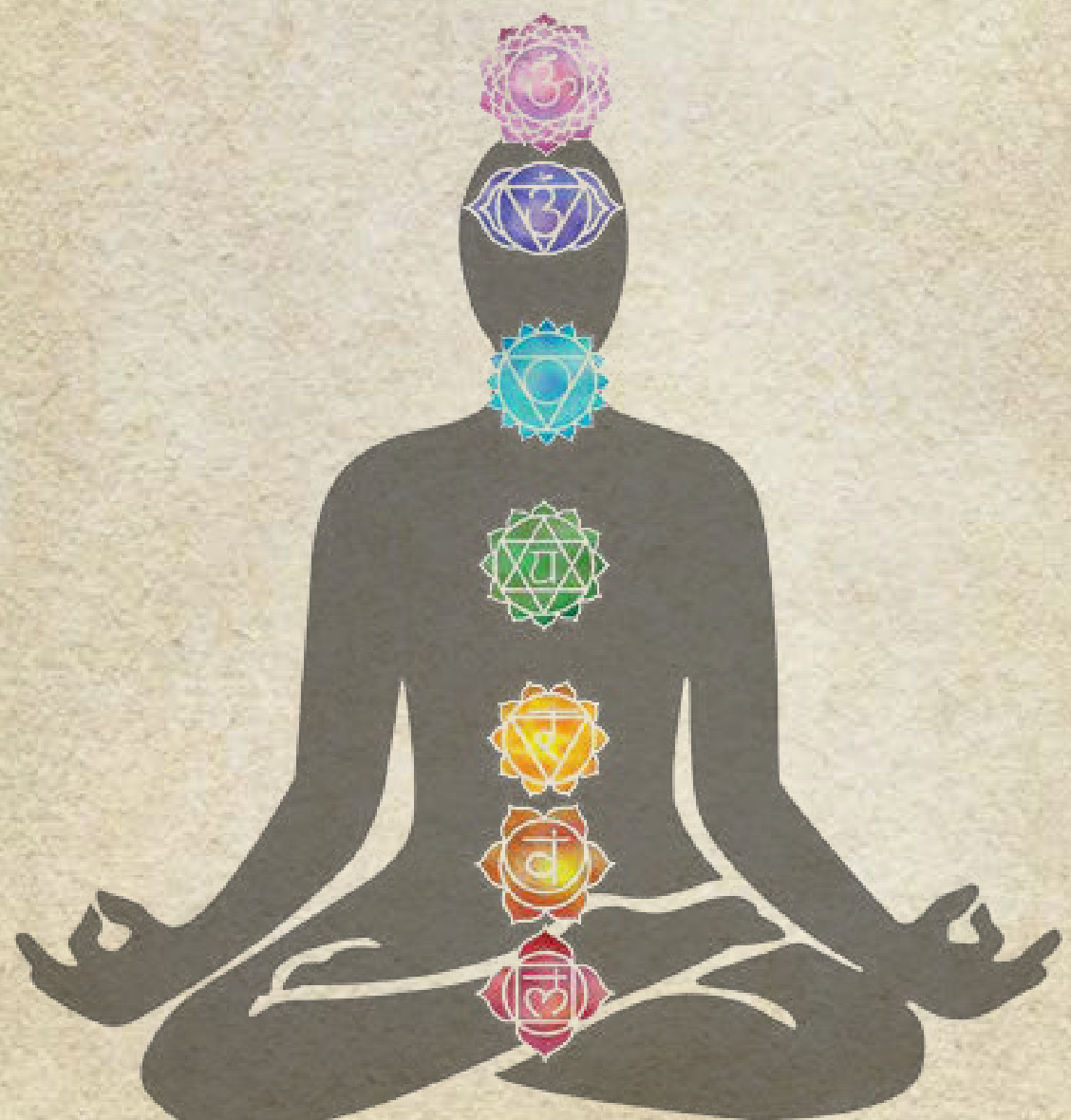
Cakras are the subtle energy centers of our bio-system. They represent the spheres of different levels of consciousness, visualized as spinning wheels or lotuses with different counts of petals. Cakras are not physical entities; they exist in our subtle body along the length of our spine.
We have seven major cakras, which are Muladhara (root cakra), Swadishthana (sacral cakra), Manipuraka (navel cakra), Anahata (heart cakra), Vishuddhi (throat cakra), Ajna (brow cakra) and Sahasrara (crown cakra).
Cakras are responsible for drawing the prana, the universal life-energy into the body. They act as batteries to store this energy and distribute it to the surrounding areas of the body. The cakras roughly correspond to, and influence the activity of the important glands of the body. They interact with the body's ductless endocrine glands and lymphatic system by feeding in good bio-energies and disposing of unwanted bio-energies. They are linked to the nerve ganglia (plexuses) of the body and also influence nervous functions.