OVERVIEW
This text was machine-transcribed from the printed book and may contain errors. Select the words and choose “Report a mistake”.
Our Early childhood learning program is based on a process oriented curriculum that fosters each child's individual development. We emphasise the important role the BLISS curriculum plays through the development of the big picture, creativity and celebratory learning. The entire learning philosophy is founded on the principle that early childhood development must focus on the Bodily Kinaesthetic, Linguistic, Intuitive, Social Emotional, & Spiritual (BLISS) curriculum to ensure all-round development of the children.
The spontaneous learning is based on:
- Recognising the need for children to practice skills and consolidate their learning by providing opportunities for repetitive experiences and extension of their ideas
- Designing and establishing enriched activities that stimulate the imagination, promote creativity and enhance aesthetic development and appreciation of nature
- Providing opportunities for discovery, learning through self-selected activities, and encouraging the development of the child's abilities to observe, perceive, explore, investigate, imagine and solve problems
- Valuing the arts as symbol systems through which children discover and express meaning and make sense of themselves and the world around
- Valuing play as a medium for all aspects of development and learning
- Acknowledging and supporting children's individual learning styles
These books are specially designed to provide the children the right way of learning. This time tested and proven experiential learning methodology provides your child with a fun-filled opportunity to assimilate vast amounts of knowledge in a shorter time span.
WHOLE-BRAIN LEARNING FOR THE CHILD THROUGH THE BLISS CURRICULUM
BODILY KINAESTHETIC - Develop competence in using large and small muscles, taking care of and respecting our body, being aware of and practicing good nutrition habits, thereby develop overall physical fitness.
LINGUISTIC – Develop deep understanding of words and a sensitivity to the literal and figurative meaning of words. Added focus on oral and written communication skills, grammar rules, sensitivity to musical qualities and rhythms of words, uses for language such as persuasion, information or pleasure.
Develop the thinking mind(observing, recalling, comparing, patterning, classifying, generalizing, integrating and evaluating), constructing knowledge, developing memory skills, acquiring facts, and responding and communicating through (listening, speaking, writing and reading).
INTUITIVE - Develop sensory awareness, imagine and visualize, explore, create, respond and interpret; develop critical awareness, express and represent through a variety of forms.
SOCIAL & EMOTIONAL - Develop internal behaviour control, help, cooperate, respect and accept others, develop friendship, appreciate the culture and heritage of others, develop a positive realistic concept of self, accept and express emotions in socially appropriate ways, cope with change, develop decision-making skills, accept challenges, and develop independence.
SPIRITUAL – The Spiritual Quotient, SQ is based on the third neural system in the brain, the synchronous neural oscillations that unify and integrate the data across the brain. This process facilitates interactions between emotions and logic. It thus provides a meaning giving centre to the individual. It helps develop Self-awareness, Flexibility and adaptability, Ability and capacity to face, use and transcend pain and suffering, Vision, Values, Wisdom, not to harm or hurt others and self, Holistic approach and views, Appetite for seeking answers to fundamental questions by using "why" and "what if", Courage to work against conventions if necessary.
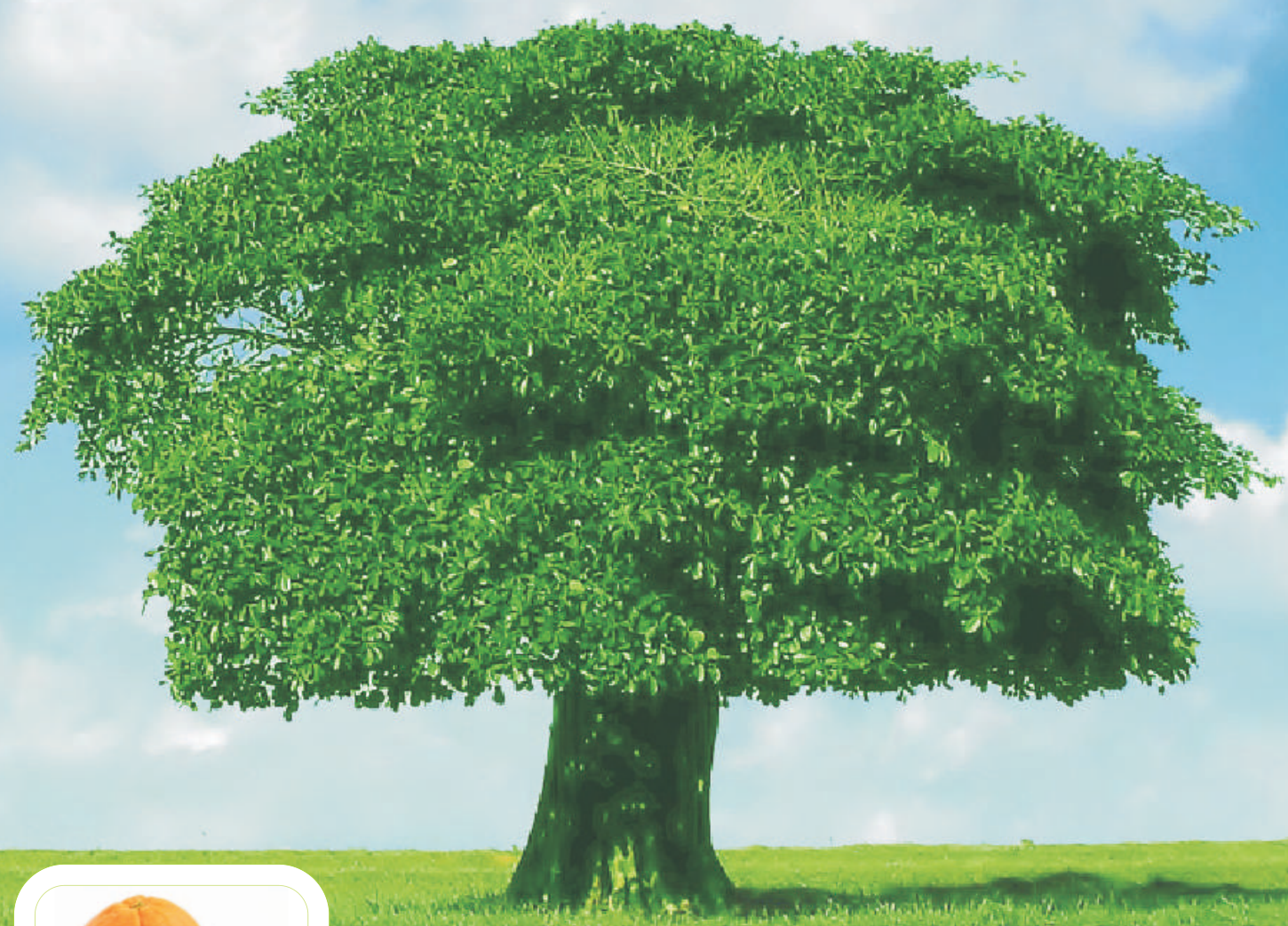
Paint pretty leaves on the tree
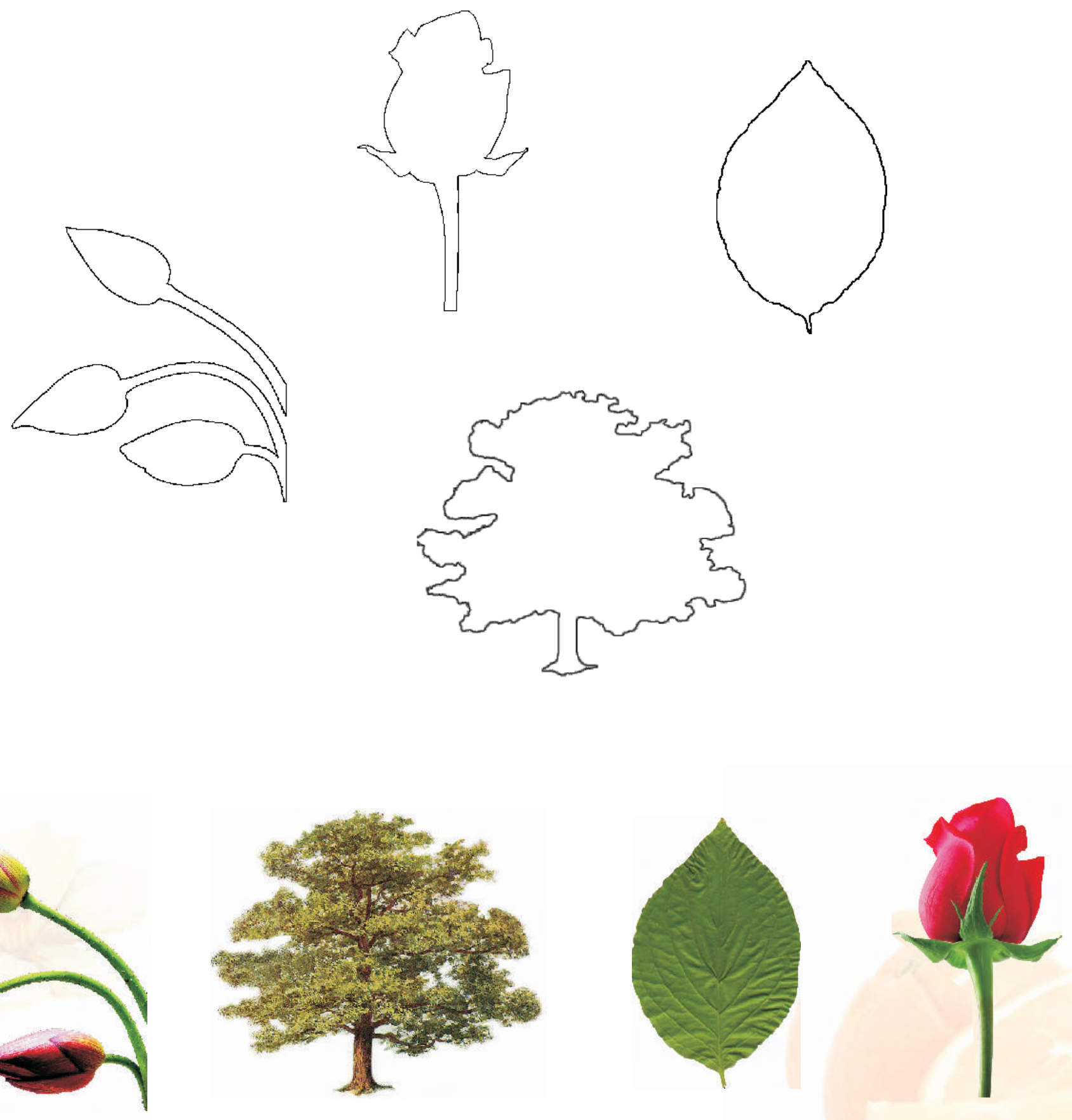
Trace and colour

Create a collage of leaves on the tree
Trace the path
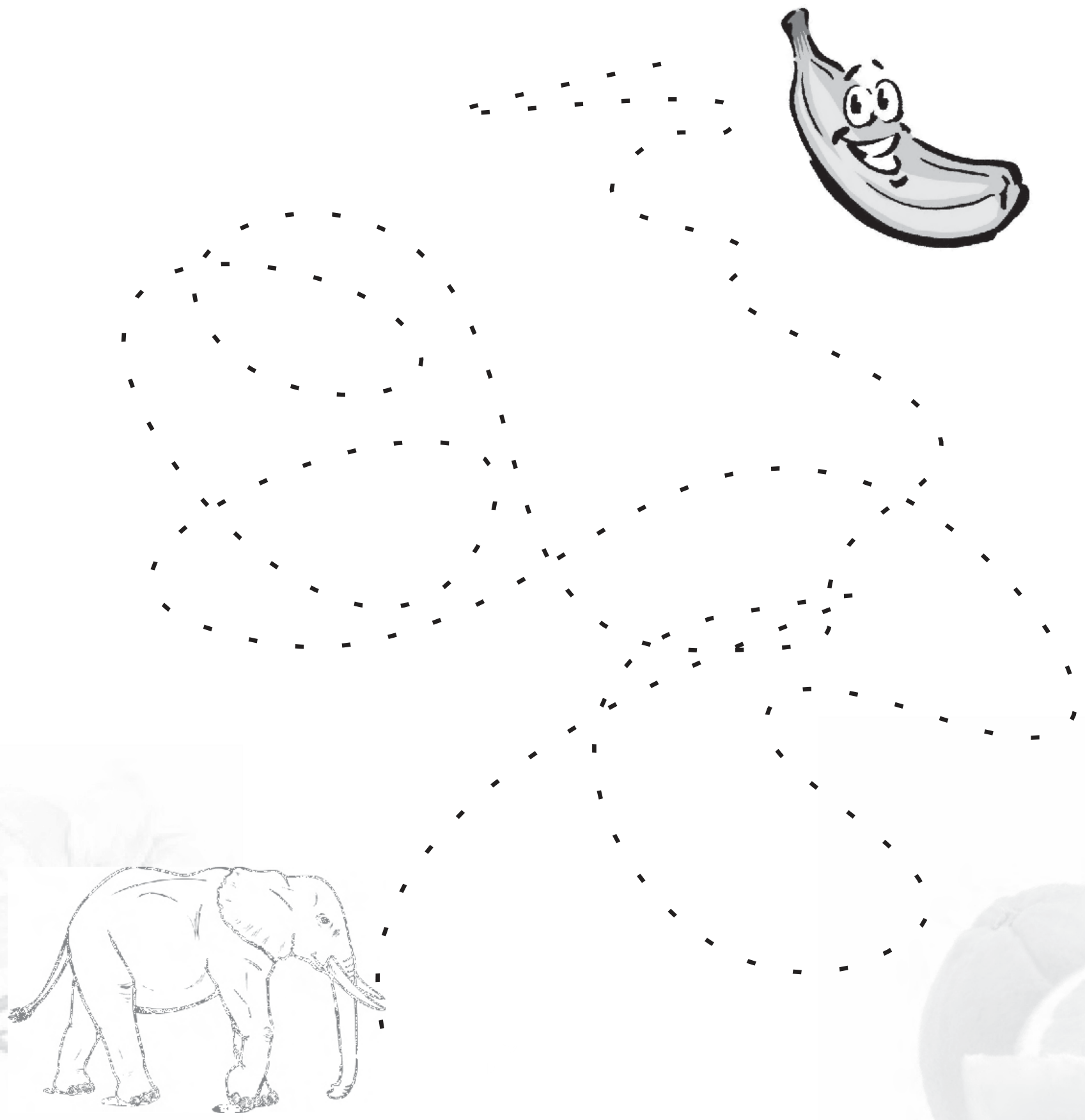
Help the monkey reach the apple
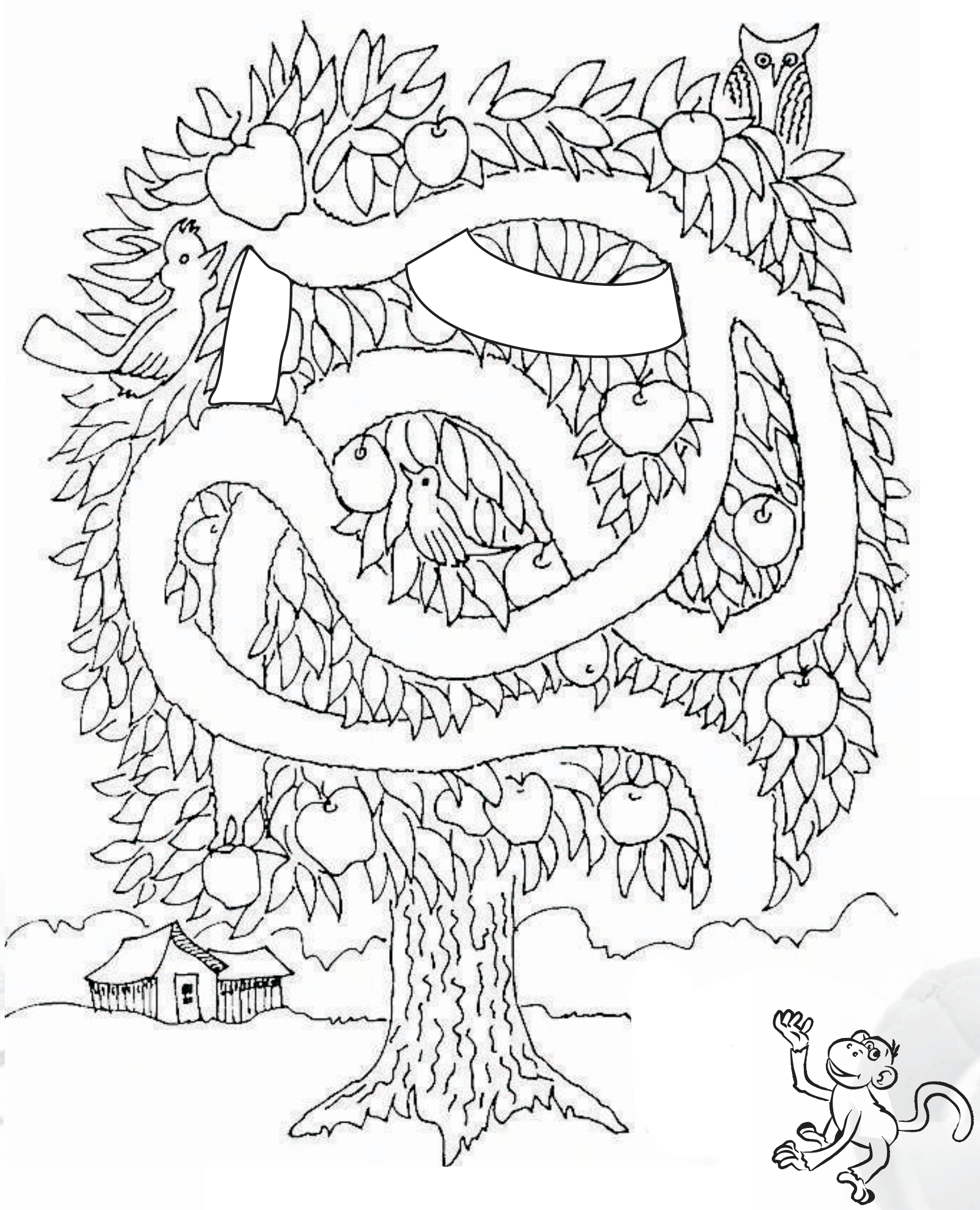
Trace and colour
PLANTS
SEED
TREES
SUNLIGHT
WATER
Crush paper and paste on fruit
Match the uppercase words to lowercase words
STEM ROOT
leaves stem
BRANCH
root
LEAVES
branch
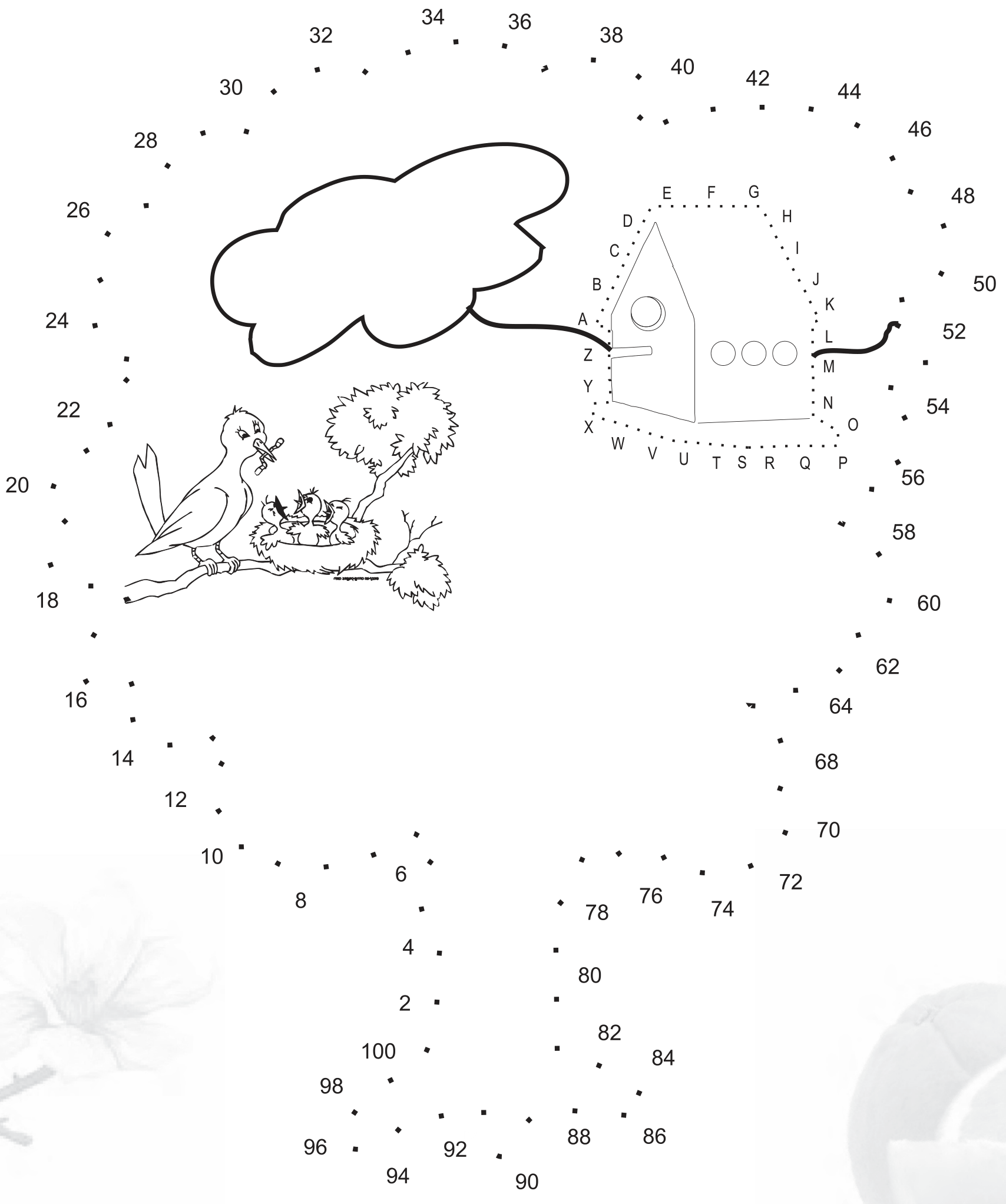
Join the dots and colour
Fill in the missing letters
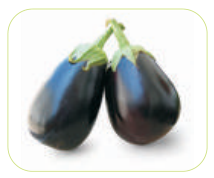
[Figure: Brinjal]
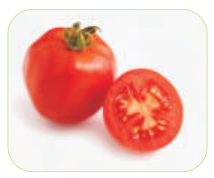
[Figure: Tomato]
[Figure: Orange]
[Figure: Mango]
Tick the useful products we get from trees
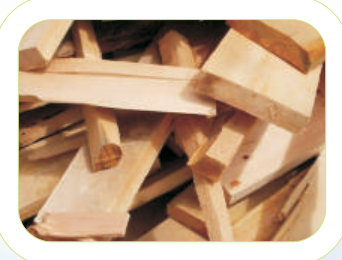
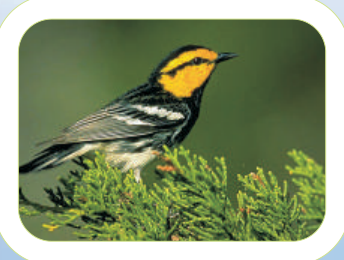

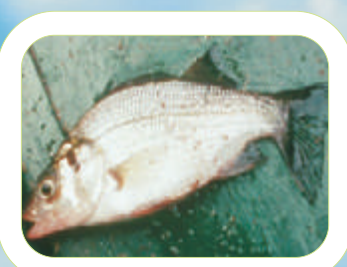
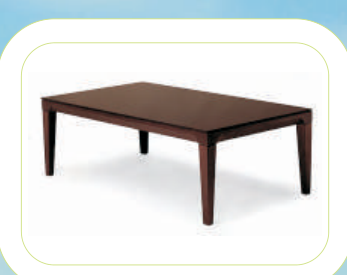
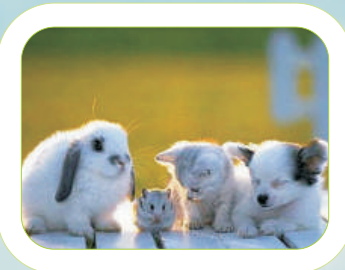
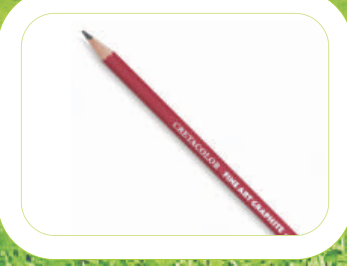
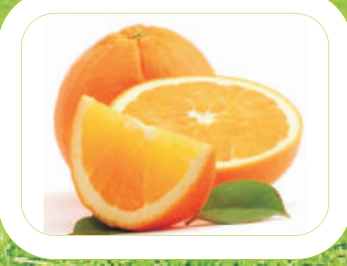
✓ the appropriate sources of the following
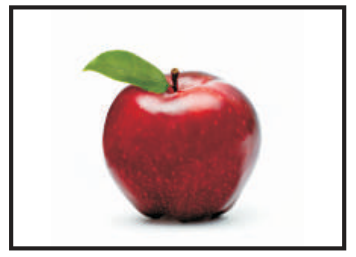
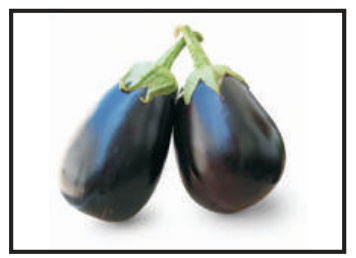
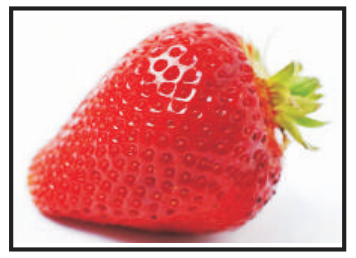
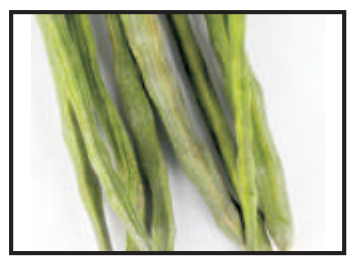
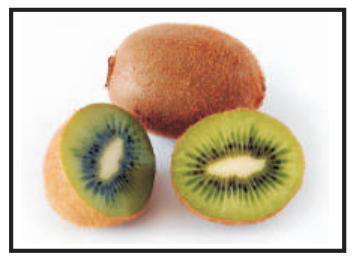
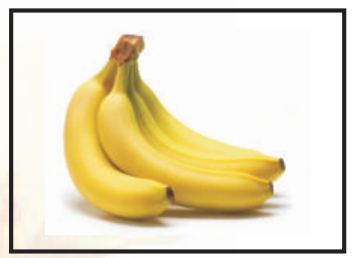
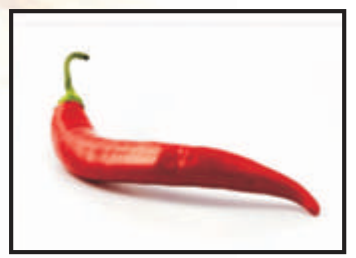
Underline the picture's name which has medicinal use
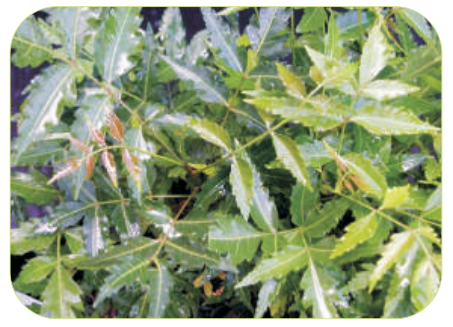
Neem
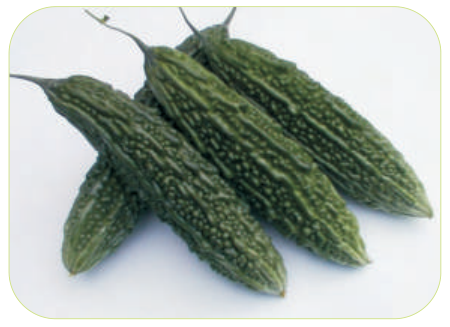
Bitter gourd
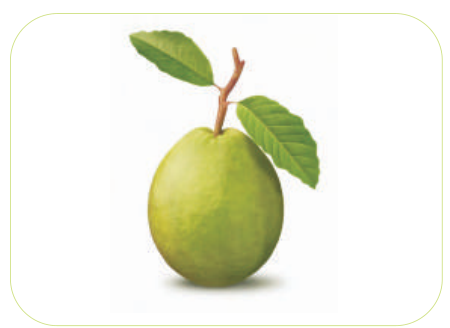
Guava
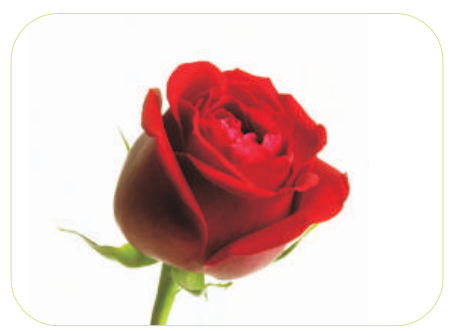
Rose
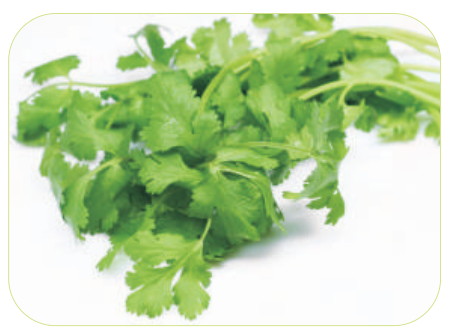
Coriander
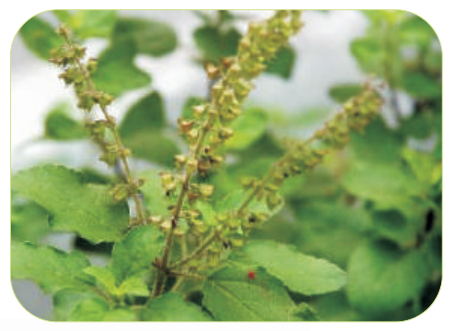
Tulasi
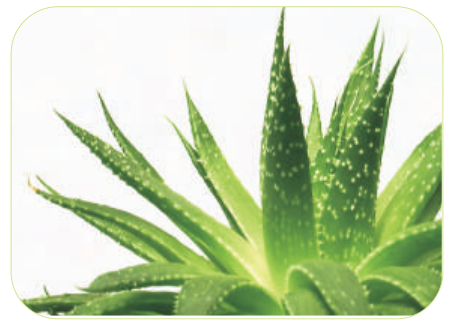
Aloe vera
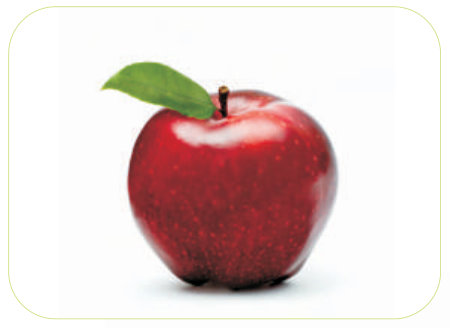
Apple
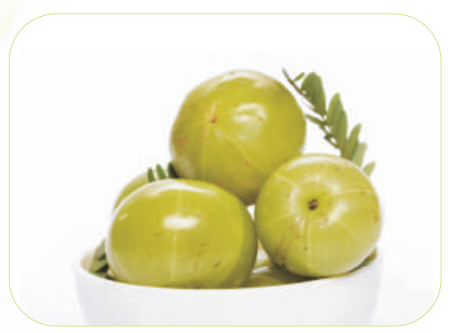
Amla
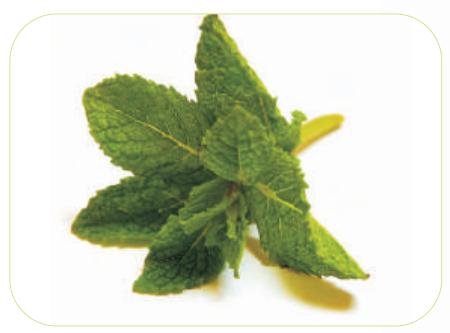
Mint
Mark ( R - creepers, J - climbers )
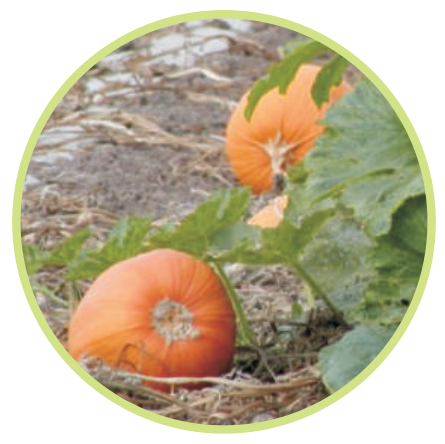
-----------------
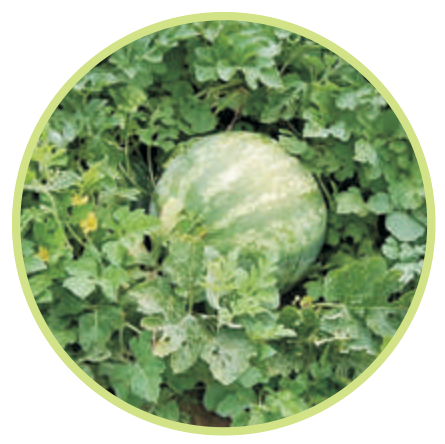
-----------------
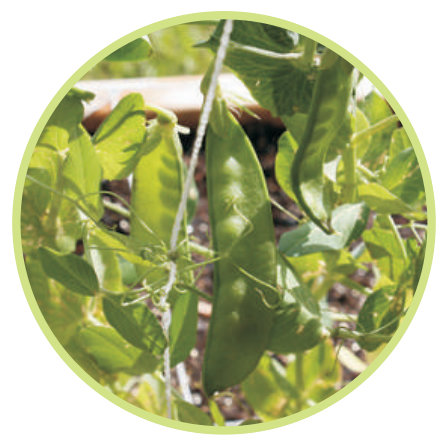
-----------------
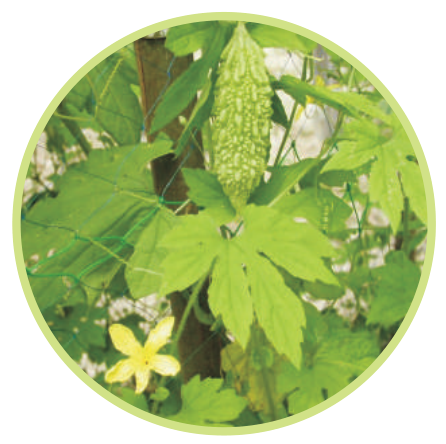
-----------------
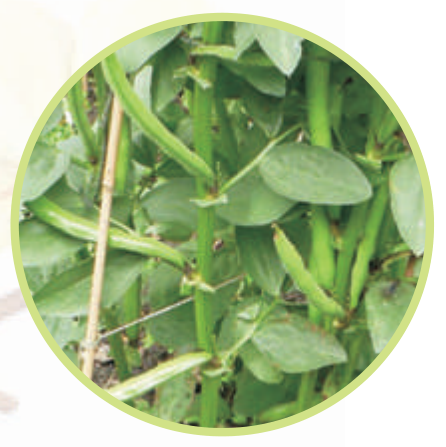
-----------------
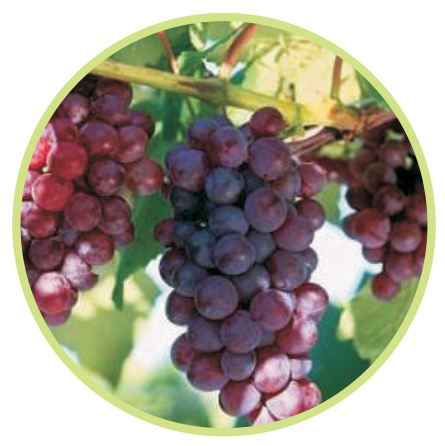
-----------------
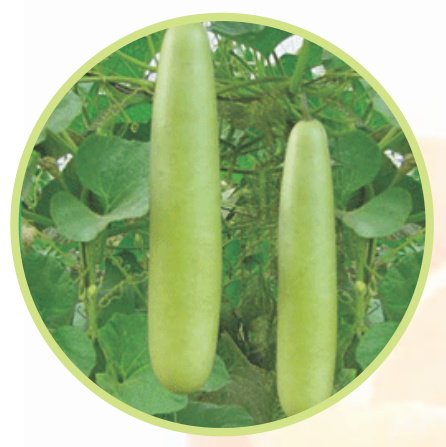
-----------------
Match the pictures with their appropriate habitat
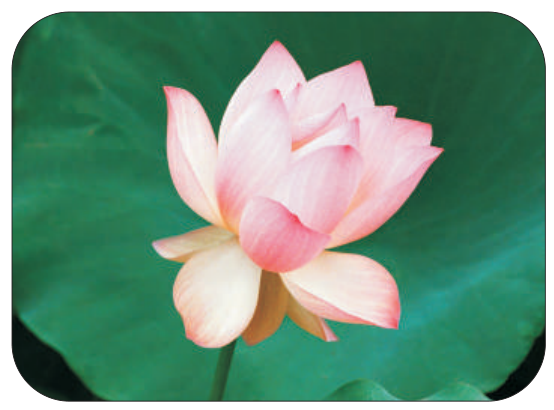
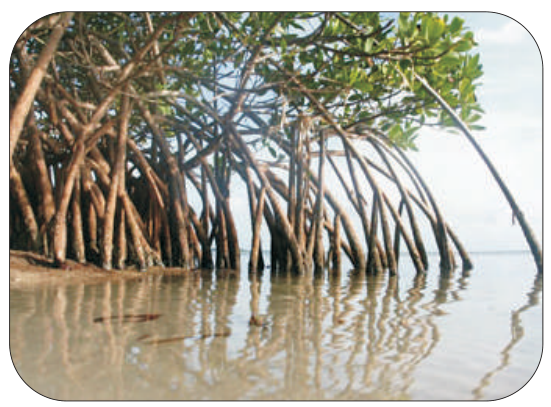
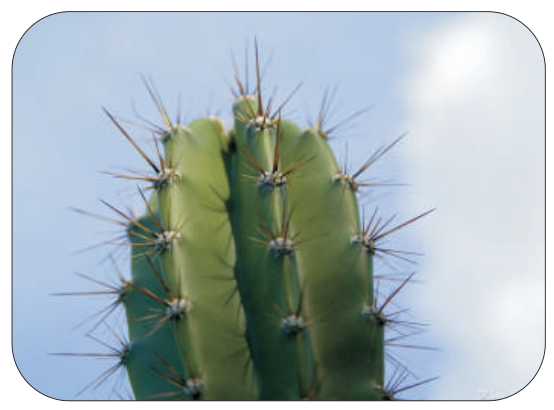
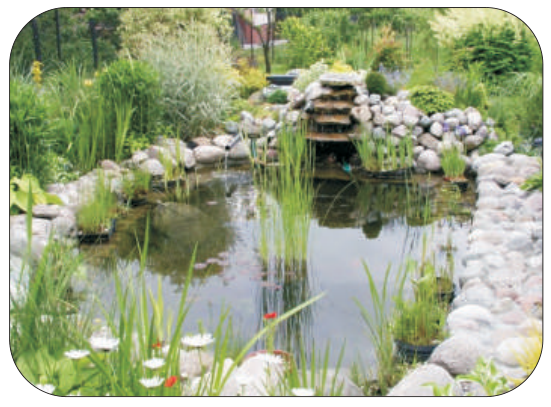
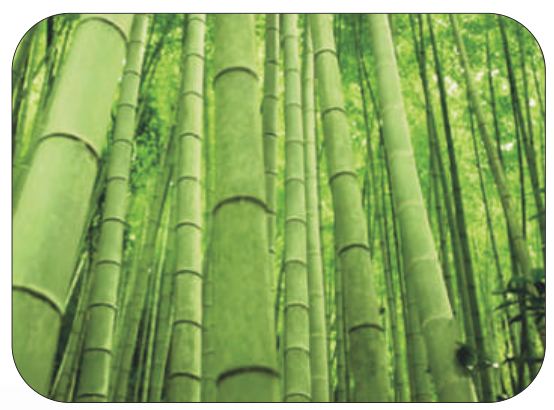
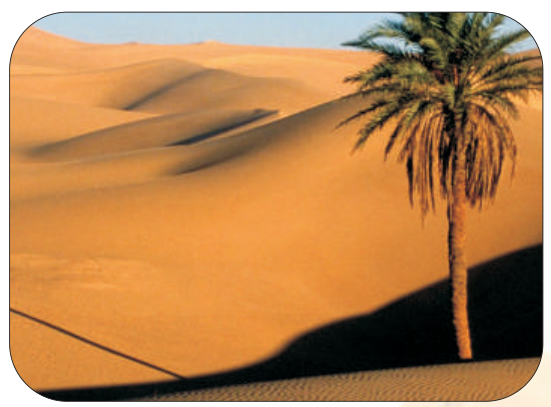
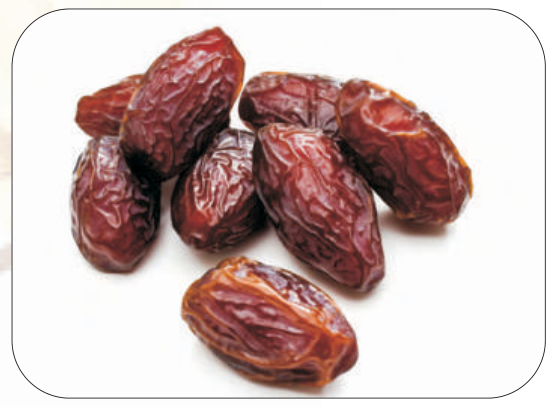
Find the different sources used for the growth of the plants colour the appropriate box
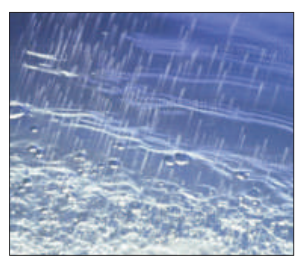
✓ ☐ ✗ ☐
✓ ☐ ✗ ☐

✓ ☐ ✗ ☐
✓ ☐ ✗ ☐
✓ ☐ ✗ ☐

✓ ☐ ✗ ☐
✓ ☐ ✗ ☐
Number the pictures according to the size
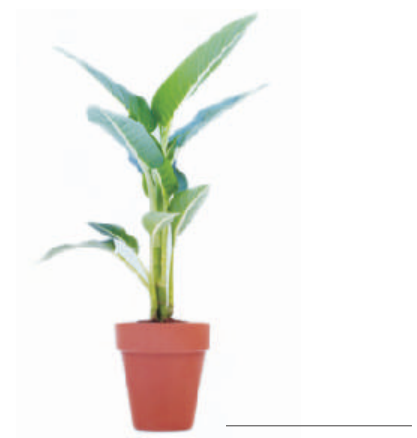
______
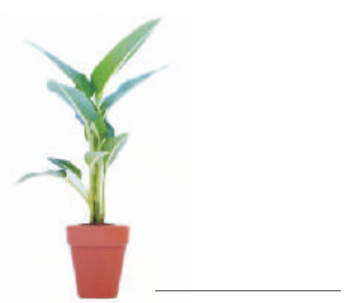
______
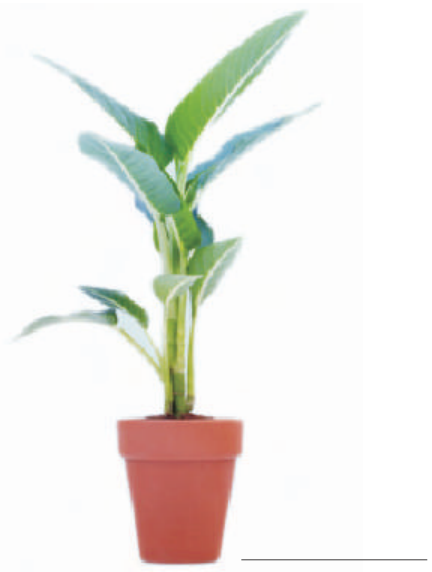
______
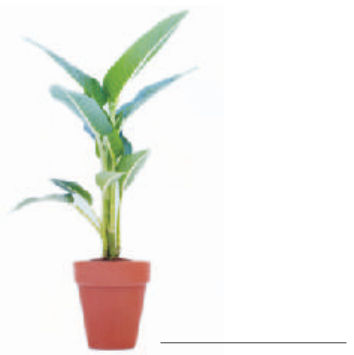
______
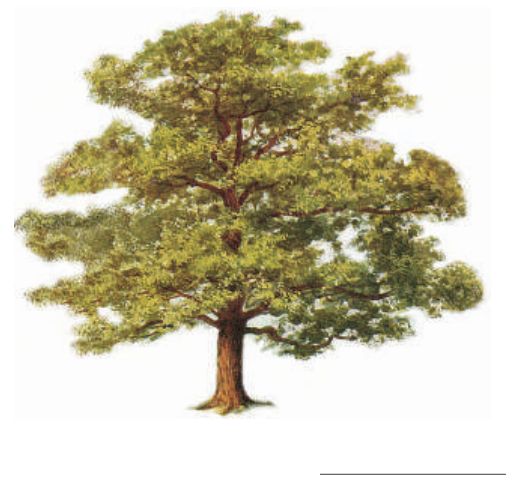
______
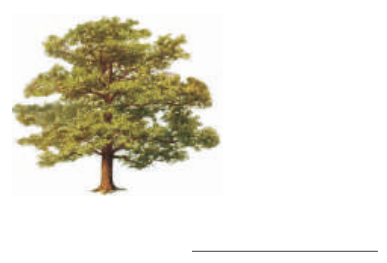
______
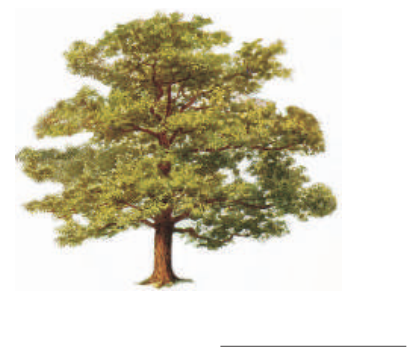
______
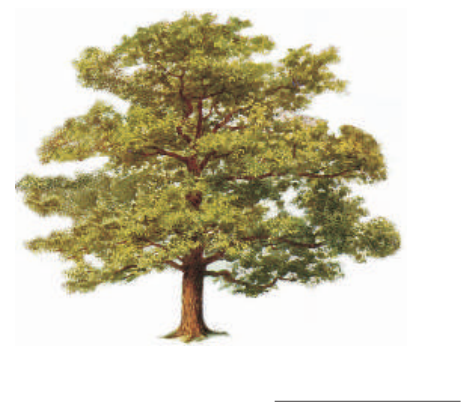
______
______
______
______
______
Draw the pictures with appropriate number given

Tree with 5 branches
Plant with 5 leaves
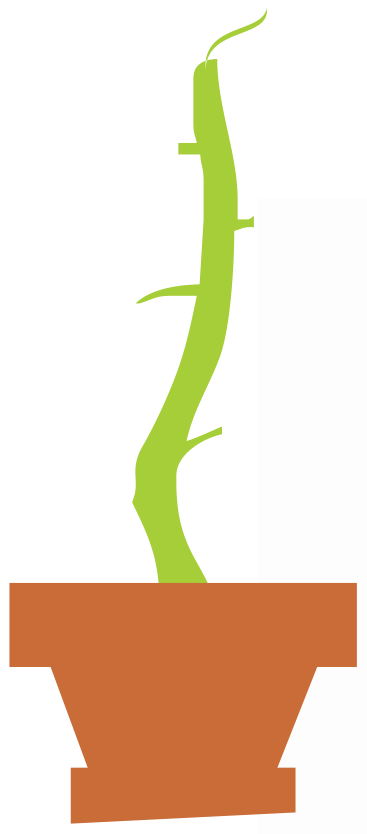
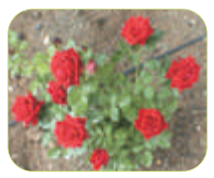
Match herbs - green colour / shrubs - brown colour


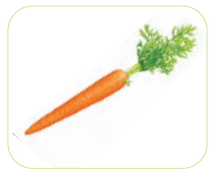
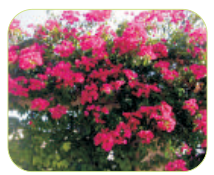
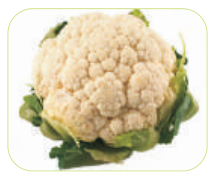
Match the parts of the plants
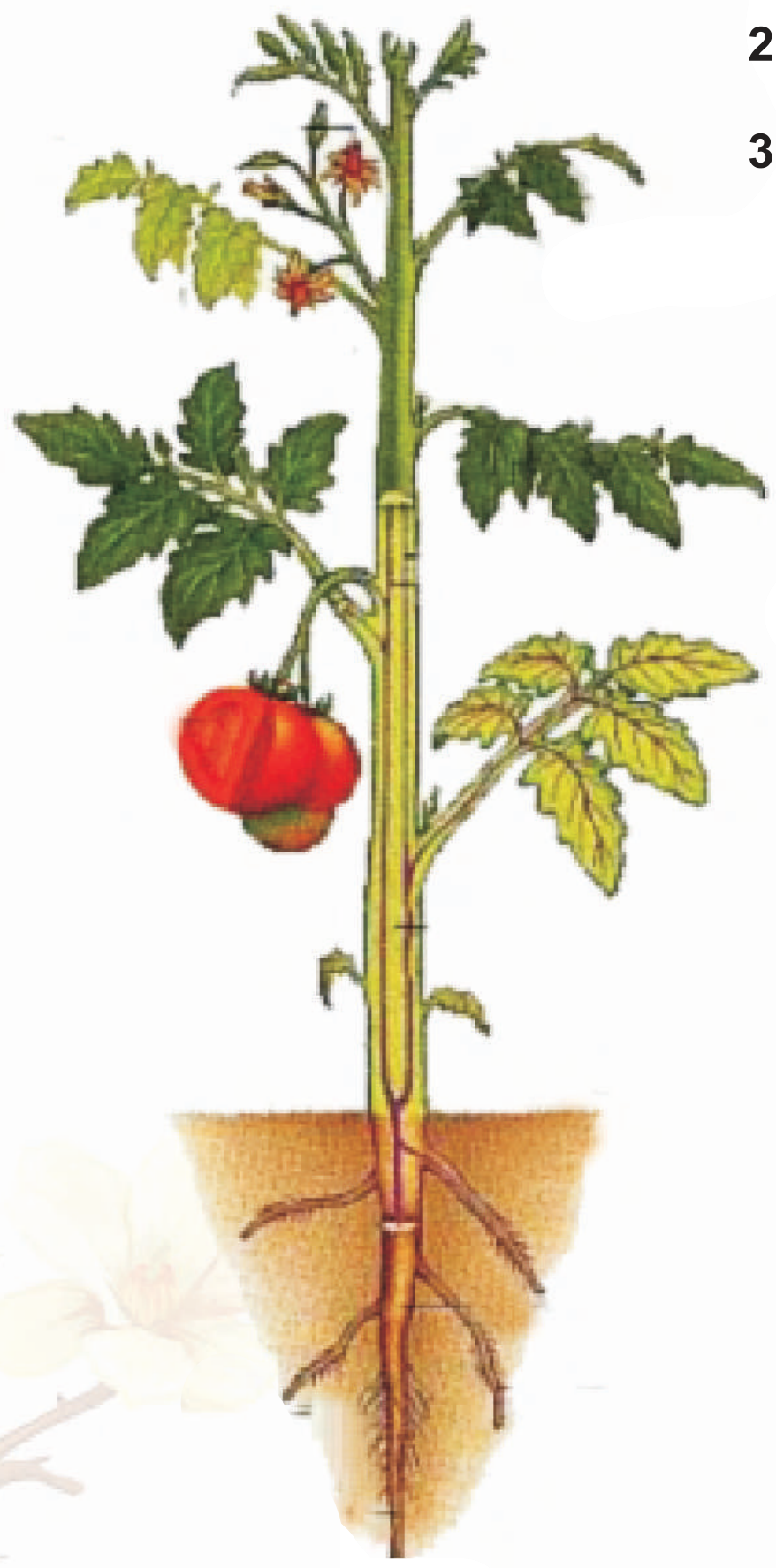
1. Circle the bud and vegetable
2. Square for stem and leaf
3. Triangle for root and branch
Write the root vegetables on the left and others on the right
[Figure: Carrot]
Carrot Onion Tomato Chilli Brinjal Turnip
Left Right
Riddle
I cannot walk
I can prepare food by myself
I can breathe I am a living thing
Who am I ?
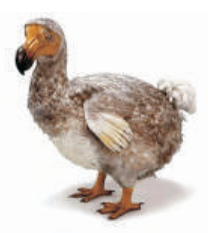
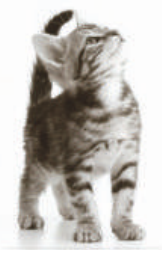
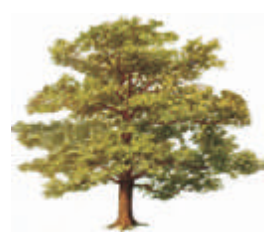
I like water
Everyone likes me
My roots are very strong and it is will
in the water
Who am I ?
Sequence the pictures
1. put ⭕ 2. put 🔺 3. ♡ 4. put ⬜ 5. put 🔴
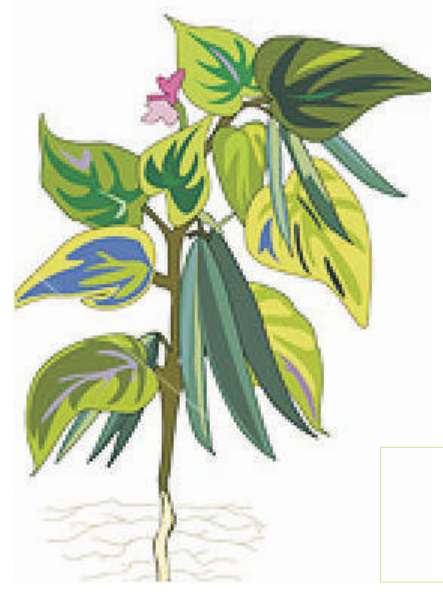
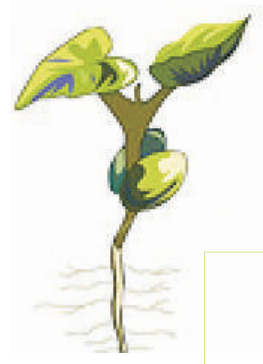
Circle the odd pictures
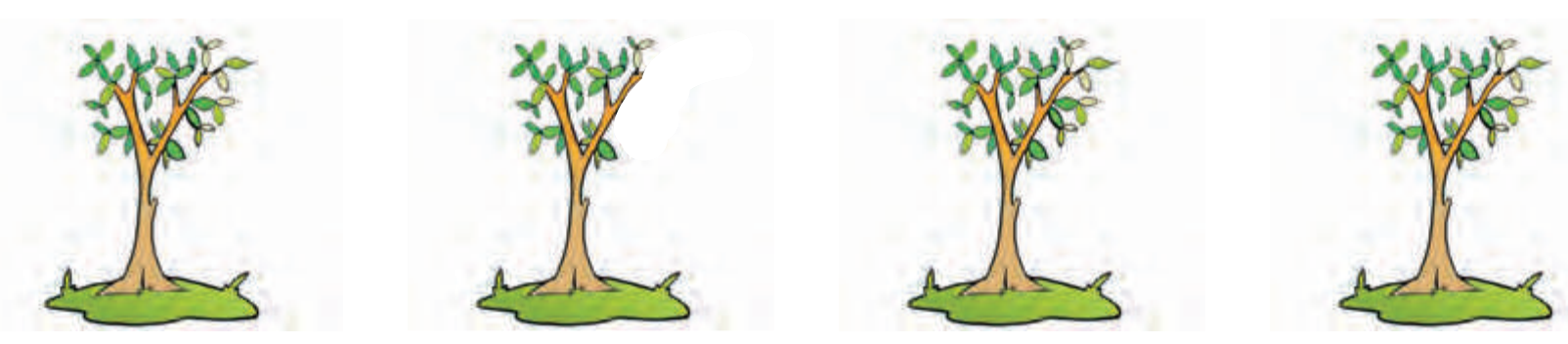
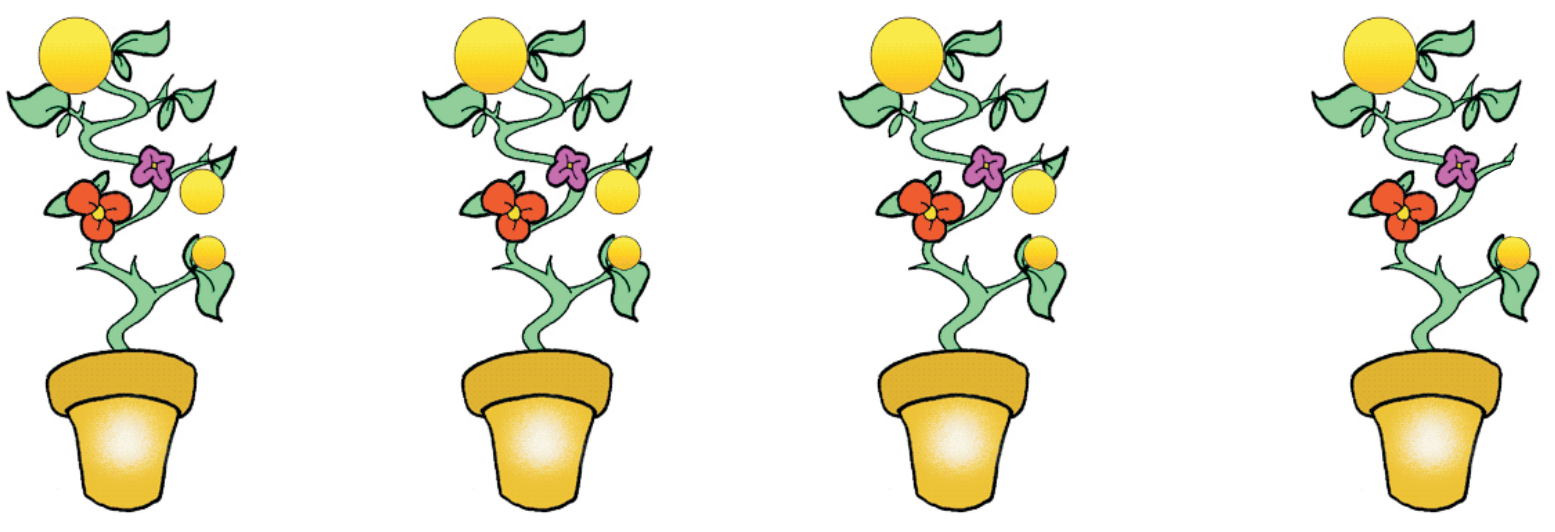
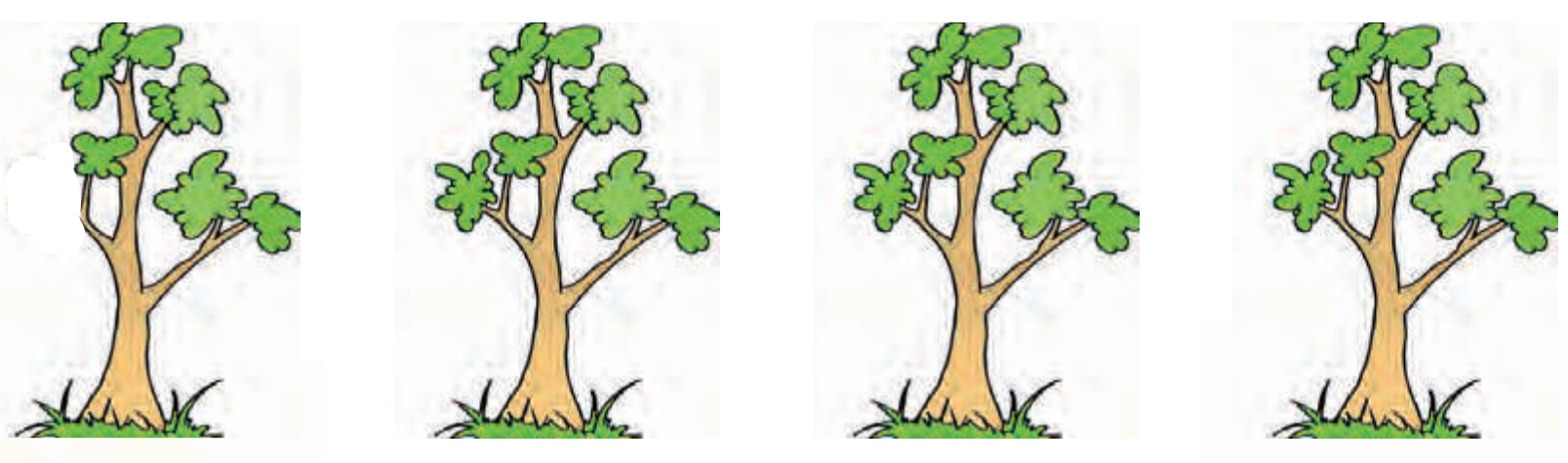
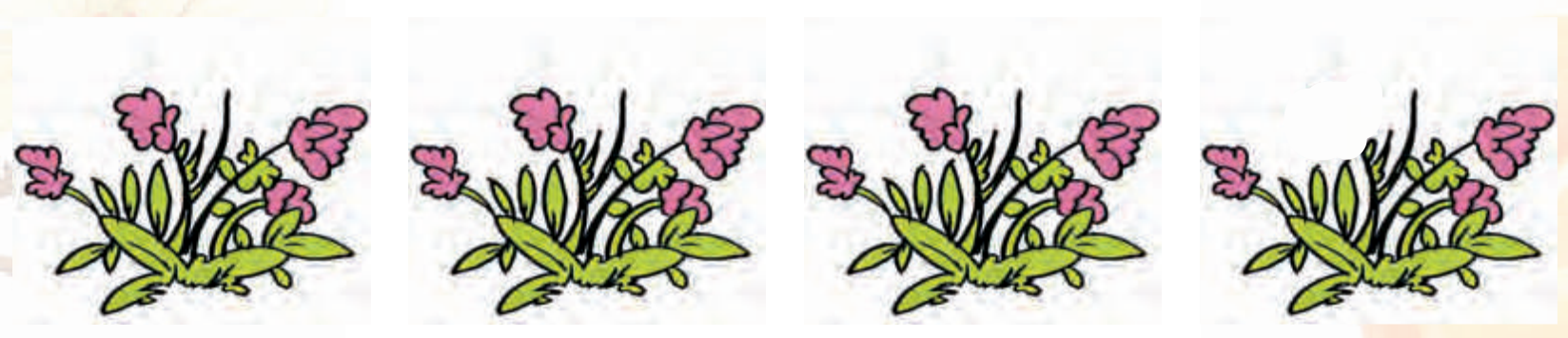
Circle the missing part
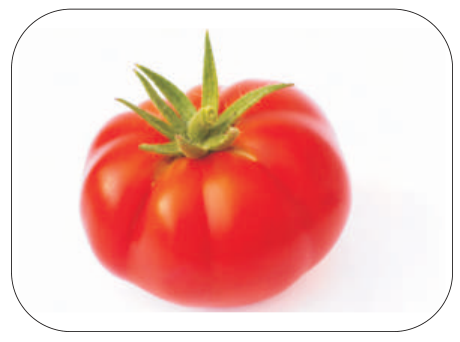
Tick the plants and trees that grow from a seed Cross the plants and trees that grow from branches
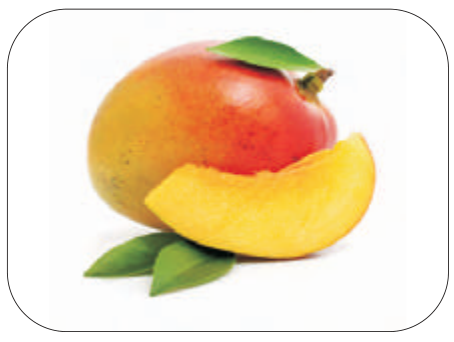
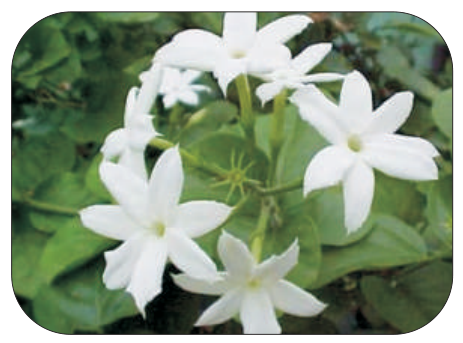
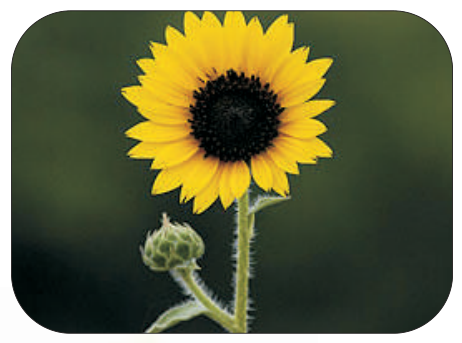
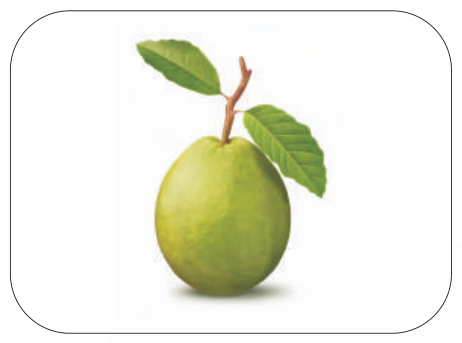
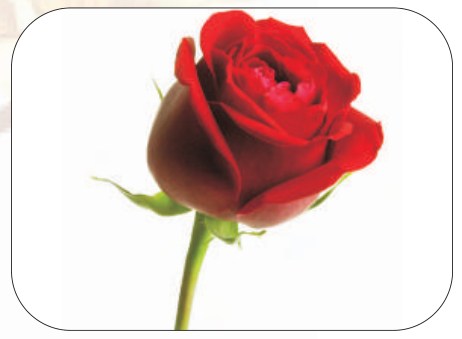
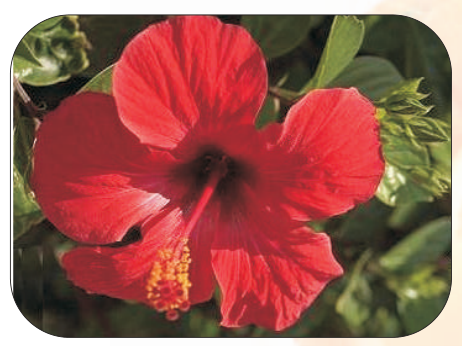
Place where it fits
| fruit |

|

|

| stem |

|

|

| | root |

|

|

| | flower |

|

|

| | bud |

|

|
|
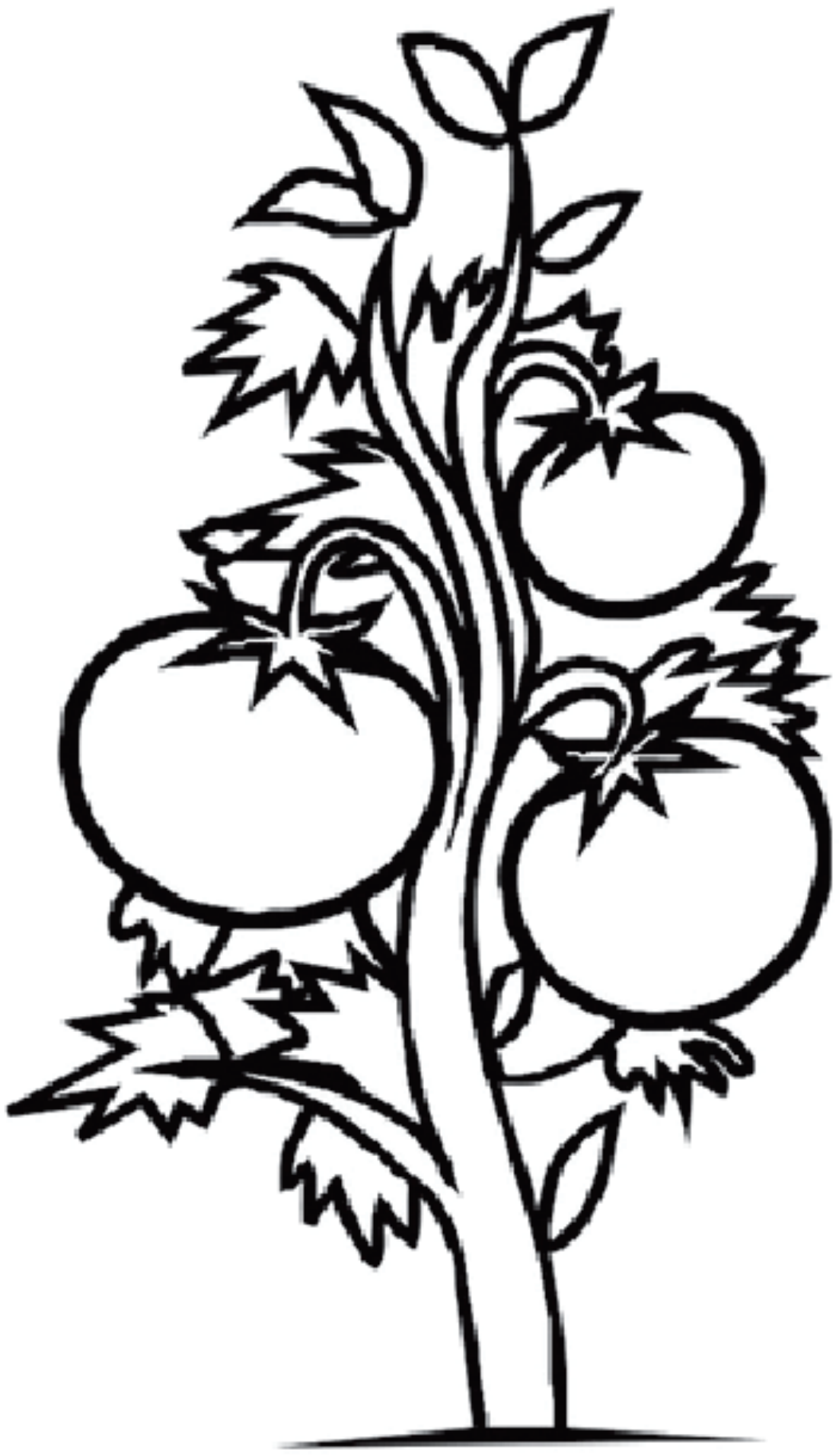
How many in all
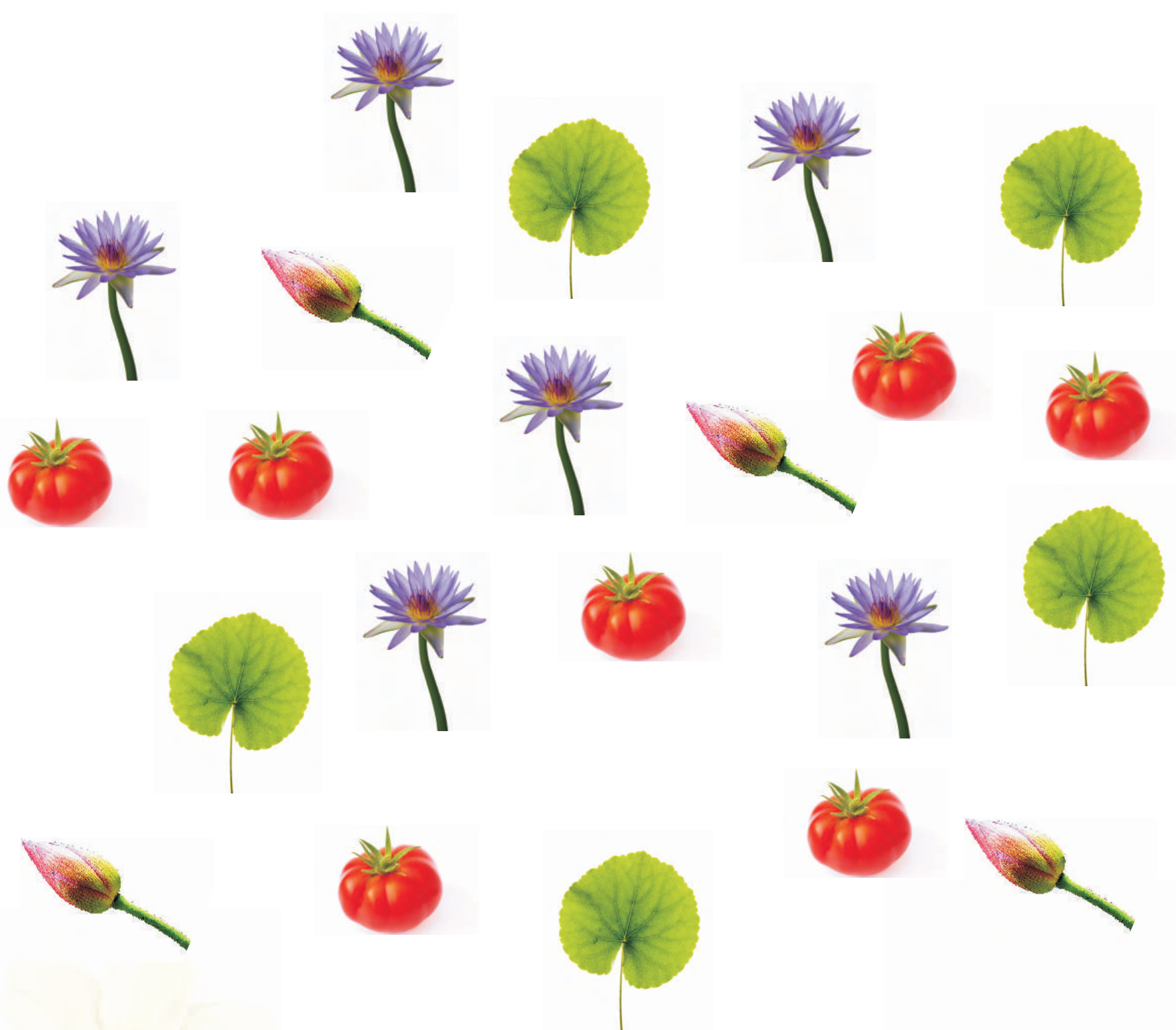
Leaves _____ Buds _____ Flowers _____ Tomatoes _____
Match the shadows
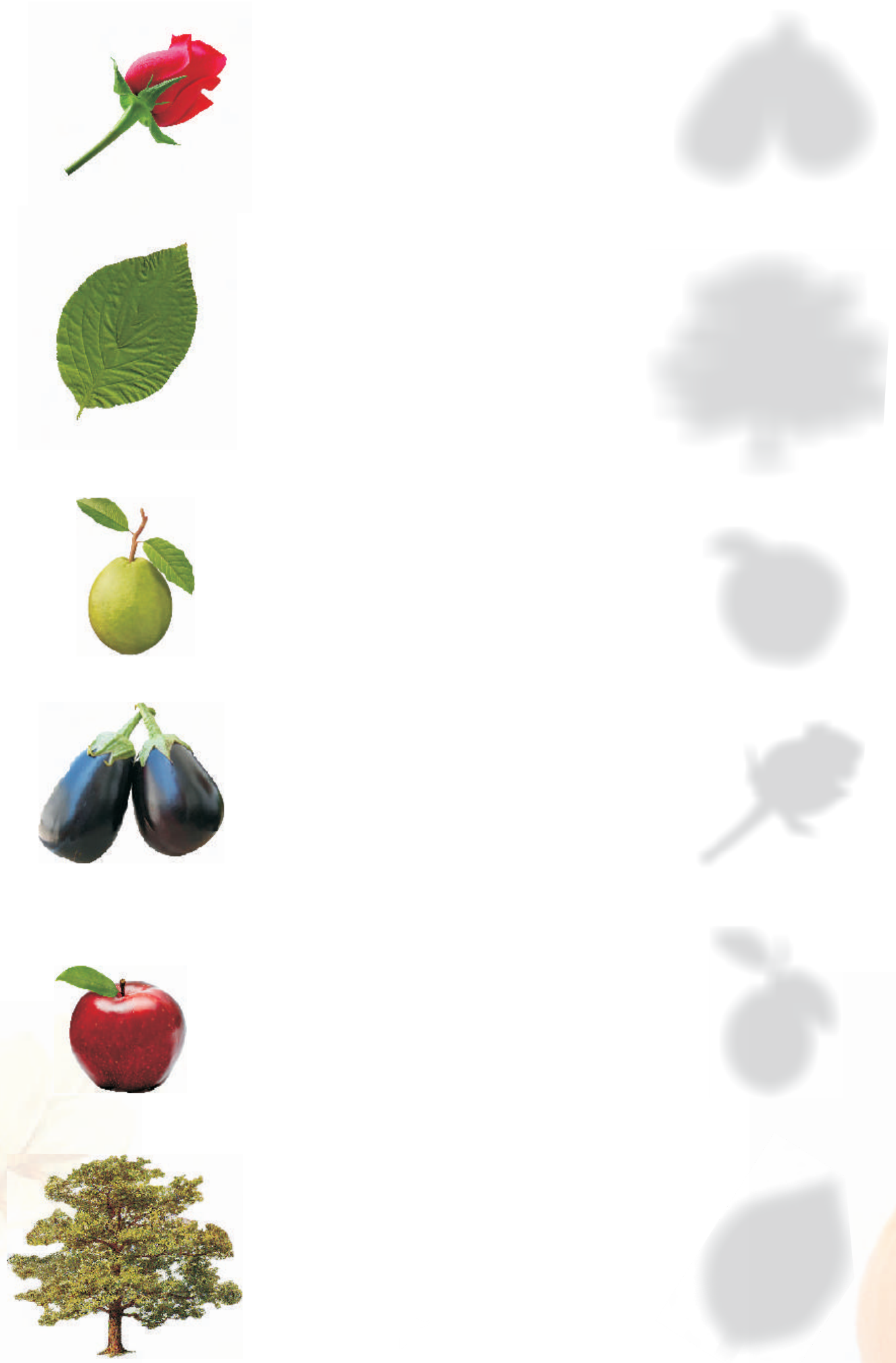
Tick the right pictures and cross the wrong pictures
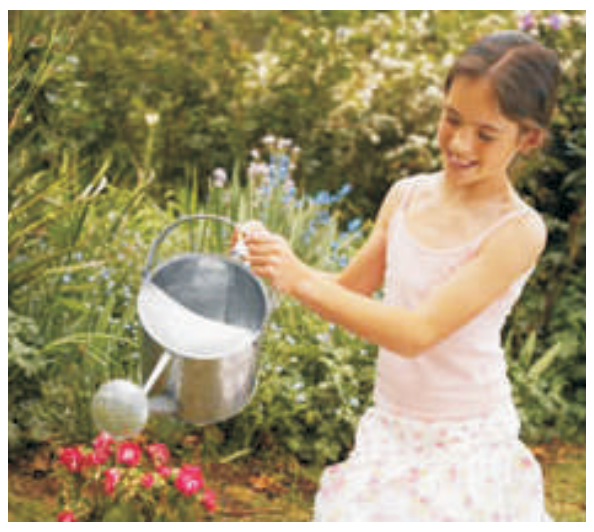
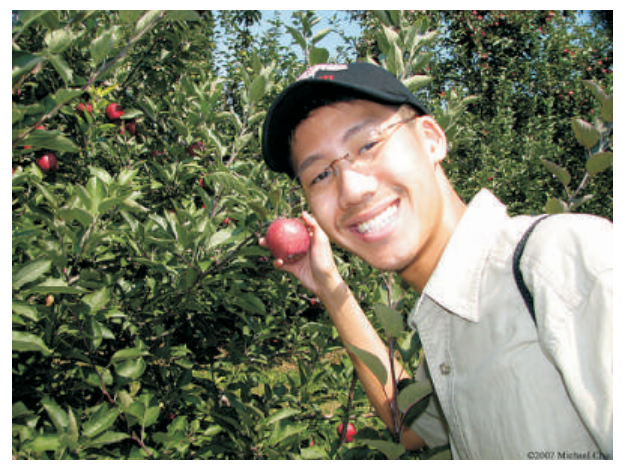
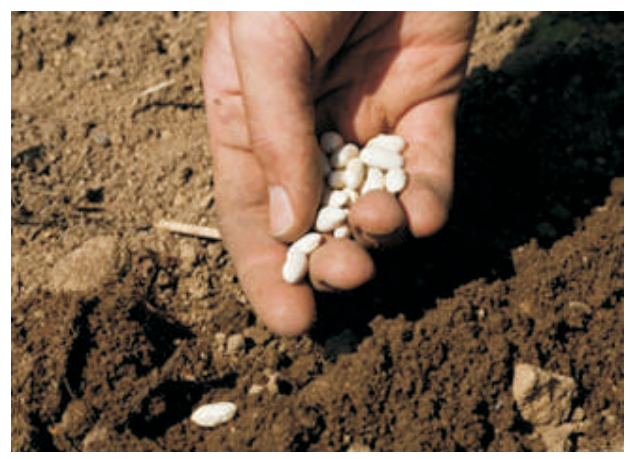

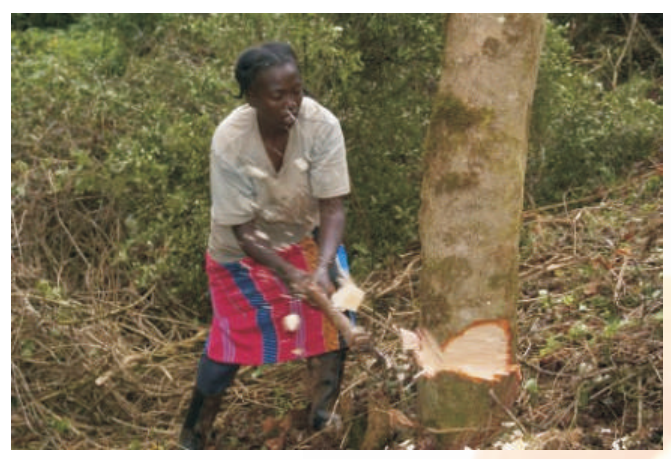
Word search
| W | R | D | B | L | D | F |
| B | O | D | U | E | M | L |
| I | O | Q | D | A | D | O |
| U | T | P | P | F | L | W |
| M | F | R | U | I | T | E |
| S | T | E | M | I | S | R |
| G | N | V | C | F | F | F |
Clues
[Figure: stem]
Cut and paste