INSECTS - ANSWERS
This text was machine-transcribed from the printed book and may contain errors. Select the words and choose “Report a mistake”.
- Giant stick insect
- Fairy flies.
- With sting in its tails.
- They can sense using their antennae.
- Bees, wasps, ants, termites.
- It can lift 50 times its own weight i.e., like you, lifting a truck.
- With dust and saliva.
- Solider and worker bee.
- Worker bee.
- Yes.
- Goliath beetle.
- Queen bee.
- They collect leaves in a small heap where fungus grows upon them; fungus in turn serves as food.
- No, they are invertebrates.
- They breathe through small holes hidden under folds.
- Flowers.
- Metamorphosis.
- Caterpillar.
- Omnivores.
- Crickets.
- 6.
- Female mosquitoes.
- Lady bug.
- 3
- 8
- No
- Sticky materials that it secretes from its own body.
- Pupa.
- It gives honey, wax, they are pollinators.
- Wings.
- Butterflies.
- Mouth, eyes and antennae.
- Dragon flies.
- Nymph.
- Decaying matters, nectar.
- Abdomen.
- 3 pairs.
- Grasshoppers, caterpillars.
- Colony.
- Silken sac.
- More than hundred eggs.
- Egg, larva, pupa, adult.
- Night
- Malaria.
- In water.
- Cricket and grasshoppers.
- Rubbing its wings and legs.
- Thorax.
- Ant.
- No.
BLISS CURRICULUM
September : Week - 2
Alphabets of the Month: M, N, O, P
Theme: Clothes
Color of the Month: Green, fluorescent
Shape of the Month: Square, cube
| Monday | Tuesday | Wednesday | Thursday | Friday | |
|---|---|---|---|---|---|

CIRCLE TIME | Clothes, color, texture, weaver. | Clothes for different weather, fashion designer. | Sizes of clothes, where do they get dress from. | Clothes in different countries. | Special occasion, other accessories | |
ART | Collage with cloth bits, thread painting. | Sponge printing. Crush paper sticking. | Cut and color tie or dress, finger painting. | Making quilt, brush painting. | Trace dress shaped blocks, mini book. | |
ACTIVITY | Dress up, hanging clothes to the clothes hanger. | Texture match, tying a lace. | Zipping, buttoning. Looping paper strips. | Plaiting wool, threading with plastic needles. | Sort the mixed dresses, socks, turn clothes inside out. | |

GYM | Ribbon dance. Texture walks, jump, and roll. | Animal babies, homes, touching body parts blind folded. | Walk, run, jump on line, and crawl through blocks or tunnel. | Color, color game, picking cloth bits using toes. | Walking on balancing beam, physio ball exercise. | |

A-Z OF CLOTHES | A - Apron, Angostra / B - Boots, Blouse, Bib, belt / C - Coat, Cotton Cloth / D - Dress, Diaper E - F - Frock, Fairy, Fur cap / G - Glove / H - Hat, Hood, Helmet / I - J - Jeans, Jacket, Jerkin / K - Kurta, Kameez / L - Lungi, Leather / M - Mittons, Maxi / N - Neck tie / O - Overalls / P - Pyjama, Pant, Polyester / Q - Quilt / R - Ribbon, Rayon / S - Shirt, Skirt, Shoe, Sweater, Saree / T - T-Shirt, Tie, Texture, Trousers / U - Umbrella, Underpants, Uniform / V - Velvet, Vest, Veil, Velcro / W - Woolen / X - Y - Yawn / Z - Zip | | | | |
Clothes
DAY : 1
Topic: Clothes of different color, pattern and texture. Vocabulary: clothes, texture, pattern, color, smooth, silky, rough, design, cotton, wool, silk, animal skin and polyester Material required: picture chart, original clothes. Presentation: • Place different types of clothes on the floor (frocks, vest, under garments, skirts, shirts, pants and so on). • Show each dress and tell them the name, pattern, and the color. Make them touch and feel the texture of the clothes. • Explain to the children that we wear clothes so that it protects our body from heat, cold, rain etc. different types of materials are used for making clothes like cotton, polyester, silk, wool, and leather and so on. • Tell them about the textures like smooth, silky, rough, wrinkled and also talk about different colors used in clothes. Assessment: • Ask them why we wear clothes? • What is the pattern on the clothes? • Name some clothes you know? • Ask them the color of their clothes? • What is the texture of the clothes? • What are their clothes made from? • Count the number of dresses you have in your bag? • Sort the dresses which are soft/ rough/ silky? • Sort the dress by the color/ pattern/ material? • Is your dress heavy or light? Closing: Pay attention to the child's ability to understand the different textures, colors and patterns of clothes. Evaluation: Skills: Sensory skill: smooth, rough, silky, material that it is made from. Visual discrimination: colors, pattern, shapes and shades. Extension: Clothes elf: Material required – children's clothes. Have each child take dresses from their bags and place it in the middle of the group. Have them to cover their eyes. Tell them a cloth elf will come and hide their clothes. Pretend you can hear him coming in the room, as you are talking to the elf; hide the dresses around the classroom. Have the children open their eyes. What happened to their clothes? Have children look around the room for their dresses. Have fun! Do it again!
Clothes
DAY : 2
Topic: Different types of clothes.
Material required: picture chart of fashionable, traditional, official, and fancy dresses
Vocabulary: clothes, designs, pattern, fashion, stitch, zip, button, Velcro, hook, tailor, vest, coat, blazer, sari, blouse, dhothi, kurtha, salwar, churidhar, dress, pant, trouser,
Presentation: • Explain to them different types of clothes according to fashion, designs/ patterns. • Tell them about the traditional dress of different states/ countries • Show them the pictures of various dresses and ask about their favorite dress. • Explain to them why we wear dresses according to the occasions like festivals, parties etc. • Tell them that the clothes are stitched and are made in different designs/pattern by the tailor (long, short, thin, light, heavy, small, big, loose, tight, checked, stripes etc). • Talk about buttons, zips etc and their use. Provide a variety of outfits with buttons, zips etc and make the children learn how to button, zip and perform other dressing skills independently. • Explain what dad and mom wear to work. • Explain about jewelry you wear with the clothes.
Assessment: • Why do we wear a variety of clothes? • Who makes your clothes? • Name some of the clothes you know? • What are fashionable clothes? • What are the traditional clothes of different states/ countries? • Why do we use buttons, zips and velcro? • What do we wear during festivals? • What are the different clothes used for office wear? • What is the difference between the dress and clothes? • If you were going to a fancy dress competition, what would you like to dress up as?
Closing: Explain the topic of clothes according to fashion and tradition, design, patterns and different materials.
Evaluation:
Skills: • Fine motor skills: to put buttons, zips, Velcro straps • Showing persistence in approaching tasks: how they wear their dress independently. • Understand and follow oral directions: How and when to wear the dress. • Visual discrimination: patterns, designs
Extension: Cat walk – Fashion show
Material required: different types of outfits ( professional and ethnic clothes) Have each child wear a dress of their choice and make them sit in a group or circle. Call each child by name and make them do a cat walk – Fashion show. Have fun! Do it again!
Clothes
DAY : 3
Topic: Clothes we wear to suit the season
Vocabulary: Cotton, woolen, leather, raincoats, mittens, gloves, sweater, scarf, shawl, jacket, hood, thermal clothing, coat, slippers, shoes, socks, hats.
Material required: picture chart of different clothes according to seasons, original clothes of cotton, woolen, leather, boots, jerkin, raincoat etc.
Presentation: • Discuss the proper clothing for different weather conditions. • During summer we like to wear cotton materials, light and loose dresses. • Different types of hats we wear to protect our head. • During winter we wear woolen or leather materials, heavy, layered and thick dresses. We use gloves or mittens to protect out hands. We wear sweater, jerkin or jacket in very cold weather. • During monsoons when it rains we wear raincoats, boots, and use umbrellas. • We use variety of socks, shoes and slippers to protect our foot.
Assessment: • What clothes do we wear in summer, winter and rainy days? • What do we wear to cover our hands? • What do we wear to cover our head and foot? • From where do we get leather, wool and silk? • How do you feel when you wear woolen clothes? • How do you feel when you wear cotton clothes? • How do you feel when you wear a rain coat? • Why are white/light-colored clothes best for summer season? • What happens when we play in the sun without a cap? • How was the weather yesterday?
Closing: What clothes do we wear for different seasons and what are the different materials used for making clothes according to the seasons.
Evaluation:
Skills: Sensory skills: Knowing the texture of wool, cotton, silk, leather Self help skill: Wearing clothes, shoe lace, shawl, and folding clothes by themselves. Cause and effect: How clothes protect our body in different seasons. Language skills: Ability to read, write the names of the clothes.
Extension: Match pairs of mittens, socks, boots, and raincoat / coat caps. Ask them to select dresses for winter/ summer/ rainy season Ask them to pack when they are traveling from a summer to winter place Hanging socks or clothes using cloth pins. Matching clothes pictures to names Sorting clothes by their names Writing the names of clothes under the appropriate seasons Folding clothes and using a hanger to hang the cloth.
Clothes
DAY : 4
Topic: Baby clothes, clothes of boys and girls
Content: Vocabulary: Bib, diaper, Soft, light, skirt, frock, dress, shorts, dhothi, kurtha, salwar, churidhar, smooth, pants, shirt, pyjama
Material required: Original clothes of babies, boys and girls picture chart.
Presentation: ● Tell the children about the different clothes that babies wear. They wear soft, smooth and light dress as their skin is very sensitive. Talk about bibs and why are they used for. ● Explain about the dresses that girls wear like salwar, frocks, skirts, saris etc. ● Tell them about the dresses that boys wear like pant, shirt, T-shirt, lungi, dhoti, coat/suit,etc. ● We wear night clothes that are simple and light so that we feel comfortable and enjoy a good night's sleep.
Assessment: ● Can you wear a baby's dress? Why? ● Name different dresses that girls wear? ● Name different dresses that boys wear? ● Why do babies wear soft and light dress? ● What dress do you like to wear? ● What if we dress a boy in a girl's dress? ● Can a girl wear pants and shirt? ● What is the dress we wear in the night time and why? ● What are the Indian and western clothes? ● What would you like to wear in the gym or during yoga time? ● Ask children if they remember what color dress they wore yesterday and 2 days before.
Closing: Consolidate the topic by saying how we dress up babies, boys and girls.
Evaluation:
Skills: Cognitive skills: comparing, classifying: the dresses of babies, boys and girls. Soft or light dress Math skills: count the dresses, sorting Bodily Kinesthetic skill: Children learn by actually dressing and undressing the clothes Memory skill: recollecting information about yesterday's clothes
Extension:
Pyjama Party: Have a pyjama party. Ask them to pretend they all are going to their friends place for a party. So ask them to pack their back packs with some dresses for the next day. Then after reaching let them change to the pyjamas. Then ask them to have a nice dinner and then sing some songs and go to sleep. Then next day they can pretend to wear their dress back and then go back home after breakfast.
Clothes
DAY : 5
Topic: Uniforms/ Professional clothes
Content:
Vocabulary: uniform, school, belt, neck tie, helmet, boots, coat
Material required: Picture chart of different uniforms.
Circle time:
● Tell them about different uniforms that are worn in different schools and organizations.
● Uniforms are worn for identification and also it stands for equality.
● Talk about the uniforms of doctors, engineers, pilots, policemen, firemen, soldiers, nurse, school children, salesman etc.
● Tell them about neck tie, bow, hats and belt
Assessment:
● What is the purpose of wearing a uniform?
● What is the color of a doctor's uniform?
● What is the color of the uniforms of soldiers, policeman etc?
● Do you like to wear uniforms?
● Where do we wear a neck tie?
● Why do doctors have a huge pocket in their coat?
● Why does a carpenter hold a tool belt around his waist?
● Why does a fireman have such huge boots?
● Why do the workers wear a helmet on their head?
Closing: Explain why different professions requires different uniforms to make their work easier
Evaluation:
Skills:
● Visual discrimination skills; Uniforms of different colors
● Cognitive skills: Comparing, classifying, sorting dress by the size
● Social skill: Playing co-operatively with all other children in a large group activity.
● Emotional skill: Seeing how they care for their things and how they are able share their clothes with their friends.
● How creative can they be in mixing and matching the clothes
Extension:
Mix and match wear day: Ask the children to mix and match dresses with respect to colors, patterns or even boy/girl dresses. They can try different combinations and sizes Sharing with other children and wearing the dress of their friends. Dressing up your friend Wearing the clothes reverse / opposite way
Story circle suggestions:
Mrs. Nosh hangs up her wash.
My blue dress
Princess for a day.
Clothes
DAY 1: ART
COLLAGE WITH CLOTH BITS
Goals: To develop their fine motor skills, pincer grasp, eye hand coordination, spatial awareness, and tactile skills. Material required: Glue, uncolored art sheet, cloth bits. Procedure: Keep the required material ready before starting an activity. Explain to the children about the art sheet. Encourage them to apply glue inside the picture and ask them to pick the cloth bits and stick on the glue inside the given picture. Skills developed: Fine motor skills, pincer grasp, eye hand coordination, spatial awareness, tactile skills.
THREAD PAINTING
Material required: Thread of varying length, different poster colors, uncolored art sheet or plain sheet. Procedure: Children can dip the thread in the paint and keep it on the art sheet and fold the art sheet holding firmly on the table with one hand and pull the thread out after moving the thread in various directions with the other hand. Skills developed: Develops their fine motor skills of tripod grasp, eye hand coordination, cognitive skills of cause and effect.
DAY 1: ACTIVITY
DRESS UP
Goals: To develop their intrinsic hand muscles and fine motor skills, eye hand coordination, sense of position, sensory skills etc. Material required: Collection of small clothes for dolls, baby dolls. Presentation: Show them how to button and unbutton, encourage them to remove the clothes of the baby doll and dress them up. Help them place the clothes on the ground initially and teach them positions (left and right). They feel the texture of the cloth. Skills developed: Develops their intrinsic hand muscles and fine motor skills, eye hand coordination, sense of position, sensory skills.
HANGING CLOTHES TO THE CLOTHES HANGER
Goals: To develop their self help skills, fine motor skills, eye hand coordination, to make them independent in the practical life activities, to understand sense of direction/ position. Material required: Collection of their own clothes, cloth hangers.
Vocabulary: Clothes, fold, shirt, pant, button, insert, right, left etc. Presentation: Show them to unbutton their clothes and guide them to place their clothes on the table. And ask them to hold the cloth hanger with their hands and try to insert the hanger in to the shirt placing the right and left sleeve properly on the hanger. Ask them to fold the pant and insert it into the hanger. And direct them to button the shirt. If it's a frock ask them to insert the hanger into the frock placing it right position. Assessment: • What is the shape of the hanger? • Which is front and back of the clothes? • Which is left and right side of your cloth? • Why do we hang clothes in the cloth hanger? Evaluation: To evaluate each child's ability to do the activity, note the recording for further improvement and evaluation. Skills developed: Develops their intrinsic hand muscles, fine motor skills, eye hand coordination, self help skills. Closing: Encourage them to try it again and again.
Clothes
DAY 1: GYM
RIBBON DANCE
Goal: To develop their gross motor skills, Follow direction, social and emotional skills, memory skills.
Presentation: Motivate all the children to hold the colored ribbons in their hands. Direct them to do simple hand movements like up, down, right side, left side. Make them to shake their both hands holding the ribbons. Make them to shake hands and also jump simultaneously. Direct them to hold each other and dance with ribbons. Make the children do different steps with music and song holding the ribbon. They can follow some rhythm and pattern and dance.
Skills developed: Develops their gross motor skills, social/ emotional skills and direction skills and memory skills of following the rhythm and pattern.
TEXTURE WALKS, JUMP, AND ROLL
Goal: To stimulate their sensory awareness skills.
Presentation: Texture mats will be placed on the ground. Children are requested to walk, jump and roll on it. They are asked to walk and jump on the grass. Observe them how comfortable they are when they are walking, jumping and rolling on texture mats and grass. It stimulates their sensory skills.
Skills developed: Sensory awareness skills (tactile skills). Gross motor skills.
DAY 2: ART
SPONGE PRINTING
Material required: Uncolored art sheet, paints of various colors, sponge cut into various shapes.
Procedure: The children are asked to dip the sponge in the paint and do the sponge printing on the given picture. They can do printing with various shape or size or design sponges dipped in different colors. Encourage the children to do the printing only inside the picture.
Skills developed: Fine motor skills, sensory skills, cognitive skills of knowledge of various colors and cause and effect.
CRUSH PAPER STICKING
Material required: Different colored kite papers, glue, uncolored art sheet.
Procedure: ask the children to crush the color paper in to small balls and stick it with glue on the given picture.
Skills developed: Fine motor skills of pincer grasp, circular movement.
Clothes

DAY 2 : ACTIVITY
TEXTURE MATCH
Goals: Familiarize them with different texture identification by tactile discrimination.
Vocabulary :Rough, smooth, hard, soft, blunt, sharp, funny, scaly, poky, regular, Irregular, non sticky, elastic, non elastic
Material Required: Texture books, texture toys, various texture brushes, some blunt objects, cooked and uncooked noodles, jelly, texture cards, poky textured objects, play dough, rice flour and cornflour.
Introduction and presentation: Let them touch each texture and learn about each texture, ask them to match objects of the same texture. We can also keep the materials on their place.
Assessment: • Which is the opposite texture for rough? • Which is the opposite texture for hard? • What is tactile discrimination? • Which texture we have to be careful? • Name some materials which have silky texture? • Which animal has very furry texture? • Which animal have poky texture? • How do we feel when we touch a rough texture? • Which texture can retain to its original?
Closing: Analyze how many textures they are able to identify and name.
Evaluation: First evaluate with their eyes open and then let them identify the texture with their eyes closed. Some kids may be hesitant to touch few textures, talk to them and let them slowly involve in it in course of time. Record the observation for noting down the further progress. Reinforce the different texture when they eat lunch, snacks and when they play.
TYING A LACE
Goal: To improve their fine motor skill and eye hand coordination
Vocabulary: lace, tie
Material required: Lace
Introduction and presentation: Present the activity by placing the lace on the ground. Take one end of the lace and place it on the other side like a loop. Them show how to insert one end of lace under the loop and take it out then pull both the ends forming a simple knot.
Assessment: What material do you use to tie a knot?
Closing: Make them to tie a knot and ask them to show how to tie knot.
Evaluation: Evaluate each child ability to tie the knot.
DAY 2 : GYM
ANIMAL BABIES, HOMES
Goal: To stimulate their cognitive skills, observing skills, memory skills, curiosity, thinking skills, social skills.
Presentation: Children can be grouped as 2 babies and mother animals. Allot places naming at den, hole, shed, cave, kennel etc. Name the one group of children as cub, pup, Joey, calf, foal etc. Name the other group of children who has been grouped as mother animals as tiger, dog, cow, kangaroo, horse etc. Ask the babies group children to hide. The mother animals will find their babies and take them to their respective homes to the allotted place.
Skills developed: Memory skills, Cognitive skills, Curiosity, Thinking skills, Social skills.
TOUCHING BODY PARTS BLIND FOLDED
Goal: To improve their tactile skills, to improve their awareness about self, auditory skills, receptive skills of following oral direction.
Presentation: Encourage children to sit and tie each child's eye and ask them to feel their body parts.
Ask them to touch their eye, right cheek etc .
Evaluation: Observe how well they are able to touch it blind folded.
Skills developed: Tactile skills, auditory skills, receptive language skills.
Clothes
DAY 3: ART
CUT AND COLOR TIE OR DRESS
Material required: Plain sheet, color pencils or crayons and safety scissors.
Procedure: Provide each child the picture of tie or dress and ask them to cut on the outline using safety scissors and ask the children to color the picture with different color.
Skills developed: Fine motor skills, eye hand coordination.
FINGER PAINTING
Material required: Uncolored art sheet, paint of various colors.
Procedure: The children are asked to dip their fingers in the paint and do the finger painting on the given picture. They can do finger painting with various poster colors.
Skills developed: Fine motor skills, sensory skills.
DAY 3: ACTIVITY
ZIPPING, BUTTONING
Goals: To make them independent in the practical life activities of dressing, involves zipping and buttoning. Develops their intrinsic hand muscles and fine motor skills, eye hand co ordination, sense of direction/position, sensory skills of wearing clothes of different textures, etc.
Vocabulary: Clothes, shirt, pant, coat, button, zip, front, back, jeans.
Material required: Collection of their own dresses.
Introduction and presentation: Show them how to button or zip, encourage them to zip or button their own dress.
Assessment:
- Why do we wear clothes?
- Which is your favorite dress?
- Can you button or zip dress yourself?
- How many buttons are there in your dress?
- What is the color of the button?
Closing: Encourage the effort made by each child and ask them to try as much as they can.
Evaluation: Evaluate each child's ability to dress up and how well they wear by buttoning and zipping their dress, note the recordings for further improvement and evaluation. Evaluate each child's fine motor skills. Intrinsic hand muscles power, eye hand co ordination, position sense, direction sense and note the recordings for further observation, observe their sense of texture as they try different textured clothes.
LOOPING PAPER STRIPS
Goals: To develop their fine motor skills, pincer grasp, eye hand coordination.
Vocabulary: Color paper, strips, loop, pattern etc.
Material required: Color paper strips of different colors, glue.
Presentation: Demonstrate, how to make a loop ask them to stick both the ends of the strip and again insert another color paper through the loop and stick the ends and continue it so on.
Assessment:
- What is the shape of the color paper strip?
- How does the loop look like?
- What is the color of the loop?
- Can we loop an object which has no hole?
Skills developed: Develops their pre math skills of patterning, eye hand coordination, fine motor skills.
Clothes
DAY 3 : GYM
WALK, RUN, AND JUMP ON LINE
Goal: To develop their gross motor skills, eye and foot coordination and balancing print.
Presentation: A straight line or a zigzag line or a crooked line or animal foot prints, bug prints, floral prints can be drawn on the ground. Children are asked to walk on it with balance.
Skills developed: Eye foot coordination, Balancing skills, Gross motor skills.
CRAWL THROUGH BLOCKS OR TUNNEL
Goal: To develop their gross motor skills, spatial awareness.
Presentation: Children can build a tunnel with the blocks and they can pass through it by crawling, creeping, knee walking etc. They have to pass carefully without knocking down the tunnel.
Skills developed: Spatial awareness, Gross motor skills.
DAY 4 : ART
MAKING QUILT
Material required: Plain sheets, paint, glue, wool.
Procedure:
Step: 1: Paint one sheet with black and cut out in to 6 long stripes. Take another with blue and cut the sheet in to 6 stripes again.
Step: 2:- Now keep the black stripes in row and take the blue stripes and keep above and below the black stripes by applying glue.
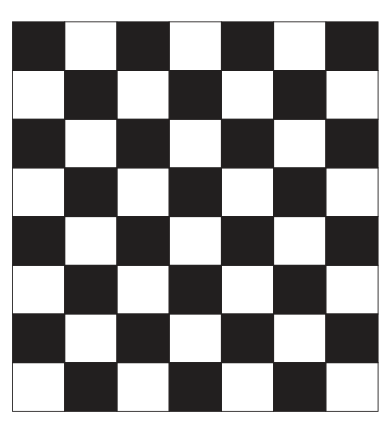
Step: 3:- Take the wool and cut in to short pieces and stick it on both ends
Variations: You can do any two combination colors or multi color patterns.
BRUSH PAINTING
Material required: Uncolored art sheets, different poster colors, paint pallets, paint brush.
Procedure: children can dip the paint brush in the paint (different colors) and paint the picture given holding the brush firmly. Children are encouraged to paint inside the picture.
Skills developed: Develops their fine motor skills, eye hand coordination.
Clothes
DAY 4 : ACTIVITY
PLAITING WOOL
Goals: To develop their fine motor skills, eye hand coordination, direction skills, patterning skills.
Material required: Three different colored woolen threads tied as little bunches for the children to hold it comfortably.
Presentation:
Encourage children to sit around the table.
Provide the woolen thread to the children with all three bunches tied at one end.
Direct them to place it on the table and ask them to hold one bunch with their right hand and one with their left hand, one will be left in the middle. Ask them to the place the bunch of wool that they hold on their right in the middle and keep on alternating all the three strands simultaneously.
Skills developed: Develops fine motor skills, eye hand coordination, direction skills.
THREADING WITH PLASTIC NEEDLES
Goal: To develop their eye hand coordination, fine motor skills.
Material required: Plastic needles, thread.
Presentation: Demonstrate to them how to insert thread through the needle hole.
Skills developed: Develops their fine motor skills, and eye hand coordination.
DAY 4 : GYM
COLOR GAME
Goal: To develop their cognitive skills of learning colors and their gross motor skills, social skills.
Presentation:
One child who volunteers to be catcher will be made to tie or close their eyes.
And the catchers will be asked “color, color, what color do you choose”.
The catcher will name a color. All others should find and touch that color whoever the catcher touches if he/she is not touching the chosen colour first will be the catcher.
Skills developed:
Gross motor skills.
Cognitive skills.
Social skills.
PICKING CLOTH BITS USING TOES
Goal: To develop their fine motor skills and their balancing skills, eye and foot coordination.
Presentation: Place some bit of cloth on the ground.
Ask the children to pick the cloth bits using their toes.
Skills developed: Fine motor, Eye and foot coordination, balancing.
Clothes
DAY 5 : ART
TRACE DRESS SHAPED BLOCKS
Material required: Plain sheets, pencils or crayons or sketch pen and dress shaped blocks.
Procedure: Provide plain paper to the children and give them dress shaped block and ask them to place it on the paper and ask them to hold it firmly with other hand and trace the dress shaped block, inside and outside.
Skills developed: Pre writing, fine motor skills, eye hand coordination
MINI BOOK
Goals: To develop their eye hand coordination, fine motor skills, logical thinking skills.
Material required: Any materials, pictures related to the theme can be chosen, a small book with plain sheet has to be made, glue, crayons.
Introduction and presentation: Children are given one book each and they can be explained about theme and they can stick the pictures or materials or children can draw related to the theme in their book.
Skills developed: Develops their eye hand coordination, fine motor skills, logical thinking skills.
DAY 5 : ACTIVITY
SORT THE MIXED DRESSES, SOCKS
Vocabulary: Dress, socks, shirt, jeans, T-shirt, trousers, skirt, blouse, frock, colors, sizes.
Goals: To improve their: Cognitive skills, Fine motor skills, Eye hand coordination
Material required: Different color socks and variety of dresses.
Presentation:
Keep all the things ready for the activity.
Give each child a cubby containing variety of dresses and socks.
Show them how to sort and keep dress and socks separately. Then tell them to sort the socks according to their colors and pairs. Tell them to sort dresses according to their color or types.
Ask them to feel the different textures.
Assessment:
• Count the dresses and socks which they are sorted.
• How many pairs of socks?
• What is the texture of the dress or socks?
• Which is your favourite dress?
Evaluation:
Evaluate the following skills:
Cognitive skills, Pre math skills, Fine motor skills, Eye hand coordination
Conclusion: By this activity they will be able to understand and classify the objects according to the color, size, texture, and shape.
Clothes
TURN CLOTHES INSIDE OUT.
Goals: To develop their dressing activity, develops their intrinsic hand muscles and fine motor skills, eye hand co ordination, sense of direction/position, sensory skills of wearing clothes of different textures, etc.
Vocabulary – Clothes, shirt, pant, tops, midi, shorts, cap, shoe. socks, frock, coat, under pant, front, back, sweater, gloves, T-Shirt, jeans, full sleeve shirt, half sleeve shirt.
Material required: Collection of their own dresses, pair of socks.
Introduction and presentation: Show them how to turn clothes inside out. Encourage and help them to do turning of clothes inside out.
Assessment:
• Why do we wear clothes?
• Which is your favorite dress?
• Who helps you in dressing up?
• Can you dress yourself?
Closing: Encourage the effort made by each child and ask them to try as much as they can.
Evaluation: Evaluate each child's ability to turn dress inside out. Evaluate each child's fine motor skills. Intrinsic hand muscles power, eye hand co ordination, position sense, direction sense and note the recordings for further observation, observe their sense of texture as they try different textured clothes.
DAY 5 : GYM
WALKING ON BALANCING BEAM,
Goal: To develop their balance, gross motor skills.
Presentation: Children are asked to walk on the low wedge to improve their balance. For safety place mats all the four sides of the wedge and beam. They can be directed to walk on low balancing beam and high balancing beam. Observe how well they are able to balance on wedge, low balancing beam and high balancing beam.
Skills developed: Gross motor skills, Hip muscle stability. Balancing skills.
Extension: They try balancing with an object on the beam or wedge.
PHYSIO BALL EXERCISE
Goal: To develop their abdomen muscles and this is also a nice relaxation exercise.
Presentation: Mentor has to hold the ball with one hand and to avoid the ball from rolling off hold with one foot in the front and make the children lie down on the ball on their tummy. Sing a rhyme and roll the ball forward, backward, left and right. When we move the ball children will move in the direction in which we move the ball, they will learn to balance by gripping the ball. If they move their body rhythmically this activity induces relaxation also. They can also bounce and lift the physio ball.
Skills developed: It helps to keep their hip muscles stronger and develops their gross motor skills; this is also a nice relaxation exercise.