CLOTHES - ANSWER
This text was machine-transcribed from the printed book and may contain errors. Select the words and choose “Report a mistake”.
- To protect us from cold, and harmful weather.
- Cotton.
- Animal skin and leaves.
- Chinese.
- Woolen.
- Sheep, yak.
- Wood pulp.
- Tailor.
- Silk worm.
- Mittens
- Socks.
- Cap.
- Traditional.
- Japanese silk gown.
- People used to weave clothes in to dress.
- Denim, a blue material used to make jeans.
- Tie and dye.
- Cotton.
- Rain coat.
- Summer.
- Space suits.
- Shoes, boots, slippers, socks.
- Saree.
- Kimonos.
- Dhoti and kurta.
- Gumboots.
- Umbrella.
- Leather.
- Gunya chola.
- Anklet.
- Bangles.
- Watch and bracelet.
- Ring.
- Belt, jacket, shoes, purse, gloves etc.
- Towel.
- Bibs.
- Swimsuits.
- Spinning mill.
- Nylon, polyester, synthetic, rayon, rexin, teflon, silk, cotton, leather etc.
- Fur.
- Around the neck.
- Fashion designer.
- From a plant called flax.
- Bracelets made from tusks, stones.
- Stone Age people, they were made from bones.
- Need, because we cannot be without cloth.
- Washing machine.
- By pressing using iron box.
- Dry clean.
- Formal and casual.
- Ginning mill.
BLISS CURRICULUM
August: Week - 4 Alphabets of the Month: I, J, K, L
Theme: fruits
Color of the Month: Red, Maroon, Magenta
Shape of the Month: Heart, star, diamond
| Monday | Tuesday | Wednesday | Thursday | Friday | |
|---|---|---|---|---|---|
CIRCLE TIME | Different types of fruits | Show model of fruits, talk about vitamins. | About seeds, taste | Talk about fruit shop, the ways we can eat | Importance of fruits for healthy living. | |

ART | Finger painting, tracing using stencils. | Sponge printing, mini book. | Texture painting, play dough. | Fruit craft, collage with stickers. | Wet chalk coloring, fruits stamp printing. | |

ACTIVITY | Sorting fruits and vegetables, identifying fruits by smell. | Chalk scribbling, model fruits with play dough | Recognizing heavy or light, estimating the quantity with seeds. | Planting seeds, torch play. | Making fruits salad, matching real and toy fruits. | |

GYM | Hoop play, Birdy dance. | Tug of war, hopscotch. | Skipping, squatting. | Bridging, kneel walking. | Hide and seed fruits, in and out game. | |  A-Z OF FRUITS | A- Avacado, Apple, Apricots / B-B- Banana, Black berry / C- Custard apple / D- Dates / E- F-Fruits G- Grapes / H- I- J- Jackfruit, juice / K- Kiwi / L- Lime / — Mango / N-Nuts / O- Orange / P- Pineapple / Q- / R- Raspberry / S- Strawberry, seeds / T- / U- / V- Vine / W- Watermelon / | | | | |
DAY : 1
Topic: Different types of fruits.
Vocabulary: Juicy, citrus, tangy, fruit, orange, banana, grapes etc, farmer, farm, peel, seeds.
Material required: Plastic fruits, real fruits, pictures, book, flash card etc.
Presentation: • A fruit is the ovary of the flower, inside which the seeds are located. • Talk about how fruits are different from vegetables. Fruits mostly grow on trees while vegetables grow on plants. • Some fruits like apple and strawberry grow only in cold places. Other fruits like coconut, papaya, mango and orange grow in tropical (hot places) areas. • Ask the children to name and identify the fruits. • Most of the fruits are citrus, juicy, sweet and good to eat. Most fruits are sour when they are unripe and become sweet when they become ripe. • Show to the class the plastic fruits and explain the fruits. • Ask them to touch and feel the real and the toy fruits. • Ask them to smell and taste the real fruits. ( blindfolded for bigger children) • Fruits grow in single or in bunches. • Mango fruit is called the king of fruits because of the sweet taste and nutrition it provides. Jackfruit and pineapple have spiky skin. We don't eat orange or banana skin. • Juicy, fleshy, seedless, citrus are some of the different attributes of fruits. • Some trees like banyan and figs have no flowers but they bear fruits. • Some fruits are eaten fresh and they are juicy but some fruits are dried are not juicy but taste very nice like raisins, dates, and figs they are called dry fruits.
Assessment: • What is a fruit? How is it different from a vegetable? • What must I do before eating a fruit? • Ask them which fruits are called citrus fruit? • Which is your favorite fruit? Which fruit is called the king of fruits? • Do you like eating mangoes? Why? • Name some fruits that grow in bunches? • What are the different kinds of fruits? • Name some seasonal fruits? • Name the fruits grown in the cold places? • Which fruit skin is very spiky? ( jackfruit, pineapple) • Which fruit has a name of a bird? ( Kiwi)
Closing: Review the important details, about different types of fruits and their names.
Evaluation: Cognitive skills-identification, sorting real and toy fruits. Expressive and receptive language skills.
Extension: Provide fruits for the children and ask them to cut, mix the fruits and make a fruit salad.
© 2011 Copyright Nithya Gnanadhan Trust

DAY : 2
Topic: Show the model of the fruit. Talk about vitamins.
Vocabulary: rough, smooth, hard, skin, peel, thorny, vine, vitamins
Material required: Plastic fruits, real fruits, picture book.
Presentation: • Provide each child with a fruit. • Ask them to touch and feel. Record their answers. • Talk about different fruits like cherry, strawberry, raspberry, grape, and jackfruit. • Explain grapes grow in cluster. It grows on a vine. The place is called vineyard. • Explain why an apple a day keeps the doctor away. • Apple is very nutritious. They are grown in tropical and polar areas. It is round in shape. Apple is available in various colors - red, yellow, green and orange. It has firm juicy flesh. • Show banana and explain it is very popular through out the world. It grows in bunches. We peel and eat them. People use banana to make pancake, milk shake, fritters etc. Banana comes in 3 colors, red, yellow, green. It comes in different sizes. Ask them if they have seen a banana tree. • Mango is called king of fruits. It is a delicious fruit. It is available during summer season. It comes in various color of red, yellow and green. • Take each fruit and explain their special features- jackfruit, pineapple, pomegranate, star fruit, orange etc. • Encourage the children to pick their favorite fruit and talk about it. • Tell them to smell the fruits and discuss. • Fruits such as orange and lemon contain vitamin c which protects us against diseases. • Fresh fruits contain a lot of vitamins that our body requires. • Some fruits are rich in iron like papaya which is very important for our body to produce blood. Watermelon is 90% water and very rich in iron. • They contain high fiber which helps us in digestion. • Fruits have high sugar which gives us energy. • Fruits should be eaten before the meal so that the vitamins are best absorbed by the body.
Assessment: • Name some fruits which are sour? • Where does a grape grow? • Have you smelt any fruit? What is the smell feels like? • Have you felt the skin of pineapple or a jackfruit? How will it be? • Where does it grow? Is it heavy or light? • In which ways vitamins are helpful for us? • Which fruit we do not eat the peel? • Which fruit has more fluid content? • Which part of fruit gives us high energy? • Do fruits contain vitamins? • When should we eat fruits?
Closing: To make them understand the smell, size, color and shape of fruits. To make them express their likes and knowledge about fruits.
Evaluation: Sensory: fruits those are soft, hard, rough, thorny and smooth. Visual discrimination: colors of different fruits
Math: sorting fruit from vegetable, sorting according to color and size.
Extension: Bunch of banana- paper, yellow and brown paint, marker and scissor. Trace the child's hand, including a small part of the wrist on the white paper. Turn the hand tracing up side down and turn it in to bunch of bananas by having the finger part colored yellow and wrist part colored brown. You can ask the children to cut out their bunch of bananas. Show and Tell fruits
[Figure: FRUITS]
DAY : 3
Topic: Name the fruits, talk about the seeds, taste.
Vocabulary: Names of the fruits (orange, apple, grapes, plum, apricot, pear, etc).
Material required: Plastic fruits, real fruits, blind fold, labels of the fruits, 2 trays, flash cards.
Presentation: • Show the fruits and make a list of all the fruits that the children can name. • Invite the children to pick a fruit and name it by picking the correct label/picture. In this way we see how many fruits they know. • Invite the children to blind fold, pick a fruit, feel and guess it. • We can give real fruit and ask them to smell, taste and guess the name. • Show the flash cards, toy fruits to children, say aloud the names of it. • Most of the fruits have the seeds. • Seed is a young underdeveloped plant that is living but in a temporary state of rest . • The seedless grapes and banana are few examples of seedless fruits. • Most of the fruits are sweet and some are sour. • Some fruits are sour when not ripe fully. • Some fruits have only single seed like mango and plum while other like apple, pear and banana have many seeds. Coconut is the largest seed in the world. • Only pomegranate we eat the seeds while others seeds like jackfruit seed we cook and eat them.
Assessment: • Name the fruits which are red in color? • Can you name the fruits which have lots of seeds and which have only one seed? • Name the fruits which are available throughout the year? Name some seasonal fruits? • Name the fruits which we have to peel before eating? • Name the fruits which are sour? Name some fruits which are sweet? • What is a seed? Which fruit is the biggest seed? • Do all the fruits have seeds? Name few seedless fruits? • Which fruit is called king of fruits? • Can we cook fruits? • Do you like the smell of pineapple or mango?
Closing: To make them understand the names of fruits through smell, taste, touch and flash memory.
Evaluation: Stereognostic skill- touch different fruits Olfactory skill- smell of fruits Gustatory-taste of fruits Cognitive skills-naming, identifying, Expressive and receptive language skills.
Extension: Provide two or three sliced fruits. Encourage the children to arrange fruit pieces in pattern Invite the children to toss the plastic fruits in to the basket. Fruit Hunt by providing them clues.
[Figure: FRUITS]
DAY : 4
Topic: Talk about the fruit shop, the ways we can eat fruits.
Vocabulary: consume, weight, dozen, peel, cut, smooth etc.
Material required: empty juice carton, pictures, fruits based cream or shampoo.
Presentation: • Discuss with the children what they had for breakfast. • Encourage the children to tell about the fruit, in what form they consume them. • Some people like to eat whole fruit, some like to drink as juice, some like to top it on ice cream, mix it with custard, yoghurt, cream or make smoothies. • Ask them about their fragrance in shampoo, talcum powder, body lotion etc. some people like to use orange soap, pineapple shampoo etc. • Tell fruits are used in various purposes like making of jams, marmalade, facial peel off, beauty cream etc. • Discuss the importance of washing the fruits before eating- to make the fruits free from dust, chemicals. Show the empty carton of juice which they consume in school. Name the fruits included in it. Thus they know what fruit they are having every day. • Fruits are rich in vitamins, calcium, minerals etc. • Discuss where we buy fruits from, how we store it in fridge. A fruit seller will sell fruits. Talk about the packing of fruits: some fruits require to be handled gently like strawberries, custard apple etc • Fruits are weighed in kilograms, dozen, numbers or per pieces.
Assessment: • Where do we buy fruits? • How do you like to eat your fruit? • What we must do before eating a fruit? Why? • What are the benefits of fruits? • What are the uses of fruits apart from consumption? • How we call a person we sell fruits? • How are fruits sold?
Closing: To make the children understand about the uses of fruits, apart from eating it is used for making cosmetics etc, and how and where we buy the fruits.
Evaluation: Cognitive skills- naming, identification, listening. Olfactory skills- smelling of creams or shampoo. Expressive and receptive language skills- vocabulary experiences and conversation .Fine motor skills-peeling.
Extension: Children can have pretend play party of fruit shop. Pretend play-help them to arrange table, basket, small paper bags, plastic packets with dried fruits, plastic fruits to set the fruit shop.
DAY : 5
Topic: Importance of fruits for healthy living.
Vocabulary: Tangy, juicy, vitamin enhances etc.
Material required: Pictures, slices of real fruits.
Presentation: ● Recall the previous topic; ask the children what they ate for breakfast. ● Invite them to taste slice of fruits, ask them to discuss the taste of fruits. ● Tell the children when we visit doctors, what advise he gives us to keep ourselves fit. An apple a day keeps a doctor away, why do we use these phrases. ● Encourage the children to consume fruits in any form to be fit and fine. Fruits are rich in vitamins, iron, calcium etc. ● We need to take fruits of different colors to get all the health benefits. ● Tell them to eat seasonal fruits like mango, oranges etc. ● Sour fruits like oranges, grapes, sweet limes are also called citrus fruits. They are full of vitamin c. ● Daily consumption of fruits keep our hair/skin strong, lustrous and shiny, it also keeps us look young. ● Coconut water is rich in minerals and is very cooling for the body. The flesh is very rich in protein, Our body requires protein to build our skin and muscle.
Assessment: ● Which fruits are called citrus fruit? ● Name some fruits which are sour? ● Which fruits keep our bones strong? ● Which fruits contain vitamin C? ● Which is easy to cut fruits or vegetables? ● What are the common fruits used in salad? ● What is so special about coconut? ● Do you know any spicy fruit? ( No) ● Name the fruits which is blue in color (blueberries)
Closing: To make them understand the importance of fruits for healthy living, their benefits.
Evaluation: Cognitive skills- recalling and classifying. Gustatory skills- tasting. Expressive and receptive language skills- vocabulary, conversation, how well they understood the topic. Self help skill of practicing good nutritional habit.
Extension: Encourage the children to sort plastic vegetables and fruits by using tweezers or tongs. They can string cut fruits and make a chain. Make shapes patterns using banana peal.
[Figure: FRUITS]
DAY 1: ART
FINGER PAINTING
Material required: Uncolored art sheet, paint of various colors. Procedure: The children are asked to dip their fingers in the paint and do the finger painting on the given picture. They can do finger painting with various poster colors. Skills developed: Fine motor skills, sensory skills.
TRACING USING STENCILS
Material required: Plain sheets, pencils or crayons or sketch pen, stencils (related to various themes). Procedure: Provide plain papers to the children and given them a stencil and ask them to place it on the paper and ask them to hold it firmly with other hand and trace the stencil, inside or outside. Skills developed: Pre writing, fine motor skills, eye hand coordination.
DAY 1: ACTIVITY
SORTING FRUITS AND VEGETABLES
Goals: Cognitive skills, Pre math skills, Fine motor skills, Eye hand coordination Vocabulary: Fruits, vegetables. Material required: Different types of toy or real vegetables and fruits Presentation: Have all the materials ready for the activity. Show them how to sort the mixed fruits and vegetables. Give each child different types of mixed vegetables and fruits and show them how to sort and keep fruits and vegetables separately. Ask them to feel the texture. Assessment: • Name the fruits and vegetables which are yellow in color. • Name the fruits and vegetables which are purple in color. • Name the fruits and vegetables which are brown in color. • Do all vegetables have smell? • Which is our national fruit?
IDENTIFYING FRUITS BY SMELL
Vocabulary - Smell, Nose, olfactory, pleasant smell. Goals: Familiarize them with different smells, ability to differentiate and match, identify the smells. Material required: Fruits of different varieties. Introduction and presentation: Ask the children to sit around the table. Have one set of different variety of fruits and show to the children and ask them to smell each fruit. Now blind fold them and ask them to match the same fruits by their smell. Assessment: • Which is the organ used for smelling? • Which is your favorite smell? • What are the items that smell good? • Which smell you dislike? • Can you identify an object with its smell? • Which animals are very good in smelling? Closing: Analyze how many smells they can match, they can identify. Repeat the activity until they become very clear and process in identifying.

DAY 1: GYM
HOOP PLAY
Goal: To stimulate their hip muscles and gross motor skills.
Presentation: Ask the children to hold the hoop with two hands and put the hoop through head. Direct them to hold it around the hip. Ask the children to keep one foot forward and one foot backward. Ask the children to spin the hoop with both hands around their hip for the first time and ask them to move hip forward and backward slowly to make the hoop spin for long time.
Skills Developed: This game helps in developing their hip muscles and gross motor skills.
BIRDY DANCE
Goal: To encourage children to improve their auditory skills, gross motor skills.
Presentation: We can make children follow the action sequence for the rhyme 'Come birdy birdy some body touch me elbows up, knees bend, bottoms up, tongues out, say quack quack turn around sit down'
Skills Developed: It improves their auditory skills, gross motor skills, symbolic play
DAY 2: ART
SPONGE PRINTING
Material required: Uncolored art sheet, paints of various colors, sponge cut in to various shapes.
Procedure: The children are asked to dip the sponge in the paint and do the sponge printing on the given picture. They can do printing with various shape or size or design sponges dipped in different colors. Encourage the children to do the printing only inside the picture.
Skills developed: fine motor skills, sensory skills, cognitive skills of knowledge of various colors and cause and effect.
MINI BOOK
Goals: To develop their eye hand coordination, fine motor skills, logical thinking skills.
Material required: Any materials, pictures related to the theme can be chosen, a small book with plain sheet has to be made, glue, crayons.
Introduction and presentation: Children are given one book each and they can be explained about theme and they can stick the pictures or materials or children can draw related to the theme in their book.
Skills developed: Develops their eye hand coordination, fine motor skills, logical thinking skills

DAY 2: ACTIVITY
CHALK SCRIBBLING
Goals: To improve their writing skills, pincer grasp, fine motor skill. Vocabulary: Chalk, alphabets, shapes, picture. Material required: Board, chalk, picture chart or alphabet chart. Presentation: Show them how to scribble using chalk. Tell them how to hold the chalk and make scribbling. Encourage them to draw pictures or shapes according to their choice with different color chalk pieces. Encourage them to write few alphabets or name using chalk pieces. Assessment: ● Can you explain about the picture which you have drawn? ● Which is your favorite color? ● What is the texture of chalk? ● Is chalk hard or soft? Closing: As they keep writing the alphabets and numbers, they will get a hang of the flow of writing. All these exercises will help strengthen their fine-motor movements. Evaluation: Evaluate whether each child is able to draw, scribble or write using chalk. Record the observation for further investigations to find out the further improvement.
Skills developed: Fine motor skills, pre writing skills, pincer grasp skills.
MODEL FRUITS WITH PLAY DOUGH
Vocabulary: Dough, flour, wheat, fruits. Goals: To improve their Sensory awareness skills, Fine motor skills. Material required: Water, Flour (wheat), Food Color, Plates. Preparation: Get all the materials ready for the activity and give each child a plate and make them to sit near the table. Presentation: Explain and show them how to mix flour and water to make dough and show them how to make different kind of fruits using play dough. Give each child a small amount of flour on each plate and ask them to feel it. Add a small amount of food color for mixing. Add little water and tell them to mix it with their fingers. They can observe the change of color and feel the texture. Then ask them to make different kinds of fruits with the play dough according to their choice. Assessment: ● What is the texture of the dough? ● What is the color of the food color? ● What happen when you add color to the flour? ● Does the texture change when you add water to the flour? ● Name the fruit which you have made.
DAY 2: GYM
TUG OF WAR
Goals: To stimulate their gross motor skills, whole hand grasp, social skills, auditory skills. Presentation: Motivate the children and group them as two A and B Offer them a long ribbon or cloth to hold on either ends. Ask Group A to hold one end of the ribbon or cloth and Group B to hold the other end. When they hear the clap sound they should start pulling from each side. Skills developed: Develops gross motor, whole hand grasp, social skills, and auditory skills.
HOP SCOTCH
Presentation: A hopscotch box has to be drawn on the floor it can be simple or complex. Ask the children to hop on one foot and to jump, hop, jump, turn and do the same and go back to position. Observe them how well they are able to do it. Skills developed: It develops their balance, spatial awareness when they hop on one foot and their gross motor skills while jumping. Develops their visualization skills if they are able to do with eyes closed. Extension: They can try closing their eyes.

DAY 3 : ART
TEXTURE PAINTING
Goal: To develop their creativity, fine motor skills, tactile skill, cognitive skills of understanding and exploring cause and effect. Material required: Uncolored art sheet related to the theme, sand or rava or salt, poster colors, texture toys (like small tyres etc). Introduction and presentation: Encourage children to sit for the art and explain present them the ways to do the texture painting. Children can also use texture toys to paint the pictures. They can observe the painting and touch and feel the texture after the paint has dried. Skills developed: Develops their creativity, fine motor skills, tactile skills, cognitive skills of understanding cause and effect.
PLAY DOUGH
Goals: To improve their Sensory awareness skills, Fine motor skills, olfactory skills Vocabulary:: Dough, flour, essence, wheat Material required: Water, Flour (wheat/maida), Food color, Plates, Essence (if required), Small rocks or dried leaves (if required) Introduction and Presentation: Get all the materials ready for the activity and give each child a plate and have them sit at the table. Put a small amount of flour on each plate and ask them to feel it. Add a small amount of food color and ask them to mix. Add little water and have them mix it with their fingers observe the color change and feel the texture. For good aroma add few drops of any essence to the dough. Skills developed: To evaluate their sensory awareness skills, tactile skills, olfactory skills, whole hand grasp.
DAY 3 : ACTIVITY
RECOGNIZING HEAVY OR LIGHT
Activity: Analysis and recognizing heavy and light by kinesthetic discrimination. Goals: Familiarize them to estimate and measure the weight of an object and to improve their kinesthetic discrimination skills. Material required: Blind fold, heavy and light objects. Presentation: Encourage children to tie their eyes and ask them to raise their hands parallel to chest in the air. Place heavy object on one hand and light object on the other hand and ask them to discriminate and identify which is heavy and light. Assessment: ● Name some heavy objects. ● Name some light objects. ● What happens to your hand when a heavy object was placed? ● Can a heavy object fly? ● Why does a feather fly? ● How will a feather be? Evaluation: Initially ask the children to open their eyes and discriminate whether the object is heavy or light. Then ask them to do it blind folded. Note down the results. Skills developed: Pre math skills, kinesthetic skills, language skills.
[Figure: FRUITS]
ESTIMATING THE QUANTITY WITH SEEDS
Goals: To improve their pre math skills, Analytical skills, eye hand coordination.
Content:
Vocabulary: Predicting, estimating, more, less, long, short
Material required: Seeds
Introduction and Presentation: Place the seeds varying in size, shape on the table. Children can randomly collect the seeds with both their hands separately and they can place it down and estimate which can be more and which can be less. They can also arrange the seeds in vertical order and estimate which can be longer and which can be shorter.
Assessment: • Ask them in what order they have arranged? • Which is long and which is short? • Which set has less number of seeds? • Which set has more number of seeds?
Evaluation: Evaluate them by observing, how well they understood the concept; note the recording for further improvements.
Skills developed: Pre math skills. Analytical skills. Eye hand coordination.
DAY 3 : GYM
SKIPPING
Goals: To improve their gross motor skills and balancing skills.
Presentation: Encourage the children to hold the skipping rope in the hand and ask them to skip over the rope. Encourage them to move forward and backward skipping.
Skills developed: Develops their gross motor skills and balancing skills.
SQUATTING
Goals: To improve their gross motor skills and their hip muscles.
Presentation: Encourage the children to stand in a half seated position and move forward in that position.
Skills developed: Develops their gross motor skills and their hip muscles.

DAY 4 : ART
FRUIT CRAFT - APPLE CRAFT
Material required: News paper, plain sheets, poster colors or water colors, cello tape, gum or fevicol, sketch pens, brown color paper.
Preparation:
• Mix and paint the A4 sheet with red color for the body of the apple.
• Similarly mix and paint light yellow color for the pulp.
• Paint brown color in the small paper for the stalk of the apple.
Procedure:
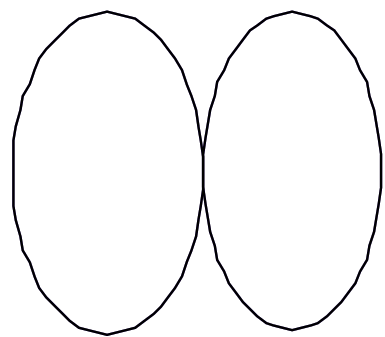
Step: 1: take the newspaper and crush it like an oval shape.
Similarly repeat the process to get one more oval shape. Now stick the two oval shapes together.
Step: 2: Fill the black with the crush paper to make a hemisphere mould.
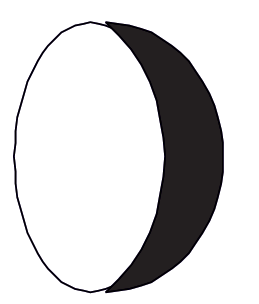
Step: 3: Encircle it with the red color paper (except front) around the
crush paper to make the body of the apple and stick it with cello tape.
Then roll the brown color paper for the stalk of the apple and stick it on the top.
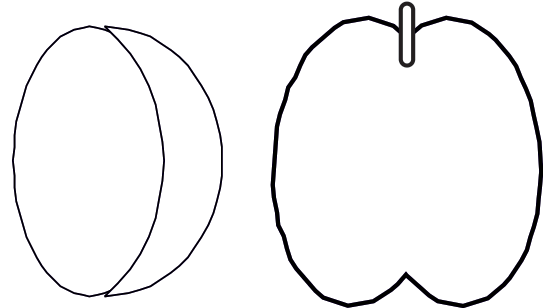
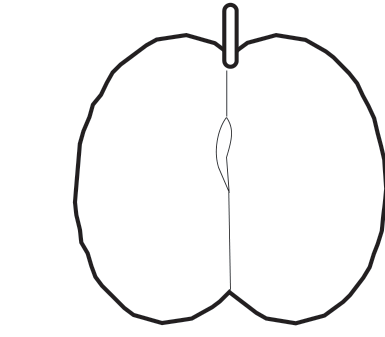
Step: 4: Draw the pulp shape in the light yellow color paper and cut it.
Using fevicol stick it in the front side of the apple and then draw some
detail in the pulp using sketch.

Variation: We can use the color papers instead of A4 sheet.
COLLAGE WITH STICKERS
Material required: Different types of stickers, uncolored art sheet or plain sheet.
Procedure: Children can do the collage sticking work with the stickers on the art sheet or plain sheet.
Skills developed: Fine motor skills, eye hand coordination and texture skills.
FRUITS
DAY 4: ACTIVITY
PLANTING SEEDS
Goals: Familiarize them with the concept of growing plants from seeds, concept of living things.
Material required: Various kinds of seeds, plastic cups, sand, cotton
Presentation:: Give each child a plastic cup some sand and seeds. Explain to them the procedure of sowing the seeds. Explain that the plant needs sunlight, water and sand to grow.
Vocabulary: sowing, planting, seed, seedling. Sunlight, living, grow.
Assessment: • Is plant a living being? • What are the parts of the plant? • Why do we need a plant to grow? • Can a plant grow without water? • Where does a plant grow? • Where do we get seeds? • Difference between living and non living things? • What do we get from plants and trees? • What will happen when we keep the plant in a dark room? • What will happen when we try to grow the plant in a sponge?
Evaluation: Evaluate their knowledge about living beings, planting and sowing seeds. Their knowledge of the materials needed for the plant growth --- sunlight, water, sand, oxygen.
Closing: Ask them to pour water daily to the seeds in the cup and ask them to see the growth in the seeds on each day.
Variation: We can use cotton soaked in water instead of sand/mud. The seeds that can be used are mustard, fenugreek, wheat. Instead of plastic cups we can use mud pot. We can use kidney beans and observe the germination of the seed. Take some collections of living and non living things and explain to them the concept of living and non living things. Ask them to name few living and non living things. Characterize between living and non living things.
TORCH PLAY
Goals: To improve their imagination, critical thinking, fine motor skills and to understand cause and effect.
Vocabulary: Shadow, faces, animals, flash light, paper holes, light, passing.
Material required: Flash light, paper with tiny holes, wall or table.
Presentation:: Keep the room really dark and focus light using the torch on the wall. Let the fingers make different images, the shadow of your fingers appear as images of a man or like a deer, a dog etc.
Assessment: • What is that formed on the wall? • Can shadows be formed without light? • How does the shadow of finger look? • How will their shadow look on the wall, big or small?
Variation: Place the paper with holes on the table in a dark room and focus the flash light on the paper. The light passed through the paper with resemble like stars on the table. Use glow stars to show them how the light is absorbed and reflected. Put your hand on top of the torchlight and close the torch making it red (the light) in your hand.
Evaluation: Evaluate their critical thinking, their cognitive skills of explaining cause and effect, fine motor skills and record the observation.
Conclusion: The activity helps them to understand light and shadow, and how we can create patterns.
DAY 4: GYM
BRIDGING
Goal: To develop their gross motor skills and their hip muscles.
Presentation: Ask the children to lie on the back, ask them to fold their legs and lift the hip from the ground and stay in that position for a short period.
Skills developed: Balancing skills. Gross motor skills and it helps to develop their hip muscles.
KNEEL WALKING
Goal: To develop their gross motor skills.
Presentation: Show the children how to walk using the knee and encourage them to walk up to a certain distance using their knee.
Skills developed: Develops their gross motor skills
DAY 5: ART
WET CHALK COLORING
Goals: To stimulate their creativity, fine motor skills, eye hand coordination, tripod grasp, prewriting skills.
Material required: Art sheet, different color wet chalk, chalk holder.
Introduction and Presentation: Encourage children to sit around the table and give each child one art sheet and they can choose their colors from the wet chalk tray. Guide them to hold wet chalk using thumb, pointer and middle finger (tripod grasp). Encourage them to color inside the picture.
Skills developed: Develop their eye hand coordination, fine motor skills, tripod grasp, pre writing skills, creativity.
FRUITS STAMP PRINTING
Material required: Fruit stamps, Stamp pad, Pictures of fruits.
Procedure: Ask the children to press the Fruit stamps on the stamp pad and do stamp printing on the picture. Children are asked to observe the prints appearing on the paper, when they press the fruit prints on the paper. Children can name the fruit after they print it on the paper.
Skills Developed: Fine motor, cognitive skills of understanding cause and effect.
DAY 5: ACTIVITY
MAKING FRUITS SALAD
Goals: Familiarize themselves with various fruit names used for making fruit salad, make them peel, mash the fruits for salad. Make them feel comfortable with touching the different textures.
Vocabulary: Fruits, salad, texture, soft, hard, peel, bitter, mash, sticky, sweet, sour, taste
Material required: Bowl, different varieties of fruits.
Introduction and presentation: Explain the procedure of making the fruit salad. They can mash and mix the pieces, name the fruits used in the salad.
Assessment:
● What are the fruits we can use for making fruit salad?
● Have you ever tasted fruit salad?
● How it tastes?
● How can we make fruit salad?
● Which is your favorite fruit?
Skills developed: Cognitive skills and expressive language skills (Knowledge of fruits), Tactile skills, Fine motor skills, Understanding of cause and effect
[Figure: FRUITS]
MATCHING REAL AND TOY FRUITS
Goals: To improve their cognitive skills of comparing, identifying, recalling and responding, texture skills. Vocabulary: Fruits, names of fruits, real fruit, toy fruit. Material required: Various real and toy fruits. Introduction and Presentation: Show a cubby filled with real and plastic vegetables mixed together. Ask each child to take a real fruit and match it with the toy fruit of the same variety. Let them match and name all the fruits similarly. Assessment: ● Where do we get fruit from? ● Which is your favorite fruit? ● What are the ways we can eat fruit? ● Can we eat a toy fruit? ● In which ways toy fruits are different from real fruits? Evaluation: Evaluate whether they are able to match the fruits correctly. How well they identify the fruits. Skill developed: Sensory awareness. Cognitive skills of comparing, identifying, recalling and responding. Variation: They can match real flower and paper flower, real vegetables and toy vegetables etc.
DAY 5 : GYM
HIDE AND SEEK FRUITS
Goal: To stimulate their curiosity, thinking skills and social skills, pre-reading skills Presentation: Objects are taken according to the theme. Hide the toy fruits in the out door play area before children come to play. Make some clue sheets with pictures to say about the treasure. Ask the children to search for the treasure (the hiding toy fruits) with the clue sheets Skills developed: This game develops their pre-reading skills when they track the toy fruits with the clue. Their cognitive skills, social skills when they work as a team to find the treasure, it will improve their curiosity and critical thinking skills.
IN AND OUT GAME
Goals: To develop their gross motor skills and balancing skills, auditory skills. Presentation: Make children stand in a circle and place hoola hoop in the middle or draw a circle and make them stand around the circle. When we say in the pond all have to jump inside the circle and when we say on the pond all have to jump outside the circle. Skills developed: develops their gross motor skills, balancing skills, auditory skills.