ANSWER
This text was machine-transcribed from the printed book and may contain errors. Select the words and choose “Report a mistake”.
- 2 to 3 years.
- 2-5 kittens.
- Rough.
- Bristles -help them to lap up liquids and foods, groom themselves as with a comb.
- 20 Years
- Sleeping - in short naps.
- To help with particular task, as companions, simply to look at and admire, to show love.
- Pet owners.
- Cats, dogs, fishes, birds, guinea pigs, hamsters, rabbits.
- Dwarf gobies, less than ½ inch.
- Kennel.
- Aquarium or fish tank.
- Cage.
- Fur.
- Yes.
- Yes.
- They are fast runners, quick learners and have an amazing sense of smell.
- Bunny.
- Burrow.
- Love birds.
- Golden.
- Milk.
- Bone
- Yes.
- Smell.
- Vetenerian.
- Fish.
- No.
- Yes.
- Parrot, lovebirds.
- Dogs, cats, rabbit.
- From pets shop.
- Parrot.
- Nuts and chilies.
- Fish.
- Cat, dog, rabbit.
- Yes.
- Yes.
- 9 weeks.
- Hooked beak.
- Barking.
- Cat.
- By their mouth.
- Dog.
- Fingering.
- Algae.
- Dalmatian.
- Rodent.
- We care for them, we cuddle them.
- Pet show.
- Dog don't have sweat gland they do not sweat instead, they pant to let heat out of the body.
- Mom's milk.
BLISS CURRICULUM
June : Week -2 Alphabets of the Month: A, B, C, D
Theme: Farm Animals Color of the Month: Blue, Indigo, violet Shape of the Month: Triangle, Prism, cone
| Monday | Tuesday | Wednesday | Thursday | Friday | |
|---|---|---|---|---|---|
| CIRCLE TIME |

Farm animal show, mystery bag. | Animal sounds. | Animals and their young ones | Caring for animal | Find the animals. | | ART |

Stamp printing carbon tracing | Blow painting. Making dairy basket. | Collage with cotton. Finger printing | Construct a shed origami (pig) | Color pencil coloring. Making mini book. | | ACTIVITY |

Sorting, transferring grams using tongs and ladles. | Squeezing water packets, filling cups. Full and empty. | Torch play, sorting animals by colors. | Peeling ladies finger. Grouping seeds. | Plaiting, crushing. | | GYM |
Guess the animal sounds, hide and seek animals. | Marching parade, find the animal foot print. | Pin donkey tail. Skip, shake like animal. | Ribbon dance. Galloping. | I send a letter, bubbles, balloons. | | A-Z OF FARM ANIMALS | A- Apron / B- Bull, Barn / C- Coop, cow / D- Digger, / E-Egg / F-Farm House, Field / G- Grass, Gosling, Goat, / H- Hay / I- Insects, Tail / L- Lamb / M- Milk / N- Nest / O- Ox, Donkey / P- Pig, Pony, Pond, Poultry / Q- Squirrel / R- Rooster, Rat, Rake / S- Spade, Sheep, Stable / T- Tractor, Turkey / U- Butter / V- Ventilator / W- Windmill, Window, wheel barrow / X- Ox / Y- Yak, Yarn / Z- Grazing | | | | |
DAY: 1
Topic: Farm animals, Farm show
Vocabulary: horse, cow, donkey, sheep, goat, camel, pig etc, farmer, poultry, barn, bullock cart
Material required: pictures, books, plastic animals.
Presentation: • Farm animals live on farms which are equipped with room for each different animal to eat, be cared for and live. There are many types of farm animals, a mixed farm that has all types of farm animals, and even specialty farms that only have one type of animal for a specific purpose such as poultry farms that give us eggs, and dairy farms for milk and other dairy products like; cheese, curd, yoghurt butter. • Familiarize them with different farm animals and the farm. • Horse, cow, donkey, sheep, goat, camel, ox, duck, hen, pig are some of the mixed farm animals. • Classify the animals into farm or domestic animals. Many years ago people started domesticate - made tame - the animals for various purposes. • Discuss how oxen and bullocks are used in farms for ploughing the land. • We get wool from sheep and very fine wool from goats such as Angora and Kashmir goats. • Fowl or poultry are animals such as ducks, geese, turkeys, and chicken that are bred for meat, eggs and feathers. • Male cattle are bulls; females cows; and young cattle calves. Females are kept for milk and other dairy products on Dairy farms and give birth to a calf each year and after provide milk twice a day for 10 months. Cattle provide, leather, meat and fertilizer. • Horses are beautiful mammals that run very fast and are able to carry people, and in the olden days were a main form of transport. Horses eat grains, oats, grass, hay, and love to snack on apples and carrots. • Talk about horse, bullock ridden vehicles. • Donkeys are used to carry things from place to place, and are still used as a form of pack horse on hiking trips and rocky climbs as they are able to carry for long distances and are strong. • Talk to the children about the useful things we get from the farm animals like milk, eggs, wool, as well as the different vegetables, and grains etc.
Assessment: • Can you name some farm animals? • What is the work done by the ox and bullocks in the farm? • What do we get from cows? • What do we get from goats? • From which animal do we get wool? • What dairy products do we get from cow? • Who gives us milk? • What do horses enjoy eating? • Have you ever ridden on a horse? • Would you like to visit a farm?
Closing: To make children understand and classify the farm or domestic animals and their benefits.
Evaluation: Receptive and expressive skills- by answering questions and how well they understood the concept.
Suggested story:
Barney Goes to the Farm.
Little Red Tractor.
Extension: Children can wear farm animal outfits, use puppets and do puppet shows.
Facts: Sheep were one of the first animals to be domesticated, some 10,000 years ago. There are more than 680 million sheep in the world, and 800 different breeds. Cows have four stomachs, they chew the grass while grazing, and using their four stomachs bring it back up for further chewing. There are 200 or so different types of domestic cows and cows produce around 4.5 gallons (16 liters) of milk a day, or 1,660 gallons (6,000 liters) a year. Hens lay one to two eggs a day. To keep them laying, the eggs must be taken everyday. If not, the hens wait until they have a small collection, then sit on them, keeping them warm for about 20 days until they hatch.
[Figure: FARM ANIMALS]
DAY: 2
Topic: Animals sounds.
Vocabulary: baa baa, moo, quack, neigh, cluck
Material required: animal sound books, animal sound CD's, pictures of domestic animals, audio rhymes book.
Presentation: ● Produce different sounds of cow, sheep, duck, hen, and cow. ● Demonstrate the different sounds of the farm animals; cows moo, sheep baa baa, horse neigh, chicken cluck, rooster cock-a-doodle-doo, duck quack, pig snort. ● Ask each child to come and pick one farm animal picture and make the sound. ● Animals make sounds to communicate and to express their needs. ● Different animals produce different sounds and some animals, such as the rooster or cock, were probably named after the sound they make.
Assessment
● What sound do sheep make?
● What sound does the duck make?
● What sound does the cow make?
● What sound does the hen make?
● How does horse neigh?
● Do animals talk?
Closing: To enjoy and have fun while learning about the farm animals and to understand different sounds that they make and imitate them.
Evaluation: Expressive language skills - making different animal sounds. Auditory skills- listening to various sounds.
Suggested stories: Meg the Hen.
Extension: Children can play "Simon Says" game with animal sounds.
DAY: 3
Topic: animals and their young ones Vocabulary: duckling, calf, lamb, chick, foal, pony, kid, piglet Material required: picture books, animals and their babies puzzles and charts, plastics toy mother and baby animals. Presentation: • The young ones of the animals are named differently according to each animal. • Tell them about the young ones names of the farm animals; duck-duckling, cow and buffalo-calf, sheep-lamb, goat-kid, donkey-pony, horse-foal, pig-piglet, hen-chick. • Ask the kids to match the pictures of the animals to theiryoung ones Assessment: • What is the young one of a cow called? • What is the young one of hen called? • What are young ones of goats called? • What is the young one of the duck called? • What is the young one of a donkey called? • How do we call the young one of the pig? Closing: Through matching cards and reviewing the names, children will understand the young ones of the animals. Evaluation: Pre reading skills- identification and matching the animal to the young ones. Expressive language skills- answering and asking question about the topic. Extension: Children can have a dramatic play of the story "The Three Little Pigs". They can play a game where each child has a mother animal and a different child has the young one. They need to find their pairs and sit together as a team - present the animal and its young one and together make the sounds correctly.
© 2011 Copyright Nithya Gnanadhan Trust
[Figure: FARM ANIMALS HAND BOOK]
DAY: 4
Topic: caring for animals Vocabulary: caring, feeding, grass, oats, hay, straw, grains, leaves, village, city, fertilizers, environment Material required: collect the samples of grass, oats, hay, green leaves, pictures of farm. Presentation: ● Show the above samples. Ask them have you fed any farm animal. Have you visited a farm or any village? ● Discuss about what food we give; cow-grass, horse-oats, hay and grass, hens-grains. ● Tell them what farmers do when animals are not well, they must treat the animals themselves or call the veterinarian which is an animal doctor. ● Discuss the role of veterinarian for farm animals. ● We must provide food, water and shelter to the farm animals. ● We must keep the animals in their correct living conditions and in a clean environment. ● Cow dung is the excreta of the cow and cow dung is used to make biogas and natural fertilizers. ● Fertilizers are used to enhance the productivity of the land. Assessment: ● What does cow eat? ● What does horse eat? ● What do hens eat? ● What are the uses of cow dung? ● Who is a veterinarian? ● Who do the farmers call if the animals are not feeling well? ● Where do we take the animals when they are not well? ● What responsibilities come with owning an animal? ● What is fertilizer? Closing: To facilitate the children to know how we should take care of animals, about veterinarian, and also the benefits we get from animals. Evaluation: language skills - expressive and receptive Emotional skill: care and love for animals Extension: Children can pretend to be a veterinarian using the doctor toy set and treat toy animals.
DAY: 5
Topic: Animal and their homes, Barn
Vocabulary: pen, shed, coop, desert, poultry, bell.
Material required: pictures or photos of the homes, books, plastic farm, animals and home puzzle, Barney CD animal, cow bell.
Presentation: Show the children the photos or pictures of pen, shed, coop, poultry etc and explain them that these are the homes for farm animals. Ask them to sing 'Old Mac Donald Had a Farm'. Invite the children to add verses for as many animals they can.
● Show the picture and ask them to match the animals.
● Cow lives in the shed.
● Horse lives in the stable.
● Sty is the house of the pigs.
● Camel lives in the desert.
● Hen lives in the coop.
● A barn is a building that is on a farm where some animals live, machinery and tools are kept, and food stored. They are usually made of wood.
Assessment:
● What is a stable?
● Where does a hen stay?
● Where does a cow stay?
● Where does pig stay?
● What is a barn?
● Which animal lives in the desert?
Closing: To make the children recognize and know about the different home of the farm animals. To match the homes with animals.
Evaluation: Pre math skills-counting of animals, sorting animals
Expressive and receptive language skills-answering questions
Suggested stories Little red tractor, Meg the hen, the little donkey for a car, the big pan cake.
Extension: Play dough cutting of farm animals with cookie cutter, dry it and paint it.
Make home models of animal home and ask them to match the animals to homes.
[Figure: FARM ANIMALS HAND BOOK]
DAY 1: ART
ALPHABET STAMP PRINTING.
Material required: Alphabet stamps, Stamp pad, Pictures of farm animals..
Procedure: Ask the children to press the Alphabet stamps on the stamp pad and do stamp printing on the picture. Children are asked to observe the prints appearing on the paper when they press the alphabet prints on the paper. Children can make the words like farm animals name with the alphabet prints.
Skills Developed: Fine motor skills, cognitive skills of understanding cause of effect.
CARBON TRACING
Goal: To develop their pre writing skills, cognitive skills of exploring cause and effect.
Material required: Carbon paper, pencil, plain sheet, shapes or alphabets blocks..
Presentation:
• Give each child a paper and a carbon sheet
• Guide them to place carbon sheet in correct position. Placing the ink side on the paper.
• Ask children to choose their shapes or alphabets ask them to place it on the carbon sheet and ask them to trace it.
• Show them the impressions seen on the white sheet.
Skills developed: Develops their pre writing skills, cognitive skills of exploring cause and effect.
DAY 1: ACTIVITY
SORTING
Goals: To improve their cognitive skills, Pre math skills, Fine motor skills, Eye hand coordination
Vocabulary: Grains, leaves, flowers, beans, shapes, colors, sizes.
Material required: Color papers, grains, leaves, flowers, beans, etc. of different types of colors, sizes and shapes.
Presentation: Keep all the materials ready for the activity. Give each child the material in a plate.
Give each child different color paper/grains/grams/flowers/leaves etc and show them how to sort according to their shapes/size/colors.
Ask them to feel the different textures.
Assessment:
• Ask them whether we can count the grains and grams when it is large quantity.
• Ask them to name the colors and size of given material.
• Ask them about the texture.
• Do we measure or count the grains?
Evaluation: Cognitive skills; Pre math skills; Fine motor skills; Eye hand coordination
Conclusion: By this activity they will be able to understand and classify the objects according to the colours, size, texture, and shape.
TRANSFERRING RICE USING TONGS,
Goals: To improve their pre math skill of measuring and comparing, fine motor skills, cognitive skills, eye hand coordination
Vocabulary: Ladle, Measure, Tongs, Compare, Spoon, Scoop, Transfer, Quantity
Material required: Rice, Tongs, Ladles, Spoon, Bowls
Presentation: Place the rice, tongs, ladles, spoon, and bowls on the table
Transfer the rice from one bowl to another using tongs. Measure the quantity of the rice being transferred.
Transfer the rice from one bowl to another using ladles, measure the quantity.
Transfer the rice from one bowl to another using spoon. Measure the quantity and compare the quantity of rice in all 3 bowls.
Assessment:
● How much rice can you transfer using tongs, more or less?
● How much rice can you transfer using ladle more or less?
● How much rice can you transfer using spoon compared to tongs and ladle?
● Why only less rice comes when you use tongs for transferring and why more rice comes when you use ladle?
Evaluation: Pre-math skills; Estimation, Predicting, Comparing; Fine motor skills; Eye hand coordination
Variations: Transfer rava, water. Use funnel for transferring.
DAY 1: GYM
ANIMAL SOUNDS- GUESS THE ANIMAL OR ANIMAL CHARADES
Goal: To develop their auditory skills, observing skills, cognitive skills, thinking and memory skills.
Presentation:
● Divide the children into two groups A and B.
● One child from group A makes an animal sound, roaring or barking or meowing etc.
● Team B children has to name animal which makes that sound. Then a child from group B will come and make an animal sound, group A children has to identify it correctly.
Skills developed: Auditory skills; Observing skills; Cognitive & Thinking and memory skills.
HIDE AND SEEK
Explanation of the game:
● In this game of hide and seek, one child counts to a certain number while all the other children hide.
● At the end of the count, the child who counts says, “Ready or not, here I come” and then seeks out the hiders.
Skills: Gross motor, visual skills, spatial awareness, pre math skills of counting, auditory skills.
Variation:
● You may hide different objects and make the children to seek it.
● Hide a musical toy just out of sight and make the children find it.
[Figure: FARM ANIMALS HAND BOOK]
DAY 2 : ART
STRAW BLOW PAINTING.
Material required: Straws, different poster colors, uncolored birds picture.
Procedure: Each child is given a straw and they are asked to blow the paint using the straw on the picture. The children are asked to observe the flow of paint when they blow.
Skills developed: Oro - motor skills, cognitive skills of understanding cause and effect.
MAKING DIARY BASKET
Topic: Dairy Basket
Goal: To develop their fine motor skills, eye hand coordination, critical thinking, cognitive skills of understanding, tactile skills.
Material required: Art sheet (picture of a dairy basket, with all picture of diary products like milk carton, cheese, butter, yoghurt), safety scissors, glue.
Presentation: Encourage children to settle around the table and provide them with art sheet, safety scissors, and glue. Explain them the uses of diary product, different types of dairy products etc. Guide them to hold the safety scissors carefully and ask them to cut the dairy products given below the sheet and the dairy basket separately. Direct them to stick the dairy products on the dairy basket.
Skills developed: Develops their fine motor skills, eye hand coordination, critical thinking, cognitive skills of understanding and tactile skills.
DAY 2 : ACTIVITY
SQUEEZING WATER PACKETS FILLING CUPS/ FULL AND EMPTY
Goals: To develops their whole hand grasp, fine motor skills, cognitive skills of exploring cause and effect.
Material required: Water packets, cups.
Presentations: • Invite the children to the activity. • Present them to hold the water packets and ask them to squeeze the water packets by applying pressure with their palm. • Give each child one water packet and ask them to squeeze it using whole hand grasp.
Skills Developed: Develops their whole hand grasp, fine motor skills, cognitive skills of exploring cause and effect.
Variation: They can also fill the cup by squeezing water packets and describe about half, full, empty, quarter etc.
[Figure: FARM ANIMALS HAND BOOK]
DAY 2 : GYM
FIND ANIMAL FOOT PRINT
Goal: To improve their observing skills, memory skills and cognitive skills. Presentation: Draw some animal foot prints on the ground and ask the children to guess or identify which animal's foot print was that. Skills developed: Observing skills; Memory skills; Cognitive skills.
DIFFERENT KINDS OF WALKING
Goal: To develop their gross motor skills, balance and symbolic thinking. Presentation: Children are asked to do different kinds of walking like heel walking- walking on heel toe walking- walking on toes, alternate heel and toe walking, kneel walking- walking on knees, stride walking- walking with foot apart, walking like different aged people like toddler, adult, middle age, old age people, different kinds of animal walk, fast walking- slow walking etc. Skills developed: Symbolic thinking; Gross motor skills; Balance. Variation: Robot walk- walks like a robot with alternating individual arms, legs and neck movements.
DAY 3 : ART
COLLAGE WITH COTTON
Material required: Different colored cotton, farm animal picture. Procedure: Children are asked to stick the cotton on the farm animal picture. They can observe and feel the texture of cotton. We can talk about the uses of cotton. Children are encouraged to stick the cotton correctly in the picture. Skills developed: Fine motor skills, texture skills, and cognitive skills of understanding the uses of cotton.
FINGER PRINTING
Goal: To develop their tactile skills, fine motor skills, their creativity. Material required: Different colored poster color, paint pallet, uncolored art sheet. Presentation: Give each child an art sheet and describe and present to them about finger printing. Place the paint pallet with paint on the table. Ask children to choose their favorite colors and dip their fingers one by one in to the paint and ask them to make impressions on the paper. Skills developed: Develops their tactile skills, fine motor skills and their creativity.
[Figure: FARM ANIMALS HAND BOOK]
DAY 3 : ACTIVITY
TORCH LIGHT AND SHADOW PLAY
Goals: To improve their imagination, critical thinking, fine motor skill and to understand cause and effect.
Vocabulary: Shadow, faces, animals, flash light, paper holes, light, passing.
Material required: Flash light, paper with tiny holes, wall or table.
Presentation: Keep the room really dark and focus the torch on the wall. Let the fingers make different images, the shadow of your fingers appear as images of a man or like a deer, a dog etc.
Assessment:
• What is that formed on the wall?
• Can shadows be formed without light?
• How does the shadow of finger look?
• How will their shadow look on the wall, big or small.
Variation:
Place the paper with holes on the table in a dark room and focus the flash light on the paper. The light passed through the paper with resemble like stars on the table.
Use glow stars to show them how the light is absorbed and reflected.
Put your hand on top of the torchlight and close the torch making it red (the light) in your hand.
Evaluation: Evaluate their critical thinking, their cognitive skills of explaining cause and effect, fine motor skills and record the observation.
Conclusion: The activity helps them to understand light and shadow, and how we can create patterns.
SORTING ANIMALS BY COLOR
Goals: Cognitive skills, Pre math skills, Fine motor skills, Eye hand coordination
Vocabulary: Animals, shapes, color, size.
Material required: Different colored toy animals
Presentation: Have all the material ready for the activity. Give each child the materials in a plate and make them sit around the table. Give each child different color animals and show them how to sort according to their colors. Ask them to feel the texture.
Evaluation: Ask them whether we can count animals when it is large in quantity.
Ask them to name the colors of the animal.
DAY 3 : GYM
PIN DONKEY TAIL/ DRAW THE MISSING PART BLIND FOLDED
Goal: To develop their pre writing, cognitive skills of memory, visual closure, predicting skills.
Presentation: Each child is asked to see the picture and see the missing part and they are asked to close their eyes and draw the missing part.
Skills developed: Pre writing; Cognitive skills of memory.; Visual closure; Predicting skills.
Variation: As a variation they can pin the tail for the different animal's picture according to the theme.
HOP, CRAWL, CREEP, SWIM LIKE AN ANIMAL
Goal: To develop their gross motor skills.
Presentation:
- Hop: Children are asked to stand on one foot and move from one place to another by hopping.
- Crawl: Children are asked to sit on their knee and to move using hands and knee.
- Creep: Children are asked to lay down on the floor, on their tummy and move using hands and leg in laying position (like snake).
- Swim: Children are asked to lay on their tummy on the floor and they are asked to move their hands and legs and do swimming action.
Skilled developed: Develops their gross motor skills.
DAY 4 : ART
CONSTRUCT SHED
Material required: Milk or juice carton, sticks or hay, cardboard, glue or fevicol, safety scissors.
Procedure:
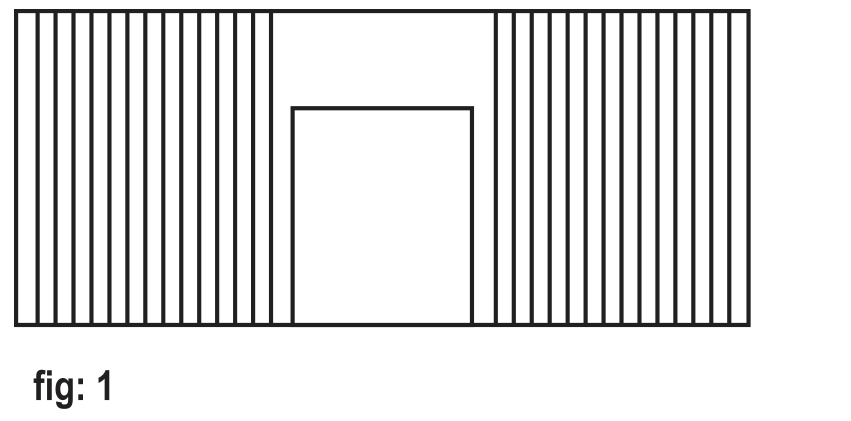
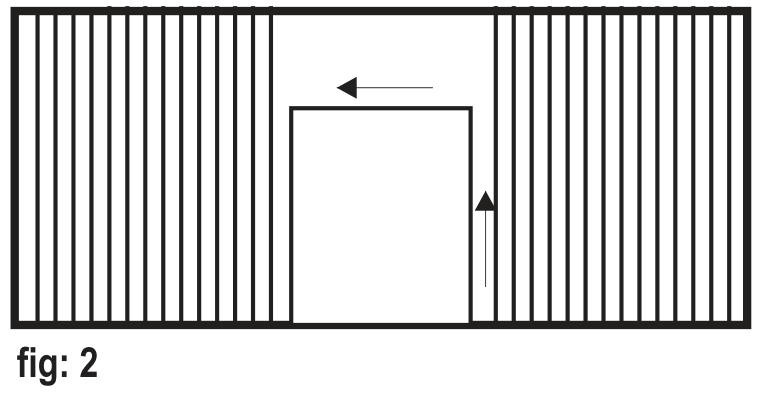
Step: 1: Take a juice carton, place is horizontally. Draw a rectangle shape in the centre as in fig 1 and cut 3 sides for the door as in fig 2. To make it more real, apply fevicol on the carton and stick the thin sticks.
.
Step: 2: Take the cardboard and cut two rectangular pieces for the roof as in fig 3. Stick two ends of the rectangular pieces with cello tape or fevicol to look like a roof as in fig 4. Apply fevicol on the roof and stick the hay. Stick few sticks between the rectangular pieces to make them retain the shape.
fig: 3
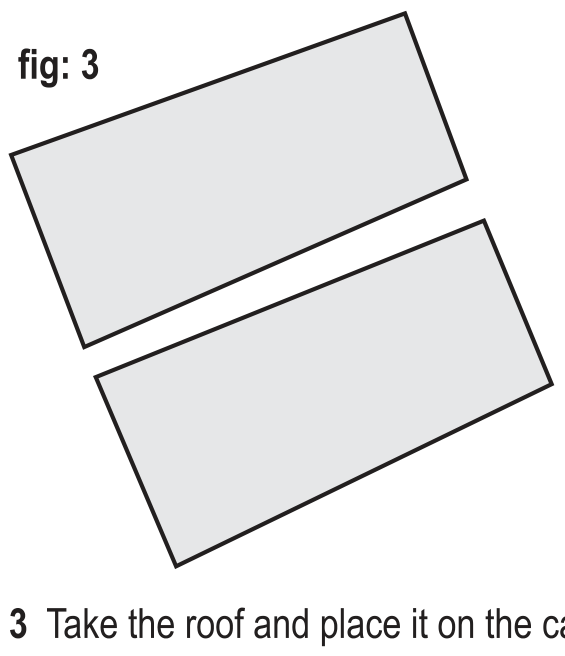
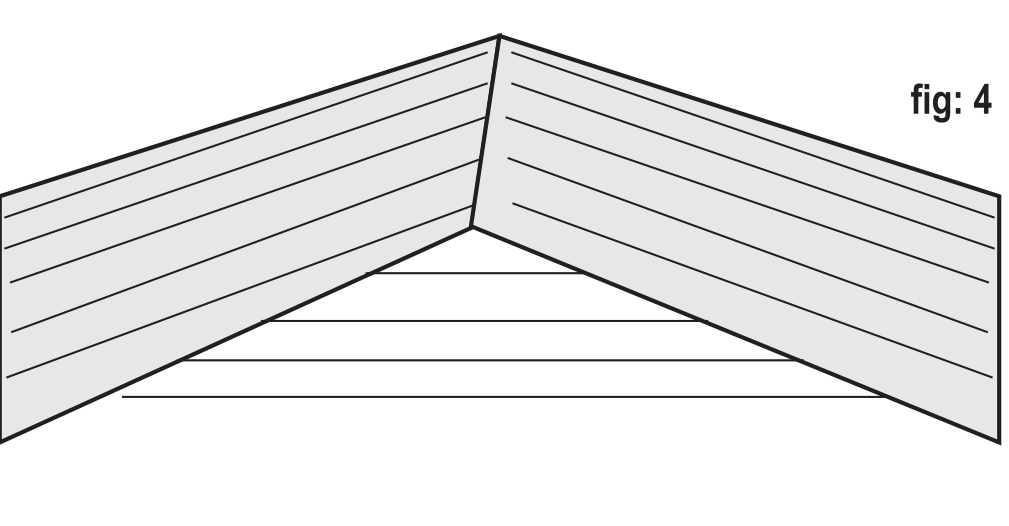
fig: 4
Step: 3 Take the roof and place it on the carton and stick it as in fig 5.
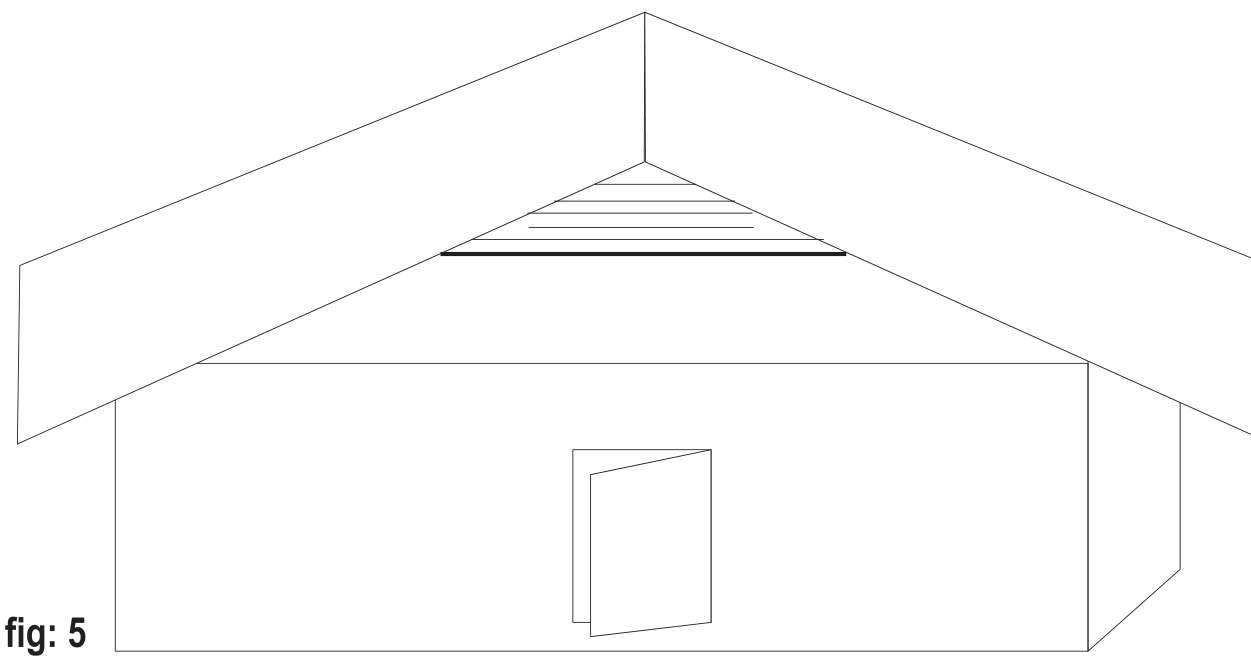
fig: 5
ORIGAMI
Goals: To improve fine motor skills, eye hand coordination.
Materials required: Origami paper or white paper.
Introduction and Presentation: Children are encouraged to sit and each child is given a paper and directed to do paper folding related to the topic or theme carried out. E.g. horse, sheep, pig etc.
Skills developed: Develops their eye-hand coordination, fine motor skills.
[Figure: FARM ANIMALS HAND BOOK]
DAY 4 : ACTIVITY
PEELING
Activity: Peeling potato, cotton peeling, and peeling and seeding a ladies finger (vegetable).
Goals: To improve their pincer grasp, intrinsic muscle control, eye-hand coordination, sensory skills
Vocabulary: Peeling, potato, cotton, ladies' finger, seeds.
Material required: Cotton, Boiled potato, ladies' finger / peas.
Introduction and presentation: Demonstrate how to peel the cotton seed and make thread by rolling the cotton on the palm. Show them how to peel the potato and mash with their hands. Demonstrate them how to remove the seeds from the lady finger.
Assessment:
● Ask them about the texture of potato/ ladies finger, cotton?
● Is cotton heavy or light?
● What is the color of cotton?
● What happens when we roll the cotton with our palm?
Closing: Ask them what all material they can thread (or) can be stringed, what all we cannot.. Ask the children to peel the cotton using thumb and index finger and use both the palms in opposite motion to make thread.
Evaluation : Evaluate each child's ability to peel cotton, potato, and ladies finger, make thread from cotton and smash potato.
Skills developed: Pincer grasp, eye hand coordination, tactile skill and sensory skill.
Variation : They can peel peas, hay straw, banana, orange, smash tomatoes, banana, grapes etc
GROUPING SEEDS
Goals: To develops their fine motor skills, eye hand coordination, pre math skills, one- one correspondence.
Materials required: Different or same type of seeds or grams.
Presentation:
● Motivate the children to sort the seeds and ask them to name the seeds or grams given.
● Ask them to group the seeds as 2's, 3's, 4's and 5's.
● Ask them how many 2's they have placed, 3's, 4's and 5's they have placed.
Skills developed: Develops their fine motor skills, eye hand coordination, pre math skills, one-one correspondence.
[Figure: FARM ANIMALS HAND BOOK]
DAY 4 : GYM
RIBBON DANCE
Goal: To develop their gross motor, Follow direction, social and emotional skills, memory skills.
Presentation: • Motivate all the children to hold the colored ribbons in their hands. • Direct them to do simple hand movements like up, down, right side, left side. • Make them to shake their both hands holding the ribbons. • Make them to shake hands and also jump simultaneously. • Direct them to hold each other and dance with ribbons. • Make the children do different steps with music and song holding the ribbon. • They can follow some rhythm and pattern and dance. Skills developed: Develops their gross motor skills, social / emotional skills, direction skills and memory skills of following the rhythm and pattern.
GALLOPING
Goal: To stimulate their gross motor skills, balancing skills Presentation: • Children are motivated to stand and they are presented the way to gallop. • And they are explained that they have to keep one foot forward and jump in a position. • Move in a same position like a horse when they move one leg forward the other leg also should be kept behind the leg to maintain balance. They can play catching game galloping like a horse. Skills developed: Develops their gross motor skills and balancing skills.
DAY 5 : ART
COLOR PENCIL COLORING
Goals: To stimulate their creativity, fine motor skills, eye hand coordination, tripod grasp, prewriting skills.
Materials required: Art sheet, different color, color pencils.
Introduction and Presentation: Encourage children to sit around the table and give each child one art sheet and they can choose their colors from the color pencil box. Guide them to hold color pencil using thumb, pointer and middle finger (tripod grasp). Encourage them to color inside the picture.
Skills developed: Develop their eye hand coordination, fine motor skills, tripod grasp, pre writing skills, creativity.
MAKING MINI BOOK
Goals: To develop their eye hand coordination, fine motor skills, logical thinking skills.
Material required: Any material, pictures related to the theme can be chosen, a small book with plain sheet has to be made, glue, crayons.
Introduction and presentation: Children are given one book each and they can be explained about theme and they can stick the pictures or materials or children can draw related to the theme in their book.
Skills developed: Develops their eye hand coordination, fine motor skills, logical thinking skills.
© 2011 Copyright Nithya Gnanadhan Trust
DAY 5 : ACTIVITY
PLAITING
Topic: Plaiting.
Goals: To develop their fine motor skills, eye hand coordination, direction skills, patterning skills.
Material required: Three different colored woolen thread, as little bunches for the children to hold it comfortably.
Presentation: Encourage children to sit around the table. Provide the woolen thread to the children with all three bunches tied at one end. Direct them to place it on the table and ask them to hold one bunch on their right and one on their left, one will be left in the middle. Ask them to the place the bunch of wool that they hold on their right in the middle and keep on alternating all the three strands one after another.
Skills developed: Develops fine motor skills, eye hand coordination, direction skills.
CRUSHING
Goals: To improve their intrinsic hand muscle power, their fine motor skills to develop their texture sense. Familiarize them with crushable and non crushable items.
Vocabulary: crushing, hard, soft, powdery, sticky
Material required: Appalam / crispy chips, etc.
Presentation: Explain how they can crush and feel the texture of various items. Explain to them why some materials can be crushed some cannot. Explain why you cannot crush hard items with hand.
Assessment:
• Can we crush a hard material?
• Can we crush a soft material?
• Can we crush green leaves?
• Can we crush dry leaves?
Variation: Crushing activities can be done with paper, appalam, aluminum foil, color paper, dry leaves.
Evaluation: Evaluate how each kid crushes the items. Some kid with sensory motor problems may not touch or crush items; they can be persuaded slowly to get involved in the activity. Record the inference for future verification.
Conclusion: By this activity the development of the children's sensory awareness improves, as well as their
DAY 5 : GYM
I SENT A LETTER
Explanation: Make the children sit in a circle. Choose a child who walks around and outside of the circle and drops the handkerchief casually behind one of the child sitting in the circle. This child picks up the handkerchief and chases the child who dropped the handkerchief around the circle and sits in the second Childs place without being caught. If he is caught , then he has to again play an another round.
Skills: Gross motor skills.
BLOWING AND CATCHING BUBBLES OR FEATHERS
Goal: To develop their oral motor skills and eye hand coordination skills.
Presentation: • Children are asked to blow bubbles or feathers. • They can be asked to catch the bubble or feathers which flies higher. • We can discuss about how it flies higher, shape of the bubbles, what is inside the bubbles to the children.
Skills developed: Oral motor; Eye and hand coordination while catching the bubble or feather.
PASSING BALLOON OR BALLOON GAME
Goal: To develop their social skills, eye hand coordination, auditory skills.
Presentation: Children will sit in a circle form and they pass the ball or balloon or toy to each other and when the music stops whoever has the ball or balloon has to get up and do the action, or sing rhymes and then again they pass the ball and other child will get turn..
Skills developed: Auditory skills; Eye hand coordination; Concentration; Social skills.
Variation: They can pass different items according to the theme.