TABLE OF CONTENTS
This text was machine-transcribed from the printed book and may contain errors. Select the words and choose “Report a mistake”.
Paramahamsa Nithyananda | 03
Overview | 04 - 06
Pain Lesson - 1 | 07 - 10
Pain Lesson - 2 | 11 - 15
Pain Lesson - 3 | 16 - 19
Pain Lesson - 4 | 20 - 23
Pain Lesson - 5 | 24 - 27
Pain questions | 28 - 29
Pain Work Book - 8 to 14 age | 30 - 34
Pain Work Book - 4 to 7 age | 35 - 43
Pain answers | 44
Pain (8 -14) answer key | 45
Pain (4 -7) answer key | 46
Fear Lesson - 1 | 47 - 50
Fear Lesson - 2 | 51 - 55
Fear Lesson - 3 | 56 - 59
Fear Lesson - 4 | 60 - 63
Fear questions | 64 - 65
Fear Work Book - 8 to 14 age | 66 - 70
Fear Work Book - 4 to 7 age | 71 - 81
Fear answers | 82
Fear (8 -14) answer key | 83
Fear (4 -7) answer key | 84
Appendix | 85 - 92
© 2011 Copyright Nithya Gnanadhan Trust
PAIN
LESSON: 1
Introduction:
Introduce to the kids, the topic of pain; give them clues so that they can guess the topic by themselves.
Goals:
To make them understand the meaning of pain, the various kinds of pain, need of pain, and how to overcome pain.
Click:
Pain is the attention seeking activity of our body
About the topic:
Pain is the attention seeking activity of our body.
Physical pain is a basic necessity for the body. If we do not have pain at all then we may accidentally injure our body frequently; we will start styling our faces, hands and legs in the way we style our hair. It is the adults who teach children about pain. Children look at their parent's reaction when they fall down. When they receive signals like danger or fear from parents, the children become more vulnerable. Emotional pain or mental pain is the pain of losing, or being separated from somebody very close or being forced to do something which we dislike. The most frightening thing in the world is pain. All living beings are afraid of one thing and that is pain. Whether physical or emotional pain, an important thing you need to understand is that pain is always born from resistance to the present moment.
Time heals, time is needed for healing only because you were not ready to face the pain and suffering in a conscious and aware manner at the time the incident happened.
PAIN
Assessment:
Ask questions regarding the general topic of pain.
• Do you like to have a pain?
• How will you feel when you have any pain?
• What is physical pain?
• What is emotional pain?
• Name different kinds of emotions?
• When do we experience emotional pain?
• Tell us about the incidents when all of you experienced physical pain?
• Tell us about the incidents when all of you experienced emotional or mental pain?
• How can we control pain?
• What happens if we do not feel any pain?
• Is physical pain a basic necessity?
• What are the consequences if we do not experience physical pain at all?
• Focus on the worst emotional pains; imagine their feelings (emotional pain).
Evaluation:
Evaluate how well they understood the topic by asking multiple questions like.
What do you understand by emotional pain? Did you feel any pain by holding an ice
cube? Why do we need physical pain?
Conclusion:
Reiterate the topic of pain, the importance of pain, ways to overcome pain.
PAIN
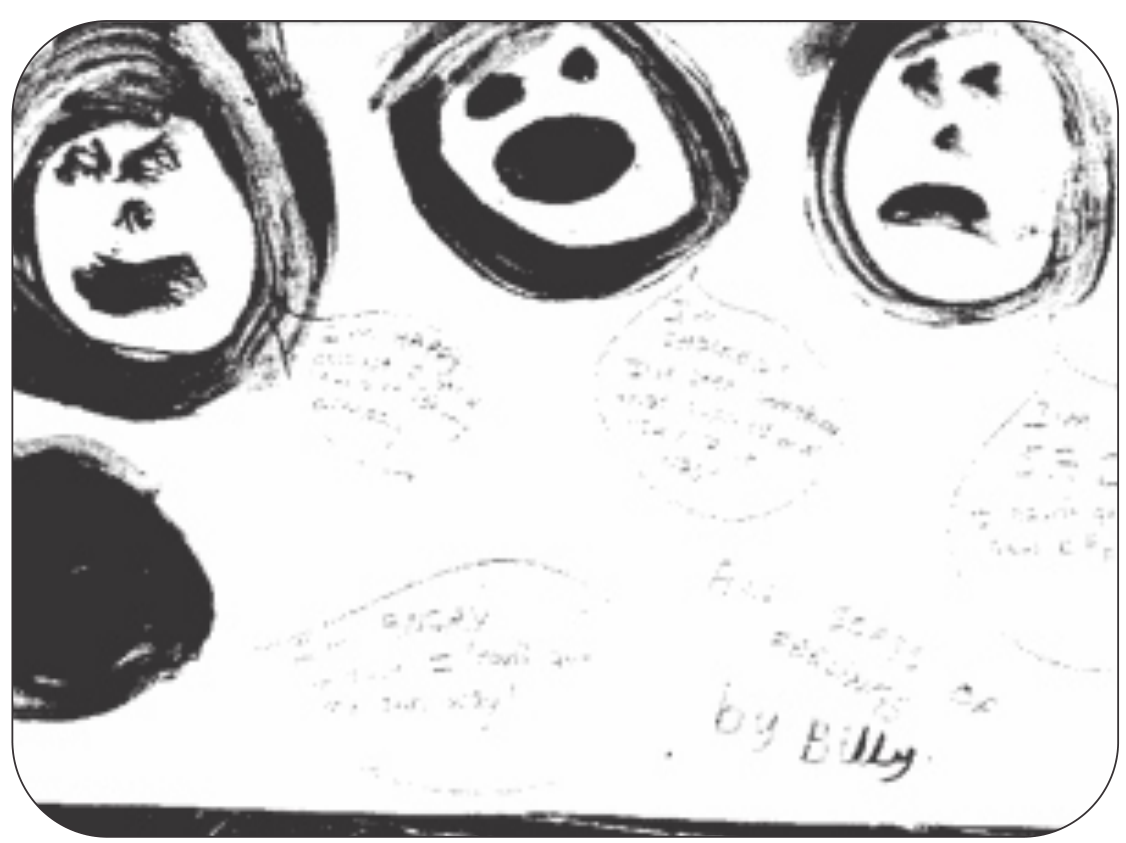
Art of the day: Draw pain emotion
Materials:
Plain sheet, sketch pen
Procedure:
Give each child the required materials and encourage each child to depict an emotion
depicting pain in the picture. Ask each child to explain what they have drawn.
PAIN
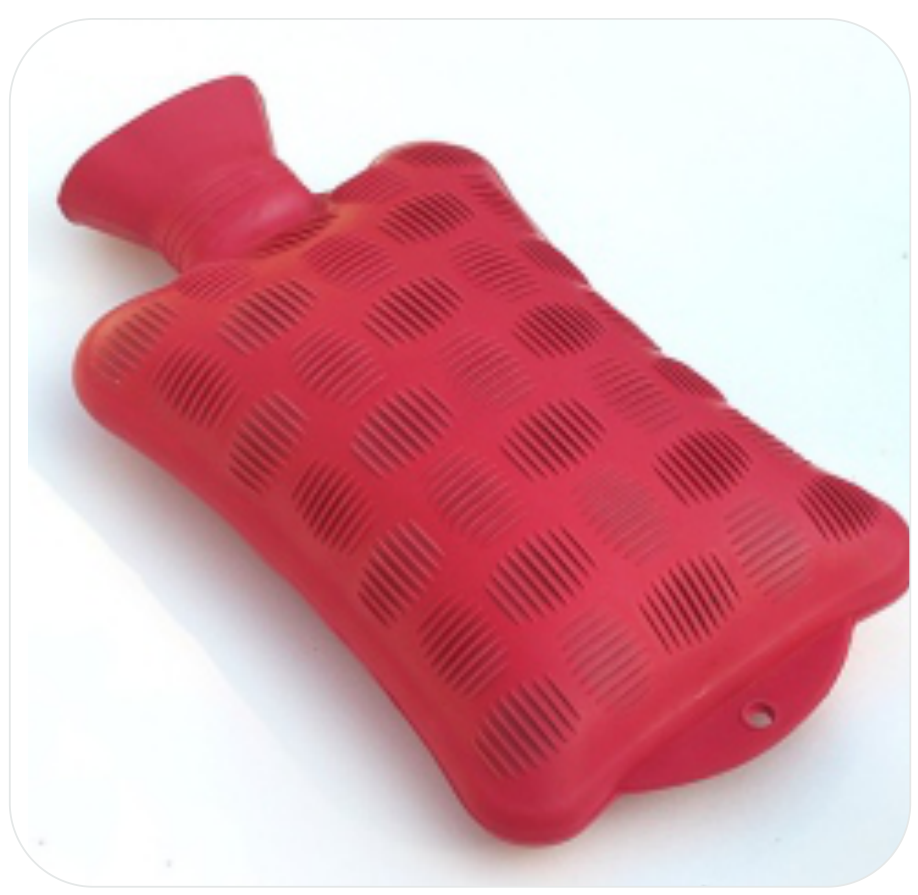
Activity: Hot water bottle - pain
Material:
hot water bag filled with hot water.
Explain that we are going to do an experiment to focus on our pain and make it go away.
Tell them we are going to touch the heat, and because of the focus on our fingers and the
heat, we will see how much longer we can handle it until we feel no pain at all.
Everyone puts their fingers on the hot water bottle without moving or removing their
fingers. First it feels hot, but as we focus the pain goes from intense to rather enjoyable
or not even noticeable.
© 2011 Copyright Nithya Gnanadhan Trust
PAIN
LESSON: 2
Introduction:
Talk about pain. Ask them to remember the points we have already discussed and
understand the concept of pain.
Goals:
Reiterate the different types of pain, phantom pain, physical pain and how it affects us,
and how to focus on the pain and make it go away.
Click:
Mind has tremendous influence over the body
About the topic:
Phantom pain is pain felt in a part of the body that no longer exists. Such an example is an
amputee complaining of pain in his legs, even after his legs were removed. Research
shows us that each part of the body is related to a certain part of the brain and that even
after it is removed, the brain stills show activity vibrating in that area. Placebo effect
proves the tremendous influence of mind over body. A simple sugar pill posing as a
painkiller can actually replicate the effect of a painkiller. Perception of physical pain is
how we see things. When a child falls down, by observing our reaction, they start to cry,
but when we don't add any negative importance to it, it can be changed into something
different. It won't hurt him. Sometimes we invite pain upon ourselves, and then get
upset, that it is there. We need to focus on the pain and rid ourselves of it. E.g. push
glasses on specs up or rearrange when not even wearing, or run your hands through your
hair after you have shaved your head. People have complained of having pain in their
limbs after having an operation to remove them). Children who are overprotected are
scared of life. Nature takes care of everything. We constantly insert the virus that life is
dangerous in the children. They have to understand that life takes care.
PAIN
Assessment:
• Explain the different aspects of pain and what they mean.
• Ask questions regarding pain, whether physical, emotional and mental. Make sure they understand the differences.
• What is pain?
• Give examples of the different types of pain.
• What does phantom mean? (Something that does not exist).
• Have you ever seen your mind do something just out of memory?
• What is an example of 'placebo effect'?
• What is the meaning of 'phantom'?
• What is an example of 'phantom pain'?
• What happens in the brain when there is pain?
Evaluation:
Ask them how they can apply this to their daily lives
Next time they have a pain, what will they do?
How will you react?
How do you see pain now?
Quiz them by asking about the different types of pain and the terms we learned.
Conclusion:
Focus on pain and rid ourselves of it.
PAIN
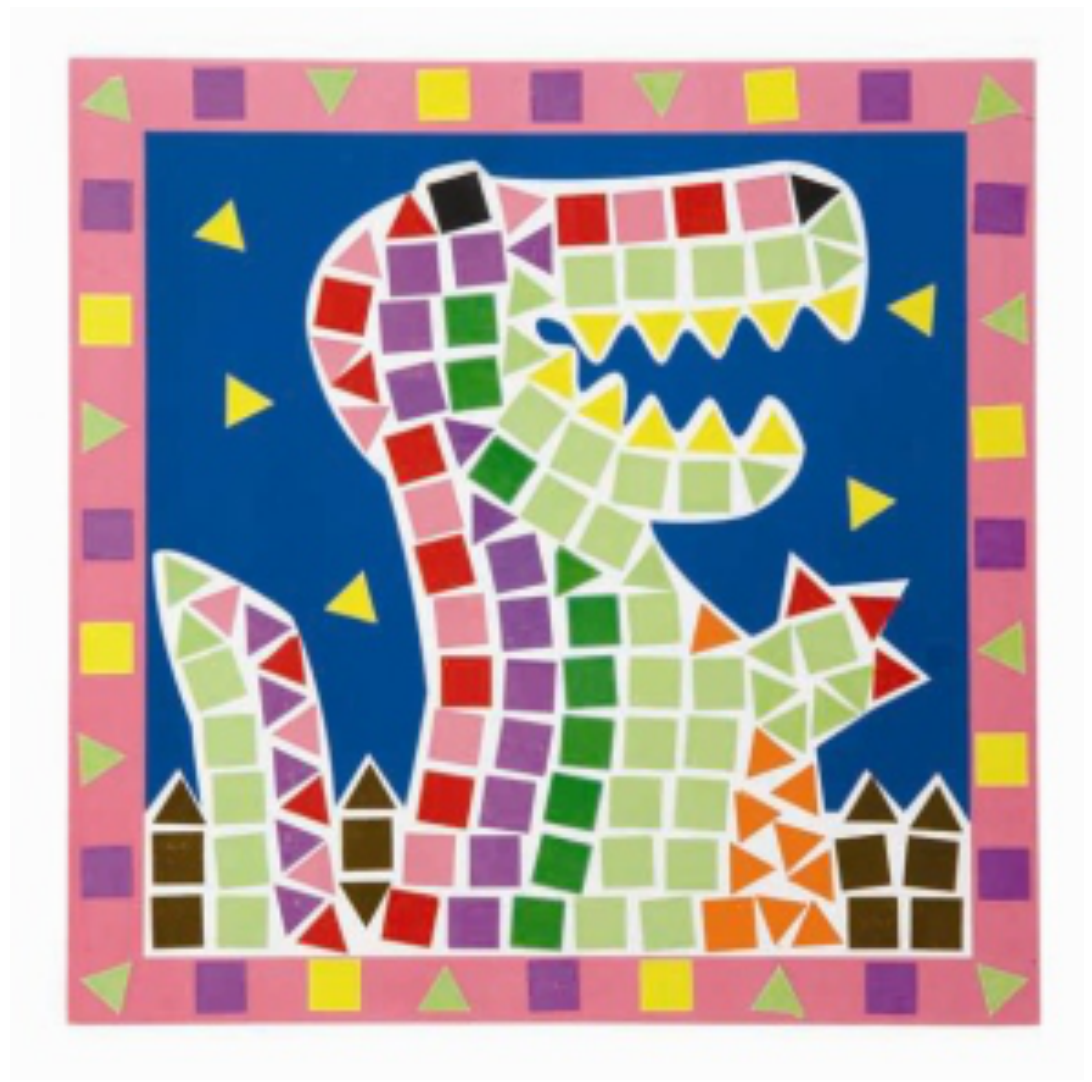
Art of the day: Photo mosaic Art
Materials needed:
Paper, pencil or sketch pen
Procedure:
Ask the children to draw multiple pictures, which are all part of one big picture.
You can also show a sample of photo mosaic art.
Interpretation:
Pain is caused by multiple factors
© 2011 Copyright Nithya Gnanadhan Trust
PAIN
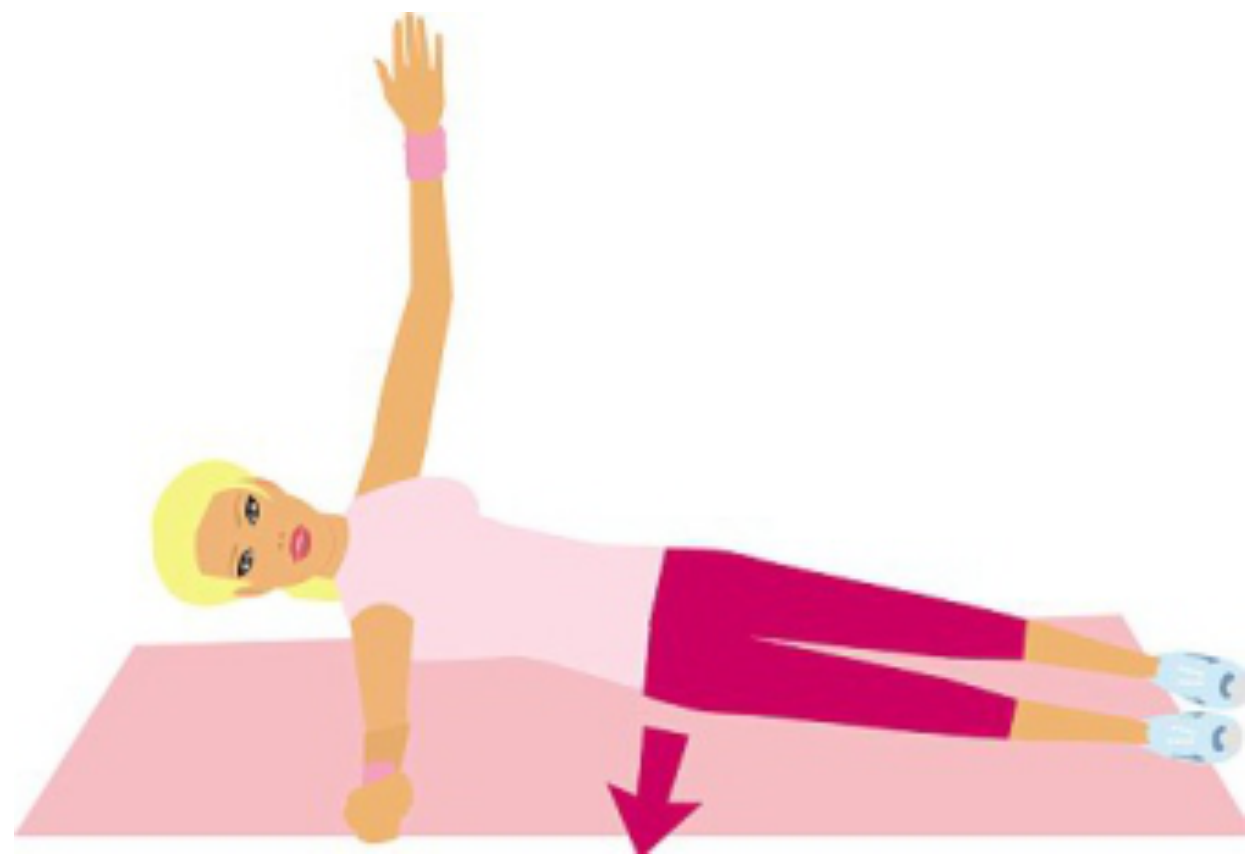
Activity of the day - Body freeze meditation.
Have all the students lie down in a comfortable position and explain how we are going to freeze our bodies in order to remove pain. Tell them to be frozen solid, not moving a muscle and visualize each area freezing completely. After they have finished ask them how they feel.
Work shop -1 Analyze where thoughts come from.
Topic of discussion:
Give each child few situations and ask each child where the thoughts come from
Explanation:
Give each child a situation; ask each one to analyze when the thoughts come,
whether they belong to worry, pain, fear, greed, happiness or anger.
For example:
Give a child the situation, that he/she is the owner of a big company. Ask them what
could be the thoughts that arise in them. Do they have any thoughts of pride and so on?
Give another situation which voices 'I own this whole place, I a m very capable'
Offer yet another situation like A beggar child is going to each shop and asking for
money; nobody is even bothered to look at her. What will her thoughts be like?
'I am not worthy' or 'nobody is good', and so on.
Interpretation:
By doing this activity the child is enabled to analyze his thought patterns and his
actions.

LESSON: 3
Introduction:
Ask everyone what topic we are in.
Reiterate the things they learned in the previous class.
Goals:
Completely understand pain, how to focus on it and go beyond. To understand that ego is
behind pain.
Click:
Pain is actually the absence of attention.
About the topic:
When someone says something hurtful to us, our ego gets bruised. When we get
corrected for something and we feel guilty- we feel hurt and offended, or sad when we
are told something we don't like and don't understand why we get angry. If we are able
to drop our ego and go beyond, nothing will be able to hurt us. In fact, if someone points
something out to us, it gives us awareness and we should thank them for bringing it to
our attention. When we feel pain in our body, it's like that part is asking for attention as
well. It wants to be healed and needs more focus and energy. When we lack attention,
then pain happens. The term 'bruised ego' comes from the feeling of being hurt and our
self esteem goes down when told that we lack in some area. When we focus on pain it
disappears. Also when our space is expanded, we feel expanded and less in pain such as
looking at the sky. The residual accumulated pain creates a negative energy field around
you, which we call the 'pain body'. The pain body constantly attracts the same kind of
people and situations that make you feel hurt. By the very law of nature, you attract
similar situations in your life. What you think, you create in your life as reality. So the
more pain you harbor, the more pain you attract. Suffering is not a state of life. It is a
state of mind. It is not an event in your life. It is your response to an event. In a
particular situation, whether you suffer or not depend entirely on your reaction to the
situation. Pain is actually the absence of attention. So the solution is giving your
presence. The more you want to feel pain; the body will create everything necessary to
feel it. What you create around you is actually what you want to create. We have to
create love body not pain body. When somebody shouts at you think about the
moments where they have been nice to you. This very thought changes your response to
your moment.
© 2011 Copyright Nithya Gnanadhan Trust
PAIN
Assessment:
- Ask questions related to the topic and questions about previous classes.
- Who can tell me what the emergency call of the body is?
- What is phantom pain?
- How do we invite pain to our bodies?
- What does 'bruised ego' mean?
- Does our inner space feel pain?
- What can we do when we feel pain?
Evaluation:
- Check how well they understood the lesson and activity by asking questions.
- What is a bruised ego?
- Have you seen how pain disappeared when we focused?
- What did you feel when you were tugging the rope?
- Did it help you to tug longer when you focused on the pain in your hands?
Conclusion:
When we drop our ego and go beyond pain, we won't get 'hurt', we will only learn and grow.
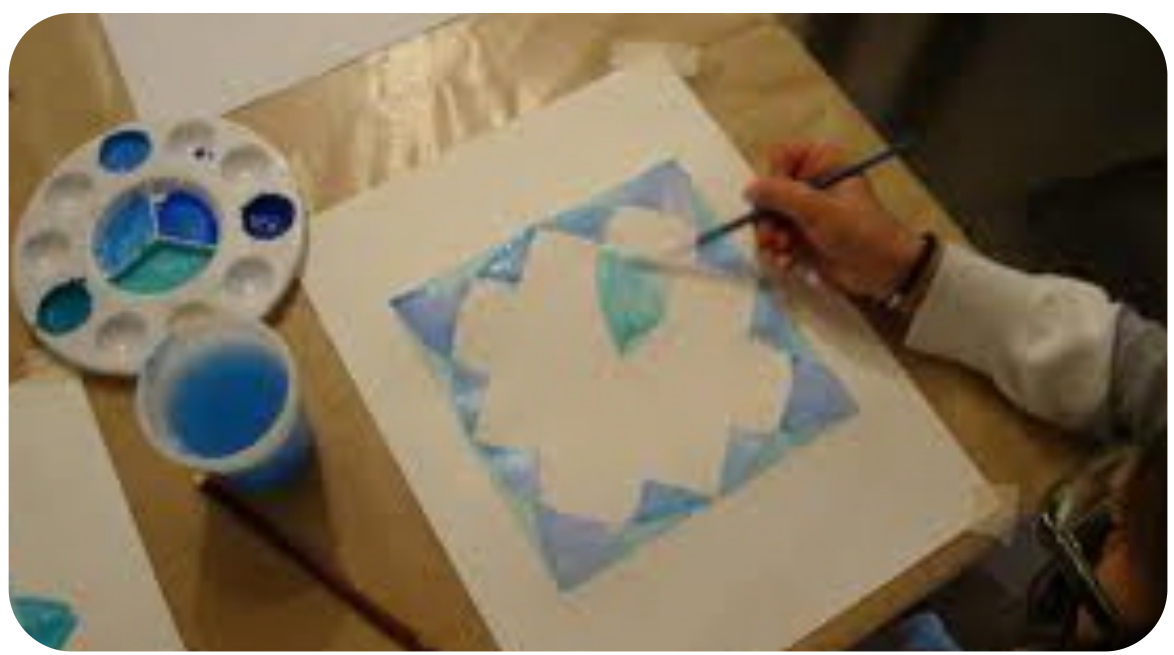
Art of the day - Designs or pattern
Materials needed:
Paper, pencil, paint
Procedure:
Instruct the children to draw any design or pattern that crosses their mind. Encourage them to color the designs or patterns with nice poster colors.
Interpretation:
Pain follows a particular pattern, negative thoughts creates pain Their inner space can be expressed and revealed through the art that they create. Their inner thought flow really creates the patterns and designs that they exhibit.
Activity of the day - (Tug of rope – feeling the pain)
Materials:
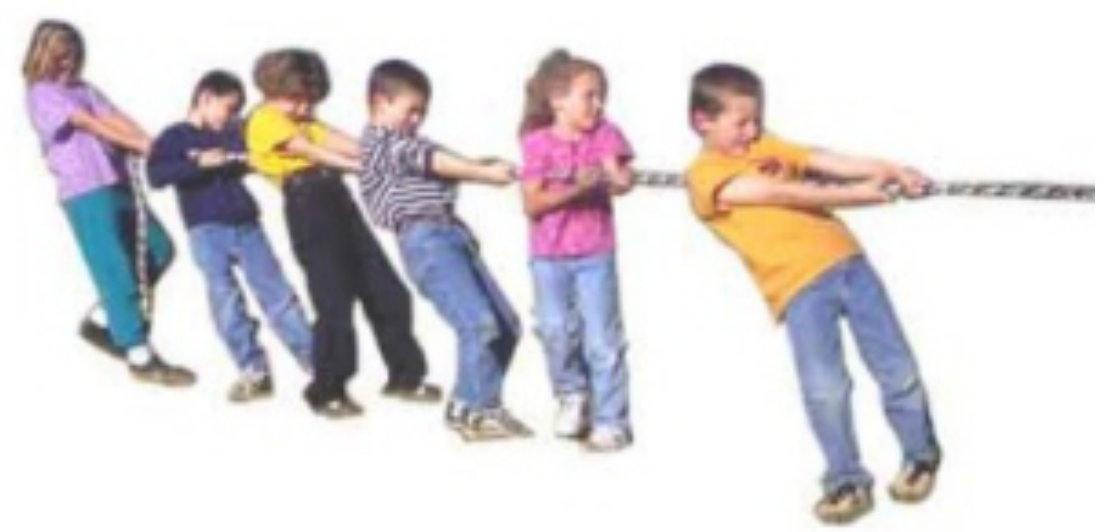
strong smooth rope Have two children try this activity. Each takes one side of the rope and wraps it around their hands. Make a line between them and at the count of 3, they both start tugging the rope. Once either crosses the line between them their turn is over. Ask them to both focus while they are playing the activity and after. When they focus their attention, the pain disappears.
© 2011 Copyright Nithya Gnanadhan Trust
PAIN
LESSON: 4
Introduction:
Ask everyone to identify the topic we are handling?
Reiterate the things they learned in the previous class.
Goals:
Understand clearly about pain and the different types of pain. To familiarize the different
terms related to pain and to completely understand the concepts. How to perceive pain
and the steps to go beyond it!
Click:
Life encompasses both opposites like pain and pleasure.
About the topic:
Pain is a funny thing; we invite it by labeling and conditioning ourselves and those around
us, and then get upset and hurt when it comes to us. When we let go and carry on, we
don't feel pain. But if we get angry, hurt and upset, the pain will continue to be repeated
and will get related together. Pain is a mental reaction, and an energy that can be
directed. Pain is the emergency vehicle of the body. Life offers both the opposites like
pain and pleasure. Both pleasure and pain are from the mind. The mind always moves
from one extreme to the other. It rarely falls into the middle part. Something may seem
like a pleasure to you while the same experience may be painful to someone else.
Pleasure also creates a pain body because we keep on wondering when the pleasure will
end, or how long it will persist. Example-Every time the child fails parents must tell them
to be in awareness. A pain whether it is physical, mental or emotional has only a negative
existence like darkness. Pain exists only in the absence of awareness. We have been told
from child hood, heat is dangerous it will burn our hand. Nobody told us cold is
dangerous, it will burn skin. The mind only conditions us. Pain exists only in the absence
of awareness. The mind has tremendous influence over the body. Even the perception
of physical pain can be changed by the mind.
PAIN
Assessment:
Reiterate all the lessons previously.
• Who can tell me what the emergency vehicle of the body is?
• What activities have we done for pain?
• How did you feel after doing the activities?
• Which was your favorite activity?
• How has it helped in your life?
• Why we say pain has a negative existence?
• When does pain exist?
Evaluation:
Ask them what they learned from this lesson?
Conclusion:
We need to apply this concept of pain and focus it to our lives.
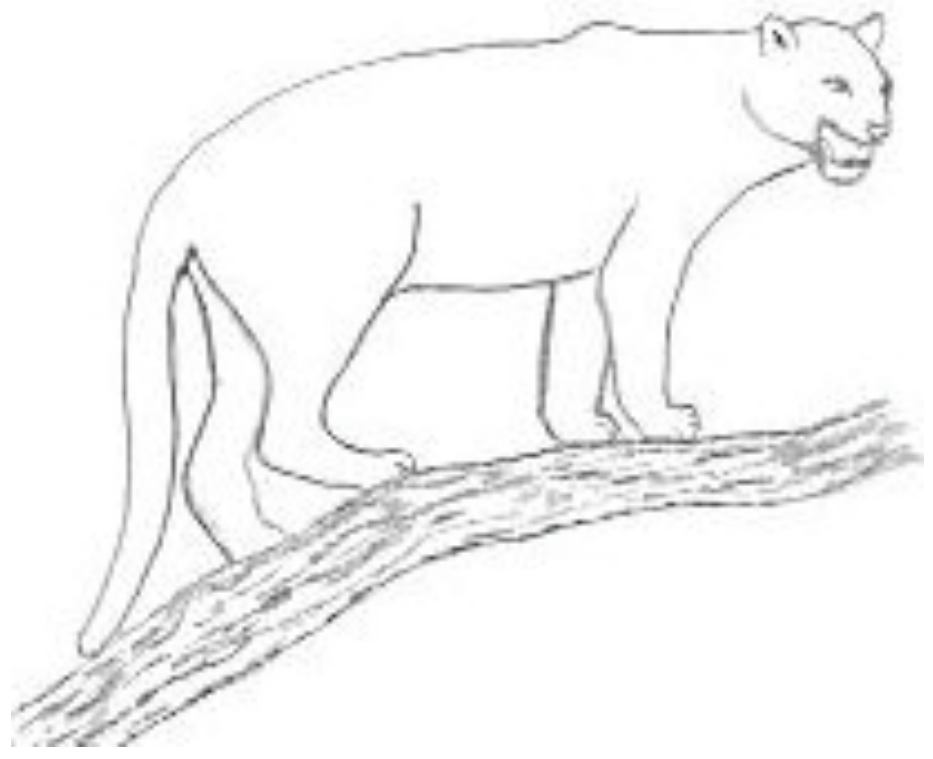
Art of the Day - Outline drawing
Materials needed:
Paper, pencil or sketch
Procedure:
Encourage children to draw the outline of specific structures and ask them to color
the outline using sketch pens.
Interpretation:
Pain is the outline of our mental setup. When we create a positive mental set up we
will be happy and we will enjoy pain also without resisting it.

Activity of the day - Loving yourself visualization
Go around and ask the children what their favorite sweet is?
What do they love eating the most?
Take that item and ask them all to visualize it.
For example: if the item is chocolate, ask them to lie down or relax comfortable. Close
their eyes and imagine a big bar of chocolate. Visualize every part of your body becoming
that and go from area to area focusing and visualizing that each area is a delicious and
lovely chocolate. After finishing for about 5 to 10 minutes, go on to next activity.
Workshop 2 Quiz
Children can have a quiz on pain questions.
PAIN
LESSON: 5
Introduction:
Ask everyone what the current topic is.
Reiterate the things they learned in the previous class.
Goals:
To make them understand the concept of pain, the different types of pain and its manifestations in our lives. How must one use pain to focus on the areas that need attention.
Click:
We invite pain by the bad choices we make in life.
About the topic:
We invite pain upon ourselves with our immoderate habits and stressful lifestyles and then complain when disease happens. We also invite pain by the bad choices we make in life. If we do things that are harmful, we will suffer the consequences. Rules are in place to help and guide us, if we break these rules that are there for our own good, we bring trouble unnecessarily on ourselves. As friends, we can help each other to do the right things for the good of all. Pain is due to ego. If you look deeply, every pain is because of your internal investments of your ego. Depending on where you have invested your ego, you will suffer. If you work towards dissolving those investments, you are intelligent. Working to destroy your ego is nothing but working on your pain body and expanding its boundary. Expansion means, feeling less or no pain towards the incidents that happen. We give meaning to the incidents, the happenings. Life is full of incidents -constant changing incidents. We need to adapt to these changing incidents which life presents to us without resisting it .Life is like a photo album. We have to enjoy each picture because no picture can be recreated.
PAIN
Assessment:
• What are ways we invite pain into our lives?
• What are the 3 different types of pain? (Emotional, mental, physical).
• Why do we have rules?
• How can we help each other to follow the rules?
• When we live in an unhealthy manner, what happens?
• How do we celebrate pain?
• How can we rid ourselves of ego in order to live happily and without mental pain?
• What are friends for?
Evaluation:
Ask them questions related to their personal experiences with pain, how to overcome it etc. Ask them if someone had gotten upset with them about something and perhaps said something hurtful. If they didn't celebrate the pain and make a big deal about it and did not feel hurt, then would there be any pain?
Conclusion:
We can use pain to focus on the areas of our life that is lacking and when we focus on the pain, we will improve.
© 2011 Copyright Nithya Gnanadhan Trust
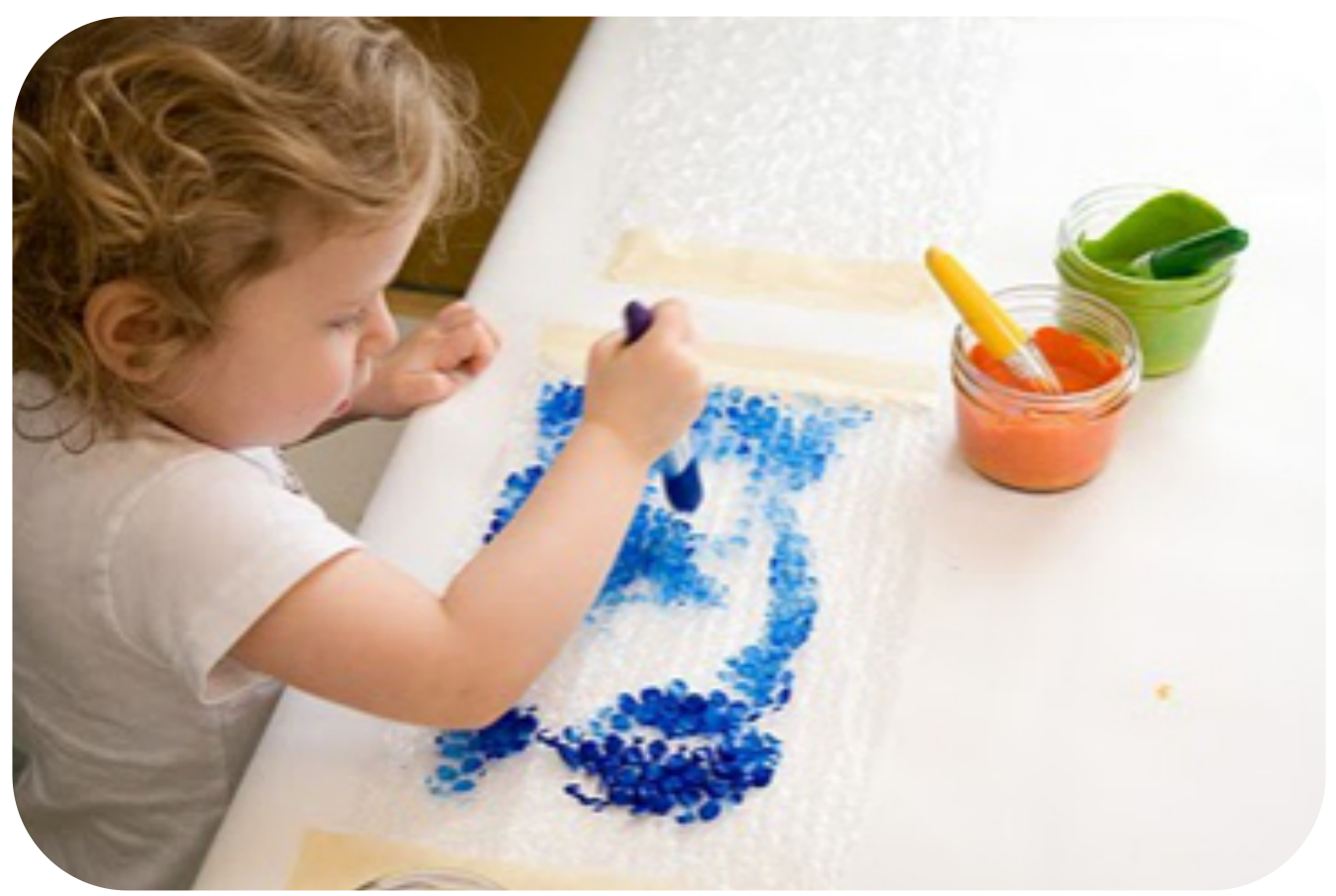
Art of the Day - Bubble wrap printing
Material needed:
Paper, bubble wrap paper, poster colors
Procedure:
Give each child the materials needed and explain to the children that they have to apply the poster color on the bubble wrap paper and print it on the paper.
Interpretation:
Pain is the impression of our thoughts; it depicts the nature of our thoughts. When we have lots of negative thoughts we create more pain when we remain with positive thoughts we create more joy.
PAIN
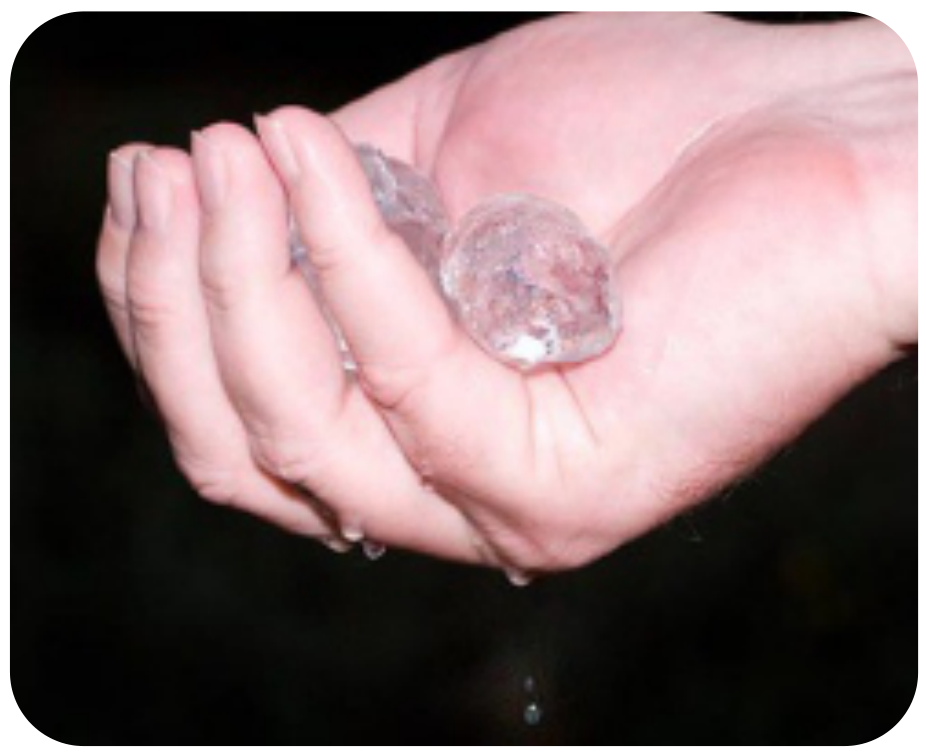
Activity of the day - Holding ice cubes in hand.
Material:
Ice Cube
Preparation:
Explain that each child will be given an ice cube, which they must hold for as long as they can.
Presentation:
Give each child an ice cube and ask them to hold it for as long as they can.
Interpretation:
If the child focuses on the pain, he can hold the ice cube for a long time.
Note:
If the child is experiencing more pain or not wanting to touch the ice, they can be relieved
from doing this activity.
PAIN
PAIN - QUESTIONS
1) Which is the most frightening things in the world
a) pain
b) desire
c) fear of pain
2) Which manifest as pain
a) stress
b) worry
c) fear
3) Physical pain is
a) Abuse of our body
b) resistance in our body
c) Basic necessacity of the body
4) Abuse of our body eventually leads to
a) physical pain
b) emotional pain
c) psychological pain
5) Attention is
a) feeling
b) energy
c) need
6) Pain is born from ________ to the present
moment
a) acceptance
b) resistance
c) awareness
7) What are the different kinds of pain
a) Physical and physiological
b) Circumstantial & physical
c) physical and psychological
8) How is pain related to the mind
a) by letter of request written by mind to the body
b) by letter of request written by body to the mind
c) by letter of order passed by ego to mind
9) we say time heals because
a) We were not ready to face the pain
b) We will forget everything
c) We have a short term memory
10) Dropping the past and look at everything with
new perspective
a) You will not have so much pain
b) You will have uncertainty feelings
c) You will have lots of pain
11) The root of pain and pleasure are
a) Two extremes
b) Same
c) Variable
12) Both pleasure and pain are forms of
a) Ego
b) Body
c) Mind
13) One who reacts in same way to both pleasure
and pain is
a) normal being
b) enlightened
c) magician
14) Pain and pleasure will always ________ each
other
a) resist
b) follow
c) oppose
15) ________ is your very nature
a) complaining
b) bliss
c) comparing
PAIN
16) Pain __________ when awareness falls on it
a) rises
b) disappears
c) increases
17) Before entering into the world you are pure
a) consciousness
b) unconsciousness
c) knowledge
18) The perception of physical pain can be changed
by
a) body
b) mind
c) ego
19) Pain in a part of body that does not exist
a) Phantom pain
b) Placebo pain
c) Pseudo pain
20) What is a placebo effect
a) false pain
b) false pill
c) focused pain
21) Suffering is
a) inevitable
b) choice
c) unavoidable
22) With pain your usual thought patterns are
a) organised
b) normalised
c) shattered
23) Every pain is because of your internal
investments of your
a) expectations
b) desires
c) ego
24) Pain is a
a) curse to human body
b) blessing in disguise
c) unwanted process in human life
25) You see things with the lens of
a) stress and worry
b) happiness and satisfaction
c) greed and fear
26) Pain is a great teacher of
a) tolerance
b) knowledge
c) awareness
27) __________ is our own inner ambulance system
a) awareness
b) pain
c) resistance
28) Pain
a) puts you in dream state
b) brings you to reality
c) brings you prepared for future
29) How is pain projected by us
a) Pain is forced on us
b) We invite pain upon ourselves
c) There is always an external cause for pain
30) Living in the world of your desires and fears is
called a
a) dream state
b) waking dream
c) true reality
PAIN
1. Puzzle clock
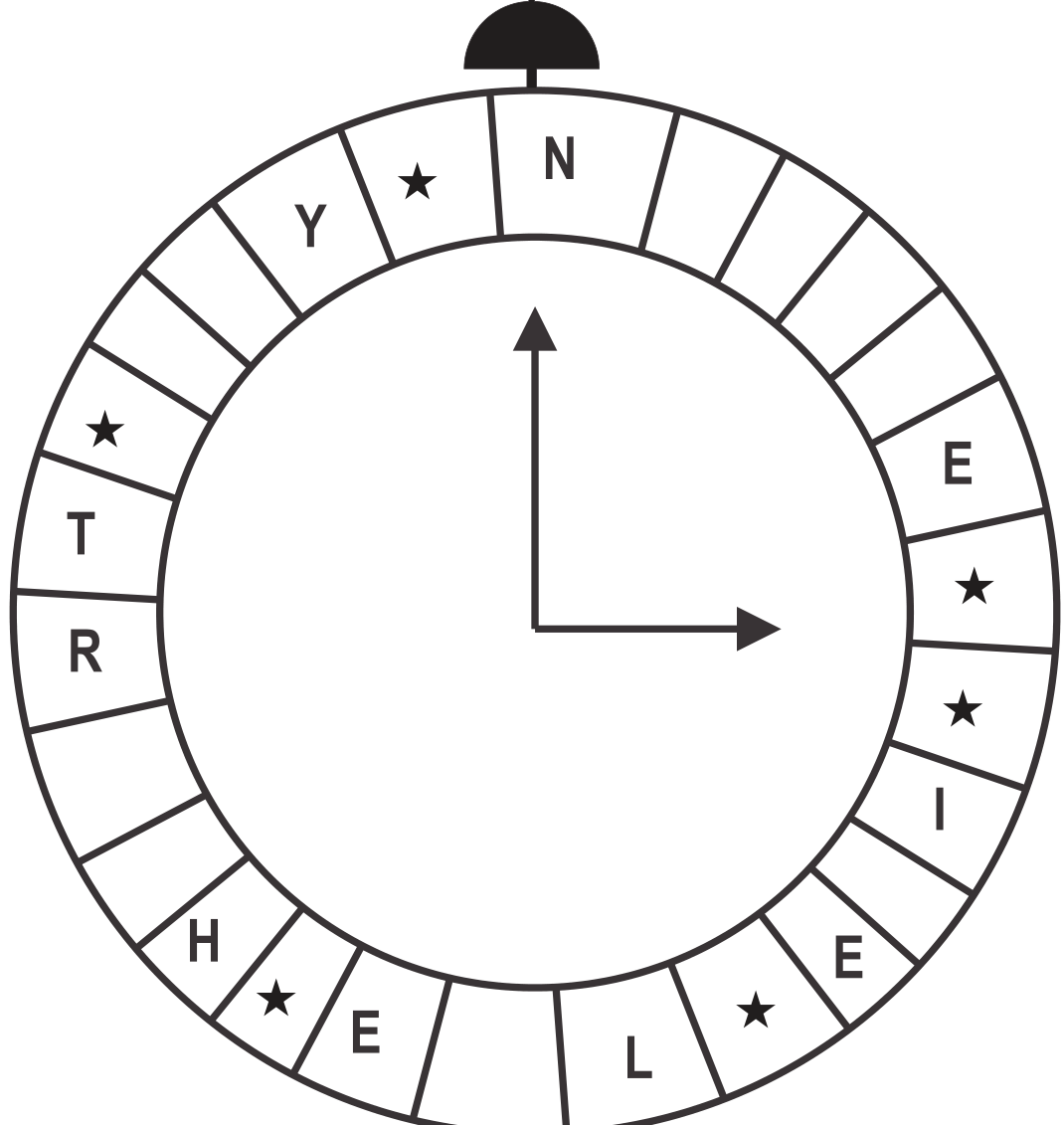
1. Which when pokes causes pain
2. Cold item which causes pain
3. Which makes us feel guilt after telling that
4. Where you feel the emotional pain
5. How will you express your pain
2. Circle the vowels in the following words.
1) Ego
2) Attention
3) Phantom
4) Emotion
5) Placebo
6) Emergency
7) Awareness
8) Adrenal
9) Nature
10) Pain
PAIN
3. Write a short passage about the incident which made you to
feel the emotional pain.
[Figure: PAIN]
4. Find the scrambled words
1) LPCAEOB
2) TONHPAM
3) RAWSAENSE
4) TENTANIOT
5) FUERINFGS
6) RELUPEAS
7) HUTCLCNU
8) IMDN
9) REPSENT
10) FUSCO
5. Match the following
1) Phantom pain - a) Resistance to the present moment
2) Placebo effect - b) Choice
3) Pain - c) Focus it
4) Pain body - d) Life
5) Remove Pain - e) Imaginary pain
6) Pain in body - f) Creates a negative energy field
7) Pain appears - g) Ego is hurt
8) Pain and Pleasure - h) False tablet / Super Pills
9) Accumulated Pain - i) Emergency mechanism to bring Awareness
10) Suffering - j) Reiteration of the Pain
PAIN
1. Tick the pictures which depicts pain
[Figure: A patient in a hospital bed]
[Figure: A man standing near a dog lying on a road]
[Figure: A child running]
[Figure: Damaged buildings after an earthquake]
PAIN
2. Puzzle clock
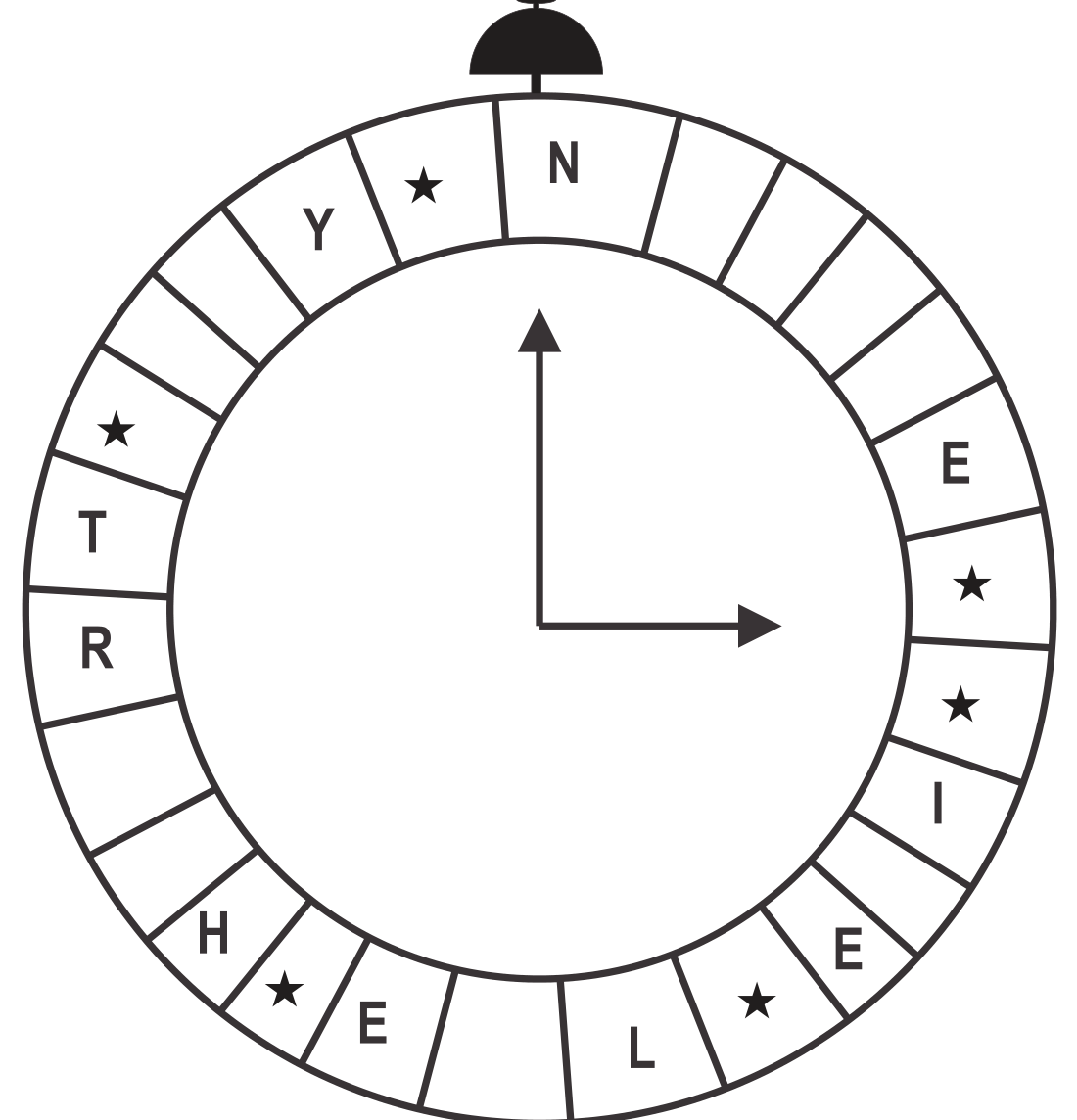
1. Which when pokes causes pain
2. Cold item which causes pain
3. Which makes us feel guilt after telling that
4. Where you feel the emotional pain
5. How will you express your pain
PAIN
3. Colour the picture
4. Circle the vowels in the following words.
1) Ego
2) Attention
3) Phantom
4) Emotion
5) Placebo
6) Emergency
7) Awareness
8) Adrenal
9) Nature
10) Pain
5. Match the following
1) Phantom pain - a) Resistance to the present moment
2) Placebo effect - b) Choice
3) Pain - c) Focus it
4) Pain body - d) Life
5) Remove Pain - e) Imaginary pain
6) Pain in body - f) Creates a negative energy field
7) Pain appears - g) Ego is hurt
8) Pain and Pleasure - h) False tablet / Sugar Pills
9) Accumulated Pain - i) Emergency mechanism to bring
Awareness
10) Suffering - j) Reiteration of the Pain
[Figure: PAIN]
6. Write a short passage about the incident which made you to
feel the emotional pain.
7. Match the following pictures to the word
[Figure: Man hurting a woman]
[Figure: Blind man crossing a road]
Guilt Pain
8. Find the scrambled words
1) LPCAEOB
2) TONHPAM
3) RAWSAENSE
4) TENTANIOT
5) FUERINFGS
6) RELUPEAS
7) HUTCLCNU
8) IMDN
9) REPSENT
10) FUSCO
[Figure: PAIN]
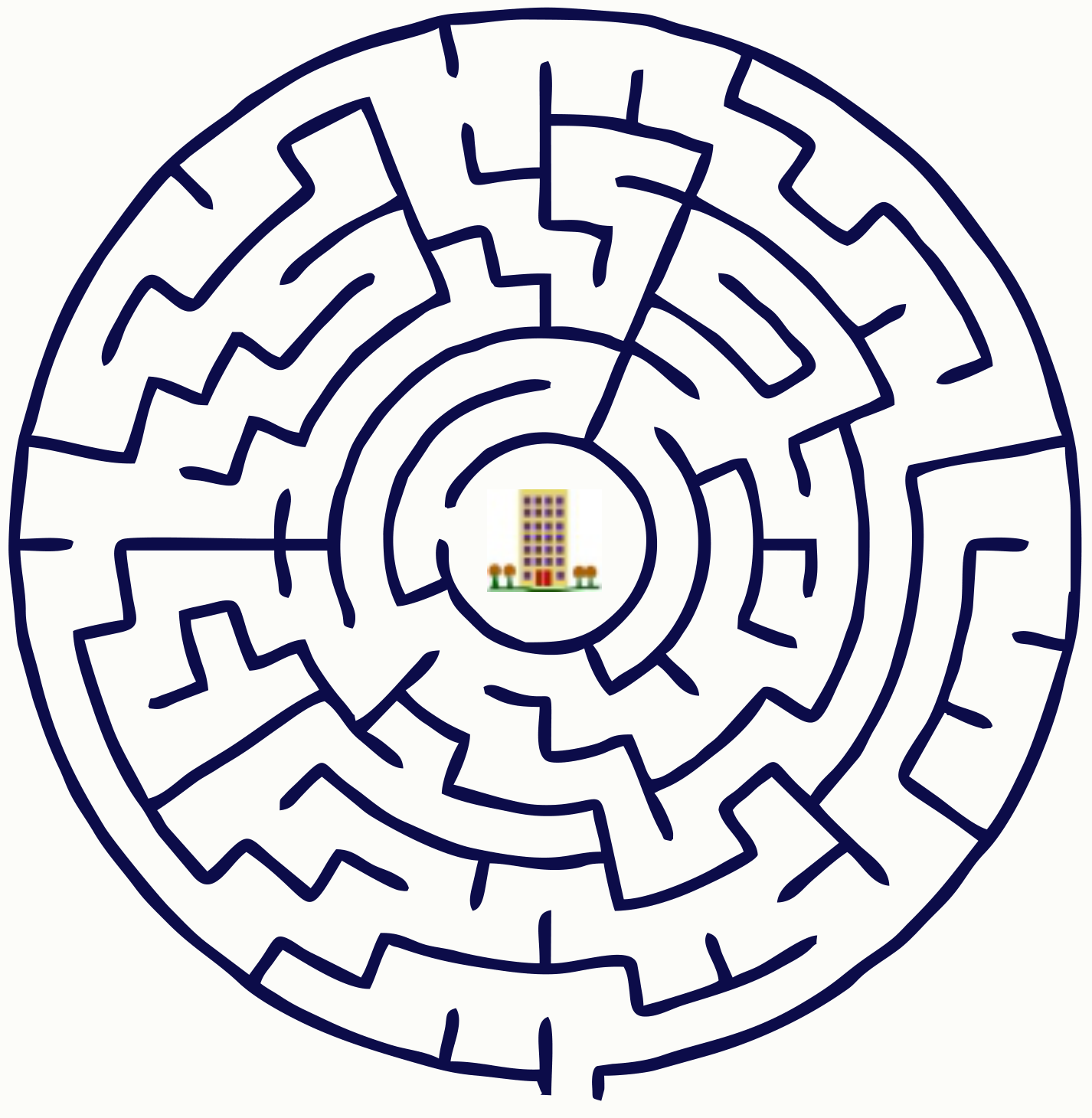
Help the hurt dog to reach the hospital

PAIN
PAIN - ANSWERS
1 c) fear of pain
2 c) fear
3 c) Basic necessacity of the body
4 a) physical pain
5 b) energy
6 b) resistance
7 c) physical and psychological
8 c) by letter of order passed by ego to
mind
9 a) We were not ready to face the pain
10 a) You will not have so much pain
11 b) Same
12 a) Ego
13 b) enlightened
14 b) follow
15 b) bliss
16 b) disappears
17 a) consciousness
18 b) mind
19 a) Phantom pain
20 b) false pill
21 b) choice
22 c) shattered
23 c) ego
24 b) blessing in disguise
25 c) greed and fear
26 c) awareness
27 b) pain
28 b) brings you to reality
29 b) We invite pain upon ourselves
30 b) waking dream
[Figure: PAIN]
PAIN (8 -14) ANSWER KEY
1. Puzzle clock needle, lie, ice, heart, cry
4. Scrambled words
5. 5. Match the following
PAIN
PAIN (4 -7) ANSWER KEY
2. Puzzle clock needle, lie, ice, heart, cry
5. Match the following
1-e, 2-h, 3-g, 4-j, 5-c, 6-i, 7-a, 8-d, 9-f, 10- b
8. Scrambled words
1) Placebo,
2) Phantom,
3) Awareness,
4) Attention,
5) Suffering,
6) Pleasure,
7) Unclutch,
8) Mind,
9) Present,
10) Focus
[Figure: FEAR]
LESSON: 1
Introduction:
Introduce the kids to the topic dealing with fear; give them multiple clues so that they
can guess the topic by themselves.
Goals:
To make the kids understand fear, and how it affects us.
Click:
Fear is a deeper dimension of worry.
About the topic:
Fear is a deeper dimension of worry. Fear becomes only possible when we have negative
thoughts. We cannot have anything like happy fear. Anger and pain is related to fear. Fear
can even destroy life. It is possible to face fear without fear. A person who we call
courageous is not one without fear but one has learnt to face fear without fear. Fear is
not good or bad. Fear is life energy which exists in us. Fear is a form of energy inside us.
That is why it cannot be destroyed. Fight or flight response. Whenever you are facing a
survival threat, you will see your fear rising and the adrenalin release happening in your
body. That adrenalin release gives you so much of energy that you can almost fly. We call
it the fight or flight response either you face the fear and fight or you run away.
Whenever our adrenal gland is working it shuts down the other systems. Pure fear
helps in survival and it is spontaneous. Fear is the fight between in oneself verses the
negative idea about the future. When fear is not directed towards any particular event
or object in general it becomes a contraction and an unknown black hole. It is not the
object we fear about it is only the idea about the object which makes us afraid. When we
change our idea to a positive one, we can avoid fear.
[Figure: FEAR]
Assessment:
- What is fear?
- Can you get afraid of something you already did before, while having fun?
- Why is it only unknown things bring us fear?
- Is it fear or phobia?
- Do all of us have fear of something? ?List it
- Why is one person scared of something that the other person not?
- Have you experienced fear?
- How do fears affect us?
- How we can face fear?
- What is fight or flight response?
- What is courage?
Evaluation:
Evaluate how well they understood the topic by asking multiple questions on the topic.
Conclusion:
Conclude the topic by reviewing the important details - everyone has fears; sometimes we don't like talking about fear, so we pretend to forget about them or hide them away. We need to talk about these things and get them out and rid ourselves of these fears. If we hide things, we will always have them inside. Let's shine the light on our fears and face them, so we can rid ourselves of them.
[Figure: FEAR]
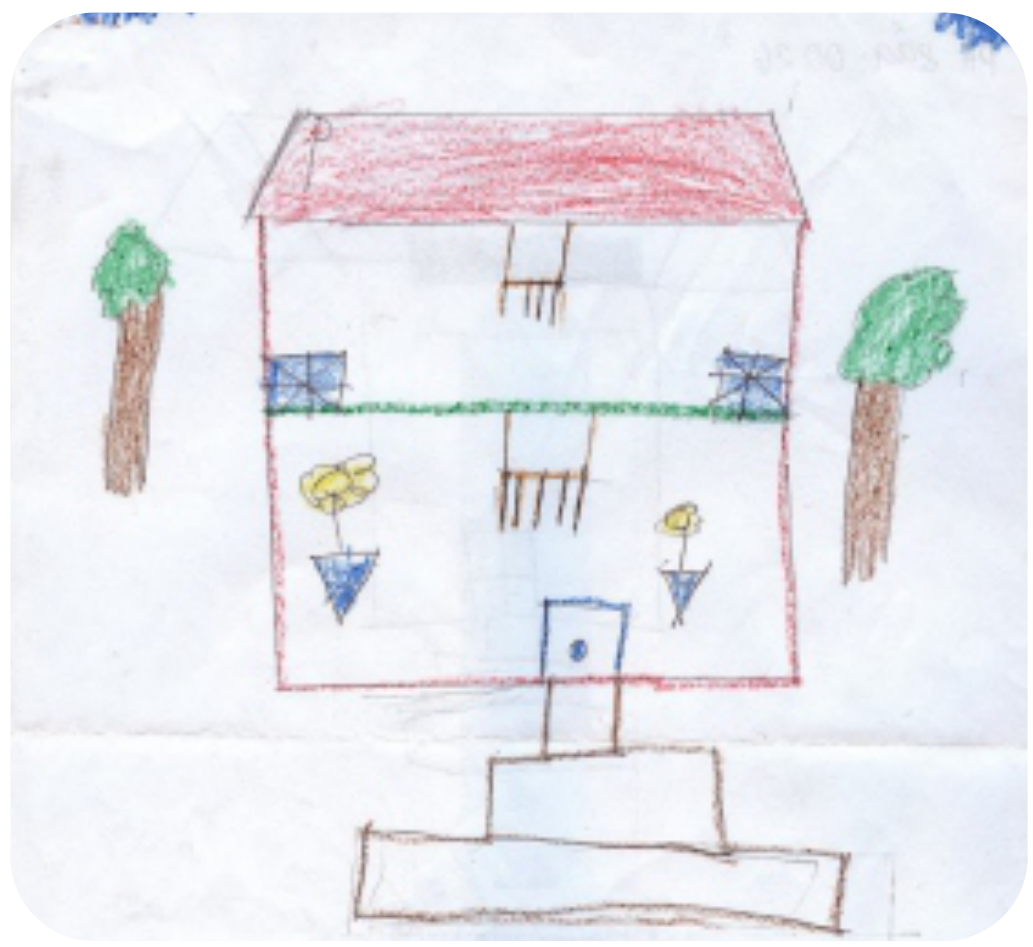
Art of the day: Draw loneliness
Material needed:
Paper, sketch pen or pencil
Procedure:
Give each child the given materials and ask the children to imagine loneliness;
encourage the children to depict loneliness in the pictorial format. Each one is given a
turn to express what they have drawn about loneliness. Ask them to visualize a scary
thing and depict it in funny fashion.
Interpretation:
Loneliness creates fear in us but when we understand that it is only a thought in the
mind we can overcome fear. When we understand the whole cosmos is with us we
will never feel alone. When we believe the cosmos takes care of us we will never feel
fear.
© 2011 Copyright Nithya Gnanadhan Trust
[Figure: FEAR]
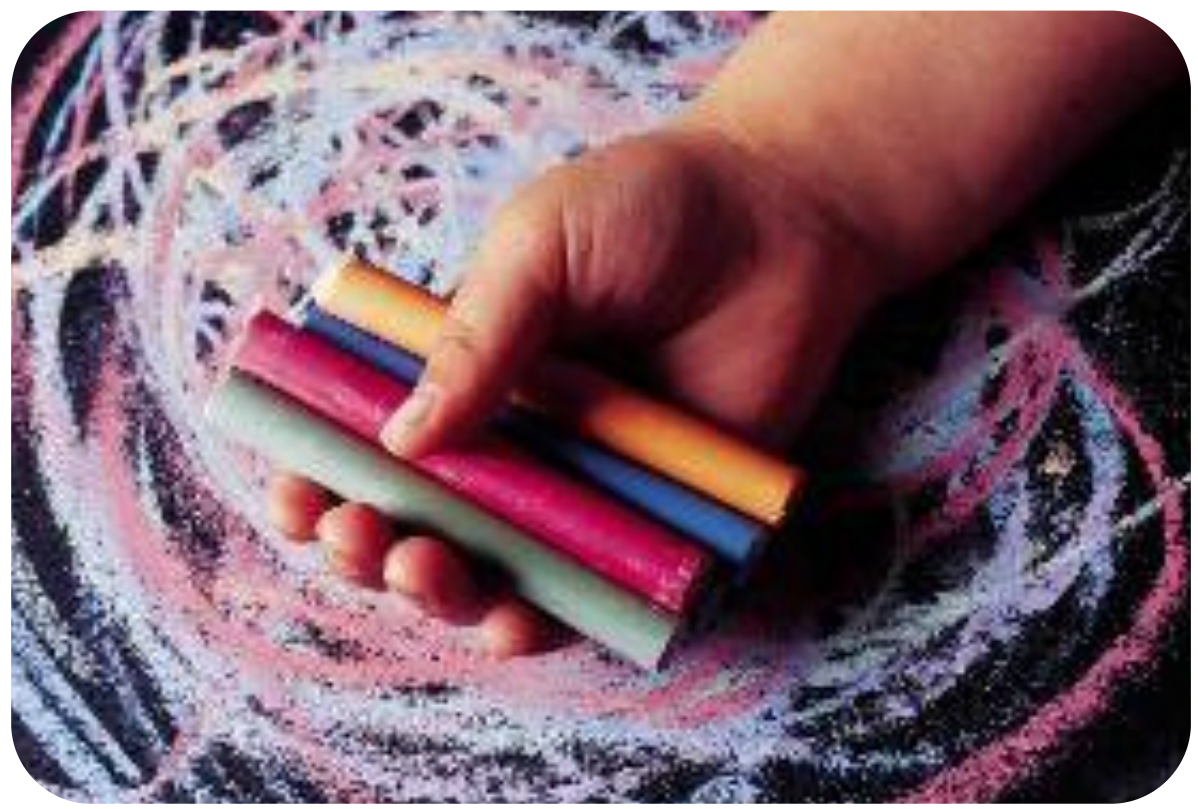
Activity: Chalk Scribbling
Chalk Scribbling- Fear
Material required:
Colored chalk
White paper or floor surface
Presentation and Discussion:
We are going to remove fear from our lives and hearts.
Activity:
Use the chalk to scribble furiously on the floor. If they take their hand off from the floor, remove the chalk. The idea is to scribble in one go with all their fear and energy until the whole piece of chalk is gone into dust. After the children finish ask them how they feel. It is like a stress reliever, it leaves them feeling empty and free of fear.
[Figure: FEAR]
LESSON: 2
Introduction:
Review the previous day's topic and talk about fear strokes, and about overcoming fears.
Goals:
Make the kids aware of fear strokes, and how to overcome fear.
Click:
Fear leads to anger.
About the topic:
Fear leads to anger. When we have anger we lose the power in ourselves and we fail to understand that we have a problem. By being aware of the fact that everything is auspicious we can overcome anger. Fear is the passive form of the energy while anger is the active expression. It is said that we undergo six to twelve fear strokes every day and night, both in dreams and also in wakefulness. Fear strokes originate from unconsciousness. When they are viewed with awareness and consciousness, they can be substantially reduced. You must understand it is ok to fail, to lose something – learn from that to be more aware. What are fear strokes? Example you are walking in the garden in the dark, and you see a coil of rope. You start shivering, imagining it to be snake. That sudden shock you get before realizing it is just a rope not a snake is what is called a fear stroke. A fear stroke is like shaking a rose plant from its roots. Every fear can be used as a door to enlightenment. If you are experiencing too many fears in your life and if you know the right technique all those fears can become doors and you can be liberated. Otherwise all the fears are like walls. All you need to do is, every time you feel fear, do not lose confidence. If you are courageous enough to face the fear, it can lead you to liberation. Fear strokes are short spikes of fear. Fear strokes weaken the immune system. They release depression – inducing chemicals and even accelerate our ageing process. Fear can be changed to fearlessness and intelligence out of pure awareness. Anything suppressed only takes up another form. It doesn't set uprooted totally. So suppression is not the way to overcome fear. Awareness is the way. In fact if you suppress fear, you are missing the chance of overcoming it. Having fear is natural. But connecting the fear to an object is societal.
[Figure: FEAR]
Assessment:
- What is a fear stroke or a startle?
- Have you experienced fear strokes?
- How do you avoid fear strokes?
- How do you feel after facing fear?
- Does shouting out help you from fear?
- How many fear strokes can we observe in a day?
- What happens in your body when you experience fear strokes?
- How is fear and anger related?
Evaluation:
Evaluate how well they understood the topic by asking questions. Ask them to elaborate their experiences of fear and fear strokes and how they overcame it.
Conclusion:
Conclude the topic by reviewing the important details. Have the courage to face the fear and get liberated. The intensity and frequency of fear strokes can be reduced by deeper understanding and clarity of the origin of fear!
[Figure: FEAR]
Art of the day - Crayon coloring
Materials needed:
Color crayons, scary picture
Procedure:
Give each child a scary picture and ask them to color the picture with different color
crayons
Inference :
Let them visualize the scary thing and ask them how they feel ,what is going on in
them. Where do they feel the fear in their body?

[Figure: FEAR]
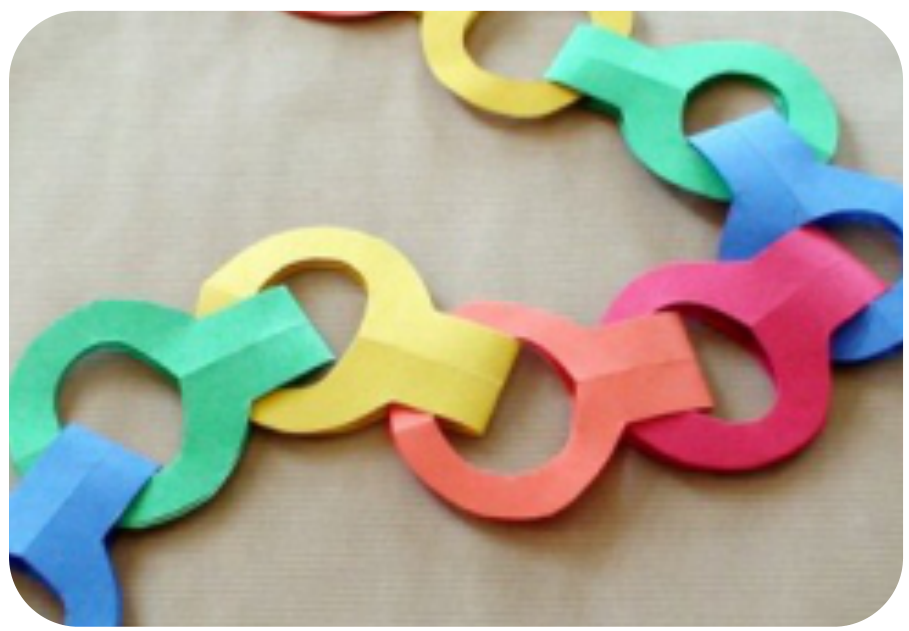
Activity - Paper chain-linking thoughts:
Material required:
● Strips of paper
● Stapler
● Colored pencils
Preparation:
Gather the materials together.
Discussion and presentation:
We have many thoughts that are so different and unrelated. Sometimes, our thoughts go together, but when you stop to analyze your thoughts, you will see how bizarre they really are. You will be thinking. “Oh, I am feeling so sad and lonely, I wish I had a new toy to play with, I wish I had this thing or that, look at that dog crossing the street with bone in his mouth”. We can stop and write down what thoughts are in our head, and instead do something constructive, instead of wasting our time as it is of no help to anybody.
Activity:
Give each person strips of paper and have them write down immediate thoughts that come to mind, we are always thinking! Take the thoughts and attach them together, linking them up to form a chain
© 2011 Copyright Nithya Gnanadhan Trust
[Figure: FEAR]
Work shop 1 In which G you do each activity
Topic of discussion:
Write in which 'G' they do their day to day activity
1 G – Unknown
2 G – Anger
3 G – Greed
4 G – Fear
5 G – Happy, Creative, Intuitive
6 G – Purpose of life
7 G – Beyond
Explanation:
Explain to the children to write about in which G they do their day to day activity.
For example:
When they brush teeth in which 'G' they are.
Whether they are working unknowingly or they are brushing out of ANGER, (or) acting
out of GREED of getting something as gift (or) working out of fear of infection, or doing
out of happiness or thinking that is the purpose of life or beyond that.
Encourage each child to analyze in which 'G' they all do the different activities.
Inference:
Explain to the children when you are doing things out of Anger, without liking it, will only
lead to suffering. When we grow bigger it will become a pattern. The brain grows with
patterns. Every activity we do must be in 5G – happy, creative, and intuitive. How can
we be creative in our activities? When we are in 5G we will be in a happy, creative,
open and intuitive spectrum.
[Figure: FEAR]
LESSON: 3
Introduction:
Introduce to the kids, the idea of facing fear, and being fearless
Goals:
Make the kids aware of the idea of facing fear, having courage and being fearless.
Click:
Fearlessness is the courage to face fear.
About the topic:
The biggest fear human beings have is the fear of losing their identity. Fear of losing
physical health, mental stability, wealth, name, fame and fear of dark are the different
modes of fear. The social fear or fear of being rejected by society make us do things even
when it not good for us. Fear of darkness is the fear of the unknown, connecting with
the darkness will remove the fear. If we allow the child to accept the fear and explore
the darkness that is causing him fear; the child will go through the darkness and live the
fear completely. The fear will automatically drop from his mind because his own
experience would have shown him that the fear has no solid existence. Fearlessness is
the courage to face fear. We cannot conquer fear. Fearlessness means intelligence to
live the intense fear without directing it towards any object. Fear is powerful energy
which gives a deep relaxation, self centeredness. The fear centre is the rejuvenation
center. Fear does not exist when things are definite and known. Fear is not good or bad,
it's a form of energy inside us. We experience fear because we get disconnected from
who we are. When you are faced with fear, don't try to resist it or suppress it. You can't
ignore fear. Don't clutch in fear, don't get connected with fear. Just look at the fear, note
the fear and accept it. Acceptance of the fear dissolves the fear. The moment you
accept the fear, suddenly you see the fear disappears it loses the power to frighten you.
When fear strokes happens just live it. That is the only way. A very powerful way of
overcoming fear is to visualize going through that fear as clearly as you can. If we force
the children to face fear it will be deeply engraved in them. The first is fear of losing our
wealth, our comfort, name, fame, prestige and other outer world things. The second is
the fear of losing our health and parts of our body through some accident or disease.
The fears concerned with our physical health. The third is the fear of losing our mental
health, our stability. The fourth is the fear of losing our loved ones.
FEAR
The fifth is the fear of the unknown, fear of ghost. Understand fear and love can never
co-exist. We look for security in every relationship. Prestige also gives rise to fear,
prestige, name and fame, social status – all these give rise to fear. These fears are
nothing but fear of hurting your own ego. Even fears like fear of public speaking are fear
of losing one's prestige in a way. Fear in a passive form of guarding your fear of darkness
is also fear of unknown. Drop your fears about your property. Everything belongs to
existence. You are in temporary possession of it, that's all. If you relax into this
understanding, it is enough. We always want to look good, always concerned what
others will think – this is called identity fear. Accept the fear. 50% of your problem is
solved. Always have the confidence cosmos will take care of us.
Assessment:
• Have you ever feared when you are in darkness?
• How do you feel when you go in the dark alone?
• What is fearlessness?
• What is courage?
• What happens when we accept fear?
• What does visualizing fear mean?
• When does fear lose power?
Evaluation:
Evaluate their knowledge on the topic by asking questions related to the topic. Ask the
kids about their experiences of scary moments and how they overcame it.
Conclusion:
Conclude the topic by reviewing the important details. Accept fear, overcome it and live
in happiness. When you accept and understand fear, it becomes a door to liberation, or
else it will remain a wall.
[Figure: FEAR]
Art of the day: Chakra drawing or coloring
Materials needed:
Plain sheet or Fear chakra , sketch pen or pencil, poster colors
Procedure:
Give each child plain sheet and ask them to draw the fear chakra or give them the
chakra picture and ask them to color with poster colors.
Swadishtana – Fear
Swadhishtana means 'Where your Being is established' – from swa which means 'Self'
and adhishtana which means 'established'. This chakra is locked by fear, especially the
fear of death and it can be made to flower by acceptance of fear; acceptance of Death
itself. All our fears are actually a fear of death but under various disguises, that's all.
Every single fear of ours is related to the fear of death, but in a convoluted way. Because
it is convoluted, we don't see it as fear of death. Without fear, the word death itself loses
the meaning that we have been associating with it.

[Figure: FEAR]
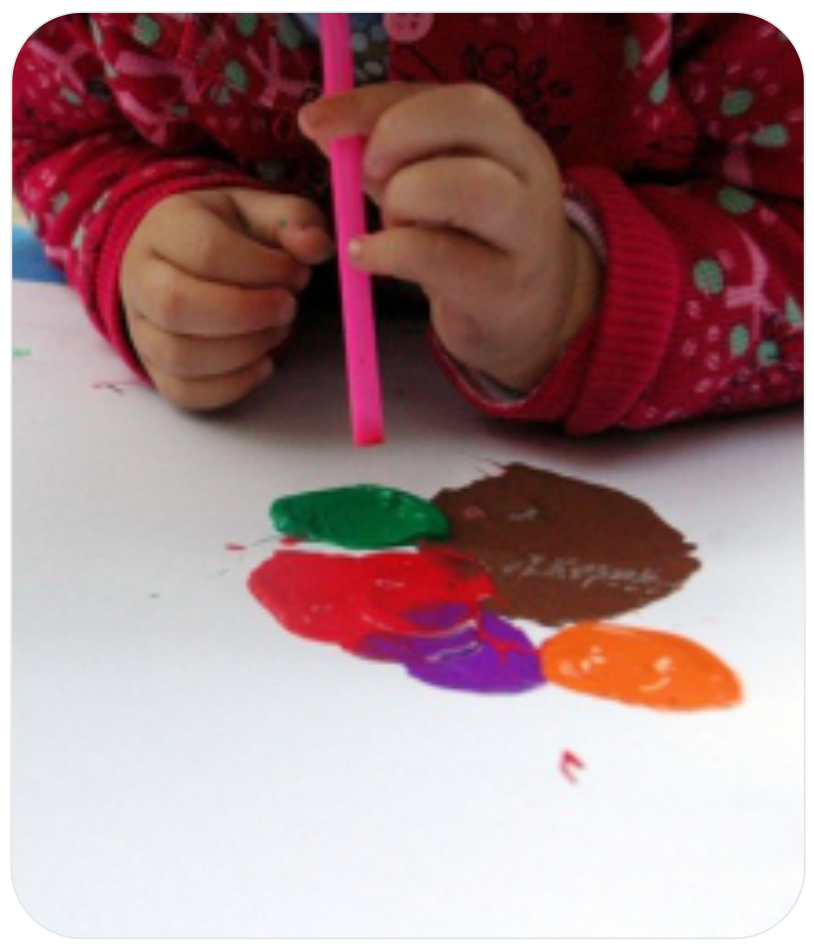
Activity of the day: Blow painting
Materials needed:
Straws, different poster colors, any picture
Procedure:
Give each child a straw & ask them blow the paint using the straw on the picture.
The children are asked observe the flow of paint when they blow.
Interpretation:
Connect to the fact that when we have the right understanding we can overcome
fear, we can blow away the fear.

LESSON: 4
Introduction:
Introduce the kids to the concept of fear vs greed
Goals:
Make the child understand that the oscillation between fear and greed is the mind.
Click:
Fear vs greed
About the topic:
Human mind basically oscillates between fear and greed. The oscillation between fear and greed is the mind. Greed is about the past and fear is about future-unknown. Whenever you get a thought of fear bring in the thought of greed it will counter act it.
As long as this movement is there, the highest possible coherence does not happen in you. When the consciousness stays in restful awareness, the highest coherence happens in you. When fear is awakened, you forget greed. When you are caught in greed, you forget fear. Only later you remember the side effects and after effects.
When fear takes over, consciously slap yourself to the center with greed and when greed takes over, consciously slap yourself the center with fear and experience the highest coherence. This is what Buddha calls as the middle path. Any decision you have taken in life based on the middle path, you will take it with highest coherence. Any decision taken with the highest possible coherence will fulfill you and the world. You are the world and the world is you. The best way is to take the whole world and life lightly. Life is not worthy of suffering. When you take life joyfully and lightly, suddenly you will fall into coherence, things become more happening.
[Figure: FEAR]
Assessment:
• What is the oscillation between fear and greed called?
• What happens when fear is awakened?
• What happens when you are caught in greed?
• What is the best way to take the whole world and life lightly?
Evaluation:
Evaluate how well they understood the topic by asking multiple questions
Conclusion:
The best way is to take the whole world and life lightly, life is not worthy of suffering.
[Figure: FEAR]
Art of the day - Draw and color how mind oscillates between fear and greed.
Materials needed:
Plain sheet, color sketch pen or pencil, paint brush
Procedure:
Give each child the needed materials and encourage each child to draw and color,
how mind oscillates between greed and fear.
Inference:
We keep on hanging between fear and greed. When fear is awakened, we forget greed.
When we are caught in greed, we forget fear.
[Figure: FEAR]
Activity of the day - Answering illogical statements
Goals:
To make the children understand fear.
Preparation:
Explain the game to the children and encourage the children to play the game by taking turns.
Presentation:
Encourage each child to sit in a circle. Each child will get turns to answer the questions but they have to answer the questions with illogical statements.
Interpretation:
Answering illogical statements, answering with unknown can be connected to fear. Fear is created by unknown. We can relate this game to the concept of fear.
Workshop 2-Quiz programme
Children can have quiz programme on the fear questions.
FEAR - QUESTIONS
1) Fear is a deeper dimension of
a) worry
b) desire
c) fantasy
2) Why fear cannot be destroyed
a) it is form of energy
b) it is variable
c) it is huge
3) Facing the fear have
a) flight response
b) fight response
c) Accepting response
4) Running away from the fear is called
a) Flight or fight response
b) facing fear
c) Accepting fear
5) Connecting fear to the an object is
a) Physical
b) societal
c) Consciousness
6) Inhaling breath is
a) pure desire
b) greed
c) fear
7) Exhaling breath is
a)pure desire
b) greed
c) fear
8) What happens when you are scared of not able
to achieve
a) Fight between potentiality and positive
approach to future
b) Fight between potentiality and negative
approach to future
c) Fight between incapability and negative
approach to future
9) If you are sure there is no possibility of achieving
something
a) you will have fear
b) you will not have fear
c) you will occasionally have fear
10) If you are sure that you will achieve
a) you will have fear
b) you will not have fear
c) you will occasionally have fear
11) If you are not sure that you will achieve
a) you will have fear
b) you will not have fear
c) you will occasionally have fear
12) Possibility creates
a) desire
b) fear
c) guilt
13) fear exist only in the
a) absence of knowledge
b) presence of knowledge
c) absence of ignorance
14) Fear of darkness is due to
a) ignorance
b) society
c) illiteracy
15) Which is termed as closing all possibilities of
fear
a) Unconditioning
b) Surrender
c) Realization
16) Which is termed as opening all possibilities of
fear
a) Condition
b) Surrender
c) Realization

17) Which is the key to the door of bliss
a) ignoring fear
b) resisting fear
c) facing fear
18) powerful energy express deep relaxation by
going beyond
a) Desire
b) Bliss
c) Fear
19) Fear is understood as
a) Part of nature of life
b) Nothing to be fearful
c) Conquer life
20) Fear does not exists when things are
a) not definite and unknown
b) definite and known
c) definite and unknown
21) What is fearlessness
a) Having no fear
b) Courage to face fear
c) Ignoring fear
22) Which is the greatest fear human beings have
a) losing identity
b) losing wealth
c) losing close ones
23) Fearlessness is not
a) facing fear
b) managing fear
c) suppressing fear
24) Fear center is
a) rejenuvation center
b) degradation center
c) diminishing center
25) Fear of being rejected by the society is called
a) Family fears
b) Social fears
c) Personal fears
26) Which is active form of fear
a) stress
b) anger
c) worry
27) Fear strokes
a) Strength the immune system
b) Weaken the immune system
c) no effect on immune system
28) Adrenal system produces hormones
a) When you watch thrilling movies
b) When you watch comedy movies
c) When you watch tragedy movies
29) Pure fear
a) Makes us scared about unknown
b) Helps in survival and it is spontaneous
c) Creates guilt and worry
30) All fear boils down to one fear
a) Fear of unknown
b) Fear of society
c) Fear of losing wealth, health and dear ones
[Figure: FEAR]
1. Match with the other half to make meaningful word and write the words
1. Fe ( a, ar, lr )
2. Wo ( rry, ray, yar )
3. Futu ( er, re, rr )
4. Cour ( gea, age, eag )
5. Pho ( bia, bye, bea )
6. Emo ( ton, tion, sion )
7. An ( gre, gar, ger )
8. Plan ( tem, tum, tom )
9. Iden ( tity, titi, tite )
10. Place ( po, boo, bo )
2. STOP AND THINK
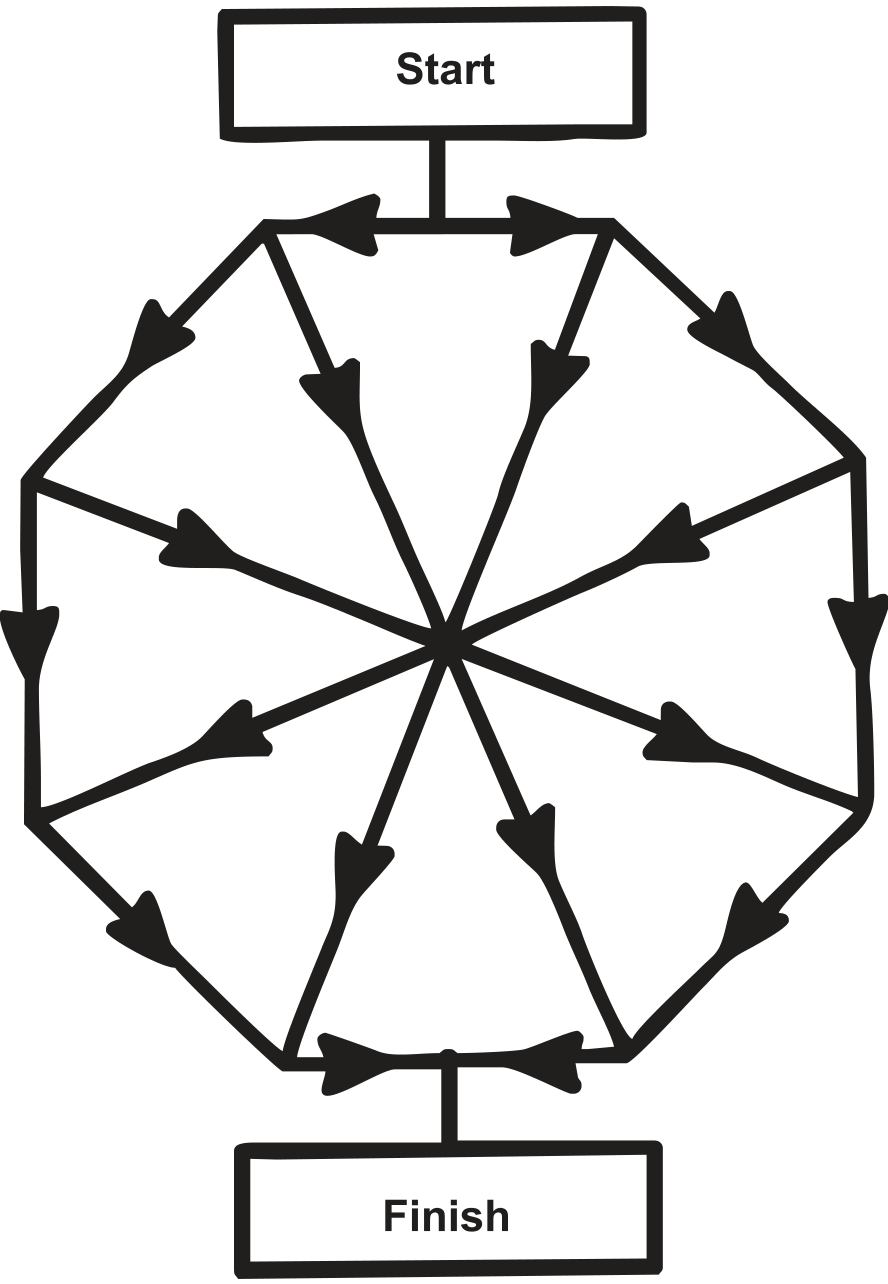
How many different paths can lead you through
the octagonal maze below. from start to finish,
you can only move in the direction of the arrows
© 2011 Copyright Nithya Gnanadhan Trust
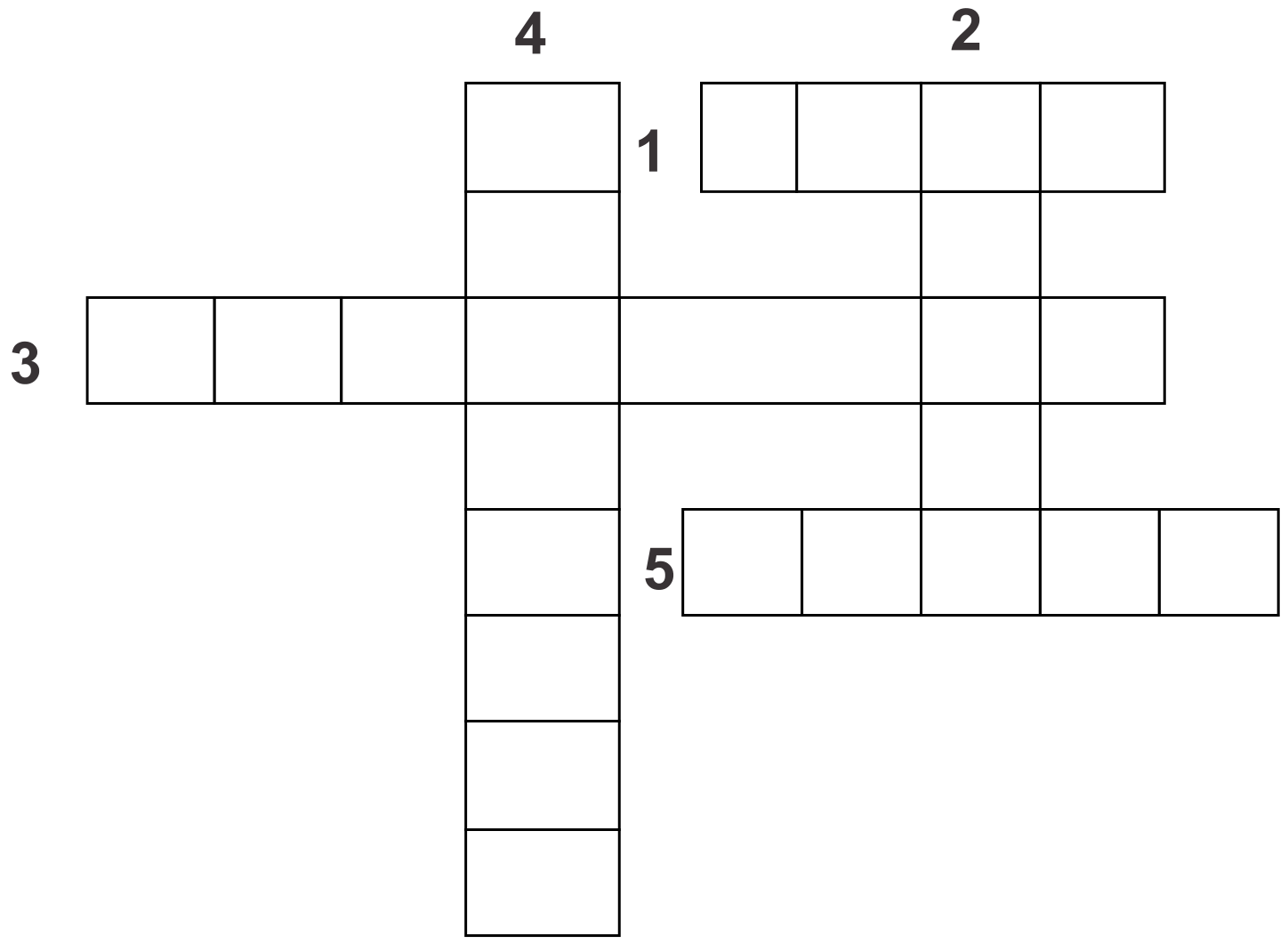
3. Cross word puzzle
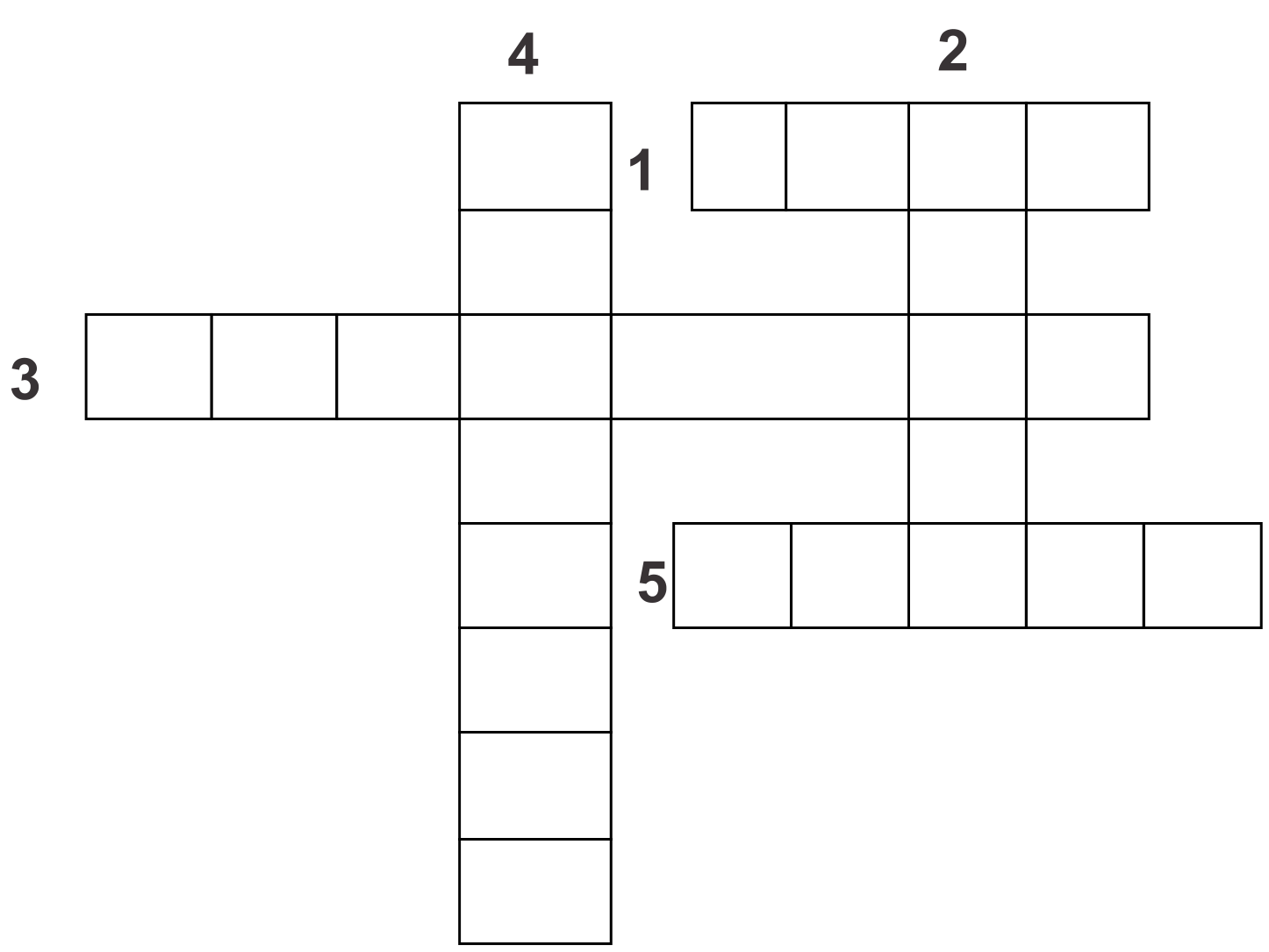
1.Unknown black hole
2.Active form of fear
3.Facing fear
4.Absence of light
5.Fear is the deeper dimension of this
4. HANDS-ON / MINDS-OFF
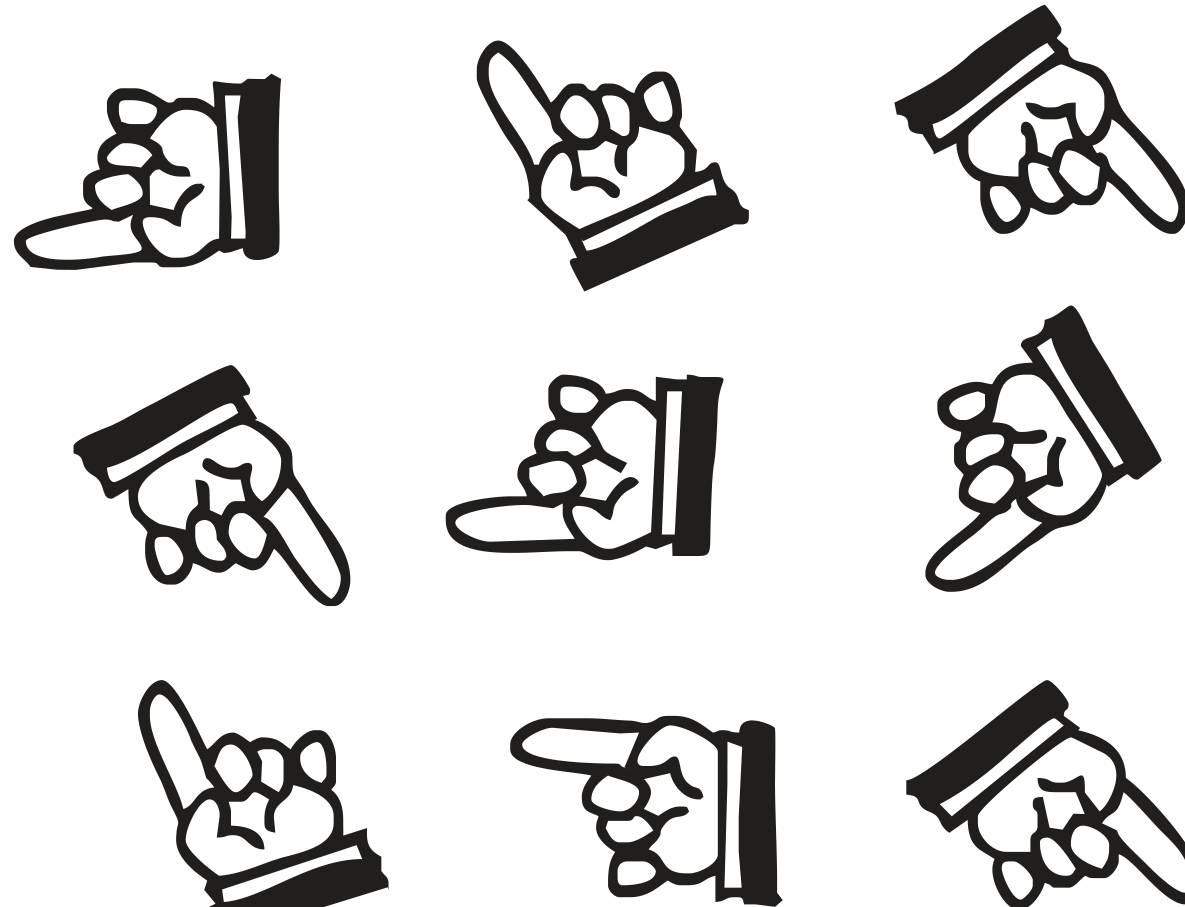
Examine each of these hands carefully. then
decide which one of the nine is unlike all the others?
[Figure: FEAR]
5. Match the following
1. Fear - Escape
2. Courage - Life happening
3. Fear strokes - Is Action (verb)
4. Mind - Handle fear in ease
5. Change - Unknown black hole
6. Insecurity - Startle, Body shakes
1. Put cross for the pictures which creates fear
[Figure: Dog in fire]
[Figure: Child on building]
[Figure: People running]
[Figure: FEAR]
2. You are going with your parents for the fair, suddenly you
are lost in the crowd, what will you do ? talk about it
[Figure: FEAR]
3. Find the rhyming words and write any similar rhyming words
1. Fear, Sphere, Pear
2. Energy, Allergy, Biology
3. Dark, Soak, Bark
4. Cry, Dry, Fly
5. Courage, Garbage, Foliage
4. Thread pulling painting on danger sign

[Figure: FEAR]
5. Match with the other half to make meaningful
word and write the words
1. Fe ( a, ar, lr )
2. Wo ( rry, ray, yar )
3. Futu ( er, re, rr )
4. Cour ( gea, age, eag )
5. Pho ( bia, bye, bea)
6. Emo ( ton, tion, sion )
7. An ( gre, gar, ger )
8. Phan ( tem, tum, tom )
9. Iden ( tity, titi, tite )
10. Place ( po, boo, bo )
6. Find the scrambled words and write
eafr
oracueg
lcrue
cetpacnec
toesrks eafr
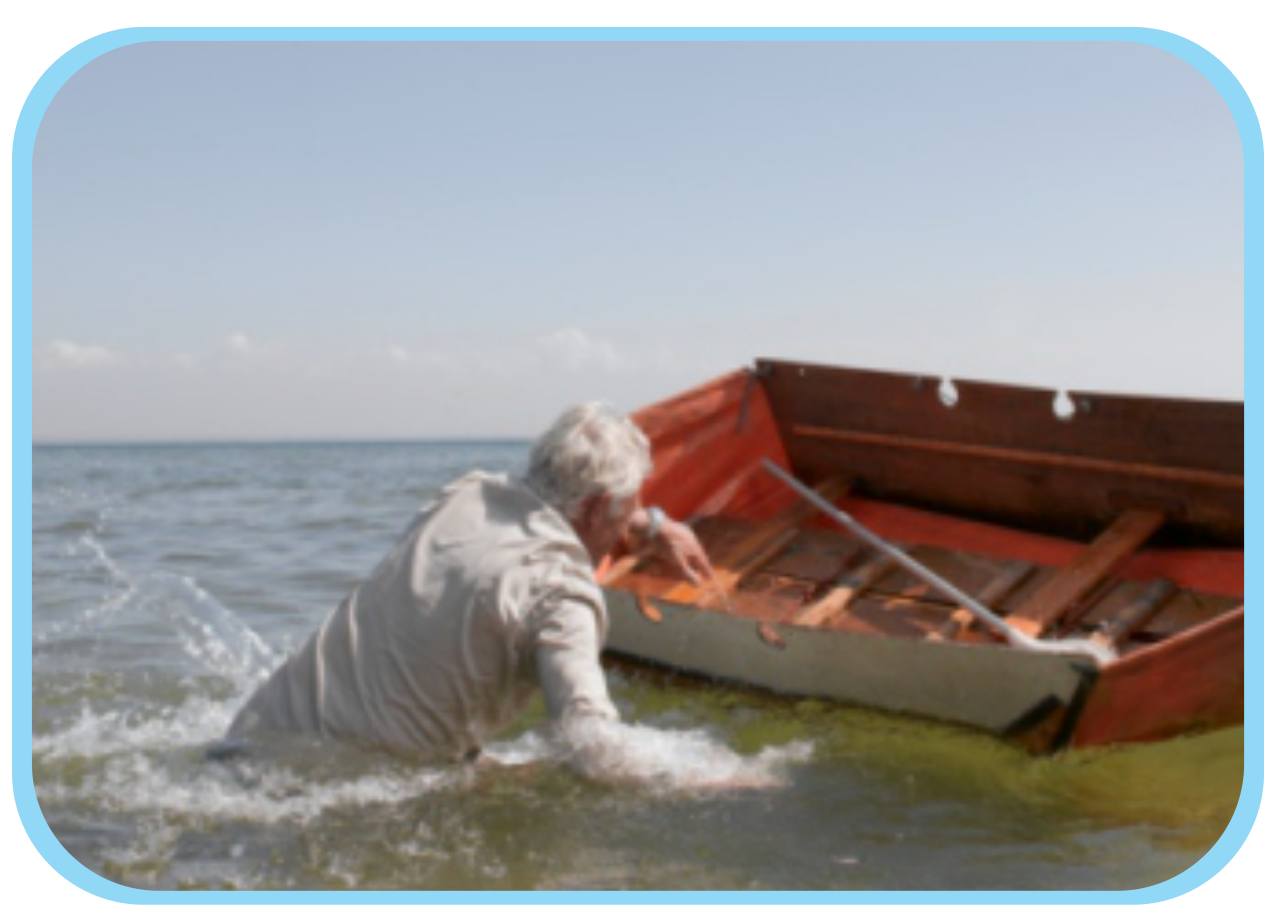
7. How will he manage this situation
[Figure: A red car]
8. Cross word puzzle
1.Unknown black hole
2.Active form of fear
3.Facing fear
4.Absence of light
5.Fear is the deeper dimension of this
[Figure: FEAR]
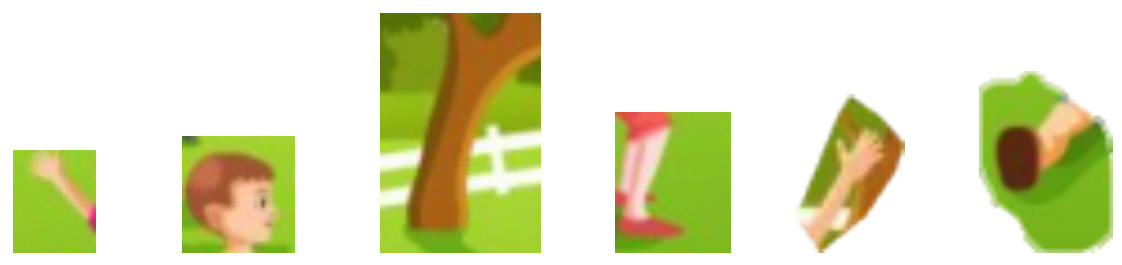
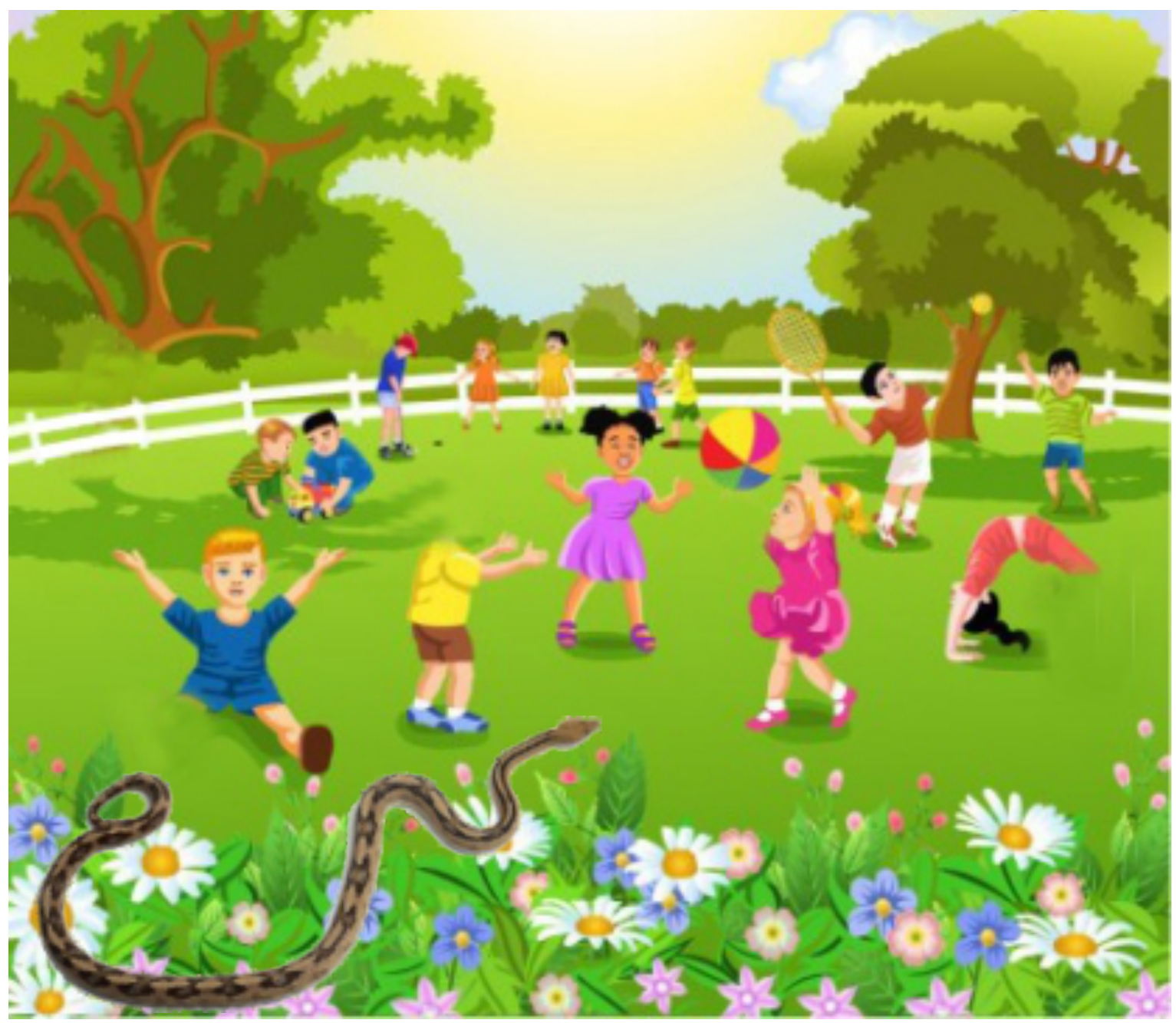
9. Find the missing part in the scene
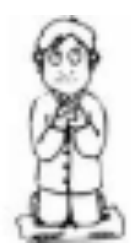
10. Help the man to come out of fear
© 2011 Copyright Nithya Gnanadhan Trust

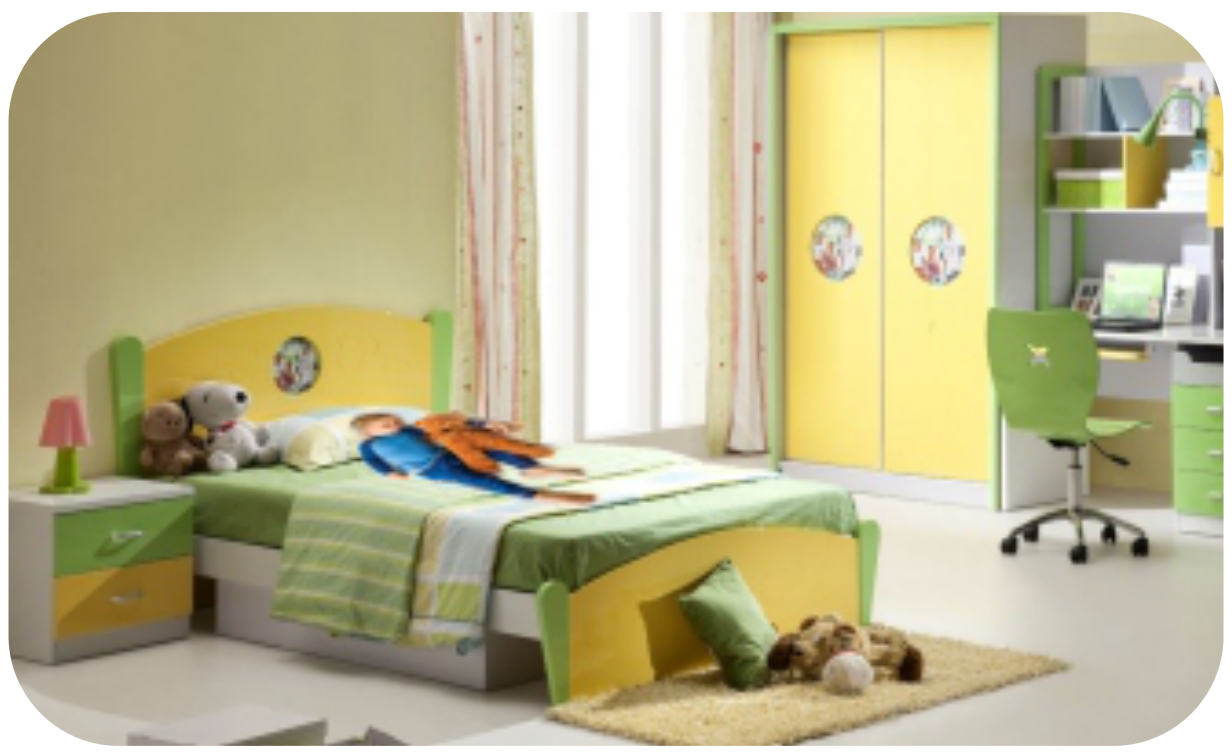
11. Find the difference between the two pictures
[Figure: FEAR]
FEAR - ANSWERS
1 a) worry
2 a) it is form of energy
3 c) Accepting responses
4 a) Flight or fight response
5 b) societal
6 a) pure desire
7 c) fear
8 b) Fight between potentiality and negative approach to future
9 b) you will not have fear
10 b) you will not have fear
11 a) you will have fear
12 b) fear
13 a) absence of knowledge
14 a) ignorance
15 b) Surrender
16 c) Realization
17 c) facing fear
18 c) Fear
19 a) Part of nature of life
20 b) definite and known
21 b) Courage to face fear
22 a) losing identity
23 a) facing fear
24 a) rejenuvation center
25 b) Social fears
26 b) Anger
27 b) weaken the immune system
28 a) When you watch thrilling movies
29 b) Helps in survival and it is spontaneous
30 a) Fear of unknown
[Figure: FEAR]
FEAR (8 -14) ANSWER KEY
1. Match with other half
1) fear, 2) worry, 3) future, 4) courage 5) Phobia, 6) Emotion, 7) Anger,
8) Phantom, 9) Identity, 10) Placebo.
2. Stop and think
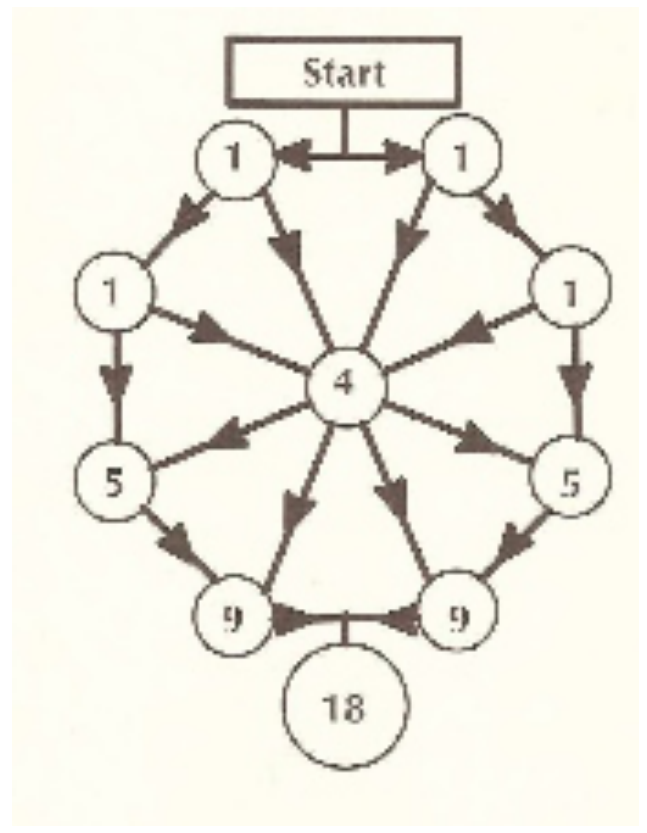
3. Cross word
1) Fear, 2) Anger, 3) courage, 4) Darkness, 5) Worry
4. Hands on minds off
The bottom row center hand is unlike the others, it alone is
the right hand.
5. Match the following:
1-E, 2-D, 3-F, 4-C, 5-B, 6-A
[Figure: FEAR]
FEAR (4 - 7) ANSWER KEY
5. Match with other half
1) fear, 2) worry, 3) future, 4) courage, 5) Phobia, 6) Emotion 7) Anger,
8) Phantom, 9) Identity, 10) Placebo.
6. Scramblde words
1) Fear 2) Courage 3) Ulcer 4) acceptance
5) Fear strokes
8. Cross word
1) Fear 2) Anger 3) courage 4) Darkness 5) Worry