LESSON: 2
This text was machine-transcribed from the printed book and may contain errors. Select the words and choose “Report a mistake”.
Introduction: Talk about pain. Ask them to remember the points we have already discussed and understand the concept of pain.
Goals: Reiterate the different types of pain, phantom pain, physical pain and how it affects us, and how to focus on the pain and make it go away.
Click: Mind has tremendous influence over the body
About the topic: Phantom pain is pain felt in a part of the body that no longer exists. Such an example is an amputee complaining of pain in his legs, even after his legs were removed. Research shows us that each part of the body is related to a certain part of the brain and that even after it is removed, the brain stills show activity vibrating in that area. Placebo effect proves the tremendous influence of mind over body. A simple sugar pill posing as a painkiller can actually replicate the effect of a painkiller. Perception of physical pain is how we see things. When a child falls down, by observing our reaction, they start to cry, but when we don't add any negative importance to it, it can be changed into something different. It won't hurt him. Sometimes we invite pain upon ourselves, and then get upset, that it is there. We need to focus on the pain and rid ourselves of it. E.g. push glasses on specs up or rearrange when not even wearing, or run your hands through your hair after you have shaved your head. People have complained of having pain in their limbs after having an operation to remove them). Children who are overprotected are scared of life. Nature takes care of everything. We constantly insert the virus that life is dangerous in the children. They have to understand that life takes care.
PAIN
Assessment: • Explain the different aspects of pain and what they mean. • Ask questions regarding pain, whether physical, emotional and mental. Make sure they understand the differences. • What is pain? • Give examples of the different types of pain. • What does phantom mean? (Something that does not exist). • Have you ever seen your mind do something just out of memory? • What is an example of 'placebo effect'? • What is the meaning of 'phantom'? • What is an example of 'phantom pain'? • What happens in the brain when there is pain?
Evaluation: Ask them how they can apply this to their daily lives Next time they have a pain, what will they do? How will you react? How do you see pain now? Quiz them by asking about the different types of pain and the terms we learned.
Conclusion: Focus on pain and rid ourselves of it.
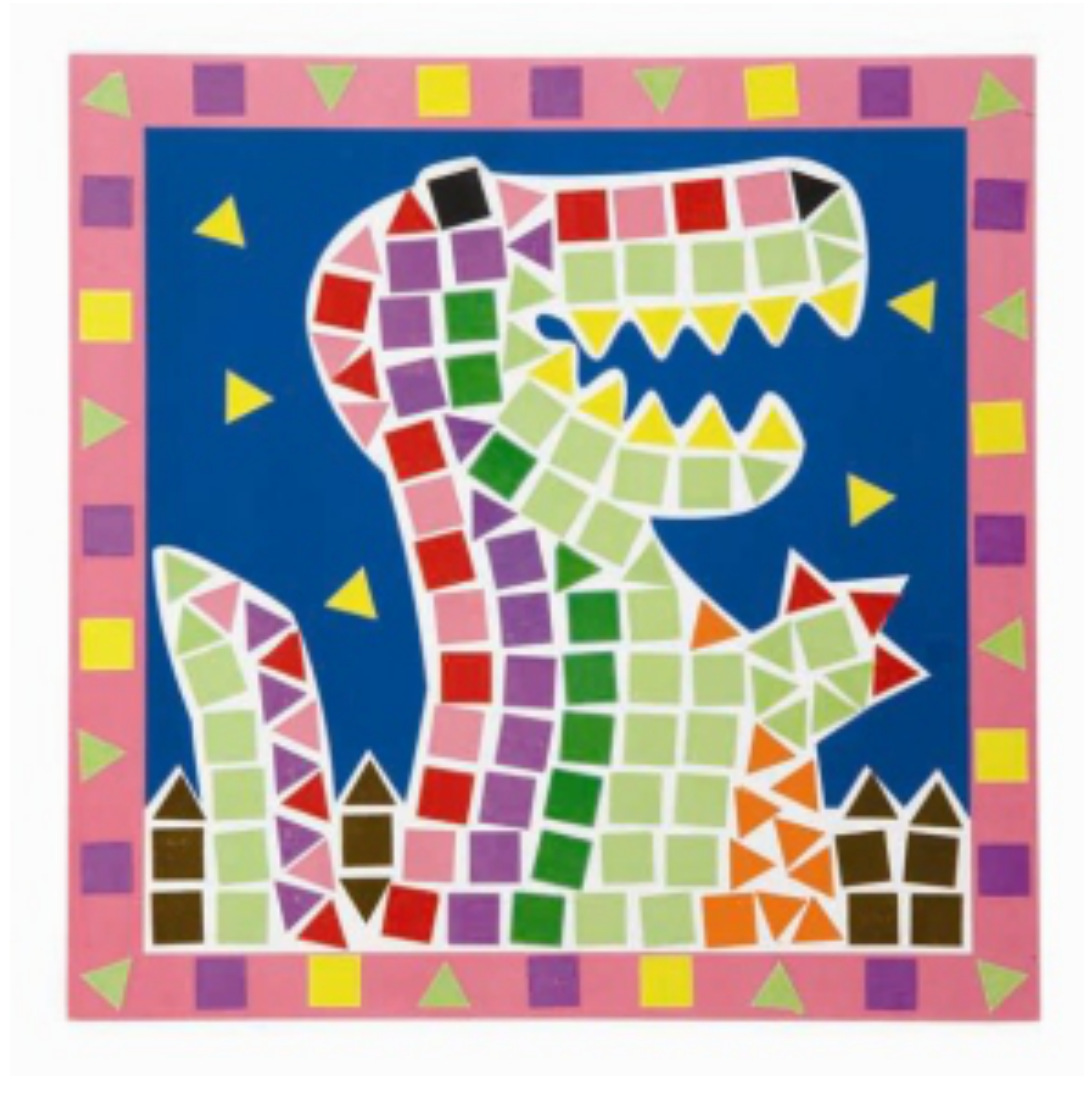
Art of the day: Photo mosaic Art
Materials needed: Paper, pencil or sketch pen
Procedure: Ask the children to draw multiple pictures, which are all part of one big picture. You can also show a sample of photo mosaic art.
Interpretation: Pain is caused by multiple factors
© 2011 Copyright Nithya Gnanadhan Trust
PAIN
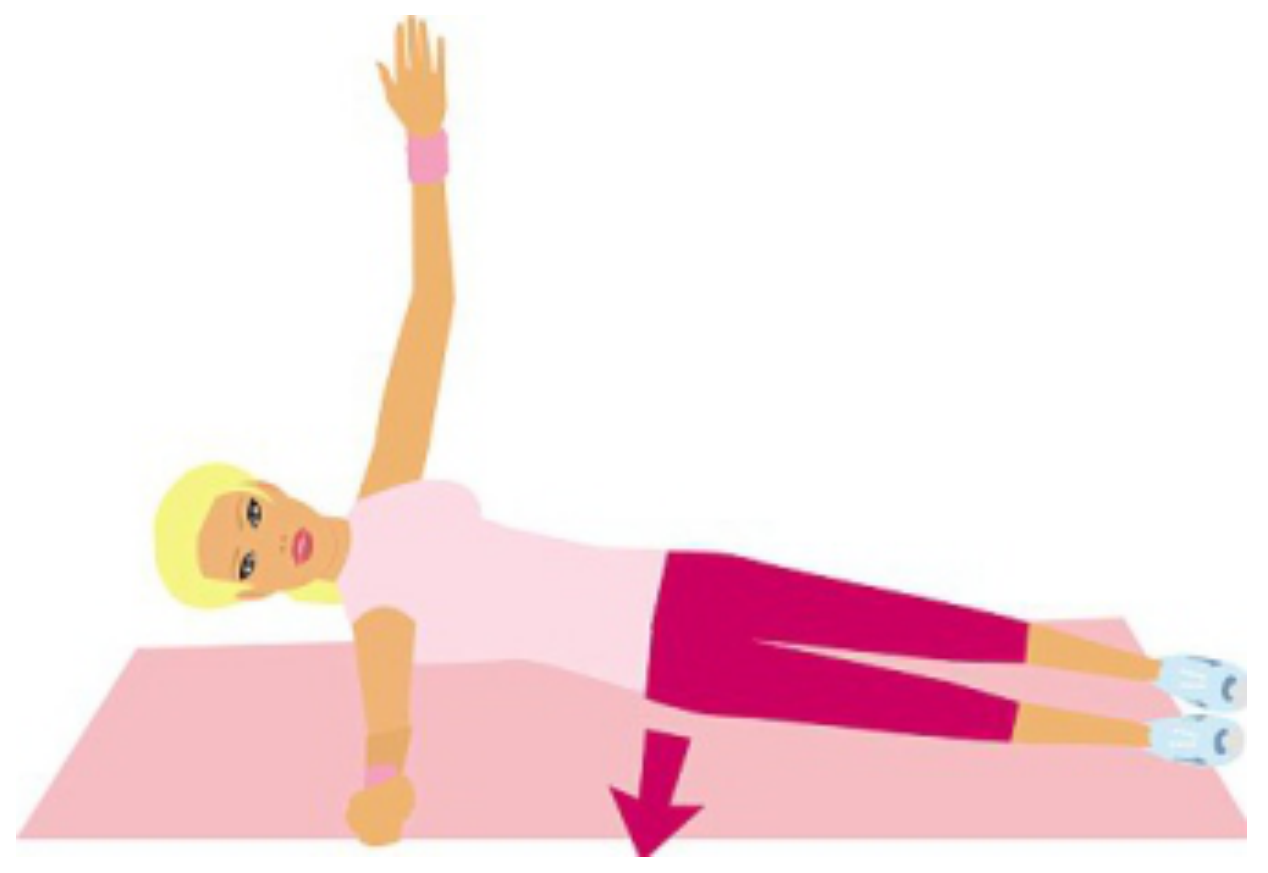
Activity of the day - Body freeze meditation.
Have all the students lie down in a comfortable position and explain how we are going to freeze our bodies in order to remove pain. Tell them to be frozen solid, not moving a muscle and visualize each area freezing completely. After they have finished ask them how they feel.
© 2011 Copyright Nithya Gnanadhan Trust

Work shop -1 Analyze where thoughts come from.
Topic of discussion: Give each child few situations and ask each child where the thoughts come from
Explanation: Give each child a situation; ask each one to analyze when the thoughts come, whether they belong to worry, pain, fear, greed, happiness or anger.
For example: Give a child the situation, that he/she is the owner of a big company. Ask them what could be the thoughts that arise in them. Do they have any thoughts of pride and so on? Give another situation which voices 'I own this whole place, I a m very capable' Offer yet another situation like A beggar child is going to each shop and asking for money; nobody is even bothered to look at her. What will her thoughts be like? 'I am not worthy' or 'nobody is good', and so on.
Interpretation: By doing this activity the child is enabled to analyze his thought patterns and his actions.