chapter 6: bandha
This text was machine-transcribed from the printed book and may contain errors. Select the words and choose “Report a mistake”.
बंध Re-Aligning the Energy flow
Bandha is a Sanskrit term that means
'conducive to'. It is the active
maintenance of a state of pressure in
the body by the yogi, initially
practiced and eventually naturally
occurring contractions of different
body parts. Bandhas are performed
by making muscular and
diaphragm contractions in specific
parts of the body that pump energy
into dormant or stagnant areas of the
body. Without bandhas, energy
tends to leak out, tends to be
blocked, or dissipated and out of
sync as a cause of our lifestyle etc.
Here Bandhas are the bridge
between the disconnected areas of
the energy circuit. This is the reason
that this pumping and re-alignment
of Prana and Kundalini Shakti,
brings tremendous healing and
balancing to the physical, emotional
and neurological systems.
Bandhas are practised along with
many Asanas and Pranayamas to
bring the Prana Shakti also known as
our vital energies under control.The
difference between Mudra and
Bandha is that the Bandha is
practising a focus,and maintaining
that lock as long as possible,
whereas the actions of contracting
and releasing are more indicative of
a Mudra.
Bandhas assist in pushing the
Kundalini energy up the spine.The
muscular contractions help prevent
the energy from flowing back
downwards and getting dissipated.
This bandha generate a certain flow
Along the spinal column, there are
energy points called Chakras which
correspond to major regulatory
glands in the body and also serve as
storehouses and distribution houses
for prana shakti.
There are seven chakras: 1 Mūladhara - the root chakra located in the perineum and associated with the adrenals 2 Swadhisthana - chakra located at the level of the pubic bone and associated with the reproductorý organs 3 Manipura - chakra located at the navel and associated with the pancreas and adrenals 4 Anahata - chakra located at the heart center and associated with the thymus gland 5 Vishuddhi - chakra located at the throat and associated with the thyroids 6 Ajna - chakra located at the point between the eyebrows and associated with the pineal gland 7 Sahasrara - chakra located at the crown of the head and associated with the pituitary gland
Nithyananda Yogis who have had
their Ajna chakra awakened by
Paramahamsa Nithyananda have
highly functioning pineal glands that
allow them to perform superhuman
abilities such as remote viewing,
blindfold reading, and body
scanning. A new human species is
being created where previously
considered superhuman abilities are
now the norm. This is possible by
using the original yogic scriptures
directly which have detailed methods
for empowering the chakras.
The chakras are subtle energy centers
and not physical organs. Performing
Bandhas help to push the Kundalini
energy upward through the chakras.
Thereby diseases can be cured and
the function of their associated
physical, psychological and
neurological systems can be
optimized.
Bandhas are typically practiced
together with pranayama or during
specific asanas.
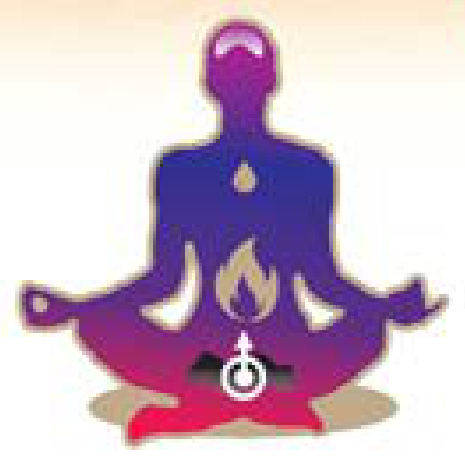
Mūla Bandha - मूल बंध
Mūla Bandha is also known as the root lock happens and works with the Mūladhara Chakra. It is a contraction of the pelvic floor muscles. Pranic energy which normally flows out of the body is prevented from leaking and instead raised to the higher chakra energy centers along the spine. Locking this flow of energy at the base of the spine is referred to as yoni bandha. Mūla-Bandha is the most important Bandha and should be maintained during breathing exercise. The benefit is that it brings perpetual youth.
There are four major bandhas described by in the Yoga Upanishads (e.g. Yoga-Sikhopanishad, 103):
1 Mūla Bandha - मूल बंध - root contraction
2 Uḍḍīyana Bandha - उड्डीयन बन्ध - the net holding contraction
3 Jālandhara bandha - जालन्धर बंध - flying contraction
4 Mahā Mudra - महा मुद्रा - the great mudra, all three bandhas simultaneously
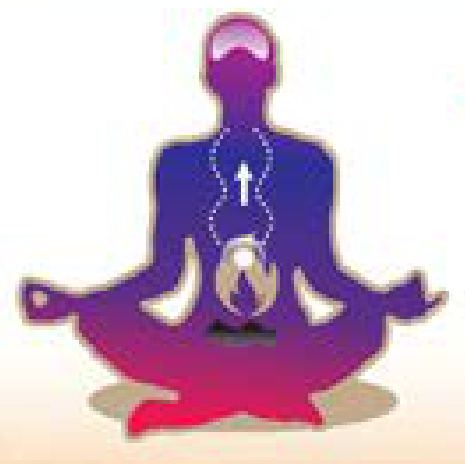
Uḍḍīyana Bandha - उड्डीयन बन्ध -
Uddiyana Bandha is known as the abdominal lock therefor happens in and works with the Manipuraka Chakra. It is performed by bringing the navel in towards the spine. Through this action prana flows more easily into the Sushumna Nadi, the central energy channel along the spine where the kundalini energy can move up the chakra centers.
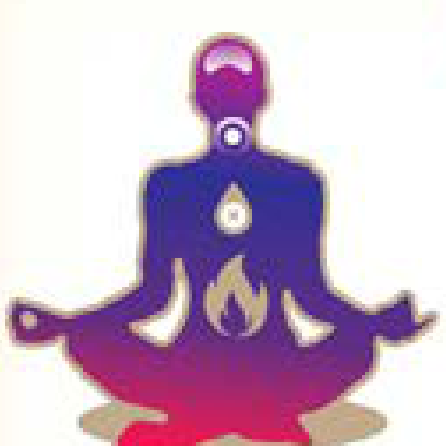
Jālandhara bandha - जालन्धर बंध -
Jālandhara Bandha is known as the throat lock therefor it happens in and works with the Vishuddhi Chakra. It is performed by pressing the chin against the throat between the collar bones. This causes pressure on the neck, which is the center of extreme purity (Vishuddha chakra).
This action prevents the nectar (amrita)
and prana shakti flowing from the head
to drop back down into the abdomen.
Many pathways for this prana shakthi,
nerves, and blood capillaries pass
through the neck. This bandha assists
their function in the area of the head,
throat and shoulders.
Mahā Mudra - महा मुद्रा
Maha Mudra is known as the tryan-bandha, the combination of the three previous bandhas together. It is performed in sequential order, or it happens automatically for the more advanced yogi. It has a powerful effect to awaken the Kundalini Shakti, circulating energy through all the Chakras, and pierce through the psycho/physical knots known as Granthis. This leads to a stronger physiology ready to radiate the state, space and powers of Sadashivattva!
The yogic scriptures mention that through the practice of Bandhas, the old become young, and one overcomes disease and even death.
In this section, we will further explore the original Sanskrit verses on the secret practice of Bandhas.
The Three Bandhas - Instructed by Sadashiva
Śāstra Pramāṇa शास्त्र प्रमाण Yoga-Sikhopanishad (101-103)
बन्धत्रयमथेदानों प्रवक्ष्यामि यथाक्रमम् ।
नित्यं कृतेन तेनासौ वायोजेयमवाप्नुयात् ॥ १०१ ॥
चतुर्णामपि भेदानां कुम्भके समुपस्थिते ।
बन्धत्रयमिदं कार्यं वक्ष्यमाणं मया हि तत् ॥ १०२ ॥
प्रथमो मूलबन्धस्तु द्वितीयोड्डीयनाभिधः ।
जालंधरस्तृतीयस्तु लक्षणं कथयाम्यहम् ॥ १०३ ॥
bandhatrayamathedānīṃ pravakṣyāmi yathākramam | nityaṃ kṛtena tenāsau vāyorjayamavāpnuyāt || 101 || caturṇāmapi bhedānāṃ kumbhake samupasthite | bandhatrayamidaṃ kāryaṃ vakṣyamāṇaṃ mayā hi tat || 102 || prathamo mūlabandhastu dvitīyoḍḍīyanābhidhaḥ | jālaṃdharastṛtīyastu lakṣaṇaṃ kathayāmyaham || 103 ||
Translation
I shall now relate, in the prescribed
order, the three Bandha-s, by
performing which, this (practitioner)
will attain the conquest of vital air.
When Kumbhaka of the four varieties
has been successfully accomplished,
this three-fold Bandha should be
performed. That is related by me
presently. The first is Mula-bandha; the
second is what is known as Uddiyana;
the third is Jalamdhara.
Advanced Yogic Practices: Three Types of Bandhas Revealed
Śāstra Pramāṇa शास्त्र प्रमाण Yoga Kundali-Upanishad (1, 40-41)
चतुर्णामपि भेदानां कुम्भके समुपस्थिते ।
बन्धत्रयमिदं कार्यं योगिभिर्वीतकल्मषैः ॥ ४० ॥
प्रथमो मूलबन्धस्तु द्वितीयोड्डीयनाभिधः ।
जालंधरस्तृतीयस्तु तेषां लक्षणमुच्यते ॥ ४१ ॥
caturṇāmapi bhedānāṃ kumbhake samupasthite | bandhatrayamidaṃ kāryaṃ Yogibhirvītakalmaṣaiḥ || 40 || prathamo mūlabandhastu dvitīyoḍḍīyanābhidhaḥ | jālaṃdharastṛtīyastu teṣāṃ lakṣaṇamucyate || 41 ||
Translation
When Kumbhaka of the four varieties has been well mastered, these three Bandhas should be practiced by the Yogins devoid of impurities. The first is the Mula-Bandha. The second is named Uddiyana. The third is the Jalamdhara.
The Three Bandhas -
Anti-Aging and Enlightening!
Śāstra Pramāṇa शास्त्र प्रमाण Yoga-Sikhopanishad (101-103)
अपानप्राणयोरैक्यं क्षयान्मूत्रपुरीषयोः ।
युवा भवति वृद्धोऽपि सततं मूलबन्धनात् ॥ ४७ ॥
ओड्याणं कुरुते यस्मादविश्रान्तं महाखगः ।
ओड्डियाणं तदेव स्यान्मृत्युमातङ्गकेसरी ॥ ४८ ॥
उदरात् पश्चिमं ताणमधोनाभेर्निगद्यते ।
ओड्याणमुदरे बन्धस्तत्र बन्धो विधीयते ॥ ४९ ॥
बध्नाति हि शिरोजातमधोगामि नभोजलम् ।
ततो जालंधरो बन्धः कण्ठदुःखौघनाशनः ॥ ५० ॥
jālaṃdhare kṛte bandhe kaṇṭhaduḥkhaughanāśane ।
न पीयूषं पतत्यग्नौ न च वायुः प्रधावति ॥ ५१ ॥
apānaprāṇayoraikyaṃ kṣayānmūtrapurīṣayoḥ |
yuvā bhavati vṛddho'pi satataṃ mūlabandhanāt || 47 ||
odyāṇaṃ kurute yasmādaviśrāntaṃ mahākhagaḥ |
oḍḍiyāṇaṃ tadeva syānmṛtyumātaṅgakesarī || 48 ||
udarāt paścimaṃ tāṇamadhonābhernigadyate |
odyāṇamudare bandhastatra bandho vidhīyate || 49 ||
badhnāti hi śirojātamadhogāmi nabhojalam |
tato jālaṃdharo bandhaḥ kaṇṭhaduḥkhaughanāśanaḥ || 50 ||
jālaṃdhare kṛte bandhe kaṇṭhaduḥkhaughanāśane |
na pīyūṣaṃ patatyagnau na ca vāyuḥ pradhāvati || 51 ||
Translation
The Nabho-mudra (Khecari) is the great mudra. That Yogin who knows the Udiyana, Jalamdhara and Mula-bandha is the receptacle of Liberation. That is known as the Mula-bandha, wherein, having pressed the gentlals with the kick of the heel and firmly contracted the same, (the Yogin) should draw the Apana vital air upwards. Even an old man always becomes a young man by means of the Mula-bandha, on account of the union of the Prana and Apana vital airs and the diminution of urine and faeces. Whereby the great bird soars high without effort, that alone is the Udiyana, the lion of the elephant of death. Behind the belly and below the navel, the Bandha is known as the (Pascima) Tana, while it is known as the Udiyana in the belly, where a Bandha is prescribed. Whereby one binds the water of ether having its origin in the head and flowing downwards, for that reason (it is known as) the Jalamdhara-Bandha, which destroys the numerous ailments of the throat. When the Jalamdhara Bandha, which destroys the numerous ailments of the throat, is effected, neither does the nectar flow into the fire, nor does the vital air leap forwards.
bandhas
The Three Bandhas -
success to the accomplishment of Yoga
Śāstra Pramāṇa शास्त्र प्रमाण Yoga-Tattvopanishad (118-122)
कण्ठमाकुञ्च्य हृदये स्थापयेद् दृढया धिया ॥ ११८ ॥
बन्धो जालंधराख्योऽयं मृत्युमातङ्गकेसरी ।
बन्धो येन सुषुम्नायां प्राणस्तूड्डीयते यतः ॥ ११९ ॥
उड्ड्यानाख्यो हि बन्धोऽयं योगिभिः समुदाहृतः ।
पाष्णिभागेन संपीड्य योनिमाकुञ्चयेद् दृढम् ॥ १२० ॥
अपानमूर्ध्वमुत्थाप्य योनिबन्धोऽयमुच्यते ।
प्राणापानौ नादबिन्दू मूलबन्धेन चैकताम् ॥ १२१ ॥
गत्वा योगस्य संसिद्धिं यच्छतो नात्र संशयः ।
kaṇṭhamākuñcya hṛdaye sthāpayed dṛḍhayā dhiyā || 118 || bandho jālaṁdharākhyo'yaṁ mṛtyumātaṅgakesarī | bandho yena suṣumnāyāṁ prāṇastūḍḍīyate yataḥ || 119 || udyānākhyo hi bandho'yaṁ yogibhiḥ samudāhṛtaḥ | pārṣṇibhāgena sampīḍya yonimākuñcayed dṛḍham || 120 || apānamūrdhvamutthāpya yonibandho'yamucyate | prāṇāpānau nādabindū mūlabandhena caikatām || 121 || gatvā Yogasya saṁsiddhiṁ yacchato nātra saṁśayaḥ |
Translation
Constricting the throat (the Yogin) should conceive. it as the heart with a firm intellect. This is known as the Jalamdhara-bandha, the lion of the elephant of death. That Bandha, whereby the Prana (vital air) will leap upwards into the Susumna Nadi and for that reason known as the Uddyana Bandha, this is wellknown to the Yogins. Pressing with the heels, (the Yogin) should constrict the genitals firmly, forcing upwards the Apana vital air.
This is known as the Yoni-bandha. The Prana and the Apana, are the Nada and the Bindu respectively and attaining oneness through the Mulabandha, they impart success to the accomplishment of Yoga. There is no doubt about this.
How to perform Bandhas
Āpta Pramāṇa - आप्त प्रमाण Haṭharatnāvalī II.7-8
पूरकान्ते तु कर्तव्यो बन्धो जालन्धराभिधः ॥
कुम्भकान्ते रेचकादौ कर्तव्यस्तूड्डियानकः ॥ ७ ॥
अधस्तात्कुञ्चनेनाशु कण्ठसङ्कोचने कृते
मध्ये पश्चिमतानेन स्यात्प्राणो ब्रह्मनाडिगः ॥ ८ ॥
Translation
Jālandhara should be practiced after pūraka, while Uḍḍīyāna should be practiced at the end of kumbhaka, but after recaka starts. 7. By contraction of the anal muscle (Mūlabhanda), by contraction of the throat...
pūrakānte tu kartavyo bandho jālandharābhidhaḥ ॥
kumbhakānte recakādau kartavyastūḍḍīyānakaḥ ॥ 7 ॥
adhastākuñcaneñāśu kaṇṭhasaṅkocane kṛte ॥madhye
paścimatānena syātprāṇo brahmaṇāḍīgaḥ ॥ 8 ॥
...(Jālandhara bandha) and pulling the abdominal wall backwards (Uḍḍīyāna bandha), the prana enters into the brahma-nāḍī (suṣumnā).8.
Importance of Bandhas
Āpta Pramāṇa - आप्त प्रमाण Haṭharatnāvalī (2, 68)
बन्धत्रयमिदं श्रेष्ठं महासिद्धैश्च सेवितम् ॥
सर्वेषां योगतन्त्राणां साधनं योगिनो विदुः ॥ ६८ ॥
bhandhatrayamidam śreṣṭham mahāsiddhaiśca sevitam ॥
sarveṣāṃ Yogatantrāṇāṃ sādhanam Yogino viduḥ ॥ 68 ॥
Translation
The set of three Bandhas is of great importance in all the yogic treatises and is even practised by the eminent Siddhas. 68
Apply Three Bandhas
Āpta Pramāṇa - आप्त प्रमाण Haṭharatnāvalī II.69
अधस्तात्कुञ्चनेनाशु कण्ठसङ्कोचने कृते ॥
मध्ये पश्चिमतानेन स्यात् प्राणो ब्रहमनाडिगः ॥ ६९ ॥
adhastātkuñcanenāśu kaṇṭhasaṅkocane kṛte ॥
madhye paścimatānena syāt prāṇo brhamanāḍigaḥ ॥ 69 ॥
Translation
Firmly contract the lower region (Apply Mūlabandha) , contract the throat (Apply Jālandhara bandha) and retract in the middle (Apply Uḍḍīyāna bandha). Thus, prāṇa moves in the Brahmanāḍī. 69
Active Kundalini
through Bandhas
Āpta Pramāṇa - आप्त प्रमाण Haṭharatnāvalī II.70
मूलस्थानं समाकुञ्च्य उड्डियानं तु कारयेत् ॥
इडां च पिङ्गलं बद्ध्वा वाहयेत् पश्चिमं पथम् ॥ ७० ॥
mūlasthānaṃ samākuñcya uḍḍīyānaṃ tu kārayet ॥
iḍāṃ ca piṅgalaṃ baddhvā vāhayet paścimaṃ patham ॥ 70 ॥
Translation
Adopt Mūlabandha and practise Uḍḍīyāna. This closing of iḍā and piṅgalā directs the prāṇa into the posterior path suṣumnā). 70
Delay Aging and Death through Bandhas
Āpta Pramāṇa - आप्त प्रमाण Haṭharatnāvalī II.71
अनेनैव विधानेन प्रयाति पवनो लयम् ॥
ततो न जायते मृत्युर्जरा रोगादिकं तथा ॥ ७१ ॥
anenaiva vidhānena prayāti pavano layam ||
tato na jāyate mṛtyutjarārogādikaṃ tathā || 71 ||
Translation
Adherence to such techniques alone merges the pavana into the laya state, which retard untimely death, diseases and old age etc. 71
bandhas
Description of Three Bandhas
Āpta Pramāṇa - आप्त प्रमाण Nathamuni Yoga Rahasya I.60
उड्डीयानो मूलबन्धः जालंघर इति त्रिधा ।
बन्धा मुख्याः प्राणवृत्ति निरोधे सहकारिणः ॥
uḍḍīyāno mūlabandhaḥ jālaṃdhara iti tridhā |
bandhā mukhyāḥ prāṇavṛtti nirodhe sahakāriṇaḥ ||60||
Translation
In disciplining the breath, the three types of Bandhas- Uddiyana Bandha, Mula bandha and Jalamdhara Bandha are of great importance.
Proper Understanding Brings Results
Āpta Pramāṇa - आप्त प्रमाण Nathamuni Yoga Rahasya I.61
बन्धत्रयरहस्यं यो न जानाति विशेषतः ।
प्राणायामास्तस्य सिद्धिं नैव दद्युः कृता अपि ॥
bandhatrayarahasyaṃ yo na jānāti viśeṣataḥ |
prāṇāyāmāstasya siddhiṃ naiva dadyuḥ kṛtā api || 93 ||
Translation
For one who does not know clearly the special aspects of the three bandas, even if pranayama is practiced, it will not produce the claimed benefits.
When to Bandhas?
Āpta Pramāṇa - आप्त प्रमाण Nathamuni Yoga Rahasya I.93
भुक्तः प्रागेव कुर्वीत भुक्तो यामद्वयं त्यजेत् ।
श्वासोच्छ्वासौ यदा सिद्धौ दीर्घसूक्ष्मी न वेगतः ॥
bhukteḥ prāgeva kurvīta bhukto yāmadvayaṃ tyajet |
śvāsocchvāsau yadā siddhau dīrghasūkṣmau na vegataḥ || 93 ||
Translation
Pranayama along with the Bandhas must be done either before food or six hours after a meal, so that the exhalation and inhalation are long, smooth and not rapid.

Removing Diseases with Bandhas and Pranayama
Āpta Pramāṇa - आप्त प्रमाण Nathamuni Yoga Rahasya II.50
मूलोड्याने जालधृतिर्बन्धत्रिकयुतो यदि ।
प्राणायामस्सर्वरोगमूलोन्मूलनकारकः ॥ ५० ॥
mūloḍyāne jāladhṛtitbandhatrikayuto yadi |
prāṇāyāmassarvarogamūlonmūlanakārakaḥ || 50 ||
Translation
When pranayama is done along with the three Bandhas, Mula Bandha, Uddiyana Bandha and Jalamdhara Bandha, the roots of all diseases are removed.
Bandhas only Before Food
Āpta Pramāṇa - आप्त प्रमाण Nathamuni Yoga Rahasya II.51
भुक्तेः पूर्वं प्रकुर्वीत योगी बन्धत्रयं सदा ।
रेचकात्परतो मूलं बद्ध्वोत्थाप्य च तद्दृढम् ॥ ५१ ॥
bhukteḥ pūrvam prakurvīta yogī bandhatrayaṁ sadā |
recakātparato mūlaṁ baddhvotthāpya ca taddṛḍham || 51 ||
Translation
The Yogi must practice the three Bandhas only before taking food. Through recaka, the Muladhara which is lifted is firmly held up.
Instruction on the Timing for Bandhas
Āpta Pramāṇa - आप्त प्रमाण Haṭhapradīpikā of Svātmārāma IV.34
पूरकान्ते तु कर्तव्यो बन्धो जालन्धराभिधः ॥
कुम्भकान्ते रेचकदौ कर्तव्यस्तूड्डियनकः ॥३४॥
pūrakānte tu kartavyo bandho jālandharābhidhaḥ |
kumbhakānte recakdau kartavyastūḍḍīyanakaḥ ||34||
Translation
Jālandhara Bandha (chin lock) should be practiced after pūraka, while Uḍḍīyāna should be practised at the end of kumbhaka, but before recaka starts. 34
The Mula Bandha Explained
Śāstra Pramāṇa शास्त्र प्रमाण Yoga-Sikh upanishad (104-105)
गुदं पाष्र्ण्या तु संपीड्य वायुमाकुञ्चयेद् बलात् ।
वारं वारं यथा चोध्वं समायाति समीरणः ॥ १०४ ॥
प्राणापानौ नान्दबिन्दू मूलबन्धेन चैकताम् ।
गत्वा योगस्य संसिद्धिं यच्छतो नात्र संशयः ॥ १०५ ॥
gudaṃ pārṣṇyā tu saṃpīḍya vāyumākuñcayed balāt |
vāraṃ vāraṃ yathā cordhvaṃ samāyāti samīraṇaḥ || 104 ||
prāṇāpānau nāndabindū mūlabandhena caikatām |
gatvā Yogasya saṃsiddhiṃ yacchato nātra saṃśayaḥ || 105 ||
Translation
Pressing the anus with the heel, (the practitioner) should forcibly draw up the vital air in such a way that the air would move upwards stage by stage. The Prana and Apana (vital airs), as also the Nada (intellect)and the Bindu (mind), becoming one by means of the Mula-bandha, bestow the successful accomplishment of Yoga. Herein there is no doubt.
Śāstra Pramāṇa शास्त्र प्रमाण Haṭhapradīpikā of Svātmārāma V.79
अथ मूल-मुद्रापार्ष्णीभागेन सम्पीड्य योनिमाकुञ्चयेद् गुदम् ॥
अपानमूर्ध्वम्-आकृष्य मूलबन्धोऽयमुच्यते ॥७९॥
atha mūla-mudrāpārṣṇībhāgena sampīḍya yonimākuñcayed gudam |
apānamūrdhvam-ākṛṣya mūlabandho'yamucyate ||79||
Translation
Press the perineum with the heel, contract the anus and raise the apana upwards. This is called Mula-Bandha. 79
The Mula-bandha - for True Yogis!
Śāstra Pramāṇa शास्त्र प्रमाण Yoga Kundali-Upanishad (1. 42-46)
अधोगतिमपानं वृपे ऊर्ध्वगं कुरुते बलात् ।
आकुञ्चनेन तं प्राहुर्मूलबन्धोऽयमुच्यते ॥ ४२ ॥
अपाने चोर्ध्वगे याते संप्राप्ते वह्निमण्डले ।
ततोऽनलशिखा दीर्घा वर्धते वायुना हता ॥ ४३ ॥
ततो यातौ वह्न्यपानौ प्राणमुष्णस्वरूपकम् ।
तेनात्यन्तप्रदीप्तेन ज्वलनो देहजस्तथा ॥ ४४ ॥
तेन कुण्डलिनी सुप्ता संतप्ता संप्रबुध्यते ।
दण्डाहतभुजङ्गीव निश्वस्य ऋजुतां व्रजेत् ॥ ४५ ॥
बिलप्रवेशतो यद्वद्ब्रह्मनाड्यन्तरं व्रजेत् ।
तस्मान्नित्यं मूलबन्धः कर्तव्यो योगिभिः सदा ॥ ४६ ॥
adhogatimapānaṁ vai ūrdhvagaṁ kurute balāt |
ākuñcanena taṁ prāhurmūlabandho'yamucyate ||42 ||
apāne cordhvage yāte saṁprāpte vahnimaṇḍale |
tato'nalaśikhā dīrghā vardhate vāyunā hatā || 43 ||
tato yātau vahnyapānau prāṇamuṣṇasvarūpakam |
tenātyantapradīptena jvalano dehajastathā || 44 ||
tena kuṇḍalinī suptā saṁtaptā saṁprabudhyate |
daṇḍāhatabhujaṅgīva niśvasya ṛjutāṁ vrajet || 45 ||
bilapraveśato yatra brahmanāḍyantaraṁ brajet |
tasmānnityaṁ mūlabandhaḥ kartavyo Yogibhiḥ sadā || 46 ||
Translation
When one makes the Apana with the downward course move upwards by force, by constriction (of the sphincter-muscle of the rectum) as they call it, this is known as Mula-bandha. When the Apana coursing upwards reaches the region of fire, then the flame of fire, caused by the vital air to move up, increases in its height. When the fire and the Apana reach the heated Prana (vital air), then by that (Prapa) in an overheated condition is a flame generated in the body. By that flame the sleeping Kundalini, being very much heated, is roused and like a snake belaboured with a stick, becomes erect with hissing and by way of entering its hole, reaches the interior of the Brahma-nadi - Hence should always be practiced the Mula-bandha by the Yogins.
Mula Bandha
Śāstra Pramāṇa शास्त्र प्रमाण Dhyana-bindu Upanisad (73-74)
अपानप्राणयोरैक्यं क्षयान्मूत्रपुरीषयोः ॥ ७३ ॥
युवा भवति वृद्धोऽपि सततं मूलबन्धनात् ।
पार्ष्णिभागेन संपीड्य योनिमाकुञ्चयेद्गुदम् ॥ ७४ ॥
apānaprāṇayoraikyaṃ kṣayānmūtrapurīṣayoḥ || 73 ||
yuvā bhavati vṛddho'pi satataṃ mūlabandhanāt |
pārṣṇibhāgena sampīḍya yonimākuñcayedgudam || 74 ||
Translation
By the diminution of urine and fences is attained the union of the Prana and the Apana vital airs. By performing Mula-bandha always, even an old man becomes young. By pressing the genitals with the heels, (the Yogin) should contract the anus, by drawing the Apana upwards: This is known as Mulabandha.
bandhas

Opening the Susumna by Kumbhaka
Śāstra Pramāṇa शास्त्र प्रमाण Sandilyopanishad VI, 36.1-36.4
आकुञ्चनेन कुण्डलिन्याः कवाटमुद्घाट्य
मोक्षद्वारं विभेदयेत् ॥ ३६-१ ॥
येन मार्गेण गन्तव्यं तद्वारं मुखेनाच्छाद्य
प्रसुप्ता कुण्डलिनी कुटिलाकारा सर्पवद्वेष्टिता भवति ॥ ३६-२ ॥
सा शक्तिर्येन चालिता स्यात् स तु मुक्तो भवति ।
सा कुण्डलिनी कण्ठोर्ध्वभागे सुप्ता चेद्योगिनां मुक्तये भवति ।
बन्धनायाधो मूढानाम् ॥ ३६-३ ॥
इडादिमार्गद्वयं विहाय सुषुम्नामार्गेण गच्छेत् तद्विष्णोः परमं पदम् ॥ ३६-४ ॥
ākuñcanena kuṇḍalinyāḥ kavāṭamudghāṭya
mokṣadvāraṁ vibhedayet || 36-1 ||
yena mārgeṇa gantavyaṁ taddvāraṁ mukhenācchādya
prasuptā kuṇḍalinī kuṭilākārā sarpavadveṣṭitā bhavati || 36-2 ||
sāśaktiryena cālitā syāt sa tu mukto bhavati |
sā kuṇḍalinī kaṇṭhordhvabhāge suptā cedYogināṁ muktaye bhavati |
bandhanāyādho mūḍhānām || 36-3 ||
iḍādimārgadvayaṁ vihāya suṣumnāmārgeṇagacchet tadviṣṇoḥ paramam padam || 36-4 ||
Translation
"Forcing open the door of the Kundalini, by constriction (of the anus), (the Yogin) should burst through the door of liberation the Kundalini, sleeping with its face covering the very door through which (the Yogin) has to move upwards, is encoiled with a crooked form like a serpent. By whomsoever that power is roused, he is verily liberated. Should that power sleep in the portion above the throat, that will conduce to the liberation of the Yogin-s. Should it be below (the throat), that will be for the bondage of the ignorant. Should he adopt the Susumna course, giving up the two courses of the Ida (and the Pingala), then (would he reach), the highest state of Visnu."
Destroyer of decay and death - MulaBandha
Śāstra Pramāṇa शास्त्र प्रमाण Shiva Samhita(BA)-IV.41
अथ मूलबन्धः ।
पादमूलेन संपीड्य गुदमार्गं सुयन्त्रितम् ।
कल्पितोऽयं मूलबन्धो जरामरणनाशनः ॥ ४१ ॥
atha mūlabandhaḥ |
pādamūlena sampīḍya gudamārgaṁ suyantritam |
kalpito'yaṁ mūlabandho jarāmaraṇanāśanaḥ || 41 ||
Translation
Pressing well the anus with the heel,
forcibly draw upwards the apana vayu
slowly by practice. This is described as
the Mula-Bandha - destroyer of decay
and death.
bandhas
MulaBandha becomes Yoni-Mudra once Apana and Prana Vayus Unite
Śāstra Pramāṇa शास्त्र प्रमाण Shiva Samhita(BA)-IV.42
अपानप्राणयोरैक्यं प्रकरोत्यधिकल्पितम् ।
बन्धेनानेन सुतरां योनिमुद्रा प्रसिद्ध्यति ॥ ४२ ॥
apānaprāṇayoraikyaṁ prakarotyadhikalpitam |
bandhenānena sutarāṁ yonimudrā prasiddhayati || 42 ||
Translation
If, in the course of the practice of the
Bandha, the Yogi can unite the apana
with the prana vayu, then it becomes of
course the Yoni-Mudra.
Yoni Mudra: levitation and Moves in Air
Śāstra Pramāṇa शास्त्र प्रमाण Shiva Samhita(BA)-IV.43
सिद्धायां योनिमुद्रायां किं न सिध्यति भूतले ।
बन्धस्यास्य प्रसादेन गगने विजितालसः ॥
पद्मासने स्थितो योगी भुवमुत्सृज्य वर्तते ॥ ४३ ॥
siddhāyāṁ yonimudrāyāṁ kiṁ na sidhyati bhūtale |
bandhasyāsya prasādena gagane vijitālasaḥ |
padmāsane sthito yogī bhuvamutsṛjya vartate || 43 ||
Translation He who has acomplished Yoni-Mudra, what can he not accomplish in this world. Sitting in the padmasana posture, free from idleness, the Yogi, leaving the ground, moves through the air, by virture of this Mudra.
Śāstra Pramāṇa शास्त्र प्रमाण Shiva Saṁhitā(BA)-IV.44
सुगुप्ते निर्जने देशे बन्धमेनं समभ्यसेत् ।
संसारसागरं तर्तुं यदीच्छेदयोगि पुंगवः ॥ ४४ ॥
sugupte nirjane deśe bandhamenaṁ samabhyaset |
saṁsārasāgaraṁ tartuṁ yadicchedYogī puṁgavaḥ || 44 ||
If the wise Yogī is desirous of crossing the ocean of the world, let him practise this Bandha in secret, in a retired place.

bandhas
Mula Bandha - Key to Anti-Aging
Āpta Pramāṇa - आप्त प्रमाण Goraksh Paddhati I.81-82
पार्ष्णिभागेन संपीड्य योनिमाकुञ्चयेद्गुदम् ।
अपानमूर्ध्वमाकृष्य मूलबन्धो विधीयते ॥ ८१ ॥
अपानप्राणयोरैक्यात् क्षयो मूत्रपुरीषयोः ।
युवा भवति वृद्धोपि सततं मूलबन्धनात् ॥ ८२ ॥
pārṣṇibhāgena sampīḍya yonimākuñcayegdudam|
apānmūrdhvamākṛṣya mūlabandho vidhīyate|| 81||
apānaprāṇayoraikyāt kṣayo mūtrapurīṣayoḥ |
yuvā bhavati vṛddhopi satataṃ mūlabandhanāt || 82 ||
Translation Pressing the left heel against the perineum, [the Yogin] should contract the anus while pulling the apāna [life force] upward. [Thus] is the "root lock" (Mūla-bandha) to be performed. (1.81) By unifying apāna and prāṇa, urine and faeces are reduced. Even if he is old, he becomes young again through the constant [practice of] the root lock. (1.82)
Mula Bandha Brings Success in Yoga
Āpta Pramāṇa - आप्त प्रमाण Haṭhapradīpikā of Svātmārāma V.82
प्राणापानौ नादबिन्दू मूलबन्धेन चैकताम् ॥
ततो योगस्य संसिद्धिं कुरुते नात्र संशयः ॥८२॥
prāṇāpānau nādabindū mūlabandhena caikatām ||
tato Yogasya saṁsiddhiṁ kurute nātra saṁśayaḥ || 82 ||
Translation Mūla-bandha leads to the union of prāṇa and apāna, nāda and bindu, which brings success in Yoga, in which there is no doubt. 82.
Anti Aging Through Mula Bandha
Āpta Pramāṇa - आप्त प्रमाण Haṭhapradīpikā of Svātmārāma V.83
अपानप्राणयोर्-ऐक्यात् क्षयान्-मूत्रपुरीषयोः ॥
युवा भवति वृद्धो ऽपि सततं मूलबन्धनात् ॥ ८३ ॥
apānaprāṇayor-aikyāt kṣayān-mūtrapūrīṣayoḥ ||
yuvā bhavati vṛddho 'pi satataṃ mūlabandhanāt || 83 ||
Translation By the diminution of urine and fœces is attained the union of the Prana and the Apana vital airs. By performing Mula-bandha always, even an old man becomes young. By pressing the genitals with the heels, (the Yogin) should contract the anus, by drawing the Apana upwards: This is known as Mulabandha.
The Science Behind Mula Bandha
Āpta Pramāṇa - आप्त प्रमाण Haṭhapradīpikā of Svātmārāma V.64-65
अपाने चोर्ध्वगे जाते सम्प्राप्ते वह्निमण्डले ॥
तदानलशिखा दीर्घा वर्धते वायुनाहता ॥८४॥
ततो यातौ वह््न्यपानौ प्राणम्-उष्णस्वरूपकम् ॥
तेनाभितः प्रदीप्तस्तु कुतो देहस्य संक्षयः ॥८५॥
apāne cordhvage jāte samprāpte vahnimaṇḍale ||
tadānalaśikhā dīrghā vardhate vāyunāhatā ||84||
tato yātau vahnyapānau prāṇam-uṣṇasvarūpakam ||
tenābhitaḥ pradīptastu kuto dehasya saṁkṣayaḥ ||85||
Translation
When the apāna rises up and reaches the region of fire (navel region), the flame of the fire blazes forth, being stimulated by vāyu. 84.Then the fire and the apāna approach the prāṇa, which is hot by nature, the heat of the body is intensified altogether and the body does not come to decay. 85.
Kundalini Awakening Through Mula Bandha
Āpta Pramāṇa - आप्त प्रमाण Haṭhapradīpikā of Svātmārāma V.66-67
तेन कुण्डलिनी सुप्ता सम्प्रबोध्यते ॥
दण्डाहता भुजङ्गीव निश्चितं ऋजुतां व्रजें ॥८६॥
बिलं प्रवेशिता सा तु ब्रह्मनाड्यन्तरे व्रजेत् ॥
तस्मान्नित्यं मूलबन्धः कर्त्तव्यो योगिभिः सदा ॥८७॥
tena kuṇḍalinī suptā samprabodhyate||
daṇḍāhatā bhujaṅgīva niścitaṁ ṛjutāṁ vrajemm ||86||
bilaṁ praveśitā sā tu brahma-nāḍyantare vrajet ||
tasmānnityaṁ mūlabandhaḥ karttavyo Yogibhiḥ sadā ||87||
Translation
Thus, the unmanifest kuṇḍalinī, being agitated, gets awakened like a snake beaten with a stick certainly becomes straight. 86.Then, just as a serpent enters into a hole, she (kuṇḍalī) enters the brahma-ñadi (suṣumnā). Therefore, a Yogī should always practice Mūla-bandha. 87.
Yogi Becomes Immortal Through Mula Bandha
Āpta Pramāṇa - आप्त प्रमाण Haṭhapradīpikā of Svātmārāma V.88
बन्धं मूलबिलं येन तेन विघ्नो विदारितः ॥
अजरामरतां याति यथा पञ्चमुखो हरः ॥८८॥
bandhaṁ mūlabilaṁ yena tena vighno vidāritaḥ ||
ajarāmaratāṁ yāti yathā pañcamukho haraḥ ||88||
Translation One, who has successfully applied Mūla-bandha, overcomes obstacles. He, like five headed Hara (epithet of Śiva!), overcomes old age and becomes immortal. 88.
Yogi Attains Powers After Three Years
Āpta Pramāṇa - आप्त प्रमाण Haṭhapradīpikā of Svātmārāma V.89
अमृतापूर्ण-देहस्य योगिनो द्वित्रिवत्सरात् ॥
ऊर्ध्वं प्रवर्तिते रेतो ह्यणिमादि-गुणोदयात् ॥८९॥
amṛtāpūrṇa-dehasya Yogino dvitrivatsarāt ||
ūrdhvaṁ pravartite reto hyaṇimādi-guṇodayāt ||89||
Translation In two to three years time, as the body of a Yogi fills up with nectar, and as the energy channelizes upwards, he attains supernatural powers like aṇimā etc. 89.
Yogi Becomes Immortal Through Mula Bandha
Āpta Pramāṇa - आप्त प्रमाण Haṭhapradīpikā of Svātmārāma V.88
पार्ष्णिभागेन सम्पीड्य योनिमाकुञ्चयेद् गुदम् ॥
अपानमूर्ध्वमाकुञ्च्य मूलबन्धो ऽयमुच्यते ॥ ५८ ॥
अधोगतिमपानं वै ऊर्ध्वगं कुरुते बलात् ॥
आकुञ्चनेन तं प्राहुर्मूलबन्धं हि योगिनः ॥ ५९ ॥
गुदं पार्ष्ण्या च सम्पीड्य वायुमाकुञ्चयेद् बलात् ॥
वारं वारं यथा चोर्ध्वं समायाति समीरणः ॥ ६० ॥
प्राणापानौ नादबिन्दू मूलबन्धेन चैकताम् ॥
गत्वा तदा योगसिद्धिं प्राप्नोत्येव न संशयः ॥ ६१ ॥
अपानप्राणयोरैक्यं क्षयो मूत्रपुरीषयोः ॥
युवा भवति वृद्धो ऽपि सततं मूलबन्धनात् ॥ ६२ ॥
अपाने चोर्ध्वगे जाते प्रयाते वह्निमण्डले ॥
तथानलशिखादीप्तिर्वायुना प्रेरिता यथा ॥ ६३ ॥
यातायातौ वह्न्यपानौ मूलरूपस्वरूपकौ ॥
तेनाभ्यन्तः प्रदीप्तस्तु ज्वलनो देहजस्तथा ॥ ६४ ॥
दण्डाहता भुजङ्गीव निश्वितं ऋजुतामियात् ॥
बिलं प्रविष्टेव ततो ब्रह्मनाड्यन्तरं व्रजेत् ॥
तस्मान्नित्यं मूलबन्धः कर्तव्यो योगिभिः सदा ॥ ६५ ॥
Translation
Press the perineum with the heel, contract the anal sphincters and pull the apāna vāyu upwards. This is Mūlabandha. 58
Apāna, which has a downward movement, is forcefully raised upwards by contraction. Yogis call this Mūlabandha. 59
Press the anus with the heel and forcefully contract apāna vāyu repeatedly, so that the vāyu moves upwards. 60
Thus, with the practice of Mūlabandha, prāṇa and apāna, nāda and bindu are united. Then one certainly attains success in Yoga. 61
As a result of consistent practice of Mūlabandha, Apāna and prāṇa are unified, urine and faeces are reduced and even an old person becomes young. 62
bandhas
Yogi Becomes Immortal
Through Mula Bandha
Āpta Pramāṇa - आप्त प्रमाण Haṭhapradīpikā of Svātmārāma V.88
pārṣṇibhgena sampīḍya yonimākuñcayed gudam ॥
apānamūrdhvamākuñcya mūlabandho 'yamucyate ॥ 58 ॥
adhogatimapānam vai ūrdhvagaṃ kurute balāt ॥
ākuñcanena taṃ prāhurmūlabandhaṃ hi Yoginaḥ ॥ 59 ॥
gudaṃ pārṣṇyā ca sampīḍya vāyumākuñcayed balāt ॥
vāraṃ vāraṃ yathā cordhvaṃ samāyāti samīraṇaḥ ॥ 60 ॥
prāṇāpānau nādabindū mūlabandhena caikatām ॥
gatau tadā Yogasiddhiṃ prāpnotyeva na saṃśayaḥ ॥ 61 ॥
apānaprāṇayoraikyaṃ kṣayo mūtrapurīṣayoḥ ॥
yuvā bhavati vṛddho 'pi satataṃ mūlabandhanāt ॥ 62 ॥
apāne cordhvage jāte prayāte vahnimaṇḍale ॥
tathānalaśikhādīptirvāyunā perirtā yathā ॥ 63 ॥
yātāyātau vahnyapānau mūlarūpasvarūpakau ॥
tenābhyantaḥ pradīptastu jvalano dehajastathā ॥ 64 ॥
daṇḍāhatā bhujaṅgīva niścitaṃ ṛjutāmīyāt ॥
bilaṃ praviṣṭeva tato brahmaṇāḍyantaraṃ vrajet ॥
tasmānnityaṃ mūlabandhaḥ kartavyo Yogibhiḥ sadā ॥ 65 ॥
Translation When Apāna rises up and reaches the region of fire (Navel region), the flame of the fire blazes forth, being fanned by vāyu. 63
Then the fire and Apāna take their original form, which intensify the bodily fire. 64
These verses give a rationale of arousal of kuṇḍalinī by the practice of Mūlabandha 65.
bandhas
The Uddiyana Bandha Explained
Śāstra Pramāṇa - शास्त्र प्रमाण Yoga-Sikhopanishad (106-109)
कुम्भकान्ते रेचकादौ कर्तव्यस्तूड्डियाणकः ।
बन्धो येन सुषुम्नायां प्राणस्तूड्डीयते यतः ॥ १०६ ॥
तस्मादुड्डीयणाख्योऽयं योगिभिः समुदाहृतः ।
उड्डियाणं तु सहजं गुरुणा कथितं सदा ॥ १०७ ॥
अभ्यसेत् तदतन्द्रस्तु वृद्धोऽपि तरुणो भवेत् ।
नाभेरूर्ध्वमधश्चापि ताणं कुर्यात् प्रयत्नतः ॥ १०८ ॥
षाण्मासमभ्यसेन्मृत्युं जयत्येव न संशयः ।
kumbhakānte recakādau kartavyastūḍḍiyāṇakaḥ |
bandho yena suṣumnāyāṁ prāṇastūḍḍīyate yataḥ || 106 ||
tasmāduḍḍīyaṇākhyo'yaṁ yogibhiḥ samudāhṛtaḥ |
uḍḍīyānaṁ tu sahajaṁ guruṇā kathitaṁ sadā || 107 ||
abhyaset tadatandrastu vṛddho'pi taruṇo bhavet |
nābherūrdhvamadhaścāpi tāṇaṁ kuryāt prayatnataḥ || 108 ||
ṣāṇmāsamabhyasenmṛtyuṁ jayatyeva na saṁśayaḥ |
Translation
The Uddiyana-bandha should be performed at the close of the Kumbhaka and before the Recaka (expulsion of vital air). For the reason that by (such Bandha) the Prana (vital air) would spring up in the Susumna, this is said to be what is called Uddiyana by Yogin-s.
Uddiyana is always communicated by the Guru in the natural course. (The practitioner) should practice it without sloth, (whereupon) even an old man would turn young. He should, with effort, make constriction above and below the navel. Should he practice it for six months, he will verily conquer death; there is no doubt (about it). (106-109)

Uddiyana Bandha: the Anti-Aging Technique
Śāstra Pramāṇa - शास्त्र प्रमाण Varaha Upanishad (5, 6-9)
उड्ड्याणं कुरुते यस्मादविश्रान्तं महाखगः ॥ ६ ॥
उड्डियाणं तदेव स्यात् तत्र बन्धोऽभिधीयते ।
उड्डियाणो ह्यसौ बन्धो मृत्युमातङ्गकेसरी ॥ ७ ॥
तस्य मुक्तिस्तनोः कायात् तस्य बन्धो हि दुष्करः ।
अग्नौ तु चलिते कुक्षौ वेदना जायते भृशम् ॥ ८ ॥
न कार्या क्षुधितेनापि नापि विण्मूत्रवेगिना ।
हितं मितं च भोक्तव्यं स्तोकंस्तोक मनेकधा ॥ ९ ॥
udyānam kurute yasmādaviśrāntam mahākhagaḥ || 6 ||
udḍīyānam tadeva syāt tatra bandho'bhidhīyate |
udḍiyāṇo hyasau bandho mṛtyumātaṅgakesarī || 7 ||
tasya bhuktistanoh kāyāt tasya bandho hi duṣkaraḥ |
agnau tu calite kukṣau vedanā jāyate bhṛśam || 8 ||
na kāryā kṣudhitenāpi nāpi viṇmūtraveginā |
hitam mitam ca bhoktavyaṃ stokaṃstokamanekadhā || 9 ||
Translation
For the reason that the great bird performs soaring without fatigue, for that very reason, there should be (the practice of Uddiyana. Thence the Bandha derives its name. This Uddiyana-bandha is verily the Lion of the elephant of death. The release from that depends upon the virility of the body.
The Bandha of that description is difficult of accomplishment, (as it cannot be easily performed at all times). When the fire in the belly is disturbed, intense pain is produced. It should not be performed by a hungry man, nor by one who is given to sudden evacuation of faeces and urine. (Food) conducive to health and temperate, should be eaten, little by little and several times.
The Uddiyana Bandha
Described by Sadashiva
Śāstra Pramāṇa - शास्त्र प्रमाण Yoga Kundali-Upanishad (1, 47-50)
कुम्भकान्ते रेचकादौ कर्तव्यस्तूड्डियाणकः ।
बन्धो येन सुषुम्नायां प्राणस्तूड्डीयते यतः ॥ ४७ ॥
तस्मादुड्डीयणाख्योऽयं योगिभिः समुदाहृतः ।
sati वज्रासने पादौ कराभ्यां धारयेद् दृढम् ॥ ४८ ॥
गुल्फदेशसमीपे च कन्दं तत्र प्रपीडयेत् ।
पश्चिमं ताणमुदरे धारयेद्धृदये गले ॥ ४९ ॥
शनैः शनैैर्यदा प्राणस्तुन्दसंधिं निगच्छति ।
तुन्ददोषं विनिर्धूय कर्तव्यं सततं शनैः ॥ ५० ॥
kumbhakānte recakādau kartavyastūḍḍīyāṇakaḥ |
bandho yena suṣumnāyāṁ prāṇastūḍḍīyate yataḥ || 47 ||
tasmāduḍḍīyaṇākhyo'yaṁ Yogibhiḥ samudāhṛtaḥ |
sati vajrāsane pādau karābhyāṁ dhārayed dṛḍham || 48 ||
gulphadeśasamīpe ca kandaṁ tatra prapīḍayet |
paścimaṁ tāṇamudare dhārayeddhṛdaye gale || 49 ||
śanaiḥ śanairyadā prāṇastundasaṁdhiṁ nigacchati |
tundadoṣaṁ vinirdhūya kartavyaṁ satataṁ śanaiḥ || 50 ||
Translation
After the Kumbhaka and before expelling the vital air, the Uddiyanaka has to be performed, by which Bandha the Prana (vital air), rises up into the Susumna Nadi and for that reason this has been called by Yogins by the name of Uddiyana. While in the Vajrasana posture, one should firmly hold with the two hands the two feet and press the knot near the region of the ankles against them.
Then he should resort to the Pascima-tana in the belly, the heart and the neck whereby the Prana (vital air), would slowly and steadily reach the junction of the belly. This should always be performed slowly, after shaking off all disorders of the belly.
bandhas
How to Practice Uddiyana Bandha
Śāstra Pramāṇa - शास्त्र प्रमाण Dhyana-bindu Upanisad (75-77)
अपानमूर्ध्वमुत्कृष्य मूलबन्धोऽयमुच्यते ।
उड्ड्याणं कुरुते यस्मादविश्रान्तंमहाखगः ॥ ७५ ॥
उड्डियाणं तदेव स्यात्तत्र बन्धो विधीयते ।
उदरे पश्चिमं ताणं नाभेरूर्ध्वं तु कारयेत् ॥ ७६ ॥
उड्डियाणोऽप्ययं बन्धो मृत्युमातङ्गकेसरी ।
बध्नाति हि शिरोजातमधोगामिनभोजलम् ॥ ७७ ॥
apānamūrdhvamutkṛṣya mūlabandho'yamucyate |
uḍḍyāṇaṁ kurute yasmādaviśrāntamahākhagaḥ || 75 ||
uḍḍiyānaṁ tadeva syāttatra bandho vidhīyate |
udare paścimaṁ tāṇaṁ nābherūrdhvaṁ tu kārayet || 76 ||
uḍḍiyāṇo'pyathaṁ bandho mṛtyumātaṅgakesarī |
badhnāti hi śirojātamadhogāminabhojalam || 77 ||
Translation
By what means a great bird soars up without rest, that alone is the Uddiyana and a Bandha is prescribed therefor. One should assume the Pascima-tana (constricting the belly) posture in the belly above the navel.
This will be the Uddiyana-bandha, the lion which will quell the elephant of Death, and which binds (the disease-generating) phlegm which is the water of Ether having its origin at the (thousand petalled lotus of the) head, flowing downwards.
How to Execute Uddiyana-Bandha
Śāstra Pramāṇa - शास्त्र प्रमाण Shiva Samhita(BA)-IV.48
नाभेरूर्ध्वमधश्चापि तानं पश्चिममाचरेत् ।
उड्ड्यानबंध एष स्यात्सर्वदुःखौघनाशनः ॥
उदरे पश्चिमं तानं नाभेरूर्ध्वं तु कारयेत् ।
उड्यानाख्योऽत्र बन्धोऽड मृत्युमातङ्गकेसरी ॥ ४८ ॥
nābherurdhvamadhaścāpi tānaṁ paścimamācaret |
uḍḍayānabamdha eṣa syātsarvaduḥkhaughanaśanaḥ ||
udare paścimaṁ tānaṁ nābherūrdhvaṁ tu kārayet |
uḍyānākhyo'tra bandhoya' mṛtyumātaṅgakesarī || 48 ||
Translation When the intestines above and below the navel are brought to the left side, it is called Uddyana-Bandha - the destroyer of all sins and sorrows. The left side viscera of the abdominal cavity should be brought above the navel. This is Uddyana-Bandha, the lion of the elephant of death.
bandhas
Practise Uddiyana-Bandha
Four times a Day
Śāstra Pramāṇa - शास्त्र प्रमाण
Shiva Samhita(BA)-IV.49
नित्यं यः कुरुते योगी चतुर्वारं दिने दिने ।
तस्य नाभेस्तु स्याद्येन सिद्धो भवेन्मरुत् ॥ ४९ ॥
nityaṁ yaḥ kurute yogī caturvāraṁ dine dine |
tasya nābhestu syādyena siddho bhavenmarut || 49 ||
Translation The Yogi, who always practises it four times a day, purifies thereby his navel, through which the winds are purified.
Conquer Death, by Practising
Uddiyana-Bandha for Six months
Śāstra Pramāṇa - शास्त्र प्रमाण
Shiva Samhita(BA)-IV.50
षण्मासमभ्यसन्योगी मृत्युं जयति निश्चितम् ।
तस्योदराग्निर्ज्वलति रसवृद्धिः प्रजायते ॥ ५० ॥
ṣaṇmāsamabhyasanyogī mṛtyuṁ jayati niścitam |
tasyodarāgnirjvalati rasavṛddhiḥ prajāyate || 50 ||
Translation By practising it for six months, the Yogi certainly conquers death; the gastric fire is kindled, and there takes place an increase of the fluids of the body.
Obtain Vigrahasiddhi, and Destroy All Diseases with Uddiyana-Bandha
Śāstra Pramāṇa - शास्त्र प्रमाण Shiva Samhita(BA)-IV.51
अनेन सुतरां सिद्धिर्विग्रहस्य प्रजायते ।
रोगाणां संक्षयश्चापि योगिनो भवति ध्रुवम् ॥ ५१ ॥
anena sutarāṁ siddhirvigrahasya prajāyate |
rogāṇāṁ saṁkṣayaścāpi Yogino bhavati dhruvam || 51 ||
Translation
Through this, consequently, the
vigrahasiddhi is also obtained. All
the diseases of the Yogi are
certainly destroyed by it.
Most Inaccessible Bandha: Uddiyana-Bandha
Śāstra Pramāṇa - शास्त्र प्रमाण Shiva Samhita(BA)-IV.52
गुरोर्लब्ध्वा प्रयत्नेन साध्येत्तु विचक्षणः ।
निर्जने सुस्थिते देशे बन्धं परम दुर्लभम् ॥ ५२ ॥
gurorlabdhvā prayatnena sādhyettu vicakṣaṇaḥ |
nirjane susthite deśe bandhaṁ parama durlabham || 52 ||
Translation Having learnt the method from the Guru, the wise Yogi should practise it with great care. This most inaccessible Bandha should be practised in a retired and undisturbed place.
Uddiyana Bandha
Āpta Pramāṇa - आप्त प्रमाण Nathamuni Yoga Rahasya I.64
स्थित्वोपविश्य वा कुर्याच्छयित्वाऽपि यथारुचि ।
अकृताहारः एव स्यात् उड्डीयानक बन्धने ॥
sthītvopaviśya vā kuryācchayitvā'pi yathāruci |
akṛtāhāraḥ eva syāt uḍḍīyānaka bandhane || 64 ||
Translation
Uddiyana bandha can be done in
standing, seated or even lying postures
as per one's preference, but it must
always be done only before taking food.
Uddiyana Bandha - Conquerer of Death
Āpta Pramāṇa - आप्त प्रमाण Goraksh Paddhati I.77-78
उड्ड्यानं कुरुते यस्मादविश्रान्तं महाखगम् ।
उड्डीयानं तदेव स्यान्मृत्युमातङ्गकेसरी ॥७७॥
उदरात्पश्चिमे भागे अधो नाभेर्र्निगद्यते ।
उड्डियानो ह्ययं बन्धस्तत्र बन्धो निगद्यते ॥७८॥
uḍyānam kurute yasmādaviśrāntam mahākhagam |
uḍḍīyānam tadeva syānmṛtyumātaṅgakesarī||77||
udarātpaścime bhāge adho nābhernigadyate |
uḍḍiyāno hyayam bandhastatra bandho nigadyate||78||
Translation Just as a great bird takes to flight untiringly, so his [practice of] Uddiyāna[- bandha] becomes a lion to the elephant of death. (1.77)
This upward lock (Uddiyāna-bandha) is said [to be practiced] below the navel and at the back portion of the abdomen. There the lock is said [to be applied]. (1.78)
Uddiyana - The Energy That Rises
Āpta Pramāṇa - आप्त प्रमाण Haṭhapradīpikā of Svātmārāma V.90
अथ उड्डियान-बन्धःऊर्ध्वं येन सुषुम्नायाः प्राणस्तूड्डीयते यतः ॥
तस्मादुड्डीयनाख्योऽयं योगिभिः समुदाहृतः ॥९०॥
उड्डीनं कुरुते यस्माद् अविश्रान्तो महाखगः ॥
उड्डियानं तदेव स्यात्तत्र बन्धो विधीयते ॥९१॥
atha uḍḍiyāna-bandhaḥūrdhvaṁ yena suṣumnāyāḥ prāṇastūḍḍīyate yataḥ ||
tasmāduḍḍīyānākhyo'yaṁ yogibhiḥ samudāhṛtaḥ ||90||
uḍḍīnaṁ kurute yasmād aviśrānto mahākhagaḥ ||
uḍḍiyānaṁ tadeva syāttatra bandho vidhīyate ||91||
Translation
The practice, which channelizes the
prāṇa through suṣumnā in the upward
direction, is called Uḍḍīyāna by the
Yogīs. 90The practice, which makes the
great bird (prāṇa) always moving
upwards incessantly, is known as
uḍḍīyāna. 91.

Uddiyana Bandha - The Lion That Overcomes Death
Āpta Pramāṇa - आप्त प्रमाण Haṭhapradīpikā of Svātmārāma V.92
उदरे पश्चिमं तानं नाभेर्-ऊर्ध्वं च कारयेत् ॥
उड्डियाणो ह्यसौ बन्धो मृत्युमातङ्ग-केसरी ॥९२॥
udare paścimaṁ tānaṁ nābher-ūrdhvaṁ ca kārayet||
uḍḍīyāṇo hyasau bandho mṛtyumātaṅga-kesarī ||92||
Translation Retract the abdomen above the navel towards the back. This is uḍḍīyāna, which overcomes death, like a lion killing an elephant. 92.
Uddiyana Bandha - Makes You Young Again
Āpta Pramāṇa - आप्त प्रमाण Haṭhapradīpikā of Svātmārāma V.93
उड्डियाणं तु सहजं गुरुणा कथितं सदा ॥
अभ्यसेत् सततं यस्तु वृद्धो ऽपि तरुणो भवेत् ॥९३॥
uḍḍīyānaṁ tu sahajaṁ guruṇā kathitaṁ sadā||
abhyaset satataṁ yastu vṛddho 'pi taruṇo bhavet ||93||
Translation As a result of continuous practice of Uḍḍīyāna, as prescribed by Guru, even the old person becomes young. 93.
Technique to Awaken Kundalini
Āpta Pramāṇa - आप्त प्रमाण
Haṭhapradīpikā of
Svātmārāma V.95-96
सति वज्रासने पादौ कराभ्यां धारयेद् दृढम् ॥
गुल्फदेशसमीपे च कन्दर्प तत्र पीडयेत् ॥९५॥
पश्चिमं तानमुदरे कारयेच्चिबुकं हृदि ॥
शनैः शनैर्-यथा प्राणः स्कन्ध-सङ्गेन गच्छति ॥९६॥
sati vajrāsane pādau karābhyāṃ dhārayed dṛḍham ||
gulphadeśasamīpe ca kandarpa tatra pīḍayet ||95||
paścimaṃ tānamudare kārayeccibukaṃ hṛdi ||
śanaiḥ śanair-yathā prāṇaḥ skandha-saṅgena gacchati ||96||
Translation
Adopt vajrāsana, firmly hold the feet
near the ankles with respective hands
and press upon the genital at that
spot. 95.Contracting the abdomen
towards the back, press the chin
towards the chest in such a manner
that the prāna gradually rises up
along the shoulders. 96.
bandhas
Most Powerful Bandha
Āpta Pramāṇa - आप्त प्रमाण Haṭhapradīpikā of Svātmārāma V.97
सर्वेषामेव बन्धानाम्-उत्तमो ह्युड्डियानकः |
उड्डियाणे दृढे बन्धे मूलं स्वाभाविकं भवेत् ॥९७॥
sarveṣāmeva bandhānām-uttamo hyuḍḍiyānakaḥ |
uḍḍiyāne dṛḍhe bandhe mūlaṃ svābhāvika bhavet ||97||
Translation
Among all the bandhas, Uḍḍīyāna is the best. With firm application of Uḍḍiyāna, Mūla (-bandha) is automatically formed. 97.
Uddiyanabandha
Āpta Pramāṇa - आप्त प्रमाण Nathamuni Yoga Rahasya 1.62
स्थित्वोपविश्य वा कुर्याच्छयित्वाऽपि यथारुचि ।
अकृताहारः एव स्यात् उड्डीयानक बन्धने ॥
sthitvopaviśya vā kuryācchayitvā'pi yathāruci |
akṛtāhāraḥ eva syāt uḍḍīyānaka bandhane || 62 ||
Translation
Uddiyana bandha can be done in
standing, seated or even lying postures
as per one's preference, but it must
always be done only before taking food.
Uddiyanabandha
Āpta Pramāṇa - आप्त प्रमाण Nathamuni Yoga Rahasya 1.63
गुल्मप्लीहादिरोगाणां नाशकं शक्ति चालकम् ।
गुरूपदेशतो ज्ञात्वा नियमेनाभ्यसेदिदम् ॥
gulmaplīhādirogāṇāṃ nāśakaṃ śakti cālakam |
gurūpadeśato jñātvā niyamēnābhyasedidam || 63 ||
Translation This (Uddiyana) bandha destroys the diseases in the abdominal region. It helps in the movement of Prana in Susumna (sakti calakam). Having been learnt directly from a teacher, this bandha must be practiced with great discipline.
Uddiyanabandha
Āpta Pramāṇa - आप्त प्रमाण Nathamuni Yoga Rahasya 1.67
जालंधराख्यबन्धस्य मूलमुड्यान बन्धनम् ।
नियमेनोड्डीयानस्य बन्धस्याभ्यासतो दृढम् ।
नाडीचक्राणि शुद्धानि भवन्ति बलवन्ति च ॥
jālaṃdharākhyabandhasya mūlamuḍyāna bandhanam |
niyamenoḍḍīyānasya bandhasyābhyāsato dṛḍham |
nāḍīcakrāṇi śuddhāni bhavanti balavanti ca || 67 ||
Translation Uddiyana bandha is the basis for Jalamdhara bandha. Through regular and disciplined practice of Uddiyana bandha, the nadis and cakras become clean and strong.

Uddiyanabandha
Āpta Pramāṇa - आप्त प्रमाण Nathamuni Yoga Rahasya I.68
यकृत्प्लीहगतास्सर्वे मलाः शुष्यन्ति नित्यशः ।
जाठराग्निविवृद्धिश्च मूत्ररोगश्च नश्यति ॥
yakṛtplīhagatāssarve malāḥ śuṣyanti nityaśaḥ |
jāṭharāgnivivṛddhiśca mūtrarogaśca naśyati || 68 ||
Translation (With Uddiyanan bandha) The impurities that have entered the liver and spleen are regularly cleaned. Digestion improves and diseases of the urinary track are also destroyed.
Uddiyanabandha
Āpta Pramāṇa - आप्त प्रमाण Nathamuni Yoga Rahasya I.69
अपानकोपतो ये हि व्याधिसंघा उदीरिताः ।
मूलतो ते विनश्यन्ति लोहितस्सरलो भवेत् ॥
apānakopato ye hi vyādhisaṃghā udīritāḥ |
mūlato te vinaśyanti lohitassaralo bhavet || 69 ||
Translation (With Uddiyanan bandha) Those groups of diseases arising out of the vitiation of the apana vayu are totally eliminated and the blood also becomes clean.
Uddiyanabandha
Āpta Pramāṇa - आप्त प्रमाण Nathamuni Yoga Rahasya I.70
आलस्यमूलोच्छेदाय प्रभुरुड्ड्यानबन्धनः ।
मितसत्वहिताहारसेवनात् सिद्धिमाप्नुयात् ॥
ālasyamūlocchedāya prabhuruḍyānabandhanaḥ |
mitasatvahitāhārasevanāt siddhimāpnuyāt || 70 ||
Translation
Uddiyana bandha removes tiredness
and fatigue. By eating limited sattvic
food, its benefits are realized.
The Jālamdhara Bandha Explained
Śāstra Pramāṇa - शास्त्र प्रमाण Yoga-Sikhopanishad (109-112)
पूरकान्ते तु कर्तव्यो बन्धो जालंधराभिधः ॥ १०९ ॥
कंठसंकोचरूपोऽसौ वायुमार्गनिरोधकः ।
कण्ठमाकुञ्च्य हृदये स्थापयेद् दृढमिच्छया ॥ ११० ॥
बन्धो जालंधराख्योऽयममृताप्यायकारकः ।
अधस्तात् कुञ्चनेनाशु कण्ठसंकोचने कृते ॥ १११ ॥
मध्ये पश्चि मताणेन स्यात् प्राणो ब्रह्मनाडिगः ।
कुण्डल्या ग्रन्थित्रयविभेदनेन निर्विकल्पकप्राप्तिः
वज्रासनस्थितो योगी चालयित्वा तु कुण्डलीम् ॥ ११२ ॥
pūrakānte tu kartavyo bandho jālaṃdharābhidhaḥ || 109 ||
kaṃṭhasaṃkocarūpo'sau vāyumārganirodhakaḥ |
kaṇṭhamākuñcya hṛdaye sthāpayed dṛḍhamicchayā || 110 ||
bandho jālaṃdharākhyo'yamamṛtāpyāyakārakaḥ |
adhastāt kuñcanenāśu kaṇṭhasaṃkocane kṛte || 111 ||
madhye paścimatāṇena syāt prāṇo brahmanāḍigaḥ |
kuṇḍalyā granthitrayavibhedanena nirvikalpakaprāptiḥ
vajrāsanasthito yogī cālayitvā tu kuṇḍalīm || 112 ||
Translation The Bandha known as Jalamdhara should be performed at the close of the Puraka (in-filling the vital air). This is of the form of constricting the throat with a view to obstruct the passage of vital air. After constricting the throat, he should establish (the vital air) firmly in the bosom.
This is known as the Jalamdhara-bandha, which causes the full flow of nectar. Should the constriction of the throat be made with the immediate contraction of the nether part, by (performing) Pas'cima-tana in the middle, the Prana (vital air) will reach the Brahma-nadi.
How to Perform the Jalamdhara Bandha
Śāstra Pramāṇa - शास्त्र प्रमाण Yoga Kundali-Upanishad (1, 51-53)
पूरकान्ते तु कर्तव्यो बन्धो जालंधराभिधः ।
कण्ठसंकोचरूपोऽसौ वायुमार्गनिरोधकः ॥ ५१ ॥
अधस्तात् कुञ्चनेनाशु कण्ठसंकोचने कृते ।
मध्ये पश्चिमतानेन स्यात् प्राणो ब्रह्मनाडिगः ॥ ५२ ॥
पूर्वोक्तेन क्रमेणैव सम्यगासनमास्थितः ।
चालनं तु सरस्वत्याः कृत्वा प्राणं निरोधयेत् ॥ ५३ ॥
pūrakānte tu kartavyo bandho jālaṁdharābhidhaḥ |
kaṇṭhasaṁkocarūpo'sau vāyumārganirodhakaḥ || 51 ||
adhastāt kuñcanenāśu kaṇṭhasaṁkocane kṛte |
madhye paścimatānena syāt prāṇo brahmanāḍigaḥ || 52 ||
pūrvoktena krameṇaiva samyagāsanamāsthitaḥ |
cālanaṁ tu sarasvatyāḥ kṛtvā prāṇaṁ nirodhayet || 53 ||
Translation The Bandha, known as the Jalamdhara, should be performed at the end of the Puraka (after inhalation). This is causing obstruction to the passage of the vital air, of the form of constricting the throat.
When constriction of the throat is made by suddenly contracting the nether part of it and with the Pascima-tana of the middle, the vital air will enter the Brahma-nadi. Having assumed the proper posture well, in the manner described above and roused the Sarasvati, he should control the Prana-air.
Śāstra Pramāṇa - शास्त्र प्रमाण Haṭharatnāvalī II.66 - 71
कण्थमाकुञ्च हृदये स्थाप्ओएच्चिनुकं दृढम् ॥
बन्धो जालन्धराख्यो 'यं जरामृत्युविनाशकः ॥
बध्नाति हि शिराजालं नाधो याति नभोजलम् ॥ ६६ ॥
ततो जालन्धरो बन्धः कण्थसङ्कोचने कृते ॥
न पीयूषं पतत्यग्नौ न च वायुः प्रकुप्यति ॥ ६७ ॥
भन्थत्रयमिदं श्रेष्ठं महासिद्धैश्च सेवितम् ॥
सर्वेषां योगतन्त्राणां साधनं योगिनो विदुः ॥ ६८ ॥
Translation Contract the throat and press the chin against the chest. This is jālandhara bhanda, which removes old ages and premature death. Moreover, it ties up the nervous network, which restricts the downward flow of the nectar oozing from the space. 66
अधस्तात्कुञ्चनेनाशु कण्ठसङ्कोचने कृते ॥
मध्ये पश्चिमतानेन स्यात् प्राणो ब्रह्मनाडिगः ॥ ६९ ॥
मूलस्थानं समाकुञ्च्य उड्डियानं तु कारयेत् ॥
इडां च पिङ्गलं बद्ध्वा वाहयेत् पश्चिमं पथम् ॥ ७० ॥
अनेनैव विधानेन प्रयाति पवनो लयम् ॥
ततो न जायते मृत्युर्ज्वररोगादिकं तथा ॥ ७१ ॥
kaṇṭhamākuñcya hṛdaye sthāpayeccibukaṃ dṛḍham ||
bandho jālandharākhyo 'yaṃ jarāmṛtyuvināśakaḥ ||
badhnāti hi śirājālaṃ nādho yāti nabhojalam || 66 ||
tato jālandharo bandhaḥ kaṇṭhasaṅkocane kṛte ||
na pīyūṣaṃ patatyagnau na ca vāyuḥ prakupyati || 67 ||
bandhatrayamidaṃ śreṣṭhaṃ mahāsiddhaiśca sevitam ||
sarveṣāṃ Yogatantrāṇāṃ sādhanam Yogino viduḥ || 68 ||
adhastātkuñcanenāśu kaṇṭhasaṅkocane kṛte ||
madhye paścimatānena syāt prāṇo bṛhamanāḍigaḥ || 69 ||
mūlasthānaṃ samākuñcya uḍḍīyānaṃ tu kārayet ||
iḍāṃ ca piṅgalaṃ baddhvā vāhayet paścimaṃ patham || 70 ||
anenaiva vidhānena prayāti pavano layam ||
tato na jāyate mṛtyutjarārogādikaṃ tathā || 71 ||
Translation
Jālandhara bandha adopted by contracting the throat does not allow the nectar to fall into the fire and vāyu does not go astray. 67
The set of three bandhas is of great importance in all the yogic treatises and is even practised by the eminent Siddhas. 68
Firmly contract the lower region (Apply mūlabandha), contract the throat (Apply Jālandhara bandha) and retract in the middle (Apply uḍḍīyāna bandha). Thus, prāṇa moves in the brahmanāḍī. 69
Adopt mūlabandha and practise uḍḍīyāna. This closing of iḍā and piṅgalā directs the prāṇa into the posterior path (suṣumnā). 70
Adherence to such techniques alone merges the pavana into the laya state, which retard untimely death, diseases and old age etc. 71

| Jalamdhara Bandha | ततो जालंघरो बन्धः कण्ठदुःखौघनाशनः । जालंधरे कृते बन्धे कण्ठसंकोचलक्षणे ॥ ७८ ॥ tato jālaṁdharo bandhaḥ kaṇṭhaduḥkhaughanāśanaḥ । jālaṁdhare kṛte bandhe kaṇṭhasaṁkocalakṣaṇe ॥ 78 ॥ | Translation Then the Jalam-dhara-bandha, which destroys the flood of ailments in the throat, when the Jalam-dhara-bandha, which is characterized by the constriction of the throat, is made. |
|---|---|---|
| Śāstra Pramāṇa - शास्त्र प्रमाण Dhyana-bindopanisad (78) |
| Jalandhara Bandha: How and Why? | अथ जालन्धरबन्ध । बद्द्वागलशिराजालं हृदये चिबुकं न्यसेत् । बन्धोजालन्धरः प्रोक्तो देवानामति दुर्लभः ॥ नाभिस्थवन्हिर्जतुनां सहस्त्रकमलच्युतम् । पिबेत्पीयषविस्तारं तदर्थं बन्धयेदिमम् ॥ ३८ ॥ atha jālandharabandha । baddhāgalaśirājālaṁ hṛdaye cibukaṁ nyaset । bandhojālandharaḥ prokto devānāmapi durlabhaḥ ॥ nābhisthavanhirjatūnāṁ sahastrakamalacyutam । pibetpīyuṣavistāraṁ tadarthaṁ bandhayedimam ॥ 38 ॥ | Translation Having contracted the muscles of the throat press the chin on the breast. This is said to be the Jalandhara-Mudra. Even Gods reckon it as inestimable. The fire in the region of the navel (i.e., the gastric juice) drinks the nectar which exudes out of the thousand-petalled lotus. (In order to prevent the nectar to be thus consumed), he should practise this Bandha. 38 |
|---|---|---|
| Śāstra Pramāṇa - शास्त्र प्रमाण Shiva Samhita(BA)-IV.38 |
| Obtain Immortality and Enjoy Three Worlds | बन्धनानेन पीयूषं स्वयं पिवति बुद्धिमान् । अमरत्वञ्च सम्प्राप्य मोदते भुवनत्रये ॥ ३९ ॥ bandhanānena pīyuṣaṁ svayaṁ pibati buddhimān । amaratvañca samprāpya modate bhuvanatraye ॥ 39 ॥ | Translation Through this Bandha, the wise Yogi himself drinks the nectar, and, obtaining immortality, enjoys the three-worlds. |
|---|---|---|
| Śāstra Pramāṇa - शास्त्र प्रमाण Shiva Samhita(BA)-IV.39 |
Giver of Success to Yogis
Śāstra Pramāṇa - शास्त्र प्रमाण Shiva Samhita(BA)-IV.40
जालन्धरो बन्ध एष सिद्धानां सिद्धिदायकः ।
अभ्यासः क्रियते नित्यं योगिना सिद्धिमिच्छता ॥ ४० ॥
jālandharo bandha eṣa siddhānāṃ siddhidāyakaḥ |
abhyāsaḥ kriyate nityaṃ Yoginā siddhimicchatā || 40 ||
Translation This Jalandhara-Bandha is the giver of success to the practitioner; the Yogi desirous of success should practise it daily.
Jālandharaḥ Bandha -
Avoid Untimely Death,
Diseases and Old Age
Āpta Pramāṇa - आप्त प्रमाण Haṭharatnāvalī II.66
कण्थमाकुञ्च हृदये स्थाप्औएच्चिनुकं दृढम् ॥
बन्धो जालन्धराख्यो ऽयं जरामृत्युविनाशकः ॥
बध्नाति हि शिराजालं नाधो याति नभोजलम् ॥ ६६ ॥
kaṇthamākuñcya hṛdaye sthāpau开展ccinukam dṛḍham ||
bandho jālandharākhyo 'yaṃ jarāmṛtyuvināśakaḥ ||
badhnāti hi śirājālaṃ nādho yāti nabhojalam || 66 ||
Translation Contract the throat and press the chin against the chest. This is jālandhara bhanda, which removes old ages and premature death. Moreover, it ties up the nervous network, which restricts the downward flow of the nectar oozing from the space. 66
Preventing Nectar from Being Wasted
Āpta Pramāṇa - आप्त प्रमाण Haṭharatnāvalī II.67
ततो जालन्धरो बन्धः कण्थसङ्कोचने कृते ॥
न पीयूषं पतत्यग्नौ न च वायुः प्रकुप्यति ॥ ६७ ॥
tato jālandharo bandhaḥ kaṇṭhasaṅkocane kṛte ||
na pīyūṣaṃ patatyagnau na ca vāyuḥ prakupyati || 67 ||
Translation Jālandhara bandha adopted by contracting the throat does not allow the nectar to fall into the fire and vāyu does not go astray. 67
Jalandhara Bandha - Keeper of the Divine Nectar
Āpta Pramāṇa - आप्त प्रमाण Goraksh Paddhati I.79-80
बध्नाति हि शिरोचालं नाधो याति नभोजलम् ।
ततो जालन्धरो बन्धो कण्ठदुःखौघनाशनः ॥ ७९ ॥
जालन्धरे कृते बन्धे कण्थसंकोचलक्षणे ।
न पीयुषं पतत्यग्नौ न च वायुः प्रकुप्यति ॥ ८० ॥
Translation The Jalandhara-bandha [or throat lock] blocks the network of conduits (shiras) so that the water from the sky (nabhas) [i.e., the ambrosial liquid from the secret center in the head] does not drip down [into the abdomen]. badhnāti hi śirocālaṃ nādho yāti nabhojalam | tato jālaṃdharo bandho kaṇṭhaduḥkhaughanāśanaḥ || 79 || jālandhare kṛte bandhe kaṇṭhasaṃkocalakṣaṇe | na pīyuṣaṃ patatyagnau na ca vāyuḥ prakupyati || 80 ||
Therefore [this practice] removes a host of diseases of the throat. (1.79) By performing the Jālandhara-bandha, characterized by the [deliberate] constriction of the throat], the nectar does not fall into the fire, and the air is not agitated. (1.80)

bandhas
Jalandhara Bhandha Continued
Āpta Pramāṇa - आप्त प्रमाण Nathamuni Yoga Rahasya I.75, 77
कण्ठसंकोचनं कृत्वा चुबुकं हृदये दृढम् ।
न्यस्य दृष्टिं भ्रुवोर्मध्ये चान्तरे विनियोजयेत् ॥
हस्तौ च जानुनोर्न्यस्य दण्डाकारौ सुनिश्चितौ ।
उपविश्यैवमाकुञ्च्य कन्धरां बन्धमभ्यसेत् ॥
kaṇṭhasaṃkocanaṃ kṛtvā cubukaṃ hṛdaye dṛḍham |
nyasya dṛṣṭiṃ bhruvormadhye cāntare viniyojayet ||
hastau ca jānunornyasya daṇḍākārau suniścalau |
upaviśyaivamākuñcya kandharāṃ bandhamabhyaset ||
Translation
Contracting the neck and placing the chin firmly on the chest, the eyes must be focused between the eyebrows and kept closed (in Jalamdhara bandha).
The banda must be done, sitting with the
hands on the knees like a stick, without
moving, and placing the chin between the
hollow of the two clavicles.
Jalandhara Bhandha Continued
Āpta Pramāṇa - आप्त प्रमाण Nathamuni Yoga Rahasya I.80-81
बन्धादस्मान्नस्खलेच्च वीर्यं नृणां कदापि हि ।
स्त्रीणां रजोविशुद्धिश्च जायते न हि संशयः ॥
न हि कुप्यति वायुश्च हृद्रोगश्च प्रशाम्यति ।
दृष्टिदोषः कर्णबाधा नासारोग तथा तृषा ।
समूलतो विनश्यन्ति बन्धात् जालन्धरात्सदा ॥
bandhādasnānnaskhalecca vīryaṃ nṛṇāṃ kadāpi hi |
strīṇāṃ rajoviśuddhiśca jāyate na hi saṃśayaḥ ||
na hi kupyati vāyuśca hṛdrogaśca praśāmyati |
dṛṣṭidoṣaḥ karṇabādhā nāsāroga tathā tṛṣā |
samūlato vinaśyanti bandhāt jālandharātsadā ||
Translation
Through this (Jalamdhara) bandha, a man
never loses his virility. The Rajo kosha
(reproductive organs) of women are also
cleansed. In this there is no doubt.
Further, as a result of Jalamdhara bandha, there will be no vitiation of vayu and diseases of the heart will be reduced. Also, diseases of the eyes and nose, ear pain and thirst are removed, along with their causes.
Jalandhara Bhandha Continued
Āpta Pramāṇa - आप्त प्रमाण Nathamuni Yoga Rahasya I.82
नोत्थायाथ शयनो वा गच्छन् वेदंतु बन्धनम् ।
अभ्यसेत् तर्हि कस्मिंश्चित् आसने शस्तमुच्यते ।
न भुञ्जानो न पीत्वापः नालापी बन्धमाचरेत् ॥
notthāyātha śayano vā gacchan vedaṃtu bandhanam |
abhyaset tarhi kasmiṃścit āsane śastamucyate |
na bhuñjāno na pītvāpaḥ nālāpī bandhamācaret ||
Translation This (Jalandhara) bandha must not be done while standing, lying down or while walking, except in the case of a few asanas, where it is said to be desirable. This bandha must not be done after eating, drinking a lot of water, or while talking.
Jālandhara Bandha - Key to Eternal Youth
Āpta Pramāṇa - आप्त प्रमाण Haṭharatnāvali II.9
अपानमूर्ध्वमुत्थाप्य प्राणं कण्ठादधो नयेत् ॥
योगी जरावियुक्तः स्यात् षोडशो वयसा भवेत् ॥९॥
apānamūrdhvamutthāpya prāṇaṃ kaṇṭhādadho nayet ||
yogī jarāvimuktaḥ syāt ṣoḍaśo vayasā bhavet ||9||
Translation One should raise the apāna upwards and take the prāṇa downwards below the throat (Jālandhara bandha). This make the Yoguī free from old age and he becomes as young as of sixteen years.9.
Jalandhara Bandha-Description
Śāstra Pramāṇa - शास्त्र प्रमाण Shiva Samhita (YV)-IV.60
बद्धवा गलशिराजालं हृदये चिम्बुकं न्यसेत् ।
बन्धो जालन्धरः प्रोक्तो देवानामापि ॥ ६० ॥
bddhavā galaśirājālaṃ hradaye cimbukaṃ nyaset |
bandho jālandharaḥ proktto devānāmapi || 60 ||
Translation Constrict the network of vessels in the neck and place the chin on the chest. This is called Jalandharabandha. It is precious even to the Gods.
Abundance of Nectar
Śāstra Pramāṇa - शास्त्र प्रमाण Shiva Samhita (YV)-IV.61
नाभीस्थवह्निर्जन्तूनां सहस्रकमलच्युतम् ।
पिबेत्पीयुषविसरं तदर्थं बन्धयेदिदम् ६१ ॥
nābhisthavahnirjantunāṃ sahasrakamalacyutam |
pibetpīyuṣavisaraṃ tadarthaṃ bandhayedidam || 61 ||
Translation In living beings, the fire situated at the navel drinks the abundance of nectar pouring from the thousand-petaled lotus. That is why one should apply this bandha.
Fun in the Three Worlds
Śāstra Pramāṇa - शास्त्र प्रमाण Shiva Samhita (YV)-IV.62
बन्धेनानेन पीयूषं स्वयं पिबति बुद्धिमान् ।
अमृतत्वं च संप्राप्य मोदते भुवनत्रये ॥ ६२ ॥
bandhenānena pīyuṣaṃ svayaṃ pibati buddhimān |
amratvaṃ ca saṃprāpya modate bhuvanatraye || 62 ||
Translation By applying this bandha, the wise Yogi drinks the nectar himself. He becomes immortal and has fun in the three worlds.
Achieve Perfection
Śāstra Pramāṇa - शास्त्र प्रमाण Shiva Samhita (YV)-IV.63
जालन्धरो बन्ध एष सिद्धानां सिद्धिदायकः ।
अभ्यासः क्रियते नित्यं योगिना सिद्धिमिच्छता ॥ ६३ ॥
jālandharo bandha eṣa siddhānāṃ siddhidāyakaḥ |
abhyāsaḥ kriyate nityaṃ yoginā siddhimicchata || 63 ||
Translation This Jalandharabandha grants perfection to adepts. The Yogi desirous of perfection should carry out the practice regularly.
Become a Sage or Poet in Six Months
Śāstra Pramāṇa - शास्त्र प्रमाण Shiva Samhita (BA)-III.73
राजदन्तबिलं गाढं संपीड्य विधिना पिबेत् ।
ध्यात्वा कुण्डलिनीं देवीं षण्मासेन् कविर्भवेत् ॥ ७३ ॥
rājadantabilaṃ gāḍhaṃ sampīḍya vidhinā pibet |
dhyātvā kuṇḍalinīṃ devīṃ ṣaṇmāsen kavirbhavet || 73 ||
Translation When having firmly closed the glottis by the proper Yogic method, and contemplating on the Goddess Kundalini, he drinks (the moon fluid of immortality), he becomes a sage or poet within six months.

Maha Bandha
śāstra Pramāṇa - शास्त्र प्रमाण Yoga-Tattvopanishad (112-115)
पाणिँ वामस्य पादस्य योनिस्याने नियोजयेत् ।
प्रसार्य दक्षिणं पादं हस्ताभ्यां धारयेद् दृढम् ॥ ११२ ॥
चुबुकं हृदि विन्यस्य पूरयेद्वायुना पुनः ।
कुम्भकेन यथाशक्त्या धारयित्वा तु रेचयेत् ॥ ११३ ॥
वामाङ्गेन समभ्यस्य दक्षाङ्गेन समभ्यसेत् ।
प्रसारितस्तु यः पादस्तमूरूपरि मानयेत् ॥ ११४ ॥
अयमेव महाबन्ध उभयत्रैवमभ्यसेत् ।
pārṣṇi vāmasya pādasya yonisthāne niyojayet |
prasārya dakṣiṇam pādaṃ hastābhyāṃ dhārayed dṛḍham || 112 ||
cubukam hṛdi vinyasya pūrayedvāyunā punaḥ |
kumbhakena yathāśaktyā dhārayitvā tu recayet || 113 ||
vāmāṅgena samabhyasya dakṣāṅgena samabhyaset |
prasāritastu yaḥ pādastamurūpari mānayet || 114 ||
ayameva mahābandha ubhayatraivamabhyaset |
Translation
(The Yogin) should place the hind part of the left foot on the genitals and stretching out the right foot, should hold it firmly with both hands. Placing the chin on the heart, again he should infill with air and holding it with Kumbhaka, as far as it lies in his power, should expel it.
Having practiced first with the left side of the body, he should then practice with the right side. Whichever foot is stretched out, he should mount it on the thigh (of the other leg). This is the Maha-bandha and one should practise it bothways in this manner.
Three Bandhas Lead to Kunadlini Awakening
Śāstra Pramāṇa - शास्त्र प्रमाण Sandilya Upanishad (7, 11-12)
पूरकान्ते तु कर्तव्यो बन्धो जालंधराभिधः ।
कुम्भकान्ते रेचकादौ बन्धो जालंधराभिधः ॥ ११ ॥
अधस्तात्कुञ्चनेनाशु कण्ठसंकोचने कृते ।
मध्ये पश्चिborderमतानेन स्यात् प्राणो ब्रह्मनाडिगः ॥ १२ ॥
pūrakānte tu kartavyo bandho jālaṁdharābhidhaḥ |
kumbhakānte recakādau bandho jālaṁdharābhidhaḥ || 11 ||
adhastātkuñcanenāśu kaṇṭhasaṁkocane kṛte |
madhye paścimatānena syāt prāṇo brahmanāḍigaḥ || 12 ||
Translation
The Bandha, known as the Jalam-dhara, should be performed at the end of the in-filling of breath. The Uddiyanaka (Bandha) (should be performed) after Kumbhaka (holding the breath) and before expulsion (of the vital air). By constriction (of the anus) below, and when constriction of the throat is made suddenly,by Pas'cima-tana in the middle, the Prana (vital air) will course through the Brahma-nadi.
Haṭhapradīpikā of Svātmārāma (Chapter 4, Verse 35)
अधस्तात् कुञ्चनेनैव कण्ठसङ्कोचनेन वा ॥
मध्ये पश्चिborderमतानेन स्यात् प्राणो ब्रह्मरन्ध्रगः ॥३५॥
adhastāt kuñcanenaiva kaṇṭhasaṅkocanena vā ||
madhye paścimatānena syāt prāṇo brahmarandhragaḥ ||35||
Translation
By the contraction of anal muscles (Mūlabandha), by contraction of the throat (Jālandhara bandha) and by pulling the abdomen backwards (Uḍyāna badha), the prāṇa moves to brahma-randhra. 35.
Maha Mudra, Maha Bandha requires Maha Vedha
Āpta Pramāṇa - आप्त प्रमाण Hatha Yoga Pradipika III.25
रूपलावण्यसम्पन्ना यथा स्त्री पुरुषम् विना
महामुद्रामहाबन्धौ निष्फलौ वेधवर्जितौ
rūpalāvanyasampannā yathā strī purusham vinā
mahāmudrāmahābandhau nishphalau vedhavarjitau
Translation
As beauty and loveliness, do not avail a woman without husband, so the Mahā mudrā and the MahāBandha are useless without the Mahā Vedha.

Maha Vedha - Technique for Siddhas
Śāstra Pramāṇa - शास्त्र प्रमाण Yoga-Tattvopanishad (115-117)
महाबन्धस्थितो योगी कृत्वा पूरकमेकधीः ॥ ११५ ॥
वायूनां गतिमावृत्य निभृतं कण्ठमुद्रया ।
पुटद्वयं समाक्रम्य वायुः स्फुरति सत्वरम् ॥ ११६ ॥
अयमेव महावेधः सिद्धैरैरभ्यस्यतेऽनिशम् ।
mahābandhasthito yogī kṛtvā pūrakamekadhiḥ || 115 ||
vāyūnāṁ gatimāvṛtya nibhṛtaṁ kaṇṭhamudrayā |
puṭadvayaṁ samākramya vāyuḥ sphurati satvaram || 116 ||
ayameva mahāvedhaḥ siddhairabhyasyate'niśaṁ |
Translation When the Yogin with the one-pointed intellect, remaining in the Maha-bandha posture, has made the Puraka (inhaled vital air), and obstructed the onflow of vital airs firmly by means of the Kantha-mudra (i.e., the Jalamdhara-bandha), the (Prana) vital air, completely filling the two vessels (Ida and Pingala Nadis) (flows) quickly into the Susumna Nadi and throbs there. This is the Maha-vedha, which is incessantly practiced by the Siddhas.
Preparation for Maha Vedha (sitting in Maha Bandha)
Āpta Pramāṇa - आप्त प्रमाण Hatha Yoga Pradipika III.26
अथ महावेधहू
महाबन्धस्थितो योगी क्रत्वा पूरकमेकधीहू
वायूनाम् घतिमाव्रत्य निभृतम् कन्धमुद्रया
atha mahāvedhaḥ
mahābandhasthito yogī krtvā pūrakamekadhiḥ
vāyūnāṁ ghatimāvṛtya nibhṛtam kaṇthamudrayā
Translation Sitting with Mahā Bandha, the Yogī should fill in the air and keep his mind collected. The movements of the Vāyus (Prāṇa and Apāna) should be stopped by closing the throat.)
Instructions in Maha Vedha
Āpta Pramāṇa - आप्त प्रमाण Hatha Yoga Pradipika III.27
समहस्तयुगो भूमौ स्फिचौ संनादयेच्छनैः
पुटद्वयमतिक्रम्य वायुः स्फुरति मध्यगः
samahastayugho bhūmau sphichau sanādayechchanaih putadvayamatikramya vāyuh sphurati madhyaghah
Translation Resting both the hands equally on the ground, he should raise himself a little and strike his buttocks against the ground gently. The air, leaving both the passages namely Iḍā and Pingalā, starts into the middle one.
Instructions in Maha Vedha
Āpta Pramāṇa - आप्त प्रमाण Hatha Yoga Pradipika III.28
सोमसूर्याग्निसम्बन्धो जायते चामृताय वै
मृतावस्था समुत्पन्ना ततो वायुम् विरेचयेत्
somasūryāghnisambandho jāyate chāmrtāya vai mrtāvasthā samutpannā tato vāyum virechayet
Translation The union of the Iḍā and the Pingalā is affected, in order to bring about immortality. When the air becomes as it were dead (by leaving its course through the Iḍā and the Pingalā) (i.e., when it has been kept confined), then it should be expelled.
Benefits of Maha Vedha Giver of Siddhis, Destroyer of Old Age, Grey Hair, etc.
Āpta Pramāṇa - आप्त प्रमाण Hatha Yoga Pradipika III.29
महावेधोऽयमभ्यासान्महासिद्धिप्रदायकः
वलीपलितवेपघ्नः सेव्यते साधकोत्तमैः
mahāvedhoayamabhyāsānmahāsiddhipradāyakah valipalitavepaghnah sevyate sādhakottamaih
Translation The practice of this Mahā Vedha, the giver of great Siddhis, destroys old age, grey hair, and shaking of the body, and therefore it is practised by the best Masters.
Three Great Secrets of Maha Vedha (mention of Anima Siddhi)
Āpta Pramāṇa - आप्त प्रमाण Hatha Yoga Pradipika III.30
एतत्त्रयम् महागुह्यम् जरामृत्युविनाशनम्
वह्निवृद्धिकरम् चैव ह्यणिमादिगुणप्रदम्
etattrayam mahāghuhyam jarāmqtyuvināśanam vahnivrddhikaram chaiva hyanimādighunapradam
Translation These Three are the great secrets. They are the destroyers of old age and death, increase the appetite, confer the accomplishments of Anima, etc.

About the Practice of Maha Vedha (Hourly and Daily)
Āpta Pramāṇa - आप्त प्रमाण Hatha Yoga Pradipika III.31
अष्टधा क्रियते चैव यामे यामे दिने दिने
पुण्यसम्भारसन्धाया पापौघभिदुरम् सदा
सम्यक्शिक्ष्वतावतामेवम् स्वल्पम् प्रथमसाधनम्
ashtadhā kriyate chaiva yāme yāme dine dine punyasambhārasandhāya pāpaughabhiduram sadā samyakśikshāvatāmevam svalpam prathamasādhanam
Translation
They should, be practiced in 8 ways,
daily and hourly. They increase
collection of good actions and lessen
the evil ones. People, instructed well,
should begin their practice, little by
little, first.
Tana: Technique to Activate Kundalini
Āpta Pramāṇa - आप्त प्रमाण Hathatatvakaumudī IX.10-12
नाभौ चरेदङ्गुलपञ्चकोपरि हृदोऽधरे तानमलं मुहुर्मुहुः ॥
सुखासने नाभिमभिप्रपश्यतो धृत्वा करौ वस्तिगतौ मिलित्वा ॥ १० ॥
परस्परं यः समपृष्ठदण्ड-मन्याशिरः सन्ततमादरेण ॥
प्राणः प्रतीचीनपथं हि तस्य यात्याशु कन्दञ्चलतीश्वरी च ॥ ११ ॥
अथवा केवलं तानमभ्यसेन् नाभिमण्डलेऽसकृत् प्रत्यहं धीरः कन्दक्षोभकरं मुनेः ॥ १२ ॥
nābhau caredaṅgulapañcakopari hṛdo'dhare tānamalaṃ muhūrmuhuḥ ||
sukhāsane nābhimabhiprapaśyato dhṛtvā karau vastigatau militvā || 10 ||
parasparaṃ yaḥ samapṛṣṭhadaṇḍa-manyāśiraḥ santatamādareṇa ||
prāṇaḥ pratīcīnapathaṃ hi tasya yātyāśu kandaścalatīśvarī ca || 11 ||
athavā kevalaṃ tānamabhyasen nābhimaṇḍale'sakṛt pratyahaṃ dhīraḥ kandakṣobhakaraṃ muneḥ || 12 ||
Translation
Assume sukhasana. Repeatedly pull
the region five digits above the navel
and placing the hands on the pelvis.10
One should carefully keep back, spine,
neck and head consistently erect.
Thus prana moves in the posterior
path sushumna and kundalini soon
leaves kanda.11A wise man should
daily practice tana alone at the navel
region repeatedly which agitates the
kanda.12
Mula Bandha
Sākśī Pramāṇa - साक्षी प्रमाण
By doing Nithyananda Yoga in the breathing space of Swamiji and engaging the Mula Bandha, intense energy was rising up from the bottom of the spine, all the way up to the Sahasrara Chakra. Intense light was floating through my whole body, my eyes, my whole being, my everything. Marlene Wallner, Public Relations/Yoga Teacher, Austria
Uddiyana bandha
Sākśī Pramāṇa - साक्षी प्रमाण
After Swamiji#s initiation I practiced Uddiyana Bandha which took me to the space of experiencing Kevala Kumbhaka. This is the state where you do not breathe in or out yet. Where the flow of air is minimum, but high Prana, where you don't have to breathe. It brought me to a state of intense awareness so effortlessly! Sri Nithya Kritananda, Marketing, Toronto
Jalandhara Bandha
Sākśī Pramāṇa - साक्षी प्रमाण
I learned to engage Jalandhara Bandha during Nithyananda Yoga class. When I do this during body scanning I stop breathing for a long time, much longer than usual and I connect with the Bandha to become an empty channel for Swamiji. Ma Nithya Lopamudrananda, Jewelry Designer, Italy
Mahamudra
Sākśī Pramāṇa - साक्षी प्रमाण
When I am sitting in Padmasana or Sukhasana, remembering Swamiji, I feel the benefit of this mudra intensly. When applying Mahamudra, my attention turns automatically inward and afterwards, for a long time, I feel very expansive in the body and breath. Ma Nithya Nirishvarananda, Human Resourses/Yoga Acharya, Miami
pratyahara
The Withdrawal from Duality