TALAPUSHPAPUTAM KARANA
This text was machine-transcribed from the printed book and may contain errors. Select the words and choose “Report a mistake”.
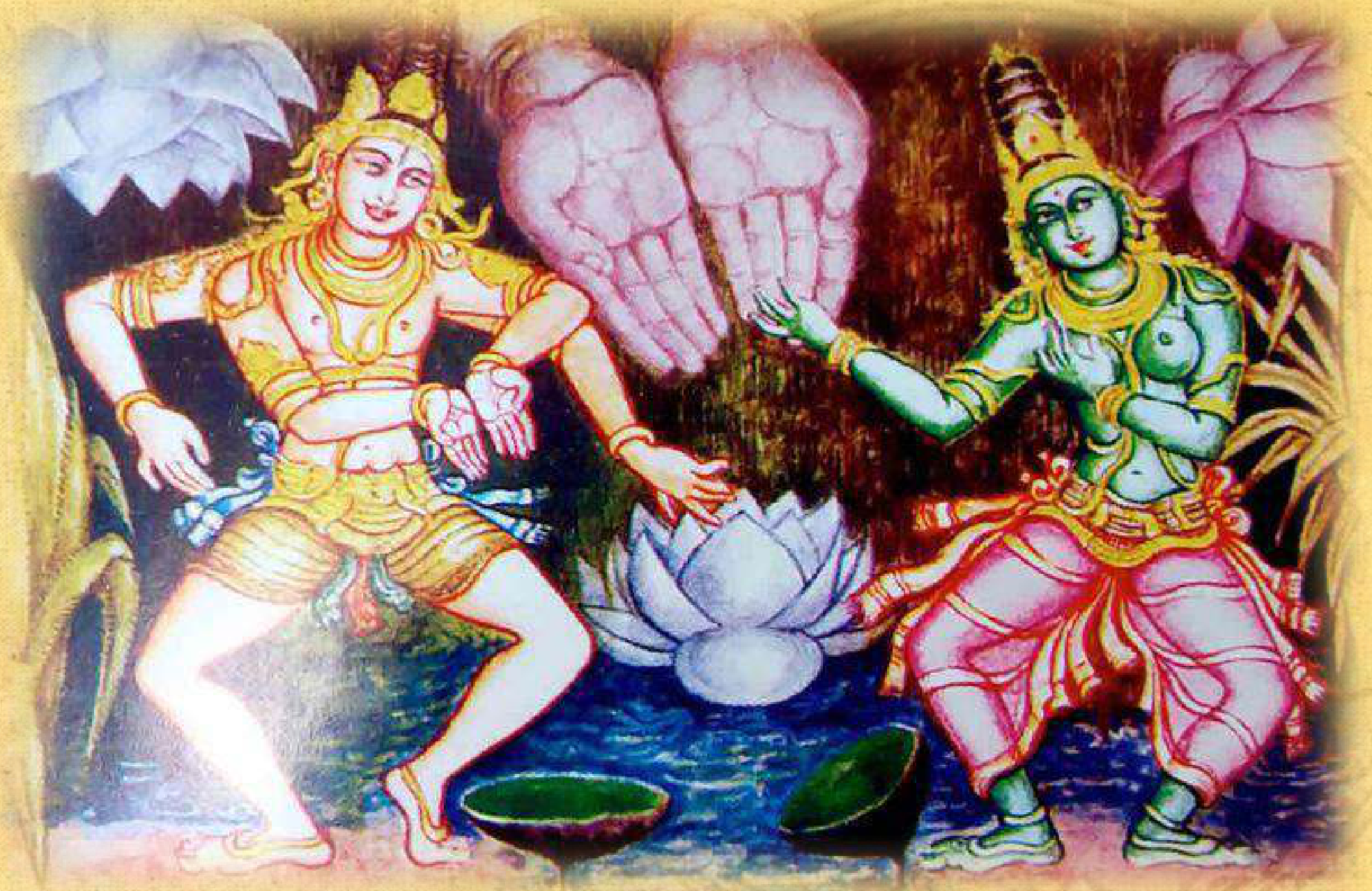
TalapushpapuTam
॥ वामे पुष्पपुटः पार्श्वे
पादोऽग्रतलसञ्चरः
तथा च सन्नत पार्श्वं
तलपुष्पपुटं भवेत् ॥ 1 ॥
॥ vāme puṣpapuṭaḥ pārśve
pādo'gratalasañcaraḥ
tathā ca sannataṁ pārśvaṁ
talapuṣpapuṭaṁ bhavet ॥ 1 ॥
AKASHIC REVELATION
On the left side, pushpapuTa in the
hand, foot in agratalasanchara, And
sannata on the side results in
TalapushpapuTa
PushpapuTa: the two
Sarpasirah(snake head-the fingers
including the thumb to be close to
one another and the palm to be
hollowed) hands with their fingers
close to one another meeting on one
side very closely will give rise to
pushpaputa hand.
Agratalasanchara: The heels thrown
up, the big toe put forward and the
other toes bent.
Nata - bent- the waist slightly bent,
one side slightly bent, one shoulder
drawn away slightly.
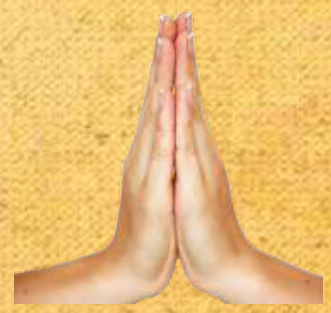
- Stand tall with palms together in Namasakar mudra.
- Gently bend the knees and keep toes pointing outwards.
- Simultaneously open up the palms and raise one heel off the ground, slightly lowering the waist and shoulder of respective heel.
- Visualize you're holding, offering, a boquet of flowers to Paramashiva.
192. KHADGASANA
Pranayama
Sahaja Kumbhaka
Kumbhaka Paddhati of
Raghuvira 104
Sahaja
Bandha
Mula Bandha
Yoga Sikh Upanishad
Japa
Om Nithyananda ParamaShivoham
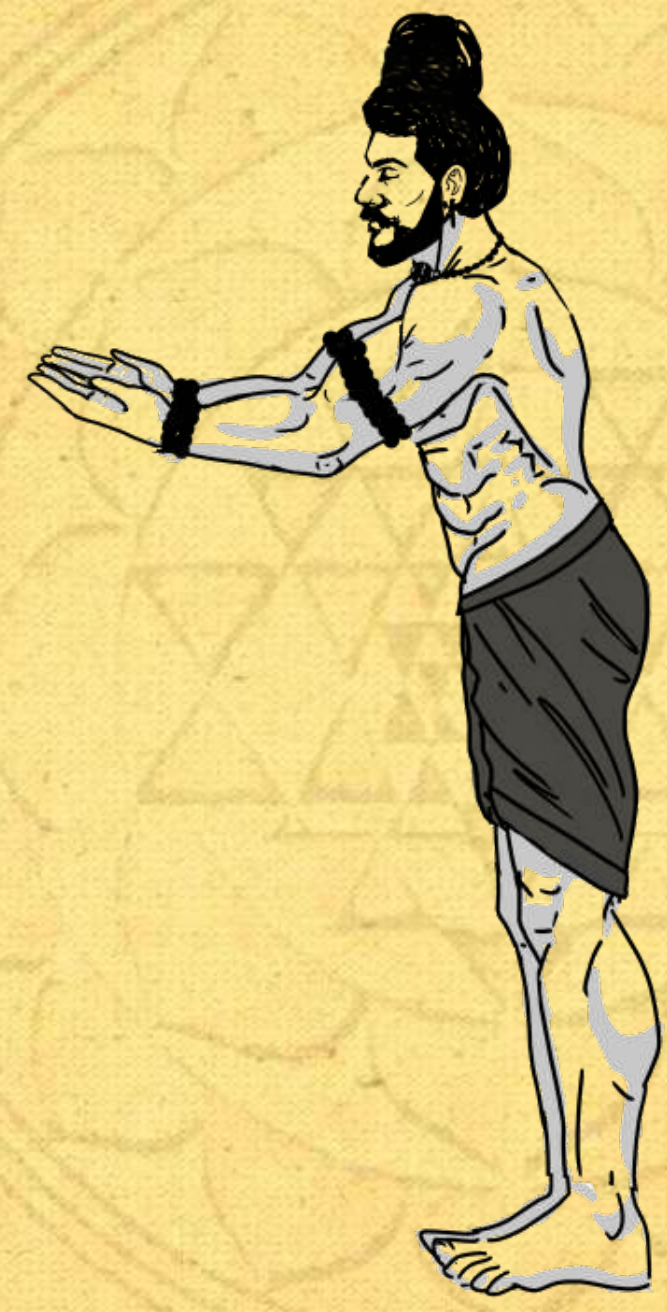
- Laying on stomach, jump feet up towards hands and stand.
- Bring palms together forming the horn of a Rhinoceros.
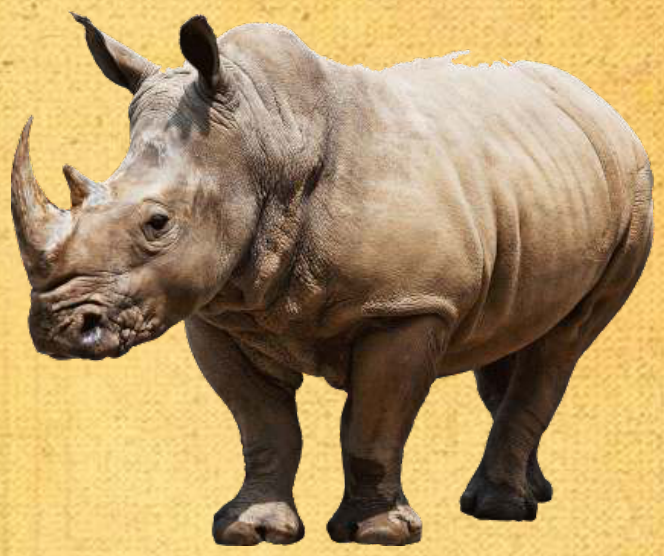
Visualize yourself as a rhinoceros
Gaze
Mudra
Namaskar Mudra
Raurava Agama -
Mudra Lassanam Verse 7
Asana
Asana
KHADGASANA
Āpta Pramāṇa – आस
प्रमाण
Kapala Kurantaka
Hathabhyasa Paddhati 41
नुज सरत्:अमासनं कृत्वा
पादतलाभ्यु भूमिमवष्टभ्य
उत्तिष्ठेत् खड्गासनं भवति
॥४१॥
nuja sarat:amāsanaṁ kṛtvā
pādatalābhyu
bhūmimavaṣṭabhya uttiṣṭhet
khaḍūgāsanaṁ bhavati ॥41॥
AKASHIC REVELATION
After performing Saratha
Asana which involves lying
prostrate, get up holding the
ground with two soles (of the
feet). This is called
Khadgasana. .
Pranayama
SAHAJA KUMBHAKA
Āpta Pramāṇa – आस
प्रमाण
Kumbhaka Paddhati of
Raghuvira 104
नोभ्याम् –आरं समाकृष्य
कुण्डलया: पार्श्वयो:
क्षिपेत्
गच्छता तिष्ठता श्वस
–धारणं न बलाद्–यदा
अनिशं सहज: कुम्भ:
प्रोक्त: श्रि –
कृत्तिवाससा
nobhyām–āraṁ samākṛṣya
kuṇḍalayāḥ pārśvayoḥ
kṣipet
gacchatā tiṣṭhatā śvasa–
dhāraṇaṁ na balād–yadā
aniśaṁ sahajaḥ kumbhaḥ
proktaḥ śri–kṛttivāsasā
AKASHIC REVELATION
Inhaling prana through the
nose and carrying it along
the kundali, one should
hold it comfortably off and
on. This is sahaja–
kumbhaka narrated by Sri–
krttivasa(Shiva) 104.
Mudra
NAMASKARA MUDRA
Śāstra Pramāṇa – शास्त्र
प्रमाण
Raurava Agama – Mudra
Laskanam Verse 7
हृद्देशे तु निपीइयेत
हस्तयोरुभयोस्तलम् ॥ ७ ॥
नमस्कारा तु विज्ञेया
मन्त्रिणा मन्त्रवन्दने ।
hruddeśe tu nipiḍyeta
hastayorubhayostalam ॥7 ॥
namaskārā tu vijñeyā mantriṇā
mantravandane ।
AKASHIC REVELATION
Pressing together the palms of
right hand and left hand and
holding them in front of the heart
(i.e. the middle of the chest) is
namaskārā mudrā. This mudra is
to be shown by the mantriṇā, the
knower of the mantra, at the time
of doing the worship
accompanied with relevant
mantra.
Bandha
MULA BANDHA
Śāstra Pramāṇa – शास्त्र
प्रमाण
Yoga Sikhopanishad 104 – 105
गुदं पाष्णिर्या तु संपीड्य
वायुमाकुञ्चयेद् बलात् ।
वारं वारं यथा चोध्वं समायाति
समीरणः ॥ १०४ ॥
प्राणापानऔ नान्दबिन्दू
मूलबन्धेन च्ऐकताम् ।
गत्वा योगस्य संसिद्धिं
यच्छतो नात्र संशयः ॥ १०५ ॥
gudaṁ pārṣṇyā tu sampīḍya
vāyumākuñcayed balāt |
vāraṁ vāraṁ yathā cordhvaṁ
samāyāti samīraṇaḥ ॥ 104 ॥
pṛāṇāpānau nāndabindū
mūlabandhena caikatām |
gatvā Yogasya saṁsiddhiṁ
yacchato nātra saṁśayaḥ ॥ 105 ॥
AKASHIC REVELATION
Pressing the anus with the heel,
(the practitioner) should forcibly
draw up the vital air in such a
way that the air would move
upwards stage by stage. The
Prana and Apana (vital airs), as
also the Nada (Intellect) and the
Bindu (mind), becoming one by
means of the Mula–bandha,
bestow the successful
accomplishment of Yoga. Herein
there is no doubt.
193.