PASVASANA
This text was machine-transcribed from the printed book and may contain errors. Select the words and choose “Report a mistake”.
Pranayama
Ujjayi Pranayama
Yoga Kundalyupanishad 19
Ujjayi
Bandha
Mula Bandha
Yoga Sikh Upanishad
Japa
Om Nithyananda ParamaShivoham
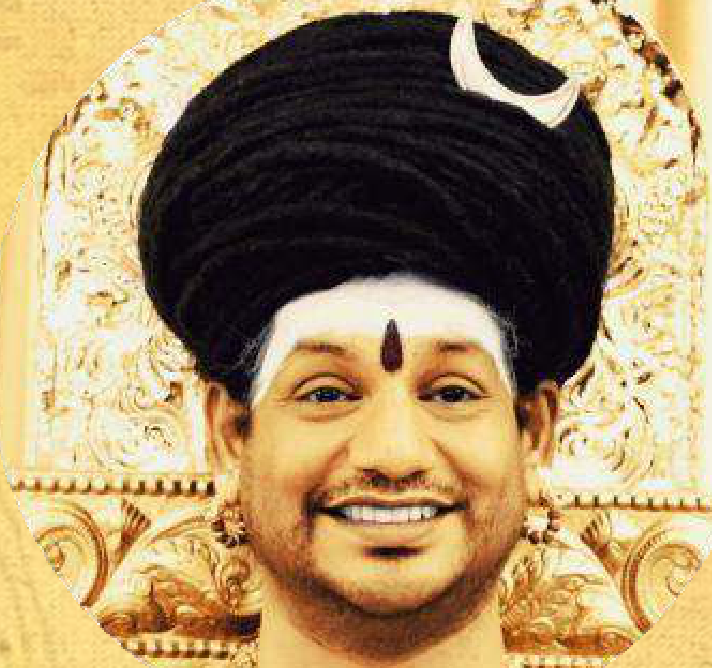
Visualize Swamiji,
The Supreme Pontiff
of Hinduism
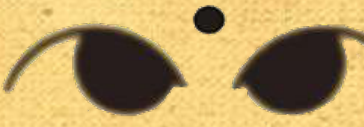
Gaze
Mudra
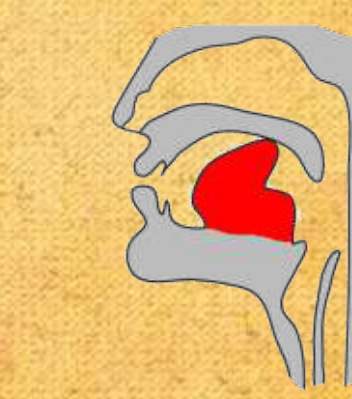
Khechari Mudra
Shiva Samhita 4.31
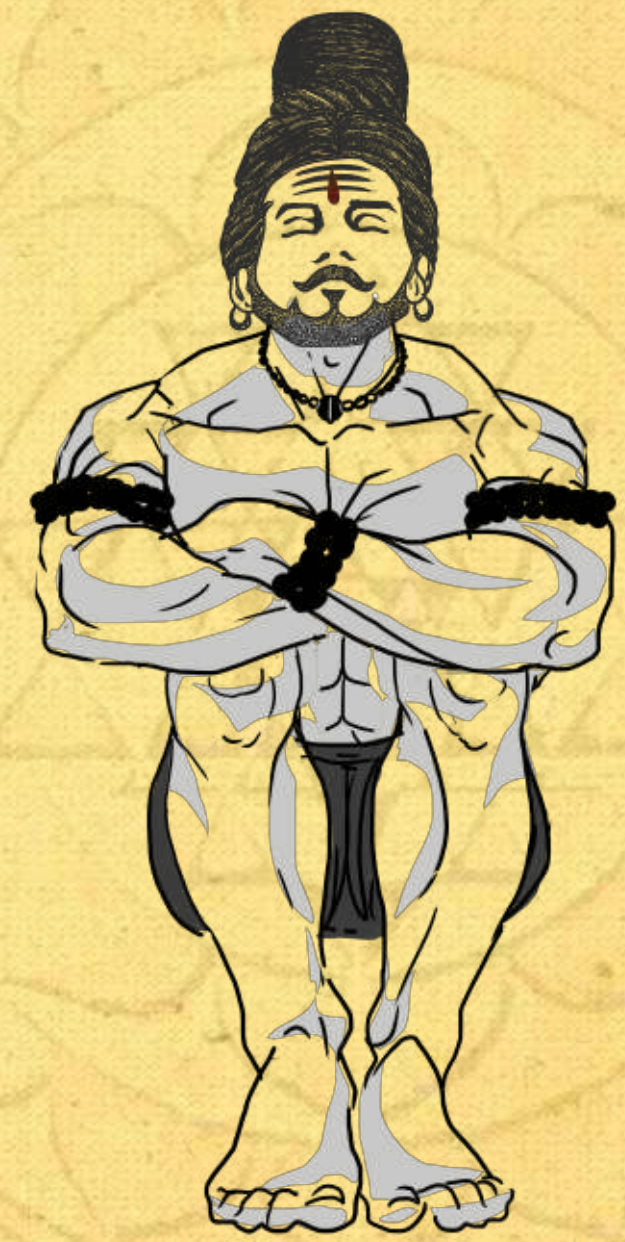
- Sit with feet feet flat on the ground.
- Knees against your chest, hands hold opposite knees.
- Thighs together, spine straight.
- Tongue pressed against the roof of the mouth.
Asana
PASVASANA
Āpta Pramāṇa
Kapalakurantaka
Hathabhyasa Paddhati 61
पादतले भूमौनिधाय जानुनि उरसि
निधाय विपरीत हस्ताभ्यां
उरुसहित जंघे निबध्य
तिष्ठेत् पशासनं भवति ॥ ६१॥
pādatale bhūmaunidhāya
jānuni urasi nidhāya viparīta
hastābhyāṃ
urusahita jaṃghe nibadhya
tiṣṭhet paśāsanaṃ bhavati ॥
61॥
AKASHIC REVELATION
Placing the soles of the feet
on the ground and keeping
the knees against the chest
hold by two hands in a
reversed manner the shanks
and the thighs jointly and
stay. This is called
Pasvasana.
Pranayama
UJJAYI KUMBHAKA
Śāstra Pramāṇa
Yoga Kundalyupanishad 19–21
प्राणरोधमथेदानीं प्रवक्ष्यामि
समासतः । प्राणश्च देहगो वायुरार्यामः
कुम्भकः स्मृतः ॥ १९ ॥
स एव द्विविधः
प्रोक्तः सहितः केवलस्तथा ।
यावत् केवलसिद्धिः स्यात् तावत्
सहितमभ्यसेत् ॥ २० ॥
सूर्योंज्जायी शीतली च भस्त्री चैव
चतुर्थिका । भेदैरवेव समं कुम्भो यः स्यात्
सहितकुम्भकः ॥ २१ ॥
prāṇarodhamathedānīṃ pravakṣyāmi
samāsataḥ |
prāṇaśca dehago vāyurāyāmaḥ
Kumbhakaḥ smṛtaḥ ॥ 19 ॥
sa eva dvividhaḥ proktaḥ sahitaḥ
kevalastathā |
yāvat kevalasiddhiḥ syāt tāvat
sahitamabhyaset ॥ 20 ॥
sūryojjāyī śītalī ca bhastrī caiva caturthikā |
bhedaireva samam kumbho yaḥ syāt sahita
Kumbhakaḥ ॥ 21 ॥
AKASHIC REVELATION
Then I shall presently relate
briefly about the control of the
vital air. Prana is air coursing
through the body and Ayama is
said to be Kumbhaka (holding
under control). The same is
said to be of two kinds: the
combined (Pranayama) and
that (which is practiced) alone
by itself. One should practice
the combined Pranayama till he
attains success in the (practice
of Kumbhaka) alone by itself.
The Kumbhaka which is
practiced along with Surya,
Ujjayi, Siitali and Bhastrl as the
fourth, that is the combined
Kumbhaka.
Mudra
KHECAHRI MUDRA
Śāstra Pramāṇa
Shiva Samhita 4.31
अथ खेचरिमुद्राकथनम् ।
भ्रुवोरन्तर्गतां दृष्टिं विधाय
सुदृढां सुधीः ।
उपविश्यासने वज्रे
नानोपद्रववर्जितः ॥
लम्बिकोर्ध्व स्थिते गर्ते रसनां
विपरीतागाम् ।
संयोजयेत्प्रयत्नेन सुधाकूपे
विचक्षण् ।
मुद्रैषा खेचरी प्रोक्ता
भक्तानामनुरोधतः ॥ ३१ ॥
atha khecarimudrākathanam |
bhruvorantargatāṃ dṛṣṭiṃ vidhāya
sudṛḍhāṃ sudhīḥ |
upaviśyāsane vajre
nānopadravavarjitaḥ ॥
lambikordhva sthite garte rasanāṃ
viparītagām |
saṃyojayetprayatnena sudhākūpe
vicakṣaṇ |
mudreṣā khecarī proktā
bhaktānāmanurodhataḥ ॥ 31 ॥
AKASHIC REVELATION
The wise Yogi, sitting in vajrasana
posture, in a place free from all
disturbance, should firmly fix his
gaze on the spot in the middle of
the two eyebrows; and reversing
the tongue backwards, fix it in the
hollow under the epiglottis,
placing it with great care on the
mouth of the well of nectar, (i.e.
closing up the air passage). This
mudra, described by me at the
request of my devotees, is the
Khechari-mudra.
Bandha
MULA BANDHA
Śāstra Pramāṇa
Yoga Sikhopanishad 104–105
गुदं पाष्ण्यां तु संपीड्य
वायुमाकुञ्चयेद् बलात् । वारं वारं यथा
चोर्ध्वं समायाति समीरणः ॥ १०४ ॥
प्राणापानौ नान्दबिन्दू मूलबन्धेन
चैकताम् । गत्वा योगस्य संसिद्धिं
यच्छतो नात्र संशयः ॥ १०५ ॥
gudaṃ pārṣṇyā tu saṃpīḍya
vāyumākuñcayed balāt |vāraṃ
vāraṃ yathā cordhvaṃ
samāyāti samīraṇaḥ ॥ 104 ॥
prāṇāpānau nāndabindū
mūlabandhena caikatām| gatvā
Yogasya saṃsiddhiṃ yacchato
nātra saṃśayaḥ ॥ 105 ॥
AKASHIC REVELATION
Pressing the anus with the heel,
(the practitioner) should
forcibly draw up the vital air in
such a way that the air would
move upwards stage by stage.
The Prana and Apana (vital
airs), as also the Nada
(Intellect) and the Bindu (mind),
becoming one by means of the
Mula-bandha, bestow the
successful accomplishment of
Yoga. Herein there is no doubt.
142. BODHASOKA ASANA
Pranayama
Ujjayi Pranayama
Yoga Kundalyupanishad 19
Ujjayi
Bandha
Mula Bandha
Yoga Sikh Upanishad
Japa
Om Nithyananda ParamaShivoham
Visualize being in an abode of Bliss
Gaze
Mudra
Khechari Mudra
Shiva Samhita 4.31
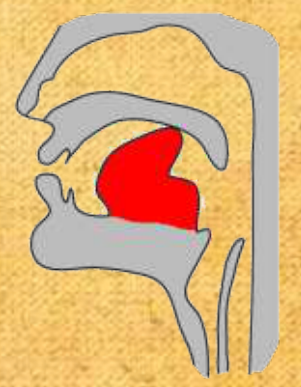
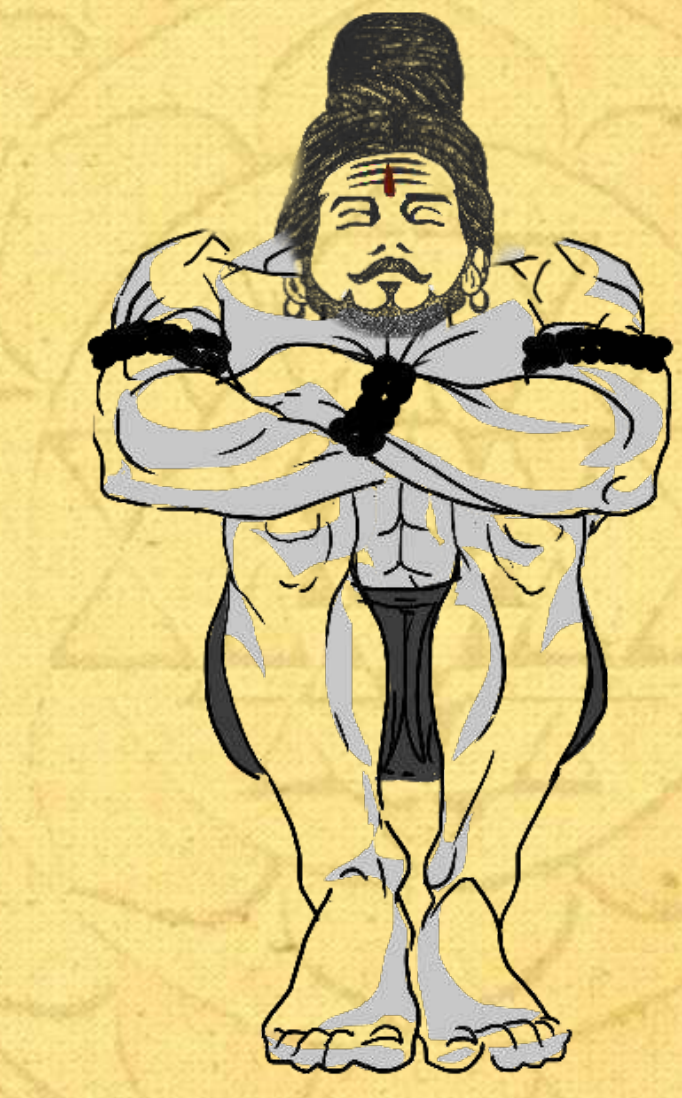
- From a seated position, place feet flat on mat.
- Wrap arms around legs and hold the opposite wrists.
- Place chin onto knees.
- Gaze to nose.
| Asana | Pranayama | Mudra | Bandha |
|---|---|---|---|
| BHODASHOKA ASANA Āpta Pramāṇa Joga Pradipika 220 – 222 | UJJAYI KUMBHAKA Śāstra Pramāṇa Yoga Kundalyupanishad 19–21 | KHECAHRI MUDRA Śāstra Pramāṇa Shiva Samhita 4.31 | MULA BANDHA Śāstra Pramāṇa Yoga Sikhopanishad 104–105 |
| दोउ पगथली भूपरी धेरै कोर माहिली ऐसे करै। कोर मिलाई उकड बैठे जंघघा छाती अग्र निवेसे ॥ २२०। व्यबूक गोडा उपरि करै नासादृष्टि अचल ले धेरै ।। भुजा परस्पर पकडे दोई खवां लागनी कठीन जु सोई॥ २२१ ॥ | प्राणरोधमथेदानीं प्रवक्ष्यामि समासतः । प्राणश्च देहगो वायुरार्यामः कुम्भकः स्मृतः ॥ १९ ॥ स एव द्विविधः प्रोक्तः सहितः केवलस्तथा । यावत् केवलसिद्धिः स्यात् तावत् सहितमभ्यसेत् ॥ २० ॥ सूर्यो्जायी शीतली च भस्त्री चैएव चतुर्थीका । भेदैरैव समं कुम्भो यः स्यात् सहितकुम्भकः ॥ २१ ॥ | अथ खेचरिमुद्राकथनम् । भ्रुवोरन्तर्गतां दृष्टिं विधाय सुदृढां सुधीः । उपविश्यासने वज्रे नानोपद्रववर्जितः ॥ लम्बिकोर्ध्व स्थिते गर्ते रसनां विपरीतगाम् । संयोजयेत्प्रयत्नेन सुधाकूपे विचक्षण् । मुद्रेषा खेचरी प्रोक्ता भक्तानामनुरोधतः ॥ ३१ ॥ | गुदं पाष्ण्याँ तु संपीड्य वायुमाकुञ्चयेद् बलात् । वारं वारं यथा चोर्ध्व समायाति समीरणः ॥ १०४ ॥ प्राणापानौ नान्दबिन्दू मूलबन्धेन चृएकताम् । गत्वा योगस्य सेसिद्धिं यच्छतो नात्र संशयः ॥ १०५ ॥ |
| dou pagathalī bhūparī dherai kora māhilī aise karai। kora milāī ukaḍa baise jaṁghaghā chātī agra nivese ॥ 220 । vyabūka goḍā upari karai nāsādriṣṭi acala le dherai ।। bhujā parasapara pakaḍe doī khavāṁ lāganī kaṭhīna ju soī॥ 221 ॥ | prāṇarodhamathedānīṃ pravakṣyāmi samāsataḥ । prāṇaśca dehago vāyurāyāmaḥ kumbhakaḥ smṛtaḥ ॥ 19 ॥ sa eva dvividhaḥ proktaḥ sahitaḥ kevalastathā । yāvat kevalasiddhiḥ syāt tāvat sahitamabhyaset ॥ 20 ॥ sūryojjāyī śītalī ca bhastrī caiva catūrthikā । bhedaireva samaṃ kumbho yaḥ syāt sahita Kumbhakaḥ ॥ 21 ॥ | atha khecarimudrākathanam । bhruvorantargatāṃ dṛṣṭiṃ vidhāya sudṛḍhāṃ sudhīḥ । upaviśyāsane vajre nānopadravavarjitaḥ ॥ lambikordhva sthite garte rasanāṃ viparītagām । saṃyojayetprayatnena sudhākūpe vicakṣaṇ । mudreṣā khecarī proktā bhaktānāmanurodhataḥ ॥ 31 ॥ | gudaṃ pārṣṇyā tu saṃpīḍya vāyumākuñcayed balāt ।vāraṃ vāraṃ yathā cordhvaṃ samāyāti samīraṇaḥ ॥ 104 ॥ prāṇāpānau nāndabindū mūlabandhena caikatām। gatvā Yogasya saṃsiddhiṃ yacchato nātra saṃśayaḥ ॥ 105 ॥ |
| AKASHIC REVELATION Place both the soles on the ground. Fold the legs and arrange them in such a way that the thighs touch the chest. Place the chin on knees. Gaze should be at the tip of nose. Catch hold of both the hands bringing wrist upon the knees. Catch hold wrist by hands. | AKASHIC REVELATION Then I shall presently relate briefly about the control of the vital air. Prana is air coursing through the body and Ayama is said to be Kumbhaka (holding under control). The same is said to be of two kinds: the combined (Pranayama) and that (which is practiced) alone by itself. One should practice the combined Pranayama till he attains success in the (practice of Kumbhaka) alone by itself. The Kumbhaka which is practiced along with Surya, Ujjayi, Siitali and Bhastrl as the fourth, that is the combined Kumbhaka. | AKASHIC REVELATION The wise Yogi, sitting in vajrasana posture, in a place free from all disturbance, should firmly fix his gaze on the spot in the middle of the two eyebrows; and reversing the tongue backwards, fix it in the hollow under the epiglottis, placing it with great care on the mouth of the well of nectar, (i.e. closing up the air passage). This mudra, described by me at the request of my devotees, is the Khechari-mudra. | AKASHIC REVELATION Pressing the anus with the heel, (the practitioner) should forcibly draw up the vital air in such a way that the air would move upwards stage by stage. The Prana and Apana (vital airs), as also the Nada (Intellect) and the Bindu (mind), becoming one by means of the Mula-bandha, bestow the successful accomplishment of Yoga. Herein there is no doubt. |
143. KURAKATA ASANA
Pranayama
Ujjayi Pranayama
Yoga Kundalyupanishad 19
Ujjayi
Bandha
Mula Bandha
Yoga Sikh Upanishad
Japa
Om Nithyananda ParamaShivoham
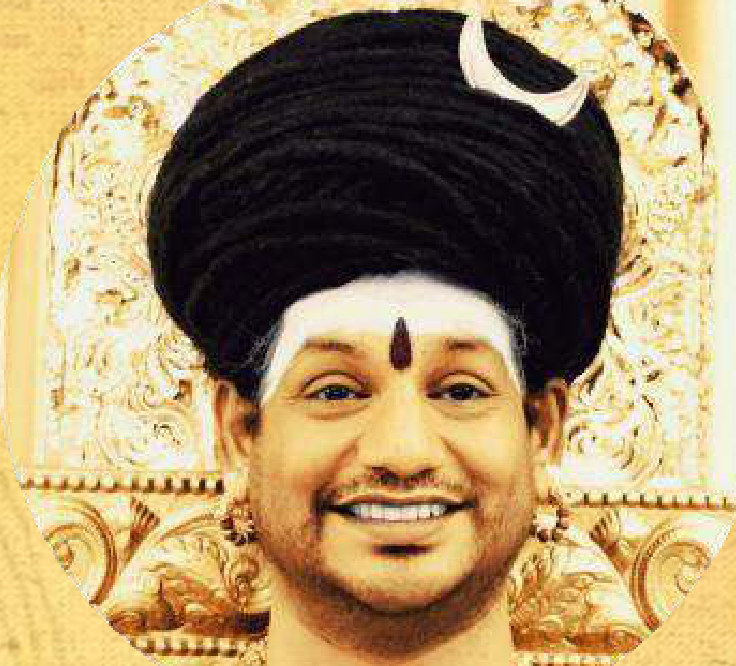
Visualize Swamiji,
The Supreme Pontiff
of Hinduism
Gaze
Mudra
Khechari Mudra
Shiva Samhita 4.31
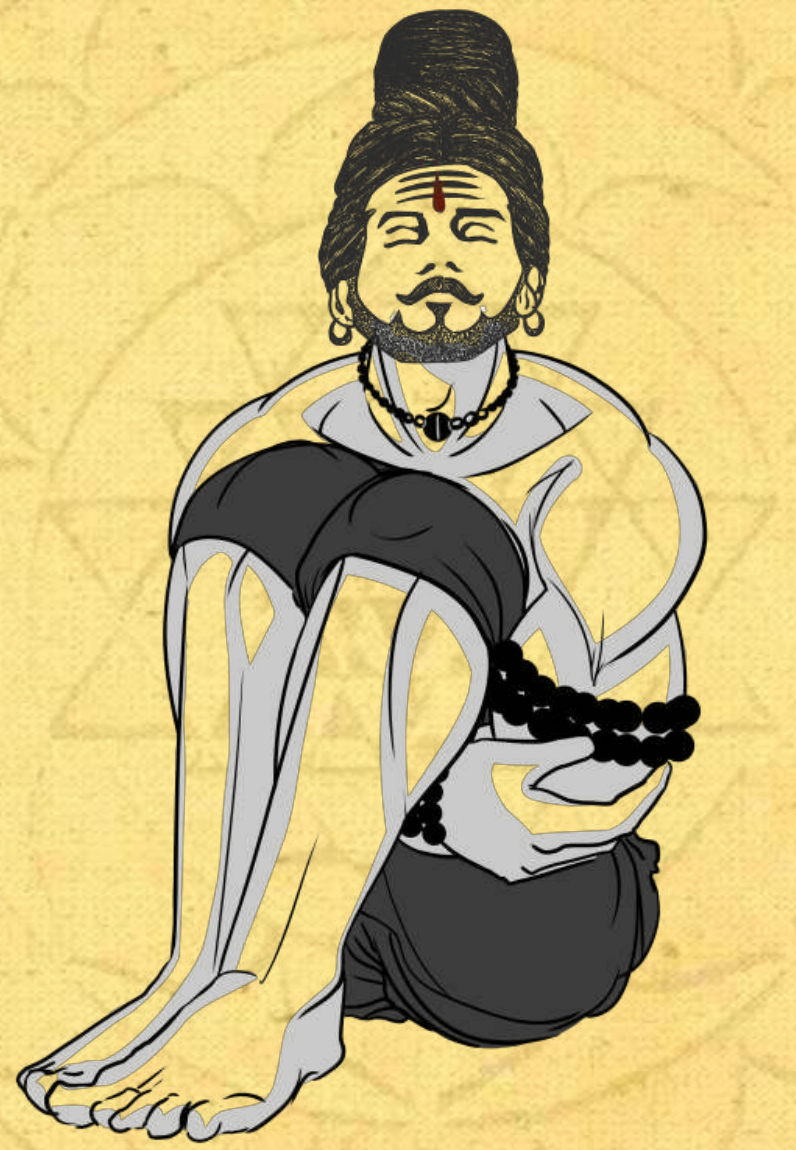
- From a seated position, place feet flat on mat.
- Place arms under knees and hold opposite elbows.
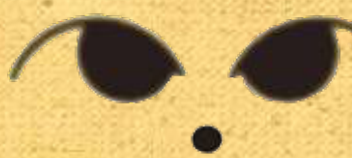
- Gaze to nose.
Asana
KURAKATA ASANA
Āpta Pramāṇa
Joga Pradipika
325 – 327
कुरकट आसन दोउ हाथ पग बाहर
ल्यावै गोडा नीचे ले ठहरावै ॥
.आम्हां साम्हां ऐसे करे आपस
में कोहणी पकरै ॥ ३२५ ॥
kurakaṭa āsana dou hātha
paga bāhara lyāvai goḍā
nīce le ṭhaharāvai ॥
.āmhāṃ sāmhāṃ aise kare
āpasa meṃ kohaṇī pakarai
॥ 325 ॥
AKASHIC REVELATION
Sitting in squatting
position bring both the
hands under the knees and
catch hold of elbows thus
the wrists of both the
hands are placed in the
cockpit of knees. The gaze
is fixed at the tip of nose.
Pranayama
UJJAYI KUMBHAKA
Śāstra Pramāṇa
Yoga Kundalyupanishad
19–21
प्राणरोधमथेदानीं प्रवक्ष्यामि
समासतः । प्राणश्च देहगो वायुऱायामः
कुम्भकः स्मृतः ॥ १९ ॥ स एव द्विविधः
प्रोक्तः सहितः केवलस्तथा ।
यावत् केवलसिद्धिः स्यात् तावत्
सहितमभ्यसेत् ॥ २० ॥
सूर्योज्जायी शीतली च भस्त्री
च़ैव चतुर्थिका । भेद़ैरेव समं कुम्भो यः
स्यात् सहितकुम्भकः ॥ २१ ॥
prāṇarodhamathedānīṃ pravakṣyāmi
samāsataḥ |
prāṇaśca dehago vāyurāyāmaḥ
Kumbhakaḥ smṛtaḥ ॥ 19 ॥
sa eva dvividhaḥ proktaḥ sahitaḥ
kevalastathā |
yāvat kevalasiddhiḥ syāt tāvat
sahitamabhyaset ॥ 20 ॥
sūryojjāyī śītalī ca bhastrī caiva
caturthikā |
bhedaireva samaṃ kumbho yaḥ syāt
sahita Kumbhakaḥ ॥ 21 ॥
AKASHIC REVELATION
Then I shall presently relate
briefly about the control of the
vital air. Prana is air coursing
through the body and Ayama is
said to be Kumbhaka (holding
under control). The same is said
to be of two kinds: the combined
(Pranayama) and that (which is
practiced) alone by itself. One
should practice the combined
Pranayama till he attains success
in the (practice of Kumbhaka)
alone by itself. The Kumbhaka
which is practiced along with
Surya, Ujjayi, Siitali and Bhastrl
as the fourth, that is the
combined Kumbhaka.
Mudra
KHECAHRI MUDRA
Śāstra Pramāṇa
Shiva Samhita 4.31
अथ खेचरिमुद्राकथनम् ।
भ्रुवोरन्तर्गतां दृष्टिं विधाय
सुदृढां सुधीः ।
उपविश्यासने वज्रे
नानोपद्रववर्जितः ॥
लम्बिकोर्ध्व स्थिते गर्ते रसनां
विपरीतागाम् ।
संयोजयेत्प्रयत्नेन सुधाकूपे
विचक्षण् ।
मुद्रैषा खेचरी प्रोक्ता
भक्तानामनुरोधतः ॥ ३१ ॥
atha khecarimudrākathanam |
bhruvorantargatāṃ dṛṣṭiṃ vidhāya
sudṛḍhāṃ sudhīḥ |
upaviśyāsane vajre
nānopadravavarjitaḥ ॥
lambikordhva sthite garte rasanāṃ
viparītagām |
saṃyojayetprayatnena sudhākūpe
vicakṣaṇ |
mudreṣā khecarī proktā
bhaktānāmanurodhataḥ ॥ 31 ॥
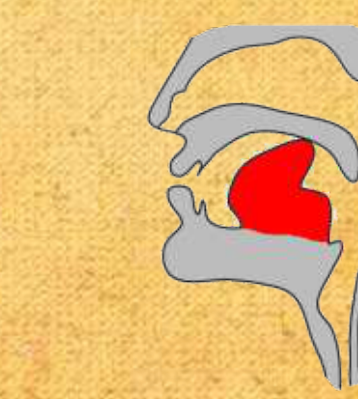
AKASHIC REVELATION
The wise Yogi, sitting in vajrasana
posture, in a place free from all
disturbance, should firmly fix his
gaze on the spot in the middle of
the two eyebrows; and reversing
the tongue backwards, fix it in the
hollow under the epiglottis,
placing it with great care on the
mouth of the well of nectar, (i.e.
closing up the air passage). This
mudra, described by me at the
request of my devotees, is the
Khechari-mudra.
Bandha
MULA BANDHA
Śāstra Pramāṇa
Yoga Sikhopanishad
104–105
गुदं पाष्ण्र्या तु संपीड्य
वायुमाकुञ्चयेद् बलात् । वारं वारं यथा
चोध्व्रं समायाति समीरणः ॥ १०४ ॥
प्राणापानौ नान्दबिन्दू मूलबन्ध्रेन
च़एकताम् । गत्वा योगस्य संसिद्धिं
यच्छतो नात्र संशयः ॥ १०५ ॥
gudaṃ pārṣṇyā tu saṃpīḍya
vāyumākuñcayed balāt |vāraṃ
vāraṃ yathā cordhvaṃ
samāyāti samīraṇaḥ ॥ 104 ॥
prāṇāpānau nāndabindū
mūlabandhena caikatāṃ| gatvā
Yogasya saṃsiddhiṃ yacchato
nātra saṃśayaḥ ॥ 105 ॥
AKASHIC REVELATION
Pressing the anus with the heel,
(the practitioner) should
forcibly draw up the vital air in
such a way that the air would
move upwards stage by stage.
The Prana and Apana (vital
airs), as also the Nada
(Intellect) and the Bindu (mind),
becoming one by means of the
Mula-bandha, bestow the
successful accomplishment of
Yoga. Herein there is no doubt.
144.