JATYASANA 2
This text was machine-transcribed from the printed book and may contain errors. Select the words and choose “Report a mistake”.
Pranayama
Ujjayi Pranayama
Yoga Kundalyupanishad 19
Ujjayi
Bandha
Mula Bandha
Yoga Sikh Upanishad

Japa
Om Nithyananda ParamaShivoham
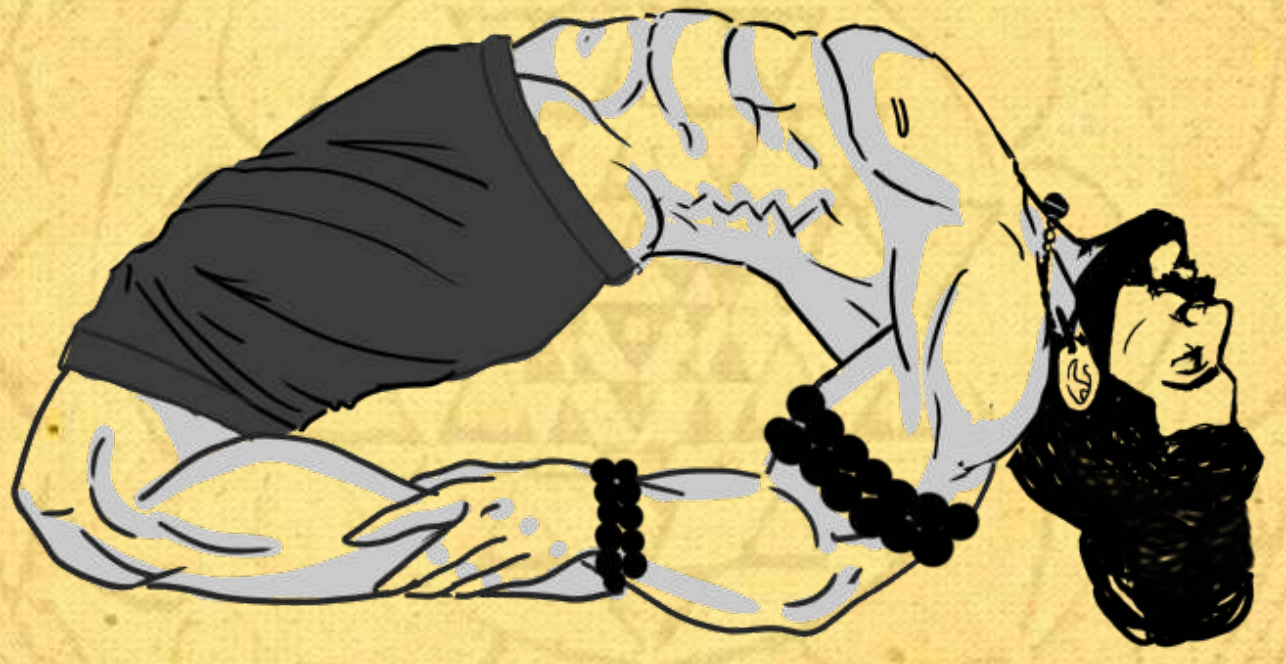
- With heels together and hands on soles of feet, slowly lean back.
- Bring elbows down to the mat.
- Place back of head on the mat.
- Gaze to nasal.
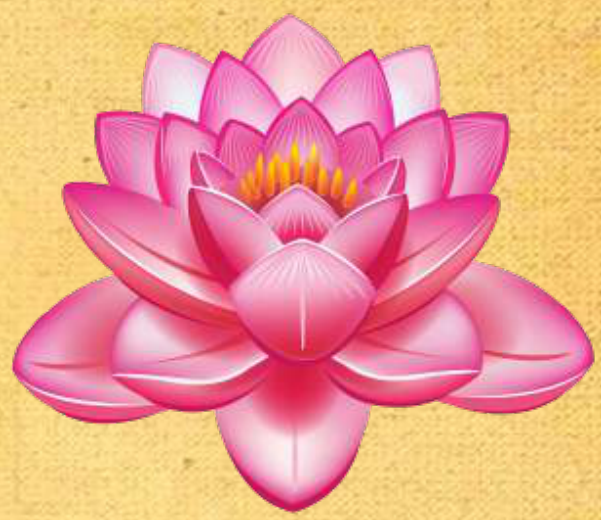
Experience yourself as a lotus blooming
Gaze
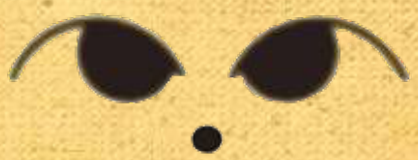
Gaze to nasal
Mudra
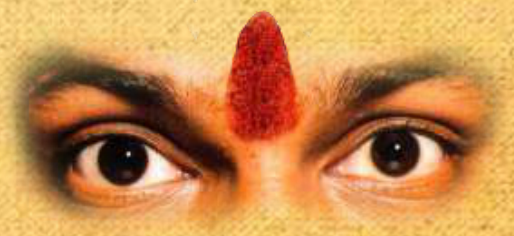
Shambhavi Mudra
Mandala Brahmana-
Upanishad Verse 3.5
Asana
JATI ASANA Āpta Pramāṇa – आप्त प्रमाण Joga Pradipika 313 – 316
जति आसन दोउ एडी संपुट करै सो ले मूलद्वारितरि धेरै । फणांपाणि उकड होय बैसे बहुरि पिष्टि दिसि करै जु ऐसे ॥
dou eḍī sampuṭa karai so le mūladvāritari dherai ।
phaṇāmpāṇi ukaḍa hoya baisai bahuri piṣṭi disi karai ju aisai ॥
AKASHIC REVELATION Bring the heels together and place them below the anus. Take both the hands towards backside in such a way that elbows are placed on the ground. The backside of the head should also be placed on the ground. Keep the knees in front and place them on the ground. Catch hold of backside of soles by the hands. Gaze should be nasal.
Pranayama
UJJAYI PRANAYAMA Śāstra Pramāṇa – शास्त्र प्रमाण Yoga Kundalyupanishad 19 – 21
प्राणरोधमथेदानीं प्रवक्ष्यामि समासतः ।
प्राणश्च देहगो वायुरयायतः कुम्भकः स्मृतः ॥ १९ ॥
स एव द्विविधः प्रोक्तः सहितः केवलस्तथा ।
यावत् केवलसिद्धिः स्यात् तावत् सहितमभ्यसेत् ॥ २० ॥
सूर्योग्जायी शीतली च भस्त्री चएव चतुर्थिका ।
भेदैरेव समं कुम्भो यः स्यात् सहितकुम्भकः ॥ २१ ॥
prāṇarodhamedānīṁ pravakṣyāmi samāsataḥ |
prāṇaśca dehago vāyurāyāmaḥ Kumbhakaḥ smṛtaḥ ॥ 19 ॥
sa eva dvividhaḥ proktaḥ sahitaḥ kevalastathā |
yāvat kevalasiddhiḥ syāt tāvat sahitamabhyaset ॥ 20 ॥
sūryojjāyī śītalī ca bhastrī caiva caturthikā |
bhedaireva samam kumbho yaḥ syāt sahita Kumbhakaḥ ॥ 21 ॥
AKASHIC REVELATION Then I shall presently relate briefly about the control of the vital air. Prana is air coursing through the body and Ayama is said to be Kumbhaka (holding under control). The same is said to be of two kinds: the combined (Pranayama) and that (which is practiced) alone by itself. One should practice the combined Pranayama till he attains success in the (practice of Kumbhaka) alone by itself. The Kumbhaka which is practiced along with Surya, Ujjayi, Siitali and BhastrI as the fourth, that is the combined Kumbhaka.
Mudra
SAMBHAVI MUDRA Śāstra Pramāṇa – शास्त्र प्रमाण Mandala Brahmanopanishad 3.5
लक्ष्येऽन्तर्बाह्यायां दृष्ट्याै निमेषोन्मेषवर्जितायां च इयं
शांभवी मुद्रा भवति । सर्वतन्त्रेषु गोप्या महाविद्या भवति ।
तज्ज्ञानेन संसारनिवृत्तिः । तत्पूजनं मोक्षफलदम् ॥ ५ ॥
lakṣye'ntarbāhyāyāṁ dṛṣṭau nimeṣonmeṣavarjitāyāṁ ca iyaṁ śāmbhavī mudrā bhavati |
sarvatantreṣu gopyā mahāvidyā bhavati |
tajjñānena saṁsāranivṛttiḥ |
tatpūjanaṁ mokṣaphaladam ॥ 5 ॥
AKASHIC REVELATION Fixing the gaze inwards into the inner space and with the eyes opening out, but devoid of the acts of opening and closing of the eyelids, this Shambhavi–mudra is assumed. This mahā–vidya (the great ultimate source knowledge) is, of all the Tantras, what is kept a profound secret. With the experiential knowledge of this, is attained freedom and completion from the state of worldly existence.By its worship, is bestowed the fruit of liberation.
Bandha
MULA BANDHA Śāstra Pramāṇa – शास्त्र प्रमाण Yoga Sikhopanishad 104 – 105
गुदं पाष्ण्र्या तु संपीड्य वायुमाकुञ्चयेद् बलात् ।
वारं वारं यथा चोध्र्वं समायाति समीरणः ॥ १०४ ॥
प्राणापानौ नान्दबिन्दू मूलबन्धेन च्ऐकताम् ।
गत्वा योगस्य संसिद्धिं यच्छतो नात्र संशयः ॥ १०५ ॥
gudaṁ pārṣṇyā tu sampīḍya vāyumākuñcayed balāt |
vāraṁ vāraṁ yathā cordhvaṁ samāyāti samīraṇaḥ ॥ 104 ॥
prāṇāpānau nāndabindū mūlabandhena caikatām |
gatvā Yogasya saṁsiddhiṁ yacchato nātra saṁśayaḥ ॥ 105 ॥
AKASHIC REVELATION Pressing the anus with the heel, (the practitioner) should forcibly draw up the vital air in such a way that the air would move upwards stage by stage. The Prana and Apana (vital airs), as also the Nada (Intellect) and the Bindu (mind), becoming one by means of the Mula–bandha, bestow the successful accomplishment of Yoga. Herein there is no doubt.
240.