BHUJASANA
This text was machine-transcribed from the printed book and may contain errors. Select the words and choose “Report a mistake”.
Pranayama
Recaka Kumbhaka
Paddadhi 73

Bandha
Mula Bandha
Yoga Sikh Upanishad
Japa
Om Nithyananda ParamaShivoham
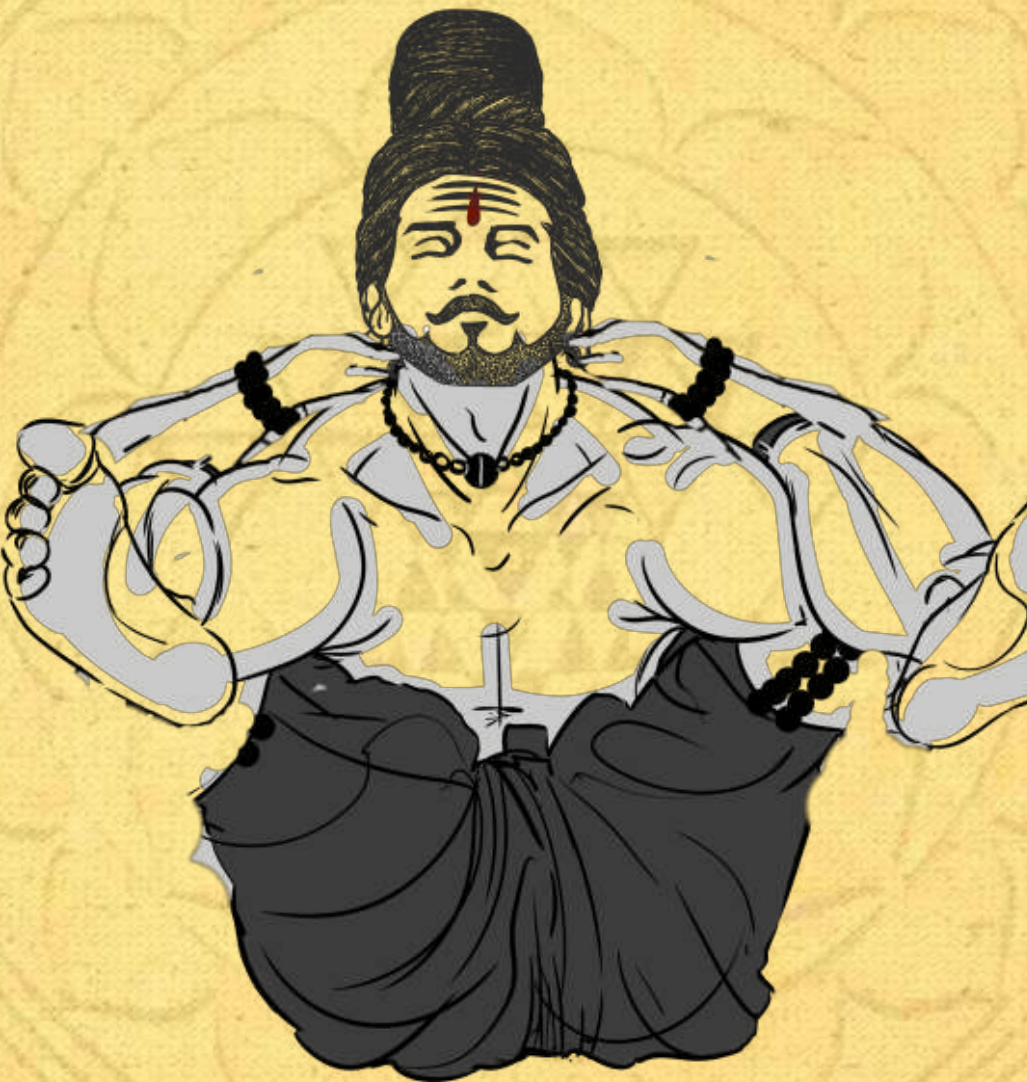
- From seated position, lift both legs overtop of respective shoulders.
- Bring arms underneath legs and up, interlacing fingers around back of neck.
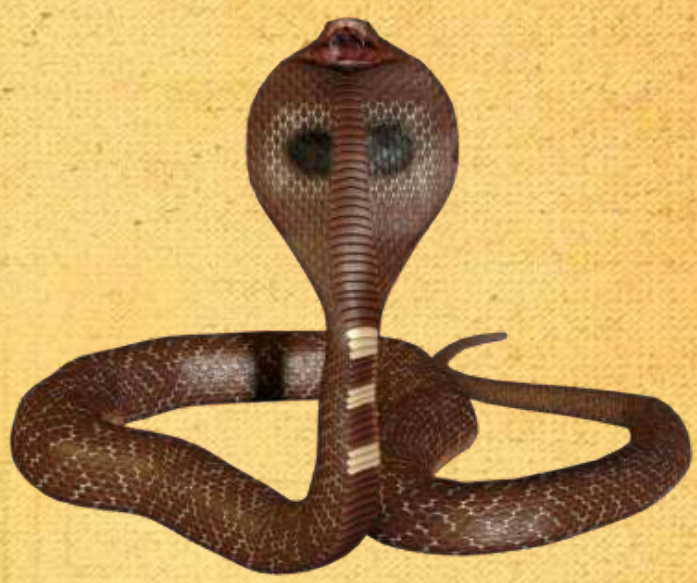
Visualize yourself as a Cobra
Gaze
Mudra
Shambhavi Mudra
Mandala Brahmana-
Upanishad Verse 3.5
Asana
BHUJASANA
Āpta Pramāṇa
Mallapurana 8.19
शिरासनं तु विज्ञेयं
कक्षासनमतः परम् ।
ग्रीवासनं च परमं
भुजासनमिहोच्यते ॥ १९ ॥
śirāsanaṃ tu vijñeyaṃ
kakṣāsanamataḥ param ।
grīvāsanaṃ ca paramam
bhujāsanamihocyate ॥ 19 ॥
AKASHIC REVELATION
We have perceived
Shirasana, Kakshasana is
the best.
Grivasana is the best; this
we call as Bhujasana.
Pranayama
RECAKA KUMBHAḲA
Śāstra PramāṇaŚrimat
Sarvajnanottra Agama Yoga
Pada 19
ततोर्ध्वं रेचयेत् वायुं
मृदुनिश्वास संयुतम् ॥ १९॥
रेचकस्त्वेष विख्यातः
प्राणसंशयकारक ।
tatordhvam recayet va'yum
mr'du nis'vasa samyutam |
recakastves'a vikhya'tah
pra'n.a sams'aya ka'rakah ॥
19॥
AKASHIC REVELATION
The sadhaka should empty
the stomach by slowly
exhaling the prana. This
mode of Pranayama is
known as Recaka which is
instrumental in driving the
prana out.
Mudra
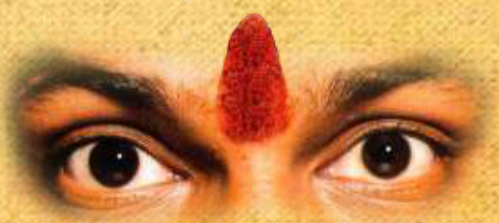
SHAMBHAVI MUDRA
Śāstra Pramāṇa
Mandala Brahmanopanishad
3.5
लक्ष्येऽन्तर्बाह्यायां
दृष्टौ निमेषोन्मेषवर्जितायां च
इयं
शांभवी मुद्रा भवति ।
सर्वतन्त्रेषु गोप्या
महाविद्या भवति । तज्ज्ञानेन
संसारनिवृत्तिः । तत्पूजनं
मोक्षफलदम् ॥ ५ ॥
lakṣye'ntarbāhyāyāṃ dṛṣṭau
nimeṣonmeṣavarjitāyāṃ ca iyaṃ
śāmbhavī mudrā bhavati |
sarvatantreṣu gopyā mahāvidyā
bhavati |
tajjñānena saṃsāranivṛttiḥ |
tatpūjanaṃ mokṣaphaladam ॥ 5
॥
AKASHIC REVELATION
Fixing the gaze inwards into
the inner space and with the
eyes opening out, but devoid
of the acts of opening and
closing of the eyelids, this
Shambhavi-mudra is
assumed. This mahā-vidya
(the great ultimate source
knowledge) is, of all the
Tantras, what is kept a
profound secret. With the
experiential knowledge of
this, is attained freedom and
completion from the state of
worldly existence. By its
worship, is bestowed the
fruit of liberation.
Bandha
MULA BANDHA
Śāstra Pramāṇa
Yoga Sikhopanishad 104-105
गुदं पाष्ण्र्या तु संपीड्य
वायुमाकुञ्चयेद् बलात् । वारं वारं यथा
चोर्ध्वं समायाति समीरणः ॥ १०४ ॥
प्राणापानौ नान्दबिन्दू मूलबन्धेन
चैकताम् । गत्वा योगस्य संसिद्धिं
यच्छतो नात्र संशयः ॥ १०५ ॥
gudaṃ pārṣṇyā tu saṃpīḍya
vāyumākuñcayed balāt ∣vāraṃ
vāraṃ yathā cordhvaṃ
samāyāti samīraṇaḥ ॥ 104 ॥
prāṇāpānau nāndabindū
mūlabandhena caikatām∣ gatvā
Yogasya saṃsiddhim yacchato
nātra saṃśayaḥ ॥ 105 ॥
AKASHIC REVELATION
Pressing the anus with the
heel, (the practitioner) should
forcibly draw up the vital air in
such a way that the air would
move upwards stage by stage.
The Prana and Apana (vital
airs), as also the Nada
(Intellect) and the Bindu (mind),
becoming one by means of the
Mula-bandha, bestow the
successful accomplishment of
Yoga. Herein there is no doubt.
130. KALYANASANA
Pranayama
Recaka Kumbhaka
Paddadhi 73

Bandha
Mula Bandha
Yoga Sikh Upanishad
Japa
Om Nithyananda ParamaShivoham
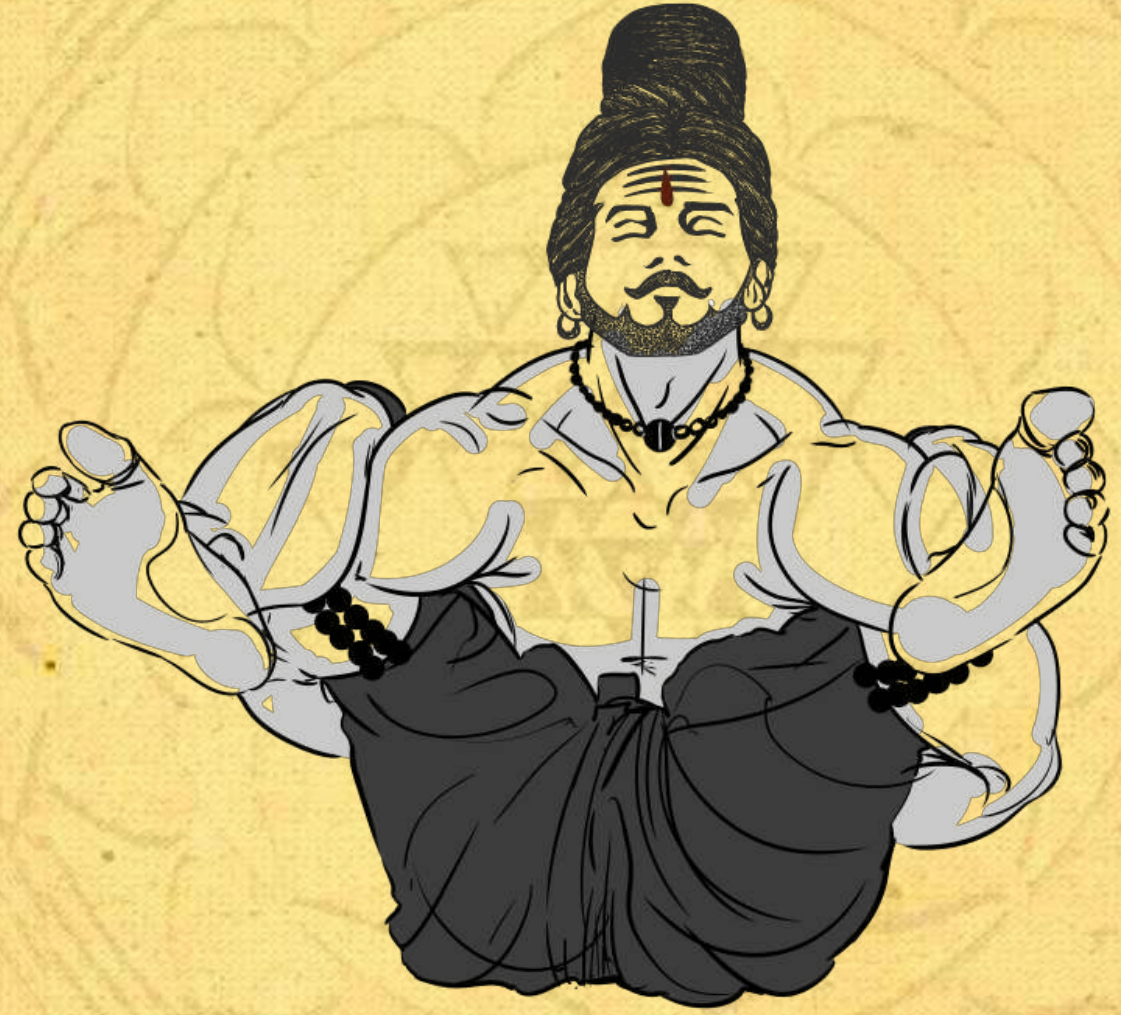
- Maintain a seated posture raise legs up.
- Bring elbows under knees and wrap arms around back, palms clasped.
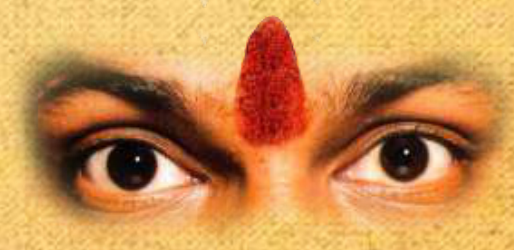
- Gaze to nose.
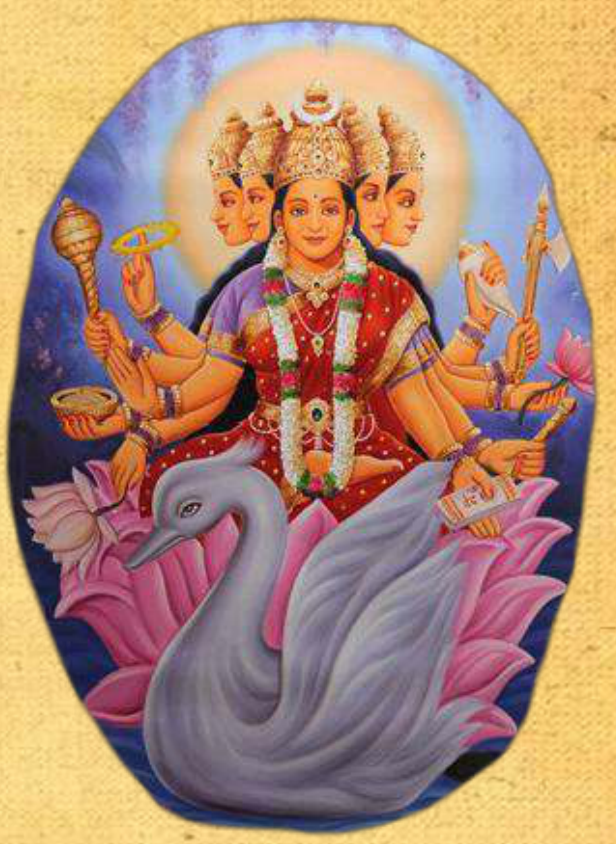
Visualize yourself as a beautiful, auspicious Goddess
Gaze
Mudra
Shambhavi Mudra
Mandala Brahmana-
Upanishad Verse 3.5
Asana
KALYANASANA
Āpta Pramāṇa – आप्त प्रमाण
Joga Pradipika 338 – 339
दोउ हाथ पगां विचि आने तिनको गोडा नीचै ठानै |
बहरी पाखत्या बाहरि ल्यावै पुनह युगती ऐसैं ठहरावै ||
बहुरि मोडि पाठा ने आने करि
परिल्याइ काकसी ठानै |
दोउ पाद अधर करि राखै नासा अग्र द्रिष्ट
को दाखै || ३३८ ||
पवन धारणा सहित जो आसन साधै थीर |
दिवस सात साधन किया नृमल होय सरीर || ३३९ ||
dou hātha pagāṃ vici āne tinako goḍā nīcai ṭhānai | bahurī pākhatyā bāhari lyāvai punaha yugatī aisaiṃ ṭhaharāvai || bahuri moḍi pāṭhā ne āne kari parilyāi kākasī ṭhānai | dou pāda adhara kari rākhai nāsā agra driṣṭa ko dākhai || 338 ||
pavana dhāraṇā sahita jo āsana sādhai thīra | divasa sāta sādhana kiyā nṛmala hoya sarīra || 339 ||
AKASHIC REVELATION Bring both the hands between the legs and place them under the knees, while bringing the hands outside turn in such a way that the finger lock is formed. Both the feet are positioned in the air. Gaze is directed at the tip of the nose.
Pranayama
RECAKA KUMBHAKA Śāstra Pramāṇa Srimat Sarvajnanottra Agama Yoga Pada 19
ततोर्ध्वं रेचयेत् वायुं
मृदुनिश्वास संयुतम् ॥ १९॥
रेचकस्त्वेष विख्यातः
प्राणसंशयकारक ।
tatordhvam recayet va'yum
mr'du nis'vasa samyutam |
recakastves''a vikhya'tah
pra'n.a sams'aya ka'rakah ॥ 19॥
AKASHIC REVELATION The sadhaka should empty the stomach by slowly exhaling the prana. This mode of Pranayama is known as Recaka which is instrumental in driving the prana out.
Mudra
SARVA VASHANKARI MUDRA
Āpta Pramāṇa – आप्त प्रमाण
Mudra Vidhanam 5.4
सर्वशंकरी मुद्रा
परस्पर ग्रथित्
अंगुलिस्पृष्ट
नखाअग्रांगुष्ठयोः योगे
सर्ववशंकरी ।
paraspara grathit
aṃgulispr̥ṣṭa
nakhāagrāṃguṣṭhayoḥ yoge
sarvavaśaṃkarī |
AKASHIC REVELATION The fingers are to be mutually braided and touching each other, and the thumbs' too with their nail–beds in an overlapped connection is Sarvavashankari.
Bandha
MULA BANDHA
Śāstra Pramāṇa – शास्त्र प्रमाण
Yoga Sikhopanishad 104 – 105
गुदं पाष्ण्यां तु संपीड्य
वायुमाकुञ्चयेद् बलात् ।
वारं वारं यथा चोध्र्वं समायाति
समीरणः ॥ १०४ ॥
प्राणापानौ नान्दबिन्दू
मूलबन्धेन चैकताम् ।
गत्वा योगस्य संसिद्धिं
यच्छतो नात्र संशयः ॥ १०५ ॥
gudaṃ pārṣṇyā tu saṃpīḍya
vāyumākuñcayed balāt |
vāraṃ vāraṃ yathā cordhvaṃ
samāyāti samīraṇaḥ ॥ 104 ॥
prāṇāpānau nāndabindū
mūlabandhena caikatām |
gatvā Yogasya saṃsiddhiṃ
yacchato nātra saṃśayaḥ ॥ 105 ॥
AKASHIC REVELATION Pressing the anus with the heel, (the practitioner) should forcibly draw up the vital air in such a way that the air would move upwards stage by stage. The Prana and Apana (vital airs), as also the Nada (Intellect) and the Bindu (mind), becoming one by means of the Mula–bandha, bestow the successful accomplishment of Yoga. Herein there is no doubt.
131.