NITHYA KRIYA: RESTORING HATHA YOGA TO THE WORLD
This text was machine-transcribed from the printed book and may contain errors. Select the words and choose “Report a mistake”.
Care and Cure for Diseases and Disorders
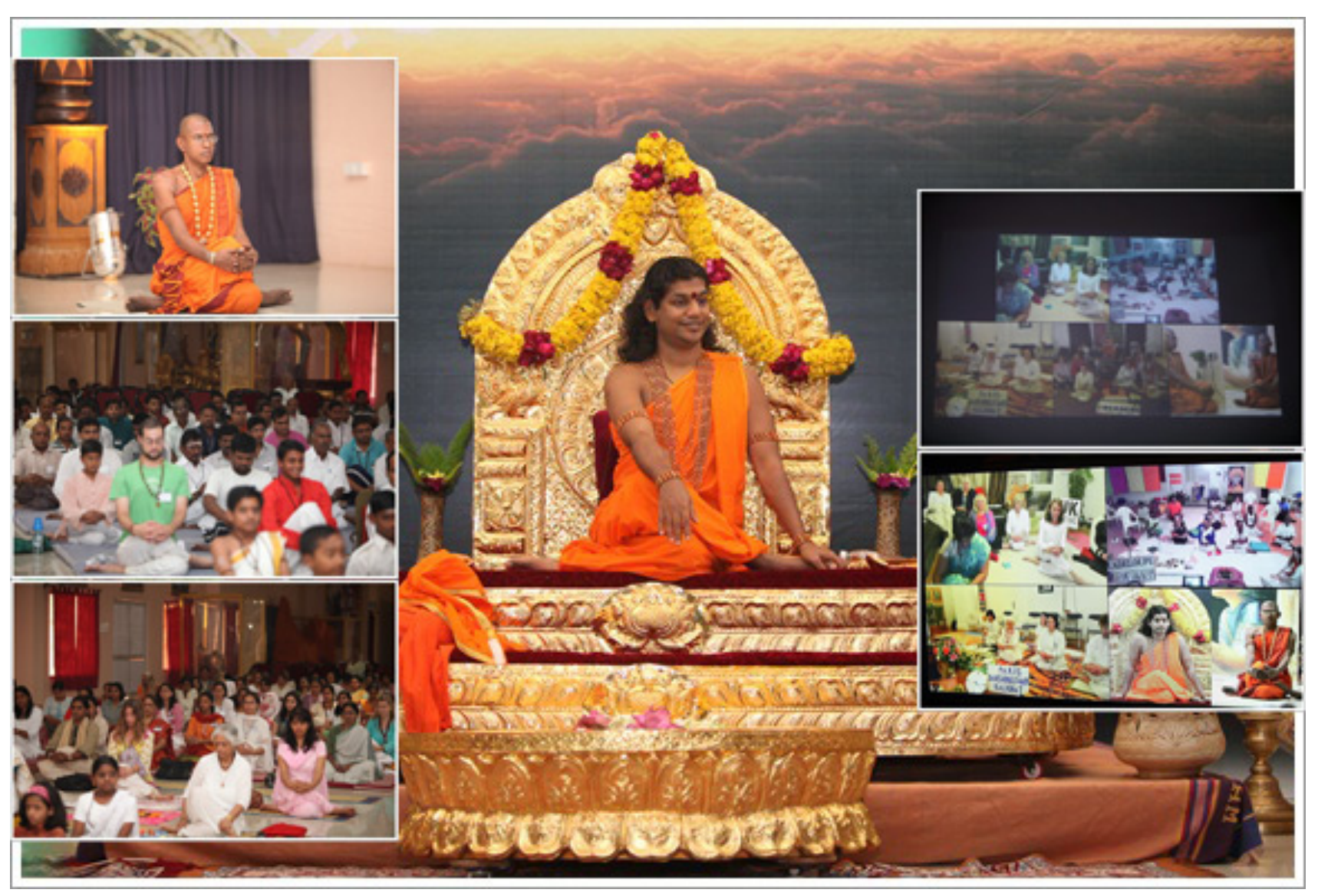
Nithya Kriya is a series of healing yogic processes revealed by Paramahamsa Nithyananda (www.nithyananda.org/nithya-kriyas). Nithya Kriya is unique in that the knowledge and techniques are drawn from the most authentic sacred yogic scriptures of India, while the specific combinations are expressed from the personal experience of Paramahamsa Nithyananda. Himself an established yogi, Paramahamsa Nithyananda has trained under powerful yogis and mystics right from childhood, and has been the practitioner of mystical yogic sciences that have practically disappeared from modern yoga texts.
Why Nithya Kriya?
Today, the world is witnessing an outburst of yoga schools and teachers, both eastern and western, who offer allkinds of physical postures, new styles, aerobics, breathing exercises in all kinds of combinations... While you may some physical workout out of it, you may never understand the true reason and purposeof practicingspecific postures and breathing techniques, let alone experience it is supposed to lead you to. Nithya Kriya aims to deliver and preserve the original yogic practices, born of millennia of research and development and the inestimable personal contribution of innumerable enlightened yogis who gave their lives to enrich the world with this science. According the teaching methods laid out by legendary yogis like Gorakhnatha and Matsyendranatha, the individual asanas and pranayama techniques are sacred and must not be tampered with, while the combinations of techniques required to produce the desired effect are to be received by the learner form his own personal guru (Hatha Yoga Pradipika). True to the Vedic culture, these fathers of modern yoga left the door wide open for continuous updating of this ancient science.
Scriptural roots of Nithya Kriya
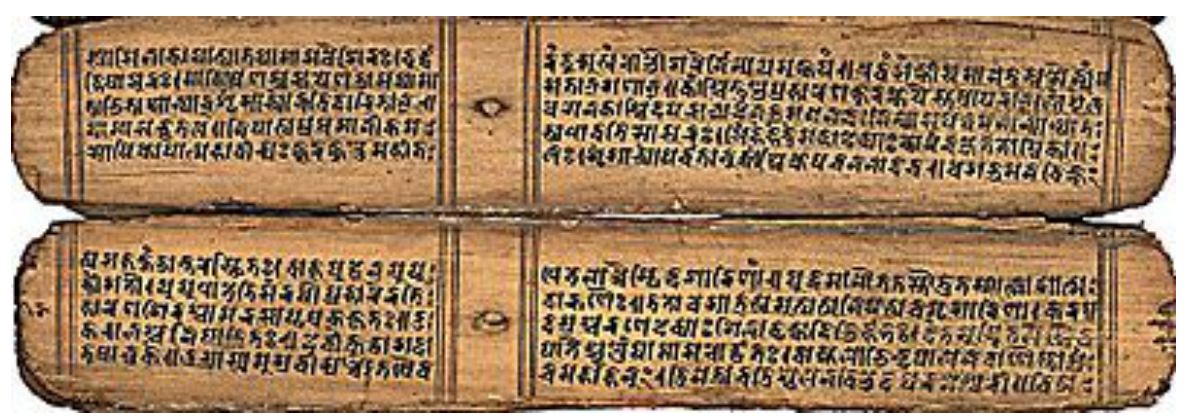
Nithya Kriya is soundly anchored in the sacred yoga scriptures, including the legendary Patanjali Yoga Sutras, as well as the three classic texts that form the base of yoga - Hatha Yoga Pradipika,Gheranda Samhita and Shiva Samhita. Patanjali Yoga Sutras is the foundational text of yoga, written by the father of yoga, the enlightened sage Patanjali. This esoteric yet highly practical text, based on Saankhya Yoga, is said to date back to the 2nd century BC, although it is believed to be far more ancient. Patanjali Yoga Sutras emphasize the value of yoga as a lifestyle, through ashtanga yoga (8-limbed yoga) consisting of yama & niyama(personal and social disciplines), asana (postures), pranayama (controlled breathing), prathyahara (withdrawal of the senses), dhaarana (one-pointed awareness), dhyaana (meditation) and Samadhi (oneness or non-dualistic consciousness).
Hatha Yoga Pradipika is a 15th century Sanskrit hatha yoga text, written by Swami Swatmarama, a disciple of Swami Gorakhnatha. The book is dedicated to Adinatha or Lord Shiva, who is said to have revealed the secrets of hatha yoga to his divine consort Devi Parvati. Hatha Yoga Pradipika contains four major upadeshaas (teachings), which reveal the correct understanding and practice of asanas, pranayama, chakras, bandhas, kriyas, shakti, nadis, mudras and kundalini.
_Gheranda Samhita_ is a highly practical and effective yoga manual said to have been taught by the sage Gheranda to Chanda Kapali. Gheranda Sahmita advocates a sevenfold yoga,including shatkarma(cleansing processes), asana (postures), pranayama (controlled breathing), mudra (finger locks), pratyahara (mind control), dhyana (meditation) and samadhi (the fruit of all the above).
_Shiva Samhita_ is a complex text that spans the entire spectrum of human experience, from health to liberation. Starting with a treatise on spiritual liberation, this text goes on to reveal 84 beneficialasanas, pranayama, meditation and visualization techniques, mantras, subtle energy channels (nadis), kundalini and the importance of the guru on the path.
The other texts that Nithya Kriya draws from includethe Kumbhaka Paddhati of Raghuvira, Trisikhibrahmanopanishad, Yogakundalayupanishad, Yogachudamanyupanishad and Yoga Taravali,JogaPradipika, Yogasana Mala Sachitra, among others.