BLISS CURRICULUM
This text was machine-transcribed from the printed book and may contain errors. Select the words and choose “Report a mistake”.
October : Week - 4 Alphabets of the Month: Q, R, S, T
Theme: Circus Color of the Month: Orange, purple Shape of the Month: Oval, pentagon, hexagon
| Monday | Tuesday | Wednesday | Thursday | Friday | |
|---|---|---|---|---|---|
CIRCLE TIME | Talk in general about circus | Discuss about clowns, dwarfs. | Children's experiences in circus, trapeze. | Animal trainers, circus animals | Magic show. | |
ART | Bubble wrap printing, making cotton candy. | Paper plate clown. Color pencil coloring | Shape sticking of clown. Collage with crush paper balls. | Making trapeze artist, sponge printing. | Zoo stamp printing, wet chalk coloring. | |
ACTIVITY | Blowing balloons. Size sequencing of clowns. | Circus memory game. Guess what is inside the box. | Odd and even, making thread with cotton. | Circus bingo games, matching circus animals with babies. | Drawing clowns on flour, mixing water with corn flour. | |
GYM | Clown dancing. Relay race. | Maze, juggling | Pick beads using toes, physio ball exercise. | Circus parade, bottle bowling. | Somersaults, animal walk. | |

A-Z OF CIRCUS |
A- Acrobatics / B-Balloons / C-Clowns / D-Dwarfs, Dog show / E-Elephant Show / F-Fence / G-Gate /
H-Horse show / I-Ice-cream / J- Joker, Juggling / L- Lion show / M- Magic show / - Nose / O- Rope
dance / P- Flop tricks / Q- Queue / R- Ring master / S- Stamina / T- Trapeze / U- Unicyclist / W-Wig / X-
Experience / Y- Funny / Z- Trapeze /
| | | | |
DAY: 1
Topic: Welcome the kids to the general topic of circus.
Vocabulary: Circus, ringmaster, tightrope, trapeze, unicycle, entertainment, performer, acrobat, juggle, clown.
Material required: pictures, story book related to circus.
Presentation: ● Present to the kids the knowledge about circus. ● Circus is a travelling show where you can see interesting and fun things. ● Circus or some form of circus showmanship has been around as entertainment for centuries. ● Clowns are people who wear make up and funny clothes to make us laugh. ● Animal trainers take care of animals and teach them tricks.
Assessment ● What is a circus? ● Have you been to circus? ● What are the animals we can see in circus? ● Who train the animals to do the tricks? ● Who are clowns? ● Is it safe for us to do the stunts which are done by circus people? ● Who is a ring master?
Closing: Conclude the topic by asking the kids to share their experiences if they have been to circus.
Evaluation: Evaluate their cognitive skills of observing, recalling and responding.
Extension: Kids can make a paper plate clown -with a paper plate children make a face- add a hat, yarn hair, big smile, happy eyes etc, cut a tiny hole where the nose should be and insert a small balloon.
DAY: 2
Topic: Welcome the kids to the topic of clowns and dwarf.
Vocabulary: Circus, clown, dwarfs, loose clothes, happy eyes, big smile, clown hat, funny clothes, make up, zany.
Material required: Toy clown, pictures, story book of snow white and the seven dwarfs, clown hat.
Presentation: • Talk about clowns how they perform and make us laugh. • Clowns are people who wears make up and funny clothes to make us laugh. • Clowns perform, somersaults, do juggling and different funny things to make the people laugh. • Clowns paint their faces with bright colors. • Clowns and other circus performers do a lot of practices. • Clowns have funny colored wigs. • Some clowns are dwarfs. • Dwarfs are people who are shorter in height than normal. • Zany is another word for clown, silly.
Assessment: • Have you seen a clown? • Where you can see a dwarf? • How will you feel when you see a clown performing? • What are the special features we can see in a clown? • Who is a dwarf? • Who is zany? • What is juggling? • Do clowns make us laugh? • What is a somersault?
Closing: Conclude the topic by reviewing the details of clowns. Clowns dress up to suit their roles and put heavy make up on their faces.
Evaluation: Evaluate their cognitive skills of observing, recalling and responding.
Extension: Have a circus parade-children march to music and play instruments, teacher can paint clown faces on children.
DAY : 3
Topic: Welcome the kids to the topic about their experiences in circus, trapeze.
Vocabulary: Trapeze, performer, acrobat, tightrope, animal trainers, practice, stilt, audience.
Material required: Picture book, models etc.
Presentation: ● Discuss about the things they saw in circus. ● Animals they saw in circus. ● Animal trainers train the animals to perform shows. ● Lot of hard work and practice make them perform easily in the show. ● Acrobats do acrobatics in circus. ● Trapeze performers swing from one trapeze to another. They do mid air flips and somersaults. ● Stilt performer has a long wooden stick tied on their legs and walks on it like a tall man with long pants. ● Between performances we have clowns show tricks. ● Like the trapeze artists we have tight rope walkers who walk across a tightly stretched rope and they balance on it with help of long poles.
Assessment: ● Have you been to the circus? ● What do you see in the circus? ● Which show impressed you the most? ● What did the clowns do? ● What all animals did you see in the circus? ● What did a trapeze artist do? ● What did the audience do during circus?
Closing: Recall the information about the shows, trapeze in circus.
Evaluation: Evaluate their cognitive skills, memory skills, language skills.
Extension: Children can make a paper plate clown and make the children estimate how many peanuts are in the clear jar.
DAY: 4
Topic: Welcome the kids to the topic of animal trainers and circus animals.
Vocabulary: Circus, dog show, elephant show, lion show, ringmaster, circus animals, animal trainers, unicycle.
Material required: pictures, toy animals, animal puppets.
Presentation: • Talk about animal trainers, different animals used in the circus to perform tricks. • Animal trainers take care of the animals and teach them tricks. • Circus animals- elephants, tigers, horses, dogs, bears and zebras are circus performers. • Equestrian- we have horse shows. Equestrian is a horse back rider. • Trainers-professionals hired by the circus to work with the animals. • There are lots of acts which involve feats by animals; these animals are trained to perform these tricks by their trainers. • The performers are assisted by large number of persons who take care of the odd jobs like rigging up the tent, maintaining the circus arena, feeding the animals and cleaning their cages. • Animal shows include dogs riding on a unicycle, elephant walking on his hind legs or fore legs, elephant standing on the table lion passing through the fire ring etc.
Assessment: • Name the animals used in the circus? • Name some of the tricks done by the animals? • Who train these animals? • Who take care of these animals? • Can any animal do these tricks or they need practice?
Closing: Review the important details and conclude the topic.
Evaluation: Evaluate their cognitive skills of listening and responding. Evaluate their language skills by asking them to tell their experiences.
Extension: Children can play size sequencing game with the pictures of circus animals, they can also play memory game with animal pictures.
DAY: 5
Topic: Welcome the kids to the topic of what they like in circus the most, magic shows.
Vocabulary: Magic shows, magicians, circus, scarf, juggler, juggling.
Material required: Picture books, coins, towel, magician hat, suit etc.
Presentation: ● Discuss about their experience in circus, the show which impressed them a lot. ● The circus are held in indoors mostly in a large tent. ● Magician performs magic shows. ● Jugglers juggle the balls. They require skills of tracking hand and eye to toss more balls up in the air. ● Magic shows are for entertaining people and children in circus. Magicians can ask for volunteers to do perform tricks. ● Some of the tricks are disappearing coins, pulling scarf, changing sides of cards, pulling puppy dog out of hat, changing ribbons in to a dove etc.
Assessment: ● What do you know about circus? ● What things happen at the circus? ● How do the performers perform? ● Have you been to magic shows? ● What all tricks you saw in the magic show? ● Who does magic?
Closing: Recollect the facts about circus and magic show.
Evaluation: Evaluate their language skills by asking open ended questions.
Extension: Children can have a hoola hoop show done by one of the kid from the class. They can have simple magic show with coins.
DAY 1: ART
BUBBLE WRAPS PRINTING
Material needed: Uncolored art sheet, bubble wrap paper, different poster colors.
Procedure: Children are asked to dip the bubble wrap in the different poster colors and print it on the given art sheet. They can absorb the impression on the paper.
Skills developed: Develop their fine motor skills, cognitive skills of understanding cause and effect.
MAKING COTTON CANDY
Material required: Cotton, Ice cream stick, paint (pink, orange and yellow, glue).
Procedure:
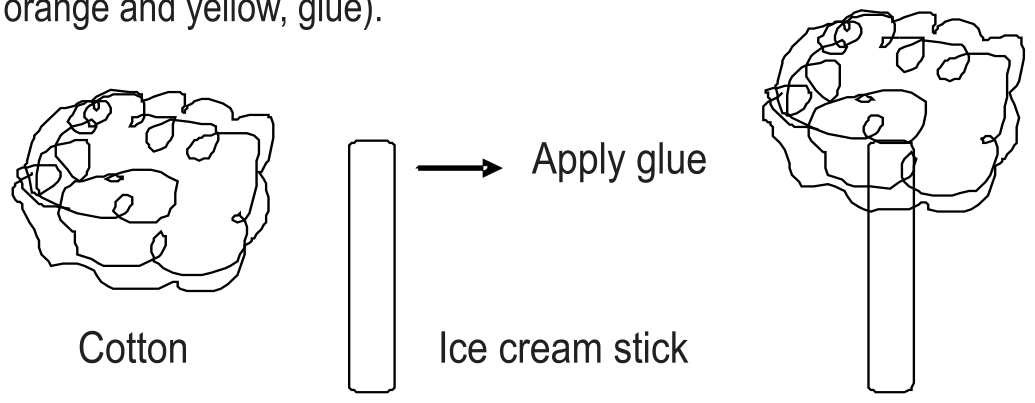
Step: 1:- Take enough amount of cotton, apply glue on ice cream and stick the cotton.
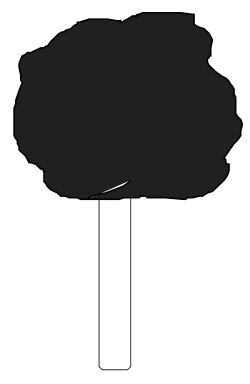
Step: 2:- Spray pink color on the cotton
Variation: Instead of ice cream stick we can use straw. We can use pink color kite paper instead of cotton.
DAY 1: ACTIVITY
BLOWING BALLOONS
Goals: To enhance and improve their oral motor muscle power with various activities
Vocabulary: Blowing, balloons
Material required: Balloons.
Presentation: Demonstrate to them how to blow balloons and ask them to hold air in mouth.
Assessment:
● Can you show the action of blowing?
● Can we blow balloons?
● What happens when we blow balloons?
● Why balloons fly in air?
Evaluation: Evaluate each child's oral motor strength by asking them to blow balloons. Ask each child to make different funny faces and watch in the mirror if he or she is able to imitate the same.
Closing: Ask each child to blow different materials like whistle, bubbles and beads. They can count the beads or bubbles they can blow.
Variation: We can group the beads and ask them to blow the beads; they can count the beads that they moved, to what height they can blow the bubbles. They can make different sounds with their mouth and listen to it.
SIZE SEQUENCING OF CLOWNS
Goals: To improve their pre math skills, Analytical skills, eye hand coordination.
Vocabulary: Order, sequence, height, length, size, big or small, tall or short, long or short, more or less, big, bigger, biggest, tall, taller, tallest, less, lesser, medium etc.
Material required: Picture of clowns.
Introduction and Presentation: ● Place the objects varying in size, height on the table. ● Settle the children and ask them to order it or sequence it according to size or height. Objectives: ● Ask them in what order they have arranged? ● Which is long and which is short? ● Which is big, bigger, and biggest? ● Which is medium? ● Which is thin? ● Which is fat?
Evaluation: Evaluate them by observing, how well they understood the concept, note the recording for further improvements.
Skills developed:
Pre math skills.
Analytical skills.
Eye hand coordination.
Variation: They can also estimate the objects whether they are long or short, thick or thin, big or small, tall or short, more or less etc.
DAY 1: GYM
CLOWN DANCING
Goals: Develops their emotional skills of enjoying, gross motor skills.
Introduction and Presentation: Enact to the children the clown dancing with nice funny steps and ask the children to dance like a clown.
Skills developed: Develops their emotional skills of enjoying. Gross motor skills.
RELAY RACE
Goal: To develops their gross motor skills and social skills of engaging in a group.
Presentation: Divide the children in to teams; each team should have 3 or 4 children. Children of each team are asked to sit apart. An object is given to the players in the first position. They are asked to pass the object to the other players of their team and each the end.
Skills developed: Develops their gross motor skills and social skills.
DAY 2: ART
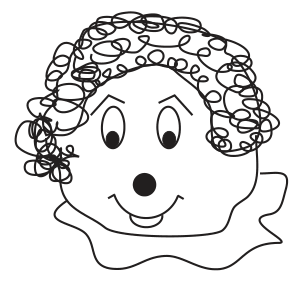
PAPER PLATE CLOWN
Material required: Paper plates, glue, kite paper and color paper, cuts outs, woolen thread, marker.
Presentation:
Step: 1 Use marker to draw eyes, nose and collar on the paper plate.
Step: 2: Keep cut outs for the collar, eyes and nose.
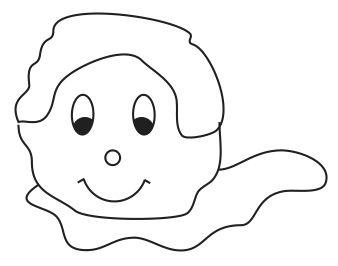
Step: 3: Stick woolen thread for hair.
COLOR PENCIL COLORING
Material required: Color pencils of various colors, uncolored picture.
Procedure: Children can select the color pencils of their choice related to the picture and color the picture. Children are encouraged to color mostly inside the picture holding the pencil firmly.
Skills developed: Tripod grasp, eye hand coordination, prewriting skills.
DAY 2: ACTIVITY
CIRCUS MEMORY GAME
Goals: To improve their memory skills, cognitive skills of observing, visual tracking skills.
Vocabulary: Visualize, recall.
Material required: Different objects (6 to 7 objects) or picture cards.
Introduction and Presentation: Place different objects or pictures on the table e.g. ball, toy dog, pencil, a triangle shape etc. Ask the children to observe the objects placed on the table for few minutes and then remove one object from their sight and ask them to name the objects they have seen. Similarly we can place picture cards in a sequence and ask the children to arrange in the right sequence and name it.
Assessment:
● What all objects did you see?
● What are the shapes you observed?
● What all colored objects were placed?
Evaluation: Evaluate how well they are able to remember things and whether they are able to arrange it in the right sequence.
Skills developed: Memory skills. Cognitive skills of observing. Visual tracking skills.
GUESS WHAT IS INSIDE THE BOX
Goals: To develop their logical thinking skills, expressive language skills. Material required: Animal toys, puppets, materials related to the circus topic.
Presentation: Keep a non-transparent box ready and keep different materials or toys related to the circus theme in the box. Each child is given a chance to guess the materials inside when clues are given. Encourage the children to name the materials or toys. Ask other children to praise their friends.
Skills developed: Develops their logical thinking skills, memory skills and expressive language skills.
DAY 2: GYM
MAZE
Goal: To develop their eye and foot coordination, balance, gross motor skills, visual tracking skills, concentration.
Presentation: We can draw a simple or complex maze on the ground. Children are asked to walk inside the maze to find the destination.
Skills developed: It develops their pre reading skills while tracking the maze with eyes. When they follow the maze they develop their eye and foot coordination, gross motor skills, balance.
Variation: Set the maze according to the theme.
JUGGLING
Goal: To stimulate their eye hand coordination and gross motor skills.
Presentation: Present to the children the method of juggling. Take 2-3 small balls. Throw one ball with right hand and catch it with left and throw another ball and pass the ball from left to right throw and catch the ball with both hands simultaneously. Toss and catch the ball as many as possible.
Skills developed: Eye hand coordination. Fine motor skills. Gross motor skills.
DAY 3: ART
SHAPE STICKING OF CLOWN
Material required: Different color oil paper, plain sheet, glue.
Procedure: Children are given the oil paper cut in to different shapes (triangle, circle, oval, rectangle, and semicircle). Draw the outline of the shape to make a clown shape on the plain sheet and children can see the outline and stick the shapes in those places. One triangle on top and one circle below and two oval shapes inside the circle for the eyes and one upward crescent for the mouth and one semi circle below the circle for the body and two rectangle for legs and two rectangles for hands. Bigger kids can do the collage sticking without the model.
Skills developed: Develops their fine motor skills, eye hand coordination.
COLLAGE WITH CRUSH PAPER BALLS
Material required: Different colored kite papers, glue, and uncolored art sheet.
Procedure: Ask the children to crush the color paper into small balls and stick it with glue on the given picture.
Skills developed: Develops their fine motor skills of pincer grasp, circular movement.
DAY 3: ACTIVITY
ODD AND EVEN
Goals: To develops their pre math skills of knowledge of numbers – odd and even.
Vocabulary: Number, odd, even.
Material required: Number puzzle, pieces or box number puzzle pieces or numbers written on chart paper.
Introduction and Presentation: Ask the children to sit around the table and arrange different number cards or number puzzle pieces on the table. Tell them about the odd numbers and even numbers. Tell them to pick odd numbers from the given cards or numbers puzzle pieces, then tell them to pick even numbers from the given cards or number puzzle pieces.
Assessment: ● What is odd numbers? ● What is even numbers? ● Which is the smallest odd number? ● Which is the smallest even number? ● Tell the even numbers and odd numbers which you have taken. ● Which is the biggest odd number or even number in the given number puzzle pieces or cards? ● Can you tell the biggest even numbers and odd numbers?
Evaluation: Evaluate their pre math skills of numbers.
Skills developed: Develops pre math skills, language expressive skills, fine motor skills.
MAKING THREAD WITH COTTON
Goals: To improve their pincer grasp, intrinsic muscle control, eye-hand coordination, sensory skills
Content:
Vocabulary: Peeling, cotton, seeds.
Material required: Cotton, plate.
Introduction and presentation: Demonstrate how to peel the cotton seed and make thread by rolling the cotton on the palm. Tell them about the uses of cotton.
Assessment: ● Ask them about the texture of cotton? ● Is cotton heavy or light? ● What is the color of cotton? ● What happens when we roll the cotton with our palm?
Closing: Ask the children to peel the cotton using thumb and index finger and use both the palms in opposite motion to make thread.
Evaluation: Evaluate each child's ability to peel cotton and make thread from cotton.
Skills developed: Pincer grasp, eye hand coordination, tactile skill and sensory skill.
DAY 3: GYM
PICK BEADS USING TOES
Goal: To develop their fine motor skills and their balancing skills, eye and foot coordination.
Presentation: Place some beads on the ground. Ask the children to pick the beads using their toes.
Skills developed: Fine motor, Eye and foot coordination, balancing.
PHYSIO BALL EXERCISE.
Goal: To develop their abdomen muscles and this is also a nice relaxation exercise.
Presentation: Mentor has to hold the ball with one hand and to avoid the ball from rolling off hold with one foot in the front and make the children lie down on the ball on their tummy. Sing a rhyme and roll the ball forward, backward, left and right. When we move the ball children will move in the direction in which we move the ball, they will learn to balance by gripping the ball. If they move their body rhythmically this activity induces relaxation also. They can also bounce and lift the physio ball.
Skills developed: It helps to keep their hip muscles stronger and develops their gross motor skills; this is also a nice relaxation exercise.
DAY 4: ART
MAKING TRAPEZE ARTIST
Material required: White paper or color paper (oil paper), fevicol, safety scissors.
Preparation: Take a white paper cut them in to medium sized square shape
Now cut the white paper in to large sized rectangle shape
Cut the white paper in to rectangle shape ( we need 4 rectangle shapes)
Cut the white paper in to rectangle shape (long) (we need 3 rectangle shape)
Procedure: Step: 1: Take that small medium sized square shape and join both the ends and stick it (like a cylinder shape).
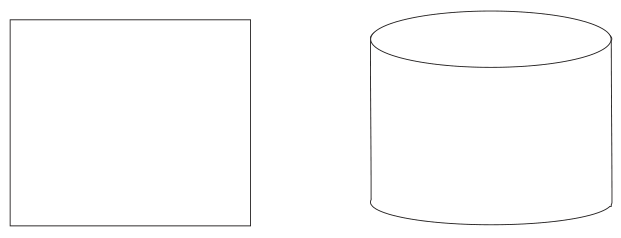
Step:2: Take that large sized rectangle shape join both the ends together and stick it.
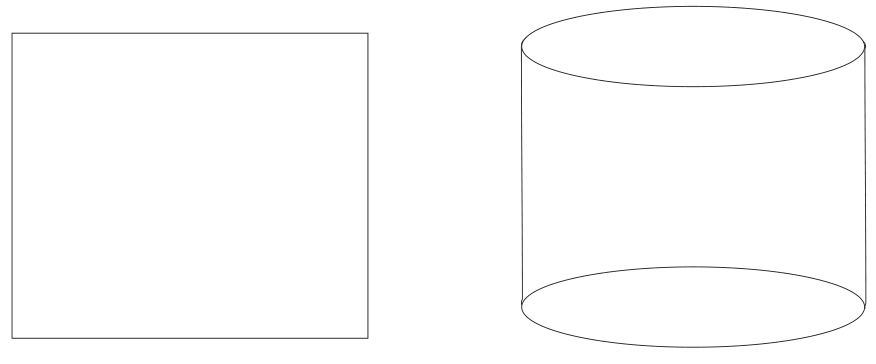
Step:3: Take that 4 pieces of rectangle shape and roll each piece and stick it.
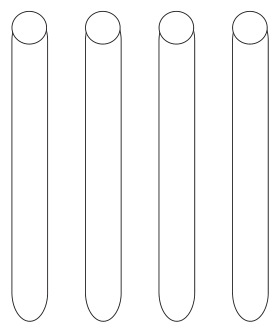
Step:4: Take that long rectangle shape and roll each piece and stick it.
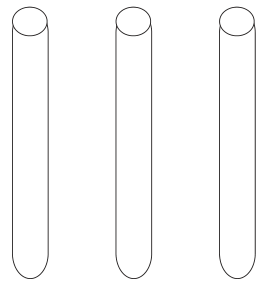
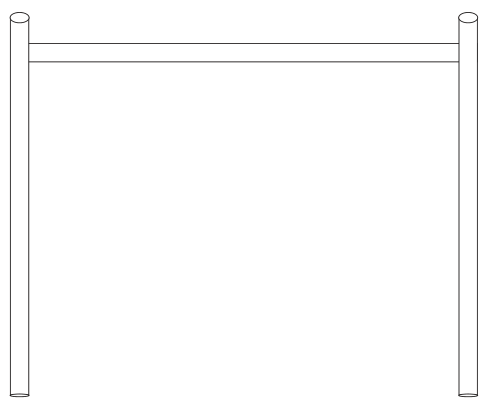
Step:5: Take the pieces which we get by doing the step 4 and stick as shown as in the picture.
Step:6: Take the pieces which we get by doing the step 1 and 2 stick as shown in the picture.
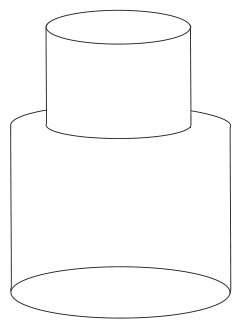
Step: 7: Take step 3 pieces and stick it for leg 2 pieces and for hands 2 pieces as given as in the picture and make a face like eyes, nose, and mouth.
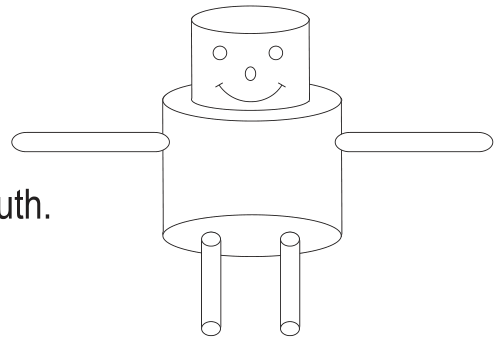
Step:8: Take the piece which we get from doing the step 5 and stick it as given as below
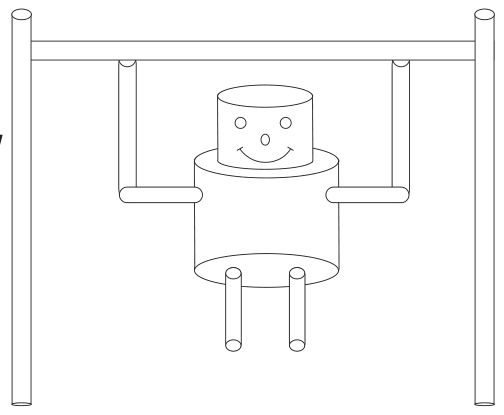
Variation: we can also use news paper and color it instead of using white paper or color oil paper.
SPONGE PRINTING
Material required: Uncolored art sheet, paints of various colors, sponge cut in to various shapes. Procedure: The children are asked to dip the sponge in the paint and do the sponge printing on the given picture. They can do printing with various shape or size or design sponges dipped in different colors. Encourage the children to do the printing only inside the picture.
Skills developed: Fine motor skills, sensory skills, cognitive skills of knowledge of various colors and cause and effect.
DAY 4: ACTIVITY
CIRCUS BINGO GAMES
MATCHING CIRCUS ANIMALS WITH BABIES
Goal: To stimulate their cognitive skills, observing skills, memory skills, curiosity, thinking skills, social skills.
Vocabulary: Lion, tiger, horse, elephant.
Material required: Toy animals
Presentation: Make the children to sit near the table and explain about circus and animals which we can see in the circus. Show the toy animals which we can see in the circus and ask them to name the babies of the toy animals.
Skills developed: Memory skills, Cognitive skills, Curiosity, Thinking skills, Social skills.
DAY 4: GYM
CIRCUS PARADE
Goals: To develop their gross motor skills, symbolic thinking.
Presentation: Children can imitate and do different circus animal walk. Children can walk like clowns also. They can do marching and does the circus parade by moving in a line like circus animals and clown.
Skills developed: Develops their gross motor skills and symbolic thinking.
BOTTLE BOWLING
Goal: To develop their fine motor skills, gross motor skills, eye hand coordination, focusing on an object.
Presentation: Plastic bottles can be filled with different colored water and arranged in row, one after the other or in a particular pattern. Children are asked to come one by one and roll a ball and bowl the bottle. Whoever bowling more bottles will be applauded.
Skills developed: Eye hand coordination, Fine motor skills, Focusing on an object, Gross motor skills.
DAY 5: ART
ZOO STAMP PRINTING
Material required: Zoo stamps, Stamp pad, Pictures of zoo animals.
Procedure: Ask the children to press the zoo stamps on the stamp pad and do stamp printing on the picture. Children are asked to observe the prints appearing on the paper, when they press the zoo prints on the paper. .
Skills Developed: Fine motor skills, cognitive skills of understanding cause of effect.
WET CHALK COLORING
Material required: Uncolored art sheet, different color chalks dipped slightly in water with chalk holder.
Procedure: Children are told to hold the chalk holder firmly and color inside the given picture with different colored chalk.
Skills developed: Tripod grasp, pre writing skills, eye hand coordination
DAY 5: ACTIVITY
DRAWING CLOWNS ON FLOUR
Goals: To improve their fine motor skills, eye hand coordination, pre writing skills, creativity.
Content:
Vocabulary: Flour, designs, patterns.
Material required: Flour, samples of some designs and pictures of clowns.
Presentation: Present the activity by drawing different kinds of clowns. Show them the easy method to draw the clown. Encourage and help them to draw different kinds of clown on the flour.
Assessment: ● What are the body parts we use for drawing? ● What are the materials we use for writing? ● Which is your favorite writing tool? ● Can they write without using their thumb? ● In which place we can see the clowns?
Skills developed: Fine motor skills, eye hand coordination, pre writing skills, creativity
Variations: They can write with other kinds of flour, sand.
Evaluation: Evaluate each child's ability to draw, write, the coordination involved in writing, their creativity, their language skills, to explain what they drew.
MIXING WATER WITH CORN FLOUR
Goals: To improve their Sensory awareness skills, Fine motor skills, olfactory skills
Vocabulary: Dough, flour, essence, corn
Material required: Water, Flour, Food color, Plates.
Introduction and Presentation: Get all the materials ready for the activity .Give each child a plate and tell them sit at the table. Put a small amount of corn flour on each plate and ask them to feel it. Add a small amount of food color and ask them to mix. Add little water and tell them mix it with their fingers observe the color change and feel the texture.
Assessment: ● What is the texture of the dough? ● What is the color of the food color? ● What happen when you add color to the flour? ● Does the texture change when you add water to the flour? ● How does the dough smell when you add essence? ● How do you feel soft or rough? ● Is it gooey and sticky or stiff and hard? ● What is the different smell?
Skills developed: Sensory awareness skills, tactile skills, olfactory skills, whole hand grasp.
DAY 5: GYM
SOMERSAULTS
Goal: To improve their balance, co-ordination, spatial awareness and gross motor skills.
Presentation: Children whoever learning to tumble can use the wedge placed on the safety mats to tumble.
Place mats on all the sides. They can do tumbling on the grass also.
Skills Developed: Develops their spatial awareness, hip muscles, gross motor skills, balance and co-ordination.
Variation: Children can also do tumbling using their hands.
ANIMAL WALK
Goal: To develop their gross motor skills.
Presentation: Hop: Children are asked to stand on one foot and move from one place to another by hopping.
Crawl: Children are asked to sit on their knee and to move using hands and knee. Creep: - Children are asked to lie down on the floor, on their tummy and move using hands and leg in lying position (like snake). Swim: Children are asked to lie on their tummy on the floor and they are asked to move their hands and legs and do swimming action.
Skills developed: Develops their gross motor skills.
BLISS CURRICULUM
June : Week - 2 Theme: Reptiles Alphabets of the Month: A, B, C, D Color of the Month: Blue, Indigo, violet Shape of the Month: Triangle, Prism, cone
| Monday | Tuesday | Wednesday | Thursday | Friday | |
|---|---|---|---|---|---|
| CIRCLE TIME | Talk about reptiles, alligator, crocodile | Tortoise and turtles, food habits | Talk about snakes | Special features and their homes | Talk about lizards and gecko. |
| ART | Sponge printing, crayon coloring | Shape sticking, making tortoise. | Vegetable printing, texture printing. | Sticking color glass paper, wet chalk coloring. | Making mini book, bud painting. |
| ACTIVITY | Dressing and undressing, arranging and threading leaves | Sorting objects, peeling ladies finger seeds | Making kolam dots, clipping paper clips | Bubble wrap popping, displacement activity | Ordering and sequencing. Sound and smell match |
| GYM | Play hopscotch, simon says. | Tumble and rollover, physio ball exercise. | Hide and seek, animal silly faces. | Backward creeping. Passing balloon under, over, behind. | Pick a doll and jump in to the circle, freeze dance. |
| A-Z OF REPTILES |
A-Alligator / B- Beaded lizard / C-Crocodiles, Chameleons / D-Dragons / E-Eggs / F-Flying dragon / G-Geckos / H-Hatchlings / I-Iguana / J-Jaws / K-Komodo dragon / L-Lizard / M-Mexican beaded lizard / N-Nostrils / O-Odours / P-Python / Q-/ R-Rattle snake / S-Snakes / T-Tortoises, turtles / U-Upper jaw / V-Venom / W- Wringling / X- Extinct / Y-Lymph / Z- Zoologist |
DAY : 1
Topic: Invite the kids to the topic about reptiles. Alligators and crocodiles
Vocabulary: Alligators, crocodiles, scaly skins, carnivores, marshy lands, reptiles, cold blooded, aquatic, snout, aggressive, webbed.
Material required: Pictures, books, toys.
Presentation: • Crocodiles and alligators are large aquatic reptiles. • Some crocodiles are much more aggressive than alligators. • Crocodiles have long pointed snout where as alligators have a shorter and broad snout. • Crocodiles have strong jaws and webbed hind feet. • Crocodiles are light olive brown in color while alligators are blackish. They grow in a small group called pods. • Their tail helps them to swim. • Reptiles are cold blooded animals; they have dry scaly skin, their body temperature changes with their surroundings. • They lay eggs. All the reptiles creep. They are vertebrate. • Some reptiles shed their skin. • Crocodiles and alligators live in marshy land. Baby crocodiles are called hatchlings. • Most of the reptiles are carnivorous. • They live in water and when they are in land they mostly keep their mouth open to cool their body. • They are very dangerous as they can strike faster before humans can even react • Their skin is used in making purse, wallet, hat, belt and handbags. • Crocodile teeth are sharp and they have the strongest bite in the world. • They eat birds, mammals and fishes. They can hear & make sounds when they are sick.
Assessment: • What are reptiles? Where do they live? • What are the special features in reptiles? • How are crocodiles different from alligators? • Where do crocodiles or alligators live? • Is crocodile carnivore or herbivore? • What is baby crocodile called? • What is the color of the crocodile? What color will alligators be? • How do we use the crocodile skin? • How do reptiles move from one place to another?
Closing: Recollect the information stated above and evaluate the children by asking open ended questions.
Evaluation: • Tactile skills-while touching or feeling the texture of toy crocodiles. • Language skills: answer to question • Cognitive skills: acquire facts of reptiles.
Extension: Creeping like crocodiles and alligators Opening mouth like crocodile for a long period of time Make finger puppets of crocodile
DAY : 2
Topic: Tortoise and turtles and food habits of reptiles
Vocabulary: Tortoise, turtle, hatchling, shells, heavy, bones, flat, stumpy hind leg, scales, habitat, predators.
Material required: Pictures, toys, books.
Presentation: • Turtles and tortoises are reptiles with shells and scales on their body. • Turtles and tortoises are differentiated by their habitat. • Turtles live in water while tortoises live on land. • Turtles and tortoises are cold blooded reptiles. • They can pull their heads, legs and tails inside their shells. Shells serve as a protection from predators. • Turtles are fast swimmers and tortoises are slow moving animals on land. • Turtles have flat shells and are black, brown or dark green in color. They have long legs and webbed feet. • Marine turtles have paddle shaped legs and flippers to swim. They have flattened front legs and stumpy hind legs. • They eat animals and plants. Some turtles eat only plants. Some turtle are herbivorous while others are carnivorous. • They lay eggs on land. Tortoise lays 1 to 30 eggs. They are vertebrate. The age of a tortoise can be deduced by counting the number of concentric rings on its shell, much like the cross-section of a tree • Baby tortoise and baby turtles are called hatchlings. • Shell of turtle is made of 60 different bones. • They can live up to 200 years. Currently they are the oldest living animals in the world.
Assessment: • What do reptiles eat? • How do tortoise and turtles move? • How many eggs does tortoise lay? • What is the difference between tortoise and turtle? • What is baby tortoise or turtle called? • Why do turtles and tortoises have hard shell? • Where do tortoises live? How long can a turtle live? • How can we find the age of a tortoise? • What helps turtle to swim in the water? Can they breath underwater?
Closing: Recollect the facts and observe how well they understood about the topic
Evaluation: • Pre math skills: Counting Turtles. Counting the concentric ring on the shell • Expressive Language skills: Explaining the life of the turtle • Critical thinking skills. Understanding the difference between the turtle and tortoise
Extension: Give children a laundry basket or a bucket to pretend like a turtle and play. They can paint their hand and finger like turtle and play
DAY : 3
Topic: Snakes
Vocabulary: Wriggle, shed, venom, desert, avoid, scales, slither, molting, prey, constrictor, snake let.
Material required: Picture books, toys.
Presentation: • Snakes live in holes. • Snakes are cold blooded reptiles. They have scales to protect their skin from rough ground or sharp rocks as they slither along. • They do not have eyelids. • When snakes grow too long for their scaly skin, they just wriggle out of it and get a new skin. • Young snakes change their skin about 4 times a year. This process is called molting. • All snakes can stretch their jaws to swallow animals bigger than their head. Anaconda can even swallow a deer. • Some are poisonous giving out venom e.g. cobra. Other snakes wrap their prey and swallow them e.g. python, anaconda. Snakes are carnivores. • Most snakes live on land, but some live in rivers, lakes or even seas. • Snakes are vertebrates. They have more bones in its back linked to its muscles. • The move in zigzag , slide, or zip through the place. • They cannot hear but can see the movement of the flute of the snake charmer and move • Reptiles in desert bury themselves in the sand to avoid hot sun. Baby snake is called snake let or hatchlings.
Assessment: • Name some snakes? ( Python, anaconda, rattle snake, cobra) • What type of skin do snakes have? • Do snake lay eggs? • Why do reptiles go deep under the sand in hot summer in desert? • What do we call baby snake as? • How many times do young snakes change their skin? • How do snakes move from one place to another? • Where do snakes live? • What is the process of changing skin called? • What happens when a snake bites? • Name some poisonous snakes?
Closing: Recollect the facts about different types of snakes.
Evaluation: • Language skills: names of the snakes, explaining molting, eating habit etc. • Spatial skills: Walking on the snake path
Extension: Make paper snakes and wriggle like snake. Moving like a snake on the ground. Ask the children to walk on the snake path placing one foot in front of the other without leaving any gaps. Ask Children to measure the length of snakes using a foot scale.
DAY : 4
Topic: Special features of reptiles and their homes
Vocabulary: Chameleons, scaly, cold blooded, long tongue, flat shell.
Material required: Picture books of reptile, toys, and puzzles.
Presentation: ● Reptiles are cold blooded animals. ● Reptiles cannot live in cold continents and in cold season many reptiles go for a long sleep. . Most of the reptiles are carnivores. ● All reptiles creep, some reptiles move very fast, others move slowly. ● They have a dry, scaly skin. They lay eggs. ● Most reptiles have good vision but do not have eyelids. ● Chameleons can change its color to save itself from predators. ● Reptiles mostly live in warm places. ● Crocodiles and alligators live on marshy land. ● Snakes lives in the holes. ● Tortoise lives on the land, turtle lives in the water. ● Tortoises have hard shell to protect themselves.
Assessment: ● How are reptiles different from mammals? ● How reptiles are similar to birds? ● What types of skin do reptiles have? ● Where do snakes live? ● What are the babies of reptiles called? ● Do reptile lay eggs? ● What types of vision do reptiles have? ● Do reptiles live in cold region? ● What special features does a tortoise have to protect itself? ● What special feature do chameleons have to protect themselves? ● Why frogs are not part of reptiles? ( lay eggs in water, they have gills, ear and eyelids)
Closing: Recollect the special features in reptiles and how they are similar to birds.
Evaluation: ● Language skills: Presentation on any given reptile ● Cognitive skills: Classifying and grouping the categories
Extension: Mix Reptiles, mammals and insects and ask them to pick and explain the reptiles with their features.
Create a park as reptile zoo using blocks and plastic reptiles.
DAY : 5
Topic: Lizards and geckos.
Vocabulary: Lizards, iguanas, chameleons, geckos, Gila monsters, monitor lizards, skink, and claws.
Material required: Picture books and toys.
Presentation: ● Explain to the children that lizards are reptiles. They are grouped in to different types such as iguana, chameleons, geckos, Gila monsters, monitor lizards, skinks. ● They vary in size, shape and color but share common characteristic. ● Lizards usually have dry, scaly skin. ● Lizards do not have ears that stick out like other animals. ● Gecko has fine hair on their head to connect to the inner, hidden ear drum. ● Lizards live on trees, marshes, grass lands and forests. They have claws to grip the ground. ● Chameleons, lizards have sticky tongue to catch their prey. They mostly feed on insects. ● Many lizards shed their tail to escape from their predator. They can grow another one. ● Australian frilled lizard has frill around its neck it opens when it opens its mouth. ● It lays eggs. They do not have eyelids. They use their tongue to clean their eyes. ● They are very helpful for humans. ● They use their tongue to catch their prey. The tongue can move faster than human eyes. ● Chameleons can change their body color when they are in danger. They can see two different things at the same time. ● Komodo dragons are the largest lizards. ● Lizards shed their skin to grow a new one. Lizards eat both plants and animals.
Assessment: ● Have you seen any reptile in your surroundings? ● Why do lizards and chameleons have sticky tongue? ● What are different types of lizards? ● What are the special features in lizards? ● Do they lay eggs or give birth to young ones? ● Which lizard can change its body color? ● What do lizard eat? ● Which is the biggest lizard? ● Can snakes be part of lizards? Which category do lizards belong? ● Where do they live and how are they able to climb on the walls? ● How do they grip onto the ground?
Closing: Recollect the facts about reptiles, their food habits, their homes etc.
Evaluation: ● Language skills. learn vocabulary words, answer open ended questions ● Cognitive skills: classifying and comparing ● Math skill: color, shape, size, of the reptiles. ● Tactile skill: Finding the object by feeling it with the fingers.
Extension: Ask them to pick object from the mystery bag by touching and figure out what reptile they belong to. ( Older children can do blind folded)
DAY 1: ART
SPONGE PRINTING
Material required: Uncolored art sheet, paints of various colors, sponge cut in to various shapes.
Procedure: The children are asked to dip the sponge in the paint and do the sponge printing on the given picture. They can do printing with various shape or size or design sponges dipped in different colors. Encourage the children to do the printing only inside the picture.
Skills developed: fine motor skills, sensory skills, cognitive skills of knowledge of various colors and cause and effect.
CRAYON COLORING
Material required: uncolored art sheet, various color crayons.
Procedure: The children are asked to hold the crayon firmly and color inside the given picture if possible, they can use various colors of their choices related to the given picture.
Skills developed: Tripod grasp, pre writing skills, eye hand coordination.
DAY 1: ACTIVITY
DRESSING AND UNDRESSING
Activity: Practical activity of dressing and undressing
Goals: To make them independent in the practical life activities of dressing and undressing which involves buttoning, un buttoning, wearing and removing the dress, tying and removing the shoe lace, wearing and removing the socks, zip and unzip etc. Develops their intrinsic hand muscles and fine motor skills, eye hand co ordination, sense of direction/position, sensory skills of wearing clothes of different textures, etc.
Vocabulary: Clothes, shirt, pant, tops, midi, shorts, cap, shoe. socks, frock, coat, under pant, tie, lace, button, un-buttoning, zip, front, back, scarf, belt, sweater, gloves, T-Shirt, jeans, full sleeve shirt, half sleeve shirt.
Material required: Collection of their own dresses, pair of socks, shoes.
Introduction and presentation:Show them how to button and unbutton, encourage them to remove and wear their own dresses, wear their socks and shoes.
Assessment: ● Why do we wear clothes? ● Which is your favorite dress? ● Who helps you? ● Can you dress yourself? ● Where do we put shoes? ● Will all the shoes fit for everybody? ● What do we need to do before we wear our shoes? ● Do you know to tie shoe lace?
Closing:Encourage the effort made by each child and ask them to try as much as they can.
Evaluation :Evaluate each child's ability to dress up and undress them, how well they wear the accessories like shoes, socks, note the recordings for further improvement and evaluation. Evaluate each child's fine motor skills. Intrinsic hand muscles power, eye hand co ordination, position sense, directions sense and note the recordings for further observation, observe their sense of texture as they try different textured clothes.
Variation:Variation of this practical life activity can be done with dress up boards, wooden shoes, matching socks, buttoning board, laces.
ARRANGING AND THREADING LEAVES
Goals: To improve their pincer grasp, intrinsic muscle control, eye-hand co-ordination.
Vocabulary: Threading leaves,
Material required: Thread, leaves, plates, safety punching machine.
Presentation: Demonstrate them how to arrange the leaves according to their size or arranging leaves in different patterns like big then small then big etc. Then show them how to make hole in a leave using hand or using safety punching machine. Explain them how to thread the leaves through the hole.
Assessment: ● Can we thread a very tiny object? ● Can we do threading with one hand? ● What items can we thread? ● Can we thread an object that has no hole? ● Can you tell the name of the leaves which you had threaded? ● Count the leaves which you had threaded? ● Can you tell in what way did you arrange the leaves?
Variation: They can thread the beads in a sequence depending upon the color, size and shape of the beads.
Evaluation: Evaluate each child's ability to string the various objects, record the observations. Ask them to count the leaves. Ask them what all materials they can string and what all we cannot.
Skills developed: Pre-math skills, Eye hand coordination, Fine motor skills
Conclusion: This helps them to improve their eye hand coordination and fine motor skills, as well as pre-math skills.
DAY 1: GYM
PLAY HOPSCOTCH
Goal: To improve their balance, gross motor skills, eye and foot co-ordination, spatial awareness.
Presentation: A hopscotch box has to be drawn on the floor it can be simple or complex.
Ask the children to hop on one foot and to jump, hop, jump, turn and do the same and go back to position.
Observe them how well they are able to do it.
Skills developed: It develops their balance, spatial awareness when they hop on one foot and their gross motor skills while jumping. Develops their visualization skills if they are able to do with eyes closed.
Extension: They can try closing their eyes.
SIMON SAYS
Goal: To develop their auditory skills, observing skills, following oral instructions and receptive language skills; gross motor skills.
Presentation: A person who will give instruction can be named as pilot, sailor, postman, chef, judge etc related to the theme. Children are given oral instruction like “pilot says to do flying action”. Instruction can be anything to stimulate children's interest.
Skills developed: Auditory skills. Receptive language skills. Gross motor skills.
DAY 2: ART
SHAPE STICKING
Material required: Different color oil paper, plain sheet, glue.
Procedure: Children are given the oil paper cut in to different shapes (triangle, circle, oval, rectangle, and semicircle). Draw the outline of the shape to make a clown shape on the plain sheet and children can see the outline and stick the shapes in those places. One triangle on top, one circle below, two oval shapes inside the circle for the eyes, one upward crescent for the mouth, one semi circle below the circle for the body , two rectangle for legs and two rectangle for hands. Bigger kids can do the collage sticking without the model.
Skills developed: Develops their fine motor skills, eye hand coordination.
MAKING TORTOISE
Material required: Plain sheet, news paper, fevicol, poster color (green), paint brush, paint pallet, safety scissors, green kite paper, black markers.
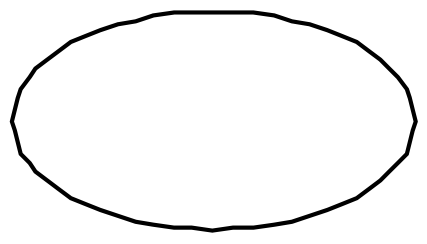
Preparation: Cut oval shape on a plain sheet. Make two crush paper balls one big and one small. Mix paint in the pallet and keep it ready.
Procedure:
Step:1: Wrap big crush paper ball with plain sheet and paint it green.

Step:2: Stick the oval shaped cut out on the big crush paper ball and paint it green
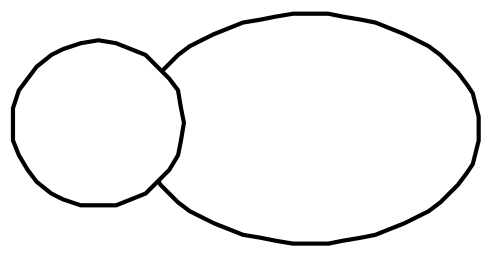
Step:3: Stick the small to the big crush paper ball and paint it green.
Step:4: Fold paper in to small rectangles for legs and stick using fevicol
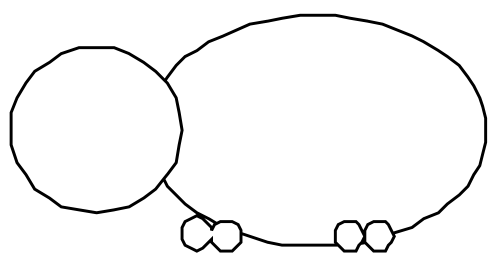
Step:5: Make small crush paper balls and stick it on top of the tortoise body.
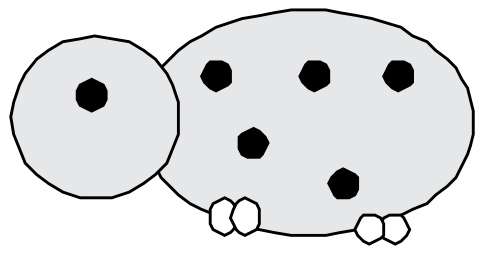
Step:6: Use black marker to make two dots for eyes.
DAY 2: ACTIVITY
SORTING OBJECTS
Activity: To sort different toy reptiles according to features.
Vocabulary: Reptiles, lizard, alligators, crocodiles, tortoise, turtle, lizards, iguanas, chameleons, geckos,
Goals: To improve their: Cognitive skills, Pre math skills, Fine motor skills, Eye hand coordination
Material required: Different type of toy reptiles.
Presentation: Have all the material ready for the activity. Give each child the material in a plate. Give each child different toy reptiles and show them how to sort according to their similarities, features etc. Ask them to feel the different textures.
Assessment: • Name different kinds of reptiles • Name few similar reptiles • Which reptiles we can find in water? • Which reptile we can find in our house? • Ask them about the texture.
Skills developed: Cognitive skills, Pre math skills, Fine motor skills, Eye hand coordination
Conclusion: By this activity they will be able to understand and classify the objects according to the size, similarities texture, and shape.
PEELING LADIES FINGER SEEDS
Goals: To improve their pincer grasp, intrinsic muscle control, eye-hand coordination, sensory skills
Vocabulary: Peeling, ladies finger, seeds.
Material required: Ladies finger, plates.
Introduction and presentation: Demonstrate how to peel the ladies finger using thumb and index finger. Demonstrate them how to remove the seeds from the lady finger. Tell them to count the seeds.
Assessment: • Ask them about the texture of ladies finger. • What is the color of ladies finger? • What is the color of seeds of ladies finger? • Can we count the seeds of ladies finger?
Closing: Ask the children about the uses of ladies finger and ask them how we can grow the ladies finger in our house.
Evaluation: Evaluate each child's ability to peel ladies finger.
Skills developed: Pincer grasp, eye hand coordination, tactile skill and sensory skill.
Variation: They can peel peas, hay straw, banana, orange.
DAY 2: GYM
TUMBLE AND ROLLOVER
Goal: To improve their balance, co-ordination, spatial awareness and gross motor skills.
Presentation: Children whoever learning to tumble can use the wedge placed on the safety mats to tumble. Place mats on all the sides. They can do tumbling on the grass also. Children are asked to roll on the safety mat forward and backward. They can also do rolling side ways on the wall. Children can do rolling towards right or left listening to the instructions alternatively.
Skills Developed: Develops their spatial awareness, hip muscles, gross motor skills, balance and co-ordination and listening skills.
Variation: Children can also do tumbling using their hands.
PHYSIO BALL EXERCISE
Goal: To develop their abdominal muscles and provide relaxation.
Presentation: Mentor has to hold the ball with one hand and to avoid the ball from rolling off hold with one foot in the front and make the children lie down on the ball on their tummy.
Sing a rhyme and roll the ball forward, backward, left and right. Children will move according to the direction of the ball and will learn to balance by holding on to the ball.
If they move their body rhythmically this activity induces relaxation also. They can also bounce and lift the physio ball.
Skills developed: It helps to keep their hip muscles stronger and develops their gross motor skills, this is also a nice relaxation exercise.
DAY 3: ART
VEGETABLE PRINTING
Goal: To develop their creativity, fine motor skills, cognitive skills of understanding and exploring cause and effect.
Material required: Any vegetable which can be cut in to shapes (e.g. carrot, potatoes, onion, ladies finger, radish etc), poster colors, paint brushes, uncolored art sheet.
Introduction and presentation: Motivate children to sit and present them the ways they can do vegetable printing. Give them the vegetable which is cut in to different shapes or patterns ask them use paint brush to apply paint on vegetable or dip it in the paint. Ask the children to make impressions or print on the art sheet.
Skills developed: Develops their creativity, fine motor skills, tactile skills, cognitive skills of understanding cause and effect.
TEXTURE PAINTING
Goals: To develop their creativity, fine motor skills, tactile skill, cognitive skills of understanding and exploring cause and effect.
Material required: Uncolored art sheet related to the theme, sand or Semolina or salt, poster colors, texture toys (like small tyres etc).
Introduction and presentation: Encourage children to sit for the art and demonstrate the ways to do the texture painting. Children can also use texture toys to paint the pictures. They can observe the painting and touch and feel the texture after the paint has dried.
Skills developed: Develops their creativity, fine motor skills, tactile skills, cognitive skills of understanding cause and effect.
DAY 3: ACTIVITY
MAKING KOLAM DOTS
Goals: To improve their fine motor skills, eye hand coordination, pre writing skills, creativity
Vocabulary: Kolam, designs, patterns, math, fine motor, gross motor, pre-writing,
Material required: Kolam powder (rice flour), samples of some designs, pictures.
Assessment: What are the body parts we use for writing? What are the material we use for writing? Which is your favorite writing tool? Can they write without using their thumb?
Introduction and presentation: Present them the activity by putting some dots with kolam powder in different pattern and tell them to put the kolam power using thumb and index finger according to their wish. Tell them to join the dots to make designs. They can put dots and make alphabets or numbers by joining the dots
Closing: Talk about the designs, patterns which the kids draw, write.
Evaluation: Evaluate each child's ability to draw, their coordination involved in writing, their creativity, their language skills, to explain what they drew.
Variation: They can write with rava. Give them pattern and then ask them to follow, make maze paths to follow. Add some small stones so they can make a pattern of dots and stones. Add food color to get color pattern.
CLIPPING PAPER CLIPS
Activity: To clip the paper using paper clip or cloth pegs.
Goals: To improve their whole hand muscles movement, Fine motor, Cognitive skills of understanding cause and effect.
Vocabulary: Clipping, Paper clips, Pincer grasp, Pinning, Pressing, and Opening
Material required: Papers, Paper clips or cloth clips
Presentation: Keep papers, paper clips or cloth clips ready before starting an activity. Hold a piece of paper with one hand and pin the paper clip by opening it using thumb and index finger (pincer grasp).
Assessment: ● How does the paper look? ● What is the shape of the paper? ● How does the cloth clips or paper clips look like?
Skills developed: Pincer grasp, Eye hand coordination, Tripod grasp, Math skill
Conclusion: These activities improve fine motor skills of whole hand grasp, tripod grasp, and eye hand coordination.
DAY 3: GYM
HIDE AND SEEK
Explanation of the game: In this game of hide and seek, one child counts to a certain number while all the other children hide. At the end of the count, the child who counts gives a warning by saying, "Ready or not, here I come" and then seeks out the hiders.
Skills developed: Gross motor, visual, spatial awareness, counting, auditory skills.
Variation: You may hide different objects and make the children to seek it.
Hide a musical toy just out of sight and make the children find it.
ANIMALS. SILLY FACES
Goal: To develop their gross motor skills, symbolic thinking.
Material needed: Mirror
Presentation: Motivate the children to sit in a circle. Each one can come and stand near the mirror and do silly faces like animals. They can do silly faces like animals in front of other children. Other children can guess which animal is it? They can show the faces like animals such as monkey, pig, lion, elephant, dog, rabbit, cat, snake etc.
Skills developed: Develops their gross motor skills and symbolic thinking
DAY 4: ART
STICKING GLASS PAPER.
Goals: To develop their fine motor skills, eye hand coordination, tactile skills, spatial awareness, cognitive skills of understanding cause and effect.
Material required: Cut outs of glass paper, glue, uncolored art sheet.
Presentation: Invite children to the activity and provide required materials to the children. Explain about the picture and ask them to apply glue themselves inside the picture. And stick the cut outs of different colored glass paper on the glue and ask them to observe the change.
Skills developed: Develops their fine motor skills, eye hand coordination, tactile skills, spatial awareness, cognitive skills of understanding cause and effect.
WET CHALK COLORING
Goals: To stimulate their creativity, fine motor skills, eye hand coordination, tripod grasp, prewriting skills.
Material required: Art sheet, different color wet chalk, chalk holder.
Introduction and Presentation: Encourage children to sit around the table and give each child one art sheet and they can choose their colors from the wet chalk tray. Guide them to hold wet chalk using thumb, pointer and middle finger (tripod grasp). Encourage them to color inside the picture.
Skills developed: Develop their eye hand coordination, fine motor skills, tripod grasp, pre writing skills, creativity.
DAY 4: ACTIVITY
BUBBLE WRAPS POPPING
Goals: Fine motor skills, pre writing skills
Presentation: Ask them to feel the bubble wrap sheet. They can describe whether it is soft or rough. Each can take a sheet and observe the bubbles explain what is inside the bubbles. Show them how to pop the bubbles on the bubble wrap sheet using thumb and index finger. They can also use their toes to pop the bubbles. After popping it makes a sound because the air that goes out.
Vocabulary: Bubble, wrap, pop, thumb, index, flat, air, pressure.
Material needed: Bubble wrap sheet
Assessment: What does come out when you pop the bubble? What is present inside the bubble? Which fingers do you use for popping a bubble? What is the texture of the bubble wrap? Why is the sheet not flat? How is it similar to popping a balloon?
Evaluation: Fine motor, sensory, cognitive skills of cause and effect, eye hand coordination.
Variation: They can use the bubble wrap paper to do coloring.
DISPLACEMENT ACTIVITY
Activity: To show the same quantity of material in different containers.
Goals: To improve their cognitive skills of comparing, measuring, sustaining attention, language skills.
Content:
Vocabulary: Quantity, displacement, more, less, equal
Material required: Rice/ flour, bowl or glass of different shape and size
Presentation: To present the activity keep the material ready. Take a bowl of rice and show them the quantity, then take the same quantity of rice and pour it in a glass. Show them the rice kept in different vessels and ask the child which is more/ less/ or whether it is equal. Make the children to do the activity. Explain that the quantity is same, only the size of the vessel differs and it takes the shape of the container.
Assessment: What happens when same quantity of rice is kept in two vessels of different sizes? Will there be any change in the quantity? What does "displacement" mean? What happens when we use two identical objects, but move one up higher than the other, does it become larger?
Variation: To do the activity we can use water, flour, straw, play dough, straw etc.
Evaluation: Evaluate each child whether they understood the displacement of the same quantity of rice. Evaluate their cognitive skills of comparing and measuring, language skills.
Conclusion: The concept of displacement is challenging to teach, so using these different activities will help with them to understand.
DAY 4: GYM
BACKWARD CREEPING
Goal: To develop their gross motor skills, spatial awareness, balance.
Presentation: Give instruction to the children how to creep backward. Tell them to lie down on their tummy and asked to move backward using only their tummy.
Skills developed: Develops their gross motor skills, spatial awareness, balancing skills.
Variation: Using blocks make tunnels and ask them to creep backward.
PASSING BALLOON UNDER, OVER, BEHIND
Goal: To develop their whole hand grasp, eye hand coordination, gross motor skills, auditory skills, social skills.
Presentation: Children are presented with a balloon each to toss the balloon in the air and to catch it. Children can stand in a line and they can pass the balloon under, over and behind to their friend.
Skills developed: Develops their gross motor skills, auditory skills, eye hand coordination, whole hand
DAY 5: ART
MAKING MINI BOOK
Goals: To develop their eye hand coordination, fine motor skills, logical thinking skills.
Material required: Any materials, pictures related to the theme can be chosen, a small book with plain sheet has to be made, glue, crayons.
Introduction and presentation: Children are given one book each and they can be explained about theme and they can stick the pictures or materials or children can draw related to the theme in their book.
Skills developed: Develops their eye hand coordination, fine motor skills, logical thinking skills.
BUD PAINTING
Material required: cotton buds, paint pallets, different poster color, uncolored art sheet or plain sheet.
Procedure: Children can dip the cotton buds in the paint (different colors) and paint or make dots on the picture given holding the bud firmly.
Skills developed: Fine motor skills and tripod grasp.
DAY 5: ACTIVITY
ORDERING OR SEQUENCING
Goals: To improve their pre math skills, Analytical skills, eye hand coordination.
Vocabulary: Order, sequence, height, length, size, big or small, tall or short, long or short, more or less, big, bigger, biggest, tall, taller, tallest, less, lesser, medium etc.
Material required: Twigs, blocks etc (objects varying in size, length, height, quantity)
Introduction and Presentation: Place the objects varying in size, height, length and quantity on the table. Settle the children and ask them to order it or sequence it according to size or height or length or quantity.
Assessment: ● Ask them in what order they have arranged? ● Which is long and which is short? ● Which is big, bigger, biggest? ● Which is lesser among those? ● Which is medium?
Evaluation: Evaluate them by observing, how well they understood the concept, note the recording for further improvements.
Skills developed: Pre math skills. Analytical skills. Eye hand coordination.
Variation: They can also estimate the objects whether they are long or short, thick or thin, big or small, tall or short, more or less etc.
SMELL MATCH
Goals: Familiarize them with different smells, ability to differentiate, match, and identify the smells.
Vocabulary: Smell, nose, olfactory, pleasant, pungent, strong.
Material required: Different smelling objects/materials in similar boxes with small openings to smell. (Clove, Elachi, vanilla, etc.) Two boxes of each item consisting of same materials kept in non transparent boxes
Presentation: Introduce the different smells to the children ask them to smell each. Always keep the boxes in pairs so that they can match the smells when being blindfolded.
Assessment: ● Which is the organ used for smelling? ● Which is your favorite smell? ● Name some food items which smell good ● Which smell you dislike? ● Do you like the smell of ice cream? ● Can you identify an object with its smell? ● Which animals are very good in smelling?
Variation: Introduce new smells with different objects like fruits, flowers etc.
Evaluation: First do the activities with their eyes open and then evaluate them, with their eyes closed. Note down what all the smells they identified and matched. Keep a record of all open ended questions they answered for future progress. Analyze how many smells they can match and can identify. Repeat the activity until they become very clear in identifying.
Conclusion: Become aware of the olfactory discrimination.
DAY 5: GYM
PICK A DOLL AND JUMP IN TO THE CIRCLE
Goal: To develop their gross motor skills, cognitive skills and auditory skills, expressive language skills and social skills.
Presentation: Draw a circle on the ground and keep some animal toys related to the theme. Mentors can call out the animal name. One child can come and pick the toy and jump in to the circle and they can talk about that animal and the child can go back to position. Another child can also follow the same.
Skills developed: Auditory, Cognitive skills, expressive language skills, gross motor skills.
FREEZE DANCE
Goal: To develop their direction skills, gross motor skills and social skills, auditory skills
Presentation: Children are encouraged to stand in a circle. They are asked to do body movements for action rhymes or for the music or to the instructions e.g. freeze to your right, freeze to your left. They hear the word freeze being told by the mentor. They have to stay still in what position they are in. Whoever moves will be the out of the circle and say freeze as a catcher. When they hear the word melt they can move.
Skills developed: Develops their direction skills, gross motor skills, social skills, auditory skills..