LESSON: 2
This text was machine-transcribed from the printed book and may contain errors. Select the words and choose “Report a mistake”.
Introduction: Introduce the children to the topic of unfulfillment.
Goals: To make the children understand about that the present is the totality of all past decisions.
Click: Totality of past is our present
About the topic: The totality of all our past decisions is our present moment. Now applying the same logic, the totality of our present decisions will be our future. The problem is that we make most of our decisions unconsciously. That is the reason why we are not able to connect the cause with the effect. We have to flood more awareness, more intelligence, and more consciousness in to our thinking system. In any given moment, the future is pre destined but conditionally. Understand, destiny is not something written in stone. It very much depends on how we choose to respond to every situation life presents to us. Your awareness will give you the intelligence and the courage to change the flow of events in your life. In any given moment, the future is predestined but conditionally. It will be a certain future according to all the totality of events till that time, this is the predestined future. But it is conditional there is an important factor that can and will change it; it is your consciousness, your will.
Unfulfillment
Time is after all psychological. Mind will survive as long as you have an idea of future. As long as you have an idea about future, your mind will continue to survive, continue to be alive. If you decide, "Next twelve years I will meditate", be very clear, your mind will be waiting just for the twelve years to pass. So you'll never meditate. You'll be waiting for the twelve years, that's all. Afterwards you may boast, you may just brag around, "Twelve years I'm waiting. Twelve years I'm meditating. Your mind will not come back to the present moment.
Assessment:
- What comprises our present moment?
- What comprises of our future moment?
- How we take most of our decisions?
- What happens when we take decisions unconsciously?
- Which is the best way to connect the cause and effect of our thoughts?
- Our future is pre destined. Whether it is true or false?
- Can we alter our pre destined future? Which will give us the courage to change the flow of events in our life?
Evaluation: Evaluate their knowledge on the topic by asking the questions related to pasted future.
Conclusion: Change your destiny with your awareness and intelligence.
Unfulfillment
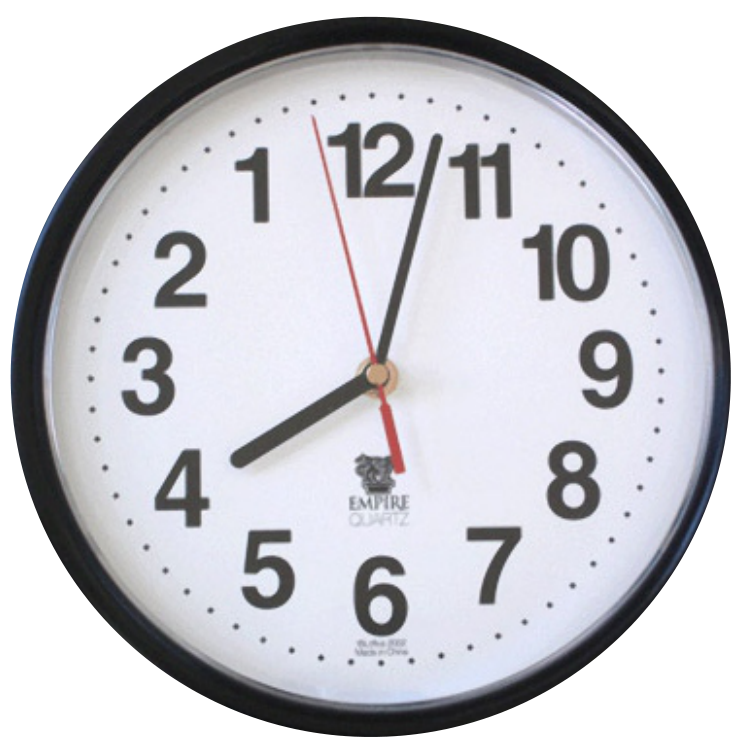
Art of the Day: Draw a clock which runs backward
Materials Needed: Paper, Pencil (or) Pen (or) Sketch
Explanation: Encourage them to draw the picture of the clock with numbers written opposite order as that of a normal clock. Instead of writing 12, 1, 2, 3 --- write 12, 11, 10, 9 etc
Inference: It is the thought which takes us to past and future and vice versa when we live in present and in now we can live without fear or greed.
© 2011 Copyright Nithya Gnanadhan Trust
Unfulfillment
Activity of the day- What you really want
Goals: To make the child understand about unfulfilled desire, clearly about want and need.
Preparation: Give each child the pencil or pen and paper and ask them to write a list of things they wish to have. Repeat it again after 10 days.
Presentation: Give each child a pencil or pen and paper and ask them to write a list of things they wish to have and ask them to write it in an order. They can also draw pictures of things if they wish to. Collect the paper from the children with their names and date written clearly. Repeat the same exercise again after 10 days and ask them to write the same list in other paper. Ask them to compare the 1st day list with the list of that of 10th day. Let the children tell whether they have written the same things in the same order in both the list or their list vary. If their both the lists are same, then what they wish to have is a need. If their both the lists are different the things that they wished to have are only wants which changes from time to time and situation to situation.
Interpretation: Make the children understand the difference between the want and the need. Whether the wishes are wants or needs.