IMPACT OF KUNDALINI Awakening on gene FUNCTION
This text was machine-transcribed from the printed book and may contain errors. Select the words and choose “Report a mistake”.
INTRODUCTION
Health: Health is defined as not merely absence of illness, but also a sense of positive feeling in physical, physiological, psychological and emotional states.
It is a core process affecting all individual cells of the body (50 trillion cells) and their relationship with one another to function as a whole (human being). The relationship of this whole, its interaction with physical and environmental factors (society), and the influence of this interdependence on the collective consciousness (spiritual health) are likewise aspects of the domain of health.
There are four different aspects of health:
• Physical
• Physiological
• Psychological
• Spiritual
Life: The ability of any structure, whether molecule, organelle, cell or multi-cellular organism to function in its environment by actively processing signals, responding to stimuli, preserving its systems, repairing damage and reproducing itself to further propagate its species, , is known as Life. Life processes also include undergoing quantum adaptive changes to deal with a dynamic and changing environment
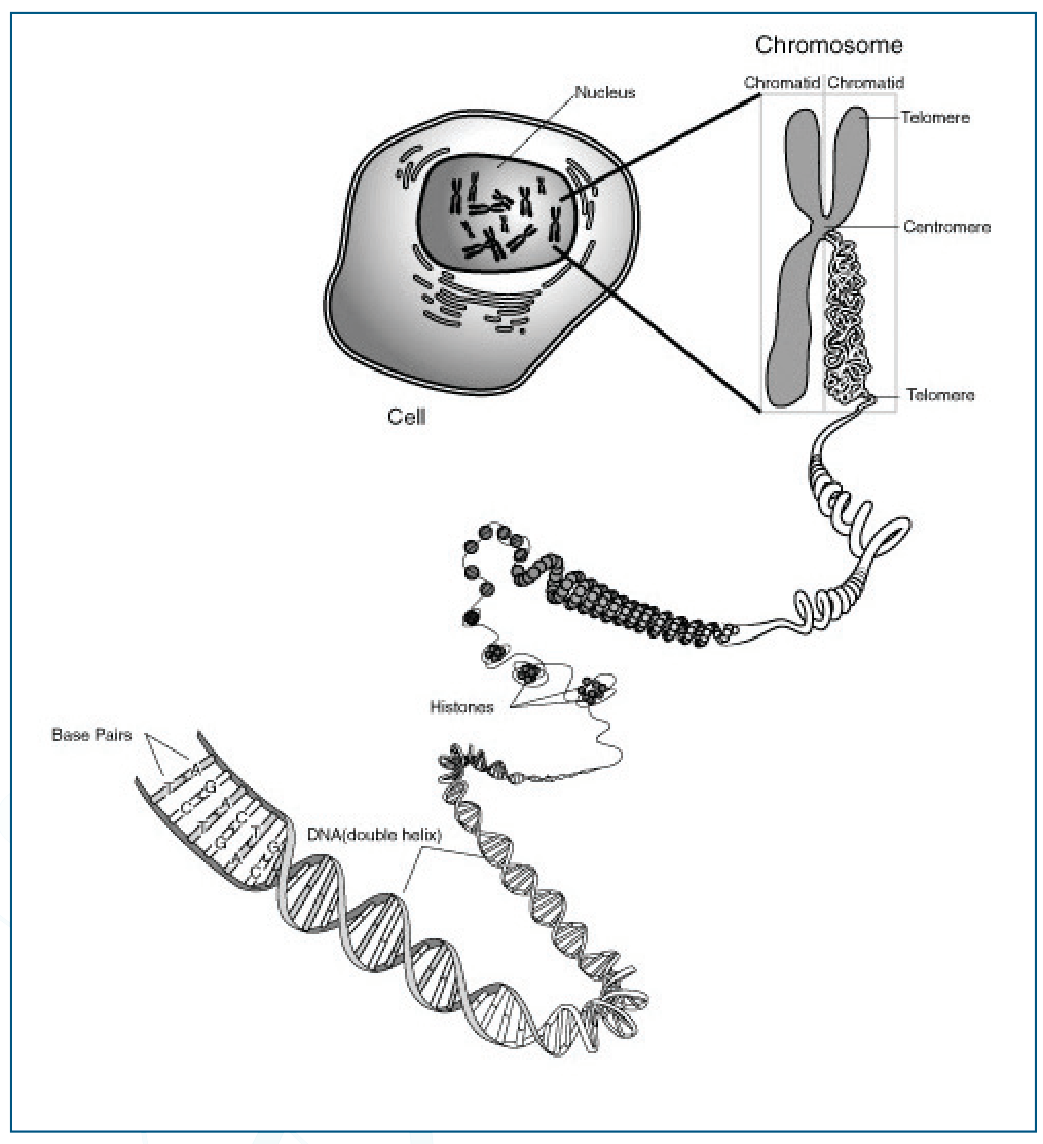
Courtesy, National Human Genome Research Institute
The primordial universe consisted initially of sub atomic particles (energy), which combined together to form atoms, the smallest organized unit of life, for example, the atom of hydrogen. Hydrogen in turn can be further combined to form molecules through chemical bonds, for example, the molecule of water and so on, which is hydrogen bonded to water.
MOLECULAR BASIS OF LIFE
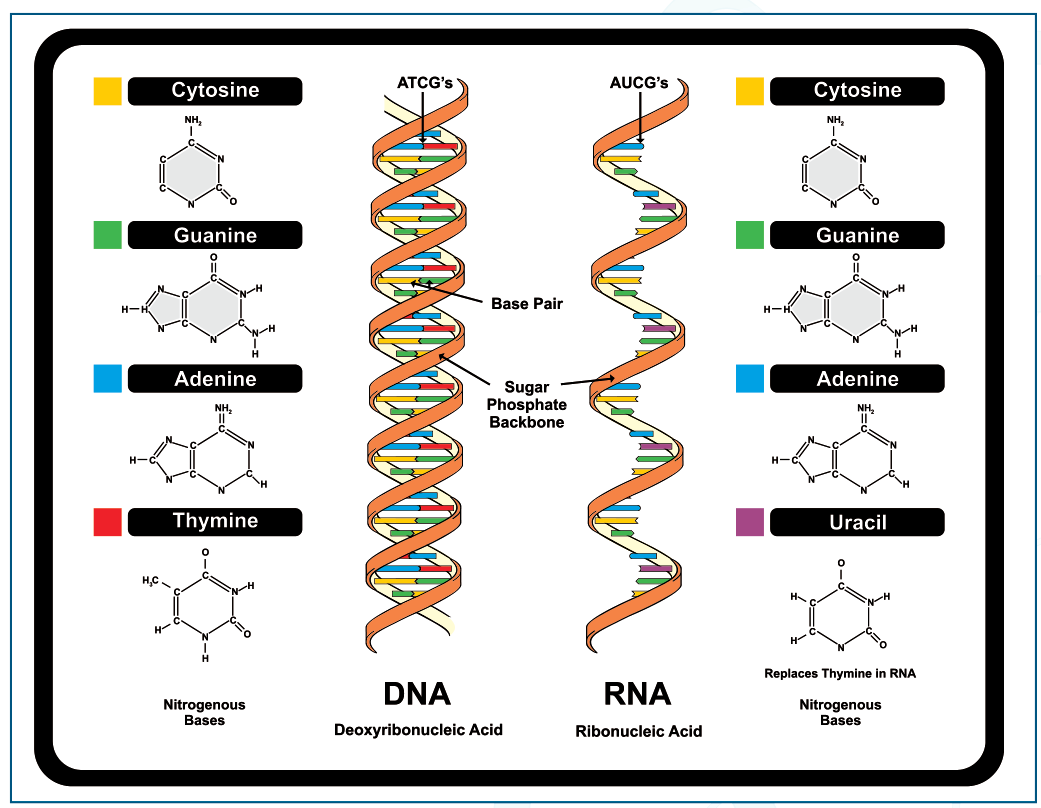
Of all the possible combinations of elements, the formation of a specially designed molecule called DNA (Deoxy ribo nucleic acid), became the fundamental mechanism of giving life to otherwise inanimate molecules.
The DNA is a poly-nucleotide chain
containing a repetitive back bone of
sugar-phosphate units with small organic
basies—Adenine, Thymine, Guanine and
Cytosine—attached to each sugar.
In human beings, DNA is a long strand measuring almost 2 meters in length, but coiled inside a cell, which is only a few microns in diameter.
gene
Gene is a functional hereditary unit
made up of DNA, which occupies a fixed
location on a chromosome.
CHROmosome
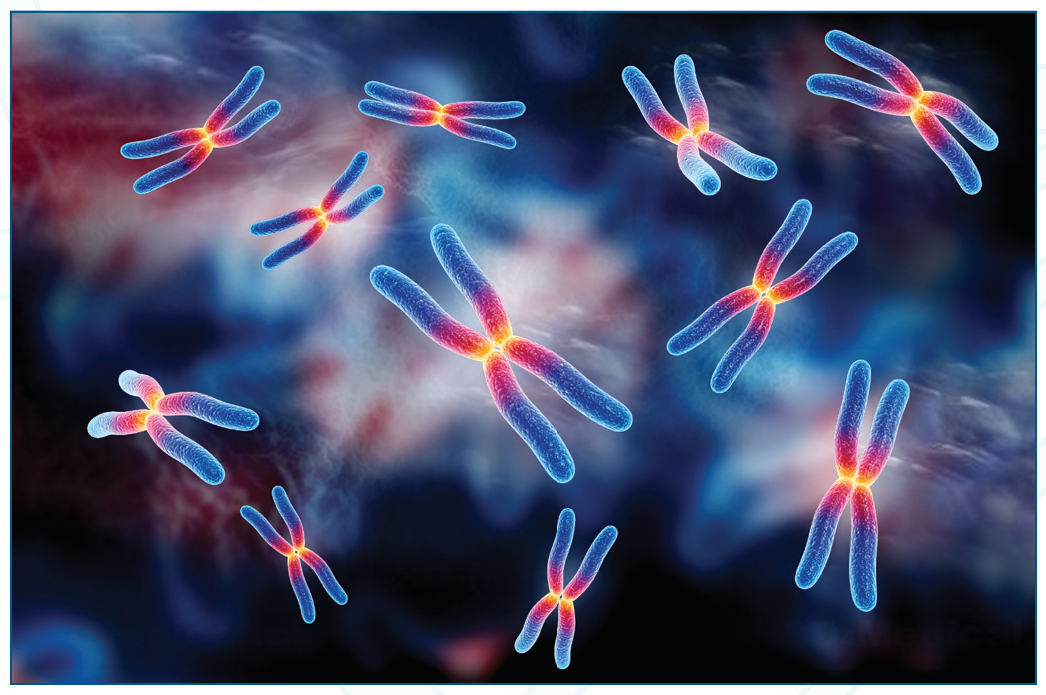
A chromosome is a long strand of DNA, found within the nucleus of a cell.
A human being has 23 pairs of chromosomes in each cell of which 22 are autosomal (not sex-related). The last pair are the sex chromosomes, which determine our gender.
Genome
The complete set of chromosomes with its genes in an organism is called its “Genome”.
The Human Genome contains between 25,000 and 30,000 genes similar to that of a mouse and less than a grain of rice, which contains 50-60,000 genes. Hence it is clear that it is not the number of genes, but what a gene can do that determines the complexity of a living organism.
Genes not only transmit information from generation to generation, but also act on a minute to minute basis, reacting to external needs, synthesizing amino acids and proteins which carry out the various functions of the body, whether structural, enzymatic or defensive mechanisms.
comparative genomics
The human and chimpanzee genomes are 96% identical. The 4% gap makes a profound difference in the physical and psychological presentation (phenotype) of these two species.
genes not only transmit information from generation to generation, but actually on a minute to minute basis.
For example, language which is unique to humans, has been tracked down to a double mutation in a gene called “FOX P2”. This single factor forms the entire basis for verbal communication in the human species
genes and disease
Some diseases involve single gene mutation such as sickle-cell anemia, which affects only a small subset of humanity.
Other diseases involve multiple genes. Over 100 genes are implicated in susceptibility to asthma and cancer is a disease of genomic instability often involving the mutation (change) of genes from their normally programmed behavior.
Gene-related metabolic pathways such as MAP-K, which stands for Mitogen Associated Protein Kinase, are implicated in the processing of long-term potentiation (LTP), the basis for learning and memory.
In human beings, DNA is present:
• In the nucleus of the cell as
chromosomes, completely covered
(protected) by a histone coat
• In the organelle called the
mitochondrion, the powerhouse
or energy-producing battery of the
cell. Mitochondrial DNA, is naked ,
unprotected by the histone coat. This
makes the mitochondrial DNA more
susceptible to damage.
Built-in mechanisms function to
constantly repair the DNA when errors
occur.
gene expressiOn
It is estimated that only 10,000 of the 30,000 human genes are expressed at any given time (redundancy). Since many genes are repeated and many parts of the chromosomes do not contain genetic material, it is estimated that only 5% of the human genome are actively expressed and are functional genes.
There is a parallel to this in the cosmos, where the sum total of all known matter makes up only 5% of the universe, the remaining 95% as yet unknown.
expressiOn, up regulatiOn anD DOwn regulatiOn Of gene, Or Its enD prODuct— THe receptOr
Gene Expression: is the process by which information from a gene is used in the synthesis of a functional gene product. The process is used by all known life to generate the macromolecular machinery for life.
For example:
• Depending on environmental
conditions, the common yeast
undergoes a quantum shift in metabolic
pathway from fermentation to oxidative
metabolism, upon exhaustion of
glucose as an energy source. This is
called dioxy or double growth.
gene expressiOn: Is THe prOcess
BY WHIcH InfOrmatIOn frOm a
gene Is useD In THe synTHesIs Of a functIOnat gene prODuct.
2. Sleep: All humans sleep. Other animals sleep. Even worms and fruit flies sleep. Experiments in flies' demonstrated differential expression of genes during waking and sleeping states. During the waking state, genes and encoding proteins involved in detoxification and defense mechanisms are highly expressed. During sleep, nerve-related genes are expressed, which lead to consolidation of memory.
UP REGULATION
In times of shortage, certain genes or their end products (specific receptors) are up regulated or increased because of an apparent shortage of access to specific materials.
Example: In Type 2 Diabetes Mellitus, there is an up regulation of insulin receptors, in the hope of capturing passing Insulin molecules for glucose metabolism in the cell. This phenomenon is called 'Insulin Resistance.
DURING SLEEP, NERVE RELATED GENES ARE EXPRESSED, WHICH LEAD TO CONSOLIDATION OF MEMORY.
DOWN REGULATION
Certain hormones can also down regulate or decrease the receptors in order to balance the internal environment of the cell, as happens with excess availability of substances
REVIEW OF LITERATURE:
Several papers have studied the role of meditation (relaxation response), yoga, tai chi and other eastern techniques and its effects on human physiology.
• Benson and Steiner (1975) studied the
role of hypoxia, O₂ consumption and
CO₂ elimination during meditation.
This was published in the Journal of
Human Stress, 1, 37-44.
• Peng and Henry (2004) studied the
heart rate dynamics during
meditation, which was published
in the International Journal of
Cardiology, 95, 19-27
• Zheng (2007) studied the modulation
of immune functions and oxidative
status, induced by noise stress,
published in Journal of Occupational
Heath, 49, 32-38
• Glaser (1990) studied psychological stress induced modulation of IL2 receptor gene expression, published in the Archives of General Psychiatry, 47, 707-712
The current study during Inner Awakening was based on a similar study done at Harvard Medical School by Dusck, et al. (2008) on genomic counter stress changes, induced by the relaxation response, published in Public Library Of Science One, 3 (7).
THE STUDY
Control sample collection date: April 12, 2011 Test Sample collection date: May 2, 2011 Venue: Nithyananda Dhyanapeetam, Bidadi. Contract scientific services were carried out by Leads Clin, Bangalore. Principal Investigator: Dr. Krishna Shama Rao, Yenapoya Medical University.
Forty healthy adult volunteers, male and female enrolled for the 21 day Inner Awakening program, volunteered to give blood samples with informed consent for differential gene expression study before and after IA. The objective of the study was to explore Indian traditional yoga and meditation techniques through new experimental biology and bioinformatics.
• Gene expression changes including up
regulation and down regulation were
assessed by micro array analysis, using
affymetrix HG-U 133+ 2.O gene chips
THE OBJECTIVE OF THE STUDY WAS TO
EXPLORE INDIAN TRADITIONAL YOGA AND MEDITATION TECHNIQUES..
• Gene Ontology (GO) categories were
identified using expression analysis
systematic explorer (EASE Analysis)
STUDY DESIGN & LABELING
In the study, we compared gene expression profiles in whole blood between Test and Control samples. Samples collected from volunteers before program were named as BIAY samples and after the program were named as AIAY samples. BIAY were considered as controls and AIAY were considered as test samples.
Sample numbers 1-10 were pooled in as BIAY1 matched against sample numbers 1-10 of after samples as AIAY1 and studied BIAY1 vs AIAY1
Similarly, samples 10-20, 20-30 and 30-
40 were named and matched respectively
as BIAY2 vs AIAY2, BIAY3 vs AIAY3 and
BIAY4 vs AIAY4.
Human whole genome HG-U133_
Plus_2 chips form affymetrix have been
used for the study.
In the study, we compare gene expression profiles in whole blood between test and control samples.
MATERIALS AND METHODS
Blood sample collection and RNA storing:
Five milliliters of blood was collected from volunteers in EDTA vacutainers, mixed with 25ml of Erythrocyte Lysis Buffer, Qiagen, and incubated for 10 minutes on ice then mixed by vortexing briefly 2 times during incubation and kept for 10-20 minutes and centrifuged at 4000 rpm for 10 minutes at 4°C and the supernatant was completely removed and discarded. After 10-20 minutes visible pellets were re-suspended in 10ml of solution.
RNA Precipitation Procedure:
- Add 1/10 volume 3M NaOH, pH 5.2 and 2.5 volumes ethanol.
- Mix and incubate at -20°C for at least 1 hour.
- Centrifuge at ≥ 12,000 x g in a micro-centrifuge for 20 minutes at 4°C.
- Wash pellet twice with 80% ethanol.
- Air dry pellet. Check for dryness before proceeding.
- Re-suspend pellet in DEPC-treated water.
QUANTIFICATION OF RNA YIELD BY SPECTROPHOTOMETRIC ANALYSIS
Absorbance of the sample was checked in 260 and 280 nm. The ratio of A260/A280 was 1.9 which is in an acceptable range.
cDNA and cRNA Synthesis,
Hybridization, Scanning, Data Extraction
were done.
a) Single cycle labeling process with
cDNA using a T4 promoter—dT24
oligonucleotide as primer and second
strand cDNA synthesis and incubation
with T4 DNA polymerase has been done
and the products were purified using
affymetrix clean up module. Biotinylated
cRNA is made using affy IVT kit.
b) cRNA is purified using Qiagen,
quantified and then fragmented by
incubation at high temperature with
Magnesium. Biotinylated cRNA is
added to a total hybridization cocktail
of 300 microliters and 200 microliters
is hybridized to gene chip after adding
control oligo-nucleotides. overnight
c) Hybridization has been done at 45o C, 17 hours overnight with constant rotation. The hybridization mixture is then removed and the Gene Chips are washed, stained with phycoerythrin-labeled straptavidin, washed, incubated with biotinylated anti-streptavidin and then restrained with phycoerythrin-labeled straptavidin to amplify the signals.
d) Arrays are then scanned using
dedicated scanner, controlled by
GCOS software. Images are examined
for defects. The Affy Micro Array Suite
5 (MAS%) algorithm analyzed the
hybridization intensity data of gene
chip expression probe arrays checked
normalized and CEL files were stored
for further analysis.
e) Microarray Data Analysis was done
using the latest version software Gene
Spring 11.5. The CEL files are imported
in Affymetrix Expression workflow using
Technology for HG-U133_Plus_2.
Summarization: We opted for MAS 5 summarization. It also provides flag information for the probe sets. Baseline to median of all samples was applied for this data.
Analysis: A t test unpaired was used to identify the differentially expressing entities. Fold change analysis at the cut-off of 2 was performed. Hierarchical clustering on the output was performed. Gene Ontology Analysis was done by using fold change output. NCI to find significant pathways was used for pathway analysis.
RESULTS
a) 420 Up regulated and 165 Down regulated entities are obtained b) Gene Ontology has shown significantly enriched GO terms, and pathway analysis has shown significant gene expression differences in the following 22 pathways: p38 signalling mediated by MAPKAP kinases, P38 MAPK signalling pathway, validate targets of C-MYC transcriptional activation, VEGFR1 specific signals, TNF alpha/ NF-kB, TGFBR, Hypoxic and oxygen homeostasis, regulation of HIF-1-alpha, Endogenous TLR signalling, Direct Interactions, Cellular roles of Anthrax toxin, C-MYC pathway, BMP receptor signalling, Androgen Receptor Androgen-mediated signalling, ATF-2 transcription factor network, signalling mediated by p38- alpha and p38-beta, Regulation of p38-alpha and p38-beta, Regulation of Androgen receptor activity, N0 cadherin signalling events, IL27- mediated signalling events and IL12- mediated signalling events c) GSEA analysis for the dataset wherein Kaposi Liver cancer Poor Survival was found to be significant. d) Further analysis was done for cancer, autoimmune & neurotransmission related diseases and results are as below. MeSH pathway analysis was done for the following terms: a) Autoimmunity b) Neurotransmitter: Neurotransmitter Uptake, Inhibitors, Receptors and Synaptic Transmission together. c) Cancer: Brain, Liver and Neoplastic Stem Cells separately.
We limited the network building to these terms because including all of the cancer MeSH terms leads to large network.
Following are the observations made:
Significant genes from Pathways which are two fold up or down regulated:
• with Autoimmunity: 18
• with Neurotransmitter: 17
• with Brain cancer: 40
• with Liver cancer: 59
• with Neoplastic Stem cells: 18
Interestingly 8 genes were common in all the cancer lists. 3(EIF4E, BMI1, TMEF2) of these were significant in C-MYC pathway as well. 5 out of 59 significant genes from liver cancer network are also found in IL 12 mediated signalling pathways, 7 in BMP receptor signalling, 3 in IL27, 5 in TGFBR, 4 in Androgen receptor and 8 in c-myc pathway.
DISCUSSION & SUMMARY
1. The control group was the participants of IA on day 0, and the study group was the same participants post IA, day
21. Hence, human variations of gene
expression between control and study
groups have been completely avoided.
2. 420 up regulated and 165 down regulated entities have been demonstrated within a short period of 21 days. The shortest previous study done at Harvard Medical School was of 8 weeks duration.
3. Gene ontology studies and pathway
analysis has shown significant gene
expression differences in 22 pathways.
4. MeSH pathway analysis, further
subdivided the GO pathways under the
following:
• Auto Immunity
• Neurotransmitter
• Malignancy
• Androgen related
• Mitochondria
There is a 7 fold increase in pathways related to Immune modulation, Inflammation, Hypoxia regulation etc. This matches with the clinical relief of inflammatory symptoms in the IA participants, both in relation to autoimmune disorders like rheumatoid arthritis, fibromyalgia and other chronic pain conditions.
MAP-K signalling pathways are largely implicated in long term potentiation involving in learning and memory. Eight children participated in the eN-genius program in parallel with the IA program, and their memory and ability to recall were tested and recorded before and after 21 days. The significant improvement in memory correlates well with the MAP-K gene up regulation.
Almost 117 gene expression changes
with relationship to various known
malignancies were noticed following MeSH
analysis; however none of the registered
participants had any recorded malignant
conditions during the IA processes.
There was more than 7 fold increase in Androgen receptor activity and other Androgen mediated signalling events. It is well known in Vedic/yogic literature that intense practice of certain Kriyas and meditation can lead to a natural suppression of sex-related desires (Mooladhara Chakra), which, similar to insulin resistance, would lead to up regulation of androgen receptors in peripheral cells. The only other condition where such up regulation of androgen receptors is seen is in prostate cancer. However, none of the participants had any history of cancer of the prostate.
Previous study on the mitochondrial activity of IA participants using the MTT assay techniques revealed a 967% increase of mitochondrial activity. This correlates well with the current finding of a significant increase of MAP-K and other related pathways, which are essential in increasing both the number and size of mitochondria. Techniques of pranayama, which include various forms of bandhas and kumbhakas, would naturally be expected to affect oxygen homeostasis under hypoxic conditions, and the up regulation of the HIF-1-alpha signifies the same.
Further studies in collaboration with Ohio State Medical University, may provide greater information on changes in mitochondrial activity in relation to age, health and disease.
Studies are being structured to do concomitant fMRI and QEEG studies to correlate with neurotransmitter activity in relation to normal brain physiology and psychiatric illnesses.
The study was conducted at
Nithyananda Dhyanapeetam, using
processes under the guidance of
Paramahamsa Nithyananda.
This study was funded by Nithyananda
Dhyanapeetam, and the data, results and
the copy right are the sole property of
Nithyananda Dhyanapeetam.
References
Lesk, A. (2007). Introduction to genomics, New York: Oxford University Press, USA. Xiong, J. (2009). Essential bioinformatics, Cambridge, UK: Cambridge University Press. Krebs, J. E., Goldstein, E.S., & Kilpatric, S. T. (2011). Lewin's Genes X, Burlington, Massachusetts: Jones & Bartlett Publishers. Watson, J. (2007). Recombinant DNA, Long Island, New York: Cold Spring Harbor Press. Goldberg, T. E. & Weinberger, D. R. (2005). Genetics of cognitive neuroscience, Cambridge, Massachusetts: MIT press. Nieschlag, E., Behre, H. M., & Nieschlag, S. (2009). Andrology, New York: Springer. Freberg, L., (2010). Discovering biological psychology, Independence, Kentucky: Cengage Learning.
QUANTITATIVE EEG (QEEG) STUDIES
The brain is essentially a bioelectric organ. The EEG or electroencephalogram has long been used to record and study the electrical activity of the outermost layer of the brain – the cerebral cortex.
A more advanced form of EEG has been developed, called quantitative EEG or qEEG, in which the electrical signal is converted to digital form and compared to a database of individuals without any known neurological disorder.
In this form of functional brain imaging, the brain's electrical activity, as measured in 19 or 25 sites on the head, are analyzed using complex mathematical and statistical tools in comparison to norms or averages. The results of these analyses can then be presented in graphic form, resulting in topographical displays of brain electrical activity, sometimes called "brain maps".
A fitted electrode cap with leads placed according to the International 10/20 System is applied to achieve a standardized 19 channel EEG recording.
The waveforms recorded reflect the level of arousal of the person: delta activity (2-4 cps) accompanies deep sleep; theta (4-7cps) states of drowsiness; alpha (8-11 cps) relaxed states. Beta range activity reflects an engaged or active brain, and, with very fast beta activity, an excited or urgent/emergency state of mind.
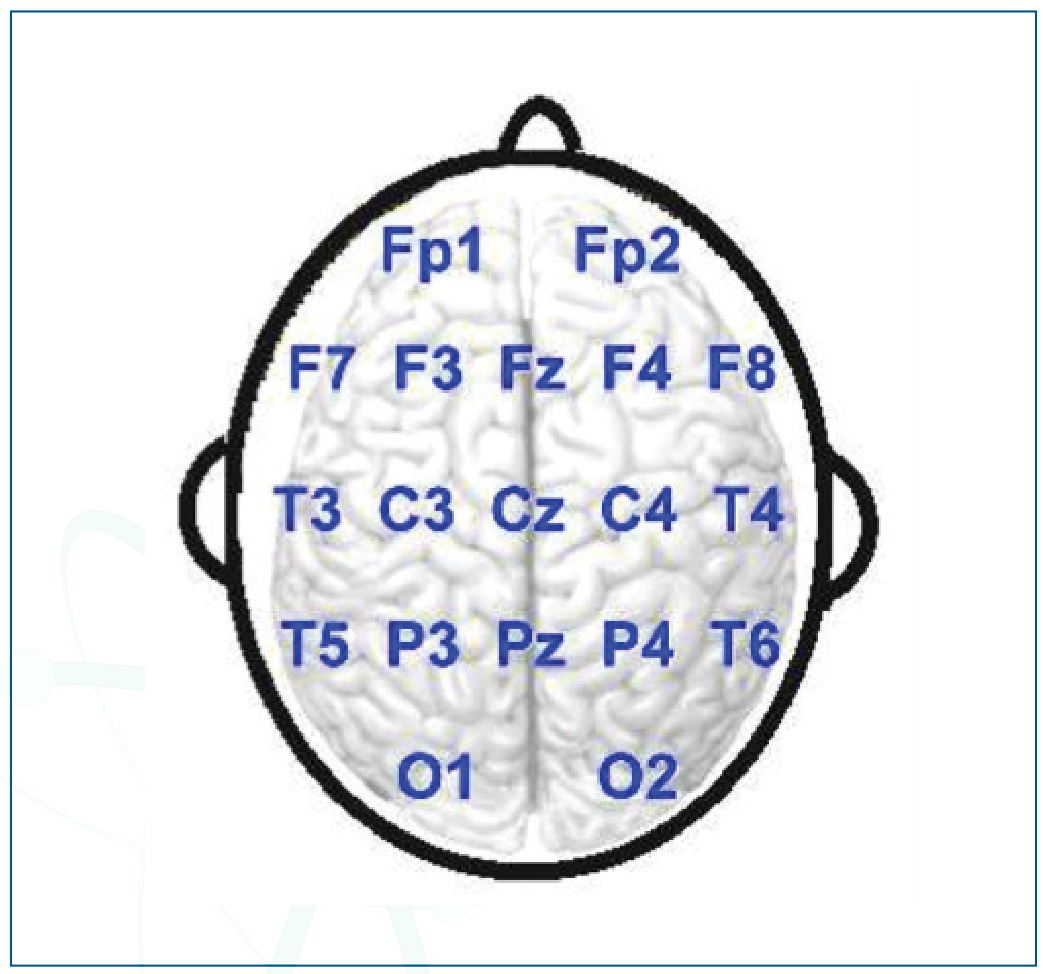
Fig: International 10-20 system for electrode placement on the scalp
QEEG studies were conducted on participants who had Kundalini awakening to study its effect on the brain. The qEEG’s were reported by Dr Kanak Pandey, Neurologist.1 The participants underwent a series of standardized tests, basic recordings were done with open eyes and closed eyes and also when the Kundalini energy was activated by the Masters initiation. Data were analyzed; digitized data were subjected to an automatic artifact detection routine and supplemented by visual review and these were the observations made:
The values are dramatically high in most of the activated people. This may be indicative of very elevated, rapid, parallel
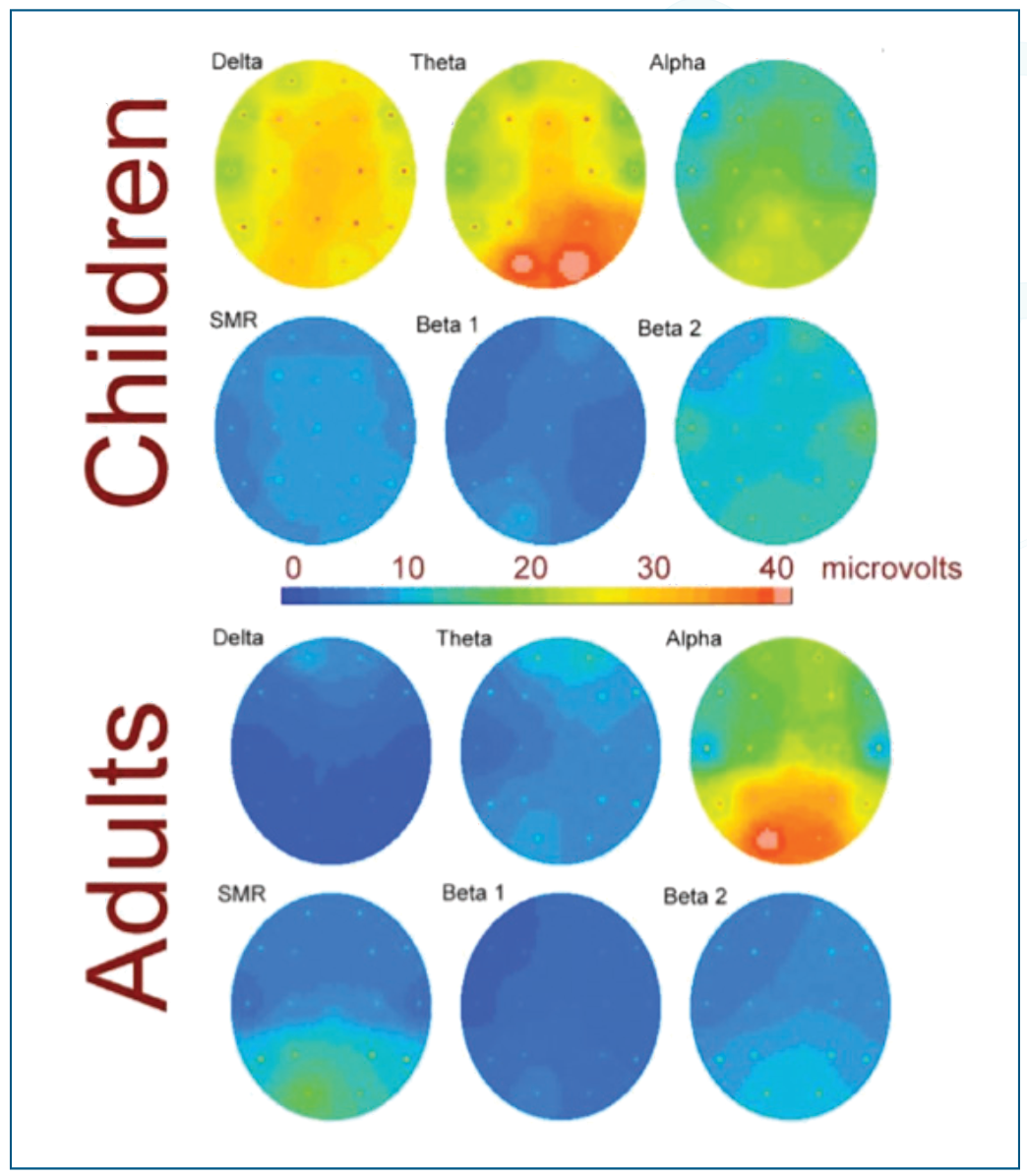
Figure: During eyes closed baseline rest, the theta rhythm (4-8 Hz) dominates the spectral energies of a child’s brain whereas the alpha rhythm (8-12 Hz) dominates the adult brain.
Dr. Kanak Panday is the founder of Gunjan Human Karigar and Maxcellence—Peak Performance Solutions. She is a trained
psychologist having more than 23 years of experience as a behavioral psychological consultant with various reputed industrial and business concerns. She is trained and certified on EMDR (Eye Movement Desensitization and Reprocessing) from the Hong Kong Institute of EMDR. She is trained and certified in Biofeedback, Neuro-feedback, and QEEG (Quantitative EEG) from USA. She is:
- an international affiliate of American Psychological Association (APA)
- member and a certified trainer of LMI international
- member of Indian Psychological Association
- member of Psycho-Linguistic Association of India
- member of International Society for Neuronal Regulation (ISNR) processing. It may indicate enhanced cognitive and mental functioning; this can be calibrated by post activation assessment on various cognitive functions. These elevated changes may help a person develop better learning and executive abilities.
The probable positive impacts:
- Better focusing ability
- Better alertness and attentiveness
- Better short term memory
- Faster multi processing
- Better problem solving and decision making ability
- Warm and positive personality traits
PHYSIOLOGICAL DATA AND STATISTICS REPORT—MY CLINIC
(THE QEEG RECORDINGS OF ONE OF THE PARTICIPANTS)
Concise Client and Session information: Client: Ma Nithya Nirantarananda [ID=00000045 ] Session: p4 Date Time: 09:17:43 14-07-2011 Duration: 43 min 17 sec.
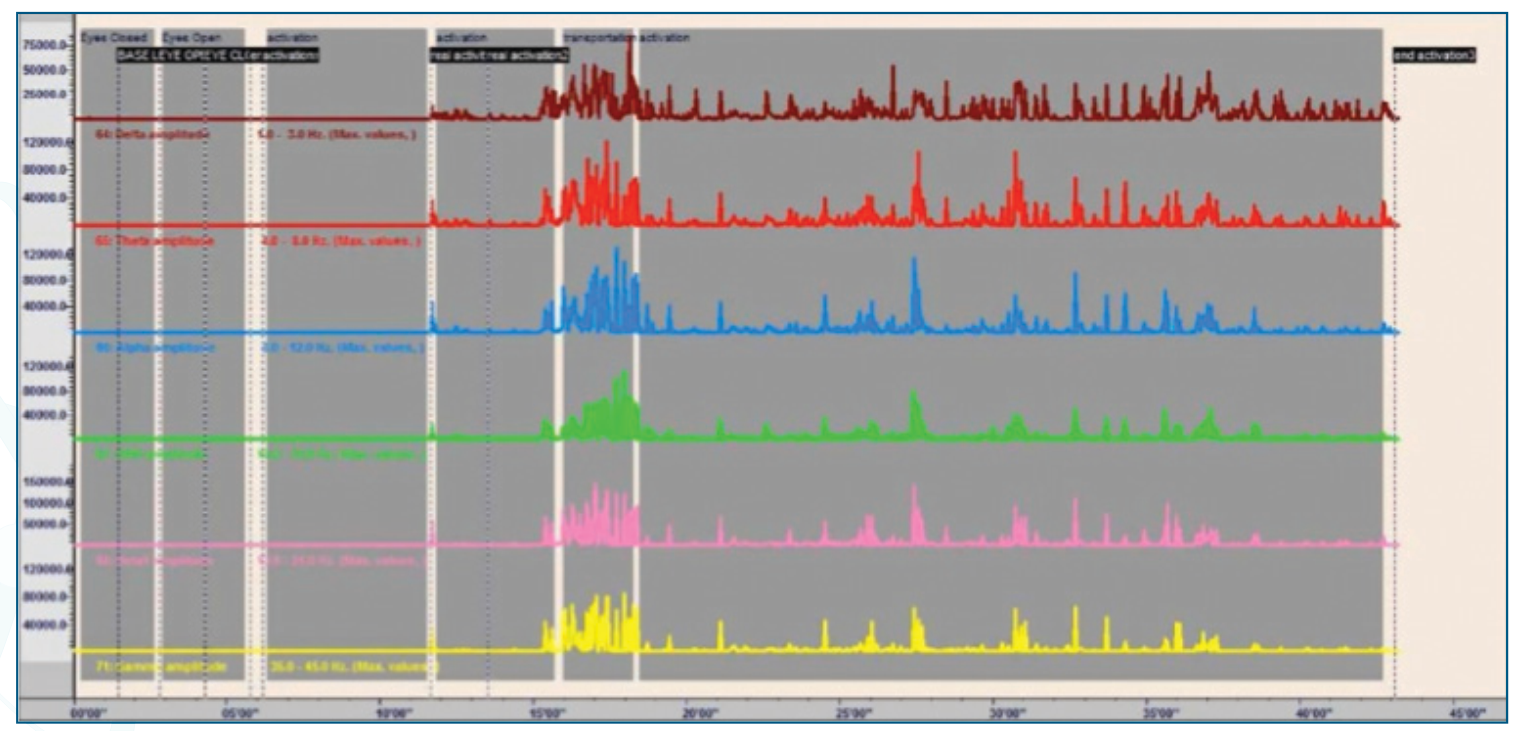
Statistics for 9: Eyes Open (1 segments/ Total: 6)
| Channel | Min. | Max. | Max. | Var. Std | Dev. | %>Th1. | %>Th2. |
|---|---|---|---|---|---|---|---|
| Delta amplitude | 8.68 | 351.29 | 59.90 | 1915.00 | 43.76 | 0.00 | 0.00 |
| Theta amplitude | 7.55 | 290.88 | 74.37 | 2149.71 | 46.36 | 0.00 | 0.00 |
| Alpha amplitude | 2.64 | 337.25 | 54.46 | 1345.48 | 36.68 | 0.00 | 0.00 |
| SMR amplitude | 3.15 | 161.59 | 34.90 | 461.86 | 21.49 | 0.00 | 0.00 |
| Beta1 amplitude | 7.50 | 199.93 | 61.89 | 803.68 | 28.35 | 0.00 | 0.00 |
| Gamma amplitude | 5.08 | 225.91 | 49.75 | 810.62 | 28.47 | 0.00 | 0.00 |
Statistics for 10: Eyes Closed (1 segments/Total: 6)
| Channel | Min. | Max. | Max. | Var. Std | Dev. | %>Th1. | %>Th2. |
|---|---|---|---|---|---|---|---|
| Delta amplitude | 7.35 | 4446.57 | 134.22 | 227551.57 | 477.02 | 0.00 | 0.00 |
| Theta amplitude | 9.61 | 6626.05 | 108.14 | 125931.43 | 354.87 | 0.00 | 0.00 |
| Alpha amplitude | 4.88 | 4794.20 | 80.99 | 45907.20 | 214.26 | 0.00 | 0.00 |
| SMR amplitude | 2.79 | 2849.78 | 56.38 | 19336.69 | 139.06 | 0.00 | 0.00 |
| Beta1 amplitude | 8.23 | 4616.95 | 74.96 | 31172.69 | 176.56 | 0.00 | 0.00 |
| Gamma amplitude | 1.85 | 1578.41 | 86.88 | 6080.80 | 77.98 | 0.00 | 0.00 |
Statistics for 19: activation (3 segments/Total: 6)
| Channel | Min. | Max. | Max. | Var. Std | Dev. | %>Th1. | %>Th2. |
|---|---|---|---|---|---|---|---|
| Delta amplitude | 0.28 | 54160.00 | 4543.03 | 60676930.53 | 7789.54 | 0.00 | 0.00 |
| Theta amplitude | 0.28 | 105706.96 | 3728.19 | 75247550.27 | 8674.53 | 0.00 | 0.00 |
| Alpha amplitude | 0.28 | 115260.90 | 2538.26 | 49613798.63 | 7043.71 | 0.00 | 0.00 |
| SMR amplitude | 0.28 | 81638.19 | 1917.53 | 31331640.36 | 5597.47 | 0.00 | 0.00 |
| Beta1 amplitude | 0.28 | 138673.11 | 2483.76 | 75422637.19 | 8684.62 | 0.00 | 0.00 |
| Gamma amplitude | 0.28 | 76107.48 | 1006.80 | 18483111.32 | 4299.20 | 0.00 | 0.00 |
Statistics for 20: transportation (1 segments/Total: 6)
| Channel | Min. | Max. | Max. | Var. Std | Dev. | %>Th1. | %>Th2. |
|---|---|---|---|---|---|---|---|
| Delta amplitude | 276.12 | 85212.39 | 20889.91 | 294884317.27 | 17172.20 | 0.00 | 0.00 |
| Theta amplitude | 23.42 | 120867.08 | 21960.66 | 471117428.33 | 21705.24 | 0.00 | 0.00 |
| Alpha amplitude | 13.12 | 128822.14 | 18432.99 | 479787949.08 | 21904.06 | 0.00 | 0.00 |
| SMR amplitude | 8.21 | 140082.44 | 15265.83 | 349482559.32 | 18694.45 | 0.00 | 0.00 |
| Beta1 amplitude | 6.12 | 198443.95 | 21478.52 | 915510736.86 | 30257.41 | 0.00 | 0.00 |
| Gamma amplitude | 3.93 | 121867.55 | 10200.88 | 301556769.21 | 7365.39 | 0.00 | 0.00 |
In deep meditation, EEG studies have shown the simultaneous global presence of delta activity with increased beta presence in the pre frontal area. This signifies a state of ‘Restful Awareness’.
On the other hand, a direct transmission of energy (Kundalini energy in Vedic literature) clearly demonstrates cessation of superficial cortical activity and the presence of multiple high amplitude spikes, not correlating with the known alpha, beta, delta and theta rhythms, suggesting that the EEG machine is picking up intense activity from sub cortical areas from hypothalamus and limbic systems.
BRAINWAVE STUDY OF A YOGIC MASTER
Neurologist R. Murali Krishna recently reported an exploratory study with an Indian Swami and teacher of Nithya Yoga during a visit to his clinic in Oklahoma in 2005.
PET scans of the Swami’s brain during meditation revealed increased metabolic activity in the forward parts of his frontal lobe. As the Swami reported the experience of “opening his Third Eye,” the lower central region of his frontal lobe lit up with activity. In addition, EEG monitoring indicated that the Swami was able to voluntarily make a continuous transition between the various types of brain waves during deep meditation, suggesting that his brain was capable of voluntarily shifting between brain waves and their associated mental states.
A Glimpse Into the Meditating Brain, by Bryan Williams, University of New Mexico. Excerpt from an extended version of an invited talk given at the Morning Star Center for Spiritual Living, Norman, OK, June 7, 2009.http://earthvision.info/meditatingbrain.html .
The Indian Swami examined in Dr Krishna’s study was Paramahamsa Nithyananda, as can be verified by the reference to Nithya Yoga, which Nithyananda founded and presented to the world. Here we can see a template for the mental and spiritual state we aspire to: fully organized neurological activity, expanded use of the higher brain centers, and the ability to consciously transition at will from one level of amplitude to another.
CONTINUING BREAKTHROUGHS FOR THE NEW MILLENIUM
With the dawn of 2012 Nithyananda has extended his horizon for human possibility. Working first with a close group of devotees, and then as a public program, he has successfully launched the Nirahara Samyama, a voluntary 21-day meditation in which the body requires no food to function. Participants have been able to carry out normal daily activities and work without weakness, despite no nutritional intake. Those who felt symptoms of hunger were mandated to eat, and some opted to take juice from time to time. Many, however, took nothing, not even water, without experiencing any ill effects. They have even been able to cook for others without wanting to eat.
This landmark event in itself is remarkable. What truly breaks new ground is that Nithyananda has guided the public groups at a distance, and in unprecedented numbers. Some yogic masters have succeeded in the past with a few close disciples who live near them. But none has ever been known to sustain more than four hundred devotees over thousands of miles all over the world, solely by Internet connection.
Nithyananda's ability to heal and transmit initiation to those far away provides ever stronger evidence that energy is not limited by space, time or physical form. Furthermore, his capacity to awaken extraordinary powers in others proves the Vedic understanding that these siddhis are the birthright of all humans.
The world looks forward to a new evolutionary wave, guided by the wisdom and vision of Paramahamsa Nithyananda.
CONCLUSION
The work of Paramahamsa Nithyananda continues to expand and proliferate as he delves more deeply into the link between science and mysticism. As we enter the year of 2012, which has been marked on the calendars of many civilizations as an evolutionary milestone, we can expect many social shifts, possibly also meteorological and geological changes. With activated kundalini, functioning at the peak of our potential, we stand prepared to welcome and cooperate with these changes.
Planet Earth is pleading for a new way of life for all its inhabitants, a way of peaceful co-existence and joyous creativity. The solution lies at our fingertips: by opening to our own internal energy, we can resolve the world’s energy crisis and begin to savor our life instead of struggling through it. We have also the precious resource of a wise adept who can bring our energy into bloom: Paramahamsa Nithyananda.