The Great Vedic Astronomy
This text was machine-transcribed from the printed book and may contain errors. Select the words and choose “Report a mistake”.
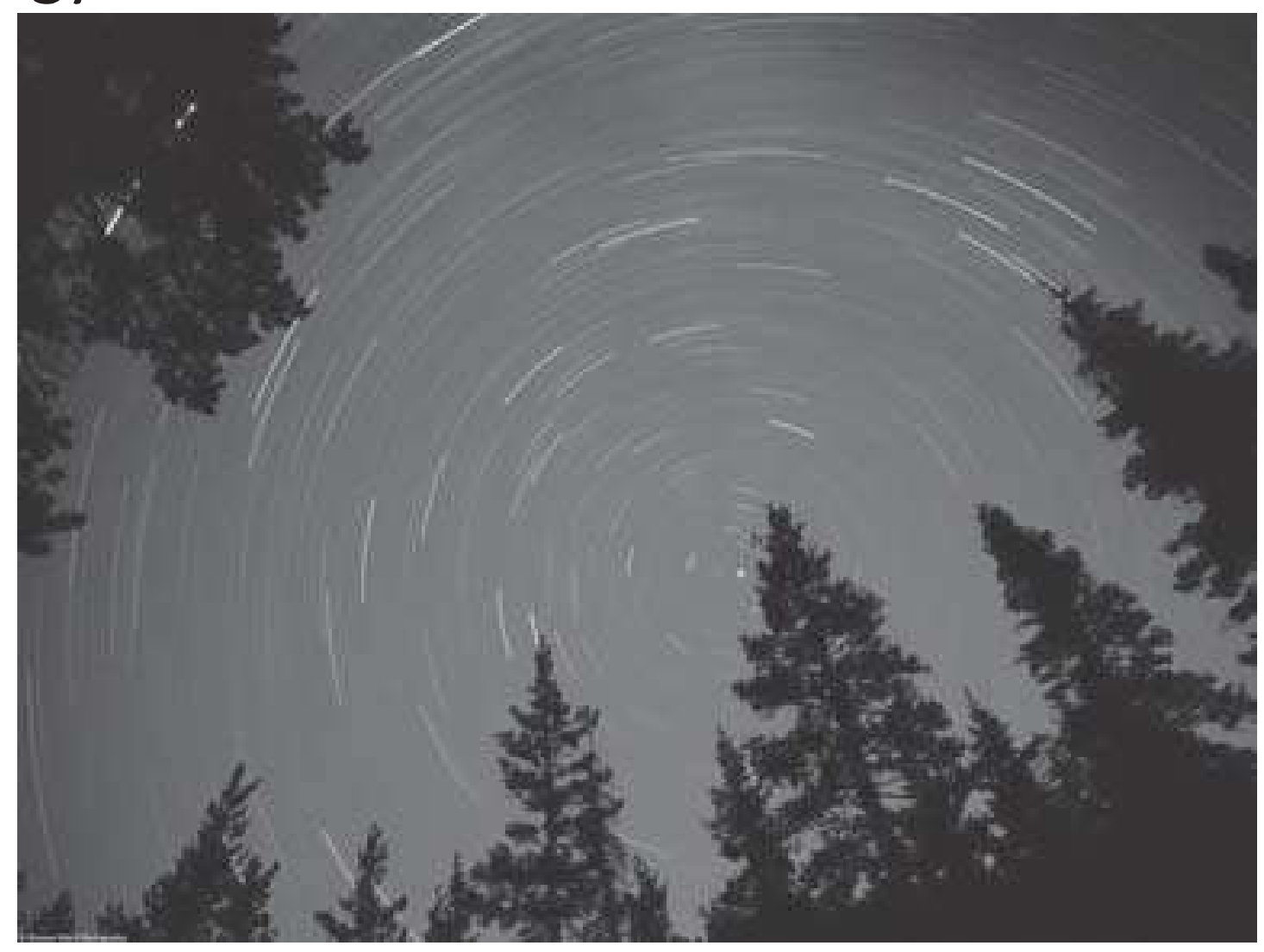
Man has been deeply fascinated by the Cosmos since the beginning of time. Early cultures worked on understanding the phenomena that happen in the sky; they observed them in order to understand what role the sky played in their lives. From these attempts, the science of astronomy was born.
In this field, the ancient Vedic contribution is well known. The earliest references to astronomy are found in the Ṛg Veda, which are dated 2000 BC. Around 500 BCE, Āryabhaṭa, a great astronomer, presented a system that showed the earth to spin on its axis and considered the motions of the planets with respect to the Sun. He also discovered how the lunar and solar eclipses occur and was the earliest to discover that the orbits of the planets around the Sun are ellipses, just as Copernicus and Galileo concluded a thousand years later. He even determined the diameter of the Earth to be 5,000 yojanas, approximately 36,000 km, which is very close to the actual figure. These traditions related these objects and their movements to natural events such as rain, drought, seasons and tides; they related them to auspicious or inauspicious occurrences on planet Earth. Jyotiṣa, the science of Vedic astrology, took birth out of observations and perceptions based on these astronomical phenomena. The first astronomers were actually Ṛṣis and sages, who understood the sky was a divine happening; they identified celestial objects with energies and Gods and connected astronomy to astrology.
Jyotiṣa Simply Put
Astrology manifested in the inner vision of the ancient sages and Ṛṣis of India. These yogis and enlightened beings were able to see beyond the realm of names and forms. They could feel and express the subtle reality that exists behind cosmic phenomena. As such, they perceived the primal powers of cosmic intelligence in the planets and stars (the macrocosm), and worshipped the cosmic powers within themselves (the microcosm) as powers of their being.
By concentrating intensely on the Sun and other planets, they understood the movement of the life force in their body, and by meditating on the life force, they also came to understand the movement of the Sun and the planets in the heavens. Through this technique called saṁyama, they could unravel the secrets of the universe. They brought down their understanding into a system of Vedic science, which became known as Jyotiṣa: the science of light.
Parāśara was one such sage. He is known for being the father of Jyotiṣa. He wrote the magnum opus Bṛhat Parāśara Hora Śāstra, which systematically explains the theory of
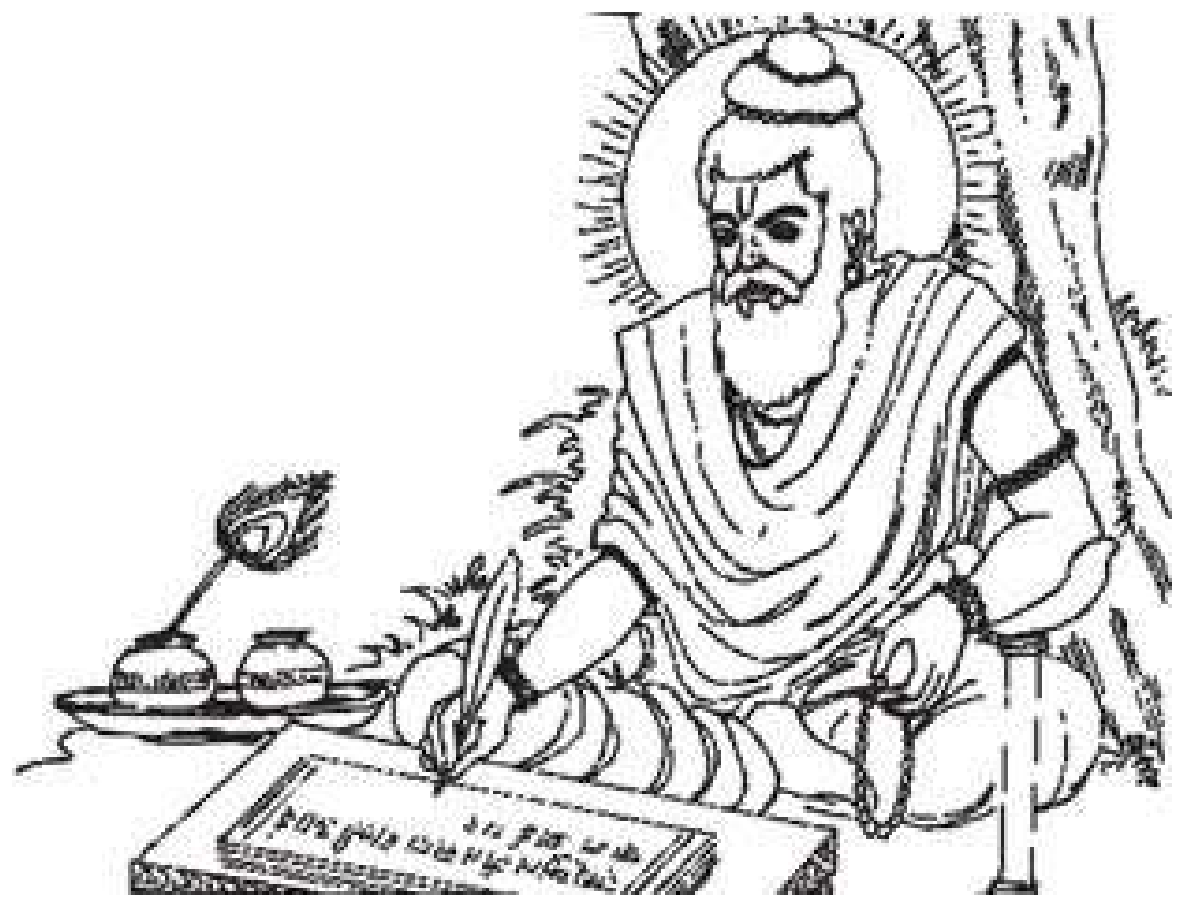
predictive astrology. According to history, he is the grandson of Vaśiṣṭa and also father of Veda Vyāsa, who wrote the great epic Māhābhārata. The depth of his astrological knowledge was so great that one evening while crossing a river in a boat, he casually looked at his favorite stars in heaven and suddenly realized it was an exceptionally auspicious moment. He concluded that if a child were conceived at that moment, he would be an expert in the scriptures. So he told this to the lady rowing the boat and requested that she marry him. She agreed and the son born out of their spiritual union was Veda Vyāsa!
By observing the movements of the celestial bodies through time and space, the science of Vedic Astrology can be applied to each human incarnation to encourage the soul to develop to its fullest potential.
In Paramahamsa Nithyananda’s own words:
‘The moment the consciousness enters the body, the energy level of the cosmos at the time of birth gets printed in that consciousness. Your inner space gets a print of the cosmic energy level and the position of the nine major energy centers of the solar system.
The astrological planets are not only astronomical, they are energies. A particular energy of push and pull exists between them. The different energy positions clearly decide the cosmic energy level during the time of birth. Based on that, Jyotiṣa will be able to predict the course of life. Understand, not exact incidences because you have freedom. You have freedom to decide whether to sit here or not, to read this or not. The major course of life- if you will get enlightened or not can be predicted. Principles can be predicted, not policies! Having an idea about your horoscope will give you intelligence and acceptance in your life: intelligence to take decisions and the acceptance to bear the inevitable things. According to me, a seeker should have a basic knowledge about his horoscope.'