Kailasa & Vision-Mission
This text was machine-transcribed from the printed book and may contain errors. Select the words and choose “Report a mistake”.

3
Kailasa
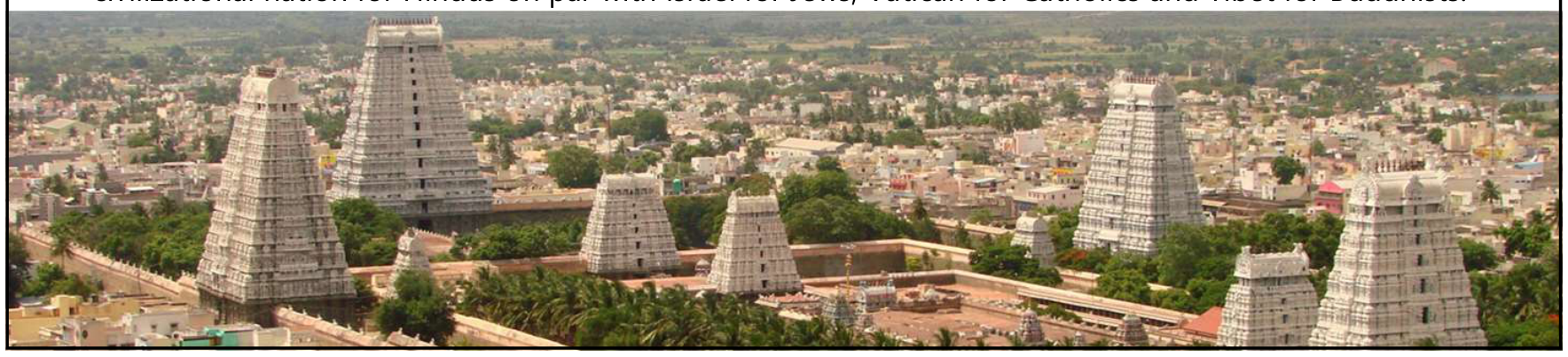
KAILASA is the only macrocosmic, ancient, Hindu enlightened civilisational nation to serve the religious and spiritual needs of two Billion Hindus (https://kailaasa.org/) and the whole of humanity. KAILASA creates a safe haven to live, practise, express and radiate the peaceful lifestyle of extraordinary powers as per Hinduism regardless of race, gender, caste, or creed. Kailasa is the homeland and civilizational nation for Hindus on par with Israel for Jews, Vatican for Catholics and Tibet for Buddhists.
4
Kailasa
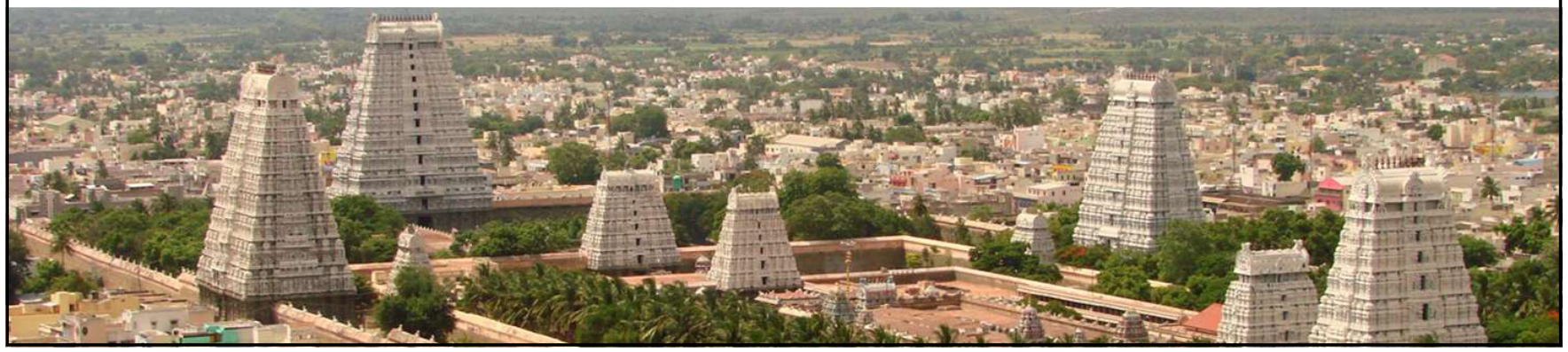
KAILASA was created with the determination to not just preserve and protect Sanatana Hindu Dharma and share it with the entire world, but also to share the story of persecution that is yet unknown to the world. Towards this goal, KAILASA is dedicated to the preservation, restoration and revival of an enlightened culture and civilization based on authentic Hinduism.
5
Mission of Kailasa
KAILASA is a nation created by dispossessed Hindus from around the world who lost the right to practice Hinduism authentically in their own countries.
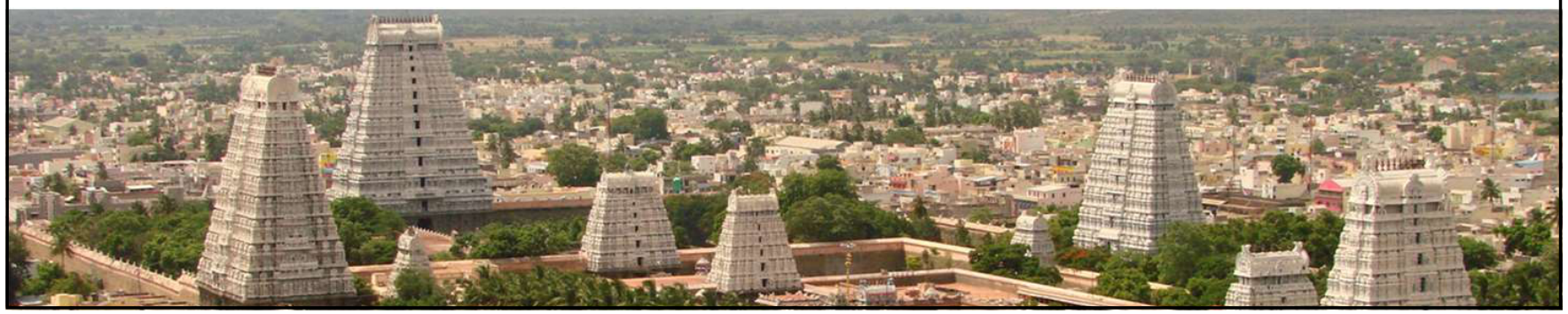
Though the KAILASA movement is founded in the United States, and spearheaded by members of the Hindu Adi Shaivite minority community, it is created for, and offers a safe haven to all the world’s practicing, aspiring or persecuted Hindus, irrespective of race, gender, sect, caste, or creed, where they can peacefully live and express their spirituality, arts, and culture free from denigration, interference and violence.
6

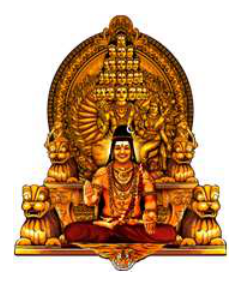
Vision of Kailasa
The vision of KAILASA is enlightened living for all of humanity which is rooted in the fundamental principle of Advaita or Oneness – the idea that all beings can live in peace and harmony, and that all human beings are equal and divine, and can reach their highest potential irrespective of their color, nationality, religion, gender, sexual orientation, caste, creed or race.
7