WHOLE-BRAIN LEARNING FOR THE CHILD THROUGH THE BLISS CURRICULUM
This text was machine-transcribed from the printed book and may contain errors. Select the words and choose “Report a mistake”.
BODILY KINAESTHETIC - Develop competence in using large and small muscles, taking care of and respecting our body, being aware of and practicing good nutrition habits, thereby develop overall physical fitness.
LINGUISTIC - Develop deep understanding of words and a sensitivity to the literal and figurative meaning of words. Added focus on oral and written communication skills, grammar rules, sensitivity to musical qualities and rhythms of words, uses for language such as persuasion, information or pleasure.
Develop the thinking mind(observing, recalling, comparing, patterning, classifying, generalizing, integrating and evaluating), constructing knowledge, developing memory skills, acquiring facts, and responding and communicating through (listening, speaking, writing and reading).
INTUITIVE - Develop sensory awareness, imagine and visualize, explore, create, respond and interpret; develop critical awareness, express and represent through a variety of forms.
SOCIAL & EMOTIONAL - Develop internal behaviour control, help, cooperate, respect and accept others, develop friendship, appreciate the culture and heritage of others, develop a positive realistic concept of self, accept and express emotions in socially appropriate ways, cope with change, develop decision-making skills, accept challenges, and develop independence.
SPIRITUAL - The Spiritual Quotient, SQ is based on the third neural system in the brain, the synchronous neural oscillations that unify and integrate the data across the brain. This process facilitates interactions between emotions and logic. It thus provides a meaning giving centre to the individual. It helps develop Self-awareness, Flexibility and adaptability, Ability and capacity to face, use and transcend pain and suffering, Vision, Values, Wisdom, not to harm or hurt others and self, Holistic approach and views, Appetite for seeking answers to fundamental questions by using "why" and "what if", Courage to work against conventions if necessary.
Balloon printing

Write the lower case letters
| A ――――――― | B ――――――― |
| D ――――――― | E ――――――― |
| G ――――――― | H ――――――― |
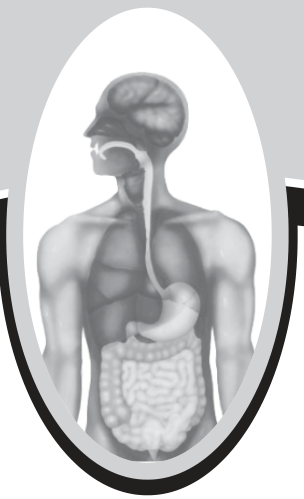
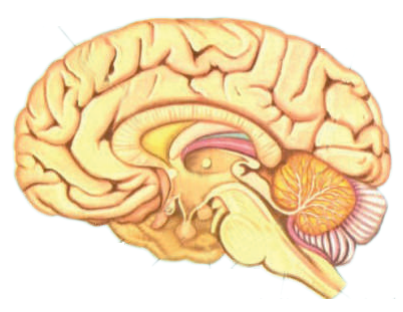
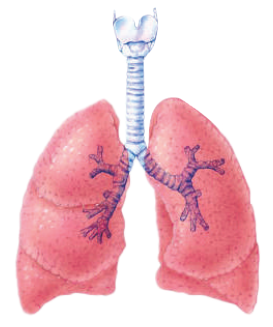
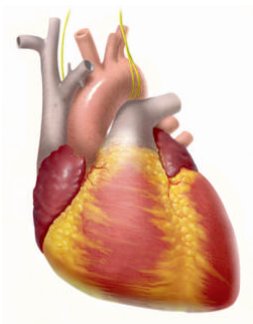
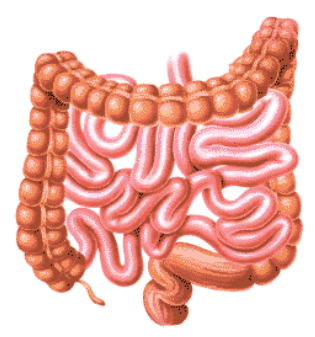
BODY PARTS ( INTERNAL )

Stick according to the shape
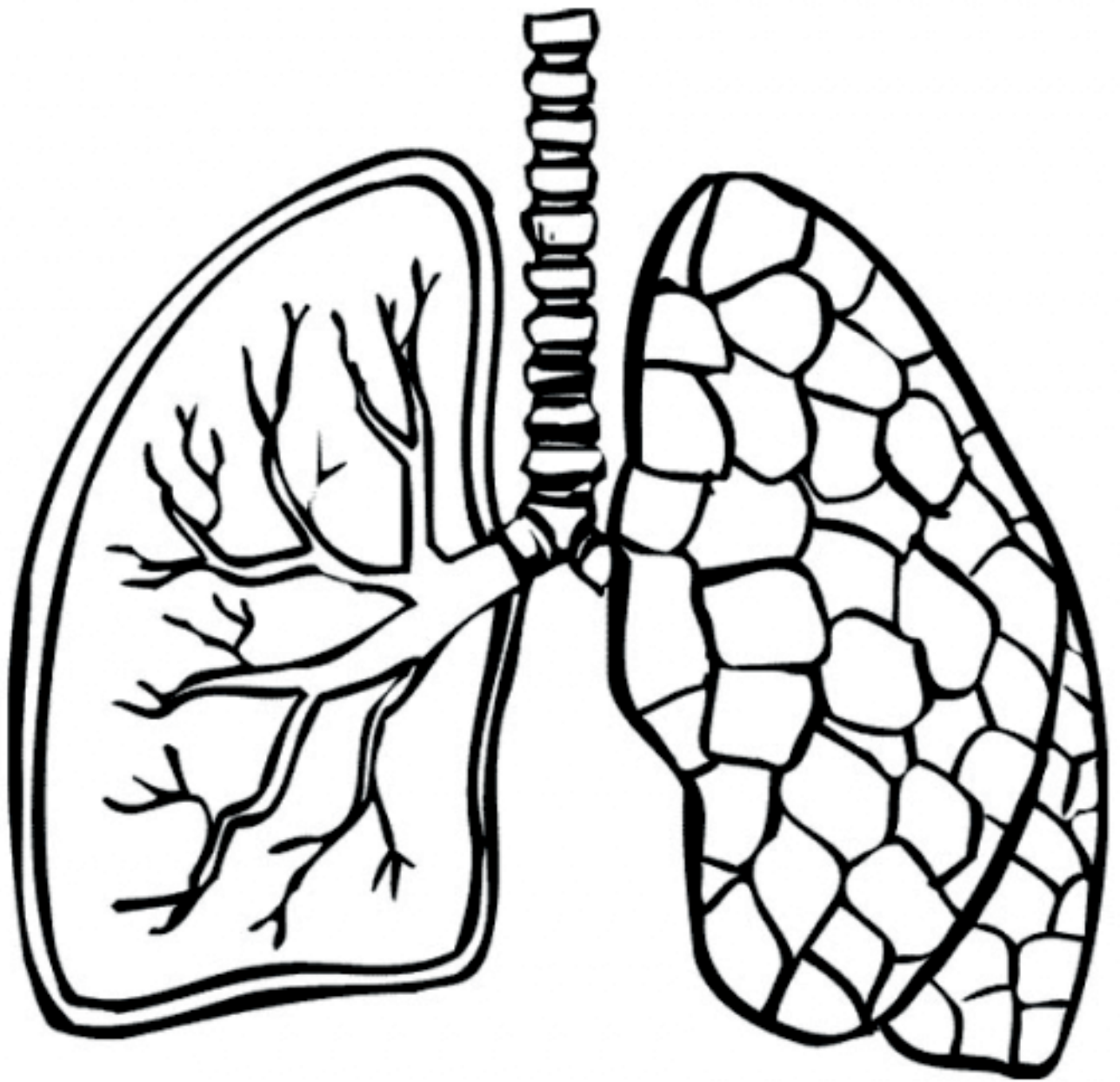
Spray painting
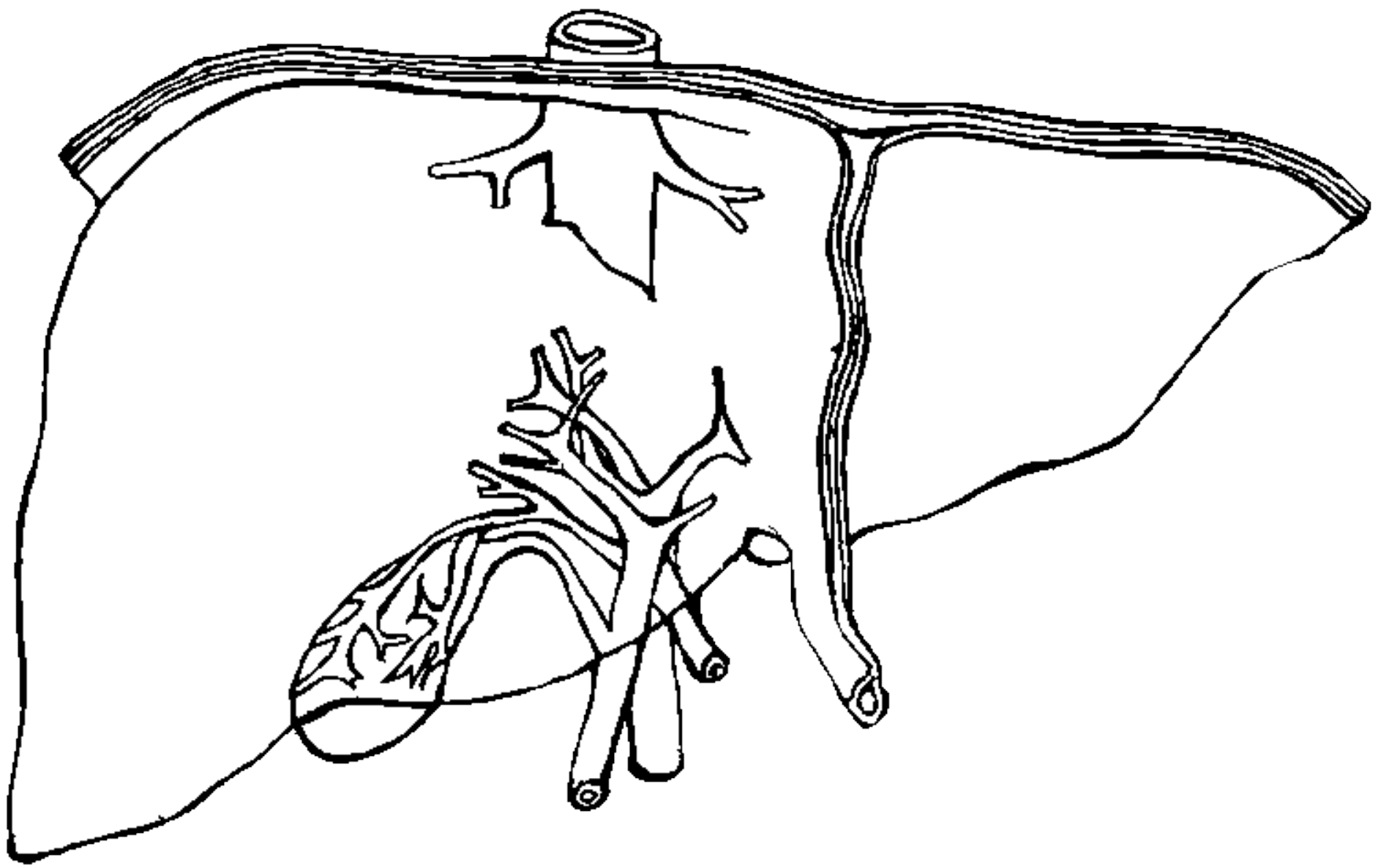
Texture painting
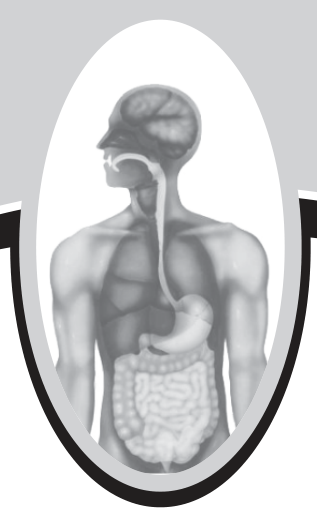
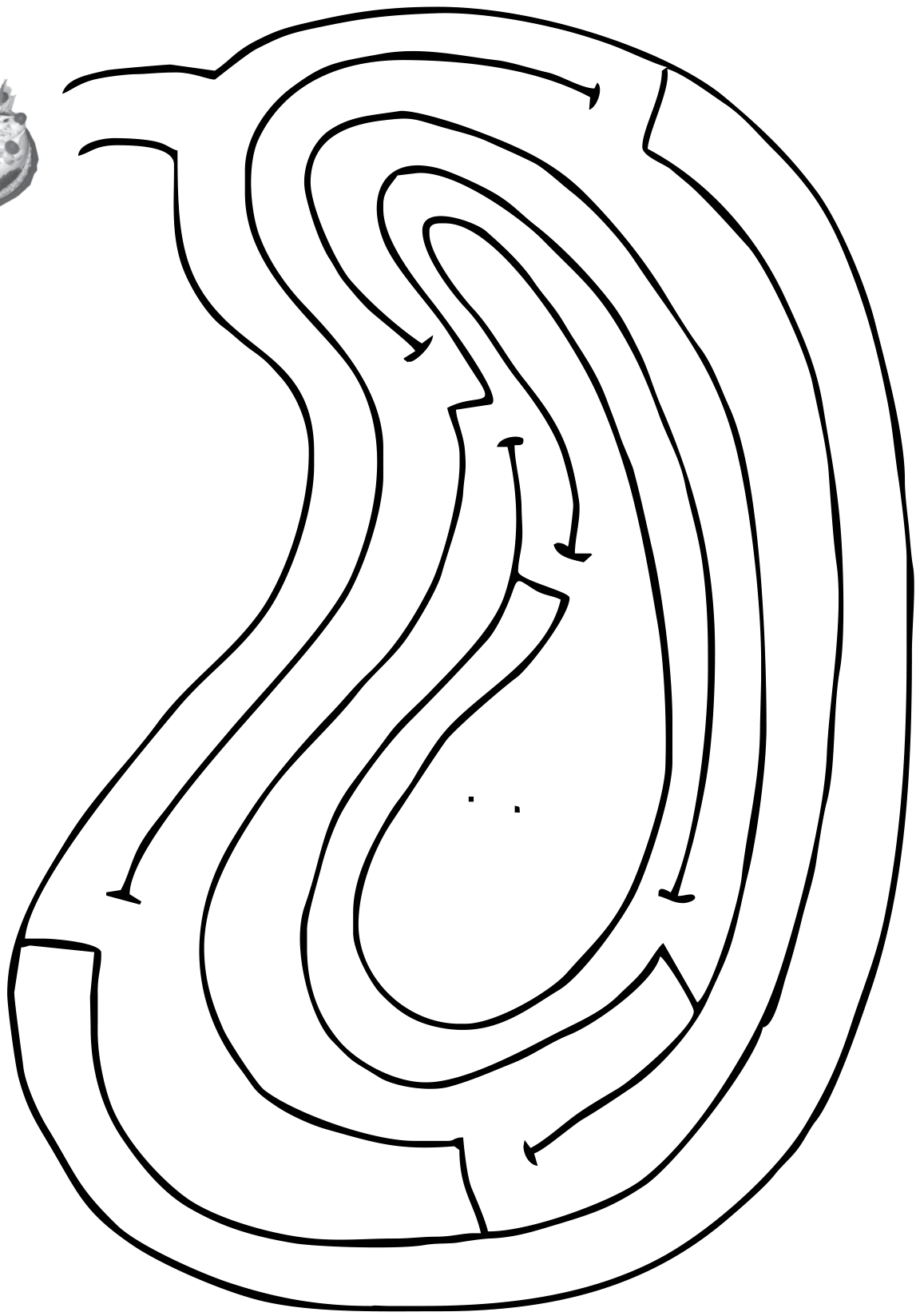
Help the cake reach the center
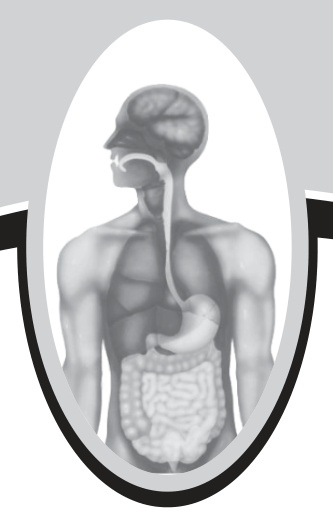
BODY PARTS ( INTERNAL )
Wet chalk colouring
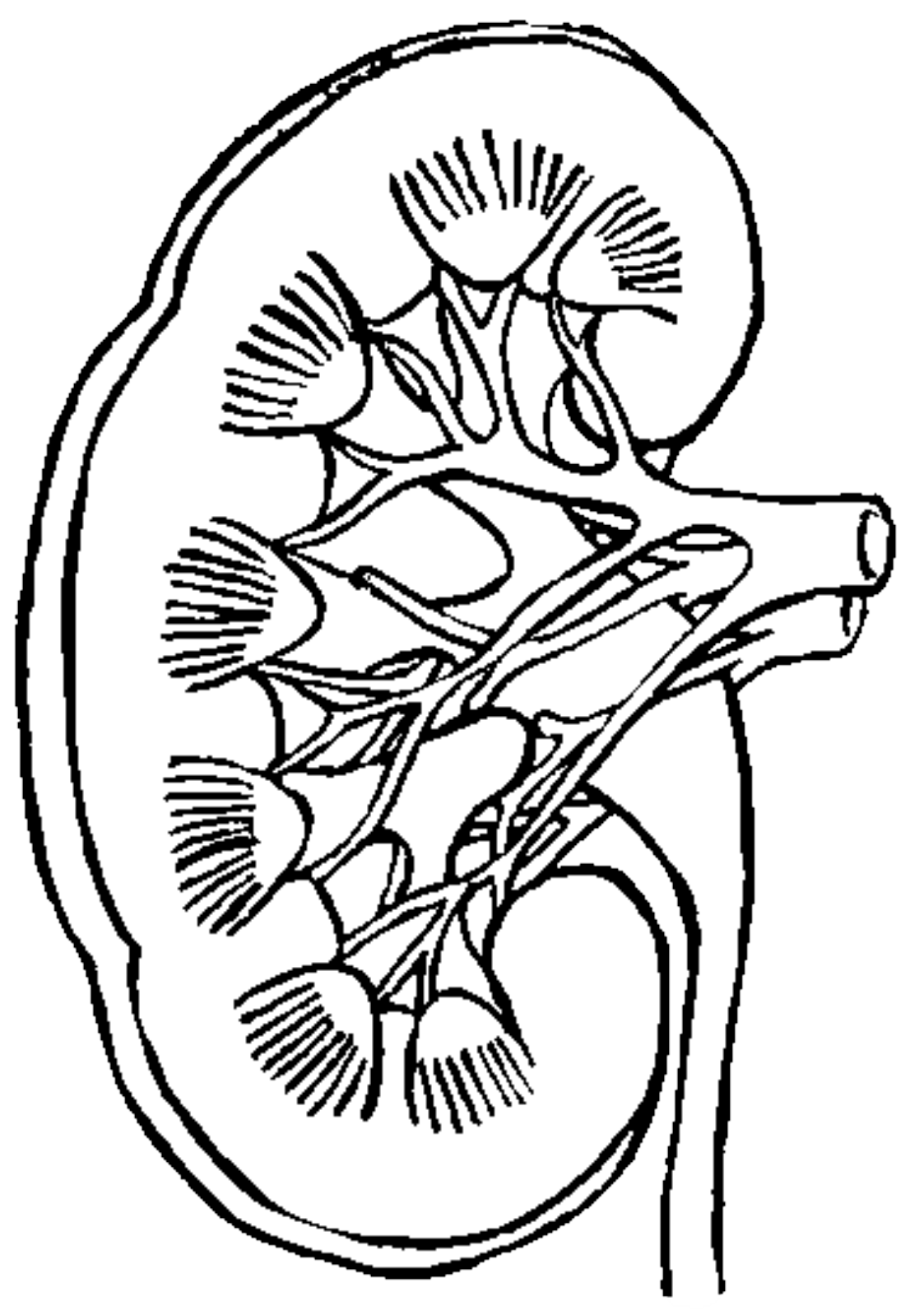
BODY PARTS ( INTERNAL )
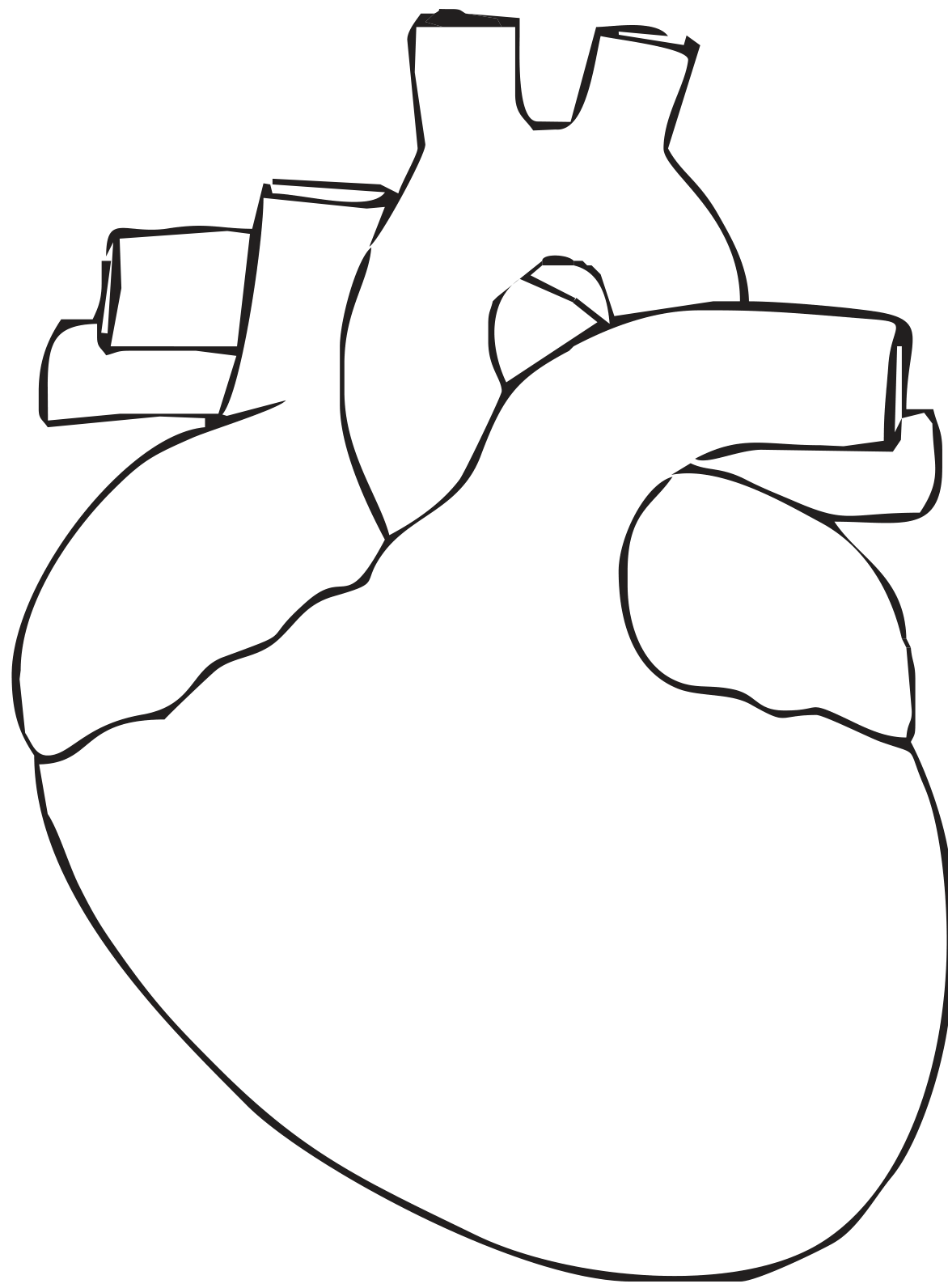
Join the dots and colour
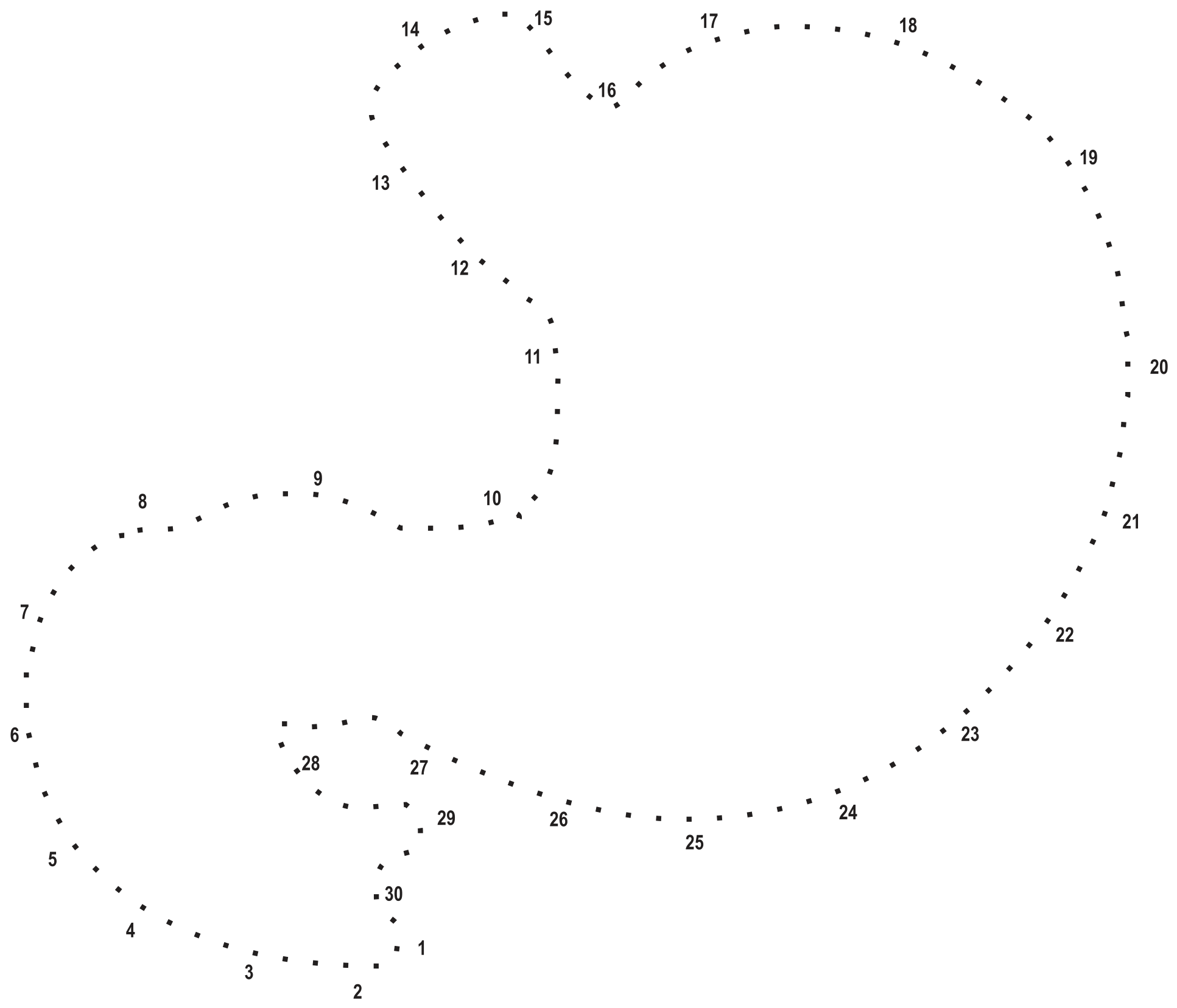
BODY PARTS
( INTERNAL )
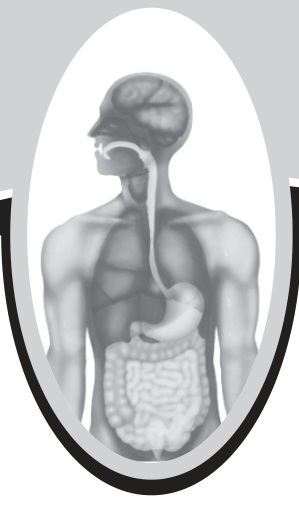

Draw the body parts that you have
in your body and colour it
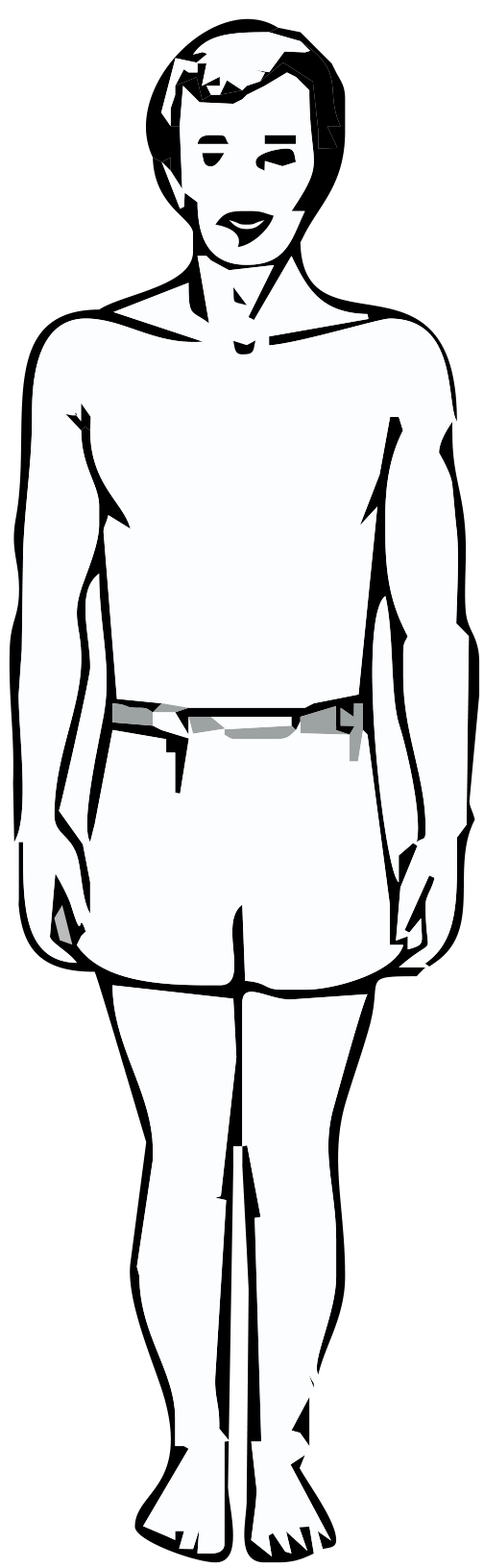
BODY PARTS ( INTERNAL )
Draw lines from the body parts to their proper place in the human body
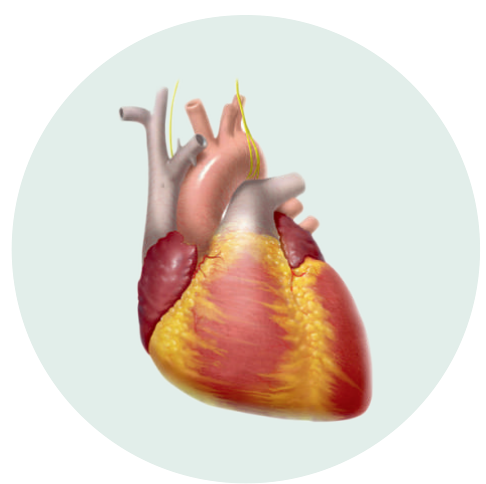
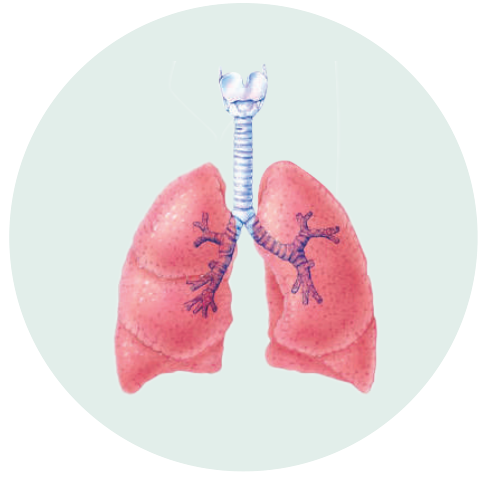
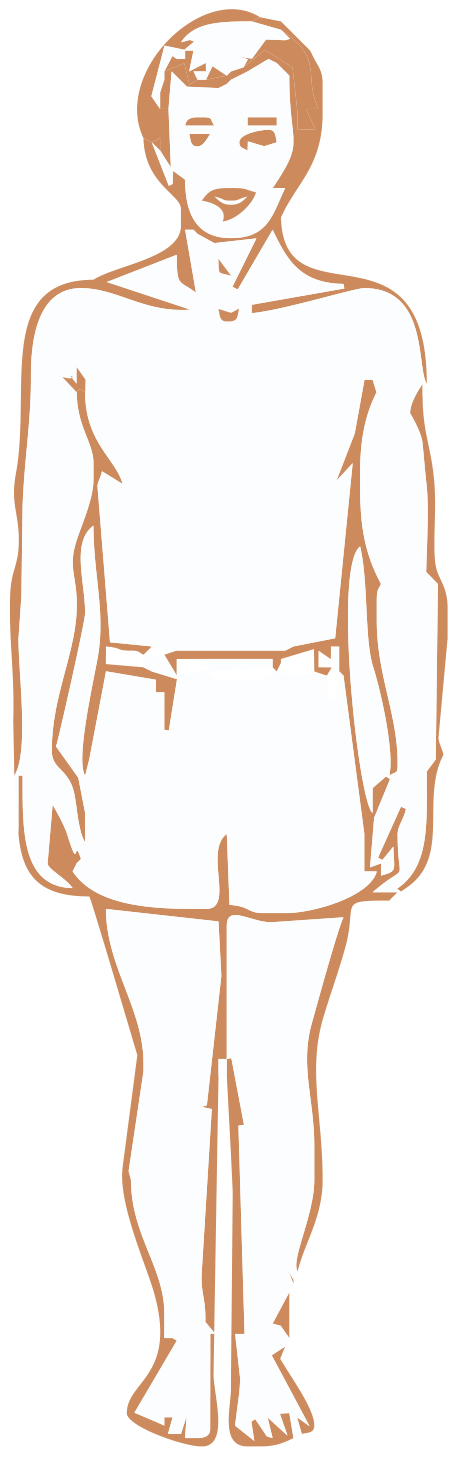
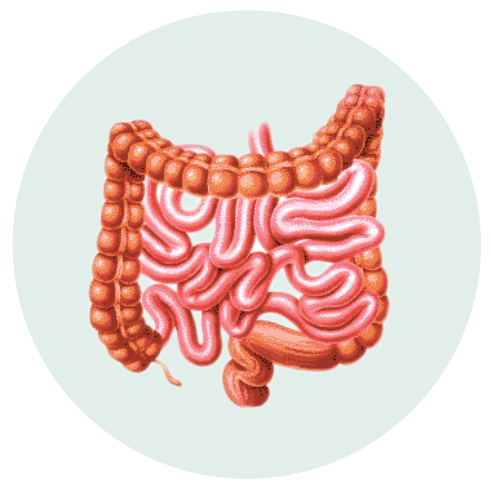
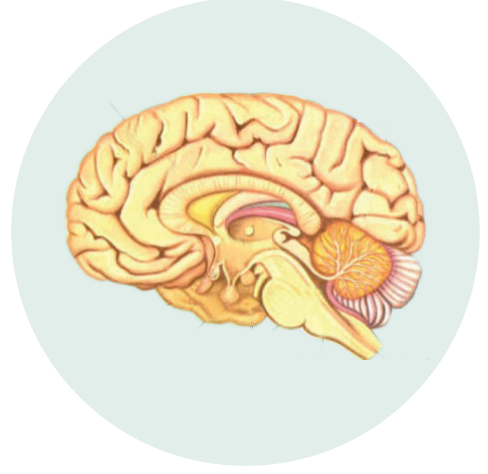
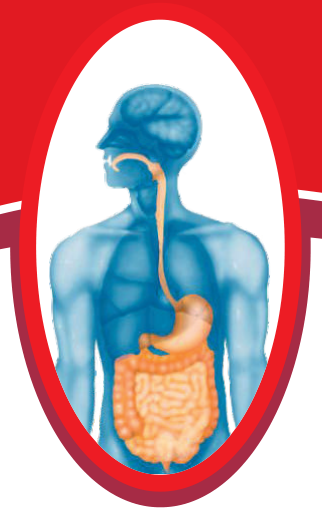
BODY PARTS ( INTERNAL )

See the picture and write the missing letters ( l, s, n, r, v, t, b )
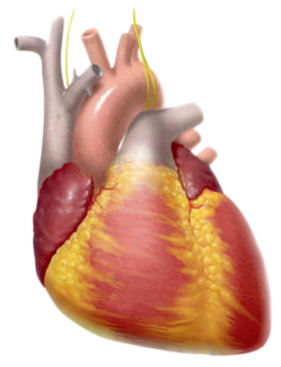
H e a _ _
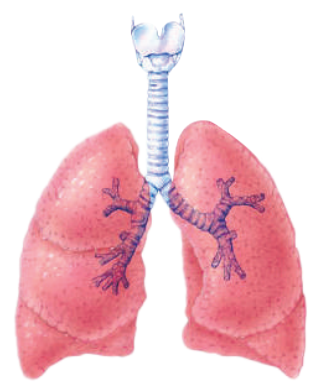
_ u _ g _
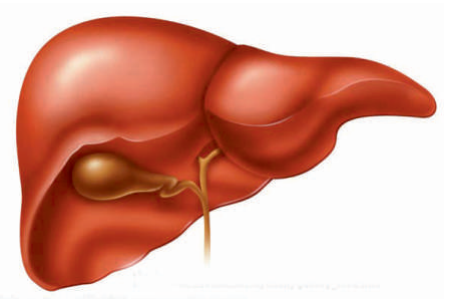
L i _ e _
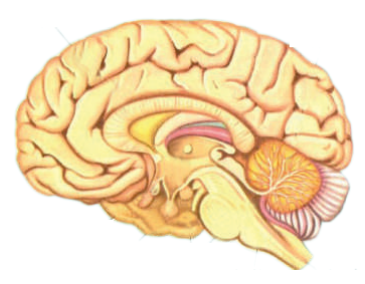
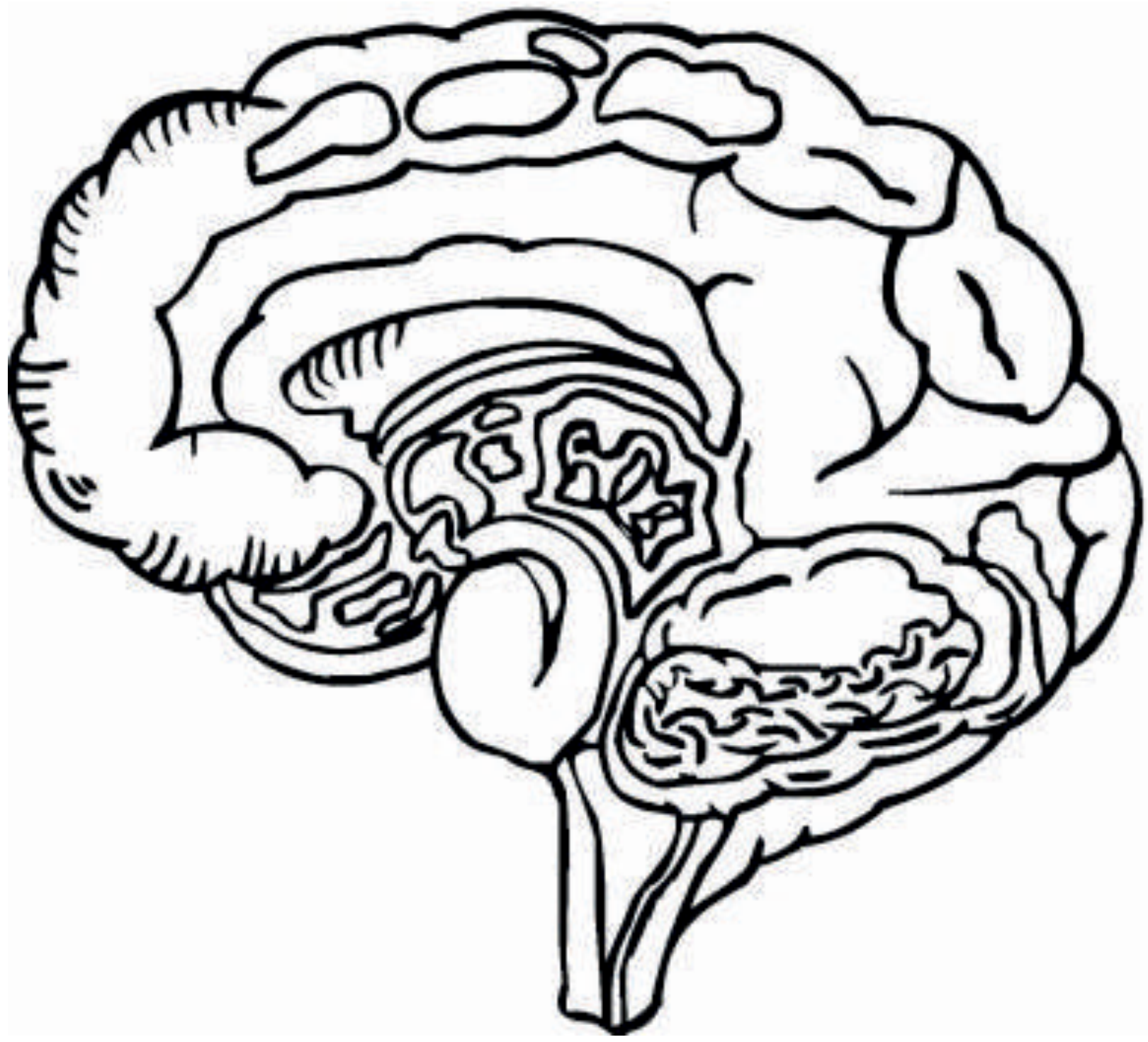
_ r a i _

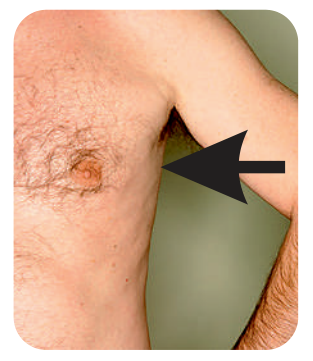
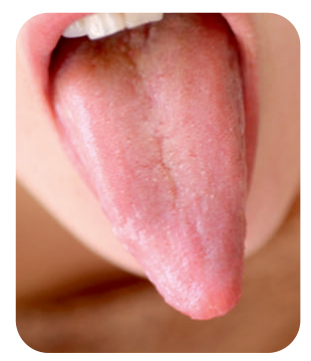
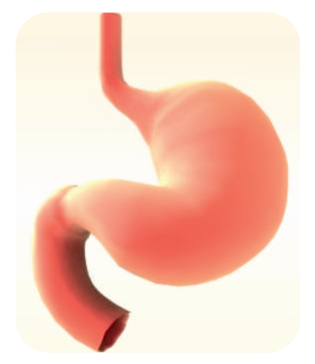
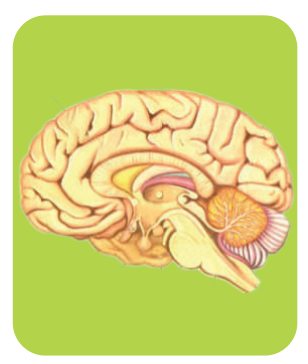
Match the body parts
|
| |
|
| |
|
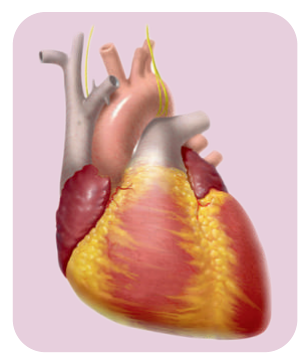
| |
|
|
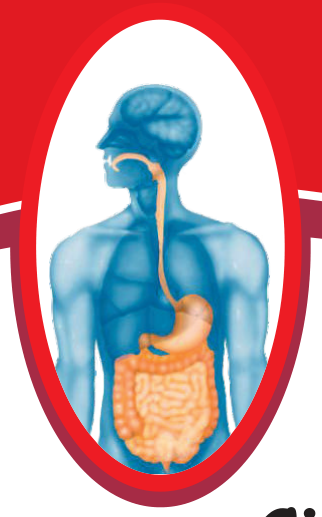
BODY PARTS ( INTERNAL )

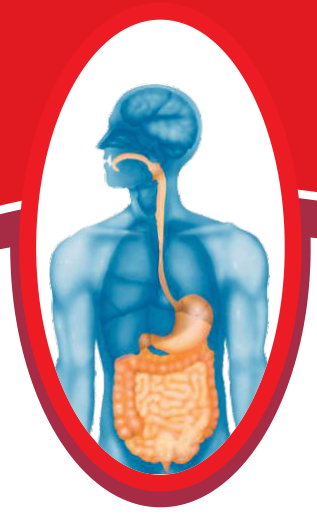
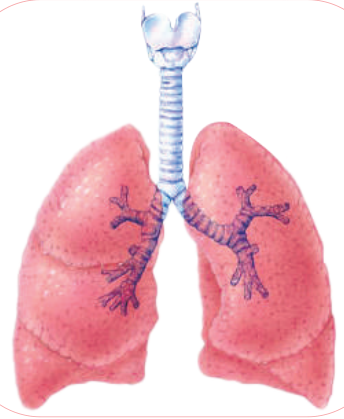
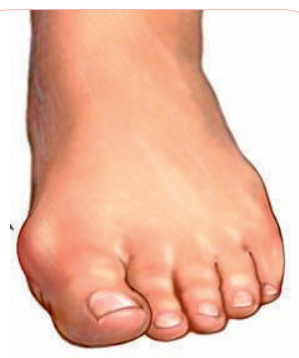
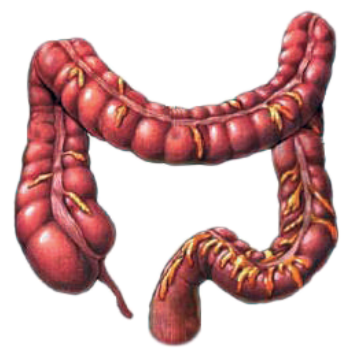
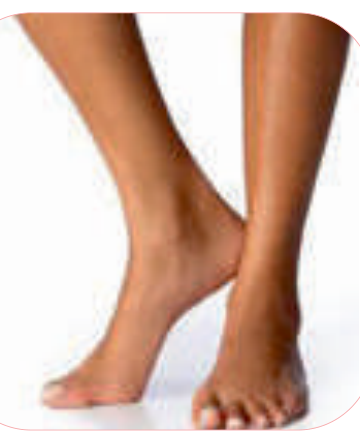
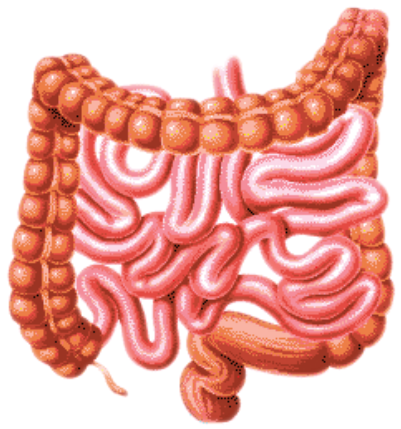
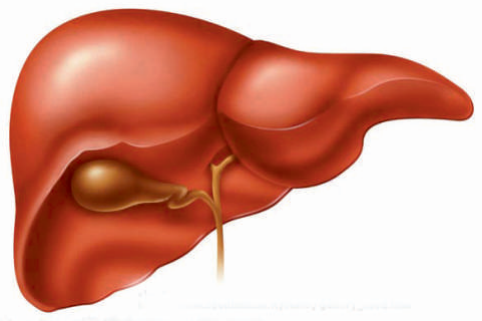
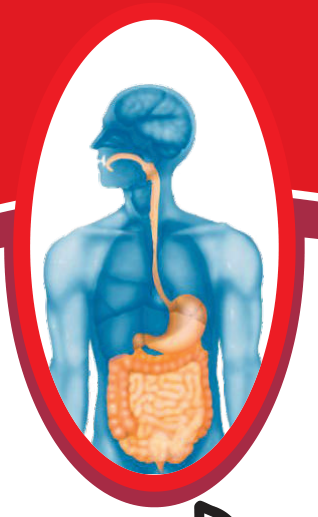
Circle the body parts in the abdomen
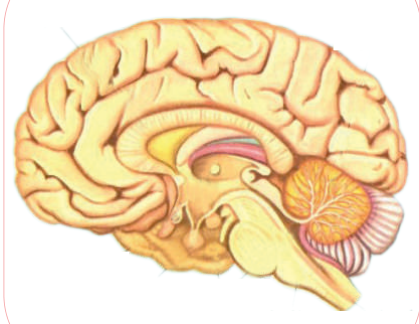
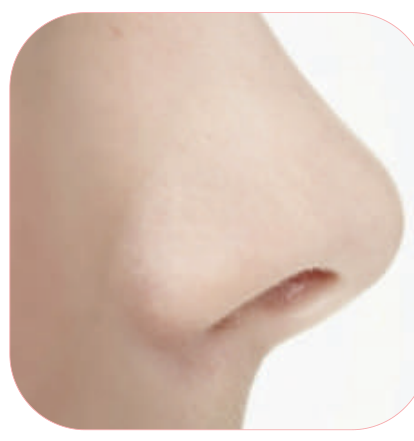
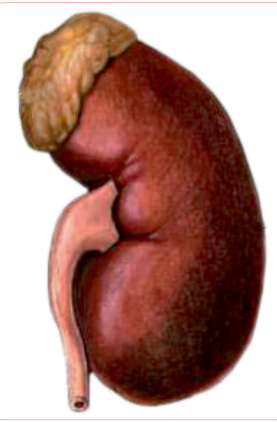
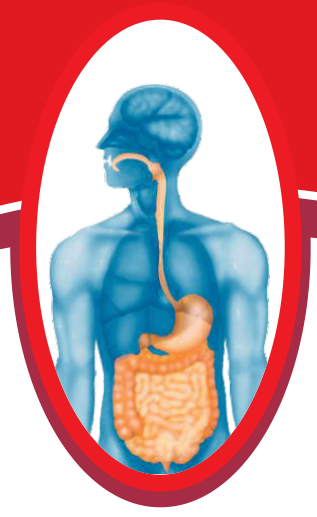
BODY PARTS ( INTERNAL )
✓ the body parts in the thorax
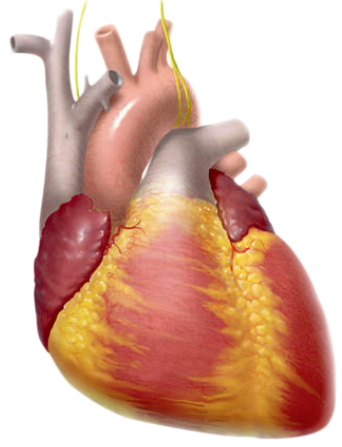
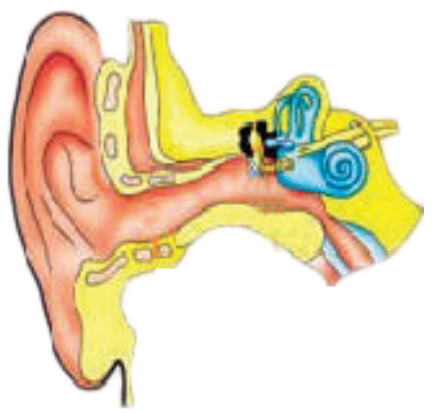
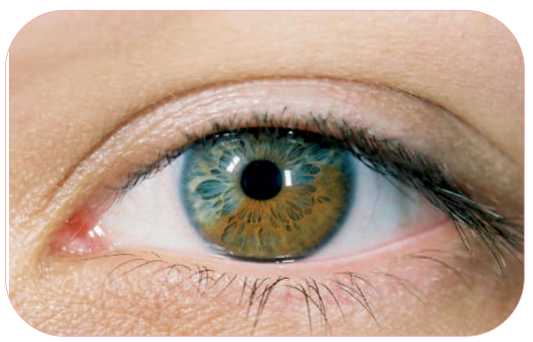
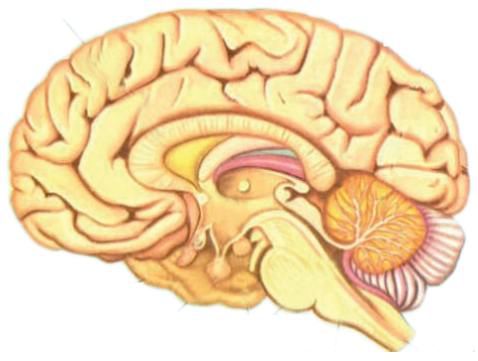
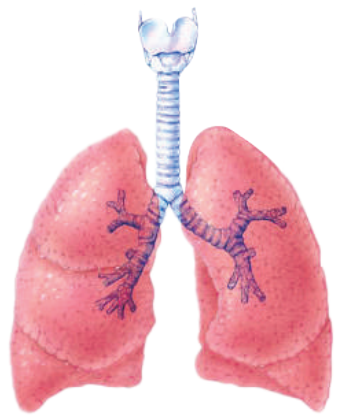
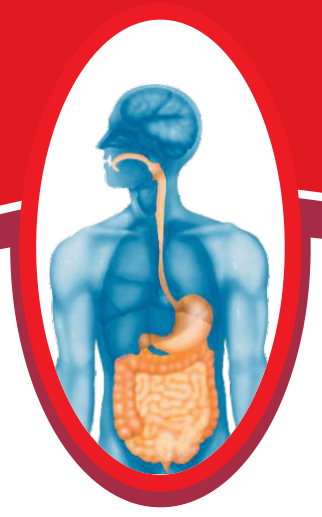
BODY PARTS ( INTERNAL )
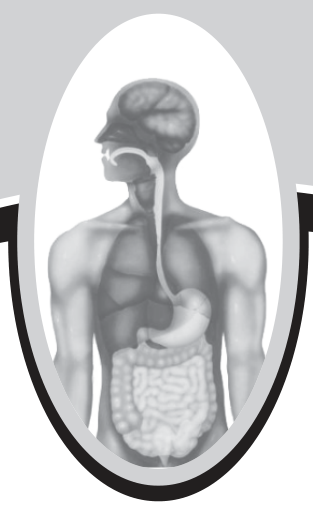
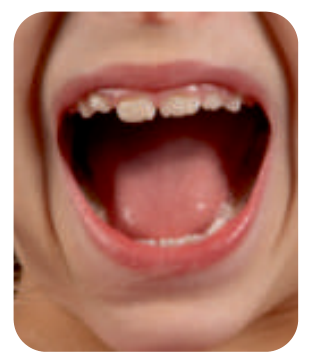
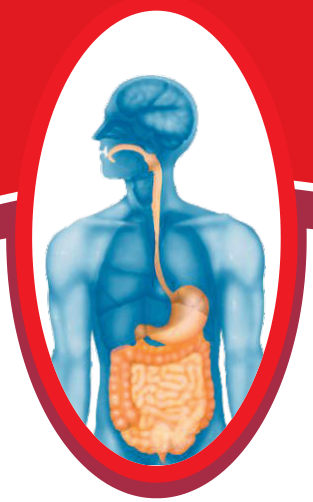
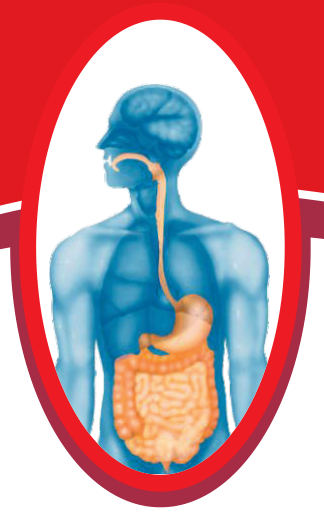
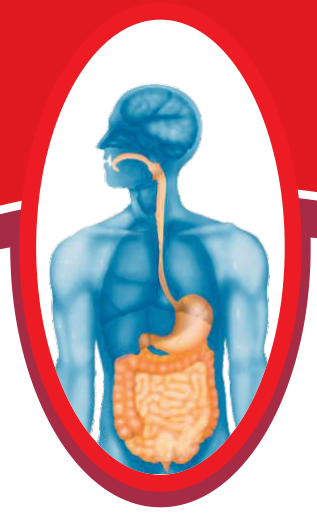
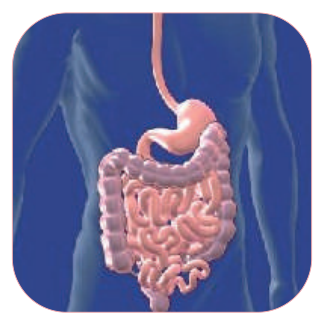
Sequence the correct order of the digestive tract
[Figure: Esophagus and stomach]
[Figure: Open mouth showing teeth and tongue]
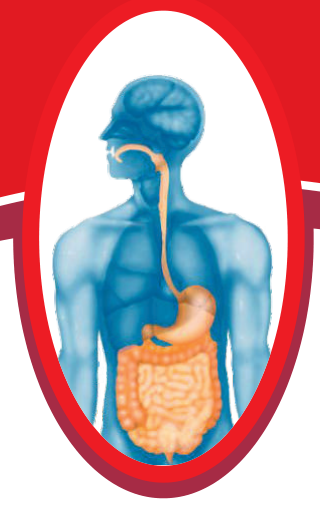
BODY PARTS ( INTERNAL )
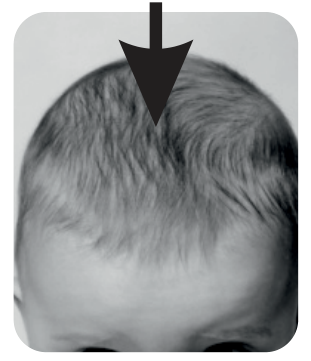
Match the bones to the correct body parts
[Figure: Foot]
[Figure: Baby's head]
[Figure: Hand]
[Figure: Chest]
[Figure: Knees]
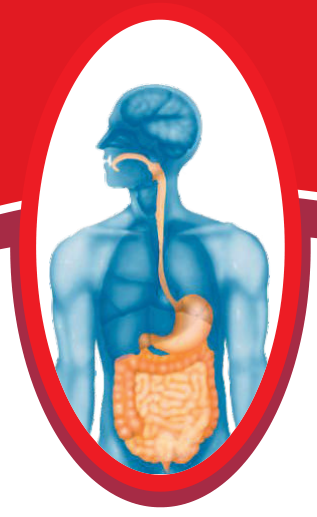
BODY PARTS ( INTERNAL )
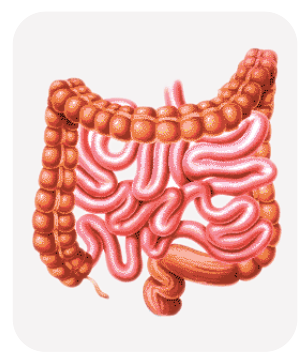
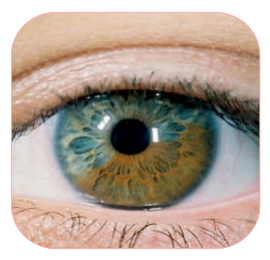
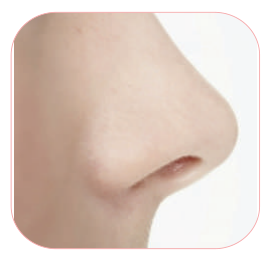
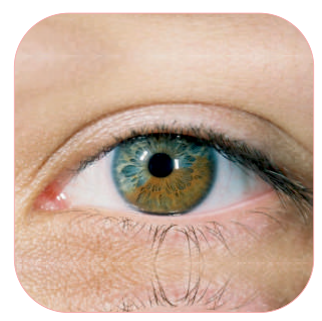
Circle the external body parts and draw triangles around internal body parts
[Figure: Eye]
[Figure: Brain]
[Figure: Intestines]
BODY PARTS ( INTERNAL )
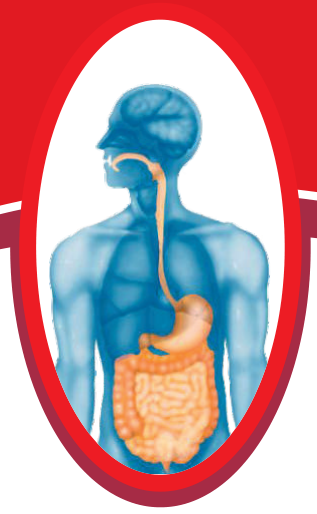
✓the correct answer
How many hearts do
we have?

| 2 | 3 | 1 |
How many skin layers
do we have?

| 3 | 2 | 1 |
How many brains
do we have?

| 2 | 1 | 5 |
Where do we have water in our body?
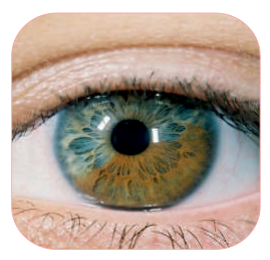
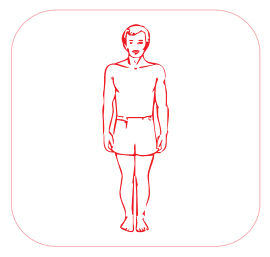
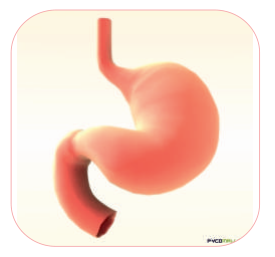
In which part do we have the tonsil?
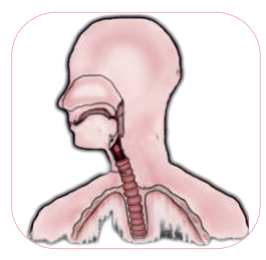
BODY PARTS
( INTERNAL )

Circle the correct picture for each clues given
Which body part helps us to take out the waste things ?
[Figure: Heart]
In which body part we won't "SWEAT"
[Figure: Hand/Arm]
Which body part helps us to breathe ?
[Figure: Heart]
BODY PARTS ( INTERNAL )
If you are not well {sick} what you will do?
[Figure: Patient in wheelchair at hospital]
[Figure: Person swimming]
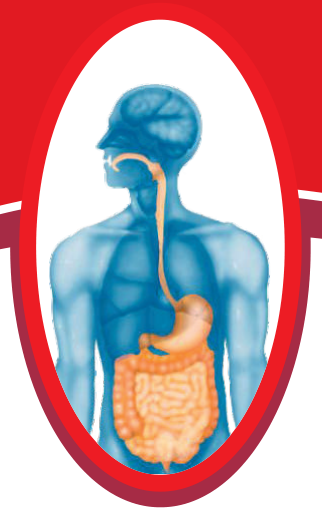
BODY PARTS
( INTERNAL )

Follow the patterning
[Figure: Heart]
[Figure: Heart]
[Figure: Brain]
[Figure: Intestines]
[Figure: Eye]
[Figure: Eye]
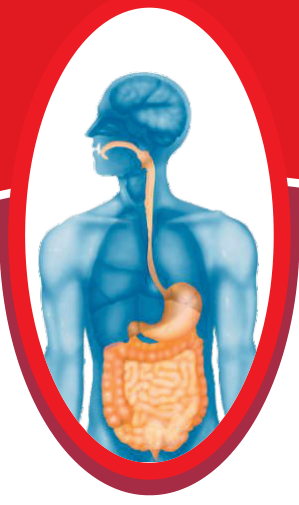
BODY PARTS ( INTERNAL )
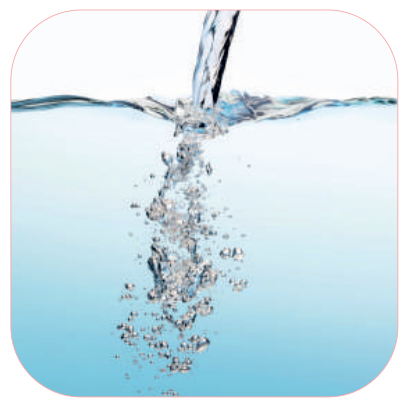
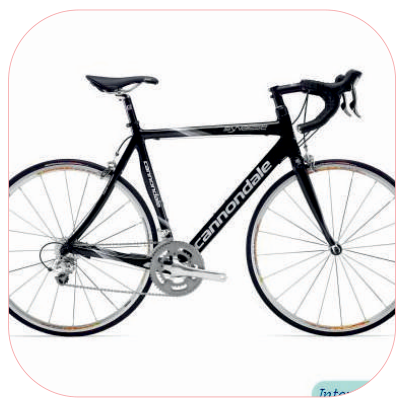
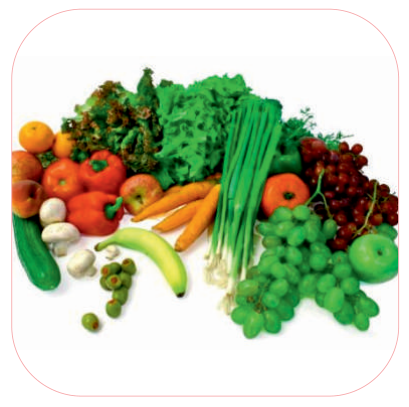
Circle the things that are needed for living
|
|
| |

|
|
| |
|
|
|
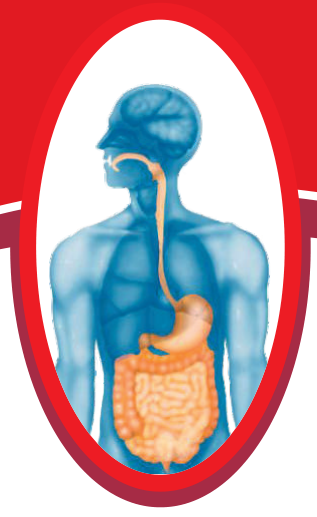
BODY PARTS ( INTERNAL )
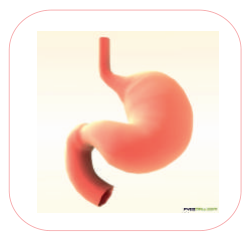
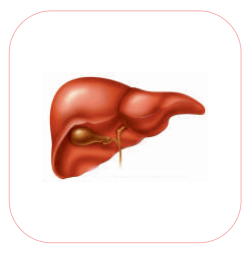
Match
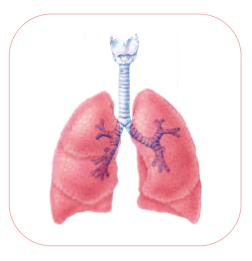
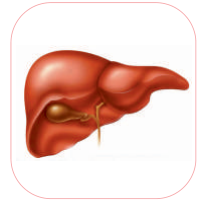
Liver
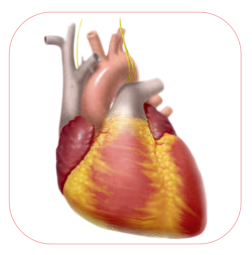
Heart
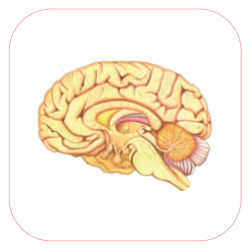
Brain
Lungs
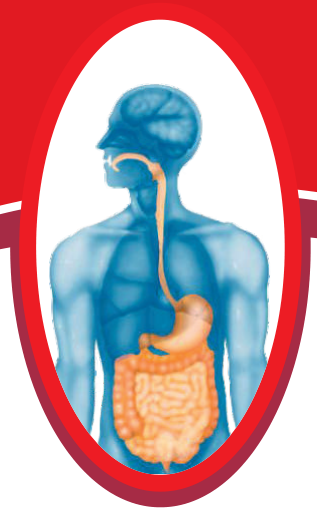
Stomach
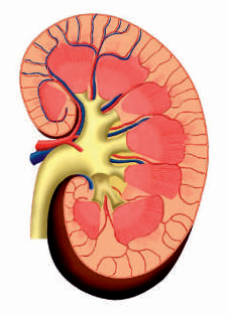
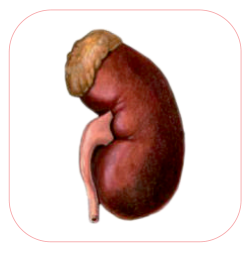
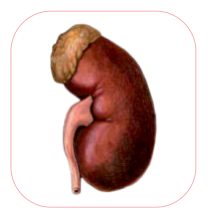
Kidney
BODY PARTS (INTERNAL)

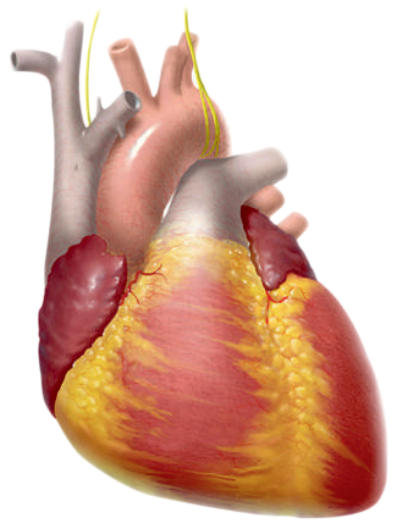
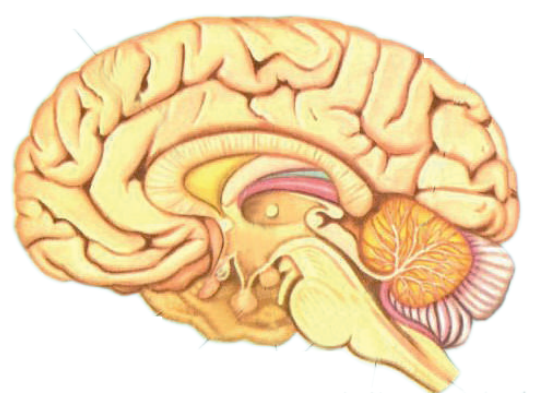
Join the pictures which starts with H to heart and which starts with B to the brain
|
|
|
|
|
|

|
|
|
|
|
|
BODY PARTS ( INTERNAL )
Match the actions related to the body part

|
| |
|
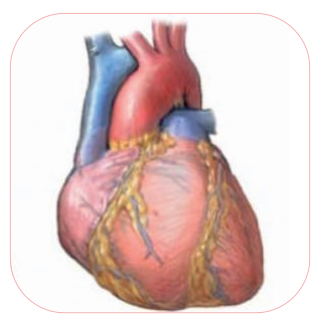
| |
|
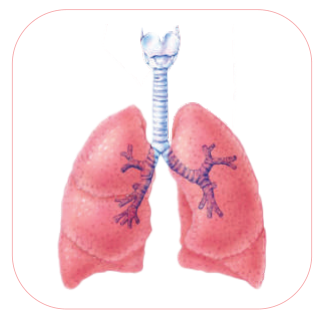
| |
|
| |
|
|
BODY PARTS ( INTERNAL )

Circle the different picture
[Figure: Heart 1]
[Figure: Lungs 1]
[Figure: Brain 1]
[Figure: Kidney cross-section 1]
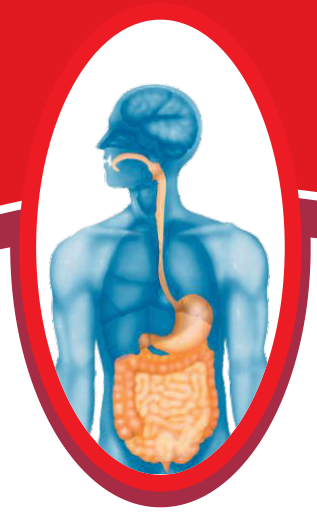
BODY PARTS ( INTERNAL )
Circle all the joints in the skeleton picture
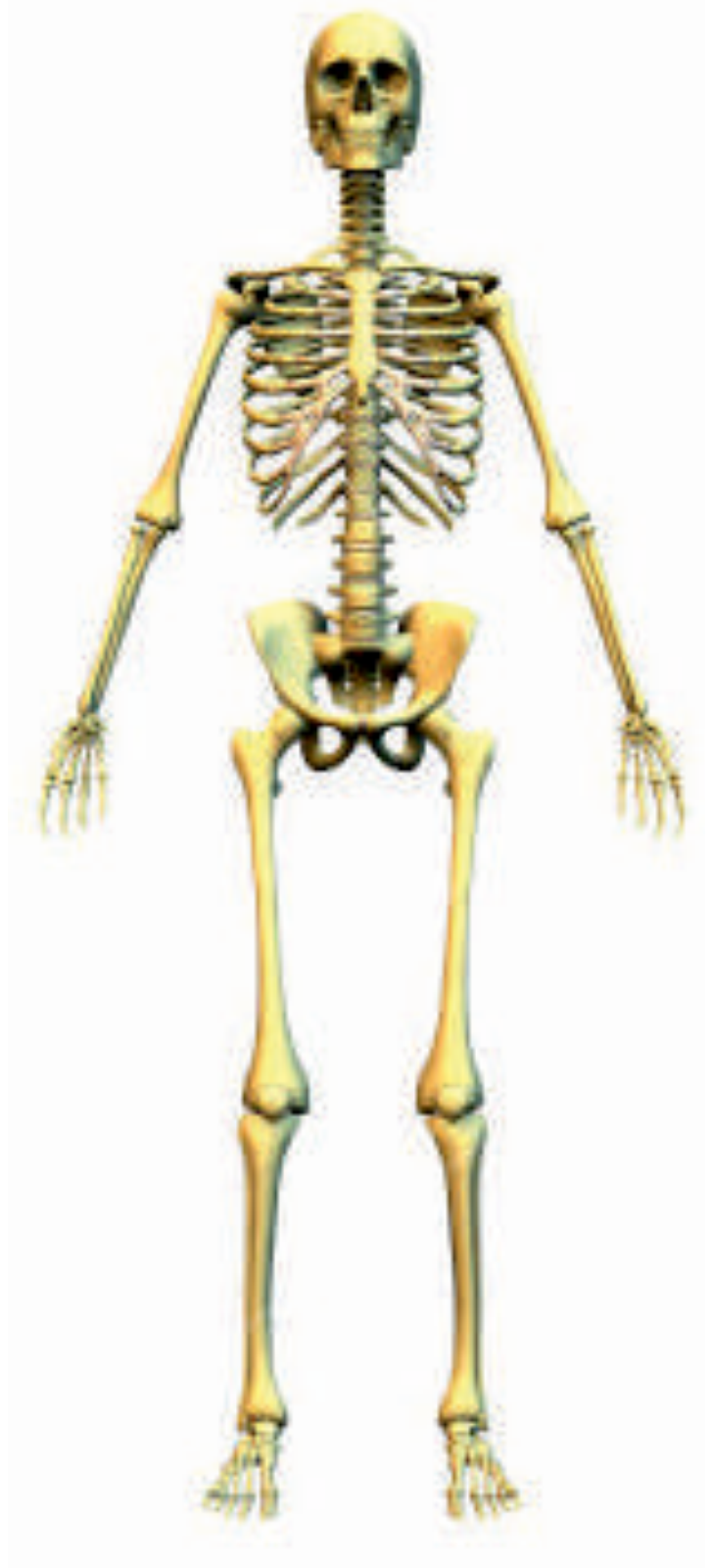
BODY PARTS
( INTERNAL )

Look at the picture and join the starting sound
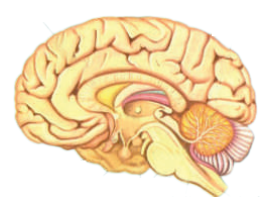
H
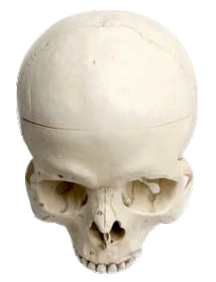
K
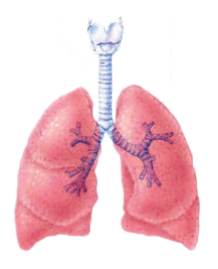
B
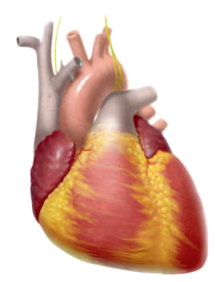
L
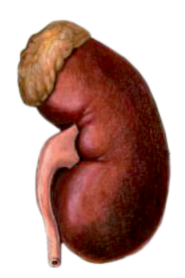
S
BODY PARTS
( INTERNAL )

Draw an oval around the correct number
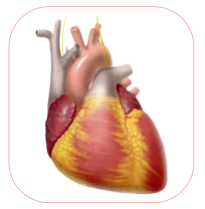
| 5 | 3 | 1
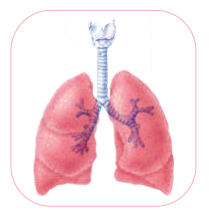
| 2 | 1 | 3
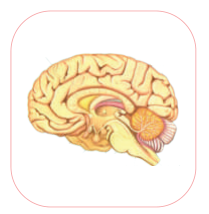
| 6 | 2 | 1
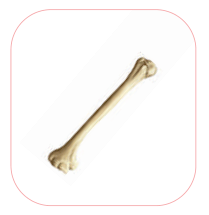
| 100 | 206 | 216
| 2 | 4 | 3
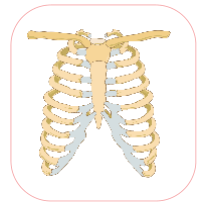
| 11 | 12 | 15
| 2 | 3 | 1
[Figure: body]
BODY PARTS ( INTERNAL )
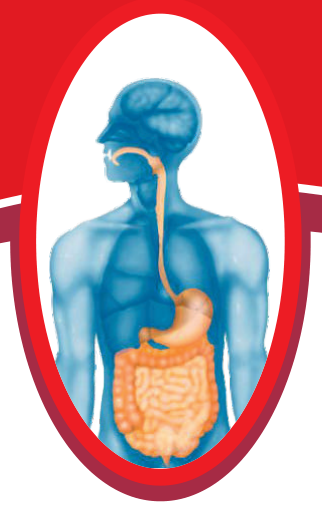
Arrange the internal body parts by putting numbers from head to toe
[Figure: heart]
[Figure: lungs]
BODY PARTS
(INTERNAL)
Circle the words that are given below in the group of letters
| a | m | l | u | n | g | s | k |
|---|---|---|---|---|---|---|---|
| c | k | i | d | n | e | y | i |
| m | q | b | r | a | i | n | t |
| a | b | h | c | d | e | f | g |
| o | v | e | w | i | k | l | t |
| d | c | a | b | x | m | i | l |
| c | l | r | n | e | u | o | x |
| z | s | t | o | m | a | c | h |
Stomach lungs brain heart kidney
BODY PARTS ( INTERNAL )

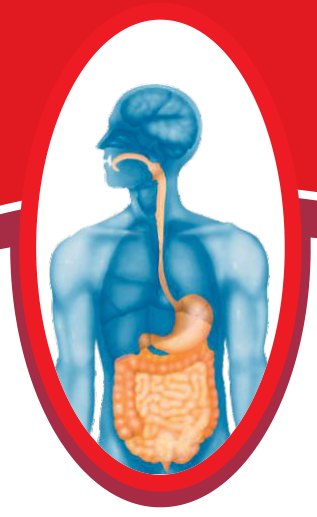
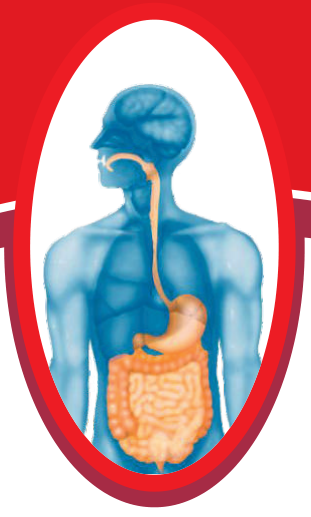
Look at the picture and mark
the internal parts in their correct place
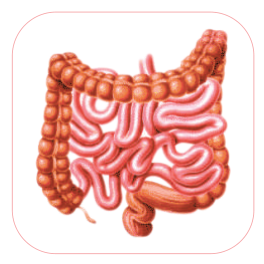
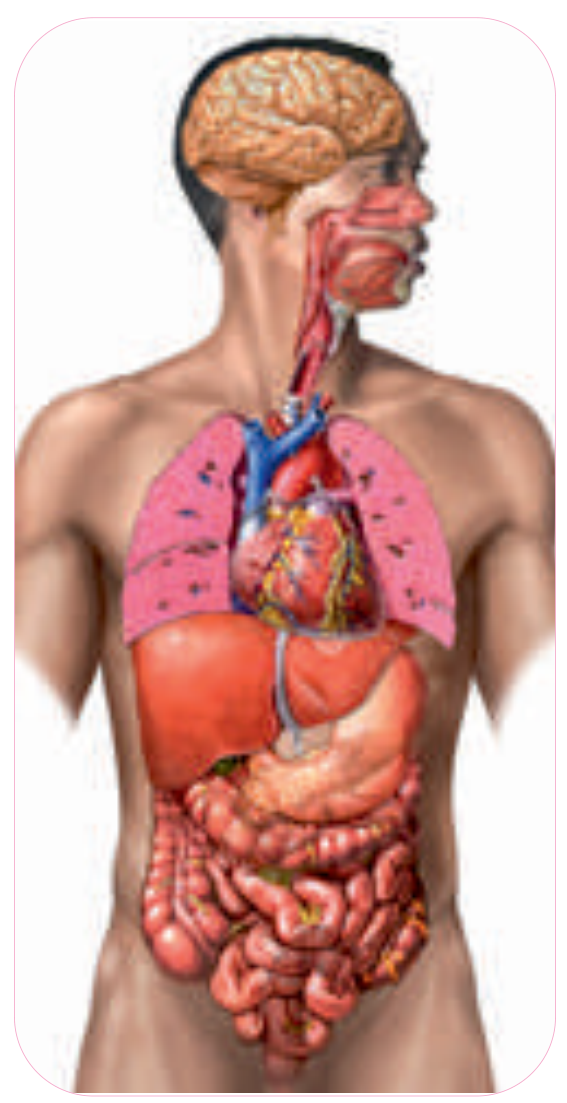
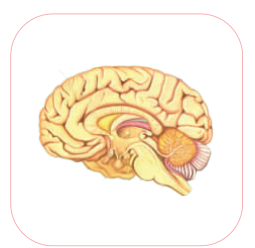
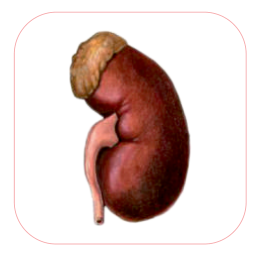
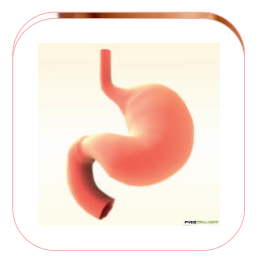
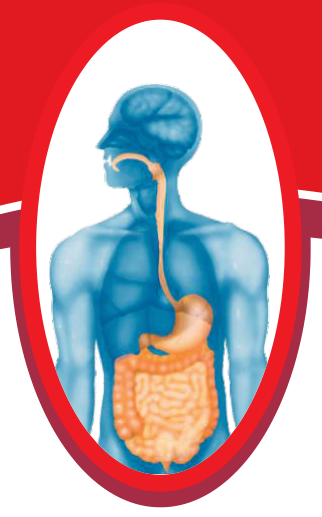
BODY PARTS ( INTERNAL )

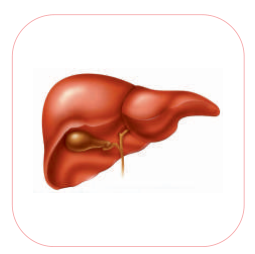
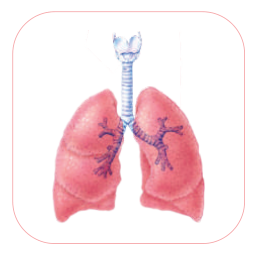
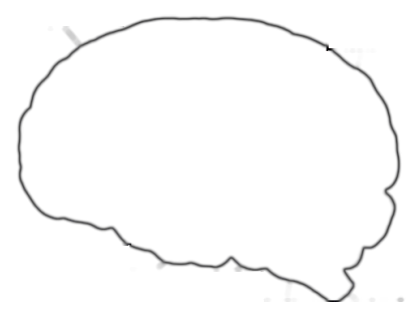
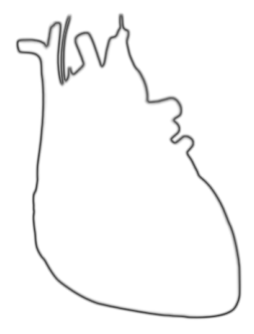
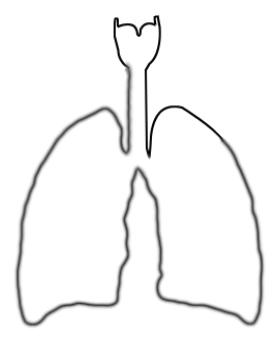
Cut and paste
- - - - - - - - - - - - - - - - - - - - - - - - - - - - - - - - - - - - - - - -