Healing Secrets of the Siddhas - I
This text was machine-transcribed from the printed book and may contain errors. Select the words and choose “Report a mistake”.
November 15, 2010
I can classify the siddhas' siddhis or miracles into five categories, which work on our five energy sheaths: annamaya kosha miracles, pranamaya kosha miracles, manomaya kosha miracles, vignanamaya kosha miracles, and ananadamaya kosha miracles. These are the five basic sections of siddha miracles, performed using different plants, medicines, techniques and methods.
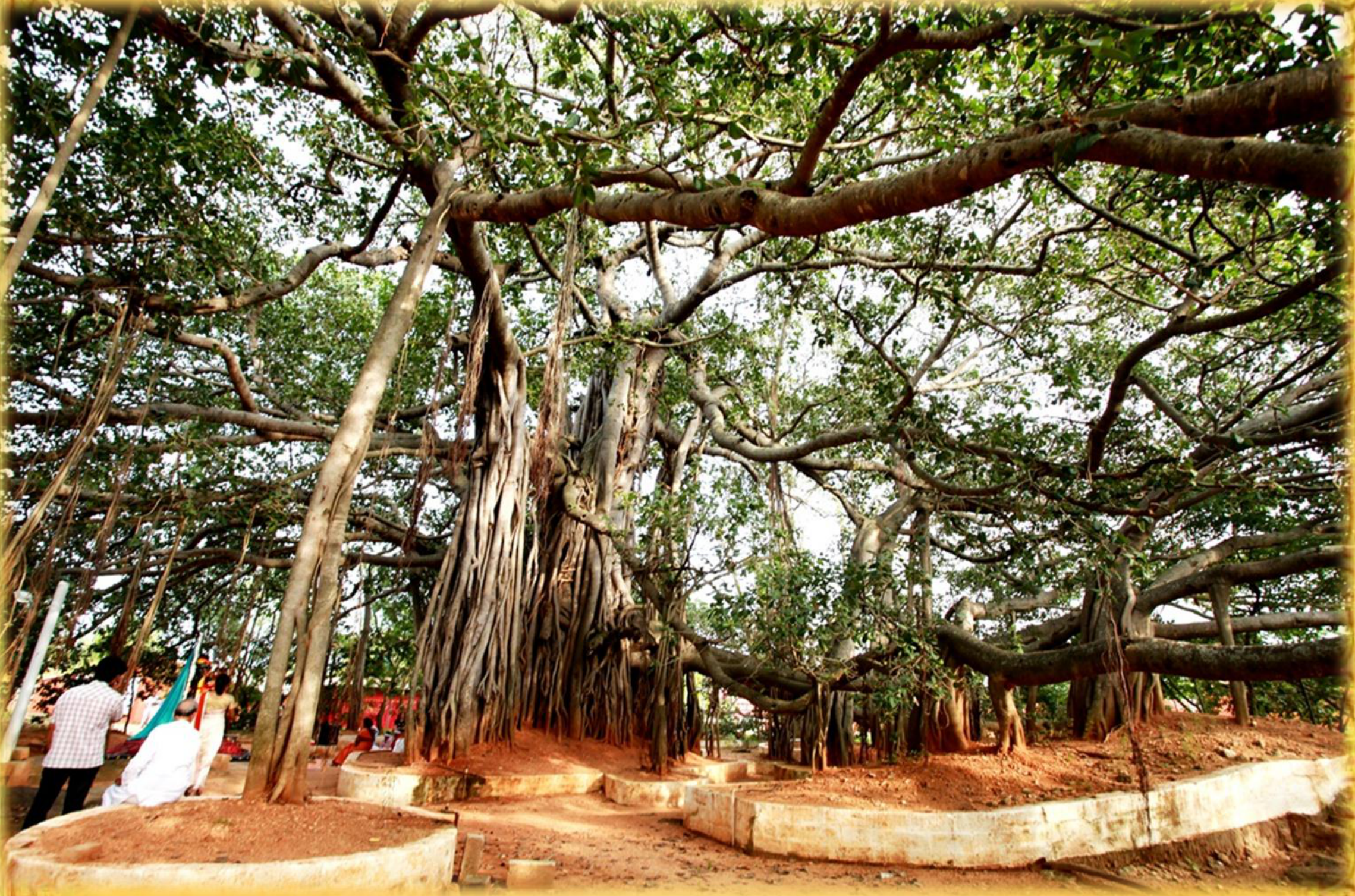
You will be surprised to know that all the five kosha miracle trees and herbs are available in our Bidadi campus. That's why I call this a siddha vana, a siddha garden. We have not planted any of them. All of them are there by themselves. We have not planted a single neem, sandalwood, tamarind or banyan tree inside this campus. But all these trees are available here around the whole campus. Everything falls in place.
In the Siddha tradition, they also use stones. There are special kinds of rocks which can be shaped by river water. One kind are the stones which can be shaped only by strong rivers like the Ganga. Other kinds of stones are those which can be washed and shaped by seasonal rivers like the Kaveri. There are special stones which are not available freely; they are very rare stones which can be shaped by the flow of rainwater.
All the stones under our banyan tree are those kind of stones; very rare stones used in Siddha medicine. Understand, the kalaha in which they grind medicine has to be made from the stone which has been shaped by rainwater. If rainwater has shaped the stone, it means the stone is very old, because rain is not a continuous flow. It’s a very rare quality stone. The stones under our banyan tree are of that quality.
Another important thing in the siddha tradition is that they use mud from the snake-hole as a healing medicine. Even now, all the traditional siddhas will wear the cloth which has been colored using the mud from the snake-hole. Senior disciples collect mud from a snake-hole, mix it in water, put in the white dhoti, color it, and then wear it. It is the mud from a snake hole which is used for something called pudam. When you want to burn certain medicines, you have to cover it with the mud from a snake-hole, then with cowdung and other fuels. This is so that the medicine inside gets completely processed without getting directly burnt.
This whole ashram’s mud is from snake-holes! You will see snake-holes happening everywhere; very fertile mud. Before we came here, 3000 snakes were living on this campus. The people who donated the
land to us had a snake farm here. Just one year before we came, they moved and took all the snakes out. Not all, because you can't remove them completely. They said that based on their research, this place is the best place where snakes live happily. They were running a snake farm because this land, this weather, this ground especially, was very comfortable for snakes. So the whole place is specially 'made for each other'!