LESSON: 5
This text was machine-transcribed from the printed book and may contain errors. Select the words and choose “Report a mistake”.
Introduction: Introduce to the children about surrendering with trust
Goals: To make the children understand about surrendering with trust
About the topic: Immense trust leads to surrender. Surrender is simplicity of the heart. When we awaken to the powerful presence of the truth, surrender happens. The trust is absolute and innocent. The trust comes with no reason.
It is only innocence that is capable of taking the leap into trust and surrender. Knowledge looks for reason in everything. Surrender and reason are mutually exclusive, surrender is possible only out of innocence, because out of innocence arises trust.
With trust arises acceptance as well Acceptance means welcoming life and all its forms as a wonderful gift from existence. Each person or situation is a fresh happening. Accepting it at a deep level is surrender.
Acceptance is saying yes to the existence. Out of surrender arises deep relaxation. Out of surrender arises a fresh intelligence Trust means continuing to be in action with intelligence instead of intellect. Trust is an attitude. It is not a substitute for appropriate action. The spirit of trust is the essence of the very life. It leads to innocence, surrender, relaxation and bliss.
Surrendering is allowing existence to happen through you. When you are trusting and surrendering it becomes difficult to cheat you. Innocence trust always protects from deceit.
[Figure: baby]
When we come to the present moment we are open and innocent because there is a no mind in the present. For the mind to exist there has to be movement towards the past or the future. In the present moment, there is no past or future. To be trusting and surrendering is like losing the 'I' and the 'mine'. Ego starts with 'mine' and then move to 'I'. Even before the identity of 'I' set in the mind corners into play.
Surrendering is nothing but merging with existence with no identity of 'I' or 'mine'. The mind is a direct conflict to the being.
Interpretation: • What is known as surrender? • Which leads to surrender? • What is the relationship between trust and reason? • What is acceptance? • Which leads to acceptance? • Which is termed as saying yes to acceptance? • What provides deep relaxation? • When it becomes difficult to cheat? • How is mind connected to being innocent? • When we can lose 'I' and 'mine'? Which is the direct conflict to the being?
Evaluation: Evaluate how well they understood the topic by asking multiple questions.
Conclusion: The mind is a direct conflict to the being. The being always concerns with existence.
© 2011 Copyright Nithya Gnanadhan Trust
INNOCENCE
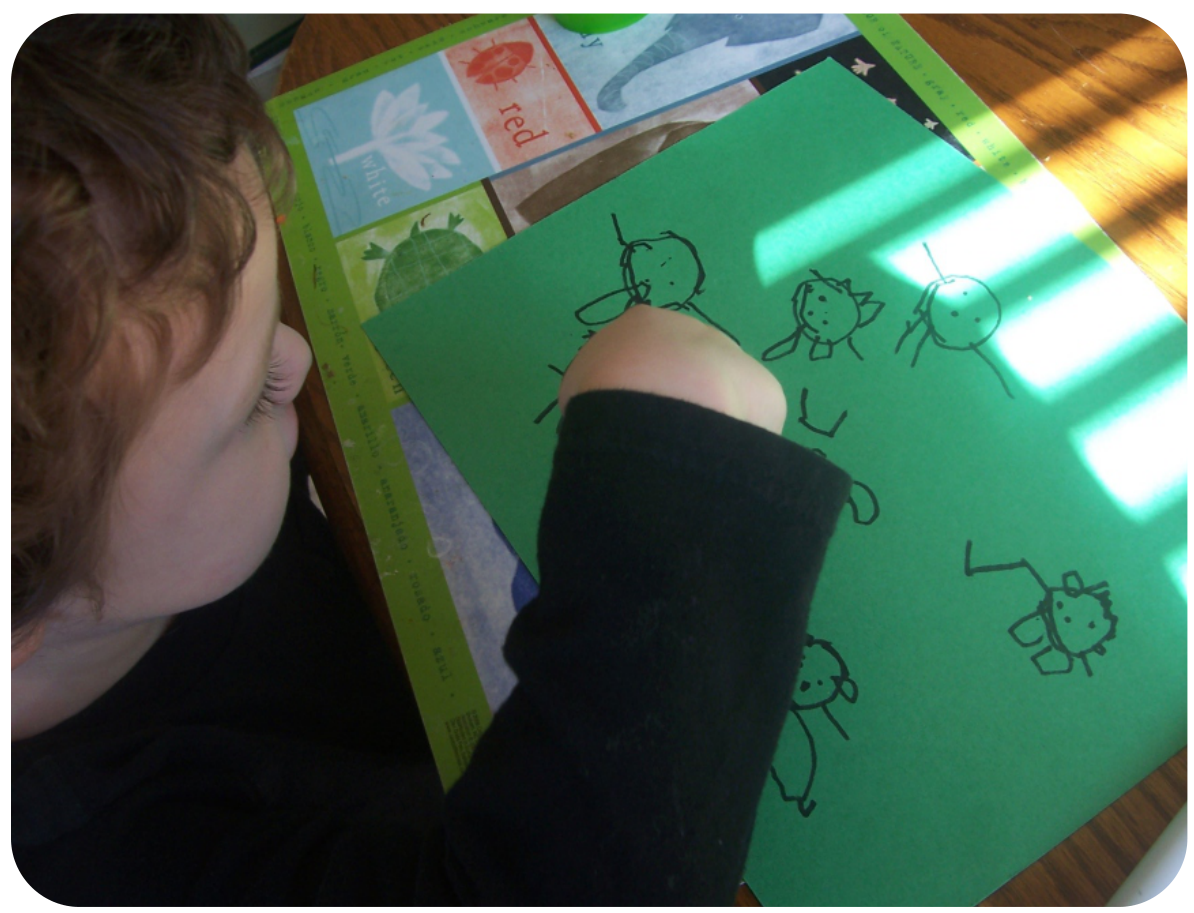
Art of the day; Draw Silence
Materials needed: Plain sheet, Pencil or Pen or Sketch
Explanation: Encourage the children to draw about silence in pictorial form. Each child will get a turn to explain what silence means to them, how they depicted silence in the pictorial form.
Inference: Silence is the space of unlearning and learning. In silence, there is innocence, silence bridges the gap what words create.
© 2011 Copyright Nithya Gnanadhan Trust
[Figure: Innocence image]
Story for Innocence
Brief of the story : On the banks of a river there lived a sage in a small plot of land owned by a farmer. The village chief did not like the sage and wanted to buy the piece of land. The village chief was ready to pay any amount of money.
Village Chief: I want the small plot which you own and I am ready to pay any amount of money.
Farmer: If I sell the land to you, will you drive the sage away once it becomes yours.
Village chief: Why do you call him a saint? Just because he is wearing an orange rope? He must be an ordinary man like as
Farmer: No sir, I have seen many signs of a sage in him. For e.g. I have never seen him getting angry.
The village chief: Tomorrow come to his hut and I will show you how angry he will be. The next day morning the farmer went near the sage's hut and watched A boy apparently sent by the village chief approached the sage The sage was writing something on the palm leaf . The boy went behind him and spat on him. The sage looked back, saw that it was the boy who did it, got up and took a dip in the river and came back and sat. The boy spat again and the sage went and had a dip again. The farmer could not bear to see what was happening. The village chief was standing behind a tree and watching as well. He was surprised at the sage's calmness. Every time the sage returned from the dip, the boy spat on him. Every time the sage smiled at him, got up INNOCENCE
and went and dipped. The boy had spat on the sage for 107 times. He could not bear it any more. He fell at the sage feet and cried.
Boy: Please forgive me. I have sinned. I harassed you in this manner only because I was paid to do so. I am afraid that you might curse me now!
Sage: So you will not spit on me again?
Boy: I would rather die than spitting again.
Sage: Let me tell you a secret. I should actually thank You for this because many years ago I had taken a vow that I would dip hundred and eight times in this sacred river. Today that has been fulfilled. I have to dip one more time to complete the Vow. This time I will pray for you. The sage dipped one more time and when he come out, the village chief was at his feet begging for forgiveness.
Village chief: I am the real sinner. I paid the boy to do this. I wanted to prove that you would get angry.
Sage: Had the boy told me his real mission. I would have got angry quickly and made him to receive his reward.
The village chief became a disciple of the sage.

INNOCENCE