NITHYA KRIYA
This text was machine-transcribed from the printed book and may contain errors. Select the words and choose “Report a mistake”.
Nithya Kriya is a unique and ancient combination of components of Nithyananda Yoga, that include, asanas, kumbhaka, pranayamas, visualization along with external verbalization (external sound one hears or chants), and internal verbalization (internally hearing of sound or mantra). These kriyas are sourced from the most authentic sacred yogic scriptures of the Vedic tradition, while the specific assembly of these various components has been personally designed by The SPH Nithyananda Paramashivam to provide preventive care for various physical and mental afflictions by permanently awakening the non-mechanical parts of the brain which possesses untapped potential responsible for many extraordinary faculties and powers enabling one to experience the peak of conscious coherence, joy, and bliss.
Nithya Kriyas are a series of healing yogic processes soundly anchored in the sacred yoga scriptures, including the legendary Patanjali Yoga Sutras, as well as the three classic texts that form the base of yoga - Hatha Yoga Pradipika, Gheranda Samhita and Shiva Samhita.
[Figure: A person performing a yoga pose under a banyan tree]
NITHYA KRIYA - VISION
Near or far vision impairment affects at least 2.2 billion individuals worldwide. Vision impairment may have been avoided or managed in at least 1 billion – or nearly half – of these cases. Blindness can be avoided with a combination of education and appropriate medical care. The majority of traumatic causes of blindness can be avoided by using eye protection. International publicc-health initiatives have considerably reduced visual impairment and blindness caused by infectious illnesses. KAILASA precisely provides this science of prevention to the world through KAILASA's initiative of Nithya Kriya
01 CARE FOR SHORT-SIGHTEDNESS
02 CURE FOR SHORT-SIGHTEDNESS
03 CARE FOR LONG-SIGHTEDNESS
04 CURE FOR LONG-SIGHTEDNESS
DISCLAIMER: This technique is not intended to be a substitute for professional medical diagnosis or treatment. Individuals with any type of medical condition, the elderly, children below 14, women who are pregnant or suspect they may be pregnant are advised to seek professional medical advice before practicing this technique. Viewers who are not on two-way video conferencing are cautioned that they are practicing these techniques at their own risk.
AGHORA ASANA
Pūrva aho Bhiśrikā oyī Vāhī
Vidhi o ījai ṣoyī ।
ṣaba āmgurī mukha Bāhari āane
mukhako Phuni ṣaṃputa ari ṭhāne ॥205॥
ibhā ūlati ṭālave dharai ḥāthāmso
āarambha Puni arai ।
āarambha ī riyā ḥai oyī
Vidhipūrva āba Varnom ṣoyī ॥206॥
daci ḥathelī mukha Pari are ḍacina
ṇāsā āmguśta dharai ।
ṣūryasu Vāyī ūri āanem ṣahita
mātrā umbhaka ṭhānai ॥207॥
chandra ṇādī ari Vāya ūtāre ṣama
ṣarīra ṇīkī Vidhi ḍhāre ।
o dujai ṣvara āarambha ṭhanem ṭo
ṣaba ṣvara Vidhi ūlati ṭhāne ॥208॥
JOGA PRADEEPIKAA, VERSES 205 TO 208
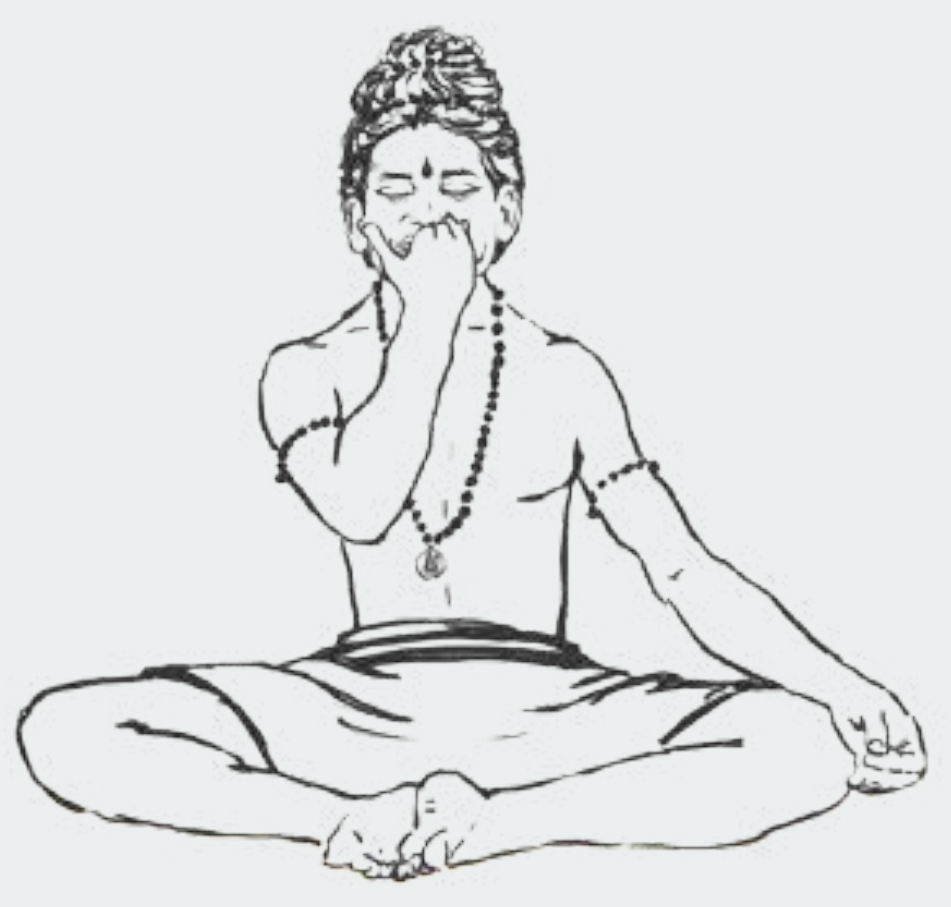
TRANSLATION & TECHNIQUE
- Sit with heels of the feet together
- Spread the knees apart
- The right palm should be placed on the mouth
- Turn the tongue backwards
- Through the right nostril inhale
- Hold as long as possible judiciously
- Exhale through the left nostril
- Now place the left palm on the mouth
- Inhale through left nostril
- Hold as long as possible judiciously
- Exhale through the right nostril
- Similarly alternate and repeat the inhalation and exhalation
- Do this for 3 minutes
STEPS TO FOLLOW -
- AGHORA ASANA
- KAPĀLABHĀTI PRĀṆĀYĀMA
- LAHARI PRĀṆĀYĀMA
- ANDOLI PRĀṆĀYĀMA
[Figure: Siva portrait]
CARE FOR SHORT-SIGHTEDNESS
RETAIN THE POSTURE & PERFORM THE FOLLOWING KUMBHAKAS
02 KAPĀLABHĀTI PRĀṆĀYĀMA
- Breathe out short and fast as you pull your abdomen in and up.
- Allow the body to inhale by itself
- Do this for 3 minutes
03 LAHARI PRĀṆĀYĀMA
- Breathe in with short inhalation with one nostril
- Then with the other nostril, breathe out with short exhalation
- Do this for 3 minutes
04 ANDOLI PRĀṆĀYĀMA
- As you breathe in roll your tongue
- Breath through your nose and mouth
- When you feel full close the mouth by rolling the tongue and touching the top of the mouth
- Hold as long as possible
- When you can't hold any more, slowly breathe out through your nose
- Do this for 21 times
ANASUYASANA
ḍacina odau ṇīcai ṭhānai Bāvom ṭāake
Oopara āane l
odāa ṣamdhi mīlāvai Bhārī āadāpada
Puni ḍesa Pasārī ॥88॥
ḍovu Padake āmguśta oyī ḍovu Paga ara
ṭe Pakare ṣoyī l
ṇāsādriśti ācaka ari ahiye ānasuyā āasana
aha ahiye ॥89॥
JOGA PRADEEPIKAA, VERSES 205 TO 208
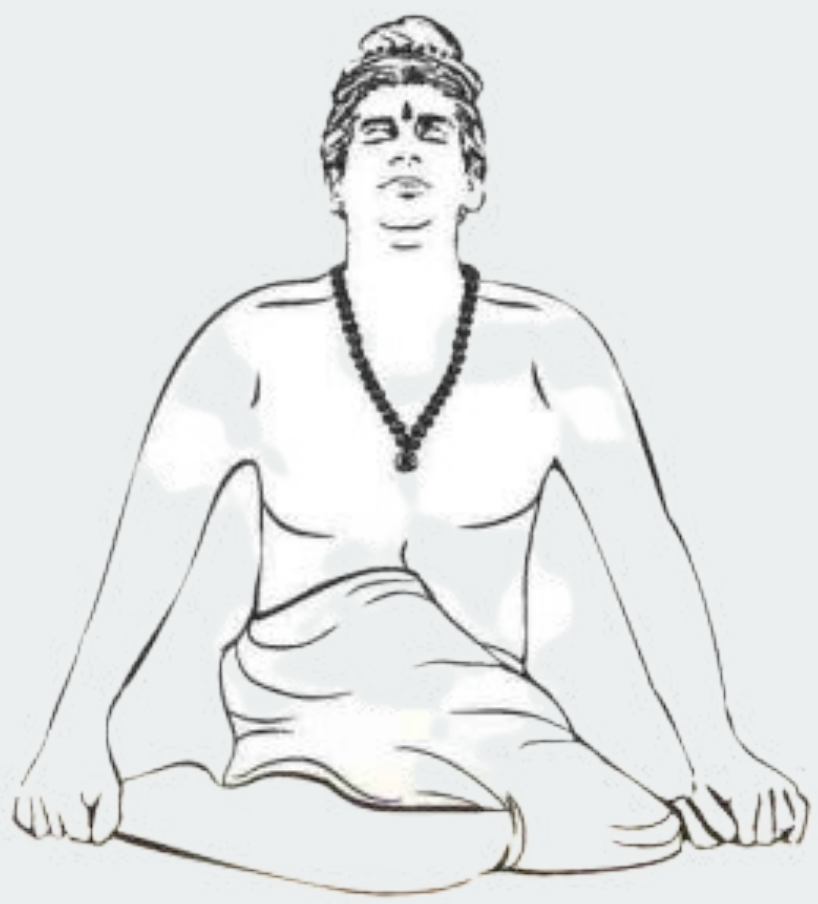
TRANSLATION & TECHNIQUE
- Sit on the floor
- Bend the left knee and place the right knee on the left knee
- Rest both the feet on the floor adjacent to the hips
- Hold the right foot with the left hand
- Gaze at the tip of the nose
- Reemain for 30 secs
STEPS TO FOLLOW -
- ANASUYASANA
- KAPĀLABHĀTI PRĀṆĀYĀMA
- LAHARI PRĀṆĀYĀMA
- ANDOLI PRĀṆĀYĀMA
CURE FOR SHORT-SIGHTEDNESS
RETAIN THE POSTURE & PERFORM THE FOLLOWING KUMBHAKAS
02 KAPĀLABHĀTI PRĀṆĀYĀMA
- Breathe out short and fast as you pull your abdomen in and up.
- Allow the body to inhale by itself
- Do this for 3 minutes
03 LAHARI PRĀṆĀYĀMA
- Breathe in with short inhalation with one nostril
- Then with the other nostril, breathe out with short exhalation
- Do this for 3 minutes
04 ANDOLI PRĀṆĀYĀMA
- As you breathe in roll your tongue
- Breath through your nose and mouth
- When you feel full close the mouth by rolling the tongue and touching the top of the mouth
- Hold as long as possible
- When you can't hold any more, slowly breathe out through your nose
- Do this for 21 times
PADMASANA
ūththanau charanau ruthvā Ooru-ṣamsthau Prayathnathaha ।
Oorumadhye ṭhathoththānau Pānī ruthvā ṭhatho ḍruśau ॥2।
31॥
ḍruśtim vinyasya nāsāgre ḍantamūlam ca jihvayā ।
ūttapya cibukam vakśas uttāpya bhavanam śanaihi ॥2।32॥
īdham Padmāsanam Proktham ṣarva-Vyādhi-Vināśanam ।
ḍurlabham yena kenapi ḍhīmatā labhyate bhuvi ॥2।
33॥
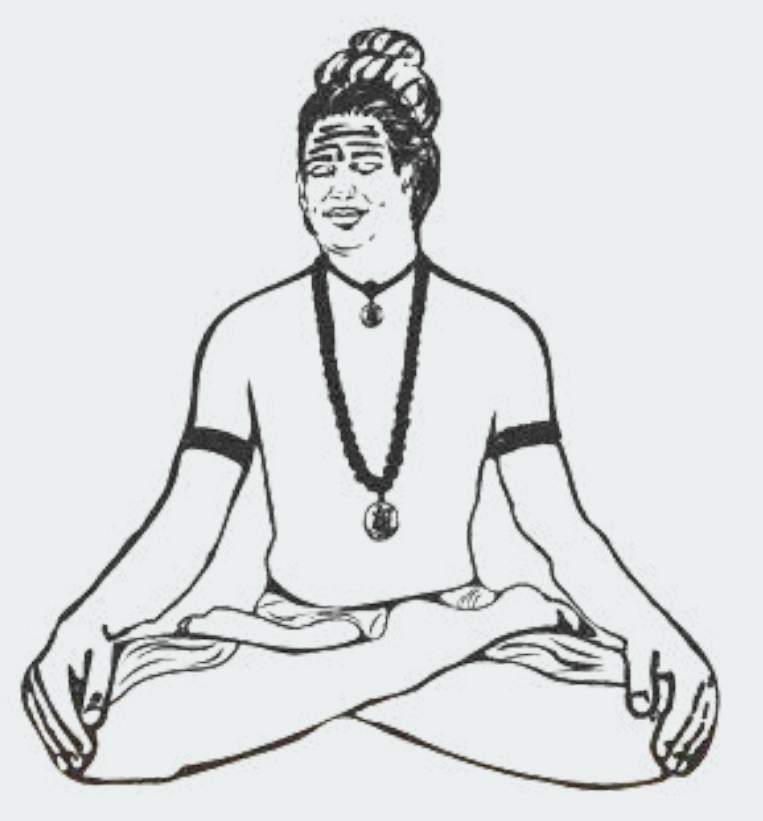
TRANSLATION
One should with effort place the feet
on the thighs, and place the upward-
facing palms on the thighs.
Concentrating on the tip of the nose,
keep the tongue pressed on the upper
teeth, press the chin on your chest,
push the air slowly upward, that is
slowly pull the prana upward. This
asana called as Padmaasana destroys
all diseases, filled with power.
Though difficult to be obtained by
everyone, some intelligent people
learn it.
TECHNIQUE
- Place the right foot on the left thigh
- Now place the left foot on the right thigh
- Place the hands between the thighs with the palms facing upwards
- Concentrating on the tip of the nose, keep the tongue pressed on the upper teeth
- Press the chin on your chest, push the air slowly upward
- Exhale slowly
- Do this 3 times and release the chin on your chest and tongue pressed on the upper teeth
RETAIN THE POSTURE & PERFORM THE FOLLOWING KUMBHAKAS
KOORMA KUMBHAKA
TRANSLATION
When the blinking of the eyes are controlled and one becomes perfectly steady in an asana like a log of wood and devoid of movements of the eyes and the body, it is called Kurma Kumbhaka.
ṇimīlon’mīlane ṭhyakthvā
Pīte āśtam īva ṣthithihi |
ṇethrayośca ṣarīrasya
ūrmakumbhas-ṣa ūcyathe ||
79 ||
KUMBHAKA PADDHATHI, VERSE 79
TECHNIQUE
- Fix your sight at one point
- Do not blink your eyes
- Do not allow your eye balls to move
- Do not move your body
- When you stare at one point continuously, automatically your breathing will stop
- When you cannot hold anymore, exhale slowly and relax
- Then start again
- Do this for 21 minutes
SAMA KUMBHAKA
TRANSLATION
Mentally holding the breath in places like navel without actually inhaling and exhaling is called Sama Kumbhaka by Sri Chandramouli Shiva.
āarekapūrā-ṃanasā
ṇābhyādhāśugam ḍhruthihi |
ṣamaha umbho Bhagavathā
Prokthaha
ṣrīchandramoulinā ||99 ||
KUMBHAKA PADDHATHI, VERSE 99
TECHNIQUE
- Stop inhaling and exhaling
- Close your eyes and bring your awareness to the eye balls
- Mentally hold the breath in eyes as long as you can (do not use your fingers)
- When you cannot hold anymore, relax and then repeat the process 21 times with closed eyes
CURE FOR LONG-SIGHTEDNESS
SIDDHASANA
Yonisthaanamanghri moola gatitam
sampeedya gulphetaram
Medroparyatha sannidhaapya chibukam
kritvaa hrudi sthaapitam |
Sthaanuh samyamitendriyo'cala drushaa
pashyan bhruvorantaram
Etanmokshakapaata bhedanakaram
siddhaasanam procyate ||
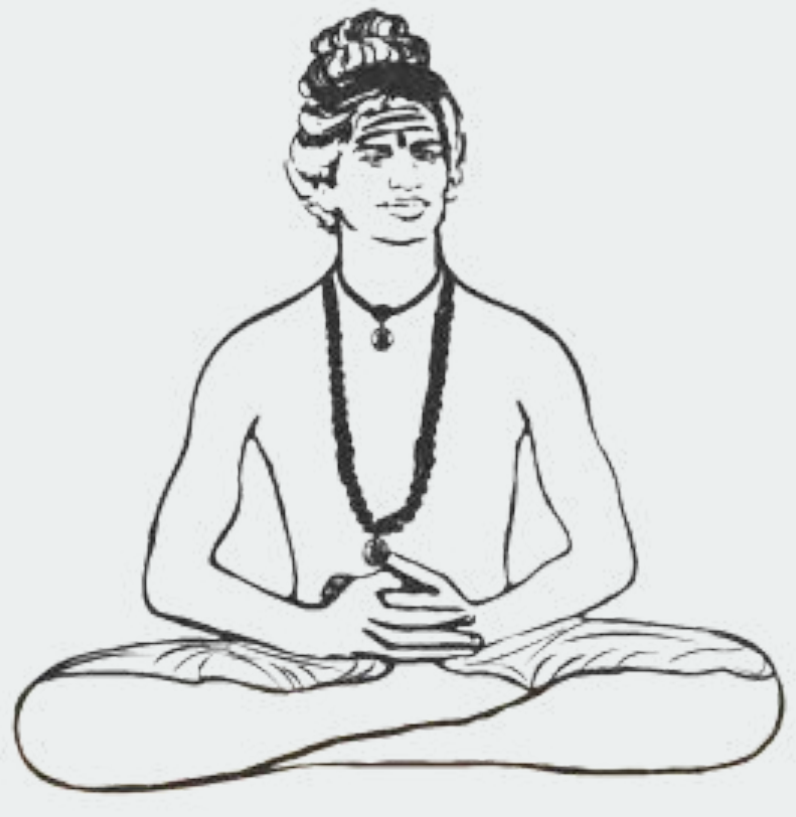
TRANSLATION
The practitioner who has subdued
his passion, having placed one heel at
the anal aperture should keep the
other heel on the root of the
generative organ; afterwards he
should affix his chin upon the chest,
and being quiet and straight, gaze at
the spot between the two eye-brows.
This is called the Siddhasana and
leads to emancipation
TECHNIQUE
- One heel should be placed in the space between the genitals and anus and the other heel should be placed on the genitals.
- The chin should be placed on the chest.
- Keep the backbone straight, winning over the strong emotions, remaining calm.
- Gaze through the third eye .
- Maintain the pose for 30 seconds
RETAIN THE POSTURE & PERFORM THE FOLLOWING KUMBHAKAS
SHEETALEE KUMBHAKA
TRANSLATION
The breath has to be filled in the abdomen by drawing air through the tongue. After having retained the breath for a moment, the exhalation should be done through the nostrils.
Jihvayā Vāyum Ākrushya Udare Poorayet
Shanaihi ।
Kshanam Cha Kumbhakam Krutvā
Nāsābhyām Rechayet Punaha ॥ 5.73 ॥
KUMBHAKA PADDHATHI, VERSE 79
TECHNIQUE
• Close your eyes • Protrude your tongue as much as possible • Roll the sides of the tongue like a tube • Now inhale through the tube formed by the tongue • For a moment hold the breath • Then exhale through both the nostrils • Do this intensely for 21 minutes. It will completely cool your system and your eyes.
STEPS TO FOLLOW -
- SIDDHASANA
- SHEETALEE KUMBHAKA
- KOORMA KUMBHAKA
- SAMA KUMBHAKA
RETAIN THE POSTURE & PERFORM THE FOLLOWING KUMBHAKAS
KOORMA KUMBHAKA
TRANSLATION
When the blinking of the eyes are controlled and one becomes perfectly steady in an asana like a log of wood and devoid of movements of the eyes and the body, it is called Kurma Kumbhaka.
ṇimīlon'mīlane ṭhyakthvā
Pīte āśtam īva ṣthithihi |
ṇethrayośca ṣarīrasya
ūrmakumbhas-ṣa ūcyathe ||
79 ||
KUMBHAKA PADDHATHI, VERSE 79
TECHNIQUE
- Fix your sight at one point
- Do not blink your eyes
- Do not allow your eye balls to move
- Do not move your body
- When you stare at one point continuously, automatically your breathing will stop
- When you cannot hold anymore, exhale slowly and relax
- Then start again
- Do this for 21 minutes
SAMA KUMBHAKA
TRANSLATION
Mentally holding the breath in places like navel without actually inhaling and exhaling is called Sama Kumbhaka by Sri Chandramouli Shiva.
āarekapūrā-ṃanasā
ṇābhyādhāśugam ḍhruthihi |
ṣamaha umbho Bhagavathā
Prokthaha
ṣrīchandramoulinā ||99 ||
KUMBHAKA PADDHATHI, VERSE 99
TECHNIQUE
- Stop inhaling and exhaling
- Close your eyes and bring your awareness to the eye balls
- Mentally hold the breath in eyes as long as you can (do not use your fingers)
- When you cannot hold anymore, relax and then repeat the process 21 times with closed eyes
NITHYA KRIYA - MENTAL DISABILITY
01 CARE FOR DEPRESSION
02 CURE FOR DEPRESSION
03 CARE FOR BI-POLAR DISORDER
04 CURE FOR BI-POLAR DISORDER
05 CURE FOR SCHIZOPHRENIA
06 CURE FOR SCHIZOPHRENIA
DISCLAIMER: This technique is not intended to be a substitute for professional medical diagnosis or treatment. Individuals with any type of medical condition, the elderly, children below 14, women who are pregnant or suspect they may be pregnant are advised to seek professional medical advice before practicing this technique. Viewers who are not on two-way video conferencing are cautioned that they are practicing these techniques at their own risk.
CARE FOR DEPRESSION
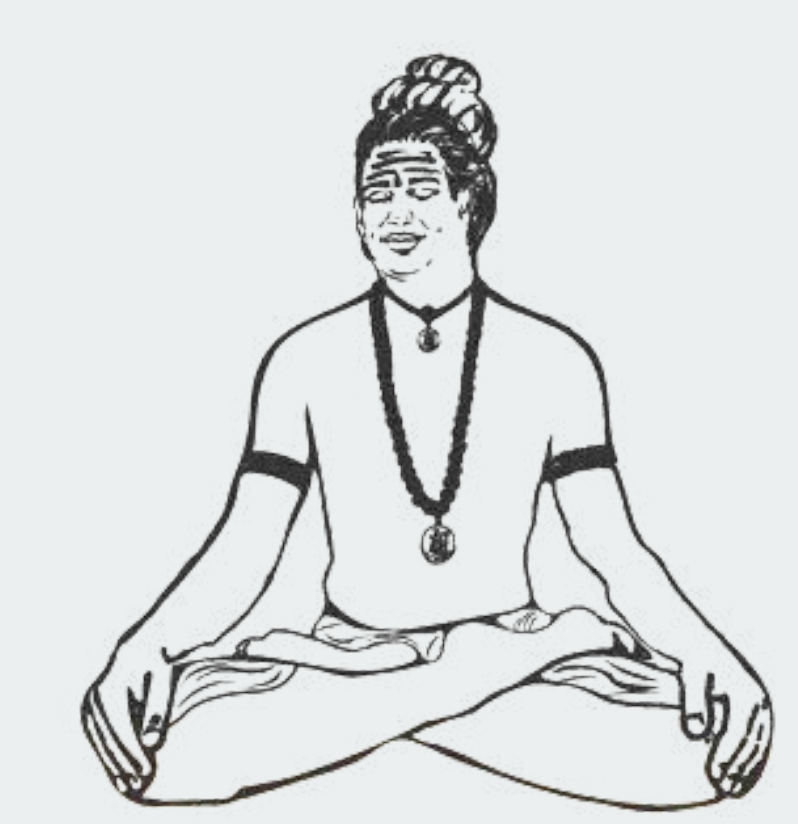
PRAANA MUDRAA
TECHNIQUE
- Sit on Padma Asana (Lotus Pose)
- Keep your eyes closed and focus on your breath.
- Keep your hands on your thighs.
- Touch the tips of your ring finger and little finger to your thumb. The index and middle finger should be pointed straight.
- Feel the life force as it rushes through your body.
- Stay on this pose for 3 minutes.
STEP 1
- Keeping the eyes closed, inhale and exhale as deeply as possible
- Do this 3 times
STEP 2
- Put the left heel under the perineum and sit on it. (This is called Moola Bandha)
- Contract the abdominal muscles to expel the maximum amount of air from the lungs
- Hold the breath outside as long as possible
- When you can't hold any more, slowly inhale
- Do this 11 times.
STEP 3
- Release Moola Bandha (you can take your left heel out)
- Inhale slowly and fill the abdomen and the lungs as much as possible
- Hold the breath inside as long as possible
- Then exhale very slowly
- Do this at least 11 times
STEP 4
- Exhale completely by contracting your abdominal muscles
- Retain the breath outside as long as you can
- When you inhale, inhale and fill your lungs and abdominal muscle
- Hold the breath inside as long as you can
- Do this 21 time
CURE FOR DEPRESSION
PADMASANA
Vaamoroopari Dakshinam Hi
Charanam Samsthaapya Vaamam
Tathaa
Dakshoroopari Pashchimena Vidhinaa
Krutvaa Karaabhyaam Drudham |
Angushtau Hrudaye Nidhaaya
Chibukam Naasaagram Aalokayet
Etat-Vyaadhi-vinaashanakaram
Padmaasanam Prochyate
GHERANDA SAMHITA,UPADESHA 2,VERSE 8
TRANSLATION & TECHNIQUE
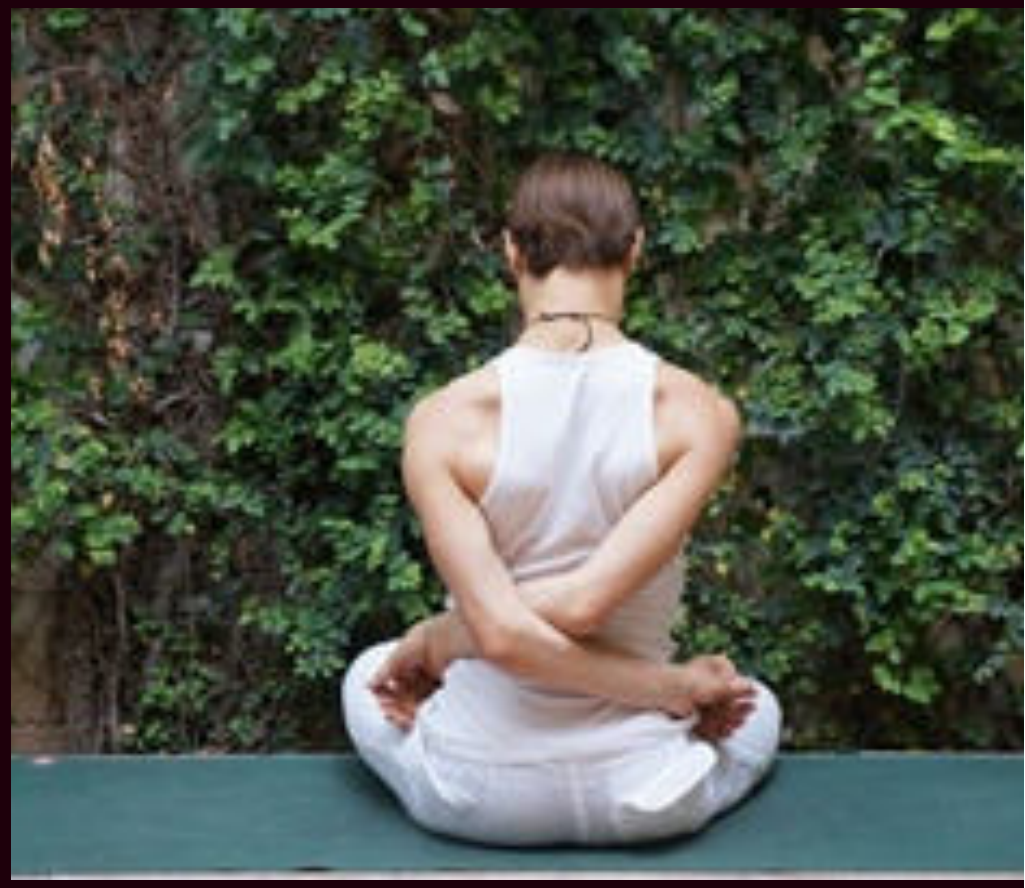
- Place the right foot on the left thigh and similarly the left one on the right
- Cross the hands behind the back and firmly catch hold of the great toes of the feet so crossed
- Place the chin on the chest and fix the gaze on the tip of the nose (this posture is called the Padmaasana (or lotus posture). This posture destroys all diseases)
- Settle in this posture for 30 seconds
STEPS TO FOLLOW -
- PADMASANA
- SHEETALE KUMBHAKA
- BHASTRIKA
SHEETHALEE KUMBHAKA
TRANSLATION
Draw in the air through the mouth (with lips contracted and tongue thrown out), and fill the stomach slowly. Retain it there for a short time. Then exhale through both the nostrils. Let the Yogi always practice this Sheethali Khumbhaka, giver of bliss; by so doing, he will be free from digestion, phlegm and bilious disorders
Jihvayā Vāyum Ākrushya Udare Poorayet Shanaihi |
Kshanam Cha Kumbhakam Krutvā Nāsābhyām Rechayet
Punaha || 5.73 ||
Sarvadā Sādhayet Yogee Sheethalee-kumbhakam Shubham
|
Ajeernam Kapha-Pittam Cha Naiva Tasya Prajāyathe || 5.74
||
GHERANDA SAMHITA, UPADESHA 5,VERSES 73-74
TECHNIQUE
- Continue to sit in Padmaasana.
- Close the eyes and relax the whole body
- Extend the tongue outside the mouth and roll the sides of the tongue up so that it forms a tube
- Inhale slowly through the tongue
- At the end of inhalation, roll the tongue in, close the mouth
- Retain it there for a short time
- Then exhale slowly through the nose
- Do this 21 times
BHASTRIKAA
TRANSLATION
As the bellows of the ironsmith constantly dilate and contract, similarly let him slowly draw in the air by both the nostrils and expand the stomach; then exhale slowly (the wind making sound like bellows) (5.75). Having thus inspired and expired twenty times, let him perform Kumbhaka; then let him expel it by the previous method. Let the wise one perform this Bhastrika(Bellows-like) Kumbhaka thrice; he will never suffer any disease and will be always healthy (5.76 and 5.77).
Bhastraiva lohakārānām Yathā-kramena sambhramet ।
Tathā vāyum cha nāsābhyām Ubhābhyām Chālayet shanaihi
vam Vimshati-vāram Cha Krutvā Kuryāchcha Kumbhakam ।
adante Chālayet Vāyum Poorvoktam Cha Yathāvidhi ॥ 5.76 ॥
Trivāram Sādhayet Enam Bhastrikā-Kumbhakam Sudheehi ।
Na Cha Rogo Na Cha Kleshaha Ārogyam Cha Dine Dine ॥ 5.77 ॥
GHERANDA SAMHITA, UPADESHA 5, VERSE 75 & 77
TECHNIQUE
• Continue to sit in Padmaasana • Inhale slowly expanding the stomach • Exhale slowly • Do this 21 times • After 21 times, Now inhale slowly • Hold the breath as long as you can • When you feel you cant hold quickly expel the air with the sound of bellows. At this moment the stomach should contract to touch the back • (This is one Bhastrikaa) • Do this complete sequence three times
CARE FOR BI-POLAR DISORDER
1. KALYAANASANA
Dovu Haatha Pagaam Aane Tinako Godaa
Neechai Thaanai |
Bahuri Paakhatyaa Baahari Lyaavai
Punaha Yugati Aisai Thaharaavai ||337||
Bahuri Modi Pathaa Ne Aane Kari
Parilyaayee Kaakasee Thaanai |
Dovoopaada Adhara Kari Raakhai Naasaaa
Agra Drishti Ko Daakai ||338||
Pavana dhaaranaa sahita jo aasana saadhai
theera |
Divasa saata saadhana kiyaa nrumala hoya
sareera ||339||
JOGA PRADEEPIKAA, VERSE 337-339
TRANSLATION & TECHNIQUE
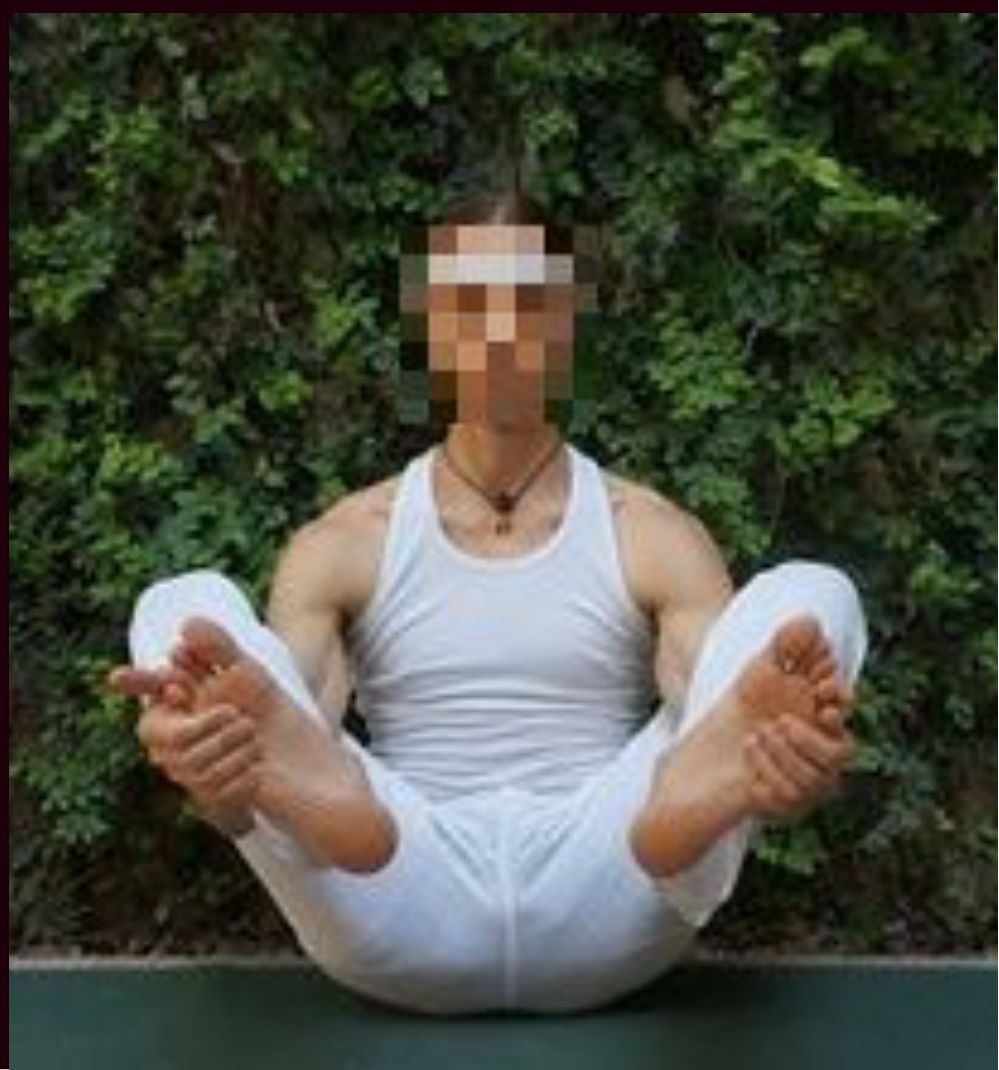
- Sit in a squatting position
- Bring the hands under the knees
- Lock and catch hold of the feet
- Raise the feet as much as you can
- Fix the gaze at the tip of the nose
- Be balanced and remian in this posture for a few seconds
RETAIN THE POSTURE & PERFORM
THE FOLLOWING KUMBCHAKA
BHUJANGI KARNA KUMBCHAKA
- Through the throat swallow the air
- Hold the breath as long as possible judiciously
- Through the throat expel the air again. Not through mouth.
- Put your awareness on the throat and inhale through the throat, hold as long as you can
- Then exhale through the throat itself
- Do this 21 times
CARE FOR BI-POLAR DISORDER
3. KURAKATA ASANA
Dovu Haatha Paga Baahara Lyaavai
Godaa Neecai Le Thaharaavai |
Aamhaam Saamhaam Aisai Karai
Aapasa Mem Kohanee Pakaraim ||325||
Ubhai Haatha Kee Ubhai Kalaayee
Godaakee Kaakhaam De Aayee |
Aisai Daavi Ukada Baisai Naasaa Agra
Drishti Rahai Jaisai ||326||
JOGA PRADEEPIKAA, VERSES 325 & 326
TRANSLATION & TECHNIQUE
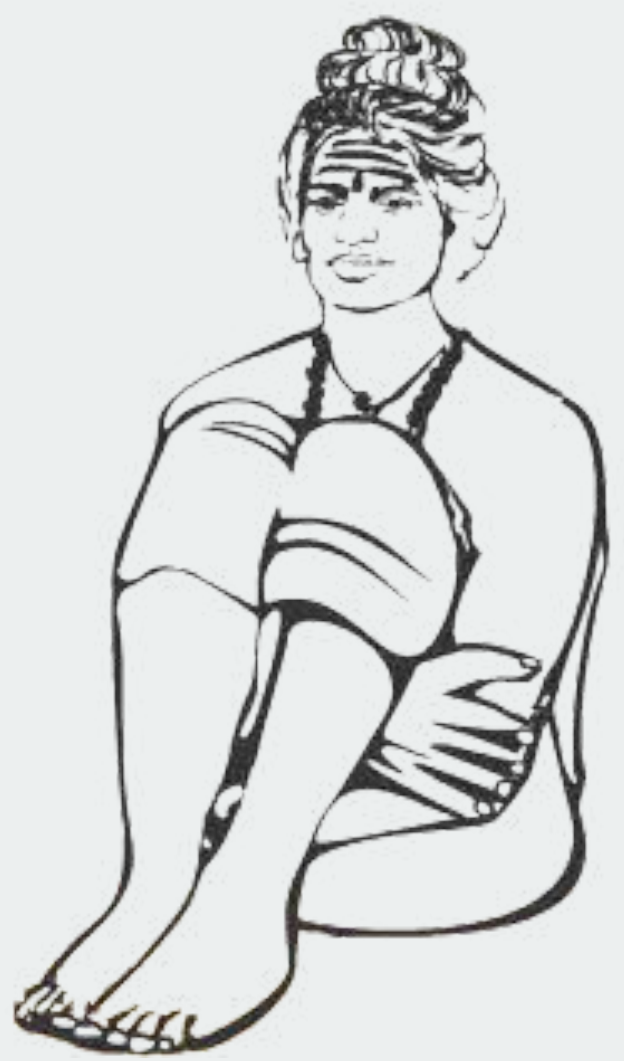
- Sit in a sqautting position
- Raise your knees
- Insert the hands in between the thighs and calf muscles
- Take hold of the opposite elbows with hands
- Fix the gaze at the tip of the nose
- Sit in this posture for 30 seconds
RETAIN THE POSTURE & PERFORM THE FOLLOWING KUMBHAKA
BHUYANGAMA KUMBHAKA
- The tongue should be raised slightly and protruded little outside.
- Inhale
- Hold as long as possible judiciously
- Exhale as slowly as possible
- Do this 21 times
CARE FOR BI-POLAR DISORDER
5. KOORMA ASANA
Prathama Padama Aasana Ko Karai
Godasamdhi Maahi Kari Dharai |
Tarapha Doosaree Kara Dovoo Aane
Kohanyaa Upara Samdhi Le Thaane ||348||
Gudee Pache Dovuoo Kara Lyaavai Tahaam
Aani Kaamkasee Karaavai |
Puna Lalaata Bhoo Upara Dharai Naasaa
Agra Drishti Thira Karai ||349||
JOGA PRADEEPIKAA, VERSES 348 & 349
TRANSLATION & TECHNIQUE
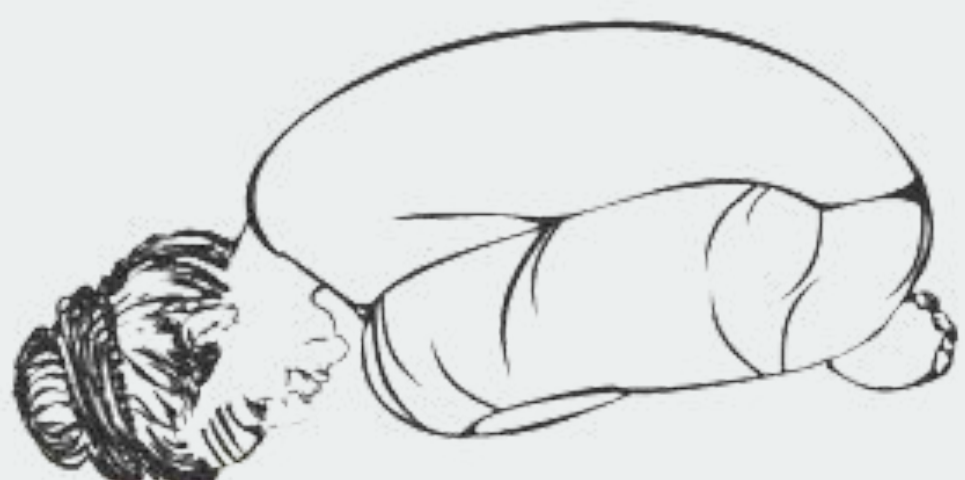
- First Sit in Padmaasana
- Insert the hands in between thighs and calf muscles
- Pull both hands up to elbows
- Turn towards back and lock the fingers
- Bend forward and touch the forehead on the floor
- Fix the gaze at the tip of the nose
- Remain in this pose 30 seconds
RETAIN THE POSTURE & PERFORM THE FOLLOWING KUMBHAKA
TRAATAKA KUMBHAKA
- Put your tongue on the upper palate and inhale through nose
- Retain, and contract the throat and rest the chin on the chest
- Hold as long as you can. Exhale slowly.
- Do this 21 times
- Relax. Sit for few seconds
CURE FOR BI-POLAR DISORDER
1. KOORMA ASANA
Aasana Kau Guna Gulamai Baaya Jaayee ||102||
JOGA PRADEEPIKAA, VERSES 348 & 349
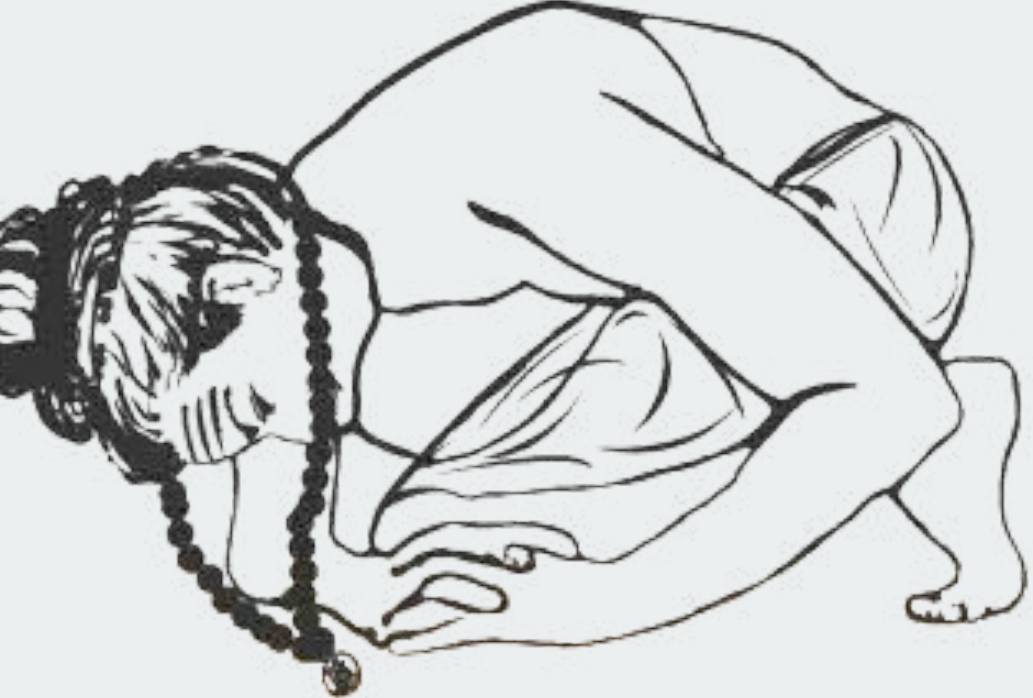
TRANSLATION & TECHNIQUE
- Sit in vajrasana with the lower leg, ankles and toes touching the ground
- Interlock the fingers
- Insert them on the floor on one side of your body
- Bend the head forward with the head touching the ground, raising the lower legs
- Let the lower leg be without touching the ground but close to the body
- Stay in this pose 30 seconds
RETAIN THE POSTURE & PERFORM THE FOLLOWING KUMBHAKA
2. BHUJANGI KARNA KUMBHAKA
- Through the throat swallow the air
- Hold the breath as long as possible judiciously
- Through the throat expel the air again
- Do this 21 times
CURE FOR BI-POLAR DISORDER
5. NAGIPAVASANA
Pooraba Vidhi Pari Aagaanai Neecau Hau
Ee Kahoonee Phanaa Syau Lagaa Ee |
Haatha Aagaanai Dharatee Lagaavai
Pasaari Do Oo Haatha Kee Amjoolee Karai ||
Bhoo Yadee Pari Lagaavai Drishti Naasaa
Agra Aasana Kau Guna Sarira Bithaa JaaEe ||58||
YOGASANA MAALAA SACHITRA, VERSE 58
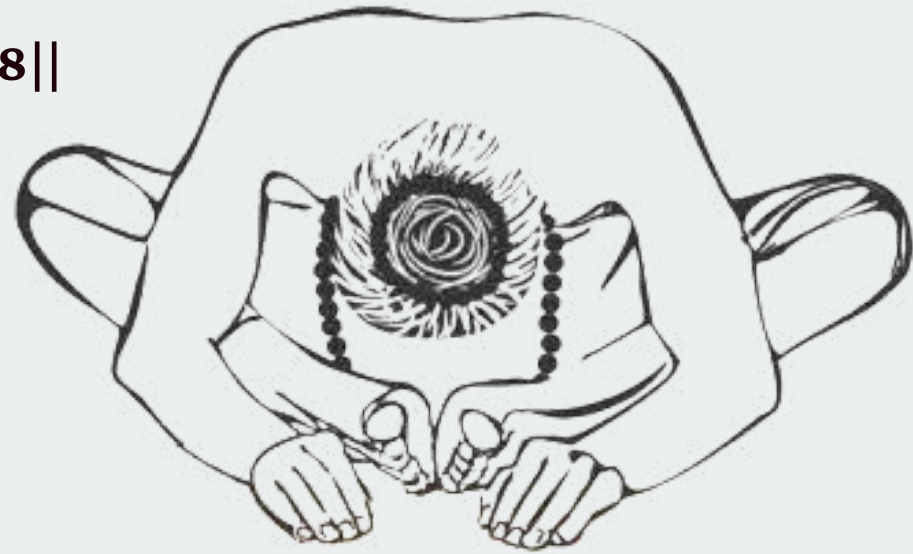
TRANSLATION & TECHNIQUE
- Sit with legs stretched
- Place both soles together with the knees sidewards
- Bend forward and rest your elbows on the legs
- Place the palms on the ground
- Make a hollow of the hands
- Gaze the nose tip
- Remain in this pose for 30 seconds
RETAIN THE POSTURE & PERFORM THE FOLLOWING KUMBHAKA
6. TRAATAKA KUMBHAKA
- Pull your tongue upwards
- Inhale , Retain and contract the throat and rest the chin on the chest
- When you cant hold, Exhale through the nose
- Do this 21 time
CURE FOR BI-POLAR DISORDER
7. NAGRASANA
Prathama Padana Aasana Ko Thaane Do Oo Haatha Paachaa Ne Aane |
Paada Amguthaa Pakade Aani Sovai Kahoonyaa Koolyaa Paani ||351||
Godaa Jamgha Agra Ko Daakhe Masataga So Sama Soodho Raakhe |
Naasaa Agra Drishti Ko Dhare Aasana Nagra Eesee Vidhi Karai ||352||
JOGA PRADEEPIKAA, VERSES 351 & 352
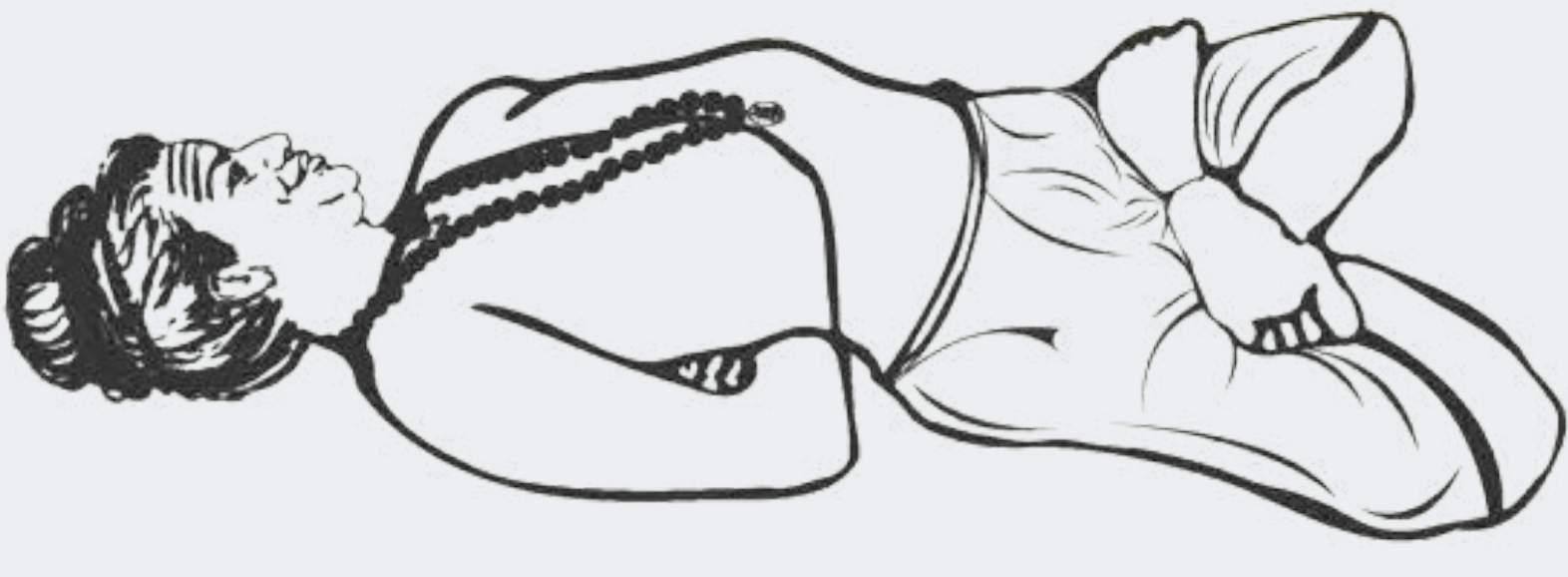
TRANSLATION & TECHNIQUE
- Sit in Padmasana
- Cross the hands from your back
- Lie on your back with the knees touching the ground
- Gaze at the nose tip
- Remain in this pose for 30 second
RETAIN THE POSTURE & PERFORM THE FOLLOWING KUMBHAKA
8. SHOONYAKA KUMBHAKA
- Hold the breath outside as long as you can
- Now visualize the moon on the top of your head
- Visualize nectar oozing out of it and Mentally suck the nectar
- When you cant hold the breath outside, slowly inhale
- Do this 21 times
- Sit silently for few a minutes
CARE FOR SCHIZOPHRENIA
1. NETIASANA
Godaa Baavaa Paadhakee Aakh Maahilee Soy | Dacha Charana Ko Vaaralau Thaapari Gulaph Samoy ||54|| Vaama Paadhako Maahilau Bahurau Gulaph Ju Jaan | Thaapari Godaa Dachikee Aankh Chaah Baahar Leevan ||55|| Bahuri Bhujaa Dovu Karakee Jovoo Kahoonyaa Lagathee Pakarai Sovu | Bhujau Pasaari Adhara Kari Raakhai Naasaadrishti Vachana Nahee Bhaakhai ||56|| Dovoo Haathso Aadai Vaayee Mathai Bhujaa Mathaana Kee Naayee | Sakala Pavana Mathyo Yoon Jaavai So Puni Nethi Naama Kahaavai ||57||
JOGA PRADEEPIKAA, VERSES 351 & 352
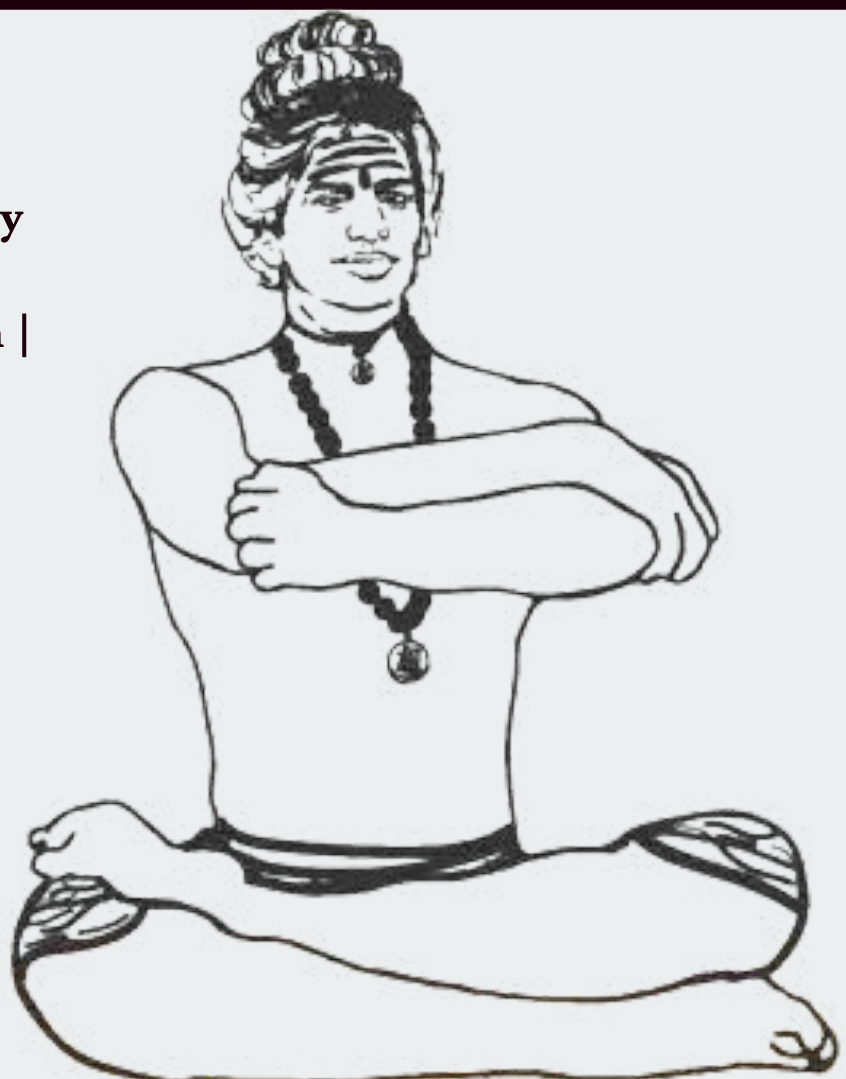
TRANSLATION & TECHNIQUE
- Sit with legs stretched
- Keep the left foot on the right knee and right foot under the left kneee
- Hold the elbows with the opposite hands
- Extend it forward
- Like a churner, churn both the arms in this position
- Fix the gaze at the nose tip
- Do it slowly for 30 seconds
RETAIN THE POSTURE & PERFORM THE FOLLOWING KUMBHAKA
2. VYAANA KUMBHAKA
- Inhale deeply
- Hold the breath by contracting the whole body judiciously
- Have intense awareness on your whole body
- When you cannot hold anymore slowly exhale
- Do this 21 times
RETAIN THE POSTURE & PERFORM THE FOLLOWING KUMBHAKAS
3. NAAGA KUMBHAKA
TRANSLATION
One should fill the air slowly into the throat like swalowing a morsel of rice and should retain it for maximum possible time, with firm application of Jalandhara Bandha ( explained below) and then should exhale it from the throat. This is Naga Kumbhaka explained by Shiva. By this practice one is able to win over hunger and thirst.
Odhana-Graasavath-Vaayum Kantena-Aapoorayeth
Shanaihi |
Tham Rodhayeth Yathaa-Kaalam Badhvaa Jaalandharam
Dhrudam ||77||
Kantena Rechanam Kuryaath Naaga Kumbhaha
Shivodithaha |
Kshudhaam Jayeth Pipaasaam Cha Phalamasya
Sameeritham || 78 ||
KUMBHAKA PADDHATHI, VERSES 77 & 78
TECHNIQUE
- Fill the body by swallow air very slowly and let the air go little by little like eating rice morsel by morsel
- Once you are full
- Immediately contract the throat
- Place the chin on the chest
- Hold the breath in this posture as long as possible judiciously
- Then exhale slowly from the throat
- Do this 21 times
RETAIN THE POSTURE & PERFORM THE FOLLOWING KUMBHAKAS
4. SAHITA KUMBHAKA
TRANSLATION
When the retention of breath is accompanied by puraka and rechaka, it is called Sahitha Kumbhaka.
Poora-Rechayuthaha
Kumbhaha Vaayor-Yathra
Vidheeyathe |
Sahithaha Kumbhakaha Sa
Syaath Sahithaha
Sarvasiddhaye ||85||
KUMBHAKA PADDHATHI, VERSE 85
TECHNIQUE
- Inhale through both nostrils and mouth
- Hold the breath as long as you can judiciously
- Exhale slowly hrough both the nostrils
- Do this 21 times
5. SHOONYAKA KUMBHAKA
TRANSLATION
After exhaling one should hold the breath outside without inhaling the air and should contemplate on the internal moon and suck mentally the nectar oozing out of it.
TECHNIQUE
- Exhale completely
- Hold the breath outside as long as you can
- Now visualize the moon inside your head
- Visualize nectar oozing out of the moon
- Mentally suck the nectar
- When you cant hold the breath outside, slowly inhale
- Do this 21 times
CARE FOR SCHIZOPHRENIA
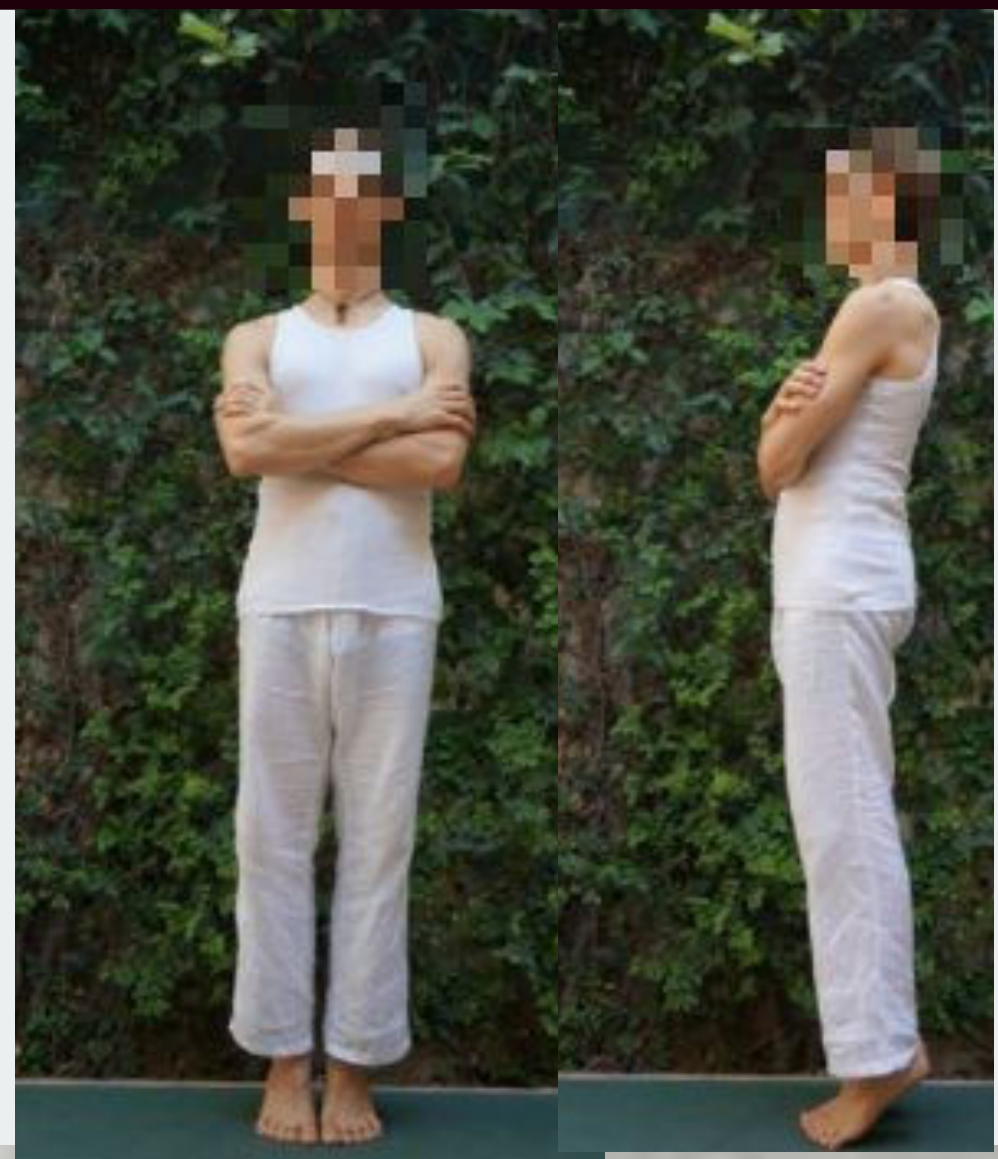
6. PANJHAASANA
Charanasyaagrabhaageno- -
Tthishteth Bhuvasthale Munihi |
Kruthvaa Hastha Pariyastheem
Siddham Sevetha Siddhaye ||9||
Vaathashuddhistheevra Vanhihi
Kaarya-Siddhiranena Cha |
Yathra Thathra Sthithirevam
Panjhotthitaghanaasanam ||10||
YOGAASANAM, VERSES 9-10
TRANSLATION & TECHNIQUE
A muni should stand on his toes and tie his hands close to the chest. This is called Panjhasana.
- Stand on your toes
- Cross your hands and tie your hands,tie your hands
- Hold the hands close to the chest
- Stay in this posture for 30 seconds
RETAIN THE POSTURE & PERFORM THE FOLLOWING KUMBHAKA
7. BHOROLIKA
- Along with the a humming sound inhale completely
- Without using the fingers to close the nose retain the breath inside as long as you can
- Without the humming sound release the breath through the nostrils
- Repeat this 21 times
[Figure: Portrait of Swami Sivananda]
RETAIN THE POSTURE & PERFORM THE FOLLOWING KUMB HAKAS
8. KEVALA KUMB HAKA
TRANSLATION
Neither in inhaling nor in exhaling but in retaining the breath kevalakumbhaka is said to be very easy
Rechakam poorakam tyaktvaa sukham
yadvaayudhaaranam |
Praanaayaamo (a)yamityuktah sa vai
kevalakumbhakah ||
KUMB HAKA PADD HATHI, VERSE 86
TECHNIQUE
- Hold the breath automatically without inhalation or exhalation specifically.
- When you cannot hold anymore relax
- Allow the breathing to become normal
- Do this 21 times
CURE FOR SCHIZOPHRENIA
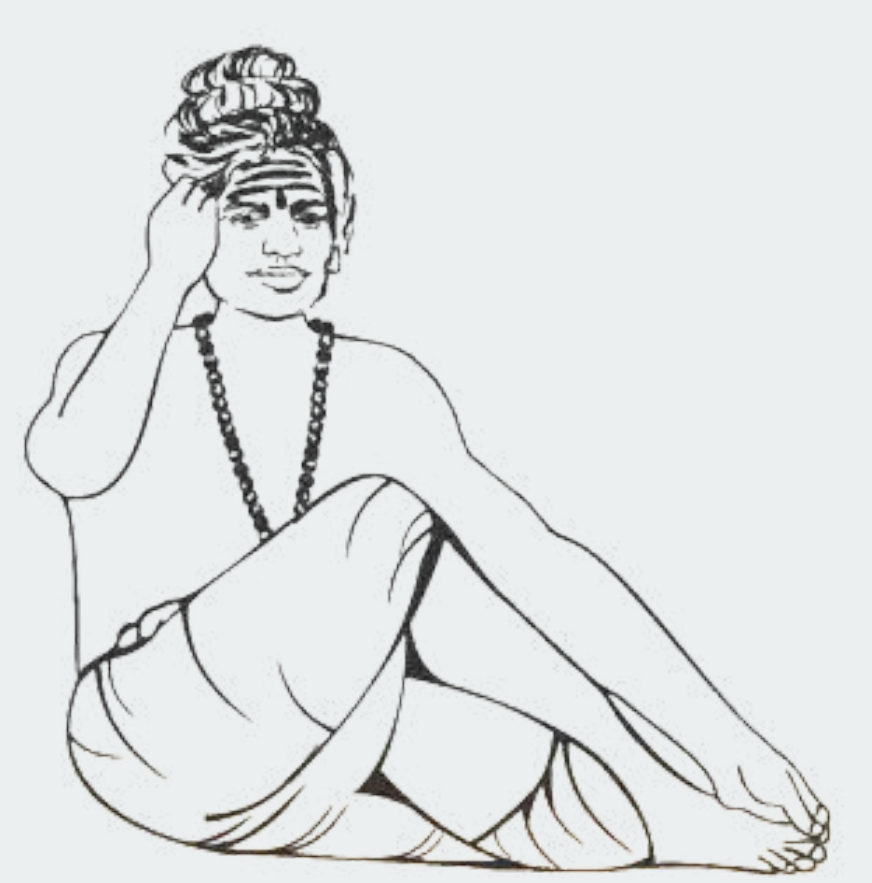
1.KUBASANA
Aasana Kau Guna Jholo
Jaayai ||92||
YOGAASANA MAALAA SACHITRA, VERSE 92
TRANSLATION & TECHNIQUE
- Sit on the floor
- Place the left foot on top of the right thigh at the hip joint
- Having bent the right knee, place the right foot near the left knee
- Let the left elbow come outside the right knee
- Now hold the right toe with the left hand
- Keep the right thump on the right ear with other fingers also stretched (this posture will creates certain circuit to awaken your brain)
- Remain in this pose for 30 seconds
RETAIN THE POSTURE & PERFORM THE FOLLOWING KUMB HAKA
2. VYAANA KUMB HAKA
- Inhale deeply
- Hold the breath by contracting the whole body judiciously
- Have intense awareness on your whole body
- When you cannot hold anymore slowly exhale
- Do this 21 times
RETAIN THE POSTURE & PERFORM THE FOLLOWING KUMBHAKAS
3. NAAGA KUMBHAKA
TRANSLATION
One should fill the air slowly into the throat like swalowing a morsel of rice and should retain it for maximum possible time, with firm application of Jalandhara Bandha ( explained below) and then should exhale it from the throat. This is Naga Kumbhaka explained by Shiva. By this practice one is able to win over hunger and thirst.
Odhana-Graasavath-Vaayum Kantena-Aapoorayeth Shanaihi | Tham Rodhayeth Yathaa-Kaalam Badhvaa Jaalandharam Dhrudam ||77|| Kantena Rechanam Kuryaath Naaga Kumbhaha Shivodithaha | Kshudhaam Jayeth Pipaasaam Cha Phalamasya Sameeritham || 78 || KUMBHAKA PADDHATHI, VERSES 77 & 78
TECHNIQUE
- Fill the body by swallow air very slowly and let the air go little by little like eating rice morsel by morsel
- Once you are full
- Immediately contract the throat
- Place the chin on the chest
- Hold the breath in this posture as long as possible judiciously
- Then exhale slowly from the throat
- Do this 21 times
RETAIN THE POSTURE & PERFORM THE FOLLOWING KUMBHAKAS
4. SAHITA KUMBHAKA
TRANSLATION
When the retention of breath is accompanied by puraka and rechaka, it is called Sahitha Kumbhaka.
Poora-Rechayuthaha
Kumbhaha Vaayor-Yathra
Vidheeyathe |
Sahithaha Kumbhakaha Sa
Syaath Sahithaha
Sarvasiddhaye ||85||
KUMBHAKA PADDHATHI,
VERSE 85
TECHNIQUE
- Inhale through both nostrils and mouth
- Hold the breath as long as you can judiciously
- Exhale slowly hrough both the nostrils
- Do this 21 times
5. SHOONYAKA KUMBHAKA
TRANSLATION
After exhaling one should hold the breath outside without inhaling the air and should contemplate on the internal moon and suck mentally the nectar oozing out of it.
TECHNIQUE
- Exhale completely
- Hold the breath outside as long as you can
- Now visualize the moon inside your head
- Visualize nectar oozing out of the moon
- Mentally suck the nectar
- When you cant hold the breath outside, slowly inhale
- Do this 21 times
CURE FOR SCHIZOPHRENIA
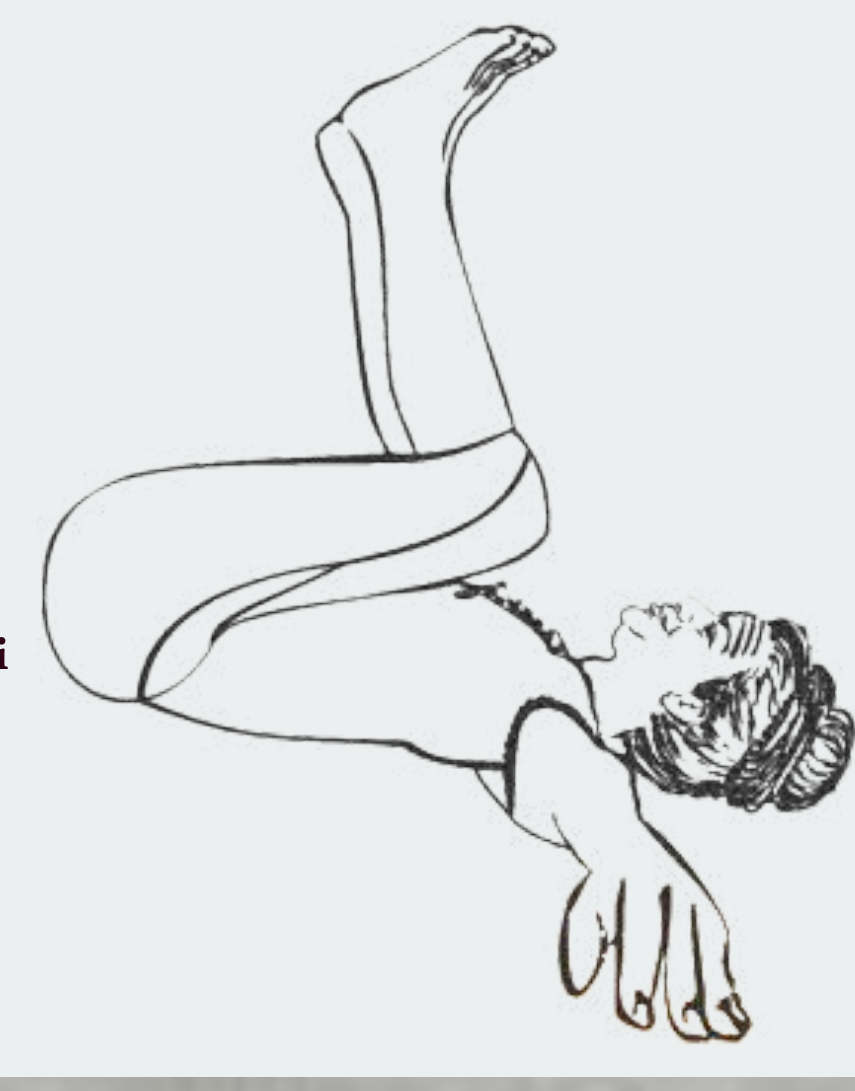
6. KOCHAKASANA
Dovu Haatha Cheedaasaa Kare Tinaso Ubhai Eesa Pakarai | Paga Uchaaya Aagaa Ne Aane Bahuri Jugati Aiseeka Vidhi Taane ||175|| Dovu Haatha Vichi Pagaroo Sareera Phaataka Piche Latakaave Dheera | Mukhakee Disaa Soosaree Raakhe Dista Aani Trikuteemadhya Raakhai ||176|| Yaha Aasana Chadatho Sathai Dina Pandharaathaka Soya | Yaasom Naase Nhaakho Je Kadhaachith N Ahoy ||177|| Bahuri Dhaatha Jathee Thame Divasa Theena Ke Maahi | Puna Dairoo Naase Thuratha Yrthe Roga Nasaaya
||178||
JOGA PRADEEPIKAA, VERSES 175 - 178
TRANSLATION & TECHNIQUE
- Lie down on your back
- Spread the hands apart
- Bend the knees and rest the thighs on the chest
- Hold both the legs vertically
- Fix the gaze at the eye brow centre
- Settle in this posture 30 seconds
RETAIN THE POSTURE & PERFORM THE FOLLOWING KUMBHAKA
7. BHOROLIKA
- Along with the a humming sound inhale completely
- Without using the fingers to close the nose retain the breath inside as long as you can
- Without the humming sound release the breath through the nostrils
- Repeat this 21 times
RETAIN THE POSTURE & PERFORM THE FOLLOWING KUMBHAKAS
8. KEVALA KUMBHAKA
TRANSLATION
Neither in inhaling nor in exhaling but in retaining the breath kevalakumbhaka is said to be very easy
Rechakam poorakam tyaktvaa sukham
yadvaayudhaaranam |
Praanaayaamo (a)yamityuktah sa vai
kevalakumbhakah ||
KUMBHAKA PADDHATHI, VERSE 86
TECHNIQUE
- Hold the breath automatically without inhalation or exhalation specifically.
- When you cannot hold anymore relax
- Allow the breathing to become normal
- Do this 21 times