Dinakaran Newspaper, the Mouthpiece of Sun Network that sparked the viral character assassination
This text was machine-transcribed from the printed book and may contain errors. Select the words and choose “Report a mistake”.
Dinakaran is a second largest Tamil daily newspaper distributed in India across 12 cities across India, which is owned by media conglomerate Sun Network from 2005 onwards. It is the same television network that commited the viral character assassination and dehumanization of His Divine Holiness in March 2012; which had also doubled their Television Rating Point (TRP) and revenues that year and triggered the persecution of next 8 years to come. It is no surprise then, being the mouthpiece of Sun Network, the magnitude of defamation that Dinakaran Daily newspaper conspired and executed taking the role of an active yellow tabloid.
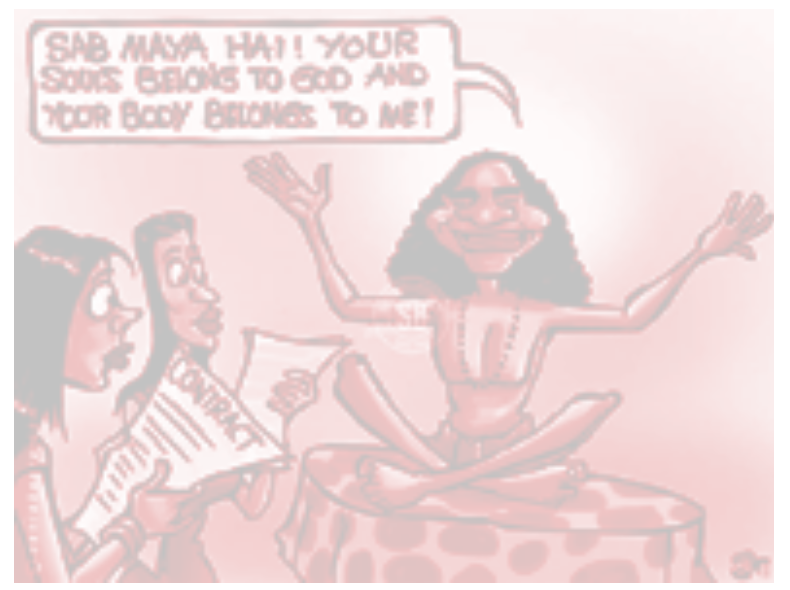
In March 2010, Dinakaran began publishing inflated volumes of x-rated defamatory articles using hate speech, intimidation, derogatory cartoons, outrageous mythmaking stories to poisonous defame His Divine Holiness to peddle mass public hate, and ultimately eliminate Him.
ATROCITY MATERIAL BY DINAKARAN
Some of the obscene content generated by Dinakaran is presented below:
| Date | Defamatory Headlines (in Tamil) | English Translation of Headline |
|---|---|---|
| March 03 2010 | Swami Nithyananda Sex Leelai | Swami Nithyananda Sex play |
| March 03 2010 | Kathavai Thiranthal Varuvathu Yaro | When door opens, who is it who is coming |
| April 04 2010 | Nadigai Ranjithavudan Nithyananda Sallabha Katchi- Tadai Vidikka Court Maruppu. | Video of Nithyananda frolicking with Actress Ranjitha, court refuses injunction |
| April 04 2010 | Nitham Nitham Aanandham | Every moment Bliss |
| Apr 30 2010 | Naan Ambillaiye illa | I am not a Man at all |
Kumudam Reporter: fabricated 'Big Lie' using unsuspecting colossal untruths
Kumudam Reporter is a Tamil tabloid-style bi-weekly magazine. Since the fake video against His Divine Holiness Paramahamsa Nithyananda was aired in 2010, Kumudam Reporter executed a severe poisonous defamation, through massive hate and x-rated content, indulging in the most blatant, gross, malicious 'big lie' by publishing:
- a spiteful series of 30 articles in its magazine over 30 weeks
- Big lies - publishing fake and never-happened interviews,
- false stories, contrived narrations,
- ghost allegations,
- bogus complaints, etc.
Relying on the censorious and hyper-sadistic pornographic writing skills of one Charu Nivedita, Kumudam Reporter spat out 30 exclusive pornographic articles.
- It cooked up false stories based on 'Big Lie' as if they were facts.
- It fabricated totally false interview articles, lying so collosolly that no one will believe that someone could have the impudence to distort the truth so infamously. Example: fabricating a a full coverage article of a 'fake' interview of Ms. Ranjitha giving an interview that she is confessing for being in the video. This was a “Big Lie” as this interview never happened. She was in U.S.A at the time the interview is being cited. The Actress has filed a defamation suit on Kumudam magazine in the Indian courts.
Poisonous Defamation in History
- In 19th century, newspapers were used to unleash their fury on their opponents. Enemies of American President Abraham Lincoln used to spread wild rumors and fabrications on his character and personal life. His physical appearance became a common theme of poisonous defamation attacks.
- In Nazi Germany the educational propaganda was intentionally designed to poisonously defame the Jews by creating a dehumanized conception of Jews. Nazia shaped the beliefs of school children through the reading of assigned texts in which the Jews were compared to poisonous mushrooms.
References: https://www.researchgate.net/publication/318102669_Character_assassination
Incitement of Hatred - when Media turned defamation into criminal ill-treatment
- “Public hatred” was incited by media by isolating their target, Paramahamsa Nithyananda and His minority ethnic group.
- Thriving on harassment, abuse, bigotry and destruction, the ‘hate emotion’ was used to despise, scorn, deny respect and justify the criminal ill-treatment of Paramahamsa Nithyananda, especially during His illegal custody.
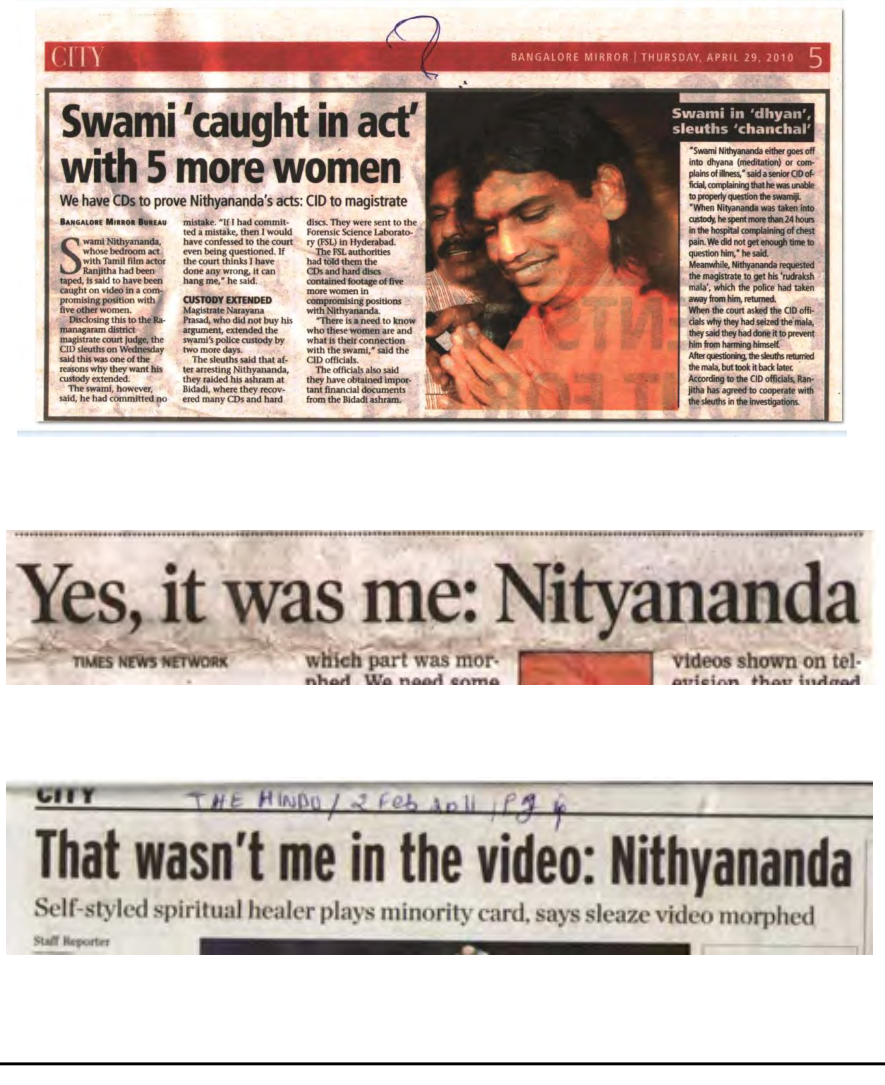
Historic evidence has shown that the communication of stereotypes, false accusations or rumours - not just direct calls to violence - can also trigger violence and harassment. In the case of inciting hatred against Paramahamsa Nithyananda, all possible below-human stereotyping was used - such as hate on Hindu
Monks, Hindu religious ideologies, spiritual community and on Hindu Gurus (spiritual masters).