Attacked by foreign tribes, who had lust for
This text was machine-transcribed from the printed book and may contain errors. Select the words and choose “Report a mistake”.
Hindu women
When the Mughals invaded, they saw the glittering gold that adorned the Hindu Temples, then they saw the beautiful women, and in that lust inflicted thousands of genocidal attacks. When ruthless greed and vested interests attacked, they began the process of ethnic cleansing.
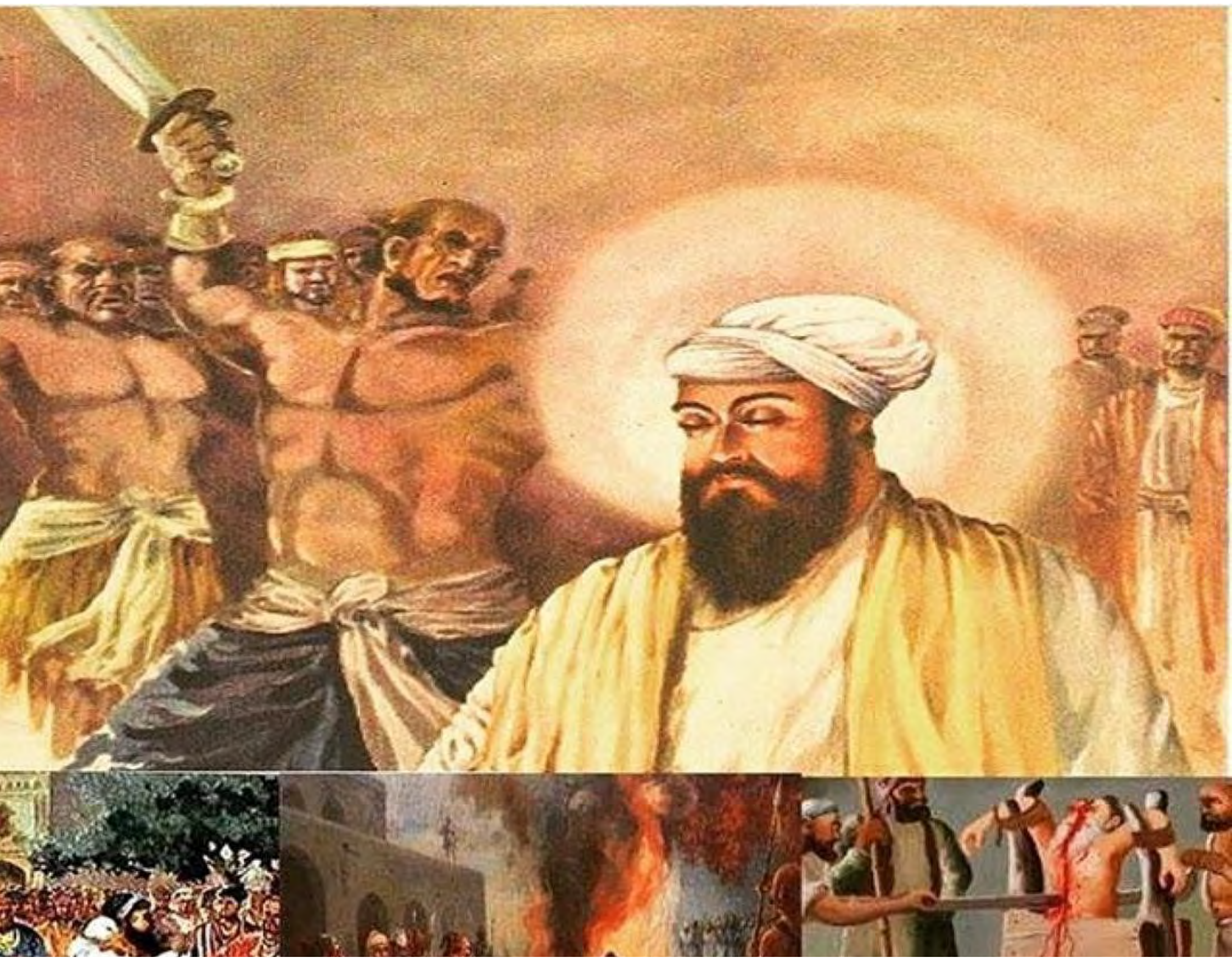
Sample case study - Sikandar Butshikan – the butcher of Kashmir He was the sixth sultan of the Shah Miri dynasty of Kashmir. He ruled the kingdom from 1389 to 1413 and is remembered for his strenuous efforts to convert the Hindus of Kashmir to Islam. These efforts included the destruction of numerous old temples, prohibition of Hindu rites, rituals and festivals and even the wearing of clothes in the Hindu style. He is known as the “butcher of Kashmir” and features among the most hated figures amidst the Kashmiri Hindus.
Massacres and loss of life Whenever ruthless greedy and vested interests attacked Hinduism, it has been nothing short of a brutal annihilatory war. There were violent attacks, rape, deceit tactics, oppressive trade policies, illegal taxations, torture, beating, forceful conversion, and much more. It is continuing to date though it has taken a more subtle but equally, if not more poisonous form now.
Francois Gautier in his book ‘Rewriting Indian History’ (1996) wrote, “The massacres perpetuated by Muslims in India are unparalleled in history, bigger than the Holocaust of the Jews by the Nazis or the massacre of the Armenians by the Turks; more extensive even than the slaughter of the South American native populations by the invading Spanish and Portuguese.”
Persecution of Hindus by Sultan Sikandar Sultan Sikandar on the directions of the Sufi “saint”, Mir Mohammad Hamadani, committed innumerous atrocities against non-Muslims in his reign. Large numbers of Hindus were converted, many fled, or were killed for refusing to convert to Islam.
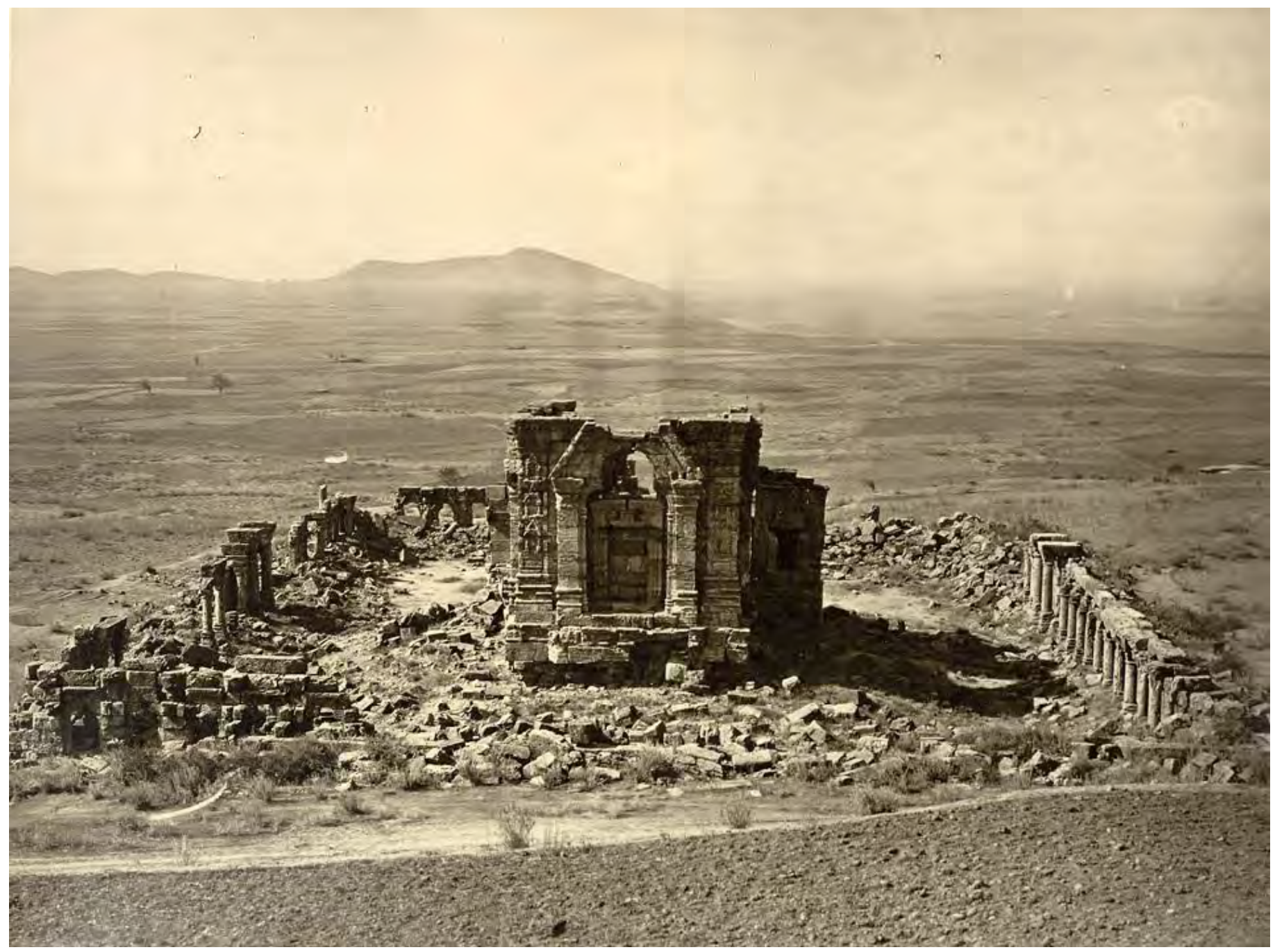
A rare photo of ruins of Martand Sun Temple in Kashmir taken in 1868 by John Burke
Sikandar earned the sobriquet of but-shikan or idol-breaker, due to his actions related to the desecration and destruction of numerous temples, chaityas, viharas, shrines, hermitages and other holy places of the Hindus and the Buddhists.
Destruction of life supporting Infrastructure during the reign of Sikandar Butshikan
Destruction of Trade & Commerce
Sikandar Butshikan imposed Jizya (poll-tax) equal to 4 tolas of silver on the Hindus. The main collapse of trade happened only during the British Empire.
Destruction of Health care system and Knowledge of Surgery
During the Muslim / Mughal period, Muslim culture and medicine was forced into the Indian way of life and the original revealed Science of Ayurveda began to decline. The Muslim / Mughal invaders went on anti-Buddhist and anti-Hindu crusades resulting in a great loss of Indian culture and writings. This marked the beginning of merging Muslim/Arabian medicine with Ayurveda. The result was Unani medicine. Unani medicine is an amalgamation of Ayurvedic medicine, Arabian medicine and Greek medicine originating with the Muslim people. The first schools of Unani medicine began to operate in India around 1200 CE. Unani medicine is still taught and practiced in India today.
Destruction of Technology
No substantial loss in technology happened during the Islamic invasions. In terms of technology, manufacturing technology and techniques (like metallurgy and steel manufacturing) were described in the ancient Sanskrit scriptures Agamas, in the fields of Shilpa Shastra, Yantra Sarvasva, Shilparatna, and Manasara.
Wootz Steel - Shilpa Shastra
Wootz steel originated in India, and is described in ancient Sanskrit Agama text such as Shilpa Shastra. There are several ancient Tamil, Greek, Chinese and Roman literary references to various high carbon Indian steel. The earliest available records, indicate, crucible steel production process was available in the 6th century BC at production sites of Kodumanal in Tamil Nadu, Golconda in Telangana, Karnataka and Sri Lanka and exported globally; the Tamils of the Chera Dynasty producing what was termed the finest steel in the world, i.e. Seric Iron to the Romans, Egyptians, Chinese and Arabs by 500 BC. The steel was exported as cakes of steely iron that came to be known as "Wootz". Wootz steel in India had high amount of carbon in it.
The Tamilakam method was to heat black magnetite ore in the presence of carbon in a sealed clay crucible inside a charcoal furnace. An alternative was to smelt the ore first to give wrought iron, then heat and hammer it to remove slag. The carbon source was bamboo and leaves from plants such as Avārai. The Chinese and locals in Sri Lanka adopted the production methods of creating wootz steel from the Chera Tamils by the 5th century BC. In Sri Lanka, this early steel-making method employed a unique wind furnace, driven by the monsoon winds. Production sites from antiquity have emerged, in places such as Anuradhapura, Tissamaharama and Samanalawewa, as well as imported artifacts of ancient iron and steel from Kodumanal. A 200 BC Tamil trade guild in Tissamaharama, in the South East of Sri Lanka, brought with them some of the oldest iron and steel artifacts and production processes to the island.
The Arabs introduced the South Indian/Sri Lankan wootz steel to Damascus, where an industry developed for making weapons of this steel. The 12th century Arab traveler Edrisi mentioned the "Hinduwani" or Indian steel as the best in the world. Arab accounts also point to the fame of ‘Teling’ steel, which can be taken to refer to the region of Telengana. Golconda region of Telangana clearly being nodal centre for the export of wootz steel to West Asia.
Another sign of its reputation is seen in a Persian phrase – to give an "Indian answer", meaning "a cut with an Indian sword". Wootz steel was widely exported and traded throughout ancient Europe and the Arab world, and became particularly famous in the Middle East.
Destruction of Farms and Agriculture Practices
Agricultural practises were not destroyed until later periods of invasion by British and forcing captive farmers to cultivate only cash crops (and not food crops) such as indigo and opium.